Friday, January 2, 2026
Home Blog Page 628

North Korean ballistic missiles with Western parts fuel Russian attacks on Ukraine: Report

Russia Ukraine War

The missiles, powered by Western-made components despite international sanctions, highlight a growing collaboration between Moscow and Pyongyang.

North Korea’s role in supporting Russia extends beyond weapons, with about 11,000 North Korean soldiers reportedly deployed to Russia’s Kursk region, according to reports. But President Vladimir Putin has sidestepped claims that North Korea has sent soldiers to Russia, insisting that it was up to Moscow how to run its mutual defence clause with Pyongyang.

In 2024, Russia launched around 60 North Korean KN-23 missiles, accounting for nearly one-third of the 194 ballistic missile strikes tracked by Ukraine’s Air Force. August and September saw a surge in these attacks, with Ukrainian officials publicly identifying the KN-23 as a significant threat during that period.

“Since the spring, Russia has been using ballistic missiles and attack drones much more to strike Ukraine, and less use of cruise missiles,” Yuriy Ihnat, acting head of communications for Ukraine’s Air Force, told CNN.

Ukrainian investigators have uncovered evidence of extensive use of Western components in the KN-23 missiles. According to Ukraine’s Independent Anti-Corruption Commission (NAKO), nine Western companies, including manufacturers from the United States, the Netherlands, and the United Kingdom, produced key components for these weapons.

“Everything that works to guide the missile, to make it fly, is all foreign components. All the electronics are foreign. There is nothing Korean in it,” Andriy Kulchytskyi, head of the Military Research Laboratory at Kyiv’s Scientific Research Institute of Forensic Expertise, told CNN.

He noted that the missiles’ metal casing, which corrodes quickly, appears to be the only Korean-made part.

Fragments of the missiles, some produced as recently as 2023, suggest a rapid supply chain funneling components to North Korea. Ukrainian Defense Intelligence officials estimate that about 70% of these parts are American, with the rest sourced from Germany, Switzerland, and other countries.

A UK-based investigative group, Conflict Armament Research (CAR), previously found that 75% of components in one early KN-23 missile used against Ukraine came from US companies.

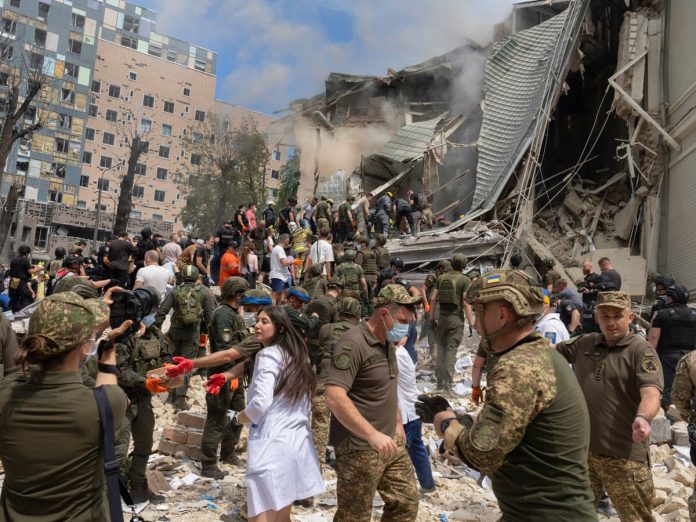
Missile strikes involving North Korean weapons have killed at least 28 people and injured 213 in Ukraine this year, according to the Ukrainian prosecutor general.

“Investigating these missiles isn’t easy due to the damage, but we can still identify the vast majority of components as Western-made,” stated a Ukrainian defense intelligence official.

The exact routes by which components reach North Korea remain unclear, according to weapons-tracing experts, though evidence strongly suggests China as the primary conduit.

“We have successfully traced some of those components, and the last known custodians are Chinese companies,” noted Damien Spleeters, deputy director of operations at Conflict Armament Research (CAR), an organization that independently tracks diverted weapons.

According to Spleeters, Chinese firms acquire the components from manufacturers and pass them through a network of intermediaries.


Iran foreign minister to attend UNAOC Forum in Portugal

Abbas Araghchi

The top Iranian diplomat is going to deliver a speech at the event.

The forum, will be held in Portugal’s Cascais on November 25-27 under the theme “United in Peace: Restoring Trust, Reshaping the Future”.

The event will convene members of the UNAOC Group of Friends, political leaders, representatives of international and regional organizations, religious leaders and faith actors, the private sector, civil society, academia, youth, arts and media, as well as donor agencies and foundations, who will address the global issues pertinent to peace and security and call for restoring trust and for uniting in peace.

The participants will have an opportunity to reflect on the twenty years of the ‘Alliance of Civilizations’ initiative, announced by Spain at the 59th session of the United Nations General Assembly in September 2004, and how UNAOC grew into a vibrant and well-established United Nations entity. The event will be an occasion to highlight and celebrate UNAOC achievements and map the blueprint for “One Humanity” in the years to come, the UNAOC reported.

Brown bear spotted in Iran’s Oshtorankuh protected area

Brown Bear Cub in Iran

Kamran Farmanpour said the photograph was captured on Saturday by experienced ranger Habib Qaed Rahmati during his regular patrols of the region.

He highlighted that the sighting adds to the diverse range of wildlife images recorded in Lorestan’s natural habitats, which boasts over 30 percent of the country’s biodiversity.

He emphasized that the observation was made possible amid the ongoing mating season and the consistent patrols by the rangers.

Since the beginning of this year, nine bears have been documented across Lorestan’s natural areas, marking a significant increase in sightings of this important species in the province.

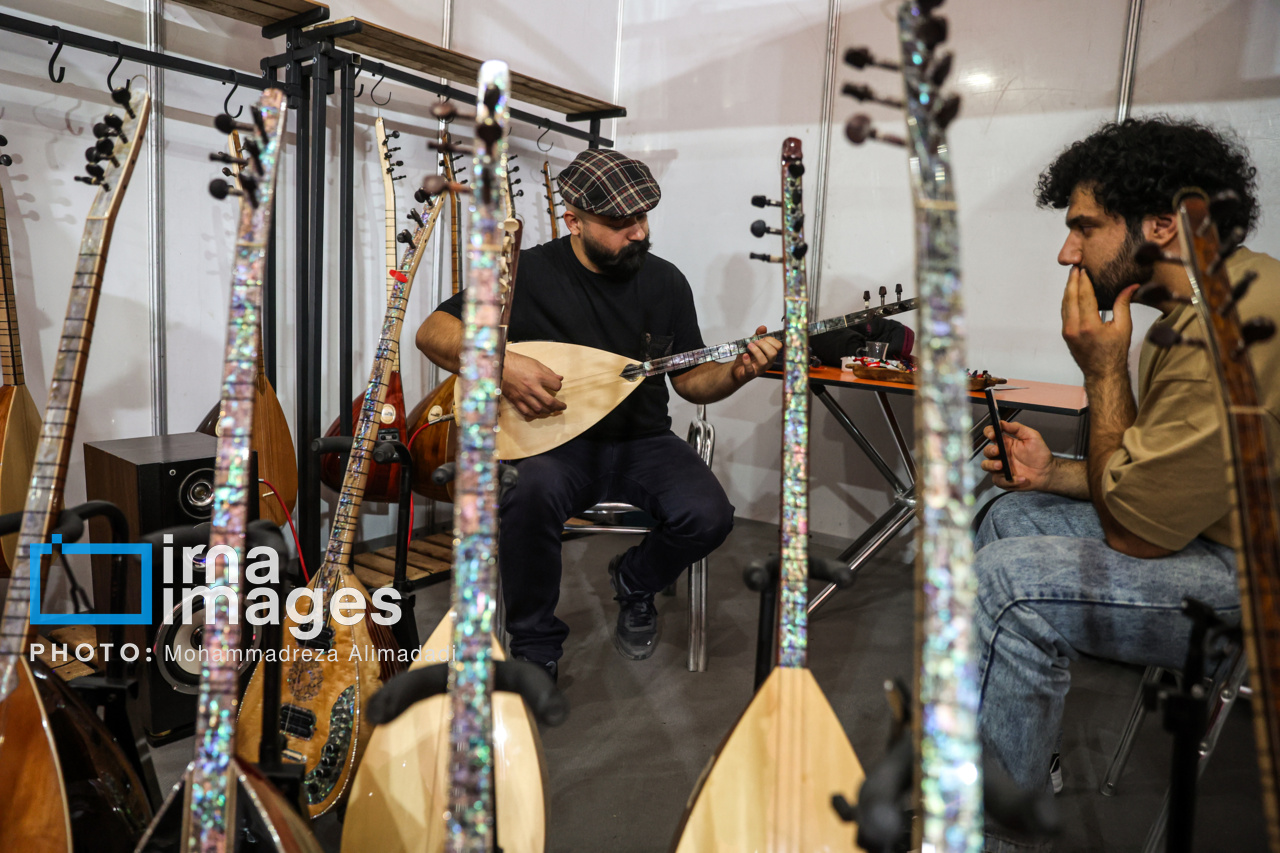
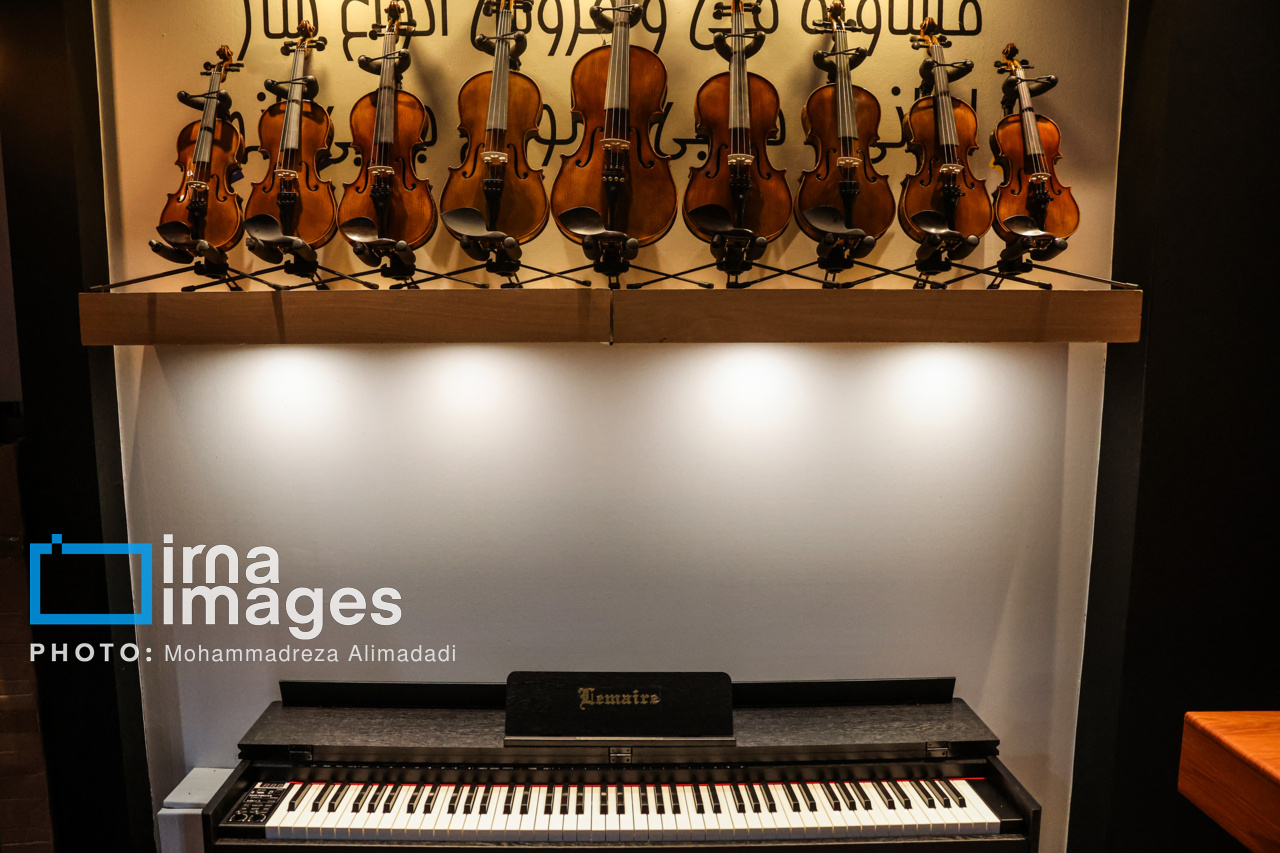
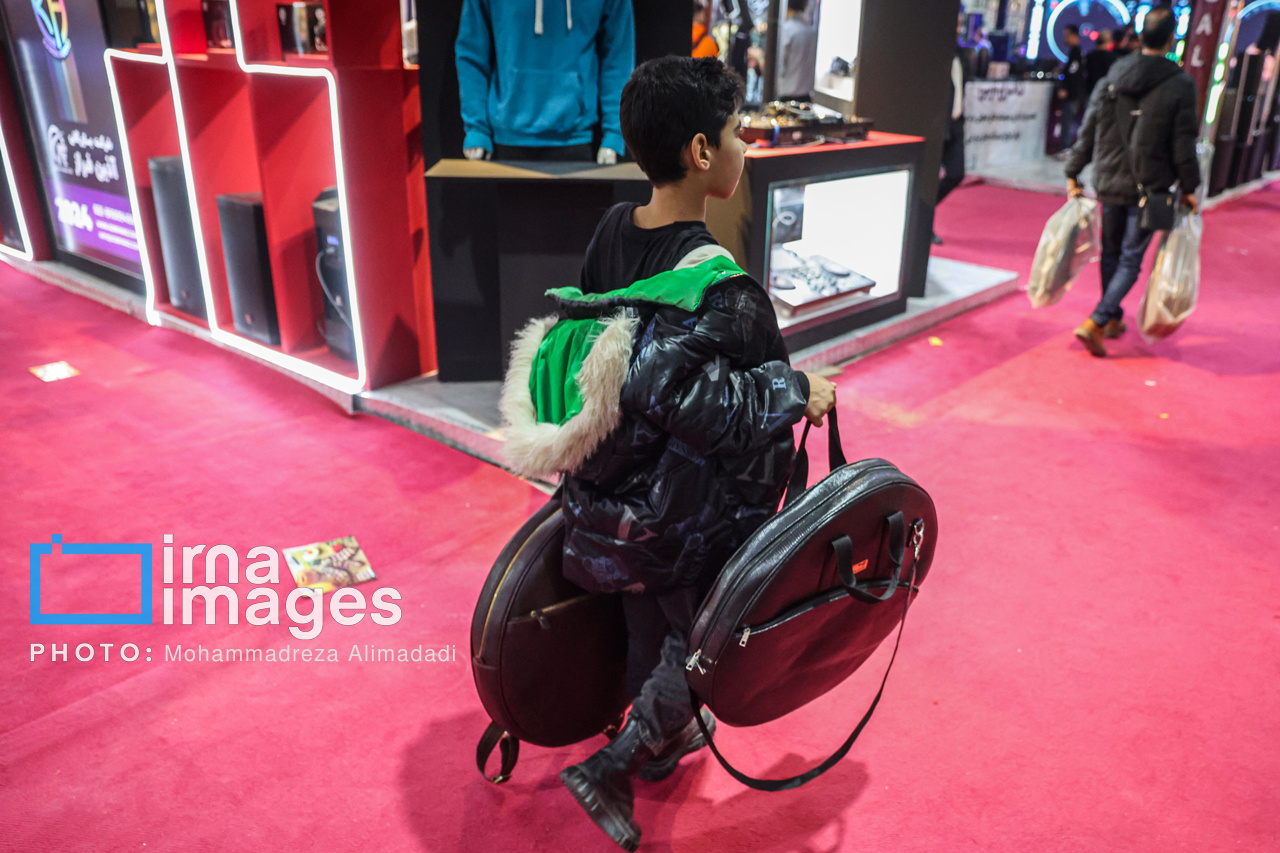
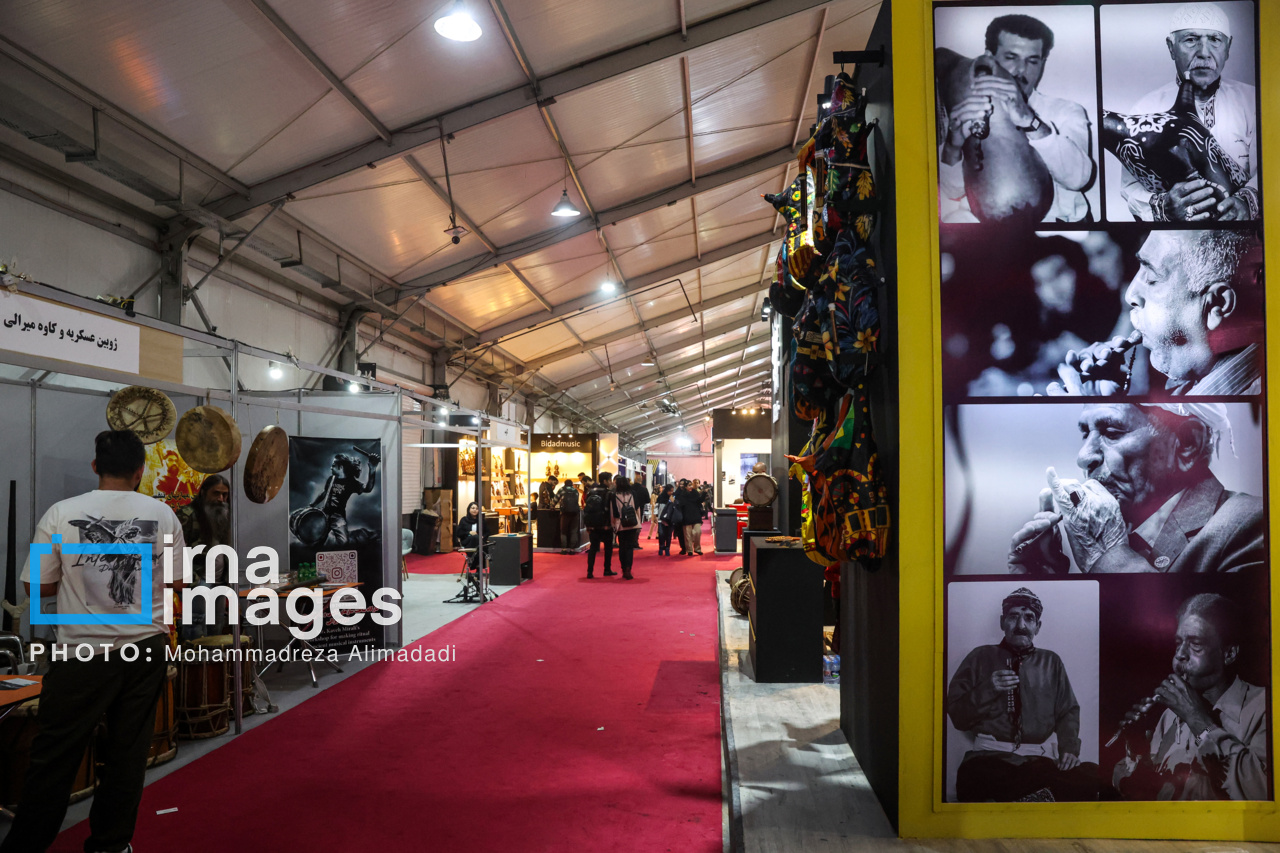
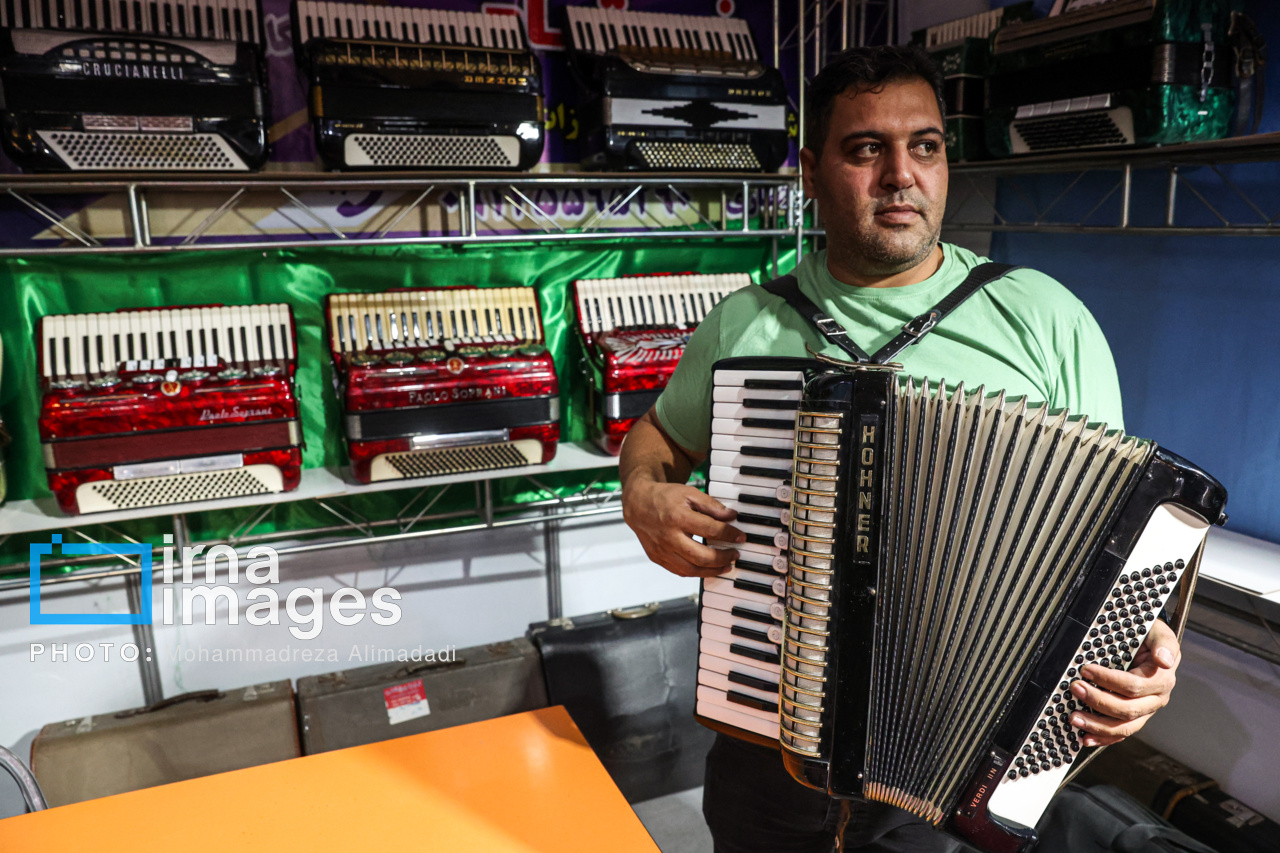
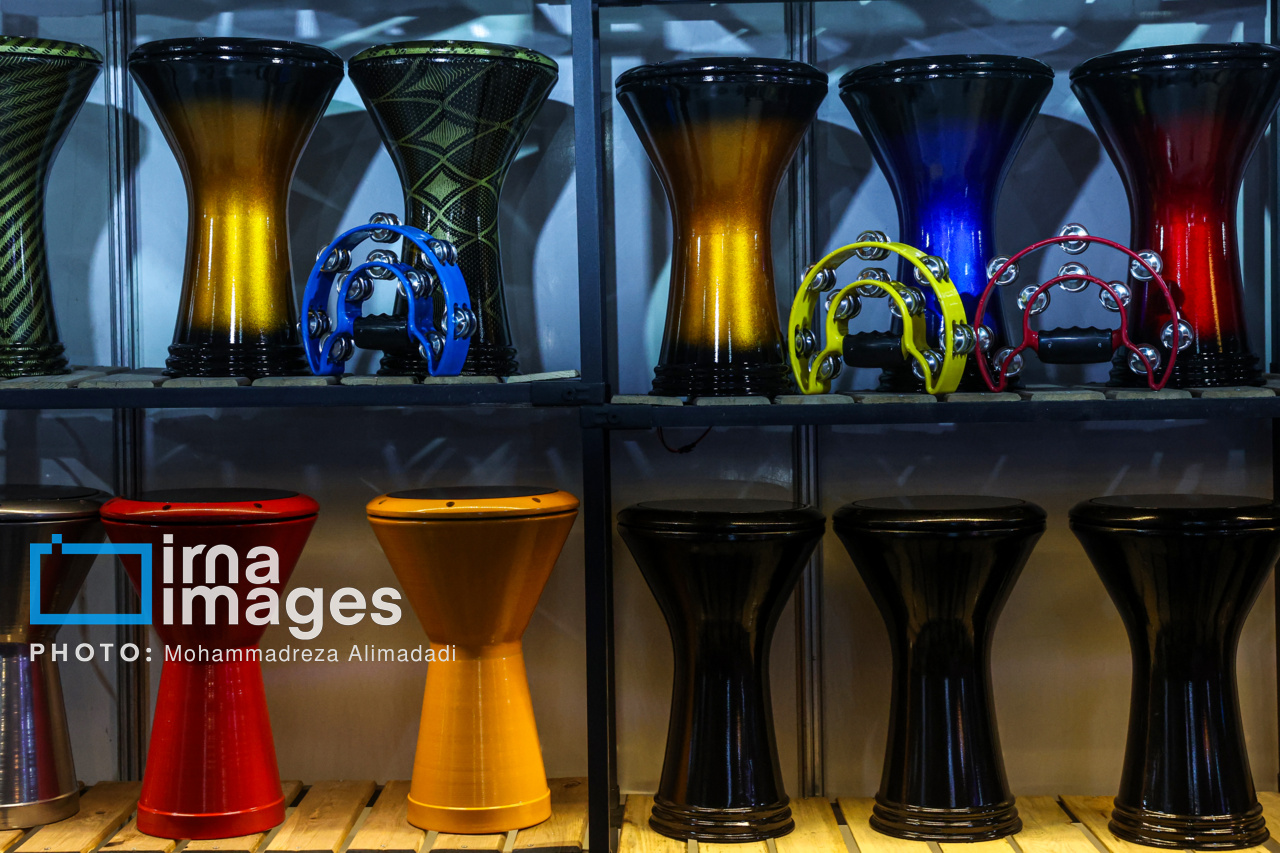
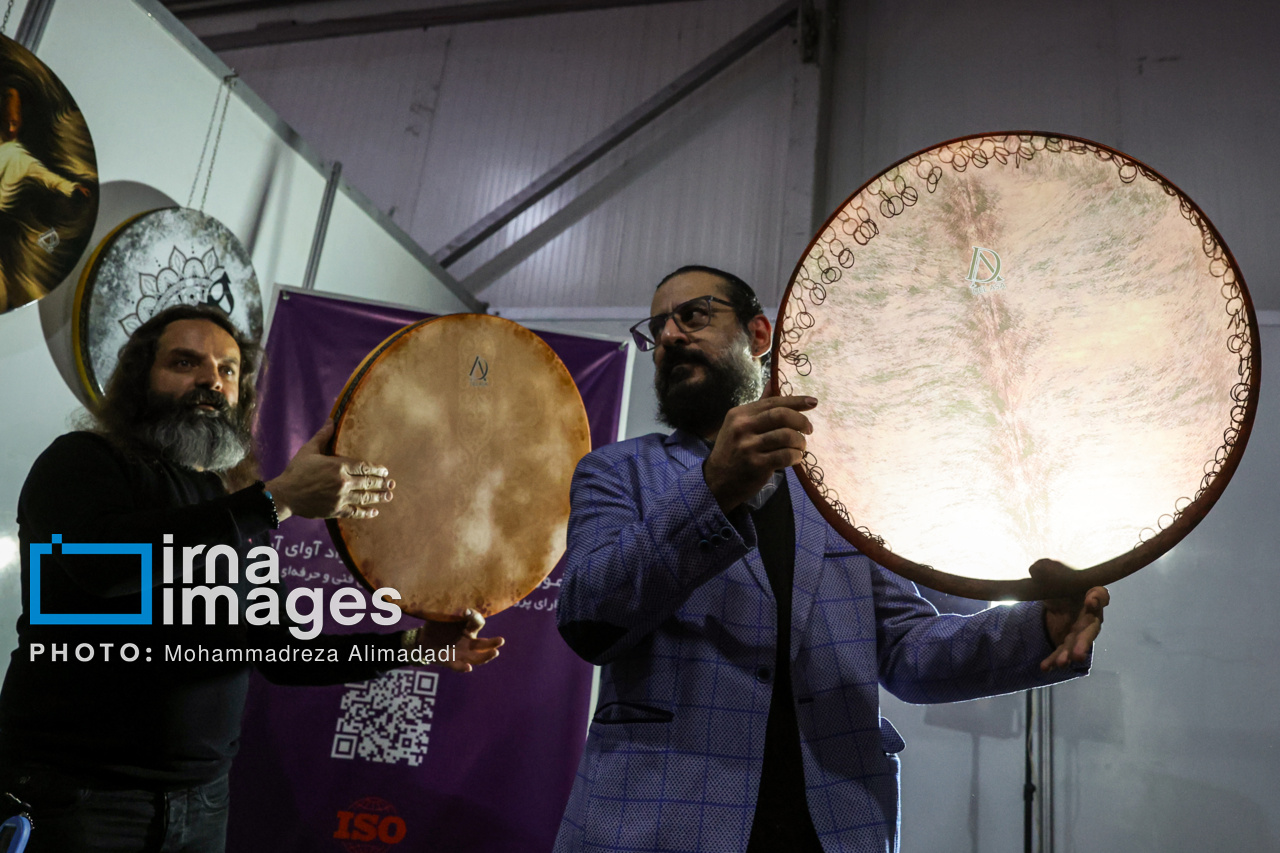
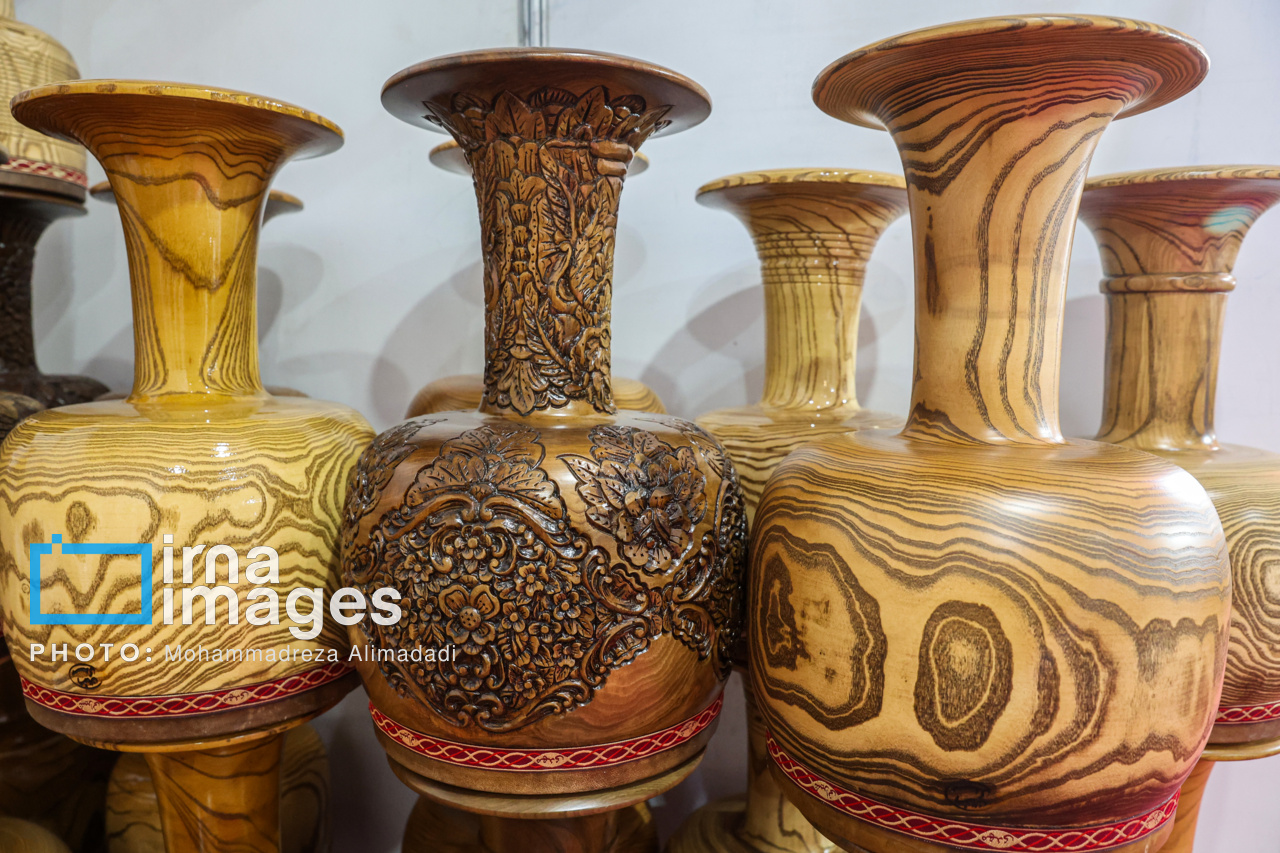
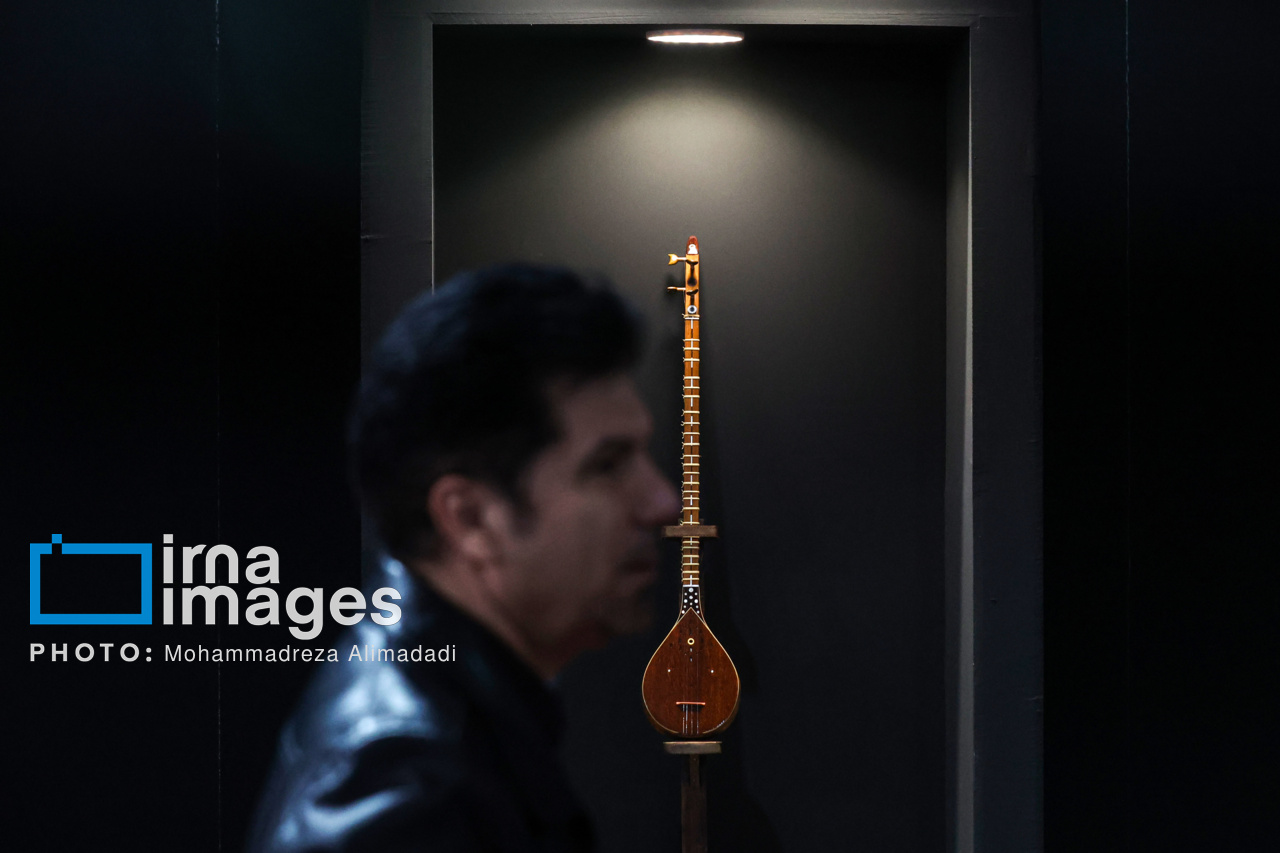
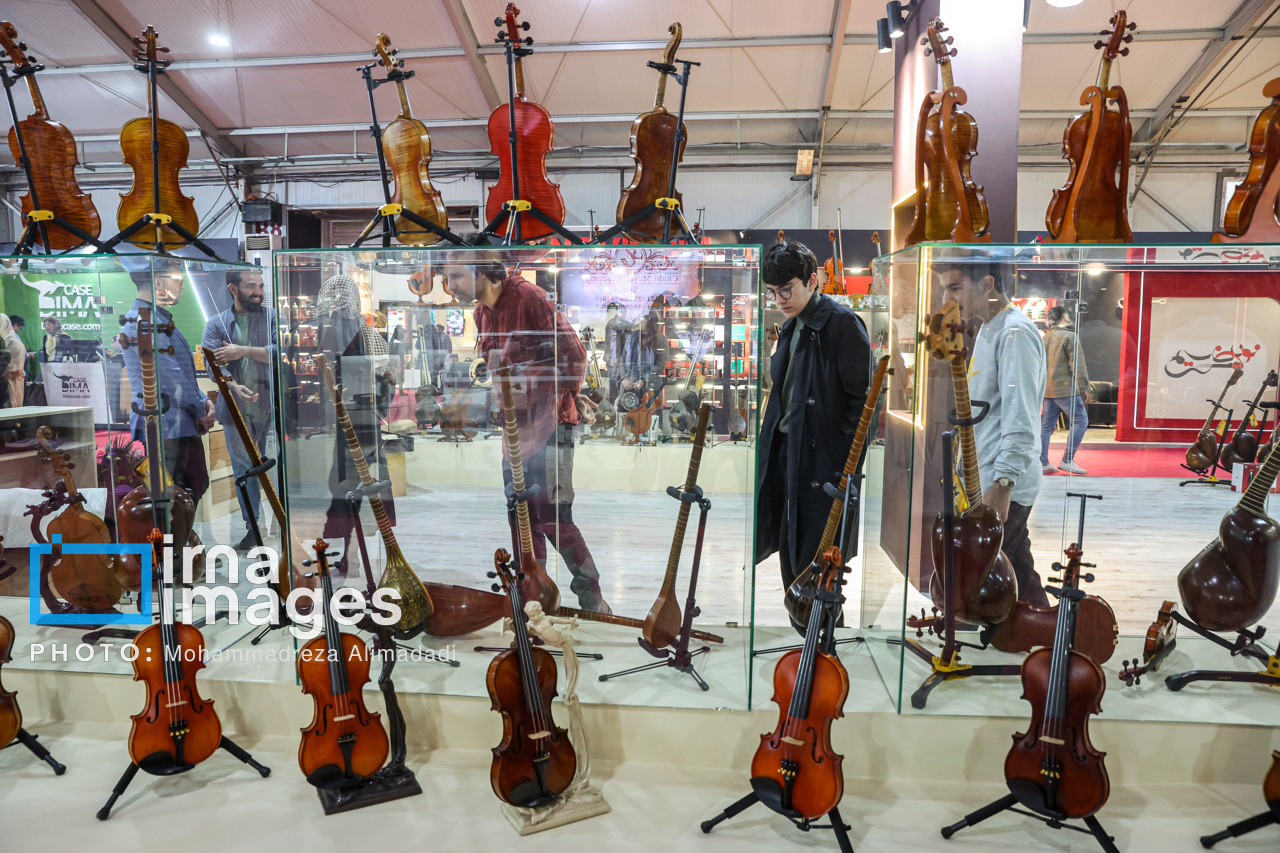
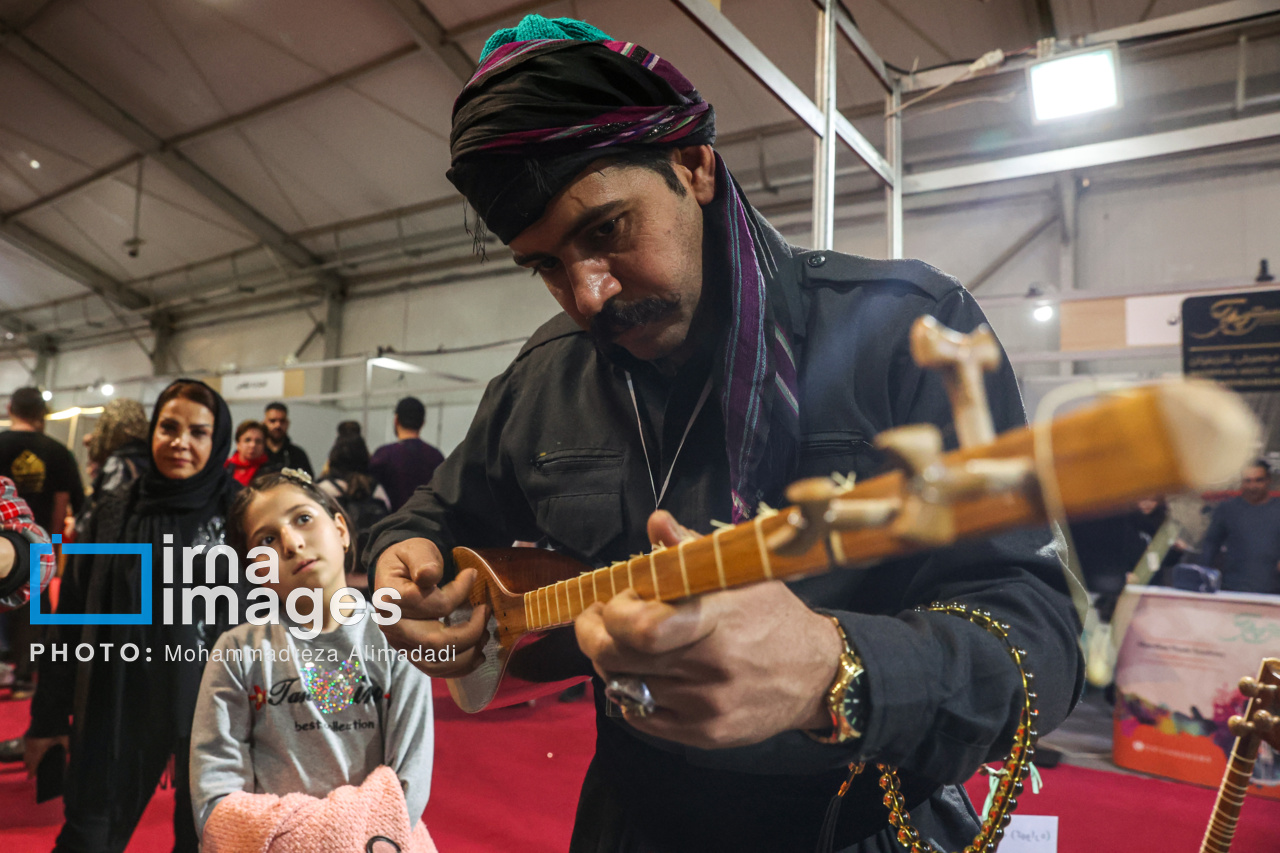
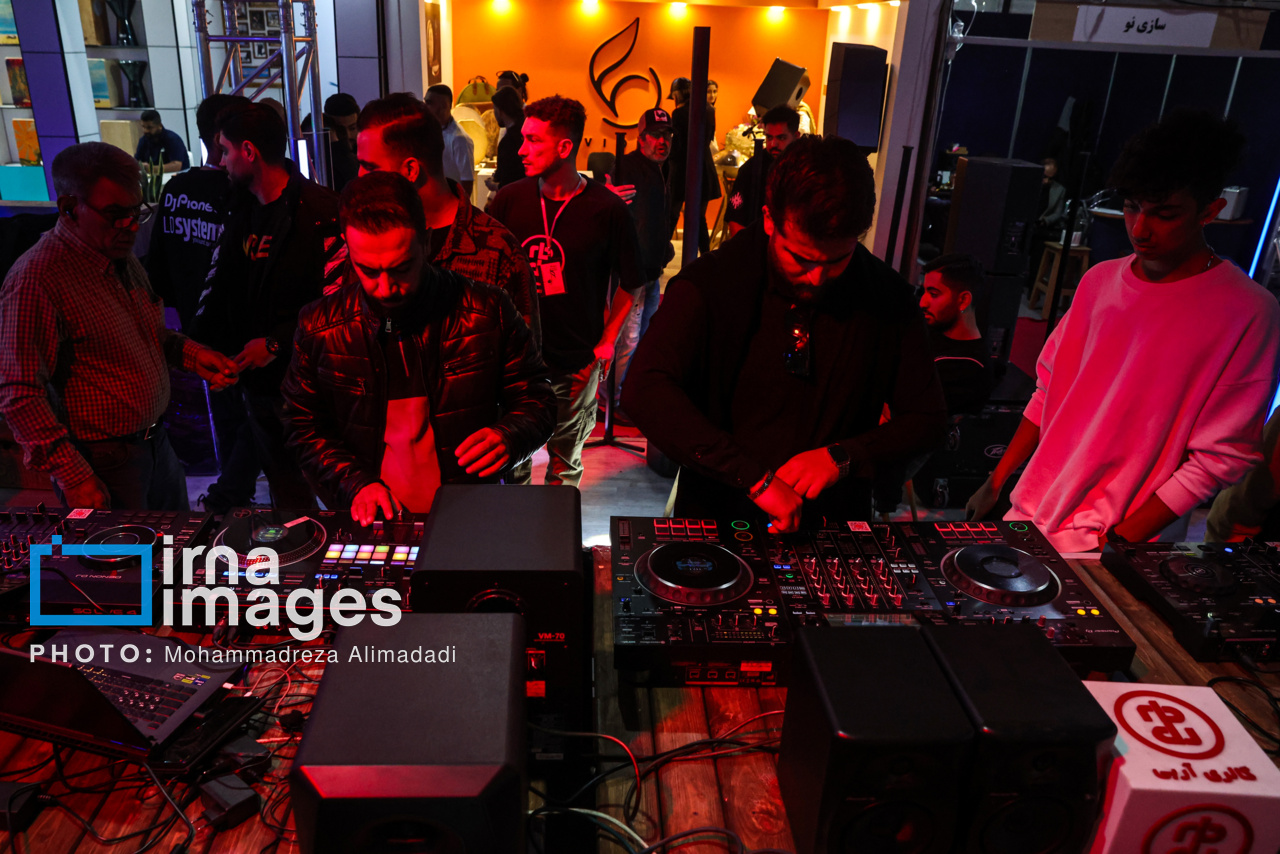
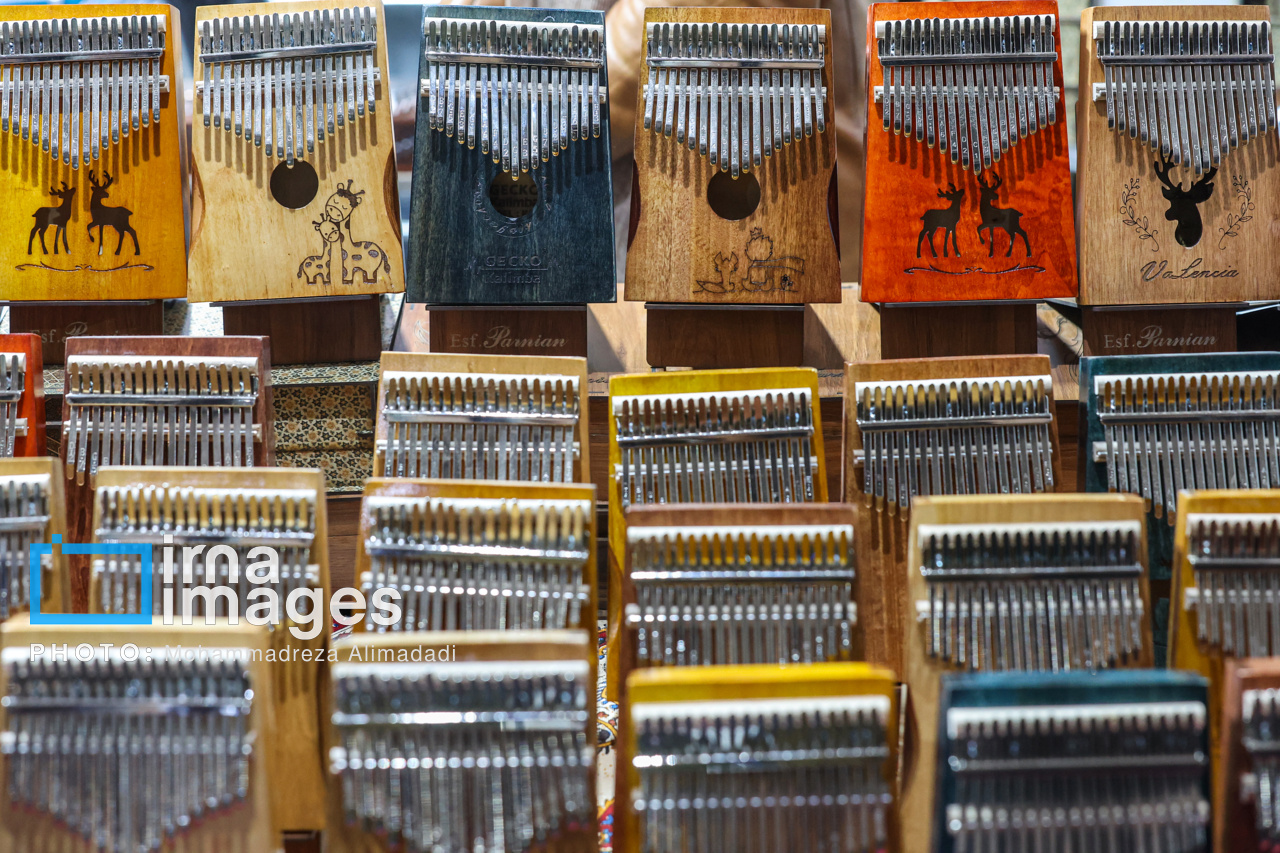
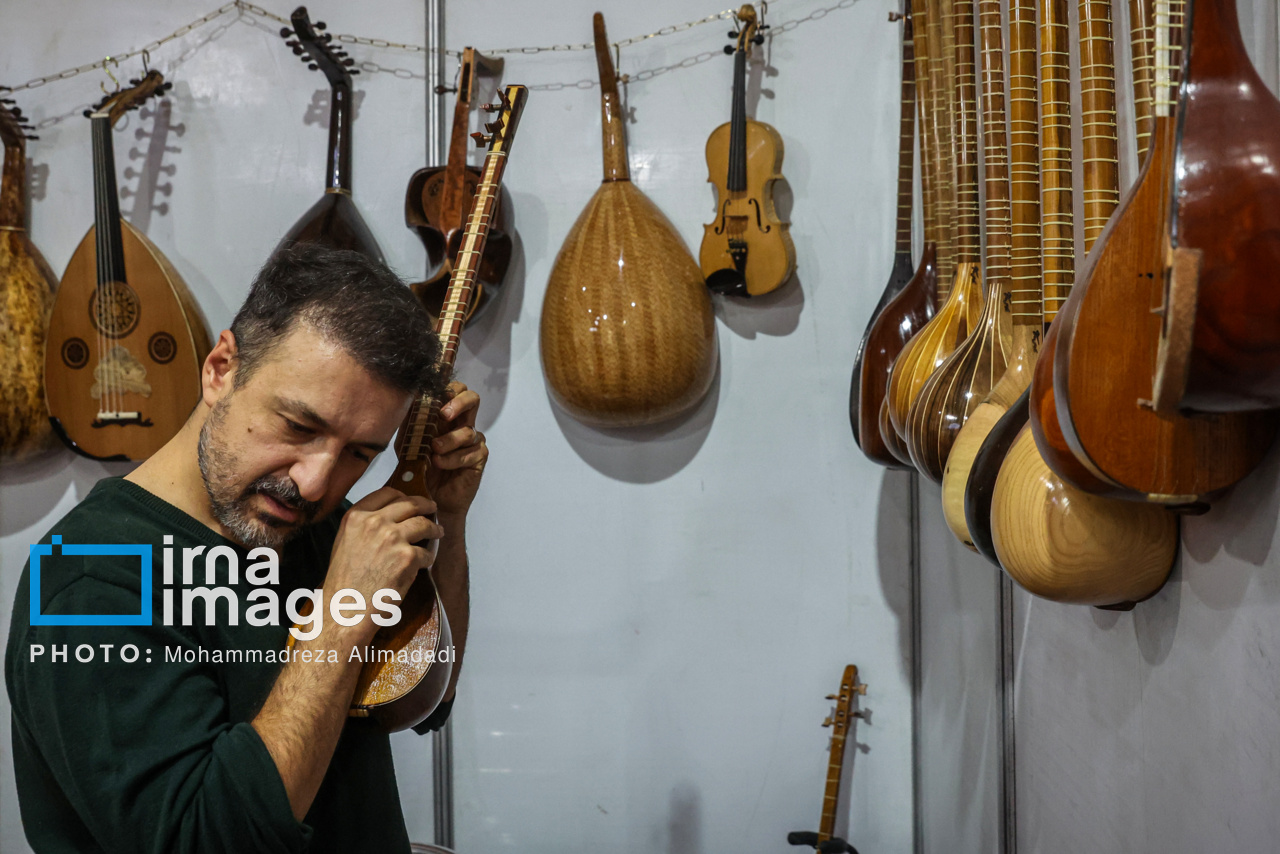
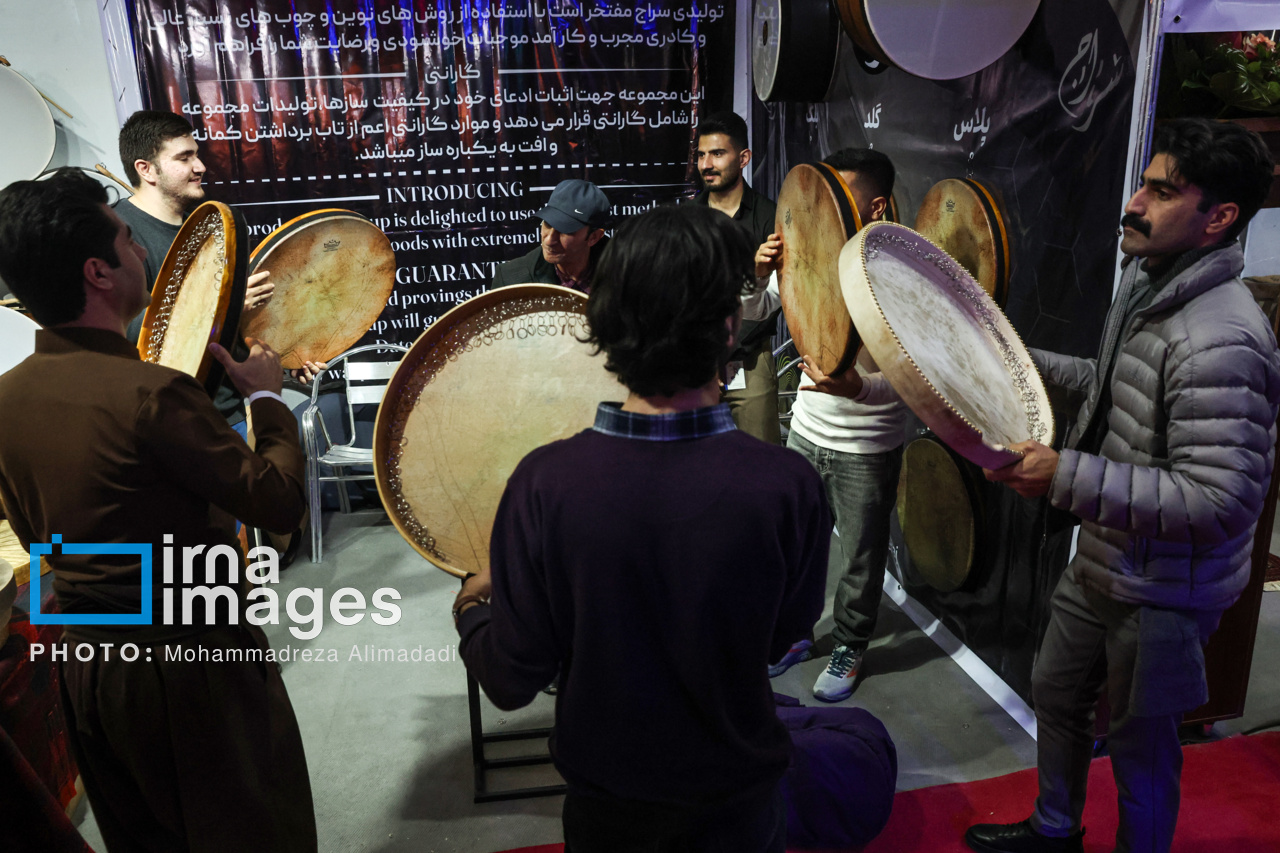
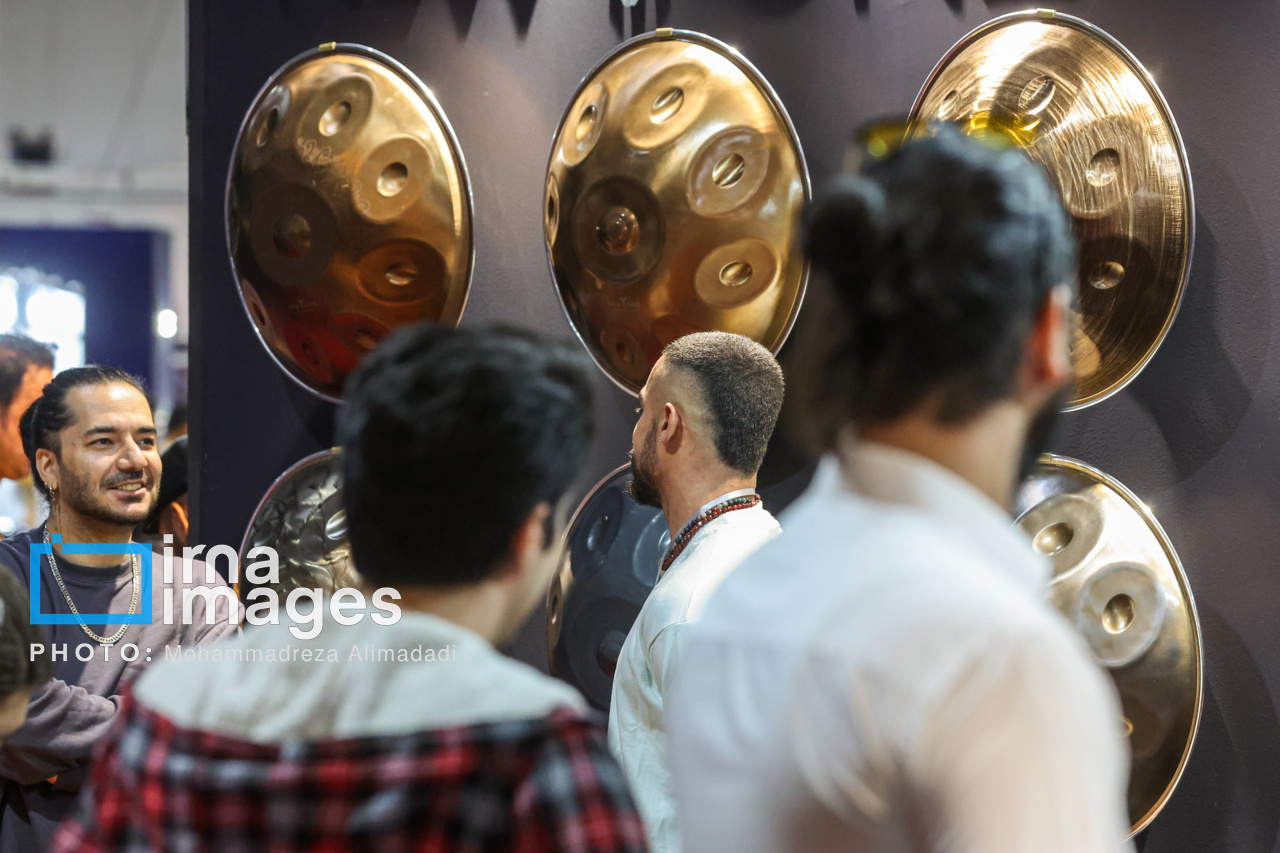
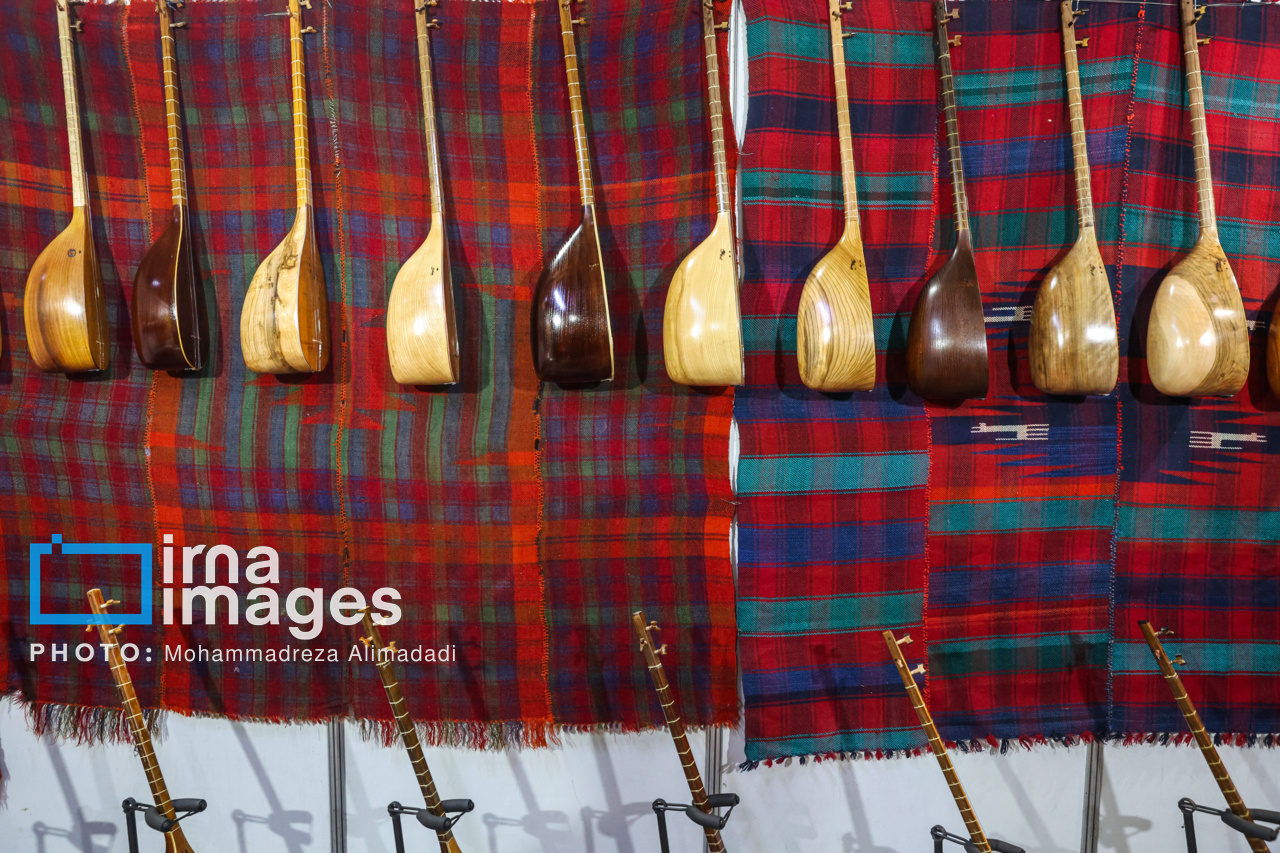
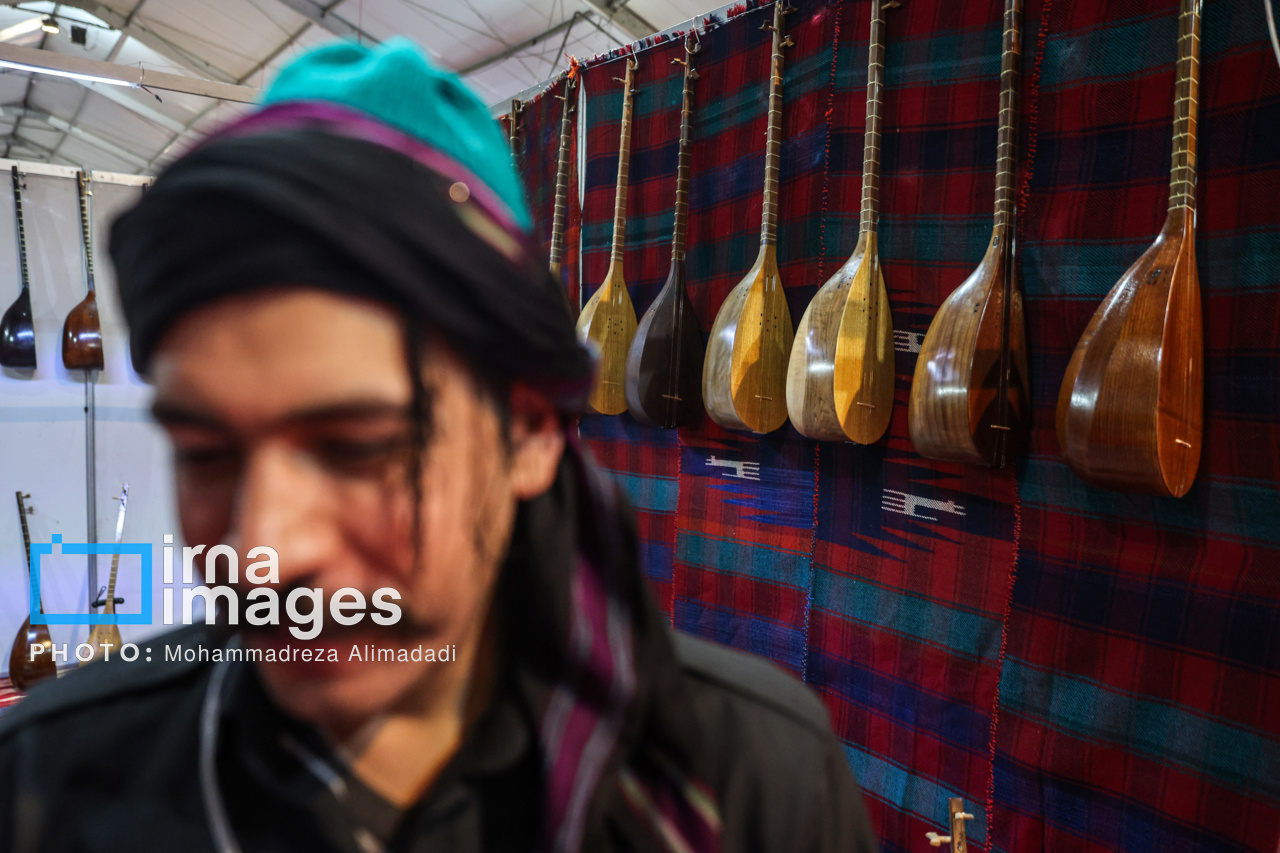
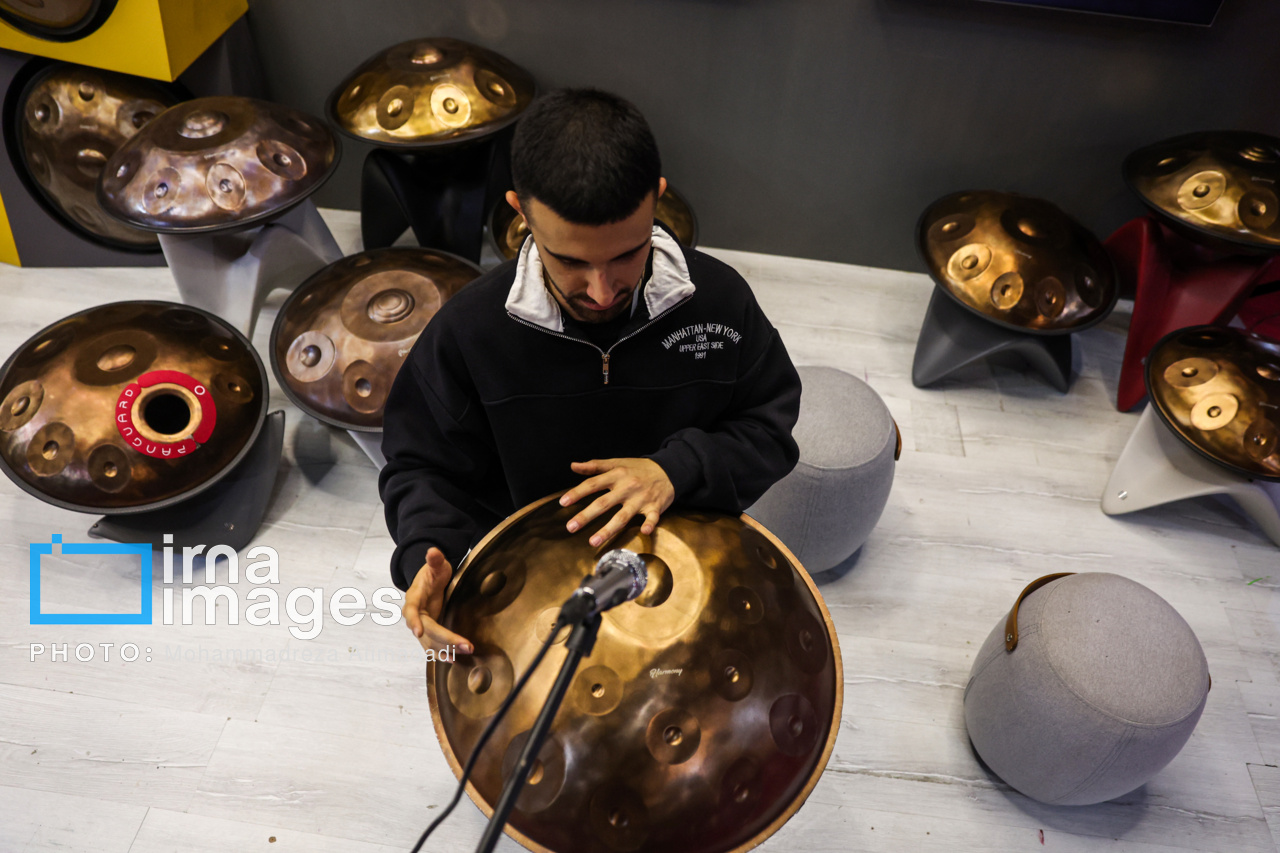
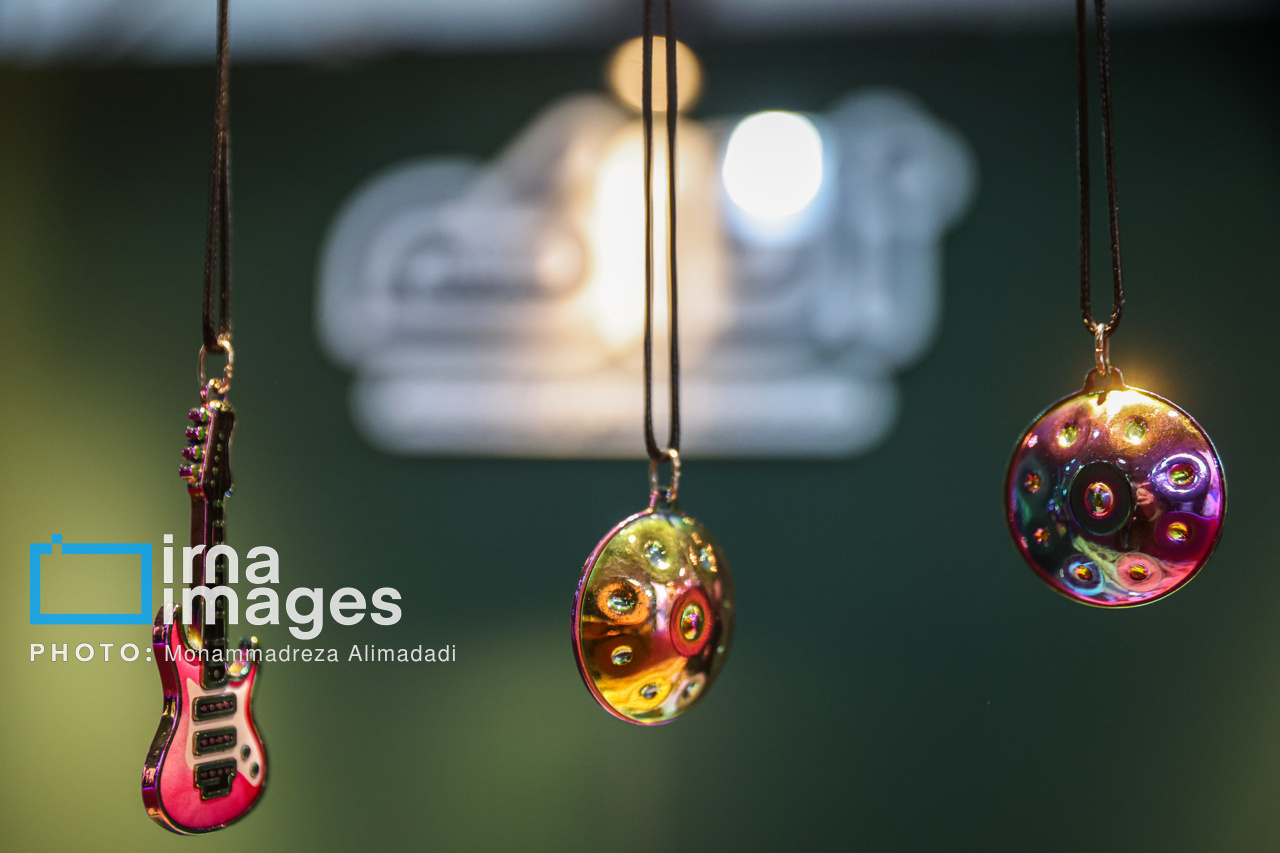
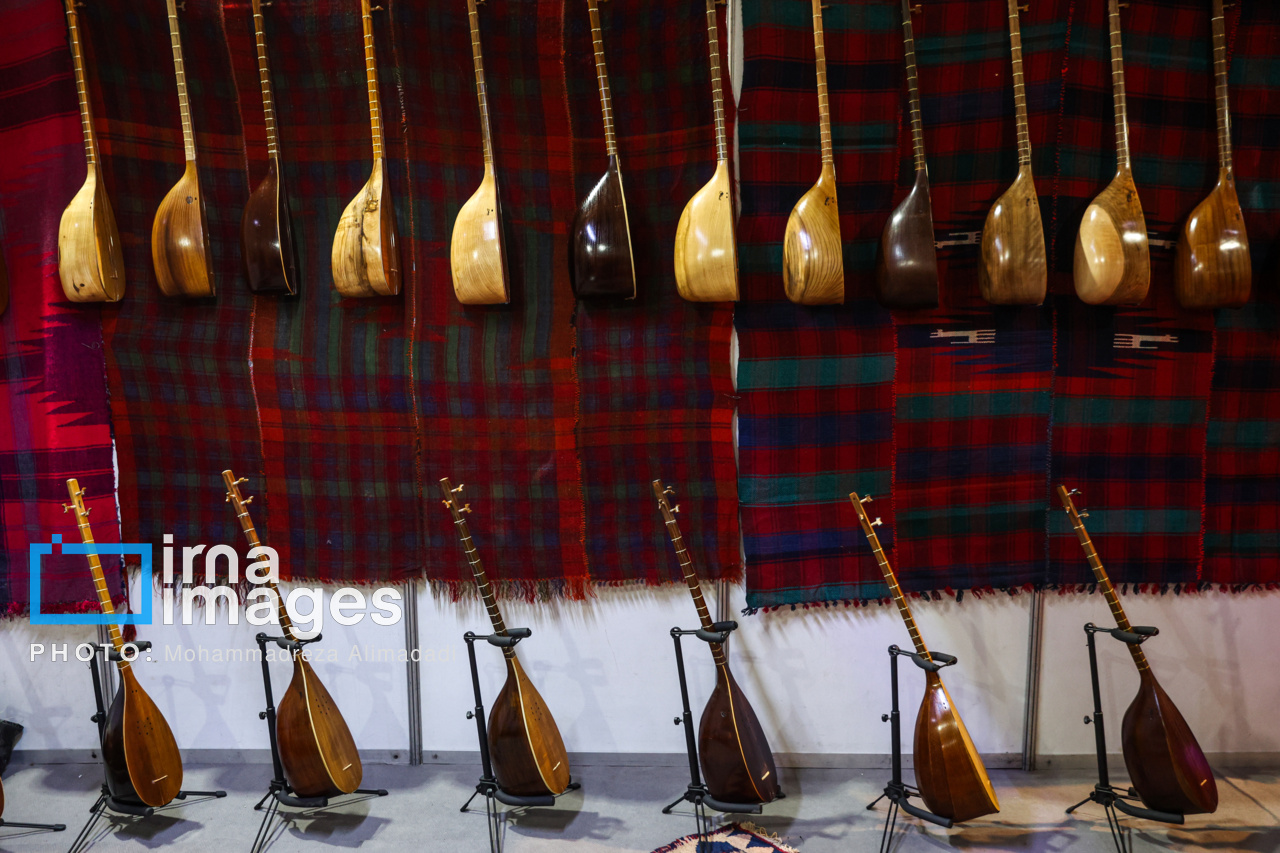
Pictures: Tehran hosts 2nd Music Industry Exhibition

Iran Music Industry Exhibition

The event featured active participants, including musicians, producers, musical instrument suppliers, music schools, research centers, and publishers in the field of music.

It sought to provide a comprehensive platform for networking, learning, and showcasing the latest advancements in the music industry.

More in pictures:

Iran’s economy minister to visit Saudi Arabia for annual investment meeting

Iran's Minister of Economic Affairs and Finance Abdolnasser Hemmati

The meeting, which will host investment companies from 100 countries, will inaugurate on Monday and will run through Wednesday.

Hemmati’s agenda includes attending the opening ceremony of the WAIPA conference and participating in a ministerial panel discussion.

He is also scheduled to hold meetings with key figures such as President of the Islamic Development Bank Sulaiman al-Jasser, President of the OPEC Fund Abdulhamid Alkhalifa, Saudi Finance Minister Mohammed al-Jadaan, and the kingdom’s Minister of Investment Khalid al-Falih.

The event, themed “Harnessing Digital Transformation and Sustainable Growth: Scaling Investment Opportunities”, aims to promote foreign direct investment (FDI), trade, and technology.

The event will feature high-level government representatives, thought leaders, business executives, and other stakeholders from around the world to identify unprecedented trends and opportunities across various sectors, including energy, advanced manufacturing, healthcare, agriculture, tourism, and the digital economy.

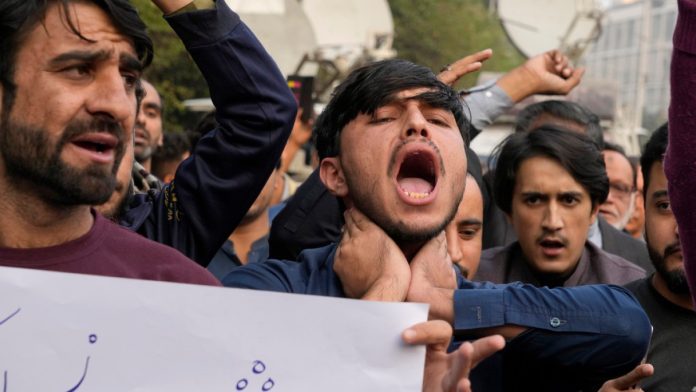
Over 80 killed in three days of violence in northwest Pakistan

Pakistan Violence

Communities in Pakistan’s Kurram district in Khyber Pakhtunkhwa province — near the border with Afghanistan — have clashed for decades.

The latest bout of violence began on Thursday when two separate convoys travelling under police escort were ambushed, killing at least 43 and sparking two days of gun battles.

“The clashes and convoy attacks on November 21, 22, and 23 have resulted in 82 fatalities and 156 injuries,” said a local administration official speaking on condition of anonymity.

Around 300 families fled on Saturday as the gunfights with both light and heavy weapons continued into the night, however no fresh casualties were reported on Sunday morning.

“The mobile network across Kurram remains suspended and traffic on the main highway is halted,” noted the local administration official.

Police have regularly struggled to stymy violence in Kurram, which was part of the semi-autonomous Federally Administered Tribal Areas until it was merged with Khyber Pakhtunkhwa in 2018.

A delegation from the provincial government held talks with a community on Saturday and is scheduled to meet another later on Sunday.

A security official in the provincial capital of Peshawar stated that the negotiators’ helicopter had come under fire as it arrived in the region, although no one was harmed.

“Our priority today is to broker a ceasefire between both sides. Once that is achieved, we can begin addressing the underlying issues,” provincial Law Minister Aftab Alam Afridi said Sunday.

Last month at least 16 people, including three women and two children, were killed in a sectarian clash in Kurram.

Previous clashes in July and September killed dozens of people and ended only after a jirga, or tribal council, called a ceasefire.

The Human Rights Commission of Pakistan reported 79 people died between July and October in sectarian clashes.

Several hundred people demonstrated against the violence on Friday in Pakistan’s second largest city of Lahore and Karachi, the country’s commercial hub.

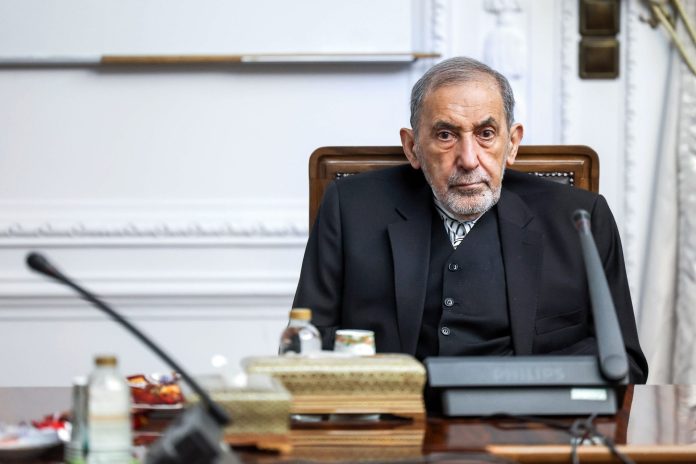
Advisor to Iran Leader: West sacrificed Europe’s largest country for political gains

Ali Akbar Velayati

In an interview with IRNA on Sunday, Ali Akbar Velayati remarked that the West typically avoids direct confrontation with its rivals, instead inciting conflicts in other countries to avoid serious harm to itself.

He cited Ukraine as a prime example, where “an ambitious leader with little understanding of international affairs was brought to power and provoked against Russia.”

The Leader’s aide predicted that with the change in US administration and its different perspective, aid to Ukraine will decrease and “it appears that Russia will emerge victorious.”

Velayati, a former foreign minister, also said the international scene is on the brink of significant change.

In West Asia, despite the predictions of its supporters, the Zionist regime is weakening, and sooner or later, Israeli prime minister Benjamin Netanyahu’s political career will end, he stated.

He added, “The Zionist regime is in decline, and even its staunch allies have welcomed the International Criminal Court’s ruling,” referring to Thursday arrest warrants issued against Israeli regime officials.

“Alongside this ruling, student and public movements in support of the oppressed people of Palestine continue to grow in the US, Europe, and other parts of the world, indicating the regime’s severe weakening,” he concluded.

Comprehensive partnership deal between Moscow, Tehran to cover defense, security sphere: Russian Deputy FM

Iran and Russia Flags

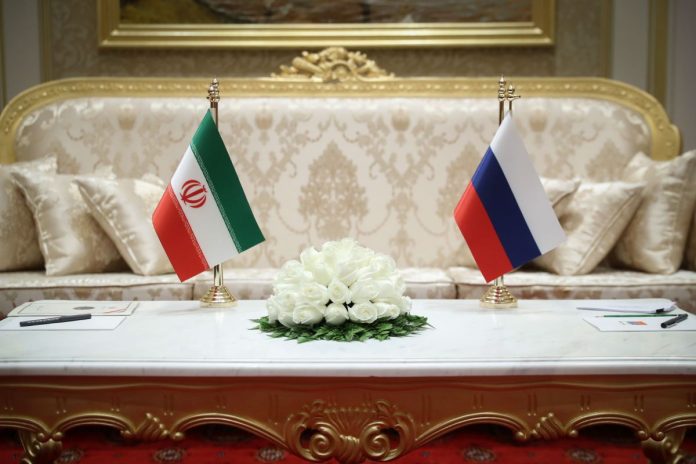
“Concerning the contents of the mentioned founding document, I would elect not to disclose details earlier. I would only note it will meet challenges and requirements of our time and cover almost all current and promising spheres of Russian-Iranian cooperation, including defense and security,” Rudenko said.

The similar document of 2001 contained relevant provisions in a more concise way, the deputy minister stated.

“The nature of interaction changed notably over the past two decades, with absolute different dynamics and quality obtained,” the diplomat stressed.

“The regional situation has not become simpler also. We are closely coordinating approaches with our Iranian friends and take necessary measures to strengthen peace and security,” he added.

Iran and Russia have maintained a strategic partnership for many years, with collaboration spanning various fields such as energy, defense, and trade.

Both countries have faced international sanctions and have worked together to mitigate their impact on their respective economies.
Iran further increases its oil prices for Chinese refiners: Report

Iran Oil

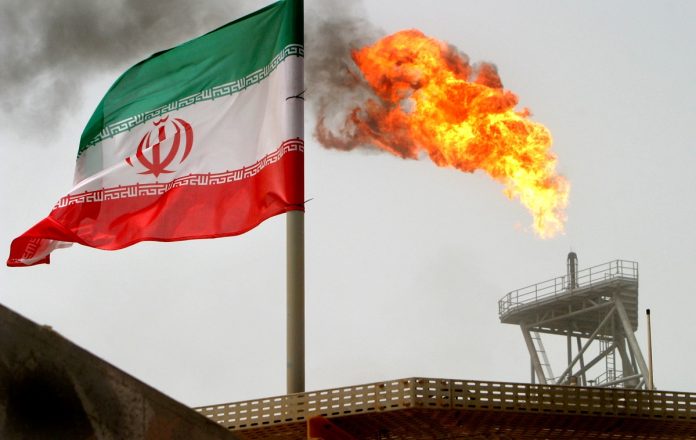
A report by Bloomberg published on Friday showed that private refiners in China, known in the industry as teapots, had bought Iranian Light crude for December arrival at a discount of $2 to $3 a barrel against the ICE Brent benchmark.

The report said the discounts were the smallest reported this year, adding that there have been fewer cargo offers over the past weeks while delays have also affected the supply of oil from Iran to China in recent months.
Iran has been offering major discounts to teapots in China in recent years to go around US sanctions that restrict the country’s supply to larger processors linked to the Chinese government.

However, reports have suggested that those discounts have been reduced amid tighter supplies caused by regional tensions in the West Asia region as well as repair programs at Iran’s oil export terminals.

Other reports have suggested that Iran is using more oil domestically to generate electricity amid a cold snap that has pushed up demand for natural gas.

Bloomberg said that a decision last month by the US government to add more Iran-linked tankers to its list of sanctions had also contributed to higher prices for Chinese refiners.

It quoted the data intelligence firm Kpler as saying in a note to clients on Thursday that teapots, which account for about a quarter of China’s crude processing, will do their best to secure more Iranian oil supplies despite a promise by US president-elect Donald Trump to increase pressure on Iran.

Majority of Israelis support Lebanon ceasefire: Survey

Lebanon War

The poll also highlighted widespread dissatisfaction with the government’s performance, with 64% of respondents expressing distrust in Prime Minister Benjamin Netanyahu’s handling of the crisis. Only 30% voiced confidence in his leadership.

Regarding accountability, 79% of the participants supported establishing a commission of inquiry into the events of Oct. 7, 2023, while 8% opposed the idea.

Asked about potential alternatives for prime minister, Netanyahu maintained a narrow lead over opposition leaders.

He secured 38% support against 28% for Yair Lapid and 37% compared to 29% for Benny Gantz. Former Prime Minister Naftali Bennett, however, outperformed Netanyahu, garnering 38% support to Netanyahu’s 34%.

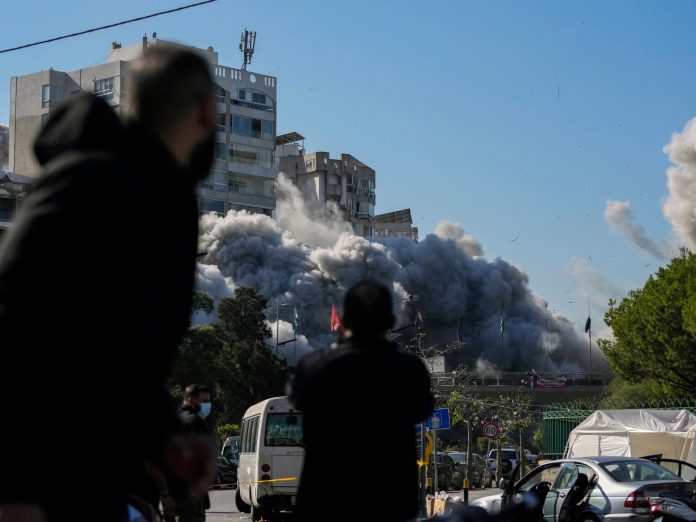
Israel continues its air and ground attacks both in the Gaza Strip and Lebanon.

It is accused of genocide at the International Court of Justice for its actions in the Palestinian enclave.

The International Criminal Court has also issued arrest warrants for Netanyahu and his former Defense Minister Yoav Gallant over alleged war crimes and crimes against humanity in Gaza.