Thursday, January 1, 2026
Home Blog Page 601

Germany, France set condition for interaction with Syria’s new government

The joint position emerged from a telephone conversation between German Chancellor Olaf Scholz and French President Emmanuel Macron following the weekend overthrow of longtime Syrian leader Bashar al-Assad by anti-government armed groups.

“Assad had caused terrible suffering to the Syrian people and great damage to his country,” German government spokesman Steffen Hebestreit quoted the leaders as saying in a statement following their discussion.

“Both agreed that they are ready to work with the new rulers on the basis of fundamental human rights and the protection of ethnic and religious minorities,” he stressed.

In their conversation, the two leaders emphasized the importance of preserving Syria’s territorial integrity and sovereignty, Hebestreit noted.

“Both agreed to work together to strengthen the European Union’s engagement in Syria, including supporting an inclusive political process in Syria,” he said, adding the leaders would discuss the next steps in close coordination with partners in the region.

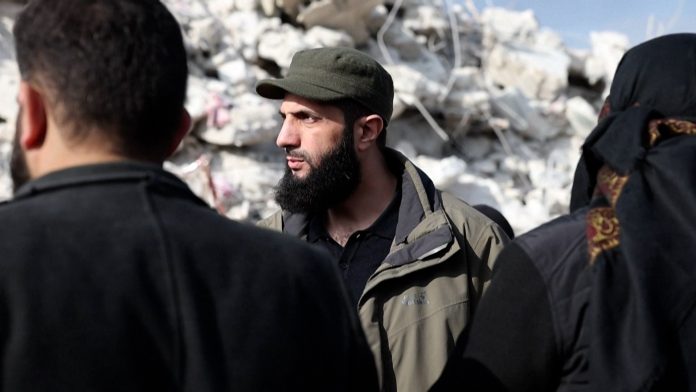
The EU has not yet established contact with Hayat Tahrir al-Sham (HTS) – a leading group in the downfall of the government in Syria, but one also on the bloc’s official list of terrorist groups – and will consider both its statements and actions before making any decisions, a spokesman stated on Monday.

Asked about the EU’s stance on engaging with HTS, Anouar El Anouni, European Commission spokesperson, highlighted that the group and its affiliates remain classified as terrorist entities by the EU.

“What I can say at this stage is that a lifting under the EU terrorist list is not planned currently. As HTS takes on greater responsibilities, we will need to assess not just their words, but also their actions,” he told a press briefing.

Al-Assad, Syria’s leader for nearly 25 years, fled to Russia after militant groups took control of Damascus early Sunday.
Rescuers continue search amid rumours of hidden prisoners in Syria’s Sednaya

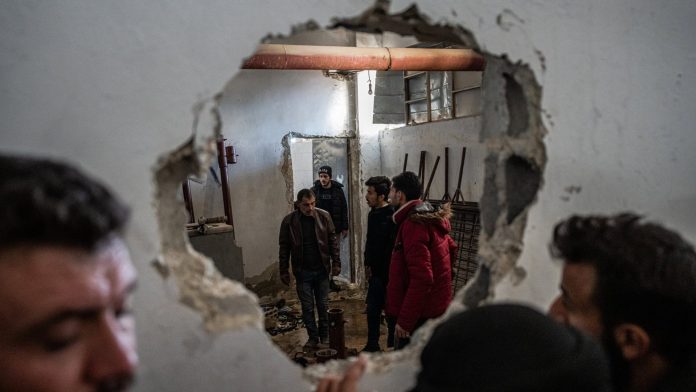
The Syrian Civil Defence, also known as the White Helmets, are still digging and searching for ways to reach the prisoners in Sednaya’s underground sections, known as the red prison.

While the Association of Detainees and The Missing in Sednaya Prison said on X that there were no prisoners remaining in the facility, rescuers are still trying to reach lower, underground levels.

The prison, known as a “human slaughterhouse” for its highly documented human rights abuses, was found to be much more complex than previously expected.

In a statement shared online, the White Helmets offered a financial reward of $5,000 “for anyone who provides direct information leading to the identification of secret prisons in Syria where detainees are being held”, raising the amount from $3,000.

“We extend a special invitation to former security officers and those working in the security branches to help in accessing these secret prisons, as we emphasise the importance and necessity of this contribution, and we guarantee to them that we will maintain the confidentiality of the sources,” the organisation noted.

In the afternoon, the White Helmets said no evidence has yet been found of any prisoners remaining in the facility, though their search continues.

Crowds of people remain gathered around the prison, having flocked there hoping to find their disappeared loved ones, while Facebook groups are flooded with images of people’s missing relatives.

Rebels and rescuers searching Sednaya prison’s facilities found cameras that allegedly showed inmates in their cells.

They also found an “iron execution press”, which was reportedly used by the Syrian government to crush inmates after their execution.

Nearby blood stained ropes were found.

Thousands of inmates have already been freed from government prisons across Syria, including Sednaya.

Syrian doctors have also rushed to the Sednaya prison to help prisoners who have been freed from the notorious detention facility.

Israeli attacks southern Lebanon despite cease-fire, casualties reported

Lebanon War

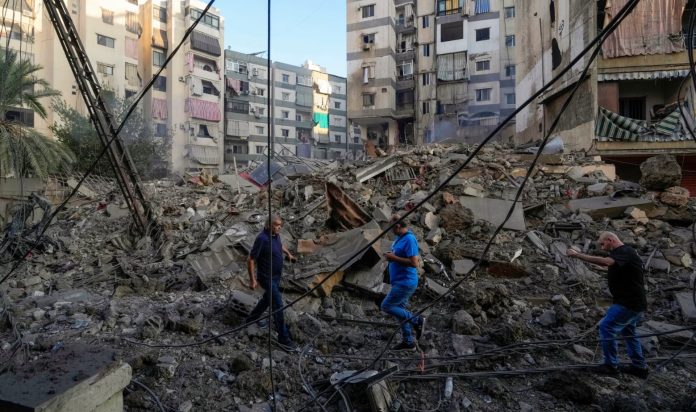
A military statement said Israeli forces struck a car near a military checkpoint in Bint Jbeil district, killing one person and injuring four soldiers.

Israeli forces also shelled the outskirts of the southern town of Naqoura, the state-run National News Agency said, without providing details about injuries.

On Sunday, three Lebanese were killed in an Israeli airstrike in Dibbin town in southern Lebanon.

At least 24 people have been killed and 24 others injured since a cease-fire deal between Lebanon and Israel took effect on Nov. 27, according to figures released by the Lebanese Health Ministry.

Lebanese authorities have reported around 160 Israeli violations of the cease-fire since the deal came into force last month.

Under the cease-fire terms, Israel is required to withdraw its forces south of the Blue Line – a de facto border – in phases, while the Lebanese army is to deploy in southern Lebanon within 60 days.

The US and France are responsible for overseeing the agreement’s implementation, but details on enforcement mechanisms are unclear.

Over 4,000 people have been killed and more than 16,500 injured in Israeli attacks in Lebanon, and over 1 million others have been displaced since October 2023, according to Lebanese health authorities.

Iran Health Minister: 50k Iranians die of air pollution each year

Iran Air Pollution

He emphasized the human cost of air pollution, which translates into a financial burden estimated between $12 billion and $20 billion, surpassing the projected budget for oil revenue in 2025, which is set at $11 billion.

Zafargandi noted that the loss of ordinary human resources due to pollution has significant economic implications.

His findings have been presented to the government, highlighting the urgent need for action against this pressing issue.

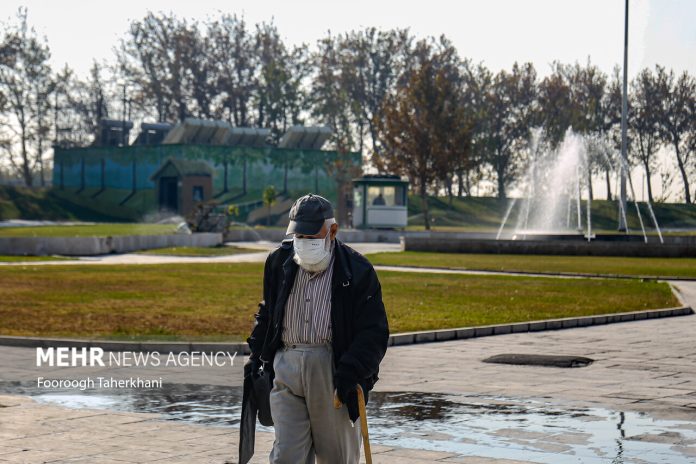
The comments come as all schools in Tehran and many other Iranian cities have been shut down for the last three days due to air pollution.

The Iranian capital is one of the most polluted cities in the world. The air pollution of Tehran in this time of the year is partly blamed on the weather phenomenon known as inversion.

But what is mostly to blame for the Tehran pollution is the huge number of vehicles in the city and the relatively low quality of the fuel they use.

Authorities in Tehran have been trying to reduce the air pollution including halting the burning of mazut for generating electricity. But observers say this measure along will not be able to considerably reduce air pollution in Tehran.

Iran in direct contact with militant groups within Syria’s new leadership: Reuters

Tehran has opened a direct line of communication with the leaders of Syria’s armed opposition that has seized power in Damascus, Reuters reports, citing a senior Iranian official.

According to him, the move was aimed at preventing “a hostile trajectory” between the countries.

The official added that Iran was open to engaging with Syria’s new leaders.

“This engagement is key to stabilizing ties and avoiding further regional tensions,” he pointed out.

Iran has stressed that only the Syrian people can make decisions about the country’s fate without any “destructive” foreign meddling.

The Iranian Foreign Ministry issued a statement on Sunday following the fall of the Syrian government after militant groups led by Hay’at Tahrir al-Sham (HTS) stormed and captured the capital Damascus.

The statement again reaffirmed the Islamic Republic’s principled stance on respecting Syria’s unity, national sovereignty and territorial integrity.

“In order to achieve this important [issue], it is necessary to end military conflicts as soon as possible, prevent terrorist acts, and initiate national dialogue with the participation of all segments of Syrian society to form an inclusive government that represents all Syrian people,” it said.

It emphasized that Iran supports international mechanisms based on United Nations Resolution 2254 to pursue the political process in Syria, as it has in the past.

The ministry added that Iran will continue its constructive interaction with the UN in this regard.

Iran reiterates the status of Syria as an “important and influential” country in the West Asia region and will spare no effort to help the country establish security and stability, it pointed out.

According to the statement, Iran will continue its consultations with all influential parties, particularly those in the region.

“The Islamic Republic of Iran closely monitors developments in Syria and the region and will adopt appropriate approaches and positions while taking into account the behavior and performance of influential players in the Syrian political and security scene,” it said.

The ministry stressed the importance of ensuring the security of all Syrian citizens and nationals of other countries as well as preserving the sanctity of religious and holy sites.

It is also imperative to protect diplomatic and consular premises in accordance with international law, it added.

Pointing to deep-rooted and cordial relations between the Iranian and Syrian people, it is expected that the two countries will pursue a wise and far-sighted approach to maintain mutual ties based on common interests, the statement said.

Britain considering removing HTS from terror list

Speaking to the BBC a day after HTS-led rebels ousted President Bashar al-Assad, UK government minister Pat McFadden said any move to delist the former al-Qaeda affiliate would be a “relatively swift decision” considering the fluid situation in Syria.

“The leader of that group has distanced himself away from some of the things that have been said in the past,” McFadden told the BBC’s Today programme.

“He is saying some of the right things about the protection of minorities, about protecting people’s rights. So we’ll look at that in the days to come.”

HTS is listed by the UK’s Home Office as an “alternative name” for al-Qaeda, the armed group that carried out the 11 September 2001 World Trade Centre attacks.

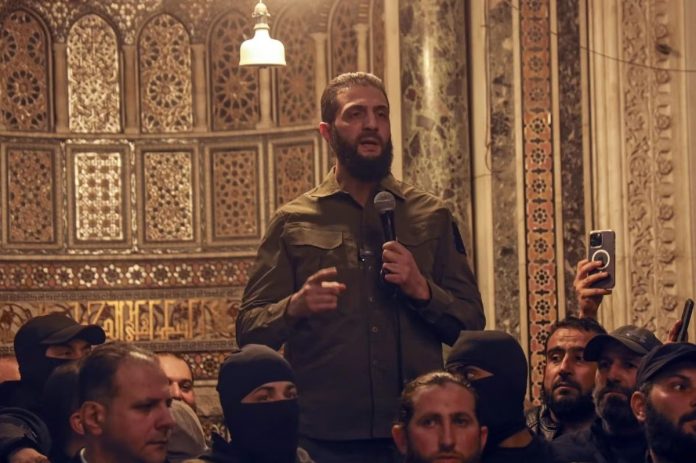
In 2016, HTS leader Abu Mohammad al-Jolani (real name Ahmed al-Sharaa) publicly broke with al-Qaeda and has since then pledged protection for minorities and to respect Syria’s diversity.

A senior Arab official briefed by the US told Middle East Eye on Sunday that US officials were also discussing the merits of removing a $10m bounty on Jolani.

McFadden told the BBC that there had been “no request” for Assad’s London-born and raised wife, Asma al-Assad – a British passport holder – to return to the UK.

“They’re in Russia. They’ve sought asylum there, refuge there, as far as I know. So, it’s not an issue that’s come up.”

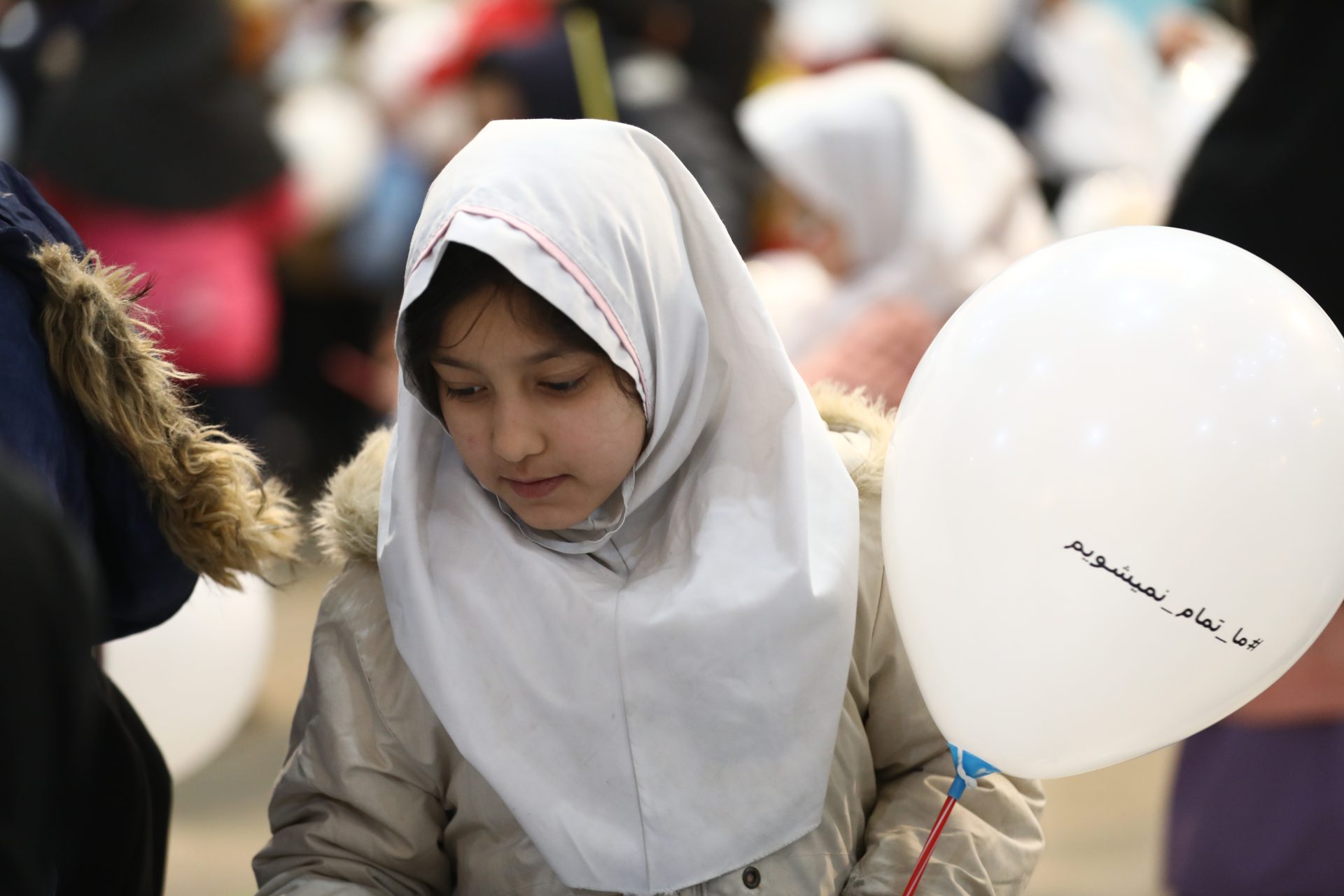
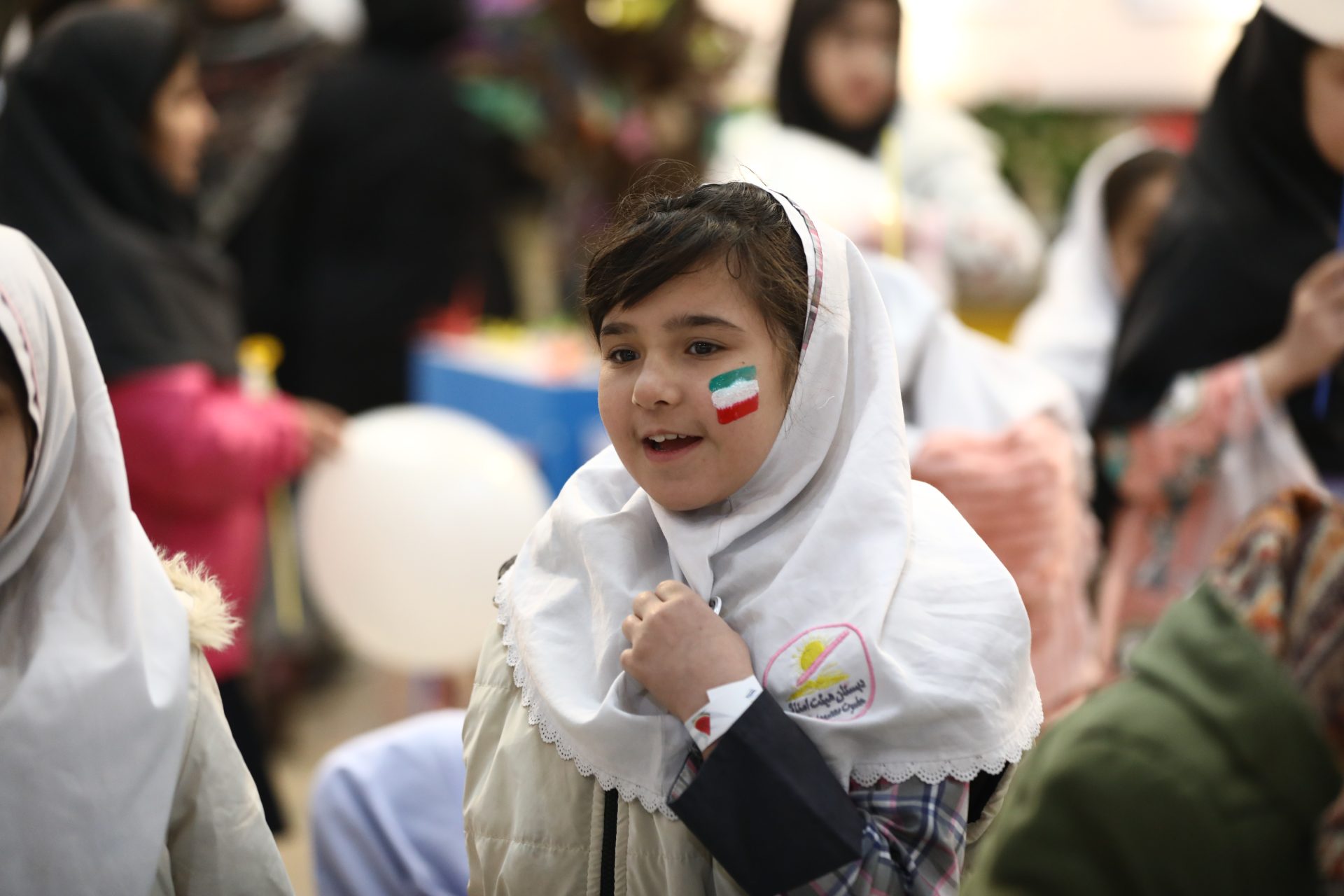
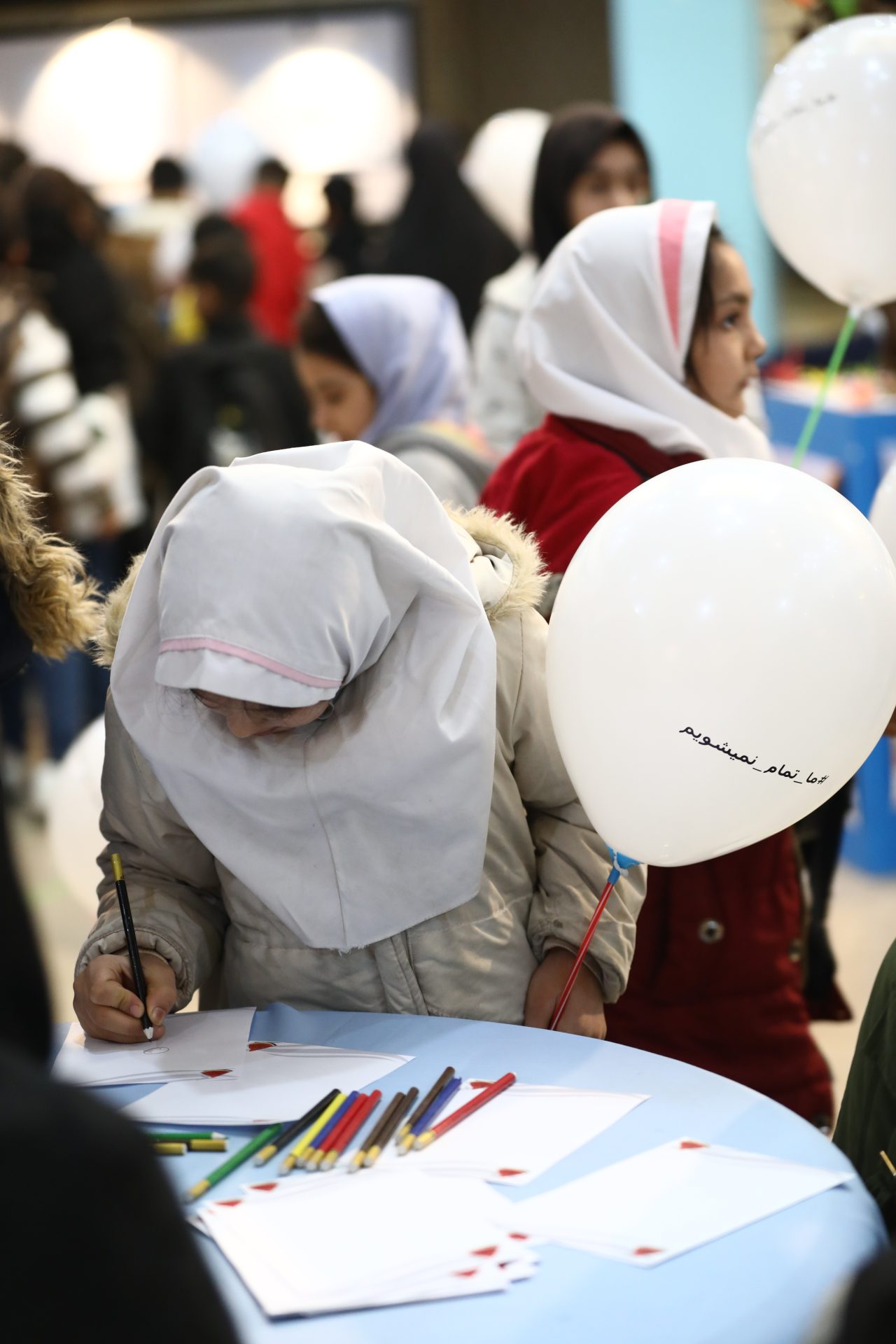
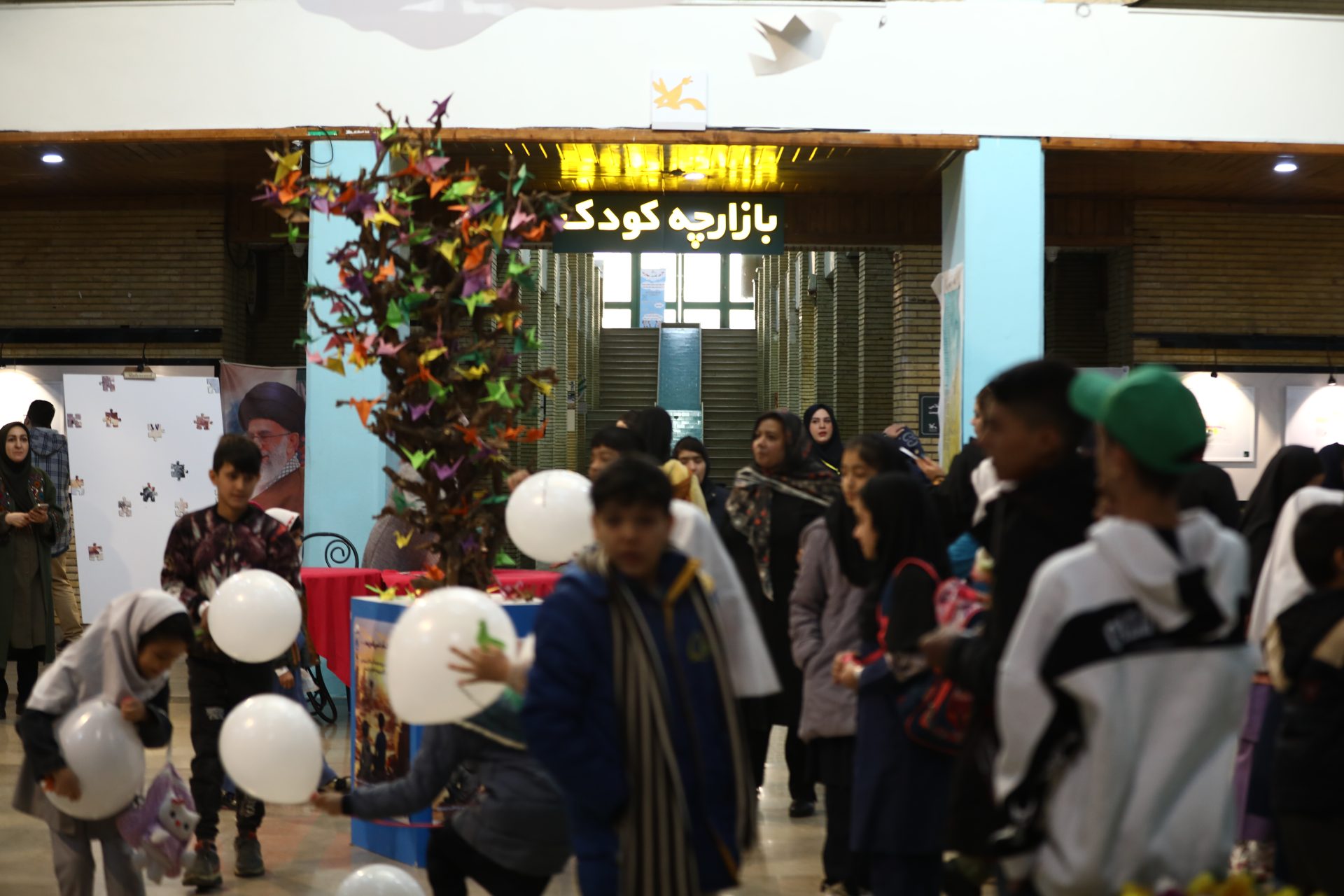
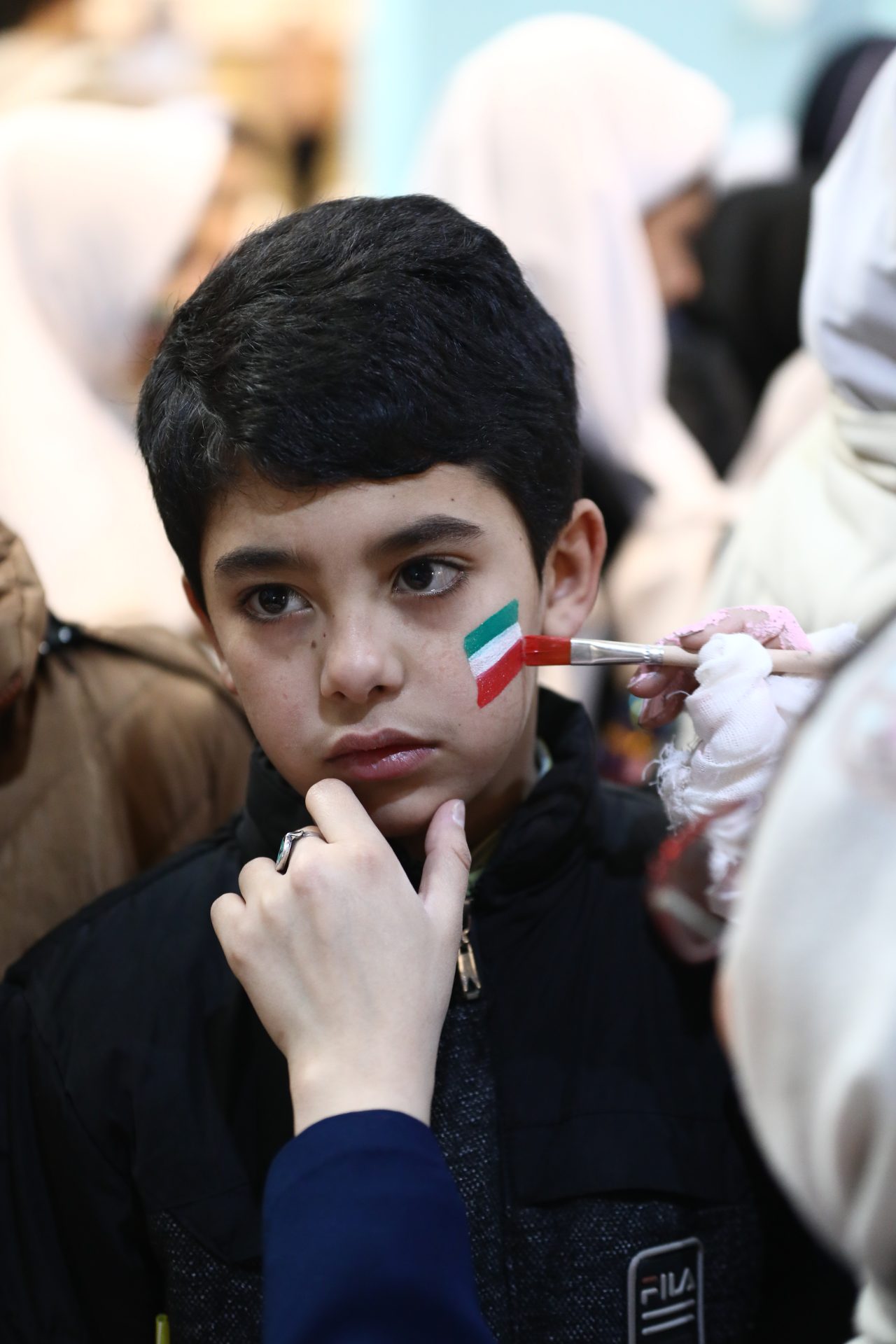
Int’l artistic event in Iran condemns Israel’s ‘savagery’ against children in Gaza, Lebanon

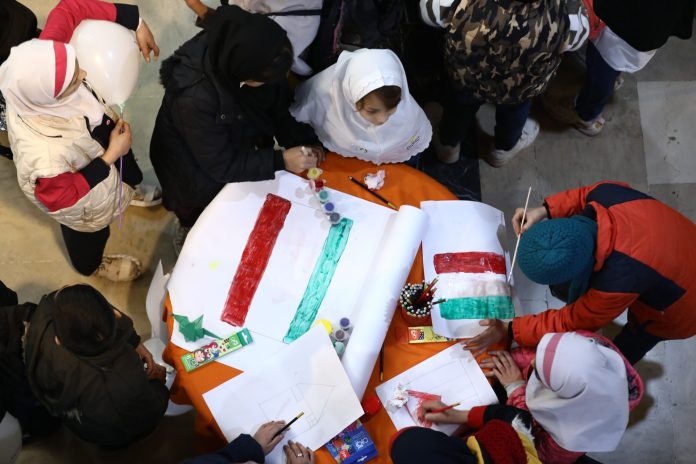
Titled “We Do Not End”, the event went underway in Tehran on Monday, with senior officials, other personalities and experts in attendance.

The event was held in cooperation with more than a dozen people-based organizations, the national network of non-governmental humanitarian bodies, and Iran’s Institute for Intellectual Development of Children and Young Adults.

Addressing the occasion, Gholam-Hossein Darzi, director-general of the Foreign Ministry’s Sustained Development and Environmental Department, noted that tens of thousands of people had been killed as a result of the Israeli regime’s 14-month-old genocidal war on Gaza and escalation against Lebanon.

He said that women and children comprised “more than 70 percent” of the fatalities.

Darzi considered the Israeli atrocities that have been taking place in full view of members of the international community to be perfect examples of “genocide, war crimes, and crimes against humanity.”

The sheer extent of the casualties and destruction caused by the genocide in Gaza “serves as a clear indicator of a calculated conspiracy aimed at bringing about the destruction of a nation through causing its forced displacement from Palestine,” the official said.

“Besides amounting to an affront to humanity, the volume of savagery serves as complete disregard for [various] values, norms, civilizations, and the foundational principles of the international law, especially the humanitarian international law.”

The official, therefore, urged comprehensive and proactive international endeavor aimed at forcing the regime to completely cease its atrocities, respect humanitarian commitments, and allow global organizations’ access to Gaza towards assessing the extent of the damage that has been caused to the coastal sliver.

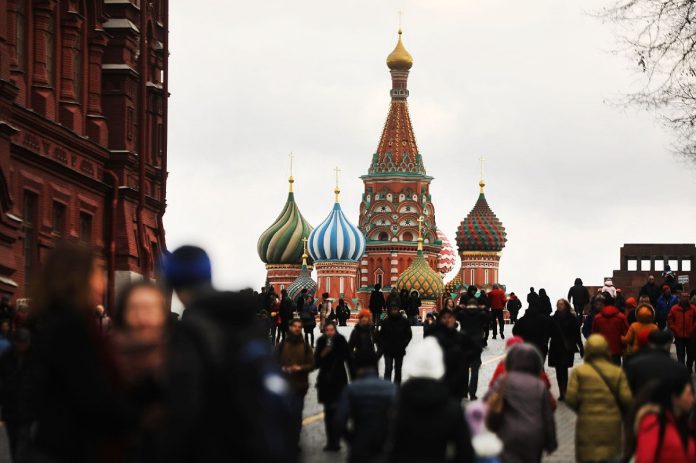
Russia confirms Putin personally approved Assad’s asylum following Syrian gov’t fall

Kremlin

Kremlin spokesman Dmitry Peskov told a press briefing that there was no meeting scheduled to take place between Putin and Assad. “There is nothing to say regarding Assad’s whereabouts,” he added.

When asked how Assad had been granted political asylum, Peskov said: “Such decisions cannot be made without the head of state; it is his decision.”

On Sunday, Russian media reported that Assad and his family had been granted asylum in Russia “on humanitarian grounds”. According to the Russian Foreign Ministry, Assad agreed to step down following negotiations with armed opposition groups and instructed officials to ensure a “peaceful transfer of power”.

Hayat Tahrir-al-Sham (HTS) jihadists, along with other anti-government factions, seized control of Damascus on Saturday following a swift advance in several regions of Syria.

Kurds say Turkish drone attack killed several in Syria

Turkish Drone

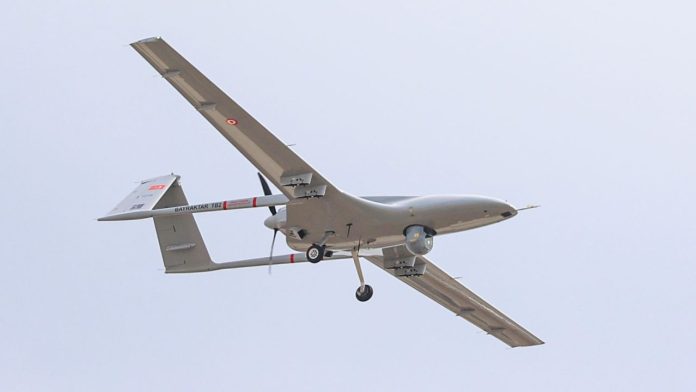
The US-backed Kurdish-led Syrian Democratic Forces (SDF) said in a statement on Monday that the Turkish drone strike in the village of al-Mistriha killed 12 civilians, including six children.

This is while the Britain-based Syrian Observatory for Human Rights put the number of fatalities at eleven, noting they were all members of the same family.

Meanwhile, Turkish-backed militants from the so-called Syrian National Army have launched an offensive against US-backed SDF in the northern Syrian city of Manbij.

Turkish security officials, speaking on condition of anonymity, asserted on Monday that “control of Manbij has been secured”, without providing further details.

Ankara-backed militants were deployed to northeastern Syria in October 2019 after Turkish military forces launched a long-threatened cross-border invasion in a declared attempt to push members of the US-backed Kurdish People’s Protection Units (YPG) militant group away from border areas.

Ankara views the YPG as a terrorist organization tied to the homegrown Kurdistan Workers’ Party (PKK), which has been seeking an autonomous Kurdish region in Turkey since 1984.

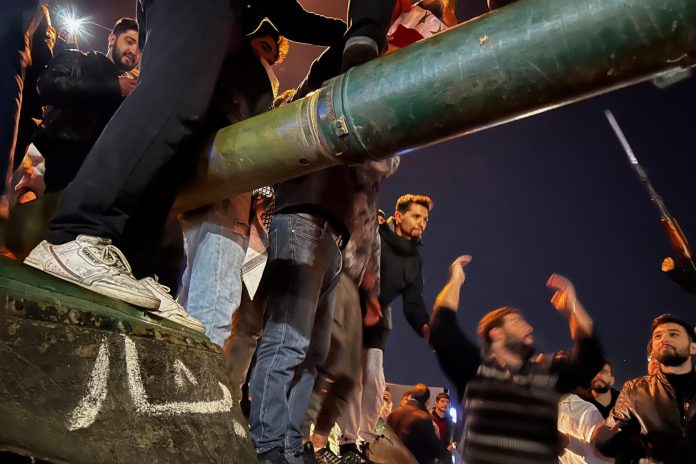
Militant groups, led by Hay’at Tahrir al-Sham (HTS), announced on Sunday that they had fully captured the Syrian capital Damascus, and confirmed reports of the fall of President Bashar al-Assad’s government. Assad’s fall came less than two weeks after the HTS-led militants waged a surprise two-pronged attack on Syria’s Aleppo and the countryside around Idlib before taking control of a number of cities, including Damascus.

Ukraine has lost 43k soldiers in action since start of war: Zelensky

Russia Ukraine War

This figure contrasts a claim by U.S. President-elect Donald Trump, who wrote on his Truth Social platform that Ukrainian military losses had reached “400,000 soldiers, and many more civilians”.

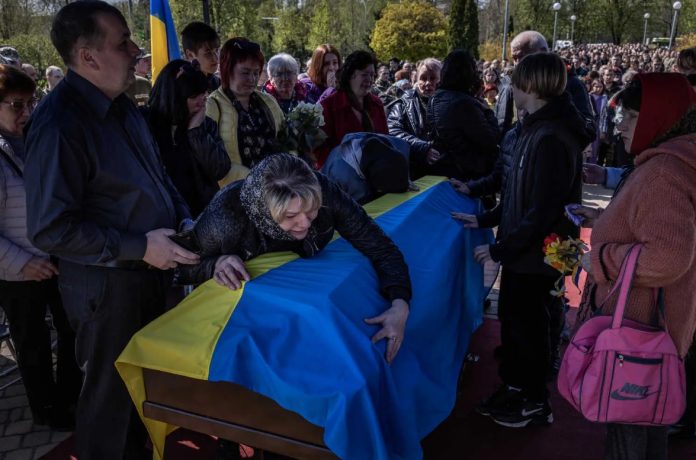
In his post, Zelensky wrote that “Ukraine has lost 43,000 soldiers killed in action on the battlefield”, adding that there have been “370,000 cases of medical assistance for the wounded”, which includes light or repeat injuries.

It is unclear if Trump was referring to total casualties — soldiers killed and injured — in his Truth Social post.

Zelensky also noted that approximately half of the soldiers wounded in action later return to the battlefield.

“This is a testament to the resilience of our Armed Forces and the effectiveness of our medical teams,” Zelensky said.

“Since September this year, Russia has been losing troops on the battlefield at a ratio of 5-to-1, or even 6-to-1, compared to us,” he added.

As of August, Russia’s war has killed 11,743 civilians and injured 24,614, according to the UN, but the actual figures are likely much higher. A lack of access to Russian-occupied and front-line areas makes it nearly impossible to gather accurate casualty numbers.

The updated battlefield casualty figure provided by Zelensky reflects a rise from his February estimate of 31,000 total deaths.

Up until that moment, Ukraine had kept the number of troops killed a secret. Zelensky did not clarify at that time what the government’s definition of a troop casualty was.

In recent months, Zelensky and other officials have actively addressed and refuted various claims regarding Ukrainian military losses.

In an interview with Kyodo News, Zelensky rejected Western media reports suggesting that as many as 80,000 Ukrainian soldiers had been killed in the ongoing war with Russia.