Friday, December 26, 2025
Home Blog Page 554

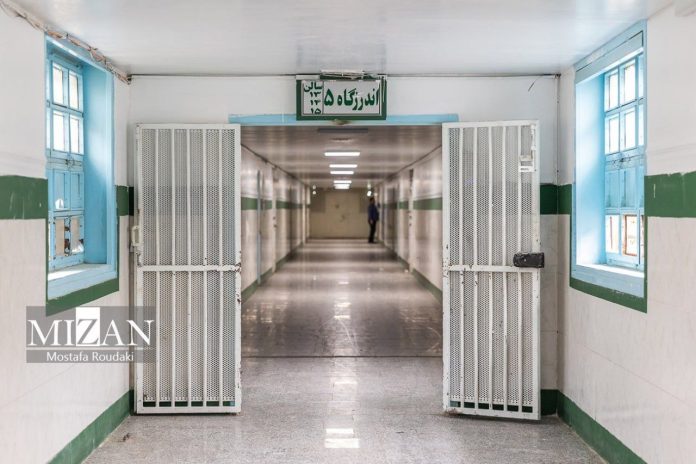
Official: Swiss national accused of espionage commits suicide in Iran’s Semnan prison

Iran Prison

The individual had been arrested by security agencies on charges of espionage, with evidence supporting the claims. The case was under investigation at the time of the incident.

The Swiss citizen was housed in a private suite with another inmate. Early this Thursday morning, the individual reportedly asked the cellmate to retrieve food from the prison canteen.

During the brief absence of the cellmate, the detainee used the opportunity to commit suicide.

Prison officials intervened promptly to save the individual, but their efforts were unsuccessful.

All evidence and circumstances surrounding the detainee’s housing have been reviewed, and preliminary investigations confirm the act as suicide.

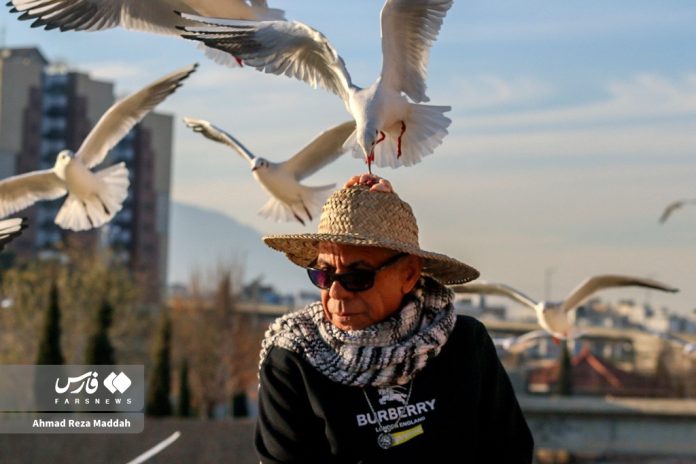
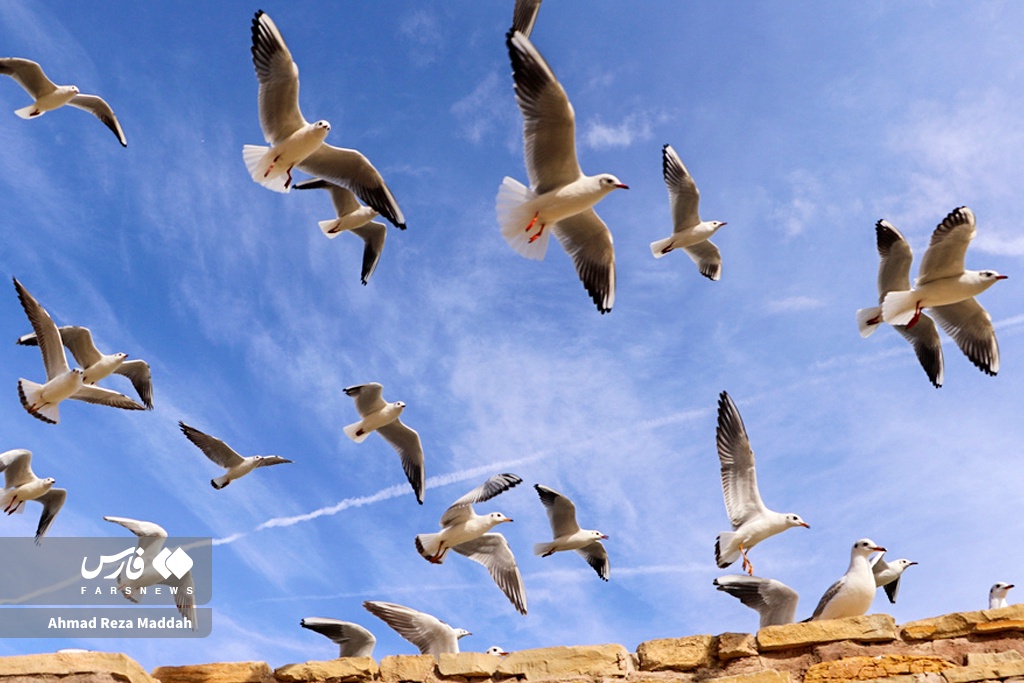
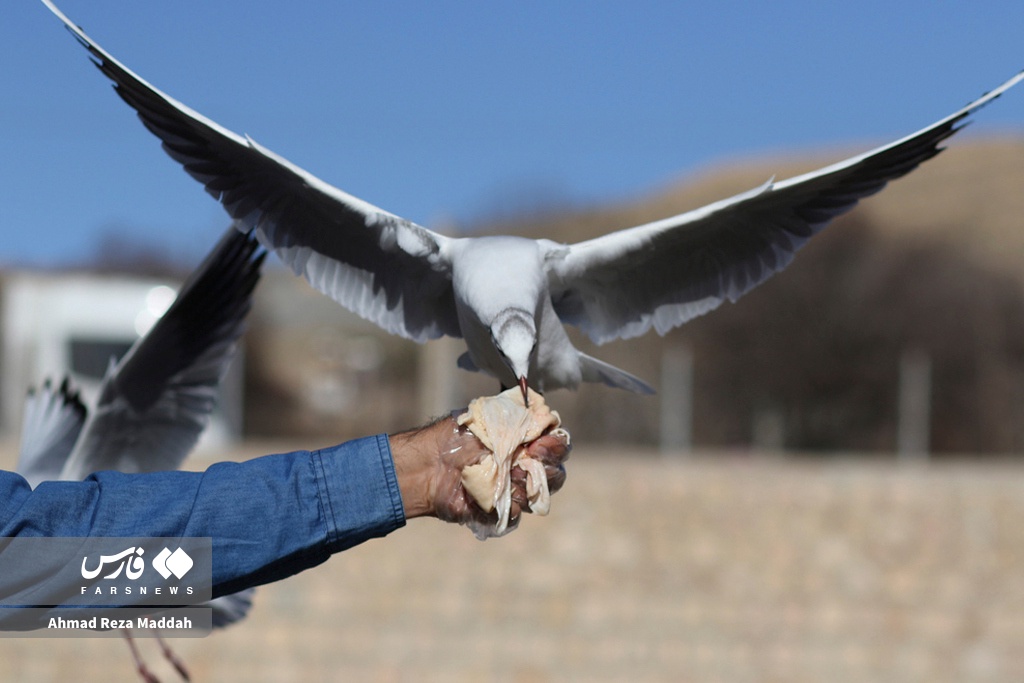
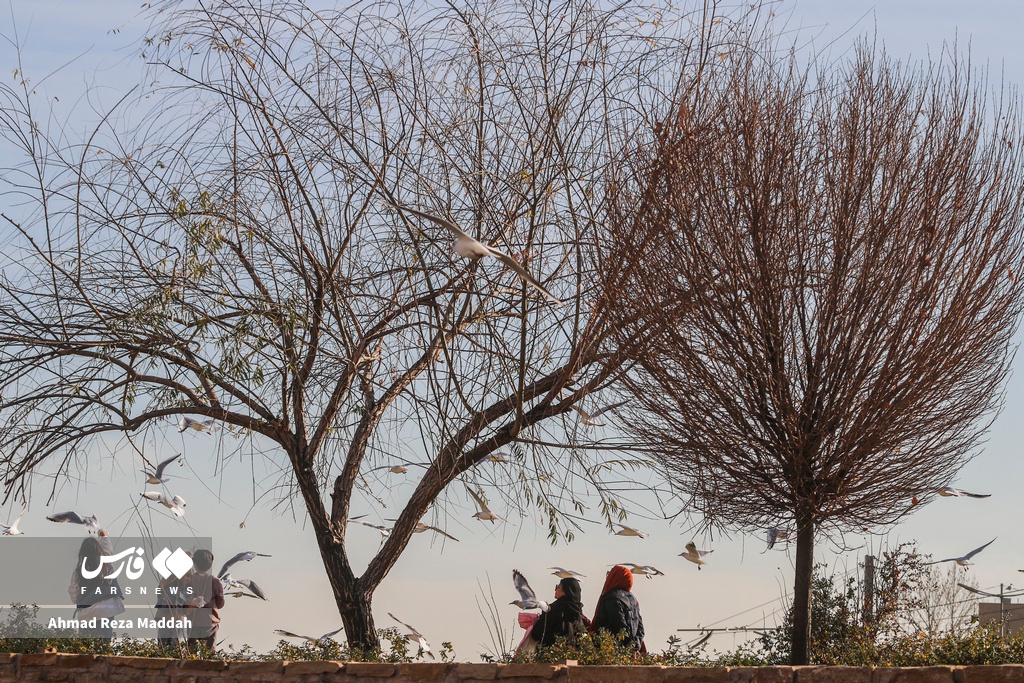
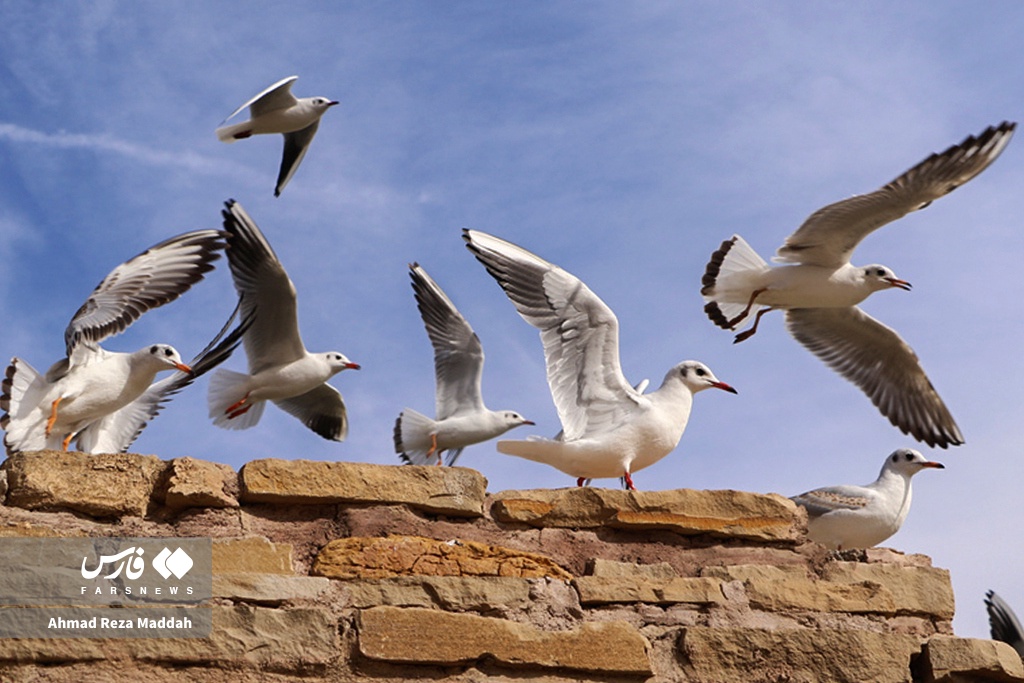
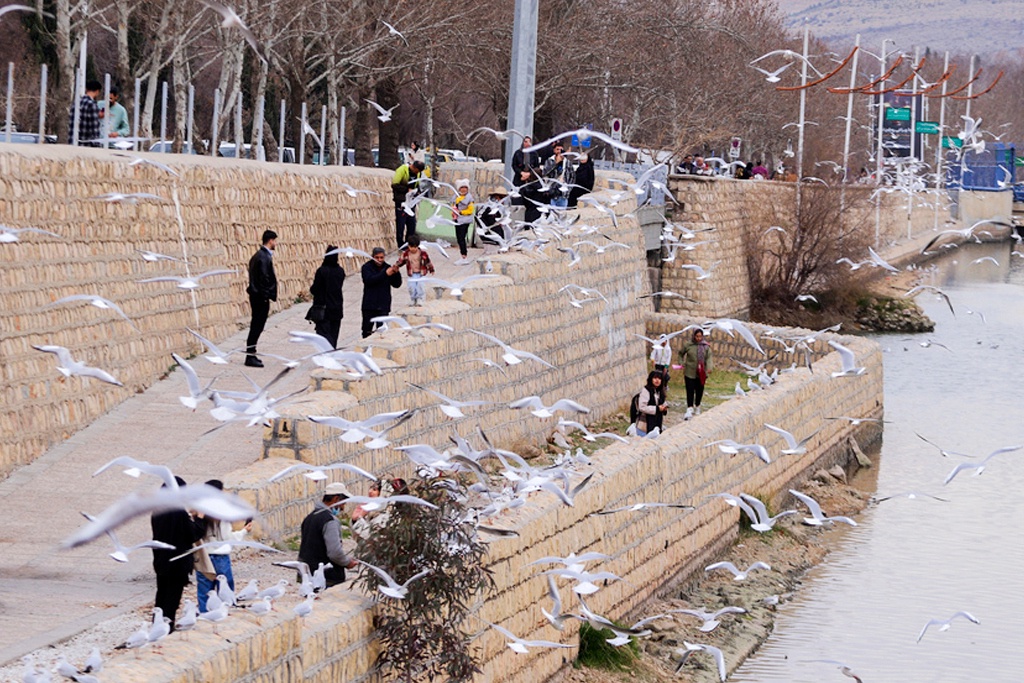
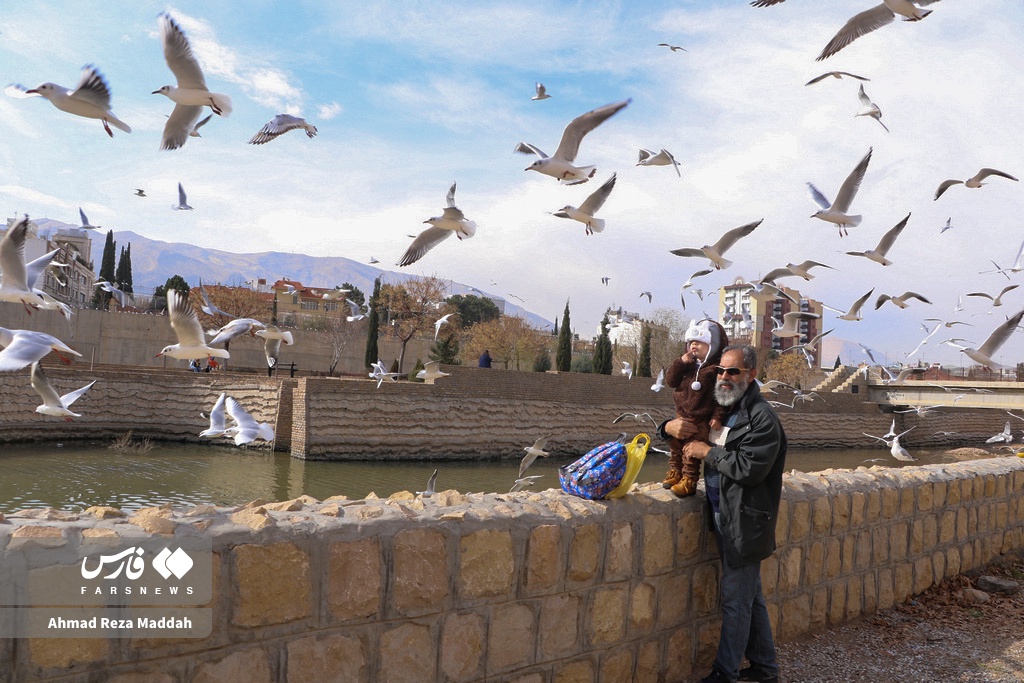
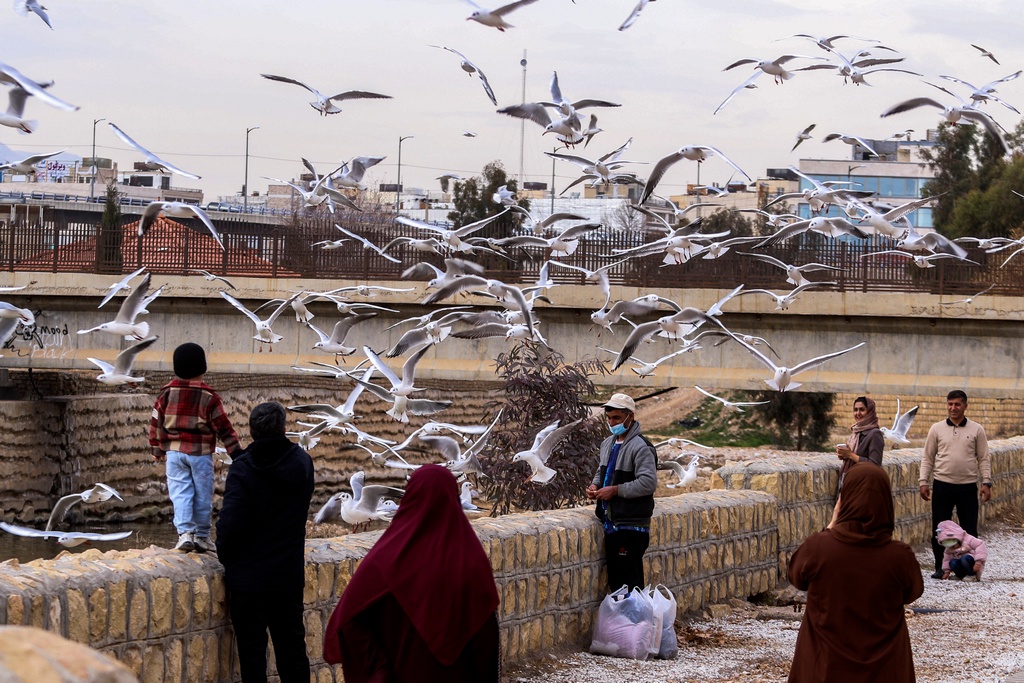
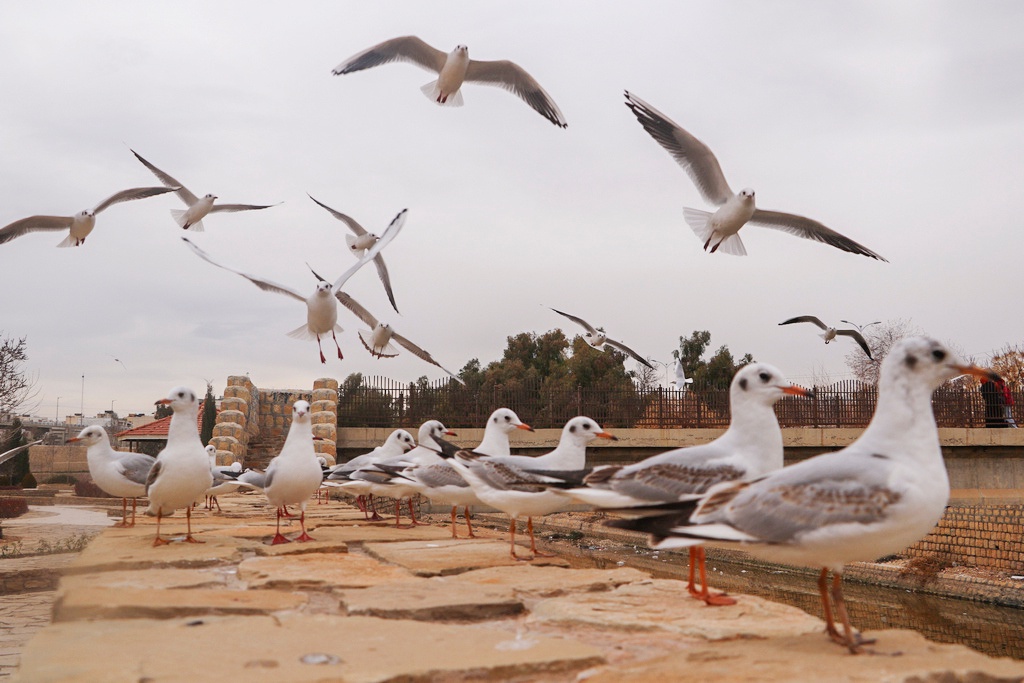
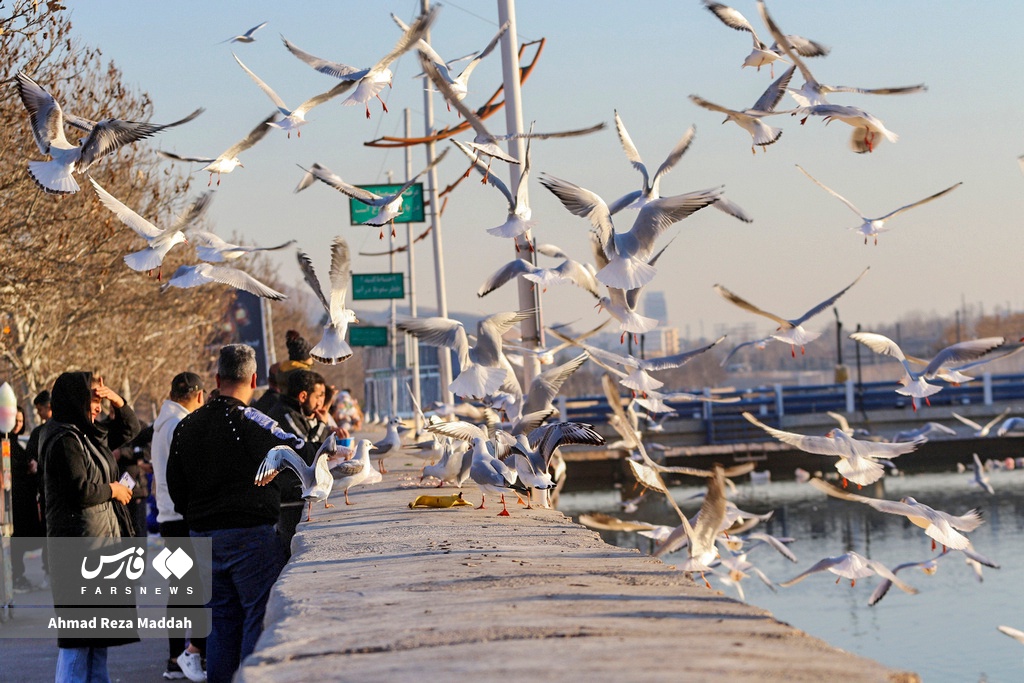
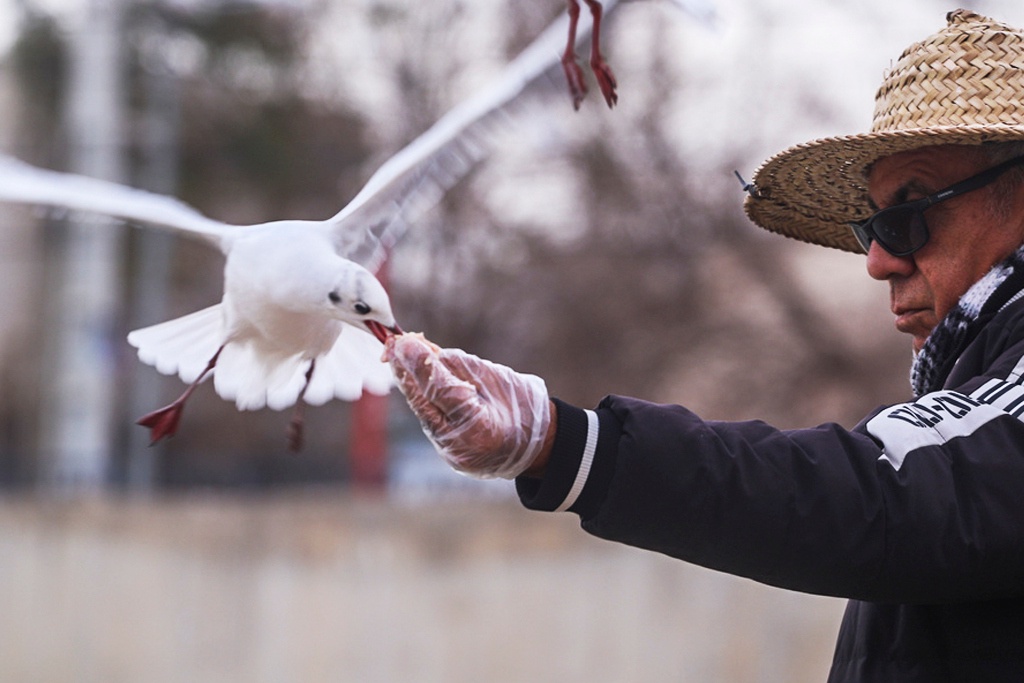
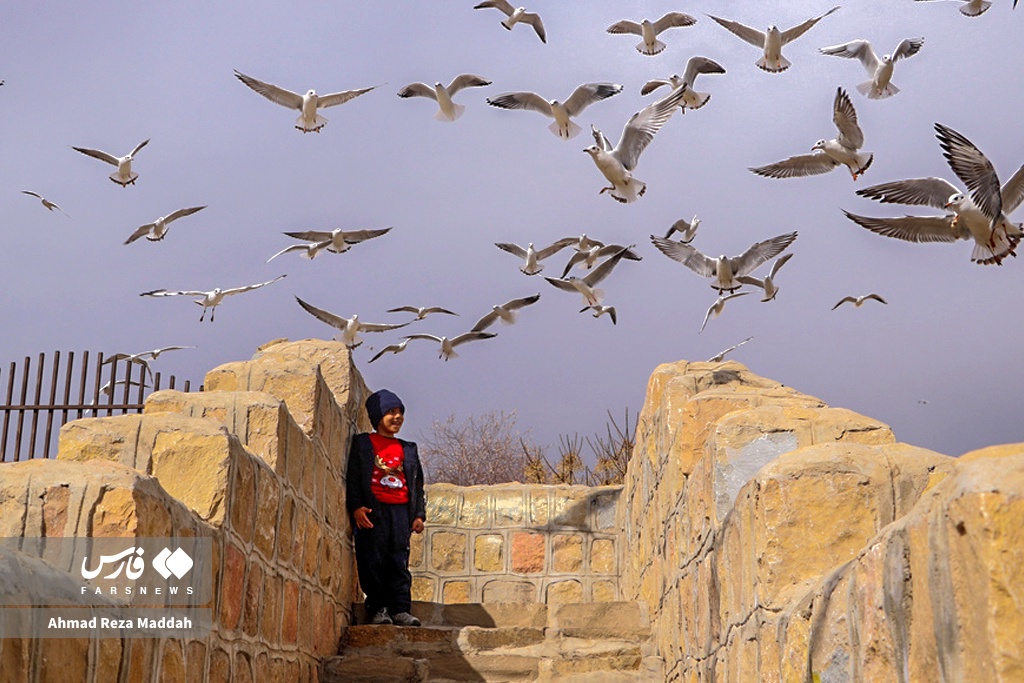
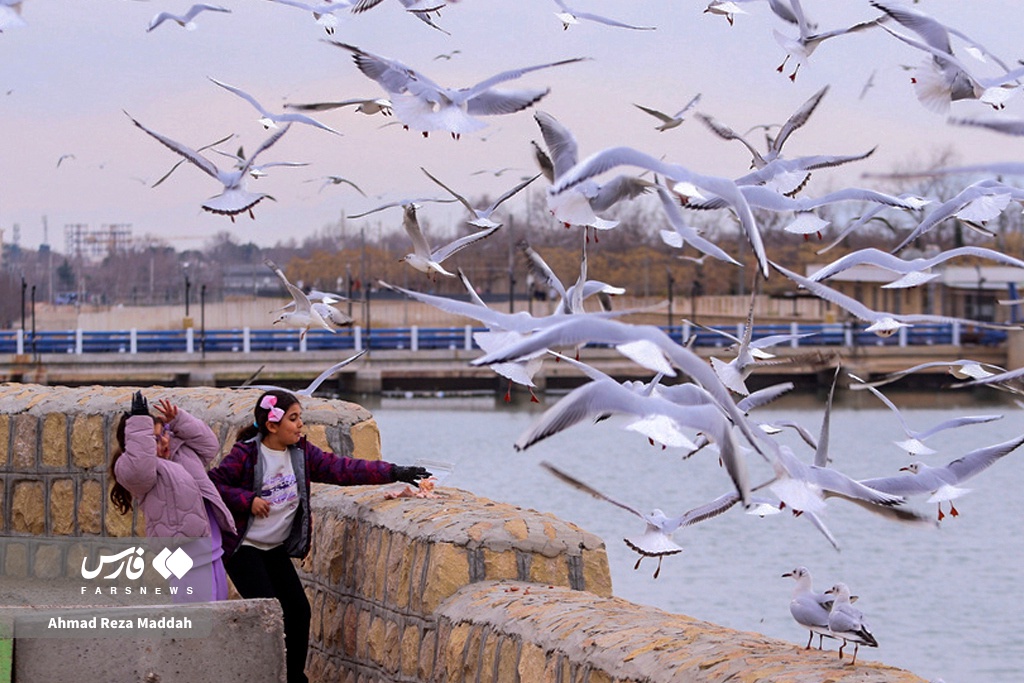
Siberian gulls bring winter charm to Shiraz, southern Iran

These migratory birds create a picturesque scene, adding a unique touch of natural beauty to the southern Iranian city during the colder months.

Their seasonal visit has become a highlight for nature enthusiasts and photographers alike.

More in pictures:

Lebanon’s parliament elects Joseph Aoun as president

Joseph Aoun

Aoun secured 99 votes from the 128-seat parliament to win the presidency in a second round of voting on Thursday afternoon, which came weeks after a tenuous ceasefire agreement halted 14 months of fighting between Israel and Lebanon’s Hezbollah, as the country seeks aid for reconstruction.

“A new phase in the history of Lebanon begins today,” 61-year-old Aoun told the chamber, as he arrived to take oath in Parliament.

Aoun’s victory, which saw members of parliament erupting in celebration as he reached the required threshold of 86 votes, marked the legislature’s 13th attempt to find a successor for Michel Aoun – not related – whose term ended in October 2022.

In his acceptance speech, Aoun had focused on “building” the nation and its army while sending the message that nobody had been “defeated”.

The Mediterranean country has been without a president since the term of Michel Aoun ended in October 2022, with tensions between Hezbollah its opponents scuppering a dozen previous votes.

In the first round of voting earlier in the day, lawmakers from the pro-Hezbollah bloc had voted blank, a source close to them said, leaving Aoun short of the required two-thirds majority to win outright.

The source added representatives from the bloc met Aoun at the parliament during a break before lawmakers returned for a second vote.

International pressure had mounted for a successful outcome with just 17 days remaining in a ceasefire to deploy Lebanese troops alongside UN peacekeepers in south Lebanon after a Hezbollah-Israel war last autumn.

Aoun now faces the daunting tasks of overseeing a ceasefire on the Israeli border and naming a prime minister to lead reforms demanded by international creditors to save the country from the worst economic crisis of its history.

The president’s powers have been reduced since the end of the 1975-1990 civil war.

But filling the position is key to overseeing consultations towards naming a new prime minister to lead a government capable of carrying out reforms demanded by international creditors.

Aoun was widely seen as the preferred pick of army backer the United States, as well as regional heavyweight Saudi Arabia.

He is Lebanon’s fifth army commander to become president, and the fourth in a row.

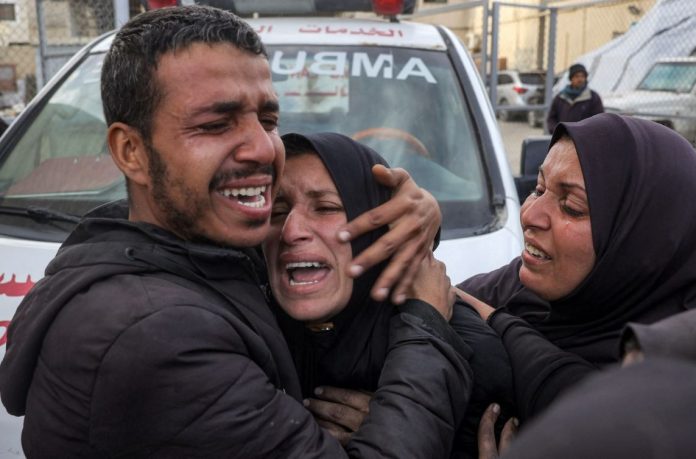
Gaza death toll surges past 46k

Gaza War

The ministry statement announced that some 109,378 others were injured in the ongoing assault.

“Israeli forces killed 70 people and injured 104 others in three massacres of families in the last 24 hours,” the ministry added.

“Many people are still trapped under the rubble and on the roads as rescuers are unable to reach them,” the statement read.

Israel has continued a genocidal war on the Gaza Strip since a Hamas attack on Oct. 7, 2023, despite a United Nations Security Council resolution calling for an immediate cease-fire.

The second year of genocide in Gaza has drawn growing international condemnation, with officials and institutions labeling the attacks and blocking of aid deliveries as a deliberate attempt to destroy a population.

In November 2024, the International Criminal Court (ICC) issued arrest warrants for Israeli Prime Minister Benjamin Netanyahu and former Defense Minister Yoav Gallant for war crimes and crimes against humanity in Gaza.

Israel also faces a genocide case at the International Court of Justice for its deadly war on Gaza.

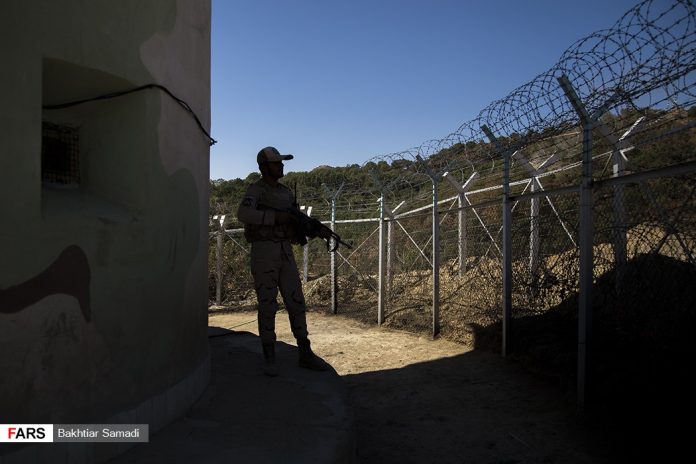
Iranian border guard killed in clash with drug traffickers in Sistan and Baluchestan

Iran Border

The clash occurred during an operation targeting drug smuggling activities near provincial capital of Zahedan early Thursday.

The traffickers, heavily armed, initiated gunfire, prompting a fierce exchange that lasted for hours. Eventually, they fled using the cover of darkness and mountainous terrain.

The operation resulted in the seizure of over 400 kilograms of narcotics, along with weapons and ammunition.

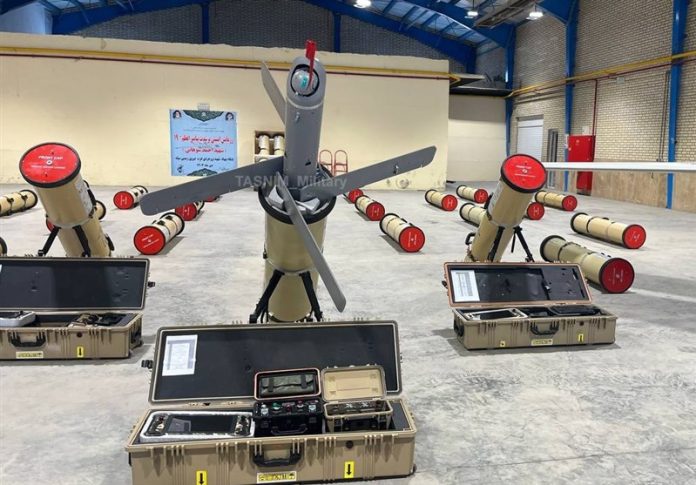
Iran’s newest suicide drone unveiled

The IRGC unveiled and deployed its newest drone during Payambar-e Azam (The Great Prophet) 19 military exercise.

The Rezvan drone has a range of 20 kilometers and a flight endurance of 20 minutes.

Equipped with a forward-facing camera, the drone transmits images back to the operator after being launched from a cylindrical launcher, allowing the operator to select and strike a target.

This drone enhances the rapid response units of the IRGC’s ground forces, providing them with new capabilities to counter terrorist groups, particularly in complex mountainous terrains.

Loitering munitions, also known as “kamikaze drones” or “suicide drones”, are a specific type of weapon designed for precise strikes. Once launched, these systems use advanced optical and thermal sensors to detect and track targets. They patrol designated airspaces, scanning for potential threats, and when they find a target, they dive into it, detonating themselves to ensure destruction.

This unique combination of surveillance and striking capability makes loitering munitions extremely effective in modern warfare. Such weapons are especially effective in ground combat and anti-ambush operations. Their small size and portability make them an ideal weapon for ground forces.

Iran calls for formation of inclusive govt. in Syria through fair elections

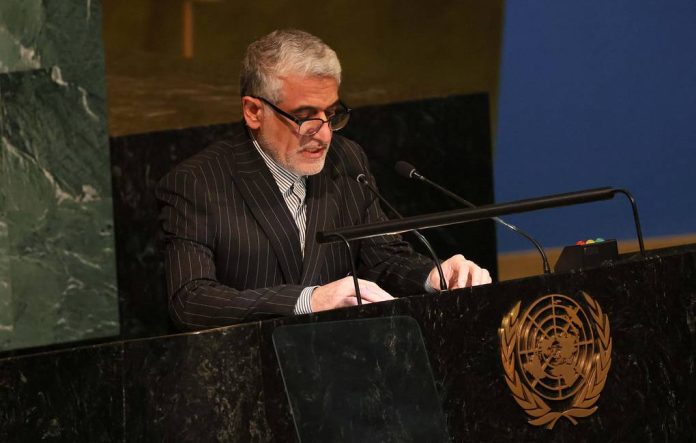
Amir Saeed Iravani

The senior Iranian diplomat was speaking before the United Nations Security Council session on the situation in Syria in New York on Wednesday.

Iravani reaffirmed Iran’s unwavering commitment to Syria’s sovereignty, independence, unity and territorial integrity, saying it is the Syrian people who must exclusively make decisions about the war-ravaged country’s future without any external interference or imposition.

“Iran advocates for the formation of an inclusive government through free and fair elections and a comprehensive national dialogue that ensures representation for all ethnic, political, and religious groups,” the ambassador added.

He stressed the importance of drafting a new constitution as a “key priority” in Syria, which will serve as the foundation for the country’s future governance.

Pointing to Iran’s “legal” presence in Syria, which had been at the request of the former Syrian government, Iravani said, “Iran participated in an advisory capacity to combat terrorism, aiming to prevent insecurity from spreading throughout the region.”

He also defended Iran’s withdrawal from Syria, saying it was conducted in a “responsible manner, with careful consideration of potential impacts on the Syrian people.”

“Nevertheless, achieving peace, stability, and security in Syria, ending foreign occupation, and ensuring a Syria free of terrorism remain the cornerstones of Iran’s foreign policy toward the country,” the senior Iranian diplomat emphasized.

He warned about the severe economic and humanitarian challenges that the Syrian people are facing and said nearly 1.1 million people — mostly women and children – have been displaced since November 27, 2024.

Iravani commended the tireless efforts of the United Nations Office for the Coordination of Humanitarian Affairs (OCHA) and humanitarian partners in alleviating the suffering of the Syrian people.

“Rebuilding critical infrastructure, restoring essential services, and facilitating the safe return of refugees and displaced persons are essential steps toward recovery,” he added.

He highlighted the significance of swift removal of “extraterritorial, unilateral, unjust and illegal” sanctions imposed by Western countries on Syria, saying, “Exploiting the situation in Syria to impose political conditions and undermine Syria’s sovereignty in exchange for sanctions relief severely harms the most vulnerable populations and violates the fundamental rights of the Syrian people.”

It is imperative to respect the rights of all minorities in Syria, including Alawites, Shias, and Christians, and to ensure the protection of diplomatic personnel and premises in accordance with international law, he further said.

Iravani expressed serious concern over the resurgence of terrorism in Syria, particularly the covert operations of sleeper cells linked to al-Qaeda and Daesh, explaining that such terrorist groups have the potential to reconnect and reignite terrorism across the region.

“Compounding the crisis is the presence of over 60 armed groups, including foreign terrorist fighters (FTFs) with divergent and often conflicting agendas, which has deepened instability and poses a severe threat to both regional and global security,” he added.

He warned against the pressing challenge of the fate of thousands of Daesh-affiliated militants held in camps and prisons in northeastern Syria, demanding urgent action in this regard.

“These individuals must be swiftly repatriated to their countries of origin based on their nationality and subjected to legal proceedings to ensure accountability.”

The Iranian ambassador reaffirmed the country’s commitment to combating international terrorism and collaborating with legitimate international partners to address this critical challenge.

Iravani described Israel as “the most significant threat” to Syria’s present and future, saying the occupying regime continues violations of the Arab country’s sovereignty and territorial integrity, by various means, including military aggression and ongoing occupation of Syrian territories.

Pointing to Israel’s refusal to withdraw from the occupied Golan Heights in defiance of Security Council Resolution 497 (1981), he said, “With US support and exploiting Syria’s situation, Israel has expanded its occupation by occupying over 500 additional square kilometers of Syrian territory and systematically destroying nearly all of Syria’s military and research infrastructure.”

Israel is flagrantly violating international law, the UN Charter, and relevant Security Council resolutions, he added, urging the world body to “take decisive action to halt these violations and hold Israel accountable for its destabilizing actions.”

The Israeli regime has occupied some 600 kilometers of Syrian territory since the government of former president Bashar al-Assad was toppled last month by the Hayat Tahrir al-Sham (HTS) militants.

The militants took control of Damascus on December 8 and declared an end to Assad’s rule in a surprise offensive that was launched from their stronghold in northwestern Syria, reaching the capital in less than two weeks.

Iravani stated that Iran was willing to play a constructive role in Syria and work with the United Nations, regional partners, and a Syrian government representing the will of the country’s people to achieve lasting peace and stability in Syria and the broader region.

US says over a third of Israeli forces in Lebanon have withdrawn

Lebanon War

Blinken said that he sees hope for a “durable peace” in Lebanon, adding that about one-third of Israeli forces have departed since a truce was struck between Israel and Hezbollah.

That agreement stipulates that Israeli forces must exit Lebanon by January 26, but recent reports in Israeli media have stated that they may stay beyond that deadline in violation of the agreement.

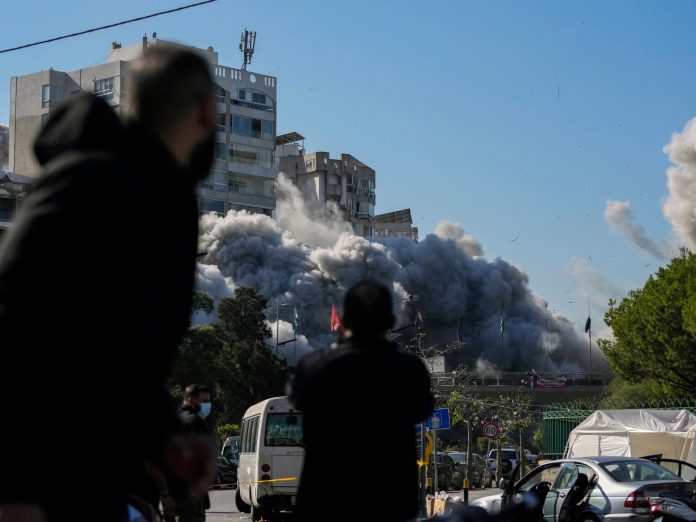
Israel has also continued to carry out near-daily attacks in southern Lebanon, as well as the destruction of civilian homes in areas under its control.

Lebanese authorities have reported more than 432 Israeli violations of the cease-fire, including the deaths of 32 people and the injury of 39 others, since the deal came into force on Nov. 27.

The cease-fire agreement aimed to end over 14 months of fighting between the Israeli army and Hezbollah group since the start of the Gaza war in October 2023.

Under the cease-fire terms, Israel is required to withdraw its forces south of the Blue Line – a de facto border – in phases, while the Lebanese army is to deploy in southern Lebanon within 60 days.

Data from the Lebanese Health Ministry indicates that since Israel’s onslaught against Lebanon began on Oct. 8, 2023, at least 4,063 people have been killed, including women, children and health workers, while 16,664 others have been injured.

‘Mother of Siberian Cranes’ passes away in Iran’s Mazandaran

She dedicated over five decades to studying migratory birds, particularly Siberian cranes.

Vuosalo, who lived in the provincial cities like Fereydunkenar, Babolsar, and Royan, was deeply integrated into the local communities.

A graduate in zoology from UCLA, the US, and with a master’s degree in journalism, Vuosalo moved to Mazandaran after marrying her Iranian husband.

Her work primarily focused on observing the western flock of Siberian cranes that migrated annually to Mazandaran.

Her efforts included extensive research in zoology, biotechnology, biochemistry, and raising local awareness against hunting.

Vuosalo’s significant contributions made her a prominent figure in the field of migratory bird research in Iran.

She was honored at various environmental events, including the 2017 Iranian Bio-Breeders Symposium.

The last Siberian crane visited Mazandaran two years ago and did not return, marking the end of an era for Siberian cranes in the region.

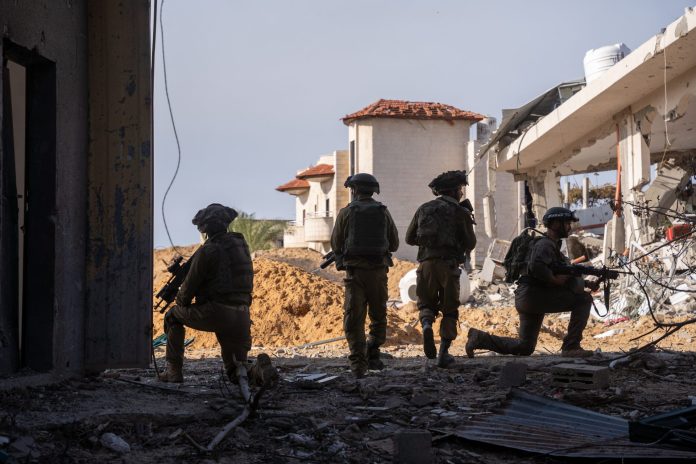
Israel withholding info on soldiers amid intl. detention fears over Gaza crimes

Israel Army

The regime’s public broadcaster carried the report on Wednesday, saying the army had changed its media policy so it could prevent identification of the forces overseas.

Over the past months, international efforts have been ramped up towards prosecution of Israeli forces due to their perpetration of war crimes across the occupied Palestinian territories.

In November, the International Criminal Court (ICC)’s Pre-Trial Chamber I issued warrants of arrest for Israeli prime minister Benjamin Netanyahu and his former minister of military affairs Yoav Gallant “for crimes against humanity and war crimes” committed from at least October 8, 2023 until at least May 20, 2024, the day the prosecution filed the applications for warrants of arrest.

It marked the first instance in the court’s 22-year history that it was issuing arrest warrants for Western-allied senior officials.

According to Hebrew-language reports, around 50 complaints have been registered against Israeli troops for their committing war crimes, especially in Gaza, across some 10 countries.

The developments came amid the Israeli regime’s ongoing war of genocide against the coastal sliver that has so far claimed the lives of more than 45,900 Palestinians, mostly women and children.

The Israeli regime launched the war last October following a retaliatory operation staged by Gaza’s resistance movements in response to Tel Aviv’s decades of occupation and aggression against Palestinians.