Friday, December 26, 2025
Home Blog Page 549

Iranian citizen detained in Italy, released 

Esmail Baghaei highlighted the diplomatic efforts undertaken to address the matter and expressed satisfaction with the citizen’s release.

Baghaei also extended gratitude to all relevant parties for their cooperation.

He reiterated that the Ministry of Foreign Affairs spares no effort in fulfilling its inherent responsibilities to protect the rights of Iranian nationals abroad.

Mohammad Abedini, an Iranian entrepreneur and elite, had been arrested in Italy at the request of the United States

He was detained in Milan on charges of violating Washington’s sanctions against Tehran.

Abedini, a graduate of mechanical engineering from Sharif University of Technology, was the manager of a Swiss company named Illumove SA.

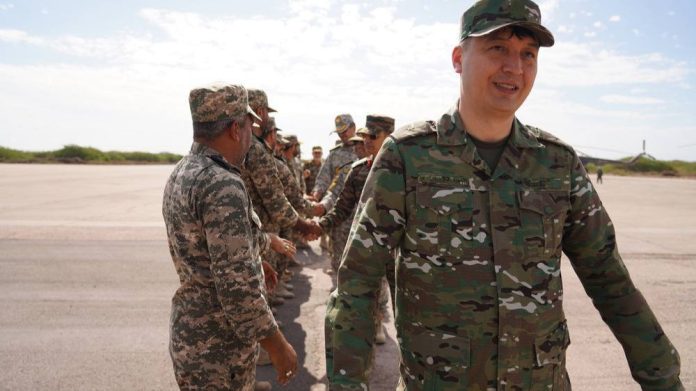
Military delegation from 8 nations tours Iran’s strategic islands in Persian Gulf

They were accompanied by Major General Yahya Rahim Safavi, a military advisor to Iran’s Leader and the university’s international studies director.

General Rahim Safavi explained that the visit aimed to showcase Iran’s advancements in defense and security in the Persian Gulf and the Strait of Hormuz, as well as its capabilities in transit, energy, industry, and international relations with countries such as India, China, Pakistan, Turkmenistan, Iraq, Oman, and Yemen.

During the three-day visit, the delegation explored key sites, including Shahid Rajaee Port, the Persian Gulf Star Refinery, Hormozgan Steel Company, and Iran’s shipbuilding industries.

They also toured Abu Musa Island’s marine research facilities, the Jamaran destroyer, and the naval capabilities of the Islamic Revolution Guard Corps (IRGC), concluding with a meeting with Admiral Ali Reza Tangsiri, Commander of the IRGC Navy.

Highlighting the importance of defense diplomacy,  General Rahim Safavi emphasized the role of academic exchange in fostering security and cooperation among nations.

He underlined Iran’s efforts to strengthen regional stability through active defense diplomacy, collaboration with its 15 neighbors, and partnerships within frameworks like the Shanghai Cooperation Organization and BRICS.

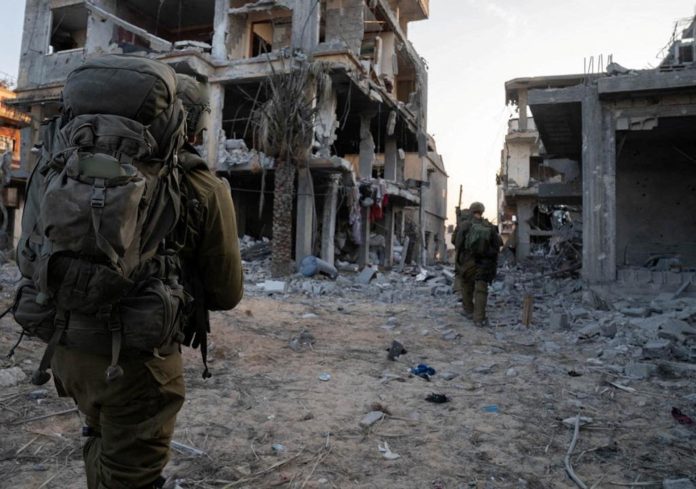
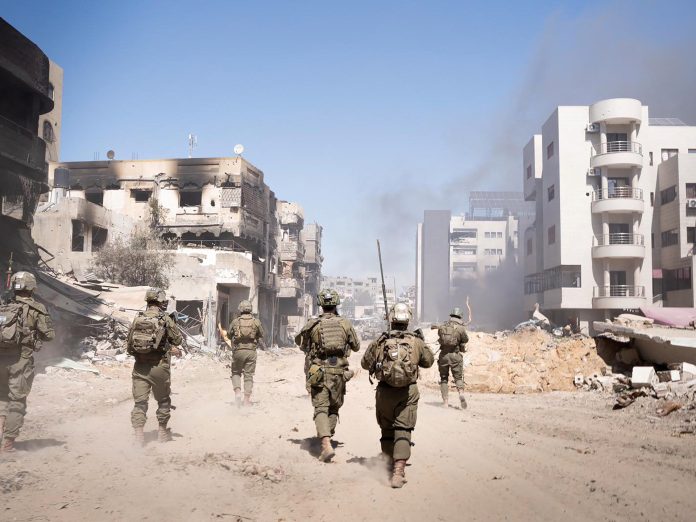
Israeli military adjusts combat strategy in northern Gaza after heavy losses: Report

Israeli Army

Four soldiers were killed and six others injured, including two critically, in a bomb explosion in Beit Hanoun on Saturday.

“This incident prompted the Gaza Division to conduct a rapid investigation and change its combat strategy,” Maariv daily said.

According to the newspaper, at least 11 soldiers were killed and 20 others injured since the start of the army’s military operation in Beit Hanoun two weeks ago.

Maariv claimed that the Palestinian group Hamas is using tactics such as deploying surveillance cameras to monitor Israeli troop movements, booby-trapping homes and roads, and creating defensive positions for anti-tank missiles and sniper fire.

“The Israeli army intends to change the routine of continuous movement of troops to make it difficult for Hamas fighters to attack its forces, and to resort to night movements, a tactic that the Israeli army has an advantage,” it added.

Israel has continued a large-scale ground operation in northern Gaza since Oct. 5, 2024 to allegedly prevent Hamas from regrouping. Palestinians, however, accuse Israel of seeking to occupy the area and forcibly displace its residents.

Since then, no sufficient humanitarian aid including food, medicine, and fuel has been allowed into the area, leaving the remaining population on the verge of imminent famine.

Overall, Israel has killed more than 46,500 people, mostly women and children, in Gaza since the Oct. 7, 2023 Hamas attacks.

In November 2024, the International Criminal Court issued arrest warrants for Israeli Prime Minister Benjamin Netanyahu and former Defense Minister Yoav Gallant for war crimes and crimes against humanity in Gaza.

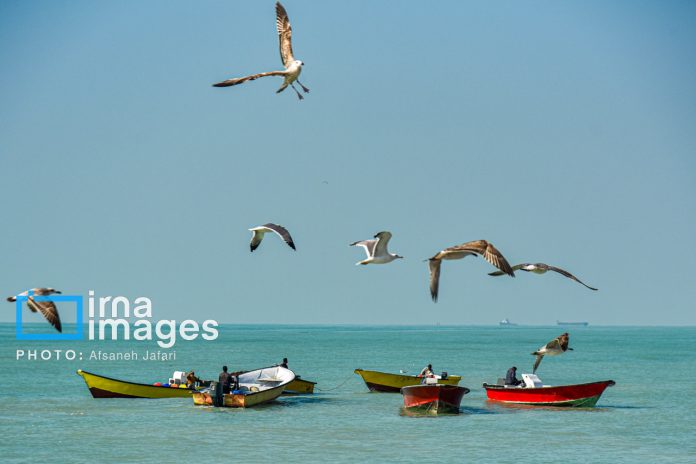
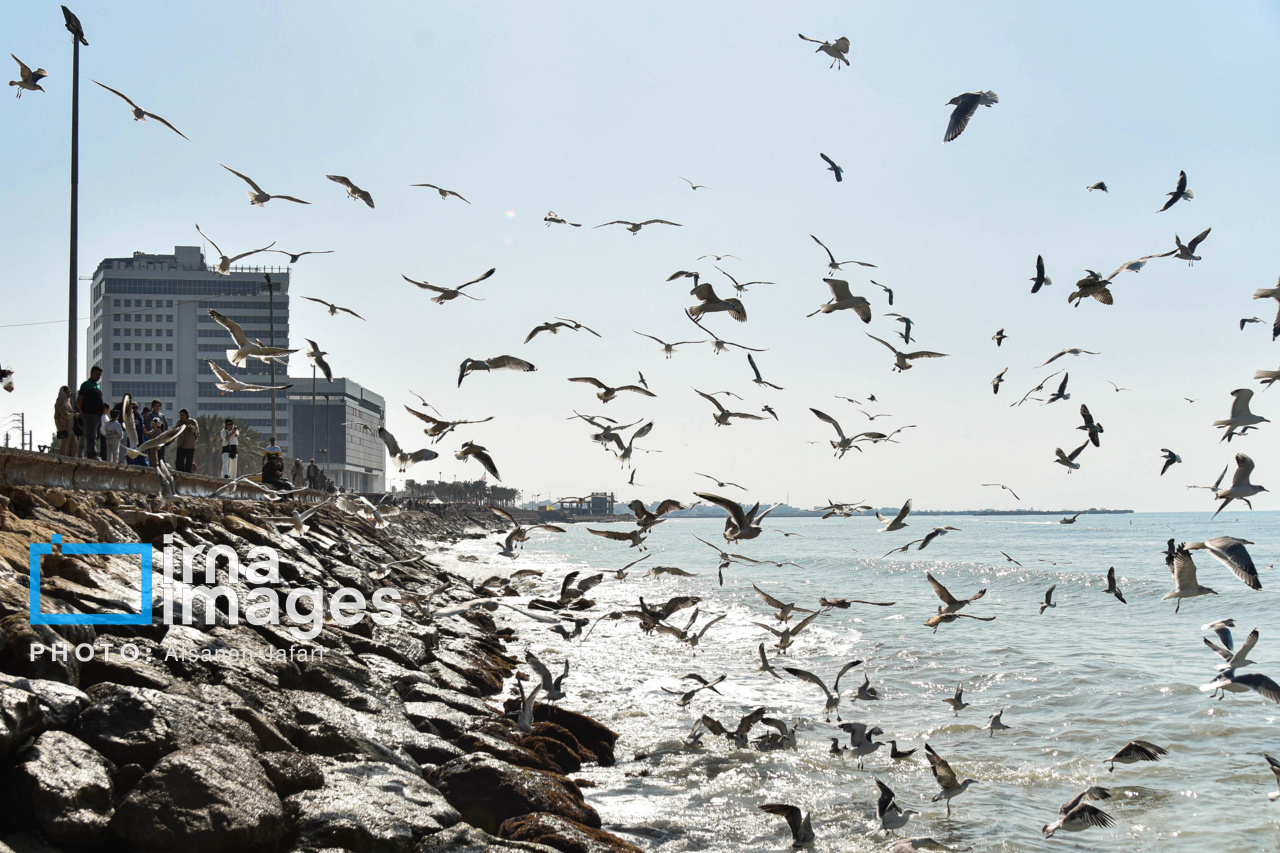
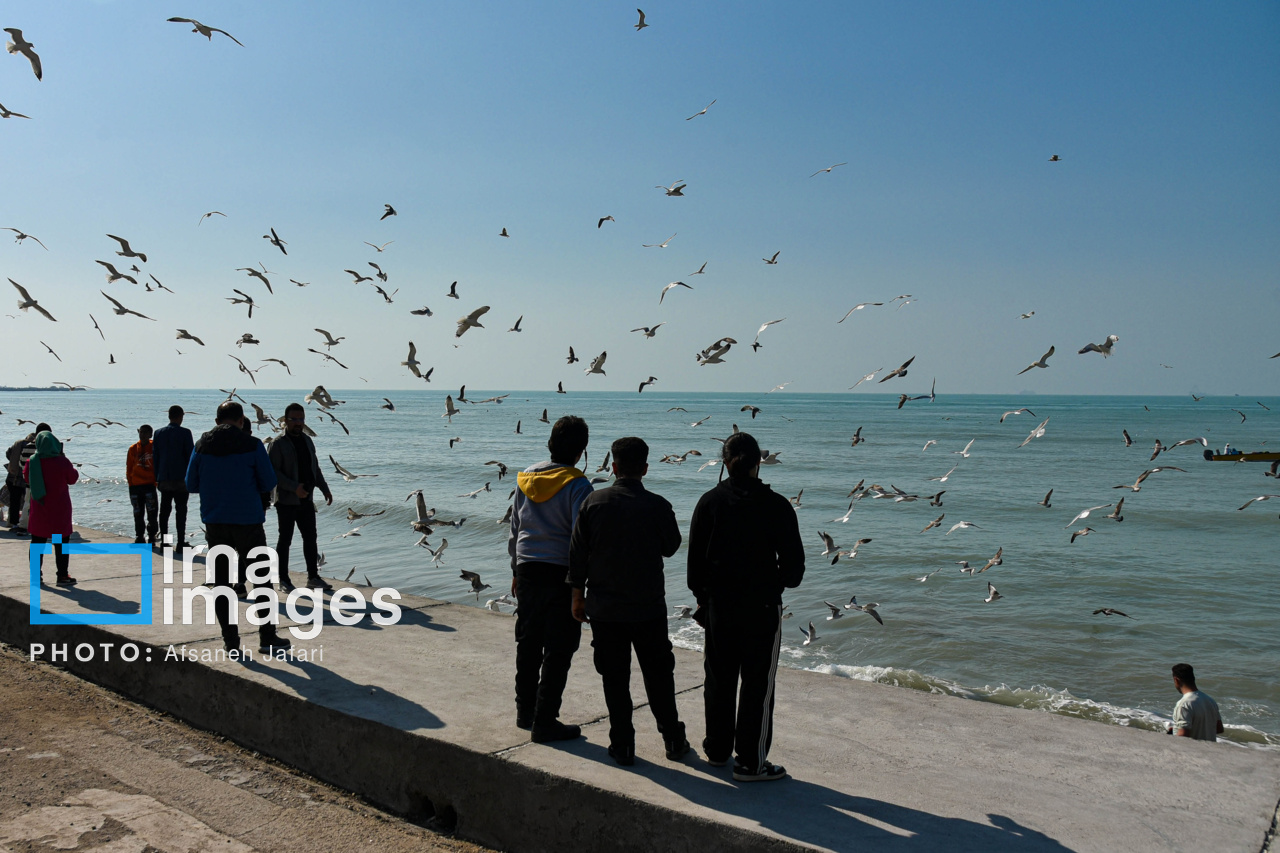
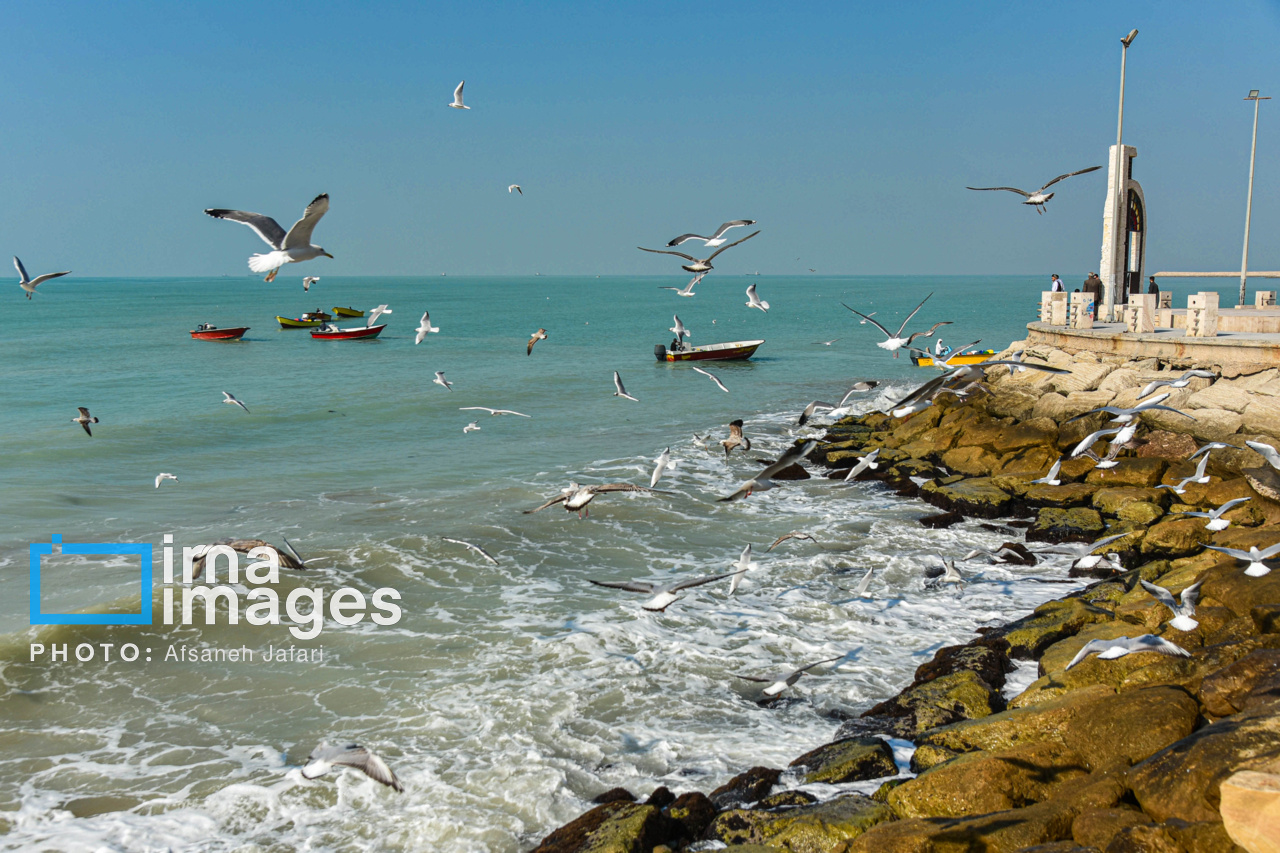
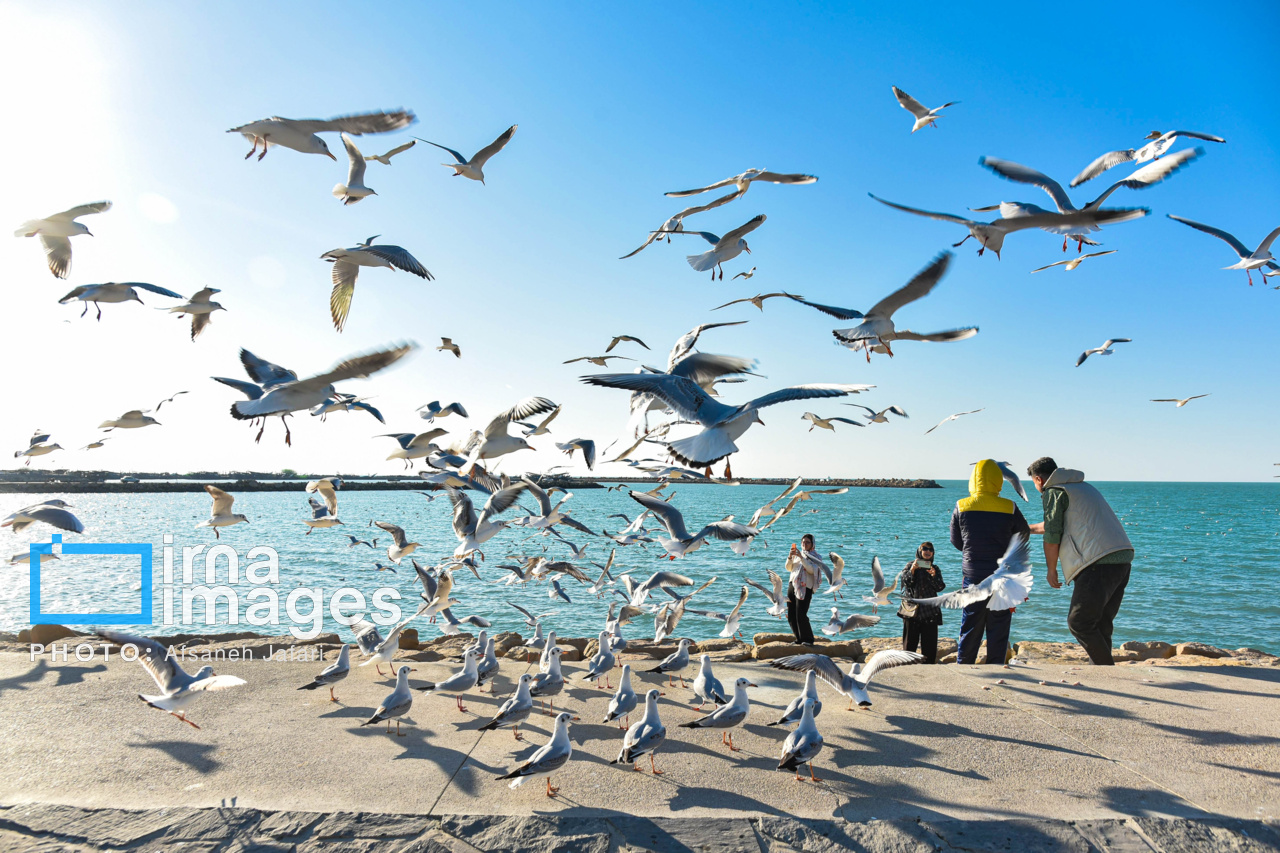
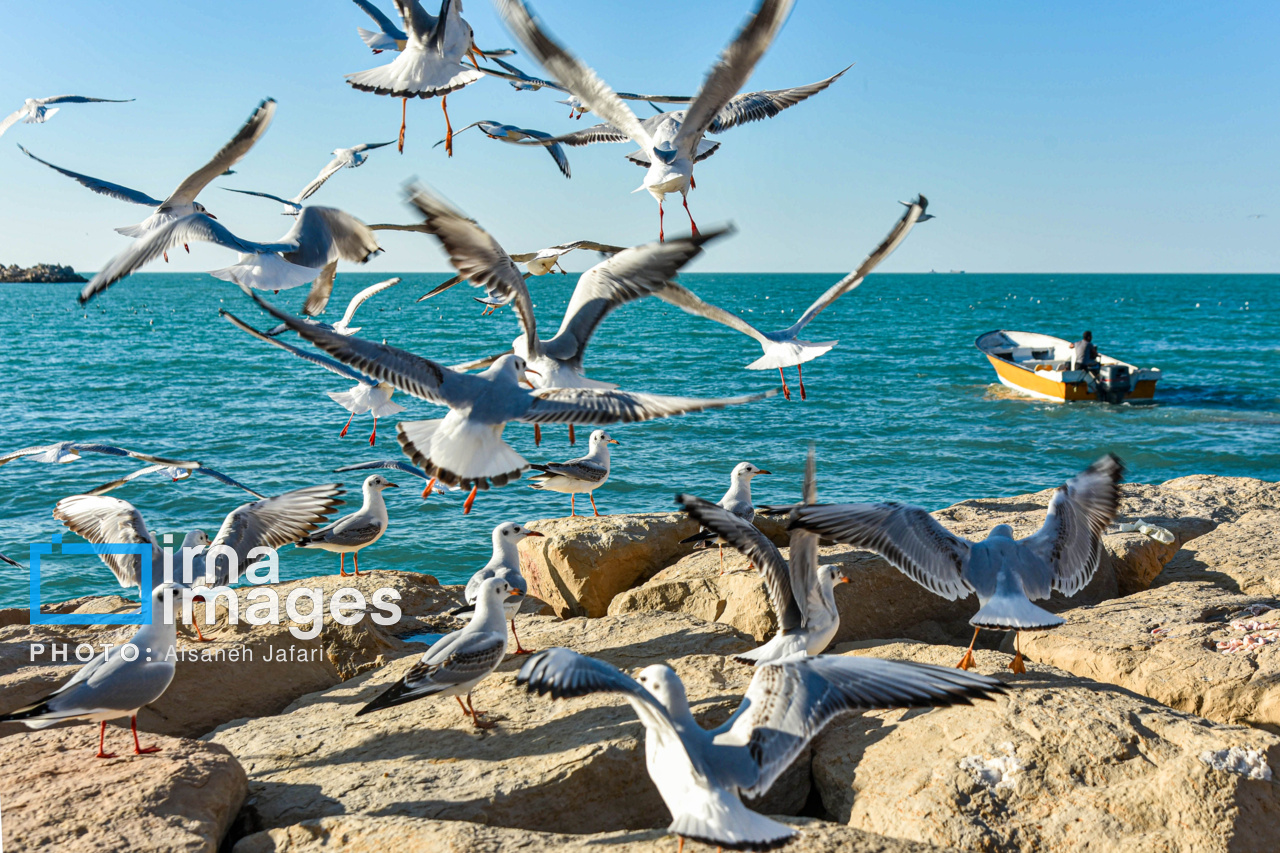
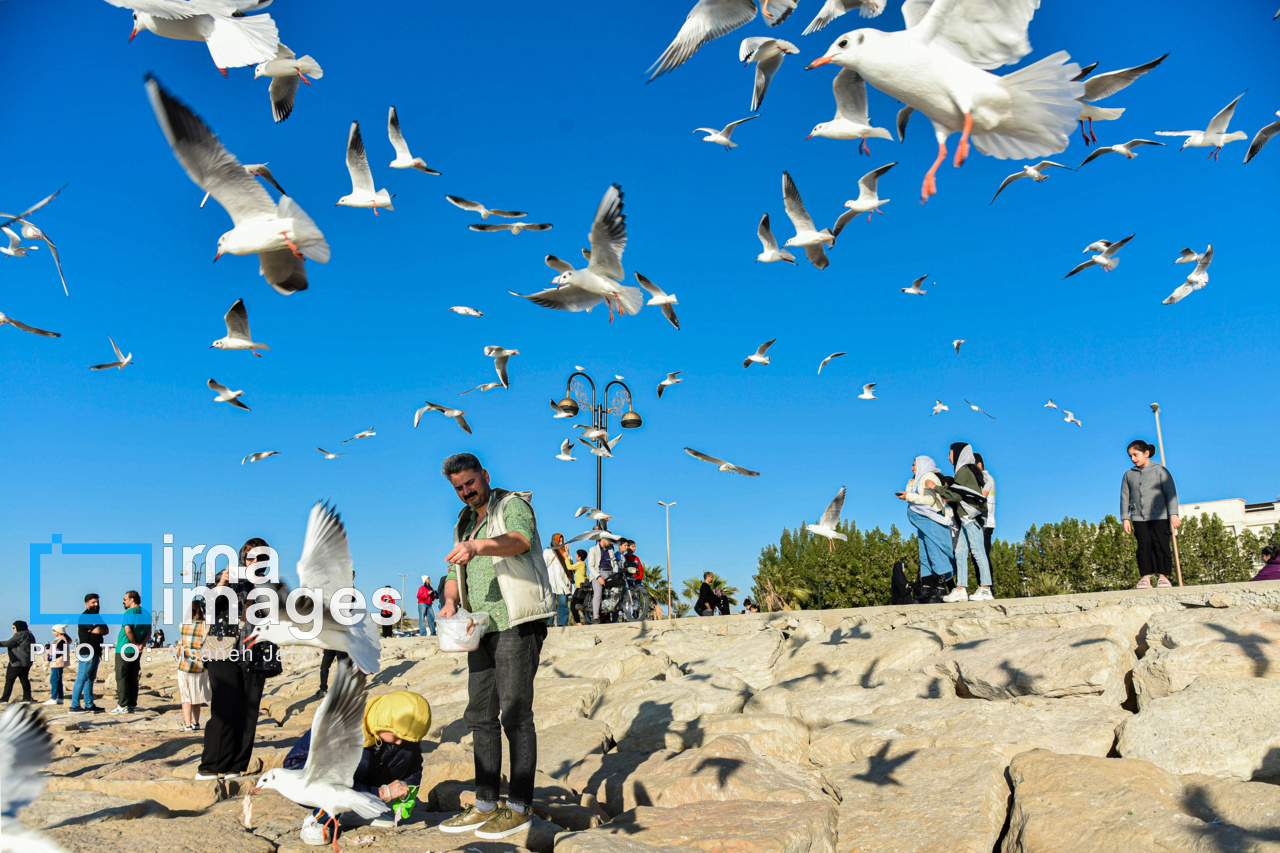
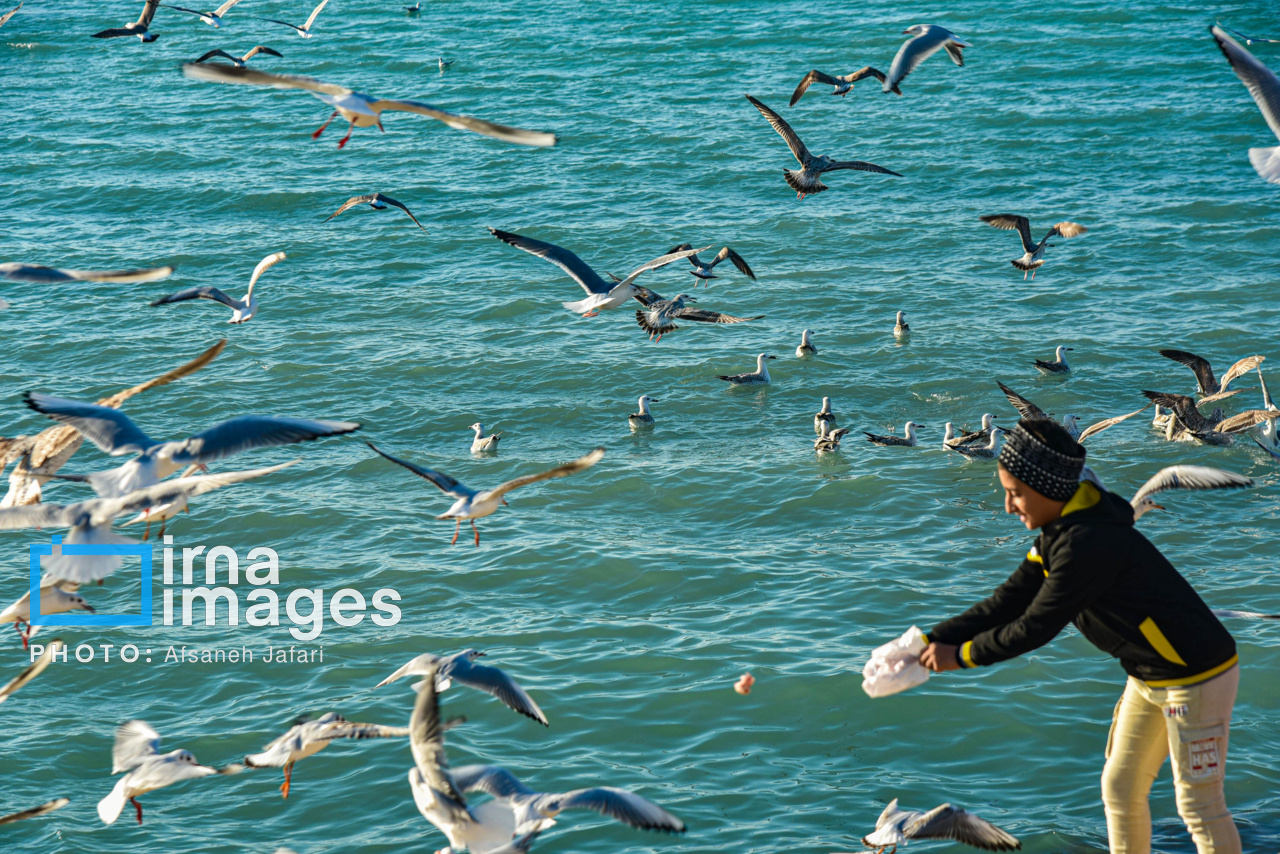
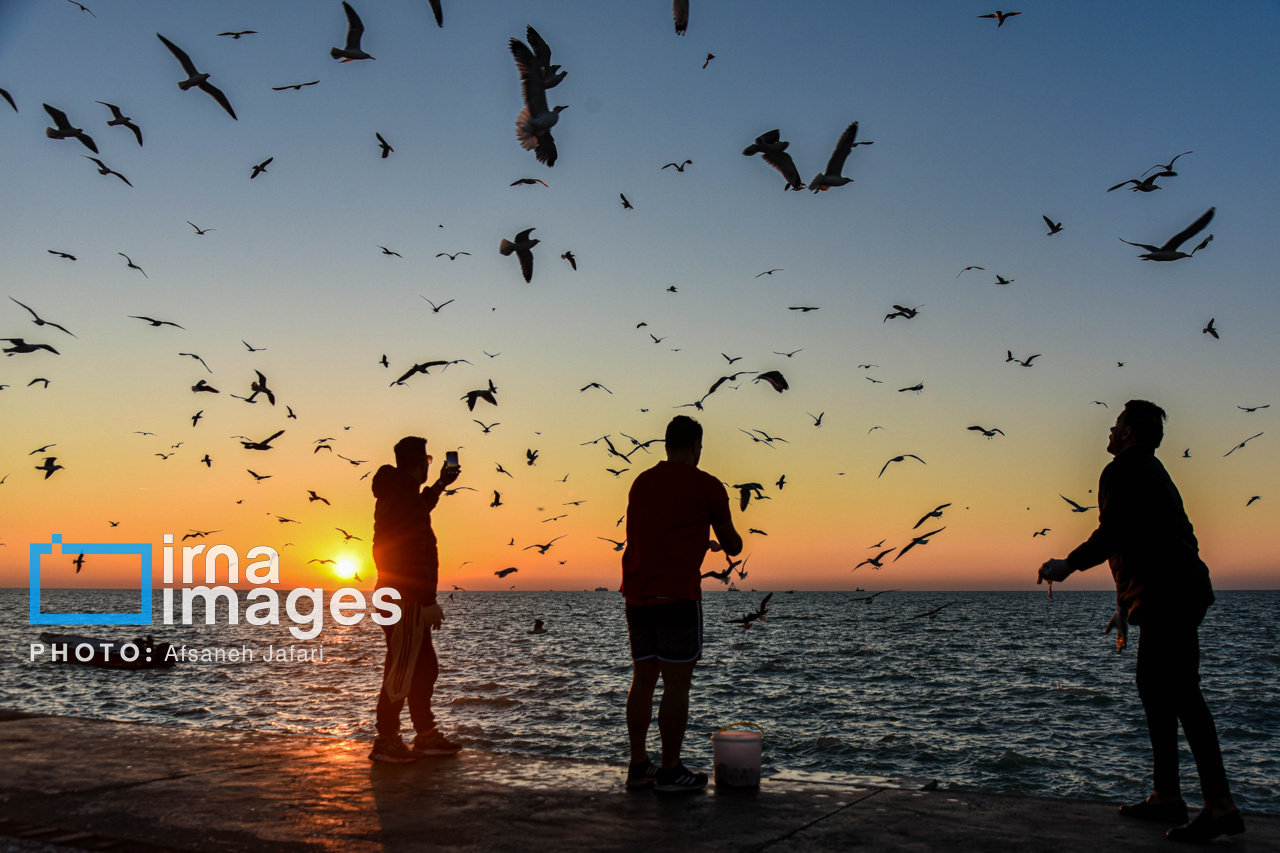
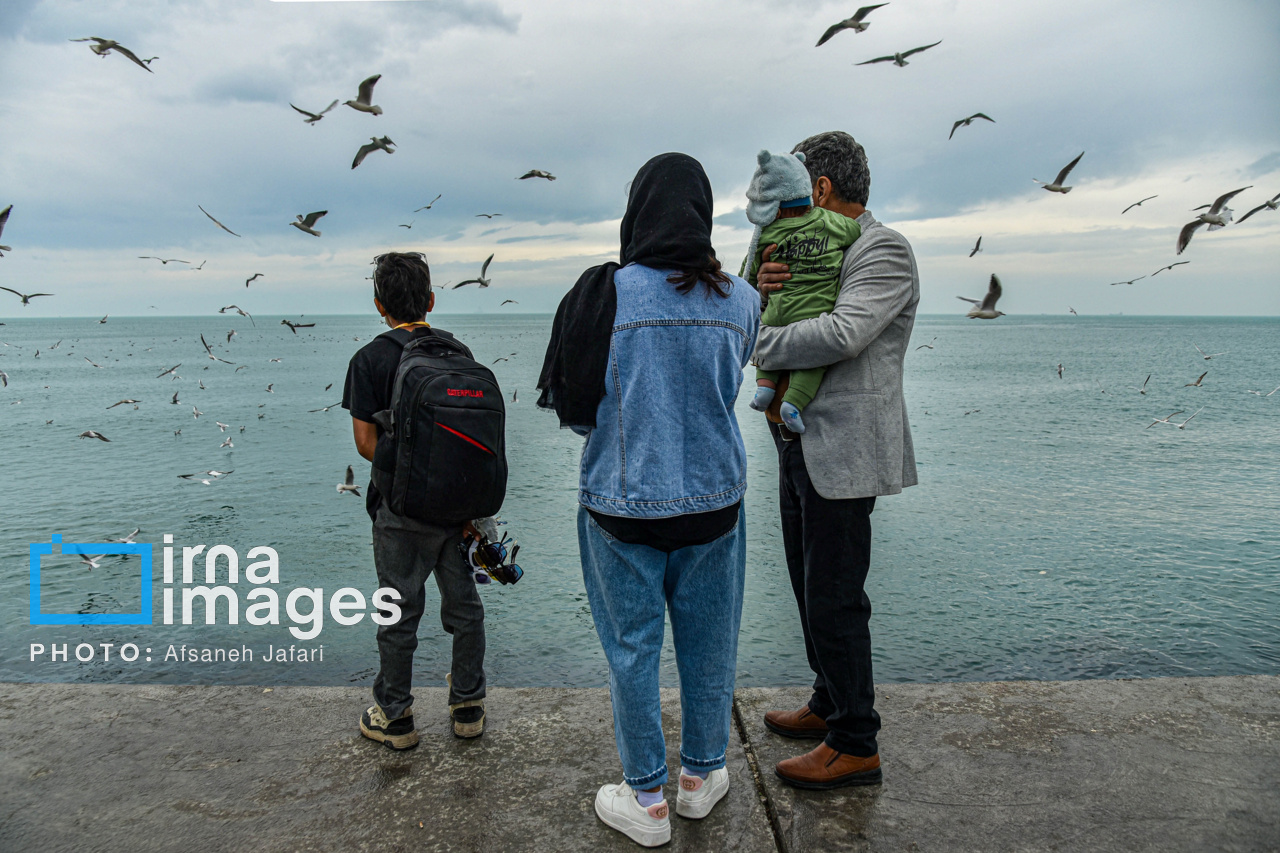
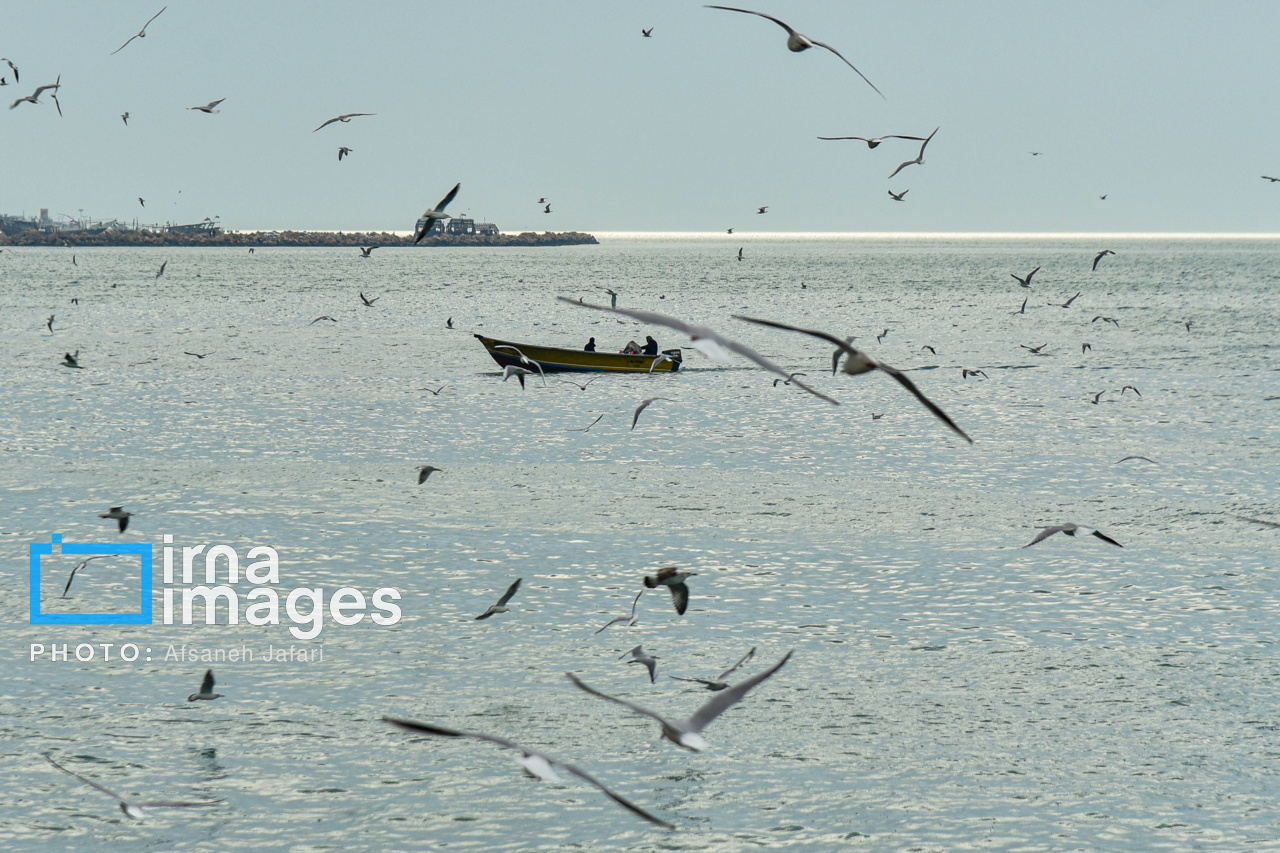
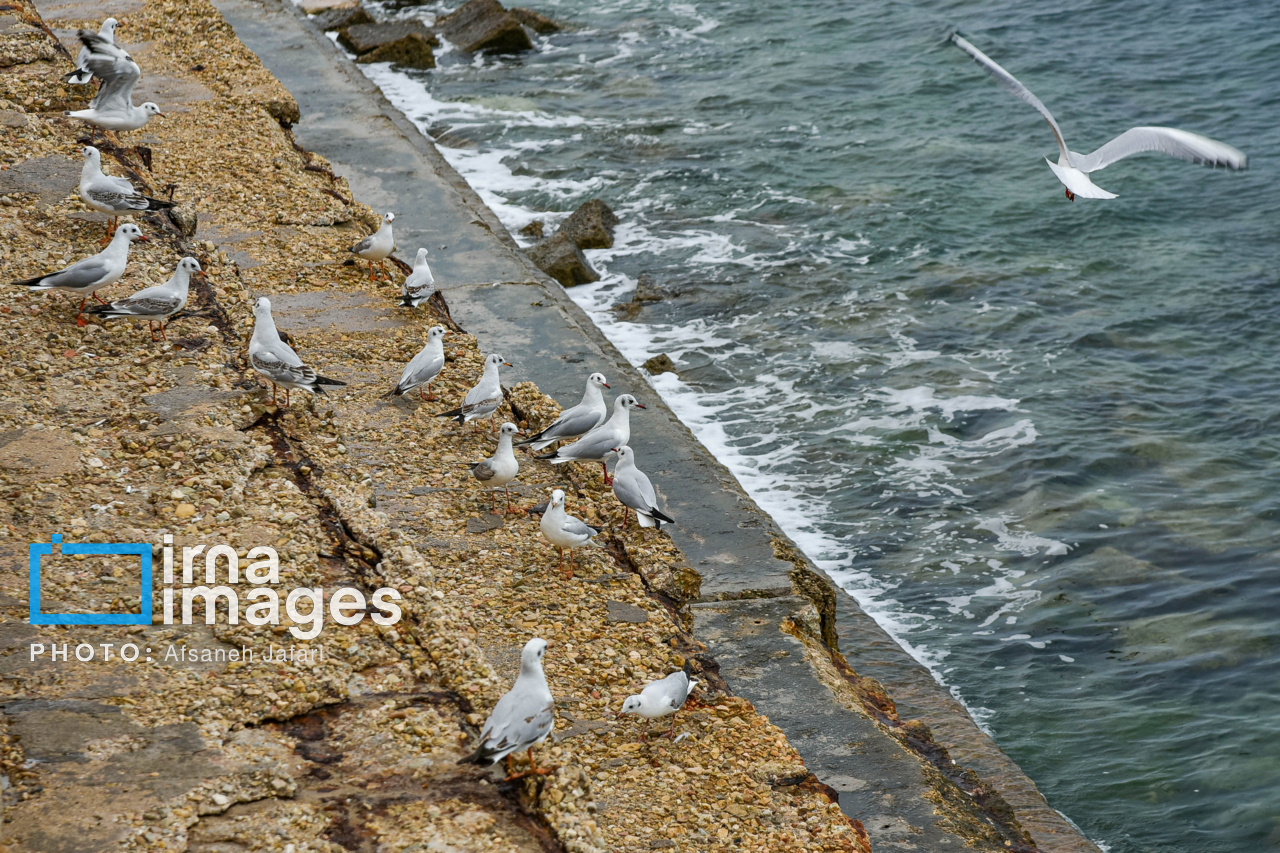
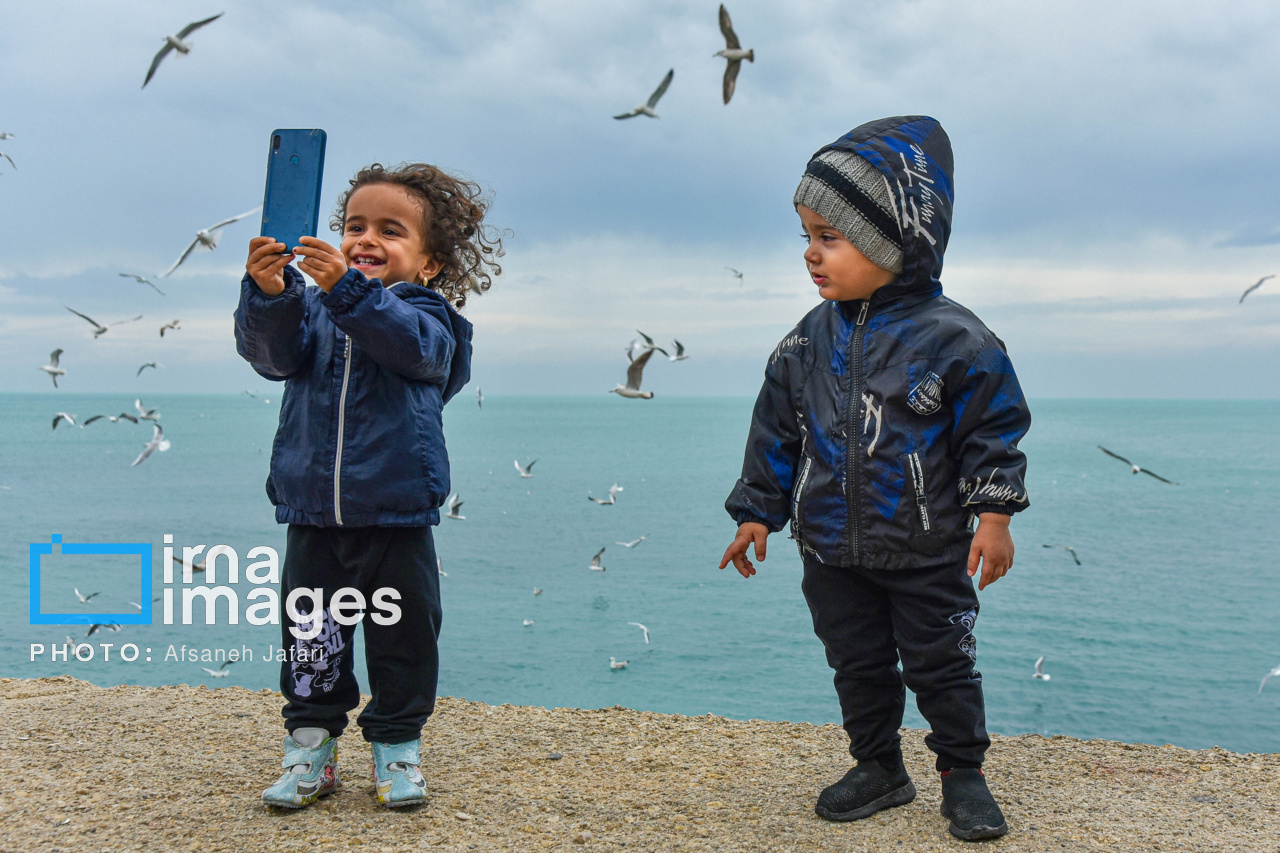
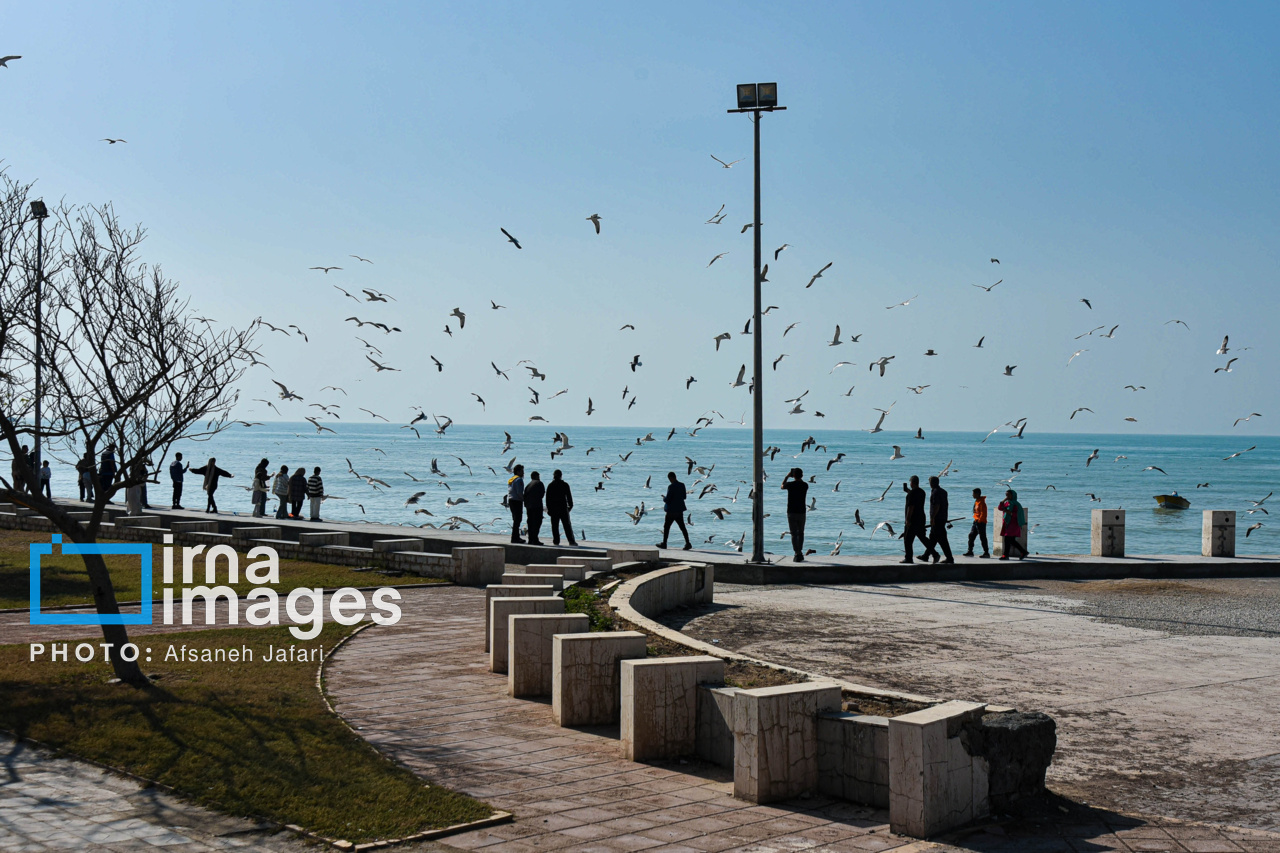
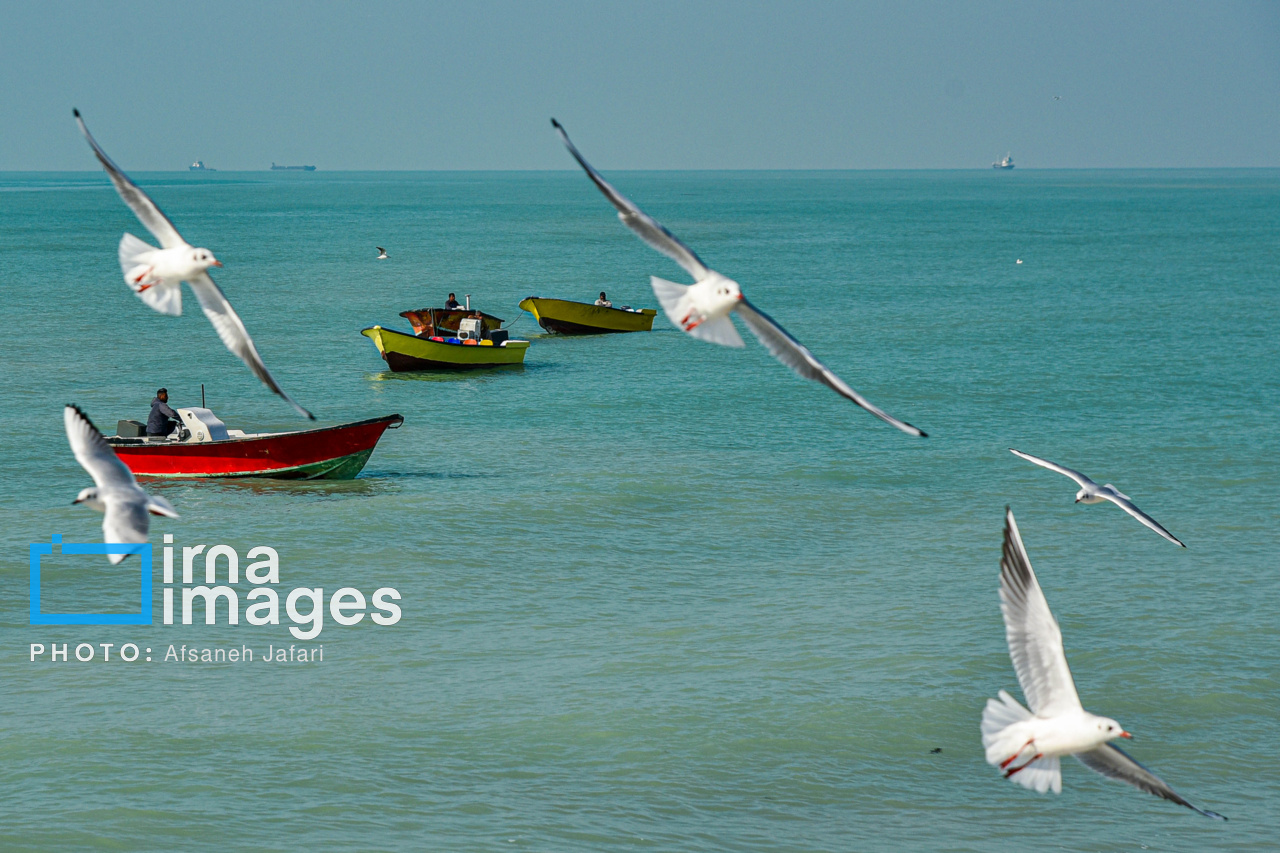
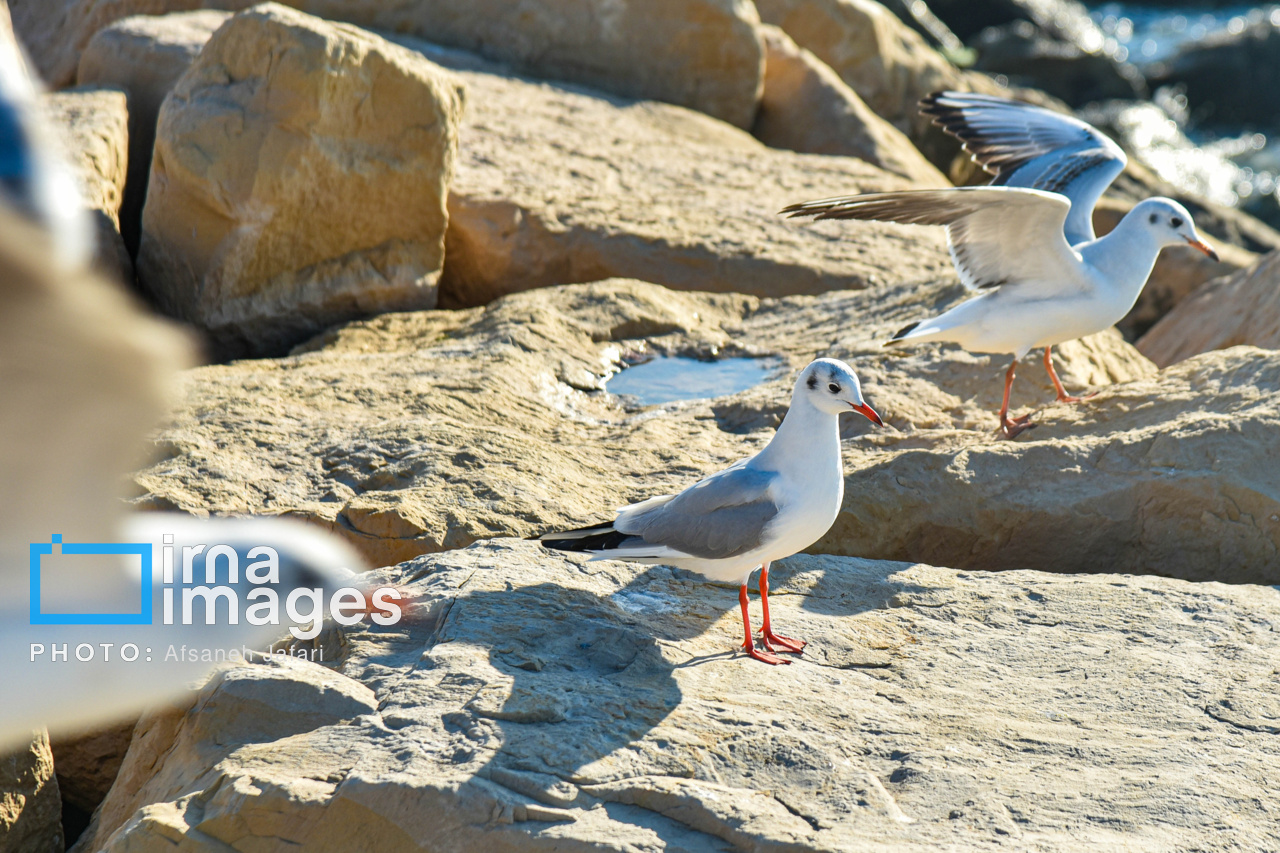
Seabirds “Shalus” of Persian Gulf captivate nature enthusiasts

Typically residing near coasts and small islands, Shalus feed on fish, mollusks, and other marine creatures.

These seabirds are known for their seasonal migrations, flying to warmer regions during the colder months.

Bushehr located in a province of the same name on the shores of the Persian Gulf in southern Iran, in particular, is a favorite winter destination for Shalus.

Do not miss the images:


Iran stages new exercises to protect nuclear sites

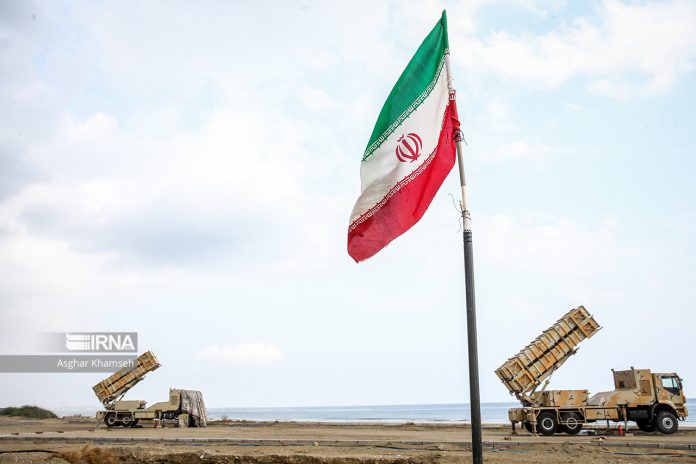
Khordad 15 Air Defense System

The drills – dubbed Eqtedar or “might” in Farsi – began on Sunday in completely real battlefield environments, with the air defense force of the Army playing a central role under the command of the country’s integrated air defense network.

It features offensive and defensive missions by missile, radar, electronic warfare, electronic intelligence and reconnaissance units, as well as deception systems of the Iranian Army’s Air Defense Force, along with the Air Force’s manned and unmanned aircraft.

During the drills, the Air Defense Force will defend critical sites against simulated aerial and missile attacks.

It will also conduct reconnaissance, identification, interception, and engagement operations against mocked enemy and repel offensive assaults.

In the first phase of the exercises, the Air Defense Force destroyed invading unmanned aircraft using Khordad 15 and Talash systems.

It also practiced passive defense scenarios and tactical movement of defense systems, in addition to testing the mobility and fire tactics of missile systems.

Meanwhile, an aerial interception operation took place using the manned aircraft belonging to the Islamic Republic of Iran Air Force.

The exercises aim to evaluate the operational effectiveness and combat readiness of the air defense systems against potential enemy assaults.

They also seek to assess both tactical and technical performance in battlefield conditions, as well as the practice of passive defense for air defense systems.

The drills are part of nationwide exercises, the first phase of which began last week in the air defense zone of the Natanz nuclear facility under the orders of the air defense headquarters commander, national broadcaster IRIB said.

The Islamic Revolution Guards Corps (IRGC) air forces, the report said, were undertaking “an all-out point defense” of the site “against a multitude of air threats in tough electronic warfare conditions”.

IRGC spokesman Ali Muhammad Naini stated the drills, which will also cover other parts of Iran until mid-March, are being conducted in response to “new security threats”.

Several branches of the IRGC, including the navy and the paramilitary Basij forces, will also take part in the exercises, he added.

Last month, US news website Axios reported that White House national security adviser Jake Sullivan had presented President Joe Biden with options for a potential US strike on Iran’s nuclear facilities before January 20, when Donald Trump takes office.

Iran’s Foreign Ministry spokesman Esmaeil Baghaei lambasted the reports, saying threats against the country’s nuclear facilities are “a gross violation of international law”.

Members of Trump’s incoming administration have vowed to resume the former president’s “maximum pressure” campaign against Iran.

According to Gen. Naeini, about 30 land, air and maritime drills have commenced across six western and southern provinces and will continue until mid-March.

“The number of drills has almost doubled this year compared to last year, in response to the evolving threat landscape,” Naeini was quoted as saying on the sidelines of a press briefing in Tehran.

“These exercises are significantly larger in scope and sophistication, featuring new weaponry and expanded participation of brigades engaged in realistic operations.”

The largest maritime exercise is set to take place in the Strait of Hormuz, a strategic chokepoint through which one-third of the world’s oil supply is shipped.

“The enemy is displaying false enthusiasm while misinterpreting the situation, trying to portray the Islamic Republic as weakened,” Naeini told reporters, adding, “Iran has been preparing for complex, large-scale conflicts and remains confident in its deterrent capabilities.”

On Friday, 110,000 members of the Basij forces marched in Tehran.

“We have considered all possible scenarios and are conducting realistic and proportionate exercises,” Naeini continued.

“The Islamic Republic will not initiate any war in the region but will respond decisively to any threats.”

Beirut finalizing deployment in southern Lebanon under ceasefire terms

Lebanon War

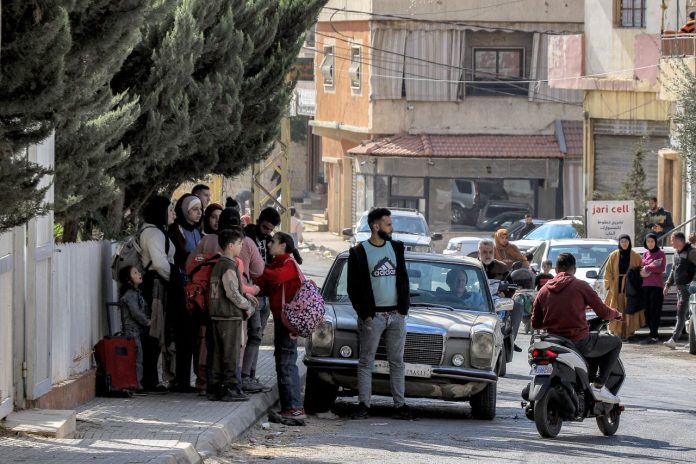
“The army units are completing their deployment in Ras al-Naqoura, Alma al-Shaab, al-Dhahira, Tayr Harfa, and Majdel Zoun in the Tyre district,” the Lebanese army said in a statement, adding that units also deployed in the towns of Aitaroun, Bint Jbeil, al-Salehni, and al-Qaouzah in the Bint Jbeil district.

“The Lebanese army is working to strengthen its deployment and secure important points” in the southern towns, the statement read.

It noted that forces are moving in southern Lebanon “in coordination with the United Nations Interim Force in Lebanon (UNIFIL) and the five-member committee supervising the cease-fire agreement.”

The five-member committee includes representatives from the US, France, Lebanon, Israel, and UNIFIL.

Lebanese authorities, however, have reported more than 455 Israeli violations of the cease-fire, including the deaths of 37 people, since the deal came into force on Nov. 27.

The cease-fire agreement aimed to end over 14 months of fighting between the Israeli army and Hezbollah group since the start of the Gaza war in October 2023.

Under the cease-fire terms, Israel is required to withdraw its forces south of the Blue Line – a de facto border – in phases, while the Lebanese army is to deploy in southern Lebanon within 60 days.

Data from the Lebanese Health Ministry indicates that since Israel’s onslaught against Lebanon began on Oct. 8, 2023, at least 4,068 people have been killed, including women, children, and health workers, while 16,668 others have been injured.

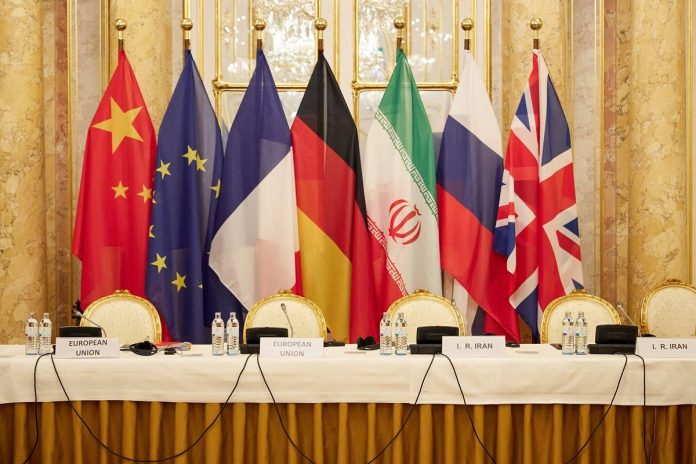
Third round of Iran-E3 talks to begin in Geneva on Monday

Nuclear Negotiations in Vienna

The two-day discussions will also include the European Union’s Deputy Foreign Policy Chief, Enrique Mora.

Previous rounds were held on the sidelines of the UN General Assembly meeting in New York in October and in Geneva on December 9.

Iranian Foreign Ministry Spokesman Esmail Baqaei has stated that a wide range of topics, including regional issues, bilateral relations with the EU, and nuclear matters, will be discussed.

He added that the talks are part of an ongoing process agreed upon earlier, aiming to advance dialogues between Iran and the European trio. The nuclear issue and sanctions relief are among the key topics.

China and Russia are also being kept informed about the discussions.

Iranian Deputy Foreign Minister Majid Takht-Ravanchi clarified that Iran is willing to negotiate within the JCPOA framework, “which means commitments in exchange for lifting sanctions, but will not engage in talks with the US due to its withdrawal from the nuclear agreement.”

Foreign Minister Abbas Araghchi has also reiterated Iran’s readiness for constructive and prompt negotiations on its nuclear program, aiming for an agreement based on trust-building and sanctions relief, as outlined in the original JCPOA framework.

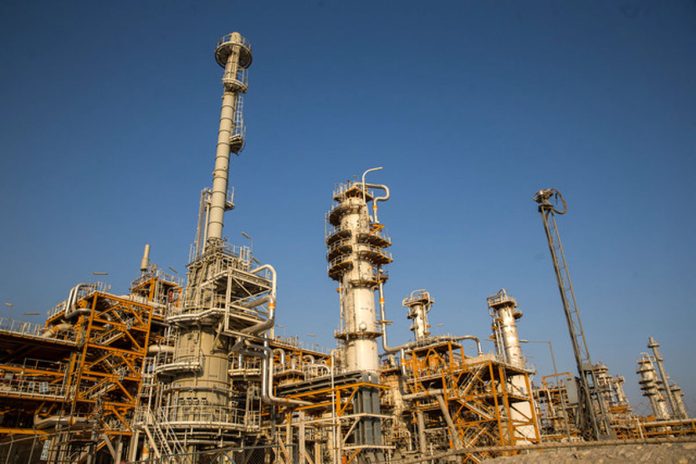
Iran says planning to invest $120bn in petroleum projects

petrochemical factory in the southern Iranian port city of Mahshahr

Paknejad said on Saturday that Iran will invest some $50 billion to increase its oil production to 4.6 million barrels per day (bpd) by 2028, from a current output of 3.3 million bpd.

He added that Iran’s natural gas production should also increase from 1 billion cubic meters (bcm) per day to 1.35 bcm per day in the next four years, adding that the country will need to invest more than $70 billion to hit the target.

He said investment in gas fields will also cover projects to boost pressure at South Pars, the world’s largest gas field which straddles the maritime border between Iran and Qatar in the Persian Gulf.

The minister stated seven pressure-boosting projects with a total investment of $18 billion will be executed in South Pars to help stabilize the output from the giant reserve.

Paknejad added Iran also seeks to increase its refining capacity by 0.5 million bpd per day until 2028 while trying to raise the output capacity of its petrochemical sector.

He said the development projects will be funded partly through finances provided by Iran’s sovereign wealth fund and partly through investment from foreign companies.

Iran’s plans to expand its petroleum sector come as the country is still subject to an extensive regime of US sanctions that bans the provision of technology and investment from abroad.

Since the sanctions were imposed in 2018, the Iranian Oil Ministry has mostly relied on domestic resources to develop the oil and gas fields in the country.

Israel approves plan to withdraw soldiers from Gaza: Report

Israel Army

The Haaretz newspaper said the military authorized several plans for the swift withdrawal of forces from Gaza in response to progress in the talks.

It examined options, including withdrawing troops through the Netzarim Corridor, which divides Gaza into two.

Despite having established extensive infrastructure and positions in the region, the military announced it could “evacuate” forces, emphasizing its readiness to implement any agreement reached by the government and the Palestinian resistance group, including a rapid troop pullback from Gaza.

The Israeli Prime Minister’s Office revealed earlier that a delegation, led by Mossad chief David Barnea and Ronen Bar, chief of the Shin Bet internal security service, will travel to Qatar to continue negotiations.

Prime Minister Benjamin Netanyahu met before the announcement with Steve Witkoff — US President-elect Donald Trump’s special envoy for the Middle East.

Yedioth Ahronoth daily also reported that 90% of the details of a prisoner exchange agreement between Israel and Hamas have been finalized, citing political sources.

The sources claimed that the main sticking point between the two parties is that Hamas wants “guarantees” that Israel implements the second phase of the deal and links it with the first phase.

The newspaper added that Hamas is concerned that Netanyahu may resume war after completion of the deal’s first phase.

Hamas has also announced the completion of a draft agreement for a Gaza Strip cease-fire deal, pending approval from Israel, signaling potential progress in efforts to end hostilities.

A spokesperson for the Palestinian resistance group, Jihad Taha, told the London-based pan-Arab news outlet, Al-Araby Al-Jadeed TV, that mediators finalized a draft outlining the terms for a cease-fire and a prisoner exchange.

He noted they were awaiting Netanyahu’s representative in Doha to approve the arrangements and sign the deal.

Cease-fire talks have reportedly advanced positively, with Qatar-based Al Araby TV citing Hamas officials who said negotiations are nearing conclusion. The next few hours are described as pivotal for finalizing the agreement.

Al Araby TV added under the draft’s initial phase, Israel would withdraw from specific points, including the Rafah border crossing in southern Gaza and parts of the Philadelphi Corridor — a buffer zone on the border of Gaza and Egypt. A week after the cease-fire begins, prisoners would be released, and Israel would retreat from the agreed areas.

Qatar, Egypt and the US are expected to hold a news conference to reveal the details, implementation schedule and start date, it noted.

US President Joe Biden confirmed Thursday that progress had been made on an agreement.

The Israeli army has continued a genocidal war on Gaza that has killed more than 46,500 victims, most of them women and children, since Oct. 7, 2023, despite a UN Security Council resolution calling for an immediate cease-fire.

The International Criminal Court issued arrest warrants in November for Netanyahu and his former Defense Minister Yoav Gallant for war crimes and crimes against humanity in Gaza.

Israel also faces a genocide case at the International Court of Justice for its war on the enclave.

Gaza war costs Israel $67bn: Report

Israel Hostages

Israeli business newspaper Calcalist released the figure that reflects estimates by the Bank of Israel and includes direct military expenses, civilian expenditures, and revenue losses, but not the full extent of financial repercussions.

The report described the costs as a “heavy burden” and criticized the “failure” of the war effort, highlighting the need for substantial increases in Israel’s defense budget over the next decade.

The budgetary strain has sparked discussions within Israel, particularly on the reallocation of revenue from natural gas resources in the Mediterranean, which were originally intended for health care and education but now appears to be earmarked for defense spending.

The report also mentioned a recent recommendation from the Nagel Committee, which suggested an additional 275 billion shekels ($74 billion) for defense over the next decade with annual increases of 27.5 billion shekels ($7 billion).

The committee proposed bolstering Israel’s multi-layered air defense systems, including the Iron Dome and newly operational laser systems alongside fortifying the Jordan Valley border with a heavily secured barrier.

The Israeli army has killed over 46,000 people, mostly women and children, in Gaza since a cross-border incursion by Hamas in October 2023. The offensive has left the enclave in ruins and risk of famine is widespread.