Friday, December 26, 2025
Home Blog Page 548

UNICEF warns over a million children in Gaza face mental health crises

Gaza War

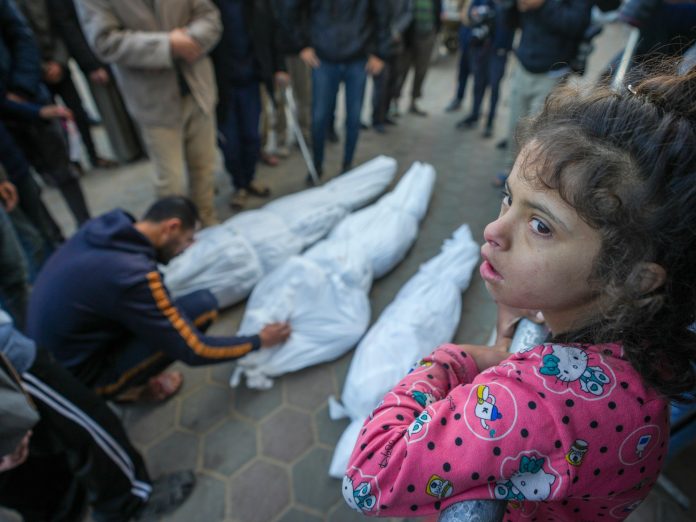
In a report on Sunday, UNICEF said Gaza’s children suffer from nightmares, anxiety and paralyzing fears due to Israel’s intense bombardment, loss of family members and the dire humanitarian situation in the blockaded territory.

The UN agency added that at least 19,000 Palestinian children have been orphaned since the Israeli war on Gaza began in October 2023.

Mental health experts caution that the immense impact of months of war on the mental health of these children could persist for generations, it added.

The humanitarian crisis in Gaza has reached alarming levels. The number of aid trucks entering the region remains grossly inadequate to meet the basic needs of families, while civil order has largely unraveled, leading to the looting of humanitarian supplies.

Moreover, the few operational hospitals are overwhelmed, and the destruction of civilian infrastructure has severely hampered access to essential services, including food, clean water, sanitation, and healthcare.

A recent report from the Palestinian Central Bureau of Statistics noted a 6% decline in Gaza’s population in 2024, indicating that Israeli soldiers are intentionally targeting specific demographic groups, such as children and youth, resulting in a significant “distortion of the population”.

The Israeli army has killed more than 46,500 people, most of them women and children, in Gaza since October 2023.

In November 2024, the International Criminal Court issued arrest warrants for Israeli Prime Minister Benjamion Netanyahu and his former Defense Minister Yoav Gallant for war crimes and crimes against humanity in Gaza.

Israel also faces a genocide case at the International Court of Justice for its war on the enclave.
Iran army takes delivery of 1000 strategic drones

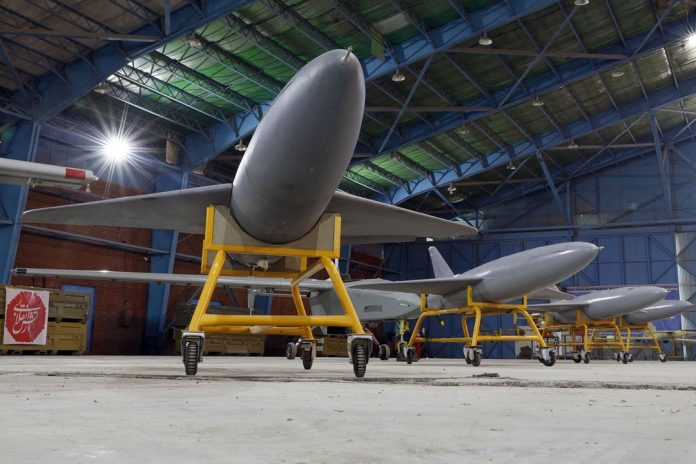
Upon an order by Major General Seyyed Abdolrahim Mousavi, Commander-in-Chief of the Islamic Republic of Iran Army, a ceremony was held on Monday with the presence of Brigadier General Aziz Nasirzadeh, Minister of Defense, where one thousand drones were simultaneously delivered to the Army at several locations across Iran.

The unique features of these drones include “a range of over 2,000 kilometers,” “high destructive power,” “the ability to penetrate defense layers with a very low RCS,” “very high flight endurance,” and “self-sufficiency without the need for control from start to the end of the missions.”

According to officials, these drones will be used for special missions, including border surveillance, enhancing combat capabilities, destroying enemy fortifications, and engaging distant targets.

The flying objects have been designed and produced by scientists and innovators from the Iranian Army, the Ministry of Defense, and knowledge-based companies.

During the delivery ceremony of these drones, commanders of the ground, air, and naval forces of the Islamic Republic of Iran Army were present at some delivery locations.

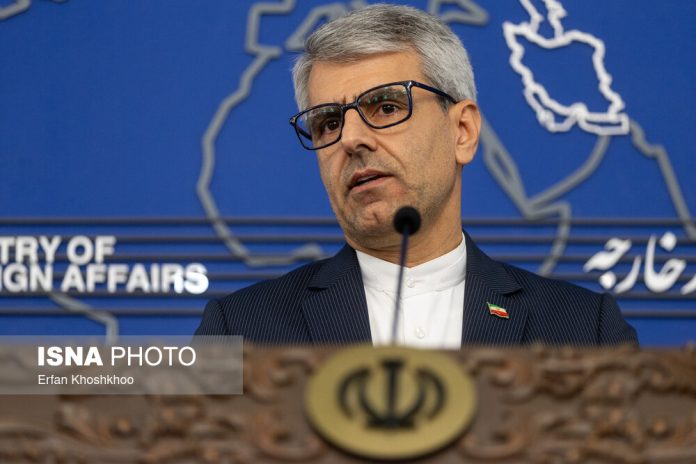
Iranian Foreign Ministry says removing sanctions, high priority in talks with E3

Esmael baghaei

Iran and the E3 – The UK, Germany and France- will resume their negotiations later on Monday in Geneva.

Baqaei added that despite Iran’s capabilities, the Iranian officials are bound rightfully to remove the sanctions, which he described as oppressive and illegal.

The Foreign Ministry spokesperson said in these discussions, a range of topics, including regional and international issues, as well as bilateral matters between these three countries and Iran and also the nuclear issue will be examined.

He said that Iran has learned to strengthen itself and to bolster its economy in light of its capabilities for the purpose of blunting the impact of the sanctions.

Baqaei said Monday’s meeting is a continuation of talks held in December and serves as an opportunity to hear each other’s views and positions.

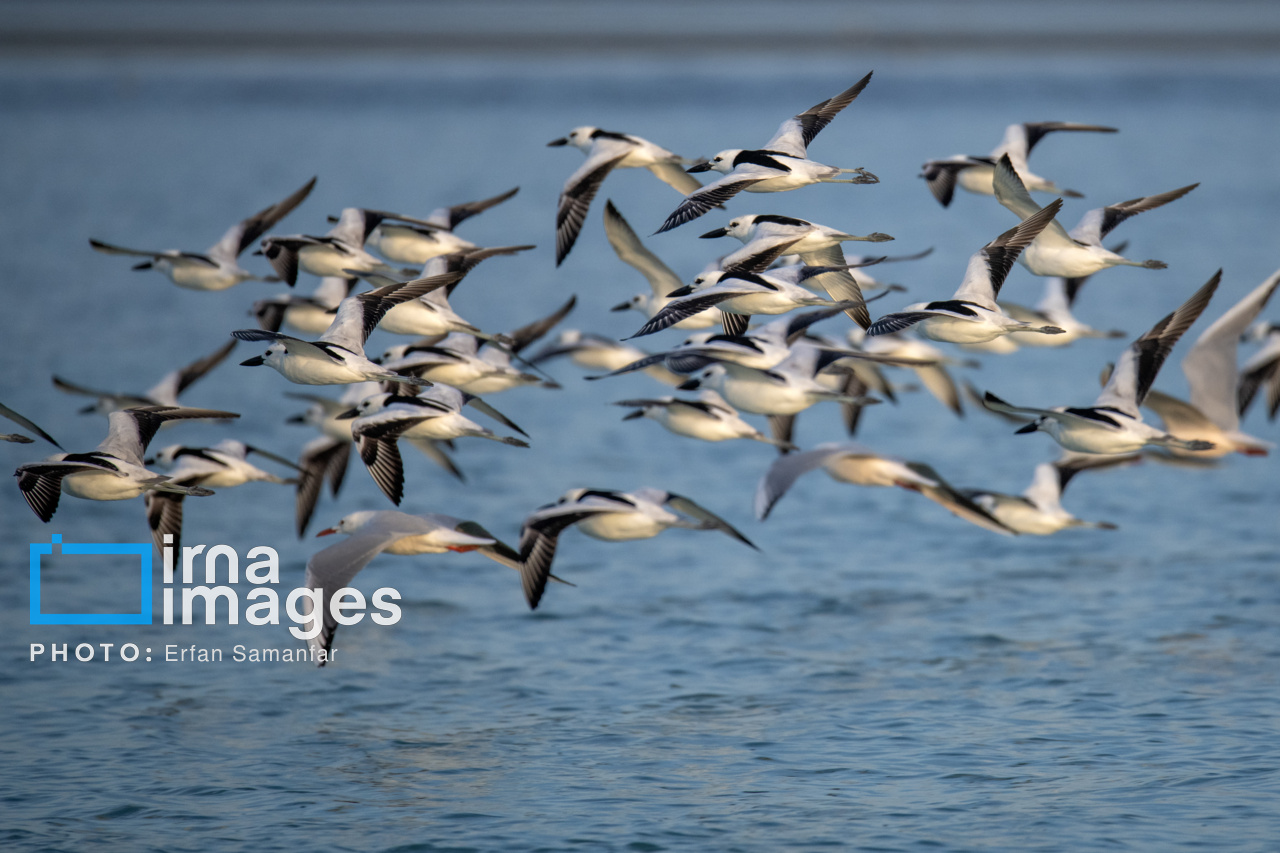
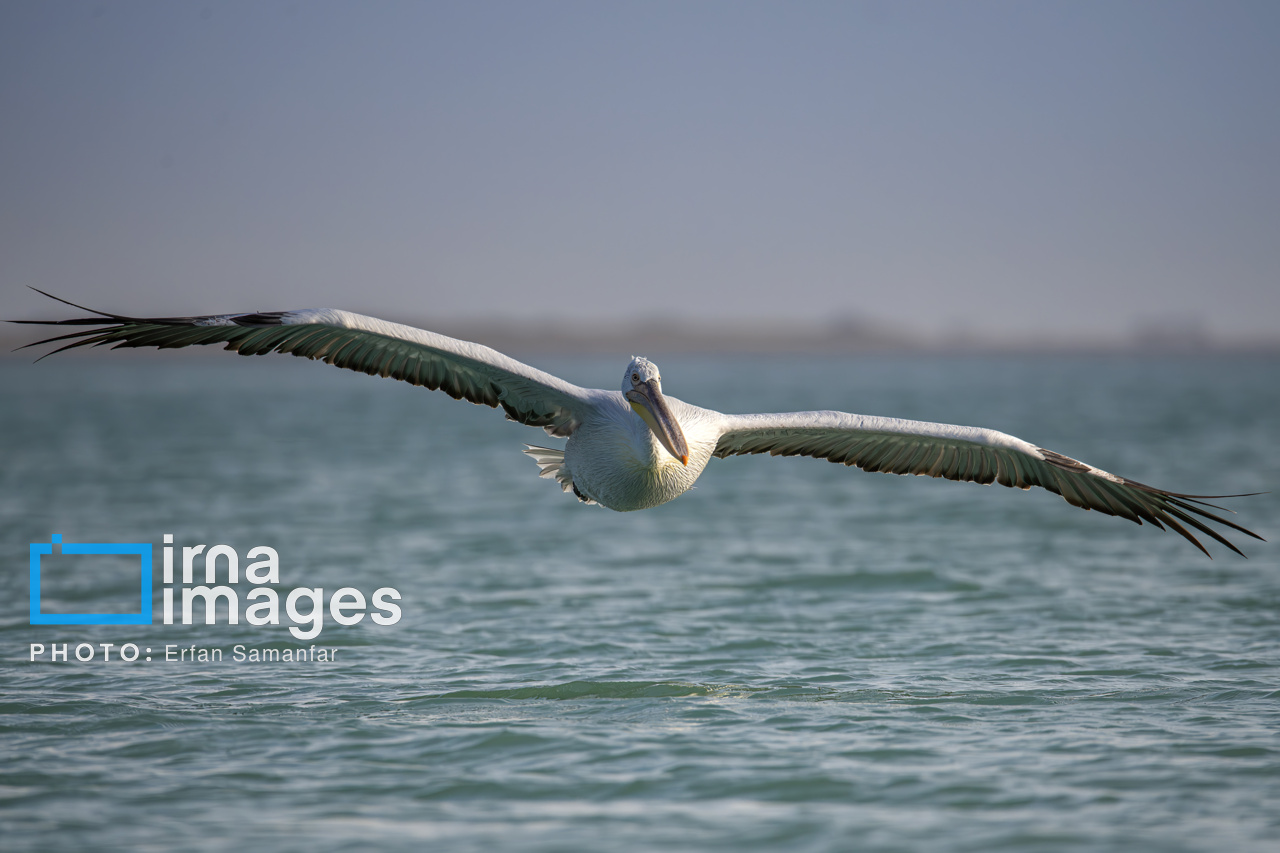
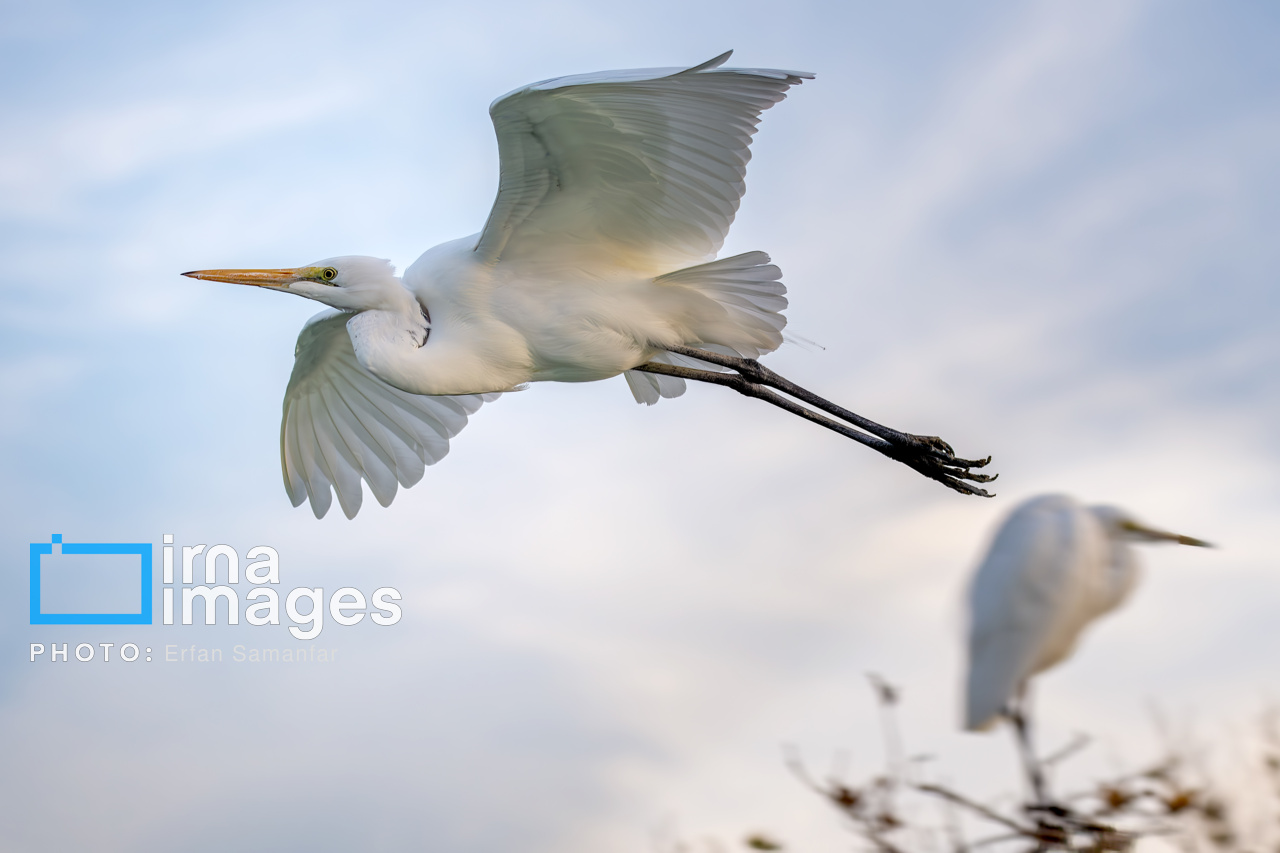
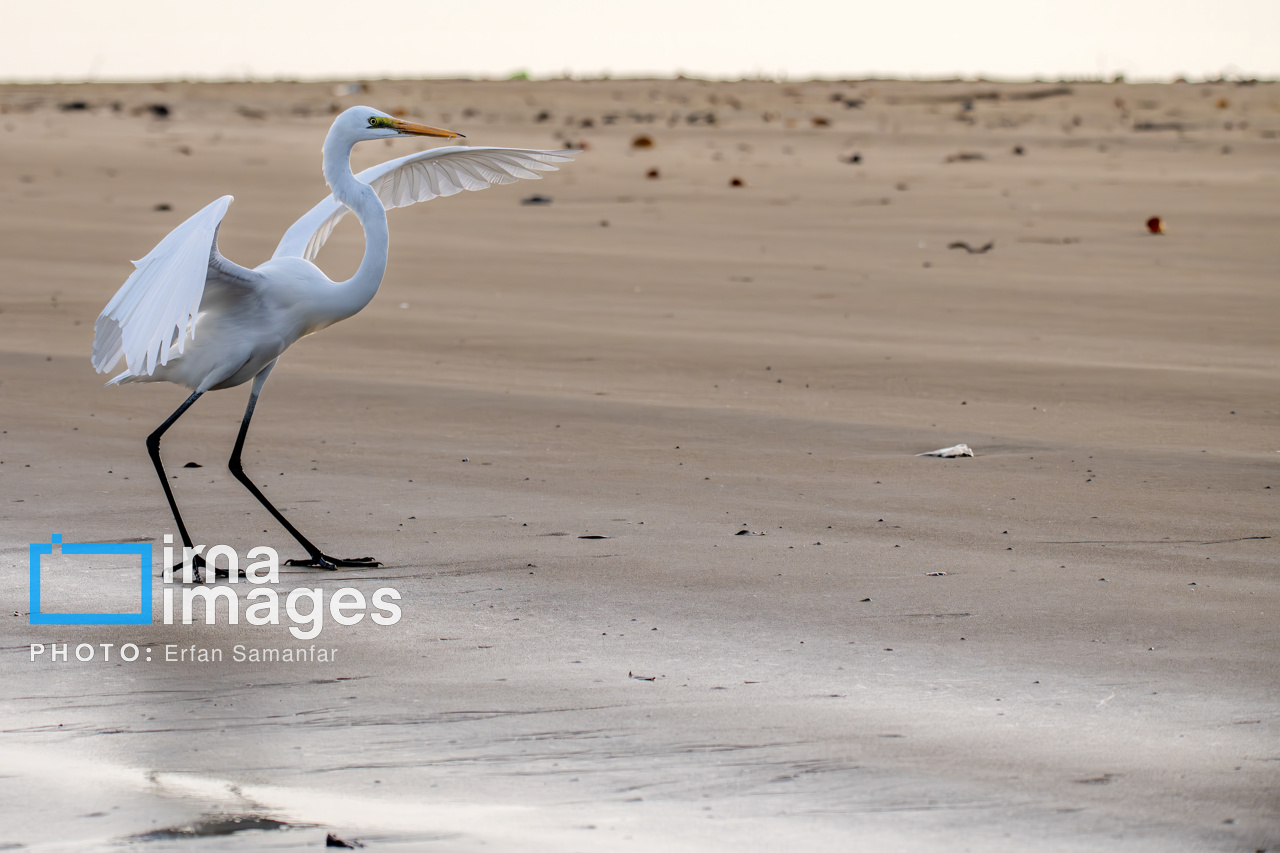
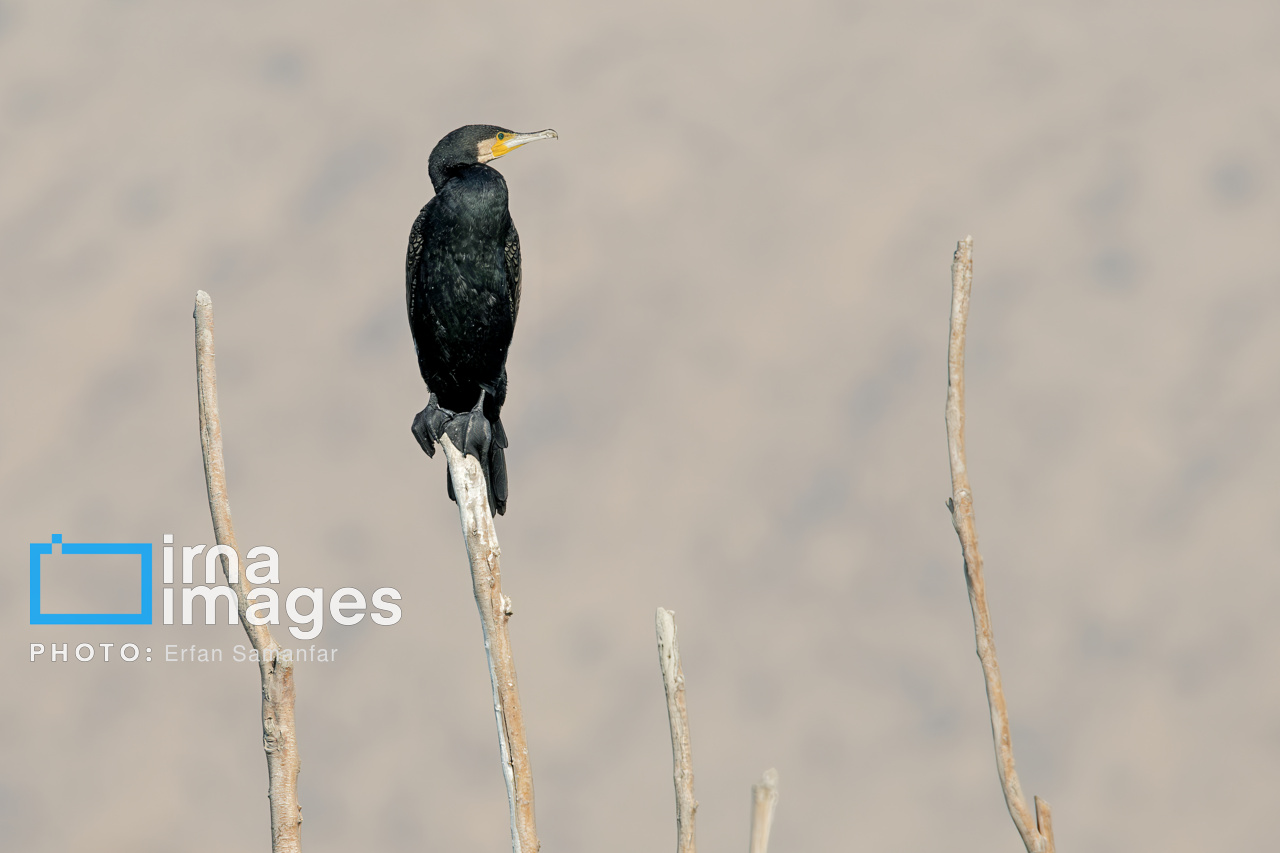
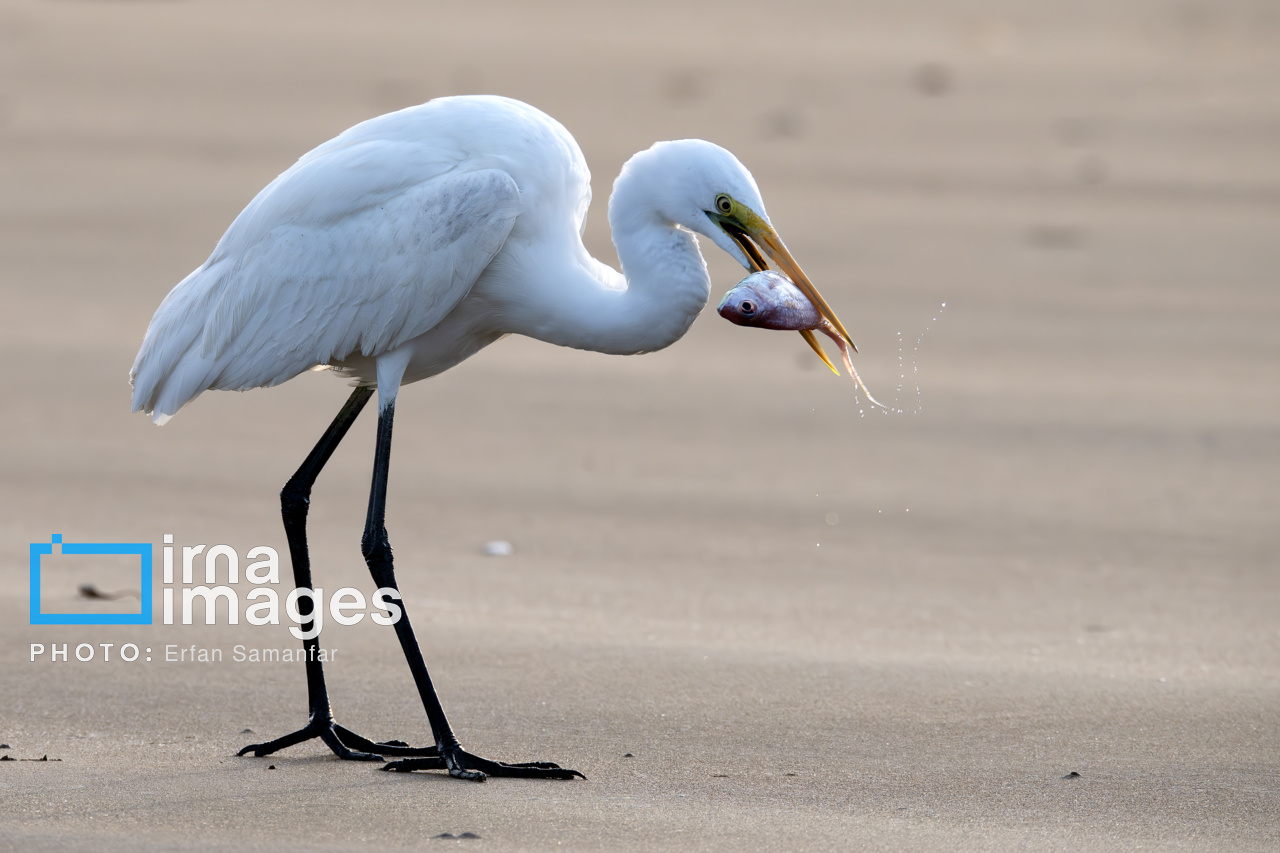
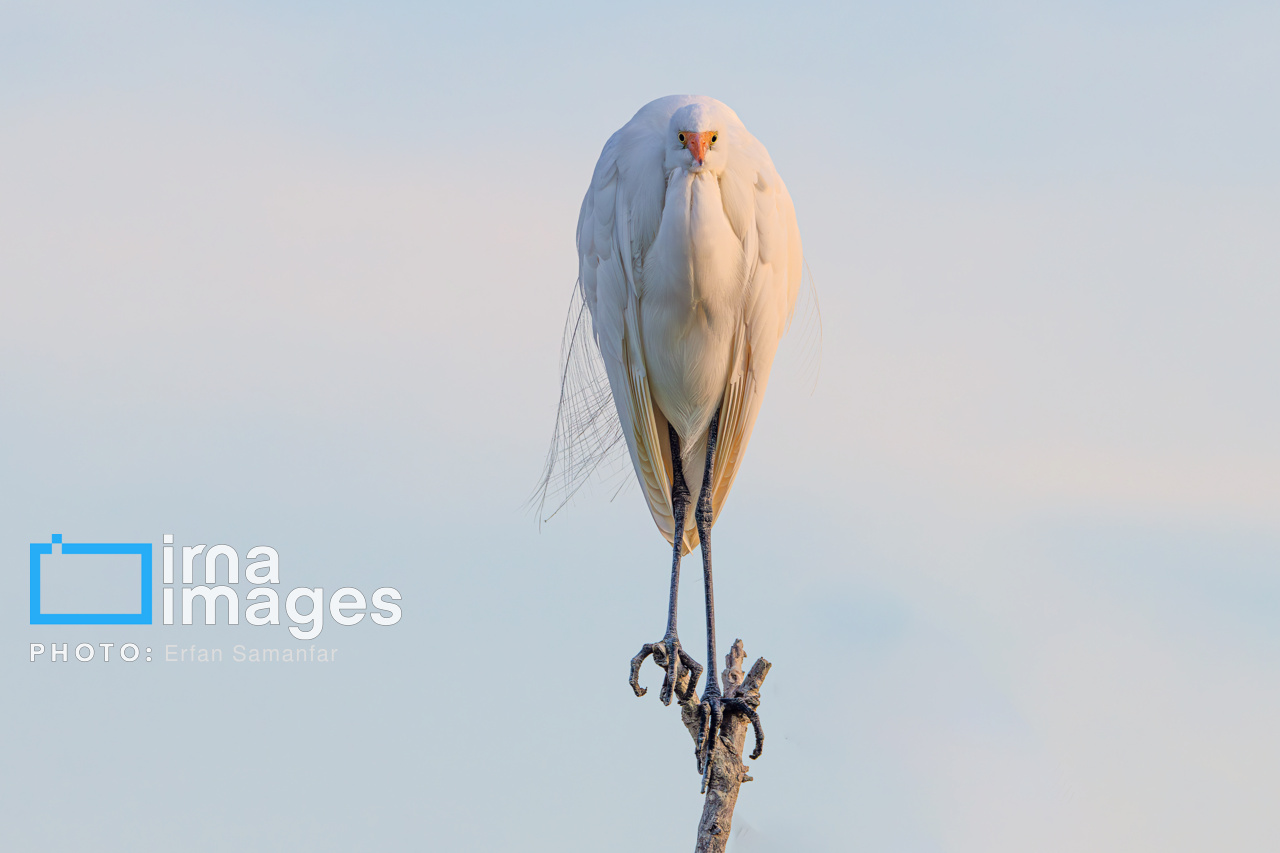
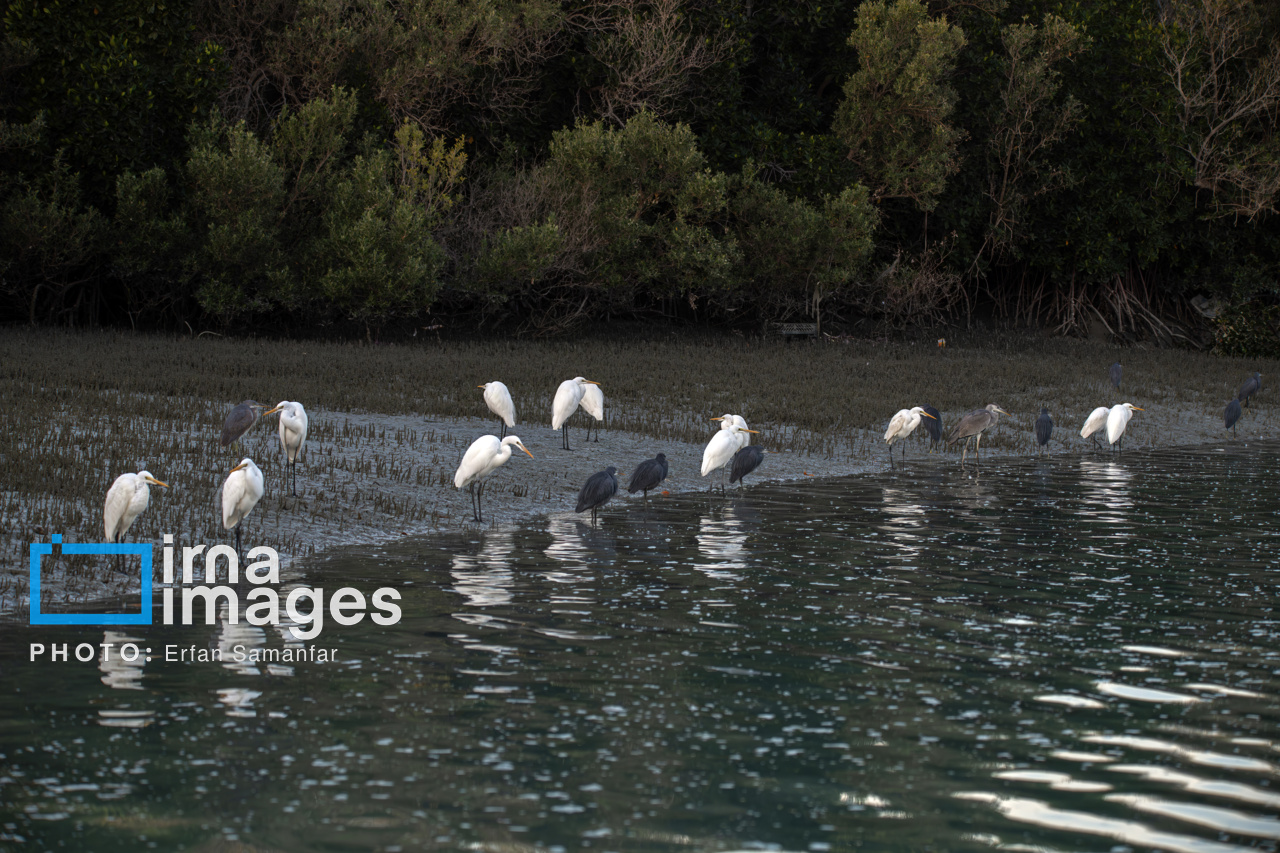
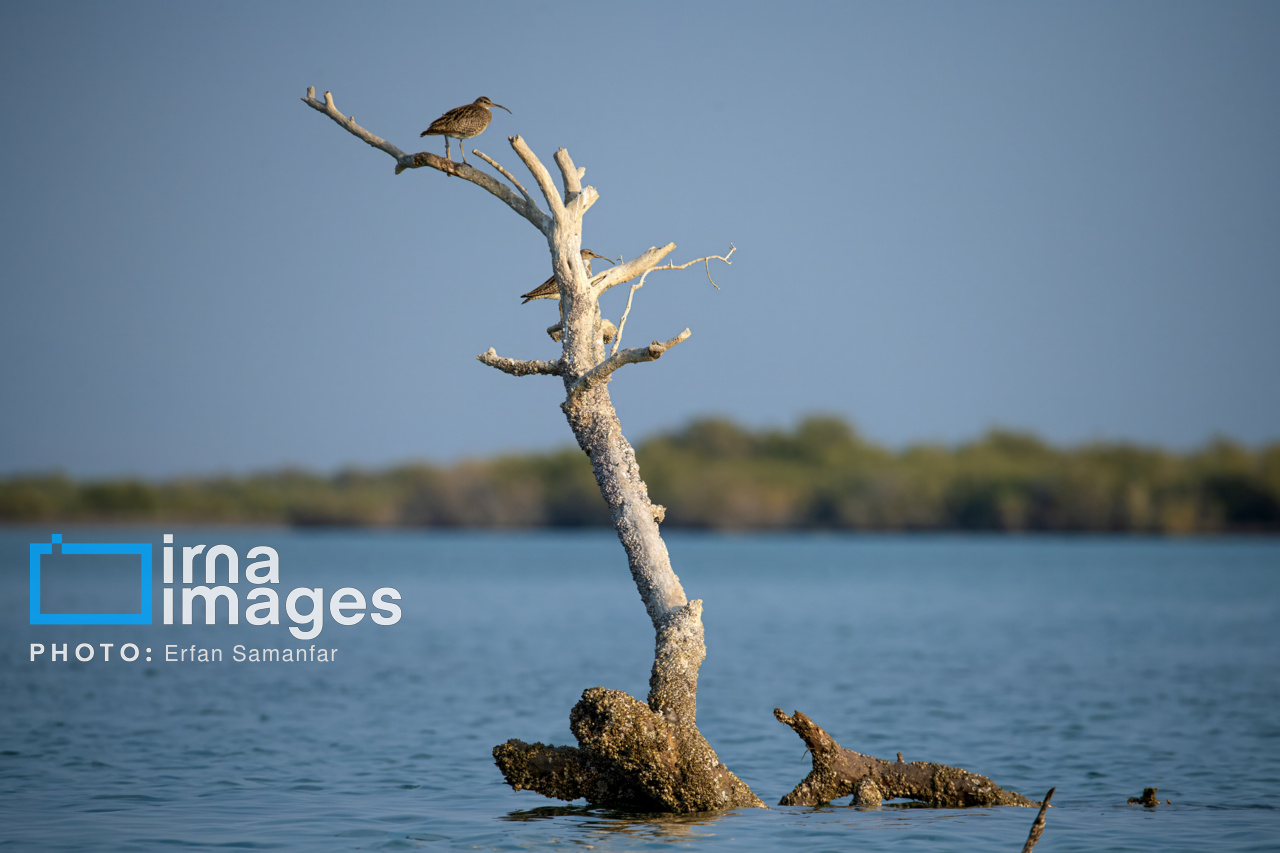
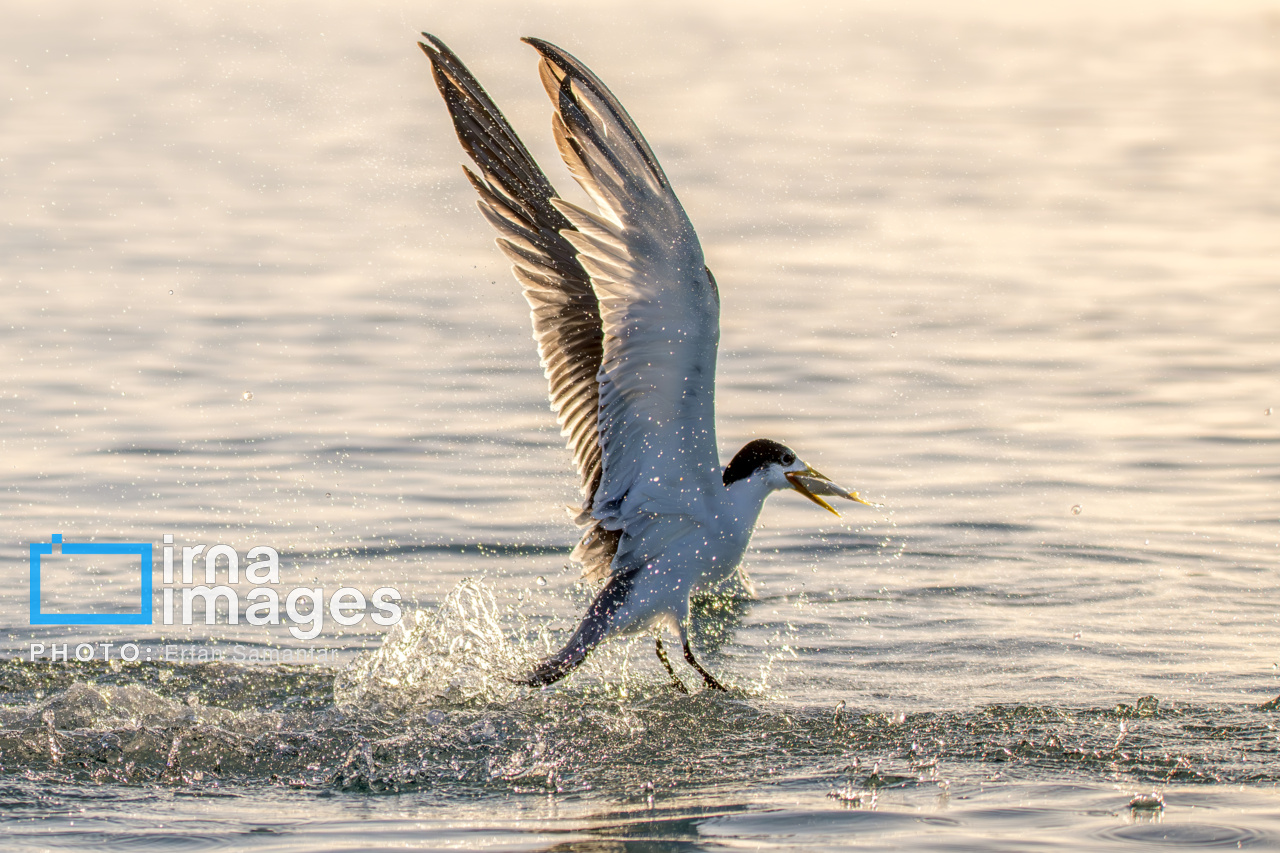
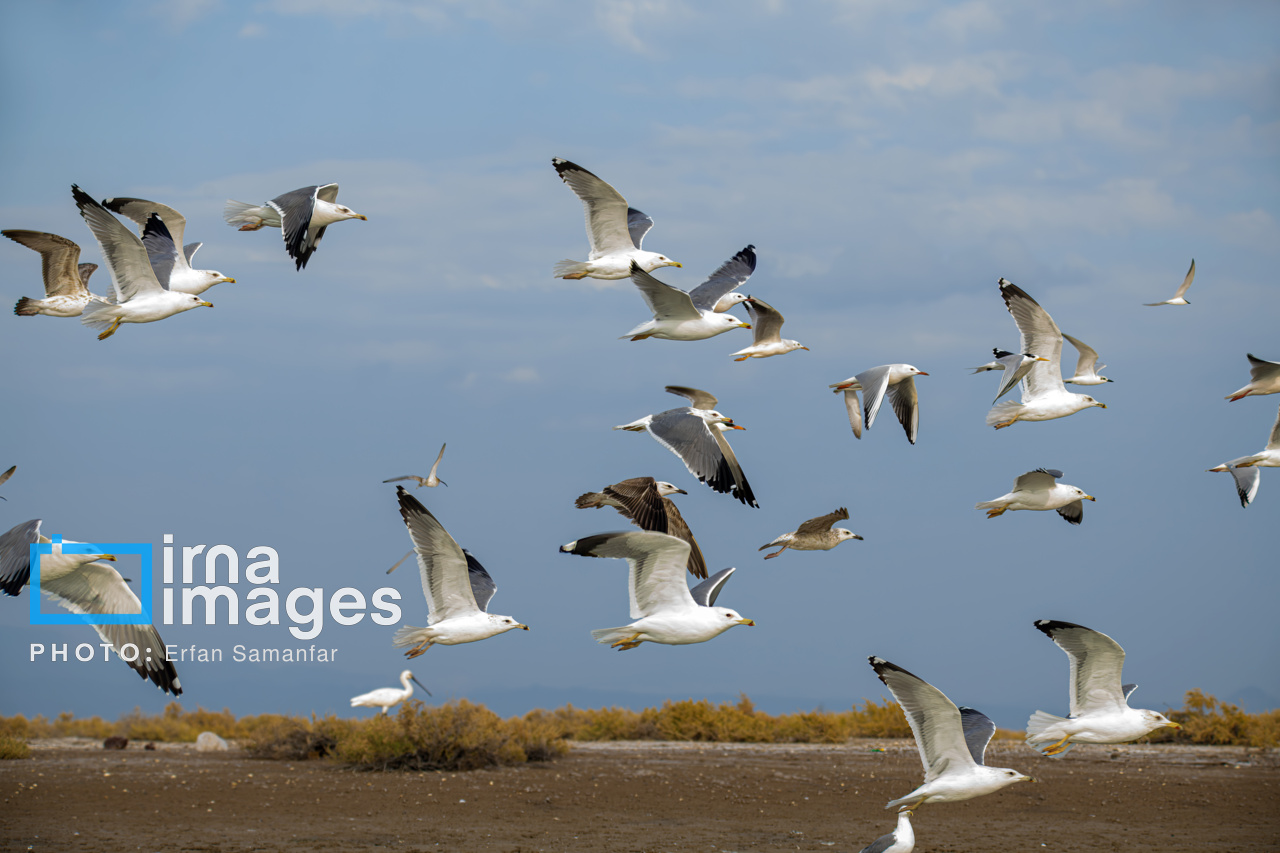
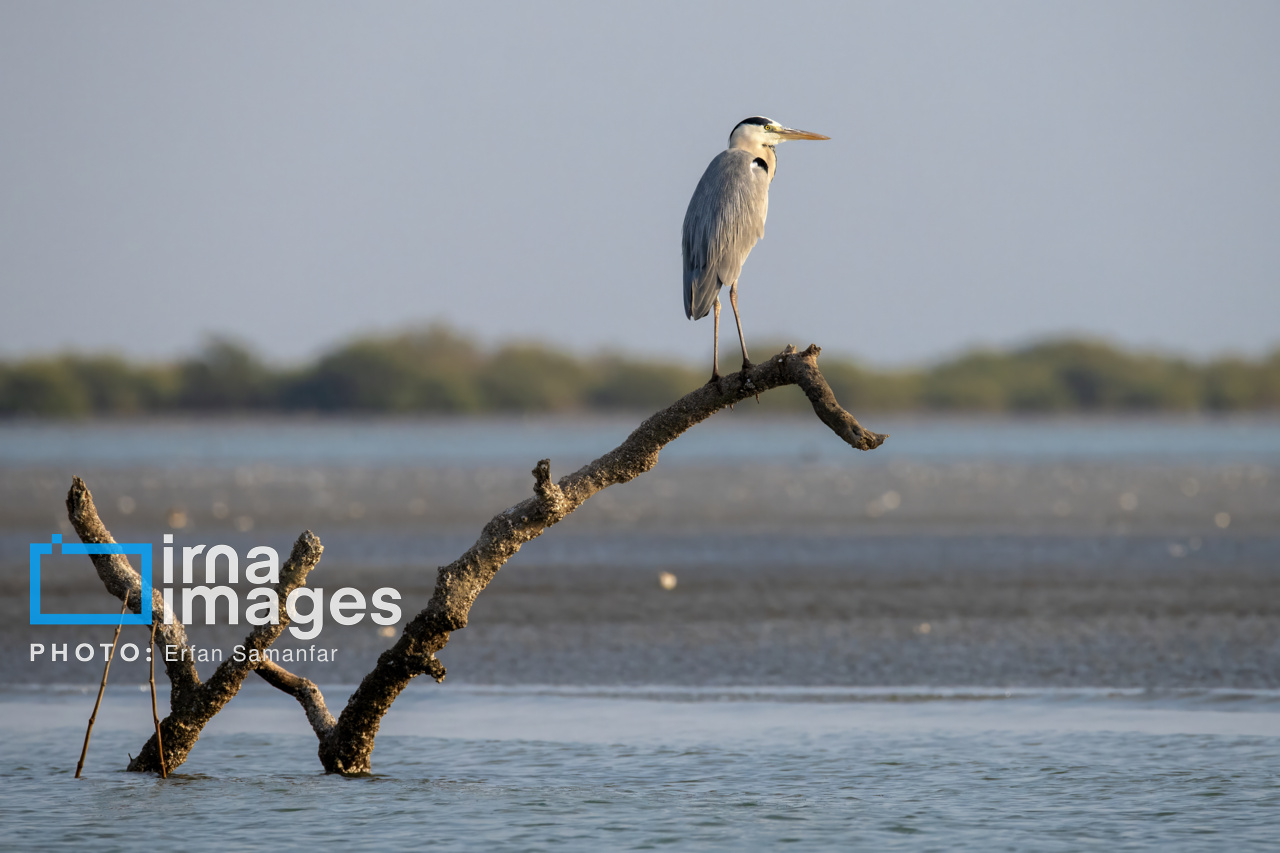
“Water’s End” in southern Iran a haven for migratory birds 

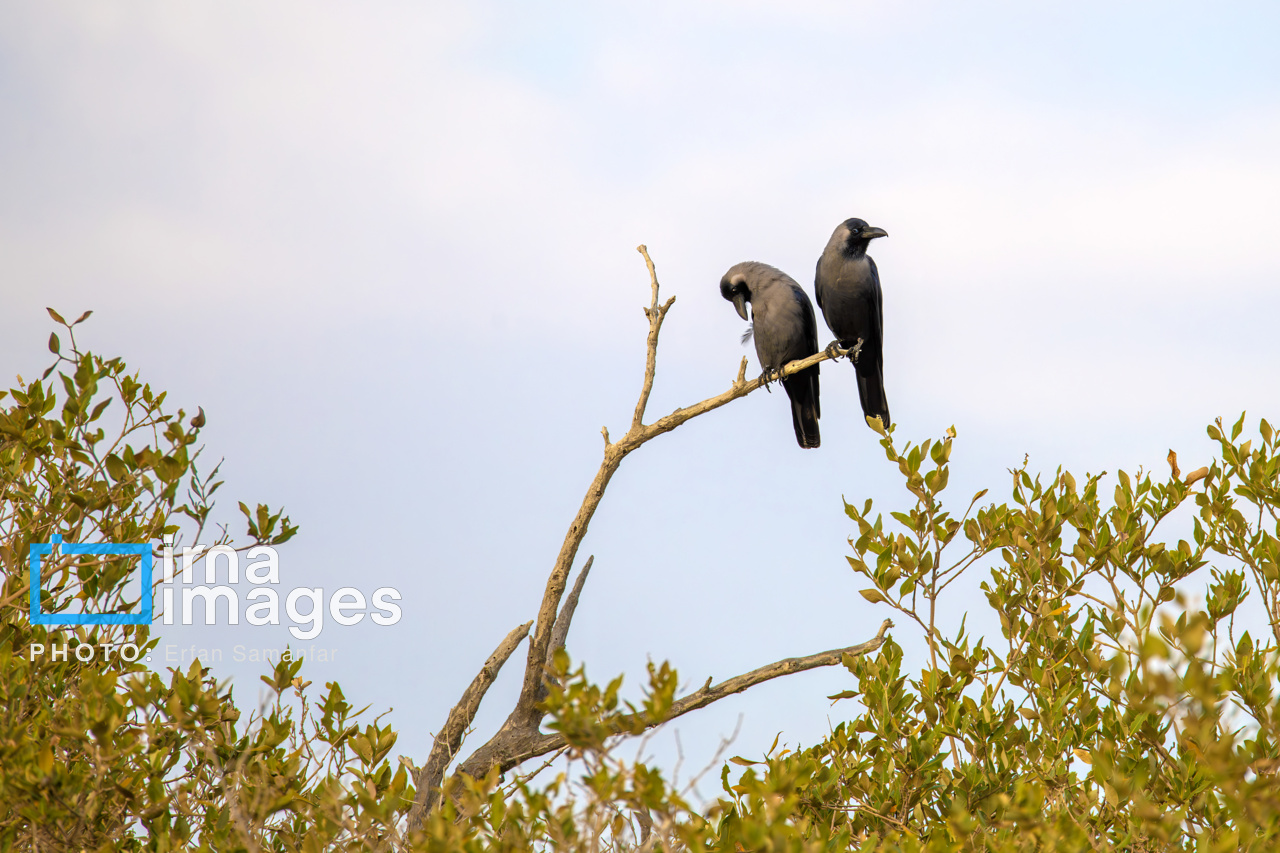
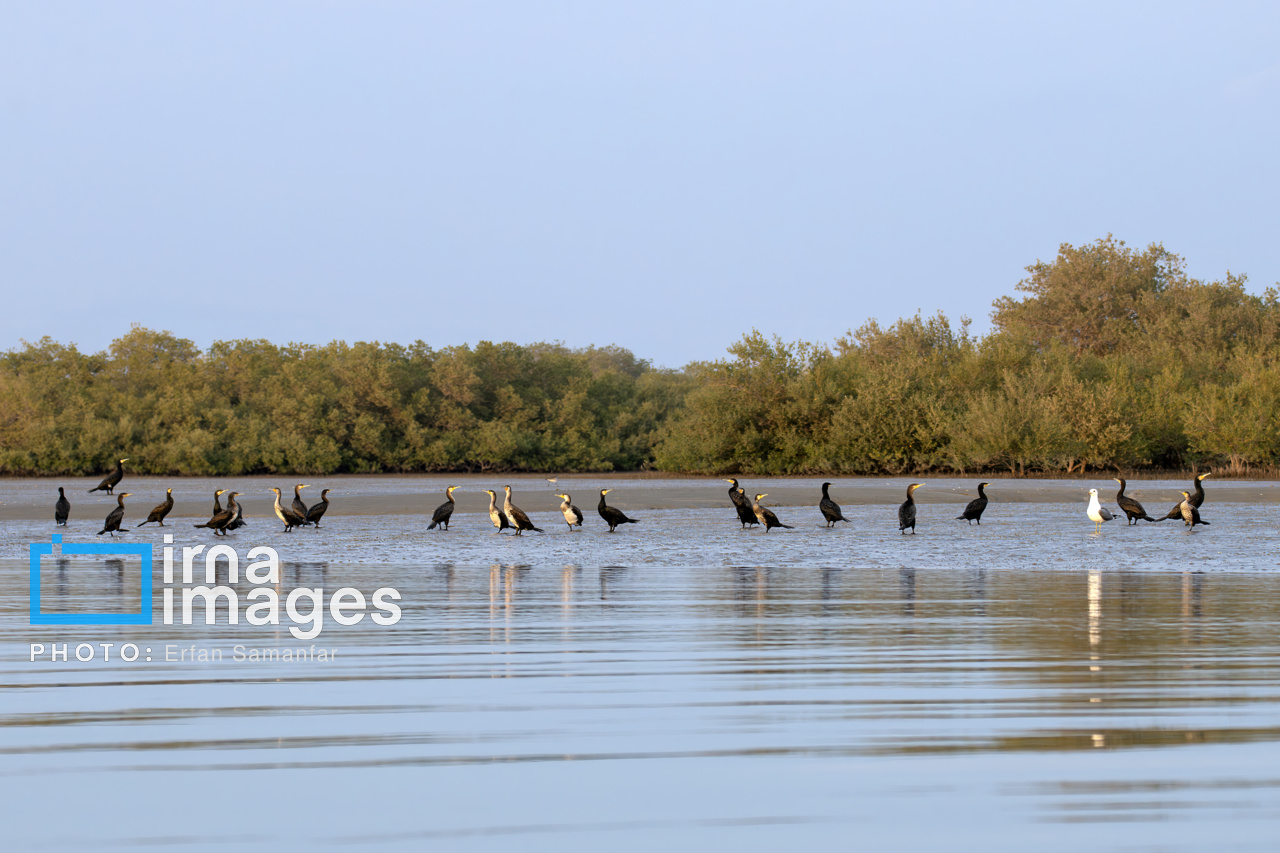
This protected area, comparable in size to the mangrove forests of Qeshm, in the Persian Gulf, is renowned for its natural beauty and significant ecological value.
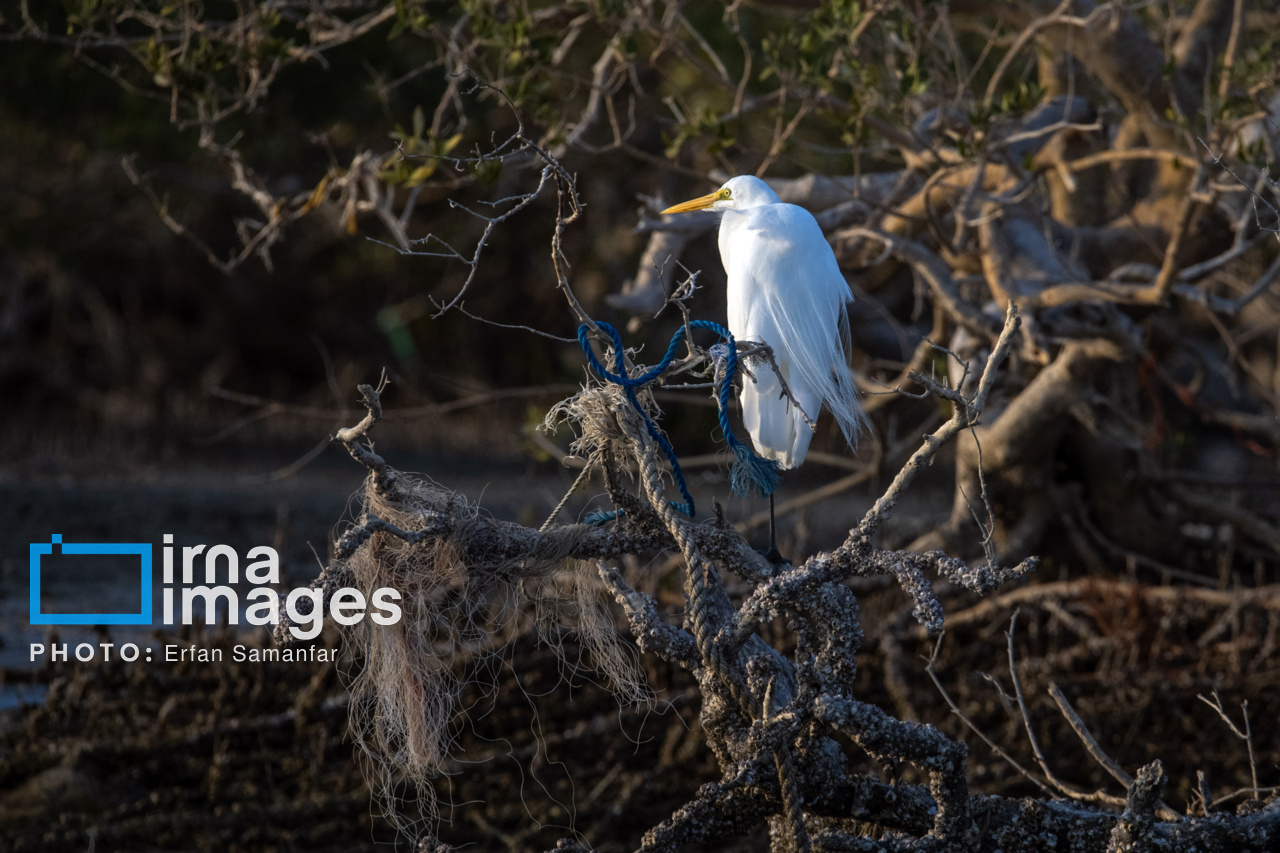
The name “Tiab,” meaning “water’s end,” reflects its role as a critical habitat for a variety of migratory bird species.

More in pictures:

Easing Syria sanctions on EU’s agenda: Top diplomat

The European Union

“We will be looking at how to ease sanctions. But this must follow tangible progress in a political transition that reflects Syria in all its diversity,” Kallas said at a Syria meeting held in the Saudi capital Riyadh.

Stressing that both hopes and challenges exist in Syria, Kallas wrote on X that she will discuss the ongoing transition process in Syria with the foreign ministers of Persian Gulf, Middle Eastern, and European countries.

She expressed the EU’s readiness to help in the transition process.

“The EU is here to help in this transition, where we are needed and can be of most use,” she added.

Foreign ministers from Arab and Western countries held a meeting in Riyadh on Sunday to discuss the situation in Syria following last month’s fall of the Bashar al-Assad government.

Assad, Syria’s leader for nearly 25 years, fled to Russia after armed groups took control of Damascus last month.

The takeover came after Hayat Tahrir al-Sham fighters captured key cities in a lightning offensive that lasted less than two weeks.

A new administration led by Ahmed al-Sharaa has now taken control of the country.

Ukraine ready to return captured North Korean soldiers to Kim or find ‘other ways’: Zelensky

North Korean Soldiers

Alternatively, Kyiv is willing to explore other options for North Korean soldiers who do not wish to return, he said.

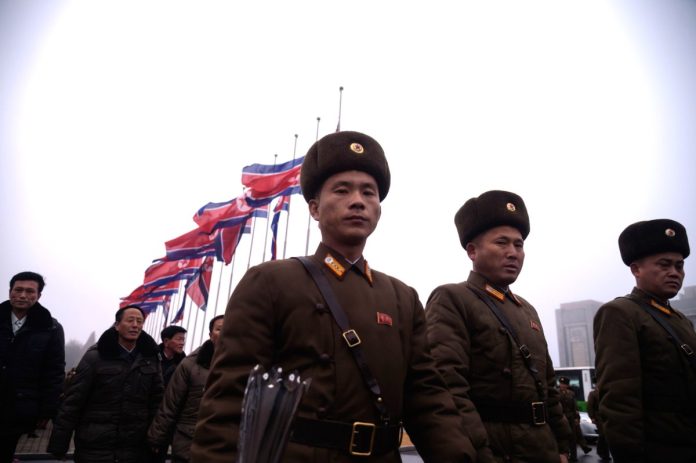
Zelensky’s remarks come a day after the president announced that Ukrainian forces had captured two North Korean POWs in Russia’s Kursk Oblast. The wounded soldiers are in the custody of the Security Service of Ukraine (SBU) and are reportedly receiving medical attention.

“In addition to the first captured soldiers from North Korea, there will undoubtedly be others,” Zelensky stated, adding, “It is only a matter of time before our guys manage to capture more.”

Ukraine is prepared to return North Korean personnel in future prisoner exchanges or explore “other ways” of handling those captured soldiers who do not want to go back to North Korea, according to Zelensky.

“Ukraine is ready to hand over his people to Kim Jong Un if he can organize their exchange for our soldiers who are held captive in Russia,” he continued.

“For those North Korean soldiers who do not want to return, there may be some other ways. In particular, those Koreans who wish to bring peace closer by spreading the truth in Korean about this war will have this opportunity.”

Zelensky posted video footage of the SBU’s interrogation of the two POWs, mediated by Korean translators. In the video, one of the captured soldiers says he would like to return to North Korea, while the other answers that he wants to live in Ukraine.

Some 12,000 North Korean soldiers have been deployed in Kursk Oblast, where Ukraine launched a surprise cross-border incursion in August 2024. North Korean personnel have suffered high casualties while fighting alongside Russian forces, according to US and Ukrainian officials.

Russia has neither confirmed nor denied the presence of North Korean troops in Kursk.

White House National Security Council spokesperson John Kirby stated in late December that some North Korean soldiers have reportedly taken their own lives rather than surrender to Ukrainian troops, out of fear their families will be targeted over their capture.

Zelensky has recently noted that the capture of the North Korean POWs was a difficult task to carry out, as Russian and North Korean forces go to greath lengths to suppress evidence of Pyongyang’s involvement.

Iran Army showcases laser-powered air defense system

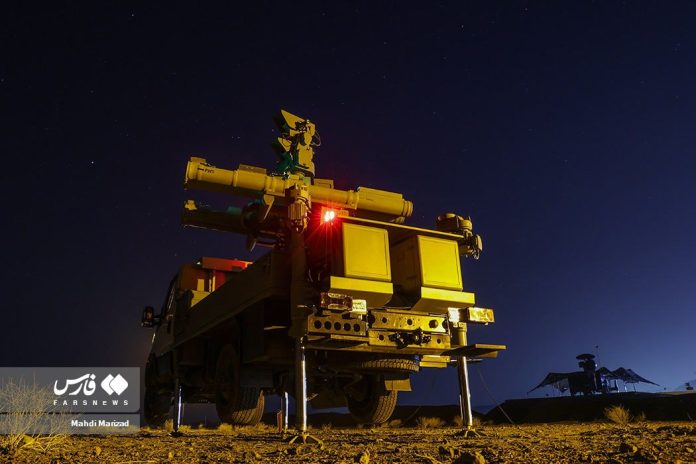
The equipment, named Seraj (Light), was wheeled out on Sunday as the defense forces were drilling near the country’s Fordow uranium enrichment facility.

The Army identified the system as only one of the layers providing the site with air defense services.

Observers have described the apparatus as “daunting”, pointing to Western states’ expressing surprise concerning the phenomenon.

The exercises, during which the Air Defense Forces conducted various reconnaissance, interception, confrontation, and destruction operations against mock enemy forces, featured deployment of various other defense systems too.

The forces carried out airstrikes using missiles as a means of defending the strategic and sensitive areas under their jurisdiction.

The drills, being monitored and directed by the Islamic Republic’s Integrated Air Defense Network, fended off the mock enemy forces’ offensive operations in Fordow and the nearby Khondab District.

The drills, which had sought to assess the actual effectiveness of the country’s air defense strategies against potential hostile invasions, wound down on Sunday after achieving their predetermined objectives.

They ensured intelligence command and the capability to punctually detect invasive targets, using various sensitive active and passive radar, signal detection, optical, and surveillance systems at the Air Defense Forces’ disposal.

They further assessed the operational and technical defense forces’ operational prowess across realistic engagement circumstances and their commitment to passive defense principles.

The drills also took place with emphasis on the rapid deployment principle.

The Islamic Republic’s Armed Forces, including the Army and the Islamic Revolution Guards Corps (IRGC), have been continuously enhancing their military hardware and combat readiness in line with the directives issued by Leader of the Islamic Revolution Ayatollah Seyyed Ali Khamenei.

The forces have vowed to defend the country’s sovereignty and territorial integrity in the face of the threats that are posed by the Iranian nation’s enemies.

Riyadh summit urges lifting sanctions on Syria

Syria Summit

The meeting was attended by the foreign ministers of Saudi Arabia, Syria, the United Arab Emirates, Qatar, Kuwait, Oman, Bahrain, Egypt, Iraq, Jordan, Lebanon, Türkiye, Britain, and Germany and the deputy foreign ministers of the US and Italy.

In a statement, the Saudi Foreign Ministry said discussions focused on “steps to support the Syrian people and provide all possible assistance during this critical stage of their history, helping them rebuild Syria as a unified, independent, and secure Arab state for all its citizens – free of terrorism and any violations of its sovereignty or territorial integrity.”

The meeting aimed to “coordinate efforts to support Syria and work toward lifting sanctions imposed on it”, the statement quoted Saudi Foreign Minister Prince Faisal bin Farhan as saying.

Bin Farhan urged international parties “to lift unilateral and UN-imposed sanctions on Syria and to promptly begin providing all forms of humanitarian and economic assistance to rebuild the Syrian state, thereby creating an environment conducive to the return of Syrian refugees”.

“The continued imposition of sanctions imposed on the previous Syrian regime will hinder the aspirations of the Syrian people for development, reconstruction, and achieving stability,” he added.

The Riyadh meeting built on the outcomes of the Aqaba meetings held in Jordan on Dec. 14, 2024. These meetings emphasized support for the Syrian people and pledged to provide all possible assistance to ensure security and stability in the country.

Assad, Syria’s leader for nearly 25 years, fled to Russia after armed groups took control of Damascus on Dec. 8. The takeover came after Hayat Tahrir al-Sham fighters captured key cities in a lightning offensive that lasted less than two weeks.

A new administration led by Ahmed al-Sharaa has now taken control of the country.

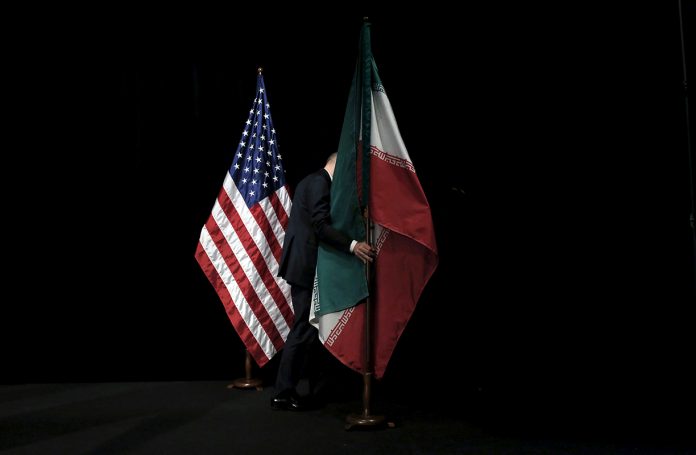
Top Iranian official advocates for direct talks with the US

Iran US Flags

In a recent meeting, Abdolalizadeh recounted being asked by a reporter during Iranian presidential campaign in June last year about the repercussions of potential presidency of Donald Trump. He responded that Iran is open to negotiations and dialogue, stressing that issues cannot be left unresolved.

He highlighted the necessity of “direct, honorable, and man-to-man” conversations to defend national interests, rather than relying on intermediaries.

Abdolalizadeh emphasized the importance of face-to-face discussions with US officials, stating that intermediaries often distort messages.

He expressed satisfaction that the Iranian government has reached a consensus on the necessity of direct talks with American officials.

5k killed or missing in north Gaza amid Israeli military campaign

Gaza War

Another 9,500 Palestinians were injured as a result of the Israeli military operation in the north that was launched in early October, a medical source told Al Jazeera on Sunday.

Gaza’s Government Media Office on Sunday described the Israeli siege as “the most horrific form of ethnic cleansing, displacement and destruction” that has affected hundreds of thousands in the war-ravaged area.

Kamal Adwan Hospital, the most prominent healthcare facility in the north, was torched and destroyed by Israeli soldiers in late December as part of the siege, and the fate of its arrested director Hussam Abu Safia remains unknown.

As Israeli politicians and settler groups openly discuss prospects of building settlements in north Gaza, the siege shows no signs of stopping.

US President Joe Biden spoke with Prime Minister Benjamin Netanyahu on Sunday, the White House announced, as US officials try to reach a Gaza captive and ceasefire deal before Biden leaves office on January 20.

Biden “stressed the immediate need for a ceasefire in Gaza and return of the hostages with a surge in humanitarian aid enabled by a stoppage in the fighting under the deal”, it added.

Biden’s national security adviser Jake Sullivan also told CNN’s State of the Union programmde earlier on Sunday that the parties were “very, very close” to reaching a deal, but still had to get it across the finish line.

But Israeli leaders have emphasised that the war will not end even if an agreement is reached, and that they will maintain military control of the enclave, even as they continue to occupy the West Bank, large parts of Syria, and areas in southern Lebanon.

Despite another large-scale demonstration against the Israeli government and in favour of a deal in Tel Aviv on Saturday night, far-right ministers in the administration remain opposed.

Netanyahu was scrambling on Sunday to ensure Finance Minister Bezalel Smotrich and National Security Minister Itamar Ben-Gvir do not threaten the stability of his ruling coalition by abandoning it in case of a deal.

The humanitarian situation in Gaza remains dire, meanwhile, as the Israeli military continues to block most aid from entering while creating an unsafe situation that has enabled the armed looting of aid convoys.

Thousands of families are forced to brave the open or hunker in dilapidated tents amid famine-like conditions across Gaza as Israeli forces keep attacking hospitals and ordering them to evacuate.

Israel has killed more than 46,000 Palestinians and injured over 109,500 in the besieged enclave so far.