Monday, January 19, 2026
Home Blog Page 512

President Pezeshkian: Neighbors can take steps towards regional security

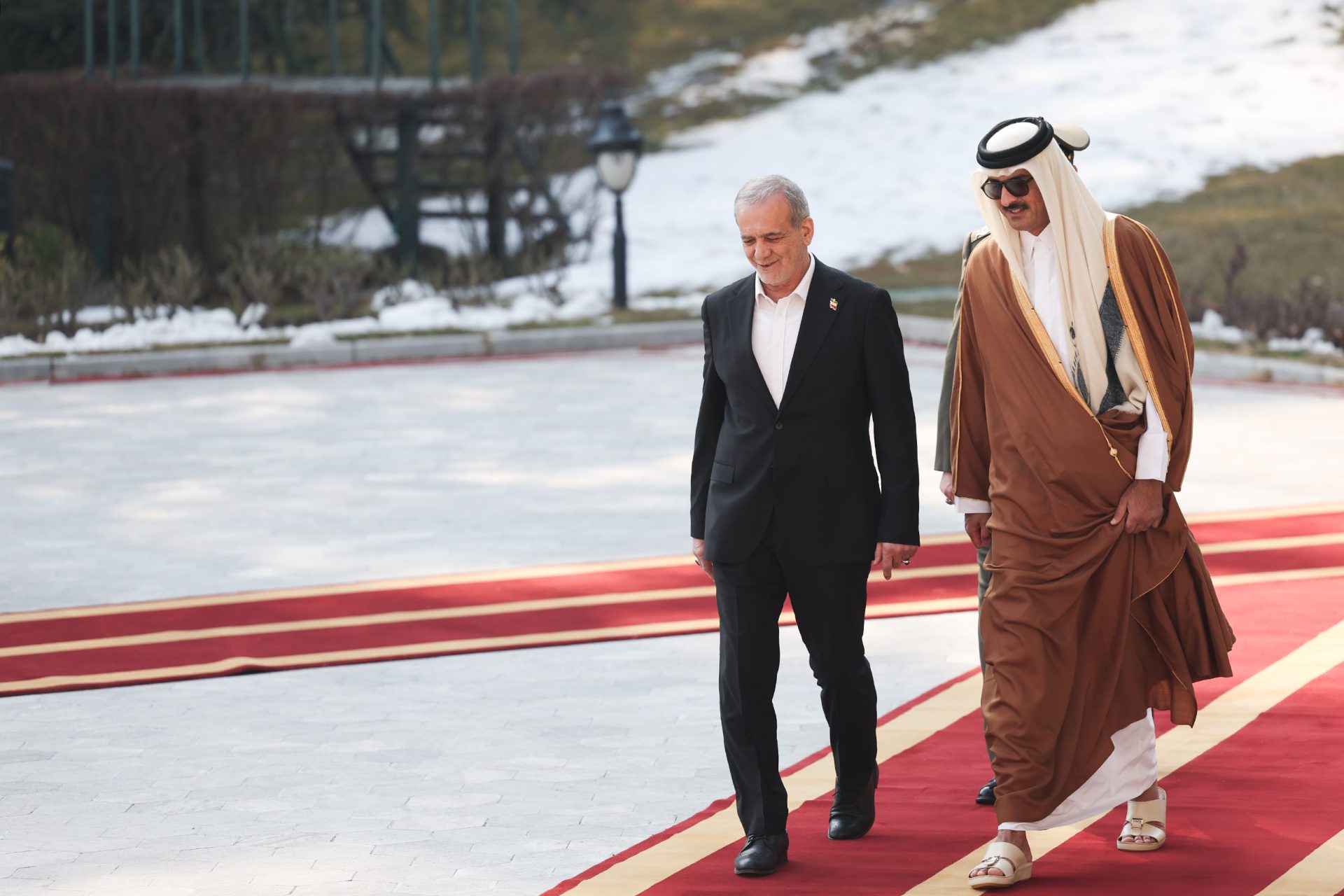
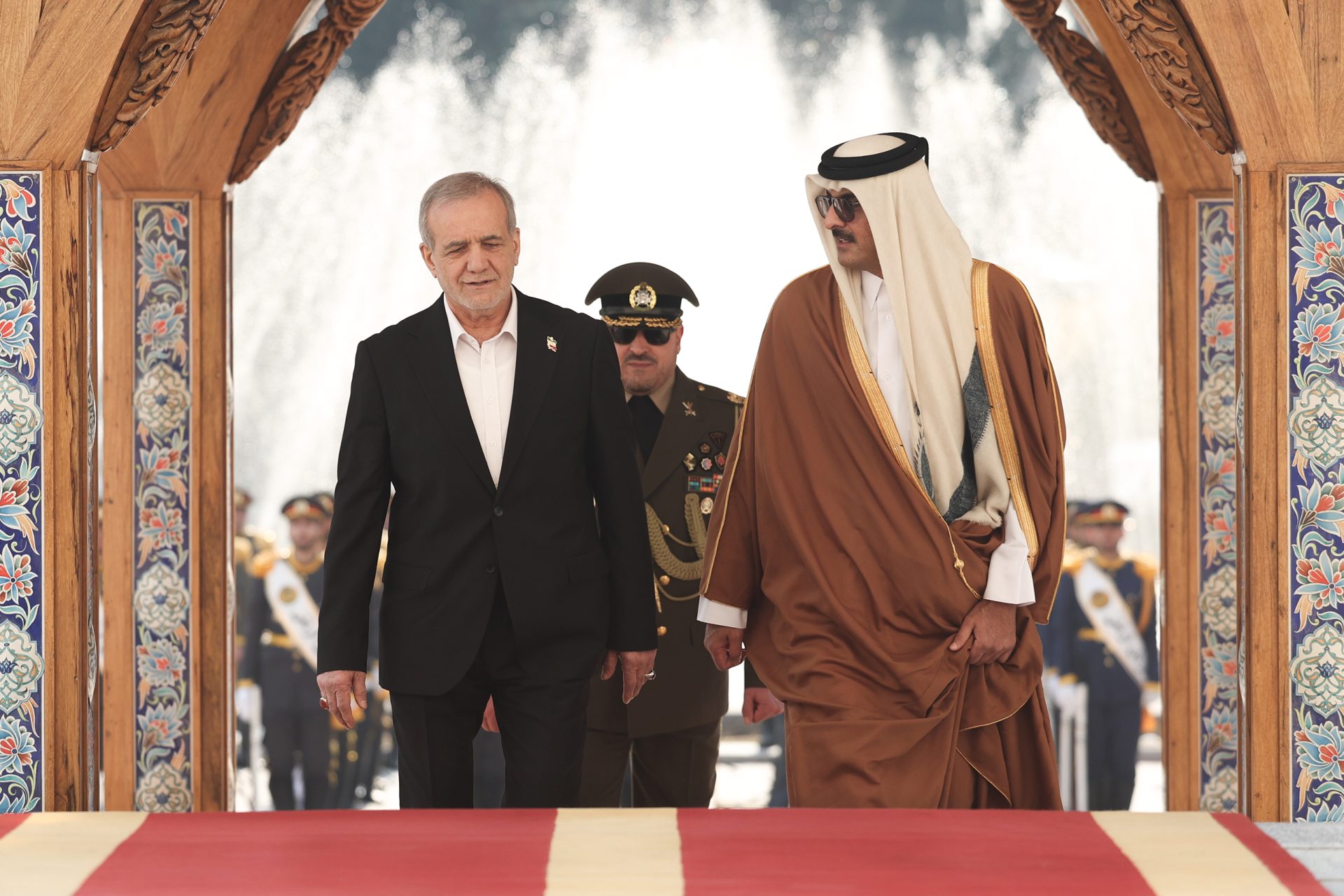
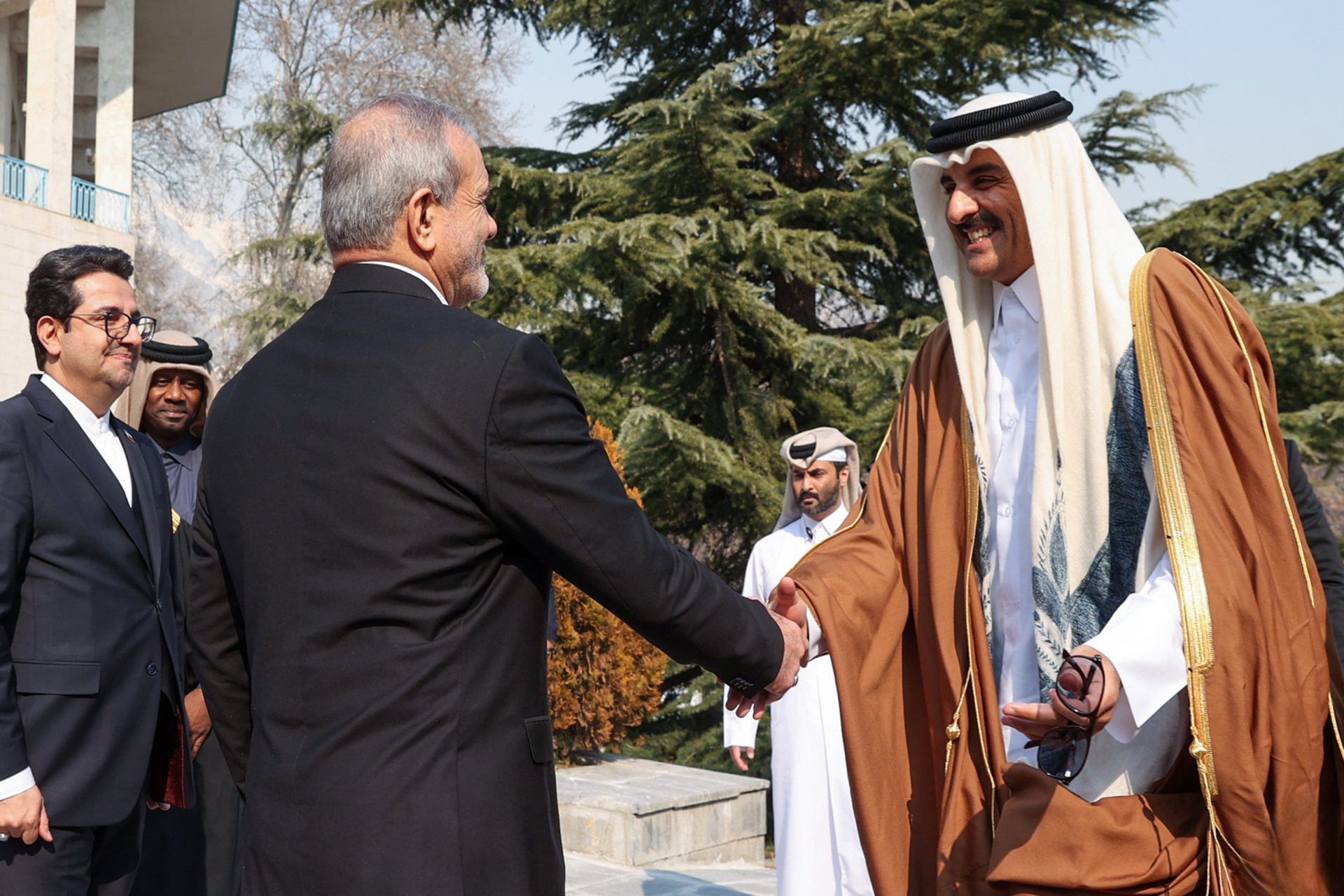
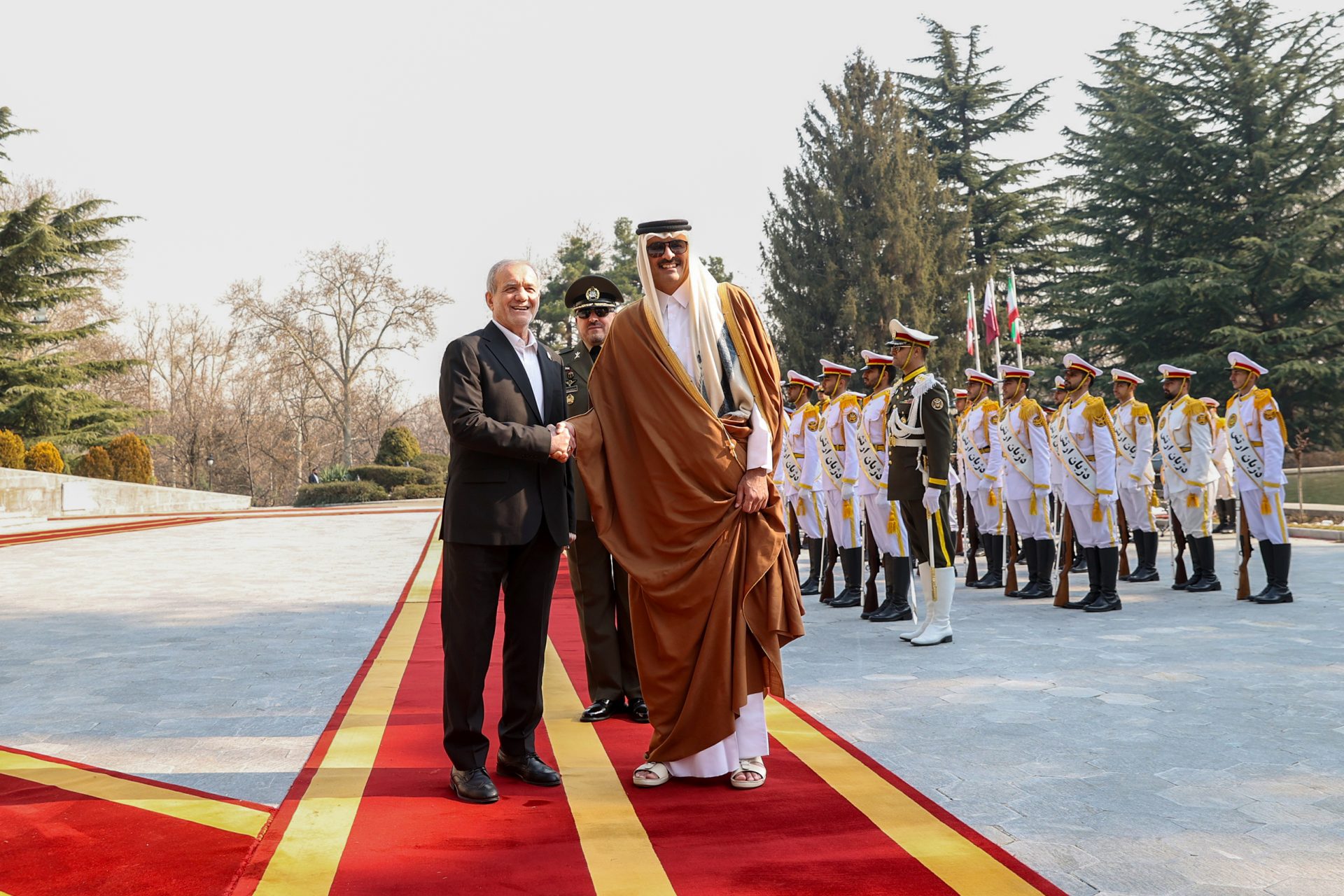
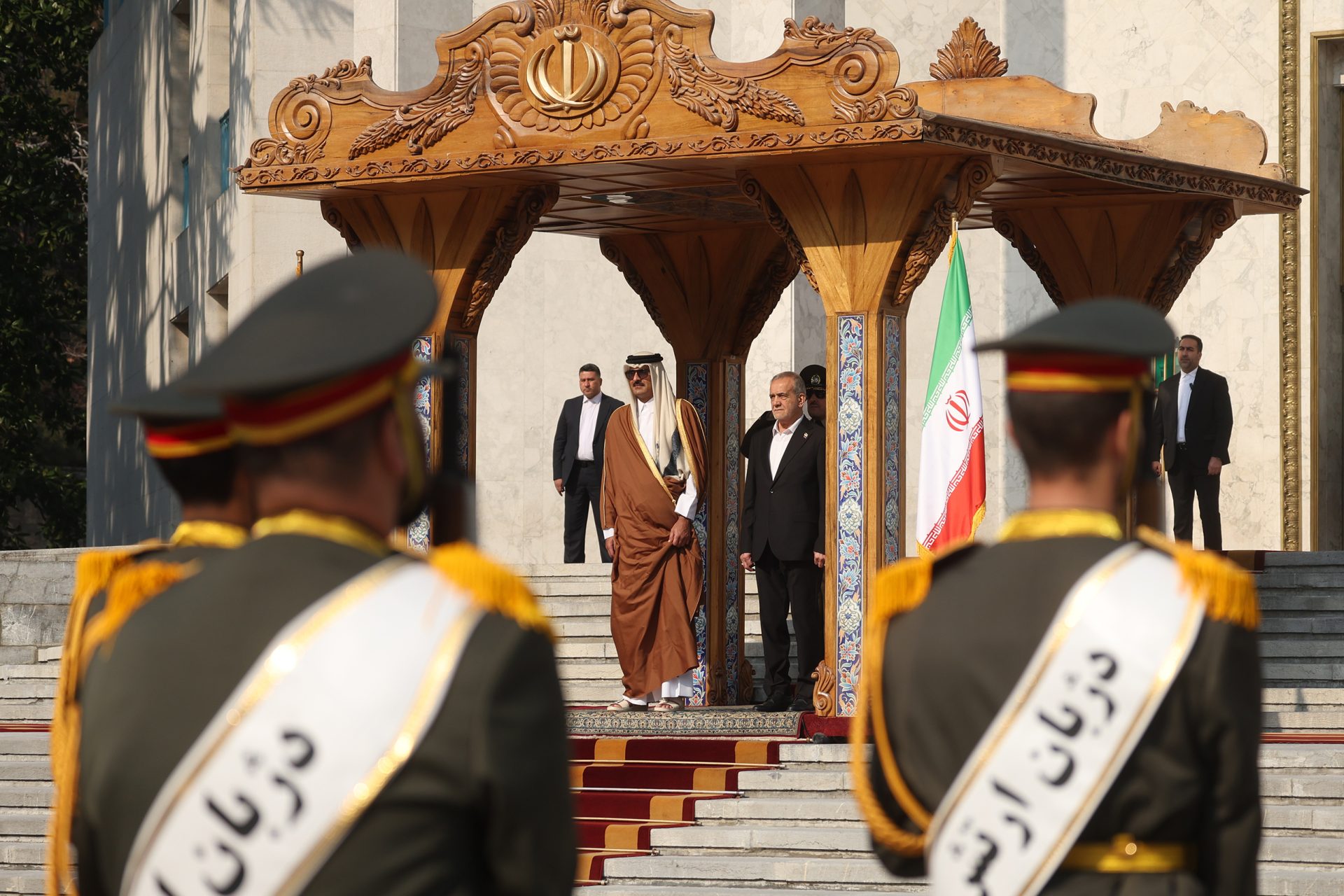
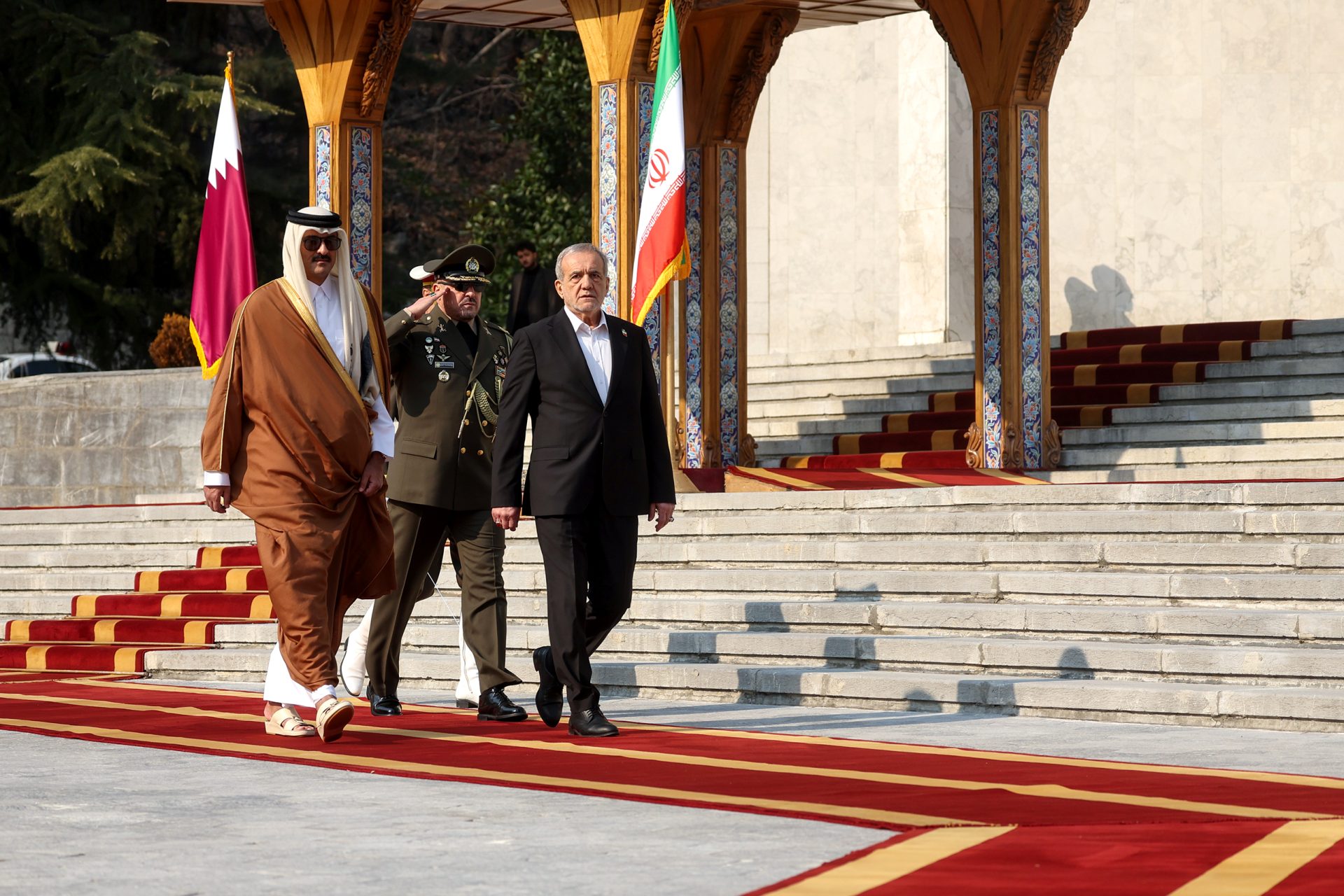
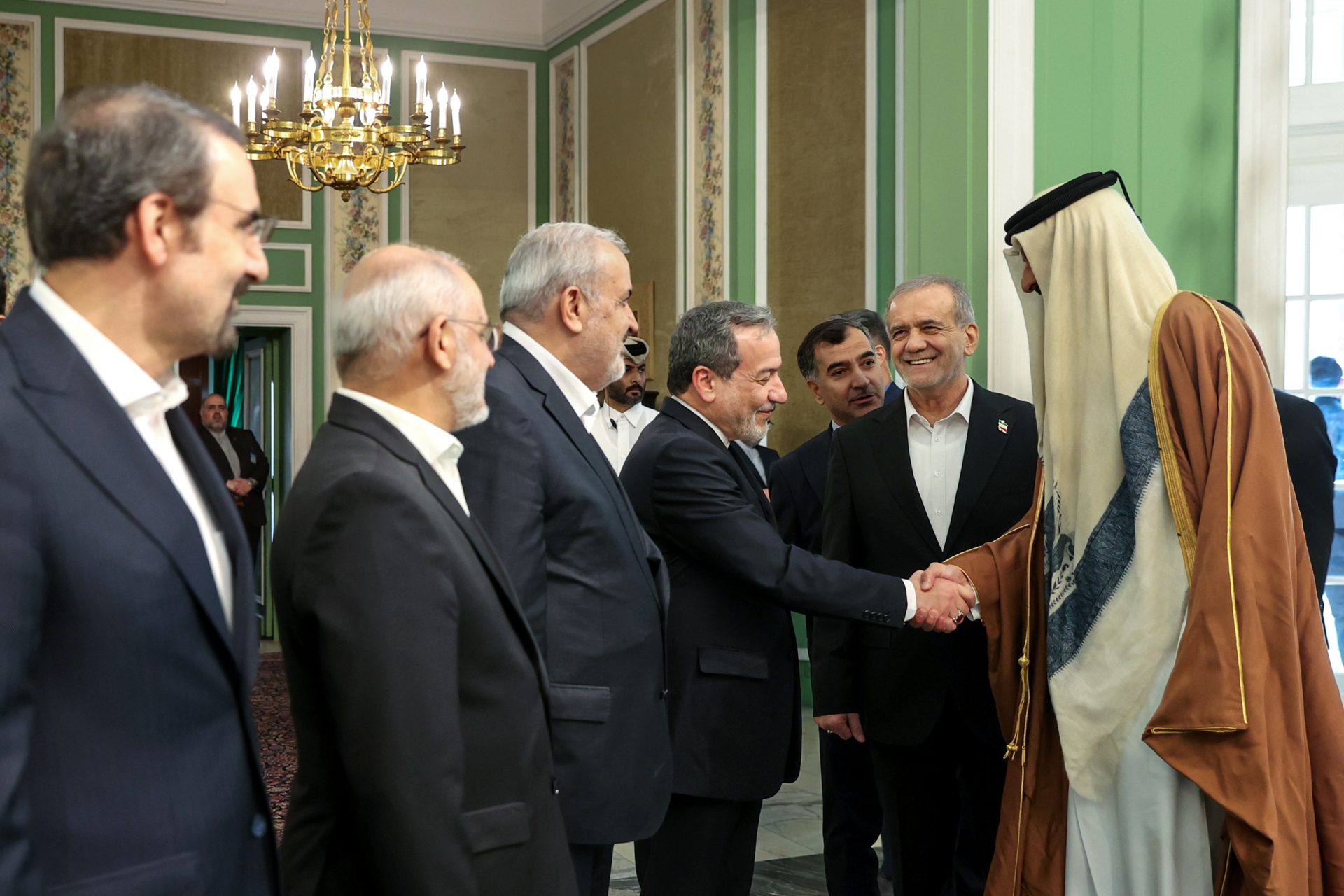
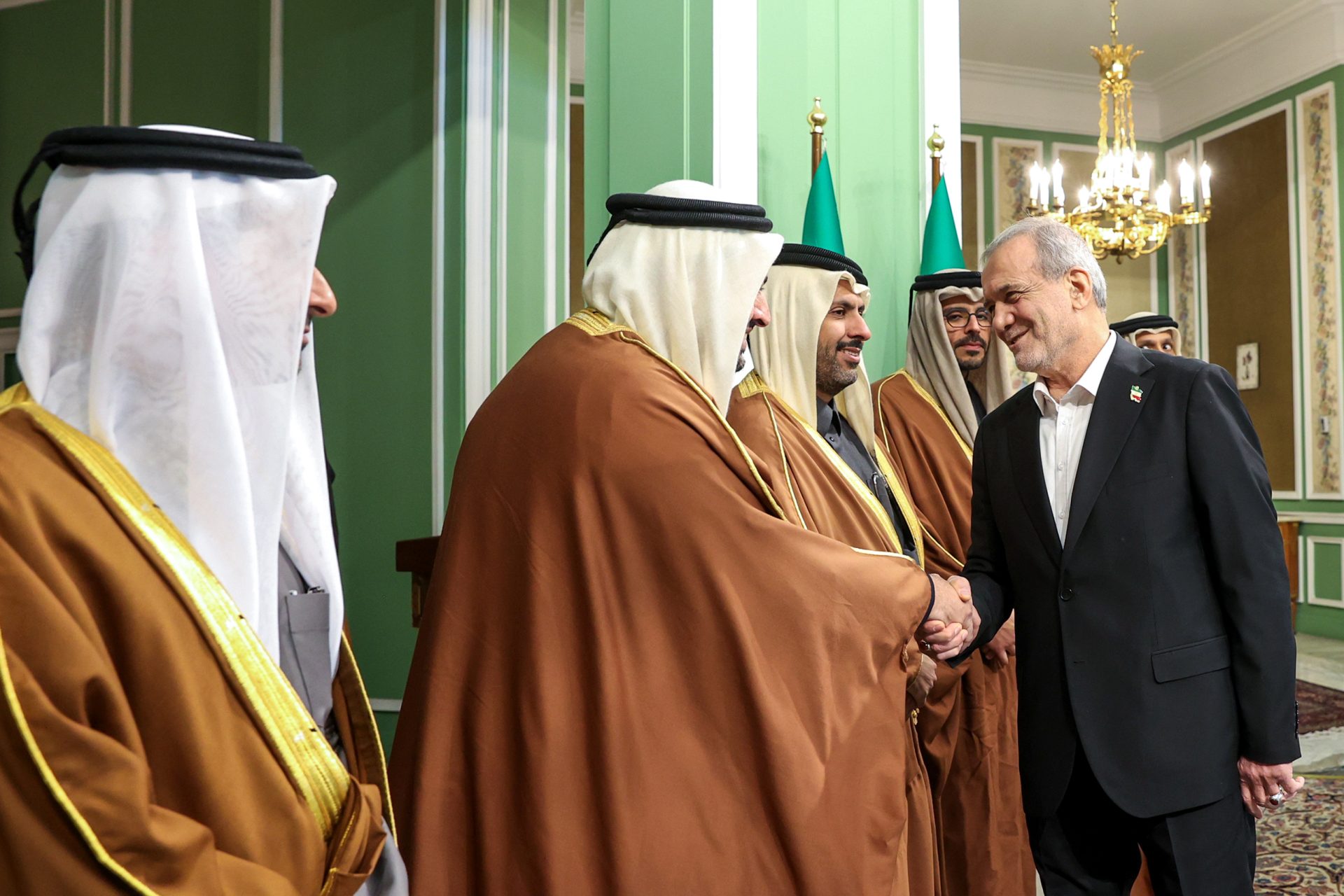
On Wednesday, during a joint press conference with Tamim bin Hamad Al Thani, the Emir of Qatar, in Tehran, President Pezeshkian noted that the Islamic Republic of Iran pursues the development of relations in all political, economic, cultural, military, and security fields with neighboring countries and the region.

Pezeshkian, referring to his discussions with the Emir of Qatar in Tehran, added that important decisions were made regarding bilateral issues to develop and deepen relations and open new avenues for cooperation. The Emir of Qatar also stressed the need to create new cooperation opportunities between Tehran and Doha.

President Pezeshkian stated that the Islamic Republic of Iran believes that regional countries can take steps towards maintaining stability and security in the region based on good neighborliness and constructive interaction.

He emphasized that both sides also reiterated their respect for the territorial integrity of Syria and the participation of all Syrians in determining their own destiny.

Pezeshkian also thanked Qatar for its mediating efforts in the release of Palestinian prisoners and noted that during his meeting with the Emir of Qatar, the necessity of adopting coherent measures among Islamic countries to alleviate the suffering of the people of Gaza and stop the crimes of the Zionist regime against the residents of Gaza was emphasized.

He added that all governments and peoples in the region, based on divine and human values, should make every effort to defend the rights of the Palestinian people and Gaza to enjoy a safe life in their historical land.

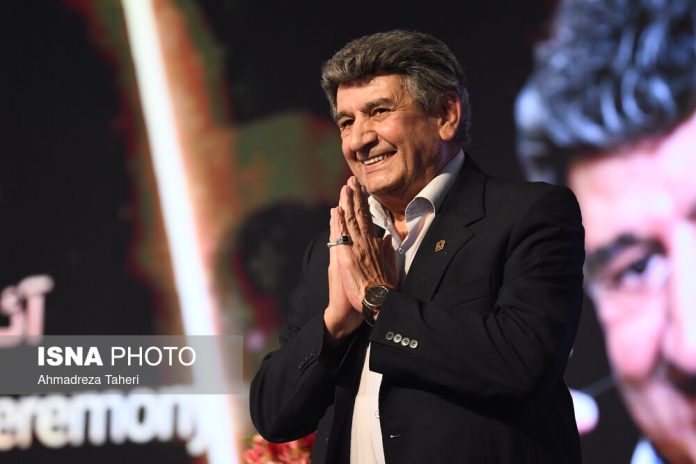
Famous Iranian dubbing artist Manouchehr Valizadeh dies

He had been hospitalized for two weeks in the ICU. Valizadeh began his career in radio
broadcasting in 1958.

He started voice acting at the age of 16.

Throughout his career, Valizadeh did many memorable roles, including the cartoon character Lucky Luke.

He was also known for voicing Michael Schofield in the television series “Prison Break,” as well as
providing the Farsi voice for actors such as Tom Hanks, John Travolta, Tom Cruise, Harrison Ford, Nicolas Cage, Jason Statham, Jim Carrey, Will Smith, Eddie Murphy, Robert Wagner, and Elvis Presley.

Valizadeh considered himself a student of prestigious voice actor late Houshang Latifpour and said about his teacher, “He was one of the first-class dubbing artists… all of us, from dear Manouchehr Esmaeili to myself, were his students and that’s how we got here”.

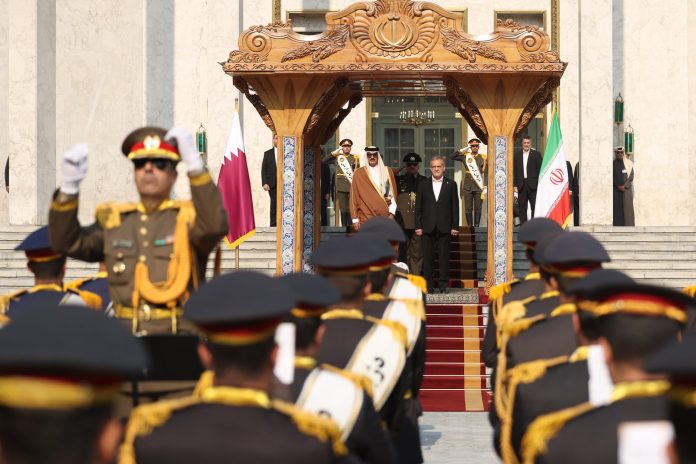
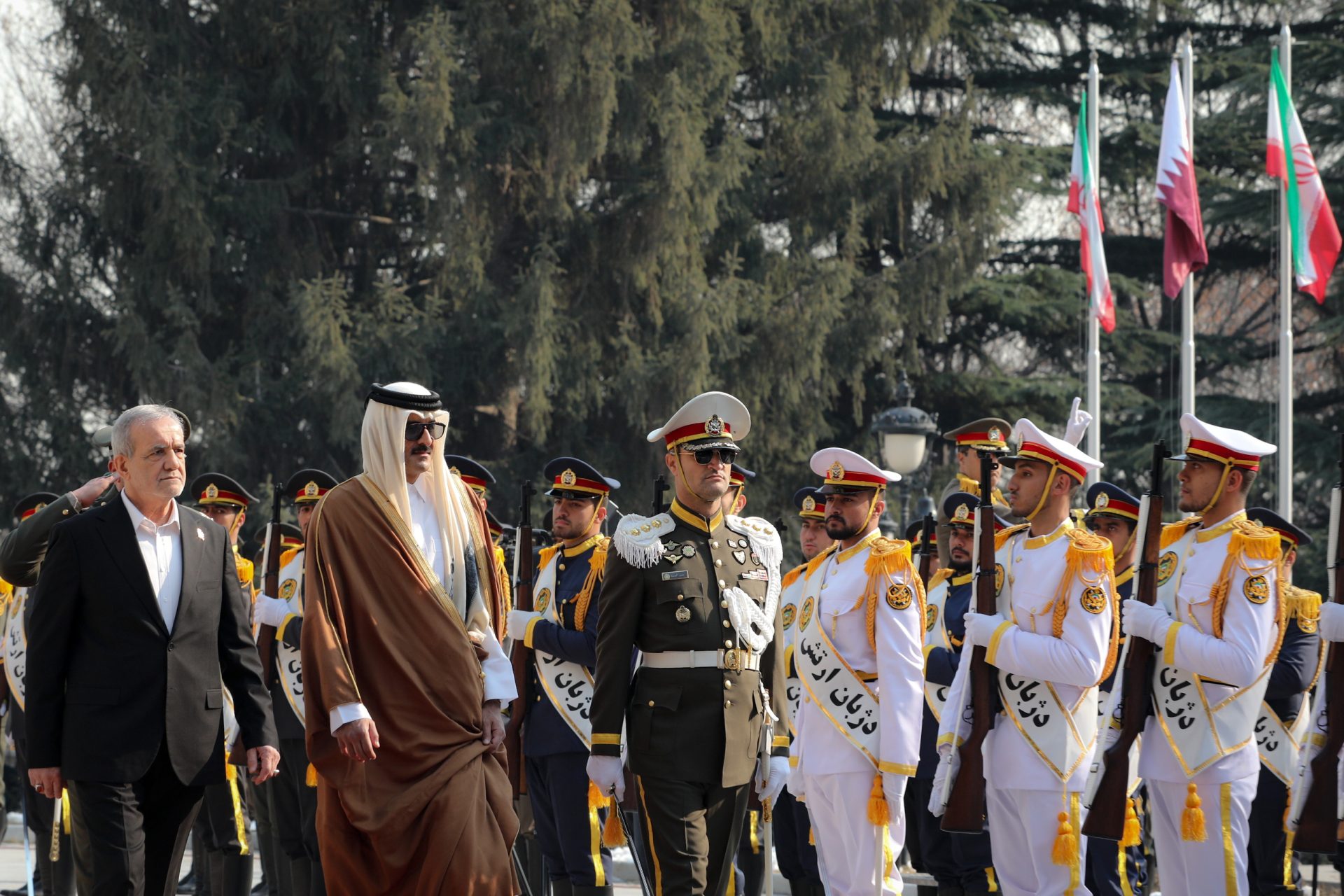
Iran President officially welcomes Emir of Qatar

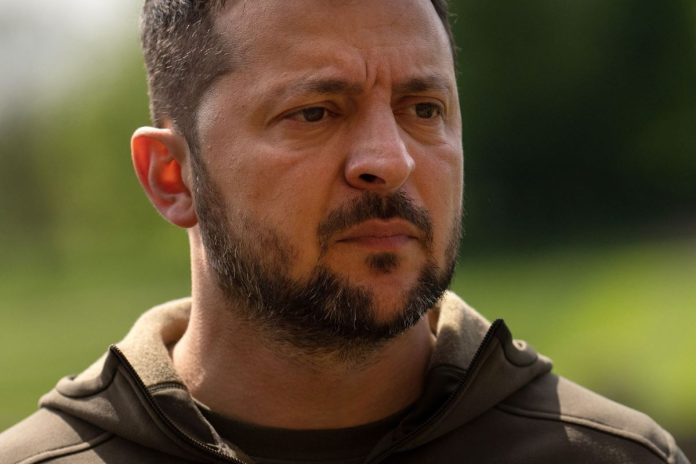
Zelensky: Russia behind Trump’s false claim of 4% approval rating

Ukrainian President Volodymyr Zelensky

“We saw this disinformation. We understand it comes from Russia. We understand, and we have evidence that those figures have been discussed between the U.S. and Russia,” Zelensky said.

Trump made the claim without providing evidence, presenting it as an argument that Ukraine should hold elections soon. Speaking the same day when a U.S. delegation met top Russian officials for talks in Saudi Arabia without Ukraine’s participation, Trump also laid the blame for the war on Kyiv.

Kremlin propaganda has pushed the narrative that Zelensky is an illegitimate leader, relying on the premise that his first presidential term was originally meant to end on May 20, 2024.

The false allegation ignores the fact that the Ukrainian constitution prohibits elections during martial law, which went into effect after Russia launched the full-scale invasion in 2022.

While voicing his respect for Trump and the American people, Zelensky stated that the U.S. president “sadly lives in this disinformation space.”

Zelensky also pointed to the latest survey that put the president’s approval rating at 57%, adding that efforts to replace him at this moment would not be successful.

Iranian expert: Accepting FATF improves currency management

FATF

Speaking exclusively to ISNA news agency, Masoud Tavakoli noted that if the enemy wants, it will eventually gain access to Iran’s commercial information and interactions from some point.

Tavakoli added that failure to join the FATF will hurt Iran.

He also spoke about the advantages of joining the FATF. He said sanctions have resulted in many costs for Iran despite that Tehran has managed to bypass them, but the country still faces a barrier called FATF.

Tavakoli underlined that joining the FATF can bring significant benefits for Iran under the current conditions, saying this will facilitate the country’s currency transactions.

“When currency transactions are facilitated, the supply of currency increases, and as a result, the inflow of currency is increased, allowing the policy makers to better manage the market”, Tavakoli said.

He added that those who do not agree with the FATF believe this will tie Iran’s hands in the political, military and other areas.

According to the economic expert, all countries, including China and Russia, have similar conditions to Iran, but there is no other choice.

Iran UN envoy deplores US’ Gaza plan for forced relocation of Palestinians

Gaza War

Addressing an open debate of the United Nations Security Council about “Practicing Multilateralism, Reforming and Improving Global Governance”, held in New York on February 18, Saeed Iravani said the Gaza Strip is the rightful land of the Palestinian people.

The full text of his statement is as follows:

Mr. President,

We appreciate China for organizing this important and timely high-level open debate. We also thank Minister Wang Yi and the Secretary-General for their valuable insights and for reaffirming the vital role of multilateralism.

Mr. President,

Multilateralism is essential for tackling global challenges, requiring adherence to international law, transparency, and accountability. However, trust in multilateral institutions is declining due to selective international law, unilateral coercion, and violations of sovereign equality.

In this context, I wish to highlight the following points:

1. Multilateral mechanisms lose their credibility when manipulated for political agendas. Selective enforcement of international norms, imposition of unilateral sanctions, and economic coercion undermine the core principles of multilateralism. The United States and its Western allies, who enforce unlawful unilateral coercive measures, must be held accountable for the suffering, death, and destruction they cause to targeted nations, including my own people in blatant violation of international law, and basic principles of human rights.

2. The Security Council must uphold its mandate to resolve conflicts through multilateral cooperation. However, its current structure fails to reflect global power shifts and the legitimate aspirations of the Global South. To restore its credibility, the Council must become more representative, democratic, and accountable. A truly inclusive body with equitable regional representation would enhance both its legitimacy and effectiveness. Regrettably, certain permanent members have repeatedly exploited the Council to advance its own political interests. A glaring example is the United States’ persistent use of its veto to shield Israel from accountability for its systematic violations of international law and the UN Charter, particularly its genocidal crimes against the Palestinian people and acts of aggression against other nations in the region. Gaza is the rightful land of the Palestinian people and Iran strongly condemns the U.S. colonial plan to forcibly displace and uproot Palestinians from their own land, a flagrant violation of international law and a grave assault on fundamental human rights.

3. The global financial system, shaped by outdated institutions, must be restructured to ensure fair participation for developing nations. Their marginalization deepens inequalities and hinders sustainable development.

Mr. President,

We face a critical choice: allow divisions and unilateralism to dictate global affairs, or reaffirm our commitment to a just, equitable, and rules-based international order upheld by the UN system. To do so, we must take decisive action:

First, Global governance must be built on open, fair, and transparent negotiations, ensuring disputes are resolved through diplomacy, not coercion.

Second, the UN must ensure all nations have fair access to technology, resources, and trade, fostering sustainable growth for all.

Third, closer collaboration between the UN and regional organizations such as the African Union, the SCO (Shanghai Cooperation Organization), and BRICS will reinforce collective security and economic resilience.

As a founding member of the United Nations, the Islamic Republic of Iran once more reaffirms its sustained commitment to effective multilateralism, grounded in international law and the principles of the United Nations Charter.

Thank you.

Britain mulling alternative to troop deployment in Ukraine: The Times

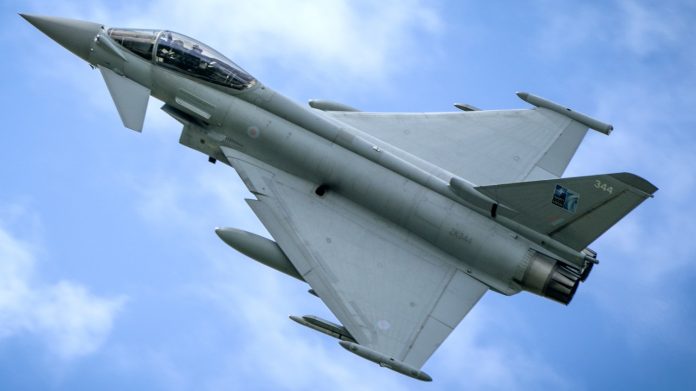
UK Prime Minister Keir Starmer has stated that the UK is “ready and willing” to station troops in Ukraine as part of a security arrangement following a potential truce with Russia. A senior government source told the newspaper that an air patrol initiative involving British military aircraft and anti-aircraft systems protecting them could complement a small number of troops inside Ukraine.

The proposed arrangement would be modeled after NATO’s air power sharing scheme, which allows patrols over the Baltic States, likely requiring dozens of Typhoons on standby. A Royal Air Force source remarked, “We are prepared to do whatever we are told to do.”

Ukrainian leader Vladimir Zelenksy has suggested that at least 200,000 foreign troops would be needed for a sufficient security guarantee. However, European NATO allies are reportedly considering a much smaller force – an approach that, in Zelensky’s words, would amount to “nothing.”

Meanwhile, the US has ruled out any involvement of its military or NATO as an organization in any potential peacekeeping arrangement.

Senior American and Russian officials convened in Saudi Arabia this week to mend bilateral relations, with hopes that a diplomatic thaw will lead to a swift resolution of the Ukraine conflict. After Tuesday’s meeting, Russian Foreign Minister Sergey Lavrov stressed that Moscow will not tolerate any military presence of NATO nations in Ukraine, “even under the EU flag or as part of national contingents.”

The British publication underscored the dilemma, titling its report: “British Typhoons may help keep peace in Ukraine – if Russia drops objections.”

Following a shift in Washington’s Ukraine policy under President Donald Trump, several European nations, including Poland, Germany, and France, have expressed skepticism about deploying troops to Ukraine without US support. Some officials view a UN mission as a viable option that Russia might endorse, The Times daily reproted.

Iran’s president: Tehran-Moscow strategic partnership agreement significant manifestation of mutual collaboration

Pezeshkian made the remark on Tuesday evening during a meeting with Alexey Overchuk, Deputy Prime Minister of Russia, who traveled to Tehran to attend the third Caspian Economic Forum, a two-day event that aims to enhance economic and commercial cooperation between the Caspian Sea littoral states.

The Iranian president described the signing of the Comprehensive Strategic Partnership agreement between the Islamic Republic of Iran and the Russian Federation as one of the most significant manifestations of collaboration between the two countries, stressing that “the implementation of the deal must be seriously pursued by the officials of both nations.”

Pezeshkian assessed Iran-Russia bilateral cooperation in the fields of energy, industry, transportation, and trade as highly positive, noting that “regional and international organizations, including the Eurasian Economic Union (EAEU), BRICS, and the Shanghai Cooperation Organization (SCO), have also opened new avenues for joint cooperation.”

He also expressed hope that by taking advantage of such opportunities, both nations would reap the benefit.

Overchuk, for his part, conveyed the warm greetings of Russian Prime Minister Mikhail Mishustin and Russian President Vladimir Putin to Pezeshkian, expressing appreciation for Iran’s successful holding of the Caspian Economic Forum.

Overchuk also expressed Moscow’s satisfaction with the signing of the Comprehensive Strategic Partnership agreement with Tehran.

He noted that “interactions and cooperation between the two countries have significantly increased since the agreement’s signing, with a rise in diplomatic exchanges serving as a key indicator of the development.”

Iran and Russia, as two close and strategic allies, have over the past years deepened relations in various fields, despite heavy Western sanctions.

In 2001, Tehran and Moscow signed a long-term cooperation deal, officially known as the Treaty of the Foundation of Mutual Relations and the Principles of Cooperation. It was initially set for 10 years but was extended twice up until 2026.

In January, the presidents of Iran and Russia, Masoud Pezeshkian and Vladimir Putin, signed a comprehensive strategic partnership agreement for long-term cooperation. Both presidents hailed the agreement as a new chapter in relations between the two countries.

Speaking at a joint press conference in Moscow following the signing event, Pezeshkian said the agreement will open a new chapter in relations between the two countries in all arenas, notably in the economic sector.

Putin, for his part, placed a premium on the expansion of trade ties with Iran and noted that in talks with Pezeshkian, the two sides discussed ways to increase trade exchanges.

Tehran University student’s murderers arrested, confess to crime

The incident occurred last Wednesday, when Khaleghi was fatally stabbed by motorcycle-riding assailants while returning to his dormitory.

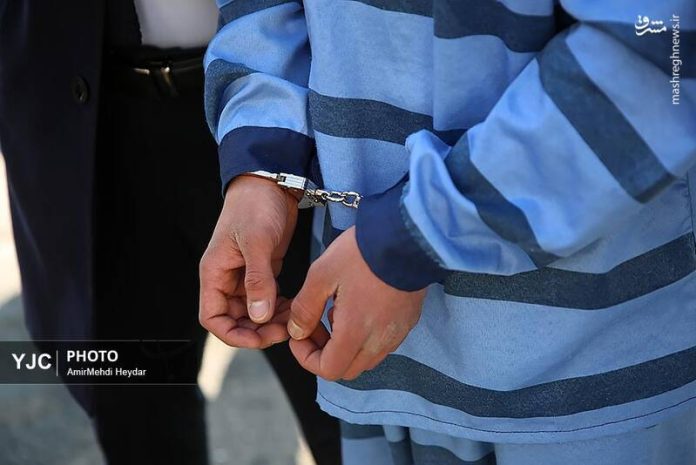
Brigadier General Abbasali Mohammadian, Tehran’s police chief, confirmed the arrests, stating that two primary suspects and three accomplices involved in selling stolen goods were detained.

The suspects, identified as Ahmad and Amir, confessed to targeting Khaleghi for robbery. According to their confessions, they stabbed Khaleghi twice in the chest after he resisted their attempt to steal his phone and bag.

Judicial officials revealed that the suspects had committed 30 to 40 robberies over the past two to three months.

Mohammad Shahriari, head of Tehran’s Criminal Court, noted that the suspects concealed their identities and motorcycle license plates, complicating the investigation. However, a breakthrough led to their arrest on this Tuesday.

In a video released by the judiciary, the suspects detailed the crime. Amir, the motorcycle rider, admitted they chose the location for its seclusion, while Ahmad, the assailant, claimed he stabbed Khaleghi after being instructed by Amir.

Khaleghi, a business management student, succumbed to his injuries at hospital. The case has sparked public outrage, with authorities vowing to pursue justice. Investigations are ongoing, and further details will be released as the case progresses.

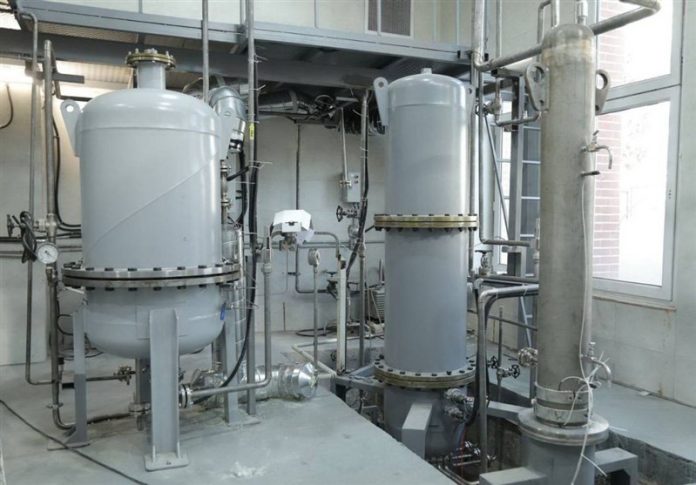
Iran starts Helium extraction from natural gas

On Wednesday, Mohammad Eslami, the head of the Atomic Energy Organization of Iran (AEOI), stated during the inauguration and operational launch of the project that helium extraction and purification is a strategic step for the country.

He attributed the project’s success to the efforts of Iranian specialists and added that following this pilot project, Iran will establish its first helium production plant, officially joining the ranks of countries that purify helium from natural gas.

Eslami emphasized that the technical knowledge for this project was developed in collaboration with an Iranian university, with all necessary components and equipment manufactured by the AEOI and supplied through the country’s domestic engineering network.

He further noted that the capacity being created will meet Iran’s annual demand, eliminating the need for helium gas imports, and that Iran will also plan for exports in the future.

Meanwhile, according to the deputy head of the AEOI, the initial and basic design of the project, with a capacity of 22 tons per year, has been completed.