Tuesday, January 20, 2026
Home Blog Page 509

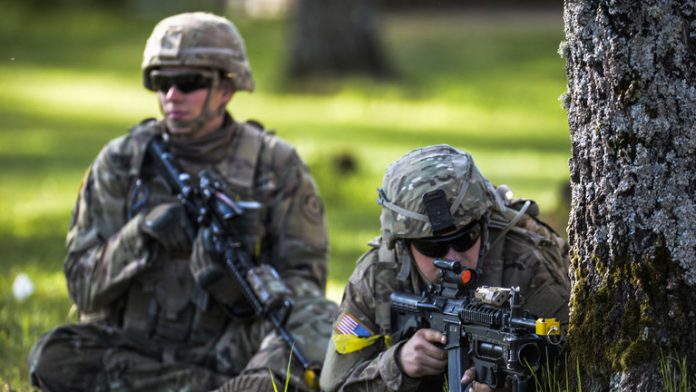
US could withdraw military forces from Central, Eastern Europe: Bild

Bild claimed that European members of NATO “feared” that the high-level US-Russia talks in Saudi Arabia on Tuesday, could lead to such an outcome. The German media outlet quoted an anonymous Western European security official as saying, “according to our information, we’re talking about [Vladimir] Putin’s 2021 demands, that is, the withdrawal of US troops from all NATO states that joined the alliance after 1990.”

In December 2021, Russia presented the US and NATO with a list of proposals aimed at reshaping the security architecture in Europe, and to rule out Ukraine’s accession. The West rejected the Kremlin’s overture as an ultimatum at the time.

Bild also quoted former Lithuanian Foreign Minister Gabrielius Landsbergis who posted on X on Tuesday that “it seems much more than likely” that the Kremlin would renew its demands that “NATO must go back to its 1997 borders, retreating from everything except East Germany.” He noted that while Trump technically cannot unilaterally implement a “reversal of NATO enlargement,” he could still “withdraw US troops from the Eastern Flank, which would have almost the same effect.”

The nations that would theoretically be affected include Albania, Bulgaria, Croatia, the Czech Republic, Estonia, Finland, Hungary, Latvia, Lithuania, Montenegro, North Macedonia, Poland, Romania, Slovakia, Slovenia, and Sweden.

A Romanian official made similar allegations on Wednesday. Cristian Diaconescu, the president’s chief of staff and adviser for defense and national security, alleged that while the US team had rejected Moscow’s supposed demands in Riyadh, “the situation can change from hour to hour or from day to day,” and Washington could eventually cave in.

On Friday, Kremlin spokesman Dmitry Peskov dismissed the claims as “not true,” adding, however, that Moscow’s concerns regarding “NATO’s military infrastructure having inched toward our borders as part of several waves” are “no secret to anyone.”
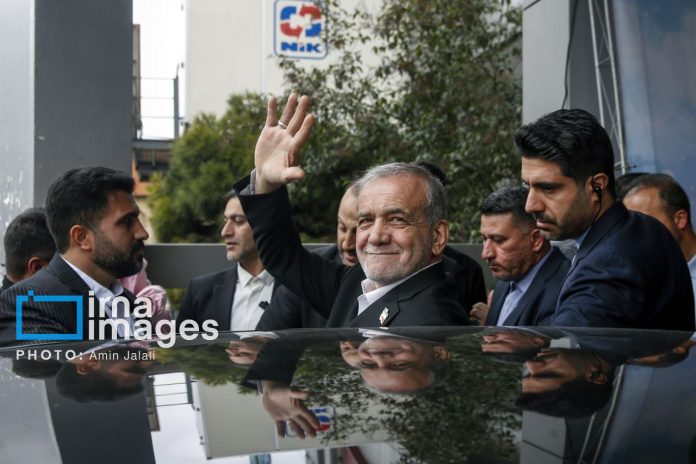
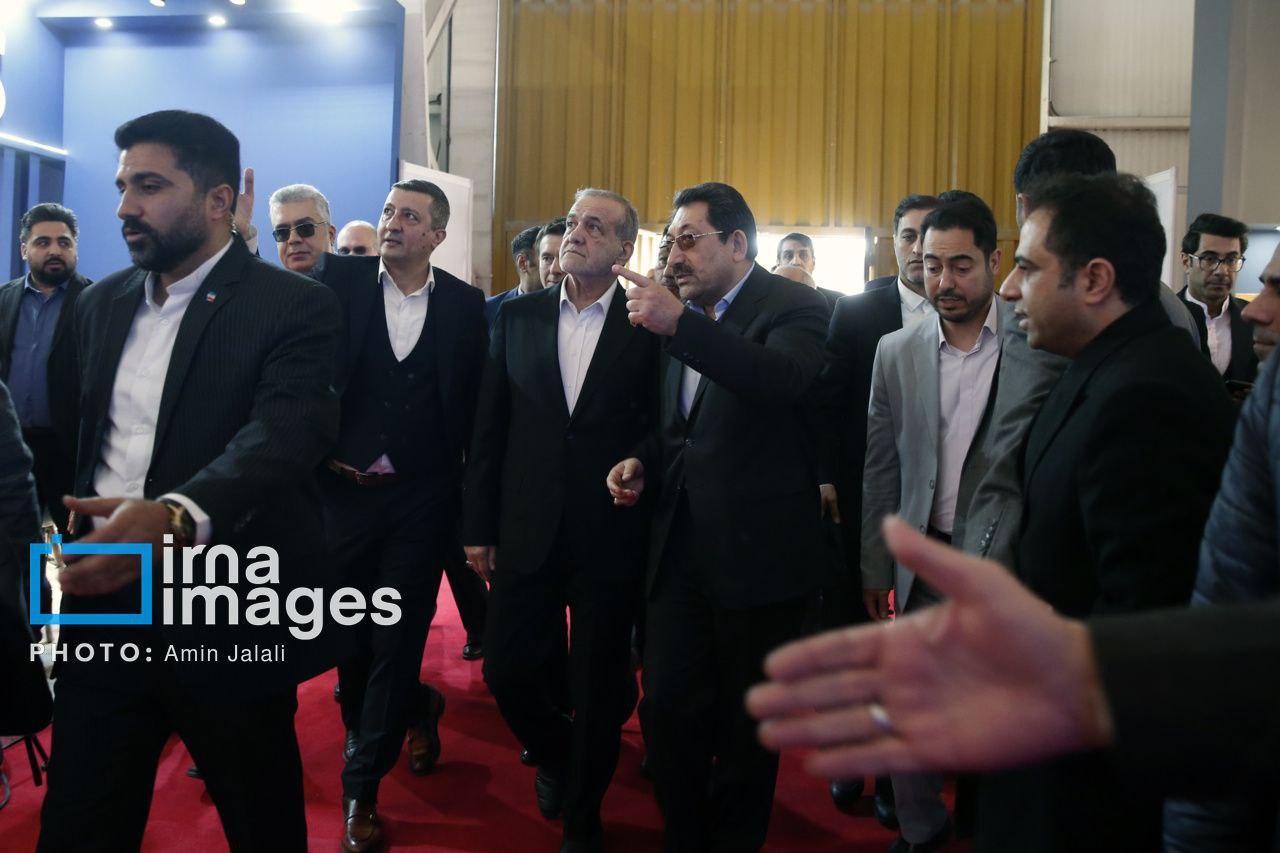
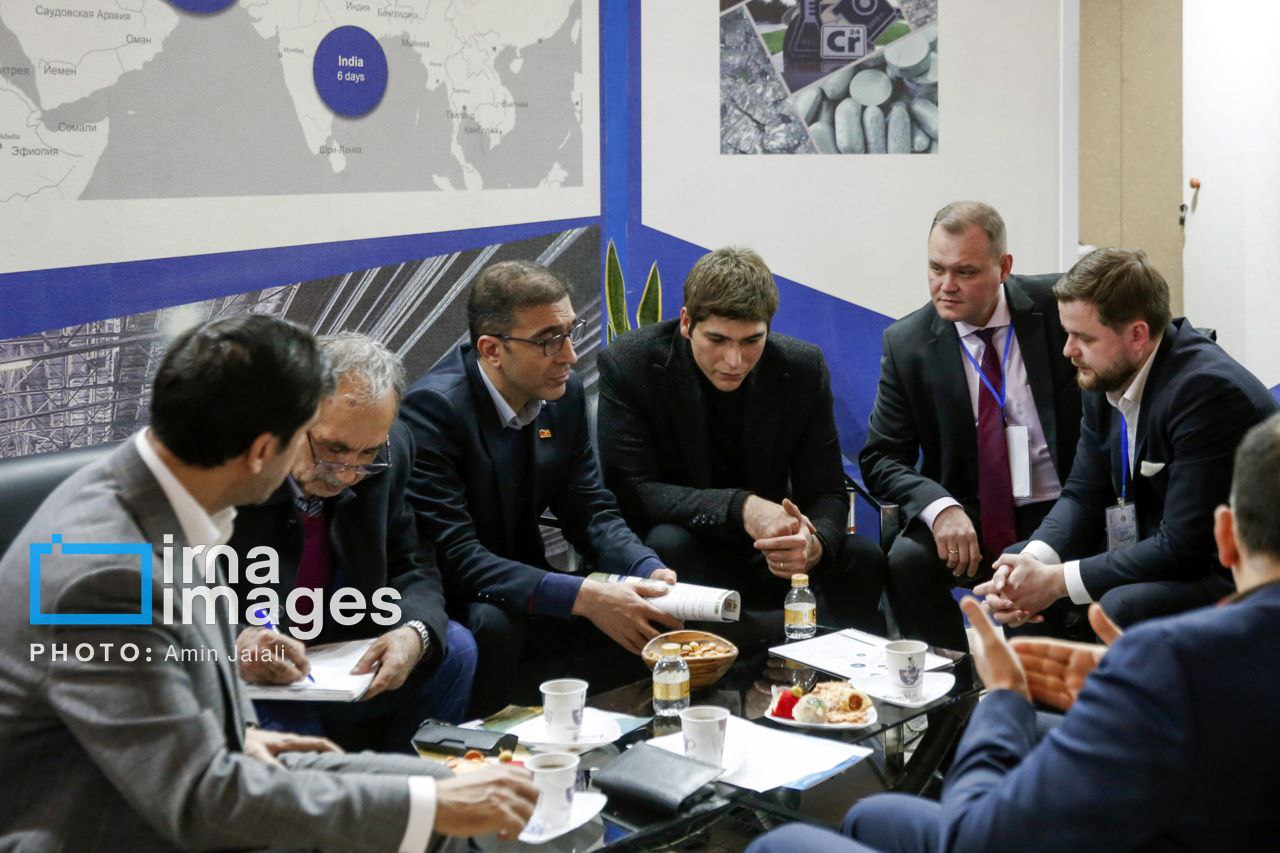
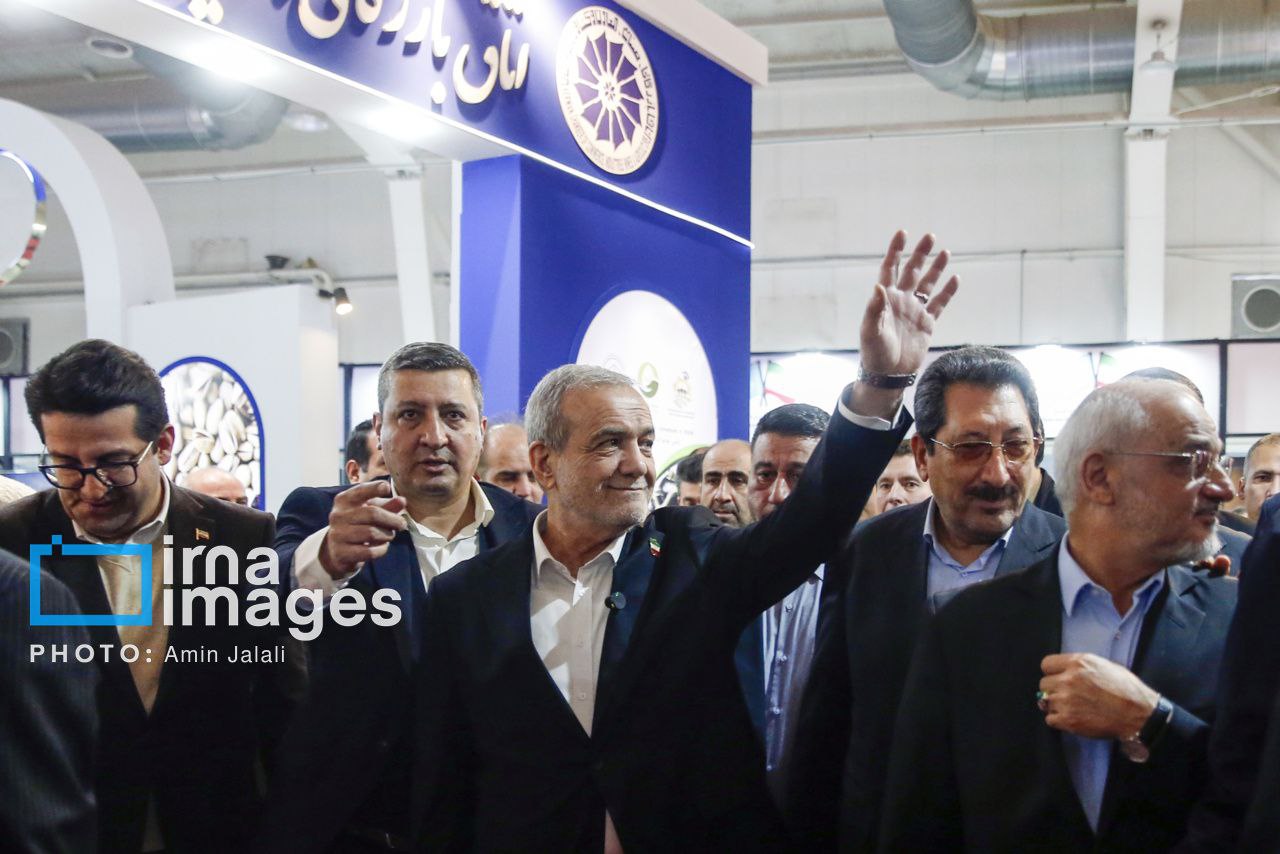
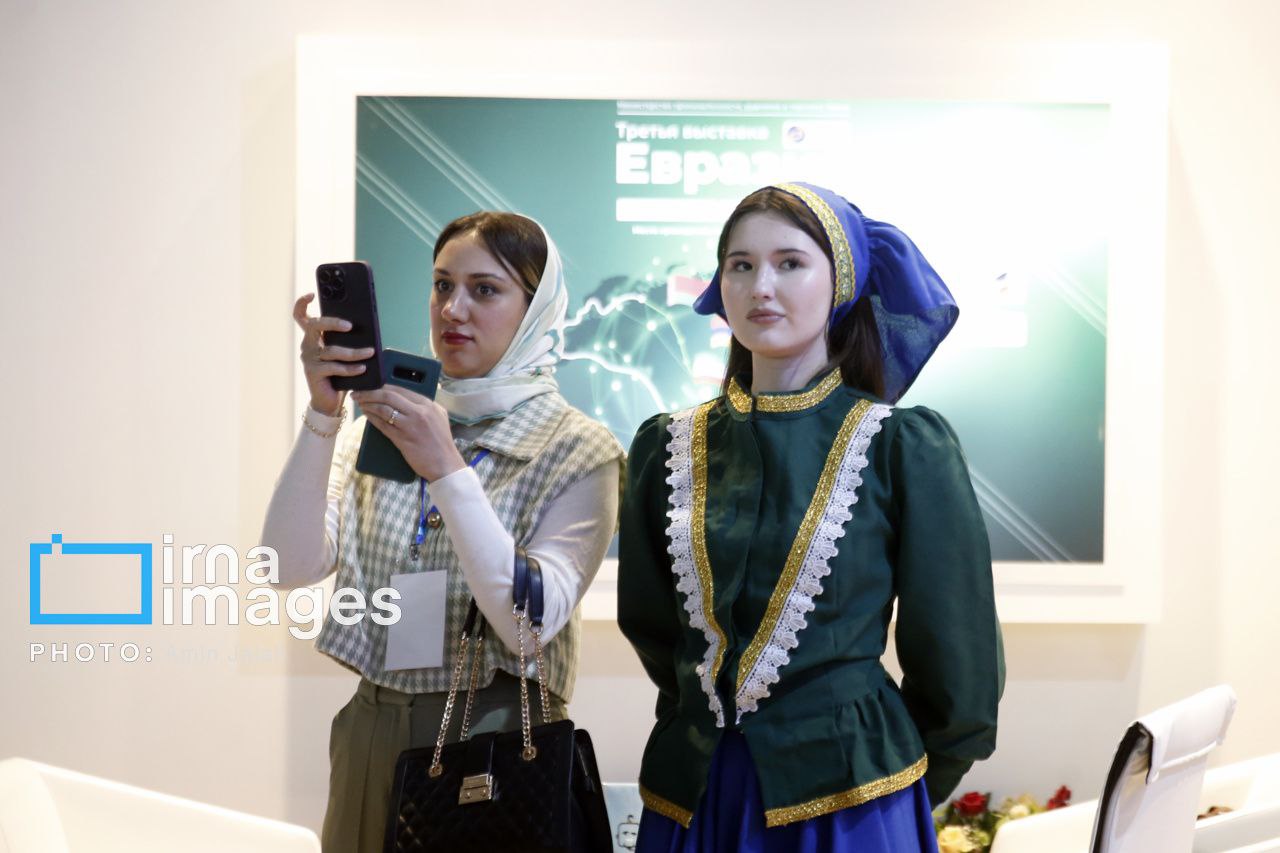
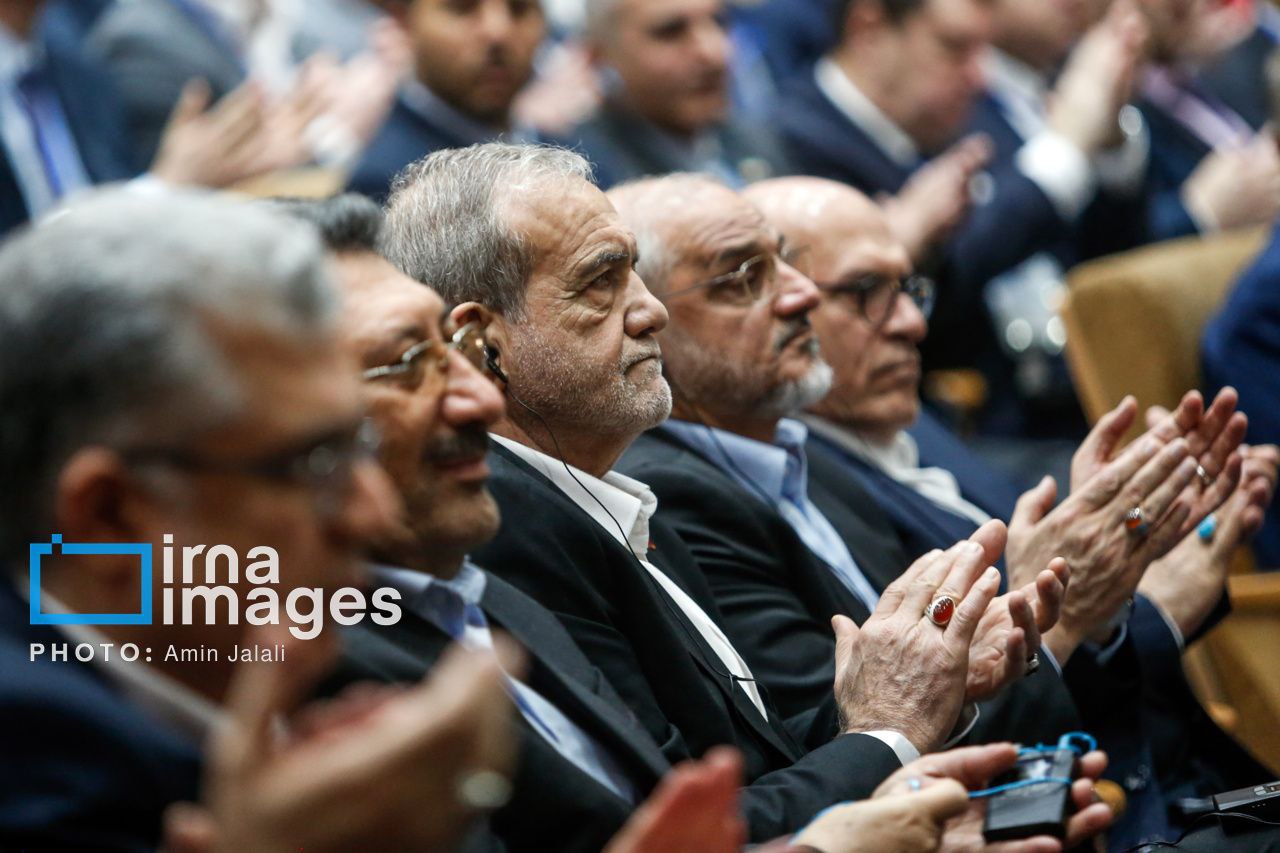
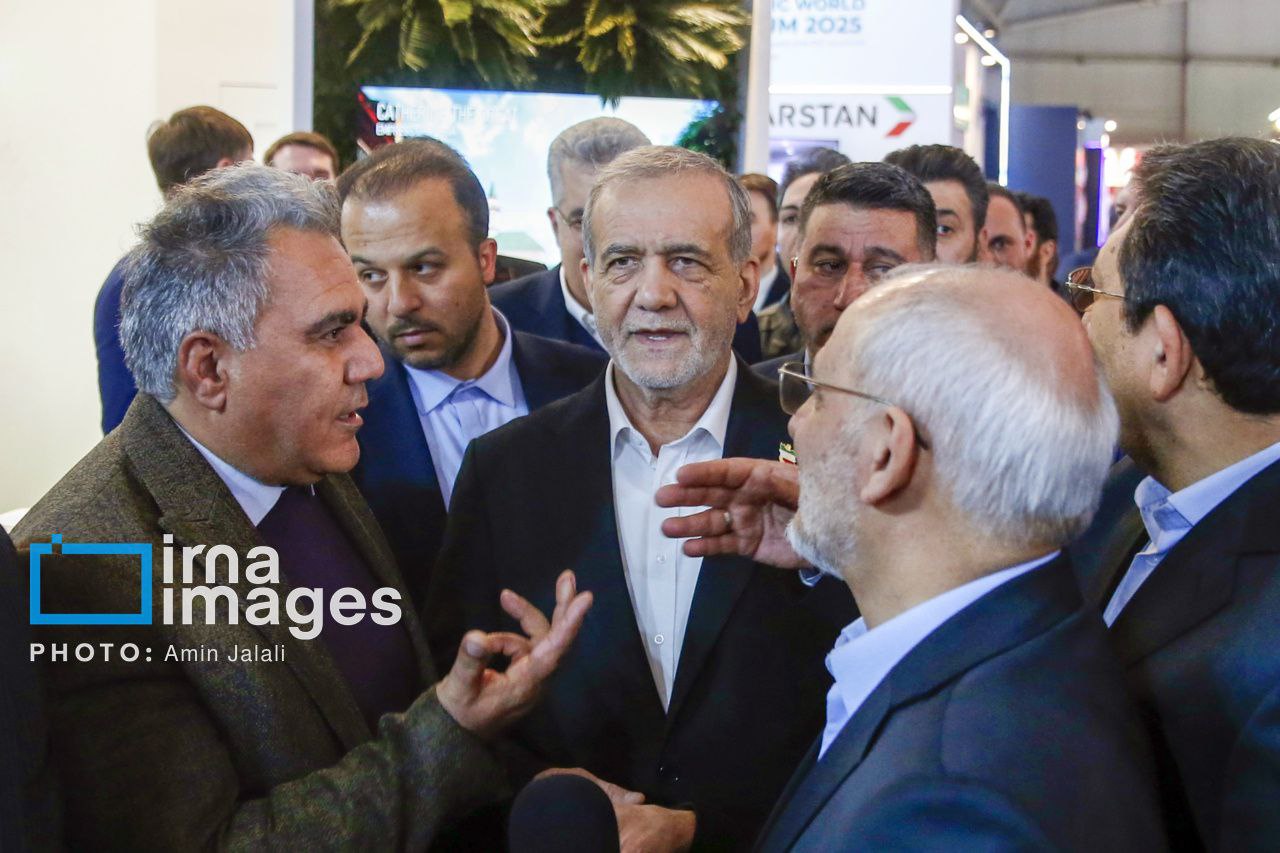
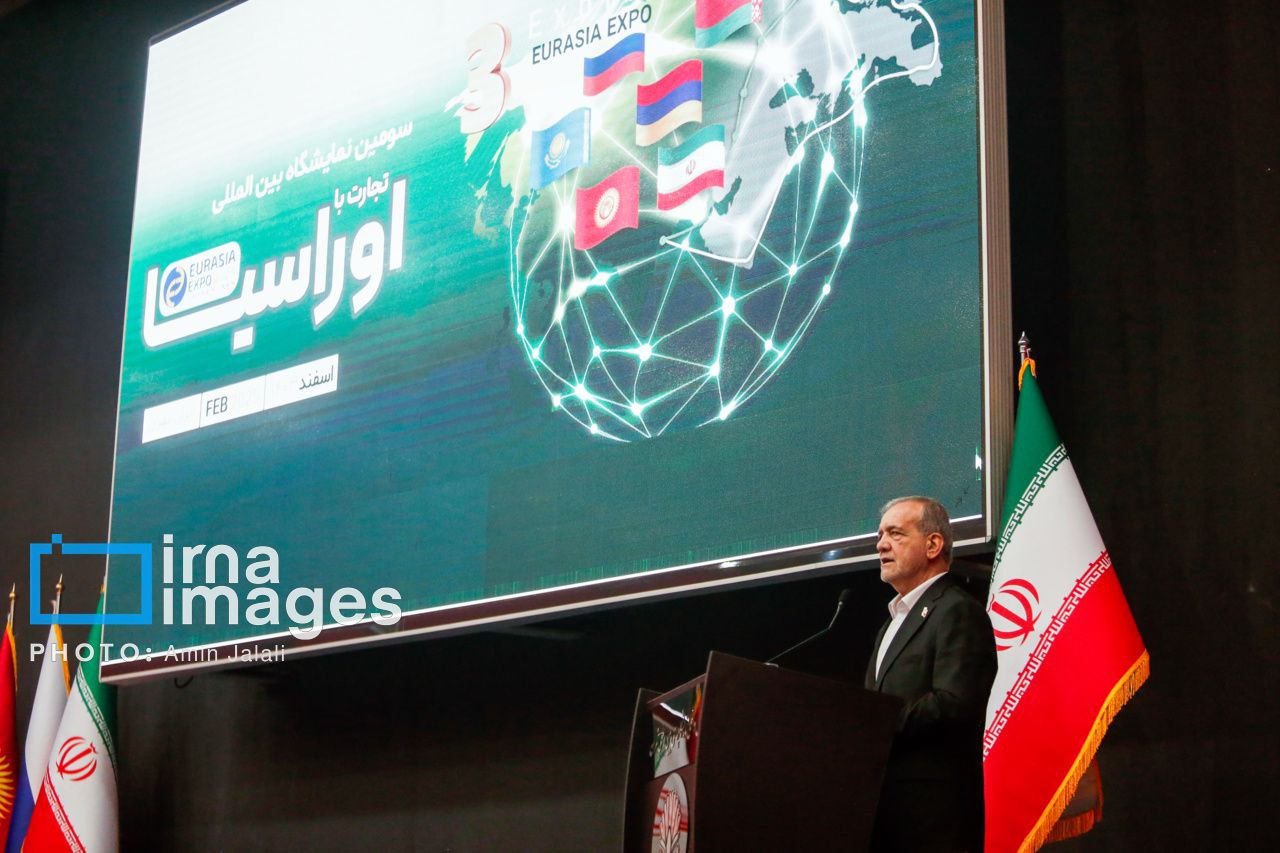
Iranian president visits International Fair of Trade with Eurasia

More in these pictures…

Iranians urged to reduce energy consumption as tough weather conditions loom

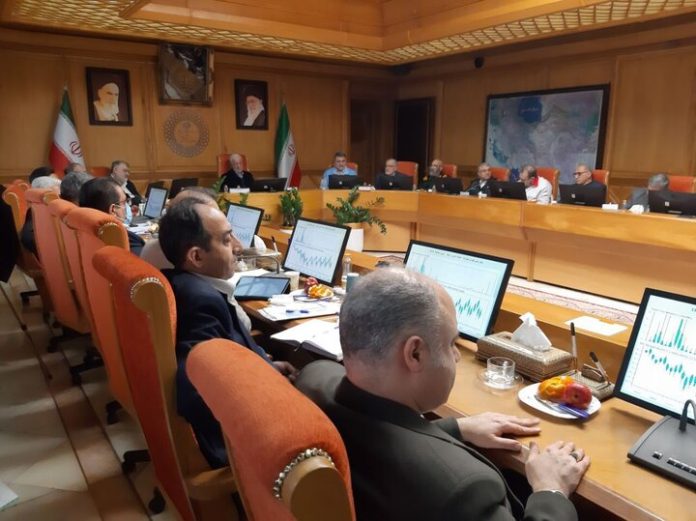
Momeni called on all Iranians to take the recommendations by officials seriously, saying orange and red warnings have been issued to all provincial agencies.

He added that the agencies must form a crisis headquarters to prepare for the upcoming conditions and implement the decisions made by officials. Momeni was speaking at an emergency meeting of the Interior Ministry’s Crisis Management Headquarters on Friday. The interior minister noted that as weather forecasts show, the weather in Iran next week will be much colder than any time in the current year, and downpours will dramatically increase accompanied by winds and blizzards.

He urged the media to provide the public with accurate information regarding the situation.

He noted that people should also try to reduce unnecessary trips to zero.

Iran to launch large-scale military exercise Zolfaghar 2025

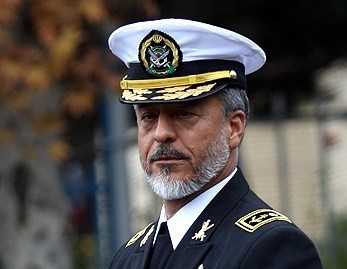
Habibollah Sayyari

Rear Admiral Habibollah Sayyari, the commander of the exercise, announced that the drills, which will begin on Saturday, will cover a vast area, including the Makran coast, the Sea of Oman, and the northern Indian Ocean.

The exercise aims to showcase the capabilities of Iran’s ground force, air defense, strategic naval forces, and joint air defense command, the commander said.

Rear Admiral Sayyari emphasized that the drills will feature advanced weaponry, smart ammunition, and cutting-edge military technology developed by Iran’s armed forces.

“Any enemy that imagines it can harm our interests on land, air, or sea will face severe consequences,” Sayyari warned.

He highlighted that the tactics, weapons, and innovations demonstrated in this year’s exercise differ significantly from previous iterations, reflecting the military’s evolving capabilities.

Iranian MP announces plans to lift ban on Telegram, Instagram within six months

Speaking about the latest developments regarding the unblocking of online platforms, Ahmad Fatemi, stated that while the process will not be completed before the Persian New Year, on March 21, there is a general consensus in favor of lifting the restrictions.

Pointing out that the unblocking of WhatsApp and Google Play has already been implemented, Fatemi said discussions about Telegram and Instagram are currently underway in the Supreme Council of Cyberspace and expressed optimism that “we will hear good news in the near future.”

The MP argued that internet filtering has failed to protect ethical boundaries, as the widespread use of VPNs has made restricted content accessible to children and teenagers.

“Filtering has not safeguarded our moral values. Instead, it has made many sites that are normally inaccessible available to our youth,” he said.

Fatemi acknowledged opposition to the move but remained confident that the lifting of restrictions would proceed as planned.

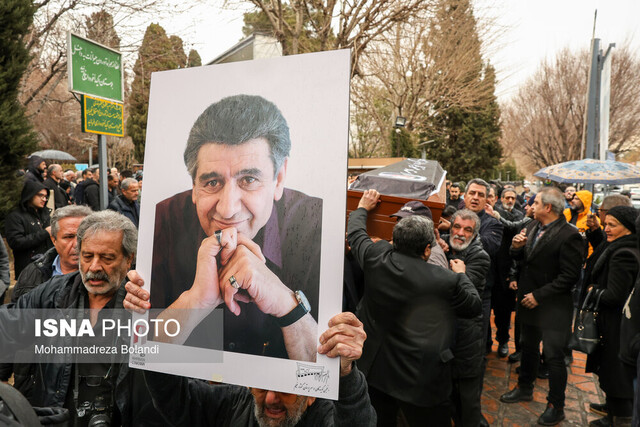
Iran bids farewell to legendary voice actor Manouchehr Valizadeh

The emotional ceremony, held under rainy skies, was attended by prominent figures from Iran’s cinema and dubbing industry.

Valizadeh, whose professional career spanned over six decades, was celebrated for his iconic voice that brought to life countless international and domestic films and series.

He began his journey in 1961 with the film Khoda Dad and became a household name, lending his voice to stars like Tom Cruise, Tom Hanks, and Eddie Murphy.

His work in dubbing, theater, and radio left an indelible mark on generations of Iranians.

Mahnaz Qanbari, a fellow voice actor, opened the ceremony, praising Valizadeh’s unparalleled talent and dedication.

Other speakers, including Ali Dehkordi and Manouchehr Zendehdel, highlighted Valizadeh’s contributions to Iran’s cultural landscape, calling him a “symbol of love and excellence in dubbing.”

Valizadeh’s nephew, Khosrow Valizadeh, spoke on behalf of the family, describing him as a man who cherished life, family, and his work.

The ceremony concluded with a funeral prayer, after which Valizadeh’s body was taken to Behesht-e Zahra Cemetery, south of Tehran, for burial.

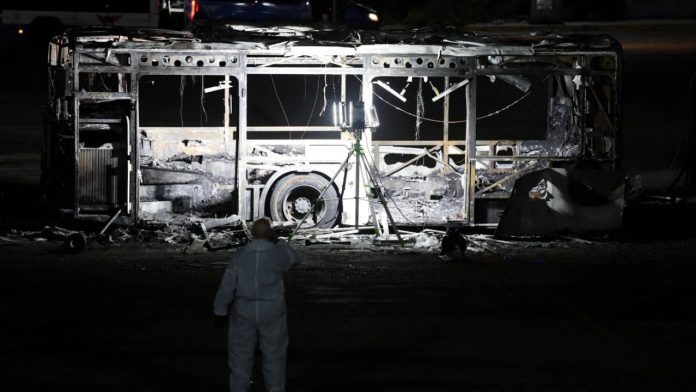
Israeli military targets West Bank after bus blasts near Tel Aviv

Israeli security services say the bombings on Thursday evening, which caused no casualties, were the work of armed groups, according to Israeli media.

“Following the attempt to perpetrate a chain of mass bus bombings, Prime Minister Benjamin Netanyahu has just completed a security assessment,” the office of the Israeli prime minister said on social media.

“The Prime Minister has ordered the [military] to carry out an intensive operation against centres of terrorism in Judea and Samaria [the occupied West Bank]. The Prime Minister also ordered the Israel Police and the ISA [Israeli Security Agency] to increase preventative activity against additional attacks in Israeli cities,” Netanyahu’s office added.

Some parts of the West Bank were immediately sealed off and further restrictions have been imposed on the movement of Palestinians.

The Israeli military later announced that it had deployed three extra units to its “Central Command”, which is responsible for Israeli forces in the occupied West Bank, in preparation for expanding its weeks-long offensive against Palestinian communities.

“The [Israeli military] continues to conduct an ongoing situation assessment and prepares to expand offensive activity,” the military noted.

The bombs destroyed three empty buses parked in depots around Bat Yam, a city south of Tel Aviv, while two additional undetonated bombs were found in the area by police.

The investigation has been passed on to Israel’s Shin Bet internal security agency.

According to police, the explosives were likely intended to go off on Friday morning when people were on their way to work, describing the devices as identical to others used in the West Bank, but no further details were provided.

“We need to determine if a single suspect placed explosives on a number of buses, or if there were multiple suspects,” police spokesman Haim Sargrof told Israeli media.

Israeli troops have set up hundreds of checkpoints across the occupied West Bank since the start of their onslaught on January 21, and at least 70 Palestinians have been killed by the Israeli military during that time.

There has also been widespread destruction of civilian infrastructure in local communities by Israeli soldiers.

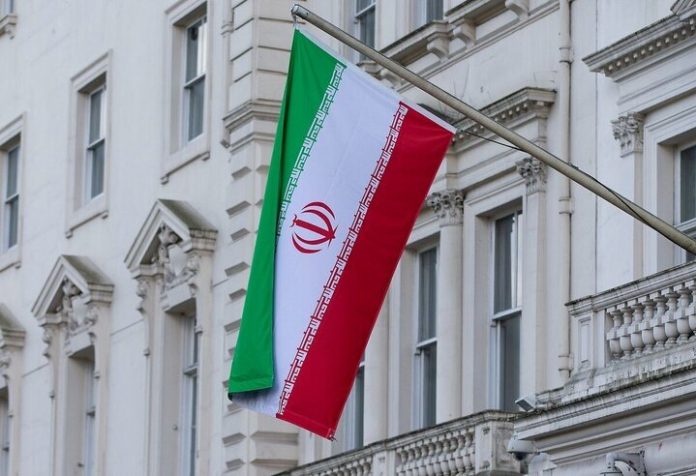
Iran’s interests section in Washington condemns deportation of Iranian nationals to Panama

According to a statement released on Thursday, the US government, under stricter immigration policies, has been expelling foreign nationals lacking valid visas or residency permits, including several Iranian citizens.

The deportees were reportedly transferred to Panama and were denied the opportunity to receive consular assistance.

The Iranian Interests Section, in collaboration with the Iranian Embassy in Colombia (accredited to Panama), has since taken necessary legal measures to protect the rights and interests of the affected individuals.

The statement emphasized that seeking asylum in a third country is not considered a violation under Iranian law and reaffirmed that Iran welcomes its citizens with open arms.

The deportations are part of the Trump administration’s intensified immigration crackdown, which recently saw 119 non-Panamanian citizens, including Iranians, transported to Panama via a US military aircraft.

The Spokesperson for Iran’s Foreign Ministry, Esmail Baqaei, condemned the “inhumane and unjustifiable” treatment of Iranian nationals, stressing that the ministry is committed to safeguarding the rights of its citizens.

British PM to present plan to Trump for deploying 30,000 European peacekeepers in Ukraine: Telegraph

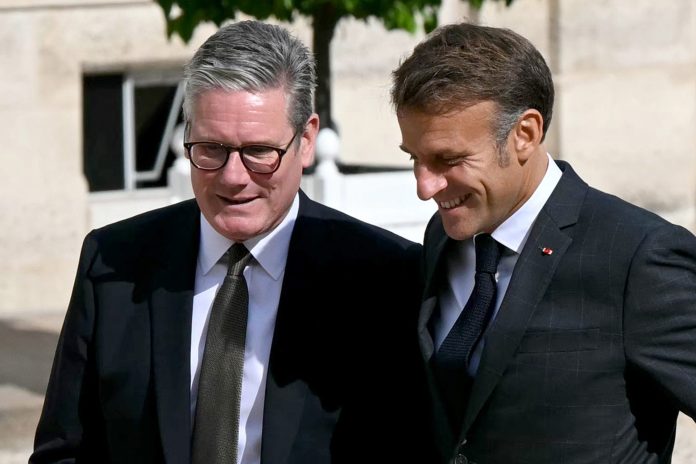
British Prime Minister Sir Keir Starmer and French President Emmanuel Macron

Starmer and French President Emmanuel Macron are going to travel to the U.S. next week to discuss the prospects of peace negotiations with Trump.

European leaders gathered in Paris on Feb. 17 for an emergency summit amid concerns that Washington is advancing peace talks with Moscow without Europe’s involvement. A broader meeting was held on Feb. 19, after which Macron reaffirmed the “united” stance of France and its allies on Ukraine.

Starmer is reportedly planning to reveal details of how European troops would be able to enforce any ceasefire brokered by Trump.

According to the plan, European troops would be deployed in Ukrainian cities, ports, and other critical infrastructure such as nuclear power plants “far away from the current front lines,” the Telegraph wrote.

The U.S. has ruled out sending its own troops while encouraging European allies to take the lead in securing Ukraine’s post-war stability.

The Western official claimed the mission would rely on “technical monitoring,” including intelligence, surveillance, and reconnaissance aircraft, as well as drones and satellites. They also added that sufficient firepower would support the mission to “monitor and shoot those attacks down” to reopen Ukraine’s airspace and allow commercial flights.

The purpose of this support is to ensure that “whatever forces are deployed will not be challenged by Russia,” a source told the newspaper.

According to the Telegraph, Starmer will urge Trump to keep U.S. fighter jets and missiles in NATO countries in Eastern Europe ready to respond to any future Russian aggression.

Apart from the U.K. and France, other countries remain cautious about sending their troops to Ukraine, citing concerns over the escalation and limited military resources, according to the Washington Post.

President Volodymyr Zelensky announced that Kyiv had made significant progress in securing a foreign military presence on its territory. He has stated the number of European peacekeepers required to maintain peace in Ukraine would depend on the size of Ukraine’s own military.

Germany hits out at Trump over ‘dictator’ jibe at Zelensky

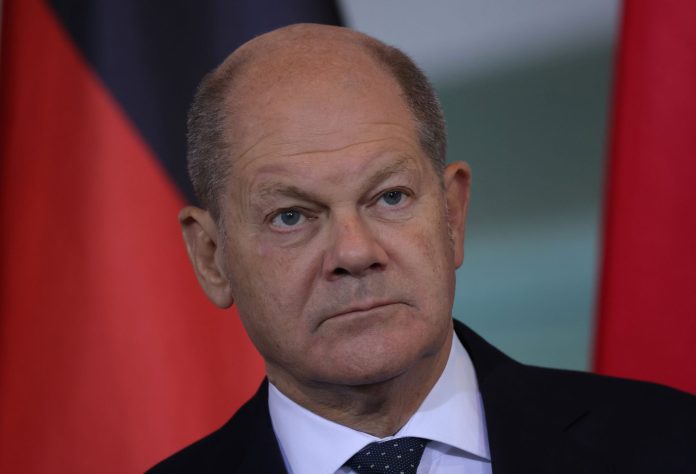
Olaf Scholz

The public clash between Trump and Zelensky intensified on Wednesday when the US president issued a post on his Truth Social platform, describing the Ukrainian leader as “a dictator without elections” and “a modestly successful comedian” who had deceived Washington into financing “a war that couldn’t be won.” Trump further criticized Zelensky’s leadership, claiming he was doing “a terrible job” and warning that Ukraine would be left without a country unless he brokered a ceasefire with Russia.

Zelensky’s five-year presidential term expired in May 2024, although no new elections have been called in Ukraine due to martial law. Last year, Zelensky claimed that holding a vote during the ongoing war and national mobilization was “not the right time.” Russian President Vladimir Putin has repeatedly said he no longer considers Zelensky a legitimate head of state.

Speaking to Spiegel, Scholz criticized Trump, saying that “it is simply wrong and dangerous to deny President Zelensky his democratic legitimacy.”

“What is correct is that Vladimir Zelensky is the elected head of state of Ukraine,” the chancellor insisted.

Other officials in Western Europe have also rushed to defend Zelensky, with German Foreign Minister Annalena Baerbock calling Trump’s comments “absurd,” according to ZDF.

German Vice-Chancellor Robert Habeck was similarly critical, describing Trump’s statement as “shocking.”

The US president’s remarks came after Zelensky, reacting to US-Russia talks in Saudi Arabia earlier this week, said Trump was “living in a disinformation space” shaped by Moscow.

Trump earlier claimed that Zelensky’s approval rating was at 4% and suggested that an election should be called.

“He refuses to have elections. He’s low in the real Ukrainian polls. How can you be high with every city being demolished?” the US president said. In the meantime, the US was “successfully negotiating an end to the war with Russia,” he added.

US and Russian officials held high-level talks in the Saudi capital, Riyadh, on Tuesday. The discussions, which lasted 4.5 hours, focused on potential Ukraine peace talks and the possibility of a summit between Trump and Putin. Ukrainian and European representatives were excluded, sparking criticism from Kiev and its EU backers, who argue that their interests are being sidelined in crucial negotiations impacting regional security.