Thursday, January 1, 2026
Home Blog Page 5002

Iran criticizes IAEA unofficial rejection of offer over Marivan site

Iran-IAEA

Iranian Ambassador to the IAEA Reza Najafi said Thursday night that the Agency has acted unprofessionally by apparently rejecting Iran’s proposal through an e-mail to the Reuters news agency.

“The Agency (IAEA) cannot evade its responsibility just by sending an e-mail to a news agency,” he added.

The IAEA claimed on Thursday that Iran’s offer does not help address the agency’s concerns pertaining to the issue of alleged high-explosive experiments at the Marivan site.

“The Agency explained clearly to Iran – on more than one occasion – that an offer of a visit of Marivan does not help address specific concerns related to the issue of large-scale high-explosive experiments,” said the IAEA’s public information director, Serge Gas, in an email.

Najafi said that the UN nuclear body’s unofficial refusal to send its inspectors to the site proved that the IAEA’s November 2011 claims about large-scale high-explosive experiments at the Marivan site were baseless.

The only solution now is that the Agency declares impartially and professionally that information provided by certain IAEA member states about high-explosive experiments at the Marivan site has been fabricated and, thus, the IAEA cannot act to verify the claims, he added.

Number of Karbala pilgrims to hit new record in Arba’een

Karbala-shrine

More Shia pilgrims from around the world are pouring into Karbala to commemorate the religious ceremony, which marks the 40th day after the anniversary of martyrdom of Prophet Mohammad’s grandson, Imam Hossein.

Black-clad pilgrims are walking toward Karbala, where they will take part in the mourning ceremonies around Imam Hossein’s shrine. According to Iraqi authorities, some 17 million people have already arrived in the holy city and a three million more are expected for Saturday.

The Arba’een ceremony, which is one of the largest religious gatherings in the world, falls on December 13 this year.

Iraqi forces have tightened security to protect the pilgrims against terrorist attacks. The Iraqi government has also adopted measures for an easier evacuation of pilgrims from Karbala.

Of around four million pilgrims who have come to Iraq this year, some1.3 million are Iranians – an unprecedented figure which many attribute to the sensitive security situation in Iraq and the rise of Takfiri terrorists in the Arab country.

The procession would mark Iranian Shias’ solidarity with the Iraqis as they are struggling to cope with terrorist attacks which are particularly aimed at their holy sites. Over the past months, the ISIL Takfiri terrorists have managed to take control of parts of Iraq.

This year, the Iraqi government has scrapped normal visa fees needed for Iranian nationals for entering Iraq. Iranian officials have also made efforts to facilitate the pilgrims’ journey to Karbala.

Imam Hossein and his 72 companions were martyred in the battle of Karbala on the day of Ashura in 680, after refusing to pledge allegiance to the tyrant ruler of his time.

No Iranian pilgrims injured in Thursday night explosions in Karbala

Karbala-Arbaeen

No Iranian was among the victims of multiple explosions Thursday night in the Karbala suburbs, the cause of which is said to be mortar or mini Katyusha shelling.

The director of Iran Hajj and Pilgrimage Organization’s office in Iraq Mostafa Qasemi told IRNA that a few people have been reported injured, but noted that none of them were Iranian.

He said that Iranian pilgrims could not have been injured in the attacks because they were not based in the suburbs of Karbala.

Last night at least six heavy explosions were heard in Karbala and nearby areas.

The attacks on the largest peaceful gathering of Shiite Muslims occurred at a time that according to Iraqi sources millions of pilgrims had arrived in Karbala as of Thursday to participate in Arba’een rituals – to be held on Saturday — and the number is still increasing.

Arba’een is a Shiite religious observance that occurs 40 days after Ashura, the day of martyrdom anniversary of Imam Hussein (AS), the third Shiite Imam and the grandson of Prophet Muhammad (Peace Be upon Him).

Development through national management helps solve Afghan problems: Expert

afghanistan presidency palace

On December 10, Aftab-e Yazd, a daily, carried a report on the comments of Pir Mohammad Molazehi, an Afghanistan expert, on the reasons behind some of the problems the Central Asian country is grappling with. The following is a partial translation of what he said:

Molazehi blamed the present woes of Afghanistan on a lack of integrity on the part of countries which supposedly help it, as well as on wrong investment policies, insecurity and corruption.

As for foreign aid to the country, he said, “The countries which offer aid to Afghanistan have failed to demonstrate the kind of sincerity which could inject dynamism into the economy and address the problems Afghan people are dealing with.”

Instead of investment in Afghanistan or direct financial aid to the Afghan government, America and some European countries have offered aid to private firms. Not only has it not resulted in injecting dynamism into the economy or helping the government but it has given rise to massive corruption. The case involving Kabul Bank is an illustrative example of such corruption.

Following the influx of cash by private American and European firms, some political Afghan elites raked in legendary fortunes and accumulated wealth by setting up economic institutions and corruption gangs and investing in banks in Dubai and elsewhere overseas.

As a result, foreign currency funds allocated to resolving Afghan problems flowed out of the country and in some cases returned to the countries from which they had come.

Over the past 13 years, as much as $15 billion has been injected into Afghanistan. But that has had no impact on its economy, nor has it tackled the woes that Afghan people are faced with.

As for the 2014 London Conference on Afghanistan, and other gatherings with similar purposes, he said, “No country has made progress through charity aid and a country’s economy won’t turn dynamic through the infusion of corrupt cash like what has taken place in Afghanistan. The solution to the crisis lies at the heart of this land. In terms of natural resources like oil, natural gas, iron ore and copper the country is extremely rich.”

“NATO countries and America entered Afghanistan in 2001 under the pretext of the war on terrorism. They, however, have failed to defeat militias in the country. Maybe they have not sought to drive them out of the picture in the first place. The insecurity that emanates from acts of terror in Afghanistan is one of the obstacles in the way of the nation’s development.

During the 13-year presence of foreign troops there which kept thousands of military forces on the ground, no positive step has been taken to take on terrorism and ensure security. Terrorist cells of the Taliban and Gulbuddin Hekmatyar [the founder of the Hezb-e Islami political party] still keep operating there. In the absence of security, no progress will be made,” the analyst stated.

Molazehi is of the opinion that by keeping Afghan security forces dependent on themselves, foreign troops in Afghanistan interfere with anti-terrorism activities.

In terms of the Afghan election and US role in it he said, “The intervention by US Secretary of State John Kerry, which resulted in the appointment of Ashraf Ghani as president and his contender Abdullah Abdullah as CEO after months of dispute and allegations of rigging, was in fact skirting the vote.

The current National Unity Government is made up of only two political groups and other political tribes and factions do not play a role in the government. The tribes which have been excluded from the Afghan political landscape are likely to take up arms against the central government, and the country might once again descend into chaos.

If that came to pass, the country would be gripped by more problems than ever. Besides, under the US-Afghan security agreement, which was signed by the Afghan government and later passed by parliament, America has guaranteed its military presence in the country until 2024.”

Iran, P5+1 to hold next round of talks Dec 17: Iranian negotiator

Iran-Araqchi

A senior Iranian nuclear negotiator says the next round of nuclear talks between Tehran and the P5+1 group will be held at the deputy ministerial level in less than a week.
A next round of talks between Iran and its negotiating partners — the United States, France, Britain, Russia, China and Germany — will be held in the Swiss city of Geneva on December 17, Seyyed Abbas Araqchi, who doubles as Iran’s deputy foreign minister for legal and international affairs, said on Thursday.
“There will be bilateral negotiations between delegations from Iran and the P5+1 group in Geneva two days prior to December 17,” the Iranian official added.
“The Iranian negotiating team is expected to hold bilateral talks with the US delegation as well as with other delegations in Geneva,” he further said.
In their last round of talks, Iran and P5+1 wrapped up a week of intense closed-door nuclear negotiations in the Austrian capital of Vienna on November 24. The negotiations aimed to tackle the remaining obstacles that stood in the way of reaching a final agreement.
At the end of the talks, the two sides decided to extend their discussions for seven more months. They also agreed that the interim deal they had signed in the Swiss city of Geneva last November remain in place during the remainder of the negotiations until July 1, 2015.

Imam Hussein lovers en route to Karbala ahead of Arba’een

Arbaeen-Imam Hossein

Saturday December 13 is Arba’een, a religious ceremony that comes forty days after Ashura, which marks the martyrdom of Imam Hussein, the grandson of the Prophet Muhammad (PBUH). Shiite Muslims all over the world hold services to mourn the loss of the third Imam, with some heading to the holy shrine of the martyred Imam.

This year Iranians have set out, in droves, on a journey to the holy Iraqi city ahead of Arba’een, but the massive influx of pilgrims has promoted officials to shut down Shalamcheh and Mehran border crossings on the Iran-Iraq border, asking them to make a return.

The following are photos Tasnim News Agency and the Iranian Students News Agency (ISNA) have posted online of the true lovers who are heading to Karbala, Iraq prior to the occasion. Take a look:


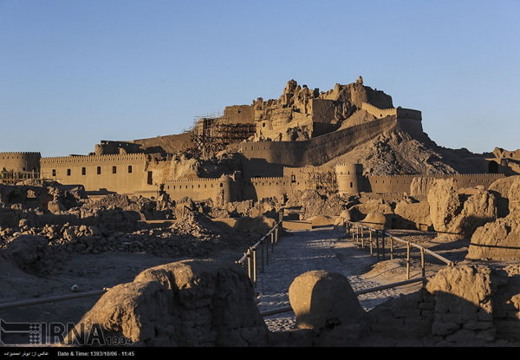
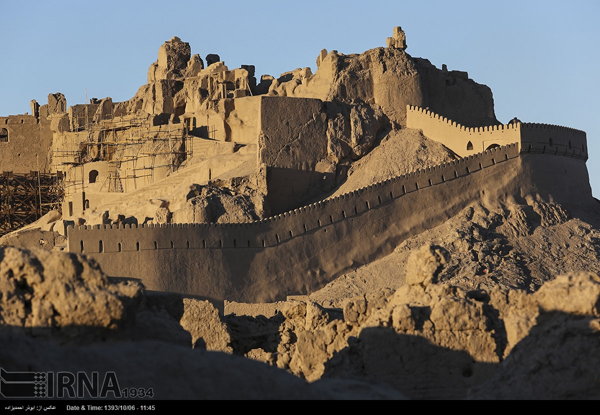
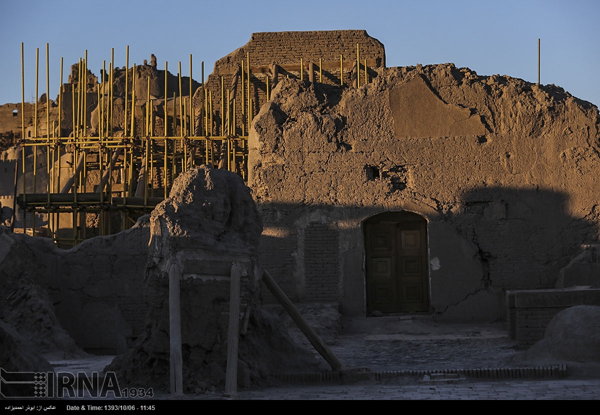
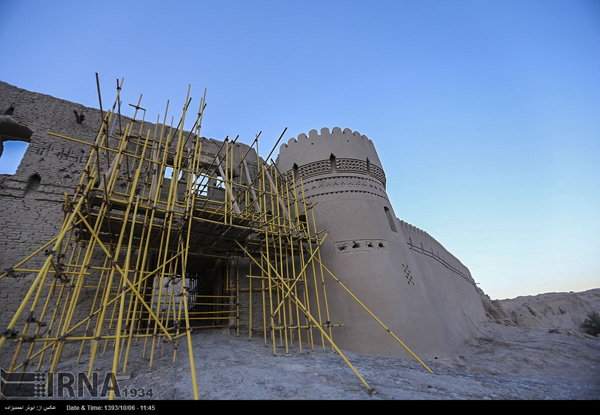
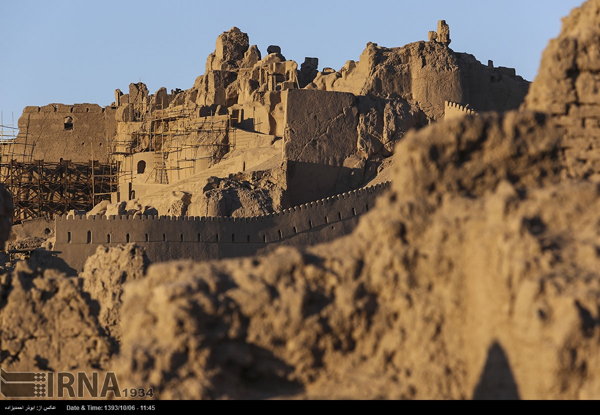
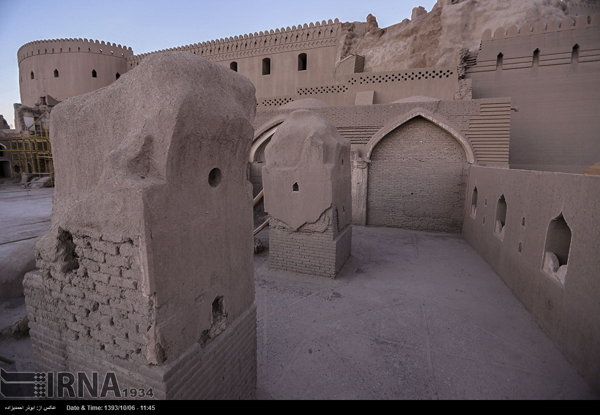
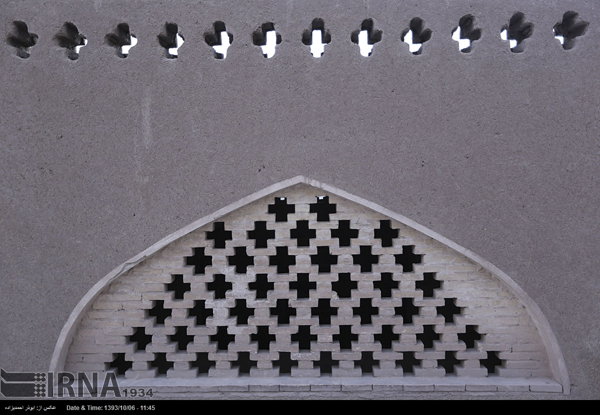
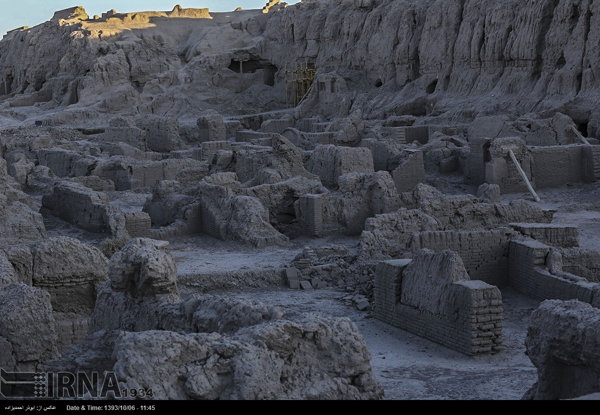
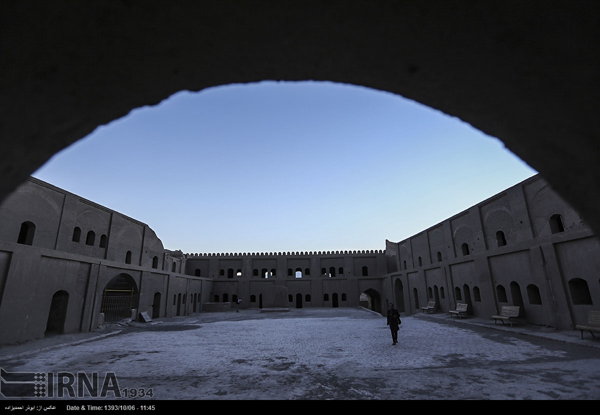
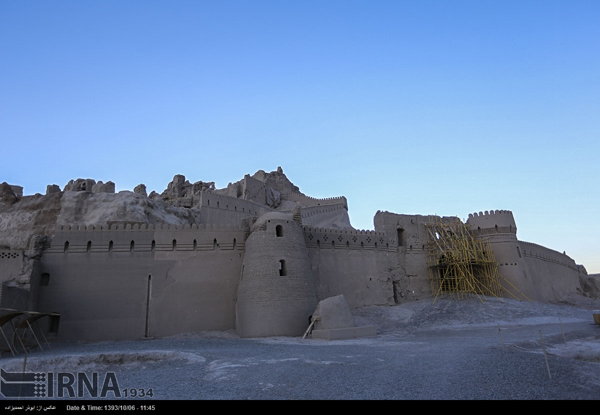
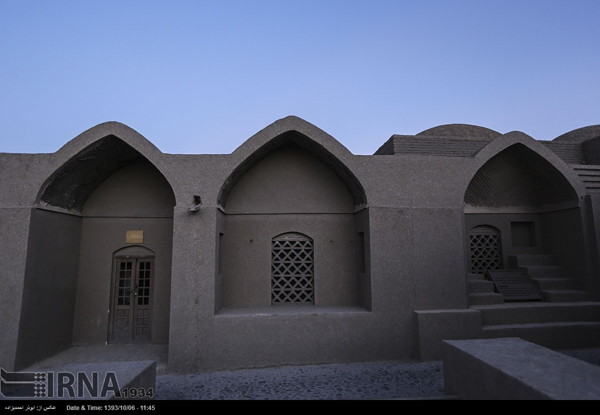
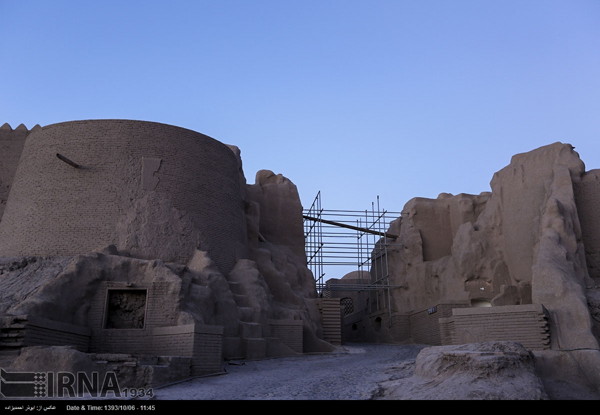
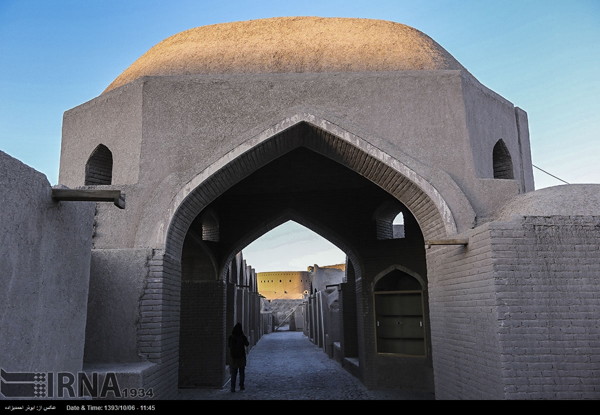
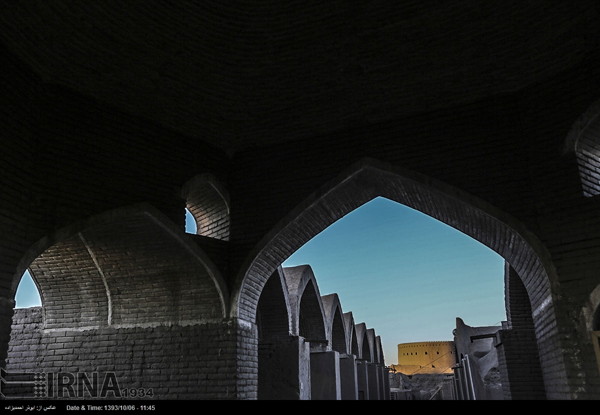
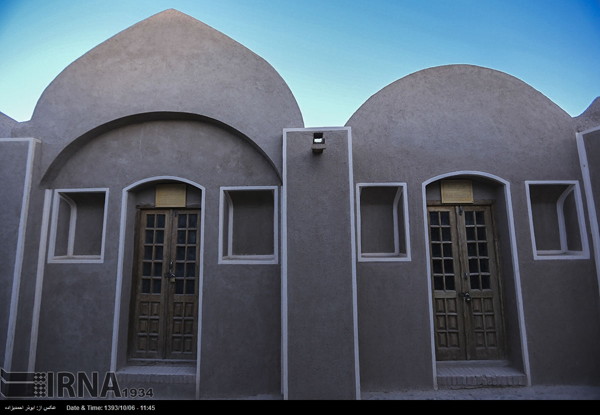
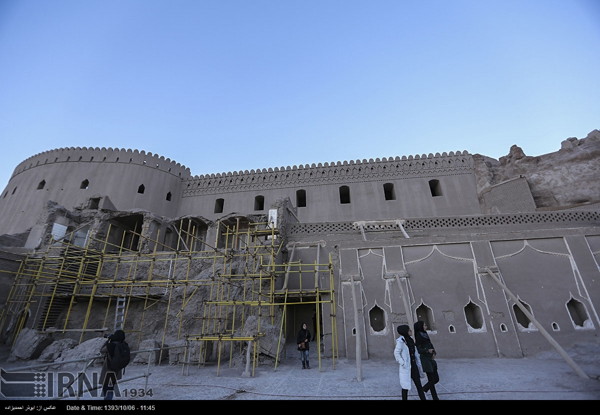
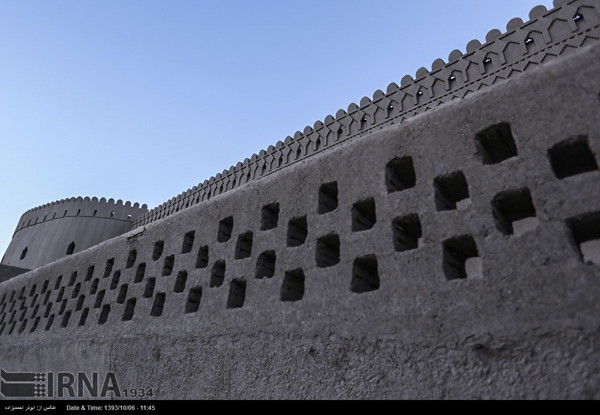
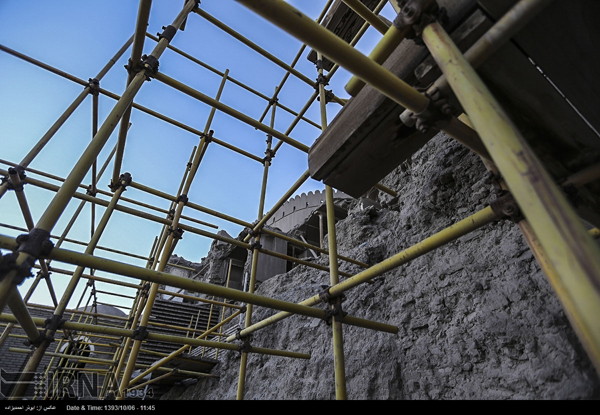
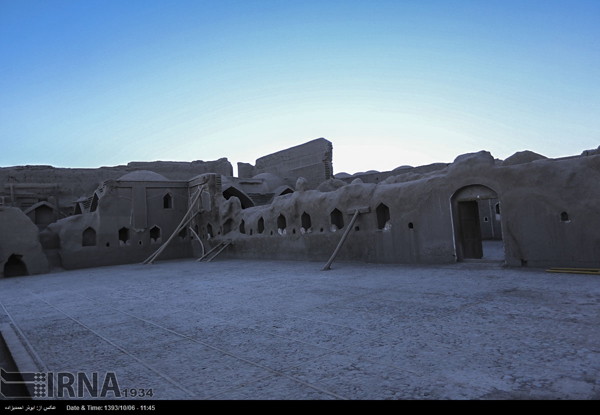
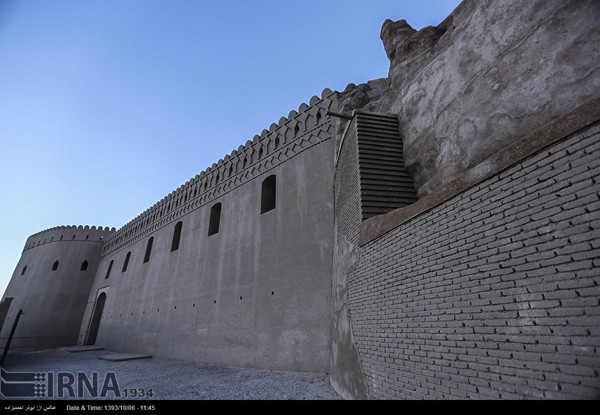
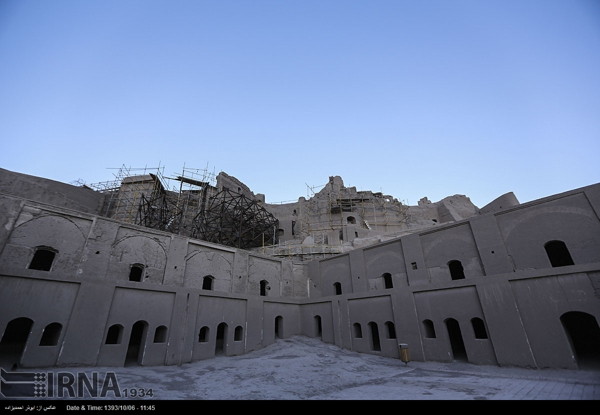
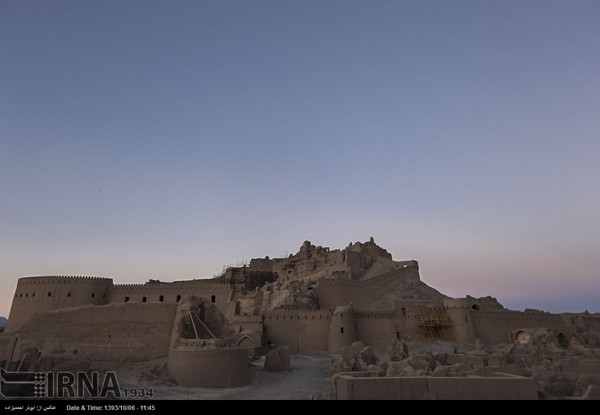
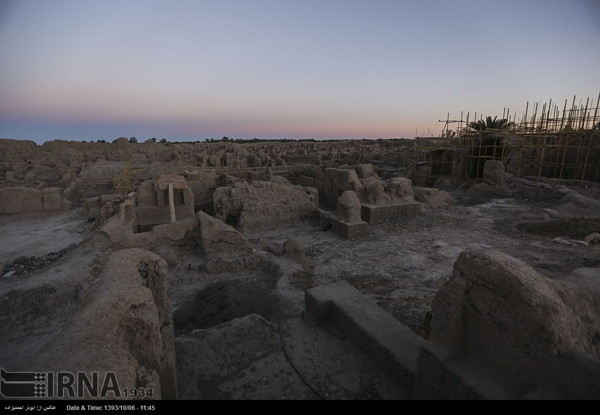
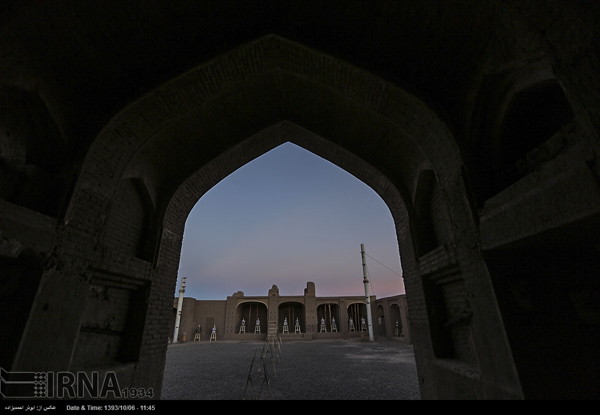
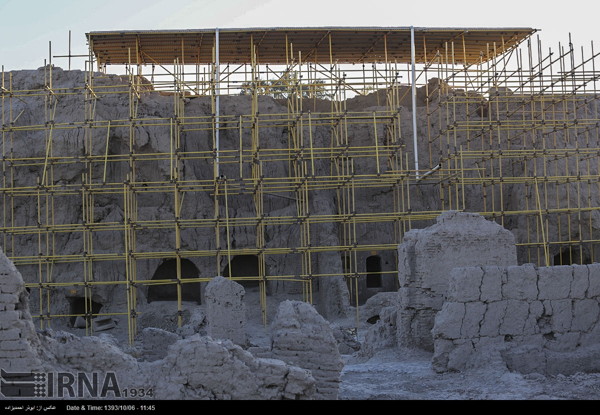
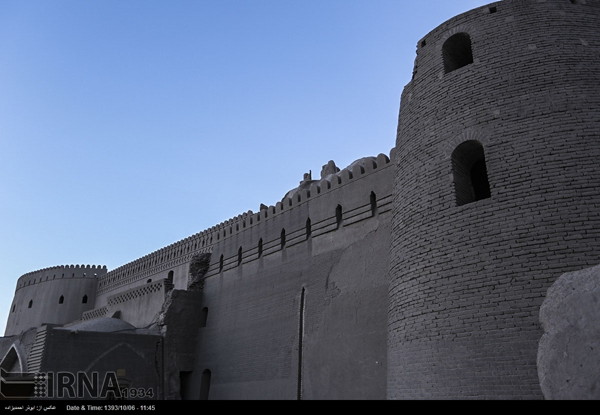
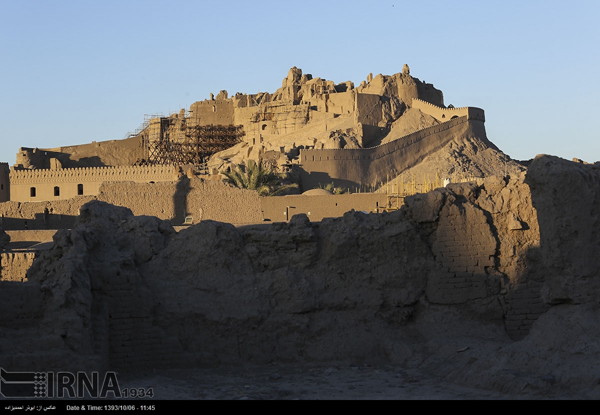
Iran Architecture in Photos: Ancient Forg Castle

Forg Castle in Iran

Forg Castle is located in Forg Village, one of the districts of Darmian town, 90 km east to Birjand City and 10 km to Asadieh City in eastern province of Southern Khorasan.

Materials used in the building include stone, brick, clay, gypsum, lime and mortar (Sarouj).

The ancient castle dates back to the Afshar era. It was built by Mirza Baqa Khan during the Nader Shah era.The interior part of the castle includes the residence of servants, animal shelter and ammunition depot.

The following is a photo gallery of Forg Castle posted online by the Mehr News Agency. Take a look:

Intelligence Minister: We do not pry into people’s private lives

Iran's Intelligence Minister Seyyed Mahmoud Alavi

Aftab-e Yazd newspaper on December 10 reported the remarks of Intelligence Minister Seyyed Mahmoud Alavi in Bojnurd, North Khorasan province on his ministry’s responsibility of injecting a sense of security into society and its refusal to dig into people’s past and present. The following is the translation of what he said:

Thanks to unity among officials, people have grown more hopeful about the future and the noose has been tightened around the neck of adventurists and rouge elements.
When a sense of hilarity, happiness and security prevails in society, hope and dynamism will be created and the wheels of economy, industry and science start to spin.

A society with a boom economy will render enemy-imposed sanctions toothless, no matter how tough they are. Such a society will march toward scientific and economic stability.

People are the pillar of security in society and the Intelligence Ministry is seeking to ensure security and instill a sense of security in society in cooperation with members of the public. The country’s intelligence is based on religious concepts, and nothing comes out of the ministry but efforts to serve [people].

Today the stage has been set for the country to grow and develop due mainly to the unity and security which exist in the country. People from all walks of life can freely speak their mind, and political parties and groups are pursuing their goals through healthy rivalry facing no problem whatsoever.

Political parties and groups face no ban on their activities as long as they continue to act within the law and with no security issues in their gatherings. Political parties need to define what they do within the framework of healthy political rivalry; in case such rivalry grows [between them], political bickering and disputes find no room to thrive.

The Intelligence Ministry and the Unknown Soldiers of Imam Zaman [a term widely used to refer to intelligence agents] support no political groups and undertake their responsibility according to what law prescribes.

The plurality of parties and groups is a must to have hilarity and dynamism in society. We believe that all authorized political parties and groups are like children of a family where the multiplicity of taste does not translate into conflict.

A sense of security is also felt by students and professors in universities and seminary schools. They can stake out their views and positions [on different issues] facing no problem thanks to prevailing security [in society].

The government is not trying to marginalize political currents. The Intelligence Ministry and the Unknown Soldiers of Imam Zaman will not seek to promote or eliminate any political current. As far as the Government of Prudence and Hope is concerned, the ground will be prepared for those who contribute to the country’s march toward development.

All political parties and groups should concentrate their efforts on increasing synergy in the country since we are serving in the Islamic Republic under the auspices of the Vali-e Faqih [Guardian Jurist], and as the president put it, under one single flag raised by the Supreme Leader. The Islamic Republic has many things to offer to logically respond to its political opponents; In order to do so, there is no need for unfriendly terms or harsh treatment.

The intelligence forces have mobilized their potential not to bring disgrace on people; accordingly they take extra care when responding to inquiries [by government bodies] about individuals’ past performance. In reviewing such inquiries, when intelligence agents come to the conclusion that some ambiguities surround a person’s case, they invite him/her, put some questions to him/her and carry out field investigation to remove the ambiguities so that the rights of people are not trampled upon.

The country’s intelligence, judicial and police forces attach great significance to respecting people’s rights. The Intelligence Ministry which deals with people more than other bodies has to place respect for people’s rights on its agenda.

The Intelligence Ministry does not pry into people’s private lives because it is prohibited under the Sharia law. We should not create stress and fear for people. We have not been given a mission to read people’s minds [and learn about their intentions]. Since what we do has to do with people’s rights, we should take extra care in our behavior in order not to breach the rights of anybody.

Police in Sistan and Baluchestan to be indigenized: Commander

General Hossein Rahimi

The Commander of Sistan and Baluchestan Police Force said the provincial law enforcement force seeks to delegate more of the responsibility to ensure security in the southeastern border province to local residents. The following is the translation of part of Brigadier General Hossein Rahimi’s comments as reported by Arman-e Emrooz daily on December 10:

The provincial police chief said at present locals account for some 30 percent of the provincial law enforcement force, adding recruitment of Baluchi, Sunni locals is already underway.

Brigadier General Rahimi further said efforts are underway to admit between 400 and 600 local officers to provincial police academies by yearend [March 21, 2015].

We need to attract foreign investment: Iranian deputy trade min.

Mehdi Karbasian
Mehdi Karbasian

On December 10, SMT, a daily, ran a brief report about the comments of Deputy Trade Minister and Chairman of the Iranian Mines and Mining Industries Development and Renovation Organization (IMIDRO) Mehdi Karbasian about the necessity of the inflow of foreign investment. He also offered some explanations about the terms of a June MoU between Iran and Kuwait. What appears below is a partial translation of what he had to say:

“Domestic sources for investment are not enough if Iran is going to fulfill the objectives of the 20-year Economic Outlook Plan [which is due 2025] and consolidate its position as the leading economic power in the region. Iran is in strong need of foreign investment along with improved productivity,” said the deputy minister.

“Under a Memorandum of Understanding signed in June, 2014 between Iran’s IMIDRO and Kuwait Steel Company, the two sides agreed to jointly build a steel mill in the Persian Gulf Special Mineral Industry Zone (Bandar Abbas),” the chairman of IMIDRO added.

“The expanse of land where the steel plant will be constructed has been chosen and is under preparation for the joint project. In late November a delegation representing Kuwait Steel Company and a number of investors travelled to Bandar Abbas [in the southern Iranian province of Hormozgan]. That was followed by a decision as to where the steel plant was to be built. The Persian Gulf Special Mineral Industry Zone is now getting the lot prepared,” he further said.

Elaborating on the details of the joint construction project Karbasian said, “Under the MoU, a direct reduced iron (DRI) facility with the capacity of 1.6 million tons will be constructed in the first phase of the joint project. The second stage includes the construction of a steel mill with the capacity of 1 million tons. In the third phase, a rolling mill with a capacity of one million tons will be set up and a pelletizing plant with the capacity of five million tons will mark the final stage of the joint venture.”