Friday, April 17, 2026
Home Blog Page 4949

Imports, contraband inflicting damage on Iran’s economy: Leader

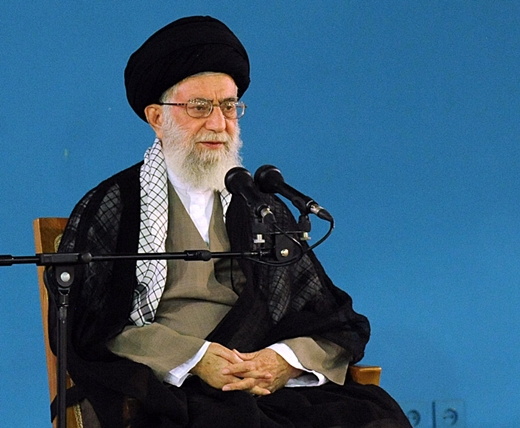
Supreme Leader Ayatallah Khamenehi

Supreme Leader of the Islamic Revolution Ayatollah Seyyed Ali Khamenei warned of the detrimental effects of imported and smuggled goods on Iran’s economy, stressing the need for measures to make the homegrown products a priority.

Back on January 26, Ayatollah Khamenei had a meeting with a group of officials tasked with commemorating the National Engineering Day, which falls on February 24.

The comments in that meeting, which were made public on Monday, indicate the Supreme Leader’s great concern for the country’s economy and the negative effects of uncontrolled imports on it.

“Today, the pressure of imports is crippling the country, and there are very peculiar figures for the inflow of contraband to the country,” the Leader had announced.

Imam Khamenei, however, had made it clear that allowing huge imports is no way a logical justification for the fight against commodity smuggling and for earning profit through customs.

The Leader had also called for measures to prevent the imported goods from undermining the indigenous products manufactured by the talented, skillful and genius local youth.

In February 2014, Ayatollah Khamenei in a proclamation outlined a series of general policies to boost the country’s economy and lower its vulnerabilities.

In a speech in March 2014, the Leader described resistance-based economy as a dynamic and long-term strategy that can help Iran realize its economic objectives.

“Resistance economy is not just for the present circumstances; rather it is a long-term solution for the country’s economy and for achieving the lofty economic goals of the Islamic establishment,” Ayatollah Khamenei said at the time.

Iran, Japan sign MoU on health cooperation

Minister of Health Dr. Hassan Hashemi and Japan's Minister of Health Yasuhisa Shiozaki

Iran and Japan have agreed to expand their cooperation on healthcare, and medical issues.

Minister of Health, Treatment, and Medical Education Dr. Hassan Hashemi, who is on an official visit to Japan, signed an MoU with Japan’s Minister of Health, Labor, and Welfare Yasuhisa Shiozaki on Monday on expansion of bilateral cooperation in health field.

According to the MoU, the two countries will cooperate in areas such as treatment, education, health, medicines, and research.

Holding scientific seminars and closer cooperation between medical schools of the two countries were also emphasized by the two ministers.

At the invitation of the government of Japan and heading a delegation, Dr. Hashemi arrived in Tokyo on Sunday.

He met with his Japanese counterpart on Monday and visited Medical Research Center (MRC) in Tokyo.

In his visit to the MRC, Dr. Hashemi suggested that the two countries cooperate on vaccine production which was welcomed by the Japanese side.

On Tuesday, the Iranian minister will give a speech in a meeting of Iran-Japan Commerce Chamber and meet the Chairman of Japan External Trade Organization Hiroyuki Ishige and President of the Sasakawa Peace Foundation. Dr. Hashemi leaves Tokyo for Tehran on Wednesday.

Some progress made on some nuclear issues: Zarif

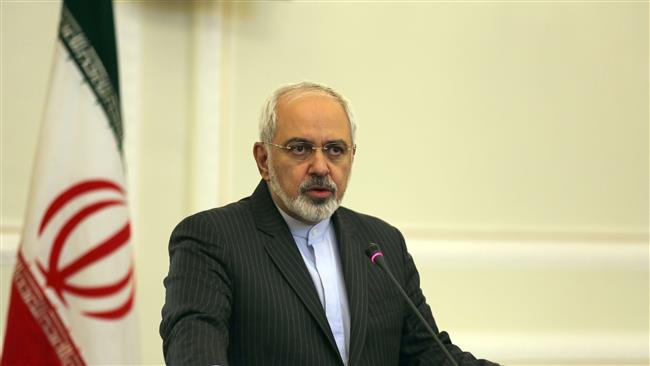
Iran Foreign Minister Mohammad Javad Zarif

Foreign Minister Mohammad Javad Zarif said on Monday that there is a long way ahead before clinching the final deal but the two sides made progress in certain areas of the negotiations.

Speaking to reporters after his meeting with US Secretary of State John Kerry, he said that the two sides had very serious, useful and constructive talks.

The two sides made headway in some issues but there is still a long way ahead before clinching the final deal, he said.

He said that the negotiations will proceed until a final deal to be struck.

Representatives of Iran and P5+1 agreed to proceed with talks next Monday.

Zarif thanked the active and useful presence of Head of the Atomic Energy Organization of Iran Ali Akbar Salehi in the meeting.

Kerman police seize 512 Kg of narcotics in surprise operation

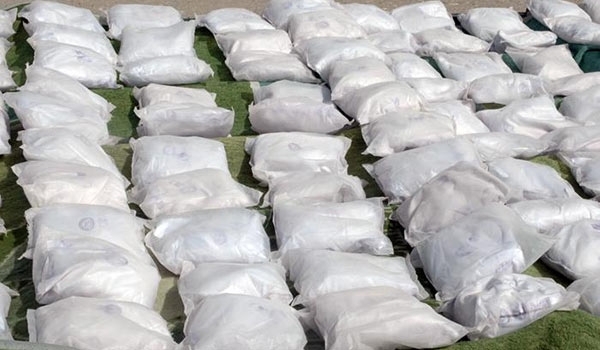
Narcotics Seized by Police in Iran

The commander of Kerman Police Force said on Monday that provincial police launched a surprise operation in which 512 kilograms of narcotics was seized and a drug trafficker was arrested.

‘Officers of Rayen District of Kerman Police Headquarters carried out an operation upon a tip-off about the transfer of a large haul of narcotics from Jiroft to Kerman,’ said Brigadier-General Abdolali Ravanbakhsh.

He said that the police officers set up checkpoints along the probable routes, and undercover agents kept an eye on the desert areas in the region until Sunday night.

He said that the police officers ordered a suspected van’s driver to stop, he did not heed and fled the scene, but to no avail. The police eventually caught and arrested him.

Brigadier-General Ravanbakhsh said that 52 bags of opium, weighing 512 kilograms were seized.

He said that the seized narcotics and the arrested trafficker were handed over to judiciary officials.

Israel knows Iran nuclear program is peaceful, leaked Mossad report shows

Israel Prime Minister Benjamin Netanyahu

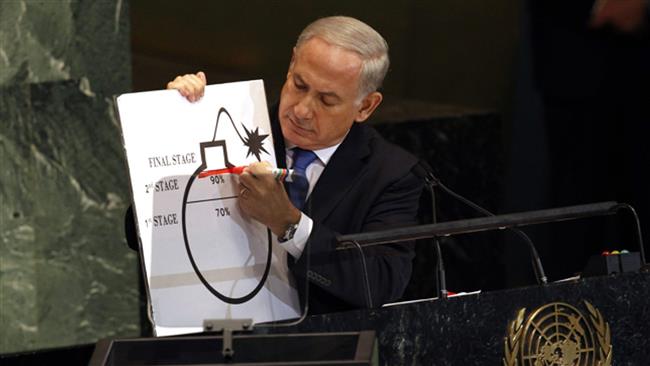
Israel has been aware that Iran’s nuclear program is peaceful and does not include “the activity necessary to produce weapons,” shows a leaked Mossad report, dated shortly after Prime Minister Benjamin Netanyahu accused Tehran of having “plans to build a nuclear weapon”  at his 2012 UN speech.

According to a secret cable, released Monday by Al Jazeera television network, the Israeli spy agency sent a top-secret cable to South Africa’s State Security Agency (SSA) in October 2012 which presented a “bottom line” assessment of Iran’s nuclear work.

In the report, Mossad concluded that Iran was “not performing the activity necessary to produce weapons.”

The document, which is in stark contrast with Israel’s anti-Iran rhetoric, was sent a few weeks after the Israeli premier’s September 2012 address at the UN General Assembly in which he claimed that Iran had covered 70 percent of the way to build a nuclear weapon.

“By next spring (2013), at most by next summer, at current enrichment rates, they will have finished the medium enrichment and move[d] on to the final stage. From there, it’s only a few months, possibly a few weeks before they get enough enriched uranium for the first bomb,” Netanyahu alleged at the time.

Last week, Netanyahu’s office repeated the claim in a statement that “Iran is closer than ever today to obtaining enriched material for a nuclear bomb.”

However, the leaked report said Iran “does not appear to be ready” to enrich uranium to the higher levels necessary for nuclear weapons.

The Mossad report was published ahead of Netanyahu’s planned address to the US Congress on March 3, a move strongly rejected by the Obama administration amid the ongoing nuclear negotiations with Tehran.

A similar CIA report, leaked on February 20, disclosed that Washington tried to mislead the International Atomic Energy Agency (IAEA) about Iran’s nuclear program through the provision of doctored evidence.

The Mossad and CIA’s leaked information appears to attest Iran’s argument that it is pursuing non-military goals in its nuclear program.

In addition, the IAEA has also conducted numerous inspections of Iran’s nuclear facilities but has never found any evidence showing that Iran’s civilian nuclear program has been diverted to nuclear weapons production.

Iran and the West have been engaged in negotiations in an effort to ink a high-profile deal over the matter as Tel Aviv continues attempts to block any agreement. The fact that Israel has been aware of the peaceful nature of Iran’s nuclear activities raises doubts over the credibility of Netanyahu’s Congress speech, planned against the backdrop of a row between dominant US parties.

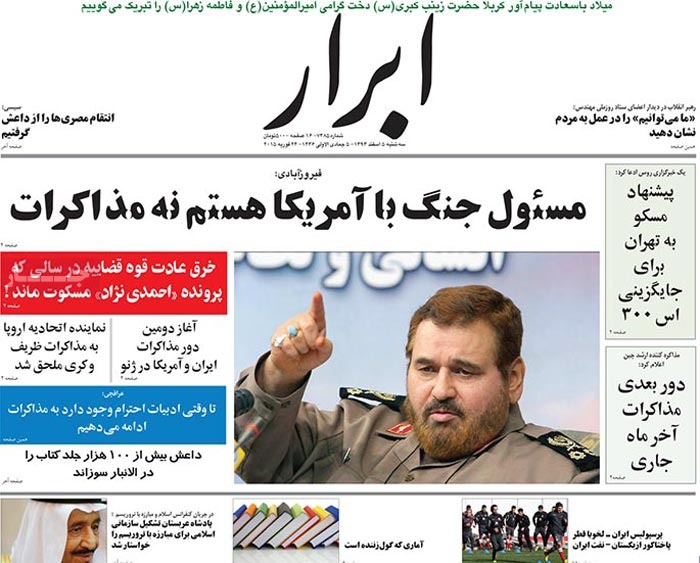
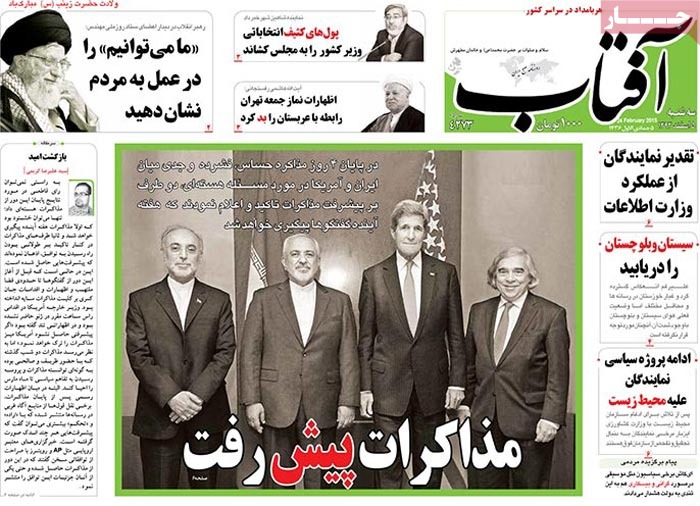
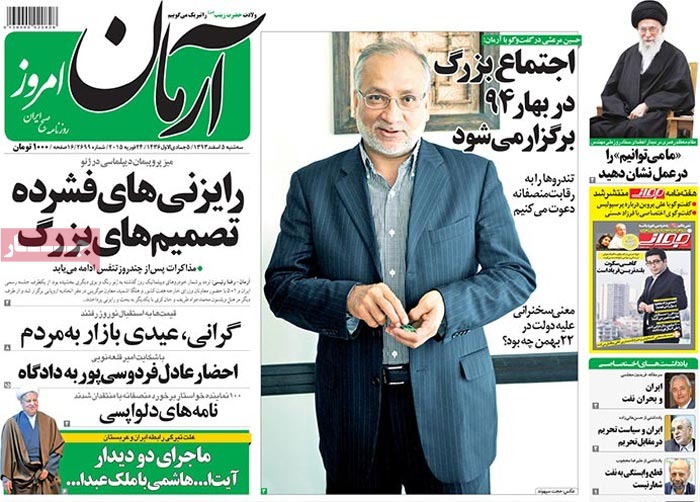
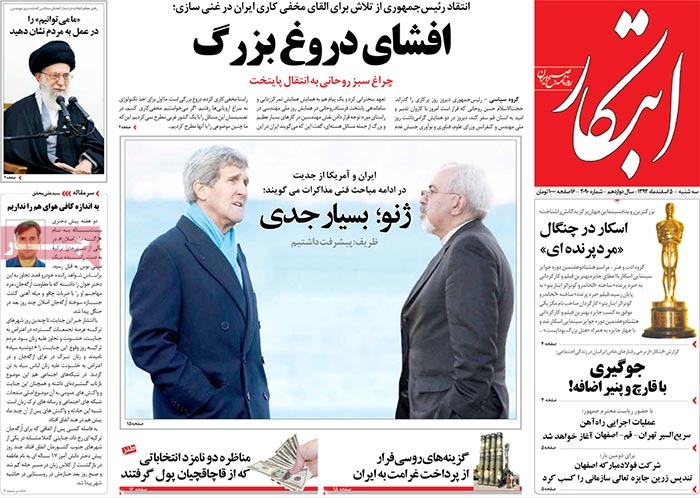
A look at Iranian newspaper front pages on Feb. 24

Iranian Newspapers Headlines

The comments of Ayatollah Khamenei at a meeting with members of a commission charged with organizing National Engineering Day ceremonies dominated the front pages of Iranian newspapers on Tuesday. At the meeting the leader urged local engineers and experts to demonstrate “Yes we can” in action. Also in the headlines was the conclusion of four days of nuclear talks between Iran and the US in Geneva, Switzerland.


Abrar: A representative of the EU has joined Zarif and Kerry for nuclear talks in Geneva.

It came as the Chinese top negotiator said a next round of talks will be held by the end of the month.

A look at Iranian newspaper front pages on Feb. 24


Aftab-e Yazd: Nuclear talks made progress

At the close of four days of sensitive, intense and serious talks between Iran and the US, the two sides reiterated that there had been some progress and that the talks would be picked up next week.

A look at Iranian newspaper front pages on Feb. 24


Arman-e Emrooz: Adel Ferdowsipour has been summoned to court

The summons was issued after the coach of Esteghlal Football Club filed a complaint against the host of 90, a very popular sports talk show.

A look at Iranian newspaper front pages on Feb. 24


Ebtekar: Revelation of a big lie

President Hassan Rouhani has criticized those who are trying to suggest that Iran is hiding something in its enrichment program.

A look at Iranian newspaper front pages on Feb. 24


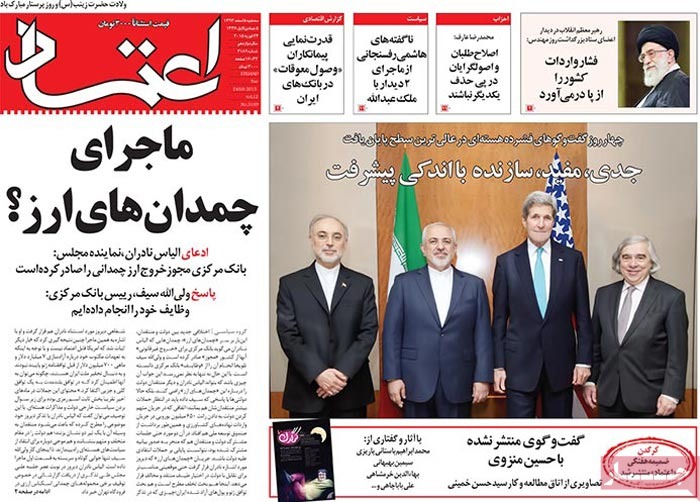
Etemad: Serious, useful and constructive, with a little progress

Four days of intense nuclear talks [between Iran and the US] at the highest level came to an end.

A look at Iranian newspaper front pages on Feb. 24


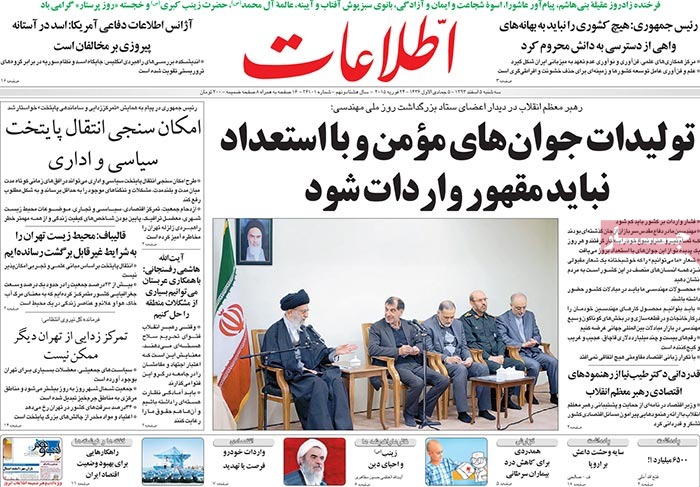
Ettela’at: Feasibility studies to move the political and administrative capital

President Rouhani called for such studies in a message to a gathering on decentralization.

A look at Iranian newspaper front pages on Feb. 24


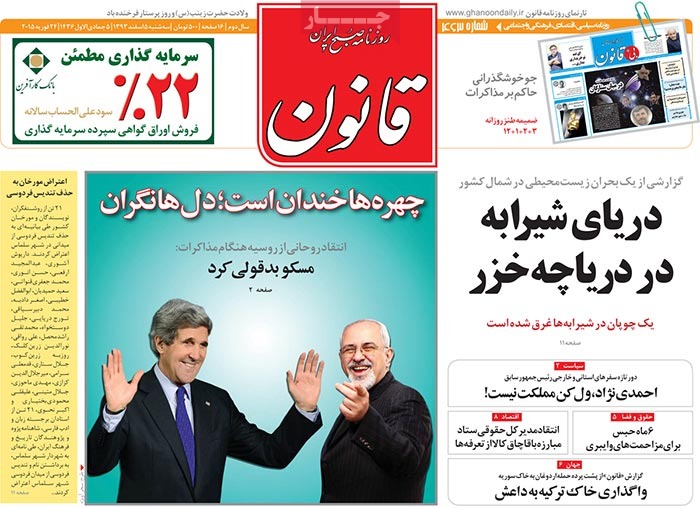
Ghanoon: They have smiling looks on their faces; deep down they are worried, though.

The caption of a photo of a smiling Zarif and Kerry said. The same story quoted President Rouhani as criticizing Russia for its failure to honor its promises during nuclear talks.

Ghanoon: It seems Ahmadinejad has no intention of letting go of this country.

A new round of provincial and foreign visits of the former president has gotten underway.

A look at Iranian newspaper front pages on Feb. 24


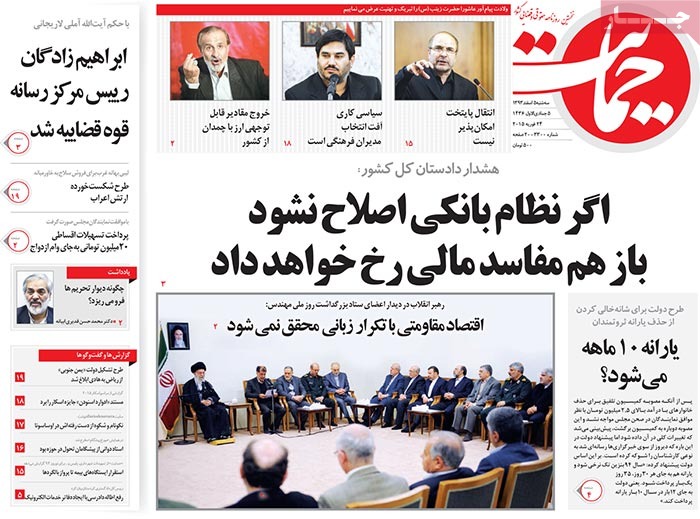
Hemayat: “Failure to reform the banking system will result in more corruption cases,” warned Attorney General Seyyed Ebrahim Raeesi.

A look at Iranian newspaper front pages on Feb. 24


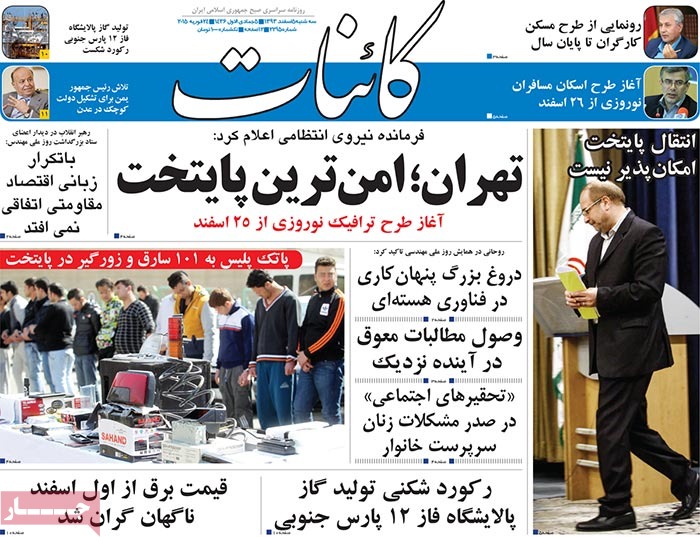
Kaenat: “Tehran is the safest capital,” said Police Chief Brigadier General Esmail Ahmadi Moghaddam.

His comment came as Tehran Mayor Ghailbaf said switching the administrative and political capital is impossible.

A look at Iranian newspaper front pages on Feb. 24


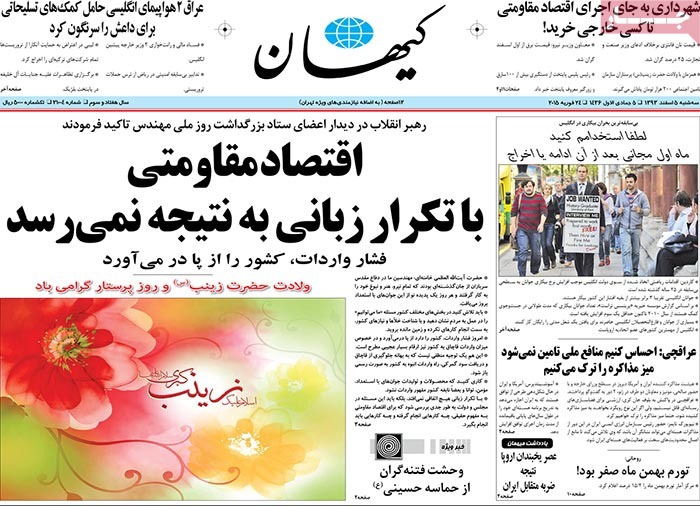
Kayhan: “Paying lip service to resistance-based economy won’t solve anything,” said the Supreme Leader.

In a meeting with members of a commission charged with organizing National Engineering Day ceremonies, Ayatollah Khamenei also said the country is reeling under the pressure of [excessive] imports.

Kayhan: “Whenever we feel our national interests are not served, we will walk away from the negotiating table,” said an Iranian nuclear negotiator.

The warning by Deputy Foreign Minister Seyyed Abbas Araghchi came in response to threats by the US secretary of state that the US might walk away from the talks.

A look at Iranian newspaper front pages on Feb. 24


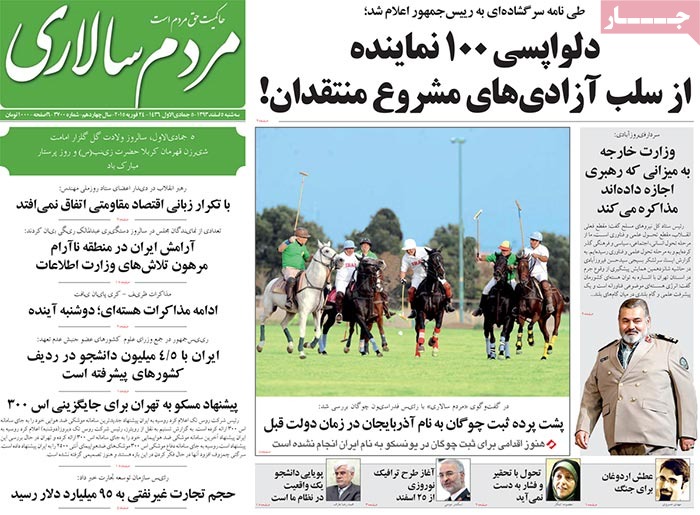
Mardomsalari: A hundred MPs have expressed concern about the denial of legitimate freedoms for critics of the government!

The representatives made their concern known in an open letter to President Rouhani.

A look at Iranian newspaper front pages on Feb. 24


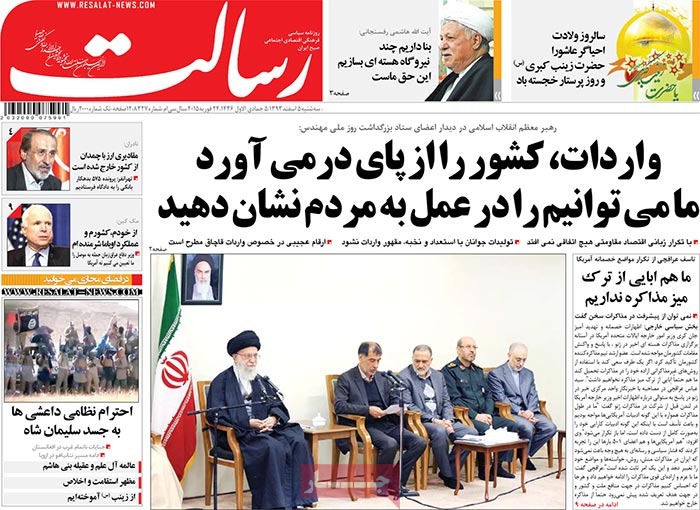
Resalat: “We want to build a few nuclear power plants,” said Ayatollah Rafsanjani.

The chairman of the Expediency Council also said that building power plants is within Iran’s rights.

A look at Iranian newspaper front pages on Feb. 24


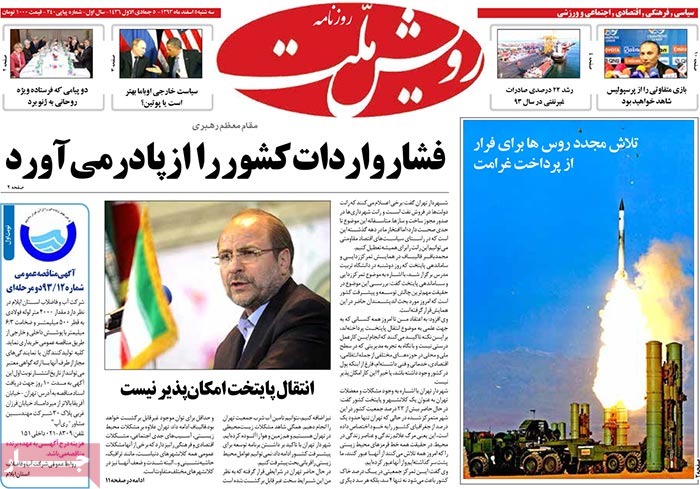
Rooyesh-e Mellat: Another attempt by the Russians not to pay compensations to Iran over their failure to deliver a promised missile system

A look at Iranian newspaper front pages on Feb. 24


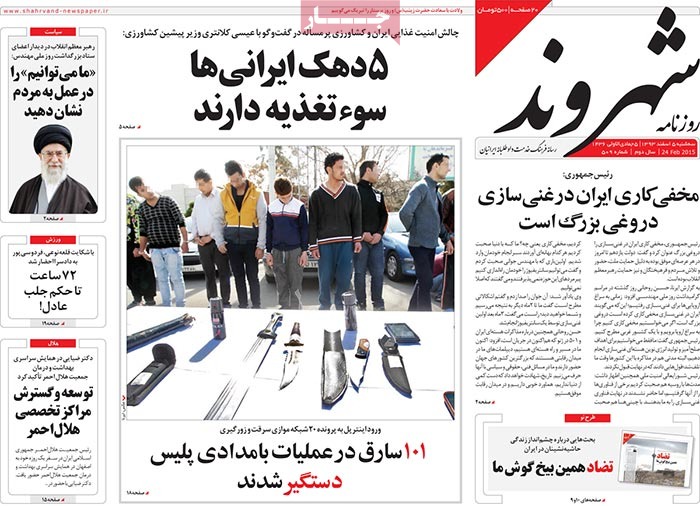
Shahrvand: More than 100 robbers have been arrested in a police operation.

Interpol has now become part of an investigation into cases involving robbery and mugging.

A look at Iranian newspaper front pages on Feb. 24


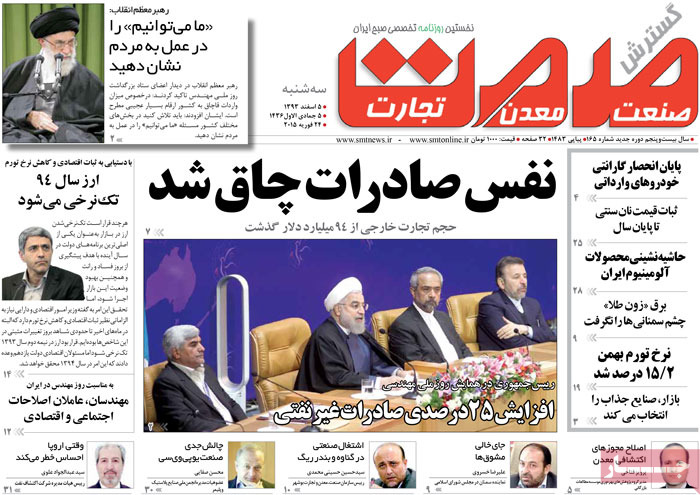
SMT: “Non-oil exports have registered a 25 percent increase,” said President Rouhani.

His comment came at a National Engineering Day conference during which it was also said that Iran’s foreign trade has hit the $94 billion mark.

A look at Iranian newspaper front pages on Feb. 24

Iran and Saudi Arabia; will protocols lose their significance again?

Hashemi-Malik Abdollah

How effective and helpful are personal interests of the leaders and officials of countries in the souring or warming of their official ties? Do the personal traits of senior officials – foreign ministers and government-appointed ambassadors included – such as humbleness and arrogance have any bearing on protecting or jeopardizing the national interests of countries?

Recently, a former US congressman – Jim Slattery who visited Iran in December –described a lack of understanding of and interpersonal relationships between US and Iranian officials as one reason why tensions are still simmering in ties between Iran and his respective government.

Interpersonal interests should be taken into account as a key principle when it comes to establishing ties between two nations in the West and East with two different cultures. The lack or existence of interpersonal understanding and interests between politicians and rulers in Eastern countries has played a major role in the animosity or friendship between their governments. There is plenty of historical evidence to confirm such an assertion.

Hashemi Rafsanjani in Iran is known to be key to reopening ties with Saudi Arabia. On several occasions, the question of mediation by the veteran politician has been raised to make Saudi Arabia return to the path of interaction with the Islamic Republic; in reaction, Ayatollah Hashemi has implicitly and explicitly tied the accomplishment of such a key mission – which is meant to restore regional calm – to being given full powers.

As a man in the capacity of the chairman of the Expediency Council and as an age-old friend of the Leader of the Islamic Revolution, what powers does he seek that he lacks now?

The answer to this question is not clear. Ayatollah Rafsanjani’s remark can signify the complexity of a mystery and the Gordian knot in ties between Iran and Saudi Arabia which are two political and ideological heavyweights in the region.

Under normal circumstances it is hard to put ties between two countries back on track. In the case of Iran and Saudi Arabia, two major world players, it would be doubly difficult to promote ties to a level in which their strategies in dealing with regional issues and their decisions at OPEC could turn the Middle East into a safe and powerful region.

In the eyes of Hashemi Rafsanjani, a veteran pragmatic Iranian politician, it is a feasible task to make the impossible possible providing that the two sides share a [political] will.

Mehr News Agency and Tehran Times, an English-language daily, have jointly conducted a detailed interview with Ayatollah Akbar Hashemi Rafsanjani. The original text in Farsi was released by mehrnews.ir in two parts under the headings “Domestic and Foreign Issues” on February 22 and 23.

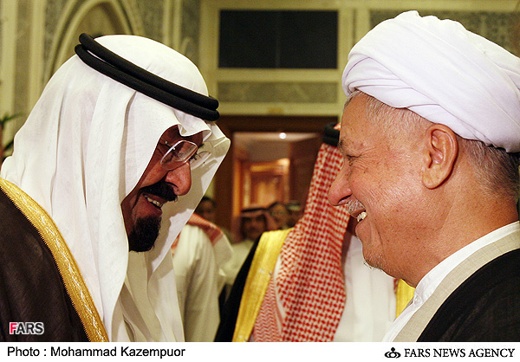
One question in the second part elaborates on ties between Iran and Saudi Arabia. IFP has chosen and translated this question which features a first person account of the history of warm relations between Hashemi Rafsanjani, a onetime Iranian president, and the late King Abdullah of Saudi Arabia.

Although Ayatollah Rafsanjani leads off his remarks with an expression of regret over “soured relations”, he is openly hopeful about mending fences between the two countries and is not pessimistic about the contribution by Saudi King Salman to the reopening of a friendly chapter between Tehran and Riyadh. The following is the translation of what Ayatollah Rafsanjani said in part of the interview:


A lot of ambiguity has surrounded Tehran-Riyadh relations. The demise of King Abdullah and a recent slump in oil prices have compounded things. What is your take on the state of ties between the two nations and in fact how can the relations be mended?

The general state of affairs was not worse until recent comments, which were made at Tehran Friday prayer sermons, caused things to take a twist for the worse. […]

In pre-revolution Iran, Tehran and Riyadh were at odds over a number of issues including oil, and they kept wrangling. After the revolution, they were initially fearful of our revolution, particularly because back then we kept chanting slogans about exporting the revolution. That had prompted some nations to consider following in Iran’s footsteps. The Saudis were concerned and their relations with us were anything but good. That lasted until I took office.

During the Iran-Iraq war, they stood by Saddam, financially supported him and their airspace was at Saddam’s disposal.

When Iranian pilgrims were prohibited from Hajj [an annual Muslim pilgrimage to Mecca], the late Imam Khomeini got worried and said, “It’s not good for our Islamic government to be denied Hajj which is an unshakable principle of Islam and the holy Koran”. He ordered me to get the issue settled.

Our major disagreement with Saudi Arabia was over oil prices. King Abdullah argued, “If we raise oil prices, they [customers] will find alternative fuels and oil will lose its value.”

I proved to him that an alternative fuel couldn’t come around easily and oil value wouldn’t fall any time soon. He accepted my reasoning and cooperated, therefore the issue of oil was sorted out. The late Imam Khomeini had ordered this.

I kept at it [and made efforts to further improve ties]. When I became president, I kept trying and some progress was made.

I met with Abdullah, who was back then the Saudi Crown Prince, twice in Senegal and Pakistan. We discussed things and his attitude changed. In fact he learned about certain facts about which he had quite contrary views.

At the Islamic summit in Pakistan, Abdullah was supposed to come to my room for a word. Earlier in Senegal I had gone to his room and it was agreed that in Pakistan he would come over to my room.

I was sitting at the conference hall when all of a sudden I was told that Abdullah was waiting for me. [My foreign minister] Mr. Velayati said, “We agreed that he would come this time”. He wondered what we should do. In response, I said, “We shouldn’t display arrogance; after all, we seek to talk.”

We were walking toward his room when we saw Abdullah and his entourage come out of the room to welcome us, saying, “We are about to go to your room.”

His attitude seemed to have changed drastically. The modesty that I showed impressed him and encouraged him to come over to my room. Several points of disagreement were resolved during our talks there.

For instance, they were opposed to holding the next summit in Tehran; that issue was settled. They had released a statement in Riyadh, but after our talks, Abdullah called Saud al-Faisal and ordered the statement withdrawn.

After the meeting, we were invited to lunch by the Pakistani prime minister, so we came out, waiting for our cars to pick us up. My car turned up sooner and Abdullah got into my car without any bodyguard. Journalists and others were surprised. We entered the summit together and that spoke volumes.

Later, our friendship found its way into our families. When I traveled there, our families got together; actually our relations went a little beyond diplomatic ties and turned into family relationships.

Abdullah, who travelled to Tehran to attend a summit, let go of diplomatic protocols and insisted on coming to my house.

Anyway, lots of problems were addressed in that atmosphere. We worked a lot on improvement of ties. Now if we both try to improve the conditions, we can go back to the point we were. Back then King Salman was the governor of Riyadh. He threw a party for us and treated us with humility. Everything was brotherly. He described things for me in a friendly fashion.

But now there are things over which we have disagreement like Yemen, Bahrain, Syria, Iraq, Lebanon, and even the Zionist regime. We do not approve of the current level of their relations with Israel. Such disagreements exist and need to be addressed. In my opinion, we can return to where we were.

IFP has changed the title and written its own foreword to the interview.

An International Relations Council is to be formed in Iran

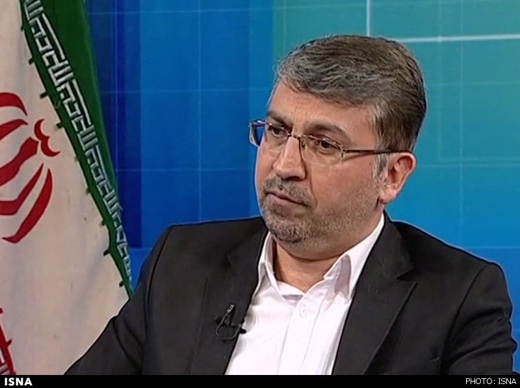
Hesameddin Vaez Zadeh

On February 23, Ettela’at quoted Dr. Hessamoddin Vaezzadeh, a professor of international relations at University of Tehran, as saying that an International Relations Council is to be set up for the first time in the history of the Islamic Republic. What comes below is a partial translation of what else he had to say:

Such an institution could lend assistance to the country’s diplomacy apparatus and help those who are active in the public sector or in the field of business deal with the turbulent and competitive atmosphere of the modern world.

The need for such non-governmental organizations has long been felt, because they can narrow the gap that exists between plans in theory and in practice. That’s why a year ago a number of scholars, elites and senior experts started carrying out studies to found a first such council in Iran.

Iran’s International Relations Council is an NGO which acts in line with the sacred objectives of the Islamic Republic and is backed by the establishment.

Among other things, the council aims to secure a common understanding and create a chance for the free expression of different ideas and an exchange of views in a calm atmosphere which is free of any political, factional wrangling.

Russia offers Iran latest anti-aircraft missile system

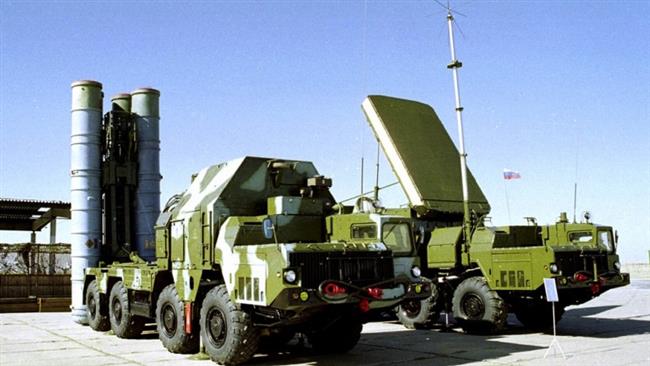
anti-aircraft missile system

The head of Russian state defense conglomerate Rostec says Moscow has offered Iran its latest Antey-2500 missile defense systems after a deal to supply less powerful S-300 missiles was scrapped under Western pressure.

Tehran is now considering the offer, Russia’s TASS news agency quoted Sergei Chemezov as saying on Monday.

“As far as Iran is concerned, we offered Antey-2500 instead of S-300. They are thinking. No decision has been made yet,” Chemezov said.

There was no immediate response to Chemezov’s comments from Iran.

Under a contract signed in 2007, Russia was to provide Iran with at least five S-300 defense systems.

However, Moscow refused to deliver the system to Iran under the pretext that it is covered by the fourth round of the United Nations Security Council sanctions against Tehran over its nuclear program.

Following Moscow’s failure to deliver the systems, Iran filed a complaint against the Russian arms firm Rosoboronexport with the International Court of Arbitration in Geneva.

The Antey-2500 was developed from the 1980s-generation S-300V system (SA-12A Gladiator and SA-12B Giant). It can engage missiles traveling at 4,500 meters per second, with a range of 2,500 kilometers (1,500 miles), according to the company that makes it, Almaz-Antey.

The S-300 missiles have a 125-mile (200-kilometers) range.

You Are Not Any Less of a Revolutionary If You DON’T Pull Trigger

Sadegh TabaTabai-Mousa Sadr

Seyyed Sadegh Tabatabai*, an associate of the late Imam Khomeini during his years in exile in France, passed away at the age of 71 on Saturday (February 21).

On February 22, Ehsan Razzaghi published a piece in Aftab-e Yazd daily which featured a memory of the late Tabatabai to urge the principlist critics of President Rouhani’s government to rethink their nuclear stance. The following is the translation of the piece:

I am using the passing of Sadegh Tabatabai as a good excuse to recall a memory and make the principlist critics of the government rethink their fiery stances in the days when nuclear talks with P5+1 get closer to their final critical moments.

Let’s assume that their stances are honest and based on good intentions, not an excuse to sandbag and find a way to deflect attention from numerous corruption and mismanagement charges lodged against them for the eight-year performance of their faction [when the principlists were in office].

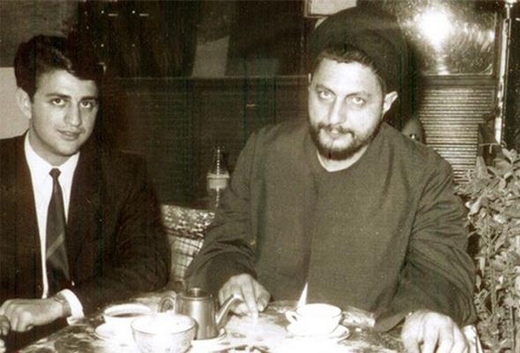
The late Sadegh Tabatabai once recalled a memory and said, “Yasser Arafat once called the office of Imam Musa Sadr (May their souls rest in peace) and asked Imam [my uncle] to go and see him.”

“When we got to Arafat’s office in Beirut, it was around 1:00 a.m. We were in a big room with a big table in one corner. A few minutes later, Arafat came in. After greetings, he told Imam Musa Sadr that Israelis have sent him a gift and asked a cardboard box which was sitting on the table there to be brought to him.”

“When he opened the box, we saw the severed head of a Palestinian newborn. As Imam Musa Sadr looked at it, Arafat turned to Imam and asked, ‘Oh, brother! What shall I do with this gift?’ By that question Arafat seemed to be asking how his Lebanon-based Palestinian forces (the Fatah movement) should react to attacks by the Zionists.”

“What Imam said in response was strange. ‘Oh, brother! A revolutionary man is not necessarily the one who always pulls a trigger; to be a revolutionary, sometimes you should avoid pulling the trigger. When the enemy seeks to allure you to a path where it can carry out its plans, the real revolutionary is the one who does not fall into the enemy trap and avoids getting stuck in a vicious circle of revenge which culminates in nothing but the killing of innocent people’.” (I don’t recall the exact wording, what I just said was a paraphrase)

If there are people in the West and among those Zionists who are trying to enrage us today, we should take heed of such a strategy, and this is a strategy the government of moderation – backed by the Supreme Leader – has pursued in nuclear talks [with the West], trying its utmost to have the unjust sanctions imposed against the country lifted.

Sadegh Tabatabai was an Iranian writer, journalist, professor at the University of Tehran and politician who served as deputy prime minister from 1979 to 1980. He was the deputy minister of the interior. From 1982 until 1986, he also served as Iran’s ambassador to Germany.