Thursday, December 25, 2025
Home Blog Page 4802

Iran’s policies in sharp contrast with those of US: Leader

Leader

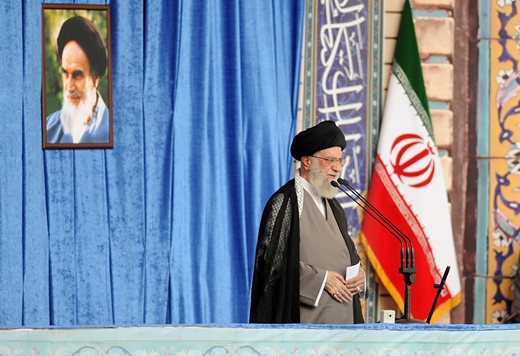
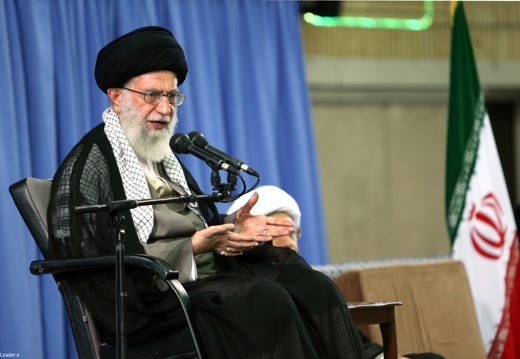
Ayatollah Khamenei was speaking during a meeting with a number of Iranian officials, Tehran-based Islamic ambassadors and Iranian people from all walks of life on the auspicious occasion of Eid-ul-Fitr, the first day after the fasting month of Ramadan.

Referring to the developments in Iraq, the Supreme Leader said that the policies of the hegemonistic powers in Iraq are toppling a democratically-elected government, pitting Shia and Sunni Muslims against each other and finally dividing the country, while Iran’s policy on Iraq is supporting the country’s democratically-elected government, resistance against factors contributing to the country’s civil war and guaranteeing Iraq’s territorial integrity.

On the difference between Iran’s policy towards Syria and that of the hegemonistic powers, Ayatollah Khamenei said that the arrogant powers are seeking to impose their will on the Syrian nation and overthrow a government that has firmly stood against the Zionist regime, while the Islamic Republic of Iran considers as an opportunity the government, whose platform, objective and plan is resistance against Zionists.

Ayatollah Khamenei underlined that as for regional issues, including those in Iraq, Syria, Yemen, Lebanon and Bahrain, Iran is not seeking its own interests.

The Supreme Leader also said that Iran’s policies towards Lebanon are completely different with those of the arrogant powers.

Ayatollah Khamenei said that the US-led arrogant powers had long kept silent coupld with satisfaction towards occupation of parts of Lebanon by the Zionist regime, but as soon as a faithful and dedicated group, which is one of the most dignified national defense groups across the world, stood against the Zionists and forced them out of Lebanon, they called this group a terrorist group and are seeking to destroy it.

Ayatollah Khamenei said that the Americans call Lebanon’s Resistance ‘terrorist’ and say that Iran is a supporter of terrorism for its support for Lebanon’s Hezbollah, while the real terrorists are the Americans themselves who have created Daesh and back ‘the evil Zionists’ and for that they have to be brought to justice.

The Supreme Leader also touched on what’s going on in Yemen and said in Yemen, the United States is supporting a president who resigned and fled his country under the most critical conditions to cause a political vacuum and demanded another country to attack his people.

The US is shaking hands in friendship with the most dictator regimes that do not even let their nations hear the name of elections, this is while it calls Islamic Republic of Iran, which is tied with elections from top to the bottom, a despotic system, concluded the Supreme Leader.
Rouhani: Nuclear deal a prelude to next stages

Rouhani-Leader-Fitr-Eid

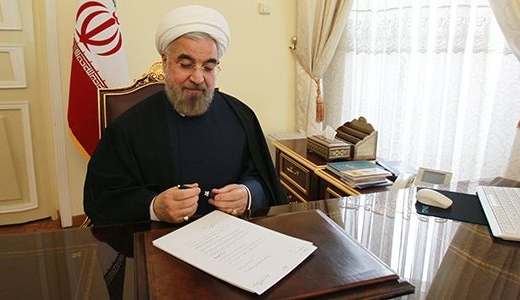
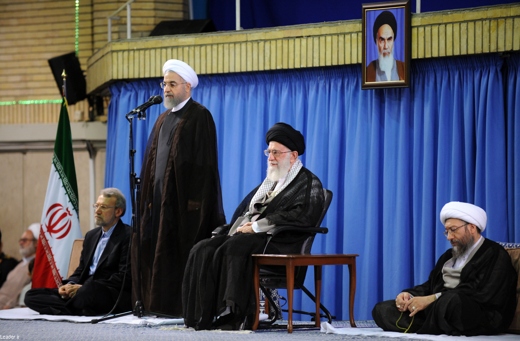
President Rouhani made the remark in a ceremony, attended by the Supreme Leader Ayatollah Seyed Ali Khamenei, Iranian officials, Tehran-based Muslim ambassadors and Iranian people from all walks of life on the auspicious occasion of Eid al-Fitr (the fast breaking feast).

Rouhani said, ‘We need unity, solidarity and wise guidelines of the Supreme Leader in the next stages.’

‘Today no one in the world says that the Islamic Republic of Iran has been defeated, has surrendered or has signed a non-dignified deal,’ Rouhani said, adding, ‘Thanks God, what was desired by the great Iranian nation and the Supreme Leader has been achieved so far.’

‘Today no one in the world says that the Islamic Republic of Iran has been defeated, has surrendered or has signed a non-dignified deal,’ Rouhani said, adding, ‘Thanks God, what was desired by the great Iranian nation and the Supreme Leader has been achieved so far.’

The president once again voiced Tehran’s support for the oppressed, expressing regret about what’s going on in Iraq, Syria, Yemen, Afghanistan and Pakistan.

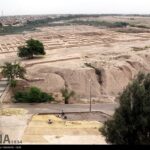
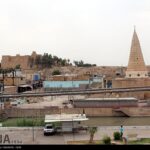
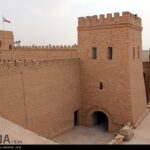
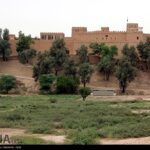
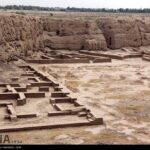
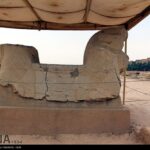
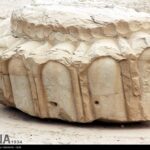
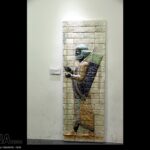
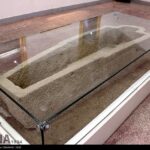
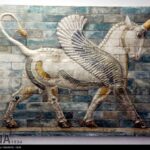
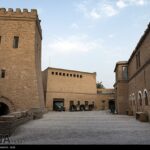
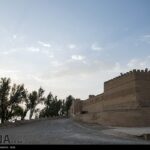
Susa gained berth on UNESCO World Heritage List (PHOTOS)

Susa 0

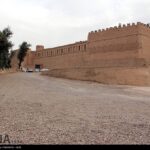
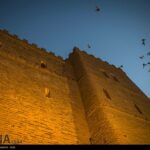
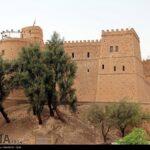
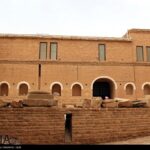
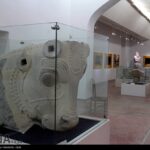
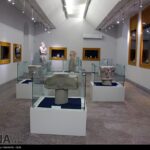
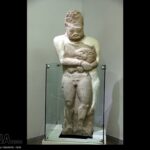
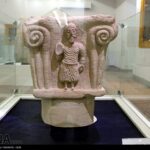
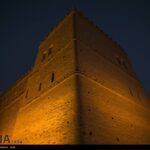
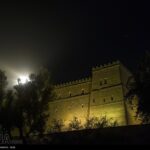
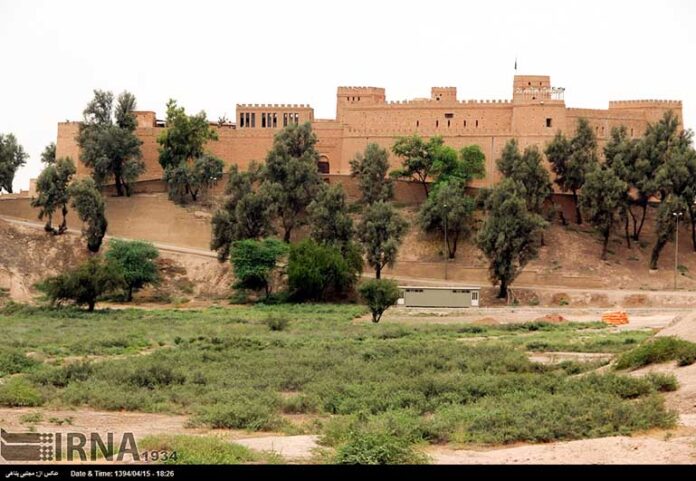
At a 39th session of the World Heritage Committee held in Bonn, Germany, Iran’s Susa was registered as the 18th Iranian cultural heritage site on the UNESCO World Heritage List.

Susa was a millennia-old city of the Elamite and Parthian empires in what is today Khuzestan Province. The ancient city was also a winter capital and residence for Achaemenid kings.

Images of Susa in southwestern Iran released by the Islamic Republic News Agency:

Iran won’t bow to excessive demands on security, defense: Leader

Leader

“Amid an atmosphere of threat the enemies have created, as far as safeguarding its defense and security capabilities are concerned, the Islamic Republic will never bow to the enemy’s excessive demands,” Ayatollah Khamenei said in a sermon to worshippers at the Eid al-Fitr mass prayers marking the end of the fasting month of Ramadan on Saturday.

The Leader added that whether the text of the nuclear conclusion, recently reached with world powers, is approved or not, Iran will never allow any “exploitation” of it.


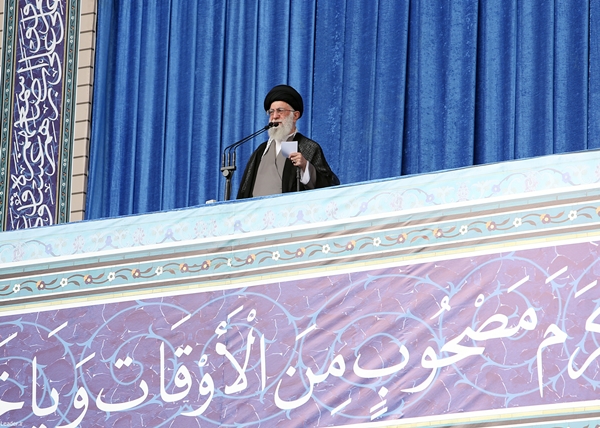
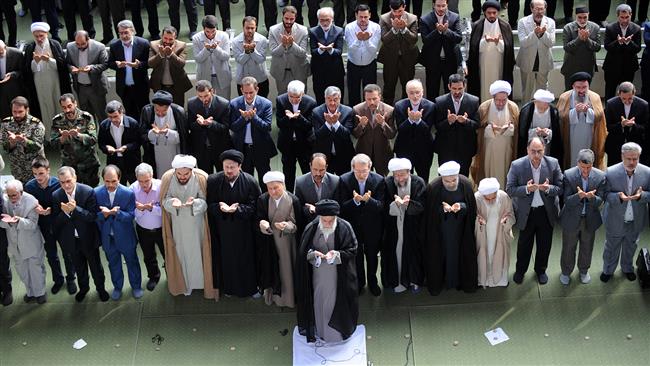
Leader of the Islamic Revolution Ayatollah Seyyed Ali Khamenei addresses worshippers at the Eid al-Fitr mass prayers, marking the end of the fasting month of Ramadan, in Tehran on July 18, 2015. (© leader.ir)

“God willing, the country’s defense capabilities and security privacy will be safeguarded. No one will be allowed to harm the fundamental principles of the Islamic establishment,” Ayatollah Khamenei pointed out.

The Leader further emphasized that the latest round of negotiations between Iran and the six world powers and the text of the nuclear conclusion would never lead to a change in the Islamic Republic’s policies towards the “arrogant US government.”

The US policies on regional issues are exactly on the opposite site to those pursued by Iran, Ayatollah Khamenei said.

He said that the Americans accuse Lebanese resistance movement Hezbollah and the anti-Israeli axis of resistance, which are the most dedicated national defense forces, of terrorism while they support the “Zionist, terrorist and infanticidal” Israeli regime.


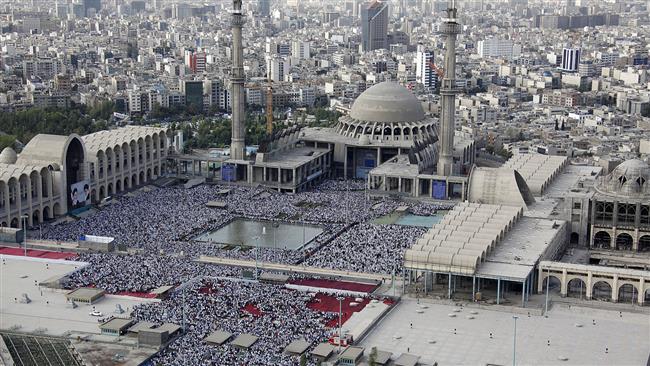
A large crowd of the Iranian people attends special communal prayers at Tehran's Imam Khomeini Grand Prayer Grounds (Mosalla) on the occasion of Eid al-Fitr on July 18, 2015. (©leader.ir)
A large crowd of the Iranian people attends special communal prayers at Tehran’s Imam Khomeini Grand Prayer Grounds (Mosalla) on the occasion of Eid al-Fitr on July 18, 2015. (©leader.ir)

“How can one negotiate, deal and reach an agreement with such a government (US)?” the Leader asked.

The Leader said American officials have been engaged in ranting following the end of nuclear talks between Iran and the P5+1 countries due to internal problems inside the United States, adding, “The fact is something else.”

The US officials claim that they have blocked Iran’s alleged development of nuclear weapons, the Leader stated, noting that the Islamic Republic, based on Quranic teachings, regards the production and stockpiling of nuclear weapons as forbidden.

“This has nothing to do with the negotiations,” Ayatollah Khamenei said.

The Leader added that the US officials would never realize their dream of forcing the Iranian nation to surrender.

The US is still making “big mistakes” on different regional issues, particularly on its behavior towards the Iranian nation, the Leader said.

“Wake up and realize the fact!” said Ayatollah Khamenei.


Leader of the Islamic Revolution Ayatollah Seyyed Ali Khamenei leads the Eid al-Fitr prayers in Tehran on July 18, 2015. (© leader.ir)

“The Islamic Republic…is strong and is becoming stronger day by day,” said the Leader.
He said the six world powers have been making efforts over the past 10-12 years with the purpose of bringing a halt to Iran’s nuclear industry but they finally had no option but to “tolerate” thousands of centrifuges in Iran and the continuation of the country’s research and development plan.

“This is the outcome of the Iranian nation’s resistance and bravery and the creativity of dear Iranian scientists,” the Leader said.

The Leader added that US President Barack Obama has claimed that he can “destroy” the Iranian Army.

Ayatollah Khamenei said if the US officials want to correctly use their experience, they should know that “Iran welcomes no war and will initiate no war. But in case of any war, the aggressive and criminal US” will emerge loser.

The Leader noted that Iran would never negotiate with the US on mutual, regional and international issues and said, “We sometimes held negotiations [with the US] on exceptional cases such as the nuclear issue based on the [national] interests.”

The Leader further emphasized that whether the text of the nuclear conclusion is approved or not, Iran would never stop its support for “our friends in the region.”

Ayatollah Khamenei emphasized that Iran will always support the oppressed Palestinian, Yemeni, Iraqi and Bahraini people as well as the Syrian nation and government and fighters of the resistance movement.

The Leader also expressed gratitude to the Iranian nuclear negotiating team for holding “lengthy and breath-taking talks” with the P5+1 countries in Vienna and said the country’s officials are expected to heed national interests in reviewing the final text adopted in the Austrian capital.

President Hassan Rouhani, Majlis (parliament) speaker Ali Larijani and head of judiciary Ayatollah Sadeq Amoli Larijani were among the large number of senior Iranian officials who attended the mass prayers.

What will happen when Iran’s oil is back on the market?

Iran Oil

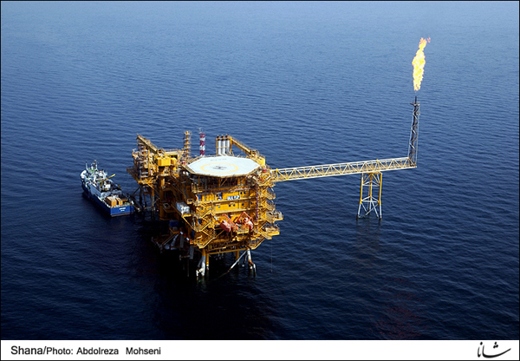
The oil and gas market is on the verge of a positive turn following the conclusion of the landmark nuclear deal between Iran and P5+1 on July 14. The removal of sanctions, which had practically prevented Iran’s oil industry from making its presence felt in the competitive market and had denied consumer nations the right to choose from among different alternatives in the buyer’s market, has also confirmed predictions for a positive turn.

Fararu.com on July 16 released an analytical, prognostic report which, among other things, argued that with the return of Iranian oil to the market, no one’s interests will be harmed. The following is the translation of part of that report:

Crude oil is a staple of Iran’s economy, no matter how good or bad we think it is. For years, this resource – without having any organic connection with the country’s economic structures – has been the financial lifeline of different governments. It is no secret that oil revenues are the Achilles’ heel of the Iranian economy and that the United States and its Western allies have taken advantage of this chink in Iran’s armor piling pressure on its economy.

At this juncture, the Rouhani administration is trying to remove sanctions against Iran’s oil and gas industry so that the country can reclaim its past economic position in the world. This topic seems to have been inextricably entangled in nuclear talks between Iran and P5+1.

Iran, which sits on almost ten percent of oil deposits and 17 percent of the discovered gas reserves in the world, has an outstanding position among oil-rich countries. The country is located at the heart of the world’s energy hub with easy access to global markets, because it has fossil fuel resources in its Persian Gulf islands and its control of the coastal areas in the south spans around 1,000km – that is to say, the entire northern rim of the Persian Gulf through which more than 40 percent of the world’s oil and gas is transferred. Iran is also situated at the gates of the North-South Transport Corridor, which connects the Middle East to North Africa to Europe and Central Asia.

[…]


All countries are winners

How will the return of Iran’s oil and gas to global markets affect the market? Who are the possible winners and losers when Iran makes a comeback? All things considered, an Iran back on the market will affect global markets in the following six main ways:

1. A possible slump in world oil prices: […] Experts estimate that the flow of Iran’s oil into global markets can see prices drop $5-$15 a barrel in 2016.

2. Economic growth of the customers of Iranian oil and gas: […] A possible slump in oil prices as a result of Iran claiming back its market share can leave a positive impact on economies such as Japan, South Korea, India and even China which are regular buyers of Iran’s crude. […]

3. Europe’s access to safe and affordable gas: […] With sanctions on Iran’s gas no longer in place, Iran and Russia – aided by Europe – can build infrastructure to meet Europe’s gas demands through a pipeline at decent prices provided that the US drops its obstructionist measures. Even Turkey can take advantage of the pipeline transit of Iran’s natural gas to Eastern Europe, the Middle East and the Mediterranean Sea

4. Flow of gas, the spread of regional convergence and peace: The transfer of Iran’s gas to countries like India in the east and Iraq in the west can help restore peace [in the region] and tip the political balance in favor of people in Central Asia, Pakistan, India, Afghanistan, Turkmenistan as well as Iraq, Jordan and Syria.

5. Oil rivalry or friendship between Iran and Saudi Arabia: The possible drop in oil prices courtesy of Iran’s reappearance in the market will stir up new rivalry among certain oil-rich neighbors. Saudi Arabia will find it [Iran’s presence in the market] even more costly […]. In spite of all this, Iran will seem to avoid rivalry with Saudi Arabia and anything which can send the prices spiraling downward.

6. Transparent oil prices: It is true that Iran’s comeback to global markets will trigger a plunge in crude prices, but when sanctions are terminated Iran will no longer offer its oil to buyers such as China, India, Japan, South Korea and Turkey at generous discounts. This can help oil prices become genuine and reasonable and the market grow transparent. Above all, Turkey can no longer make political and economic advantage of a unique opportunity which has opened up thanks to the stumbling blocks created by the US in the way of transferring Iran’s natural gas.

Tehran started planning to renovate airliners Iran Air, Aseman

Iran Air

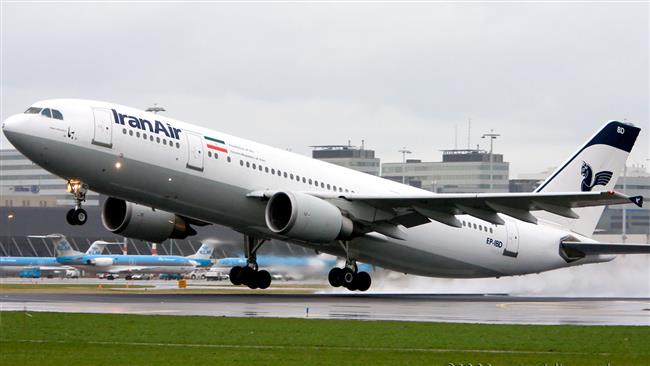
Abbas Akhoundi, Iran’s minister of roads and urban development, has told the media that comprehensive renovation plans have already been devised for the country’s flag-carrier airliner Iran Air as well as the leading private-sector aviation company Iran Aseman Airlines.

Akhoundi said the renovation plans for Iran Air and Iran Aseman Airlines will be carried out by using the export credits that Western states allocate to major plane makers as well as other related mechanisms such as the wet and dry leasing.

This, he said, will help Iran regain its previous position as a key aviation hub in the region.

Iran and the P5+1 group of countries – the five permanent members of the Security Council plus Germany – announced agreement on a Joint Comprehensive Plan of Action (JCPOA) after marathon talks in Vienna this past Tuesday.

Based on the JCPOA, some sanctions against Iran will be lifted in return for the country’s steps to limit certain aspects of its nuclear energy program. A key part of the sanctions that are to be lifted are those that target Iran’s aviation industry.

Iranian officials have said the county will need 400-500 civilian aircraft worth at least $20 billion in the next decade to renovate its aging fleet which has suffered under years of US and European sanctions.

Major aircraft manufacturers such as Boeing and Airbus have already indicated intention to start selling planes to Tehran.

Iran offers India $8 billion of projects

Chabahar

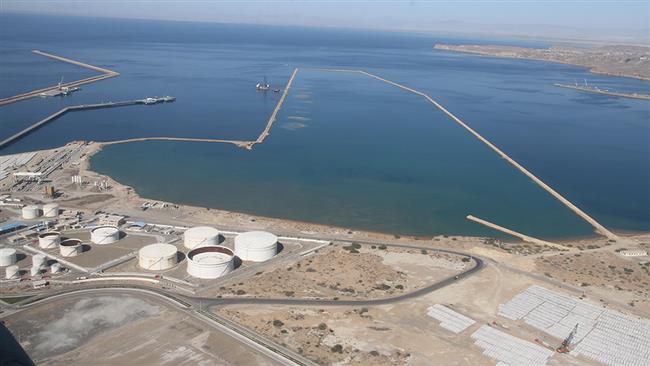
The two countries signed an MoU in May for Chabahar’s development in southeast Iran but a commercial accord is needed to implement the pact.

New Delhi wants to use the port’s potentials for connectivity, including its terminals to operate container and multi-purpose cargo ships for trade with Afghanistan and the Central Asian countries.

Ambassador Gholamreza Ansari said President Hassan Rouhani had offered Prime Minister Narendra Modi an expanded role for India to play in Iran’s connectivity plans.

“Connectivity is the main policy of Modi that coincides with Iran’s government policy. We have offered them, in connectivity, $8 billion of projects,” the Indian media quoted Ansari as saying.

Iran is fleshing out the transportation network on its southern coasts as it is developing an integrated transit corridor which connects the Persian Gulf to the Caspian Sea for a link with the Central Asia and beyond.

The International North–South Transport Corridor between India, Russia, Iran, Europe and the Central Asia for freight transportation by the ship, rail, and road will join the Silk Road — an ambitious plan championed by China to revive the ancient international trade route.

Rouhani’s meeting with Modi came during recent summits of BRICS and Shanghai Cooperation Organization (SCO) nations in the Central Asian city of Ufa in Russia.

Ansari cited a “golden time” for India to seize on investment opportunities in Iran after the conclusion of nuclear negotiations between the Islamic Republic and the P5+1 group of countries.

The focus is now on the removal of sanctions, with many governments and international companies having already started scouting business prospects in the country.

“The potential between Iran and India is great but we were just facing such a wall of sanctions, wall of American pressure,” Ansari said.

The ambassador urged India to put aside its past procrastination, citing Iran’s giant Farzad B gas field which New Delhi had been offered exceptional privileges to develop.

Ansari said the Indians were still the “first priority” to develop the field but “if they drag their feet, the market will not wait”.

India also plans a $3 billion aluminum smelter complex in Iran, its media said this week. The project was mooted in 2014 but India has been cooling its heels for the removal of the sanctions.

The country’s National Aluminium Co. is now seriously considering to implement the project after Iran and the P5+1 finalized their nuclear negotiations, media reports said.

President Rouhani congratulates nation on Eid al-Fitr, nuclear victory

President Rouhani Invites Malaysian King to Visit Iran

This year, we are in the middle of two spritual and political feasts, he wrote in a message, one marking the religious piety and other the national determination as the countries centrifuges are spinning and Iran’s economy is on the verge of transformation.

‘We were patient on abstaining from eating and drinking and from committing sin and managed to reach Eid al-Fitr, likewise, we stood before pressure of sanction and economic and political hardships by adopting political piety and proved that we were only after peace in having access to nuclear knowledge and that no individual or government can deny it from us.’

‘Thanks to our religious piety’, he added, ‘we proved our political piety so that the world can prove its honesty.’

Today, wrote President Rouhani, the centrifuges of Iran are spinning and the country’s economic wheel is on the verge of a transformation toward great boom.

Senior cleric: Nuclear deal was a big victory

Makarem Shirazi

A senior Iranian cleric has said that the Supreme Leader’s sagacious prudence and unwavering support set the stage for the establishment and people to walk down the path of honor and pride [during and after nuclear talks].

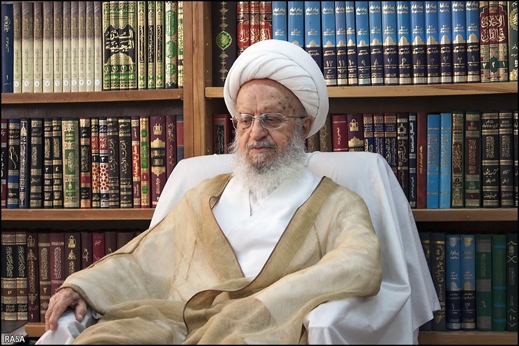
Grand Ayatollah Nasser Makarem Shirazi, a Shiite source of emulation, made the remark in a meeting with Mohammad Nahavandian, President Rouhani’s Chief of Staff on July 15 and added that he had always prayed for the success of Iran’s nuclear negotiators and the fruitfulness of nuclear talks which proved to be tough and complex.

Fararu.com on July 16 released a report on the meeting between the grand ayatollah and the government official one day after Iran and six world powers clinched a landmark nuclear deal in Vienna following 18 days of marathon talks in the Austrian capital. The following is the translation of the report:

The senior cleric expressed satisfaction with the conclusion of the historic deal, thanked the Iranian nuclear team for their efforts and congratulated them on this victory [inking the nuclear deal]. He said that the deal was a big victory [for Iran] and showed the ineffectiveness of opposition by the Zionist regime and its dismay and desperation.

He went on to say that the world welcomed the deal, adding this makes the ill-wishers of the Iranian nation pay a dear price for their opposition [to the deal] or failure to live up to their commitments [under the nuclear deal] and helps implement the deal successfully.

Ayatollah Makarem Shirazi further said that the government has prudently helped the nuclear case end conclusively, advising the Cabinet to provide people with transparent information on the nuclear deal so that certain individuals cannot kill people’s hope and jubilation and destroy the public trust in officials on different grounds.

He also highlighted the need for the management of the increased expectations which people may hold and hope to see the government immediately remove the existing problems as a result of the nuclear deal.

The grand ayatollah praised the Supreme Leader’s support for the government and the nuclear negotiating team as very important, saying that some had prepared themselves to oppose the nuclear deal, but the Leader’s sagacious prudence and his immediate and timely support [for nuclear talks] cleared the way for people and the establishment’s officials to walk down the path of honor and pride.

Nahavandian, for his part, said that the government owes its success to the prayers and sound guidance of the sources of emulation.

The president’s chief of staff also provided the senior cleric with a report on the government’s main plans and briefed him on the key details of the nuclear deal Iran and P5+1 struck on Tuesday (July 14).

Rouhani urges P5+1 to abide by commitments in nuclear talks

Rouhani

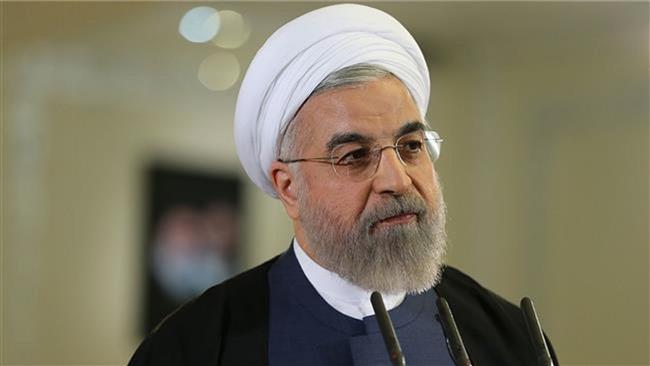
President Rouhani made the remarks in a telephone conversation with British Prime Minister David Cameron on Thursday.

“We are happy that we reached a win-win outcome in the negotiations,” Rouhani said, adding that “it is necessary for all members of the P5+1 group to make effort for the implementation of the next steps of the agreement.”

The phone conversation came two days after Iran and the P5+1 group — the United States, Britain, France, China, Russia and Germany — reached a conclusion on the Joint Comprehensive Plan of Action (JCPOA) in the Austrian capital city of Vienna. The JCPOA will put limits on Iran’s nuclear program in exchange for the removal of sanctions against the Islamic Republic.

The United States on Wednesday submitted a draft resolution to the United Nations Security Council on the outcome of the nuclear talks between Tehran and the world powers. The draft resolution seeks formal UN endorsement of the outcome of the talks, and according to diplomatic sources, a vote on it could come as early as July 20 or 21.

The Iranian president also appreciated the constructive role of Britain during the negotiations, saying, “Commitment of both sides to fulfilling their obligations is the most important factor for the success of the executive process of the negotiations.”

He further referred to the relations between Iran and Britain, saying, “We seek relations based on mutual respect and interest, and I think there exists the necessary potential to rebuild relations between Iran and Britain.”

Rouhani also referred to violence perpetrated by ISIL and other terrorist groups in the Middle East as “a pressing and dangerous issue” for the region.

He mentioned Iran’s role in stabilizing the region and fighting against terrorism, stressing that if countries “do not do all within their power in fighting terrorism, this ominous phenomenon will afflict many countries, including those in Europe.”

The Iranian president also highlighted the suffering of Yemeni people in the face of the Saudi aggression against their country, saying that the Saudi bombardment of “innocent people is not acceptable” to Iran.

Riyadh launched its military aggression against Yemen on March 26, without a UN mandate. More than 3,000 people, including 1,500 civilians, have been killed over the past three months in the impoverished Arab country, according to the United Nations.

Cameron, for his part, congratulated Rouhani on the conclusion of the nuclear talks between Iran and the P5+1 countries, and thanked the Iranian president for the constructive role he played during the negotiations.


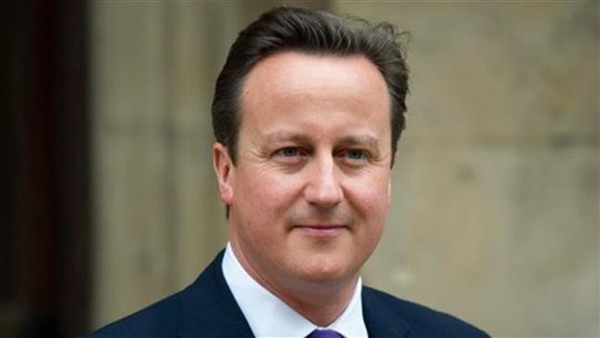
British Prime Minister David Cameron


Cameron also affirmed that the P5+1 countries will try to help the implementation of the nuclear accord in the next phases.

Referring to the threat of terrorism in the Middle East, the British prime minister said necessary measures should be taken to uproot terrorism in the region.

The two sides also discussed the reopening of the two countries’ respective embassies.

In November 2011, Iranian lawmakers voted by a large majority to downgrade diplomatic ties with the UK in response to its decision to impose sanctions on the Central Bank of Iran over the allegation that Tehran is pursuing non-civilian objectives in its nuclear program.

Nearly two years after their diplomatic ties were severed, Iran and Britain agreed in October 2013 to appoint non-resident chargés d’affaires as a first step toward reopening of their respective embassies.