Thursday, December 25, 2025
Home Blog Page 477

Israeli military Jenin raid enters 2nd month; mass displacement in West Bank

Palestine Israel

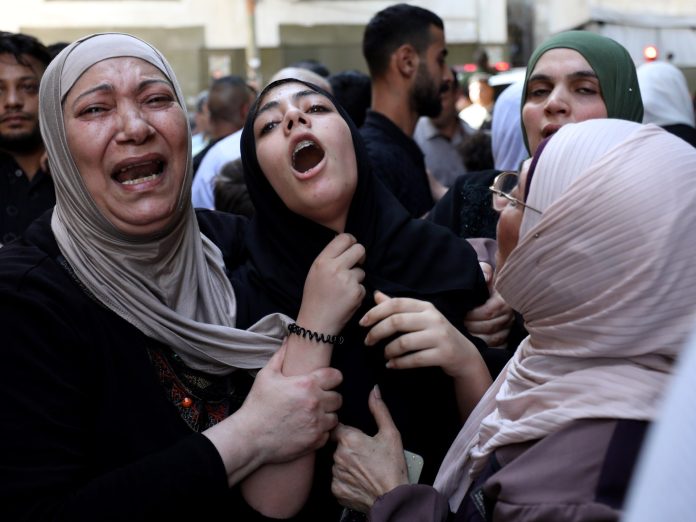
Wednesday marks 30 days since Israeli forces began their assault on Jenin which then spread to other parts of the northern West Bank, including Tulkarem and its Nur Shams refugee camp. At least 26 Palestinians have been killed in Jenin since January 21.

The army has also deployed hundreds of soldiers and bulldozers that demolished houses and tore up vital infrastructure in the overcrowded camp, forcing almost all of its residents out.

“We don’t know what’s going on in the camp but there is continuous demolition and roads being dug up,” said Mohammed al-Sabbagh, head of the Jenin camp services committee.

Speaking to reporters on Tuesday, Jenin Mayor Mohammed Jarrar said the Israeli army “adopted a pattern of random destruction” in the camp and its surroundings in order to make the camp “uninhabitable”.

The mass displacement of Palestinians from various parts of the West Bank in recent weeks marks the largest displacement operation in decades.

The camps, built for descendants of Palestinian refugees who fled or were driven from their homes in the 1948 Nakba around the creation of Israel, have long been major centres for resistance groups fighting Israeli occupation.

They have been raided repeatedly by the Israeli military but the current operation, which began as the ceasefire was agreed in the besieged and bombarded Gaza Strip, has been on an unusually large scale.

According to figures from the Palestinian Authority, about 17,000 people have now been forced out of Jenin refugee camp, leaving it almost deserted. In Nur Shams, 6,000 people, or about two-thirds of its population, have been forced out, with another 10,000 leaving from Tulkarem camp.

“The ones who are left are trapped,” said Nihad al-Shawish, head of the Nur Shams camp services committee.

“The Civil Defence, the Red Crescent and the Palestinian security forces brought them some food yesterday but the army is still bulldozing and destroying the camp.”

Israeli raids have demolished dozens of houses and torn up large stretches of roadway as well as cutting off water and power.

Humanitarian officials say they have not seen such displacement in the West Bank since the 1967 Middle East war, when Israel captured the territory west of the Jordan River, along with East Jerusalem and the Gaza Strip.

“This is unprecedented. When you add to this the destruction of infrastructure, we’re reaching a point where the camps are becoming uninhabitable,” said Roland Friedrich, director of West Bank affairs for UNRWA, the UN agency for Palestinian refugees.

Trump brands Zelensky ‘dictator’ for refusing to hold elections

Trump

“A dictator without elections, Zelensky better move fast or he is not going to have a country left,” Trump wrote on his Truth Social network page.

He also added that the US was “successfully negotiating” with Russia, unlike Europe, which “has failed to bring peace.”

Trump and Vladimir Putin had a telephone conversation on February 12. The two leaders discussed the issue of the cessation of hostilities in Ukraine, bilateral relations, and a number of other issues. They also agreed to continue contacts and organize a face-to-face meeting.
Kremlin Spokesman Dmitry Peskov emphasized that the conversation between the two leaders was “constructive, working, friendly.”

On February 18, the Russian and US delegations held talks in Riyadh that lasted about 4.5 hours. According to Kremlin aide Yury Ushakov, the delegations had a serious conversation on all the issues they wanted to address, including discussion of the rapprochement of the positions of Russia and the United States and contacts on Ukraine.
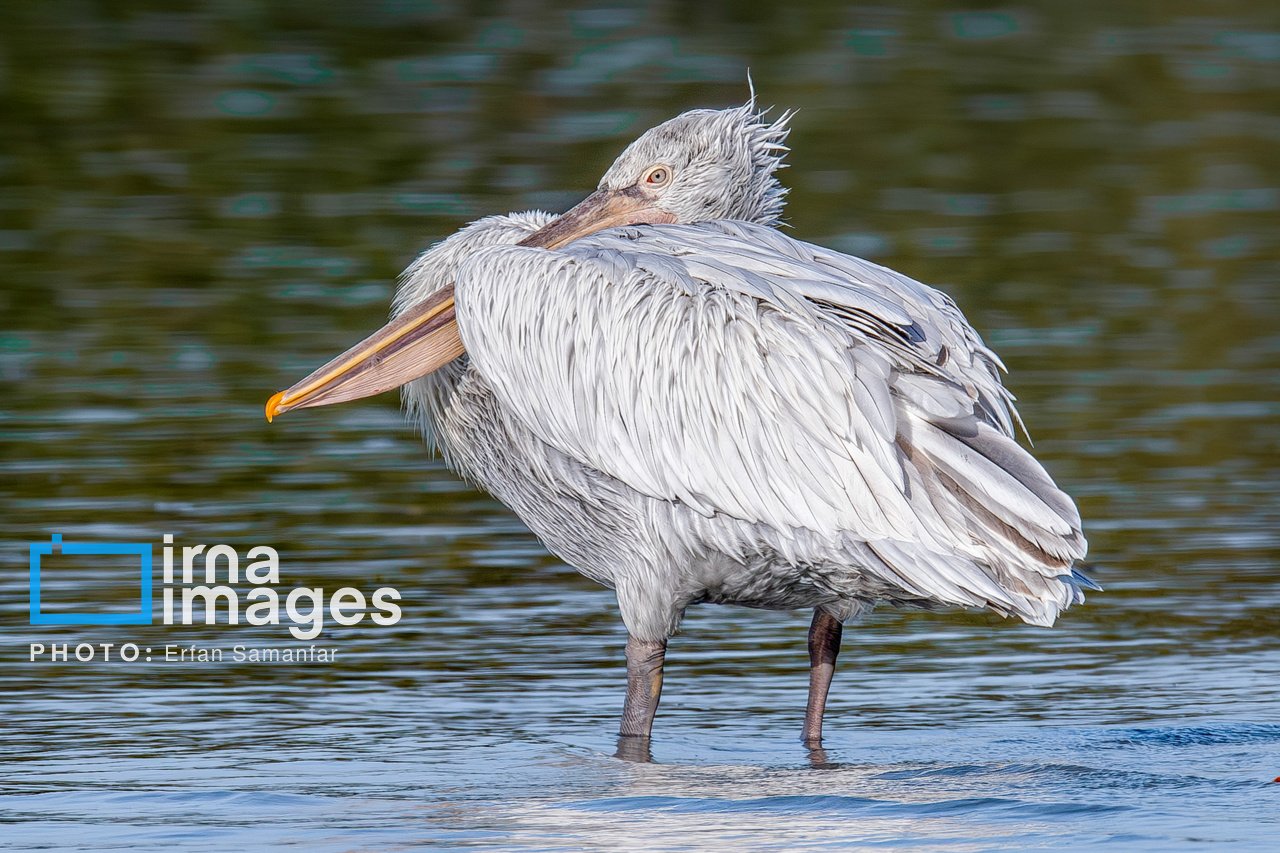
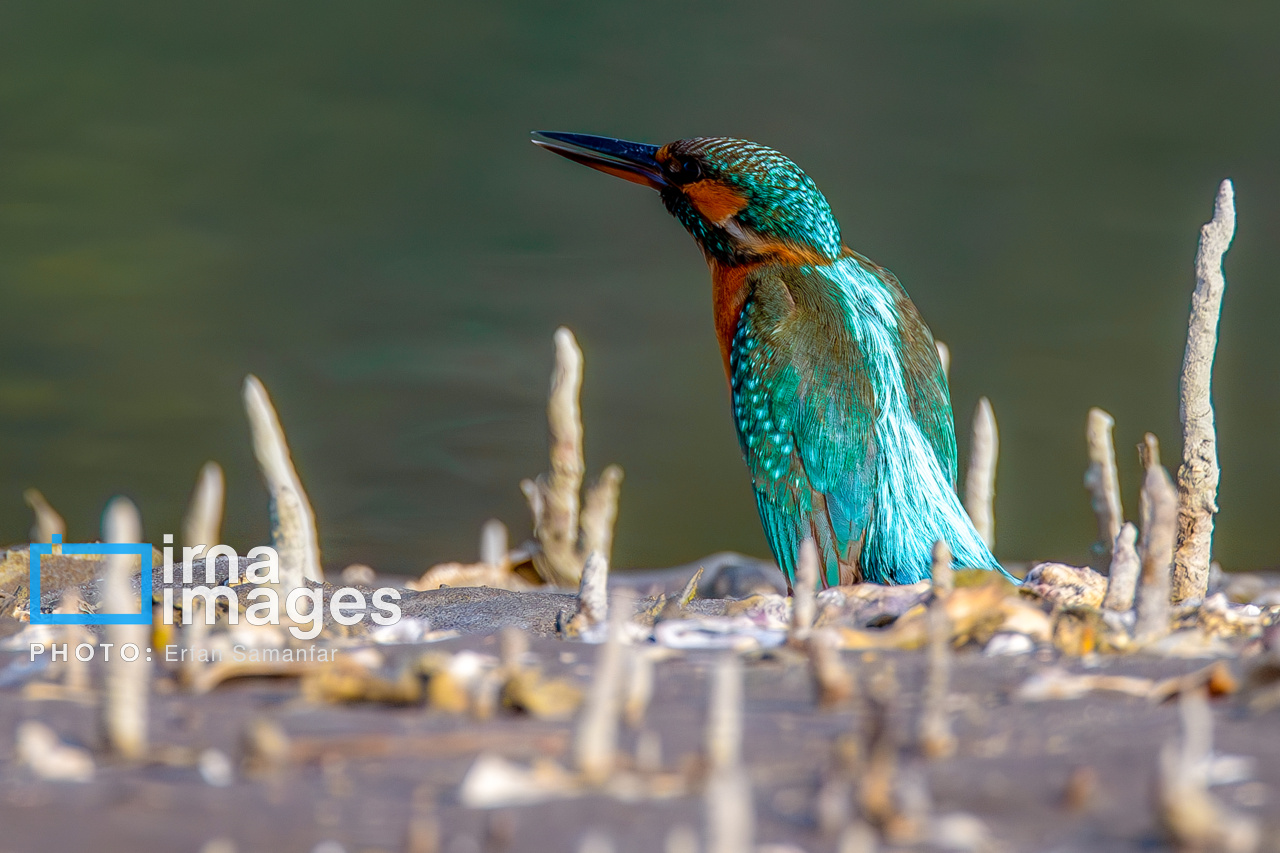
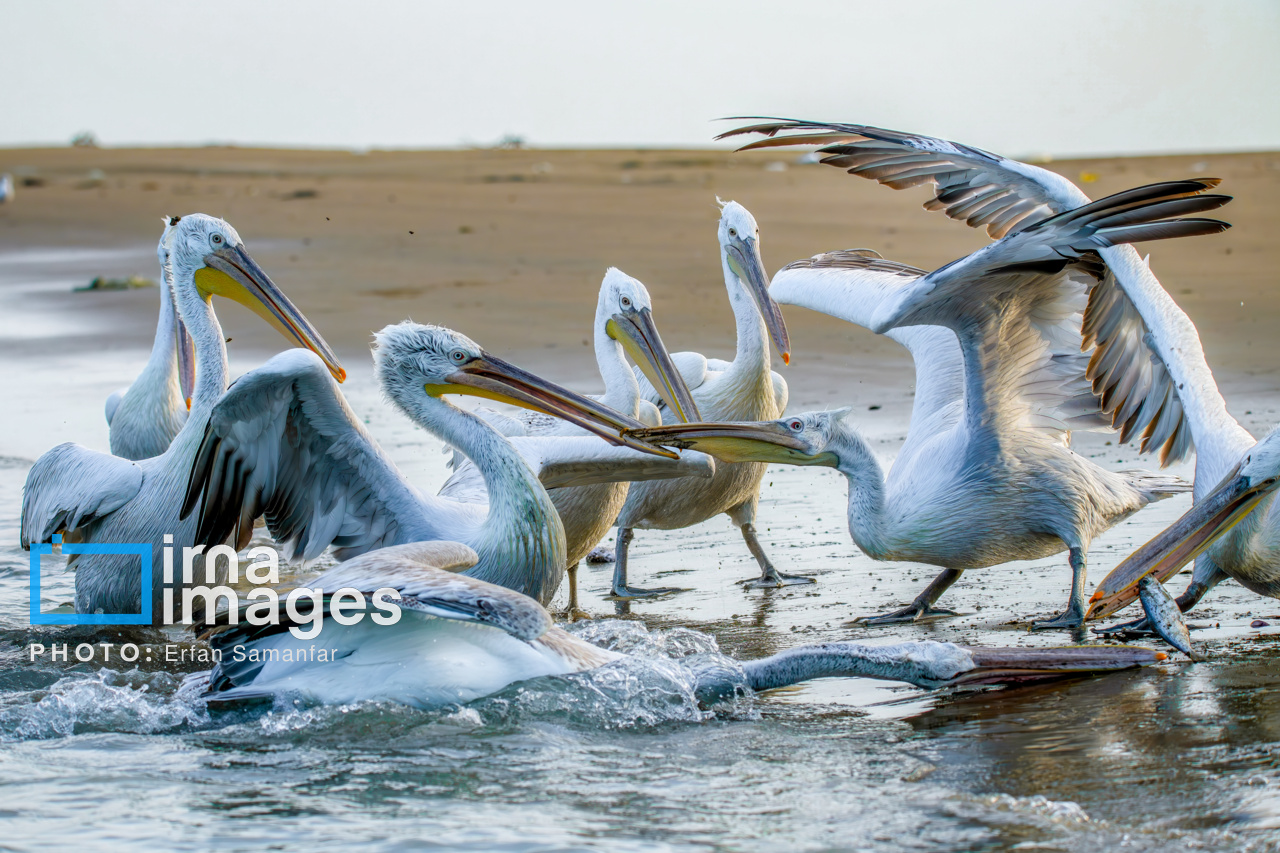
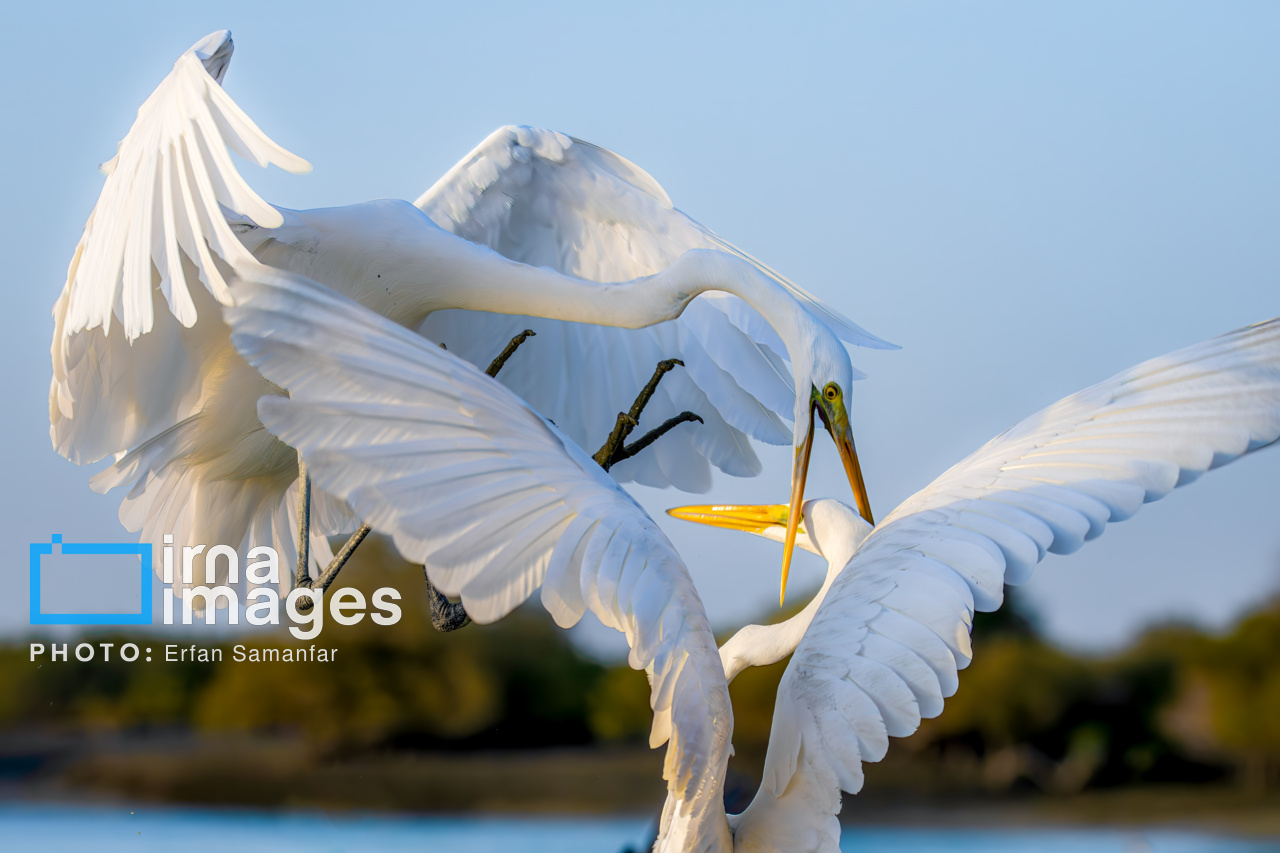
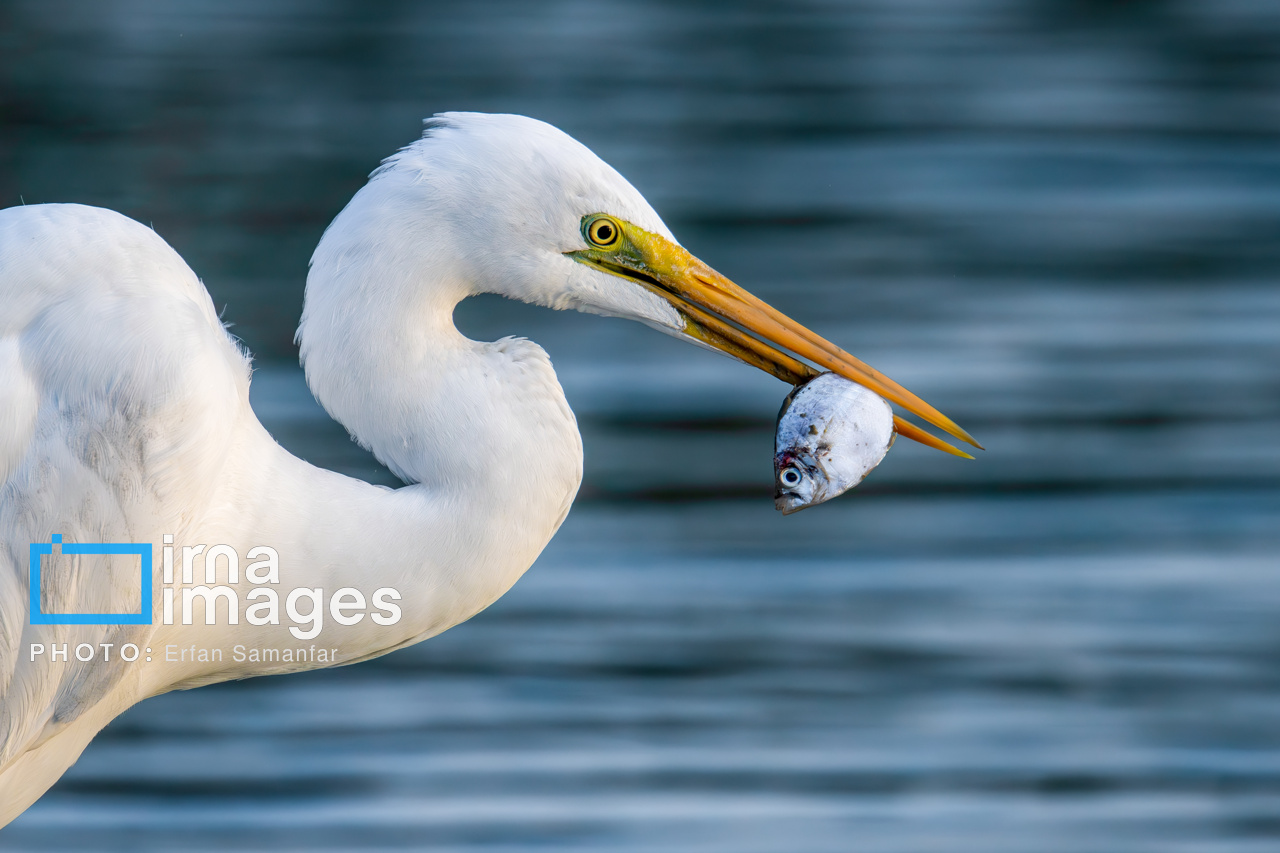
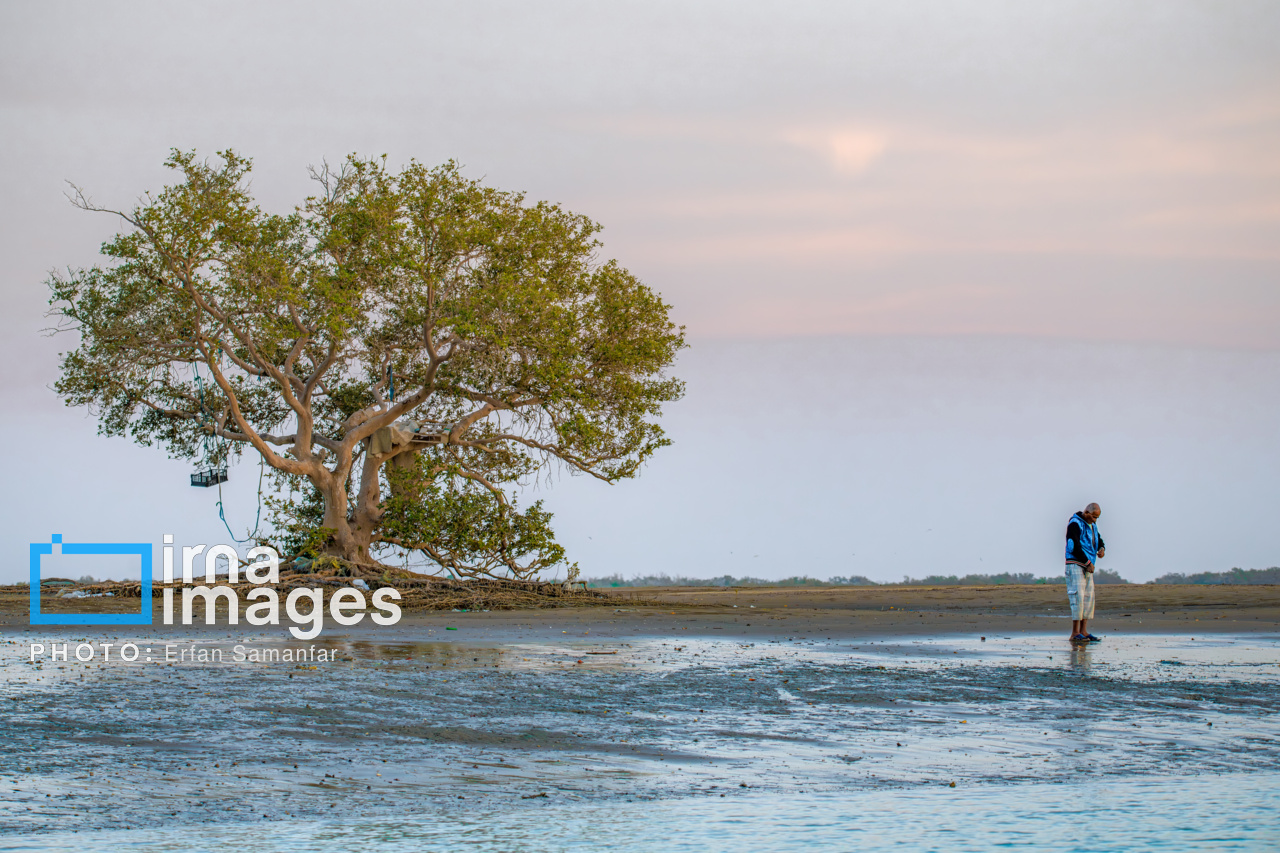
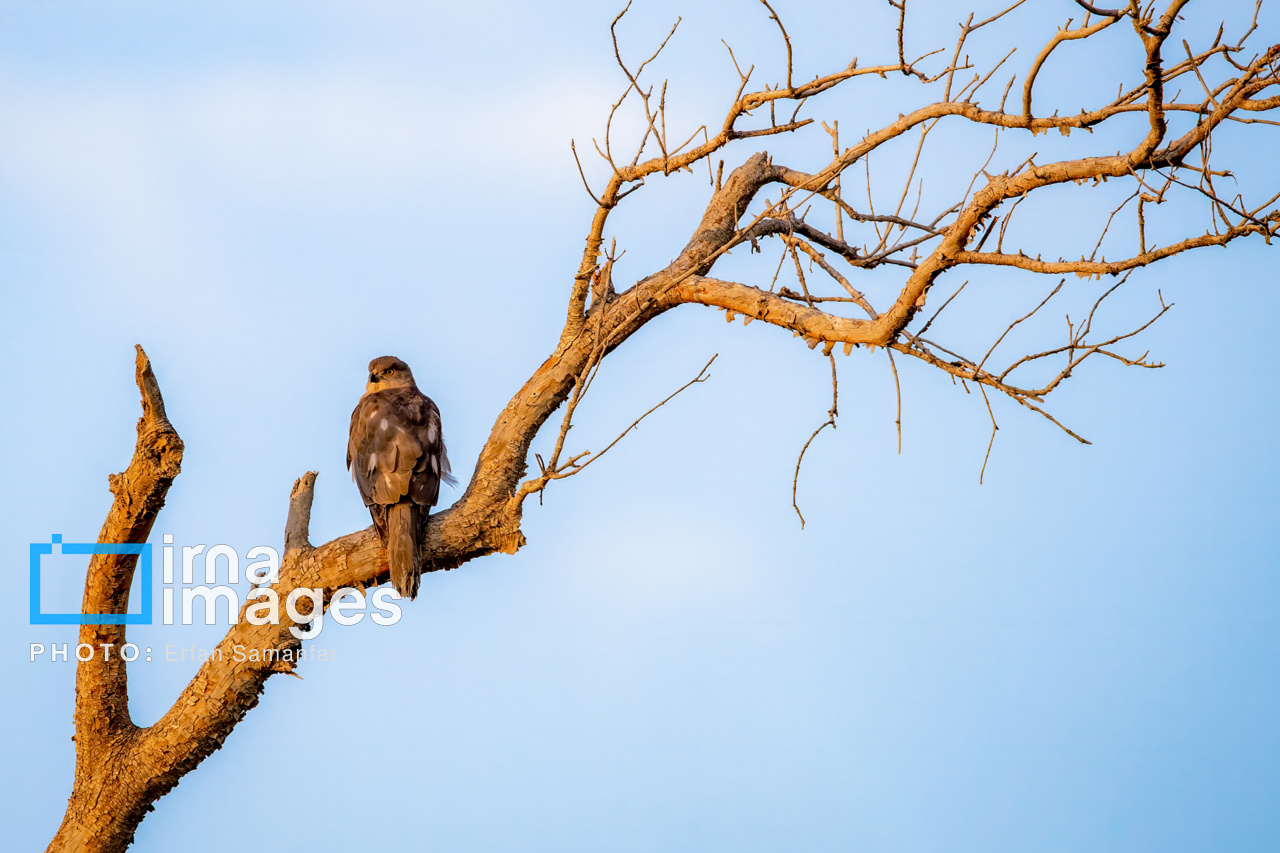
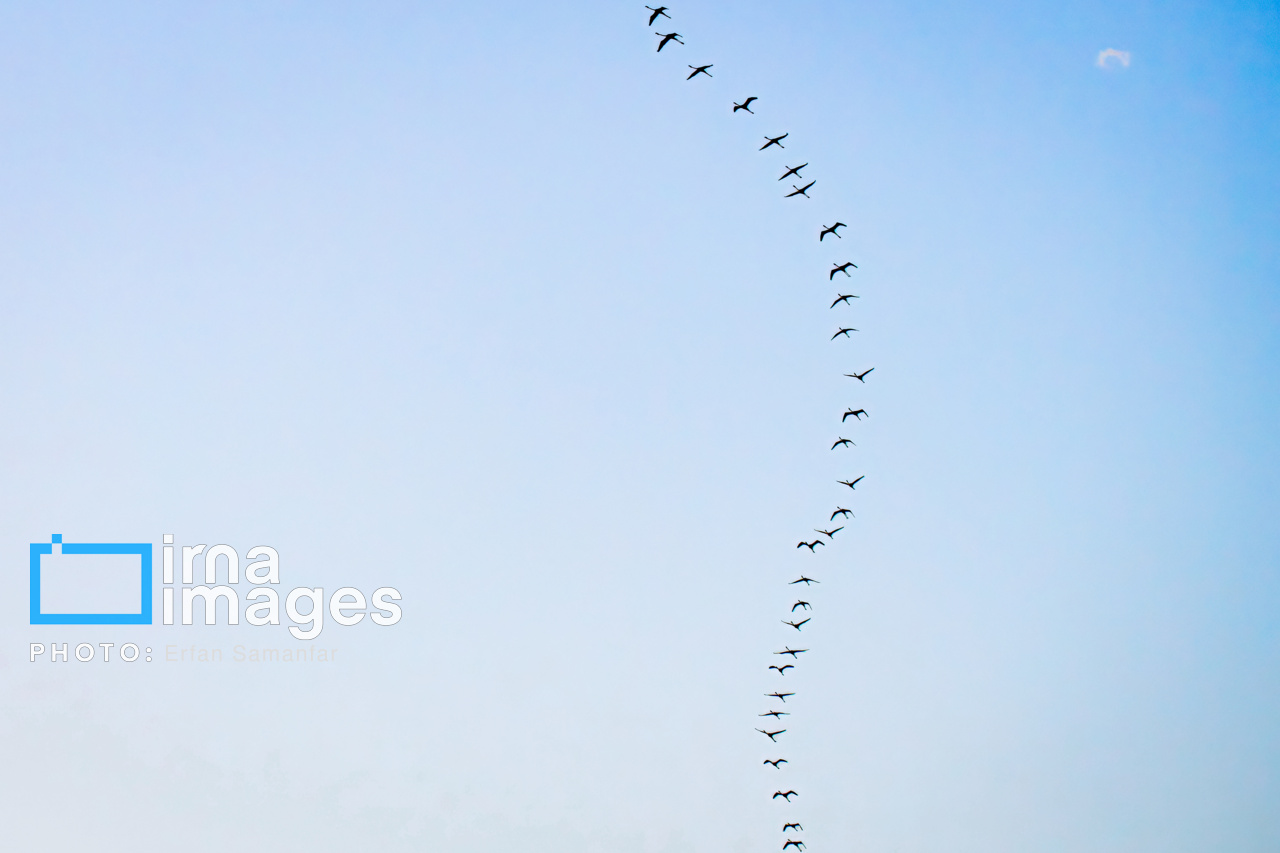
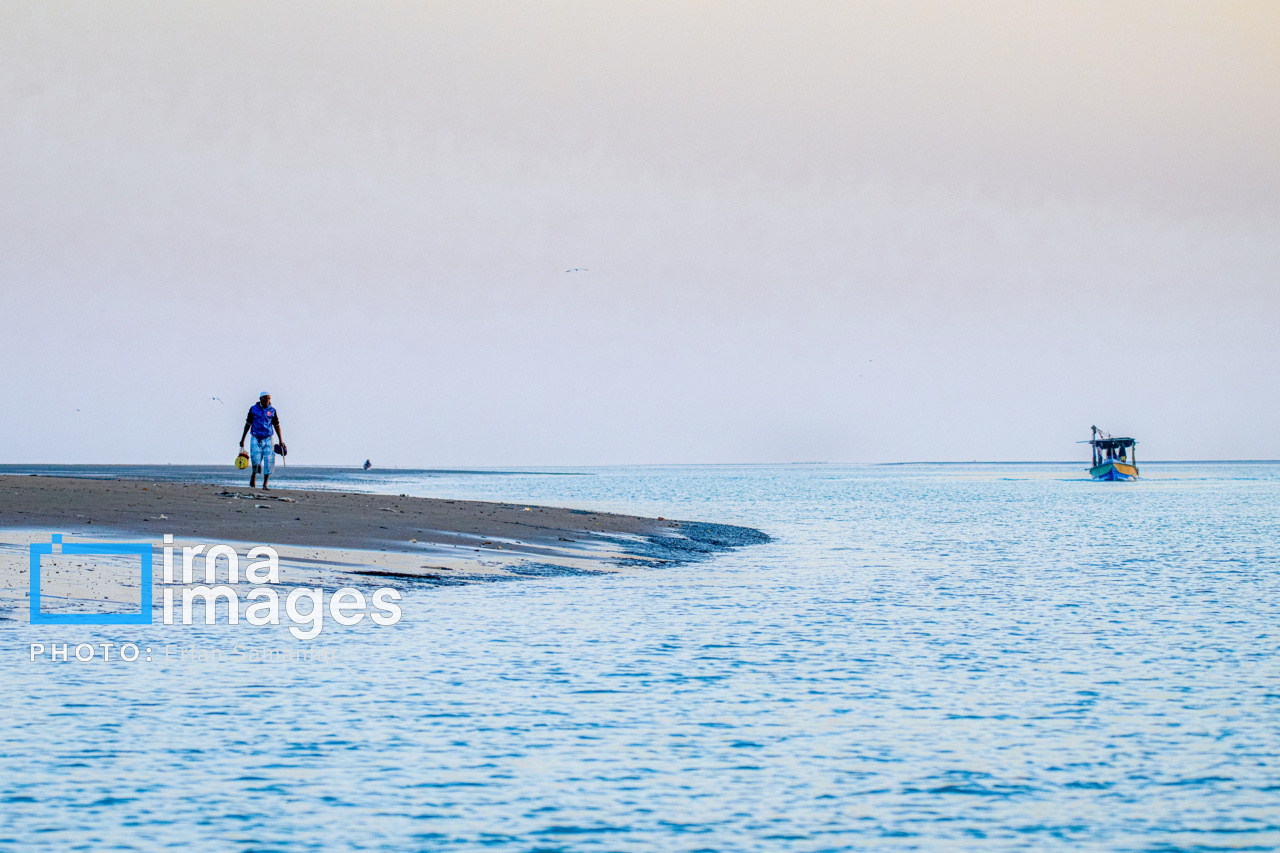
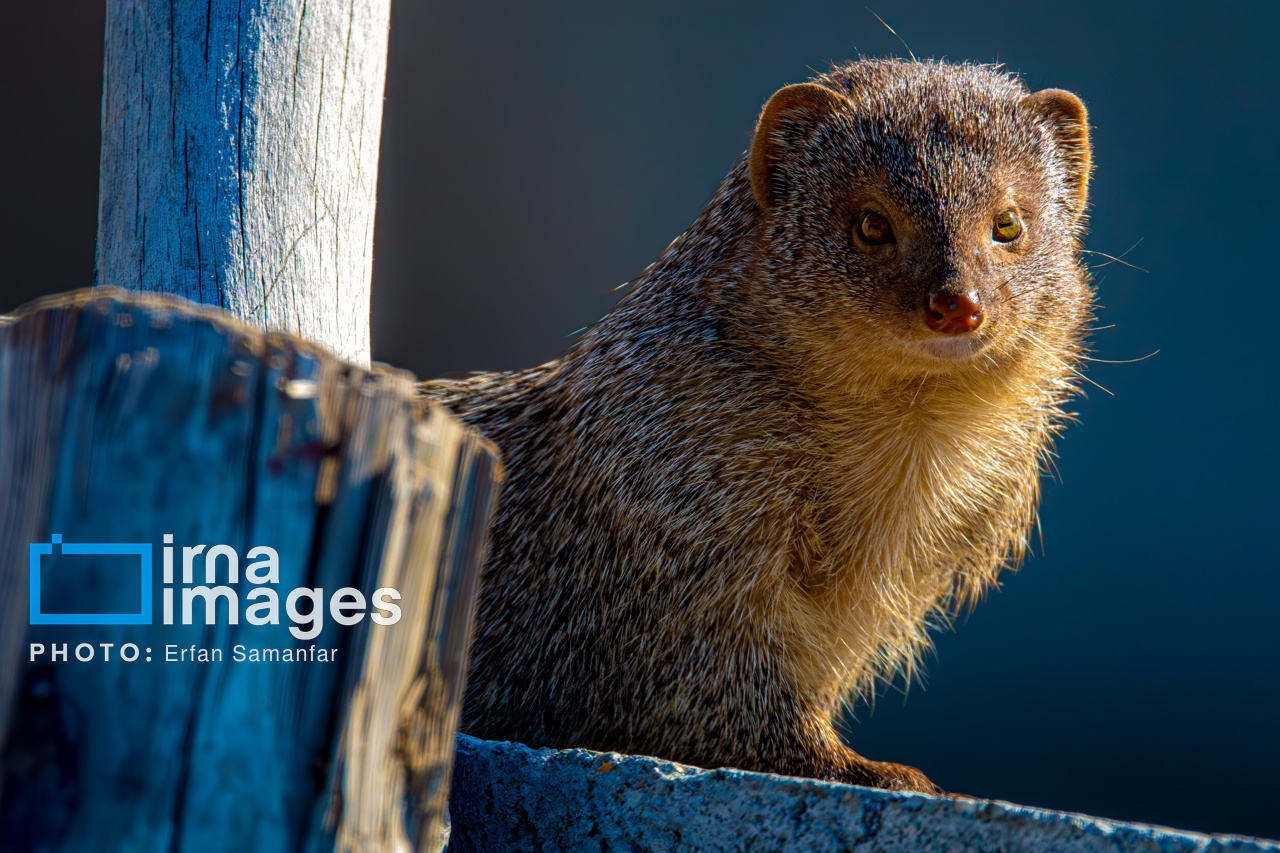
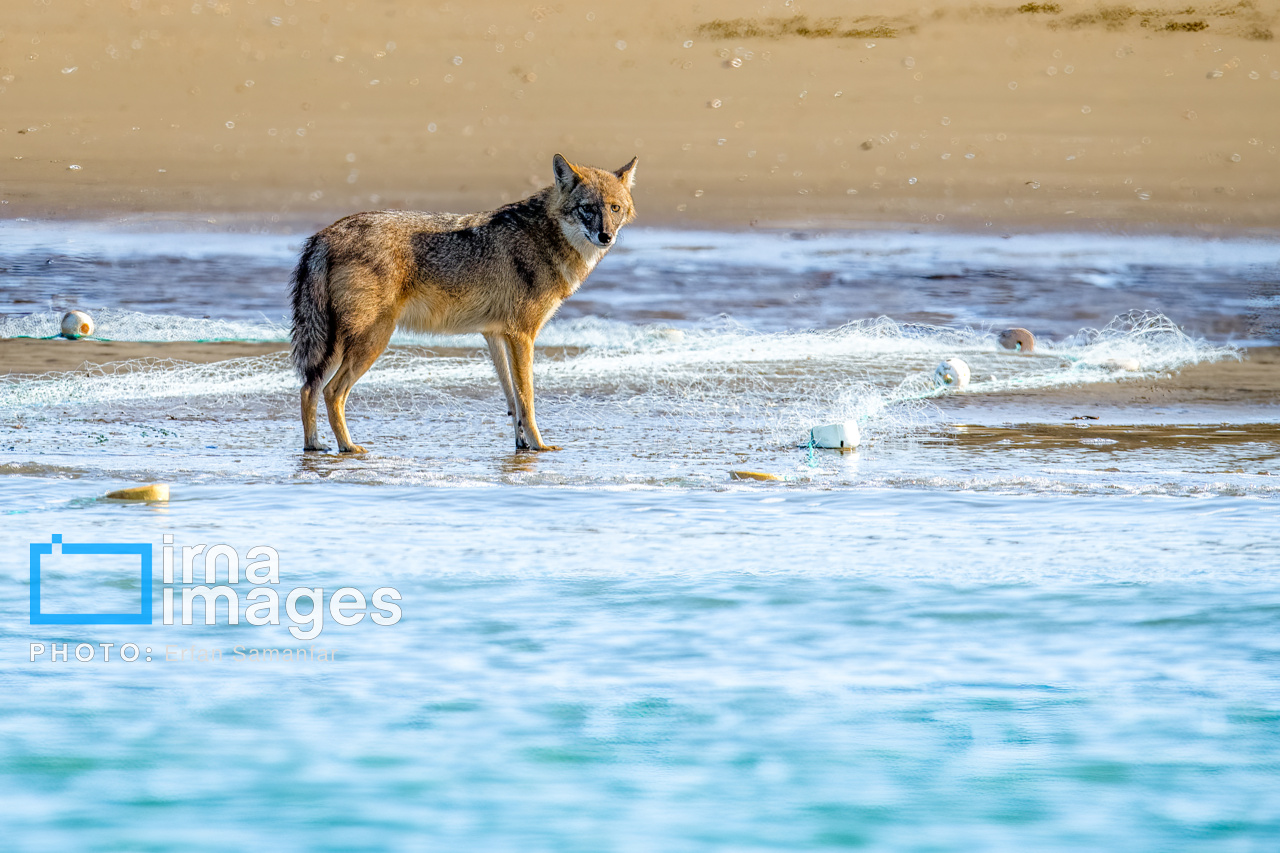
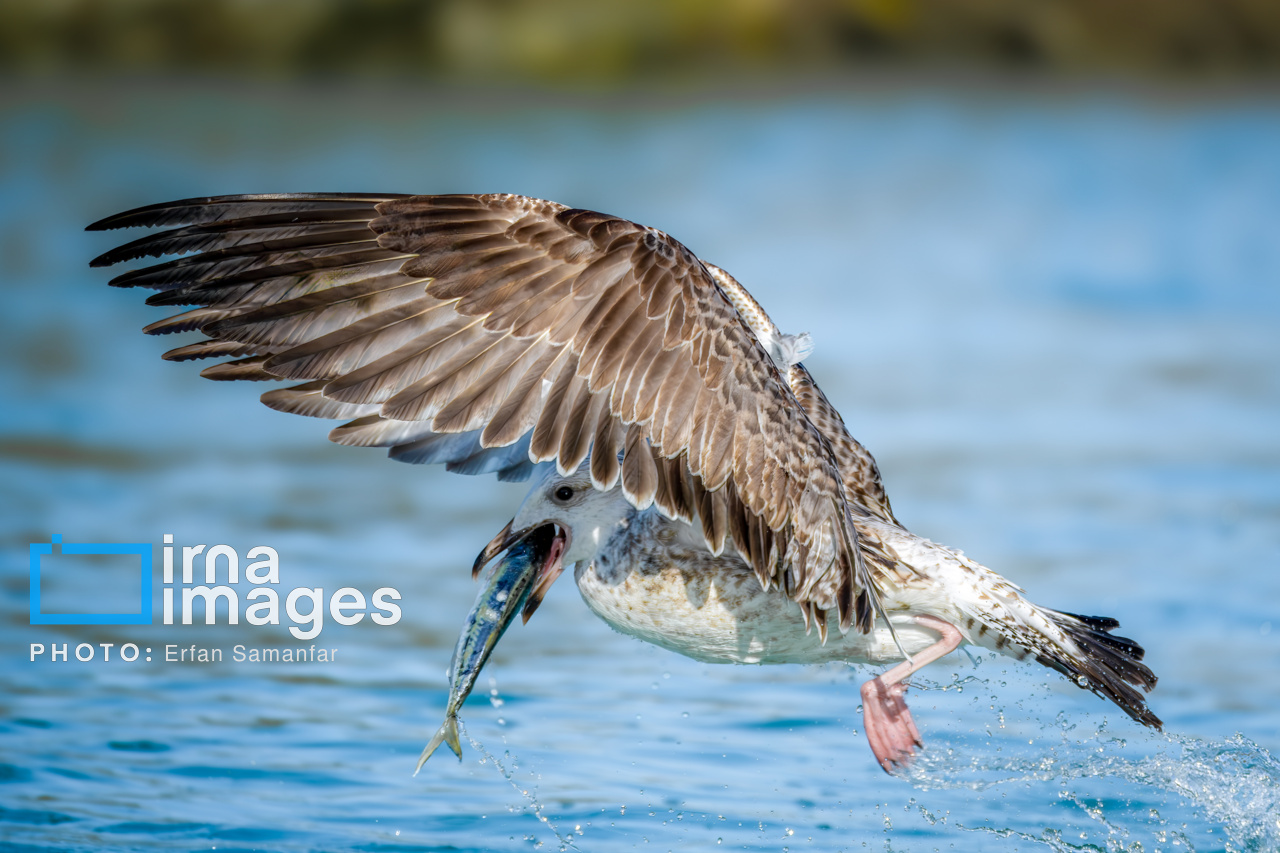
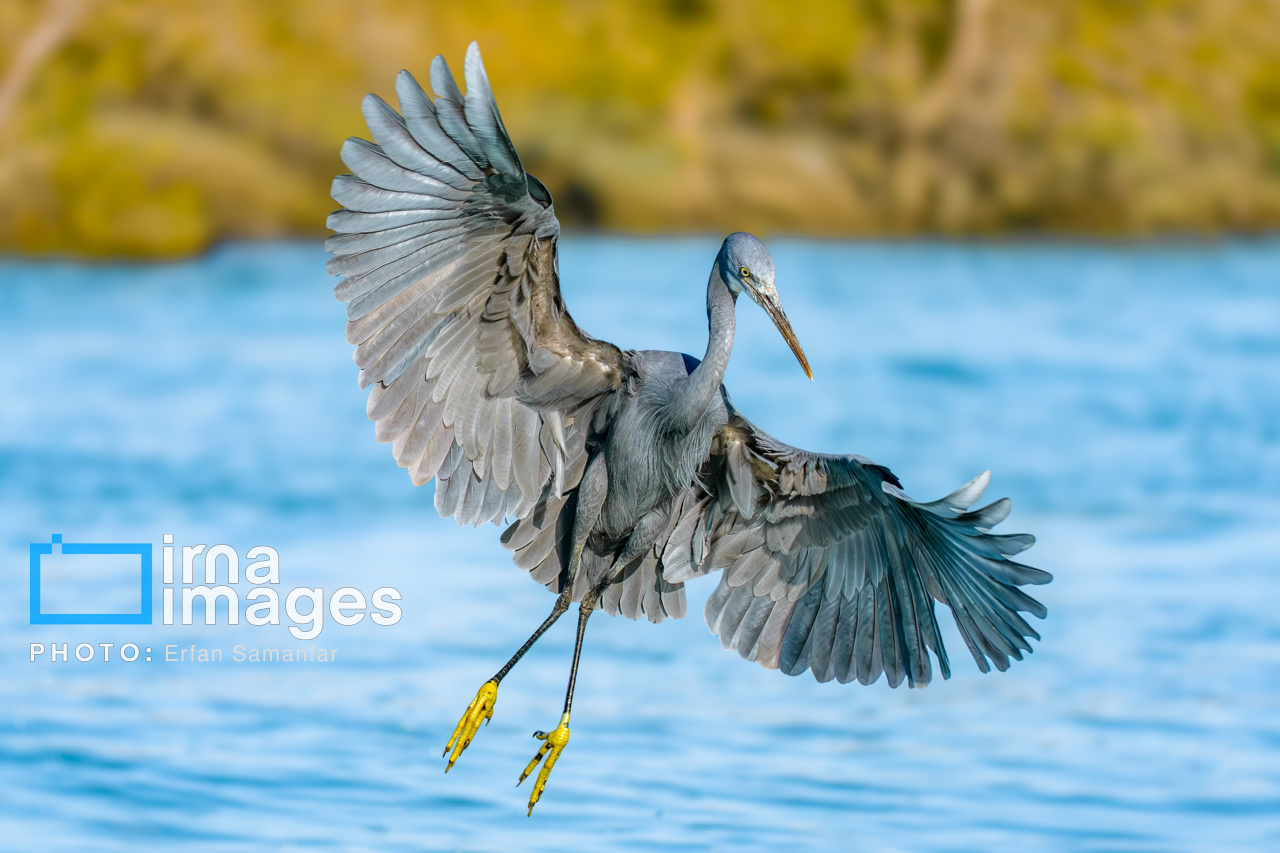
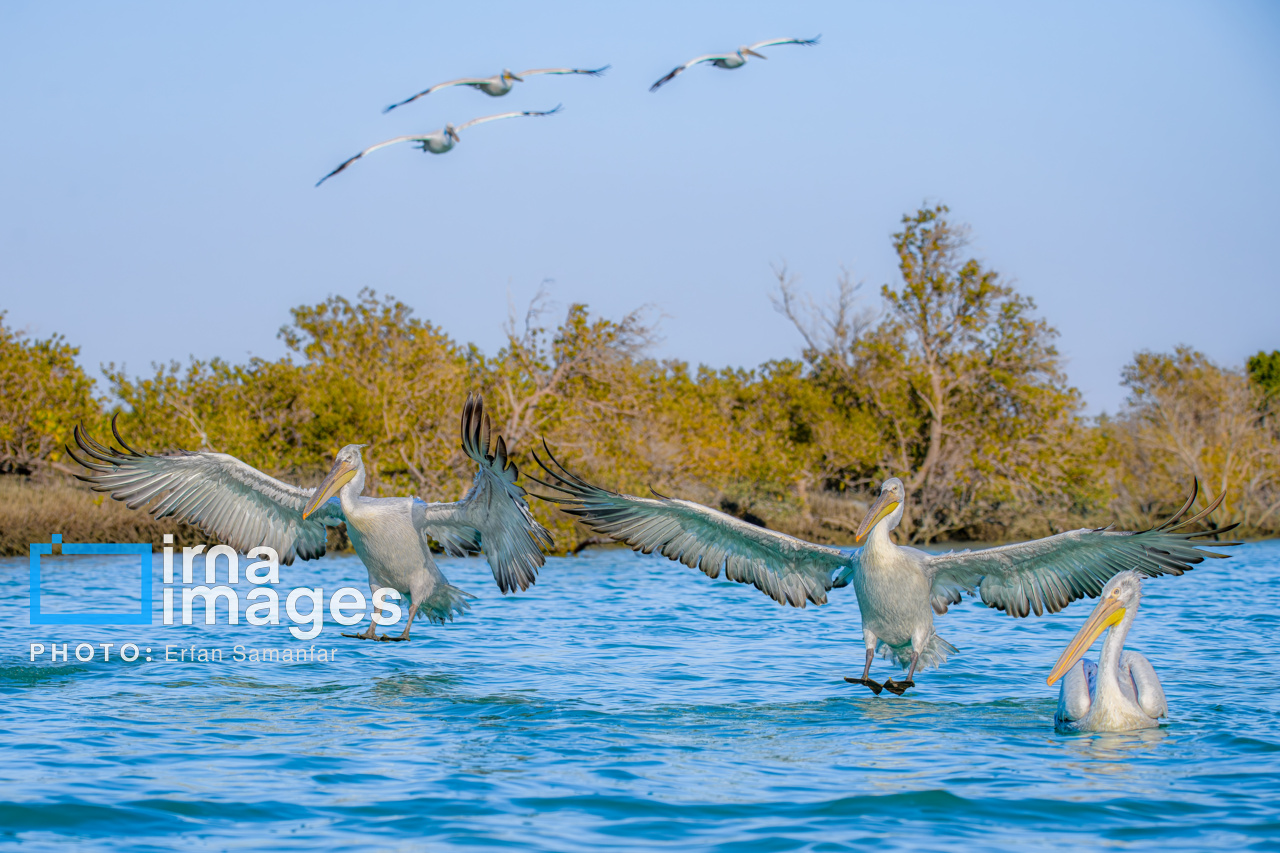
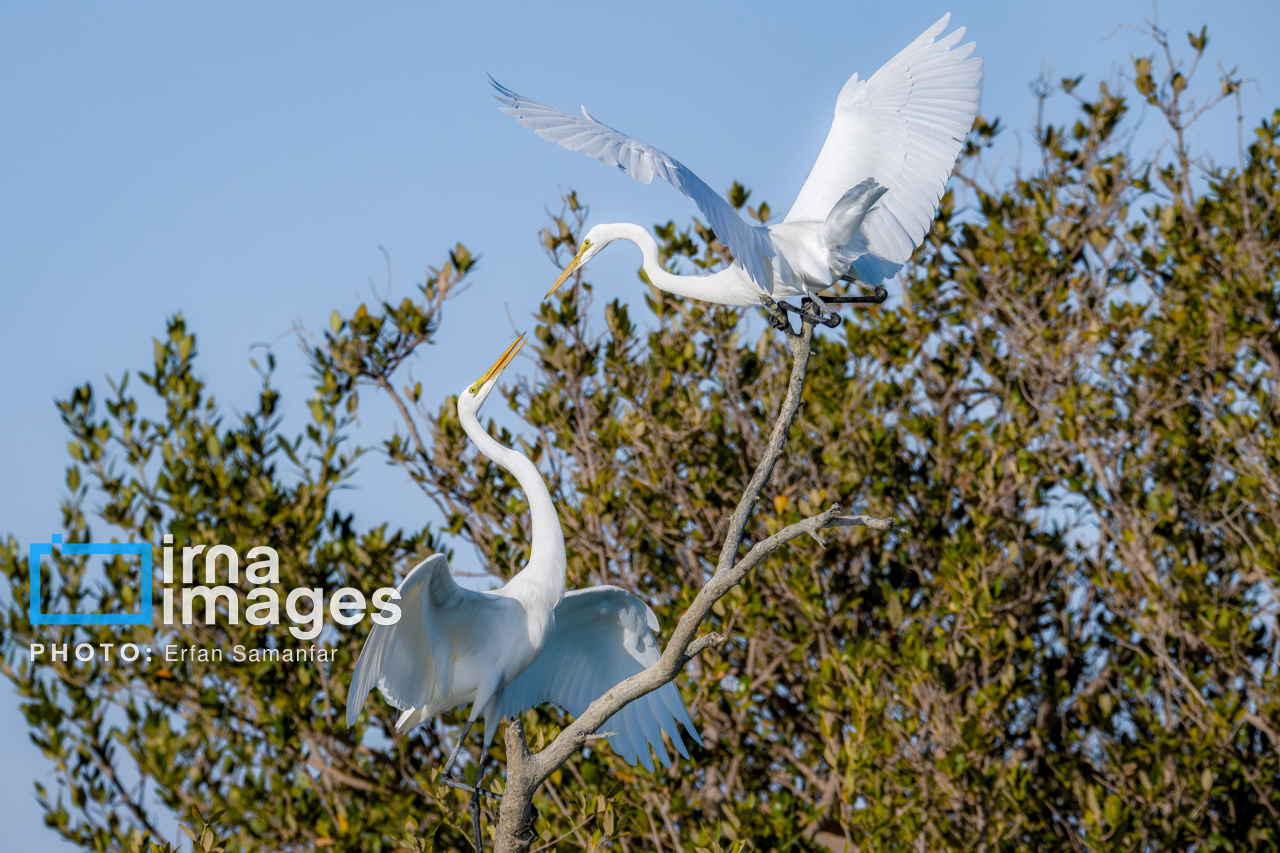
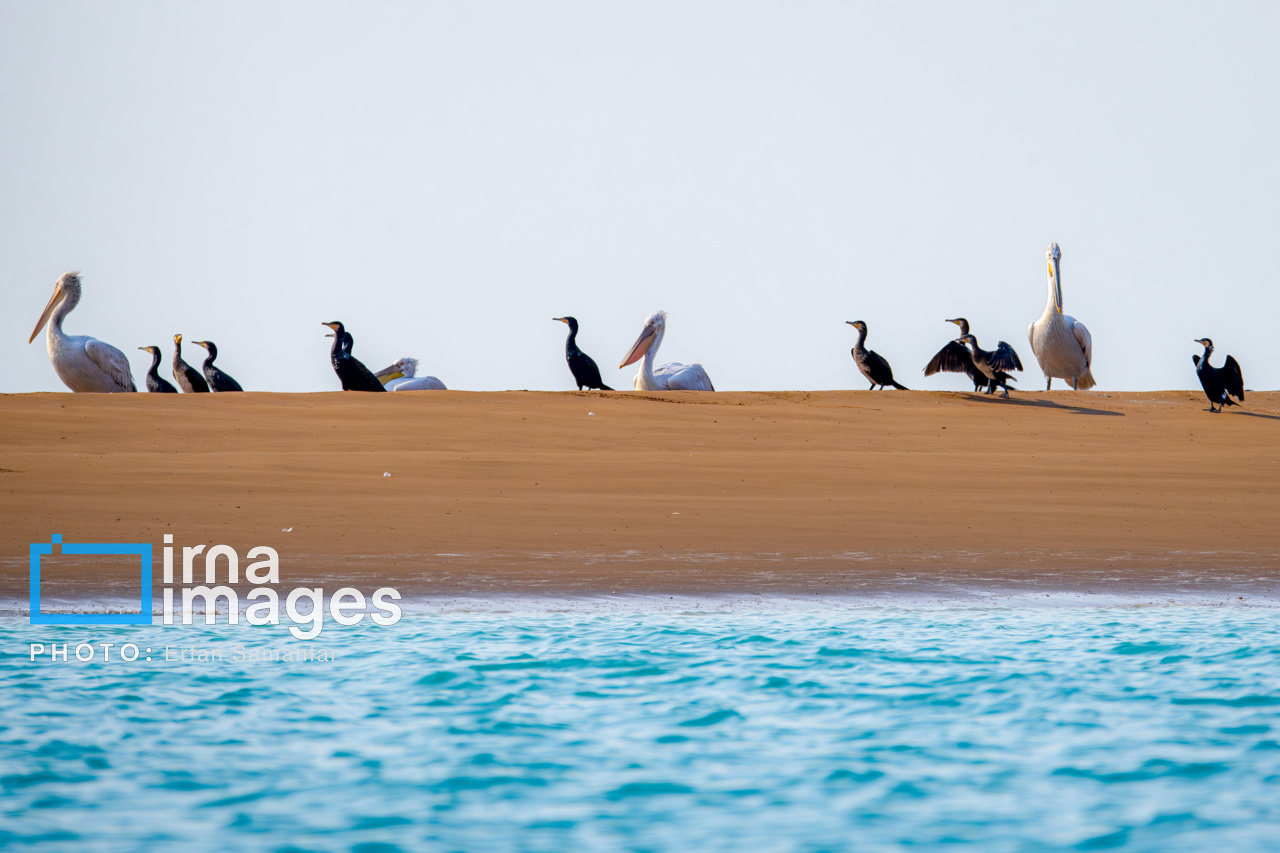
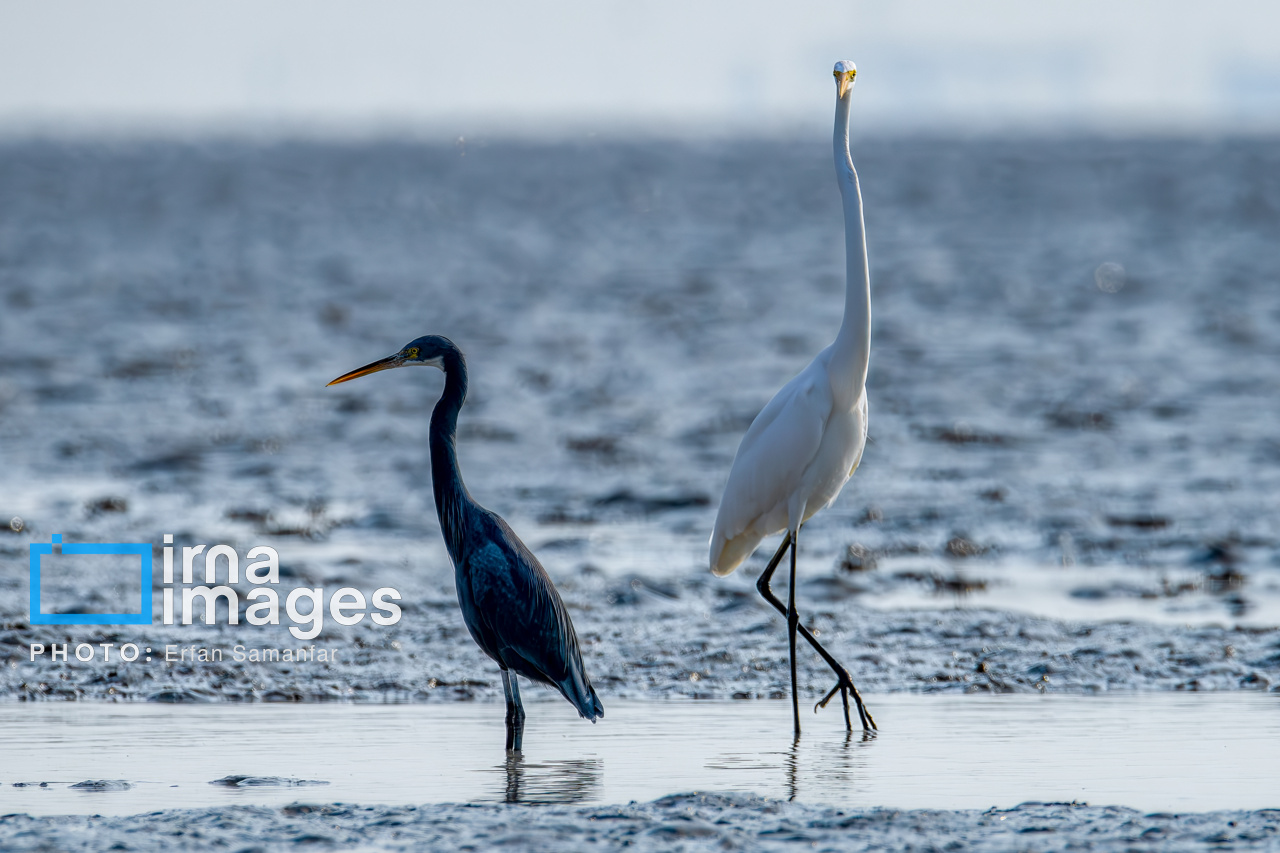
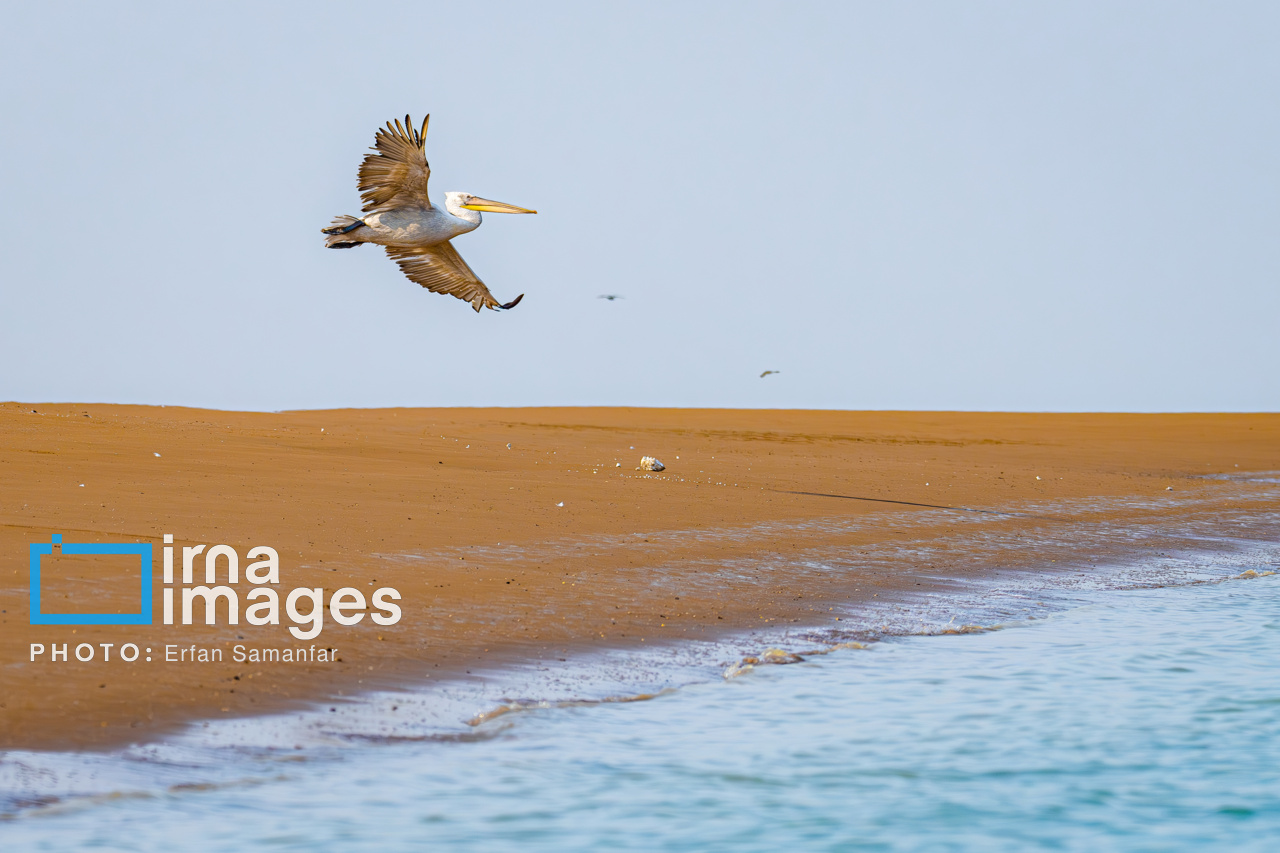
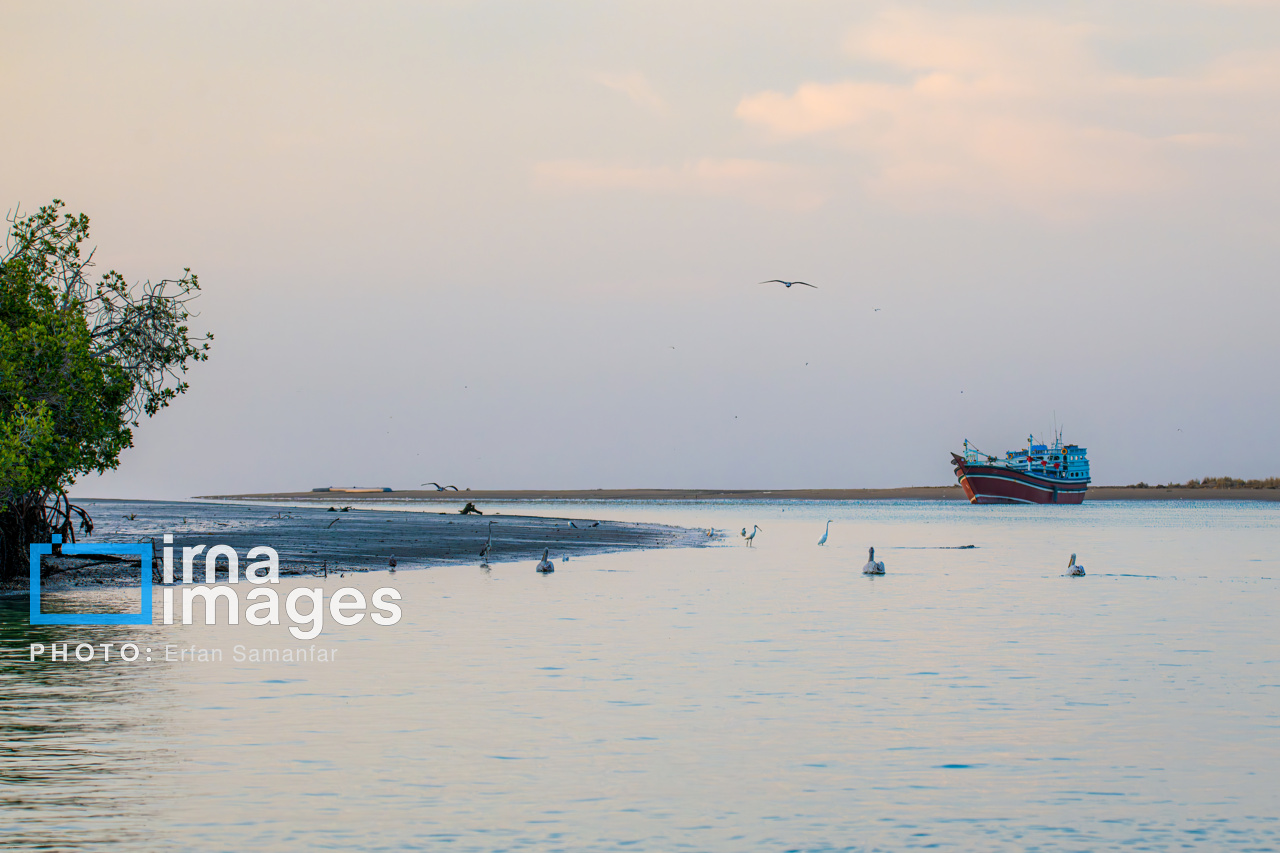
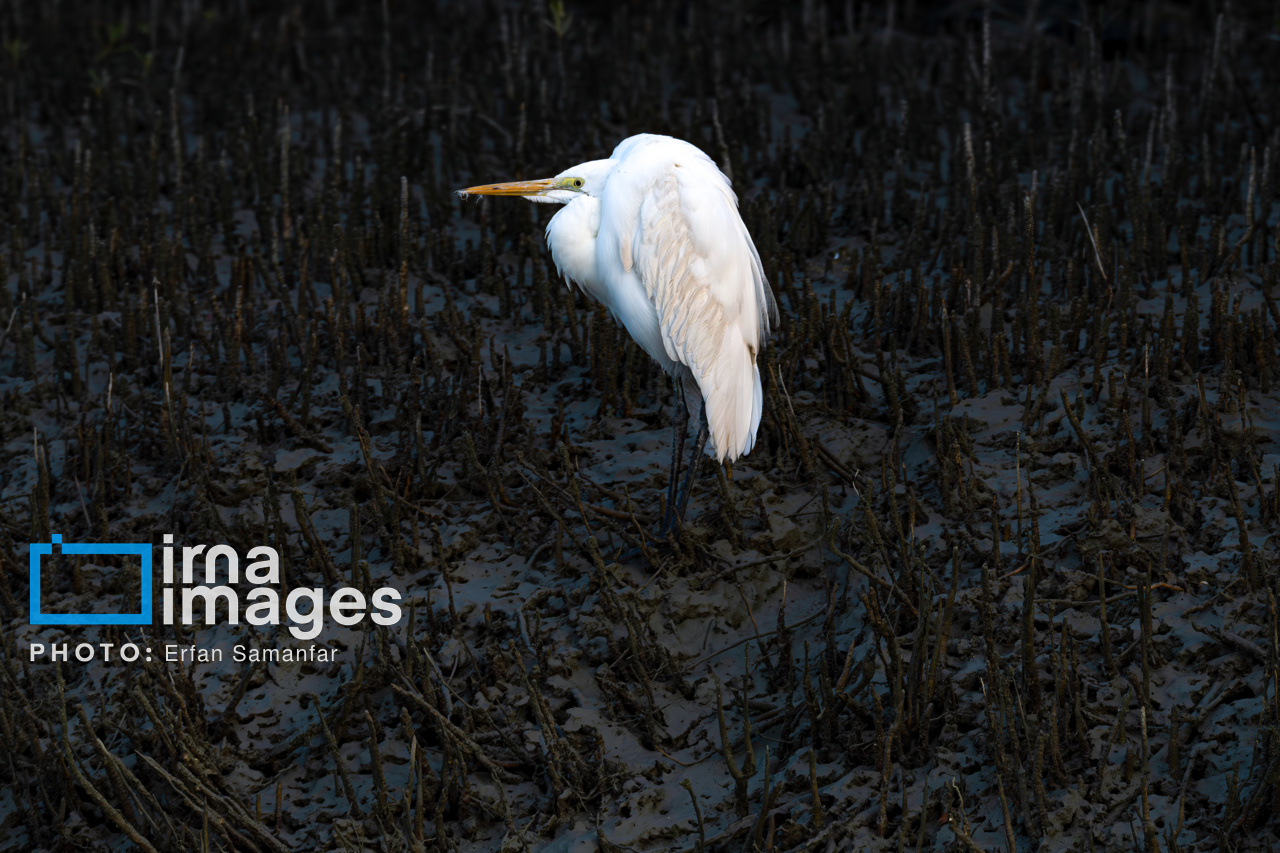
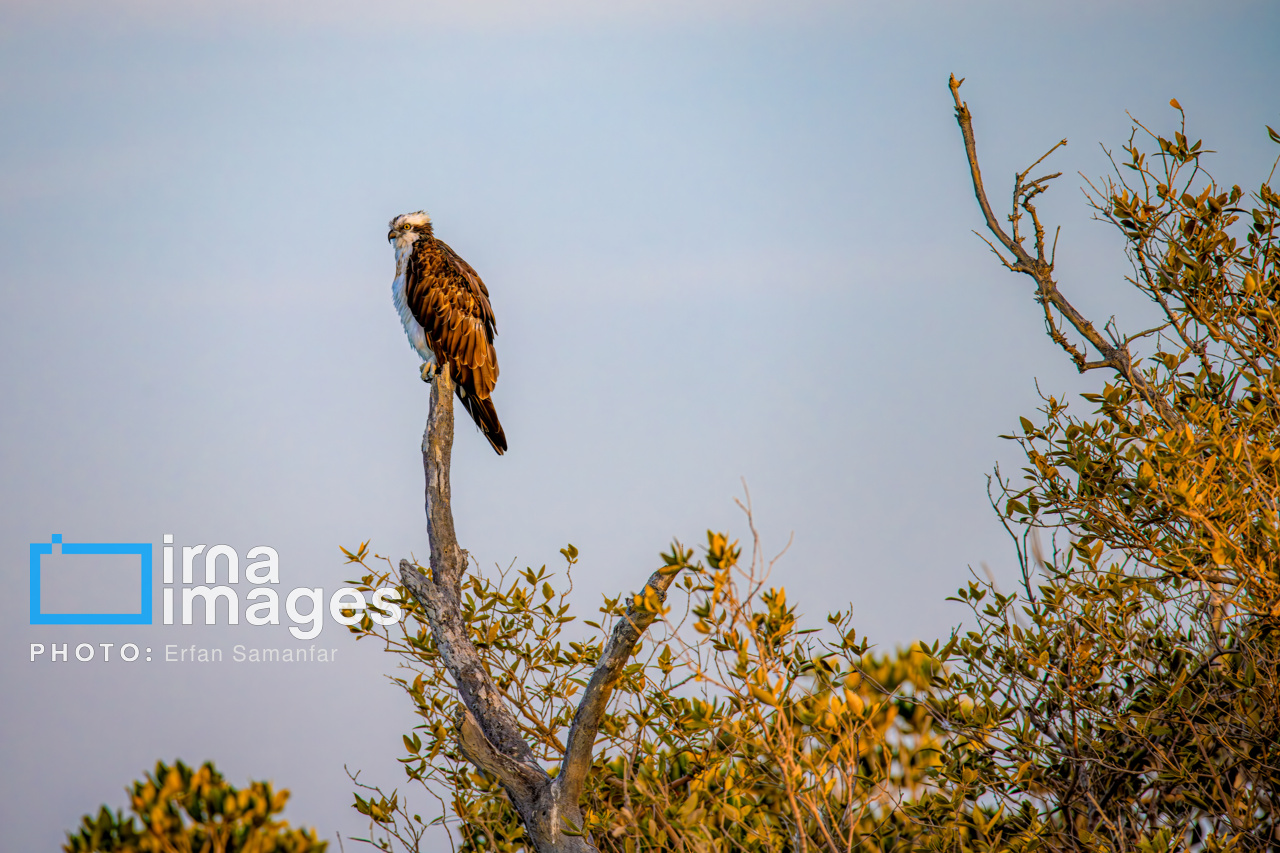
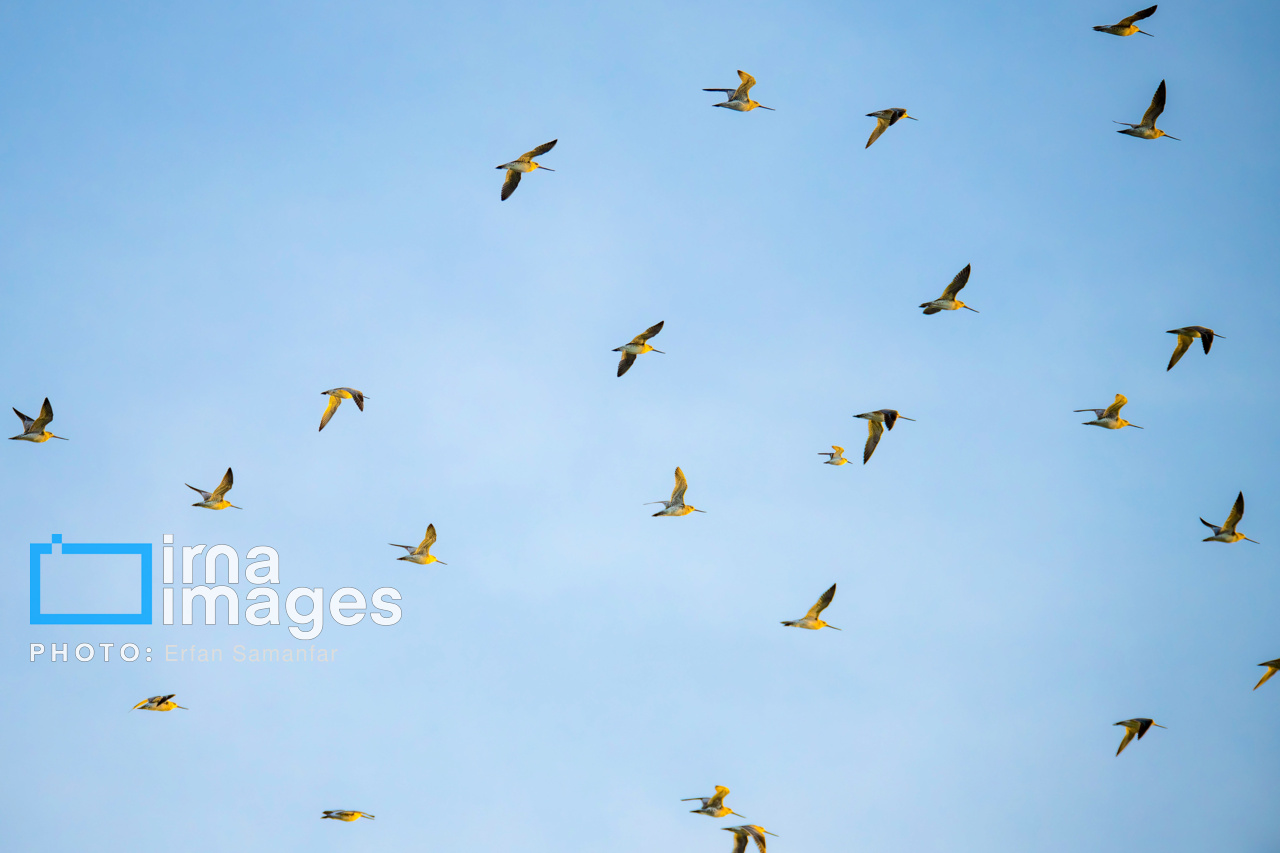
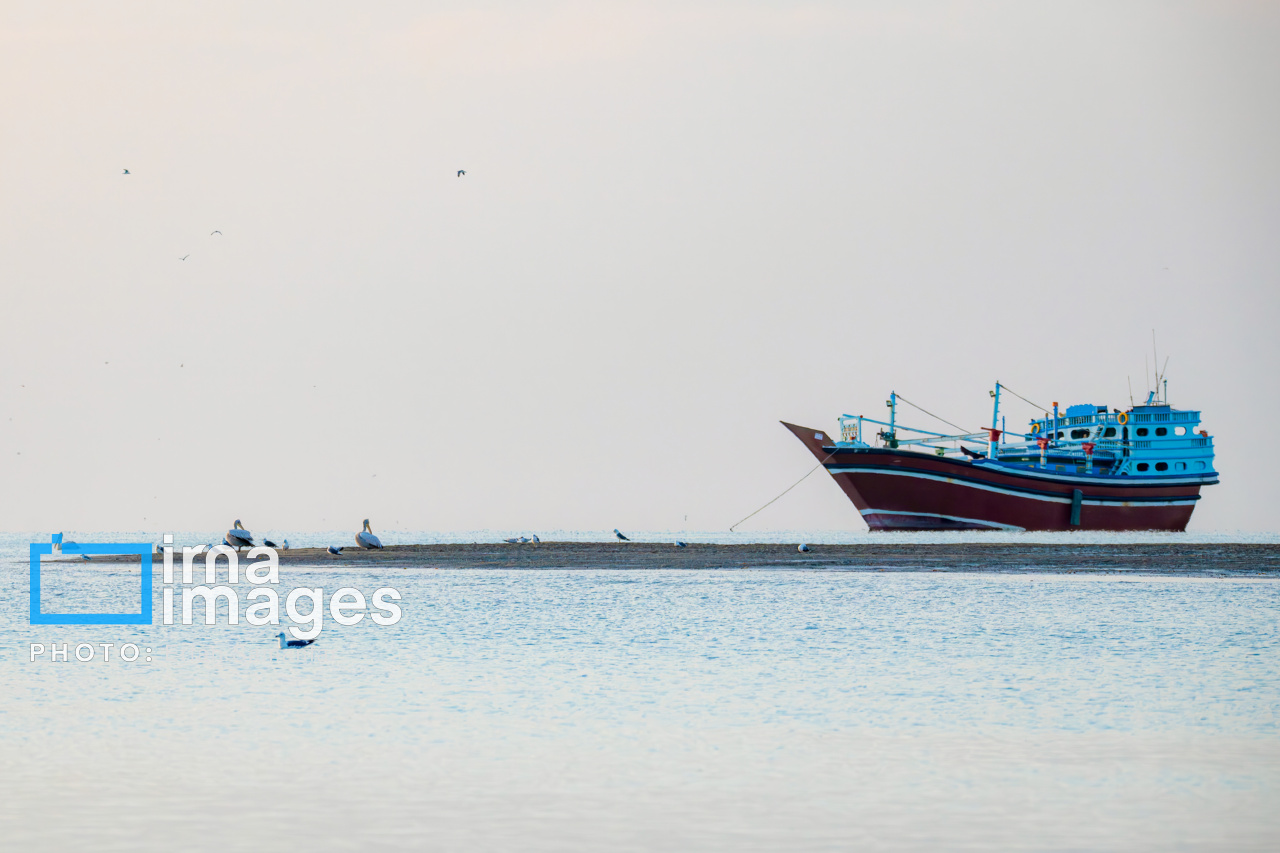
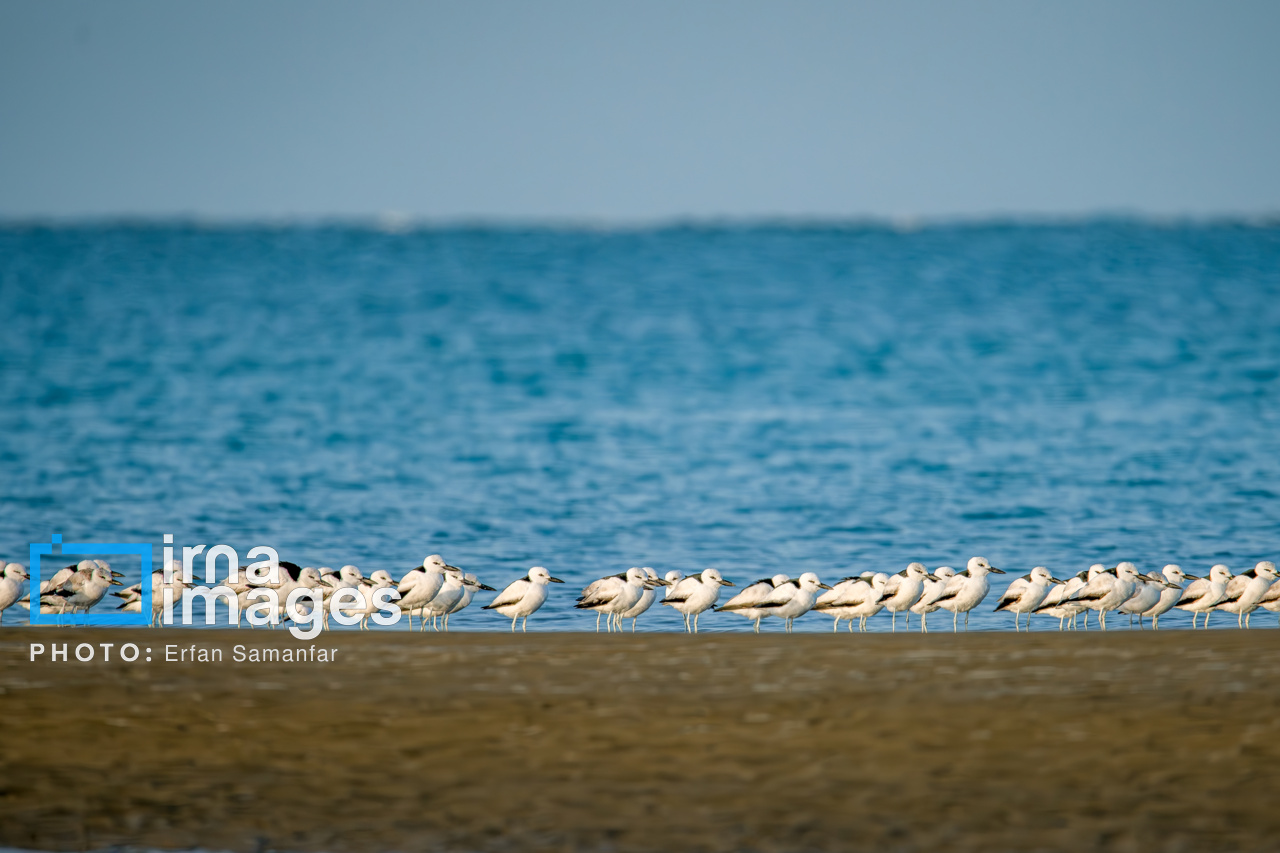
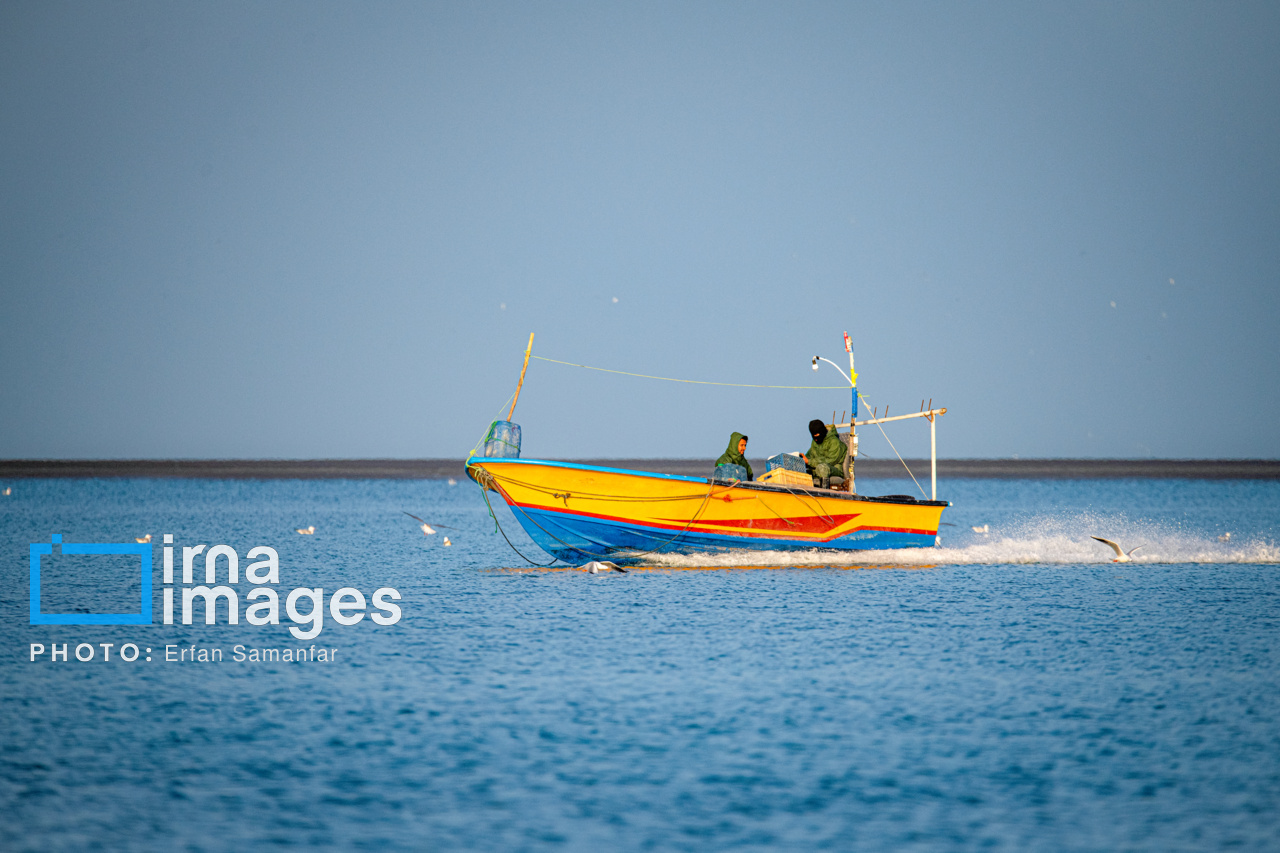
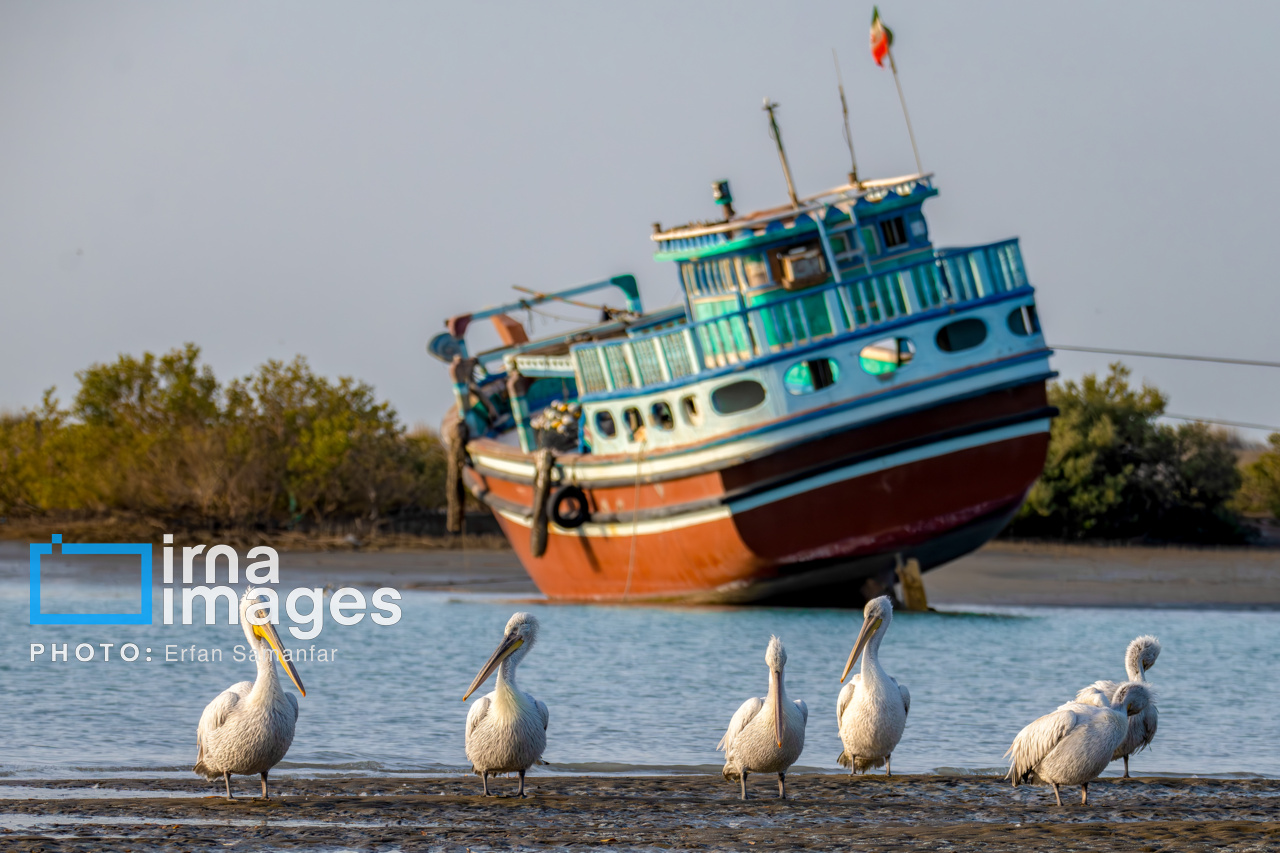
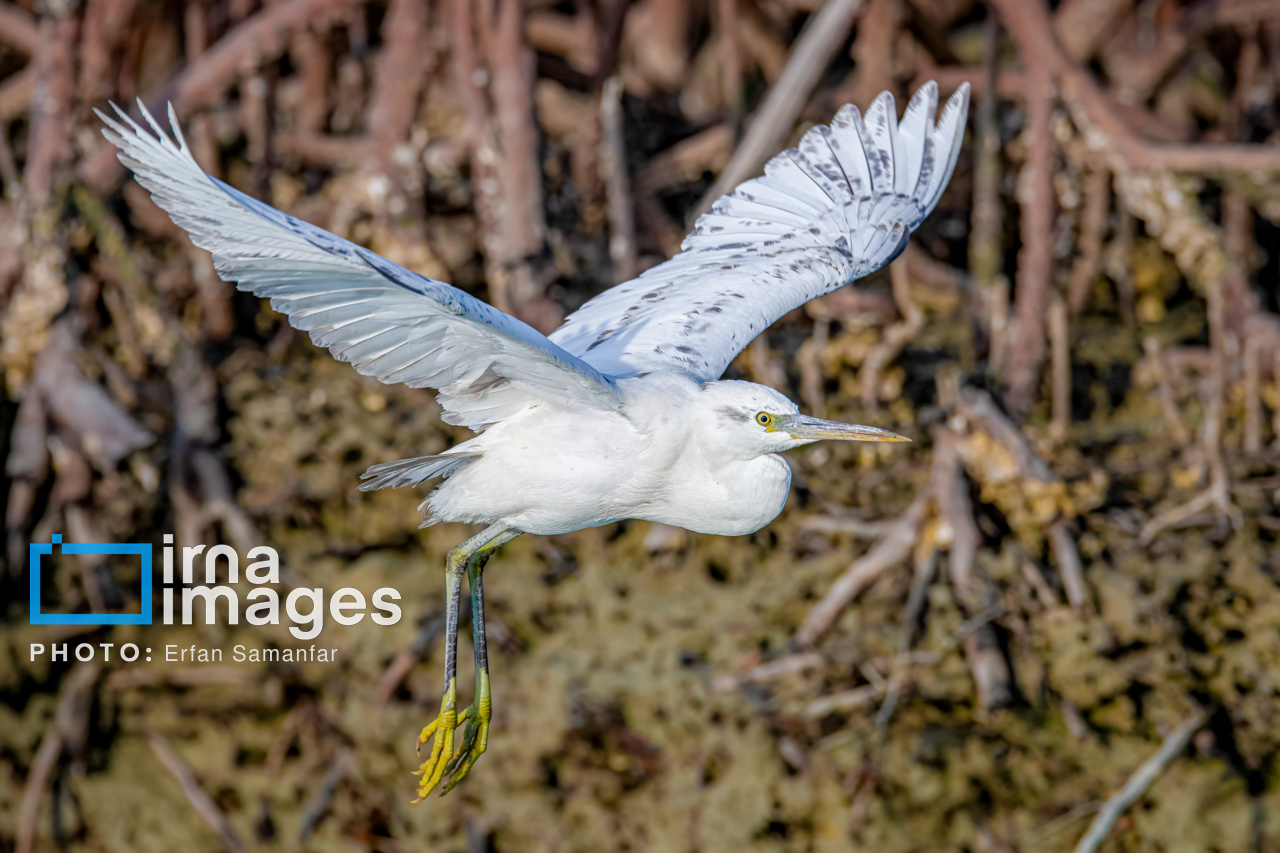
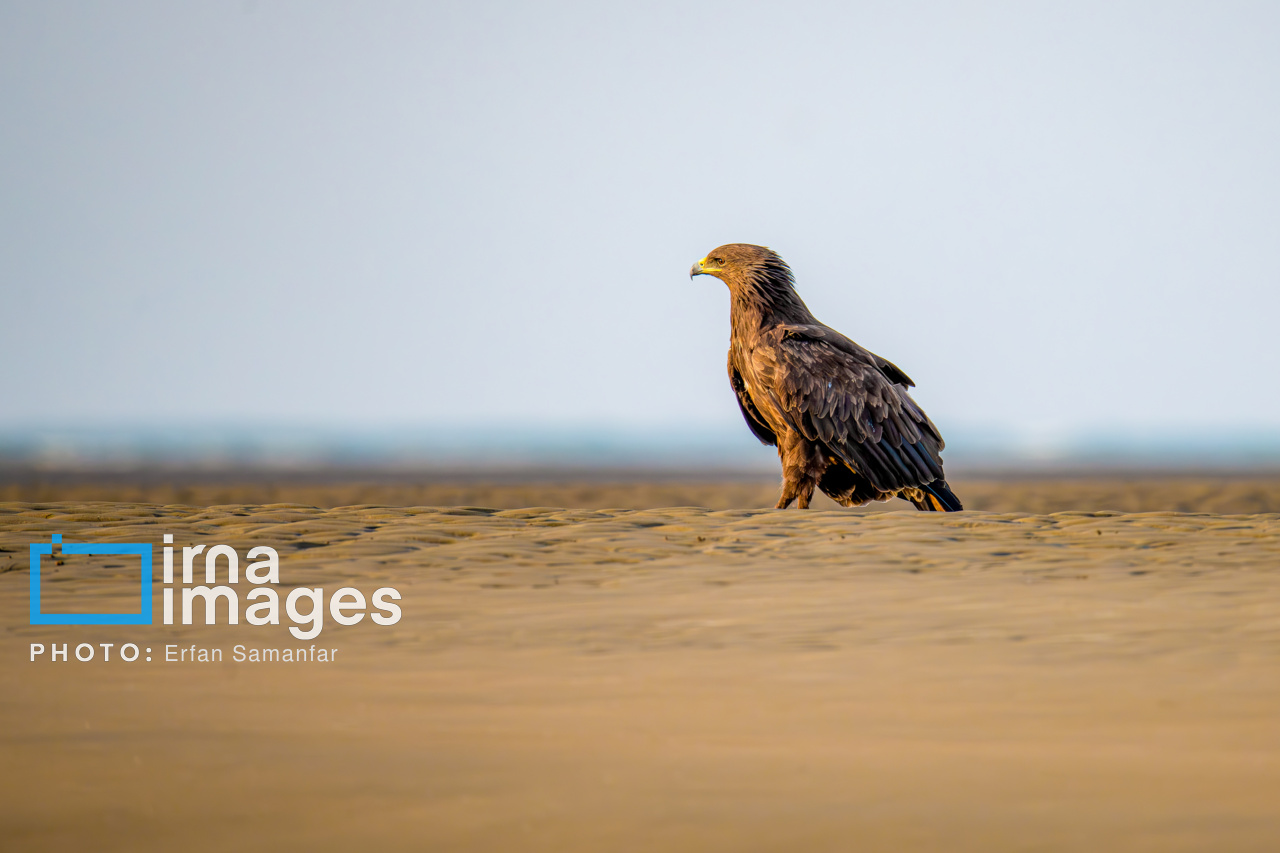
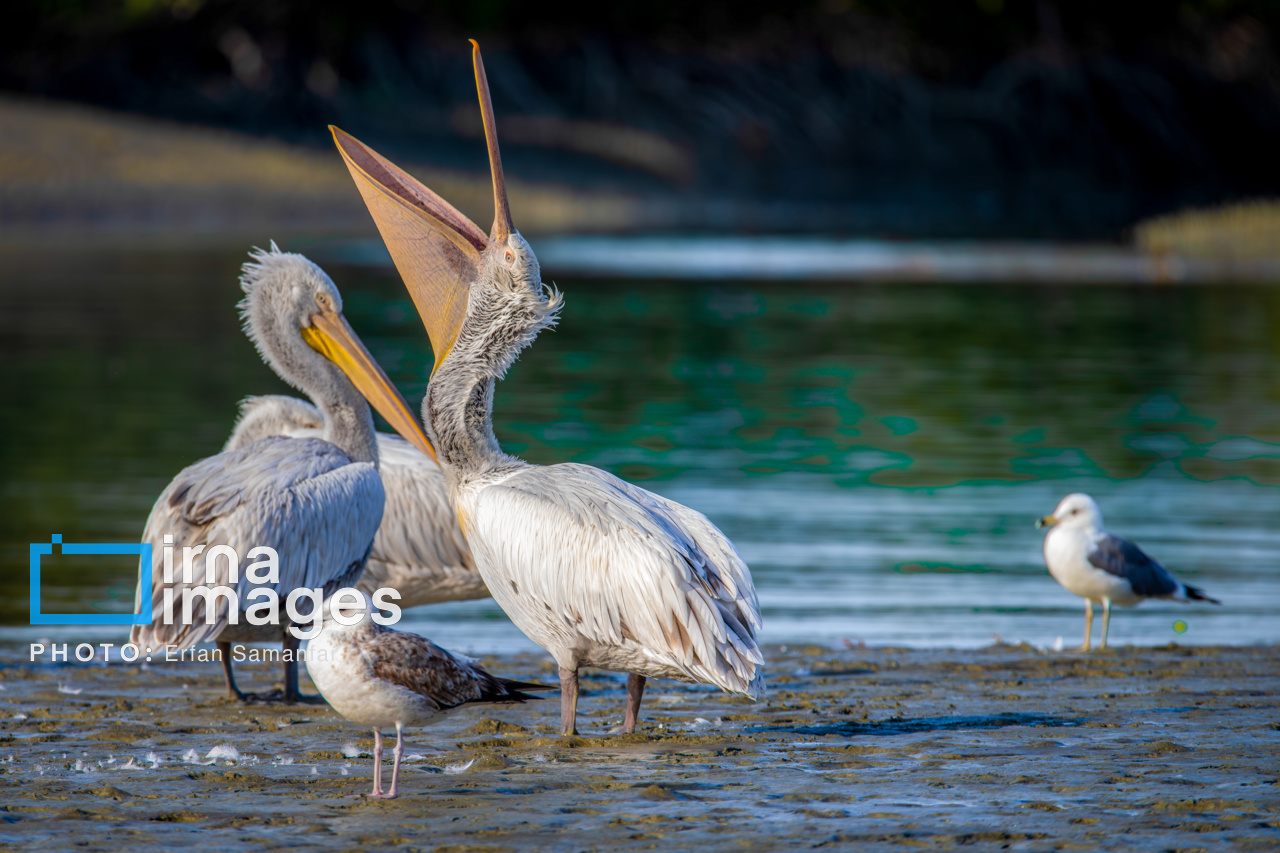
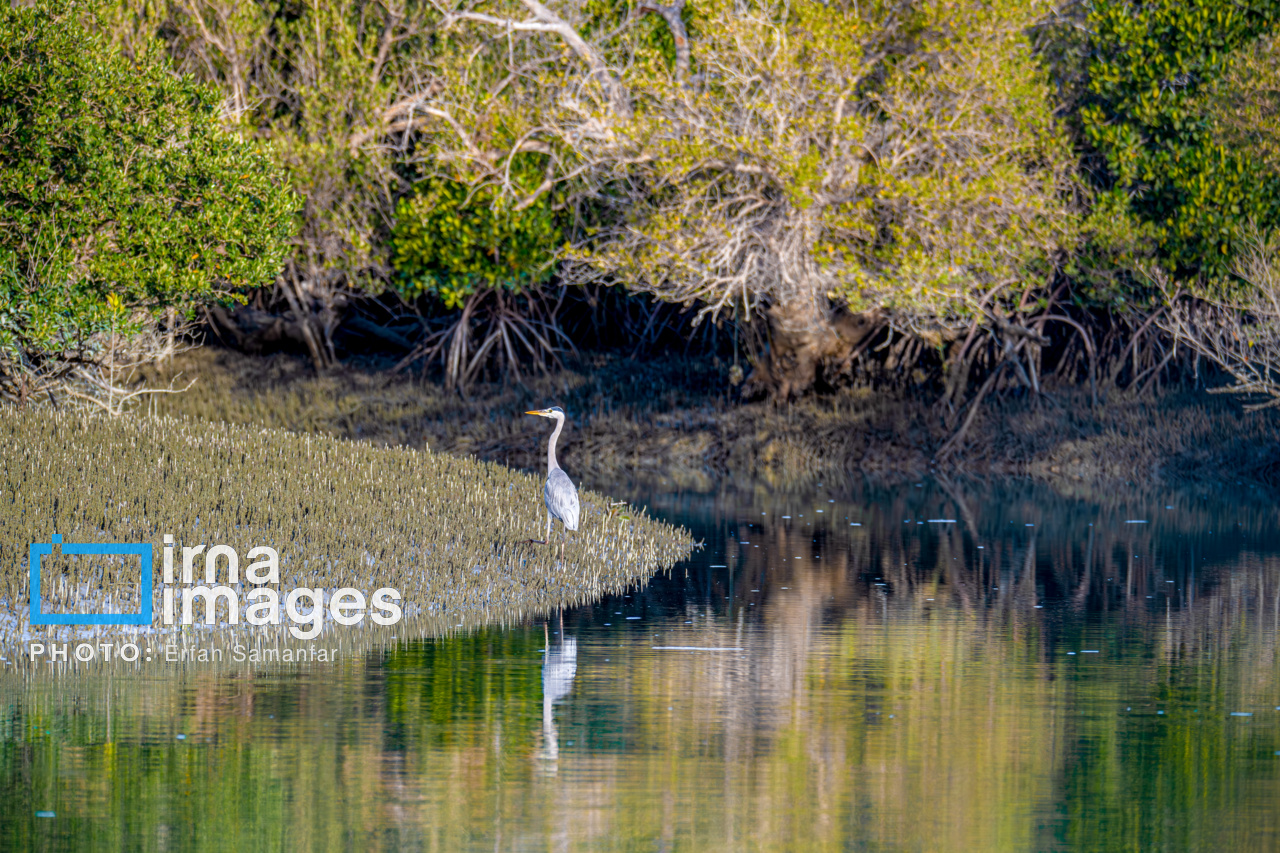
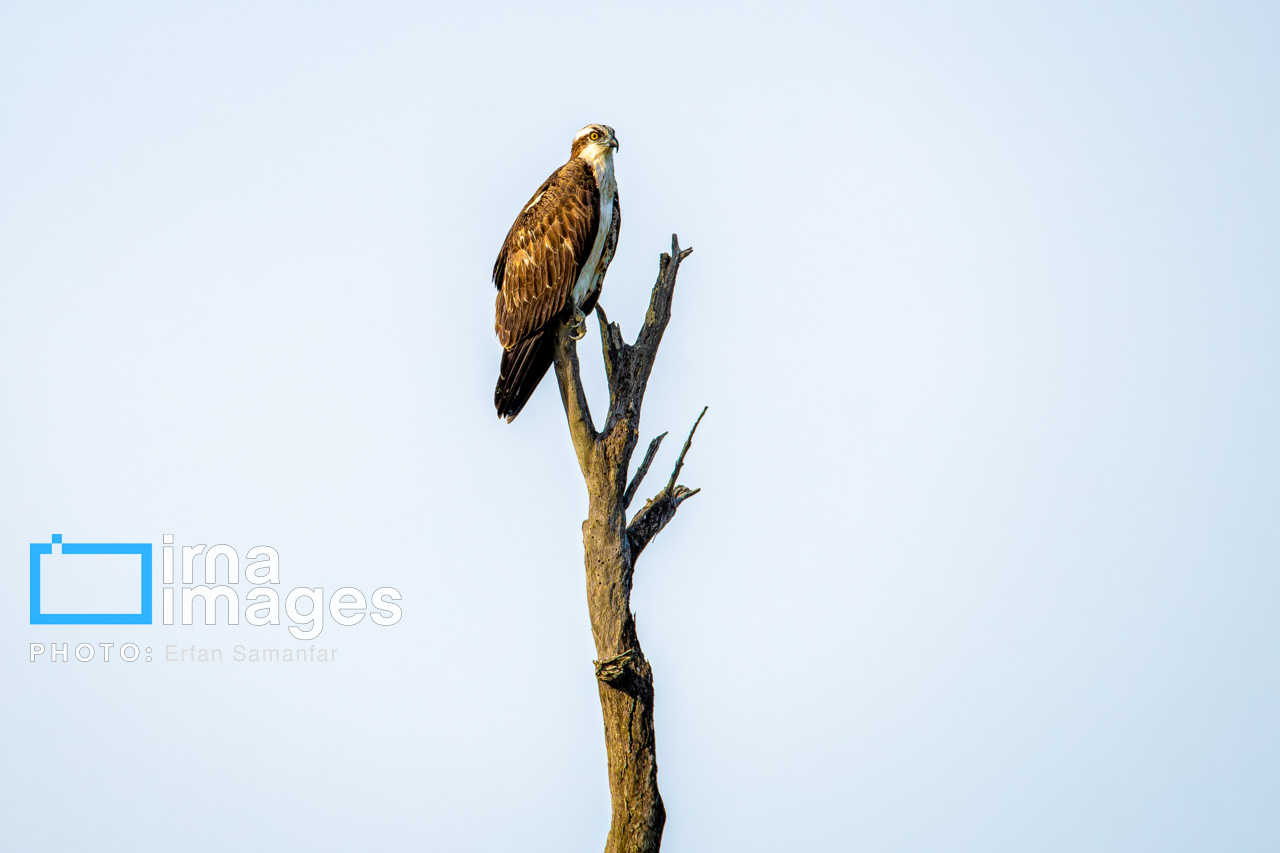
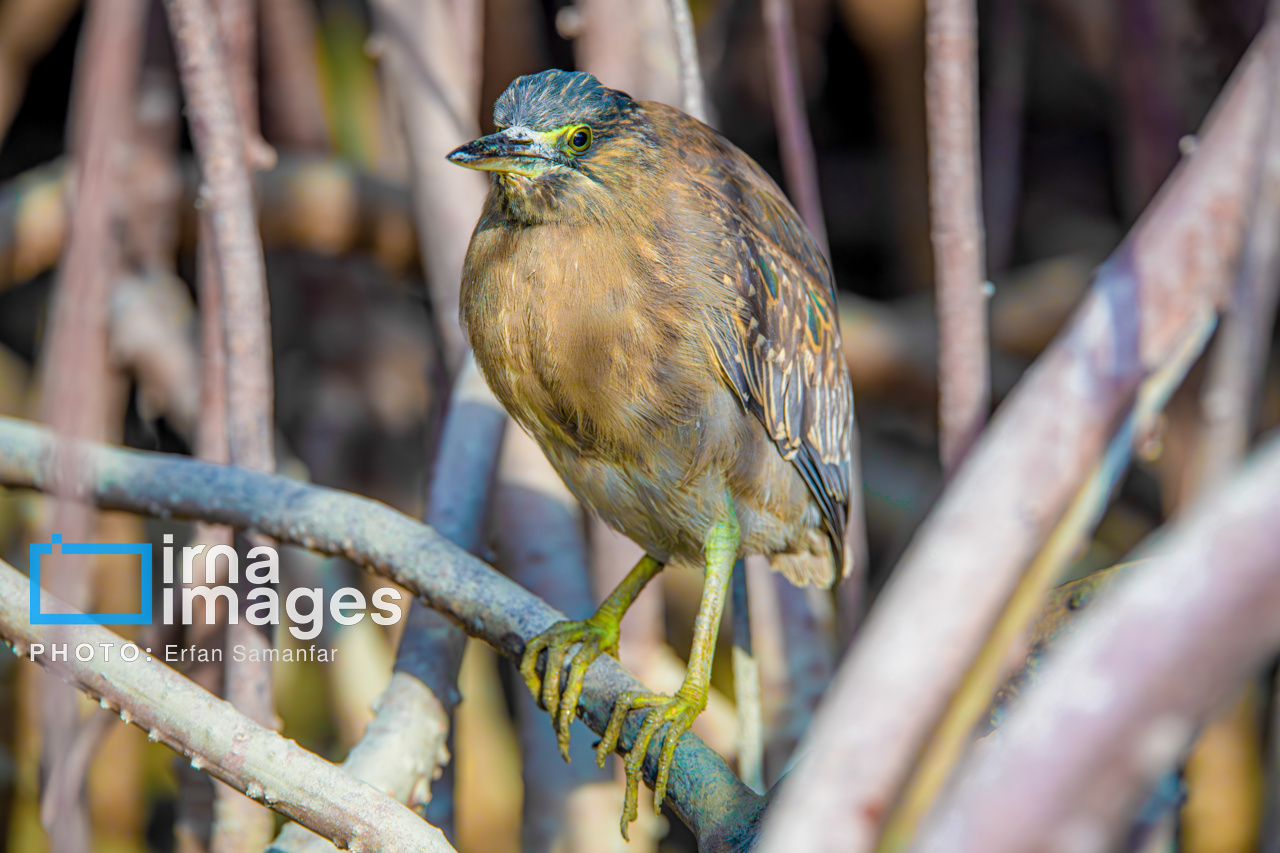
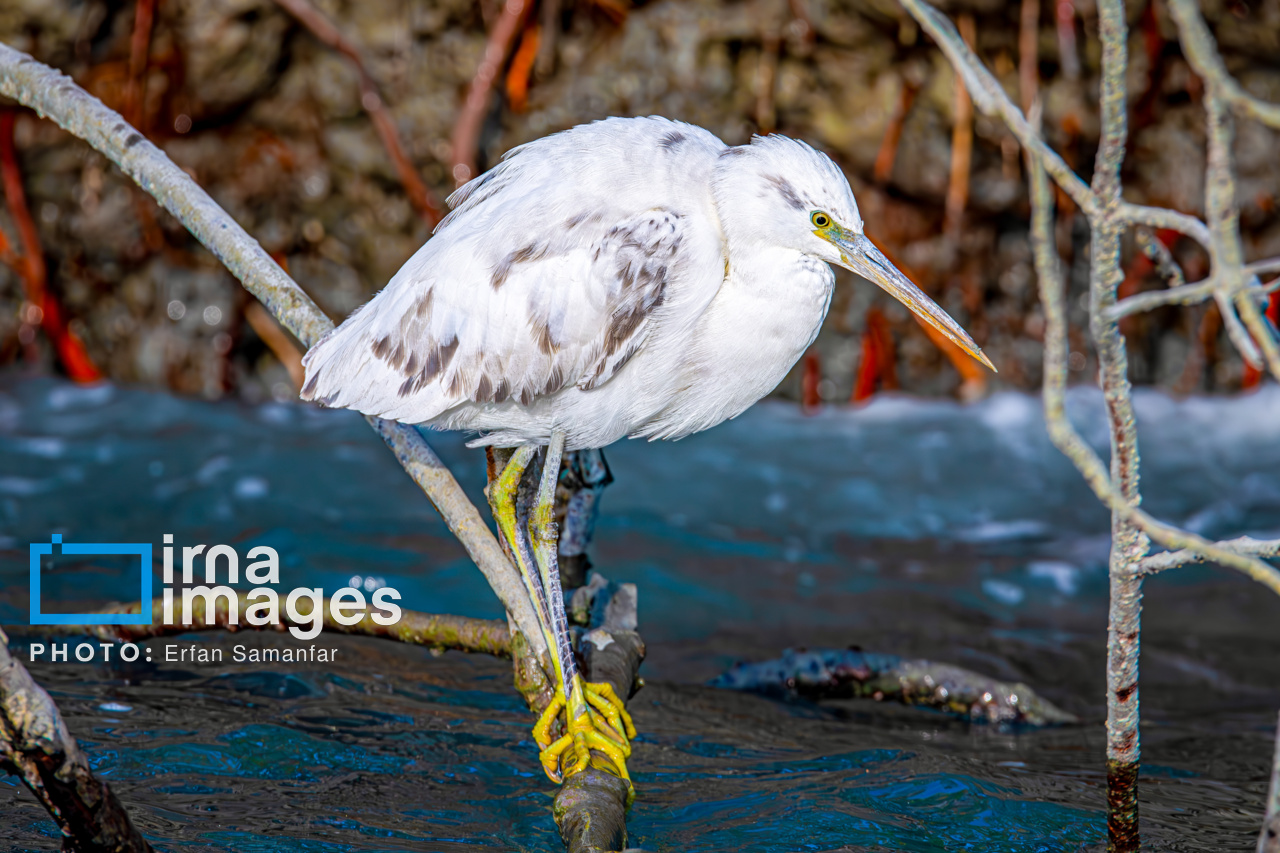
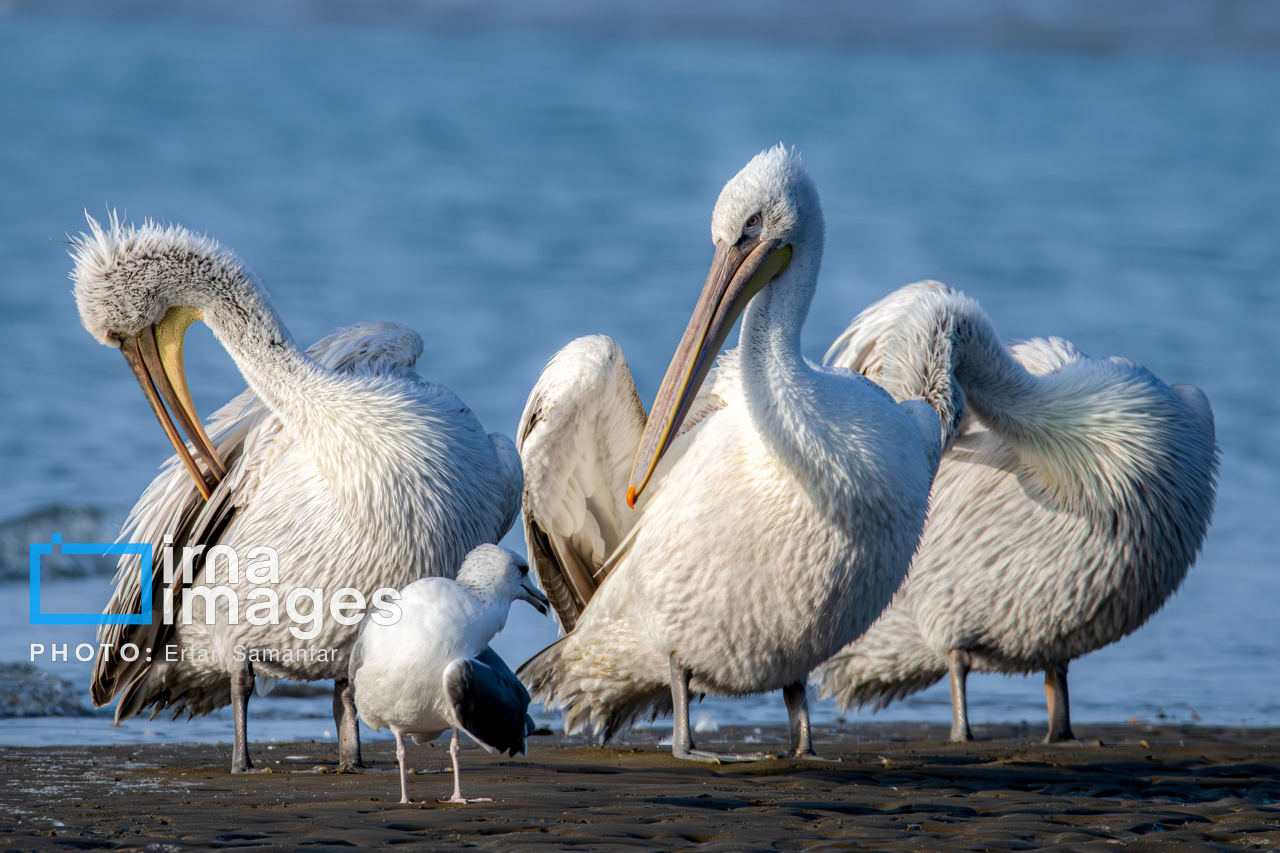
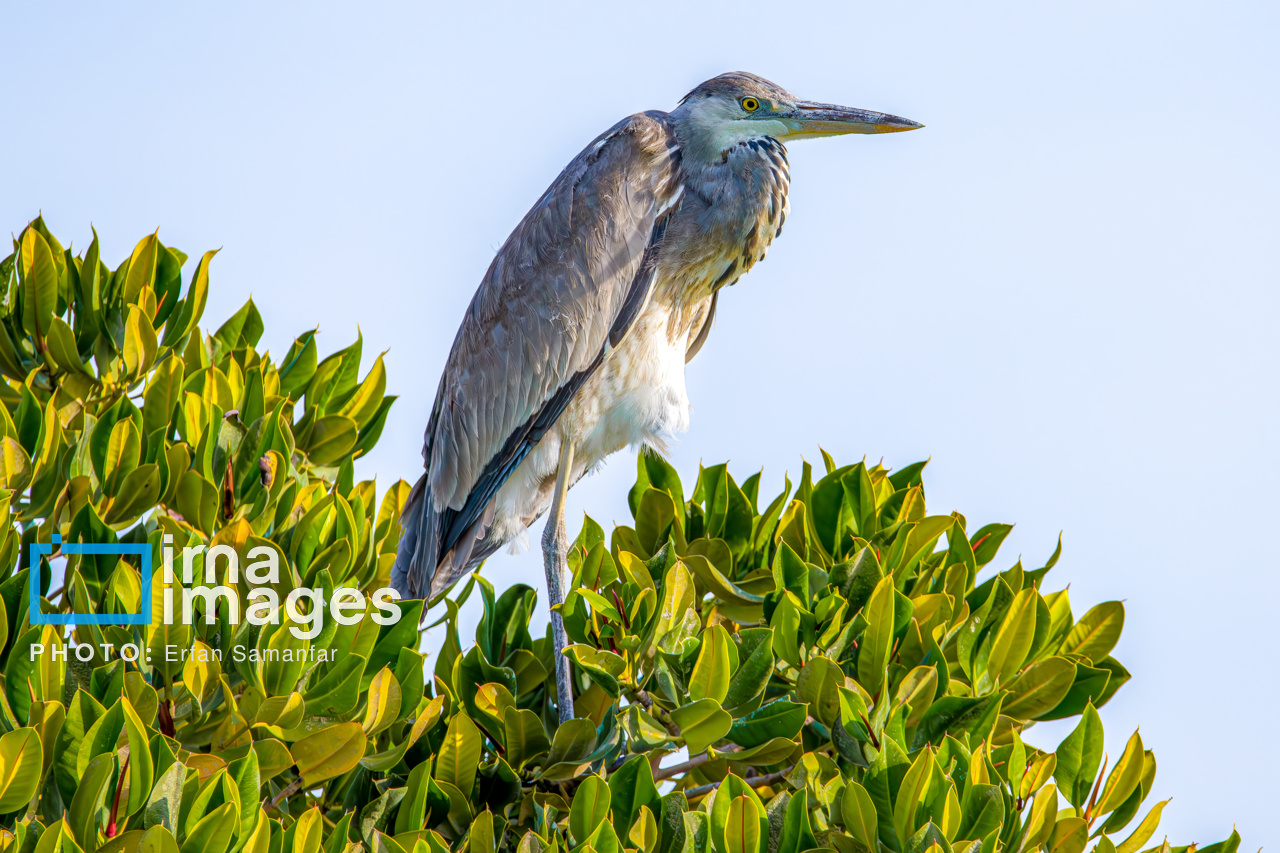
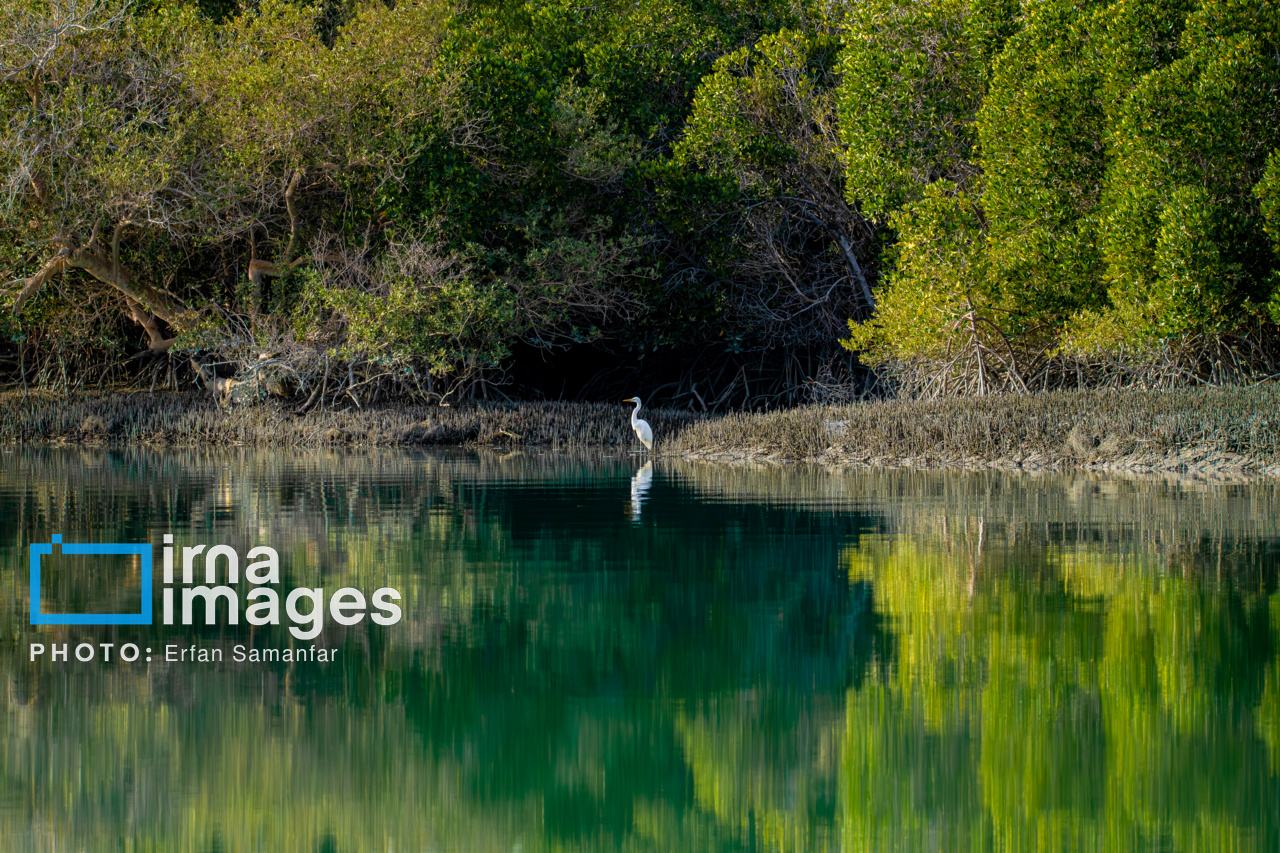
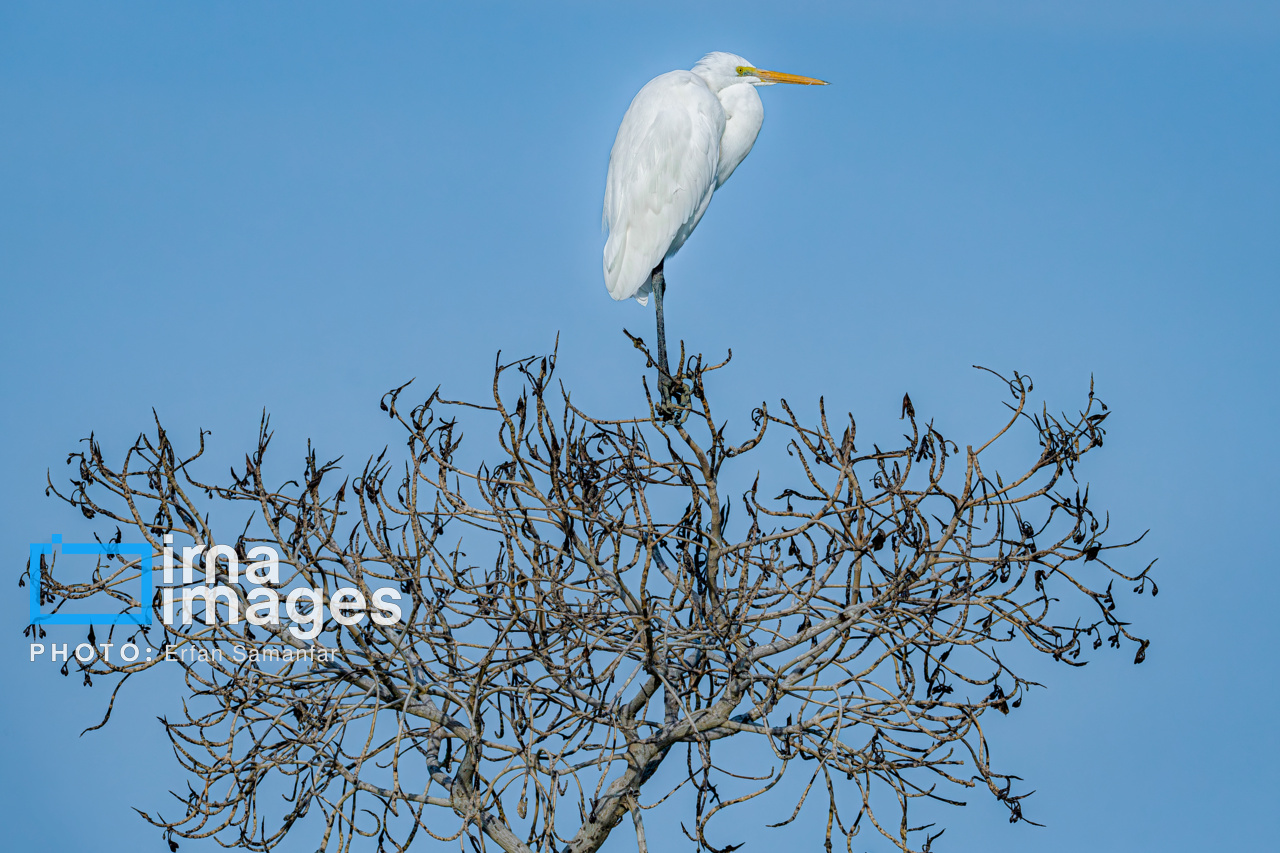
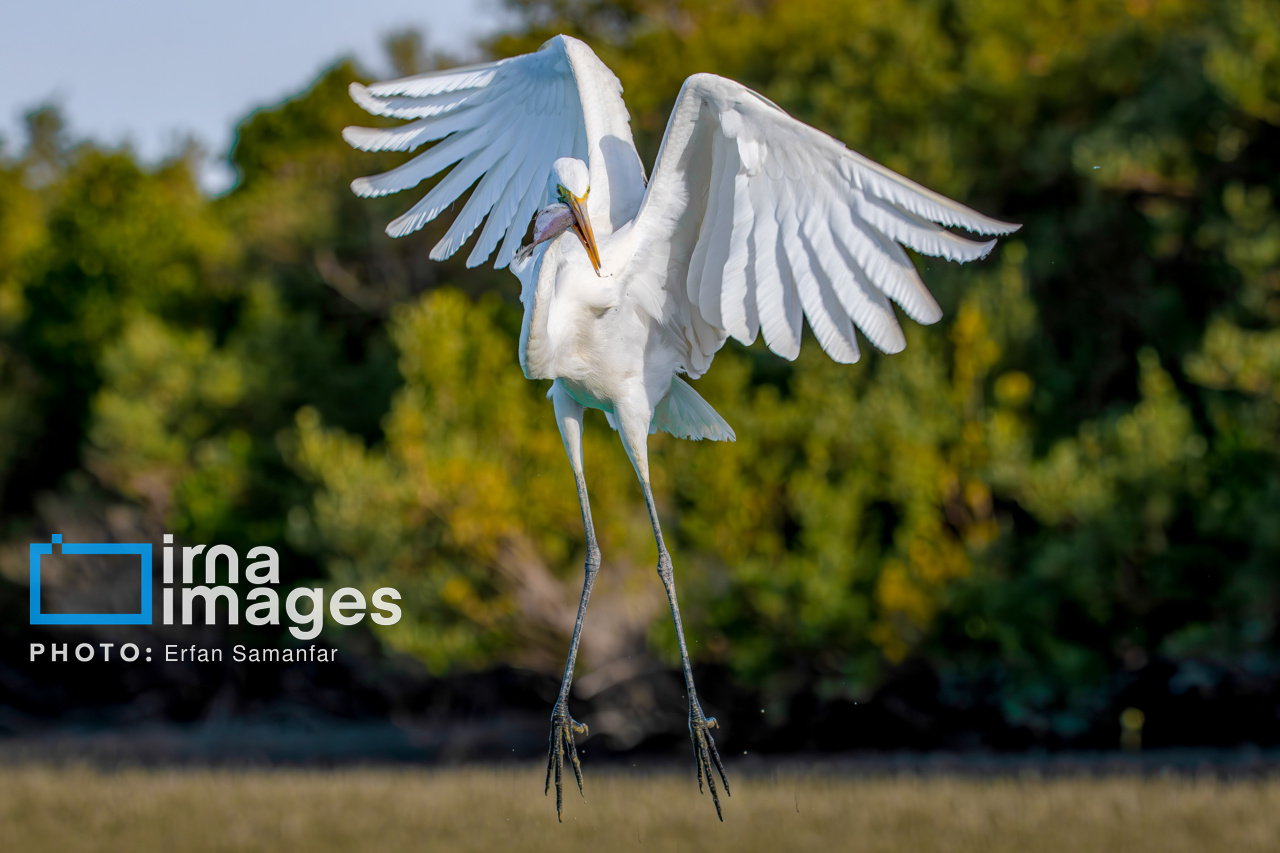
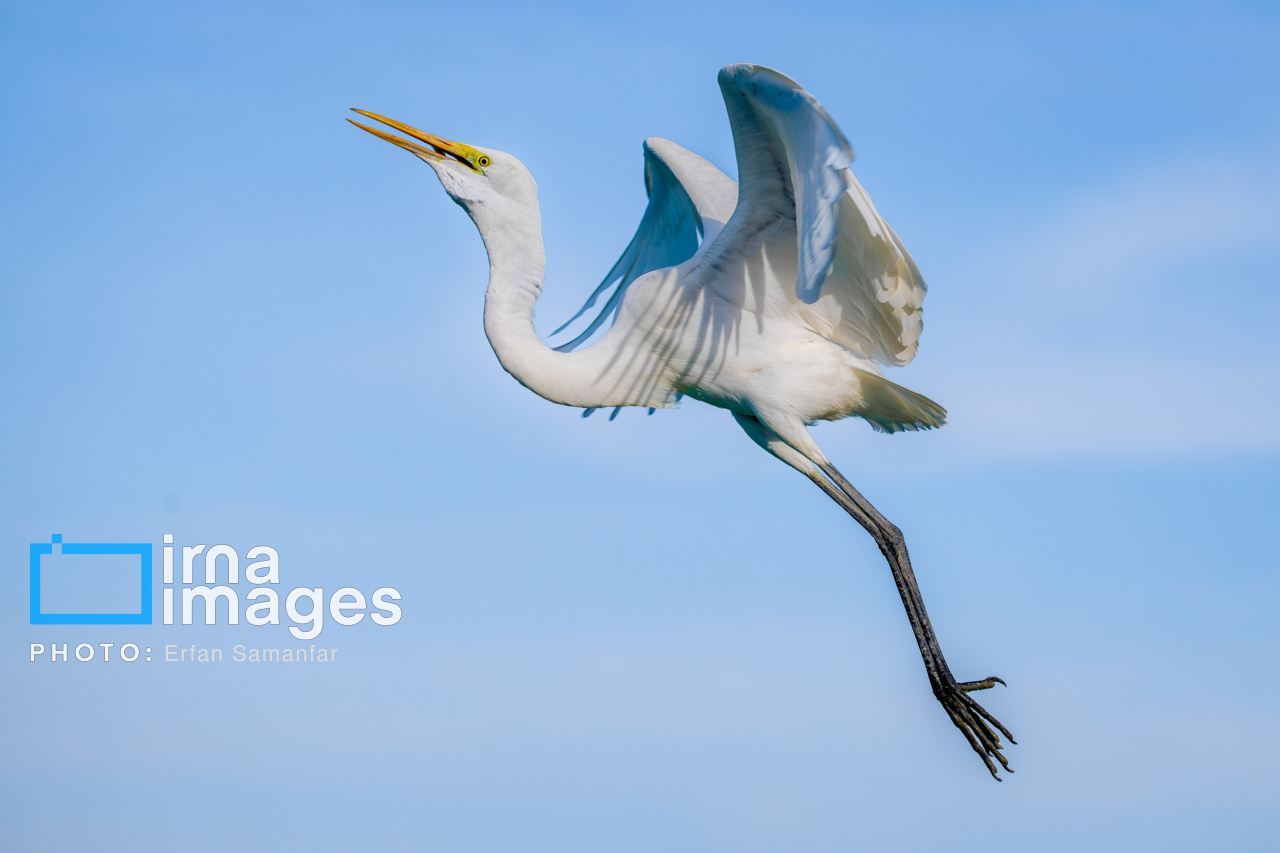
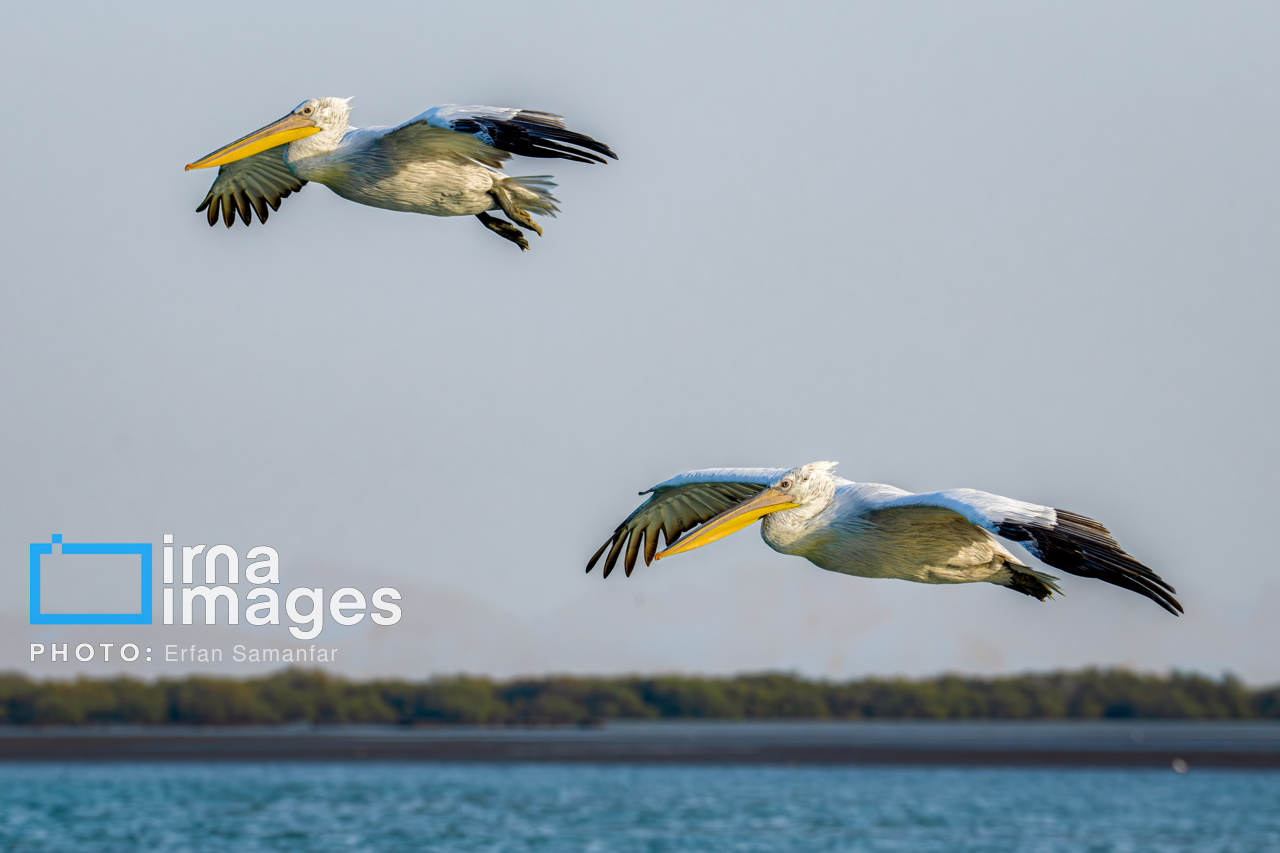
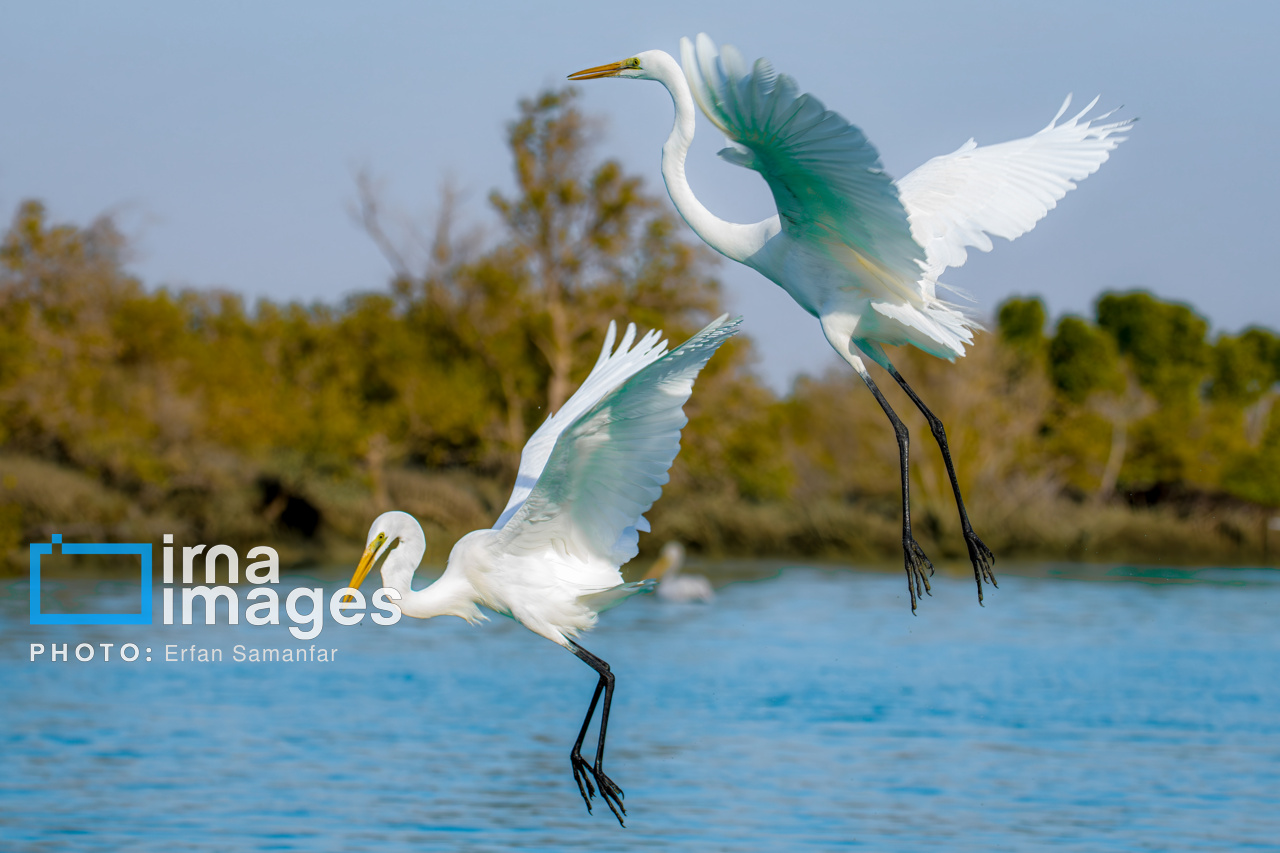
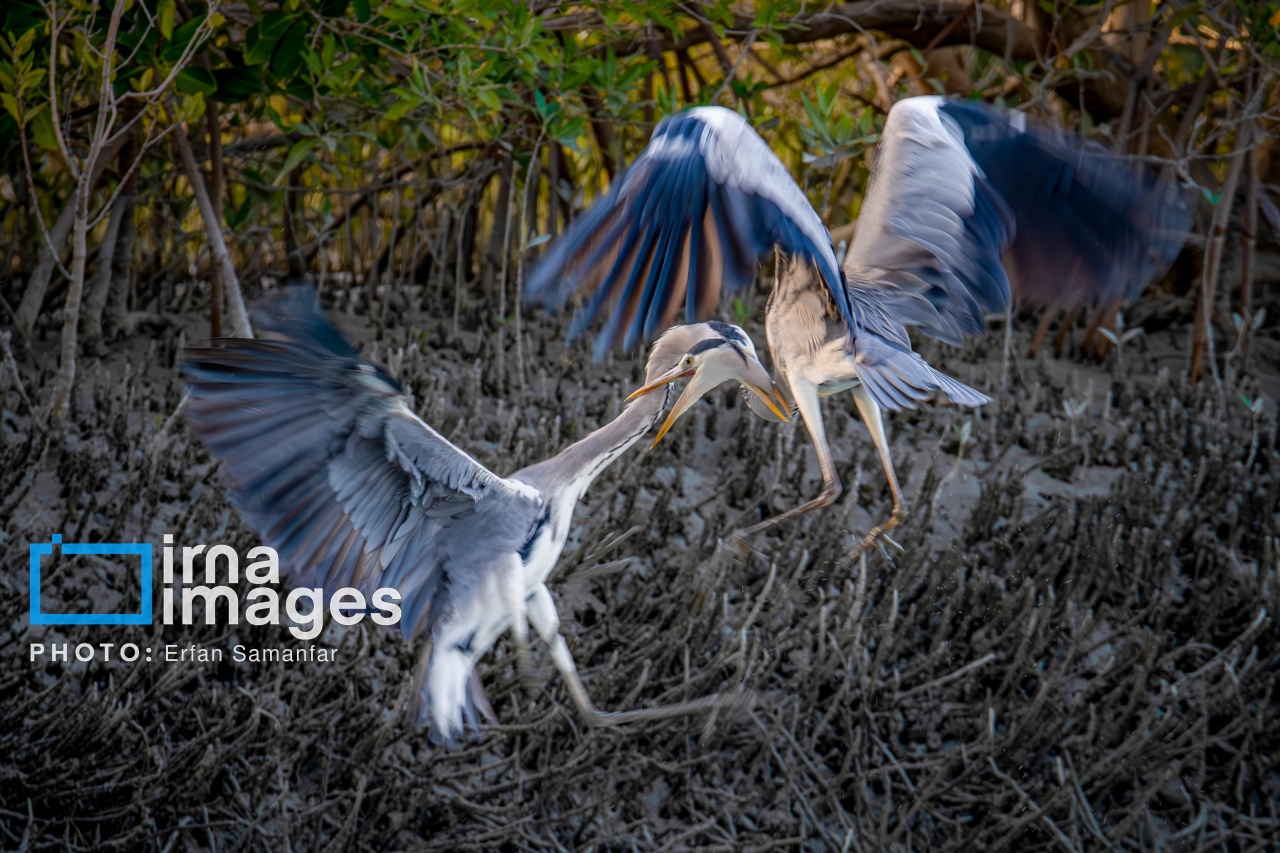
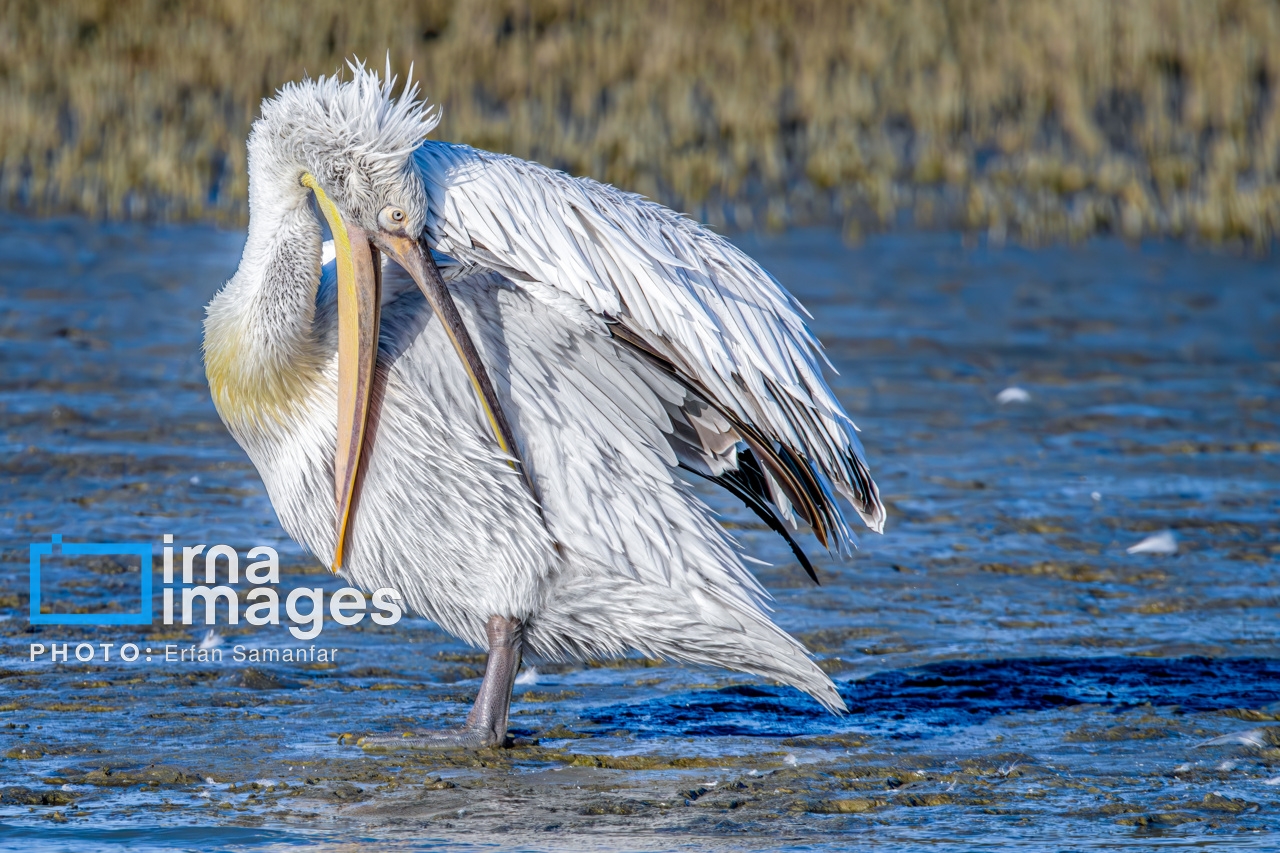
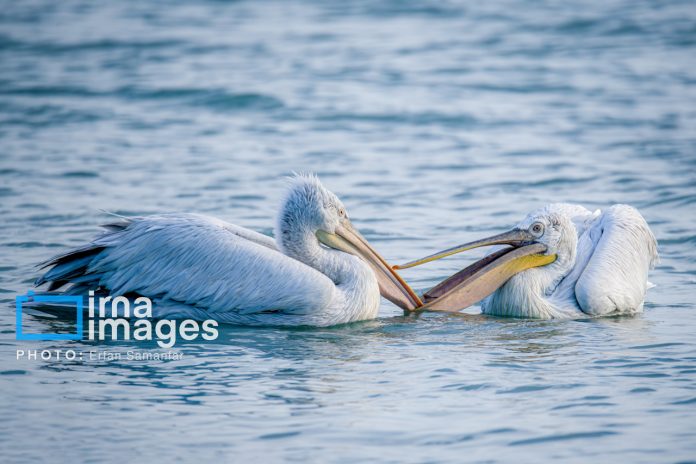
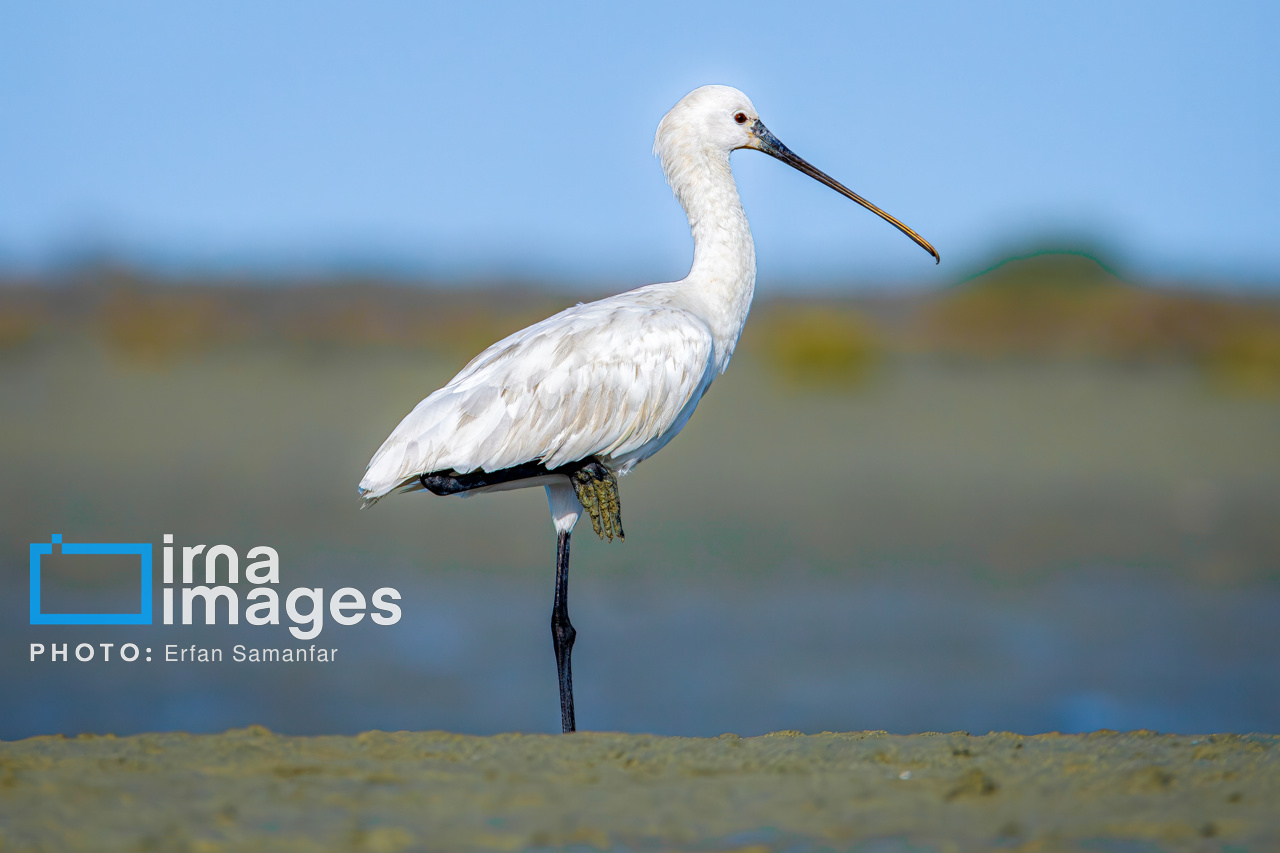
Azini Wetland: A unique ecological gem in Hormozgan Province, southern Iran

Spanning over 4 kilometers in length and covering an area of about 15,000 hectares, the wetland is renowned for its dense mangrove forests, particularly the unique Avicennia marina (mangrove) species, and the presence of Sonneratia (a rare plant species).

It is also home to a diverse range of flora and fauna, making it a vital habitat for numerous fish, crustaceans, and other marine organisms.

Thanks to its unique climate and rich biodiversity, the Azini Wetland serves as a sanctuary for various rare bird species and aquatic life, attracting nature enthusiasts and researchers alike.

Its ecological significance has made it a prime destination for eco-tourism and biological tours, offering visitors a chance to explore its natural beauty and observe its thriving ecosystems.

See the related pictures:

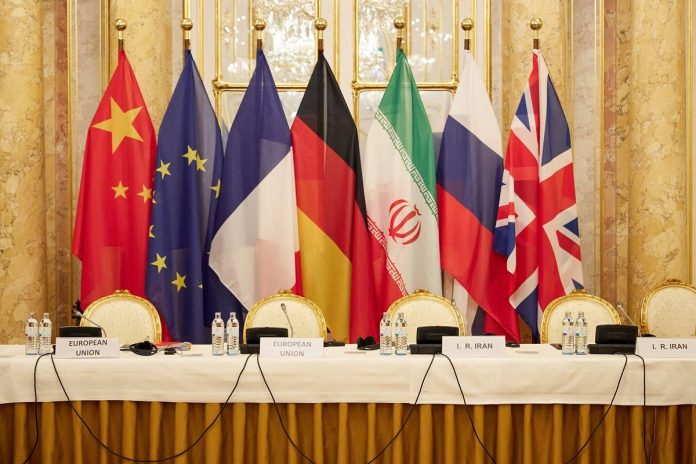
Iran, Europe willing to advance negotiations, says Iranian official

Nuclear Negotiations in Vienna

Speaking in an interview with the Iraqi Al-Ahad TV’s “Geopolitics” program on Wednesday, Takht-Ravanchi emphasized that the negotiations are guided by established frameworks and directives aimed at reaching a mutual agreement.

Takht-Ravanchi also highlighted Iran’s commitment to strengthening ties with neighboring countries, particularly Iraq, noting significant achievements in this regard.

The deputy foreign minister stated that Iran maintains a unified stance, with the Iranian Leader and president both emphasizing the importance of fostering relations with neighboring nations.

He pointed to recent diplomatic exchanges between Iranian and Arab officials as evidence of the commitment.

On Saudi Arabia, Takht-Ravanchi described significant opportunities for improving bilateral relations, emphasizing the need for collaboration between Tehran and Riyadh.

He also addressed the issue of negotiations with the US, noting that Iran adheres to the framework set by the Leader.

He, however, recalled the challenges of past negotiations, including those that led to Iran’s 2015 nuclear deal (JCPOA) and the US withdrawal from the accord in 2018, stressing the importance of learning from historical precedents.

As for Israel, Takht-Ravanchi warned against any miscalculations, stating that Iran’s capabilities are well-known and any missteps would come at a heavy cost.

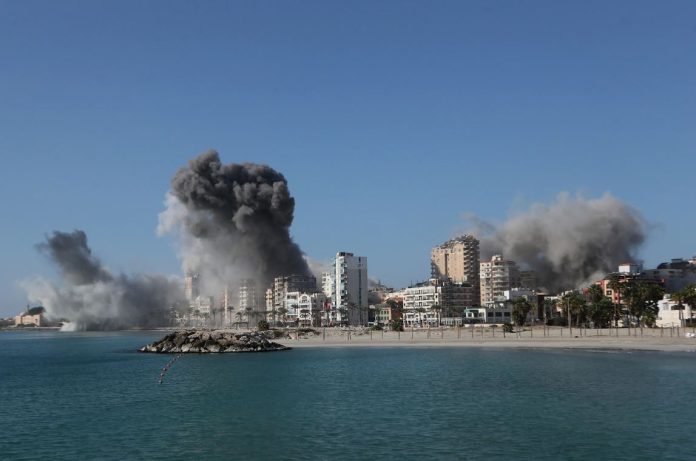
Israeli drone attack kills 1 in Lebanon despite ceasefire

Lebanon War

Lebanon’s state-run National News Agency (NNA) reported that “an enemy drone struck a vehicle … in the town of Aita al-Shaab” on Wednesday.

Sanad, Al Jazeera’s fact-checking agency, identified the victim as Yusuf Mohammed Sorour, the son of the mayor of the town, targeted while he was sitting in his car in front of his home.

NNA had earlier reported that in a separate attack, one person was wounded in the Wazzani region after Israeli forces opened fire “while residents were inspecting” restaurants and cafes in the area.

The NNA also reported that Israeli troops shot towards homes near the town of Shebaa.

A ceasefire deal agreed in November 2024 had halted more than a year of hostilities between Israel and Hezbollah, including two months of all-out war in which Israel’s relentless bombing killed more than 4,000 people, according to Lebanon’s Ministry of Public Health.

Under the agreement, Lebanon’s military was to deploy alongside UN peacekeepers as the Israeli army withdrew over a 60-day period that was later extended to February 18.

Hezbollah was to pull back north of the Litani River, about 30km (20 miles) from the border, and dismantle the remaining military infrastructure in the south.

Israel announced just before the deadline that it would temporarily keep troops in “five strategic points” near the border.

The army said they were hilltops overlooking the border where troops would remain to “make sure there’s no immediate threat” – something that Lebanon rejects.

On Wednesday, Lebanon’s President Joseph Aoun told visiting US National Security Adviser Mike Waltz that it is necessary to end Israel’s presence in the country to complete the ceasefire deal, adding that Lebanon would consider any Israeli troops on its soil an “occupation”.

The UN called the incomplete pullout a violation of a Security Council resolution.

Prime Minister Benjamin Netanyahu had warned in November that Israel would maintain “full military freedom of action” in case of any truce breach.

The refusal by Israel to withdraw all of its forces confers more uncertainty over the fragile ceasefire deal.

Israel has repeatedly violated the ceasefire by launching sporadic attacks. The Armed Conflict Location and Event Data Project (ACLED) recorded 330 air raids and shellings carried out by Israel between November 27 and January 10, and 260 property destructions.

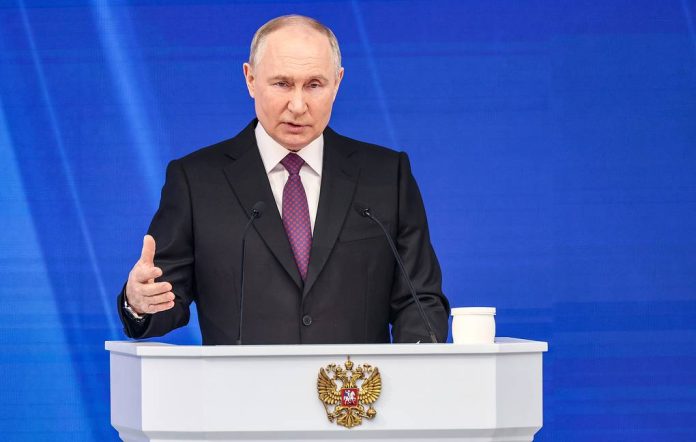
Putin says Russia ready to resume Ukraine talks

Vladimir Putin

No one is excluding Kiev from the negotiation process, according to the Russian president. Both Moscow and Washington expect Ukraine to take part, Putin said, adding that it is largely up to Ukraine and the EU to decide whether they want to be part of the talks or not.

“I’ve said this 100 times: If they are willing, they are free to engage in such talks,” Putin told journalists, referring to potential peace negotiations with Kiev and the EU’s participation.

“We are ready to go back to the negotiating table.”

“Russia has never walked away from the negotiation process with Ukraine, never,” the president told reporters in St. Petersburg.

He stressed that it was Kiev that banned officials from engaging in any talks with Moscow. It “withdrew from the Istanbul negotiations and publicly announced it,” he said.

The president hailed the results of the Russia-US talks in Saudi Arabia’s capital on Tuesday.

Resolving the Ukraine conflict would be impossible without the normalization of relations between Moscow and Washington, Putin stated. The meeting was primarily aimed at “increasing trust” between the two nations, he added.

The meeting was “the first step” in restoring joint work with the US in a variety of areas ranging from strategic stability and arms control to the resolution of the Ukraine conflict and the crisis in the Middle East.

Putin also welcomed what he described as positive changes in Washington’s attitude towards working with Moscow.

The atmosphere of the talks was “very friendly,” Putin said, adding that the US is represented by “absolutely different people, who are open for talks without any prejudices… and committed to joint work.”

Putin said he would be glad to meet with US President Donald Trump, though it’s too early yet to name a specific date for a summit, because a simple “coffee hour” would not be enough to remedy relations between the two nations and both sides need to thoroughly prepare. Moscow and Washington nevertheless “do not need any mediators” to sort out their differences, he added.

Speaking earlier, Trump also praised the talks in Riyadh, calling them “very good” and saying he felt “much more confident” after the US-Russia meeting.

“I think I have the power to end this war, and I think it’s going very well.”

Ukrainian leader Volodymyr Zelensky stated ahead of the talks that Kiev would not recognize the results, as Ukrainian representatives were not invited. He postponed a planned visit to Saudi Arabia to not give the meeting “any legitimacy.” Trump hit back at the Ukrainian leader, saying Kiev has had three years to make a deal itself.

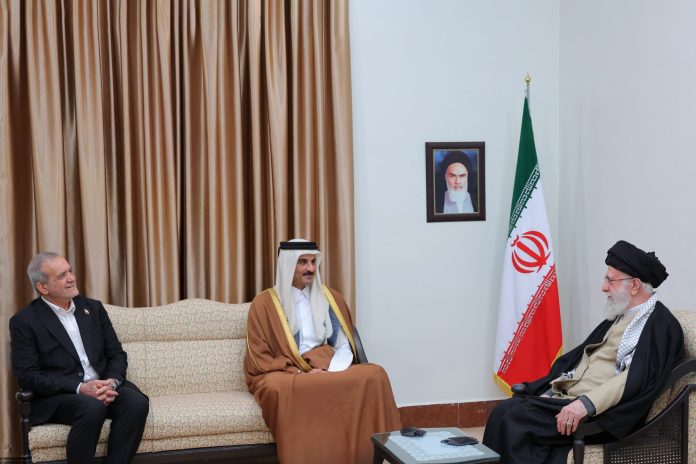
Iran’s Leader puts premium on enhancing ties with neighbors

The Leader made the remarks in a meeting with the visiting Qatari Emir Sheikh Tamim bin Hamad Al Thani in Tehran on Wednesday, describing the Persian Gulf nation as a “friendly and brotherly” country.

Ayatollah Khamenei praised efforts by the administration of Iranian President Masoud Pezeshkian to strengthen ties with neighboring states, as exemplified by the Qatari emir’s visit.

He expressed hope that the agreements made during the visit would be beneficial for both nations, enabling them to fulfill their neighborly duties more than ever before.

The Leader also addressed US policies toward Iran and the wider region, asserting that “there is no difference between the presidents of the United States.”

The Leader pointed to Iran’s funds recently unfrozen and transferred from South Korea to Qatar, noting that the US is the main obstacle preventing their return to Iran.

He said the Islamic Republic expected Qatar not to succumb to US pressure.

“If we were in Qatar’s position, we would ignore pressures from Washington and return the assets. We still expect such an action from Qatar,” he stated.

Sheikh Tamim expressed appreciation for Iran’s support of the oppressed people around the world, saying that Iran’s unwavering backing of the Palestinians “will never be forgotten.”

He highlighted the difficult conditions in the region, stating that the situation necessitates increased cooperation among regional countries.

The Emir also mentioned agreements between Iran and Qatar, including a contract for the construction of an underwater tunnel connecting the two countries and the activation of their joint commission.

He expressed optimism that the volume of economic exchanges will increase in the near future.

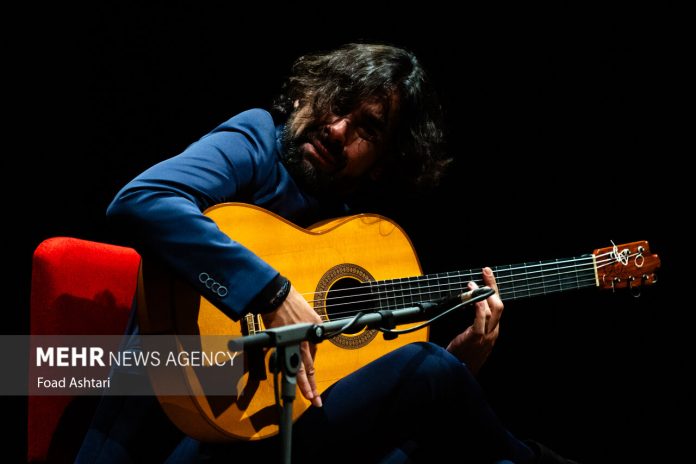
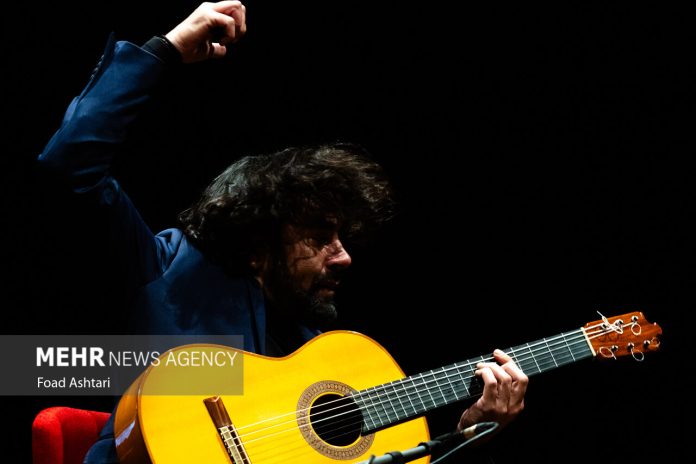
Spanish guitarist says amazed by Iranian audience’s knowledge of flamenco

Following his performance at Rudaki Hall, Casares remarked, “Music brings all cultures closer together and keeps them united. I believe our mission is to play music to cleanse the souls of people around the world.”

Casares was pleasantly surprised by the Iranian audience’s response to his performance, saying “I was amazed. I did not expect such familiarity. The Iranian audience has a very good understanding of flamenco music and reacted very positively to my performance.”

“Occasionally, I heard the enthusiastic exclamation ‘¡Ole,’ which delighted me. I met some Iranian friends here, whom I had previously interacted with online, and I was very happy to see them among the attendees and chat with them after the performance,” he said.

Casares further commented on his participation in the festival, stating, “When I was invited to this festival, I did not know much about it. Since I have another performance in two days at a different festival and could only stay in Iran for one day, I was hesitant to accept the invitation. However, I am now very glad I came. The organizers did an excellent job.”

Spanish ambassador praises invitation of flamenco guitarist to Fajr Music Festival

Casares, a native of Malaga, performed a solo flamenco guitar recital, showcasing one of Spain’s most challenging musical traditions, according to the Public Relations Office of the 40th Fajr International Music Festival.

“I’ve known Daniel since he won his first award at 16. His solo performances are exceptional, and I congratulate the festival organizers for inviting him. He is an excellent representative of Spanish flamenco music,” Gaspar said.

He voiced hope that Casares’ visit to Iran will not be his last, noting the guitarist’s regret at having to leave so soon.

Gaspar, who attended the performance with his family, praised the festival’s atmosphere and the Iranian audience’s appreciation for Spanish music.

“I was surprised by how many Iranians spoke Spanish and enjoyed the performance. Music transcends language and brings cultures closer together,” he remarked.

The ambassador also expressed his admiration for Iran’s rich and diverse musical traditions, stating, “Iran is a vast and culturally rich country. I hope to contribute to introducing this heritage to Spain during my time here.”

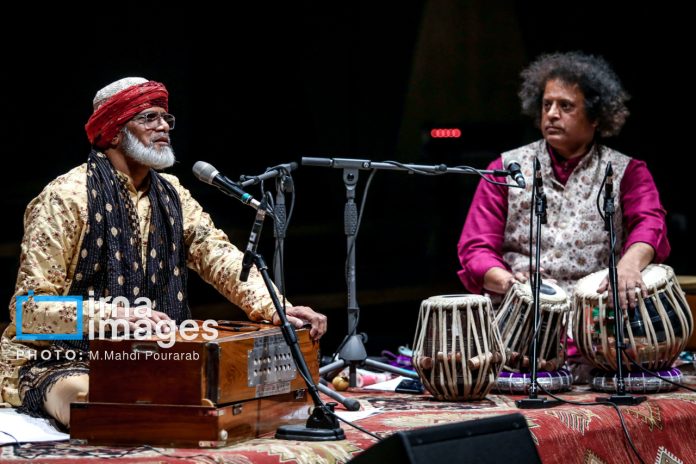
Musician: Cultural exchanges between Iran, India date back centuries

According to the public relations office of the festival, Manish, who has visited Iran four times, described the festival atmosphere as “excellent.”

He emphasized the importance of such cultural events in fostering understanding and eliminating misconceptions between cultures.

The musical artist pointed out Indian music has been influenced by Persian music, and that many Indian poets have written in Persian, adding Iranian poets like Saib Tabrizi have also lived in India for years.

Manish who is on the Ava-ye Zamin ensemble, led by Iranian musician Vahid Ayrian, featured Indian tabla player Pavann Nayak and vocalist Pavan Naik, and blending Iranian and Indian musical traditions.

The performance was part of the festival’s mission to promote cross-cultural dialogue.

Manish has previously collaborated with Iranian artists, including Rouzbeh Nematollahi. He praised the festival for its international flavor, bringing together artists from diverse backgrounds to showcase their traditions.