Thursday, December 25, 2025
Home Blog Page 4745

Former crown prince opposed Saudi aggression against Yemen

Muqrin bin Abdul-Aziz Al Saud

In Saudi Arabia divisions among princes have spilled out even further, with recently-replaced Crown Prince Muqrin bin Abdulaziz releasing a statement to openly oppose his country’s aggression against Yemen.

In the statement the former heir-to-the-throne said that developments in the kingdom have taken a dangerous turn, politically, economically and militarily and that the Saudi people will no doubt pay a heavy price for the aggression against Yemen, the Islamic Republic News Agency quoted [Libya-based] Al-Nabaa TV Channel as reporting.

The following is the translation of an excerpt of the statement:

In the statement the crown prince has said that he let King Salman know about his opposition to such aggression since day one and that he had warned of the economic, military and international relations ramifications of the measure.

Muqrin has further said that his opposition was shrugged off and that the defense minister has made the decision [to attack Yemen] on his own.

Muqrin has also urged members of the Saudi-led coalition [in attacking Yemen] to quit the mission and instead redouble their efforts to ease regional tension.

In conclusion, the prince who has fallen from grace, said he submitted his resignation to the Royal Court himself, urging all devoted people in Saudi Arabia and elsewhere in the world to save the people of the kingdom from being burned in a gloomy future.

Following the prince’s opposition to military action against Yemen, King Salman named Prince Muhamed bin Nayef as his crown prince and his son Muhamad bin Salman as deputy crown prince.

Stand your ground on gasoline decision

Fuel

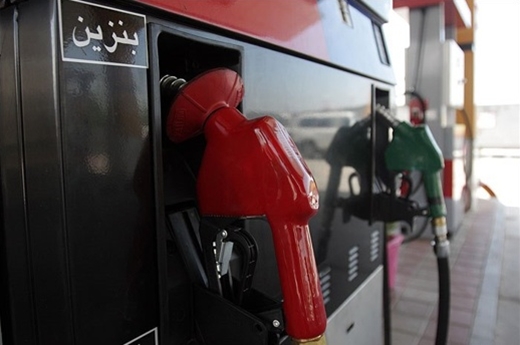
Tehran University professor Sadegh Zibakalam has – in a letter – supported government’s decision to scrap gasoline subsidies and raise prices at the pump, criticizing the government spokesman for his failure to offer adequate explanation on the decision.

Fararu, a news website, on May 30 released Zibakalam’s letter to Mohammad Bagher Nobakht, who is also the head of the Management and Planning Organization. The following is the translation of the letter:

One question that seems regrettably astonishing about the eleventh government – that is trying to administer justice – is the failure of its officials to stand by the decisions they make.

[Former President] Dr. Mahmoud Ahmadinejad used to display a lot of determination, willpower and guts in taking awkward steps and making unwise decisions. But you and your colleagues in the eleventh government lack one-third or even one-tenth of what he [Ahmadinejad] did when it comes to your wise and prudent decisions.

Payment of [monthly] cash subsidies and a recent decision to raise gasoline prices are perfect examples of the absence of such resoluteness. Personally I do not know of a country and government in which officials have inflicted damage on the nation anywhere close to the havoc Mr. Ahmadinejad caused in Iran’s economy through payment of cash subsidies.

Although the disastrous nature of that decision [distribution of monthly cash subsidies] and its catastrophic impacts on the country’s macro-economy were crystal clear, he implemented the decision – or the enormous disaster, better to say – so resolutely, confidently and decisively that any unaware viewer would imagine that the decision had come on the back of intensive studies by the most outstanding economists and development scholars.

However when your government [the Rouhani administration] faces this historical catastrophe and a question as to what should be done at least about the payment of subsidies for high-income families, you start to stammer instead of saying – loud and clear – that populism was the sole motive behind this unprecedented catastrophe which afflicted this nation the hardest over the course of history.

You announce in the morning that you are about to cut the subsidies of the wealthy; in the afternoon you deny what you said [in the morning]; in the evening you say that Islam does not allow us to glean information on the possessions of citizens, and later in the evening you say yet another thing. And at the end of the month, you put another spoonful of poison in the mouth of Iran’s beleaguered economy by dishing out the monthly allowances – in bulk – to 78 million people. In other words, you lack the valor to bring the curtain down on this economic suicide.

Your recent decision on raising gasoline prices is a similar story. Dear Mr. Nobakht! Not only do governments in almost all countries sell gasoline to consumers at cost price, but they also channel the fuel tax revenues – several times the cost price – into plans to boost the education and health sectors, develop public transport and assist low-income strata in society.

Due to an inefficient state-run economic structure, our country collects no tax revenues from gasoline, nor does it even charge consumers at the pump the gasoline’s cost price. The international price tag on imported gasoline is roughly 55 cents (per liter); excluding the transport fees, government pays around 23 cents in “hidden subsidies” to customers for every liter of gasoline it sells.

In other countries, however, governments at times collect as much as $1.3 in taxes for very liter of gasoline. The first downside of gasoline pricing (as well as that of diesel and other oil derivatives) is the way justice is dispensed. The households that don’t have a car get no share of such subsidies, but those who own a car are given the subsidies anytime they fill up their tanks. The more cars one household owns (read the wealthier they are) they are given more in subsidies.

Violation of justice has not been the only ramification of the unreasonable gasoline pricing. Low prices have encouraged motorists to favor their personal cars over public transport. Low prices also cause heavy traffic congestion and air pollution in cities, and oversee the national wealth going to waste.

When your government takes a wise step in this regard, your attitude in interviews explaining the government’s decision looks as if you have committed a serious crime and acted in bad faith.

Mr. Nobakht! Instead of justifying, explaining or even settling [the controversy over] gasoline price hikes, stand up firm for the wise and rational decision. Have no doubts, gasoline price hikes have been one [if not the only] wise decision you’ve [ever] taken.

Instead of hesitating and talking with people in an apologetic tone, explain to people that low gasoline prices have amounted to a national disaster and that they have been defrauded.

Explain to people that they paid a high price for gasoline prices – despite its apparently low rate – over the years. Clarify for people that low gasoline prices translate into injustice, practicing deception on the lower-income families in society, low pace of public transport development, air pollution in cities, more traffic congestions, and continuation of populist policies for which they [people] have paid a hefty price: risking their health and life.

Mr. Nobakht! Do not doubt that there is no need to sweeten the pill [each time you make a new decision]. At least for one time, try not to play the hero or savior for people and try to let them in on the truth the way it is. Be sure that it will not take you long to realize that you don’t have to sweeten the pill.

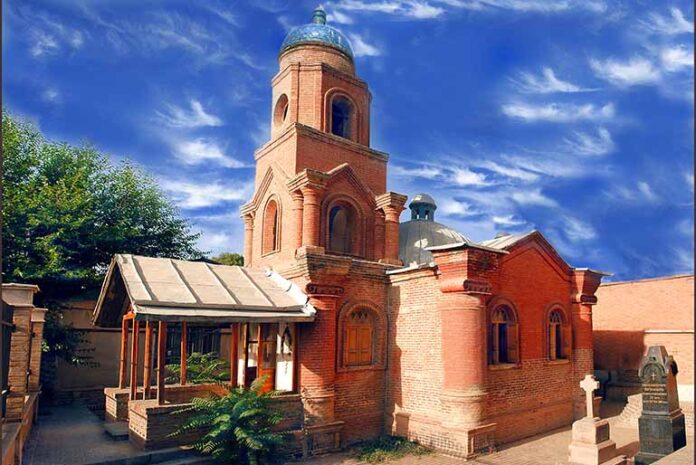
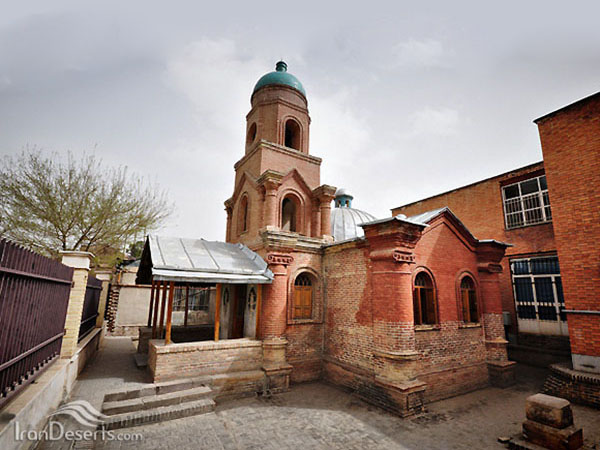
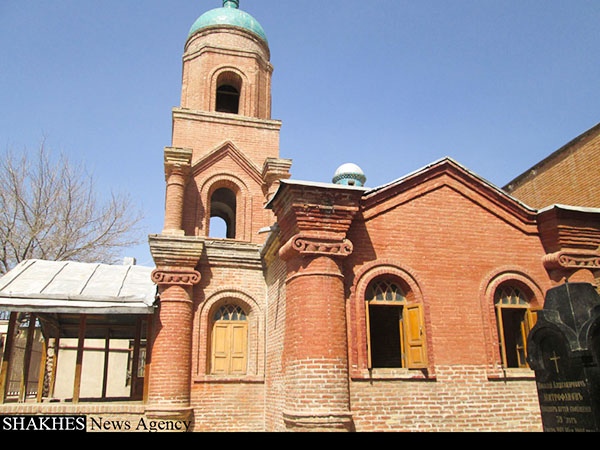
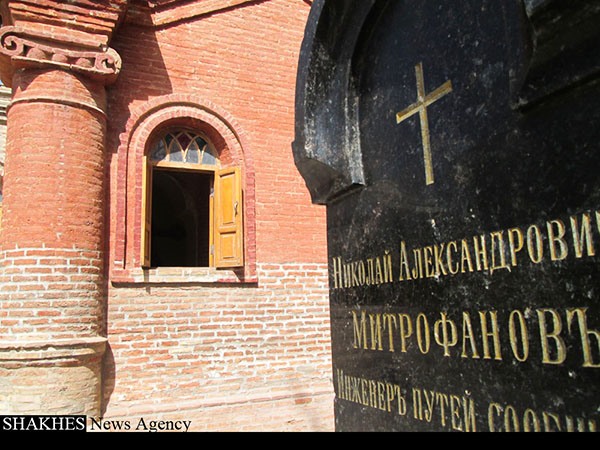
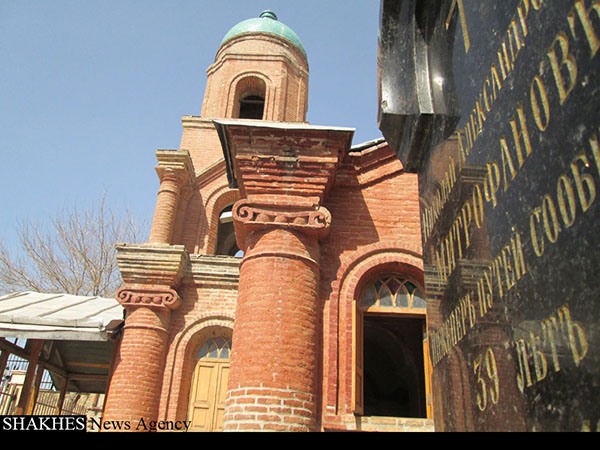
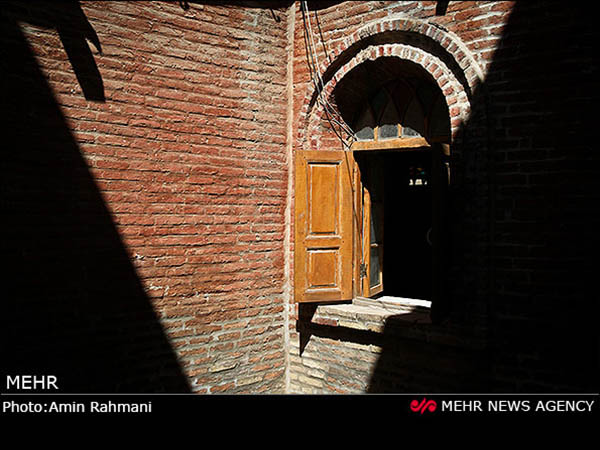
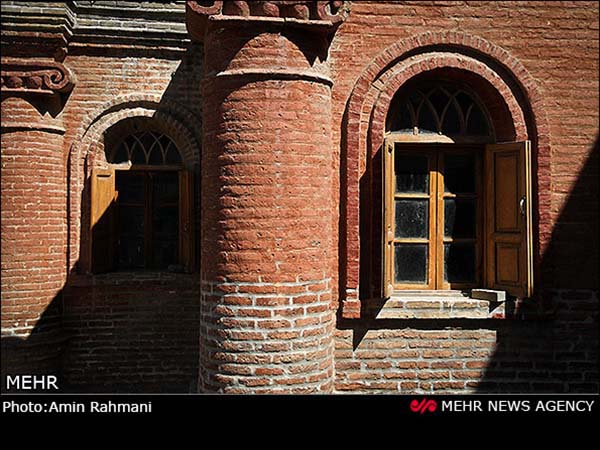
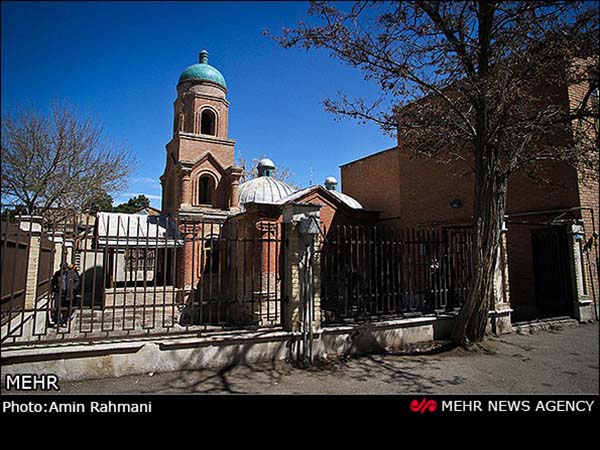
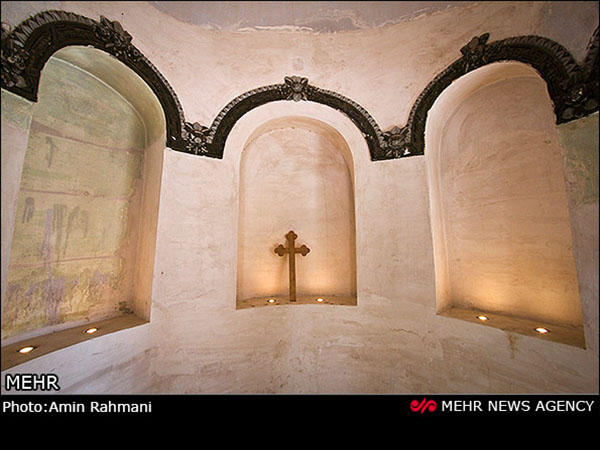
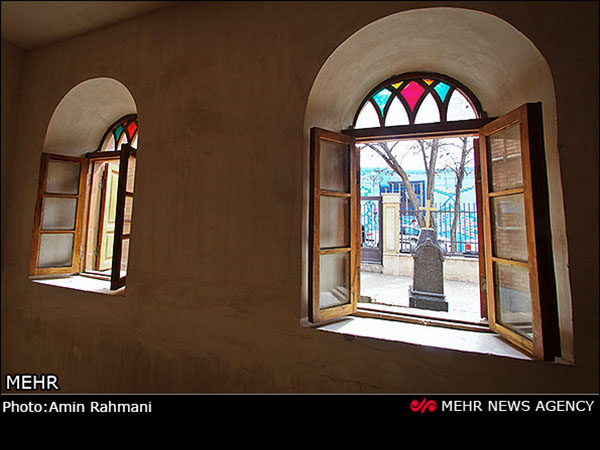
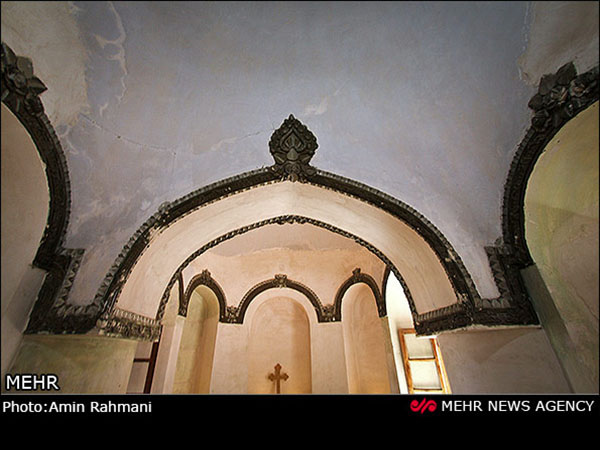
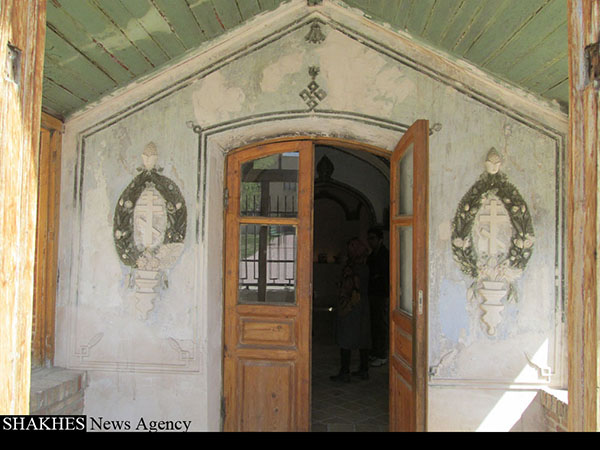
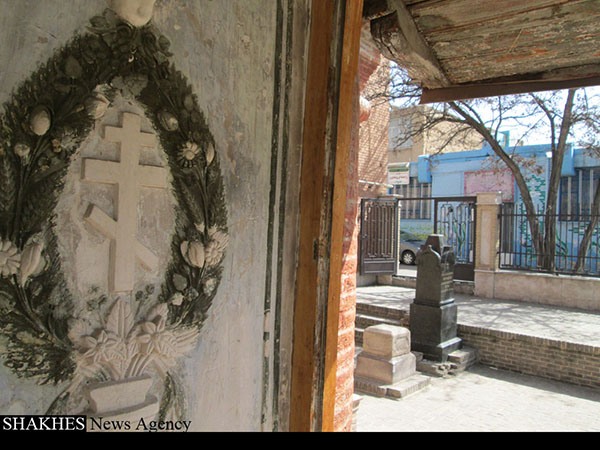
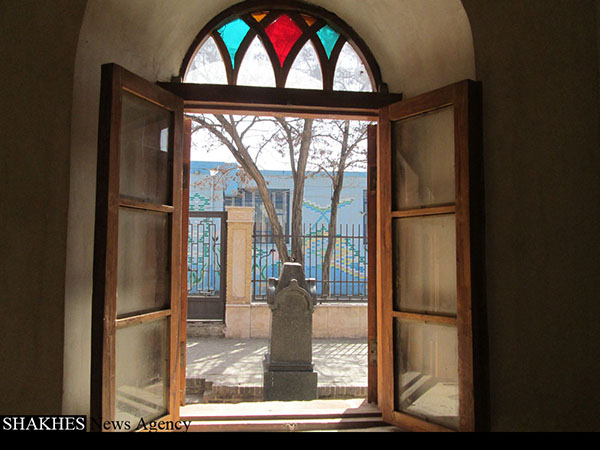
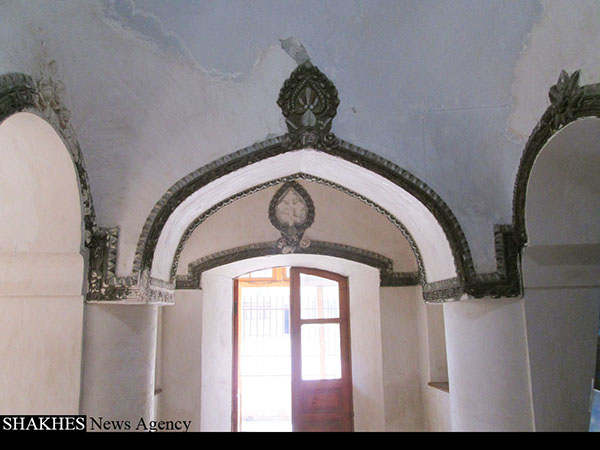
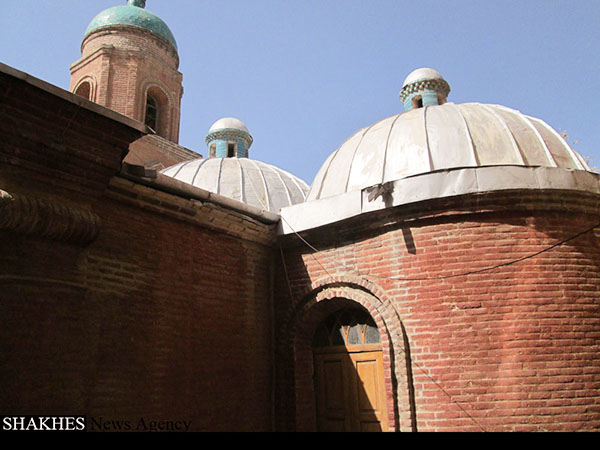
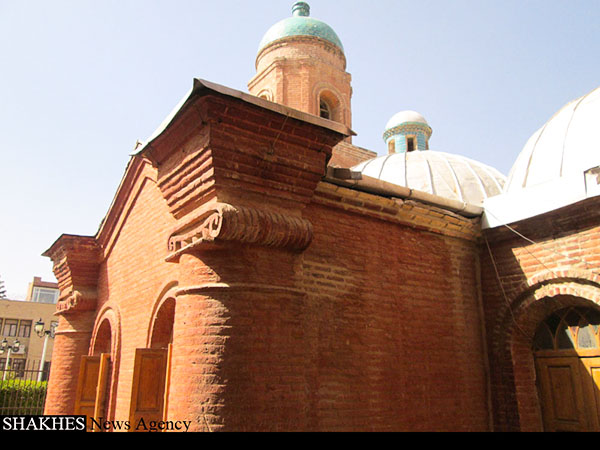
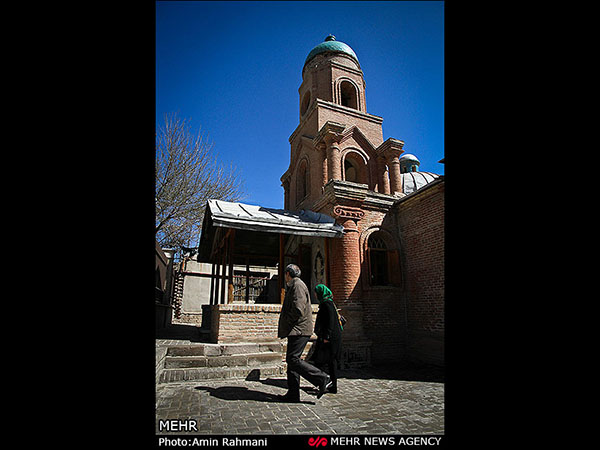
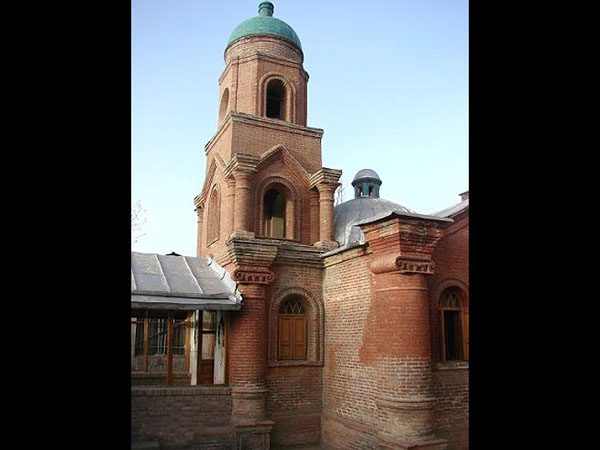
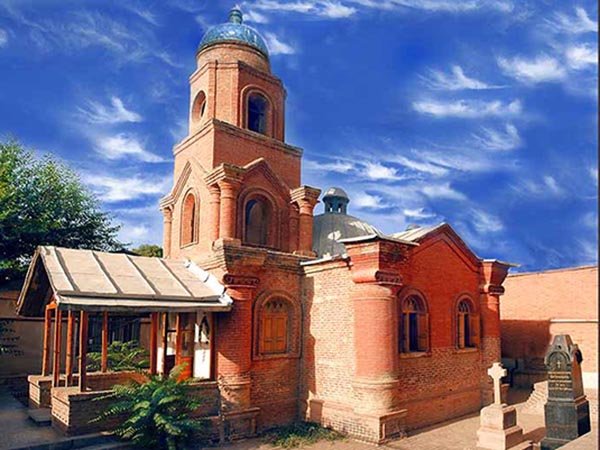
Cantor Church in Qazvin (PHOTOS)

Cantor Church

Cantor Church, also known as Bell Tower, is one of the smallest churches in the world. The house of worship was built in Qazvin by the Russian invading forces during World War II.

The courtyard of the church is the final resting place of two Russian nationals: a pilot who was killed when his plane went down during the war and an engineer.

The following images of the church have been released by different news agencies:

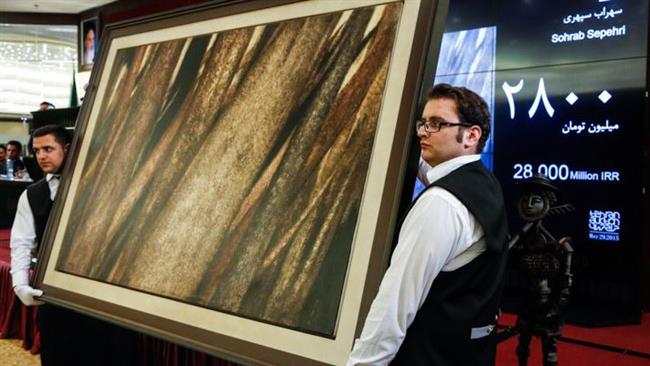
Sohrab Sepehri’s Painting Sold for $845K at 4th Tehran Auction

Sohrab Sepehri's Painting Sold for $845K at fourth Tehran Auction

The fourth Tehran Auction has broken the all-time record of Iran’s art auctions thanks to the sale of a painting by renowned Iranian poet Sohrab Sepehri for over $845,000, which brought the total revenue of the sales to over $6.4 million.

The 4th round of the event, dubbed Modern and Contemporary Iranian Art Auction, was hosted by actor Reza Kianian in Tehran on Friday.

“We didn’t think that we could organize the second edition of the Tehran Auction and now, I am happy that the fourth edition is being held,” Kianian told Mehr news agency as the auction began.

The second most expensive sale of the event was another painting by the late Iranian poet and painter, which was sold for about $600,000.

During the 4th Tehran Auction, a total 126 works of art by various artists, including  Masoud Arabshahi, Mohammad Ehsaii, Jalil Rasouli, Behjat Sadr, and Parviz Kalantari went under the hammer.


Sohrab Sepehri's Painting Sold for $845K at 4th Tehran Auction

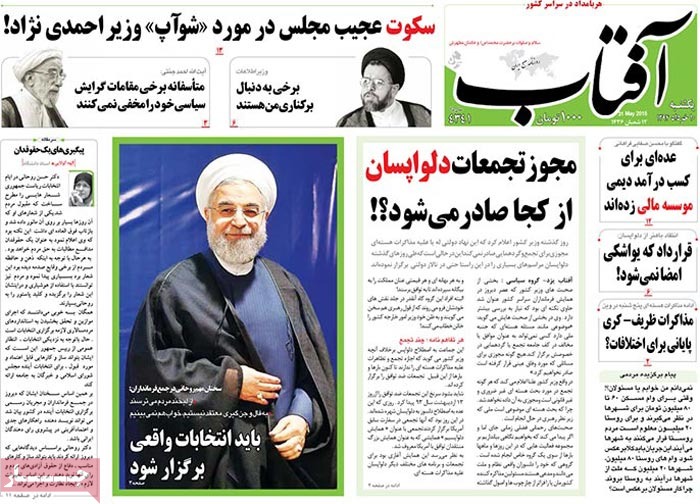
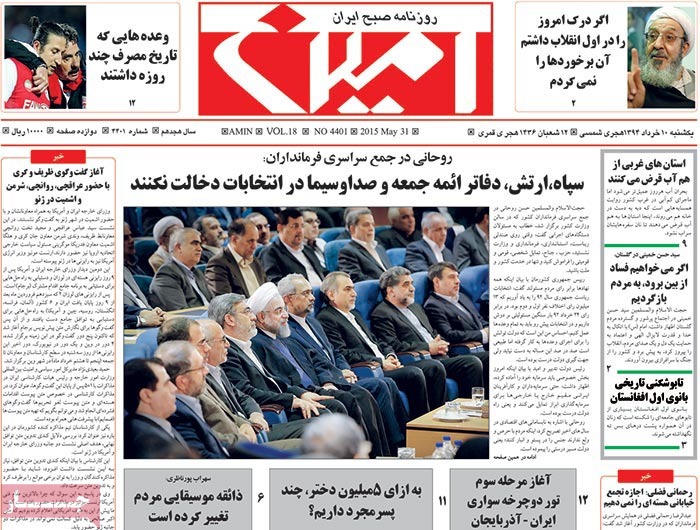
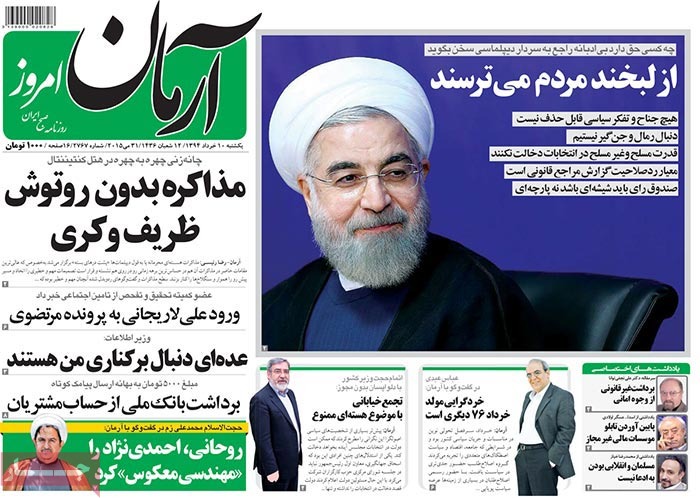
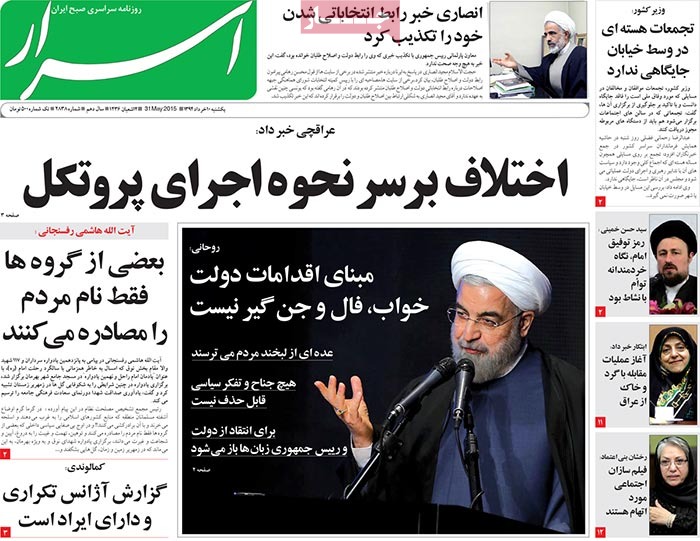
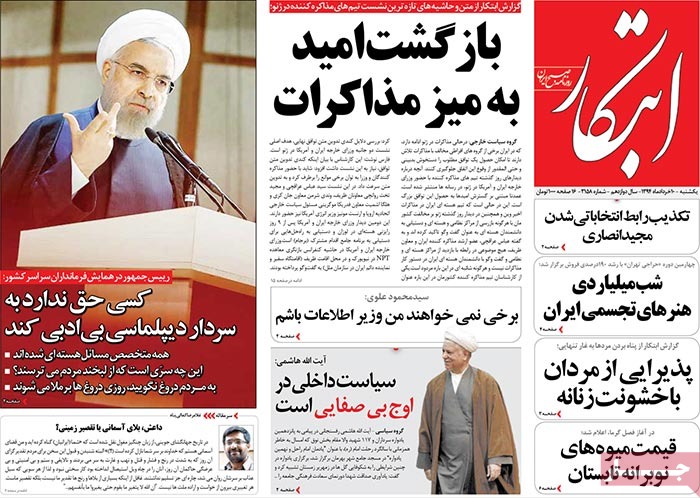
A look at Iranian newspaper front pages on May 31

Iranian Newspapers Headlines

Comments of President Rouhani in defense of his top nuclear negotiator dominated the front pages of Iranian newspapers on Sunday. Also in the news were continued nuclear talks between Iran and P5+1 and the record-breaking sale of a famous painting by Sohrab Sepehri at an auction in Tehran.


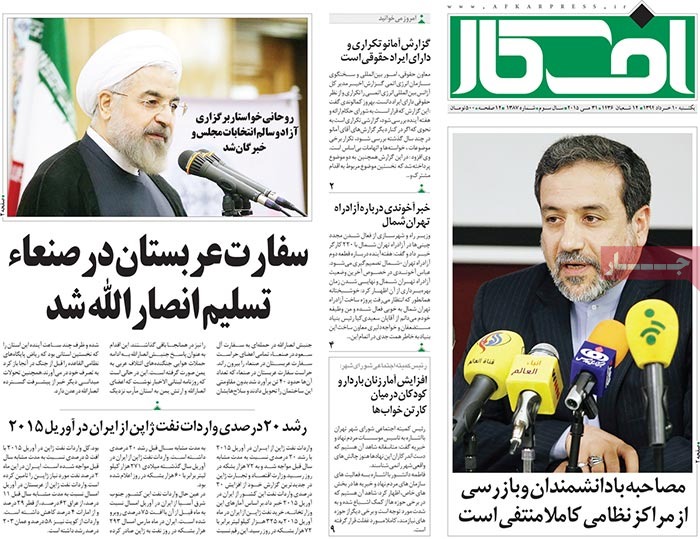
Afkar: Japanese imports of Iranian oil were up 20 percent in April 2015.


A look at Iranian newspaper front pages on May 31


Aftab-e Yazd: “Unfortunately some officials conceal their political leanings,” said Secretary of the Guardian Council Ayatollah Ahmad Jannati.


A look at Iranian newspaper front pages on May 31


Amin: President Rouhani has urged IRGC, the Army, offices of Friday prayer leaders and IRIB (the national broadcaster) not to wield influence in elections.


A look at Iranian newspaper front pages on May 31


Arman-e Emrooz: “Some are scrambling to replace me,” said Intelligence Minister Seyyed Mahmoud Alavi.

Arman-e Emrooz: Parliament Speaker Ali Larijani has been called in to help speed up legal proceedings against Saeed Mortazavi [a former director of the Social Welfare Organization who is on trial for fraud and corruption].


A look at Iranian newspaper front pages on May 31


Asrar: “The report the IAEA has released is flawed and repetitive,” said Behrouz Kamalvandi, the spokesman of the Atomic Energy Organization of Iran.


A look at Iranian newspaper front pages on May 31


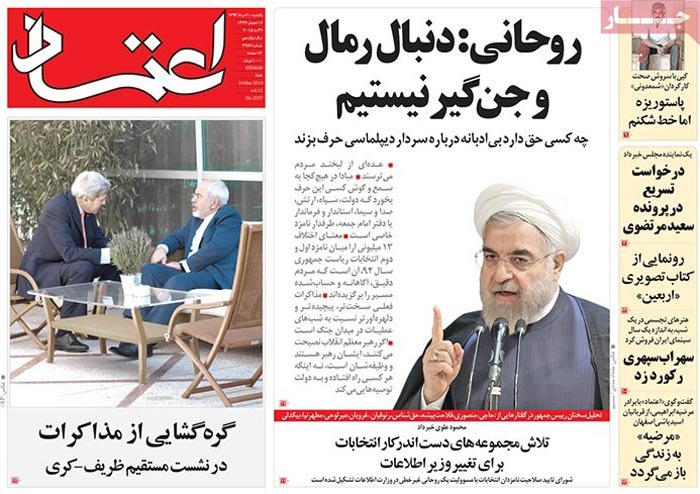
Ebtekar: “No one has the right to insult the country’s diplomacy commander,” said President Rouhani as he took a swipe at opponents of nuclear talks.

“Everyone has turned into a nuclear expert! Why is it that they are afraid of the smile on the faces of the people? Don’t lie to the public; the truth will out,” the president said.


A look at Iranian newspaper front pages on May 31


Etemad: In a meeting in Geneva, Foreign Minister Mohammad Javad Zarif and US Secretary of State John Kerry have tried to push forward nuclear talks.


A look at Iranian newspaper front pages on May 31


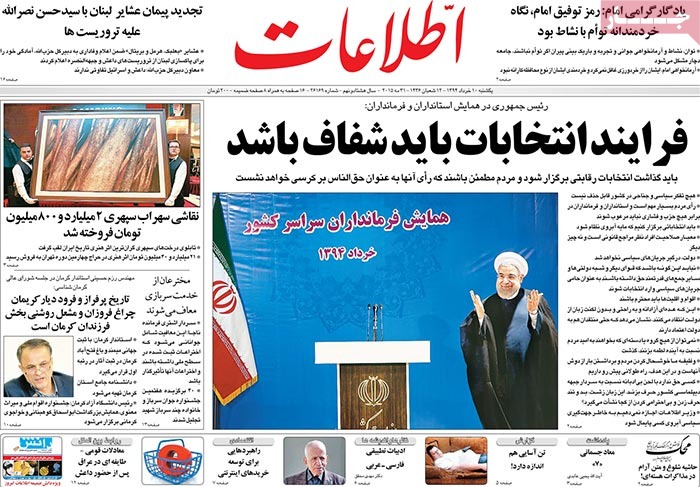
Ettela’at: The Lebanese nomads have pledged allegiance to Hezbollah Leader Seyyed Hassan Nasrallah in the fight against terrorists.


A look at Iranian newspaper front pages on May 31


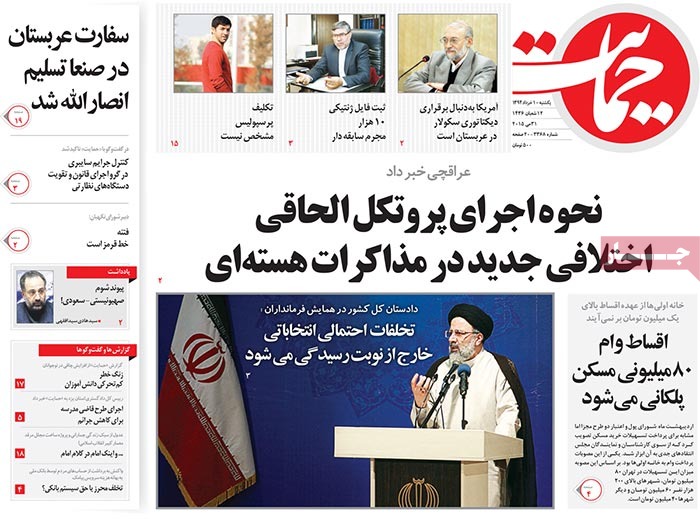
Hemayat: “Likely electoral irregularities will be placed on judicial fast-track,” said the attorney general.
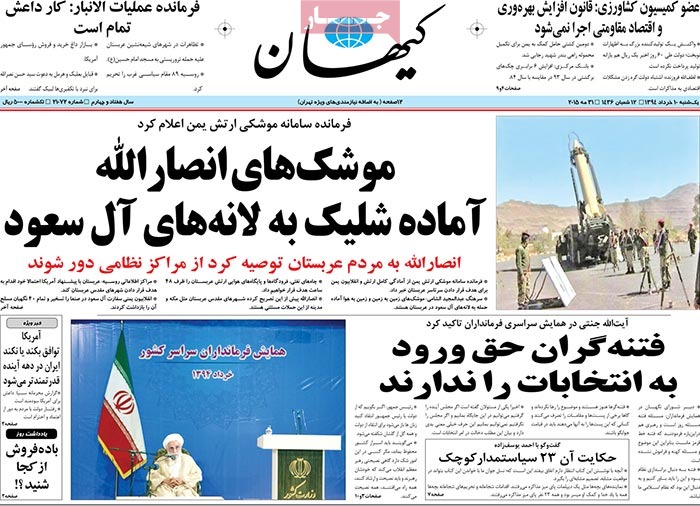
 

A look at Iranian newspaper front pages on May 31


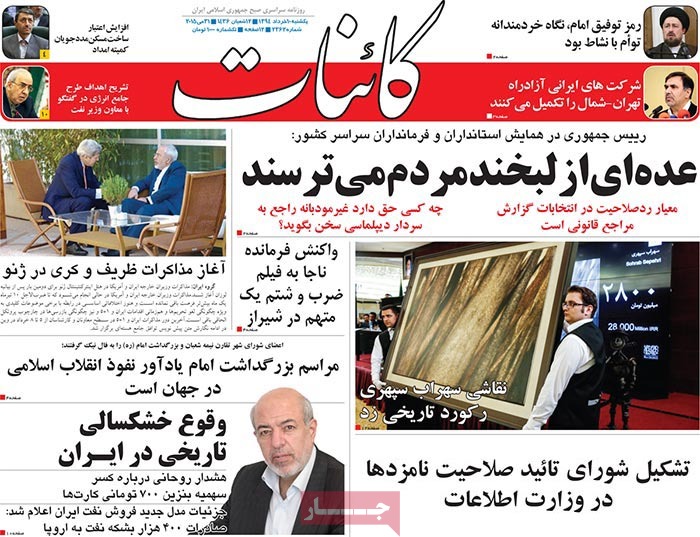
Kaenat: “Iranian companies will complete the highway that links the capital to the north,” said the minister of roads.
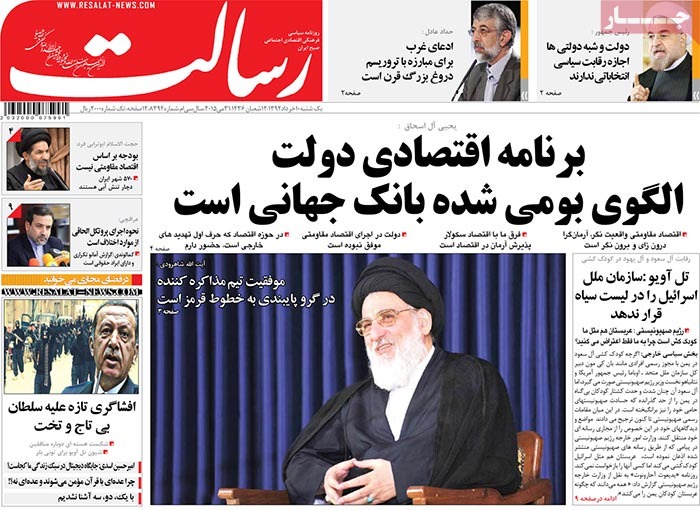
Kaenat: A committee has been set up at the Intelligence Ministry to screen potential electoral candidates.


A look at Iranian newspaper front pages on May 31


Kayhan: “Seditionists [a reference to those who supported the two 2009 presidential candidates who disputed the results of the vote and caused widespread unrest] won’t be allowed to throw their hat in the ring,” said Ayatollah Ahmad Jannati at a gathering of governors-general.


A look at Iranian newspaper front pages on May 31


Resalat: “The success of the nuclear negotiating team hinges on its commitment to respect for the red lines,” said Ayatollah Hashemi Shahroodi, a former judiciary chief.


A look at Iranian newspaper front pages on May 31


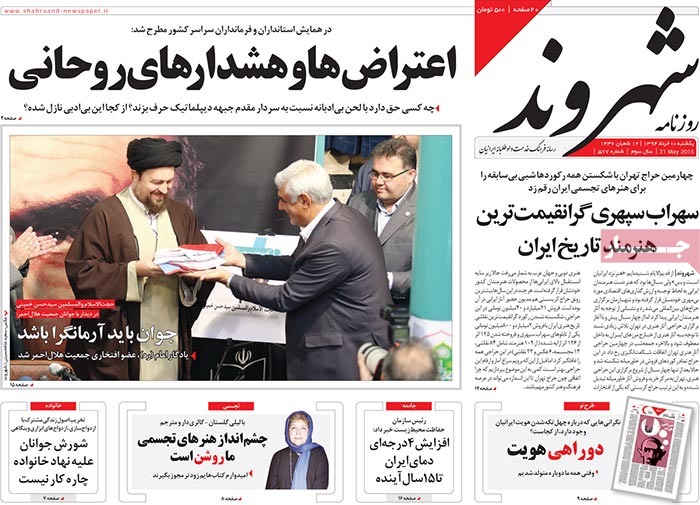
Shahrvand: Sohrab Sepehri has become the most expensive painter in Iranian history.

It came after a painting of the well-known poet fetched more than $800,000 in a Tehran auction.


A look at Iranian newspaper front pages on May 31


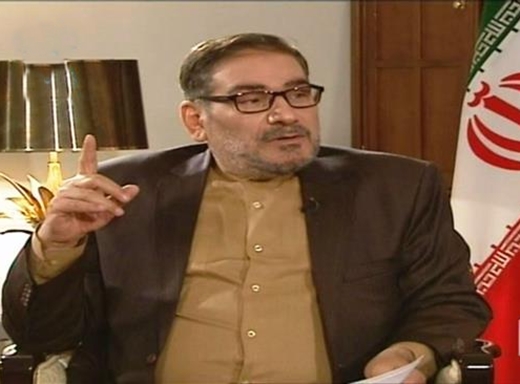
Shamkhani talks on Iran’s red lines on ISIL

shamkhani

Secretary of Iran’s Supreme National Security Council (SNSC) Ali Shamkhani has outlined the three red lines Iran has in dealing with the situation in neighboring Iraq where Takfiri militants have been committing crimes against humanity.

In a Saturday night interview with IRIB, Shamkhani reiterated Tehran’s red lines in regard to ISIL terrorists wreaking havoc in Iraq.

ISIL “threats against Baghdad”, or the Shia holy shrines, as well as any Takfiri advance on the Iranian borders are “considered the Islamic Republic’s three red lines”, said the former defense minister.

Iran’s support for Iraqis, including Shias, Sunnis, and Kurds, has proved successful in “weakening the terrorist groups”, Shamkhani said, adding that if Iran had not helped Iraq, “the situation of the country would have definitely changed.”

Referring to the Takfiri groups’ attempts to enter Iran via its western borders, Shamkhani said, “We have been able to push them back,” and that Iran is watching every terrorist activity of the groups, which are “now very vulnerable” in their fight against the Iraqi government.

Saudi war on Yemen 

Apart from a shaky five-day ceasefire, Saudi Arabia’s onslaught on Yemen has now been going on for two months, with this belief that the Ansarullah movement fighters must give up their weapons and return to their former location, he said.

“This is as the group has been ignored for years in Yemen,” he added.

Yemen has been under Saudi airstrikes since March 26. The military aggression, carried out without a UN mandate, is meant to restore power to the fugitive former Yemeni president, Abd Rabbuh Mansur Hadi, who is a close ally of the Riyadh regime.

Iran nuclear program

Referring to a final nuclear agreement between Tehran and the six global powers, Shamkhani said Iran would not sacrifice the content of a possible deal in order to just meet a June-end deadline.

Shamkhani questioned the calls to inspect Iran’s military sites, saying they are just desperate attempts to justify the unlawful sanctions placed against Iran.

Negotiators from Iran and the P5+1 group of countries – the United States, Britain, France, China and Russia plus Germany – are seeking to finalize a comprehensive deal on Tehran’s nuclear program. The two sides have set July 30 as the deadline for the final deal.

Additional Protocol implementation a sticking point in nuclear talks: Negotiator

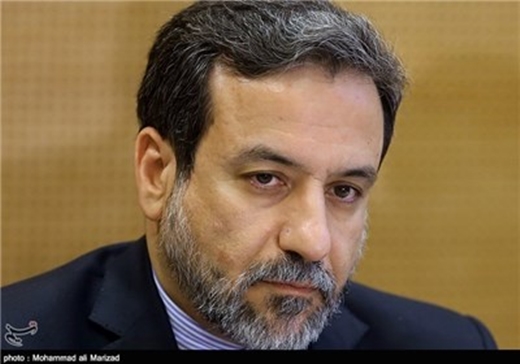
Seyyed Abbas Araghchi

One of the points of contention in nuclear talks between Iran and six world powers is how the Additional Protocol of the Nuclear Non-Proliferation Treaty (NPT) is to be carried out, a senior Iranian negotiator said on Saturday.

How the Additional Protocol is to be implemented is one of the sticking points which we are discussing,” Abbas Araghchi told IRIB in Geneva on Saturday, before a meeting between Iranian Foreign Minister Mohammad Javad Zarif and US Secretary of State John Kerry.

He also expressed the hope that the high-profile meeting would help the parties settle the remaining issues.

“Today’s bilateral meeting in Geneva is a dialogue on substantial subjects and the issues that have remained unsolved,” he explained.

Araghchi once again made it clear that the notion of access to Iran’s military sites or interviews with the country’s nuclear scientists is totally off the table in the negotiations, but added that discussions still continue within the framework of the Additional Protocol’s processes.

Iran and the Group 5+1 (Russia, China, the US, Britain, France and Germany) are in talks to hammer out a lasting accord that would end more than a decade of impasse over Tehran’s civilian nuclear program.

On April 2, the two sides reached a framework nuclear agreement in Lausanne, Switzerland, with both sides committed to push for a final deal until the end of June.

Why should government endure the cruel taunts of opponents?

President Rouhani

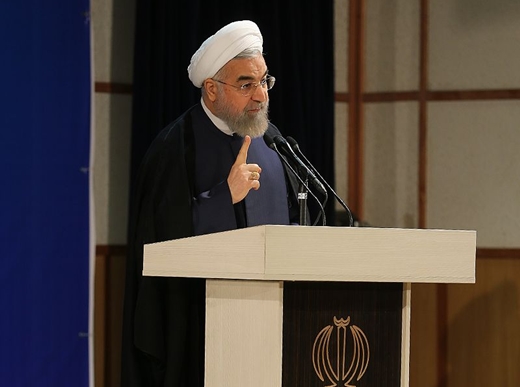
President Hassan Rouhani has said that his government is walking down the right path and consults experts before taking any step.

The President made the comment at a gathering of governors and governors-general from across the country on Saturday and added that his government is determined to fulfill the promises it has made despite the existing shortcomings.

Entekhab.ir covered the president’s remarks at the meeting. The following is the translation of part of the report:

[…]

President Rouhani said that to the government which has the responsibility to organize elections, people’s vote is of great significance and that governors-general should not be intimidated by pressures piled on them by different parties.

He said no political and factional mindset can be eliminated in the country, adding elections will be meaningless in the absence of competition. He also said judicial officials should verify the qualification of contenders, adding rumors – that government, IRGC, the Army, IRIB or a certain governor general confirms a certain candidate – have no place in the elections.

He went on to say that his government should make good on its promises, adding the Cabinet is walking down the right path. He said government’s measures come on the back of consultations with experts, not based on fortunetelling and prophetic dreams [a reference to the former government which was said to resort to dreams and clairvoyant powers to justify their erratic measures].

It is unforgiveable if certain individuals and groups try to kill public hope, the president said, urging the governors-general to base their conduct on measures to help economic stability and growth, restore market calm, and encourage people to invest [in different sectors].

That the economy and centrifuges should spin together is a public demand, he said, adding the Cabinet will satisfy such a demand based on popular vote, the establishment’s core principles and [the country’s] red lines of which the nuclear team is fully aware.

Rouhani then took a swipe at those who use an indecent language when talking about Mohammad Javad Zarif and called his foreign minister “the Commander of the Diplomatic Front” and said, “Where on earth has this foul and indecent language come from? Do not tell lies to people. Those lies will be exposed [someday]. We need to talk to people honestly.”

“It seems God has descended His blessings everywhere; everybody around us has turned into an expert in law and national security, and into an eloquent orator who discusses national issues. This is a good happening,” he sarcastically said.

[…]

“How come certain people do not want to see people enjoy their lives when they see government is advancing nuclear talks with prudence and tactfulness? What is the secret behind the fact that there are some who are afraid of people’s smile? At issue is the nuclear case; it is not a question of this or that government branch or that of different parties. This is a nuclear case whose burden is on the shoulders of the establishment,” he further said.

The president went on to say, “The Supreme Leader offers a piece of advice since he has the stewardship of the country, but everybody starts advising the government ‘You are thirsty and should drink water’. Swear to God, we know we should drink water [in such a condition].”

Rouhani said his government has promised people to build an economy which – like the global economy – can experience reasonable fluctuations, adding, “We promised to help people be calm and relax. Like government, all institutes are accountable to people’s vote. That vote is not simply confined to executive organizations”.

He also said government has exploited all its potential to fulfill those promises, adding occasional failure comes with the territory. He stressed that his government’s attitudes are right.

“That people are not voracious to stock up on goods in their houses shows government is moving down the right path. That we did not have people stand in long humiliating lines shows that government has taken the right direction,” he emphasized.

“People do not criticize parliament and the Judiciary, saying let us lead our lives, but when it comes to blaming the president and his government, they never miss a beat,” he further said.

“It is our responsibility to make people happy and ease the burden weighing on their shoulders. In the nuclear case, how come government goes to great lengths [to settle the country’s dispute with the West] but it has to suffer the cruel taunts [of its opponents]? Why is it so?” the president asked.

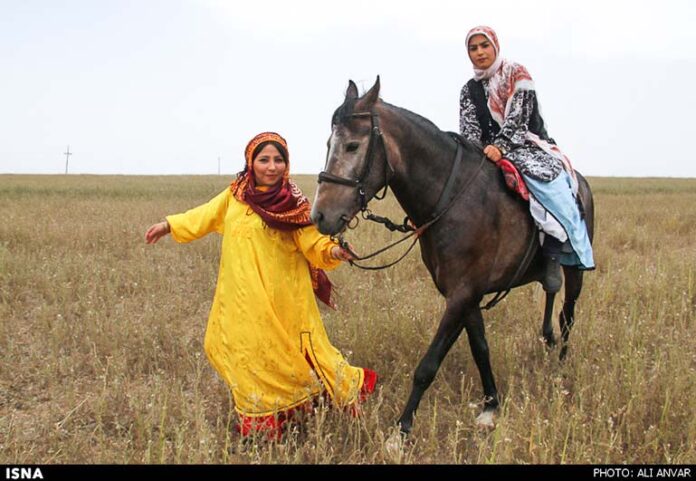
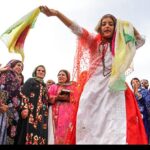
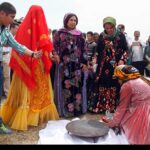
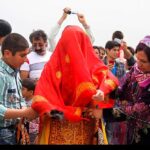
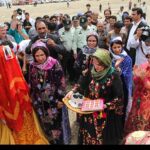
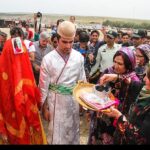
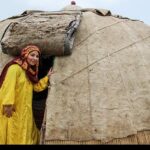
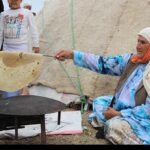
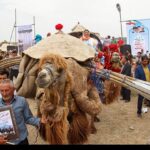
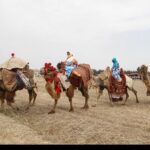
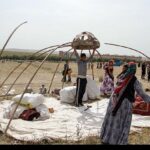
Nomadic festival in Ardebil (PHOTOS)

Nomadic festival00

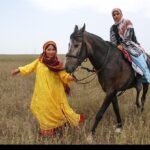
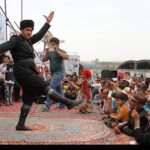
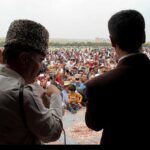
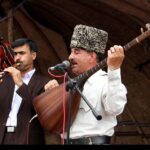
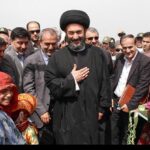
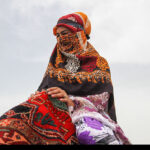
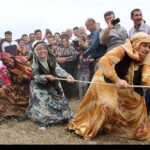
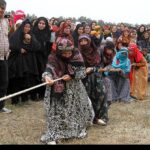
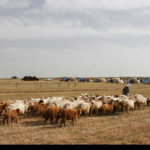
The Iranian Students’ News Agency has released the following images of a nomadic festival in Jafarabad in the northwestern Iranian province of Ardebil.


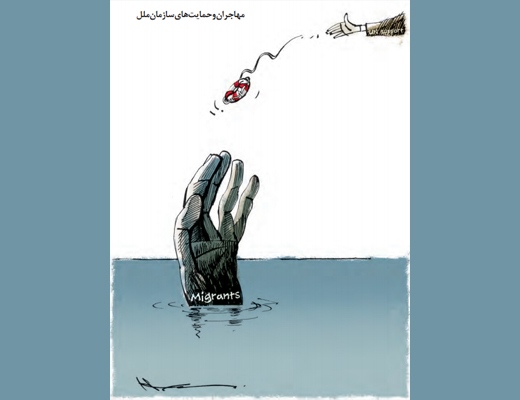
Fleeing persecution, boat people face the unknown at sea

Myanmar-cartoon

More than 4,000 migrants have landed in Indonesia, Malaysia, Thailand, Myanmar and Bangladesh since Thailand launched a crackdown on people-smuggling gangs this month. The United Nations says around 2,000 may still be adrift in boats on the Andaman Sea and Bay of Bengal.

Myanmar’s Rohingya minority and immigrants from Bangladesh have set sail to flee persecution, but they have faced unchartered waters out at sea. The influx of the persecuted Rohingya migrants has turned into a cause for international concern. There have been calls for global efforts to help the vulnerable “boat people” stranded in the region’s seas, but to date they have been of no avail.

Sharq daily on May 24 published Displacement – a descriptive piece of writing by Iranian writer Nahid Tabatabai – featuring the hopes and pains of migrants who leave their home country behind in search of a better tomorrow. The following is the translation of the piece in its entirety:

The swings of an old, moribund boat; sleeping at the dark, malodorous, [dingy] stowage below deck; the stench of dead fish; the wet, slimy stowage floor; stillness among hundreds of bone-tired, hungry and helpless people; a missing remedy; a dashed hope; sheer hopelessness; vagrancy and then – looking into camera – the face of a naked, emaciated boy who takes his loosely clenched fist toward his mouth;

The image of a little girl who has lain down in the pale [rays of] sun peeking through an opening on the stowage floor, curling up her frail legs in a fetal position and tucking them under her stomach; the fearful eyes of a woman that have seen the man’s severed head and remained bewildered and scared; behind the look on her face, there is a mind which has forgotten the agony of loss; bewildered by this much helplessness, she sits by her children;

A man’s eyes moistened by sea water and tears, hollow on a haggard face; adrift on the blue sea jostling for a bottle of water; ironically thirsty while surrounded by water; fear of losing a bite-size morsel; a hungry mouth which does not let go of the lid of an empty packet of food; sniffing the smell of food with no leftovers left behind; the smell of food mixed with the stench of rotten fish; the two-month body odor of [unbathed] displaced and underfed people; the smell of lassitude and fatigue; the reek of grief and despair; the [malodorous] smell of death; the [putrid] smell of oppression; the [pungent] smell of the oppressed; the [deep] whiff of homelessness.

The vile odor of human-to-human cruelty; and forgetfulness of the countenance of father and the hand of mother; the [gentle] caress of the morning breeze, the smell of freshly baked bread, the fragrance wafting through the kitchen; the freshness of [the refreshing] water slipping gently on the tongue; the serenity of [deep] sleep on their [comfortable, cozy] bed; the tranquility of head resting on a [soft] down pillow; the view of a baby feeling full; sighing [deeply] in relief; taking home the fruits of labor; swinging as high as the treetop; the refreshing taste of sweet basil; the heavenly aroma of watermelon; the amber hue of grapes; the view of the youth going through the growing spurt; the warmth of loving [someone] and being loved [back]; and the delicate scent of love, affection and tolerance.

Forgetting the kindness of living simple, eating, sleeping and laughing; forgetting everything good as if they had never existed; forgetting the human right of humans.

Myanmar, 2,000 people, two months, wandering at sea; and the swing of a pendulum hanging between fear and death.