Thursday, December 25, 2025
Home Blog Page 4732

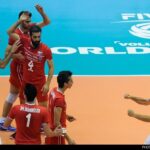
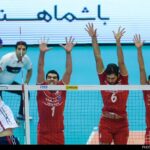
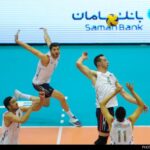
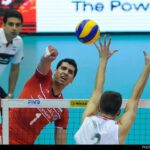
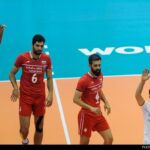
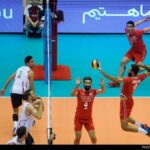
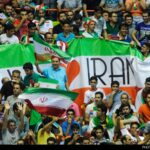
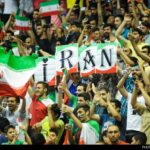
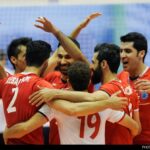
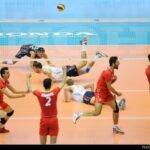
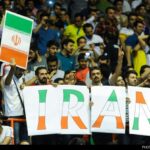
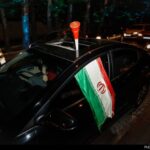
Iranians celebrate victory of volleyball team against US

Iran-US-Volleyball-Tehran17

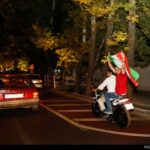
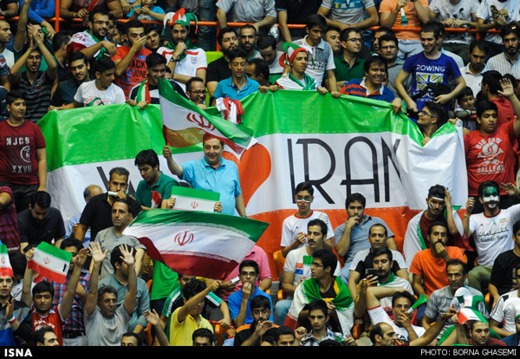
People in Tehran poured to the streets to celebrate the victory of the Iranian national volleyball team against Team USA. Honking their horns and waving the Iranian flag, Tehranis celebrated the home victory of the volleyball squad.

Iran defeated the USA in straight sets 3-0 (25-19, 29-27, 25-20) in Pool B of the 2015 FIVB World League on Friday (June 19).

The two teams are scheduled to line up against each other again on Sunday.

The following are the photos the Islamic Students’ News Agency (ISNA) released after the game.


Old Telegraph House in Chabahar

Telegraph House00

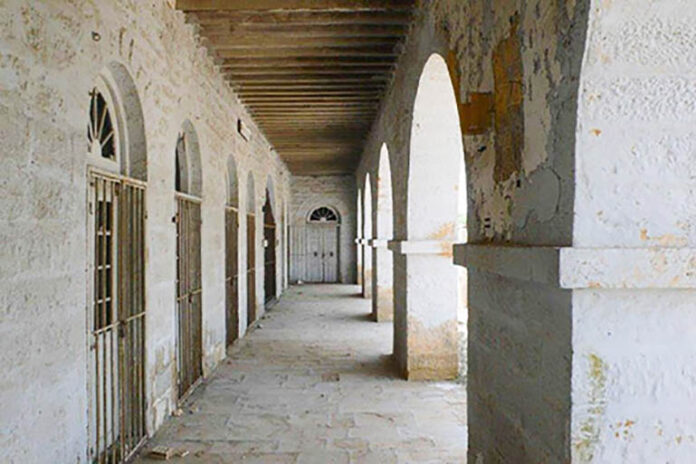
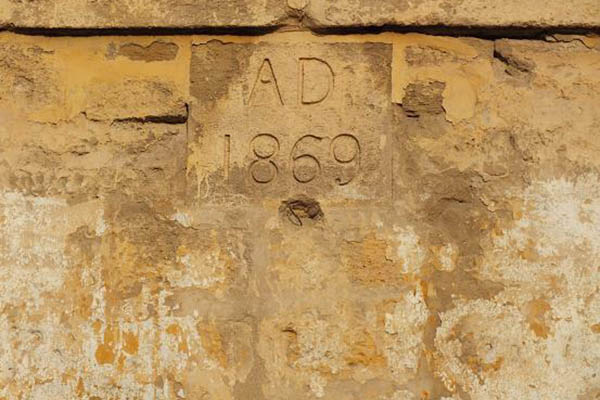
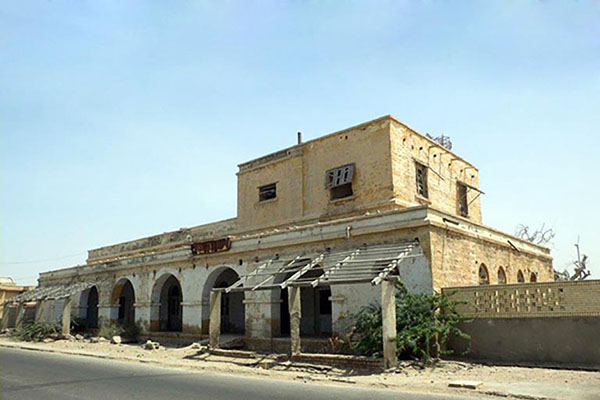
The Telegraph House is the oldest modern building in Chabahar which was built by the British in 1864, at the end of the Qajar era, to promote sailing and trade and connect India, Jask [a city in Hormozgan Province] and Bandar Abbas.

The beautiful structure with sloping slate shutters and arches has been registered as a national monument.

The following images have been released by different websites:


“Imposing pressure on negotiators unwise; people need peace of mind”

Nahavandian

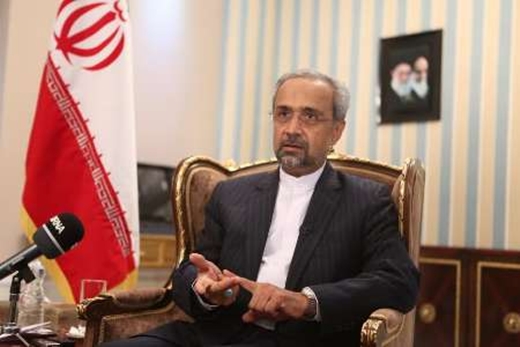
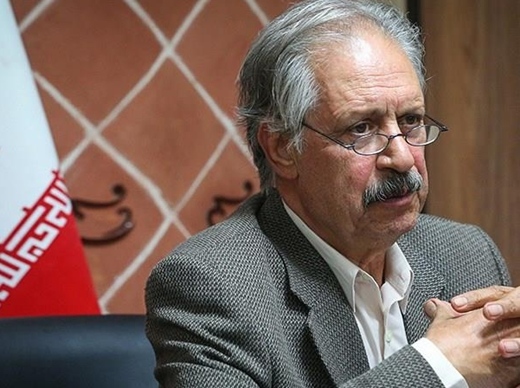
Chief of staff of the President’s Office Mohammad Nahavandian said Friday that political players and journalists inside Iran should not impose pressure against the country’s nuclear negotiators who are leading a tough job, adding it is unwise to do so.

Speaking with IRNA, Nahavandian stressed that the Iranian nation seriously needs peace of mind today, as well as a thriving economy in which business will yield benefits. Under tough conditions, the Iranian political system is still capable of resisting, he said, adding management of the affairs will be a lot easier both for the system and for the nation after the conditions are improved.

“These words are not hollow mottos, as in practice after the termination of the sanctions our nation can have access to the world markets, which is their basic right, and our businessmen can attract capital and create jobs,” he said.

The Iranian capital and brains need to be kept inside the country, unlike when the sanctions are in place and present an unfavorable condition both for doing profitable business and for the talented people to flourish, he said.

[…]

“In case the sanctions will be terminated, the only way for us to achieve the objectives of our development plans will be relying on our internal potential and trusting in God that will grant us benefits,” he said.

The objective, he said, is that an Iranian investor can compete under similar conditions in which his Turkish, European, or Chinese counterparts work.

“Why should an Iranian exporter have to work under uneven circumstances? It is the government’s responsibility to remove such obstacles standing in the way of the economic activists, and it will do so,” added the official.

First Silk Road rail cargo enters Iran

Silk Road railway

The first cargo carried on the Silk Road railway has entered Iran from the Central Asian nation of Kazakhstan, local officials said.

The cargo, including 45 freight wagons, crossed the Incha-Burun border with Turkmenistan into Iran, local officials in the Golestan province said.

It followed the signing of a cooperation document between Iranian and Kazakh railway officials, head of the Northeast Railway 2 Mohammad Reza Qorbani said.

In their joint session, the mode of cooperation between Iran, Turkmenistan and Kazakhstan and other countries for transit and rail transportation was discussed.

“At the session, existing infrastructure and potential of the Islamic Republic of Iran Railways and neighboring countries, Iran’s development plans and active transit corridors passing through Iran were discussed,” Qorbani said.

They also decided to work on developing the Incha-Burun-Bandar Abbas line as the new Silk Road route, he said.

The railway linking Iran to Turkmenistan and Kazakhstan at a length of 926 kilometers was inaugurated last year.

Iran and Central Asian nations have stepped up work on establishing an integrated freight railway network to link Asia to the Persian Gulf, Europe and Africa.

It is part of an ambitious Chinese plan to revive the Silk Road which would require building of a network of roads, railways, ports and airports.

Central Asian countries plan to carry their bulk and container cargoes from the Incha-Burun border crossing in Iran’s northern Golestan province to southern Iranian port city of Bandar Abbas.

Earlier this month, head of Kazakhstan’s national railway company Askar Mamin visited Iran’s Shahid Rajaee and Bandar Abbas ports.

Head of the Islamic Republic of Iran Railways (IRIR) Abbas Nazari said the Kazakhs were interested in investing in Bandar Shahid Rajaee for construction of silos in order to store its wheat crop in the port and facilitate shipments.

Nazari said Iran, Kazakhstan and Turkmenistan, which are linked by sea in the Caspian Sea, were working on a unified transit tariff.

Iran Navy repels pirate attacks on vessel in Gulf of Aden

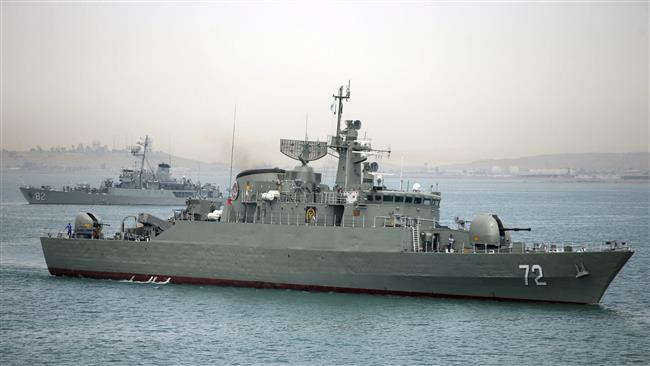
Iranian warship Alborz

The Iranian Navy has successfully thwarted two pirate attacks on an Iranian merchant vessel in the Gulf of Aden.

Iran’s naval forces, which escort the country’s merchant vessels and oil tankers in the high seas, first rushed to the help of the ship when pirates on board five speed boats were trying to hijack it, forcing the pirates to flee.

The pirates returned three hours later with 11 boats this time, but their attack was once again repelled by Iranian naval forces.

Iran’s Navy has, in recent years, increased its presence in international waters in a bid to protect naval routes and provide security for merchant vessels and tankers.

Since November 2008, the Iranian Navy has also been conducting patrols in the Gulf of Aden in line with international efforts against piracy to safeguard merchant containers and oil tankers owned or leased by Iran or other countries.

In April, the Iranian Navy’s 34th naval fleet comprising the Bushehr logistic vessel and Alborz destroyer left the southern port city of Bandar Abbas for the Gulf of Aden and Bab al-Mandab Strait to carry out missions in the high seas.

Iran’s Navy has managed to foil several pirate attacks on both Iranian and foreign tankers during its missions in international waters.

A bird’s eye view of Tehran: US volleyball team visits Milad Tower

US Volleyball Team

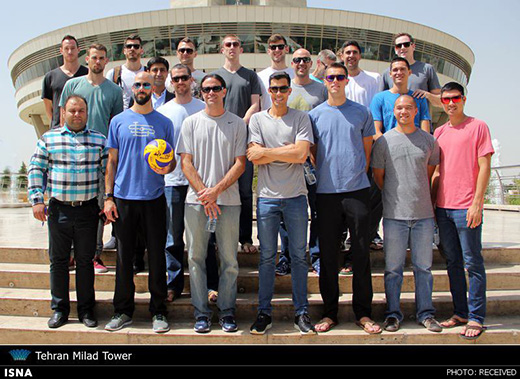
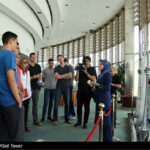
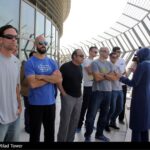
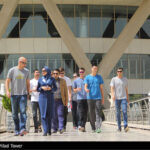
The US national volleyball team visited different parts of Tehran’s Milad Power on Wednesday (June 17), describing it as one of the key tourist attractions of the Iranian capital which can draw many foreign travelers.

The Iranian Students’ News Agency (ISNA) published a report on June 18 on the US team’s tour of the Tower two days ahead of its first game in the second round of the FIVB Volleyball World League against Iran on Friday night at Tehran’s Azadi Arena. The following is the translation of what members of the US team had to say about the tower and their upcoming match against Iran:

CEO of USA Volleyball Federation Doug Beal said the American people’s knowledge about Iran is limited, adding Iran is home to multiple attractive and must-see places and a large number of tourists travel to Iran to visit its attractions.

As for the Milad Tower tour, he said, “I have visited many towers, including the giant tower in Dubai, but Milad Tower was different, and the US volleyball team found it attractive.”

Beal also said the US team will certainly try to introduce the attractions of the Iranian capital, including Milad Tower, [to the Americans] when it returns home.

He then touched on the game between the US and Iran on Friday and said that we know that a large crowd will turn up to cheer the Iranian side. We hope to play a good game, he added.

Taylor Sander, a member of the US squad, said, “I knew nothing about Milad Tower prior to my trip to Iran. Never could I believe that Iran has the world’s sixth tallest telecoms tower. I’m happy that visiting this attractive tower has been part of the itinerary of our team.”

He further said that he found Milad Tower very attractive. “People in the US are very much interested in towering buildings. Today we could watch Tehran, which is one of the biggest cities in the world, from atop Milad Tower.

Sander also praised the hospitality of the Iranians as yet another attractive part of the trip.


Milad Tower is different for mixing art and architecture

Captain of the US team David Lee, for his part, said Tehran is the city of beauties, adding that Milad Tower is a different tower thanks to the way art and architecture has been mixed in this high-rise, and that it [mix of art and architecture] has added to its attractiveness.

Tehran is one of the cities which has grown rapidly and can turn into a tourist destination for foreign travelers, he said, adding construction of Milad Tower – which is a good example of Tehran’s progress – can create good memories for the tourists.

The US captain then referred to the showdown between his team and Iran and said that the two rival teams are powerful, adding we will definitely see the two teams display a very exciting match on Friday.

At the end of their tour of the massive tower, members of Team USA symbolically signed a volleyball and offered it as a gift to Milad Tower.

[Iran was overpowered by the US in their first and second away matches at 2015 FIVB Volleyball World League with the same 3-1 losses. The Asian champions were also defeated by Poland in their third and fourth matches in the competition, but succeed in earning one point from the European side.

The Iranian squad will line up against the USA on Friday for its first home match. The US has scored 17 points from the first round of the FIVB Volleyball World League is on top of Pool B of the competitions.

A dominant force in Asian volleyball, Iran has become a new powerhouse at the global level, with the FIVB ranking Iran 10th in the latest world standings in September 2014.]

Iran condemns terrorist attacks in Yemeni capital

Yemen-under-attack

Iran’s Foreign Ministry strongly condemned recent deadly bombings in the Yemeni capital of Sana’a, which have killed dozens, saying the Arab country’s oppressed people are targeted by internal terrorism and a foreign military aggression.

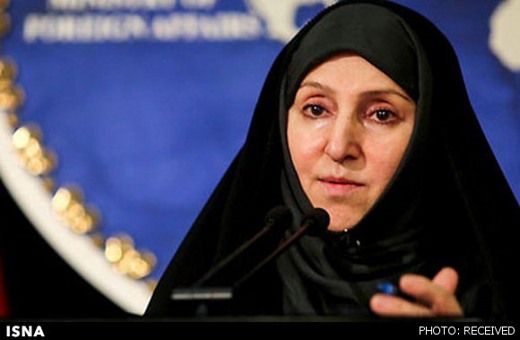
In a statement on Thursday, Iranian Foreign Ministry Spokeswoman Marzieh Afkham decried several bombing attacks that targeted the political bureau of the Houthi Ansarullah movement as well as three mosques in Sana’a a day earlier.

According to media reports, at least 31 people were killed and dozens more were injured in the terrorist attacks, which were claimed by the Islamic State in Iraq and the Levant (ISIL) terrorist group.

Afkham also offered her condolences to the families of victims of the “inhumane” attacks, saying the “oppressed” people are currently fighting in two fronts, which are internal terrorism and the Saudi-led military aggression.

“We hope that we will witness the establishment of a ceasefire (in Yemen) soon and an immediate halt to bombardments,” she said.

Afkham further asked the international bodies to focus on the “continuous and smooth delivery of humanitarian aid to the fasting Yemeni people during the holy month of Ramadan.”

On March 26, Saudi Arabia and some of its Arab allies began to launch deadly air strikes against the Houthi Ansarullah movement in an attempt to restore power to the fugitive former President Abd Rabbuh Mansour Hadi, a close ally of Riyadh.

According to Yemen’s Health Ministry, the airstrikes have killed more than 2,300 people, including 229 women and 411 children. More than 8,000 others have been also injured in the attacks, including 581 women and 766 children.

Saudi-led aerial strikes have targeted 61 hospitals and 13 ambulances.

Yemen factions agree on ceasefire during Ramadan: UN

UN spokesman Ahmad Fawzi

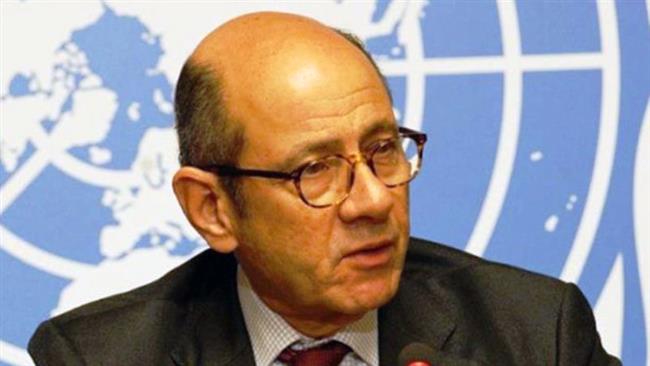
Yemeni political factions have agreed to a humanitarian ceasefire during the holy fasting month of Ramadan as consultations continue in Geneva for the settlement of the crisis in the Arab country, a UN spokesman says.

“The parties of the Yemeni interlocutors with the United Nations agreed to declare a humanitarian truce with the beginning of the holy month of Ramadan,” Ahmad Fawzi said in a statement on Thursday, Sputnik news agency reported.

He added that the ceasefire is expected to be officially announced in the “coming hours.”

“The terrible and catastrophic crisis in Yemen requires the attention for 21

million people who are now in need of humanitarian assistance,” Fawzi said.

UN secretary General Ban Ki-moon had earlier asked for a month-long humanitarian truce. In his address to the opening of Geneva negotiations on Monday, Ban said Ramadan could be a time for “reflection, harmony and reconciliation” in Yemen.

The UN-backed peace talks are expected to continue until Saturday. Yemeni political factions, including representatives of the Ansraullah Houthi movement and members of the ousted government of the Abd Rabbuh Mansour Hadi are attending the talks.

The fugitive president is currently in Saudi Arabia, where he has been supporting the kingdom’s three-month-long aggression against Yemen.

Riyadh started its military campaign against the Arabian Peninsula nation on March 26 – without a UN mandate – in an attempt to weaken the Houthi Ansarullah movement and bring Hadi back to power.

The United Nations says at least 2,600 people have been killed and 11,000 others wounded due to the conflict in Yemen since March 19.

UN Human Rights spokesman Rupert Colville said on June 16 that at least 1,412 civilians, including 210 women, have been killed and a further 3,423 injured since March 26.

Iran criticizes Bahraini opposition leader jail sentence

Marzieh Afkham

Iranian Foreign Ministry Spokeswoman Marzieh Afkham criticized a recent court ruling against prominent Bahraini opposition leader Sheikh Ali Salman, reaffirming Iran’s demand for his release.

It is seriously expected that the groups which have presented their demands in a completely peaceful manner be treated fairly, rationally and appropriately, Afkham said on Tuesday.

She added that resorting to security approaches would never help settle the ongoing problems in the Persian Gulf country.

“Engaging in dialogue and paying heed to the demands of moderate figures and groups will definitely guarantee security and peace” in Bahrain, the Iranian spokesperson stated.

Earlier in the day, a court in Bahrain sentenced Sheikh Salman, the head of the country’s main opposition bloc, al-Wefaq National Islamic Society, to four years in prison after convicting him on charges including collusion with foreign governments and instigating unrest. He was acquitted on seeking regime change charges.

Abdullah al-Shamlawi, Salman’s defense lawyer, said he can appeal the verdict.

Al-Wefaq dismissed the verdict against Salman, adding that the ruling is devoid of any legal merit.

Salman was detained on December 28, 2014 on charges of “attempting to overthrow the incumbent regime and collaboration with foreign powers.” The 49-year-old cleric has strongly denied the charges, emphasizing that he has been seeking reforms in the kingdom through peaceful means.

In a statement released on Monday, Amnesty International called on Bahraini authorities to release the prominent Shiite cleric “immediately and unconditionally.”

Amnesty also described Salman as “a prisoner of conscience detained solely for peacefully expressing his views.”

Point of no return: Nuclear deal has become more achievable

Ali Bigdeli

Iran and P5+1, especially the United States, have reached a point where they have no other option but to ink a nuclear deal, says an expert in international affairs.

Ali Bigdeli, who is also a university lecturer, made the comment in an interview with fararu.ir on June 17 and added that the two sides are now preparing the ground for striking such a deal. He also said the preparation will make the [comprehensive] nuclear deal more achievable than before if the US tones down its stances.

The following is the translation of part of Bigdeli’s remarks in the interview which came after comments on Tuesday (June 16) by US Secretary of State John Kerry in a news conference:

There were new points in Mr. Kerry’s news briefing and in the answers he provided to questions [among them loyalty to the framework agreement in Lausanne on April 2, 2015]. [His] stress on such points has raised hopes of striking a comprehensive nuclear deal by the deadline.

The new, still important, part of Mr. Kerry’s words is where he says the [continuation of] talks [which is to draw on the Joint Plan of Action the two sides inked in the Geneva-I agreement] will no longer focus on the history of Iran’s nuclear program or the Possible Military Dimensions (PMD).

The settlement of questions on Iran’s past nuclear activities or PMD has turned into one of the main challenges to the talks between Iran and P5+1 ever since the two sides inked the Lausanne agreement in April.

[…]

To reach an agreement is not a decision to be made simply by the Americans. Basically, the world has got sick and tired of Iran’s nuclear talks. This is a fact which has been repeatedly echoed in stances adopted by world officials, including those in Germany and Russia.

That’s why other members of P5+1 have, in turn, asked for an end to Iran’s nuclear talks and conclusion of a nuclear agreement whose preparations seem to have been made. Now a [final] deal looks more achievable than before.

[Secretary Kerry said Tuesday that a full accounting of Iran’s PMD issue is not necessarily critical to reaching a nuclear deal with Tehran. He said the US and its negotiating partners are “not fixated” on the issue of so-called “possible military dimensions” because they already have a complete picture of Iran’s past activities. He said they are more concerned that those activities have stopped and about what Iran might do in the future, according to The Iran Project.]