Thursday, December 25, 2025
Home Blog Page 4711

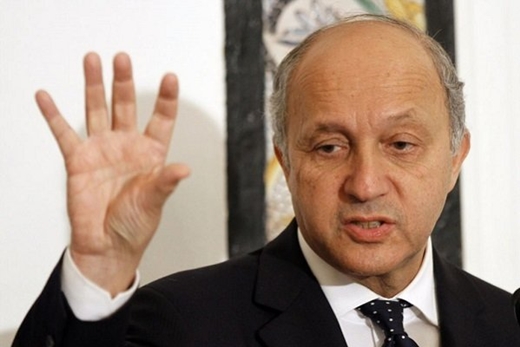
Why didn’t Fabius touch on differences in talks this time around?

Fabius

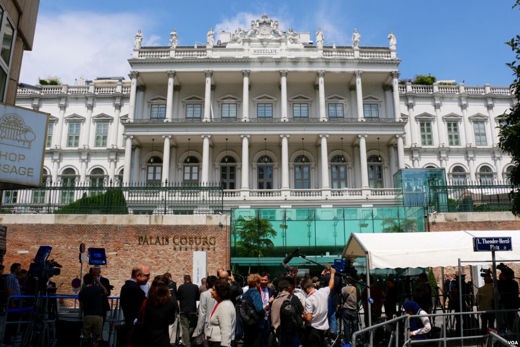
In brief comments outside the Palais Coburg Hotel in Vienna Sunday, French Foreign Minister Laurent Fabius said, “I hope that we are finally entering the final phase of this marathon negotiation.”

A number of journalists covering the nuclear talks in the Austrian capital described his tone as uncharacteristically positive, saying that raises hopes that a final deal is finally within reach.

Unlike what has been a routine over the past two years, Fabius did not talk about the differences of opinion or the tough job that lay ahead; he tried not to be a messenger of ominous news.

His comments could either be indicative of real progress in the talks or be an effort on his part to burnish his poor track record in the negotiations.

Either way, it’s still unclear whether his attempt will produce the intended result, because history suggests Fabius’ theatrics before cameras are far from reliable.

Iranian MPs thank negotiating team for standing firm on red lines

Iran Parliament

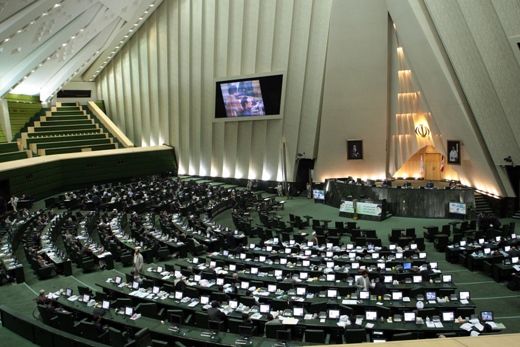
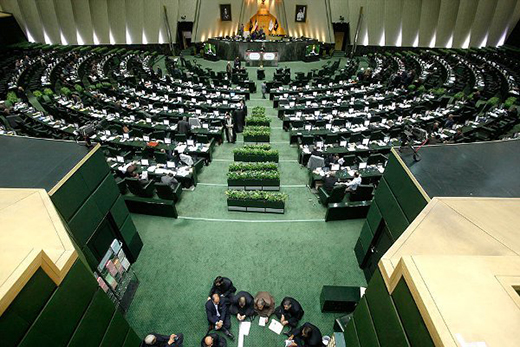
A group of MPs thanked the country’s negotiating team in the nuclear talks with the world powers for standing firm on the red lines specified by the Islamic Republic.

“During a Sunday meeting of the parliament’s National Security and Foreign Policy Committee, the lawmakers thanked the country’s negotiating team for insisting on the Islamic system’s red lines,” the rapporteur of the committee Nozar Shafiee said.

Earlier on Sunday in a similar move, another group of Iranian lawmakers in a statement thanked the country’s negotiating team for their relentless efforts in the nuclear field.

“The resistance of the Islamic Iran’s negotiating representatives against the excessive demands of the arrogant powers, headed by the US, is a source of honor and appreciable,” the statement said.

“The representatives of the great Iranian nation ask the dear negotiators to continue observing the red lines specified by the Islamic Republic and the law approved by the Islamic Consultative Assembly (Parliament) as their criteria and voice opposition to any result that violates these principles,” it added.

[…]

Iran says 14 new planes to join its civil fleet by yearend

plane

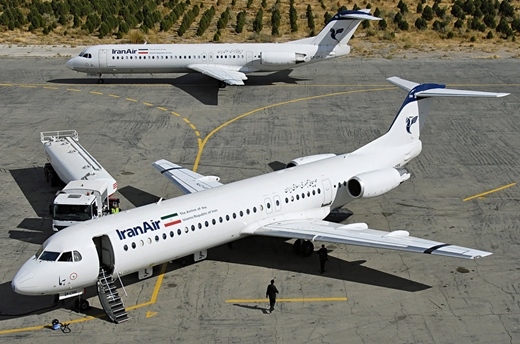
An official at the Civil Aviation Organization of Iran has announced that the country will add 14 new passenger planes to its civil aviation fleet before the end of the current Iranian calendar year (ends March 20, 2016).

A statement released by the Civil Aviation Organization of Iran on Saturday, quoted Hamid Habibi, deputy head of the organization for flight standards, as saying that 14 Airbus and Boeing passenger planes have been overhauled inside the country and will join the civil fleet before the end of year.

“Due to capacities created in the past year, at present, there are 168 active planes in Iranian fleet, which has had no precedent in history of the country’s civil aviation,” the official said.

Habibi added that with 168 planes conducting civil flights, about 67.63 percent of the country’s flight is now active, while the figure was only 60 percent last year, Press TV reported.

He said the total number of planes in Iranian fleet adds up to 257, including 251 passenger planes with 41,218 seats, and 6 cargo planes.

Iran’s minister of roads and urbanization announced in mid-June that the country needs 400 new passenger planes in the next 10 years to renovate its civil aviation fleet.

Abbas Akhoundi, who was in the French capital, Paris, to take part in Le Bourget Airshow 2015, added that purchasing this number of planes will cost the country at least $20 billion.

The Iranian minister said the Islamic Republic attaches special importance to development of its civil aviation fleet, noting, “In addition to the fleet, development of airports and passenger terminals also needs special attention.”

Positive signals out of Iran’s parliament at final hours of nuclear talks

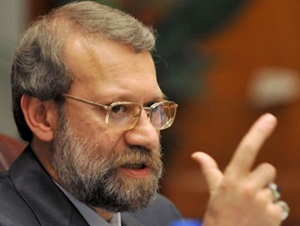
The speaker of the Islamic Consultative Assembly says that Iran’s negotiating team is moving forward, hoping nuclear talks with P5+1 can produce a good result.

Ali Larijani made the comment Sunday (July 12) on the ongoing talks in Vienna 24 hours to go before the Monday deadline. The Iranian Students’ News Agency (ISNA) filed a report on the chamber’s reaction to and predictions about what is going to happen in Vienna at the home stretch of nuclear talks.

The following is the translation of the top MP’s remarks followed by comments by two other deputies:

Speaker Larijani

Larijani09I have a positive view of the talks. Members of the country’s nuclear team are walking down a clear, well-defined and well-thought-out path.

I hope the other side too can act wisely and seize this opportunity. They should not think that the final moments are the best to put new ideas on the table and ratchet up the pressure.

Mounting pressure may backfire. Such tactics [piling pressures] are used for not-complicated talks, but when it comes to complicated and lengthy talks, everything should be thoroughly thought through in advance.

The nuclear talks are moving forward, there are some challenges though. As things stand, they can produce a deal.

Javad Heravi, MP

Javad-HeraviToday the Islamic Republic of Iran is an island of stability in the Middle East. I would like to say ‘More power to your elbow’ to Dr. Zarif, who is the chivalrous knight of Iran’s foreign policy, and to all his hardworking colleagues.

Iran bears no resemblance to nuclear countries such as North Korea and has proved to be a stable place in the region.

Western powers need to know that they have been put to a global test in nuclear talks and that what they do in the talks – including posturing and ramping up the war of words – is not logical.

Ahmad Shohani, MP

ShohaniI hope nuclear talks can lead to a definite result. If the talks possibly fail to produce a deal, the [world] public opinion will blame P5+1 for such a breakdown.

Iran hopes to clinch a deal the two sides can agree on, but if the talks end inconclusively there is no doubt that the other side will be to blame because of the new demands P5+1 have raised under pressure from the Zionist regime and Saudi Arabia. […]

Everybody is praising the way the Iranian team has stuck to its stance at this stage of the talks, even those who had previously expressed concerns or made critical comments about the country’s negotiators and their performance.

Irrespective of the final result, the talks have been to the benefit of Iran. We still hope that positive results will come out of these negotiations. […]

A look at how reliable Russians are in nuclear talks

putin2

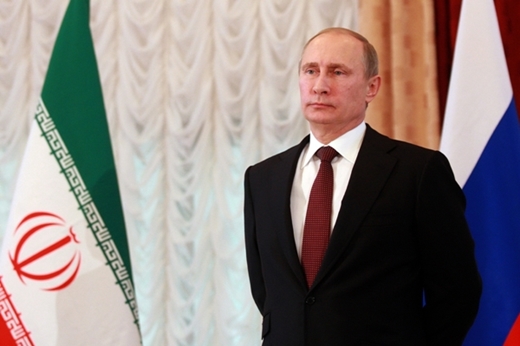
Russian President Vladimir Putin has stressed that all sanctions against Iran need to be lifted. His appeal comes as the removal of the UN Security Council arms embargo against Iran has turned into a serious bone of contention over the past few days, creating a rift between the six world powers negotiating a nuclear deal with Iran.

America and its Western allies insist on keeping the embargo in place, while Russia and China want it removed.

Underscoring Iran’s role in the fight against IS terrorists, Russian Foreign Minister Sergei Lavrov has appealed for the lifting of the arms embargo prior to other sanctions, citing the fact that ‘it would help Iran advance its efficiency in fighting terrorism’.

The New York Times [on July 6] reported American officials and their European partners in the talks – France, Germany and Britain – have opposed any lifting of the embargoes, arguing that it will only pour fuel on the conflicts in Iraq and Syria, as well as in Yemen and Lebanon, as Iran accelerates its arming of Shiite militias.

In an interview with farau.com on July 11, Bahram Amir Ahmadian, an academic and Russia expert, described the Russian plea for the removal of arms embargoes as thought-provoking and said, “The Russian stance is dubious, because the country is already under sanctions itself and will probably have difficulty selling arms.”

He added, “Russia views Iran as a good market for arms sales and for the very reason, it pays special attention to the lifting of sanctions. From Iran’s perspective, however, the removal of financial and monetary sanctions is of greater importance, because they have an impact on the country’s financial transactions on the international stage and on its foreign trade at large.

Although the arms embargo has affected Iran’s interests, under present conditions, it is not among Tehran’s priorities.”

Amir Ahmadian said, “We should not overlook the general stance of the Russians in the negotiations. As a friend, we thought that the Russians would help Iran have the financial and monetary sanctions removed, yet they adopted a different stance.”

Describing as half-baked the recent Russian stand, he said, “I don’t think the lifting of such sanctions as Russia has put it is on Iran’s list of priorities, because the conduct of Iran at the nuclear talks with P5+1 shows otherwise.”

The expert went on to say, “Despite the sanctions of recent years, Iran has pressed ahead with its economic activities and has made progress in non-oil exports. Undoubtedly, sanctions have brought us some problems. Even arms embargoes under which we cannot buy or sell weapons have proved problematic. On the whole, we have overcome these problems, and losses caused by the arms embargo are not substantial.”

Amir Ahmadian underscored, “According to Russian experts, if Moscow fares well as far as arms exports are concerned, it can sell $7-8 billion in weapons to Iran.”

As for the problems that Iran faced in the purchase of S300 missiles from Russia, he said, “The Russians have not provided us with the weapons, nor have they given back our money. Besides, Iranian officials have said that they developed a similar defense system and no longer need S300. The Russians are not reliable partners, so their stance on the removal of arms embargoes requires careful reflection.”

The expert said that the Russians should be asked why they want the arms embargo to be lifted. “It seems that they do not have an accurate insight about Iran’s military, economic and political might; they have not accepted the fact that Iran has turned into a regional power and does not need them for its arms supply.”

Recalling the fact that Russia raises foreign currency through energy, arms and lumber exports, he said, “Now that Moscow faces problems to bring in foreign currency, it seeks to sell arms to Iran. Russia is the world’s third arms producer after the US and Europe. But with the international community going down the path of détente, Russia is mired.”

The professor highlighted that the Russians do not pursue a win-win outcome in political games and added, “By and large, we cannot count on Russia.”

In answer to a question about whether the recent Russian stance in the talks will lead anywhere or Moscow will be left alone, Amir Ahmadian said, “It is obvious that the Iranian negotiating side pursues the lifting of sanctions within a package which does not give priority to arms. Therefore, the Russians do not seem to be able to secure their intended result, because the Islamic Republic is an independent and powerful nation and no country is allowed to dictate its foreign policy or tell it what is right to do.”

Nuclear talks will never break down

Iran Talks Hotel Coburg
Pirouz Mojtahedzadeh
Prof. Pirouz Mojtahedzadeh

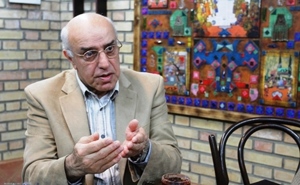
Professor Pirouz Mojtahedzadeh, a renowned Iranian political scientist, historian and expert in international affairs, says that nuclear talks between Iran and P5+1 will never break down and that the two sides will eventually walk away from the negotiating table with a deal in hand.

Prof. Mojtahedzadeh, who is also a prominent Iranologist and geopolitical researcher, made the comment in an interview with fararu.com on July 11 about the fate of nuclear negotiations and added that the talks will not remain deadlocked even if they seem on course to reaching a stalemate.

He also touched on the course the talks took in the last round during which hopes of striking a comprehensive nuclear deal was replaced by despair as the two sides put new options on the table and words swirled that the talks seemed likely to end inconclusively.

The following is the translation of excerpts from his remarks in the interview:

[…]

The main parties to nuclear talks – the Islamic Republic of Iran and the United States – took stances [in the latest round of nuclear talks, days before the July 7 deadline] which were not in keeping with what they had previously announced. The Americans said their patience was running thin because of prolonged talks and the Iranians talked about US efforts to change horses in midstream.

The new stances and approaches [taken by the two sides] seemed strange, because they were not in conformity with the analyses and predictions based on the signs which had earlier pointed to an agreement. That the two sides – who had successfully jumped over the big hurdles that lay ahead – suddenly behaved in a way that dashed any hope of clinching a deal defied all expectations.

This change of course by two sides is likely to have been tactical to appease opponents at home and abroad. We all got familiar with the components necessary to clinch a deal a long time ago and we know about the characteristics of a deal which can satisfy the two parties [to the dispute]. Since the framework of the deal has already been set, creation of new frameworks would do little to help the two sides strike an agreement.

That’s why I hope this change of heart or change of course, which has been adopted by either side, is nothing more than theatrics to catch the attention of people at home and a tactic to appease domestic and foreign critics. Otherwise, this will prove that honesty and integrity are missing in the talks.

Derailing tactics

When talks drag on and the parties involved stand their ground and raise new demands which go beyond the framework of the talks – the latter is a change of course – this can somehow convince the critics the negotiating countries have to face at home and abroad that they [the negotiators] have stuck to their guns to the bitter end and seek to give as few concessions as possible to the other side.

Over the past several days, Israeli officials have expressed concern over any nuclear agreement between Iran and P5+1. The illegitimate demands of the Zionist regime for the continuation of Iran’s arms embargo – despite the fact that concerns about the true nature of Iran’s nuclear program have been eased – are a reflection of Tel Aviv’s concerns.

One sticking point in the prolonged nuclear talks has reportedly been the insistence by P5+1, especially the US, on the continued arms embargo against Iran. This comes as Iran’s arms embargo has been imposed within the framework of a UN Security Council resolution and in the wake of concerns over the nature of Iran’s nuclear program.

Accordingly, if Iran’s confidence-building measures which are in line with the framework of a comprehensive nuclear deal can remove concerns about the nature of its atomic program, the continuation of Iran’s arms embargo would be out of the question. Therefore, insistence on such an illegitimate demand which has prolonged the process that could lead to the conclusion of a comprehensive deal can be a show aimed at satisfying the main critic of the talks: Israel.

It is regrettable that an administration headed by a weak-kneed president gives in to pressures and resorts to such an approach to give concessions to Israel, so that the regime can stay calm for a while.

Agree to disagree?

This [holding one’s ground and making illegitimate demands] will not continue forever. It is public knowledge that a nuclear deal between Iran and P5+1 is certain to happen. Neither side of the talks will accept the breakdown of the talks at this stage [home stretch]. Even if the talks led to a deadlock, they would not remain deadlocked [forever]. They will find a path to conclusion of a deal, one way or another.

The reason why neither side will agree that the talks have failed is clear: a breakdown in talks will translate into the failure of the policies of the two sides, especially the United States. The collapse of nuclear talks will spell the failure of Barack Obama’s doctrine and [the end of his] political life as well as the unproductiveness of the US geopolitical plans in the Middle East.

[…]

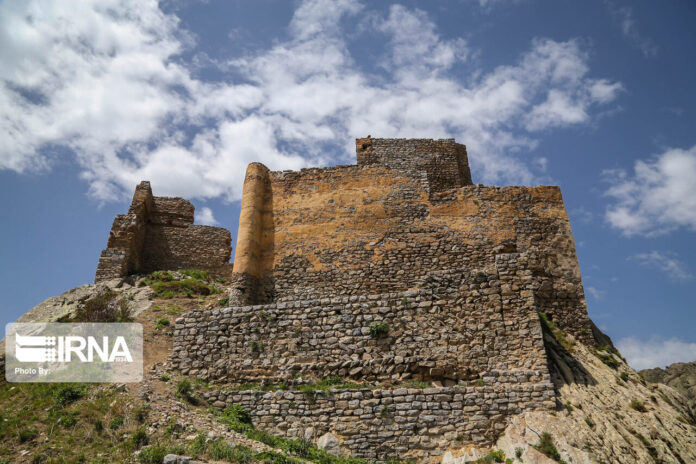
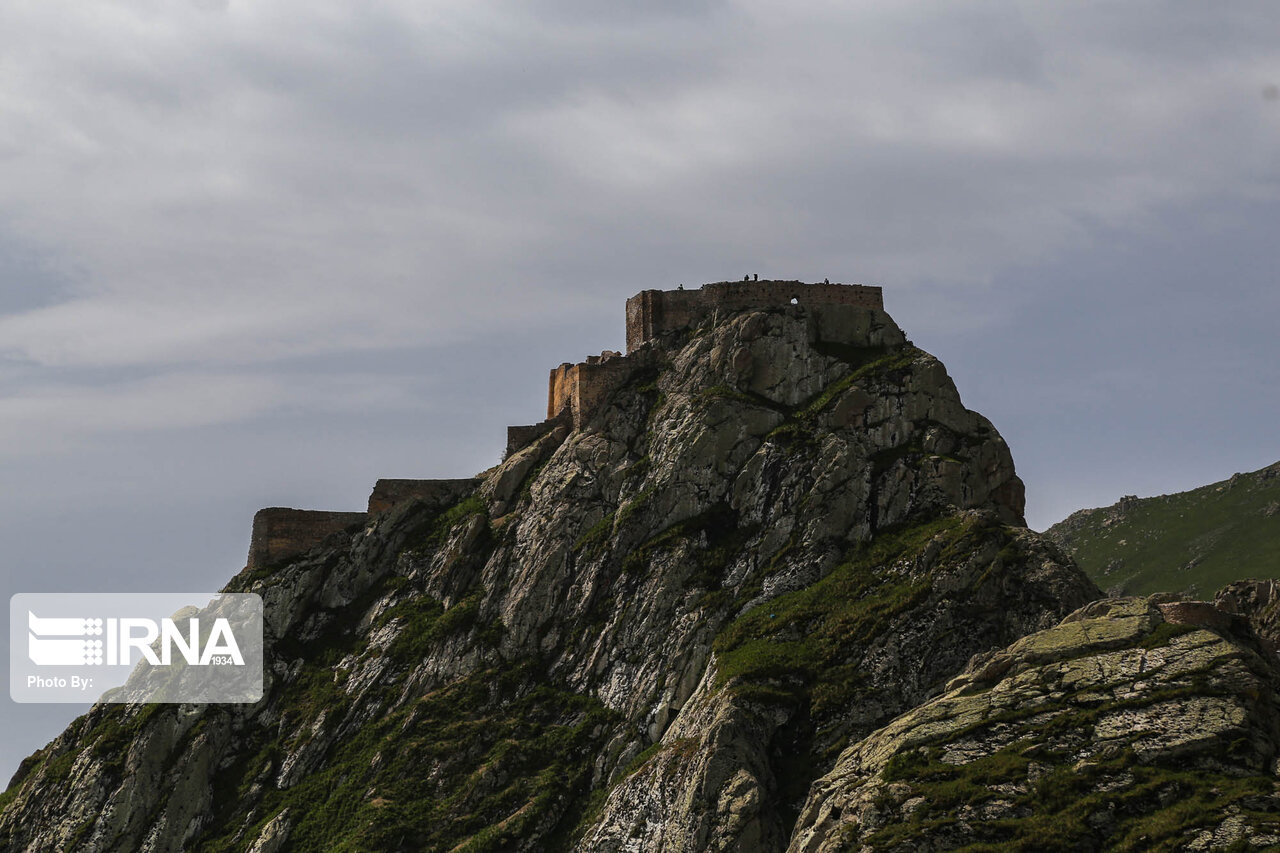
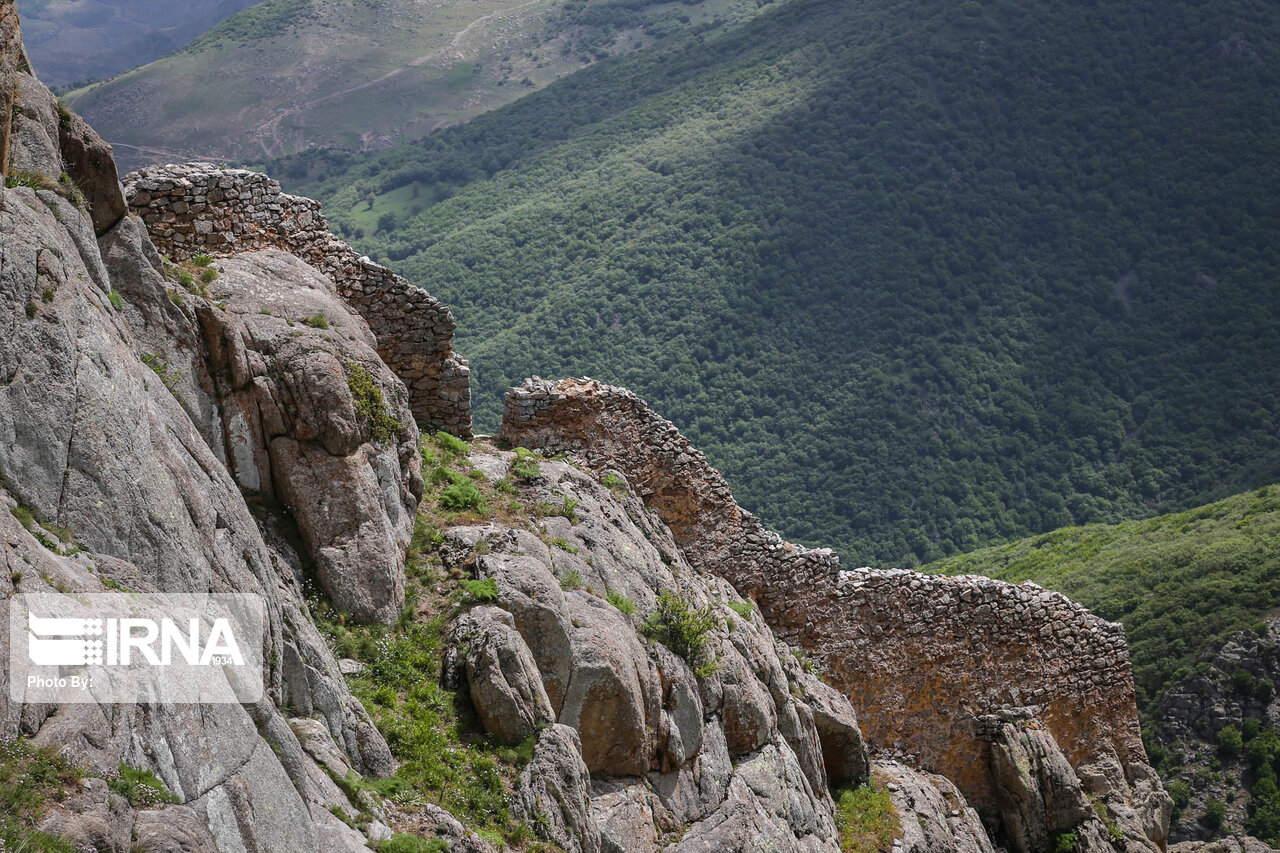
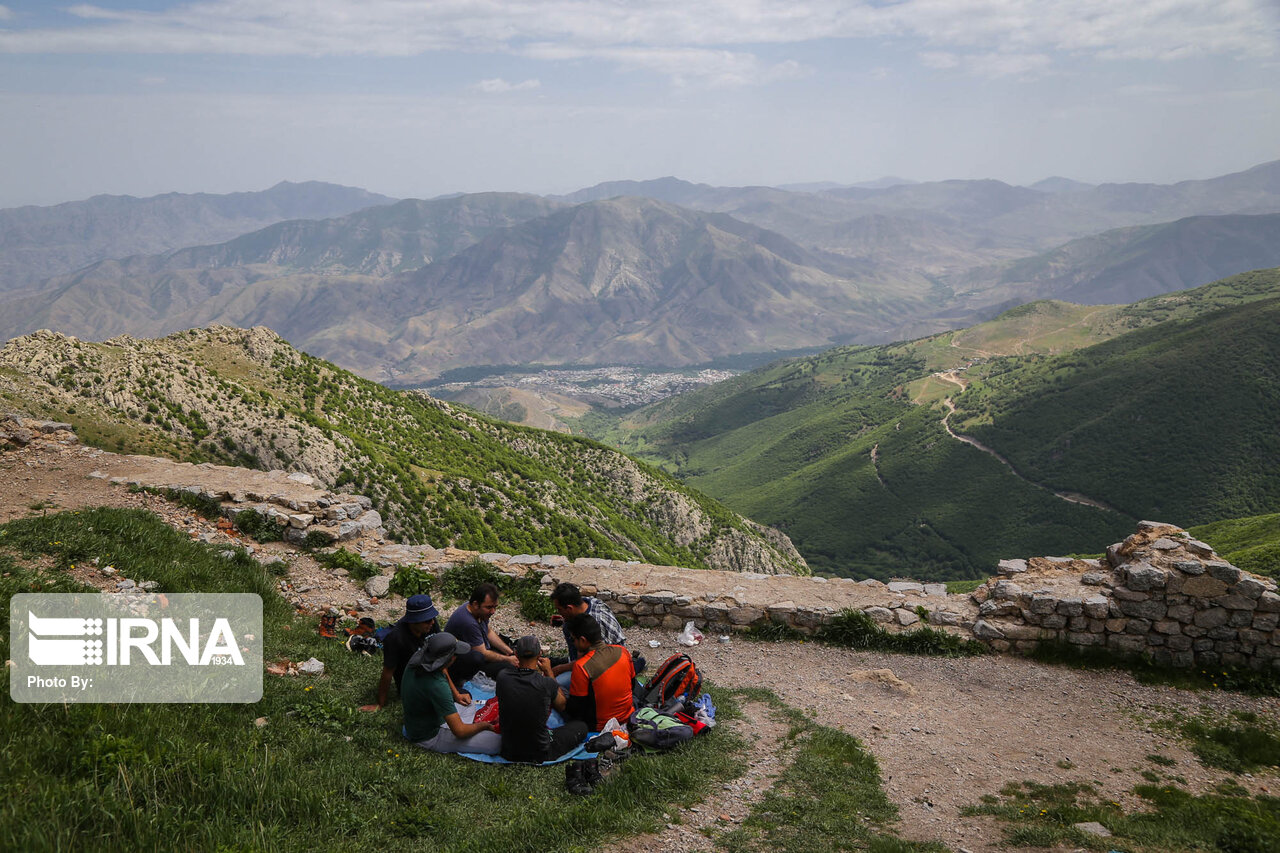
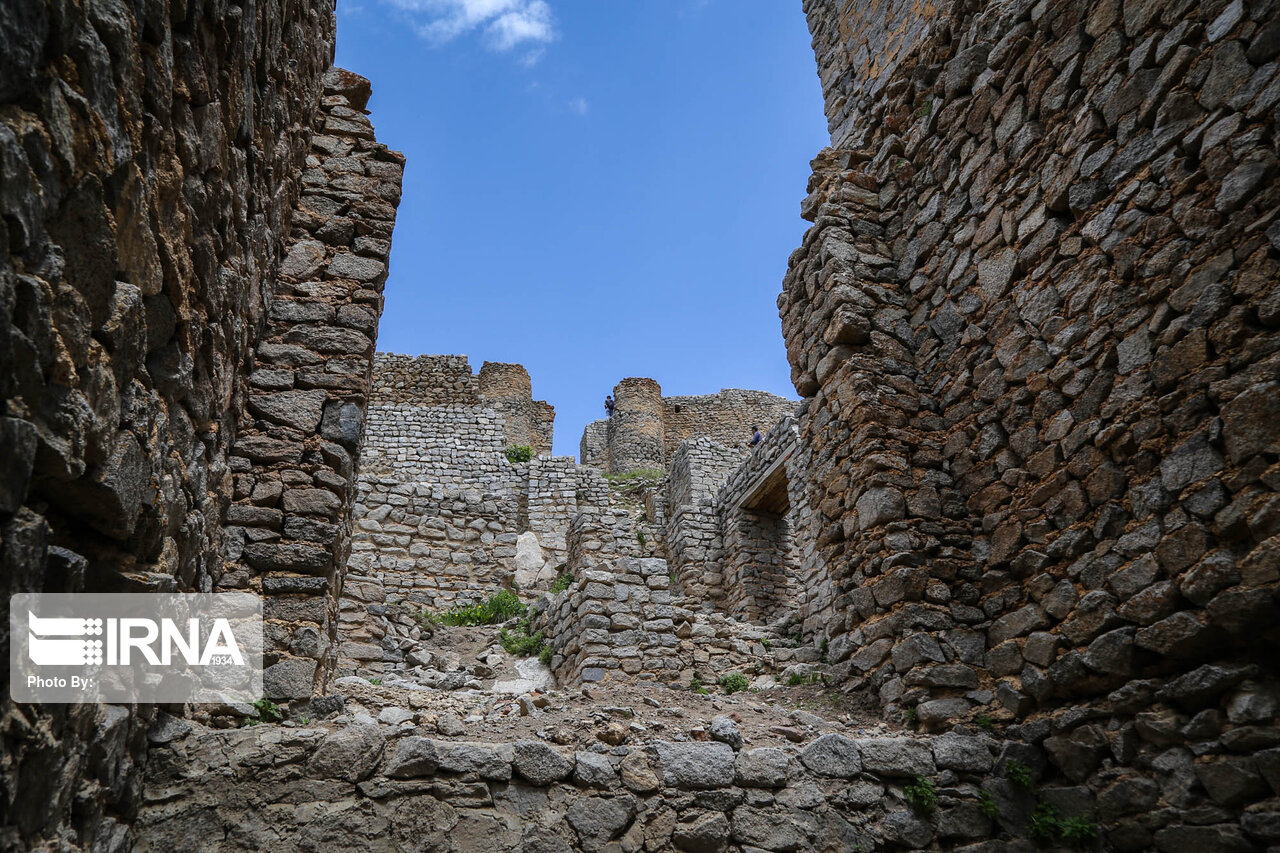
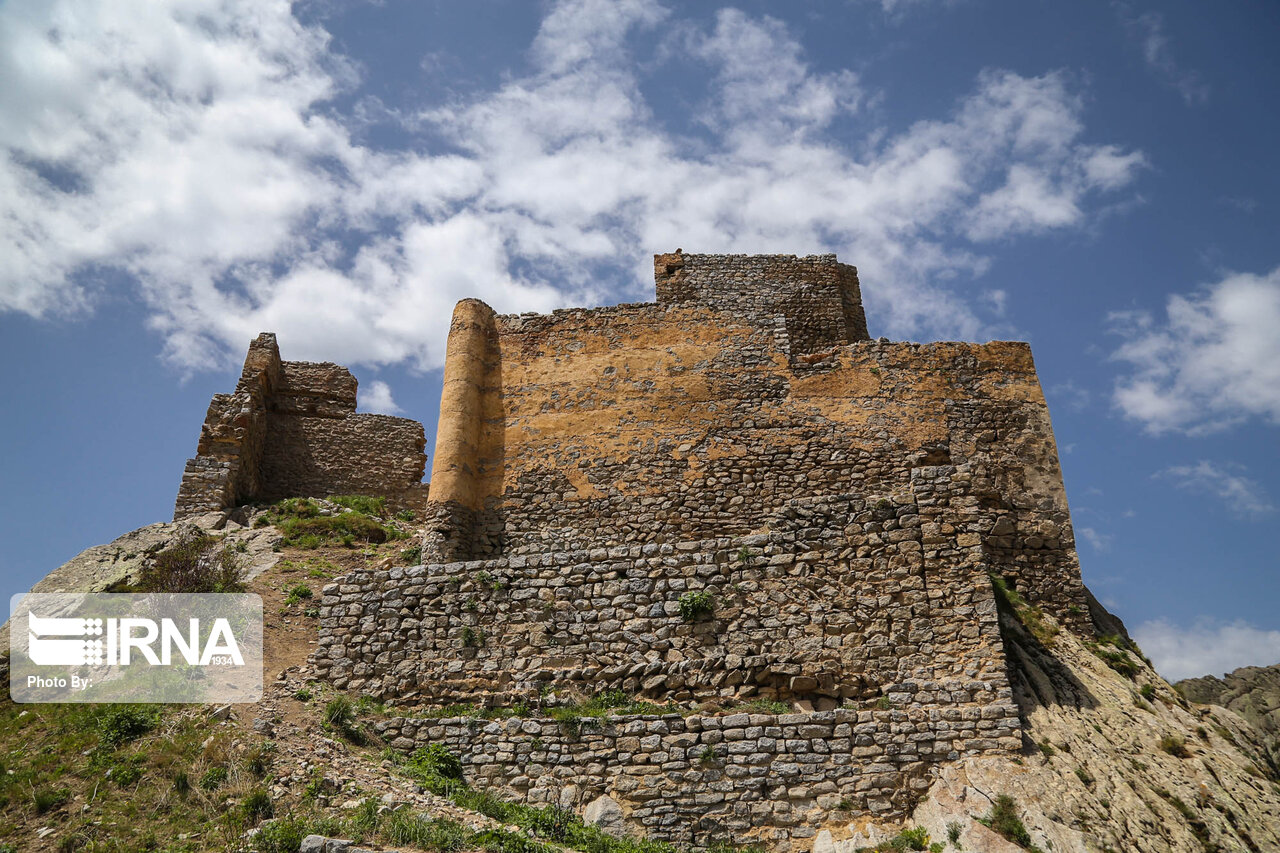
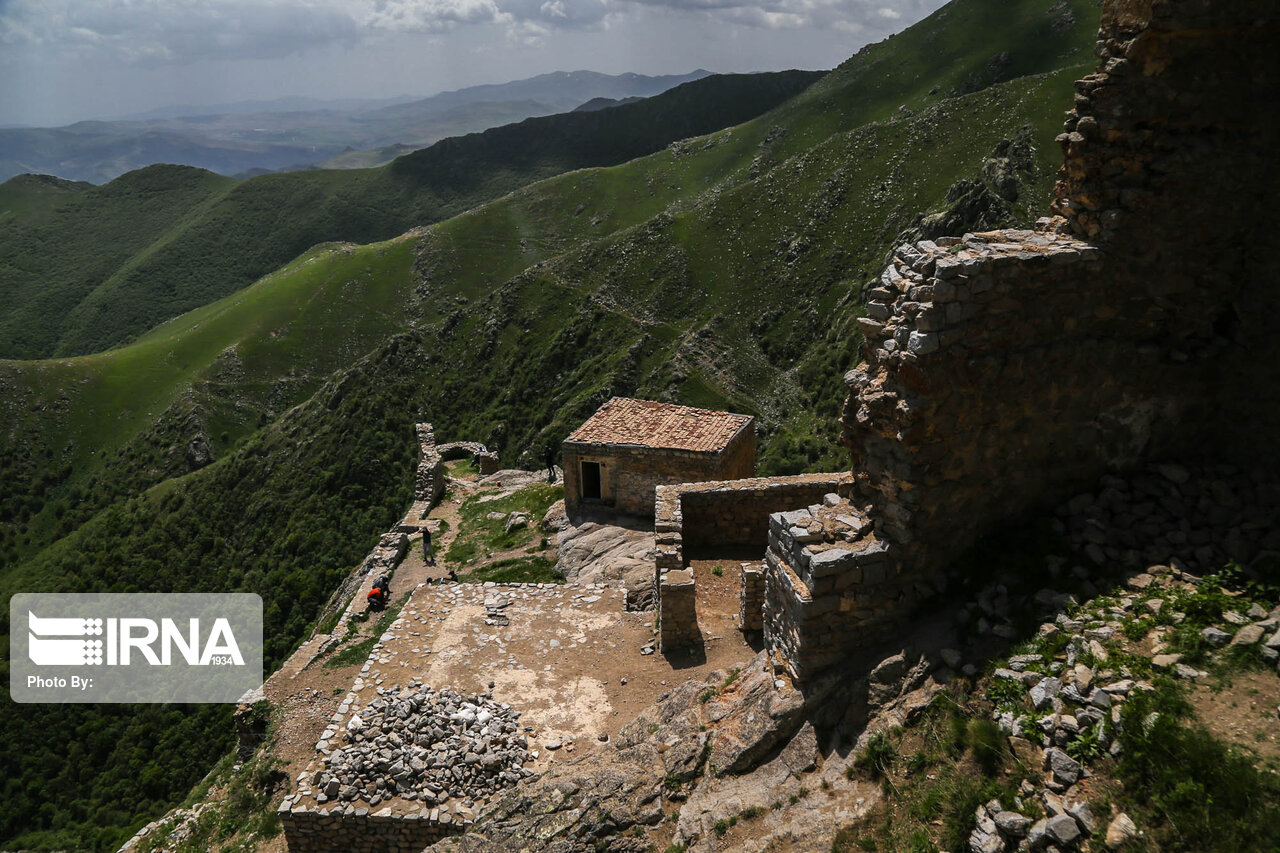
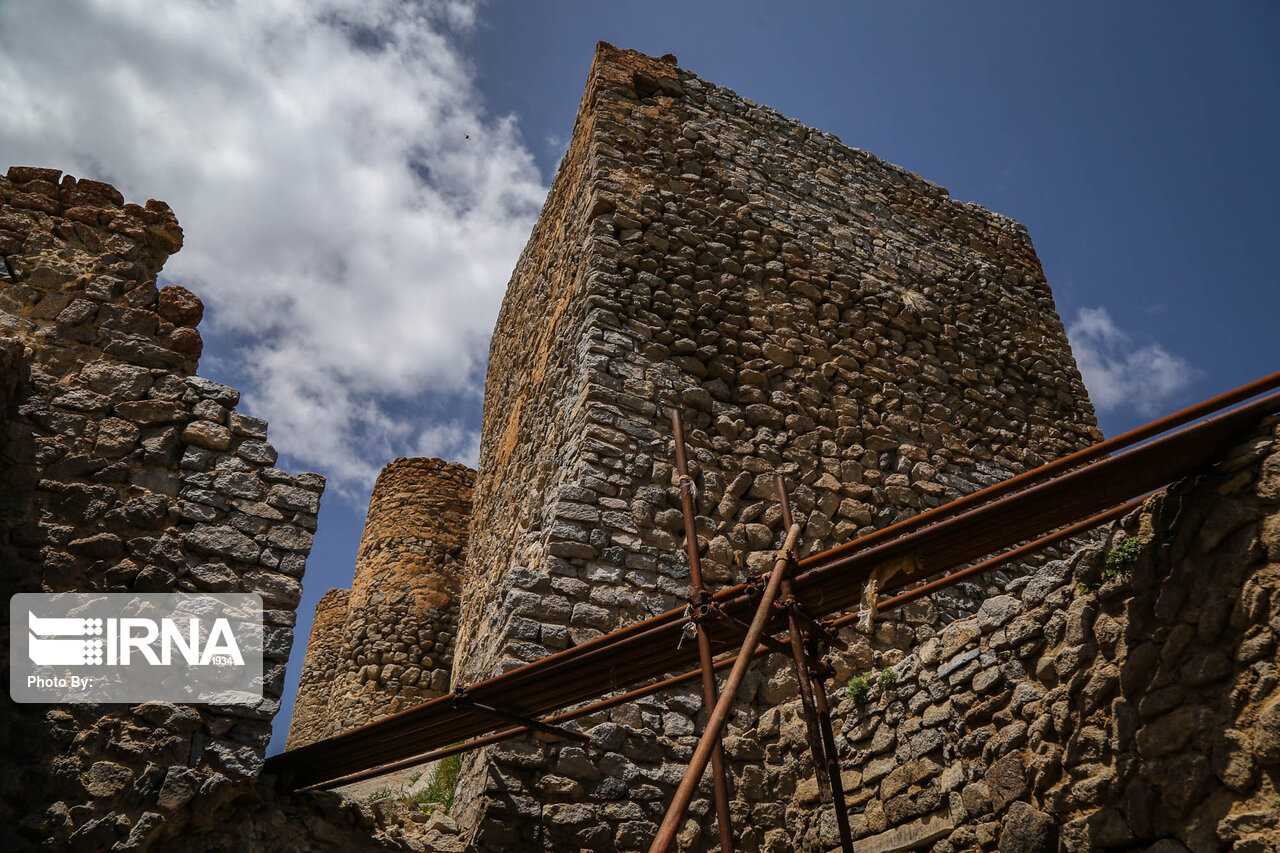
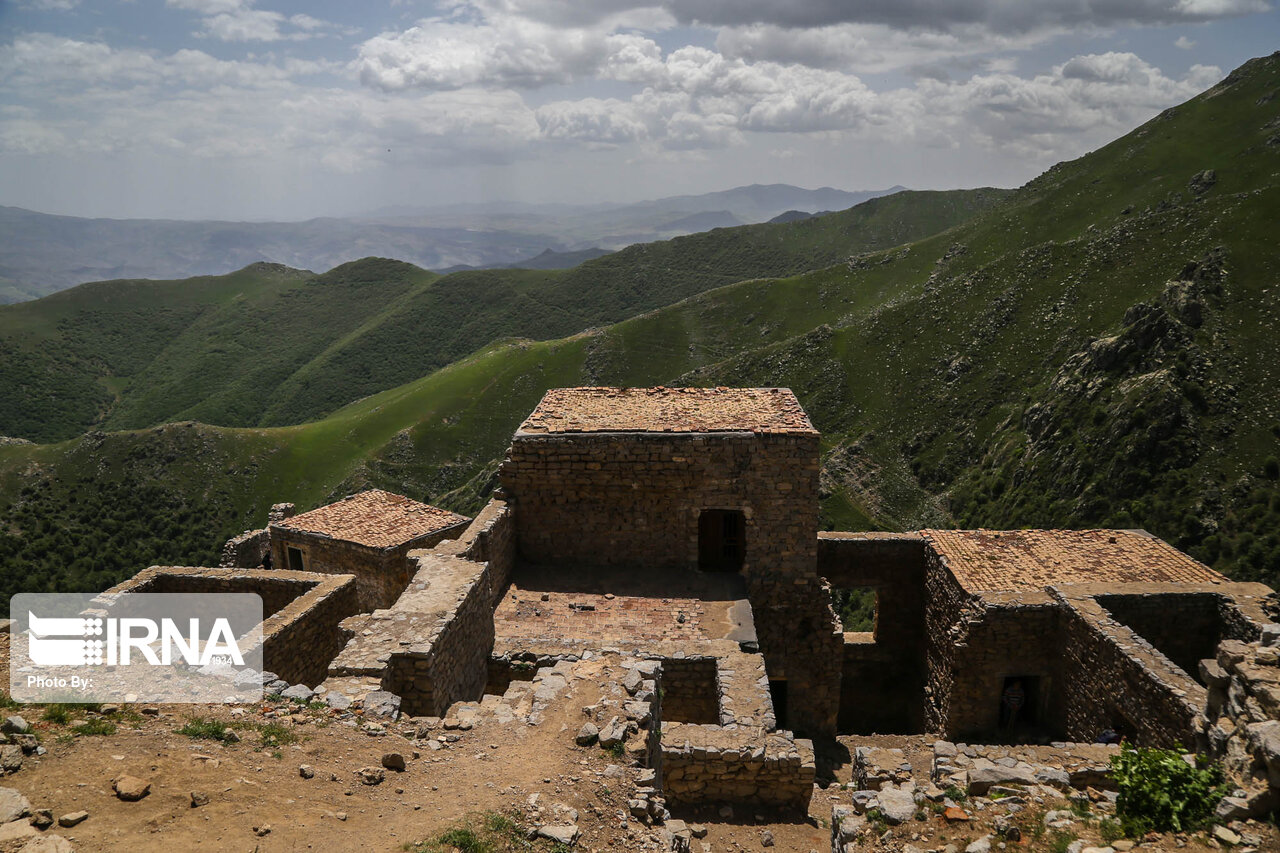
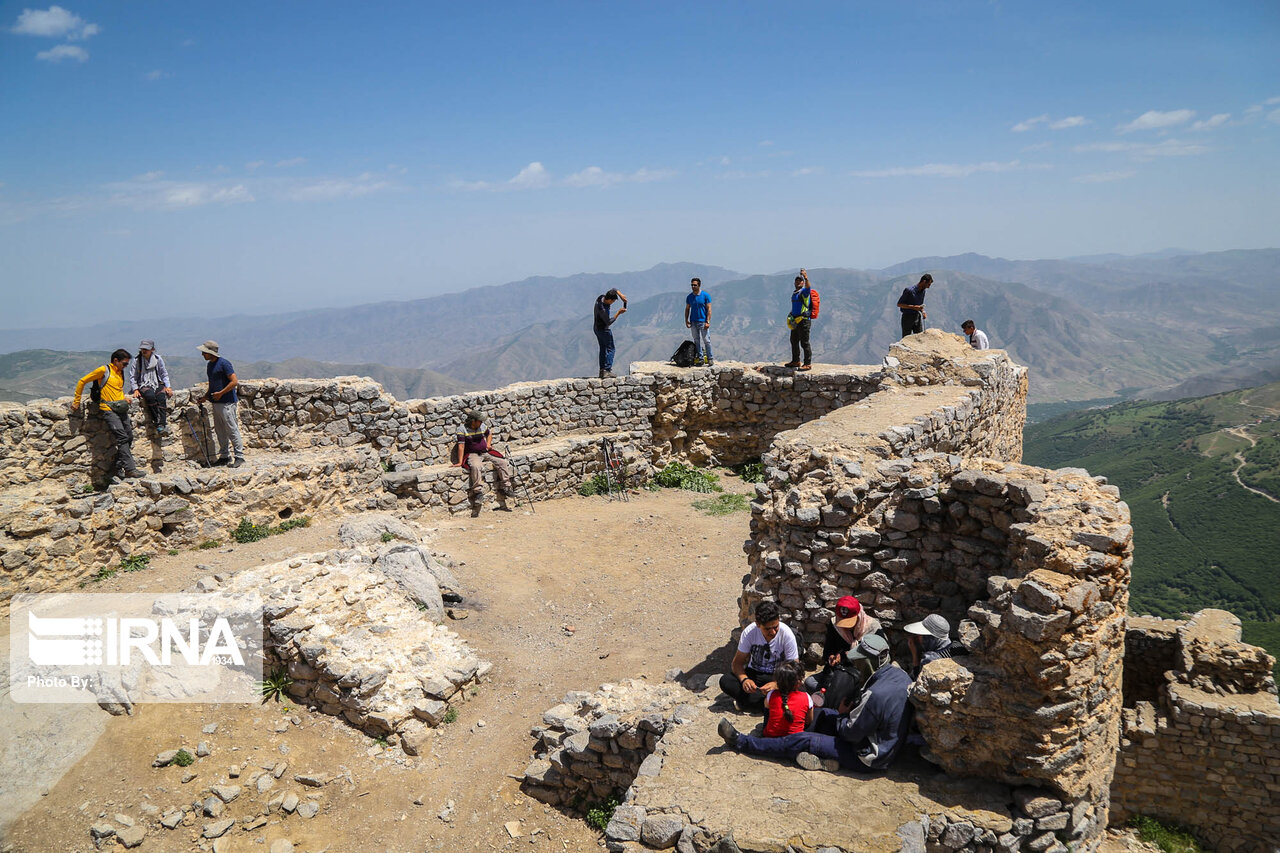
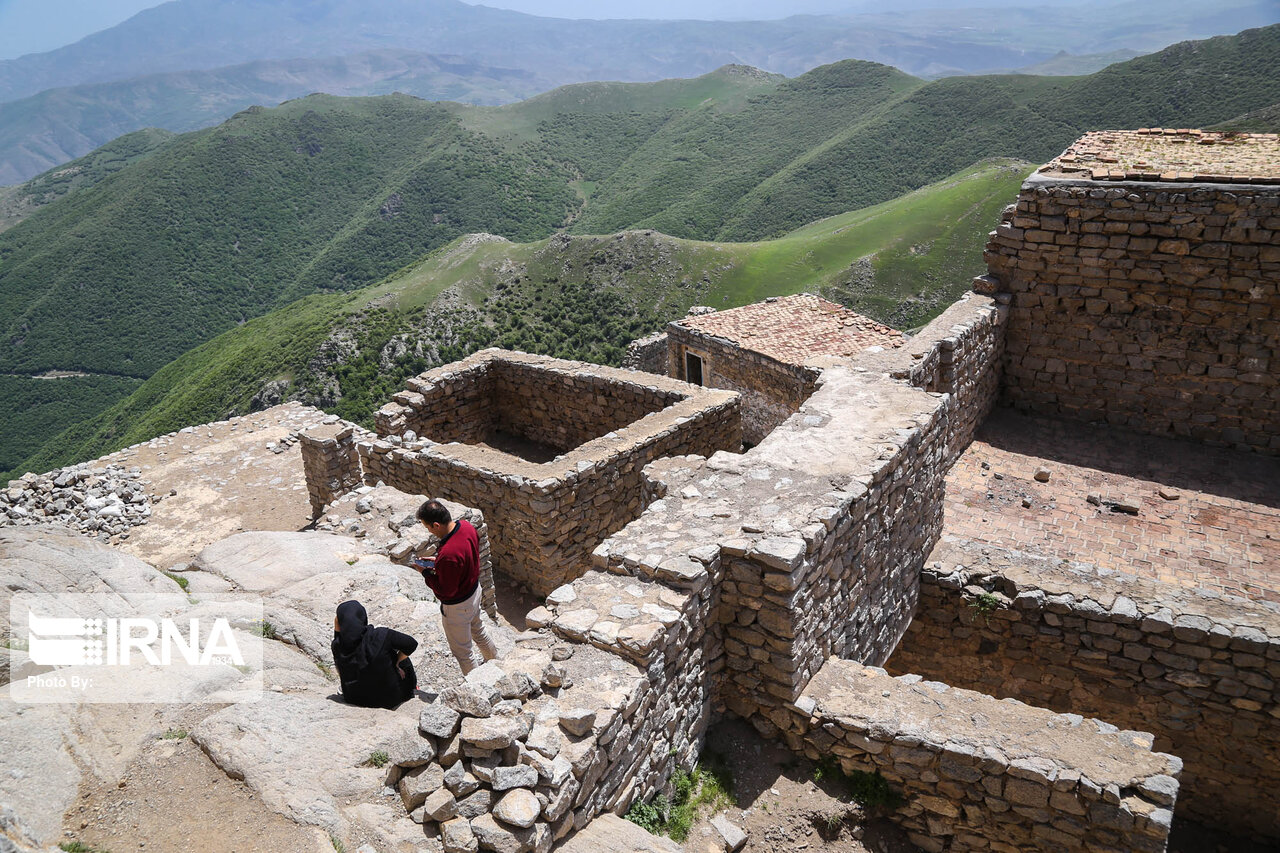
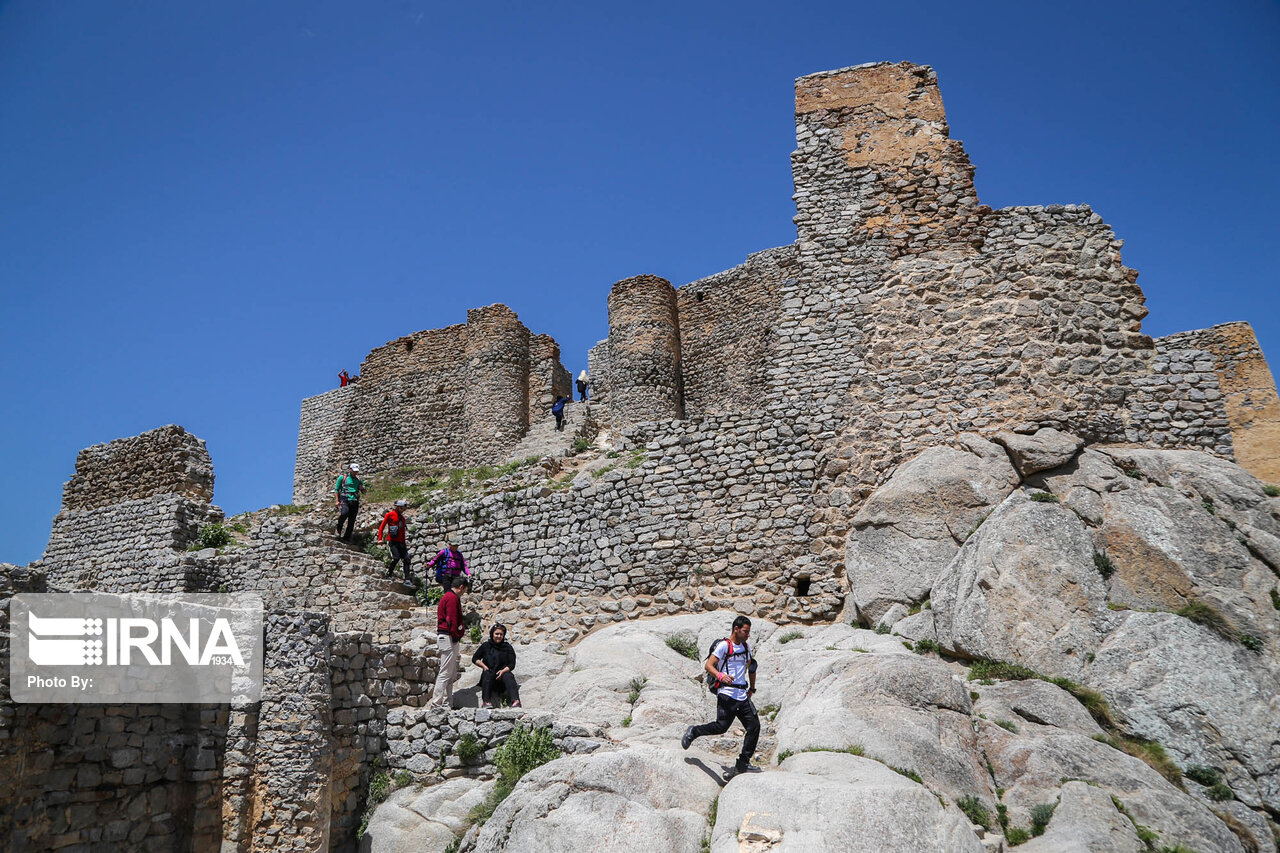
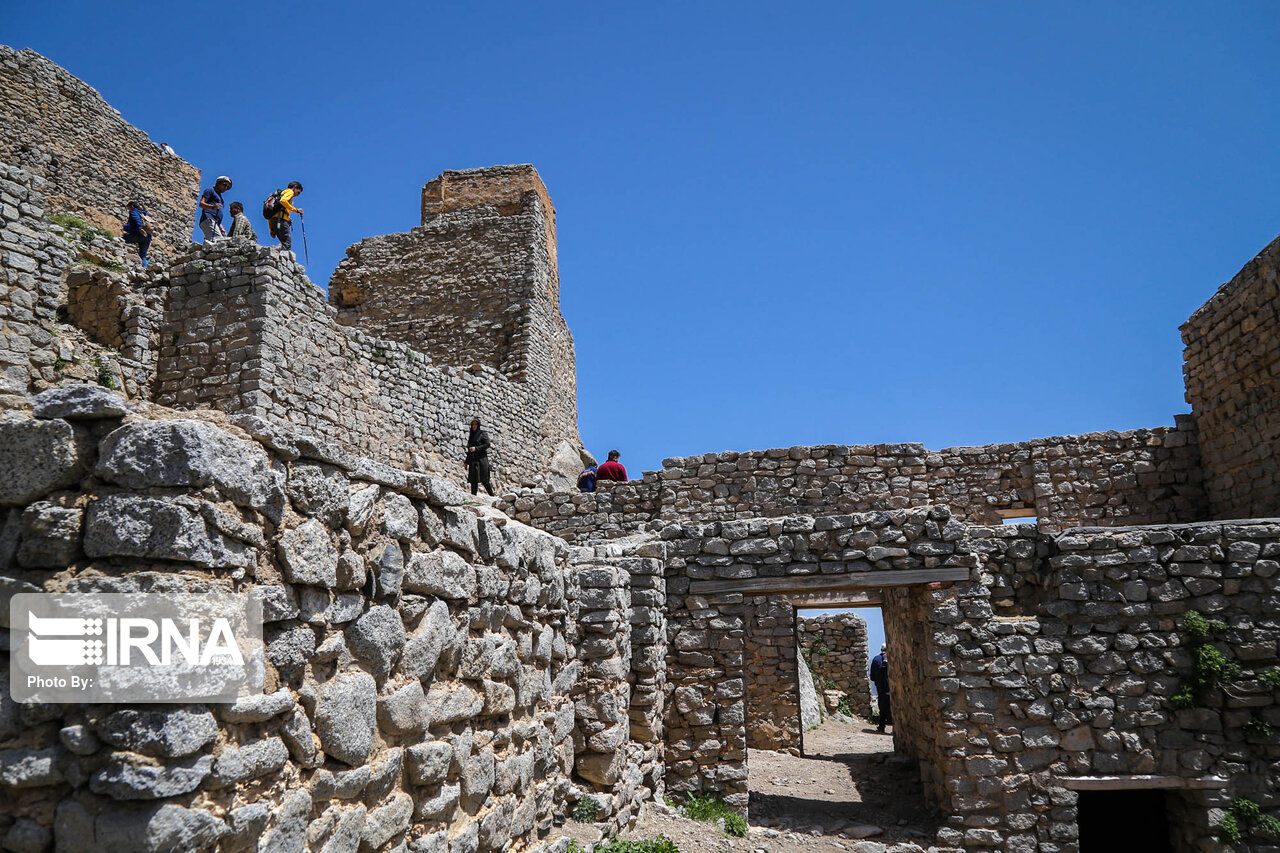
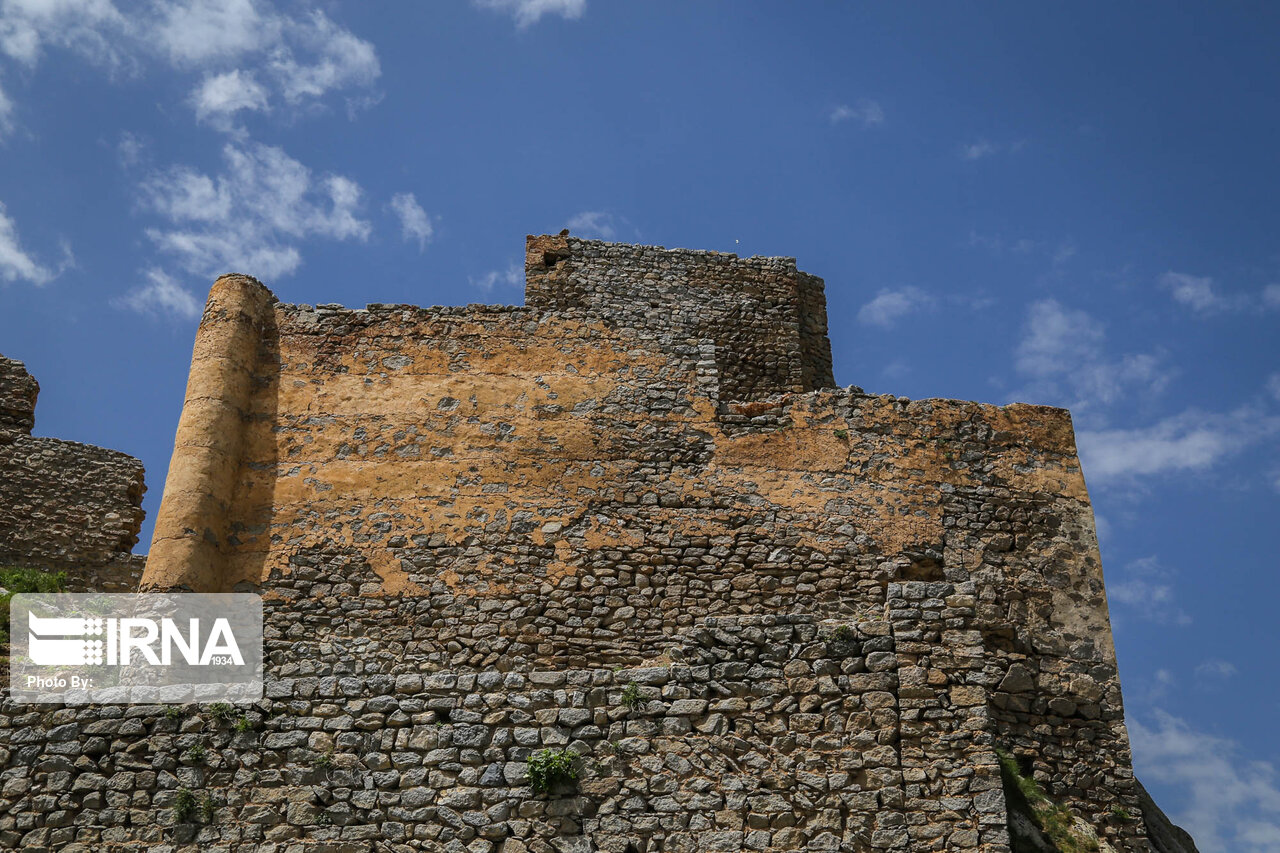
Historical Fort of Babak in Northwestern Iran

Historical Fort of Babak in Northwestern Iran

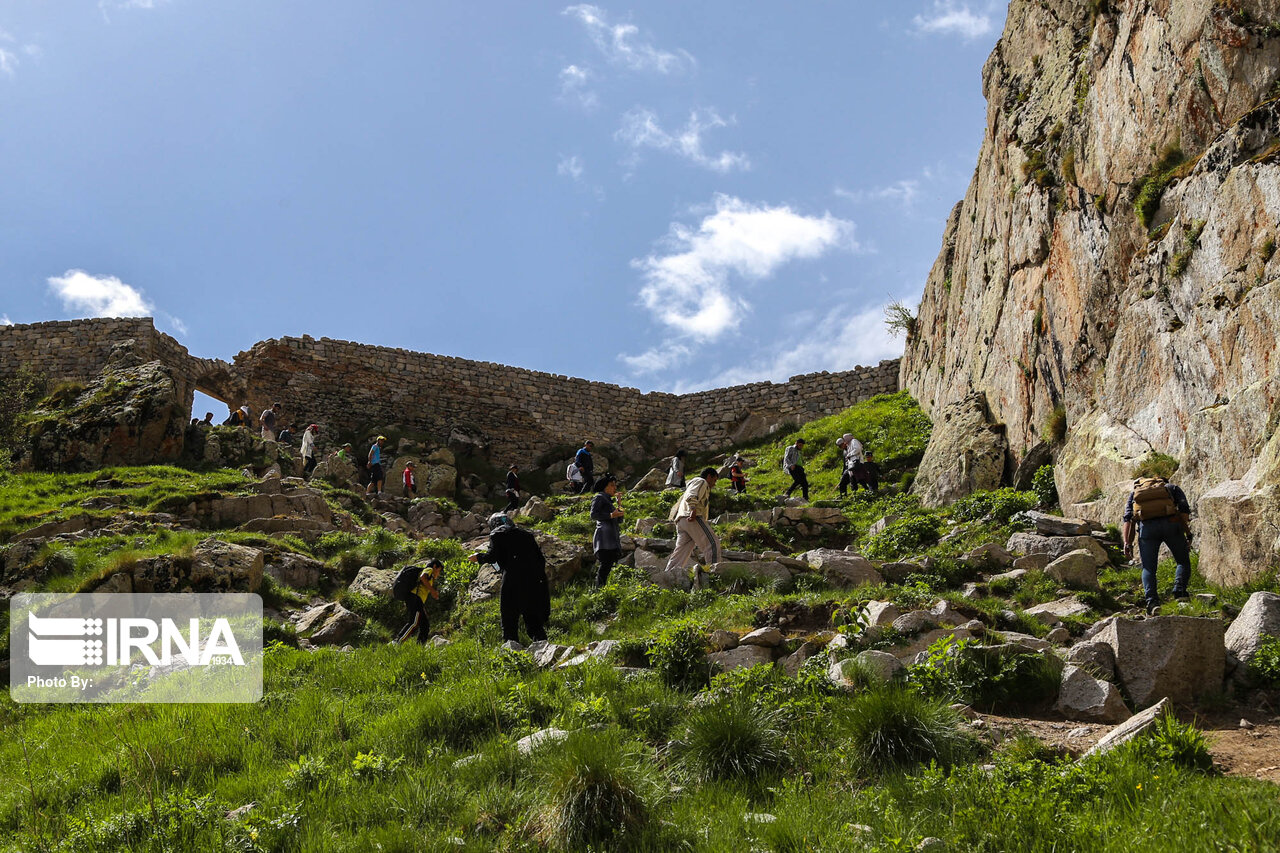
Babak Fort, or Babak Castle, is a large historical citadel perched on top of a mountain in Arasbaran forests in northwestern Iran. It is believed to have been a stronghold of Babak Khorramdin, the leader of the Khurramites in Azerbaijan who fought Arabs.

The castle is one of the greatest examples of Iranian architecture. The fort built during the Sassanid dynasty is 2,300-2,700 m. above sea level. The main gate is the only way to access the fort which is impenetrable from the surrounding mountains.

Photos of the fort posted online by hamshahrionline.ir:

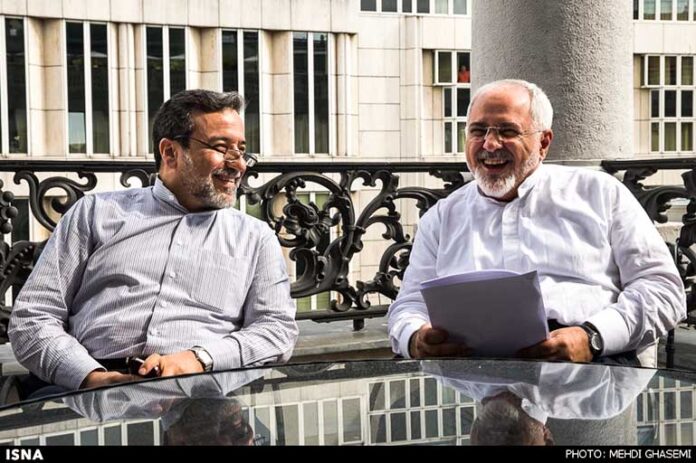
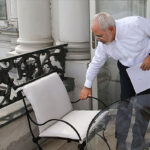
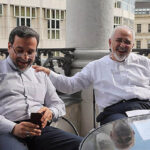
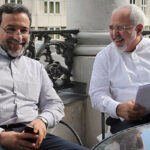
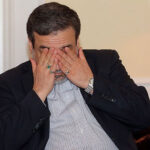
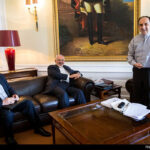
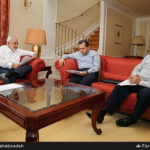
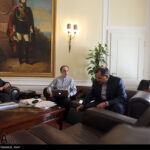
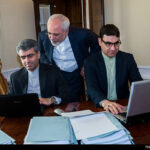
Not at negotiating table, but still at work (PHOTOS)

Iranian nuclear team00

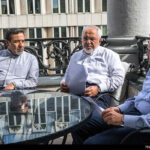
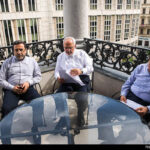
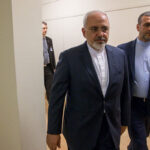
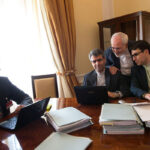
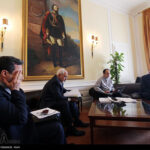
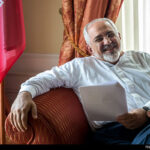
The Iranian nuclear team has been in Vienna for several days busy
negotiating with P5+1 to hammer out a final deal which could end a
decades-long dispute over Tehran’s nuclear program.

The Iranian team is working round the clock in the Austrian capital to
defend the country’s nuclear rights. Clocks are ticking and the talks
are reportedly in their home stretch. Reporters and photojournalists
went to the hotel the Iranian negotiators have hunkered down to see
firsthand how seriously they are working against time for a much
hoped-for result.

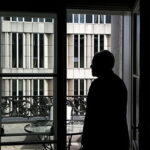
The following are the pictures Fararu.com has released of the Iranian
negotiating team away from the negotiating table in their hotel but
working overtime to get the job done:


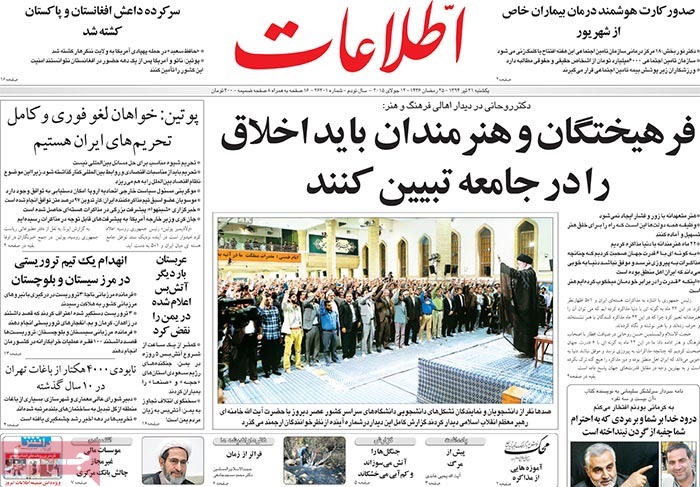
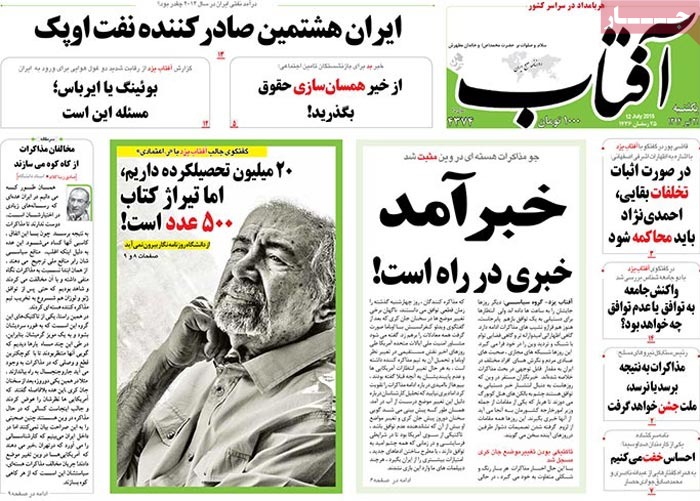
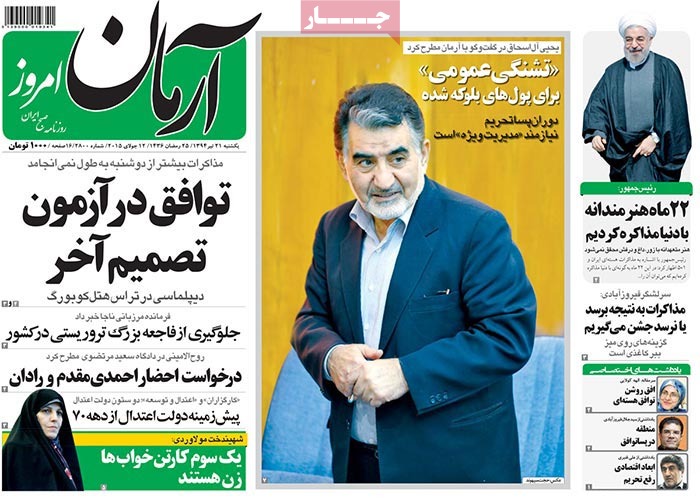
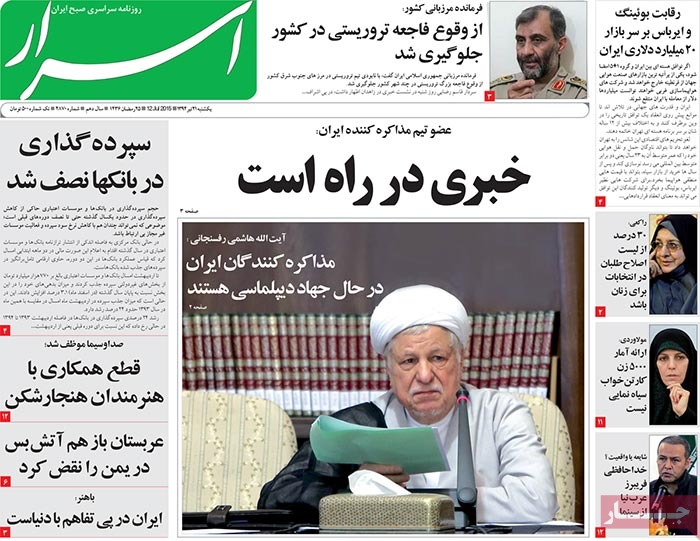
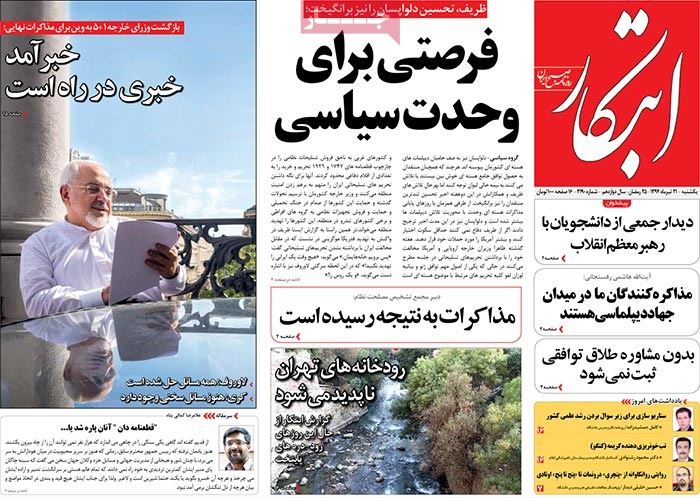
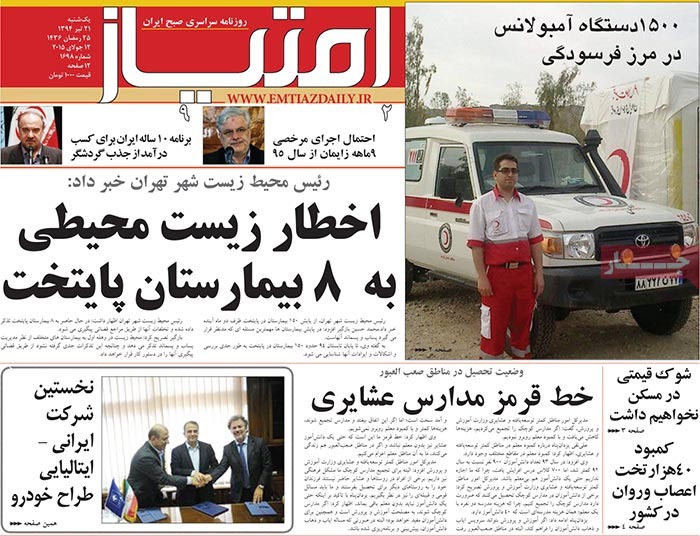
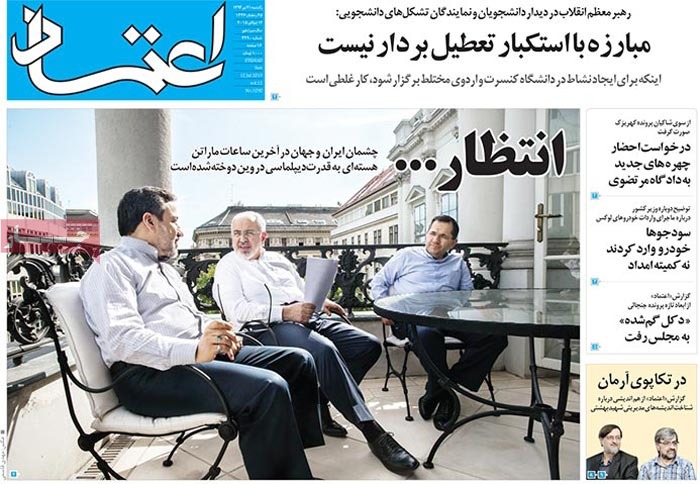
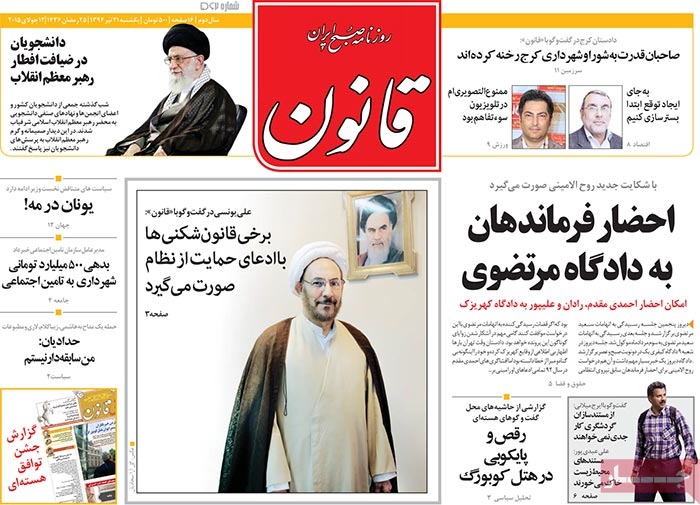
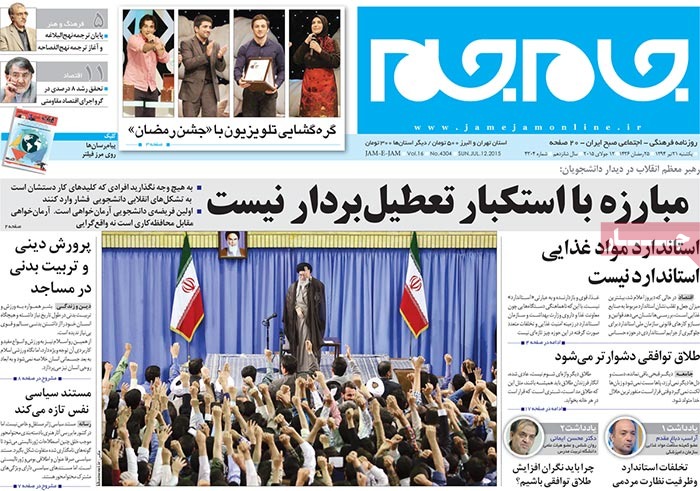
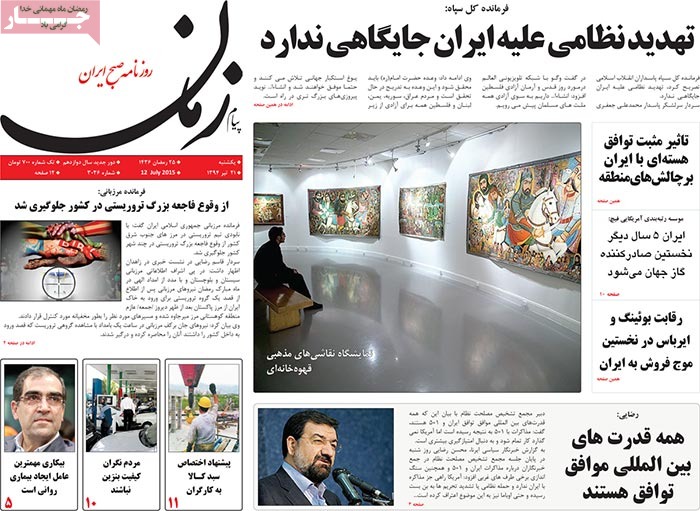
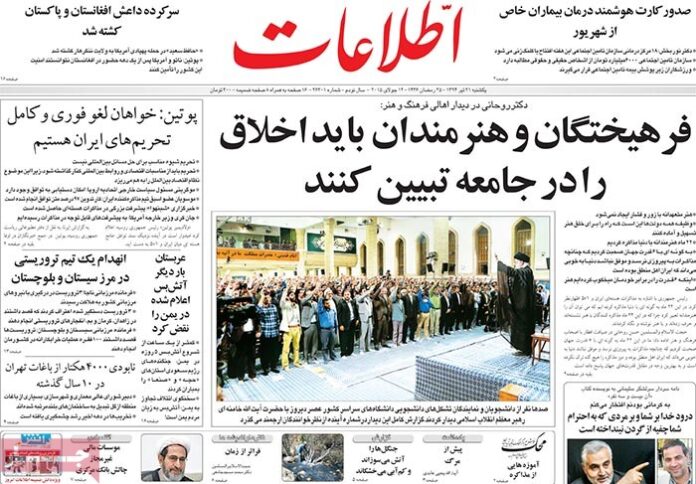
A look at Iranian newspaper front pages on July 12

Iranian Newspapers Headlines

The comments of the Supreme Leader at a meeting with university students and continued nuclear talks between Iran and P5+1 dominated the front pages of Iranian newspapers on Sunday.


Ettela’at: “Artists and cultured people need to promote morality in society,” President Rouhani said at a meeting with artists and cultural figures.

He further said that his administration has skillfully interacted with the world for 22 months.

“In case nuclear talks fail to produce a breakthrough, the way we have interacted with six world powers would prove to the world that the Iranians are open to reason,” the president said.


Aftab-e Yazd: “In case allegations [of fraud] against Hamid Baghaei, [a vice-president for executive affairs under Ahmadinejad] are substantiated, Ahmadinejad must be tried too,” said Nader Ghazipour, an MP representing Orumiyeh in parliament.


A look at Iranian newspaper front pages on July 12


Arman-e Emrooz: “Women account for one third of all individuals who sleep rough on the streets,” said Shahindokht Molaverdi, vice-president for women and family affairs.

Arman-e Emrooz: Major terrorist attack averted.

The commander of the Border Guard Unit of the Iranian law enforcement force has said that terrorists were bent on planting bombs in three southern towns and cities.


A look at Iranian newspaper front pages on July 12


Asrar: Boeing and Airbus are involved in rivalry over Iran’s $20 billion market.

Asrar: Ayatollah Akbar Hashemi Rafsanjani has described the Iranian negotiators as warriors on the diplomatic front.

Asrar: Mohammad Reza Bahonar, a principlist MP, has said that Iran seeks to reach understanding with the rest of the world.


A look at Iranian newspaper front pages on July 12


Ebtekar: “Talks have produced results,” said the secretary of the Expediency Council.


A look at Iranian newspaper front pages on July 12


Emtiaz: Up to 1,500 ambulances are on the verge of being declared worn-out.


A look at Iranian newspaper front pages on July 12


Etemad: The interior minister has said that profiteers, and not Imam Khomeini Relief Committee, have imported luxury cars.

Etemad: The case involving the missing Iranian oil derrick has been referred to parliament.


A look at Iranian newspaper front pages on July 12


Ghanoon: Police commanders [past and present] are likely to be summoned to court in Saeed Mortazavi’s case if Ruholamini [the father of a young man who died in Kahrizak] files a new complaint.


A look at Iranian newspaper front pages on July 12


Jamejam: “The fight against arrogant powers [a reference to the US and its Western allies] is endless,” said the Supreme Leader at a meeting with university students.


A look at Iranian newspaper front pages on July 12


Payam-e Zaman: Iran is on course to becoming the world’s first producer of natural gas in five years.

Payam-e Zaman: “All world powers favor a deal with Iran,” said Secretary of the Expediency Council Mohsen Rezaei.


A look at Iranian newspaper front pages on July 12


Highlights of Ettela’at newspaper on July 12

Ettelaat-July12

 “Artists and cultured people need to promote morality in society,” President Rouhani said at a meeting with artists and cultural figures.

He further said that his administration has skillfully interacted with the world for 22 months.

“In case nuclear talks fail to produce a breakthrough, the way we have interacted with six world powers would prove to the world that the Iranians are open to reason,” the president said.

 The Supreme Leader has met with hundreds of university students.

 Individuals suffering from special diseases will be provided with smart cards in September.

The managing director of the Social Security Organization has also said that sportsmen and sportswomen will be offered Social Security coverage.

 The leader of the IS terrorist grouping in the Afghanistan and Pakistan region has been killed.

Hafiz Saeed died in a US drone strike on the Afghan province of Nangarhar.

 President Putin has called for immediate, full termination of Iran sanctions.

He said that sanctions should be eliminated from international relations, because they are disrupting global trade.

 Saudi Arabia has once again violated the cease-fire in Yemen.

A spokesman for the Saudi-led coalition has said that the cease-fire does not serve the interests of the Yemeni people!

 A terrorist gang has been busted in Sistan and Baluchestan Province.

A commander of the Iranian border guards has said that three terrorists were killed in clashes with his men.

Three others were arrested and later admitted that they sought to set off bombs in Zahedan, Kerman and Bam, the commander further said.

 Some 4,000 hectares of Tehran orchards has been destroyed in the past decade.

 The commander of IRGC’s Quds Force has written a letter of appreciation to Ahmad Yousefzadeh, the author of Those 23 People.

In the book, Yousefzadeh has depicted the gallantry in captivity of 23 comrades of Major General Ghasem Soleimani.

 Iran’s foreign debts stand at $5.2 b