Tuesday, December 23, 2025
Home Blog Page 4700

Support for terrorists causing tragedy, instability in region: Iran

zarif-syria

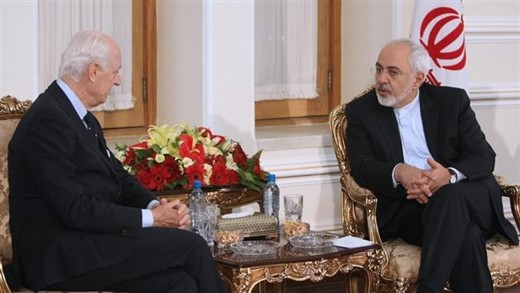
Iran’s foreign minister says foreign support for militants in Syria and Iraq is causing instability and a humanitarian tragedy in these two Middle Eastern countries.

In a meeting with the visiting United Nations special envoy to Syria Staffan de Mistura, Mohammad Javad Zarif said continued support for terrorist groups is the root cause of crisis and extremism across the Middle East.

Zarif also reaffirmed Iran’s position on the need for a political settlement to the crisis in Syria.

For his part, de Mistura said the UN seeks a new political approach to settle the ongoing deadly crisis in Syria in a peaceful and democratic way.

He added that Iran can play a very constructive and helpful role in the settlement of the crisis in Syria.

A UN spokesman said on Friday that de Mistura is expected to submit initiatives to the world body by the end of this month in a bid to help resolve the Syria crisis.

The UN envoy “intends to finalize by the end of July his proposals to the secretary-general [Ban Ki-moon] on a way forward to support Syrian parties in their search of a political solution to the conflict,” the spokesman said.

Since March 2011, Syria has been grappling with a militancy sponsored by foreign governments including Turkey, the United States and some regional Arab allies. The crisis has left nearly 230,000 people killed.

Iran’s 4-point peace plan for Syria

Iranian Deputy Foreign Minister for Arab and African Affairs Hossein Amir-Abdollahian said on Tuesday that holding discussions about Iran’s four-point peace plan for Syria tops the agenda of the UN envoy’s visit to Tehran.

He added that finding a political solution to the Syrian conflict and examining ways to fight terrorism are among other aims of de Mistura’s trip.

Iran’s proposed peace plan stresses a political settlement to the crisis in Syria, the territorial integrity and independence of the Arab country as well as its people’s right to self-determination in a democratic election.

Iran instrumental in fight against terrorism in Mideast: FM

zarif7

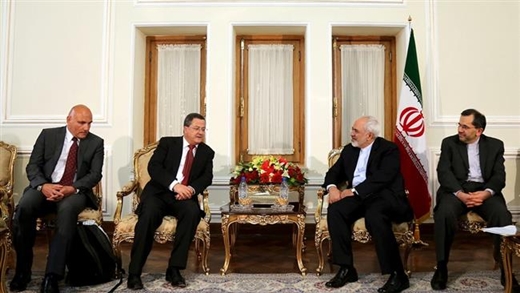
Iranian Foreign Minister Mohammad Javad Zarif says the Islamic Republic has played a leading role in fighting terrorism and extremism in the Middle East.

In a meeting with Yves Rossier, the state secretary at the Swiss Federal Department of Foreign Affairs (FDFA), in Tehran on Tuesday, Zarif expressed Iran’s readiness to improve its interaction with regional countries, particularly neighboring states, in combating terrorism.

The minister further said European countries are keen to strengthen cooperation with Iran, particularly in the economic area.

Rossier, for his part, welcomed the conclusion of nuclear talks between Iran and P5+1, saying Tehran and Bern should improve cooperation on bilateral, regional and international issues.

Iran and P5+1– the United States, Britain, France, China and Russia plus Germany – succeeded in finalizing the text of the Joint Comprehensive Plan of Action (JCPOA), in the Austrian capital of Vienna on July 14 after 18 days of intense negotiations that capped around 23 months of talks between Iran and the six world powers. The almost two-year negotiations were the culmination of over a decade of intermittent diplomatic efforts.

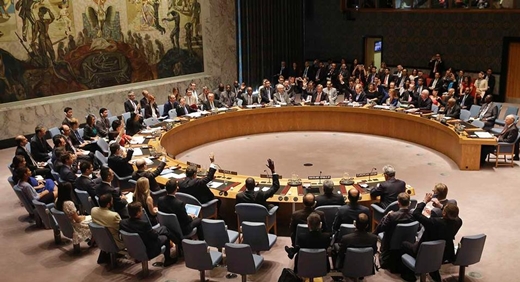
The United Nations Security Council on Monday unanimously endorsed a draft resolution turning the JCPOA into international law. All 15 members of the body voted for the draft UN resolution in New York, setting the stage for the lifting of the Security Council sanctions against Iran.

Iran’s nuclear chief underlines settlement of PMD issues by December 15

salehi3

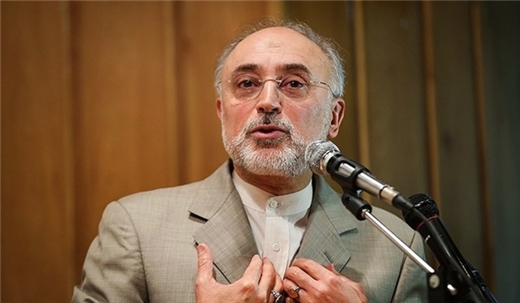
Head of the Atomic Energy Organization of Iran (AEOI) Ali Akbar Salehi reiterated the necessity for the IAEA to come up with a conclusion and close the case involving allegations about Iran’s past nuclear activities by mid-December.

“Based on the agreement with Director General of the International Atomic Energy Agency (IAEA) Yukiya Amano, the issue of  PMD (Possible Military Dimension) should be resolved by December 15, i.e. the end of this year,” Salehi said on Tuesday.

“According to this agreement, the IAEA will present its report to the Board of Governors, while implementation of the Joint Comprehensive Plan of Action (i.e. the Vienna agreement) will continue separately from the results of this report,” he added.

Salehi underlined that Iran strongly rejects having done any military nuclear activity in the past, and wants the closure of this issue within a political-technical framework to prevent any possible future excuse-seeking.

In relevant remarks earlier this month, Amano said in uncertain remarks that his organization might eventually prepare a report on PMD by the end of 2015.

“With Iran’s cooperation, I think, IAEA can give a report on verification of the issue related to PMD by the end of the current year,” IAEA Chief said.

Iran has repeatedly urged that it wants an IAEA report to announce final results of its investigations about the PMD issue, reiterating that it does not want the PMD issue to remain open after a deal with the world powers.

[…]

Iranian minister urges Tehran-Ankara cooperation in counterterrorism

139401241400245065091554

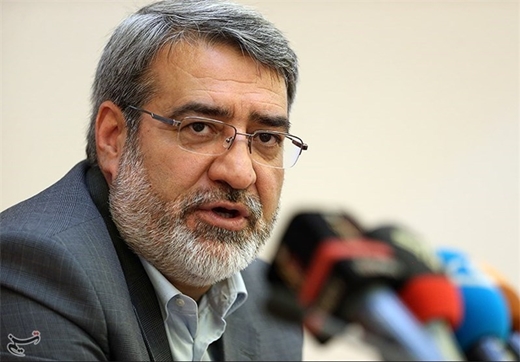
Iran’s Interior Minister Abdolreza Rahmani Fazli highlighted the roles that Tehran and Ankara play in regional stability and stressed the need for closer cooperation between the two neighbors in counter-terrorism efforts.

In a meeting with Turkish Ambassador to Tehran Reza Hakan Tekin on Tuesday, Rahmani Fazli touched upon recent developments in the Middle East, saying, “Bilateral relations between Iran and Turkey have a significant role in establishing regional security and development.”

Tehran-Ankara relations are based on “deep-rooted historical, cultural and religious ties”, the Iranian minister said, adding that the two countries should make efforts to further boost the ties.

He also underlined the necessity for the promotion of mutual cooperation between the two neighboring countries in diverse security areas, the fight against terrorism and the Islamic State in Iraq and the Levant (ISIL) in particular.

The ISIL Takfiri (extremist) group is believed to be supported by the West and some regional Arab countries.

The terrorist group claims as an independent state the territory of Iraq and Syria, with implied future claims intended over more of the Levant, including Lebanon, occupied Palestine, Jordan, Cyprus, and Southern Turkey.

Except nuclear-capable missiles, Iran will develop any missile it sees fit: Advisor

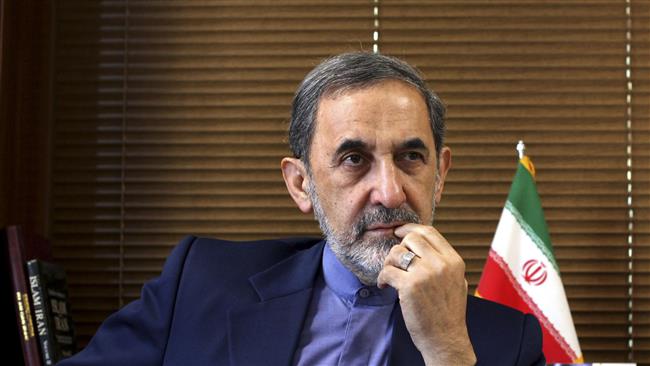
Aliakbar Velayati

The Americans have voiced willingness to enter into talks with Iran over regional issues such as Syria and Yemen because they need Tehran’s assistance to settle their regional problems, said Ali Akbar Velayati, the Supreme Leader’s Advisor for International Affairs, adding, “But Iranian officials have not been allowed by the Leader to hold talks with the US over regional or bilateral issues, because the Americans have proven to be unreliable.”

The following is the translation of part of what etekhab.ir quoted the former foreign minister as saying on July 21:

On Iran’s nuclear negotiating team, Velayati said, “Our nuclear negotiators have been working for the Foreign Ministry for years and are among the country’s most seasoned experts in international affairs; they have left no stone unturned in their efforts to secure the best outcome for the country in nuclear talks.”

He added if certain objectives have not been fulfilled, definitely they couldn’t have done more, because these individuals are the best of the best.

The Leader’s senior advisor added, “The recent text [of the Joint Comprehensive Plan of Action] that I have briefly examined has some weaknesses, but I have no doubt that the Iranian negotiators have done their best to stand up for the rights of the Iranian people and safeguard our national interests.”

Velayati went on to say, “On no account will the Islamic Republic of Iran budge an inch when it comes to defense issues. Except nuclear-capable missiles, we will develop any missile that we see fit: liquid-fueled or solid-fueled, short-range or long-range.”

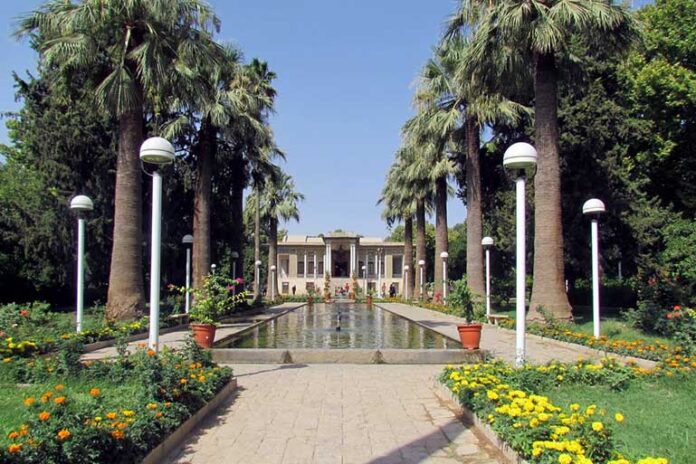
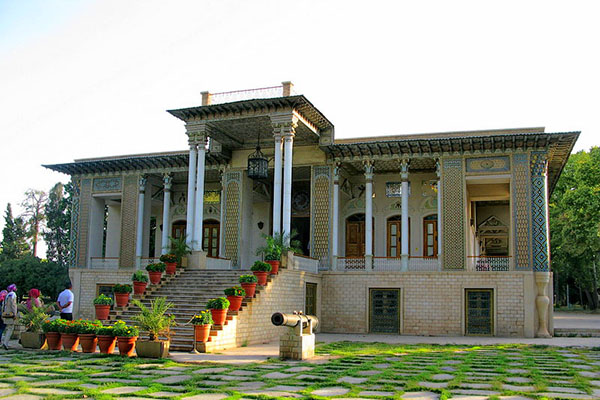
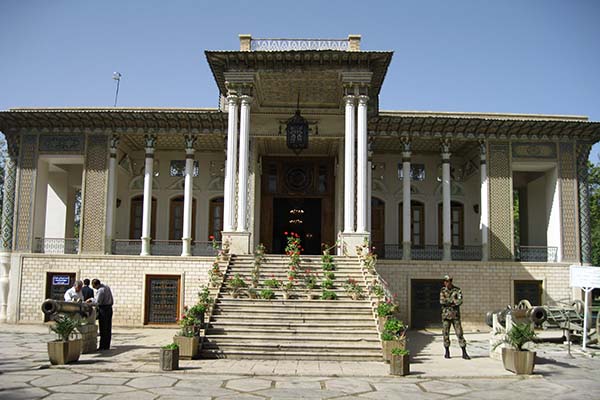
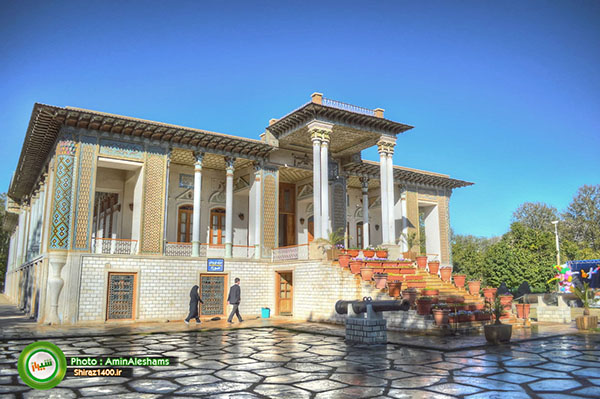
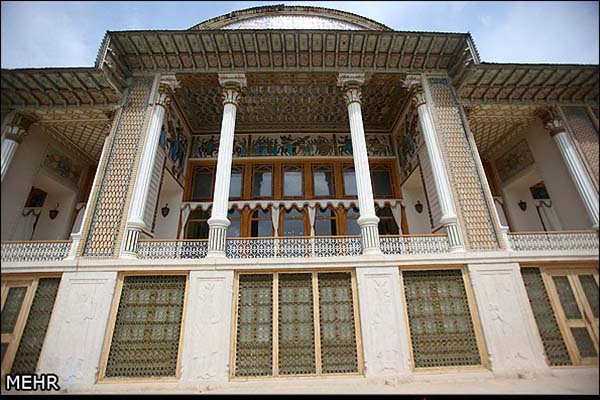
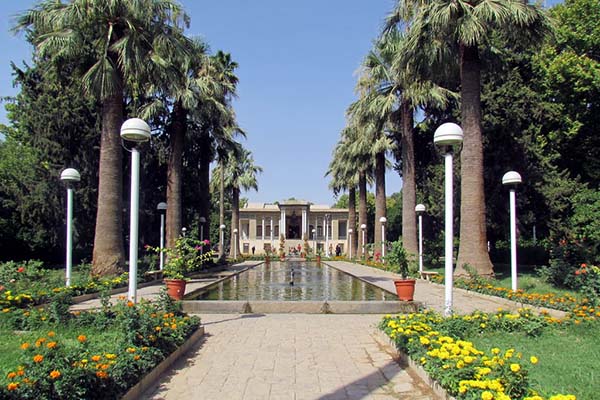
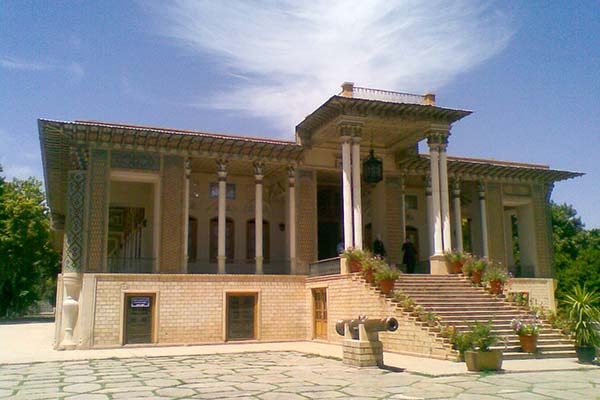
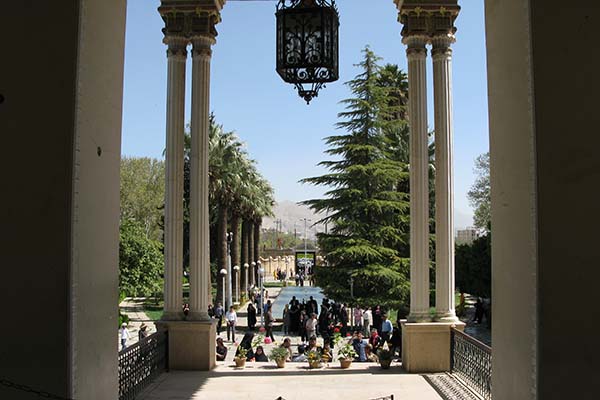
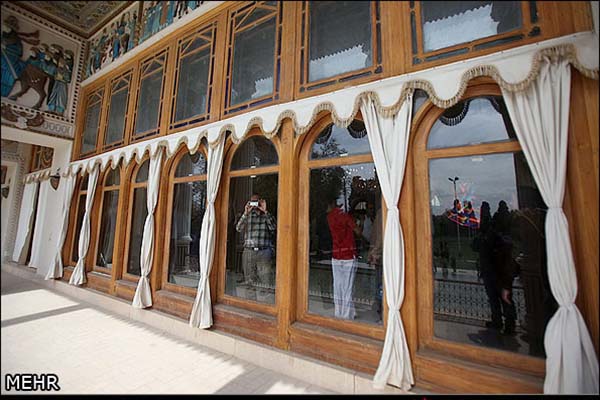
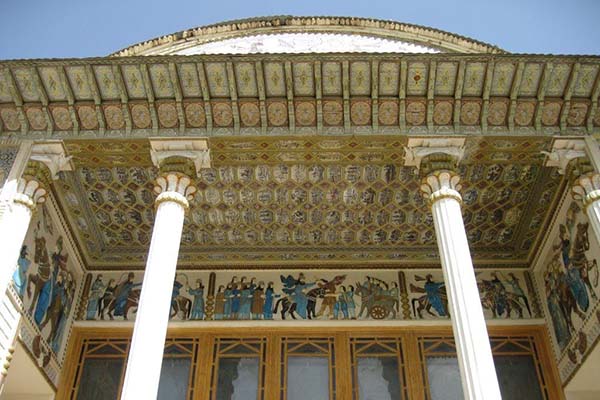
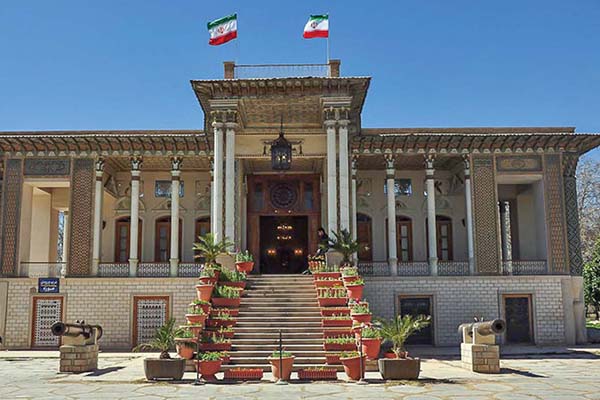
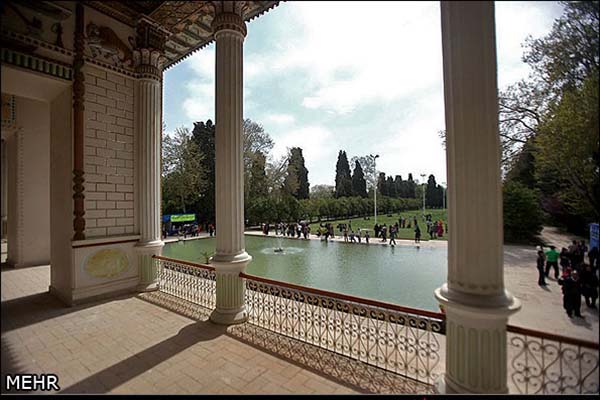
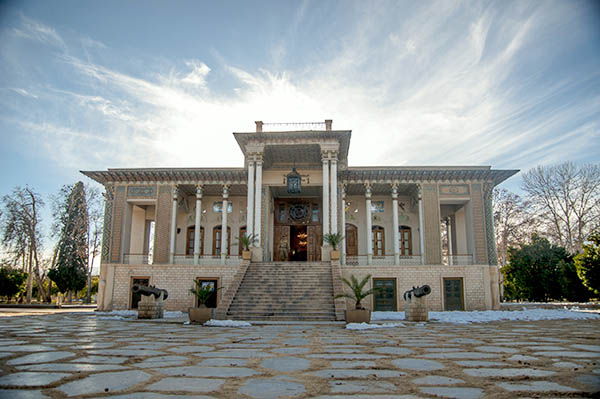
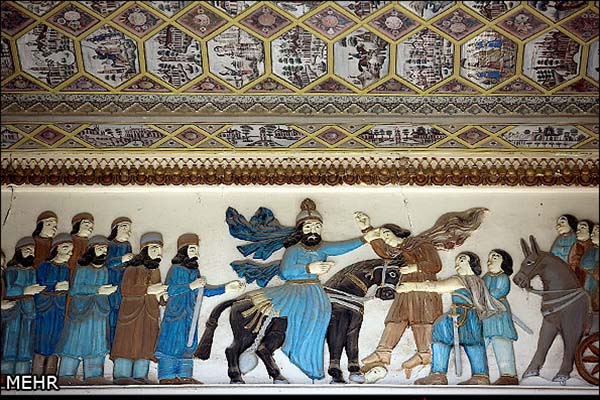
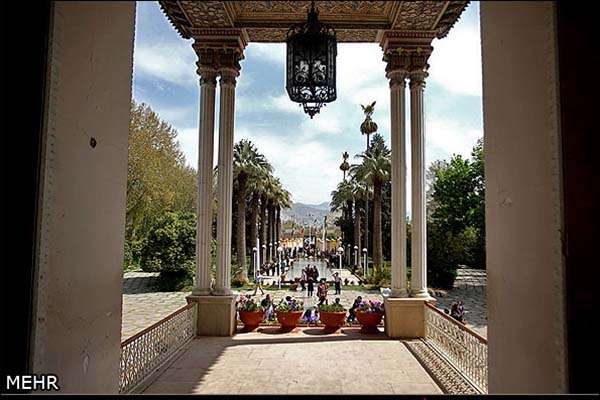
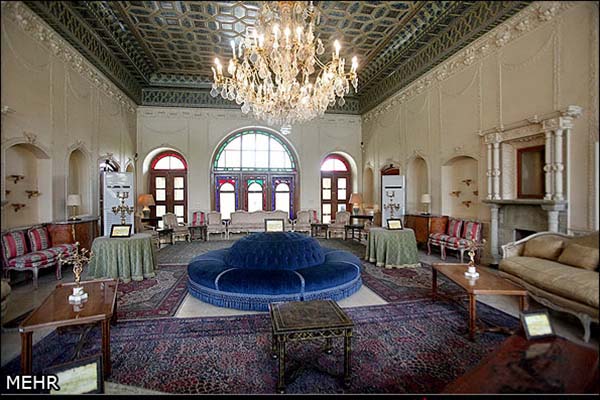
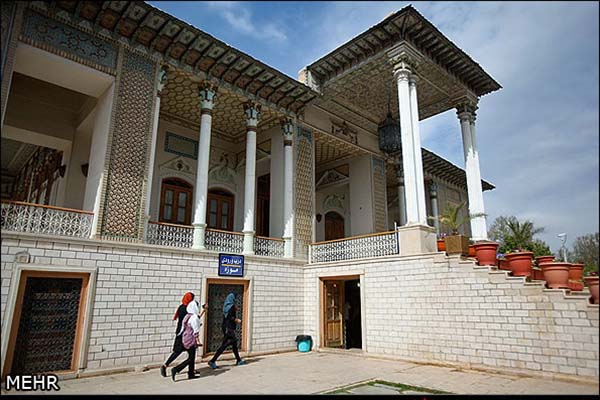
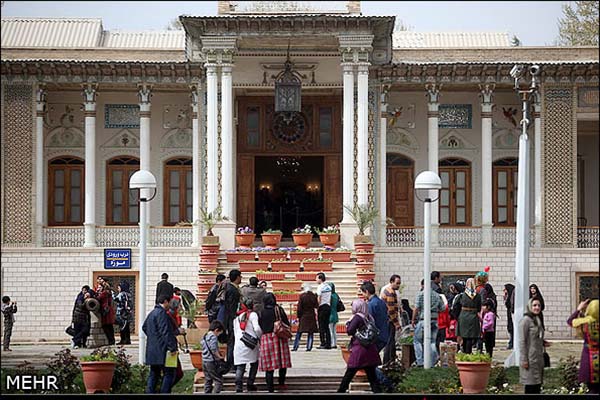
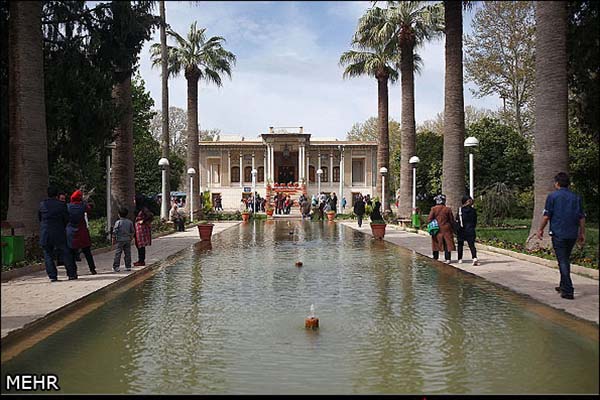
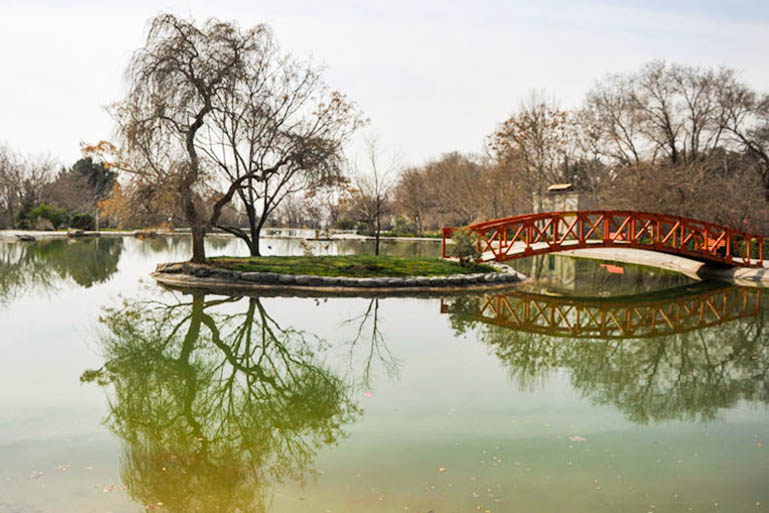
Afif-Abad Garden in southern Iran (PHOTOS)

Afif-Abad00

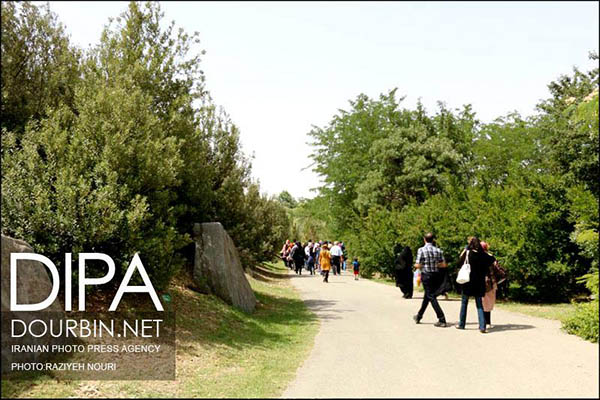
Afif-Abad Garden, which is among the oldest in Shiraz, was once a Safavid royal retreat.

The main building of the garden was built by Mirza Ali Mohammad Khan Qawam II in 1863. When the garden was inherited by his sister, Afifeh, it was renamed Afif-Abad.

In 1926, it was handed to the Army, and now it is a weaponry museum.

Images of Afiif-Abad Garden released by different news websites:

Vienna agreement increases hatred for US in Iran: Basij commander

naghdi

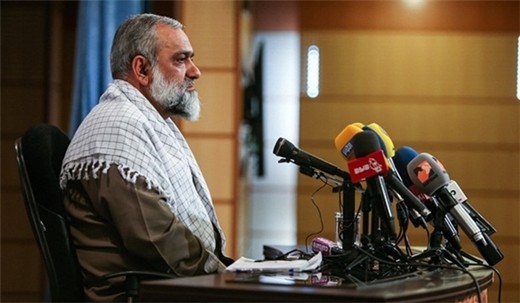
Commander of Iran’s Basij (volunteer) Force Brigadier General Mohammad Reza Naghdi warned of Washington’s continued animosity towards the Islamic Republic, and said the contents of the last Tuesday nuclear agreement between Tehran and the world powers in Vienna boosts Iranians’ hatred for the US.

“Any Iranian who reads the Vienna documents will hate the US 100 times more (than the past),” Naghdi said on Tuesday.

He also referred to the UN Security Council’s Resolution 2231 approved on Monday, and said, “All paragraphs of the resolution that the US proposed to the UNSC are full of enmity toward Iran and show the US deep grudge against the Iranian nation.”

“The US needs the agreement merely to legalize the sanctions and continue pressure against Iran,” Naghdi said, adding that Washington sees the agreement as a tool to provide the ground for military aggression against Iran.

Addressing worshippers in the Eid al-Fitr (marking the end of the holy month of Ramadan) prayers in Tehran on Saturday, Supreme Leader of the Islamic Revolution Ayatollah Seyyed Ali Khamenei underlined the agreement between Tehran and the six world powers (the US, Russia, China, France, Britain and Germany) will not change Iran’s policy toward the US.

“In any case the policy of the Iranian nation and the Islamic Republic system vis-à-vis the US will not change,” Ayatollah Khamenei said.

Iran’s Supreme Leader reiterated that whether the text of the nuclear agreement is ratified by the Iranian parliament or not, Iran will continue supporting the oppressed Palestinian nation, Yemen, Bahrain as well as the nations and governments of Syria and Iraq and the honest warriors of Lebanon and Palestine.

Ayatollah Khamenei reiterated that Iran’s policy toward the US will never change.

The Leader pointed to the boastful remarks of the US statesmen and officials in recent days, and said, “The US statesmen and stateswomen are inevitably making boastful remarks these days to resolve their internal problems, but their brags are not real.

He said that Islamic Iran will never yield to excessive demands of the enemies while safeguarding its defensive and security capabilities.

Reversibility also an option for Iran: Zarif

zarif-p

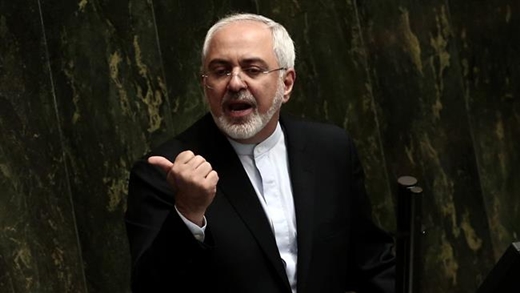
Iran’s Foreign Minister Mohammad Javad Zarif says the issue of reversibility to the conditions before a recent agreement between the Islamic Republic and the P5+1 is not just an option for Iran’s international partners but also for Tehran.

Addressing an open session of parliament on Tuesday, Zarif referred to potential concerns over a mechanism for the reversibility of the United Nations Security Council (UNSC) sanctions against Iran and explained that the potential restoration of the sanctions against Iran will not be an easy move for the Council and will harm its standing.

He said that even a potential vote for the return of the sanctions at the UNSC through a veto will be costly for the UNSC as world countries have little regard for resolutions approved with a veto.

Zarif and Director of the Atomic Energy Organization of Iran (AEOI) Ali Akbar Salehi participated in the open session of the chamber to brief parliamentarians on the Joint Comprehensive Plan of Action (JCPOA) concluded between Iran and P5+1 on July 14.

The mechanism for the restoration of sanctions that Zarif was talking about is one under which any of the six countries in the P5+1 can raise what it considers as violation of the nuclear agreement by Iran; the issue would then be referred to dispute resolution panels, whose deliberations can take up to 30 days or more. On the thirtieth day, and as issues remain unresolved, the sanctions would automatically be re-imposed.

The process cannot be interrupted except by a majority vote in the Security Council. But any of the five permanent members can use its veto power to ensure that the re-imposed sanctions remain in place.

Minutes after the opening of remarks by Zarif, the text of the JCPOA and its annexes were submitted to the chamber for review.

After his opening remarks, Zarif replied to some questions from the MPs asked through Speaker Ali Larijani.

‘Never threaten Iranians’

Zarif said that the Iranian negotiators in the talks that led to the conclusion of the JCPOA proved that the Islamic Republic is ready to negotiate but will not allow the “six ostensibly powerful countries” to resort to extortion.

He said the negotiators made it clear to the six countries and the European Union (EU)’s high representative that “no one can ever threaten an Iranian.”

The Iranian foreign minister, who was Iran’s top negotiator at the talks, said it was also made clear to the world that enrichment and related research and development will never stop in Iran.

‘Israeli anger only natural’

Zarif said it is no wonder that, angered by the conclusion of the JCPOA, Israeli Prime Minister Benjamin Netanyahu raises a hue and cry and appeals to the US Congress to torpedo the agreement, which will seriously threaten the Israeli regime.

“The much-hated Zionist regime (Israel) has never been this much isolated among its [own] allies,” the top Iranian diplomat said.

Mission accomplished

Iran achieved its main objectives under the JCPOA, Zarif said, enumerating them as “maintaining Iran’s dignity and might, establishing the nuclear program [of the country], enrichment and retaining the heavy-water reactor.”

He also referred to the termination of sanctions imposed against the Islamic Republic and previous UN resolutions that had “not only imposed sanctions on Iranians, but had also forbidden Iran’s nuclear program and turned into international duty the prevention of the enhancement of Iran’s missile capabilities.”

“For the opposite side,” Zarif said, “the key goal was preventing Iran from obtaining nuclear weapons,” which the Islamic Republic was already not seeking.

“Ensuring this obvious issue (that Iran doesn’t build nuclear bombs) is no special privilege,” Zarif said, “since, based on religious and human principles and the fatwa by Leader of the Islamic Revolution [Ayatollah Seyyed Ali Khamenei], Iran has never been and never is after nuclear weapons.”

Smaller concessions for bigger ones

Zarif further said, “We have never claimed and do not claim that the JCPOA is completely to the benefit of Iran; I emphasize that negotiating is basically giving [something] and taking [something in return], and unless a significant level of the two sides’ demands are met, no agreement is reached.”

“In order to meet our demands,” he said, “we have had certain flexibility concerning restrictions and monitoring; this flexibility has been goal-oriented and well-calculated.”

There to testify to great achievement

Following the remarks by the Iranian foreign minister, Salehi started an address to the parliamentarians.

Salehi said he had come to parliament to testify that what Iran has achieved in terms of the technical issues of the agreement between Iran and the P5+1 constitute a great feat, and that, as a person who has been involved in the nuclear field for over forty years, he takes full responsibility for the technical aspects of the agreement.

The top Iranian nuclear official said that, while the provisions of the agreement are meant to be “restrictions” on what the P5+1 says is Iran’s path to atomic bombs, the country’s nuclear sector has not been restricted in a real sense because the Islamic Republic has never sought to build such weapons.

Salehi, too, responded to a number of questions handed over in written form to Speaker Larijani regarding the agreement.

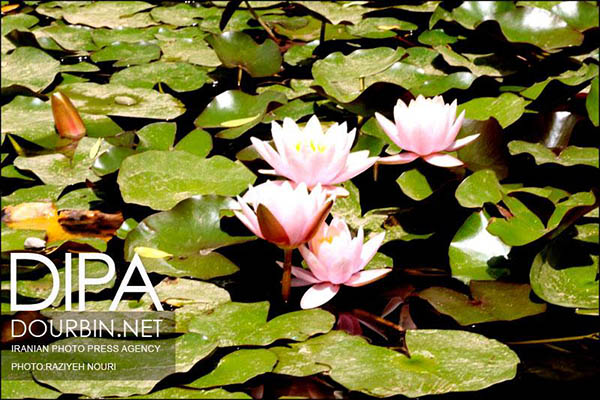
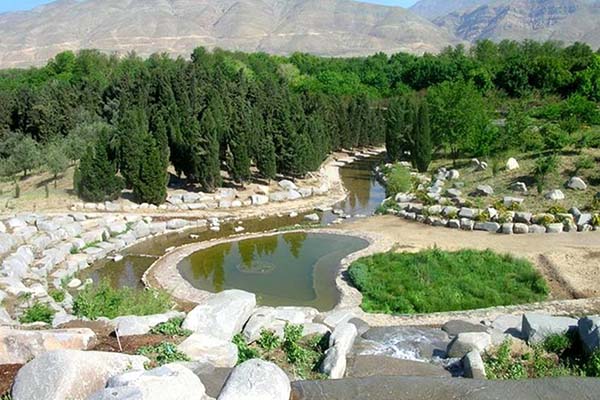
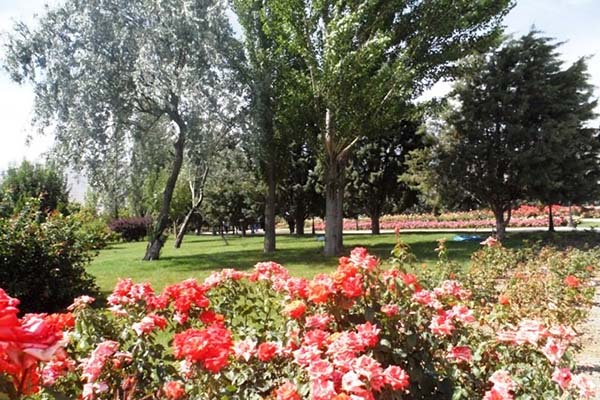
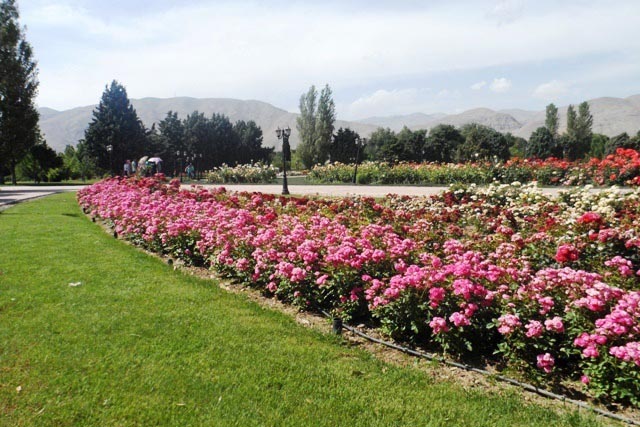
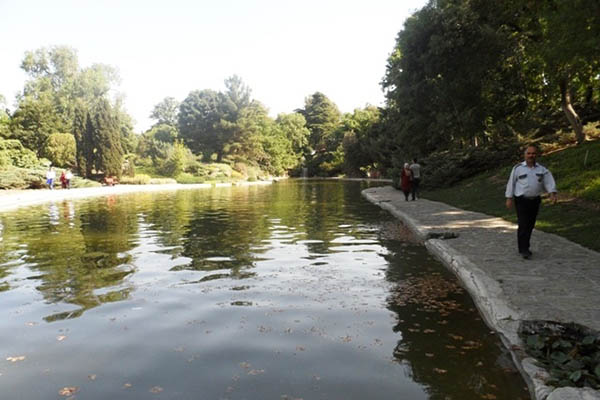
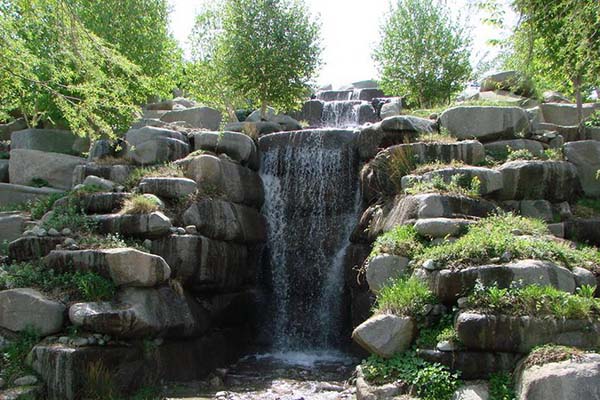
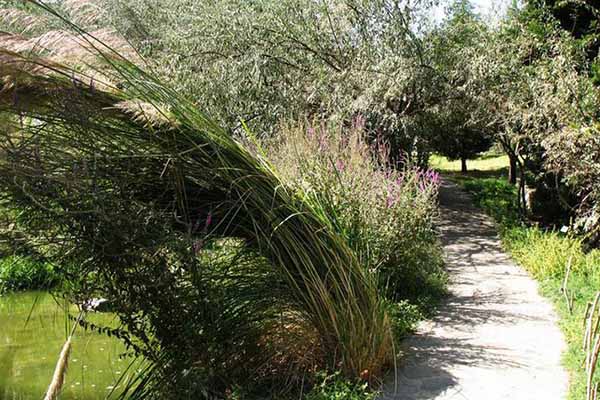
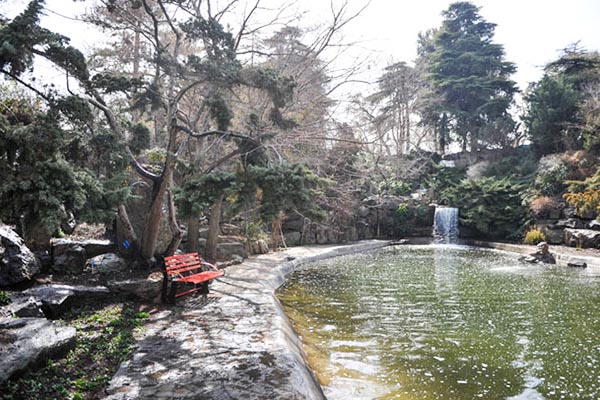
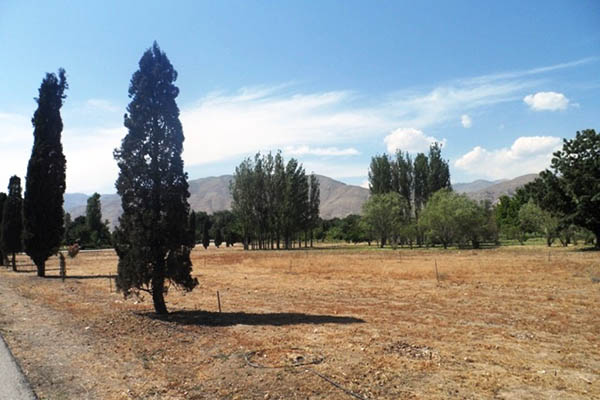
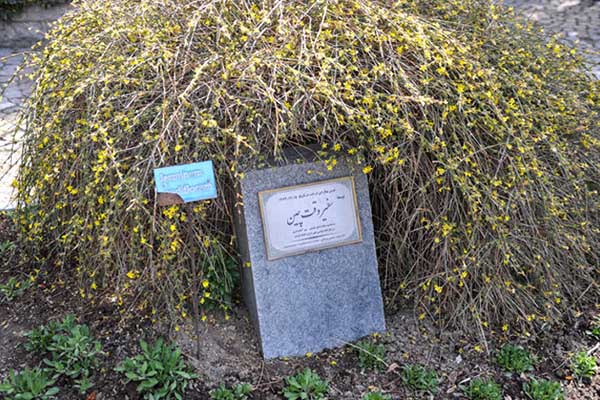
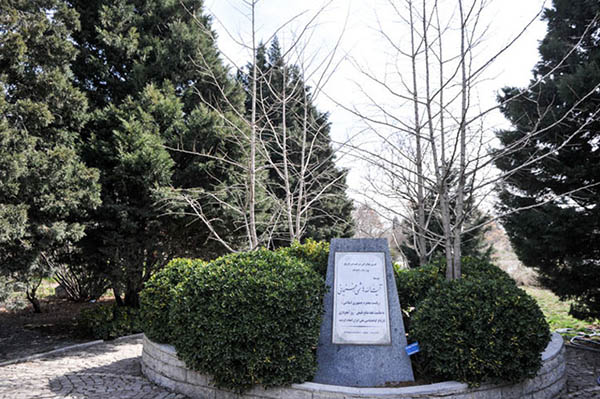
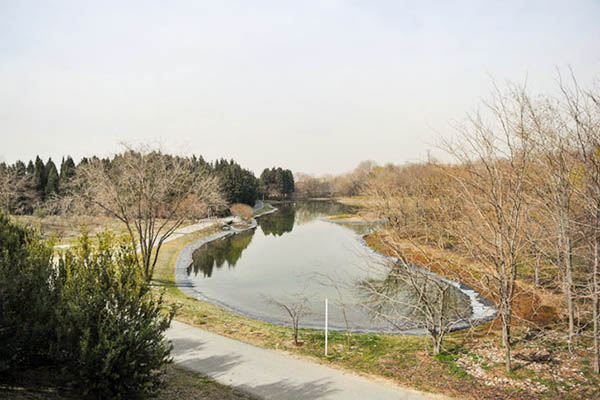
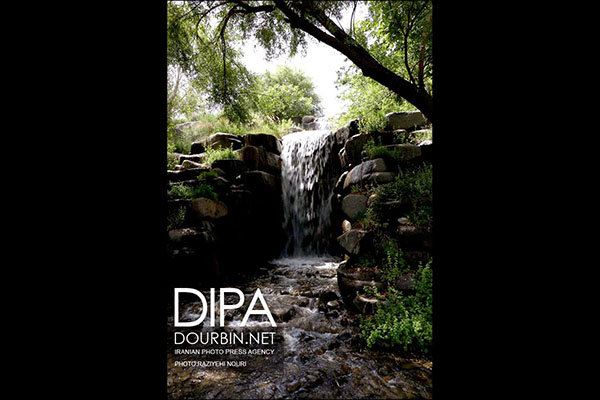
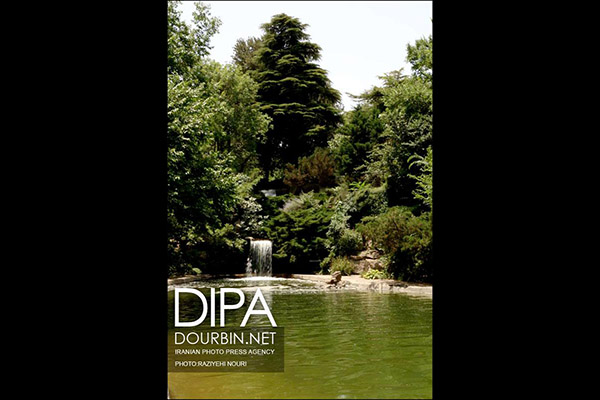
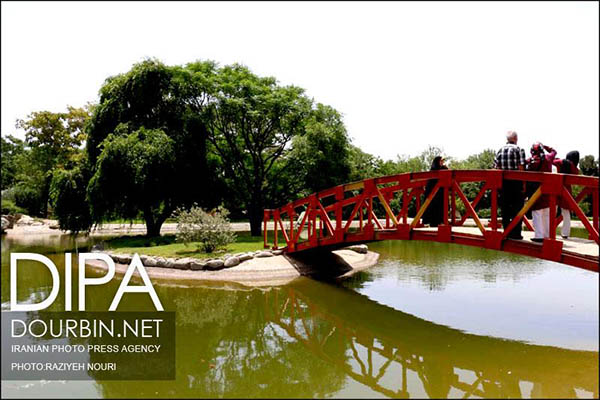
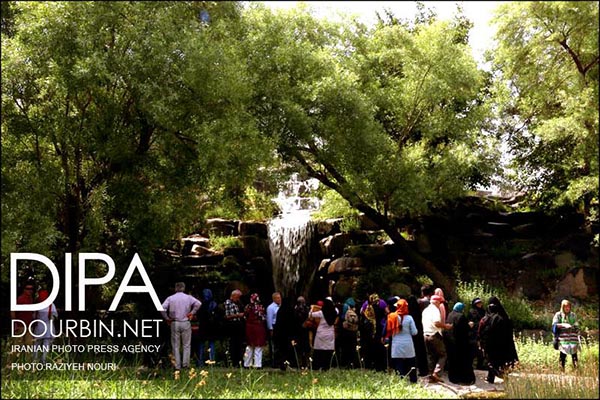
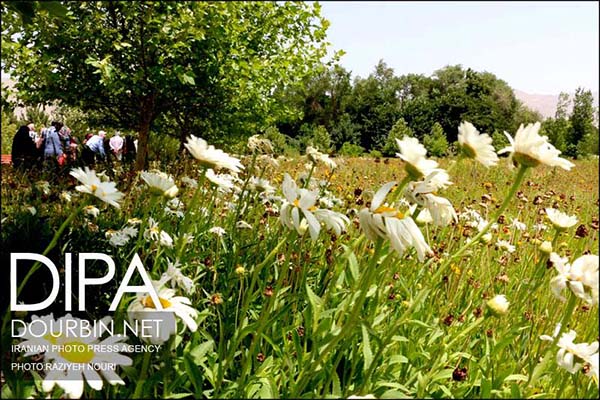
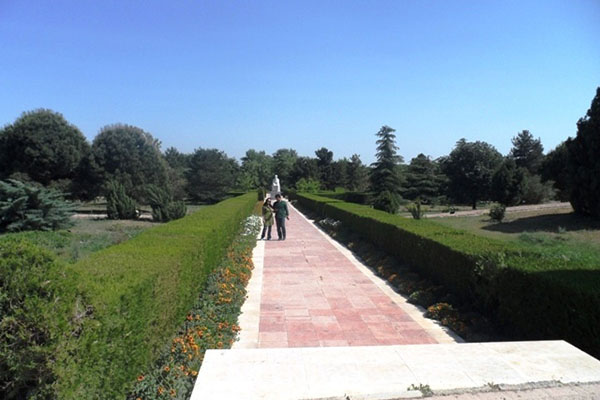
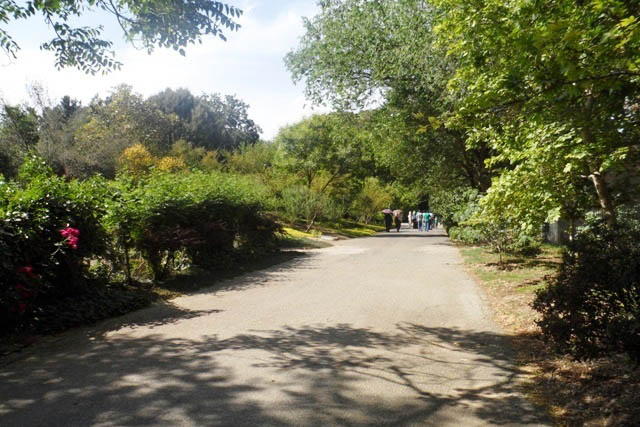
National Botanical Garden of Iran (PHOTOS)

National Botanical Garden00

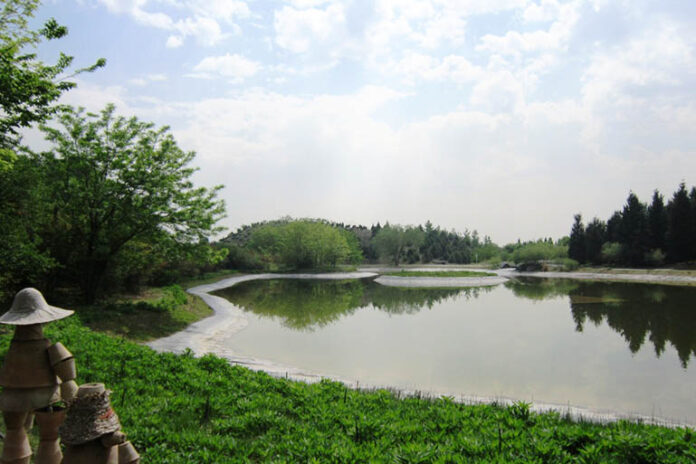
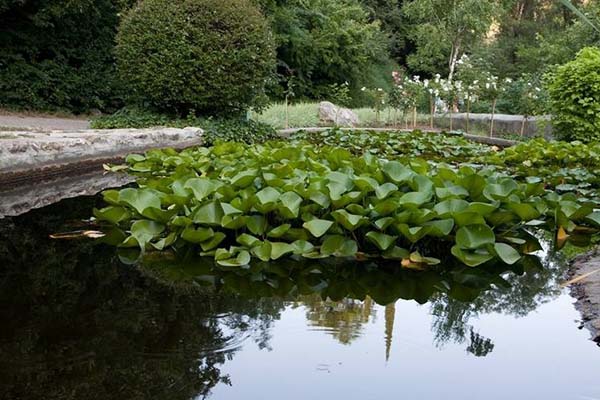
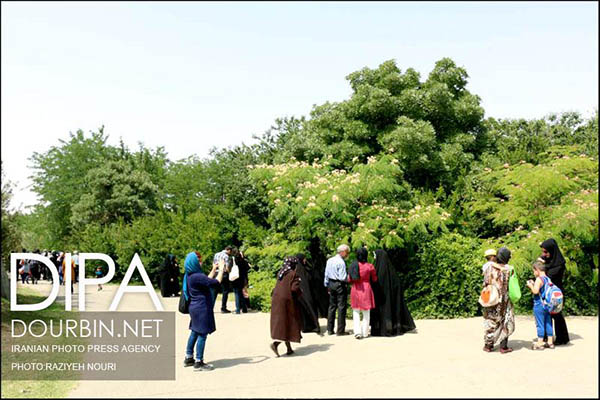
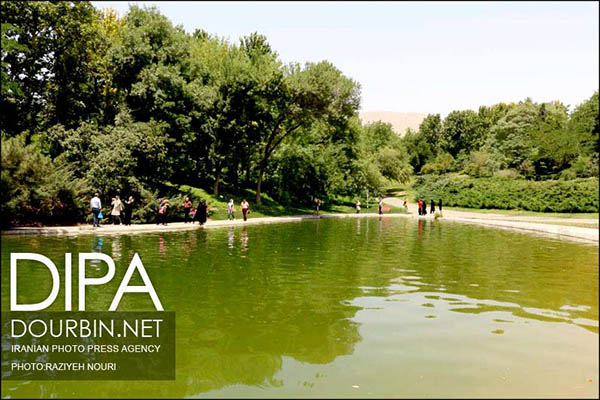
The National Botanical Garden of Iran, the largest such garden in the Middle East, was founded in 1968 in a suburb of Tehran.

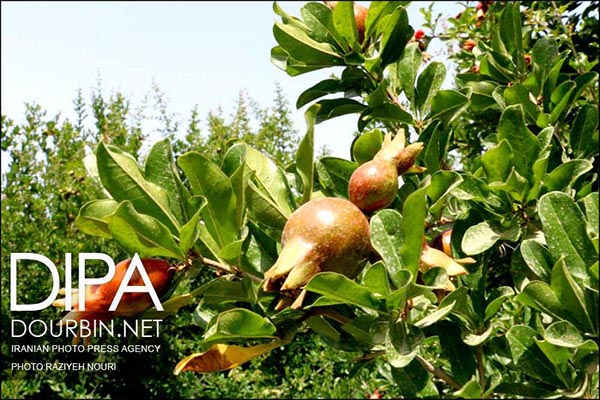
The garden, which is 145 hectares in area, has a quite dry climate and an annual average rainfall of about 240 mm. It also serves as a botanical genetic bank for plants which are on the verge of extinction.

Snapshots of the garden posted online by Khabaronline.ir:

A logical, vital and urgent expectation from the government

US Push to Reinstate Sanctions on Iran Has No Legal Basis: Official

One day after the Iran nuclear deal was struck in Vienna, Iranfrontpage.com covered reactions by as many as 43 Iranian newspapers to the July 14 landmark deal, highlighting the negative reaction of the Kayhan daily to the agreement. [See “A look at Iranian newspaper front pages one day after the nuclear deal”]

On July 15, Kayhan published two [diametrically opposite] interpretations of Presidents Rouhani and Obama of the deal. Five days later, the principlist daily in its July 20 issue published an editorial by Hossein Shariatmadari, its managing editor, critiquing the provisions of the nuclear deal and its annexes, the ways through which sanctions imposed by the UN Security Council will be lifted and a [so-called snapback] mechanism which will restore Iran’s sanctions [if it violates the terms of the deal].

Shariatmadari led off his analytical piece, The wool they wove in Geneva and pulled over Iran’s eyes in Vienna, with several lines in defense of the daily’s first reaction to the nuclear deal and said, “[…] Kayhan’s reservations about the nuclear deal and its reference to parts of the deal which had ignored Iran’s red lines met with strong opposition. In some cases, the opponents even used foul language to express their opposition.

“A number of friends too advised Kayhan – out of compassion, not out of spite or partiality – to stop expressing doubts about or objection to the nuclear deal, arguing that the text of the deal and its details have been seen and fully approved of by the Supreme Leader of the Islamic Revolution, and that the Supreme Leader’s praise and gratitude for the nuclear team is further proof of the Leader’s endorsement of the nuclear deal!

“Kayhan’s response: the Supreme Leader’s appreciation is indicative of the honest and day-and-night efforts of the esteemed negotiating team, something which cannot be denied by any fair and freethinking individual. No matter what the [outcome of the] deal is, the endeavors and self-denial of the country’s nuclear team is praiseworthy.

“But the Supreme Leader has offered separate yardsticks – which are definable in the very red lines set [for the country’s nuclear dispute] – to assess the nuclear deal and tell its good points apart from the bad ones. It is downright impossible for the Leader to approve of a deal which oversteps the declared red lines.

“After remarks by the Supreme Leader that the content of the nuclear deal should be carefully reviewed, it became clear that his focus on the need for a meticulous examination of the text of the nuclear deal would have been unnecessary if he had agreed to the deal already.”

Shariatmadari then touched upon the core issue of his critique: a resolution which is expected to be adopted by the United Nations Security Council. [The council has since unanimously voted for that resolution.] After a painstaking analysis of the previous resolutions issued under Chapter 7 of the UN Charter, the managing editor, wrote, “The [Iran nuclear deal or] Vienna document […] will become legally binding after the UN Security Council issues a resolution to endorse the Iran nuclear deal. Afterward, any review of its provisions by the Islamic Consultative Assembly or the Supreme National Security Council (SNSC) – during a two-week grace period – will have the least impact on the deal’s approval or disapproval.

“In other words, if the Iranian parliament or the SNSC review the text of the deal and conclude that parts of it run counter to Iran’s national interests or that the deal has failed to respect the red lines defined by Iran, their decision will simply deserve to go down in history, unfortunately; and it [the outcome of the review] can do nothing to alter the text so that it can meet the demands and honor the policies of Islamic Iran. […]

“The Islamic Republic of Iran had rejected the previous UN Security Council resolutions as illegal, making a convincing and documented case for its dismissal [of the resolutions]. The fact is that Iran has accepted the recent resolution [on the Iran nuclear deal]. It brings us to the conclusion that – unlike what some assume – the previously released resolutions are not nullified, rather they remain in place as part of this most recent resolution. The point is that Iran has so far rejected the resolutions as illegal, but has put its seal of approval on the new resolution describing it legally binding!”

[…]

“Article 11 of the draft UN Security Council resolution on Iran’s nuclear activity says that if one of the parties to the JCPOA [Joint Comprehensive Plan of Action] believes that the commitments agreed on in the Vienna agreement or part of them have not been implemented, the UN Security Council has 30 days to vote on that [non-compliance of a JCPOA participant]. If the Council finds the measure by that JCPOA participant (read Iran) in violation of its commitments, it can cancel the implementation of paragraph A of Article 7.

“This paragraph focuses on the removal of the previous UN Security Council resolutions against Iran’s nuclear program, and it [the cancellation of the implementation of Paragraph A] means the previous [anti-Iran] resolutions will be back in effect. [Article 11 decides, acting under Article 41 of the Charter of the United Nations, that, within 30 days of receiving a notification by a JCPOA participant State of an issue that the JCPOA participant State believes constitutes significant non-performance of commitments under the JCPOA, it shall vote on a draft resolution to continue in effect the terminations in paragraph 7(a) of this resolution, …]

“In other words, Article 11 says that if one member State of P5+1 believes that Iran has failed to abide by its commitments or has failed to implement part of its commitments, the Security Council will put to a vote the continuation of removal of the previous resolutions in 30 days, and if this [the continued revival of the previous resolutions] is voted down, under Article 12 of the new resolution all sanctions imposed [on Iran] as a result of the previous sanctions will once again become legally binding without passing the Council – pay close attention to this part.

[Article 12 decides, acting under Article 41 of the Charter of the United Nations, that, if the Security Council does not adopt a resolution under paragraph 11 to continue in effect the terminations in paragraph 7(a), then effective midnight Greenwich Mean Time after the thirtieth day after the notification to the Security Council described in paragraph 11, all of the provisions of resolutions 1696 (2006), 1737 (2006), 1747 (2007), 1803 (2008), 1835 (2008), and 1929 (2010) that have been terminated pursuant to paragraph 7(a) shall apply in the same manner as they applied before the adoption of this resolution, and the measures contained in paragraphs 7, 8 and 16 to 20 of this resolution shall be terminated, unless the Security Council decides otherwise;]

“Now take heed of another point which is the ultimate in deception and gamesmanship by the rival [the other side]! The point is that the voting [at the Security Council] does not need the approval of the majority of Council members; five permanent members of the Council – namely the US, Britain, France, China and Russia – hold veto power, and if one of them calls for the revival of the previous resolutions, that will be enough.

“In this case, if other Security Council members hold an opposite view calling for non-revival of the previous resolutions, this will do little to prevent the previous resolutions from snapping back into place, because their demand will be vetoed by the one vote in favor of the revival of previous resolutions. So, their demand will be ineffective”.
At the end, Shariatmadari concluded that the adoption of a resolution whose draft has been pieced together by the US administration and submitted to the UN can create numerous problems for Iran. He said, “[…] It is proposed that the Islamic Republic of Iran officially announce its opposition to the draft UN Security Council resolution [on Iran] and call for changing parts of the draft, including Articles 11, 12 and Annex B. [(S/2015/XXX, as attached as Annex B to this resolution)]
[…]

“Since the passage of the recent resolution under Chapter Seven of the UN Charter will make the text of the nuclear deal legally binding, it is expected that the Islamic Republic of Iran announce its final decision on the deal after the Islamic Consultative Assembly and the Supreme National Security Council put out the results of their careful reviews of the deal. In addition to this expectation which is legal, vital and urgent, Iran is also expected to invite outstanding lawyers and experts for its review of the deal”.