Tuesday, December 23, 2025
Home Blog Page 4699

Canada losing ‘traditional partners’ over JCPOA stance

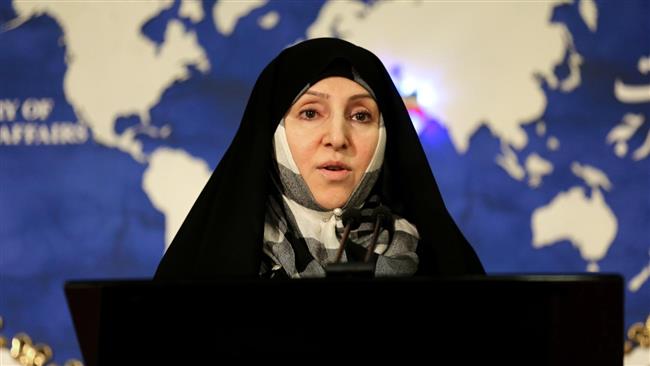
Marzieh Afkham

Canada’s “radical” policy towards Iran after the conclusion of nuclear talks with global powers lacks any “rational basis,” says Iranian Foreign Ministry Spokeswoman Marzieh Afkham.

On Wednesday, Afkham denounced a statement by the Canadian Foreign Ministry released after Tehran and P5+1 reached a landmark agreement, dubbed the Joint Comprehensive Plan of Action (JCPOA), in the Austrian capital Vienna on July 14.

“Continuation of a radical position against Iran by Canadian authorities, especially under the current conditions, indicates that the Canadian government’s approach towards Iran does not have any rational basis,” said the Iranian spokeswoman.

Ottawa’s “adherence” to the Israeli regime’s stance towards Iran has “led to the isolation of the country’s conservative government within the international community and even among its closest traditional partners,” she noted.

Afkham further called on the North American country to “embrace rationality and logic instead of warmongering and radicalism.”

A statement by the Canadian Foreign Affairs, Trade and Development had accused Iran of being a “significant threat to international peace and security.”

It added, however, that Canada “will examine this deal further before taking any specific Canadian action.”

Following the agreement with P5+1 – the United States, Britain, Russia, China, France, and Germany – Israeli Prime Minister Benjamin Netanyahu reiterated the regime’s anti-Iran rhetoric, calling the JCPOA a “historic mistake for the world.”

West realized anti-Iran sanctions had to go: Nahavandian

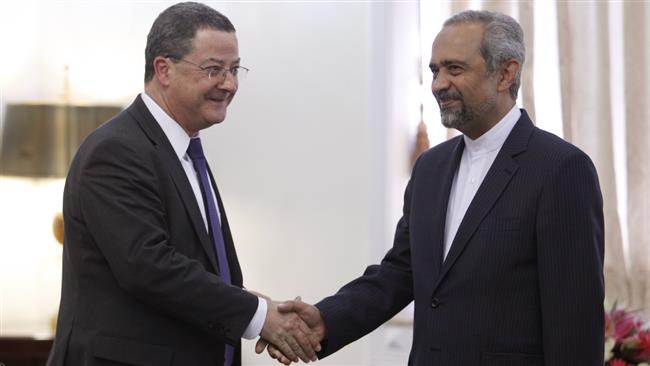
Nahavandian-Yves Rossier

Iran is prepared for “win-win” economic ties with other countries, says the chief of staff of President Hassan Rouhani.

Mohammad Nahavandian made the remarks at a meeting with Yves Rossier, the state secretary at the Swiss Federal Department of Foreign Affairs in Tehran on Wednesday.

“At present, a lot of the Western countries have come to the conclusion that the artificial (and) unnecessary crisis of Iran’s nuclear program is a big obstacle for their benefit from the Islamic Republic of Iran’s high economic capacity,” Nahavandian said.

He further noted the “cruel sanctions regime” against Tehran led to the “loss of financial transparency” in business transactions with Iran.

On July 14, Tehran and P5+1 – the US, Britain, Russia, China, France, and Germany – reached a nuclear agreement in Vienna after months of tough negotiations on Iran’s nuclear program.

As a first step in the removal of the anti-Iran sanctions, the UN Security Council unanimously endorsed a draft resolution on Monday, backing the landmark agreement, dubbed the Joint Comprehensive Plan of Action (JCPOA).

Nahavandian said the move attests to the Iranian economy’s crucial role in the international arena, stating, “All the global powers have very well realized this role.”

President Rouhani’s chief of staff also welcomed “the expansion of economic and banking relations with Switzerland,” noting that Swiss banks can play a “positive and constructive role in Iran’s bank transactions and economic activities.”

Rossier, for his part, welcomed a boost in cooperation between the two countries.

A macro look at nuclear talks, an analysis of Leader’s nuclear stance

43002_246

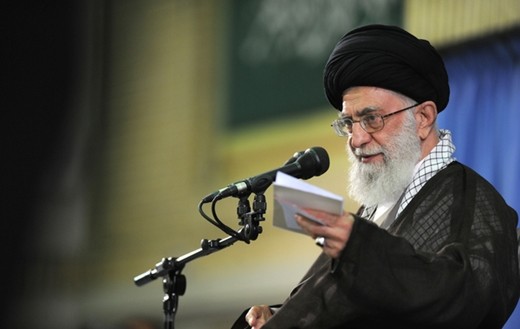
An analysis released by a website affiliated to the Supreme Leader has highlighted the need for critical analyses of the Iran nuclear deal, but has said that pointing an accusing finger at the negotiating team is in contravention of the country’s expediency and against the Leader’s approach.

Khamenei.ir, the website which releases the works of Supreme Leader Ayatollah Seyyed Ali Khamenei, on July 19 published a piece – A Macro Look at Nuclear Talks – analyzing the Leader’s interpretations of nuclear talks in recent days.

The following is the translation of the piece in its entirety:

After 23 months of nuclear talks between the Islamic Republic of Iran and P5+1 over Iran’s 13-year-old nuclear case came to an end, the Supreme Leader of the Islamic Revolution announced the country’s macro policies – including a continued anti-imperialistic approach and Iran’s regional policies – in response to a letter by the president, in his [Eid al-Fitr] sermons, and in his meetings with state officials and Iran-based ambassadors of Islamic countries to mark Eid al-Fitr.

There are a few points in the Leader’s remarks which should be contemplated:

1. Appreciating the efforts of the negotiating team: The Supreme Leader expressed gratitude for the efforts of the negotiating team after the talks came to an end, saying, “The divine rewards for them [Iranian nuclear negotiators] are reserved whether or not the text [of the nuclear deal] which has been pieced together is approved of in the course of the predicted legal channels”.

The Leader’s appreciation and thankfulness is of essence because some went beyond what is viewed as healthy criticism and contributed to division, discord and character assassination after the final text [of the nuclear deal] and its annexes were released.

It is quite natural to have a critical look at the text thanks to the untrustworthiness of the other side. But in dealing with the country’s negotiating team, some individuals have pressed on with finger-pointing and fault-finding – despite the Leader’s recommendations [otherwise] especially in a meeting with state officials – as if the final text had been prepared courtesy of their [the nuclear team’s] betrayal. This approach absolutely defies wisdom and expediency, and does not fit into the pathway the Supreme Leader has determined.

On the other hand, some others think the Leader’s expression of gratitude for the endeavors of the negotiating team translates into his approval of the result of the talks. This view is incorrect as well.

Ayatollah Khamenei said in a meeting with officials in the month of Ramadan, “I will tap into all capabilities that I have at my disposal to help the government. I approve of and support this government, like all previous governments … All governments, which came to power after the revolution, were elected by people, and I have supported these governments in all periods – when I was in charge. All governments have positive and negative points. No government can claim that everything it does is positive. Others cannot say that a government’s performance is entirely negative. No, there is a mix of positive and negative points”.

2. Emphasizing efforts to walk down the legal path: After the talks wrapped up in Vienna [and produced a deal], some expected the Supreme Leader to openly support or criticize [the nuclear deal], whereas the deal’s legal channels and mechanism have yet to be finalized.

Imam Jawad [the ninth Shiite Imam] has said that to reveal something before its finalization will lead to its destruction (Tuhaf al-‘uqul, p. 457). The focus by the Leader on the need for the deal to go through legal channels can be pondered on from two angles:

A) Because of the multiple past failure of the other side, especially the US, to keep its promises, the deal should be fully assessed, revised and modified so that the other side cannot misuse it.

B) A look at the history – past and present – of the Islamic Republic shows that Ayatollah Khamenei like the Founding Father of the Islamic Republic the late Imam Khomeini has always called for employment of legal processes and collective wisdom for making decisions on the country’s core issues.

Since 2004 when Iran’s nuclear case opened, three governments have been in charge of settling this case. Three governments, with different and sometime opposing approaches and tactics, have tried to deal with this case in their own way and within the framework of our red lines.

In different periods, the issues associated with the nuclear case have been decided on after the core principles, considerations, approaches and methods of the elected governments have been taken into account and after the case has gone through the legal procedures. The approach of the Supreme Leader in this regard shows that there is no room for being overjoyed like what some people do; nor should we consider the revolution’s principles as lost and finished like what some other do! Rather, we need to take into account these considerations in our analyses and critical views until the complex nuclear talks come to a stop and the problems are fixed.

3. Avoiding division: In a meeting with state officials and Islamic ambassadors based in Iran on the occasion of Eid al-Fitr, the Supreme Leader said, “The Iranian nation should be united and questions surrounding the nuclear case should not cause a rift in the country”.

It should be mentioned that it is the leverage of the enemies of the Islamic Revolution to turn the opportunities of the Islamic Republic of Iran into threats against the country. A case in point is what happened in Iran following the 2009 elections. A high public turnout (more than 85 percent) should have been the launching pad for the Islamic Republic to enter regional and international equations, but instead the post-election events tarnished the image of the Islamic establishment.

We need to take lessons from such incidents (seditions) and learn how to seize the available opportunities and take steps toward advancing the objectives of the Islamic Revolution. We need to be fully aware that what matters in nuclear talks is the settlement of the nuclear case, not asking people to rally around a certain person or group for electoral purposes or political and partisan bickering.

4. Having a trend-based look at the nuclear case: A trend-based macro look is one of the key points in the Supreme Leader’s remarks. The Leader said in his Eid sermons, “It is ten or twelve years that six big world powers – which are among the world’s most powerful countries as far as economic wealth, etc. is concerned – have been sitting [at the negotiating table] across from Iran in order to prevent Iran from pursuing [the development of] its nuclear industry … The result: these six powers had to tolerate the spinning of several thousand centrifuges in the country, tolerate the continuation of [the growth of] this industry in the country, [and] had to tolerate the continuation of research and development in this industry [in Iran]”.

Therefore, a merely technical and instantaneous look [at the issue] will cause us to misanalyze the case. To analyze the nuclear case – which has complex aspects and has been subject to passage of time – we need to contemplate more and have a general look at the procedures through which the country’s nuclear case is dealt with, fairly review its inputs and outputs and then pass on judgment.

The Supreme Leader has warned in his remarks that the other side should be denied anything which leads to gamesmanship, saying unity in the ranks of people holds the key to solving the problems. Isn’t it true that the recent remarks of the Supreme Leader can shed light – literally – on the way the Muslim community in Iran moves forward?

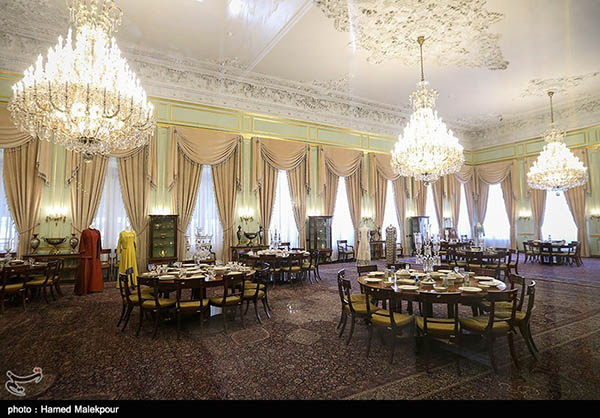
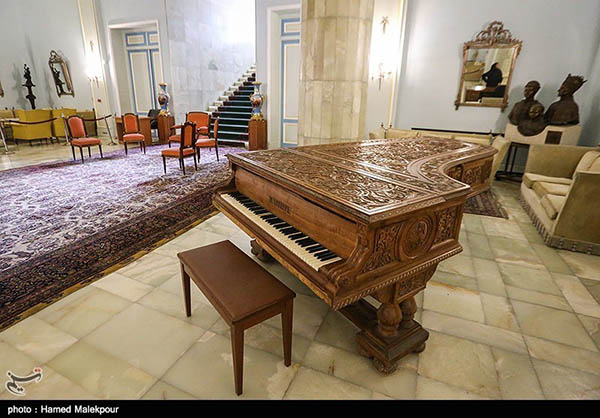
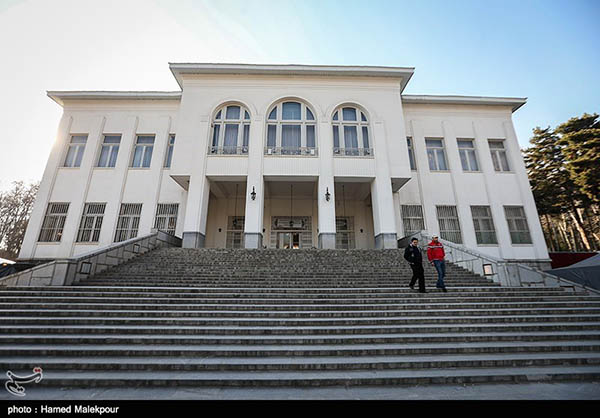
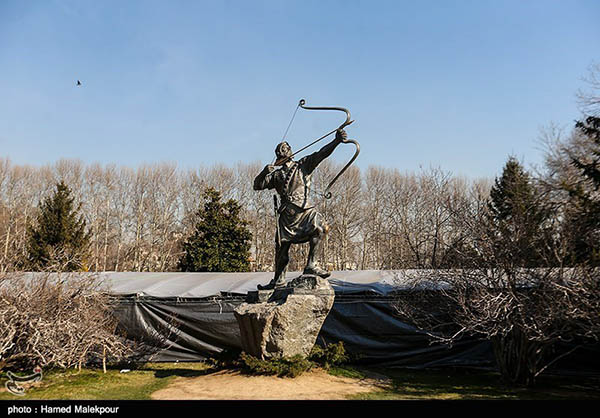
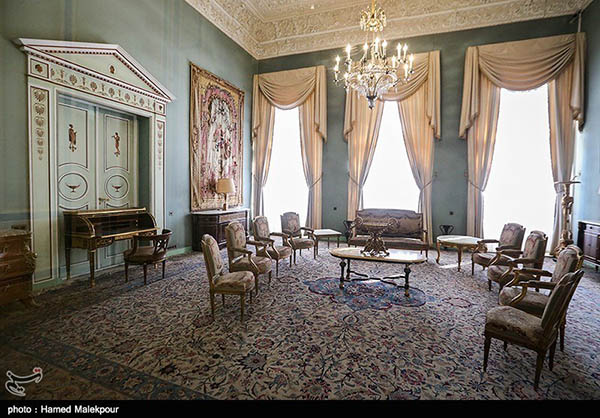
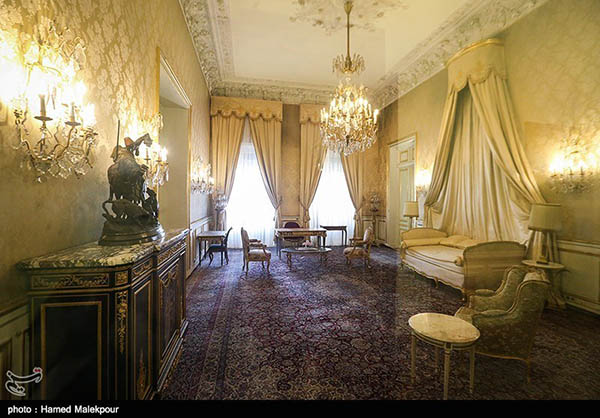
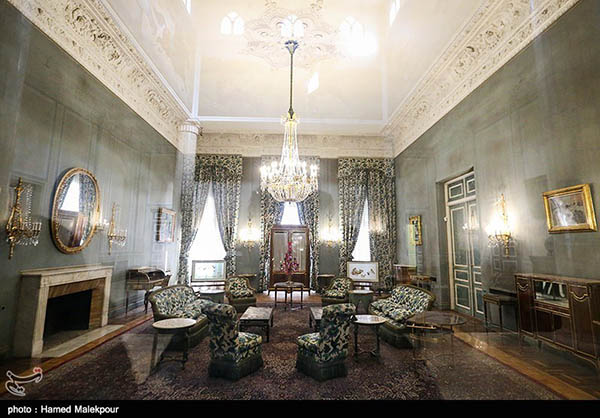
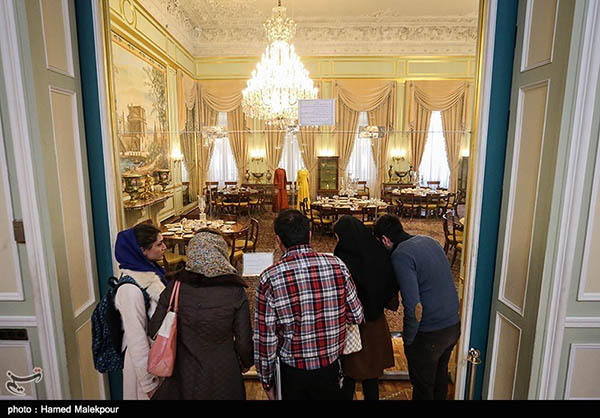
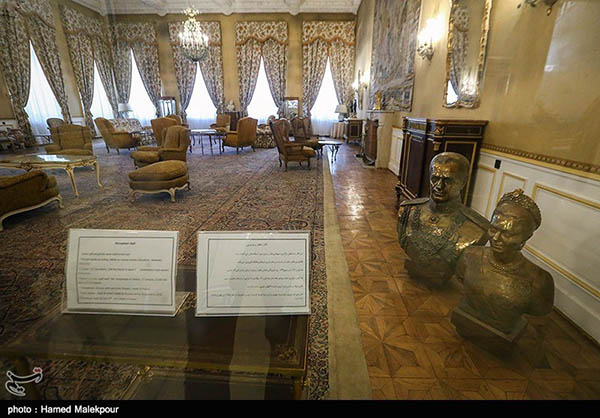
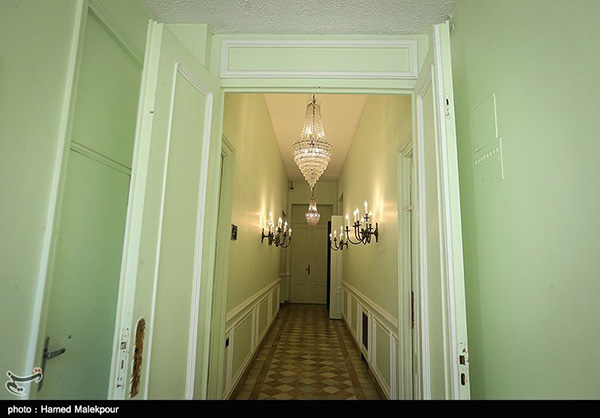
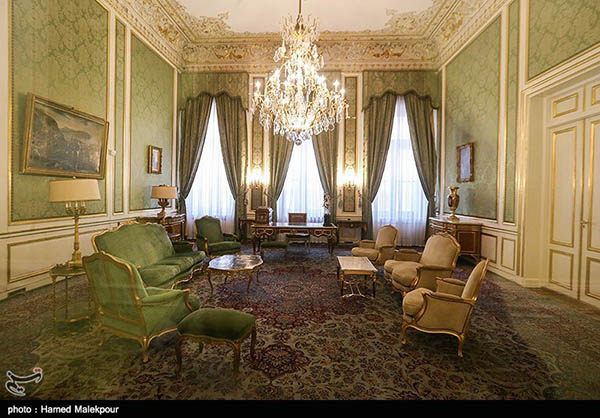
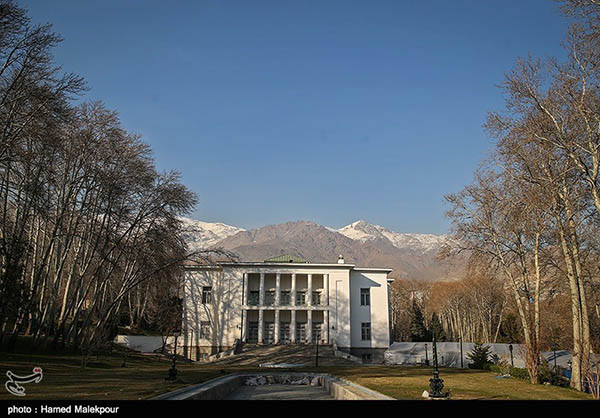
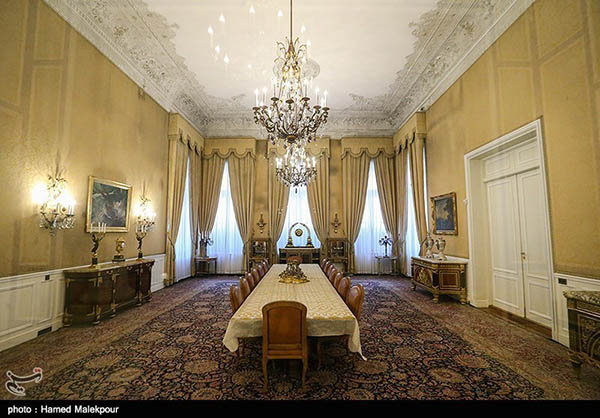
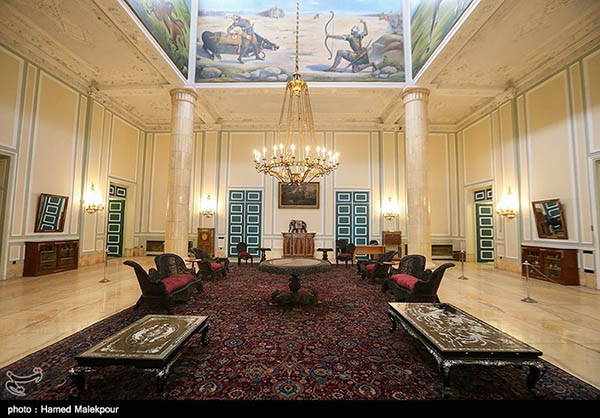
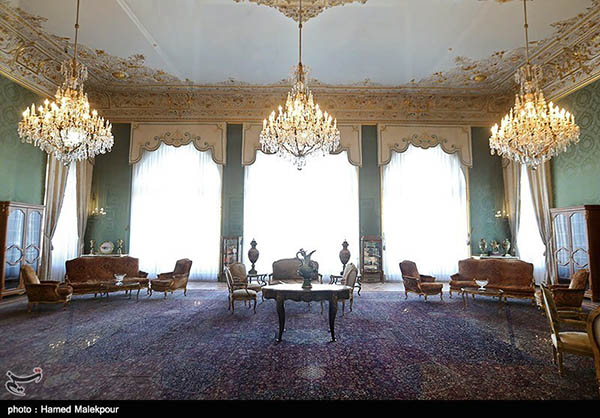
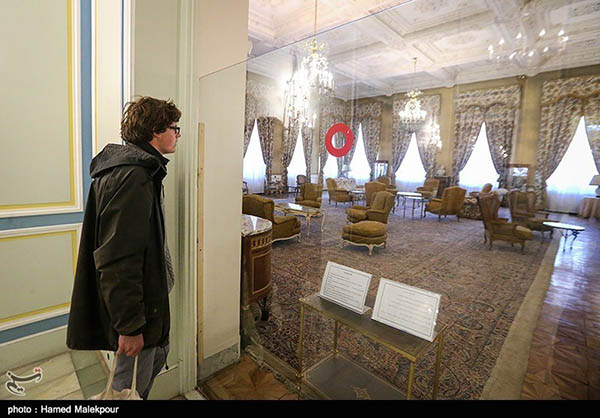
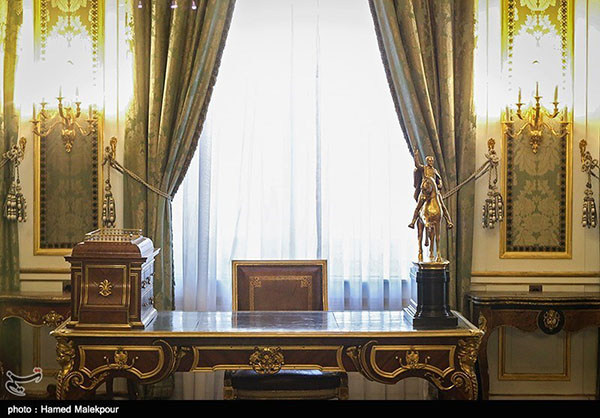
Mellat Palace Museum (PHOTOS)

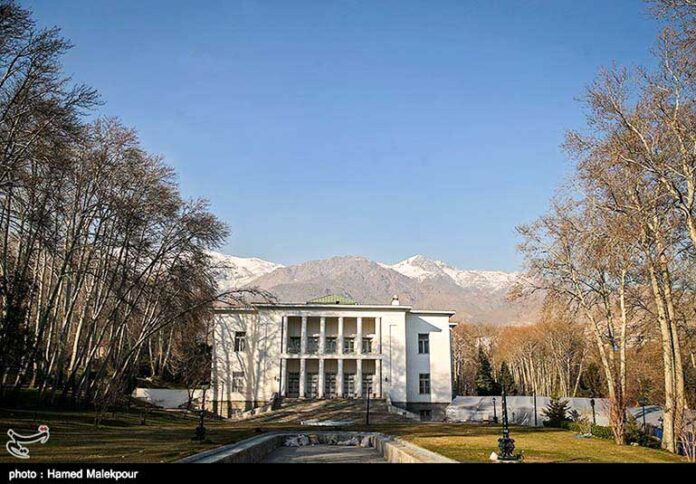
Mellat Palace Museum00

Mellat Palace Museum, also known as the White Palace, is the largest building in Sadabad, a 110-hectare collection of palaces in the north of Tehran. The complex was once a royal summer retreat for Mohammad Reza Pahlavi and his wife.

The following are photos of the White Palace posted online by Tasnim News Agency:

Saudi Arabia reaches out to Chechnya (PHOTOS)

42d628daf44220d3ba99500211a088df

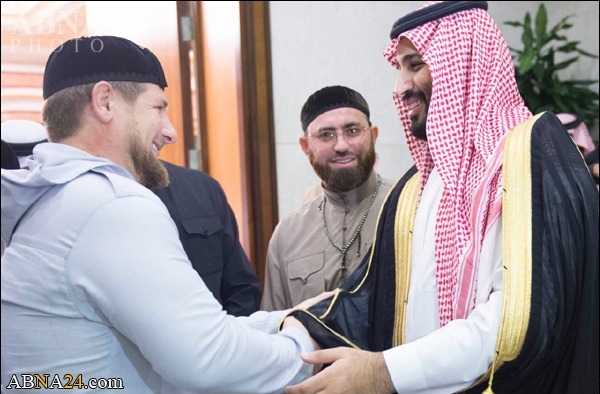
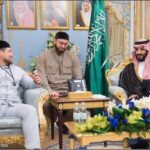
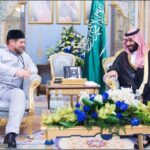
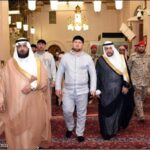
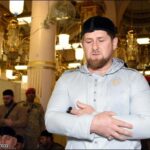
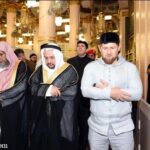
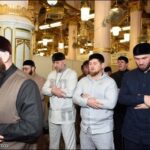
Saudi Deputy Crown Prince Mohammad bin Salman, who also serves as the defense minister of the kingdom, has held a meeting with President of the Chechen Republic Ramzan Kadyrov in Jeddah.

The following is the translation of a brief analytical report as well as a photo gallery of the meeting that abna24.com released on July 22:

The meeting clearly reveals that Saudi officials seek to bring on board as many allies as possible in their regional adventures.

Riyadh has recently launched a propaganda campaign to suggest that the Yemeni port city of Aden is under the control of its forces. But, the spokesman of Ansarullah has said that the attack by Saudi-led coalition on the southern city has been thwarted.

Following a meeting between Khaled Mashal, the political leader of Hamas, and the Saudi king in Mecca, reports swirled that the Palestinian resistance movement has agreed to deploy 700 militants to help Riyadh invade Yemen. But Hamas officials were swift to refute those reports.

Although the Chechen president is a close ally of Russian President Putin, he is viewed as an extremist and his name is on EU sanctions list. And a large number of Chechen extremists have joined the ranks of the IS terrorist grouping.

Saudi willingness to get close to this extremist figure shows that Riyadh plans to maintain a high-profile in regional questions.

After the passing of King Abdullah and the rise to power of his brother, Salman, Saudi Arabia’s meddling in regional countries as well as its willingness to promote Salafisim has gathered momentum.


Stage is set for resumption of ties with the US: Iranian MP

motahari

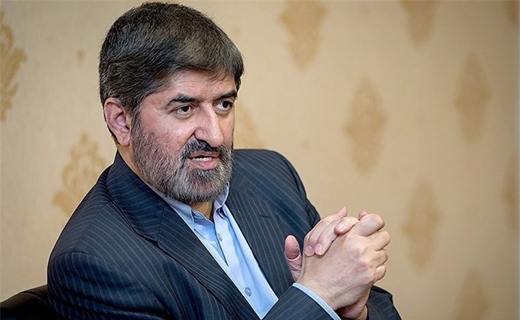
When the Iranians staged a revolution and ousted the Shah they had no plans to cut ties with the United States, Tehran MP Ali Motahari said in an interview Nameh News, a website, published on July 22.

Of course, the leftists played a role in provoking the US to sever its diplomatic relations with Iran, but this estrangement is not expected to last forever, he further said.

The following is the translation of what else Ali Motahari [an outspoken principlist deputy representing Tehran in the Islamic Consultative Assembly and the son of Ayatollah Morteza Motahari, a prominent philosopher who was assassinated by terrorists a few months after the Islamic Revolution in 1979] said in the interview:

On the possibility of Iran and the US reestablishing diplomatic relations, Motahari said, “The stage is set for the reestablishment of ties which has become more likely.”

On the nuclear deal Iran has struck with P5+1, he said MPs have yet to be let in on the details. “But, from what I gather, the deal ends the injustices the Iranians have suffered in the form of sanctions in recent years. The deal will play a role in improvement of our foreign relations, betterment of our economic conditions and settlement of some regional problems.”

He also described the Iranian nuclear negotiating team as worthy of praise for its performance in the talks.

The Tehran deputy also said that through better relations with the rest of the world Iran can better achieve the ideals of its revolution. “Contrary to assumptions by some that estrangement with the West will serve our interests, I believe that through closer ties with other countries, Iran can better secure its objectives. Israel is an exception, because we don’t recognize it.”

He went on to say that the great Islamic civilization that thrived a millennium ago was the result of close relations between Muslims and followers of other faiths. “If the Muslims had shut the door to better relations with other countries back then, Islam’s reach would not have been as vast as today.”

In conclusion, he said, “With this deal our Islamic Revolution has opened a new chapter in its history. With the new status we secure in the world [as a result of the deal], we can achieve our revolutionary goals more easily.”

Iran does not expect change in US behavior following talks: Araghchi

araghchi5

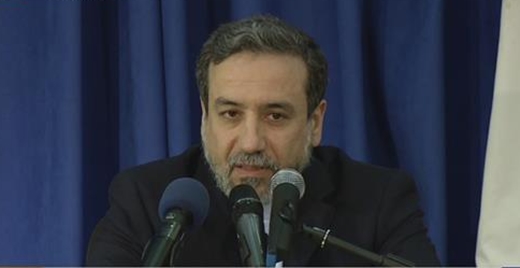
Deputy Foreign Minister Seyyed Abbas Araghchi says Iran does not expect a change in the behavior of the United States following the successful conclusion of the talks between the Islamic Republic and P5+1, except in the area of Iran’s nuclear program.

Speaking during a press conference in Tehran on Wednesday, Araghchi said the US, likewise, should expect no change in the policies of the Islamic Republic.

He said the talks between Iran and P5+1 were exclusively limited to the Islamic Republic’s nuclear program.

The deputy foreign minister, however, said that upon the decision of high-ranking Iranian officials, Iran may in the future engage in negotiations on specific topics with the US.

He said that no prediction can be made about that issue at the moment.

Issues of the past

Answering a question about the settlement of the issue of the so-called possible military dimensions (PMD) of Iran’s nuclear program, Araghchi expressed confidence that the issue can be resolved rationally and in way that takes account of both sides’ concerns. |

He further referred to a recent “roadmap” devised by the International Atomic Energy Agency (IAEA) and the Atomic Energy Organization of Iran (AEOI) to settle issues, and said the so-called PMD and the disagreement over Parchin military site will be addressed through the mechanism of the roadmap.

A look at Iranian newspaper front pages on July 22

Iranian Newspapers Headlines

The comments Foreign Minister Zarif made during an appearance in parliament to present a nuclear report to MPs dominated the front pages of Iranian newspapers on Wednesday.


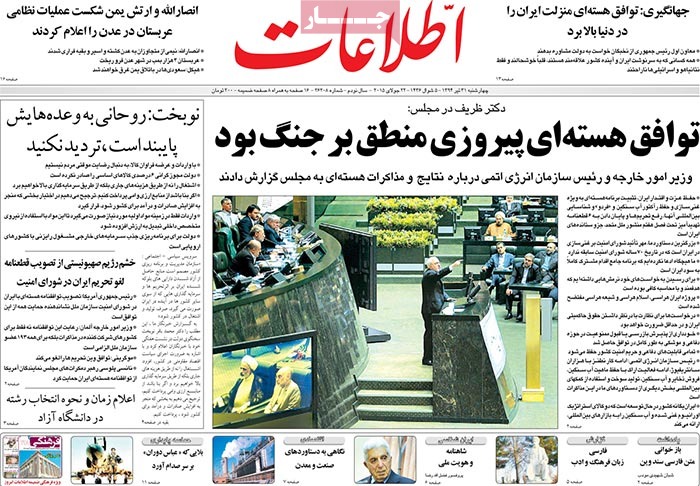
Ettela’at: “The nuclear deal amounted to the victory of logic over war,” Foreign Minister Mohammad Javad Zarif said Tuesday as he presented a report to deputies on the agreement he and his team struck with P5+1 over Tehran’s nuclear program.

“Our biggest achievement is that the UN has put a seal of approval on enrichment in Iran, something which is unprecedented in the 70-year history of the Security Council,” the top diplomat told MPs.
Highlights of Ettela’at newspaper on July 22

A look at Iranian newspaper front pages on July 22


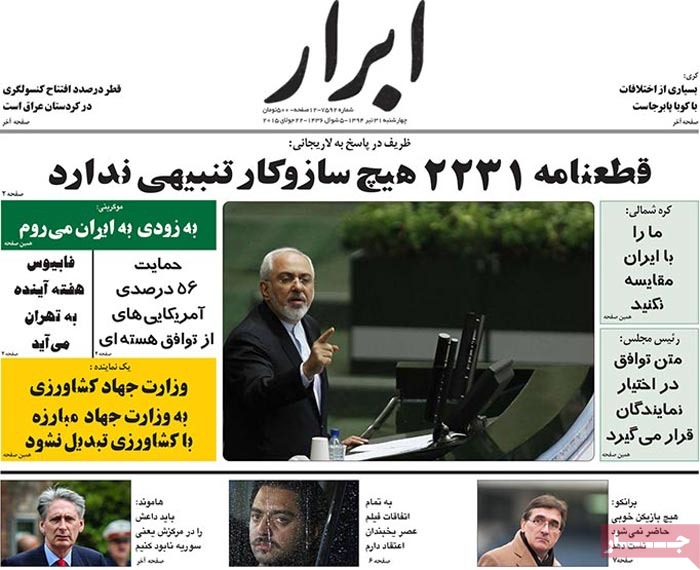
Abrar: Pyongyang has urged the international community not to draw a comparison between North Korea and Iran.
 

A look at Iranian newspaper front pages on July 22


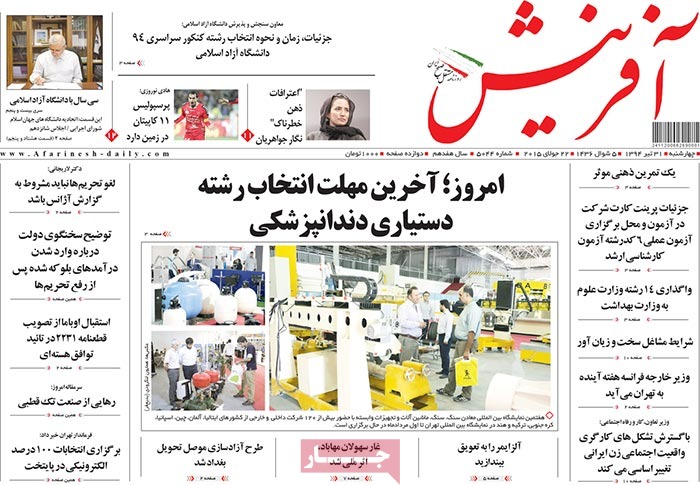
Afarinesh: “Termination of sanctions should not be contingent on an IAEA report,” said Parliament Speaker Ali Larijani.

Afarinesh:”Elections in the capital will be 100 percent electronic,” said Tehran’s governor.
 

A look at Iranian newspaper front pages on July 22


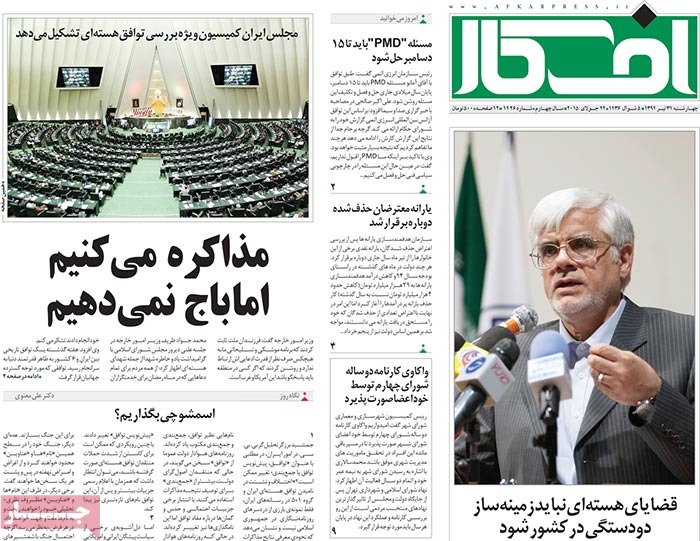
Afkar: The Iranian parliament has voted for the formation of a special committee to review the nuclear deal.
 

A look at Iranian newspaper front pages on July 22


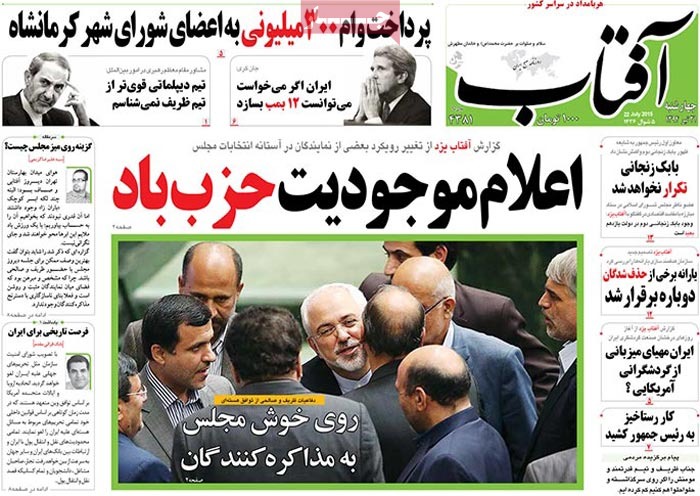
Aftab-e Yazd: “I don’t know of any other diplomatic team more seasoned that the current team led by Foreign Minister Zarif,” said Ali Akbar Velayati, an advisor to the Supreme Leader.
 

A look at Iranian newspaper front pages on July 22


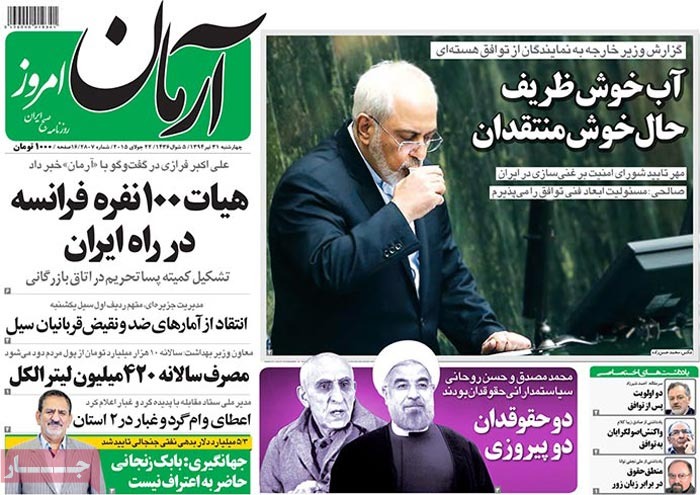
Arman-e Emrooz: A 100-member French delegation is to arrive in Iran soon.

A post-sanctions committee has been formed in the Chamber of Commerce.

Arman-e Emrooz: “Iranians consume some 420 million liters of alcoholic beverages a year,” said a deputy health minister.

Arman-e Emrooz: Two jurists, two victories

The daily has hailed Prime Minister Mosadegh [who oversaw the nationalization of the oil industry in the 20th century] and President Hassan Rouhani as two politicians steeped in law.

Arman-e Emrooz: “Babak Zanjani [a young billionaire who stands accused of massive corruption when Ahmadinejad was president] is not making any confessions,” said First Vice-President Eshagh Jahangiri.
 

A look at Iranian newspaper front pages on July 22


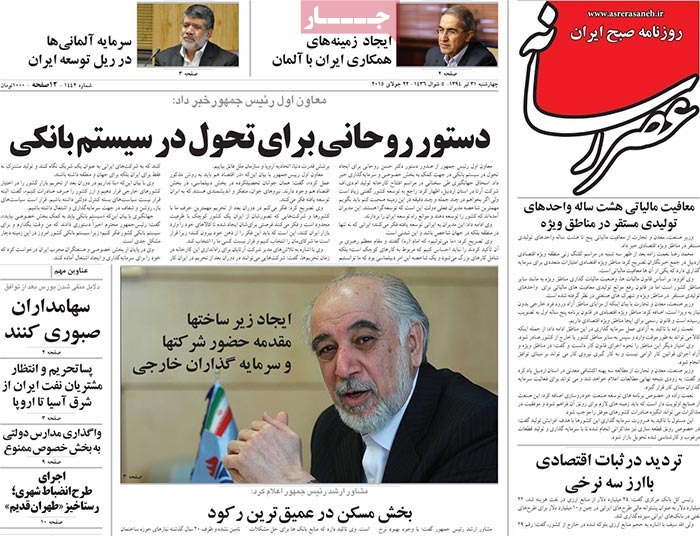
Asr-e Rasaneh: First Vice-President Eshagh Jahangiri has said that President Rouhani has ordered the banking system reformed.
 

A look at Iranian newspaper front pages on July 22


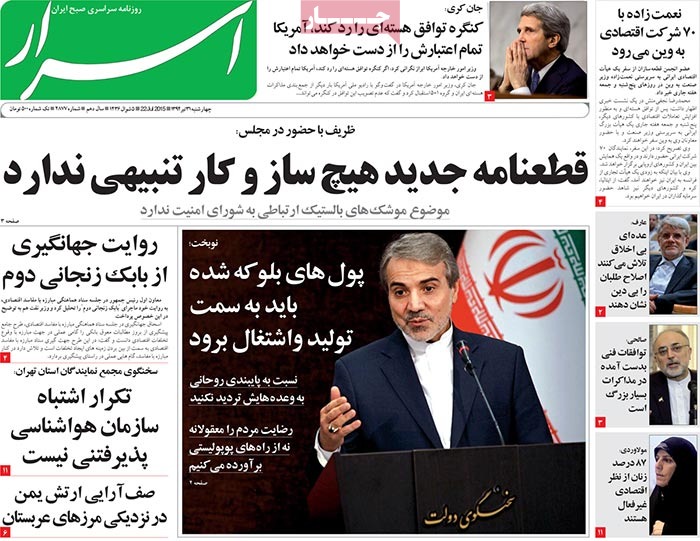
Asrar: The minister of trade will lead a delegation comprised of representatives of 70 firms on a visit to Vienna.

Asrar: “The new UN Security Council resolution entails no punitive mechanisms,” said the foreign minister.

Asrar: The director of the Management and Planning Organization has said that all the unfrozen assets of the country should be dedicated to the production sector and employment projects.
 

A look at Iranian newspaper front pages on July 22


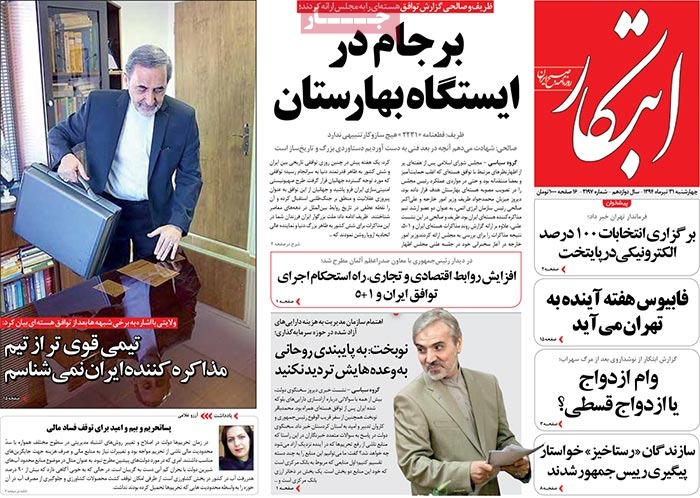
Ebtekar: French Foreign Minister Laurent Fabius visits Tehran next week.

Ebtekar: The Joint Comprehensive Plan of Action [JCPOA] in the Baharestan Station [where the Iranian parliament is located].
 

A look at Iranian newspaper front pages on July 22


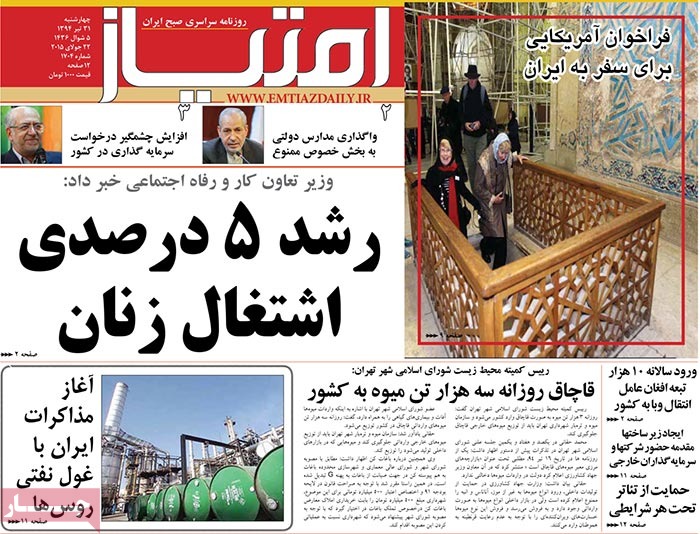
Emtiaz: The Minister of Cooperatives, Labor and Social Welfare has said that the country needs to register five-percent growth in women’s employment [in the near future if it seeks to give a more active role to women in the country’s development drive].
 

A look at Iranian newspaper front pages on July 22


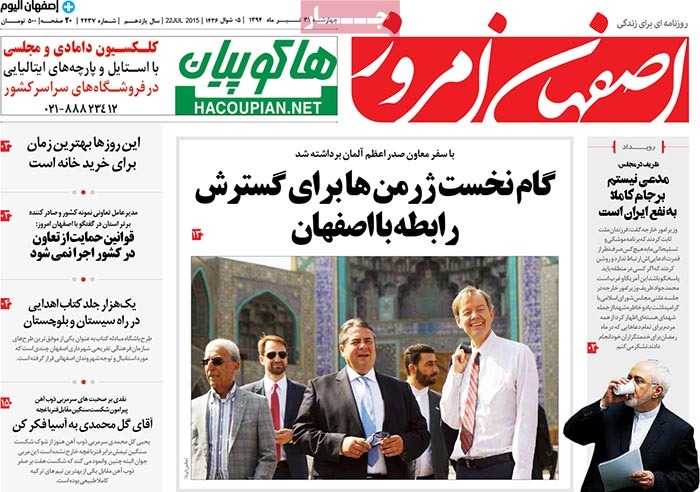
Esfahan Emrooz: With the arrival of the German vice-chancellor in Isfahan, the Germans have taken the first step toward expansion of ties with the central Iranian city.
 

A look at Iranian newspaper front pages on July 22


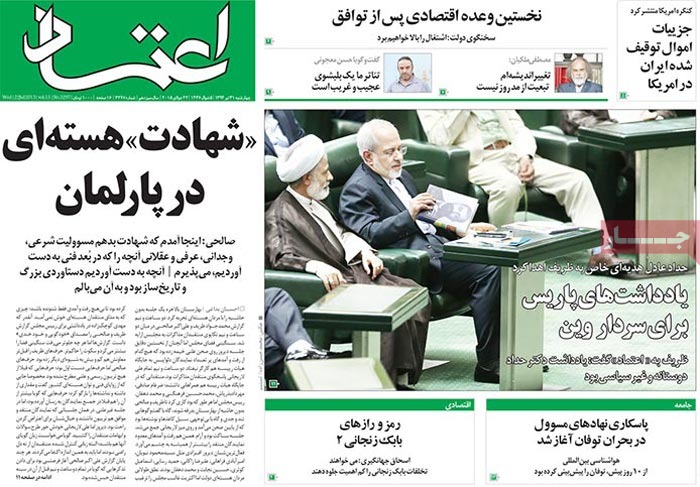
Etemad: The first economic promise after the [nuclear] deal

The government’s spokesman has said that government will generate more jobs for people.
 

A look at Iranian newspaper front pages on July 22


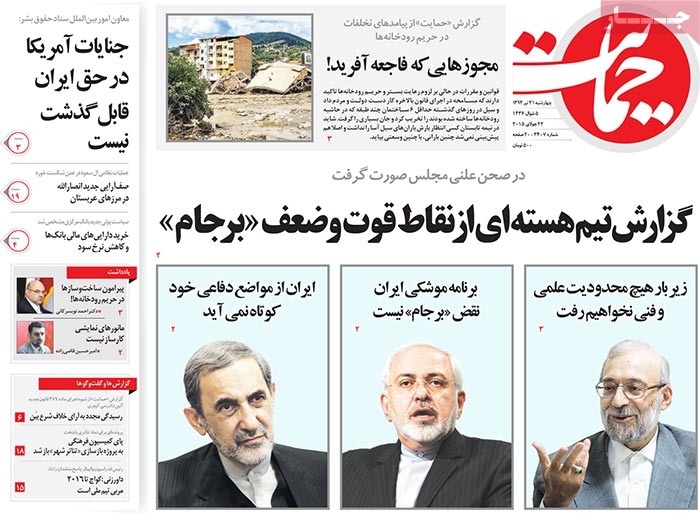
Hemayat: A report by the country’s nuclear team on the upsides and downsides of the Joint Comprehensive Plan of Action (JCPOA) on parliament floor

Hemayat: Foreign Minister Mohammad Javad Zarif has said that Iran’s missile program does not violate JCPOA.
 

A look at Iranian newspaper front pages on July 22


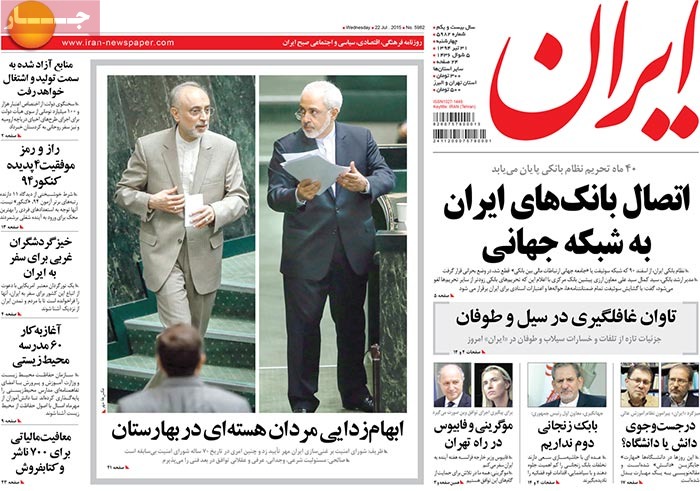
Iran: Nuclear men in Baharestan [A Tehran street where the Iranian parliament is located] to remove ambiguities [surrounding the nuclear deal Iran clinched with P5+1 in Vienna on July 14]

Iran: Western tourists are preparing to travel to Iran.
 

A look at Iranian newspaper front pages on July 22


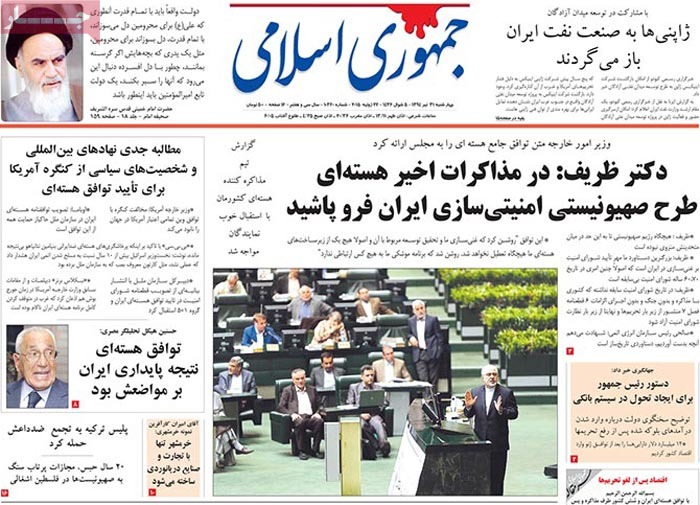
Jomhouri Islami: The Japanese will come back to Iran’s oil industry by entering a partnership with Iran in developing the Azadegan Oil Field [in the southwest].
 

A look at Iranian newspaper front pages on July 22


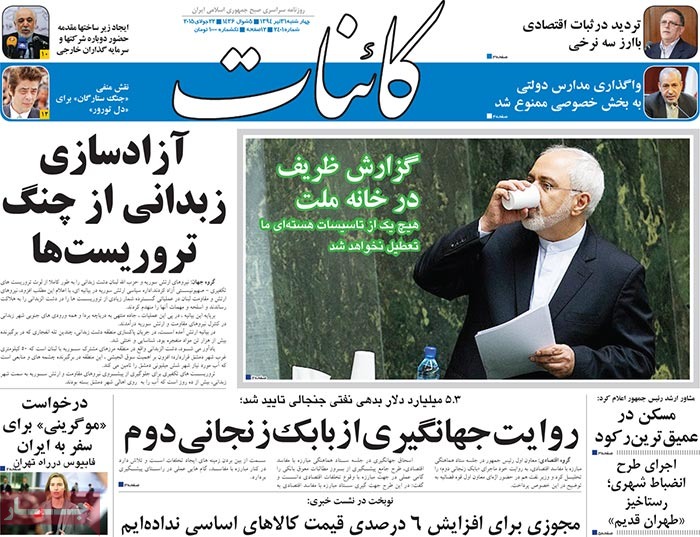
Kaenat: The privatization of public schools has been banned.
 

A look at Iranian newspaper front pages on July 22


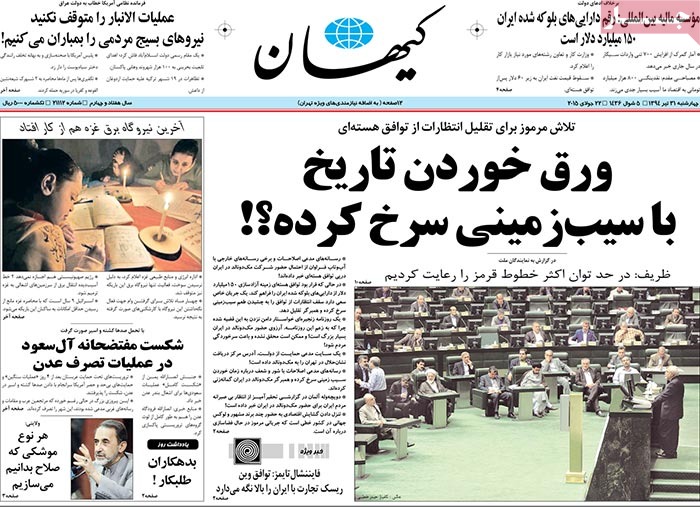
Kayhan: The last power plant of Gaza has stopped operating.
 

A look at Iranian newspaper front pages on July 22


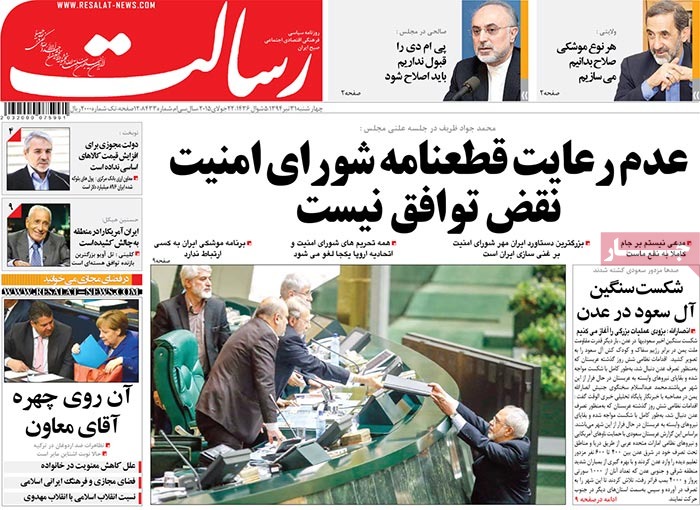
Resalat: The Iranian foreign minister said in parliament that failure to abide by the UN Security Council resolution [on the Iran nuclear deal] does not translate into the violation of the nuclear deal.
 

A look at Iranian newspaper front pages on July 22


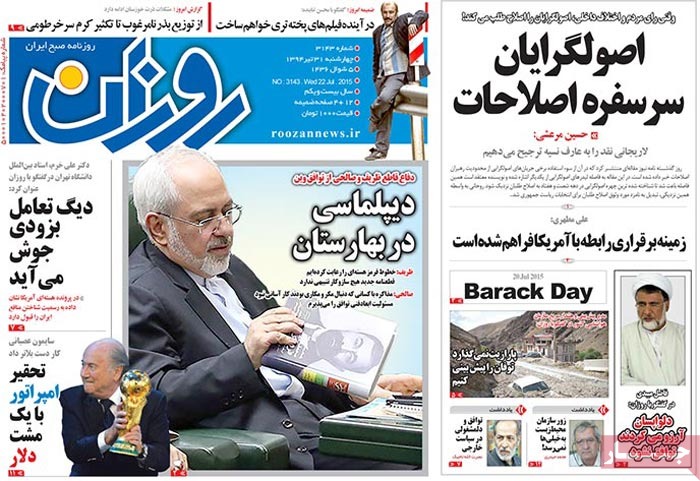
Roozan: “The stage has been set for establishing ties with the United States,” said Ali Motahari, a principlist Tehran MP.
 

A look at Iranian newspaper front pages on July 22


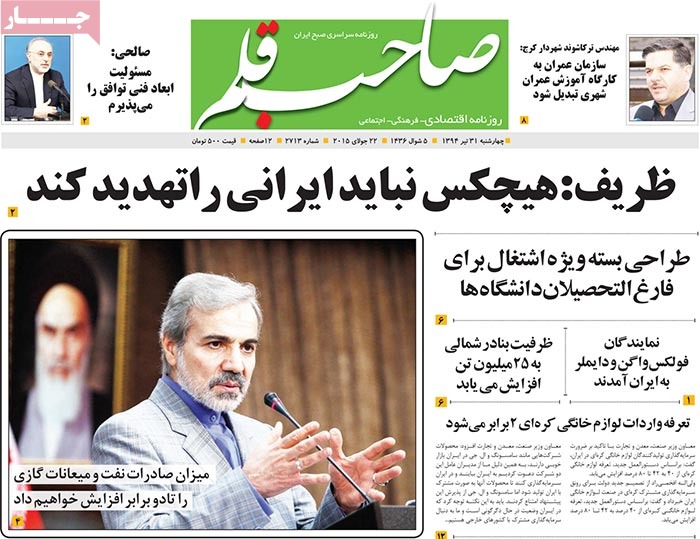
Saheb Ghalam: Representative of Volkswagen Group [a German multinational automotive manufacturing company] and Daimler AG [a German multinational automotive corporation] came to Iran.
 

A look at Iranian newspaper front pages on July 22


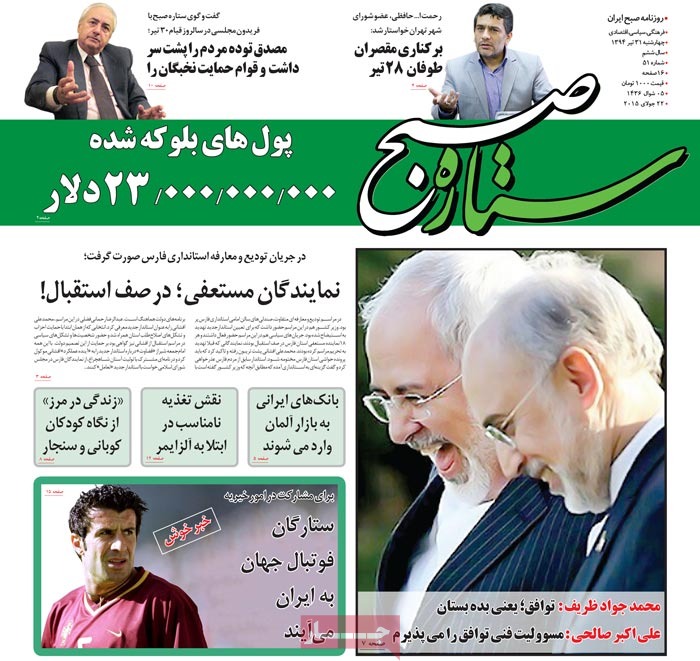
Setareh Sobh: Mohammad Javad Zarif: Agreement means give-and-take.

Ali Akbar Salehi: I accept full responsibility for the technical part of the nuclear deal.
 

A look at Iranian newspaper front pages on July 22


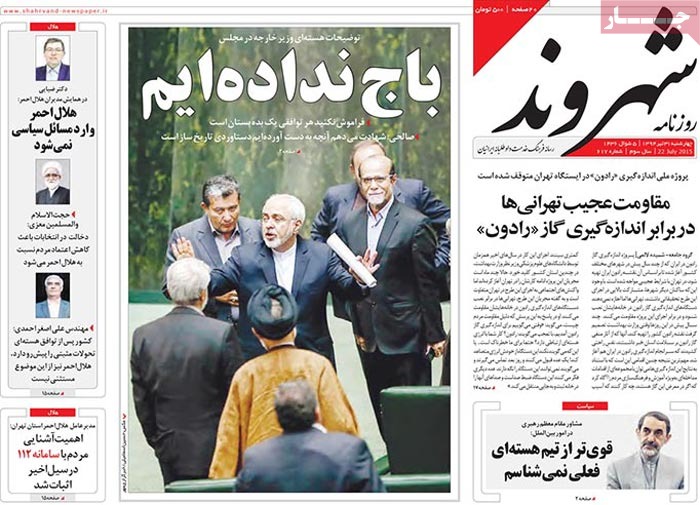
Shahrvand: “I do not know of any nuclear team more powerful than the current team,” said Supreme Leader’s advisor Ali Akbar Salehi.
 

A look at Iranian newspaper front pages on July 22


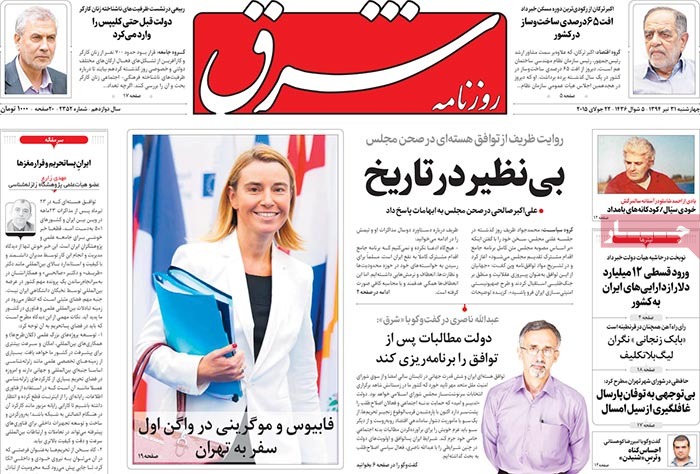
Sharq: Unique in history

It was FM Zarif’s description of the nuclear deal on parliament floor

Ali Akbar Salehi was also present in parliament to resolve ambiguities [surrounding the Iran nuclear deal].

Sharq: [French Foreign Affairs Minister Laurent] Fabius and [EU High Representative Federica] Mogherini are the first to make a trip to Tehran.

 

A look at Iranian newspaper front pages on July 22


Highlights of Ettela’at newspaper on July 22

Ettelaat-July22

 “The nuclear deal amounted to the victory of logic over war,” Foreign Minister Mohammad Javad Zarif said Tuesday as he presented a report to deputies on the agreement he and his team struck with P5+1 over Tehran’s nuclear program.

“Our biggest achievement is that the UN has put a seal of approval on enrichment in Iran, something which is unprecedented in the 70-year history of the Security Council,” the top diplomat told MPs.

 “The nuclear deal helped Iran grow in stature in the world,” said First Vice-President Eshagh Jahangiri.

“All those who care about Iran and its future are happy from the bottom of their hearts. Israelis, especially Netanyahu, are the only ones who are sad,” the vice-president said.

Jahangiri also called on the elite to hold consultations with the government.

  Ansarullah and the Yemeni Army announced that the Saudi military operation in Aden has failed.

Ansarullah said that half of the aggressors have died and the other half either have been captured or have fled.

  “Have no doubt, President Rouhani remains committed to his promises,” said Government Spokesman Mohammad Bagher Nobakht.

“We don’t seek to glut the market with imported goods to secure the temporary satisfaction of the public; government is holding consultations with the Europeans to work out plans to secure the inflow of foreign capital,” said the spokesman.
  The Zionist regime is angry at the adoption by the UN Security Council of a resolution that lifts the anti-Iran sanctions.

In the US, House Minority Leader Nancy Pelosi has thrown her weight behind the Iran nuclear deal.

Iranian airlines to sign contracts with foreign aircraft manufacturers

Araghchi hails early adoption of resolution that removes sanctions as positive

araghchi4

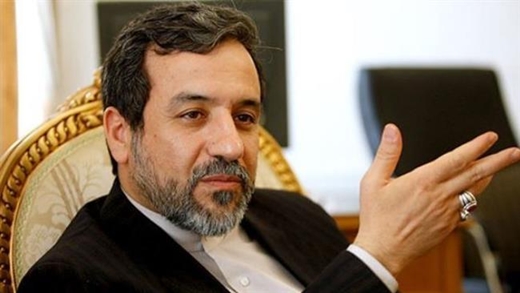
Iran’s chief nuclear negotiator described the early adoption of Resolution 2231 positive and said the action taken by the UN Security Council on Monday was among provisions of the Joint Comprehensive Plan of Action (JCPOA) reached on July 14 in Vienna.

Abbas Araghchi made the remarks at a session of parliament’s National Security and Foreign Policy Committee Tuesday.

Resolution 2231 on removing anti-Iran sanctions was discussed in the session and Araghchi answered questions of members of the committee.

He said the removal of sanctions, continuation of enrichment, continuation of nuclear activities, cancellation of the UN Security Council resolutions, and removal of Iran from provisions of Chapter 7 of the UN Charter are among important achievements of JCPOA.

Araghchi said the resolution annulled former resolutions, because it envisions new relations with Iran and underlines the peaceful nature of Iran’s nuclear activities.