Sunday, December 21, 2025
Home Blog Page 4673

Man kills own flesh and blood in affluent Tehran neighborhood

Capture

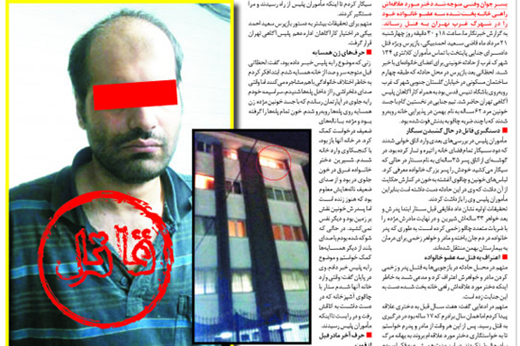
When a deadly incident in an apartment in Shahrak-e Gharb was called in Wednesday (August 12), police and crime scene investigators rushed to the affluent Tehran neighborhood to launch an investigation.

The following is the translation of an excerpt of a report Sharq daily published on August 15 of the incident which left three people killed:

On arrival, police found the lifeless body of a 62-year-old father who had been stabbed to death.

Residents of the building told police that that his seriously-wounded wife and daughter had been rushed to the hospital.

A neighbor who had called in law enforcement told the investigators, “When I heard screaming, I came out of my apartment and found the woman and her daughter lay by the elevator bleeding, so I immediately called police and the emergency medical service.”

After hearing what neighbors had to say police arrested the couple’s 35-year-old son.

As the investigation continued, the daughter of the couple died of her wounds in hospital. Her 55-year-old mother, who was in critical condition, managed to tell investigators through body language that her son had been behind the stabbing spree. Unfortunately she could not make it either and lost her life a few hours later.

The police investigation revealed that about seven years earlier a son of the family had been stabbed to death during a street brawl. But earlier in 2015, his parents had forgiven the killer and renounced their right to execution because the murderer was a teenager at the time of the crime. Later, through donations, the blood money had been paid and the convict had been released from prison.

The news that the family forgave the [death-row] convict made neighbors very happy and everyone appreciated the family’s well-intentioned decision.

Yet, the murder had a profound impact on the family. According to neighbors, in the wake of the deadly street fight, the other son of the family [the one who was now in custody for three counts of murder] was nervous and often had arguments with his parents.

It also became clear, during the investigation, that the suspect had been suffering from mental disorder and was on medication.

During the interrogation, the suspect claimed that the murderer of his brother had been executed; a comment which prompted police to assume that he either suffered from dementia or that his family might have kept their decision to forgive the murderer from him.

He admitted, “Around seven years ago, I was seeing a girl. I wanted to marry her. Everything went wrong when my brother was murdered. Our marriage was called off while I was still in love with the girl.”

He further said, “A while ago, I decided to find the girl and pop the question again. I finally found her phone number. Earlier on that [deadly] day, I called her and she told me that she had gotten married and that I had to stop calling her.

Her words hit me so hard and filled me with so much rage. I took a knife and broke the TV screen. Then, I stabbed my father who was sitting on the couch. My mother and sister panicked and ran for their lives. But I stabbed them too. Then I went to my room and lit a cigarette before police came and picked me up.”

Further investigation into the case continues.
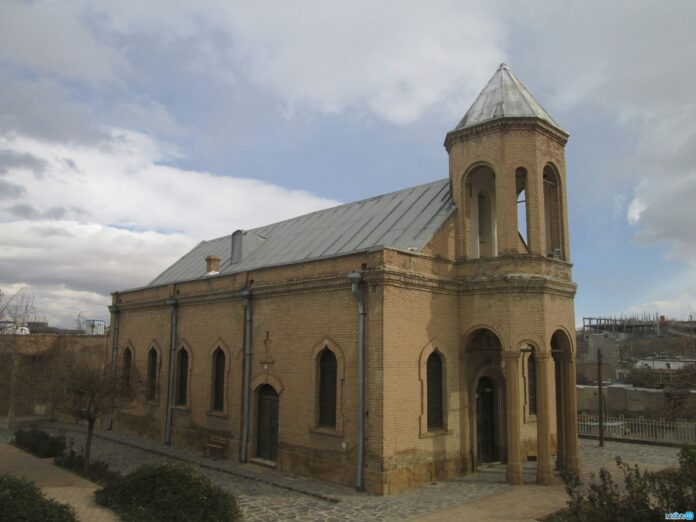
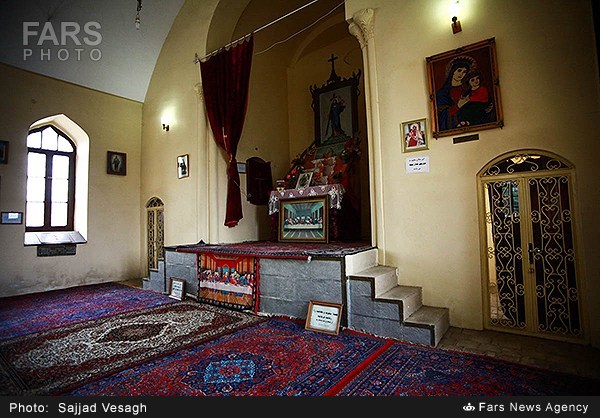
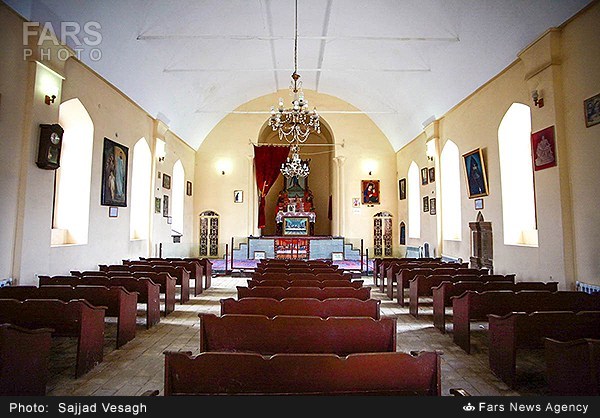
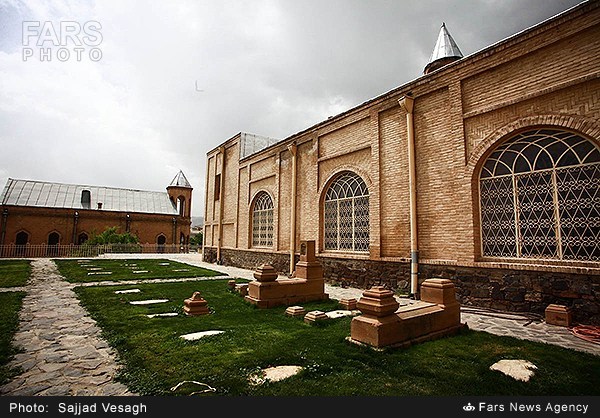
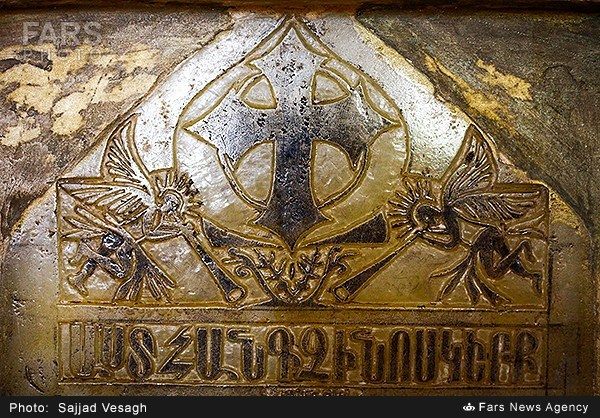
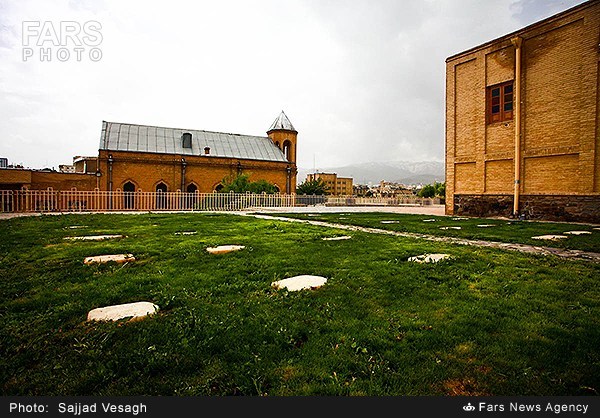
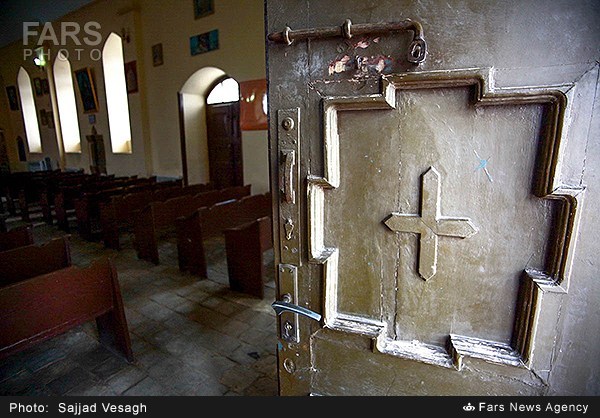
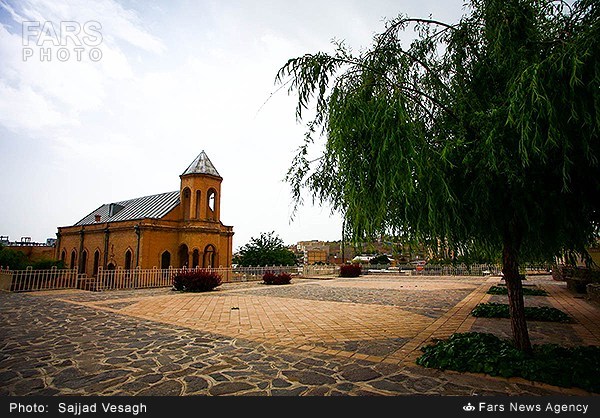
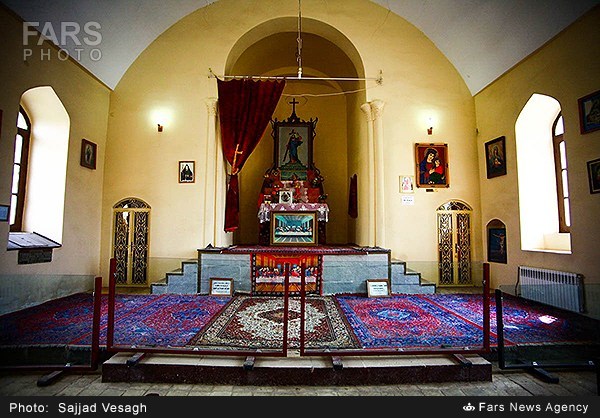
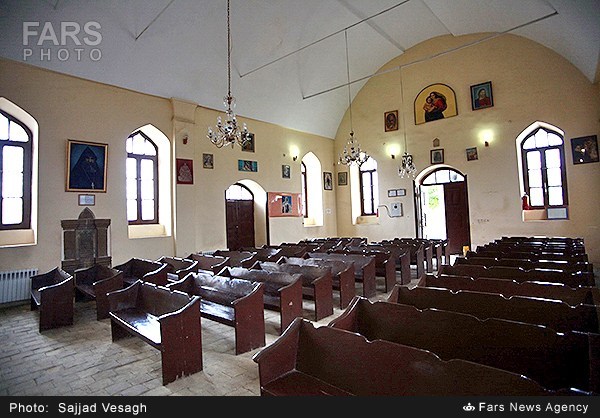
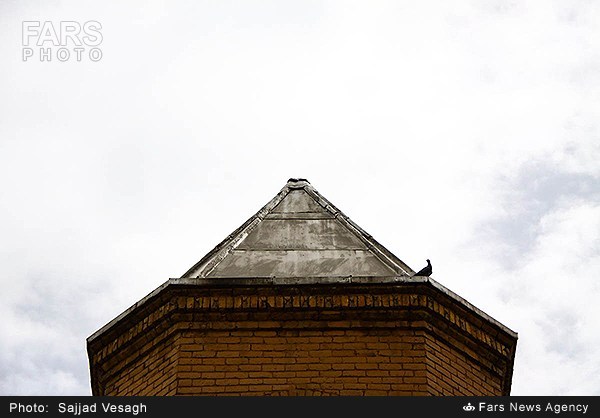
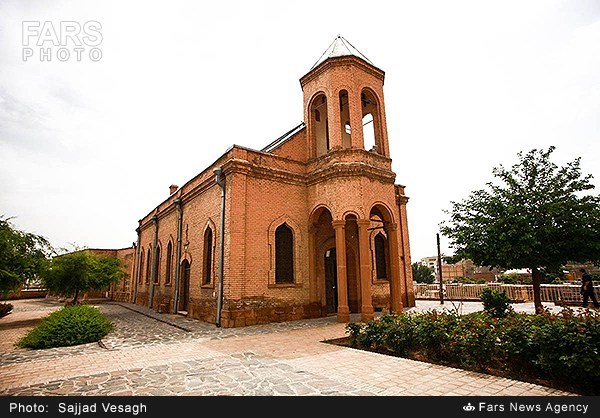
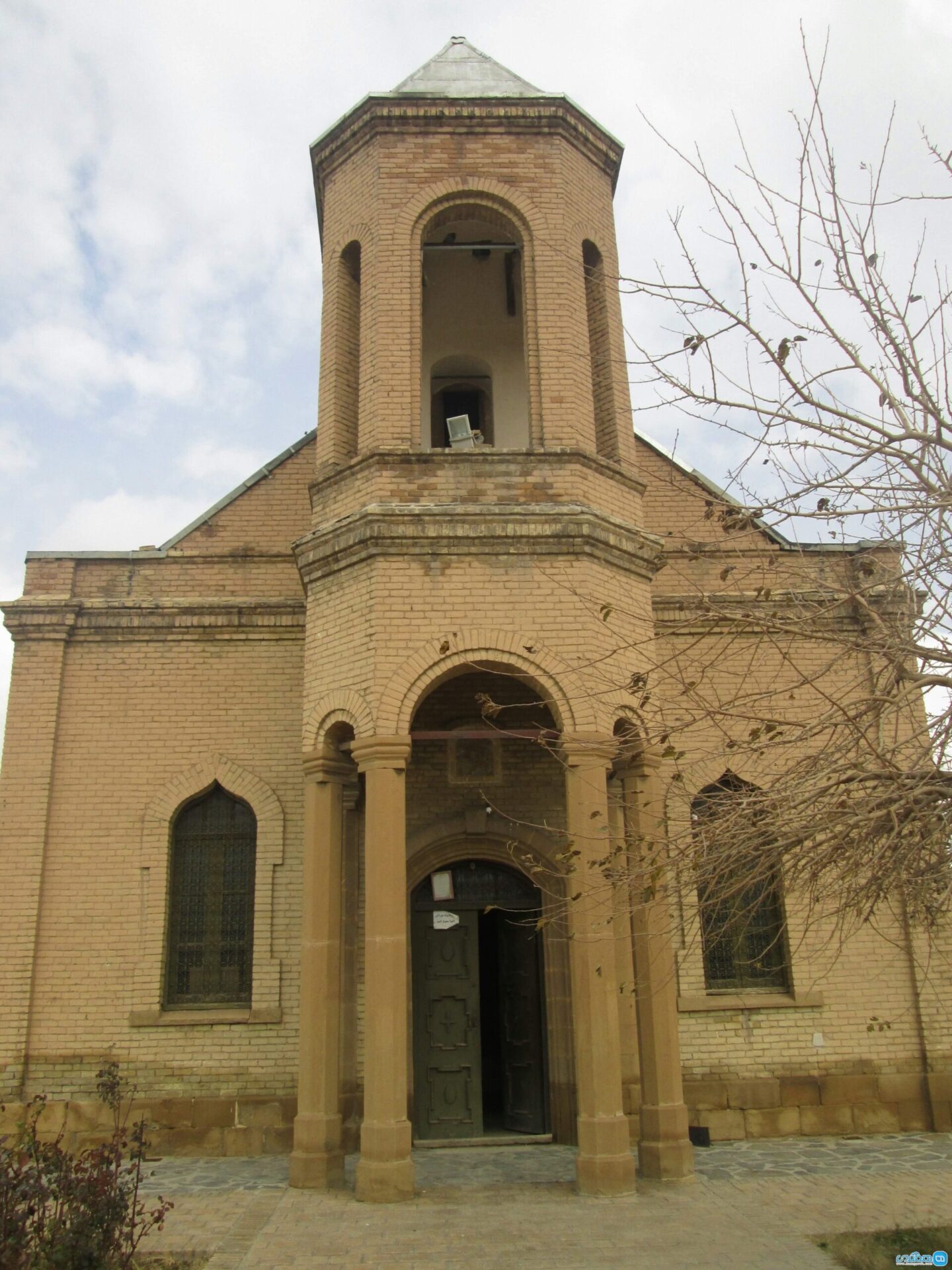
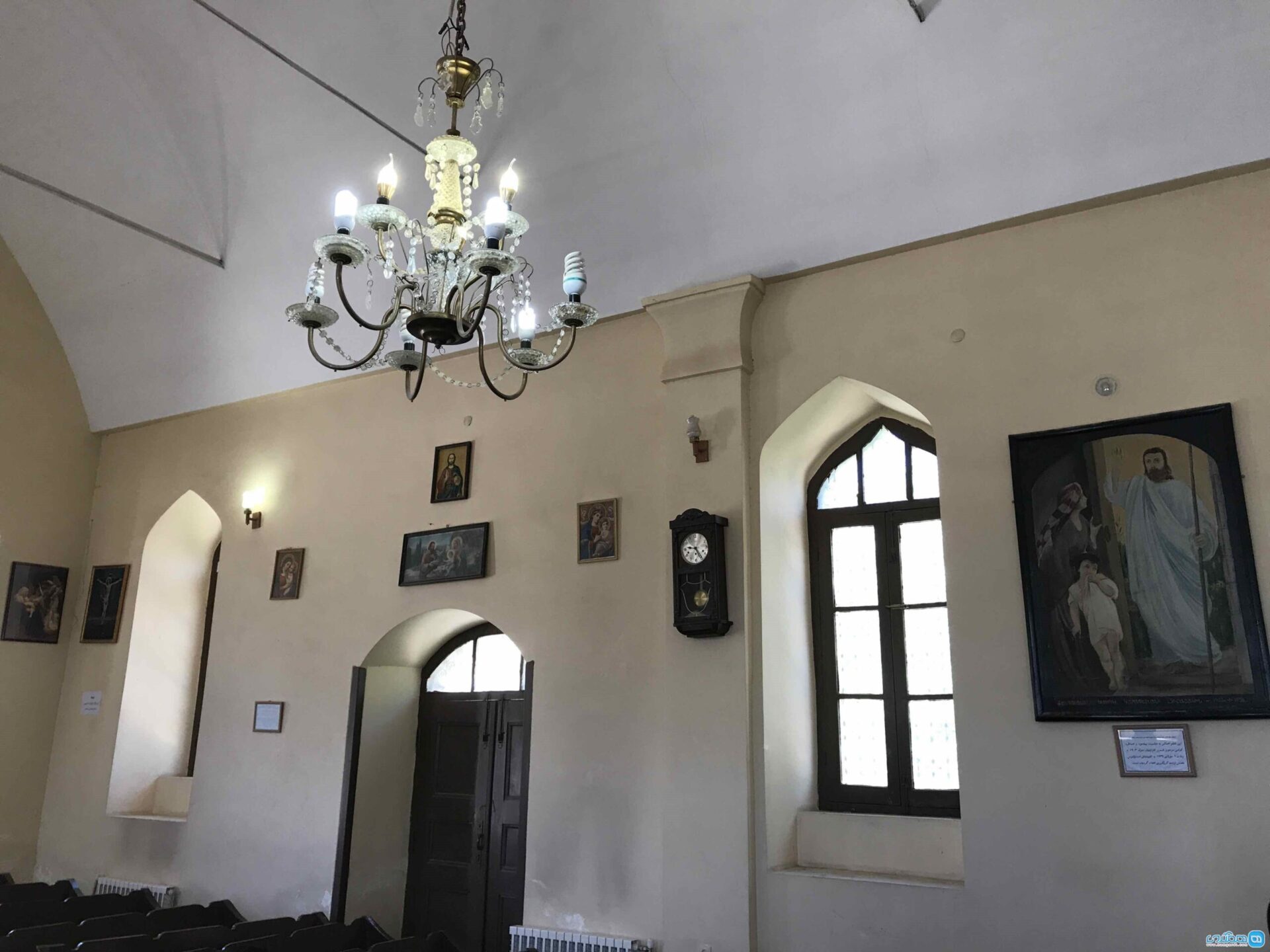
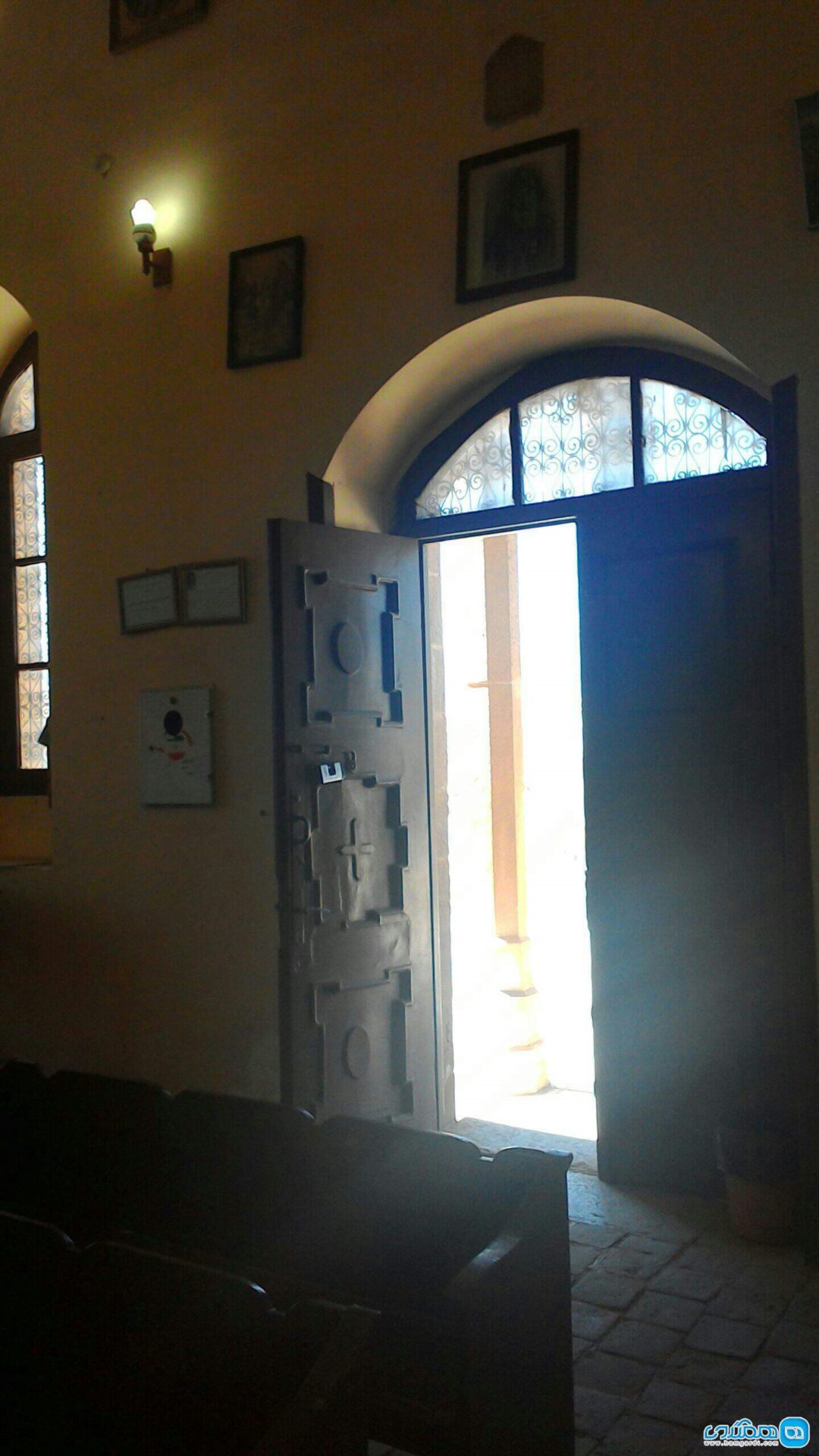
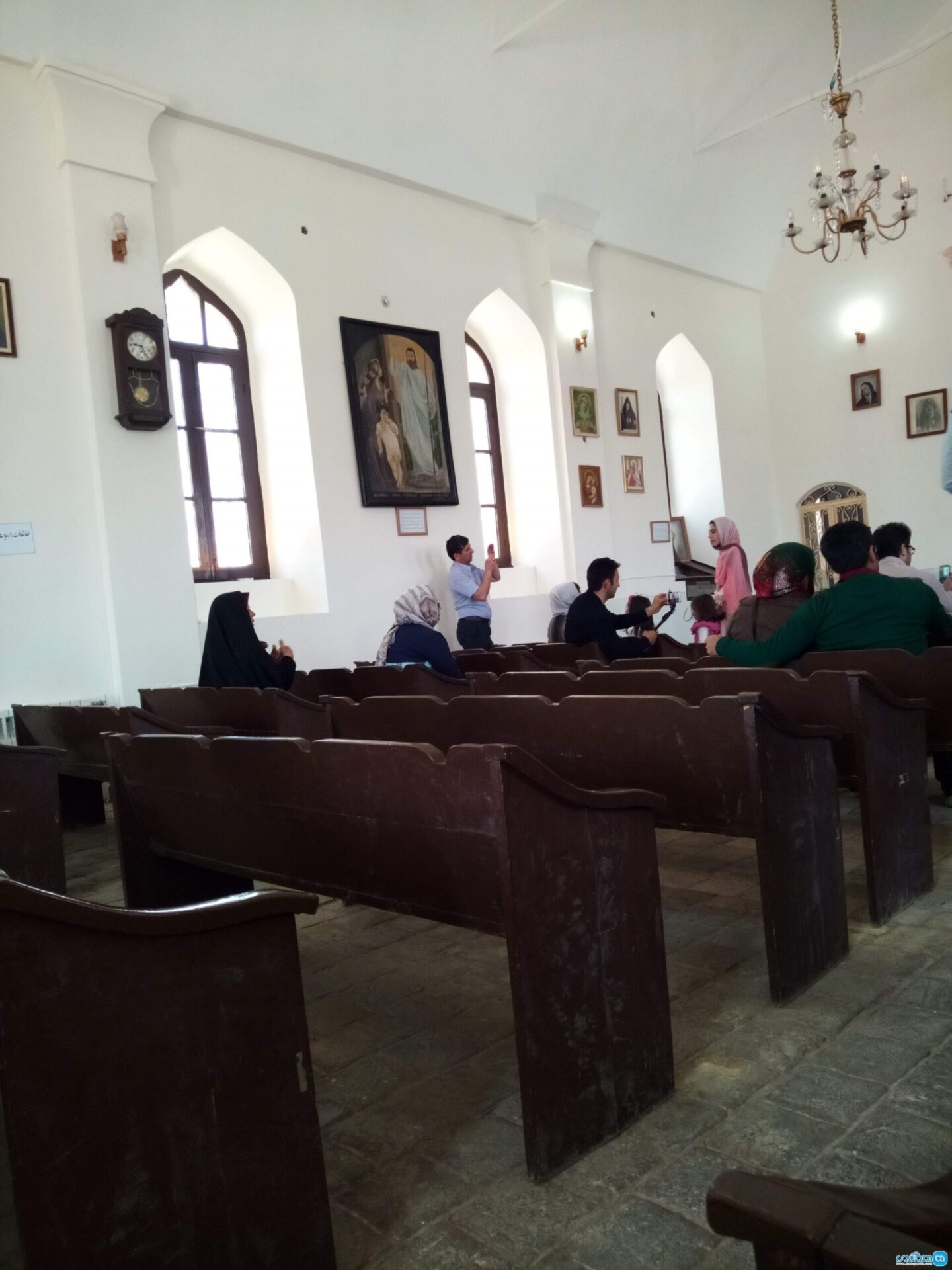
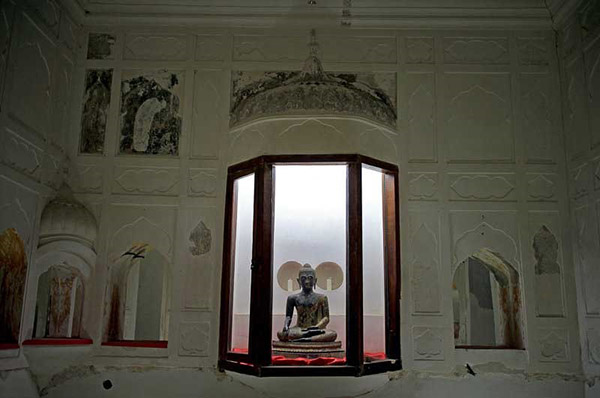
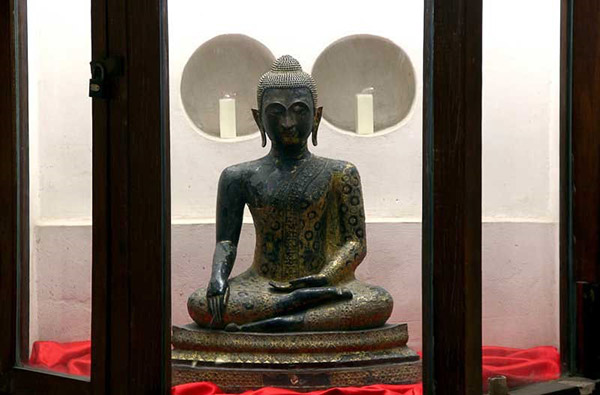
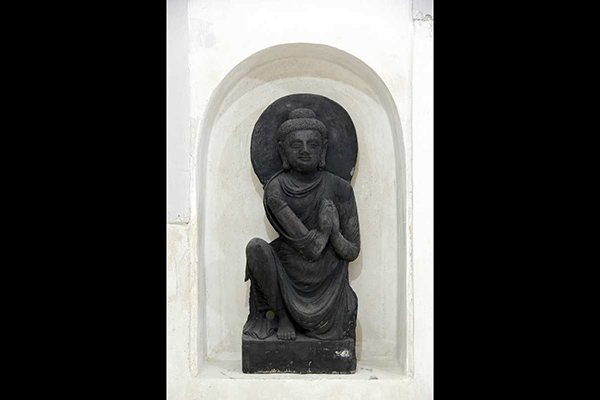
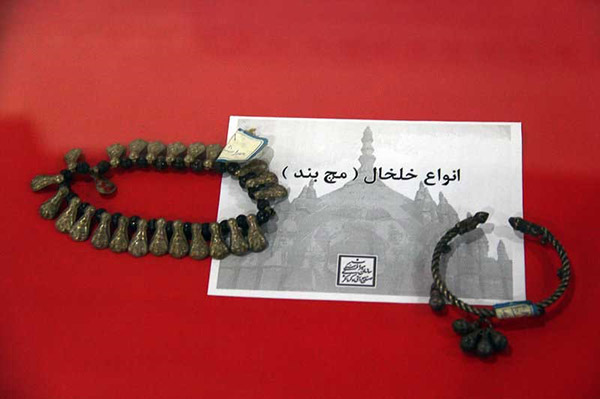
Stepanos Church in Western Iran

Stepanos Church in Western Iran

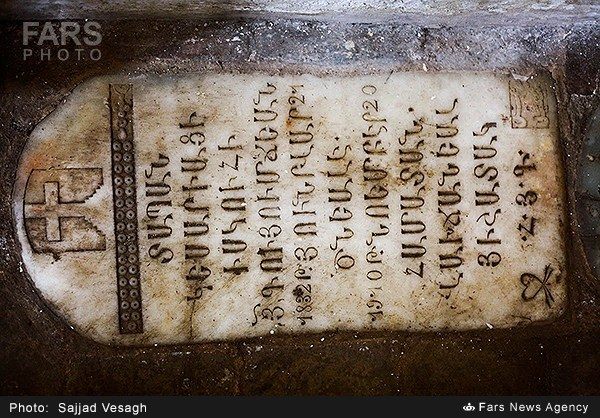
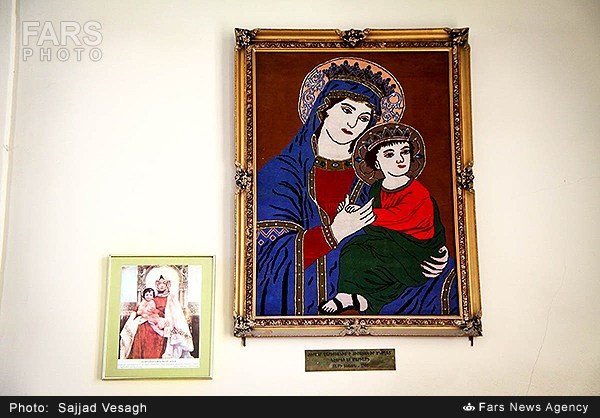
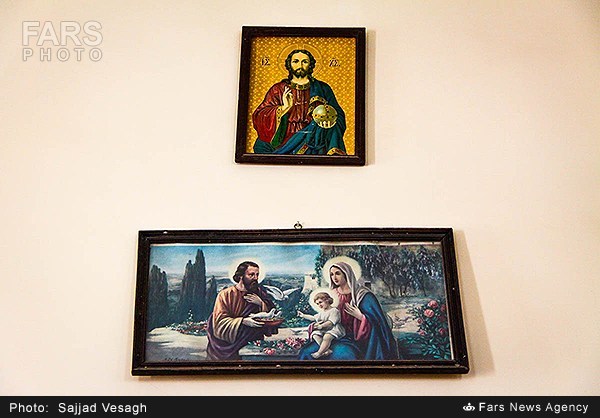
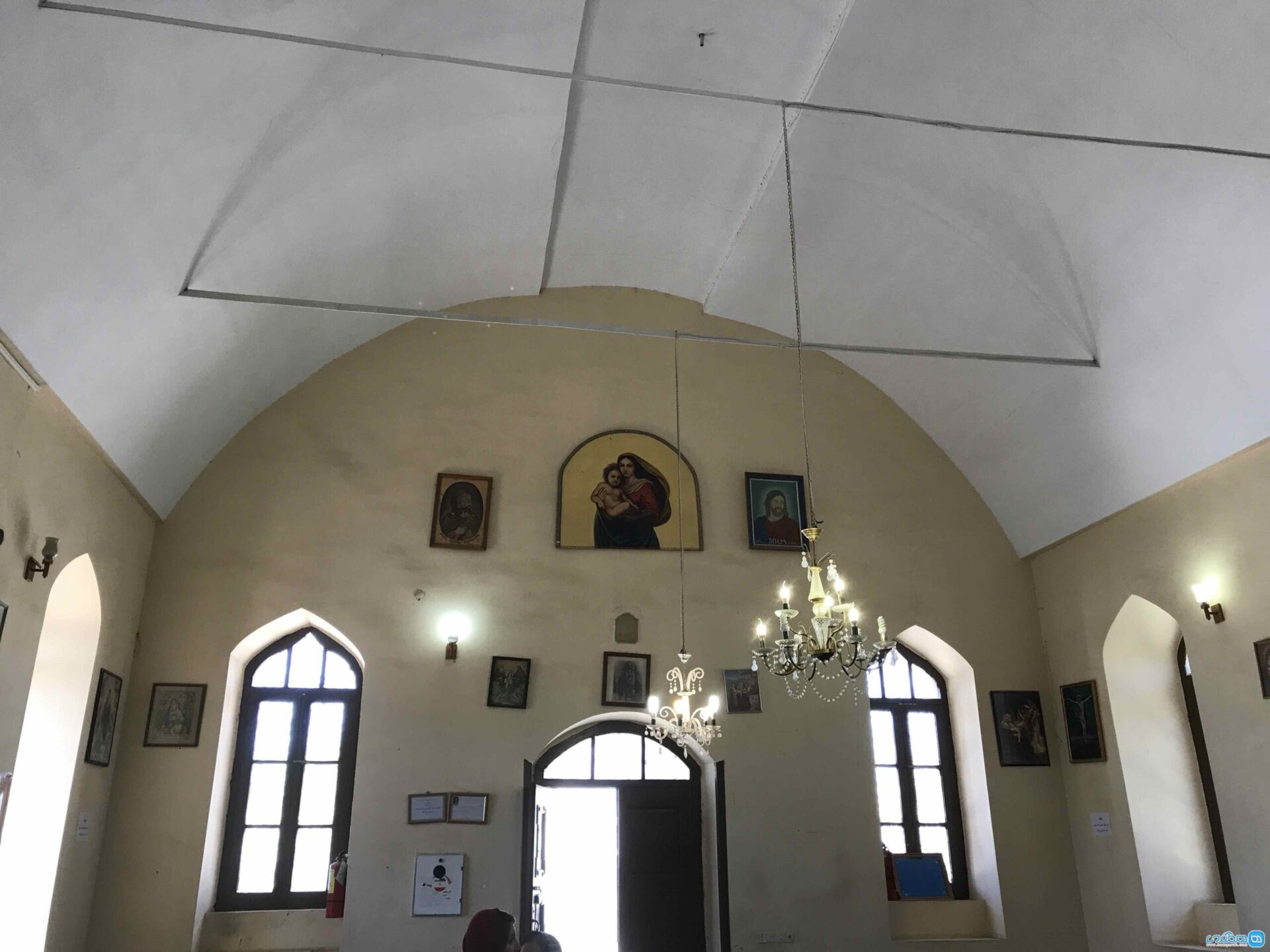
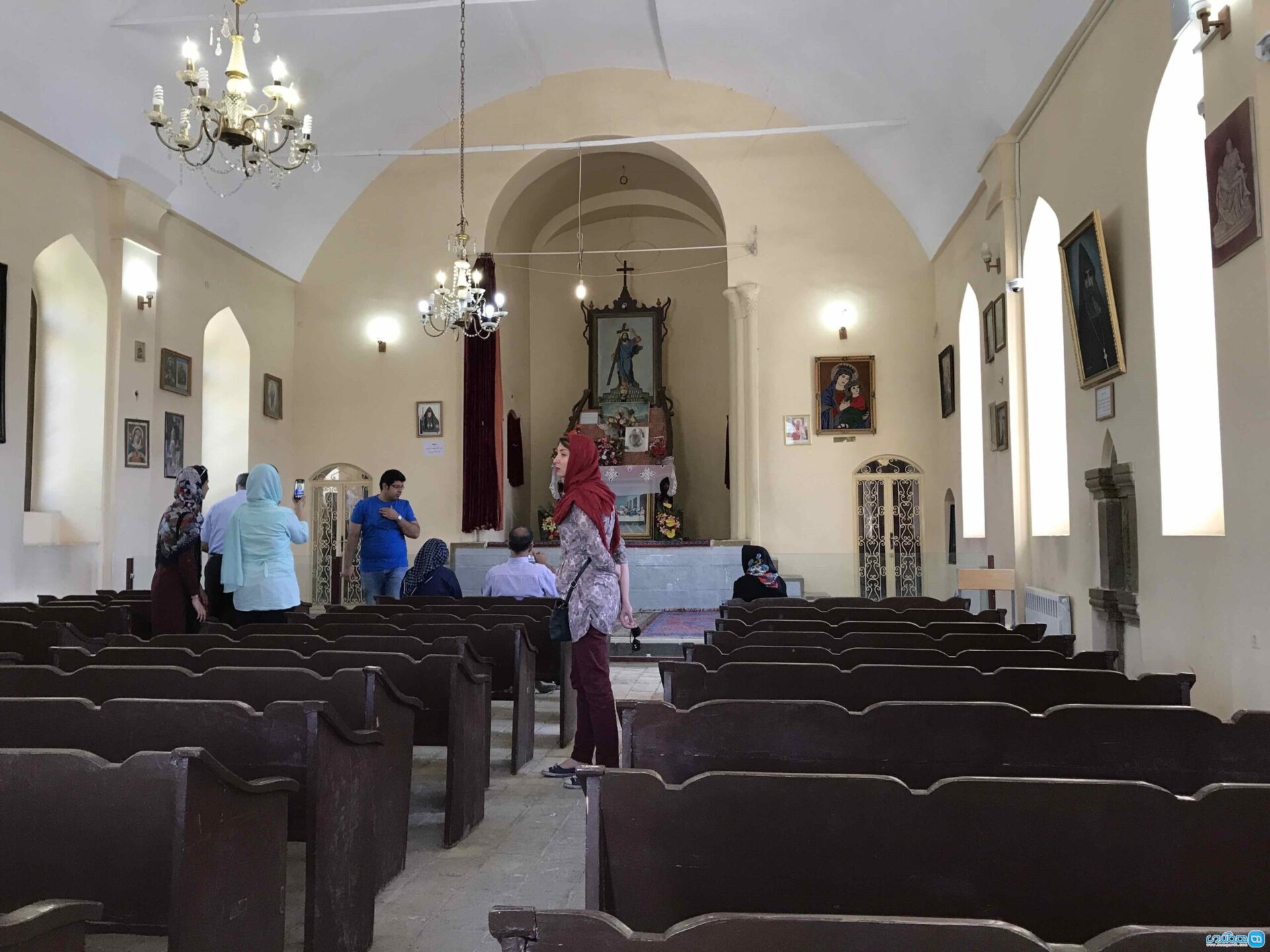
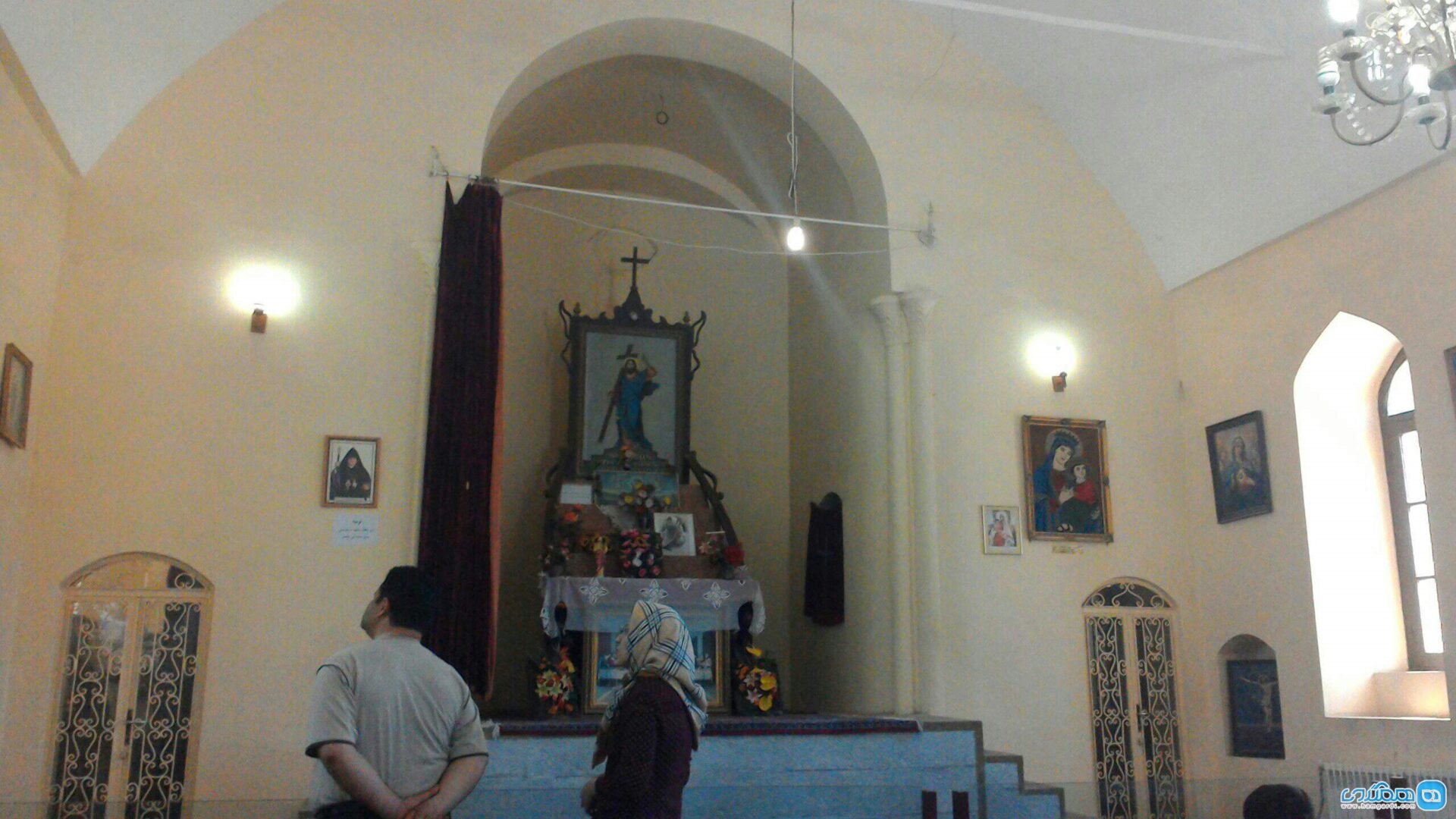
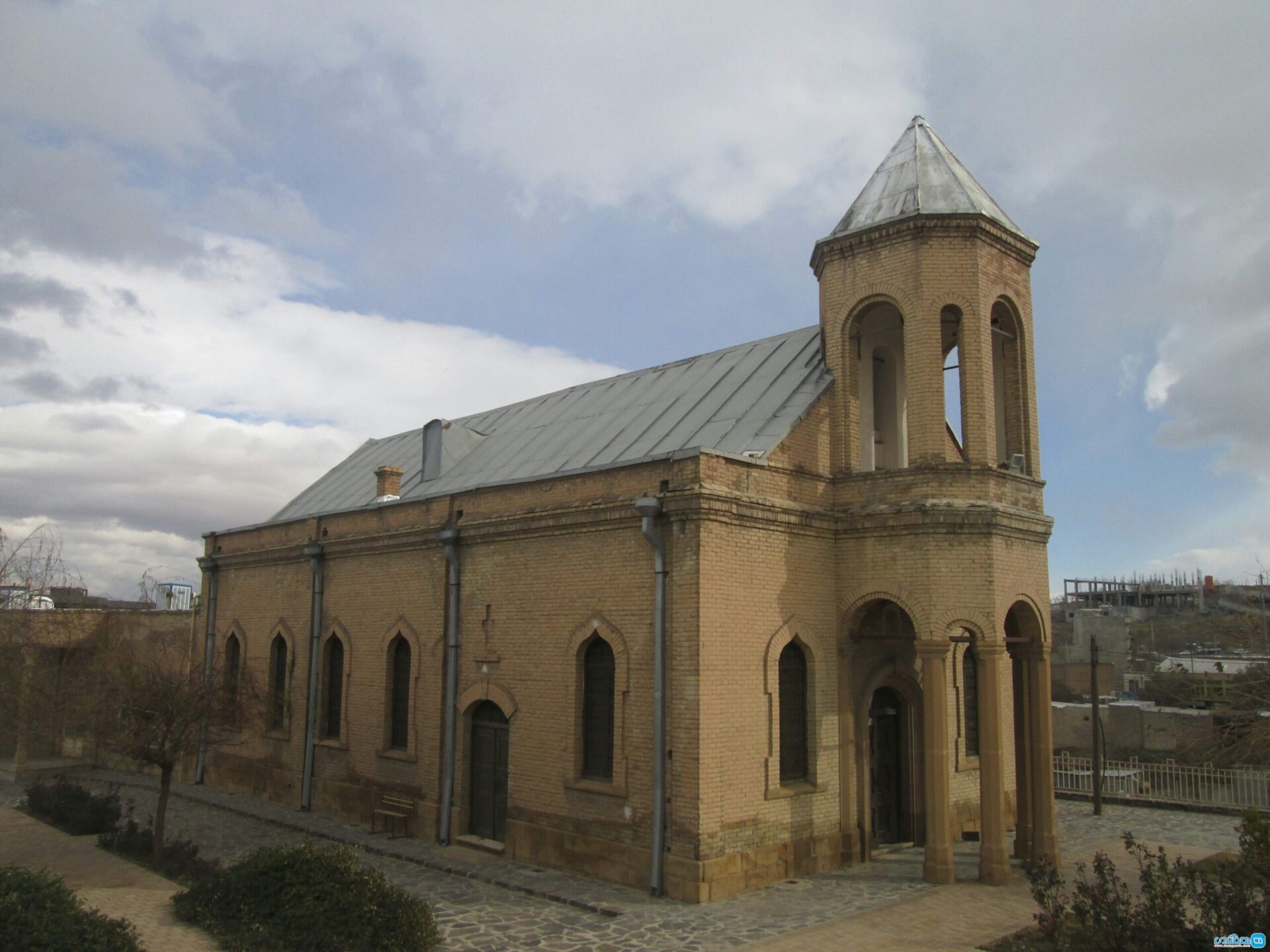
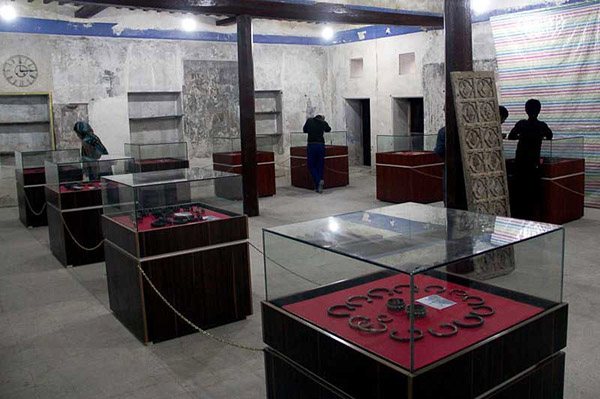
The Gregorian church of Stepanos in western Iran was built in 1676 by a group of Armenians who hailed from Isfahan and some Russian businessmen and immigrants based in Hamedan.

The church has now turned into a museum in Ecbatana [an ancient city in Media in western Iran].

The Orthodox church of Saint Mary, which was built after the construction of the Protestant church of Stepanos, is also located in eastern Ecbatana in a predominantly Armenian neighborhood of Hamedan.

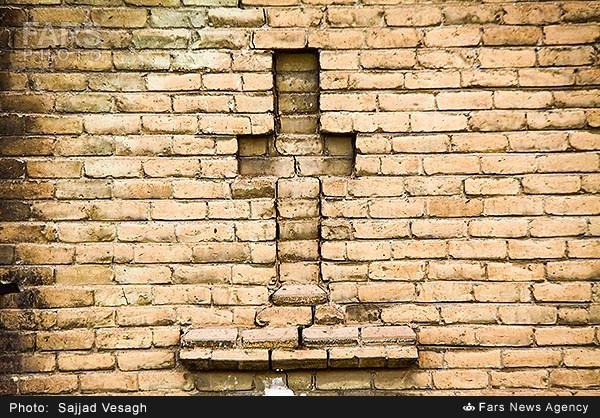
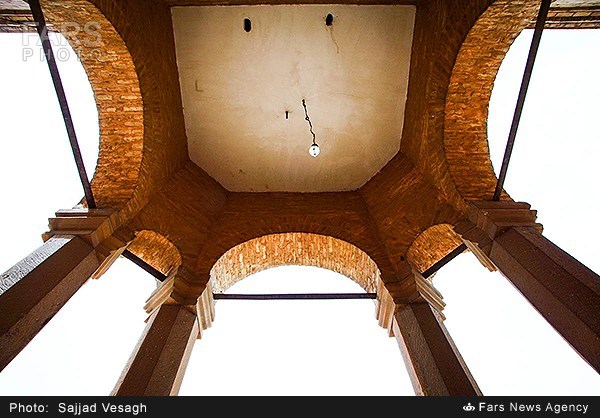
Images of Stepanos Church posted online by Fars News Agency and Hamgardi website:

Something seems to have gone wrong here

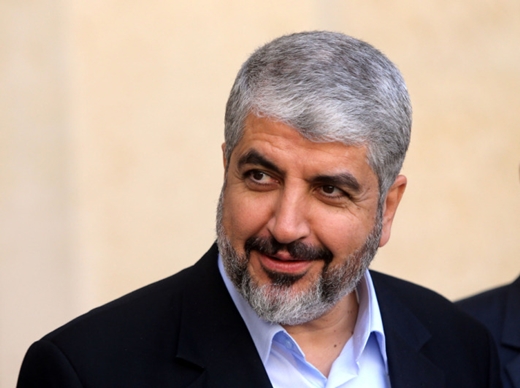
HAMAS'IN SIYASI BURO SEFI HALID MESAL, URDUN'DE

Reports that relations between the Palestinian Islamic Resistance Movement – Hamas – and Saudi Arabia have entered a new phase have caused some in Iran to doubt the thaw in ties and view the visit by Hamas officials to Riyadh as a ‘mistake’.

Aftab-e Yazd on August 15 published a piece bylined by Seyyed Alireza Karimi on Hamas officials and their recent turning to Riyadh. The writer has raised doubts about such behavior, implying that the Palestinian group is backing the wrong horse. The following is the translation of the piece in its entirety:

I do not seek, God forbid, to doubt the establishment’s causes, slogans and principles by writing this. I only seek to talk about the ambiguities that are heard by word of mouth.

This brief piece of writing may prompt those who call the shots in this regard to break their silence and come forward to transparently and openly shed light on the ambiguities in question. It does not seem to be a good idea to allow such ambiguities to grow in society by the day and create issues which are basically false, with no real foundation.

I should say, frankly and without further explanations, that it is hard to digest the behavior of some Hamas officials in the wake of the conclusion of a nuclear deal between Iran and world powers.

Those who follow the news know well that ties between Tehran and Riyadh are now below normal and that the two countries have been locked in a serious problem. The fact of the matter is that the problem has turned so serious these days that the officials who have recently come to power in Saudi Arabia leave no stone unturned to jeopardize Iran’s interests.

On top of political issues, the Saudis failed to take seriously the inhumane treatment of [two] Iranian pilgrims in Jeddah Airport and the sentence they meted out for the violators did not fit the crime.

This comes as the new Iranian government has adopted a peaceful and conciliatory approach, one which has been welcomed by the international community. Nonetheless, the young and inexperienced officials in Riyadh keep beating the drum of division and threats, creating serious problems for the region.

At this juncture, what do the heart-to-hearts between certain senior Hamas leaders and Saudi officials mean, those friendly chats in which the former tries to cozy up to the latter?

It is true that the Palestinian people, their cause and indescribable innocence have nothing to do with officials of [the Islamic Resistance Movement] Hamas, but it is a bit of a gray area that Hamas authorities turn to Saudi Arabia in spite of all manner of support they are given [by Iran]. Something seems to have gone a little awry here.

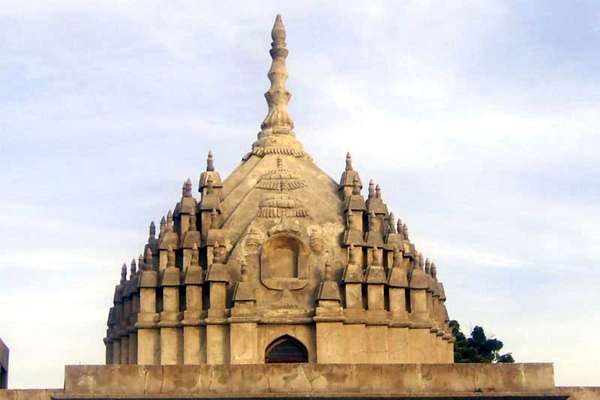
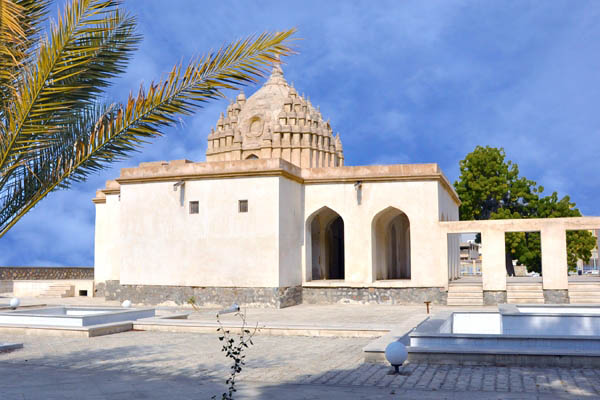
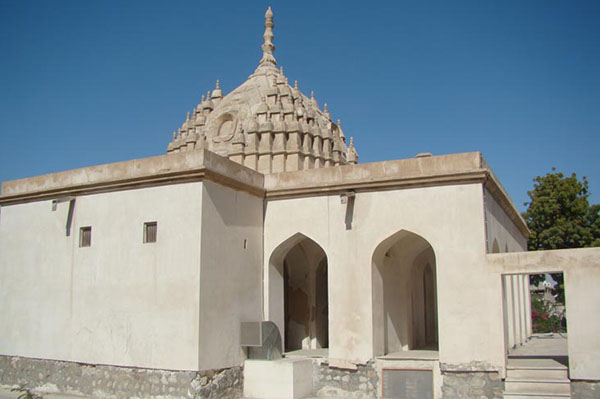
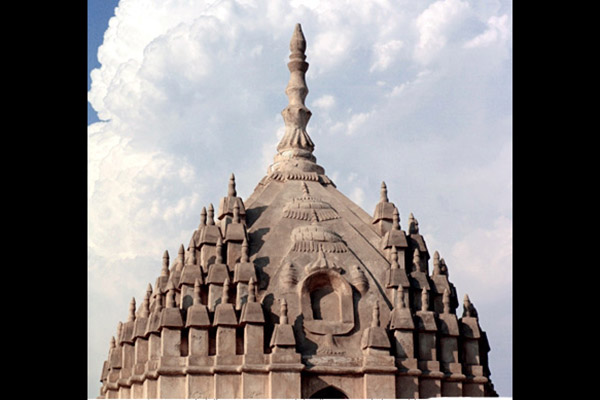
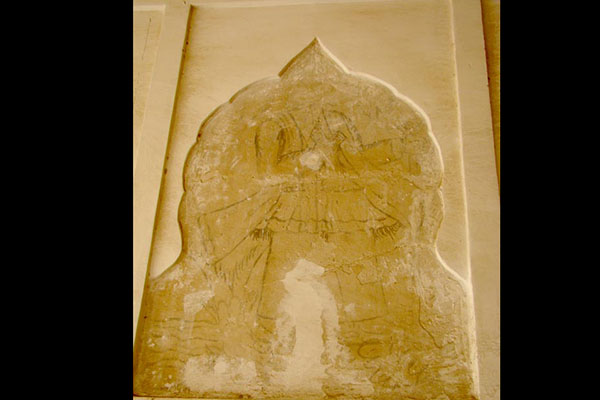
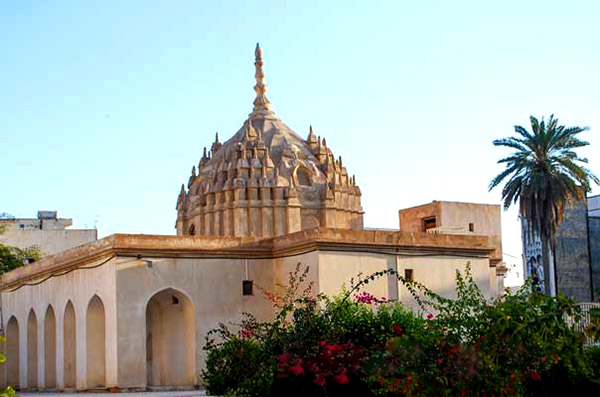
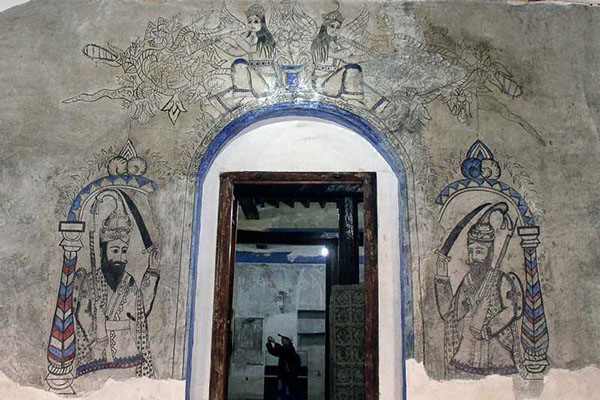
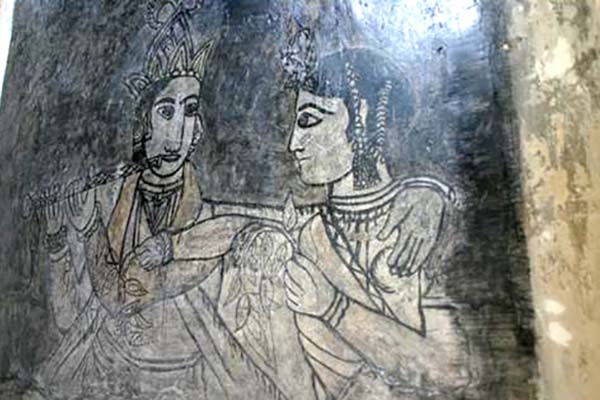
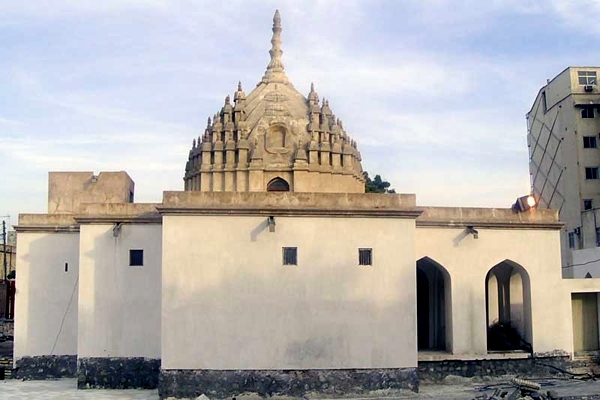
Hindu temple in southern Iran (PHOTOS)

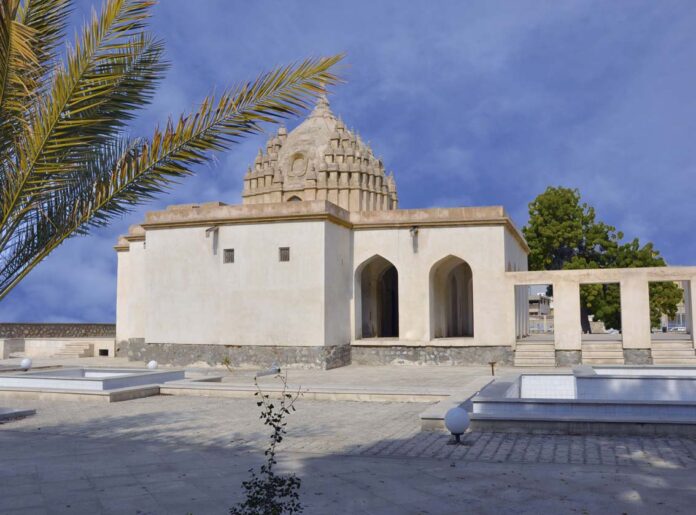
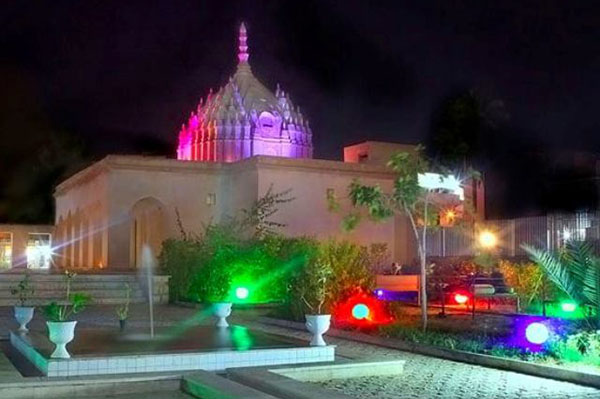
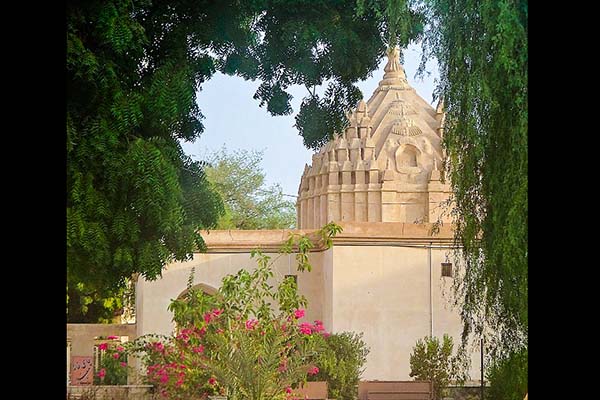
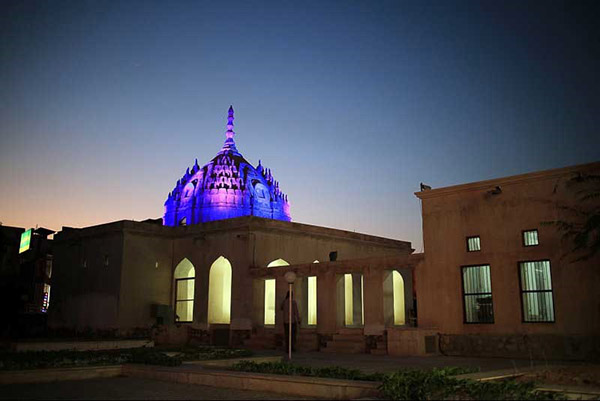
A Hindu temple in Bandar Abbas, the provincial capital of Hormozgan in southern Iran is one of the tourist attractions of the port city.

Funded by Hindu donations, the temple was built in 1892 by Indian businessmen during the reign of Mohammad Hassan Khan Sad al-Molk.

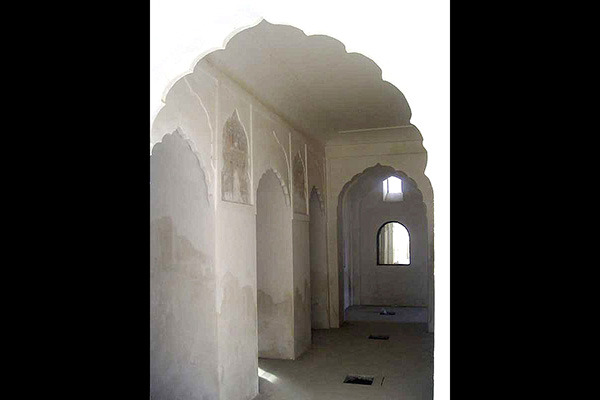
The vaulting of the dome renders it distinguishable from other domes in the Persian Gulf region.

The temple’s architecture has been influenced by Indian houses of worship. It is among a handful of historical sites in Bandar Abbas which capture the attention of tourists visiting the city.

The temple was initially built as a place of worship for Hindu traders who were based in Bandar Abbas and shows that cultural and artistic ties between Iran and India date back a long time.

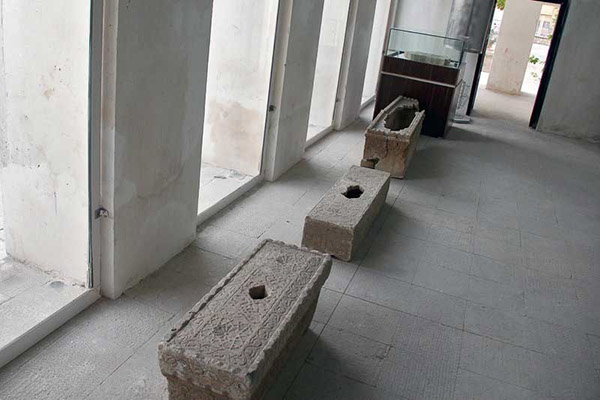
The following are images of the temple published by khabaronline.ir:

Iran warns of enemy’s moves against Islam

872dd8cc-b4f5-45d5-a6bb-3b9a79a040b7

Iran’s President Hassan Rouhani warns that the enemy seeks to create divisions in the region and portray Islam as the religion of violence and extremism, urging resistance against such plots.

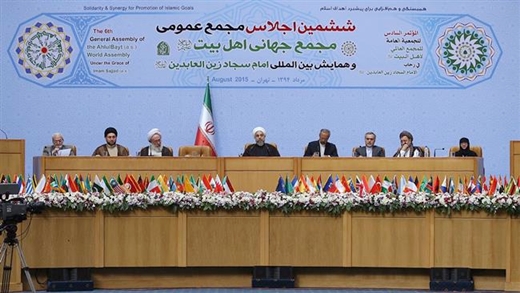
“The enemy intends to turn the religion of morality and brotherhood into a religion of violence, extremism, killing, discord and rifts and we should stand up to such deviation and distortion,” Rouhani said in an address to the opening ceremony of the 6th General Assembly of the AhlulBayt World Assembly in Tehran on Saturday.

“We should not allow enemies to use terrorist groups to portray the religion of Islam…as the religion of killing, violence and destruction,” he added.

He said all Muslims should remain united to thwart the plot and illustrate Islam as the religion of peace.

He further emphasized that Iran would never use its scientific, spiritual and political power against neighboring states or any Muslim country in the region.

Rouhani said that Iran’s strength lies in its logic and its power to negotiate, adding, “We will use our capability and power to establish peace, stability and security in the region.”

The Iranian president noted that Iran respects the values of Islam and democracy while observing the rights of minorities, saying Shiite and Sunni Muslims in the country are equal and live in peace and harmony.

He emphasized that Iran’s logic is based on peace, peaceful coexistence and unity among all Muslims.

The four-day 6th General Assembly of the AhlulBayt World Assembly opened in Tehran in the presence of representatives from 130 countries and some political and cultural figures. The meeting is aimed at reinforcing solidarity and convergence to promote the goals of Islam.
Iran and China make a cultural milestone (PHOTOS)

Iran and China 00

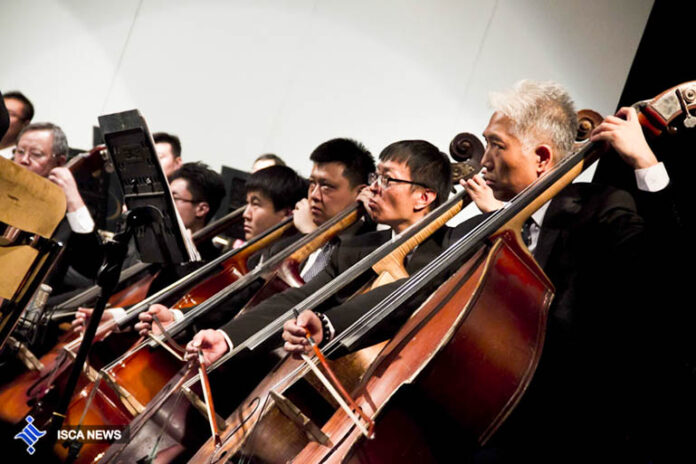
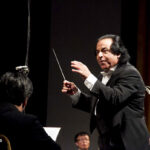
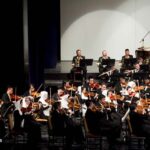
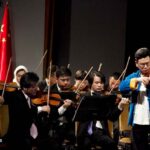
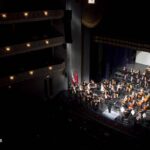
The China Philharmonic Orchestra held two performances in Tehran’s Vahdat Hall on August 13-14.

The Chinese orchestra performed Princess Igor [an opera], Butterfly Lovers’ violin concerto and Tchaikovsky’s greatest symphony, the Symphony No. 5 led by Iranian maestro Ali Rahbari on the first night (August 13).

The Iranian orchestra went onstage on the second night (August 14) and performed Shahrzad with the Chinese performing Antonin Dvorak’ [New World] Symphony No. 9.

The conductor of the Chinese orchestra said that the China Philharmonic Orchestra and the Tehran Symphony Orchestra are excellent on stage and comparing the two is not reasonable.

The Iranian Students’ News Agency (ISNA) on August 12 published a report on remarks by Long Yu, the Chinese conductor after meeting with members of the Tehran Orchestra at Vahdat Hall followed by his Iranian counterpart Ali Rahbari’s comments. The following is the translation of that report:
Long Yu

Prior to our trip, we were very excited. In school, we learned about Iran in history books. We greatly respect Iran’s culture and history.
Today our dream came true when our plane touched down in Tehran. We hope we can learn many things from Iranian traditions and music.

Mr. Rahbari and I view music as a common language. In fact, it is an international language which helps us have better ties and learn from each other.

We are interested in Iran. I’ve had such a dream for long. I used to work with a Chinese orchestra whose members were Muslims.

When I was studying in Germany, I heard about Mr. Rahbari. He is famous and I wanted to work with him. I’m happy I’m working with him now. I want our friendship to continue. Iranian musicians are great and this is just the beginning for us. We hope to host Iran’s orchestra in China.

Professional musicians from China and Iran will perform tough pieces together. Thanks to Mr. Rahbari’s efforts, the makeup of the musical ensemble is excellent. Tehran remarkably excels at high tempo.


Repertoire

We will perform eastern pieces [in addition to western pieces] in our concert, for instance “Butterfly Lovers” is a Chinese piece and “Shahrzad” which is eastern, with a capital E.

The Chinese performers are all young and this shows the young generation’s interest in culture. China has good economic ties with Iran. We should improve our cultural ties too.

China’s name reminds everybody of trade, but our country – like yours – is rich in art, culture and spirituality.

Ali Rahbari

Today is a good day. For the first time ever, Iran and China will perform onstage together. […] One day a gentleman came to me and said, ‘We have a Silk Road tour. We want you to conduct the China Philharmonic Orchestra.’ And I accepted the offer. […]

The following are images issued by various news agencies of the event:


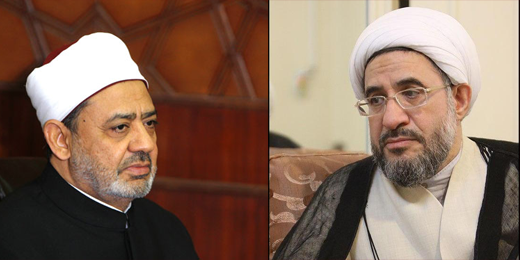
A letter from Proximity of Schools of Thought to Al-Azhar

paper

The secretary general of the World Forum for Proximity of Islamic Schools of Thought (WFPIST) has called for efforts to tap into the potential of Sunni and Shiite scholars, saying that unity in the Islamic world is direly needed to address the threats posed by Takfiri groups.

Ayatollah Mohsen Araki made the plea in a letter to Grand Imam of Al-Azhar Ahmed el-Tayeb following the latter’s speech on the need for top Sunni and Shiite scholars to have more interaction and discuss proximity [among Islamic denominations] and the threats posed by Takfiri groups.

Ettela’at newspaper on August 15 published Ayatollah Araki’s letter to the Grand Imam in which he has welcomed the idea of holding joint sessions. The following is the translation of the letter:

To revered Grand Imam of Al-Azhar

I have heard many of your speeches on different occasions, the last one of which focused on your blessed call for the holding of a joint session between Sunni and Shiite scientists to discuss the issues of the world of Islam; make coordination and take joint steps to face the threat posed by Takfiri terrorists; and prevent measures which may divide the Sunnis and Shiites in the world of Islam.

The World Forum for Proximity of Islamic Schools of Thought (WFPIST) appreciates your worthwhile, fatherly stance which has injected new life to the hopes of all those who seek to make reforms and bring religious sects and denominations closer together.

By taking such a stance, Al-Azhar University – which plays a basic, pivotal role in the Islamic Ummah – can [help] create unity among Muslims, and solve momentous issues of the Islamic world, especially the problems arising from sectarian violence and Takfiri terrorism.

The WFPIST voices its readiness to take the necessary measures [in this regard] to lend support to your reformist and proximity-focused efforts, especially the implementation of the proposals put forward by a joint Sunni-Shiite committee.

The WFPIST will send a delegation of the greatest Sunni and Shiite scholars to meet with you, launch cooperation to implement such proposals and take effective steps to help materialize unity in the Muslim world.

Many thanks

The head of the World Forum for Proximity of Islamic Schools of Thought

Ayatollah Mohsen Araki

A look at Iranian newspaper front pages on August 15

Iranian Newspapers Headlines

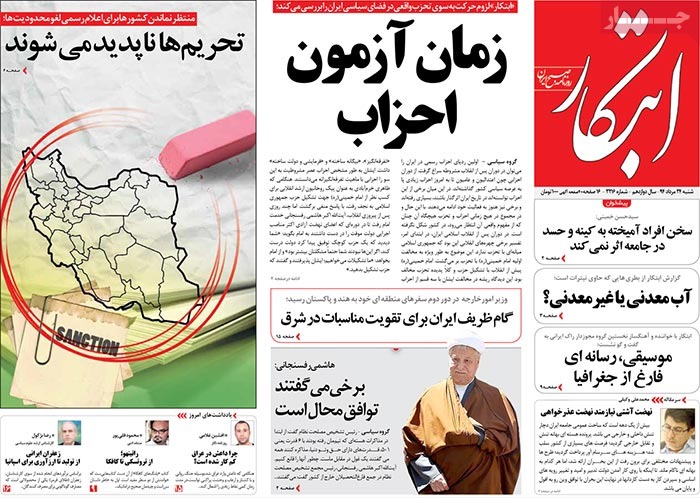
The regional tour of Foreign Minister Zarif, the last leg of which took the Iranian top diplomat to India, dominated the front pages of Iranian papers on Saturday. The comments of the chairman of the Expediency Council on nuclear talks and those of the secretary of the Guardian Council on upcoming elections also appeared on the cover of Iranian dailies.


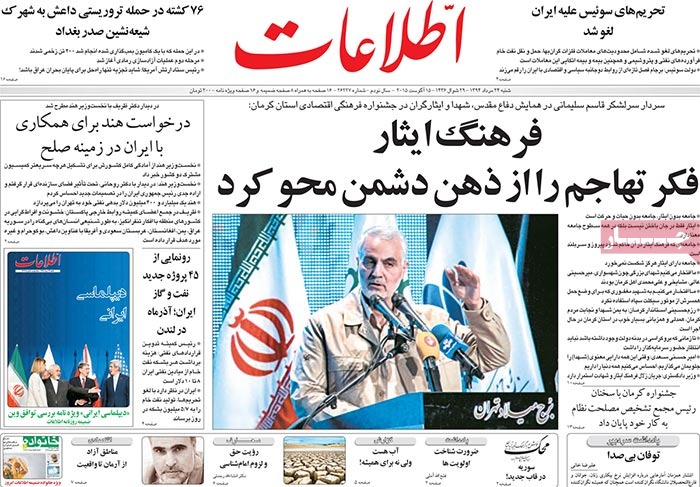
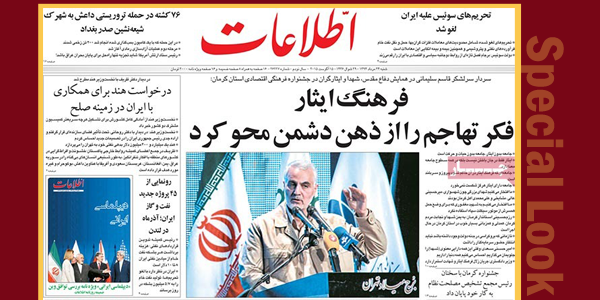
Ettela’at: “The culture of self-sacrifice forced the enemy to put the idea of aggression [against Iran] out of its mind,” Major General Ghasem Soleimani told a gathering on Sacred Defense, Martyrs and War Veterans in Kerman.

The commander of the Quds Force of the Islamic Revolution Guard Corps further said that a society in which the culture of self-sacrifice prevails is always victorious and can hold its head up high.


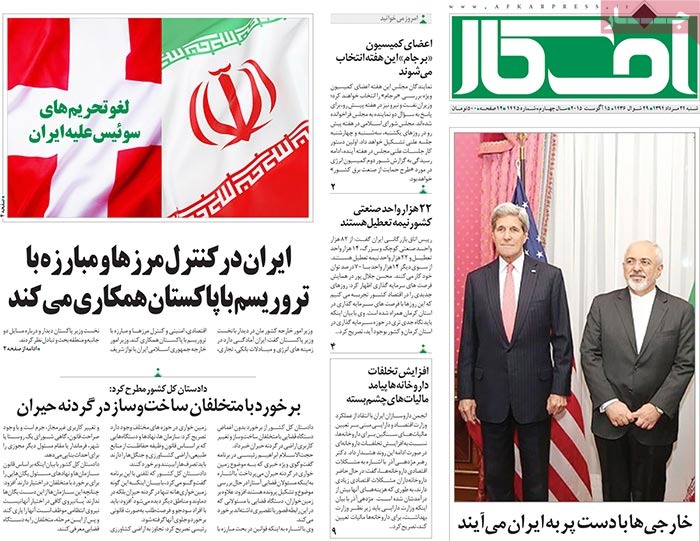
Afkar: Members of parliament’s JCPOA committee will be named this week.

Afkar: Iran and Pakistan are to cooperate with each other in policing the border and fighting terrorists.


A look at Iranian newspaper front pages on August 15


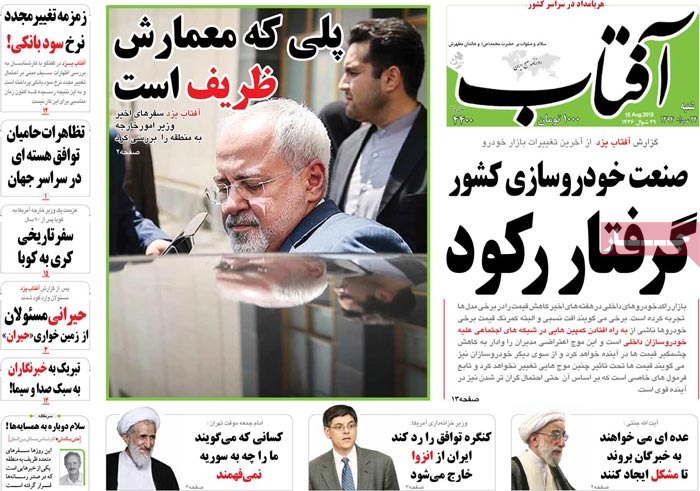
Aftab-e Yazd: “Some seek to muscle their way into the Assembly of Experts to cause trouble,” said the secretary of the Guardian Council.


A look at Iranian newspaper front pages on August 15


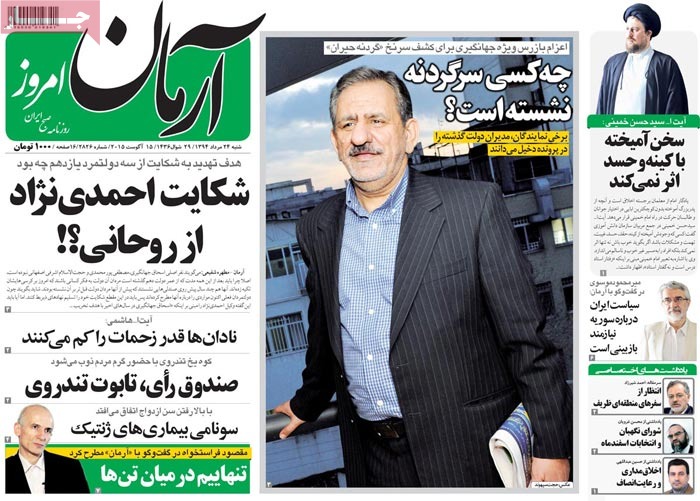
Arman-e Emrooz: “Comments which are tinged with greed and jealousy won’t produce [the intended] results [in society],” said the grandson of the founding father of the Islamic Republic.


A look at Iranian newspaper front pages on August 15


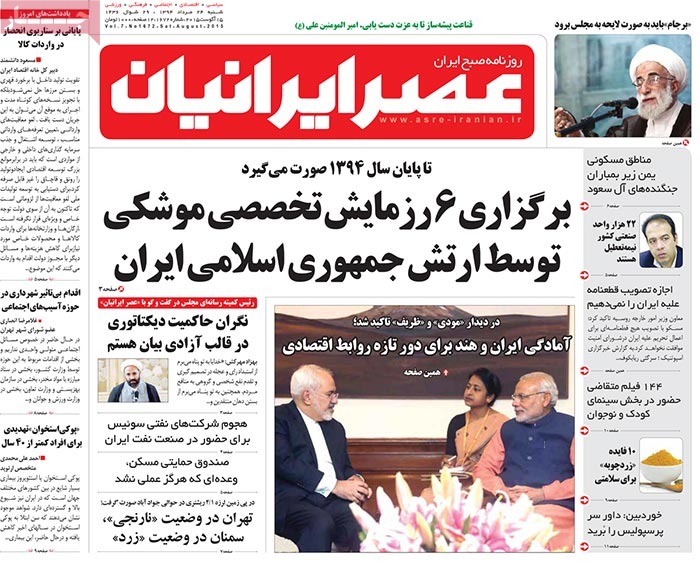
Asr-e Iranian: The Army of the Islamic Republic of Iran will stage six specialty missile maneuvers by the end of the year [March 2016].


A look at Iranian newspaper front pages on August 15


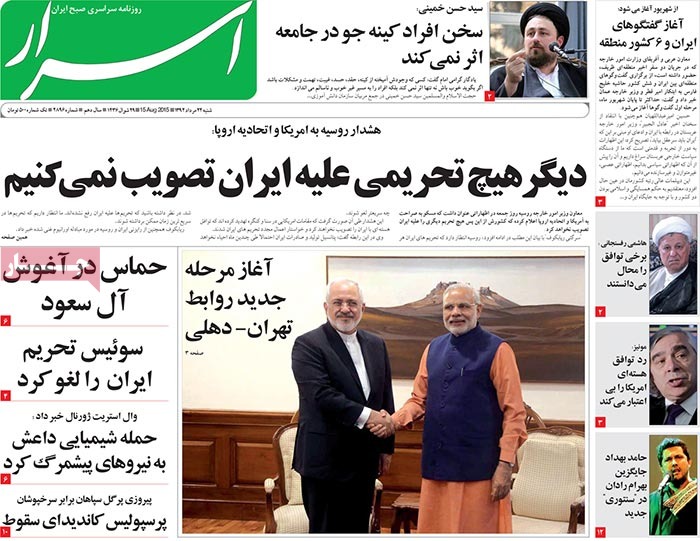
Asrar: “Talks between Iran and six other Persian Gulf littoral states open next month,” said the Iranian deputy foreign minister.

Amir Abdollahian further said that the talks are a joint initiative by the Qatari emir and the Omani foreign minister.

Asrar: Russia has warned the US and the EU that it won’t vote for any more sanctions against Iran.


A look at Iranian newspaper front pages on August 15


Ebtekar: Iran takes steps toward improvement of ties with the East.

A second regional tour of Foreign Minister Zarif has taken him to India and Pakistan.


A look at Iranian newspaper front pages on August 15


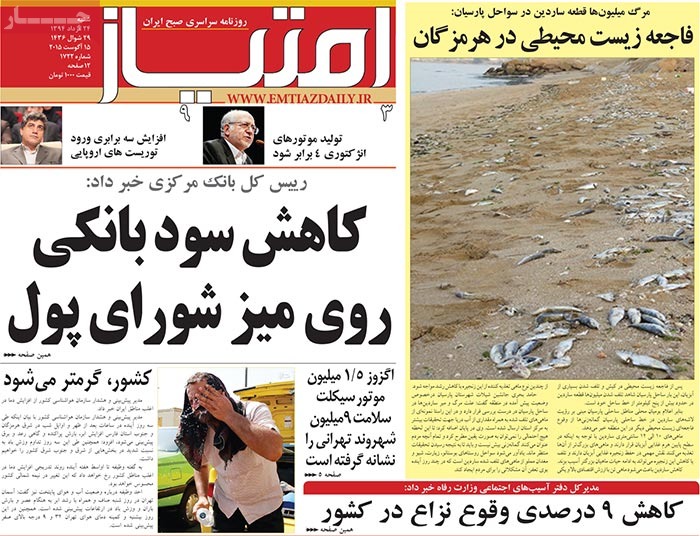
Emtiaz: The number of foreign tourists visiting the country has increased 3-fold.


A look at Iranian newspaper front pages on August 15


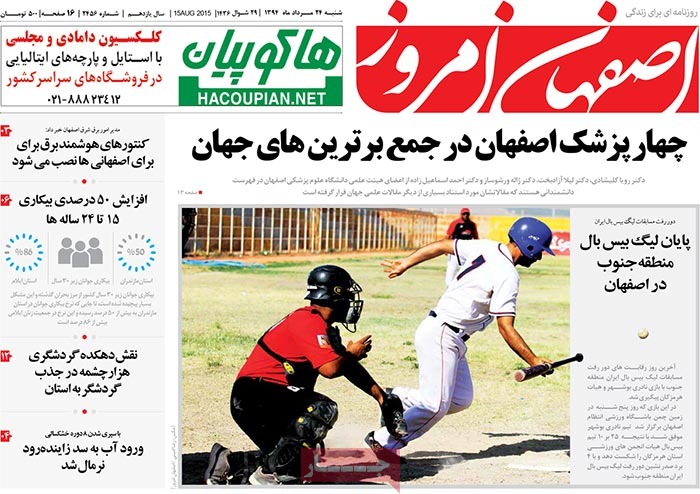
Esfahan Emrooz: Four Isfahan-based medical doctors are among the best in the world.

The articles these four physicians have penned have been referenced many times by other scientists in the world.


A look at Iranian newspaper front pages on August 15


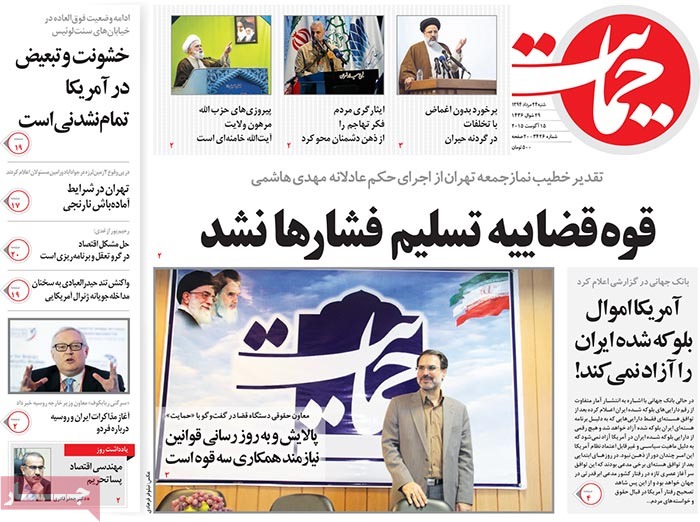
Hemayat: Tehran Friday prayer leader has hailed the Judiciary for implementing the just verdict issued in the case of Mehdi Hashemi [the imprisoned son of Ayatollah Hashemi Rafsanjani].


A look at Iranian newspaper front pages on August 15


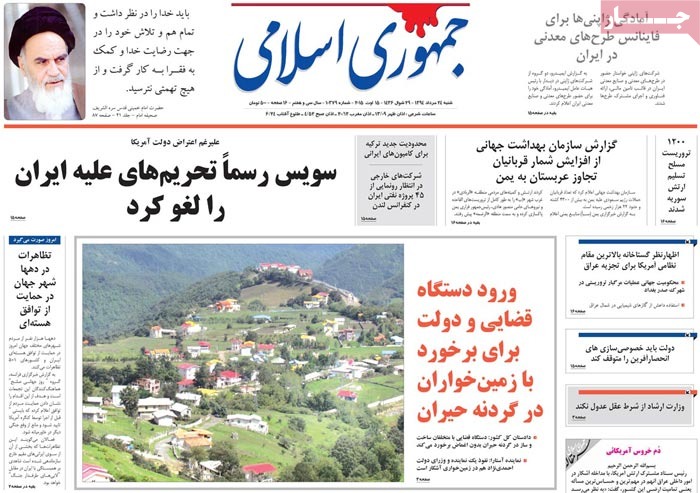
Jomhouri Islami: The Japanese are ready to finance mineral projects in Iran.


A look at Iranian newspaper front pages on August 15


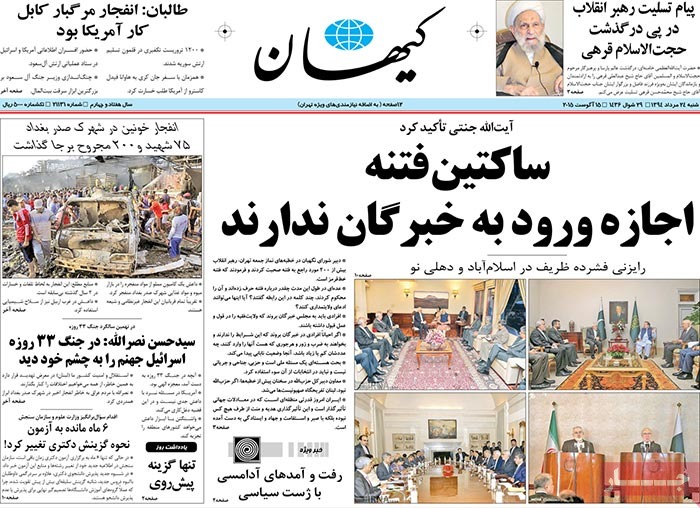
Kayhan: “Those who have kept silent in the face of sedition [unrest sparked when two contenders doubted the results of the 2009 presidential polls] won’t be allowed to find their way into the Assembly of Experts,” said the secretary of the Guardian Council.


A look at Iranian newspaper front pages on August 15


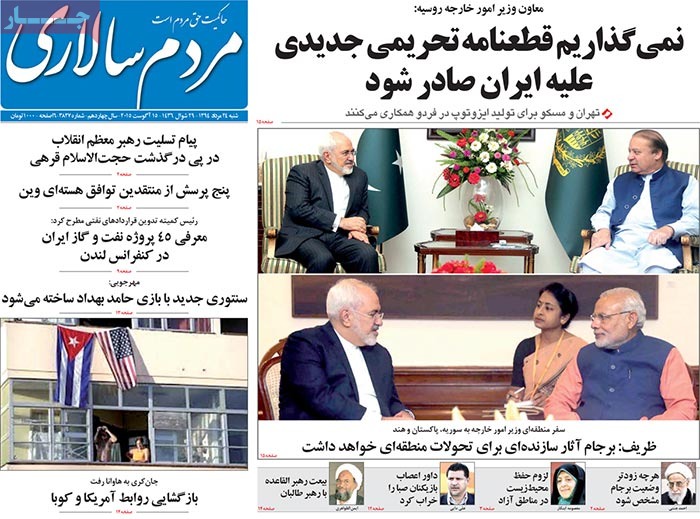
Mardomsalari: The leader of Alqaeda has sworn allegiance to the new leader of the Taliban.


A look at Iranian newspaper front pages on August 15


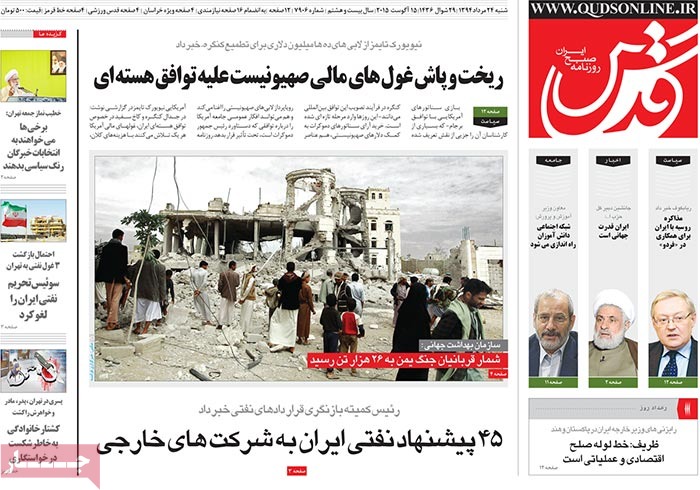
Qods: Switzerland has lifted oil sanctions against Iran. That makes the return to Iran by three oil giants more likely.


A look at Iranian newspaper front pages on August 15


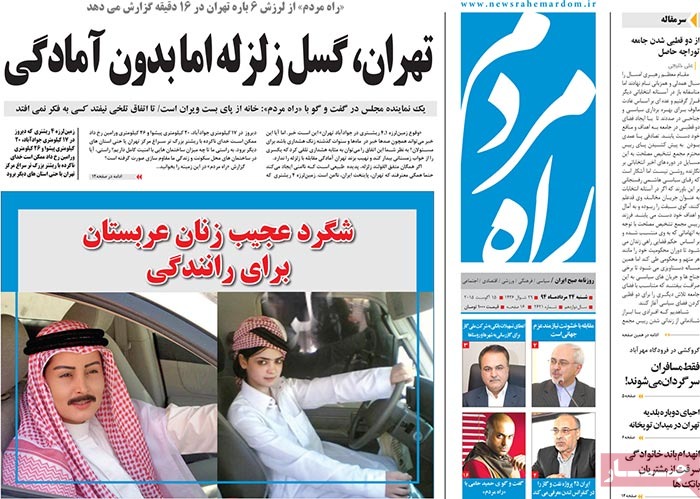
Rah-e Mardom: A quaint trick by Saudi women to take the wheel


A look at Iranian newspaper front pages on August 15


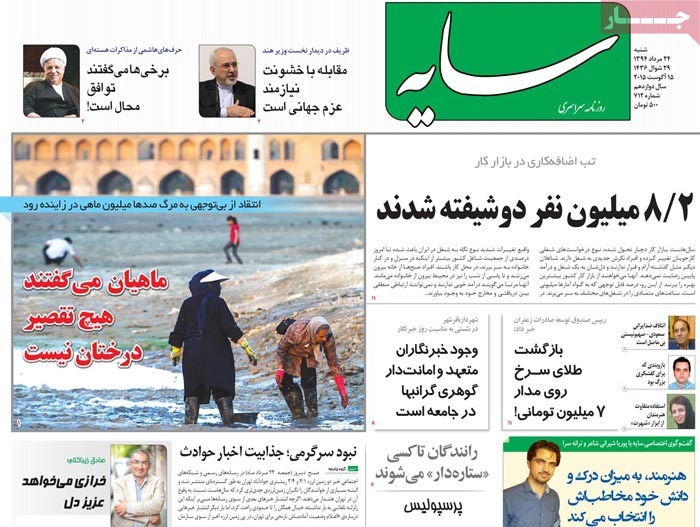
Sayeh: “Some believed that striking a deal [with P5+1] would be impossible,” said the chairman of the Expediency Council.

[Ayatollah Akbar Hashemi Rafsanjani further said that these individuals cited the superiority of the world powers as the reason why a deal would be out of reach.]

Sayeh: “Taking on violence requires global resolve,” said the Iranian foreign minister in a meeting with the Indian prime minister.


A look at Iranian newspaper front pages on August 15


Highlights of Ettela’at newspaper on August 15

Ettelaat Highlights-post

 “The culture of self-sacrifice forced the enemy to put the idea of aggression [against Iran] out of its mind,” Major General Ghasem Soleimani told a gathering on Sacred Defense, Martyrs and War Veterans in Kerman. The commander of the Quds Force of the Islamic Revolution Guard Corps further said that a society in which the culture of self-sacrifice prevails is always victorious and can hold its head up high.

 A speech by Chairman of the Expediency Council Ayatollah Akbar Hashemi Rafsanjani has brought Kerman’s Economic and Cultural Festival to an end.

 Switzerland has lifted its sanctions against Iran. The Swiss government has said that the Joint Comprehensive Plan of Action opens a new chapter in political and economic ties with Iran.

 A truck bomb attack by IS terrorists in Baghdad’s Sadr City has left 76 people dead and 200 others injured. It came as a second stage of an operation to wrest control of Ramadi from IS militants got underway.

 India has asked Iran to cooperate with it in promoting peace. The appeal came at a meeting between Iranian Foreign Minister Mohammad Javad Zarif and Indian Prime Minister Narendra Modi. In another development, India is to pay its $1.4 billion oil debt to Iran. Ettela’at: Forty-five Iranian oil and gas projects will be unveiled in London later this year. A senior Oil Ministry official has said that Iran seeks to raise its crude output to 5.7 million barrels in the post-sanctions era.

Rich opportunities for new Iran, India ties

139311211739391114713804

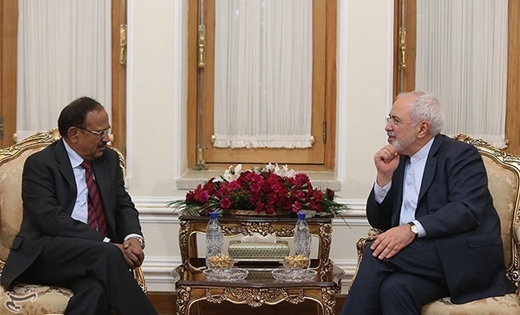
Iranian Foreign Minister Mohammad Javad Zarif in a meeting with Indian National Security Advisor Ajit Doval in New Delhi Friday said in the new setting, there are a lot of opportunities to expand ties and boost bilateral cooperation.

Zarif and Doval agreed that extremism is the region’s most serious problem and said the fight against extremist and terrorist groups should go full steam ahead.

They also condemned violent and extremist acts of terrorist groups in Iraq, Syria, Yemen and Afghanistan and exchanged views on the way out of these crises.

On Afghanistan, Zarif told the Indian official that Iran supports development of democratic structures and progress in its eastern neighboring country.

Referring to the meetings with his Indian counterpart and prime minister, he called for capacity building in the areas of transit, energy, and trade.

Doval recalled the threat posed by the terrorist group of IS and said, “Through cooperation and joint action, all countries shall prepare the ground to fight against the terrorist group.”

He hailed the stance of the Islamic Republic of Iran in countering terrorist groups and said, “The oppressed people of the region have suffered a lot from inhuman acts of Daesh [Arabic acronym for IS].”

Zarif arrived in New Delhi from Islamabad on Thursday night.

In addition to meeting his counterpart, he met the premier, vice president, and minister of shipping during his second visit to India since he became foreign minister in 2013.

He arrived in Tehran early Saturday.