Sunday, December 21, 2025
Home Blog Page 4672

Nuclear agreement helps Iran grow assistance to regional allies: Leader’s aide

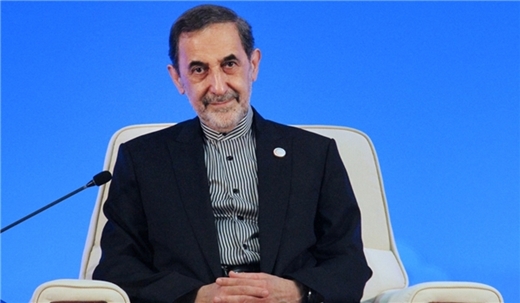
velayati

Iranian Supreme Leader’s top advisor for international affairs Ali Akbar Velayati underlined that the nuclear agreement between Tehran and world powers has further empowered the country, allowing it to increase aid and assistance to its regional allies.

“The Islamic Republic of Iran will support the resistance front and of course, with the nuclear agreement, it will have more power for partnership and supporting its friends in the region,” Velayati said, addressing an international religious forum in Tehran on Saturday.

He referred to attempts by Western states and the reactionary regional states to overthrow the Syrian government, and said they have already failed to attain their goal.

Yet, he warned that Iran and its allies might face more challenges than in the past, and added, “The resistance front is in a much better and stronger shape and situation than the past.”

[…]

Iran ready for all scenarios: Deputy FM

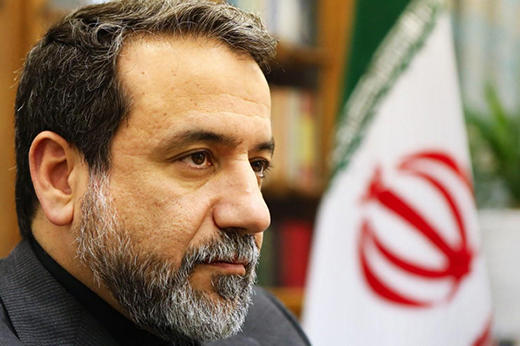
araghchi

Deputy Foreign Minister Seyyed Abbas Araghchi underlined that Iran has prepared itself for all scenarios of nuclear agreement.

“The Islamic Republic of Iran has maintained its preparedness for all scenarios and in case of any special incident it will decide about it,” Araghchi told IRNA Saturday in reaction to recent statements by US senators about the nuclear agreement between Iran and six world powers (the US, Russia, China, France, Britain and Germany).

Asked about presenting the Joint Comprehensive Plan of Action (JCPOA) to parliament, the Iranian deputy foreign minister responded that the Foreign Ministry has nothing to do with it and the government should take measure in this regard.

He reiterated that the Islamic Republic of Iran is ready for all scenarios.

Four Tabriz University professors ranked among world top scientists

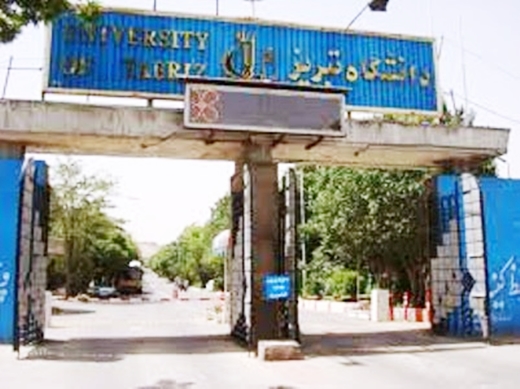
81720408-70096281

Four professors of Tabriz University are ranked among the world’s top scientists, announced Thomson Institute for Scientific Information (ISI).

According to the Public Relations Office of Tabriz University, Dr. Ebrahim Babaei (electronics), Dr. Nezameddin Daneshvar (applied chemistry), Dr. Ali Reza Khataei (applied chemistry) and Dr. Ali Rostami (electronics) are among the top one percent scientists and elites in the world.

Based on the data released by the institute, 173 scientists from Iranian universities and research centers have been ranked among the top one percent scientists in the world.

The criterion for selecting the scientists was the number of citations of their articles made by the other researchers. Therefore, highly cited scientists have been placed among the top one percent scientists.

Universities of Tehran, Shiraz, Tarbiat Modarres, Isfahan, Shahid Beheshti, Tabriz, Mazandaran and Bu Ali Sina are home to the most number of scientists and elites.

ISI ranks scientific researchers whose publications are most often cited in academic journals over the past decade. Inclusion in this list is taken as a measure of the esteem of these academics and is used, for example, by the Academic Ranking of World Universities.

Iran to promptly repel any threat: Defense minister

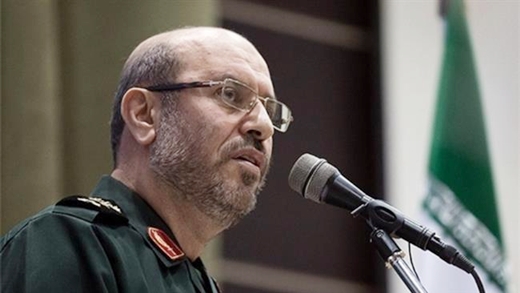
a715d532-3979-4837-b500-245151744392

Iranian Defense Minister Brigadier General Hossein Dehghan says the Islamic Republic will counter any threat against the country in the shortest possible time.

Dehghan said on Saturday that the Iranian Defense Ministry is capable of swiftly countering any threat.

Stressing that Iran enjoys a satisfactory level of security, the Iranian defense minister vowed that any act of aggression against the Islamic Republic is doomed to failure.

Dehghan said Iran’s achievements in the defense sector stand at a superior level in terms of modern technology. He, however, assured other countries, including regional nations, that Iran’s military doctrine is solely deterrent.

“The capabilities of the Islamic Republic of Iran’s armed forces are only defensive,” the Iranian defense minister stated, adding that those capabilities serve the cause of regional peace and stability.

In recent years, Iran has made major breakthroughs in its defense sector and attained self-sufficiency in producing important military equipment and systems.

Iran has repeatedly assured other nations, especially its neighbors, that its military might poses no threat to other countries, insisting that its defense doctrine is based on deterrence.

Iran says draft of Iraq gas deal ready

efbffe68-7e17-4468-83d7-eb8bef0c9451

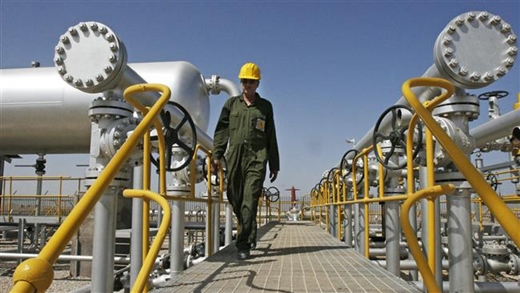
Iran says it has prepared the draft of a much-awaited agreement with Iraq to export natural gas to the country.

Azizollah Ramezani, the director for international affairs department of the National Iranian Gas Export Company (NIGEC), said the draft has been finalized after four days of discussions between Iranian and Iraqi expert teams.

Ramezani added that the text of the agreement will be forwarded to the related authorities for final approval, IRNA reported.

He further said that Iran and Iraq are expected to sign the agreement within the next two weeks and that exports of natural gas from Iran to Iraq will start accordingly.

The two countries signed a basic agreement for exports of natural gas from Iran’s South Pars gas field to Iraq back in 2013.

Based on the agreement, 25 million cubic meters (mcm) of gas will be delivered to Sadr, Baghdad and al-Mansouryah power plants through the 270-km pipeline on a daily basis.

The volume will increase to 30 mcm per day during the hot seasons.

The project has been long in the offing but had been delayed over security concerns resulting from the war of insurgency that the ISIL terrorists have waged in Iraq.

Iran to build specialized nuclear hospital: Salehi

911c2052-446e-47da-9071-f81774522895

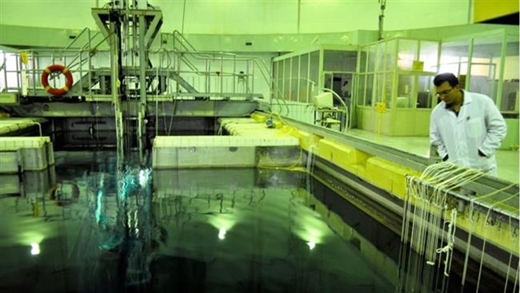
Iran has launched a plan to build a major specialized nuclear hospital in the near future, says the country’s nuclear chief.

“Work will soon get underway to construct the hospital,” said Director of the Atomic Energy Organization of Iran (AEOI) Ali Akbar Salehi, adding the plan has been given the all-clear by President Hassan Rouhani as well.

Among the objectives of Iran’s nuclear program is to use nuclear technology in the field of medicine, namely research and development as well as production of radio pharmaceuticals.

Iran only ME country producing radio pharmaceuticals

The top official further underlined that over a million patients in the country are using locally-produced radio pharmaceuticals, adding Iran is the only producer of such medicines in the Middle East.

“No other country in the Middle East is capable of doing this,” said Salehi, adding Iran is exporting radio pharmaceuticals as well.

The radio pharmaceuticals produced by Iran are up to par, said the AEOI chief; however, he noted, the country has set in motion a plan to standardize domestically-produced radio pharmaceuticals, so that they will measure up to international standards and set the stage for the Islamic Republic to become a major exporter in the field.

Iran’s centrifuges

Salehi further touched on untiring efforts by local scientists to develop centrifuges as part of the country’s peaceful nuclear drive and Iran has manufactured and tested eight generations of centrifuges since 1990, adding the ones which prove successful are gradually identified during the process, which “takes time.”

“The IR6 and IR8 machines (centrifuges) are promising and can be used in the future,” the AEOI chief said.

[…]

Iran to master nuclear fuel cycle

Salehi also underlined that Iran is working to master the nuclear fuel cycle, expressing hope that the country will be able to “complete the fuel cycle” through international cooperation and having restrictions removed.

“We will speak with Russians on [Tehran-Moscow] cooperation in the near future to produce several [nuclear] fuel assemblies annually,” said the AEOI chief.

He also said Iran, in cooperation with China, is to construct a complex in the central Iranian city of Arak, which will move the country ahead several decades given the technology involved.

Talks are also underway with China on the construction of two other power plants in Iran, Salehi noted.

Iran not after nukes

Salehi further reiterated Iran’s position that it is not pursuing atomic weapons, recalling a fatwa by Leader of the Islamic Revolution Ayatollah Seyyed Ali Khamenei, which forbids the development and use of nuclear arms.

Iran has announced time and again that it is not seeking to produce nuclear weapons as development of nukes runs counter to both humanitarian principles and religious precepts.

IAEA receives information from Iran under Roadmap agreement

13931101095930444562054

The International Atomic Energy Agency announced in a Saturday press release that it has received documents from Iran as part of a Roadmap agreement earlier reached between the two sides.

Iran today provided the IAEA with its explanation in writing and related documents as agreed in the Roadmap for the clarification of past and present outstanding issues regarding Iran’s nuclear program, concluded between the IAEA and the Islamic Republic of Iran on 14 July 2015, the statement read.

Back on July 14, Head of the International Atomic Energy Agency Yukiya Amano said that a “Roadmap” has been signed between the IAEA and Iran to clarify the outstanding past and present issues.

According to Amano, the Roadmap calls for the IAEA, with Iran’s cooperation, to make an assessment of issues relating to possible military dimensions (PMD) of the Islamic Republic’s nuclear energy program by the end of 2015.

The IAEA received the documents as it was stated in the Roadmap that “Iran will provide, by 15 August 2015, its explanations in writing and related documents to the IAEA, on issues contained in the separate arrangement mentioned in paragraph 1.”

According to the Roadmap, after receiving Iran’s written explanations and related documents, the IAEA will review the information by September 15, 2015, and will submit to Iran questions on any possible ambiguities regarding such information.

The Roadmap was signed on the day when Iran and P5+1 (Russia, China, the US, Britain, France and Germany) reached a conclusion on a lasting nuclear agreement that would terminate all sanctions imposed on Tehran over its nuclear energy program after coming into force.

MP writes letter to judiciary on imprisoned son of former president

Mehdi Hashemi

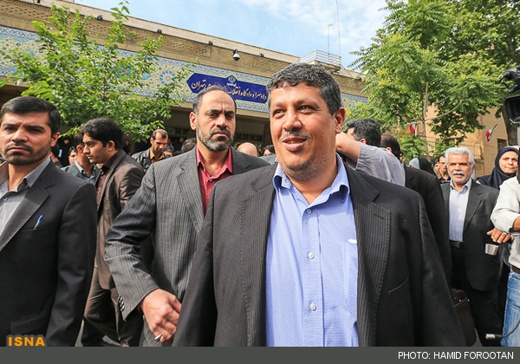
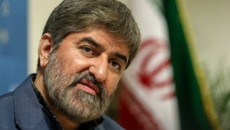
Ali MotahariTehran principlist MP Ali Motahari has urged the judiciary not to see any objection to a court verdict as an actionable attempt to undermine the judicial system.

According to the Iranian Students’ News Agency (August 15), the following is what the outspoken deputy wrote in a letter to Judiciary Spokesman Gholamhossein Mohseni Ejei in reaction to his recent comments about Mehdi Hashemi.

“You [recently] told a news conference, ‘Mehdi Hashemi has claimed that he has been subjected to injustice. Such comments amount to libel and are actionable.’

“It seems that your comments are not true. What is wrong with a defendant or convict with knowledge about his case, or their attorney for that matter, saying that the ruling issued in the case is not fair? Whether or not their comments are true!

“The most the judiciary can do is to proclaim that the verdict has been legitimate and fair. Comments by individuals who are competent to make them should not lead to judicial officials to indict them. That would mean the judiciary is above reproach, something that defies common sense.

“That applies to the criticism a judicial official has directed at a farewell video [between Ayatollah Hashemi Rafsanjani and his son Mehdi] released on social networking sites.

“I don’t know much about the legal case involving Mehdi Hashemi, so I don’t pass any judgment on the verdict. I believe, individuals like me, with no commanding knowledge about the case should have trust in the judiciary. Basically, people do not have time to comment about all cases.

“Why should a family’s farewell with one of its own and seeing him off in compliance with the law, and objection by individuals familiar with the proceedings to the ruling be frowned up and be viewed as an effort to undercut the judiciary?

“That is quite natural among families. Whether their objection is sustainable or not requires the explanation of the judiciary which can even agree to a demand by that family to have the court proceedings broadcast.

“By writing this letter I wish to say not every objection should be viewed as an actionable measure to undermine the judiciary. All that needs to be done is to explain things to the public.”

Man kills own flesh and blood in affluent Tehran neighborhood

Capture

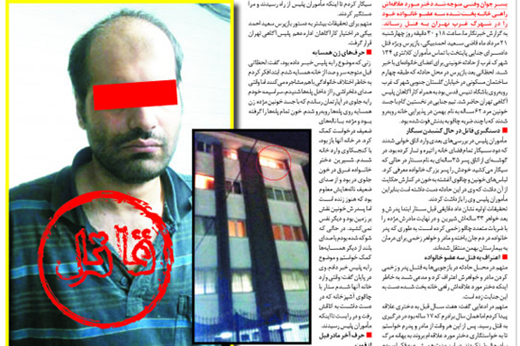
When a deadly incident in an apartment in Shahrak-e Gharb was called in Wednesday (August 12), police and crime scene investigators rushed to the affluent Tehran neighborhood to launch an investigation.

The following is the translation of an excerpt of a report Sharq daily published on August 15 of the incident which left three people killed:

On arrival, police found the lifeless body of a 62-year-old father who had been stabbed to death.

Residents of the building told police that that his seriously-wounded wife and daughter had been rushed to the hospital.

A neighbor who had called in law enforcement told the investigators, “When I heard screaming, I came out of my apartment and found the woman and her daughter lay by the elevator bleeding, so I immediately called police and the emergency medical service.”

After hearing what neighbors had to say police arrested the couple’s 35-year-old son.

As the investigation continued, the daughter of the couple died of her wounds in hospital. Her 55-year-old mother, who was in critical condition, managed to tell investigators through body language that her son had been behind the stabbing spree. Unfortunately she could not make it either and lost her life a few hours later.

The police investigation revealed that about seven years earlier a son of the family had been stabbed to death during a street brawl. But earlier in 2015, his parents had forgiven the killer and renounced their right to execution because the murderer was a teenager at the time of the crime. Later, through donations, the blood money had been paid and the convict had been released from prison.

The news that the family forgave the [death-row] convict made neighbors very happy and everyone appreciated the family’s well-intentioned decision.

Yet, the murder had a profound impact on the family. According to neighbors, in the wake of the deadly street fight, the other son of the family [the one who was now in custody for three counts of murder] was nervous and often had arguments with his parents.

It also became clear, during the investigation, that the suspect had been suffering from mental disorder and was on medication.

During the interrogation, the suspect claimed that the murderer of his brother had been executed; a comment which prompted police to assume that he either suffered from dementia or that his family might have kept their decision to forgive the murderer from him.

He admitted, “Around seven years ago, I was seeing a girl. I wanted to marry her. Everything went wrong when my brother was murdered. Our marriage was called off while I was still in love with the girl.”

He further said, “A while ago, I decided to find the girl and pop the question again. I finally found her phone number. Earlier on that [deadly] day, I called her and she told me that she had gotten married and that I had to stop calling her.

Her words hit me so hard and filled me with so much rage. I took a knife and broke the TV screen. Then, I stabbed my father who was sitting on the couch. My mother and sister panicked and ran for their lives. But I stabbed them too. Then I went to my room and lit a cigarette before police came and picked me up.”

Further investigation into the case continues.

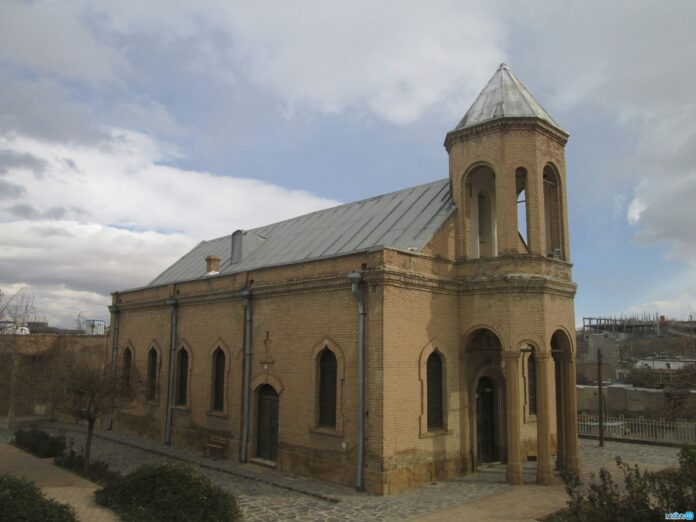
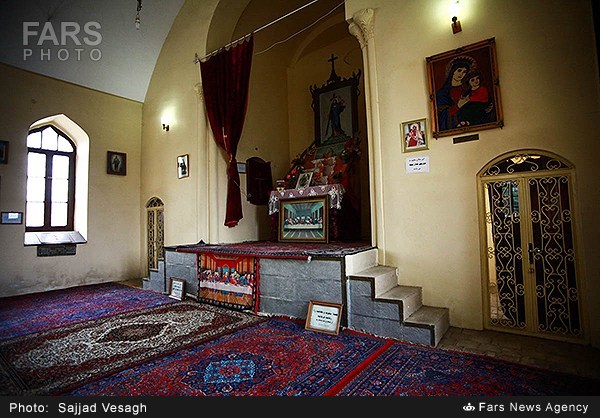
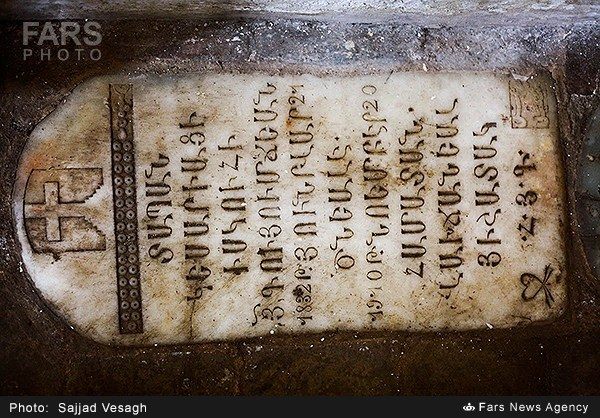
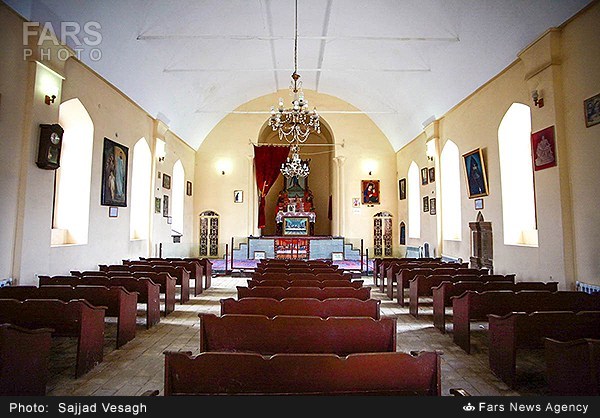
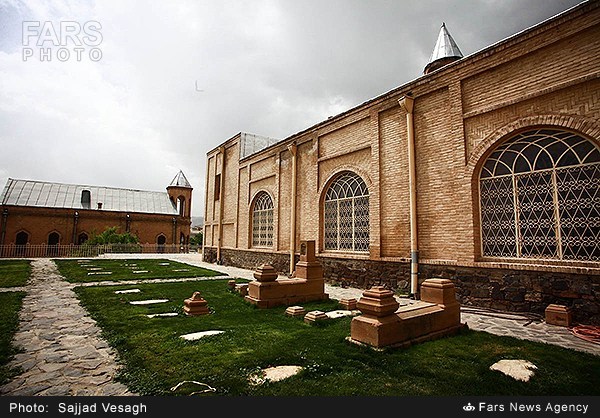
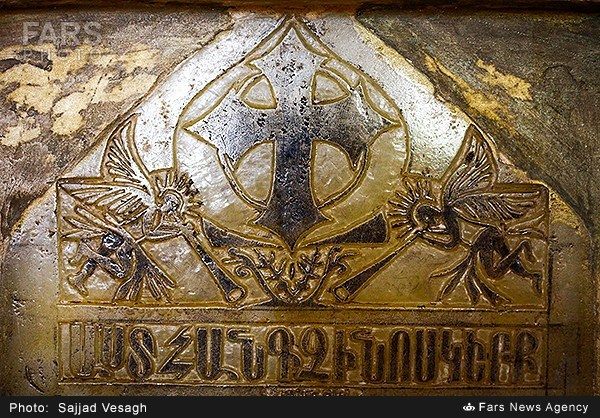
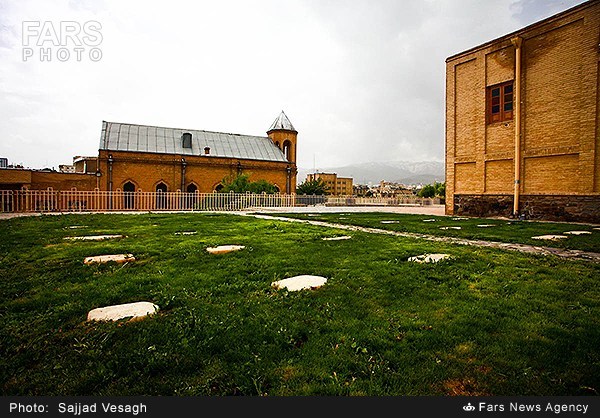
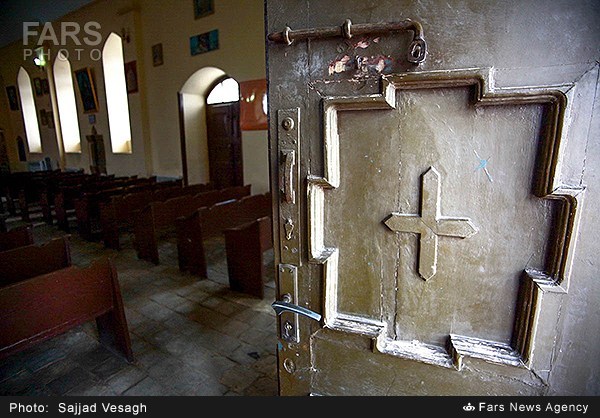
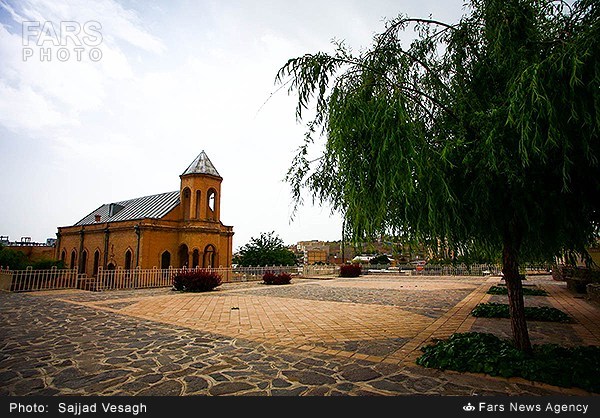
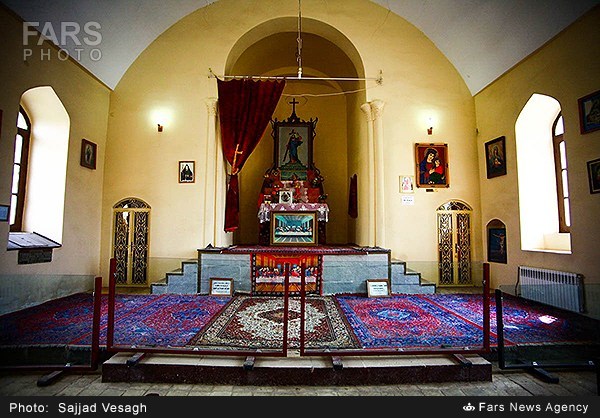
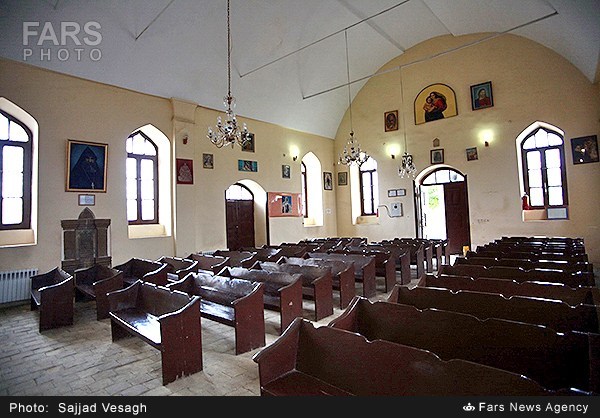
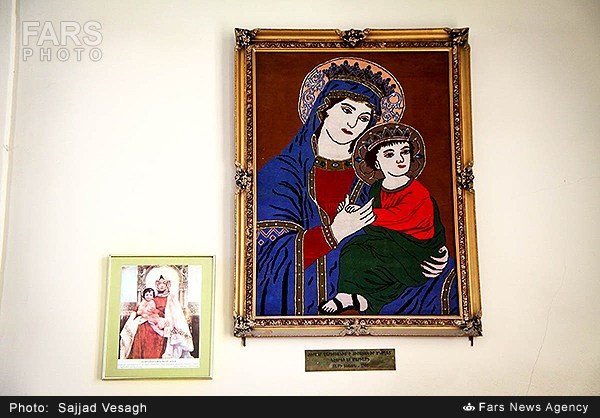
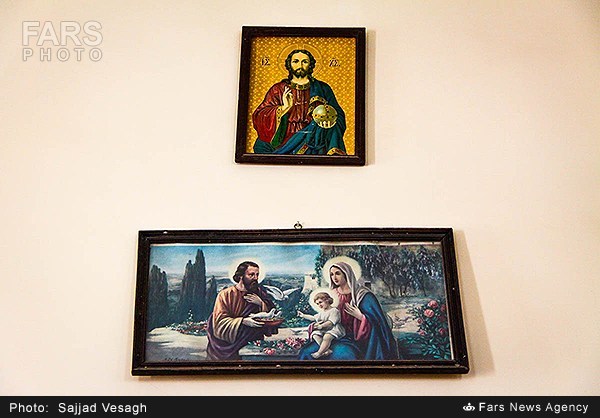
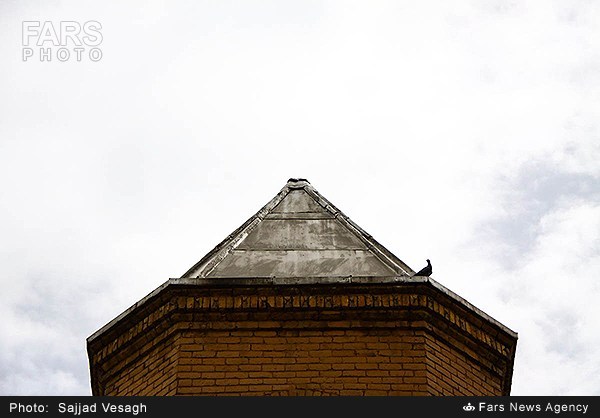
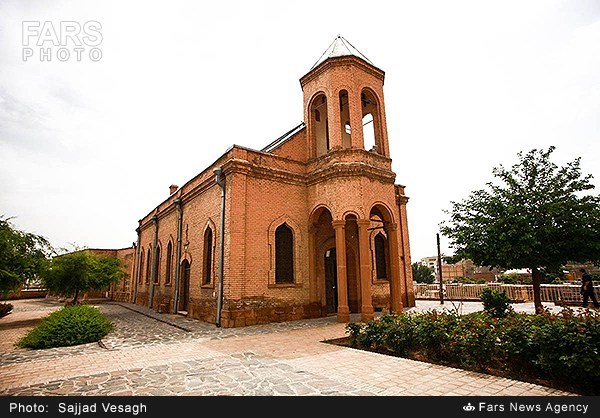
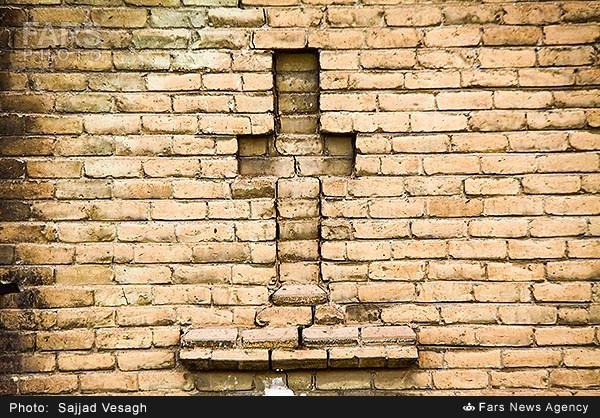
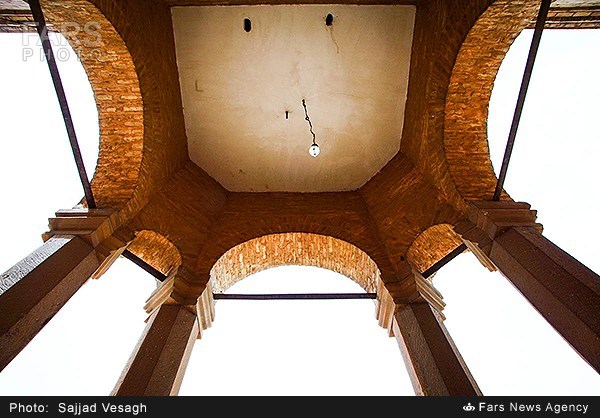
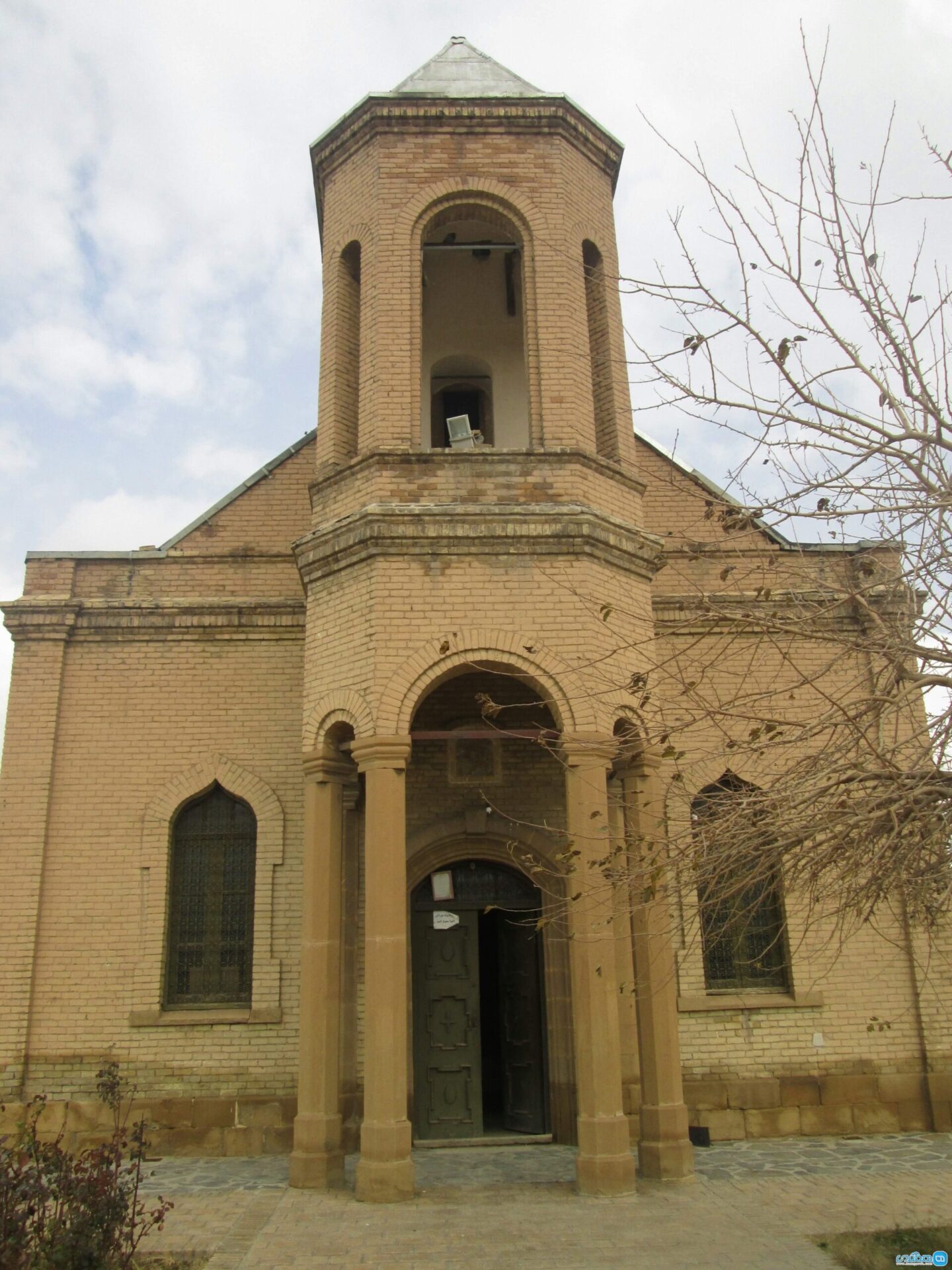
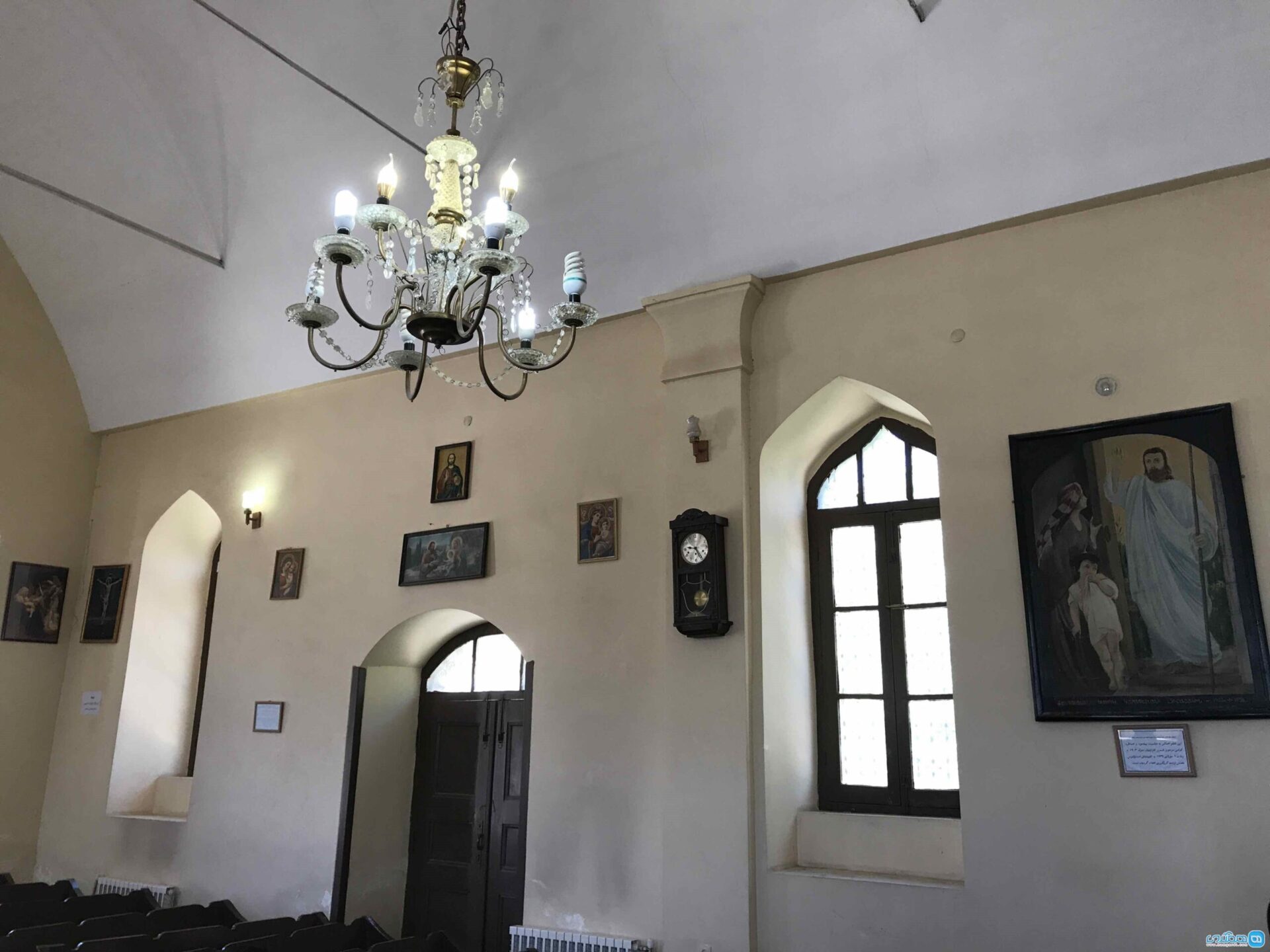
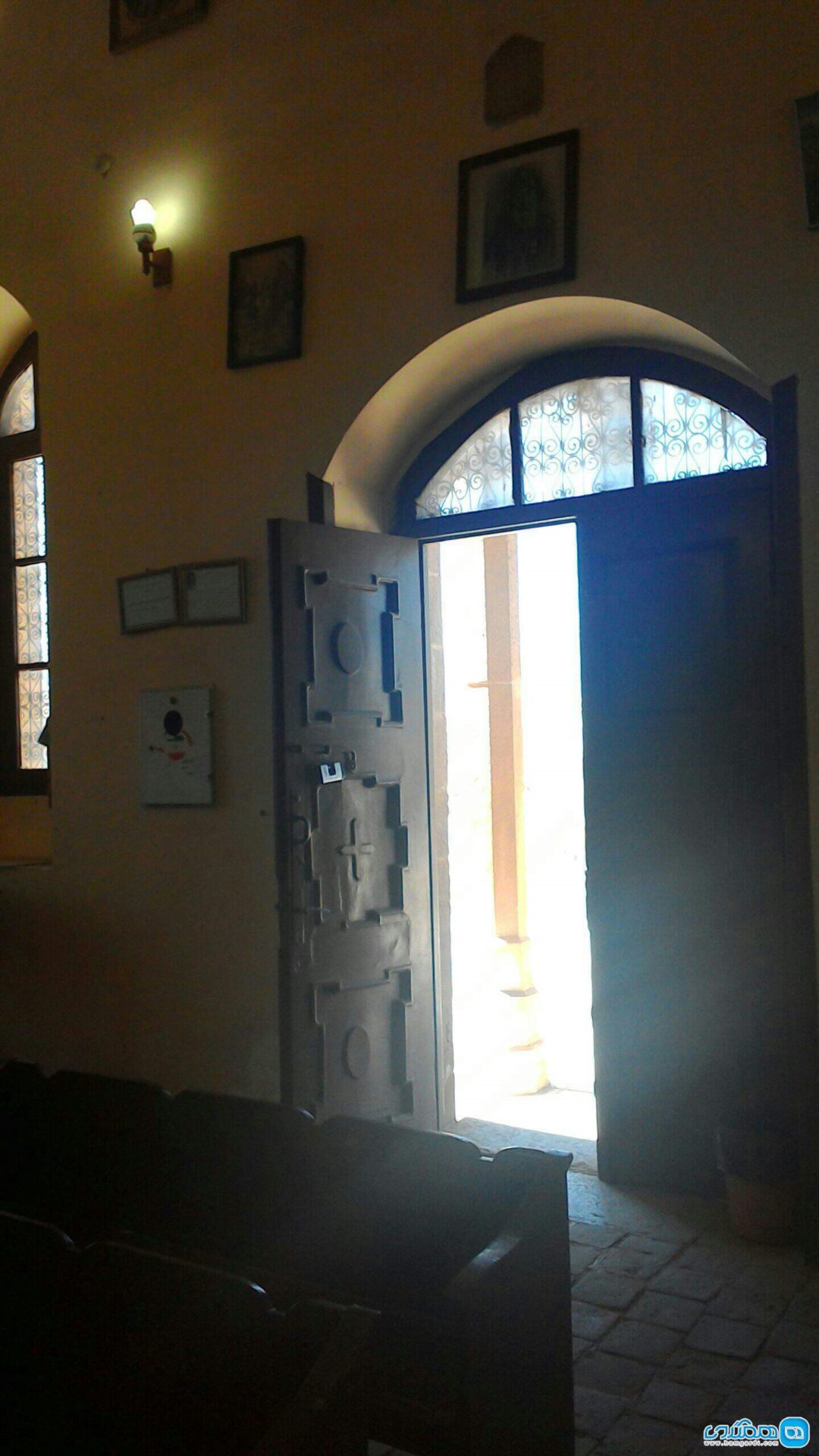
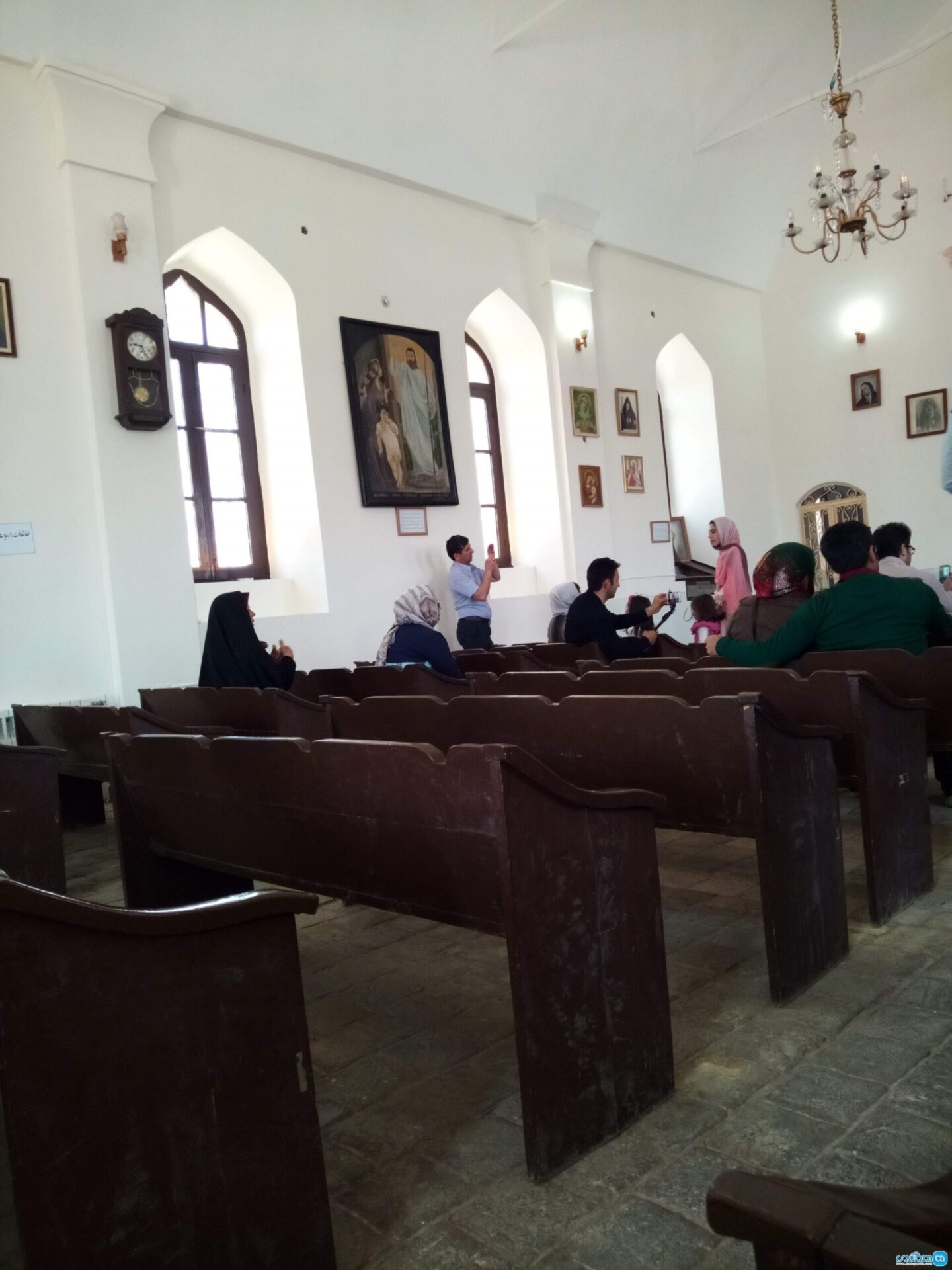
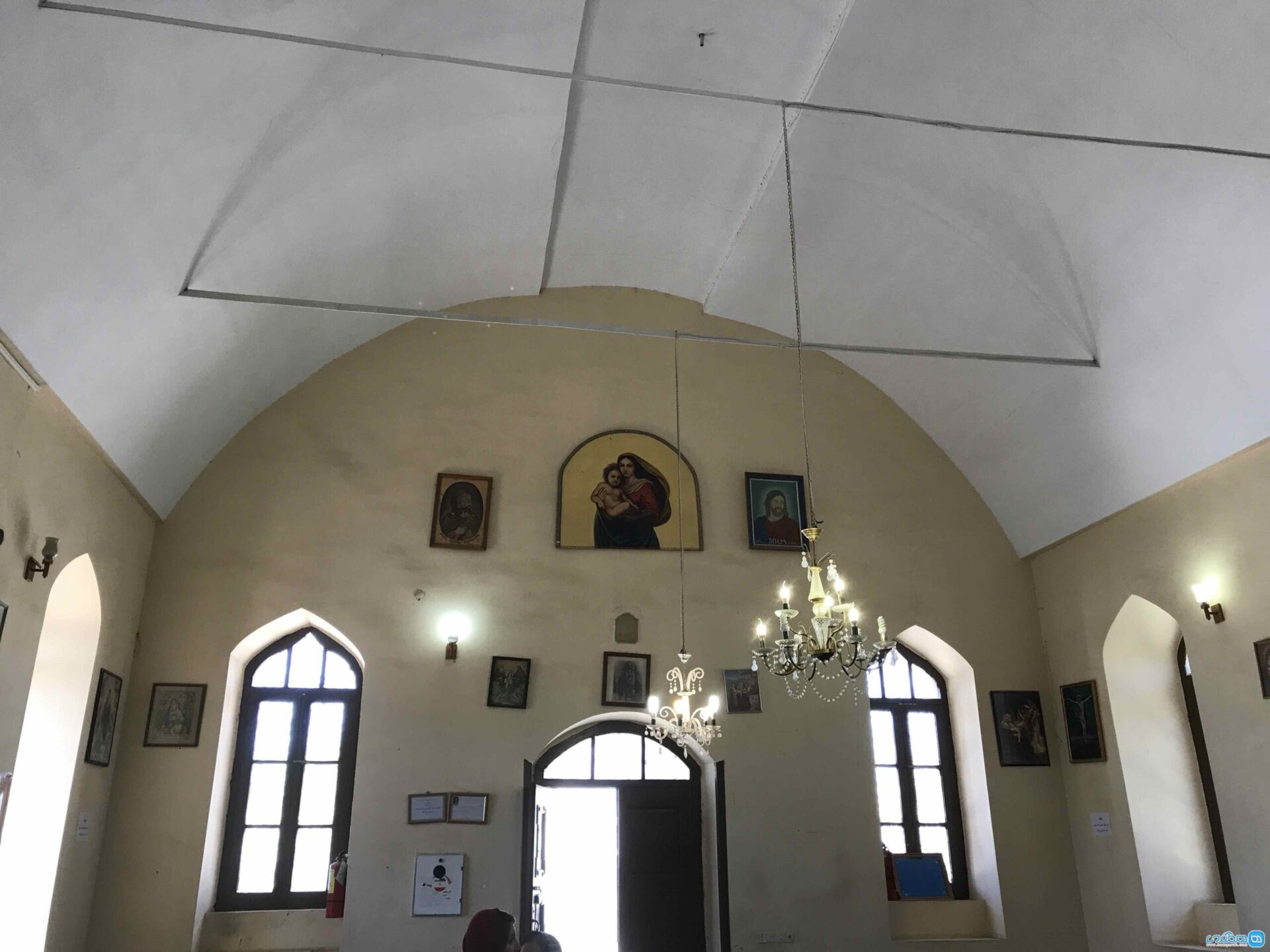
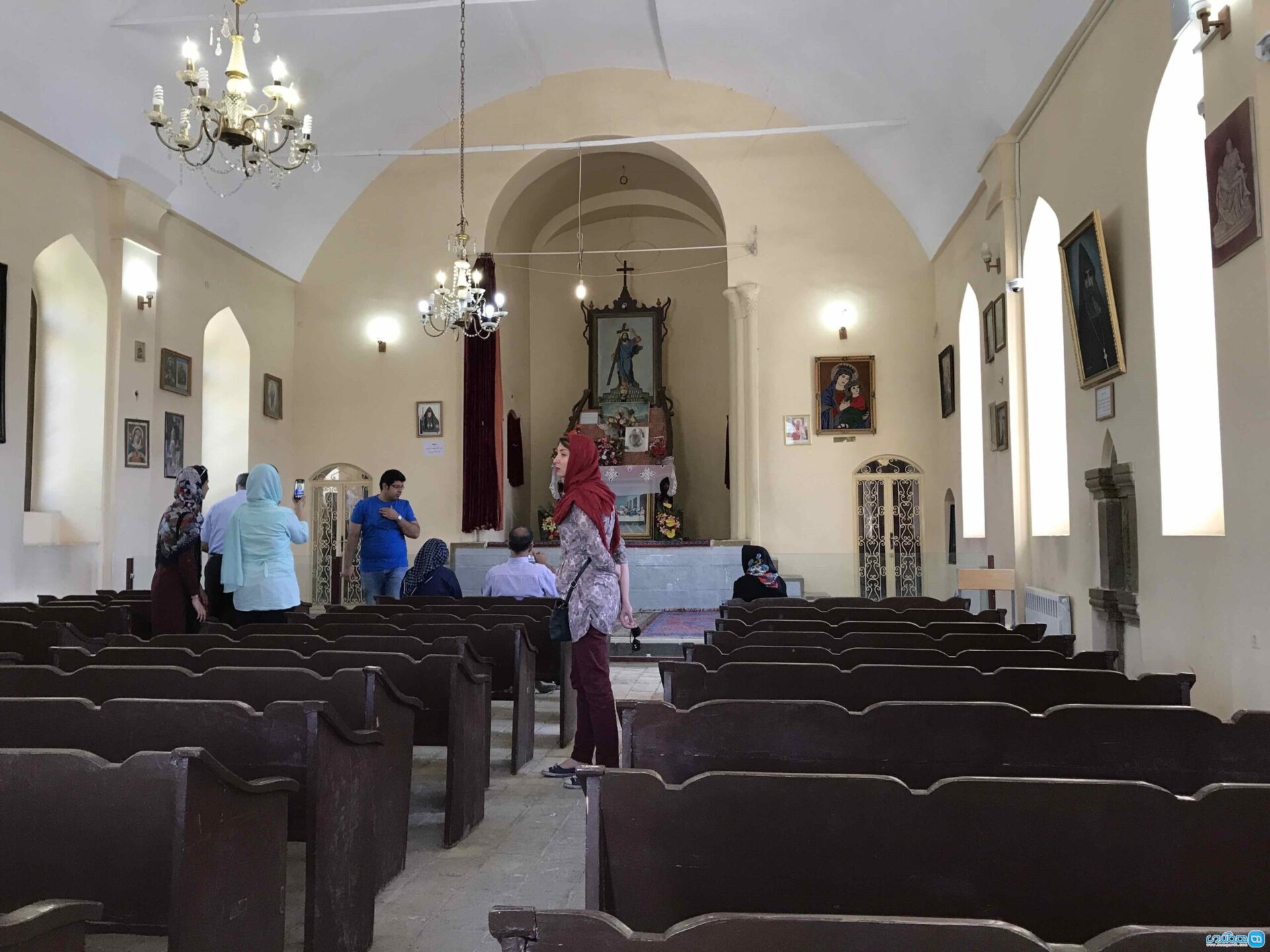
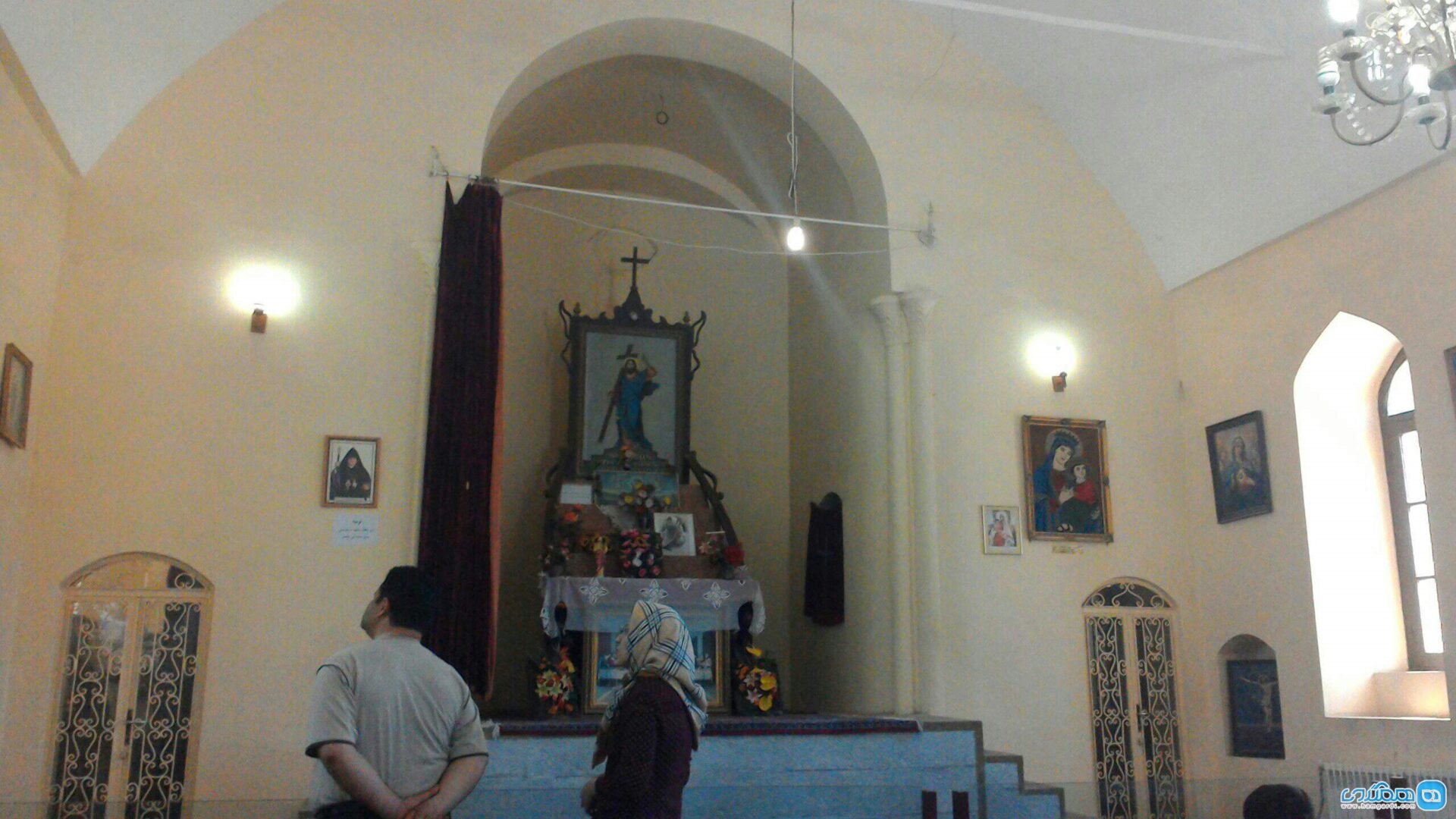
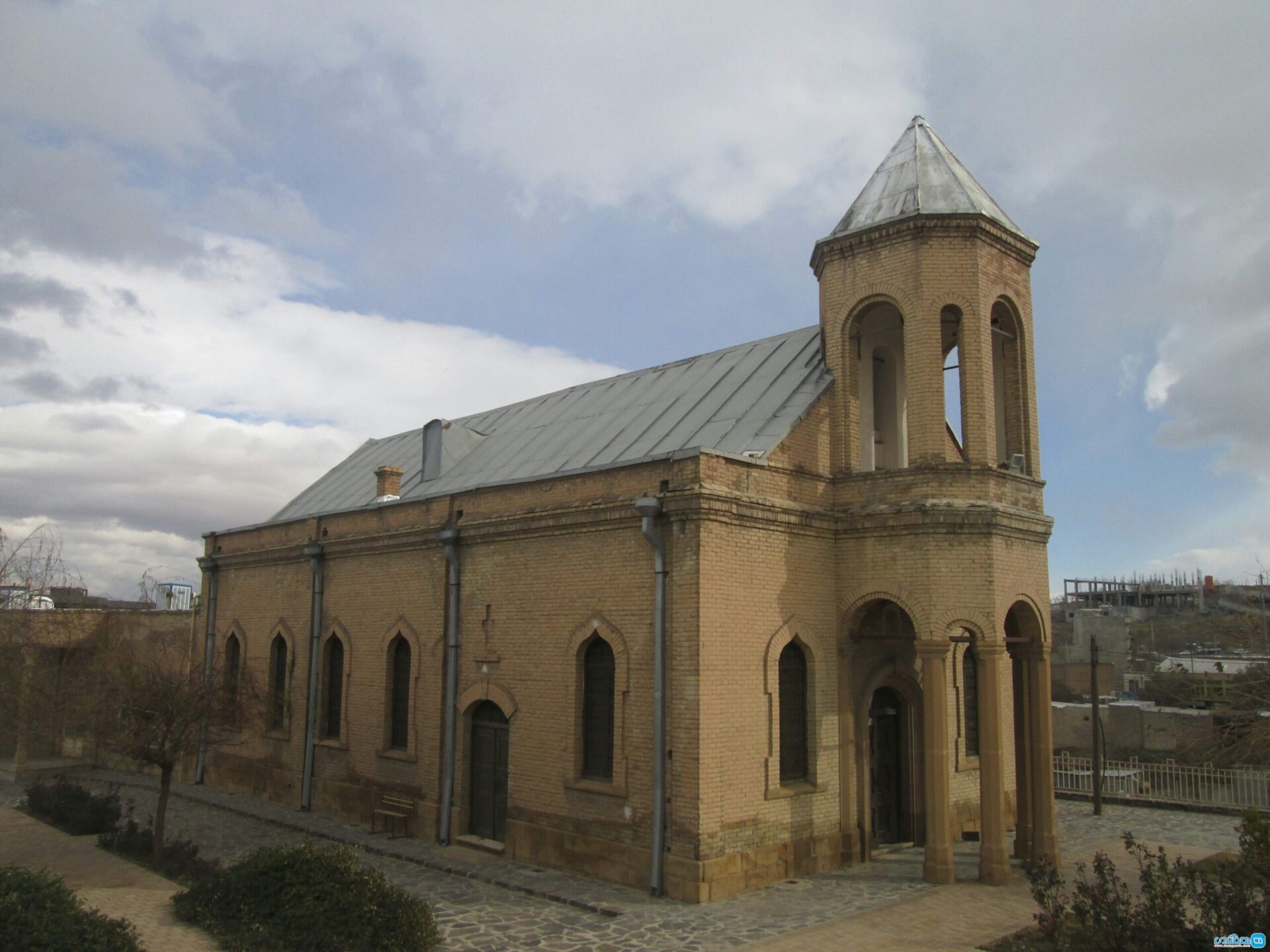
Stepanos Church in Western Iran

Stepanos Church in Western Iran

The Gregorian church of Stepanos in western Iran was built in 1676 by a group of Armenians who hailed from Isfahan and some Russian businessmen and immigrants based in Hamedan.

The church has now turned into a museum in Ecbatana [an ancient city in Media in western Iran].

The Orthodox church of Saint Mary, which was built after the construction of the Protestant church of Stepanos, is also located in eastern Ecbatana in a predominantly Armenian neighborhood of Hamedan.

Images of Stepanos Church posted online by Fars News Agency and Hamgardi website: