Sunday, December 21, 2025
Home Blog Page 4666

ISIL presence in Turkey ‘not unlikely,’ Iran’s Rafsanjani says

Rafsanjani-Turkey

Iran’s Ali Akbar Hashemi Rafsanjani warns the Turkish ambassador in Tehran of ISIL presence in the neighboring country.

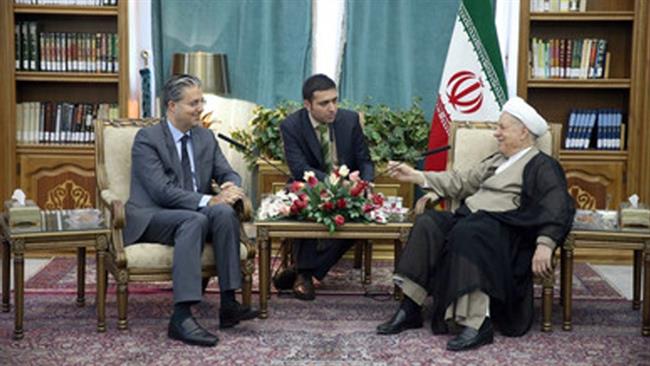
The chairman of the Expediency Council met with Hakan Takin in the Iranian capital on Wednesday, calling on Ankara to watch out for the Takfiris.

“It is not unlikely for Daesh [the Arabic term for ISIL] to have built bases for itself in Turkey” since its emergence in the Middle East, Hashemi said, likening the regional situation to “poison” that can harm the Turkish society.

The Takfiri terrorists have been wreaking havoc in Syria and subsequently Iraq, after their infiltration into the region through Turkey and Jordan.

The senior Iranian politician said Turkey’s “important parties” should be “serious” in running the country and put “national interests” on top of their agenda.

He also commented on Tehran-Ankara ties, warning, “It is evident that (hidden) hands are at work to ruin relations between the two states.”

Rafsanjani called for more bilateral cooperation, noting that it would “strengthen and sustain internal security” in both courtiers.

Iran-Saudi ties

In response to Takin’s question regarding Tehran’s ties with Saudi Arabia, Hashemi said “Iran has declared several times that it seeks to expand relations in an atmosphere of mutual respect especially with Muslim and neighboring states.”

“In practice, we have proven that we cause no trouble for regional states and they (Saudis) should not be deceived by the Zionists.”

The Turkish envoy, for his part, said regional powers should “negotiate” despite differences, which he described as “natural”, otherwise it would pave the way for the “presence and intervention of foreign forces in the region.”

Tehran’s concerns

Turkey is currently engaged in battles with Kurdistan Workers’ Party (PKK) militants in Iraq and has been targeting alleged position of the Daesh Takfiris in Syria, which has made the east of the country relatively insecure.

On August 7, an Iranian bus was attacked in the Dogubayazit district of the eastern Agri province and its driver was fatally shot.

An Iranian truck carrying bitumen was also set on fire in the region late on August 11.

A senior Iranian Foreign Ministry official voiced Tehran’s concerns over the situation there, specifically in regard to terrorist attacks against Iranian nationals and vehicles, in a Wednesday meeting with Takin.

“We are also concerned… and pursue the matter seriously,” said the envoy, vowing to declare the results immediately.
Highlights of Ettela’at newspaper on August 20

Ettelaat Highlights-post

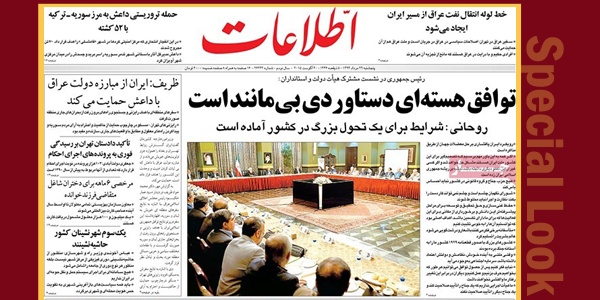
 “The nuclear deal is a unique achievement,” President Rouhani told a joint meeting of his Cabinet and governors general from across the country.

He further said that the stage is set for major transformation in the country.

 A pipeline will be built to transfer Iraqi oil through Iranian soil.

The Iraqi ambassador to Tehran said that political reforms that have the support of the Iraqi people are underway in his country.

 IS terrorists have mounted an attack on Turkey-Syria border, killing 52 people.

The suicide attack that targeted a Kurdish security center left an additional 70 wounded.

 “Iran supports the Iraqi government’s fight against IS,” Foreign Minister Mohammad Javad Zarif said.

He further said that his recent regional tours have been aimed at consulting with regional leaders and finding a way out of the ongoing crises in the region.

 Tehran’s prosecutor has underlined the immediate implementation of verdicts issued by courts in the capital.

He further said that the rulings in 102,000 cases, some dating back to at least four years ago, are waiting to be implemented.

 A six-month leave for women who seek to adopt children.

The announcement was made by the deputy director of the Welfare Organization.

 A third of urban dwellers in the country live on the edges of cities.

The minister of roads and transportation said that currently there are no proper systems for suburban transportation in place.

Iran ready to work with Germany to resolve Mideast crises

Amir Abdollahian-Germany

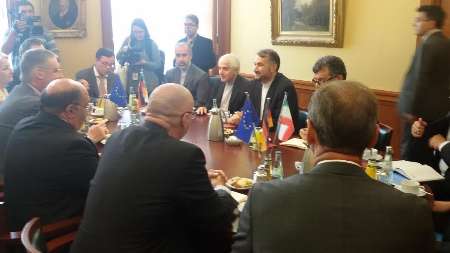
Iran is ready to step up its cooperation with Germany to resolve the crises in the Middle East, Iranian Deputy Foreign Minister for Arab and African Affairs Hossein Amir Abdollahian said in Berlin on Wednesday.

Amir Abdollahian, who was meeting with his German counterpart Markus Ederer at the German Foreign Ministry, was joined at the talks by the head of the Iraq department at the Iranian Foreign Ministry and Iran’s Ambassador to Germany Ali Majedi.

He pointed to Berlin’s positive approach in settling regional crises and stressed that both countries have common viewpoints when it comes to a realistic political solution to the crises in the Middle East.

Abdollahian further said it could be the basis for boosting bilateral consultations which in turn could result in an effective and constructive cooperation.

He also outlined Tehran’s views on regional crises, especially in Syria, Iraq and Yemen.

The Iranian diplomat expressed concern over attempts by certain regional players who are using terror groups for their own political objectives.

Meanwhile, the German deputy foreign minister who was accompanied in his talks with Abdollahian by Political Director of the German Foreign Ministry Sabine Sparwasser and Regional Director for the Middle East and Maghreb, Miguel Berger, expressed concern over the ongoing crises in Syria and Yemen and the growing terrorist activities in those countries.

Ederer said the Iranian nuclear agreement actually paved the way for cooperation between Germany and Iran in stabilizing and pacifying the Mideast.

He underscored the importance of continuing and intensifying bilateral cooperation geared at resolving regional crises.

Earlier in the day, Abdollahian held talks with top German Chancellery officials focusing on the latest developments in the Middle East.

Abdollahian is scheduled to depart Germany on Thursday for political meetings in Switzerland.

Iran parliament elects members of JCPOA Committee

Parliament-Iranian

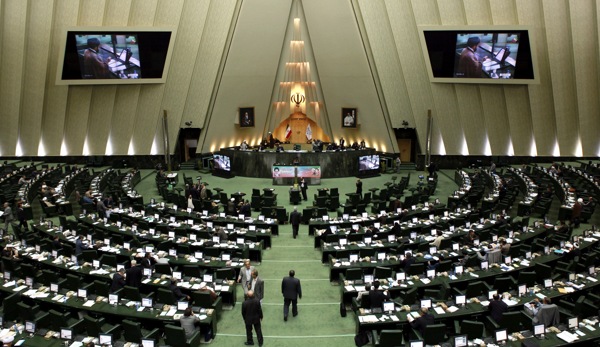
The Iranian parliament has appointed 15 lawmakers as members of an ad hoc committee tasked with reviewing the recent agreement reached between Tehran and P5+1 over the Islamic Republic’s nuclear program.

An open session of the chamber on Wednesday elected, in an in-house vote, 15 of the 24 lawmakers who had volunteered to be members of the committee.

Among members of the committee are First Vice-Speaker Mohammad Hassan Aboutorabi-Fard, Hossein Naghavi Hosseini and Esmail Kowsari, both members of the National Security and Foreign Policy Committee, as well as Alaeddin Boroujerdi, the chairman of the National Security and Foreign Policy Committee.

The decision to form the committee was made after Iranian Foreign Minister Mohammad Javad Zarif attended a session of parliament one week after the conclusion of the agreement to hand over a copy of the agreement and brief the lawmakers on it.

[…]

The election of the members of the ad hoc committee comes as there are arguments about institution should ratify the agreement. Both parliament and the Supreme National Security Council are considered to be entitled to having the final word on the agreement.

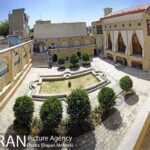
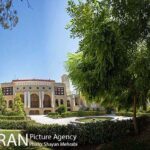
Kazemi Mansion in Tehran (PHOTOS)

Kazemi Mansion0

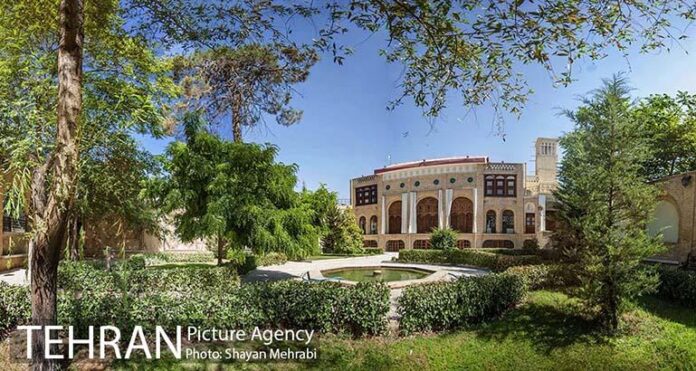
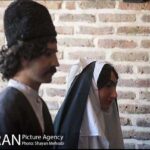
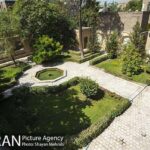
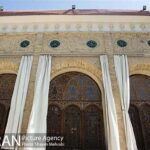
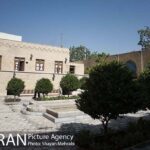
Kazemi Mansion is a historical house in the vicinity of a holy site in an old neighborhood in southern Tehran.

The century-old building is 2,033 square meters in area and was owned by Mirza Seyyed Kazem, who became a civil servant under Mohammad Shah Qajar. Later during Naser al-Din Shah Qajar’s reign, he was put in charge of the Royal Stable.

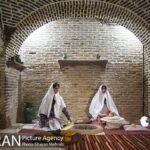
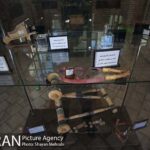
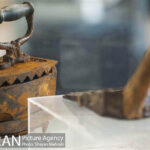
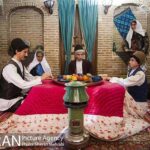
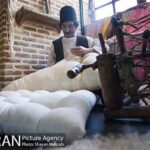
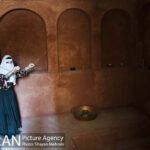
As part of an anthropology project, Tehran Municipality has put on display in the mansion a number of models and dolls which represent the jobs and traditions of the people who lived in Tehran 150 years ago.

Snapshots of the mansion released by tpaa.ir:

Had it not been for General Soleimani, Iraq would have failed

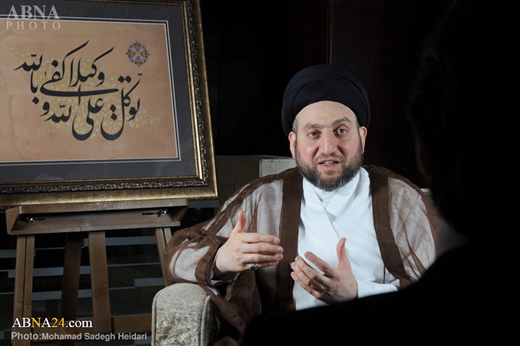
Hakim01

The head of the Islamic Supreme Council of Iraq (ISCI) has said that Iraq would not have been able to stand up to terrorist groups if Iranian forces, led by [Commander of IRGC’s Quds Force] Major General Ghasem Soleimani, had not helped the country.

Ammar al-Hakim made the remark in an interview with AhlulBayt News Agency (ABNA) on August 18 and added that Iran’s assistance has contributed a lot to the improvement of conditions in his country. The following is the translation of what else the visiting Iraqi cleric and politician said in the interview:

Terrorism in Iraq

Over the past ten years, Iraq has been targeted by different terrorist groups such as the one led by Abu Musab al-Zarqawi who was succeeded by Abu Omar al-Baghdadi after his death.

During the transition of power in the terrorist entity, only the Shiites made losses because they were branded [by the terrorists] as Rafida [a derogatory term used by Salafis to refer to Shiite Muslims].

Any new terrorist group which emerged in Iraq tried to act more violently than its predecessors. The state of affairs in Iraq and the threat of terrorism – which haunted the country – did not improve even with the American boots on the ground. The US forces failed to turn the tide in Iraq.

Following the departure of US forces from Iraq and the formation of a nascent Iraqi Army, Alqaeda terrorists found the conditions ripe to enter Iraq. The weakness of certain Iraqi politicians was to blame for this.

Alqaeda used divisive measures as a tool. The terror group paved the way for its infiltration into Iraqi soil by creating a gap between Sunnis and the Iraqi government and spreading rumors that the government overlooked the problems of the Sunni-dominated areas.

How is it possible for 300 ISIL terrorists to force as many as 90,000 fighters to abandon the city and leave behind their military hardware? To develop a better understanding of the situation on the ground then, I should say that the predominantly Sunni cities were in the hands of ISIL at nights and were run by the government during the day, but it did not take long before the city of Mosul fell.

We have to wait for the result of investigations into what really happened [in Mosul]. What is good about such investigations is that they will reveal our weak points, both militarily and politically.
Things got worse by the day in Iraq in the wake of penetration of terror groups, but the tables were turned after Grand Ayatollah Seyyed Ali Al-Sistani [a Shiite source of emulation] released a fatwa and the country’s Popular Mobilization Forces – directly backed by Iran – fought with great bravery [against the terrorists].

The [US-led] international anti-ISIL coalition has not fared well. The question here is: how is it possible for 64 countries participating in this coalition with all their military hardware to fail to counter a small terrorist group such as ISIL? Given the formation of groups like the Taliban and Alqaeda, the presence of ISIL has always been the trump card for these countries in the region, so how can they possibly dispense with their own trump card?

ISIL, building on these countries’ support, sells oil in global markets. Is it possible to do so without someone’s support? This coalition is expected to act against terrorism the way we want, not their own way.
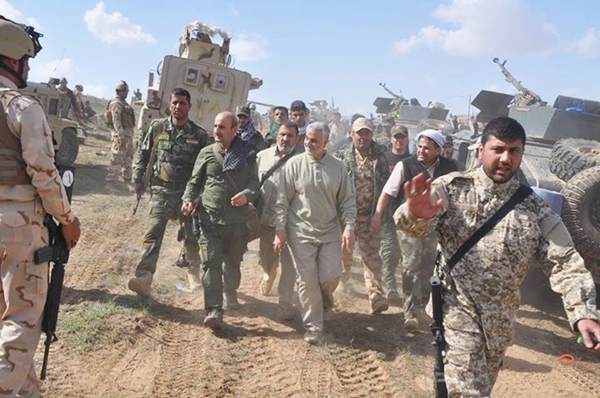
Undoubtedly, Iran was the first country to support us in trying times. The religious fatwa and assistance by Iran’s forces led by Ghasem Soleimani greatly helped improve the Iraqi situation. Everybody knows that Iraq would have been unable to resist if General Soleimani and his colleagues had not offered consultation to us.
 

Soleimani

Yemen

As the Supreme Leader of the Islamic Republic of Iran has put it, nations are the [ultimate] winners. People in Yemen can help their country get out of this tough situation. A diplomatic solution is needed in Yemen. If Saudi Arabia is seeking to help Yemen, it should do so by treating the Yemenis humanely, not killing people there.

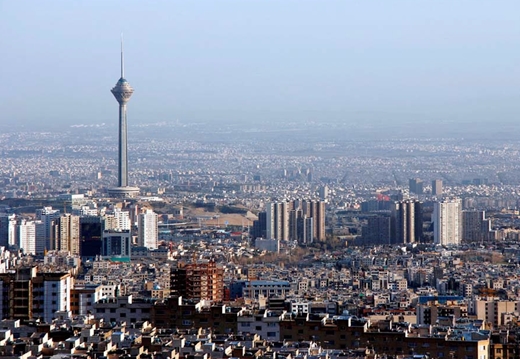
Iran’s capital relocation plan rejected

Tehran-Capital

The Ministry of Roads and Urban Development (MRUD) has announced that a plan to move the capital from Tehran has been rejected.

After releasing a 239-page report, the ministry said that a meeting chaired by the first vice-president has unanimously dismissed the transfer of the country’s political capital, citing the results of a research conducted by the ministry.

In a report on August 18, Fararu.com quoted news.mrud.ir as saying that for years the question of moving the capital was a talking point for media, officials and members of the general public. The following is the translation of the report:

One year after the end of the Sacred Defense [the Iraqi-imposed war] (1988), a number of Tehran residents began to complain about the lack of urban services in the city and the inattention of the capital’s managers to its development. Eventually, those complaints turned an urban question – which needed the attention of mid-level management – into an issue of macro-managerial proportion. As a result, the then government held multiple sessions bringing together officials and experts at the Council on Supervision of Tehran’s Development and raised the question of moving the capital.

Since then, the question of the transfer of the capital has been repeatedly put forward. A number of MPs of the ninth parliament introduced a motion on the relocation of the capital in the Councils and Internal Affairs Committee and when the committee adopted the motion, they put it forth on parliament floor [for debate].

For some reasons, the proponents of the motion outnumbered its opponents on the floor. Although the Islamic Consultative Assembly’s Research Center had – years ago – built on compelling evidence to prove that such relocation is not to the benefit of the country, the supporters of the new capital insisted on their own motion.

Afterward, the Iranian parliament approved new legislation on the formation of a committee comprising representatives from different cultural, political, military, economic, developmental, social and security bodies which gavethe government a few months to carry out feasibility studies into the movement of the capital.

The 239-page report – which was reviewed in the meeting also attended by a host of MPs, Cabinet ministers, Tehran’s governor general, the head of Tehran’s City Council as well as senior experts from the University of Tehran – was handed over to the top Iranian officials.

Iranian students launch campaign to make education for Afghan peers easier

afghan

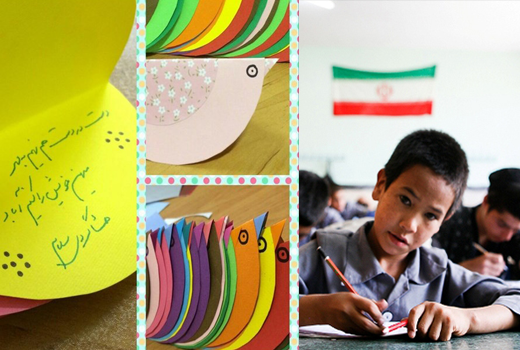
A group of high-school girls from across Tehran has launched a campaign to make access by Afghan students to education in the upcoming school year easier.

This year is a special year for Afghan children, because under a recent order by the Supreme Leader, even undocumented Afghan children can sign up for school in Iran.

The following is the translation of a report by Tasnim News Agency on what the Iranian girls are doing to help the Afghan students:

Young Iranian girls have got together with the hope of fixing the financial problems facing Afghan children as far as education is concerned.

Parwan, an Afghan province with lovely weather, is the name the young activists have picked for their campaign. It represents affinity between the two nations.

Parwan activists, who launched their campaign about four years ago, visit self-run Afghan schools and help them provide better education to Afghan children.

These girls, whose efforts have become more concentrated over the past two years, are to hold a second charity food event in Tehran on August 20. Its proceeds will go to efforts to improve education for Afghan students.

Parwan is a spontaneous campaign which is financed by small funds these Iranian girls raise.

Over the years, the high-school girls have contributed a lot to young Afghan refugees through provision of help and equipment to self-run Afghan schools.

Despite all the problems Afghan refugees are wrestling with these days, these measures by Iranian students put across a message: “Iranians view the problems of Afghan refugees as their own”.


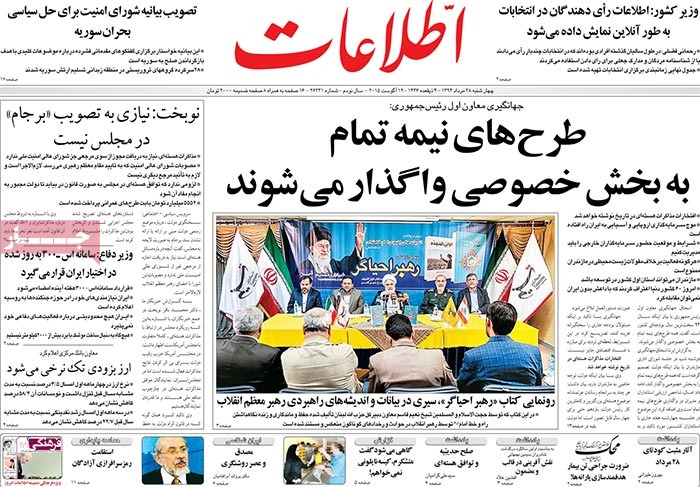
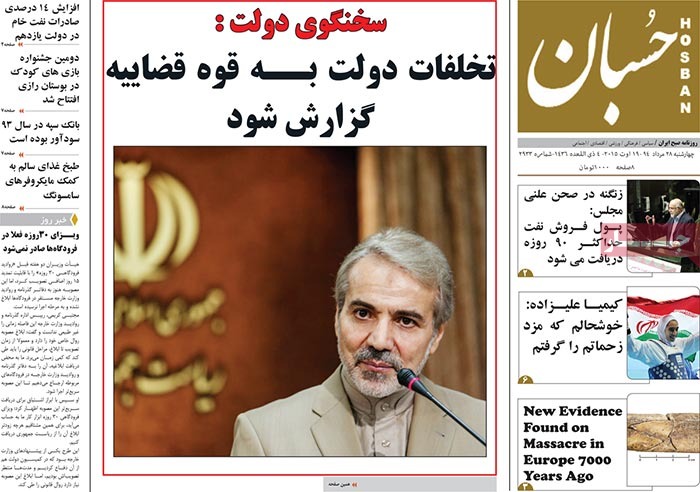
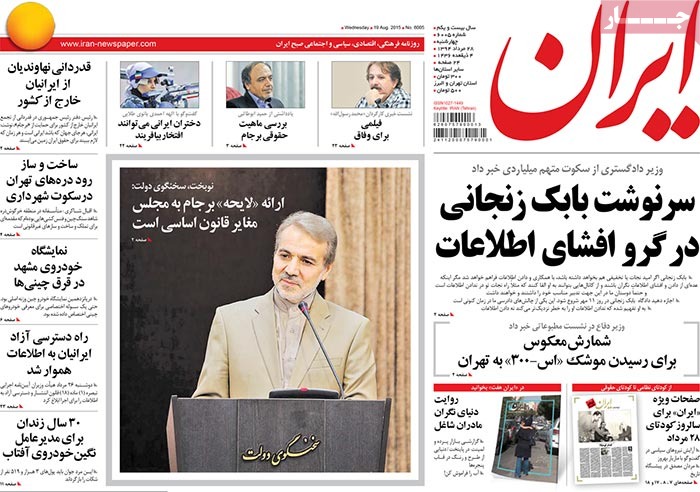
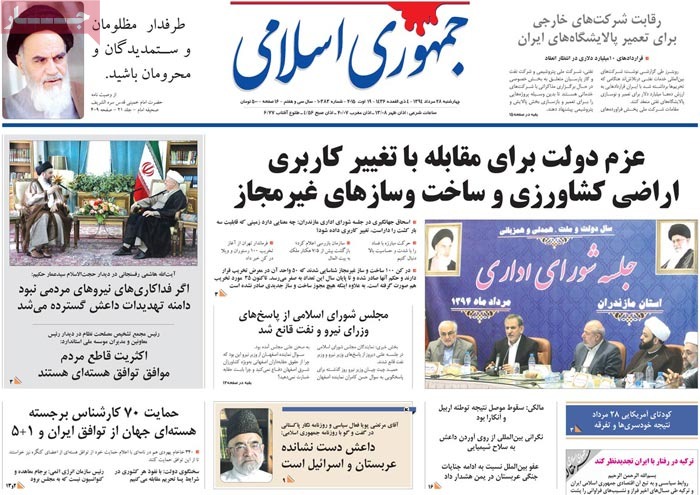
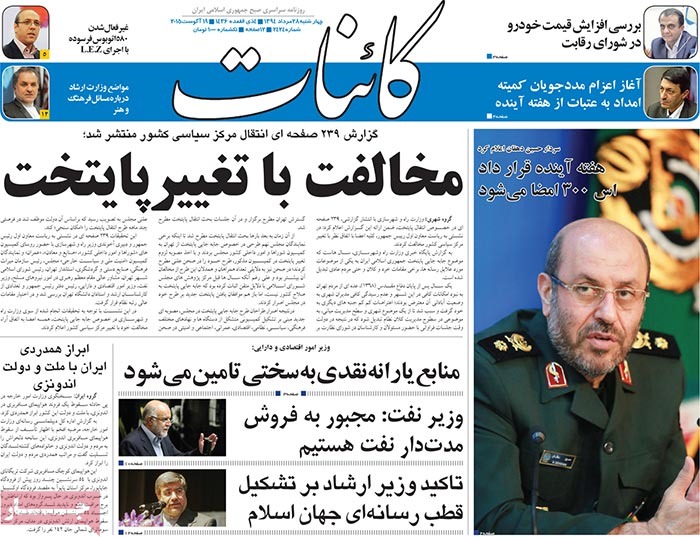
A look at Iranian newspaper front pages on August 19

Iranian Newspapers Headlines

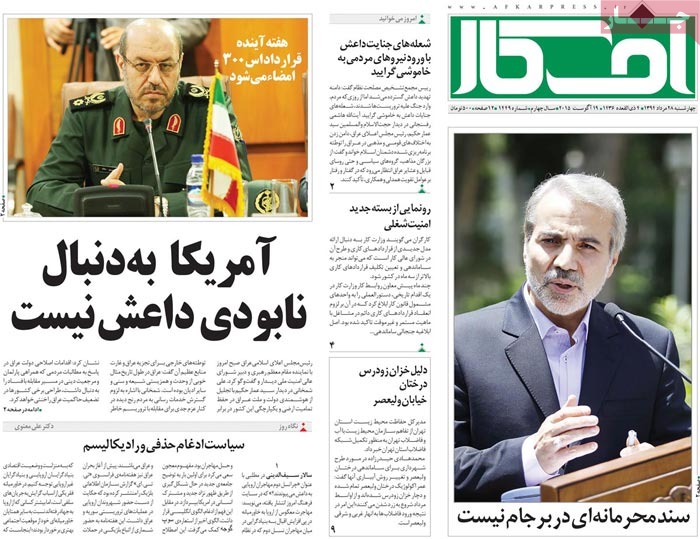
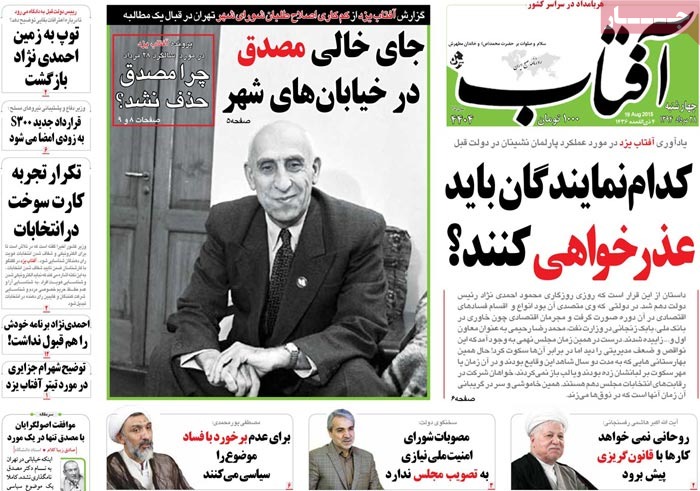
The comments of the government spokesman about parliament’s role in the approval of the Joint Comprehensive Plan of Action and those of the defense minister about the delivery of S300 missile defense system by Russia to Iran dominated the front pages of Iranian newspapers on Wednesday.


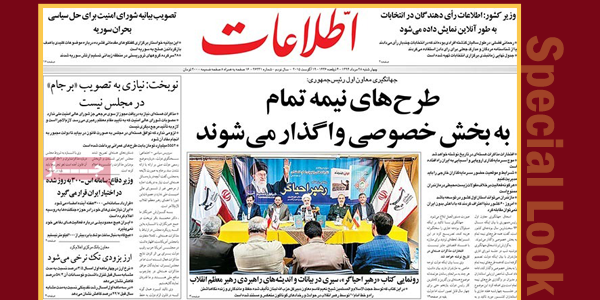
Ettela’at: “Unfinished projects will be given to the private sector to be completed,” First Vice-President Eshagh Jahangiri said.

He further said what Iran achieved in nuclear talks will go down in history.


Afkar: “With the arrival of popular forces on [Iraqi] battlefronts, the flames of IS atrocities began to die down,” said Ayatollah Hashemi Rafsanjani at a meeting with the head of the Islamic Supreme Council of Iraq.

Afkar: “The Joint Comprehensive Plan of Action contains no secret sections,” said the Iranian government spokesman.


A look at Iranian newspaper front pages on August 19


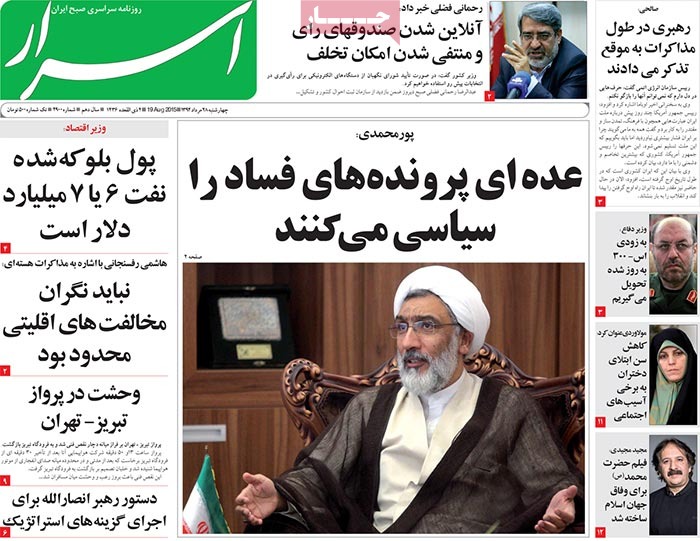
Aftab-e Yazd: “Some are politicizing things to allow corruption [cases they have been involved in] to slip through the net,” said Justice Minister Mostafa Pour-Mohammadi.


A look at Iranian newspaper front pages on August 19


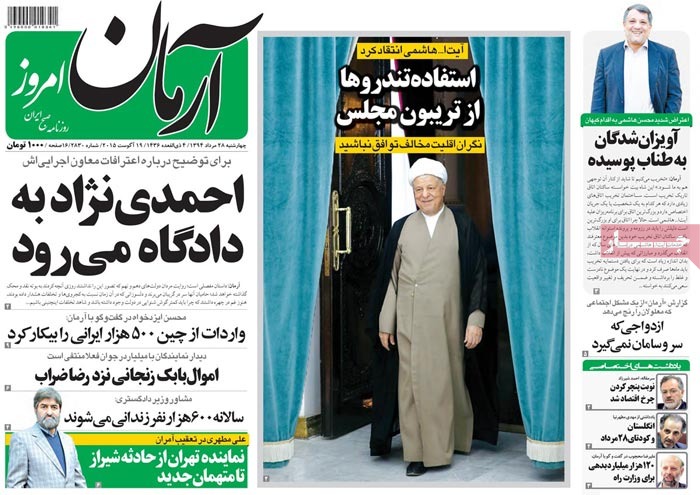
Arman-e Emrooz: Ahmadinejad is [likely] to appear in court to answer for the confessions made by his executive deputy.

Arman-e Emrooz: Imports from China have cost 500,000 Iranian jobs.

Arman-e Emrooz: “As many as 600,000 individuals are imprisoned each year,” said an advisor to the justice minister.


A look at Iranian newspaper front pages on August 19


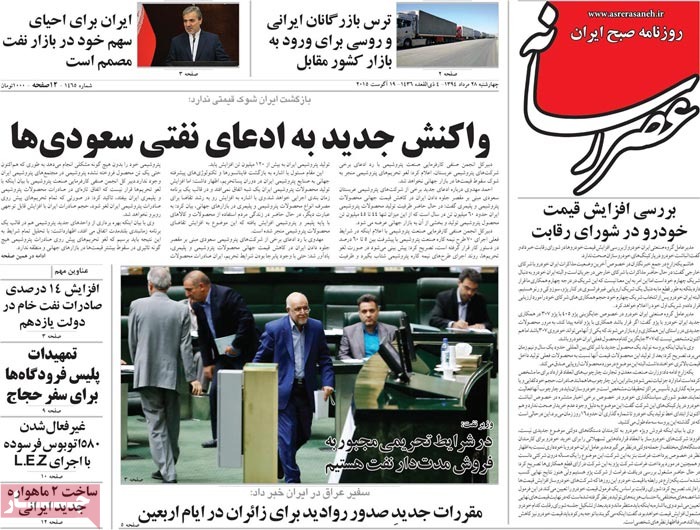
Asr-e Rasaneh: Crude exports have been up 14 percent ever since the 11th government took office [in 2013].


A look at Iranian newspaper front pages on August 19


Asrar: “Throughout the talks, the Supreme Leader advised us whenever deemed necessary,” said Iranian nuclear negotiator Ali Akbar Salehi.

Asrar: “We should not be worried about the opposition of a small minority [to the nuclear deal],” said Chairman of the Expediency Council Akbar Hashemi Rafsanjani.

Asrar: “Muhammad has been produced to promote Islamic solidarity,” said Majid Majidi, the director of the film.


A look at Iranian newspaper front pages on August 19


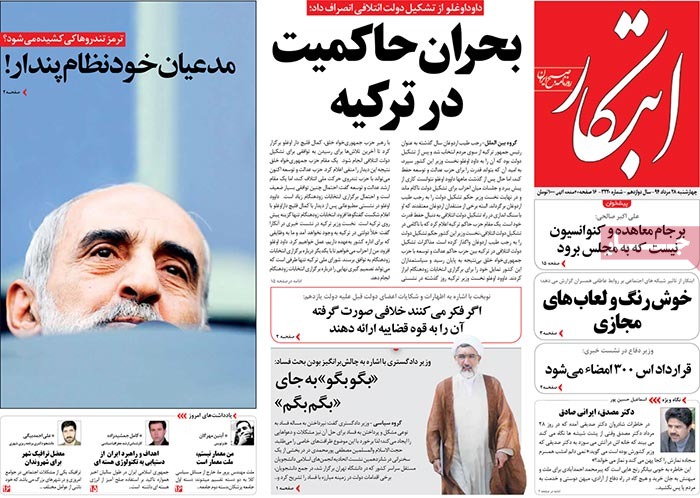
Ebtekar: Leadership crisis in Turkey

Ahmet Davutoglu has abandoned efforts to form a coalition government.


A look at Iranian newspaper front pages on August 19


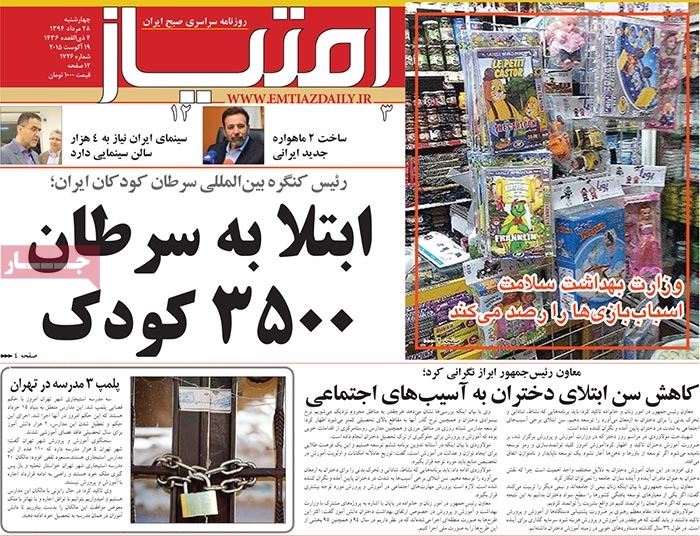
Emtiaz: The vice-president for women and family affairs has expressed concern about the drop in the age of girls’ exposure to social harms.


A look at Iranian newspaper front pages on August 19


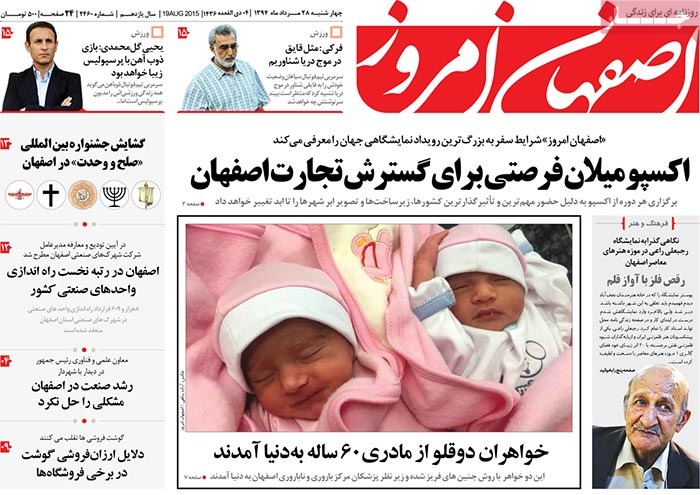
Esfahan Emrooz: A 60-year-old woman has given birth to twins.


A look at Iranian newspaper front pages on August 19


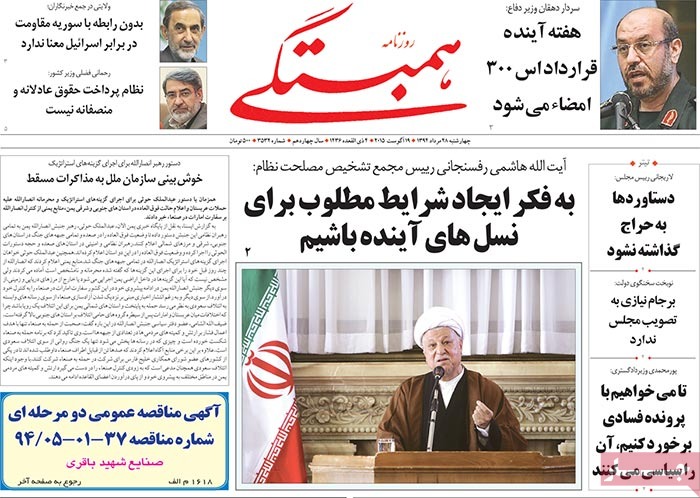
Hambastegi: “The achievements of the country should not go under the hammer,” said the parliament speaker.


A look at Iranian newspaper front pages on August 19


Hosban: The government spokesman has called on [officials of the previous government that accuse the Rouhani administration of acting against the law] to report the alleged offenses to the judiciary.


A look at Iranian newspaper front pages on August 19


Iran: President Rouhani’s chief of staff has thanked Iranian expatriates for their support of the Iran nuclear deal.


A look at Iranian newspaper front pages on August 19


Jomhouri Islami: MPs found satisfying the explanations provided by the ministers of oil and energy [about the conduct of their respective ministries].

Jomhouri Islami: Seventy top nuclear experts in the world have supported the nuclear deal between Iran and P5+1.


A look at Iranian newspaper front pages on August 19


Kaenat: The plan to move the political capital from Tehran has been rejected.


A look at Iranian newspaper front pages on August 19


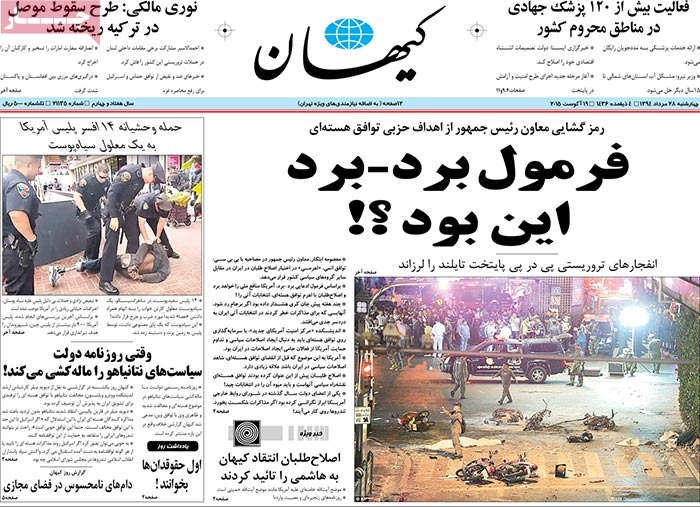
Kayhan: Was this the win-win formula you were talking about?!

The vice-president has admitted there have been partisan goals behind the nuclear deal.


A look at Iranian newspaper front pages on August 19


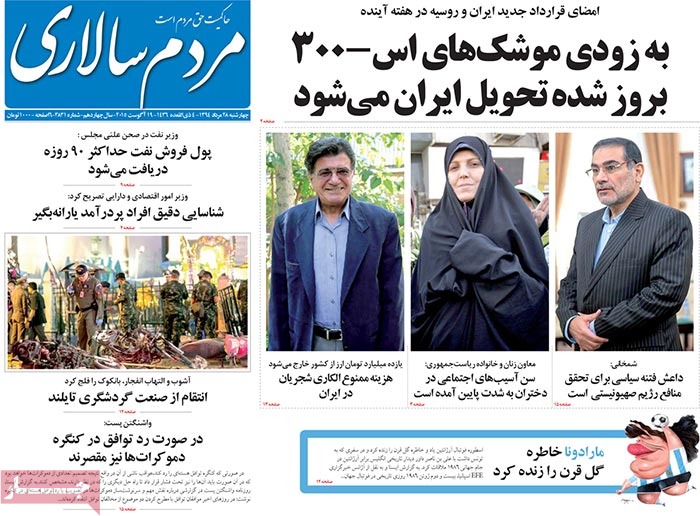
Mardomsalari: “IS is a political ploy to serve the interests of the Zionist regime,” said the secretary of the Supreme National Security Council.


A look at Iranian newspaper front pages on August 19


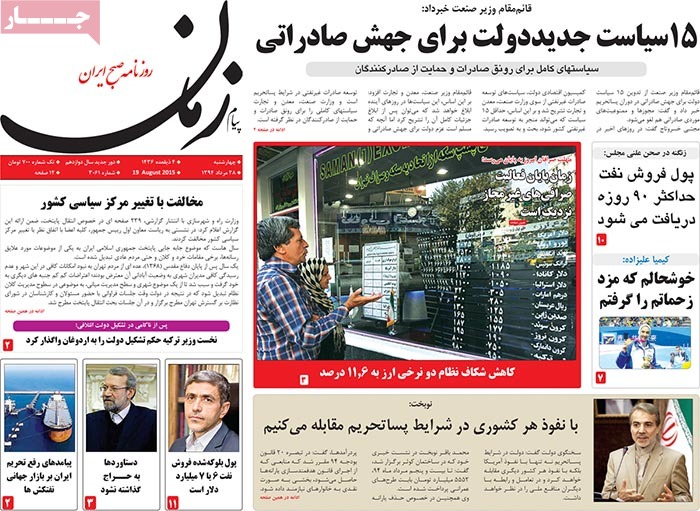
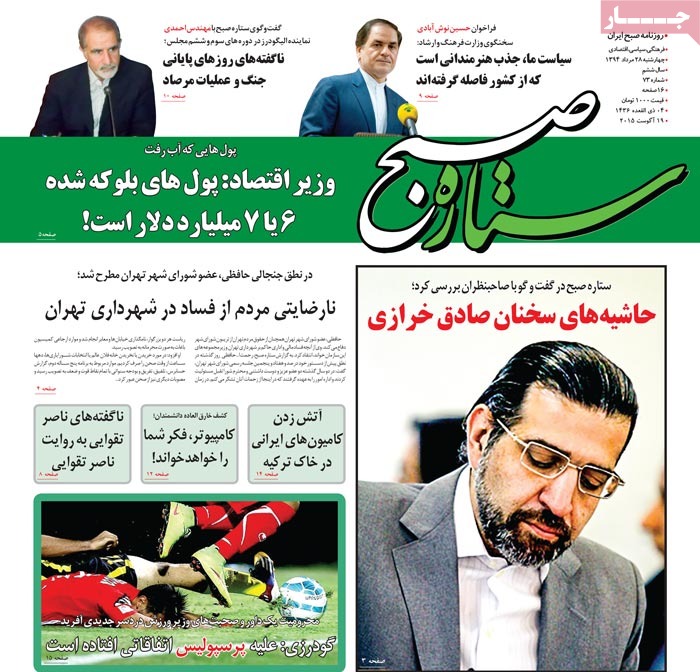
Payam-e Zaman: The Iranian economy minister has said that oil money frozen overseas because of sanctions is around $6-$7 billion.


A look at Iranian newspaper front pages on August 19


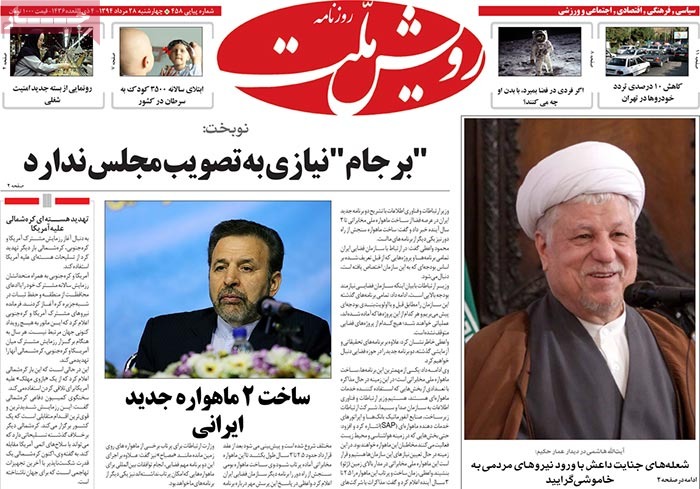
Rooyesh-e Mellat: “Iran is to build two new satellites,” said the minister of communications and information technology.


A look at Iranian newspaper front pages on August 19


Setareh Sobh: “Our policy is to woo artists who are away from home,” said the spokesman of the Ministry of Culture and Islamic Guidance.

Setareh Sobh: Iranian trucks have been set on fire on Turkish soil.


A look at Iranian newspaper front pages on August 19


Highlights of Ettela’at newspaper on August 19

Ettelaat Highlights-post

 “Unfinished projects will be given to the private sector to be completed,” First Vice-President Eshagh Jahangiri said.

He further said what Iran achieved in nuclear talks will go down in history.

 “Details of voters will be available to electoral authorities online [to prevent electoral fraud],” said the interior minister.

Rahmani Fazli further said that over the years there have been instances of individuals casting ballot more than once or using fake IDs to vote.

 The UN Security Council voted for a statement calling for a political solution to the Syrian crisis.

In another development, 28 leaders of terror groups operating in Syria surrendered to the Syrian Army.

 “The Joint Comprehensive Plan of Action does not need to be approved by parliament,” said Government Spokesman Mohammad Bagher Nobakht.

 The defense minister has said that an updated version of Russia’s S300 will be delivered to Iran.

The agreement on the delivery of the missile defense system will be signed next week.

 The lieutenant governor of the Central Bank of Iran has said that a single foreign exchange rate will be introduced shortly.

He further said liquidity growth in the first quarter was down 22.7 percent over corresponding period last year.

 A Revivalist Leader, which takes a close look at the strategic thoughts of the Supreme Leader, has been unveiled.

The book has been penned by Naim Qassem, the deputy secretary-general of Lebanon’s Hezbollah Movement.