Thursday, December 25, 2025
Home Blog Page 4633

UK to pay £50m to British companiese seeking to work in Iran

UK Export Finance has reintroduced cover to support UK companies seeking to compete for business in Iran, the agency said in a statement on Sunday.

Cover is now available on a case-by-case basis in Pounds Sterling and Euros. Within this, and in recognition of the UK’s place as a global centre of excellence for financial and professional services, UKEF will make available a £50 million facility guaranteeing payments to UK professional advisory service providers advising the government of Iran.

This can cover advice on areas such as: accounting standards; capital market development; compliance with global regulatory requirements; accessing and reducing the cost of financing; and facilitating new trade. UKEF will also consider applications for direct lending to purchasers of British exports to Iran.

To improve UK-Iran trade, UKEF will work directly with the Export Guarantee Fund of Iran and the Iranian Ministry of Economic Affairs and Finance.

Minister for Trade and Investment, Lord Francis Maude, said:
The UK government fully supports expanding our trade relationship with Iran and we would encourage UK businesses to take advantage of the commercial opportunities that will arise from sanction relief. Following the reopening of the British Embassy in Tehran in August last year, UKTI now has a presence on the ground to support trade between our 2 countries.

UK Trade and Investment and UK Export Finance will be leading a whole of government approach to engage with UK companies to ensure that we are well equipped to benefit from increased trade with Iran as the country re-establishes itself within the international business community.

Iran has received extensive economic and financial sanctions relief as a result of meeting its obligations under the nuclear deal agreed on 14 July 2015, meaning the country is now able to trade more freely.

On 16 January Implementation Day was triggered following the verification by the International Atomic Energy Agency of Iran meeting its requirements as part of a comprehensive agreement on Iran’s nuclear program. This has resulted in the termination of EU nuclear related financial and economic sanctions, and the suspension of US nuclear related secondary financial and economic sanctions.

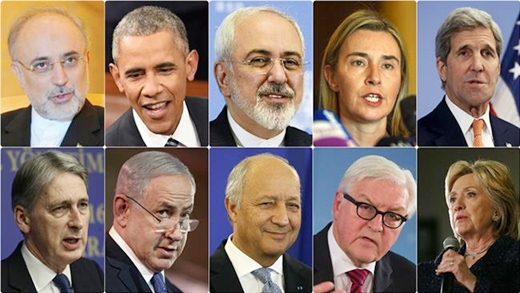
The Implementation Day started when Iran’s Foreign Minister Mohammad Javad Zarif and the EU Foreign policy chief Federica Mogherini read a joint statement in Vienna, Austria.
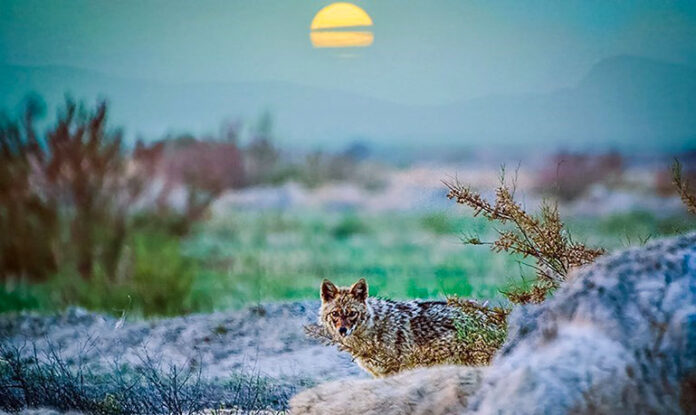

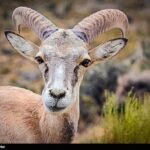
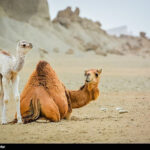
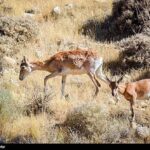
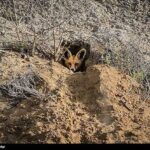
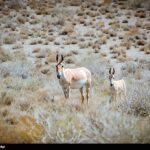
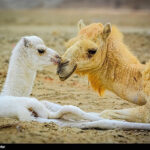
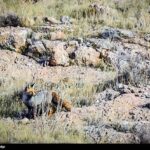
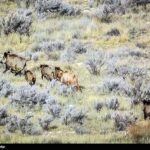
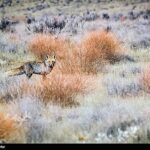
National Animal Day Marked in Iran (PHOTOS)

In ancient Persia, people celebrated a day named “Bahmanagan” in which they did not eat any type of meat. Environment and animal rights activists have now named the day “National Animal Day”, which is annually marked on January 16 to protect the rights of animals.


6 Iranian films vying in 14th Pune Intl. filmfest.

The Pune International Film Festival, established in 2002 and now enjoying its 14th year, has given its silver screen in its latest edition to six Iranian film productions.

The short film ‘Elegy’ directed and written by Yousef Kargar, is participating in the Volkswagen International Student Competition: Live Action section. The film narrates the story of an old man who has been waiting for the return of his missing son for 25 years.

In the Global Cinema section, ‘I Am Not Angry!’ by Reza Dormishian, ‘Risk of Acid Rain’ by Behtash Sanaeiha, and ‘Avalance’ by Moreza Farshbaf are competing with other titles.

‘Risk of Acid Rain’ which has been screened in many international film festivals and garnered several awards, narrates the story of a lone employee of a tobacco company after retirement. Writer Mohammad Shams Langerudi also stars in the film.

‘Taxi’ by Jafar Panahi and ‘Immortal’ by Hadi Mohaghegh will be screened in Asian Cinema and World Competition sections, respectively.

The 14th Pune International Film Festival (PIFF) is currently underway in India, from 14-21 Jan, 2016.

Iranian book among best sellers on ISIL

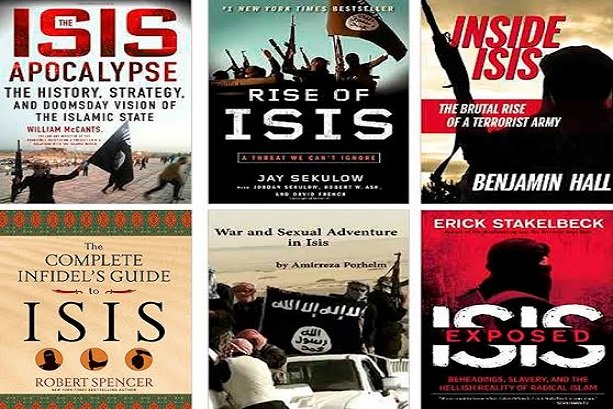
‘War and Sexual Adventure in ISIS’ written by Iranian author Amirreza Porhelm was released by the American publication ‘Supreme Century’ in English language in April 2015 and reached global book networks sooner than any other title on the same topic.

Other books on the ISIL that were published months after Porhelm’s include ‘The Complete Infidel’s Guide to ISIS’ by Robert Spencer, ‘The ISIS Apocalypse’ by William McCants,  ‘Rise of ISIS’ by Jay Sekulow, ‘Inside ISIS’ by Benjamin Hall, and ‘ISIS Exposed’ by Eric Stakelbeck.

The Persian translation of Porhelm’s book titled ‘ISIS and Jihad Al-Nikah’ was published in May 2015 and received enthusiastically by Iranian readers.

‘War and Sexual Adventure in ISIS’ depicts the atrocities committed by ISIL and the enslavement of women and the process of brainwashing and deceiving people into carrying out suicidal attacks for a chance to go to heaven.

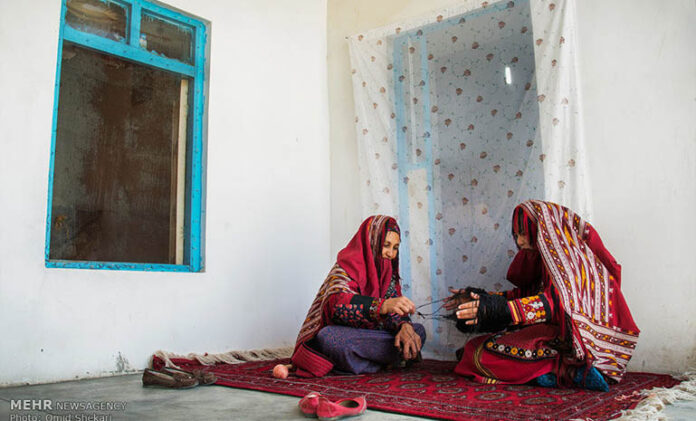
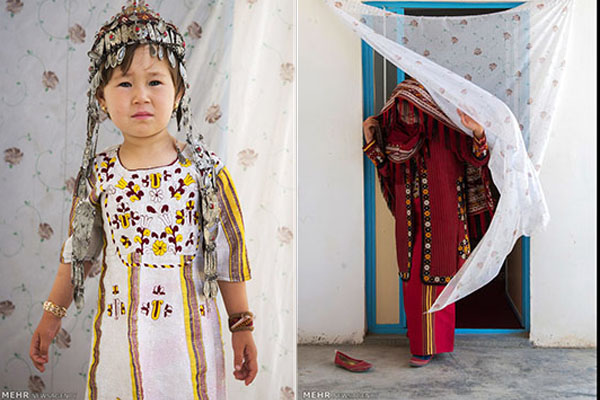
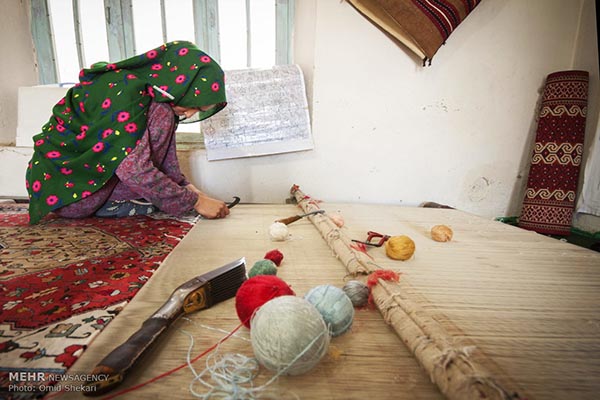
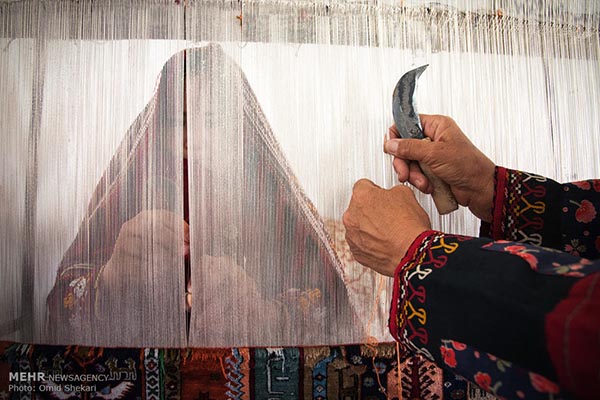
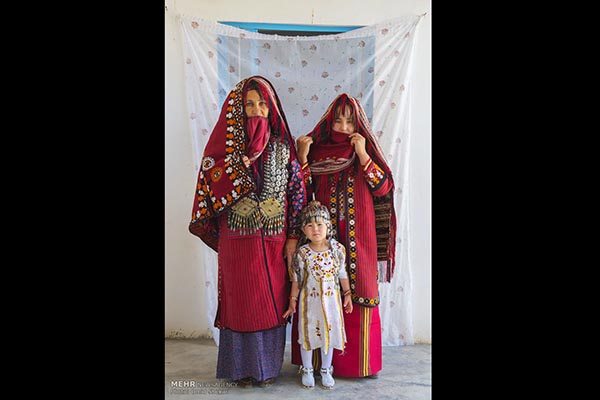
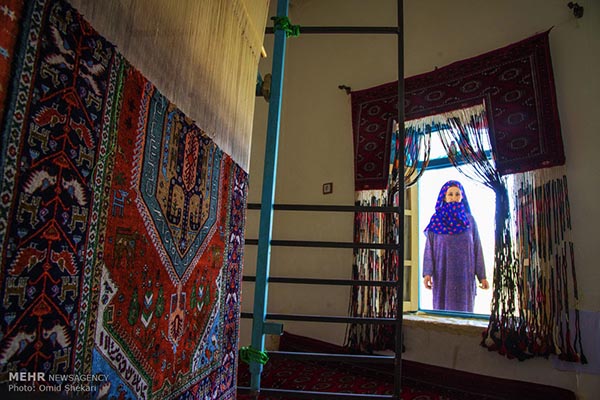
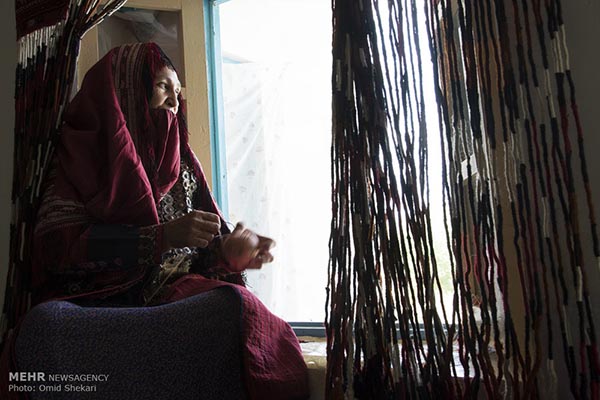
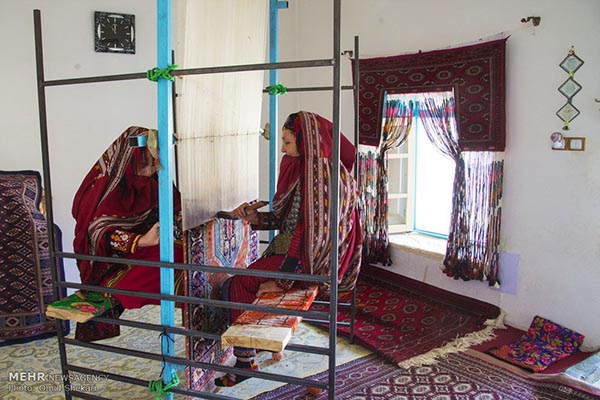
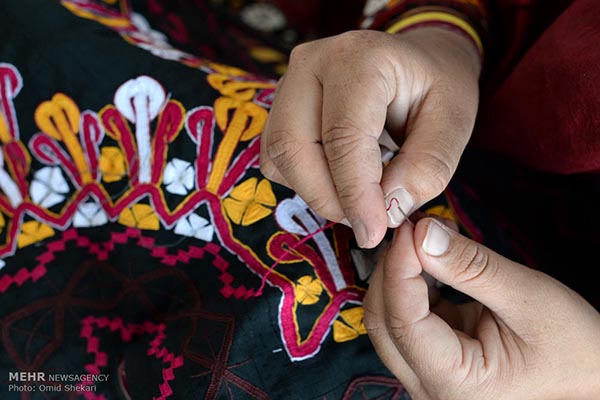
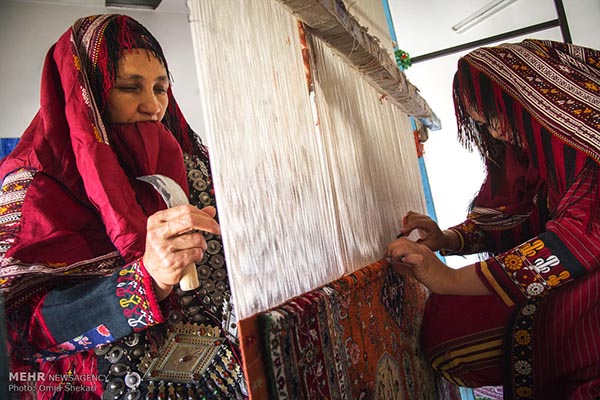
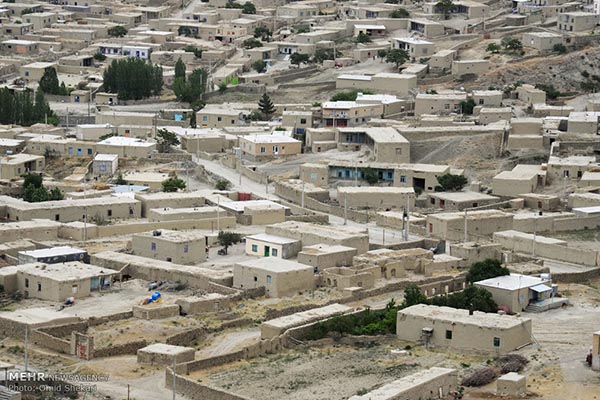
Doidukh village (PHOTOS)


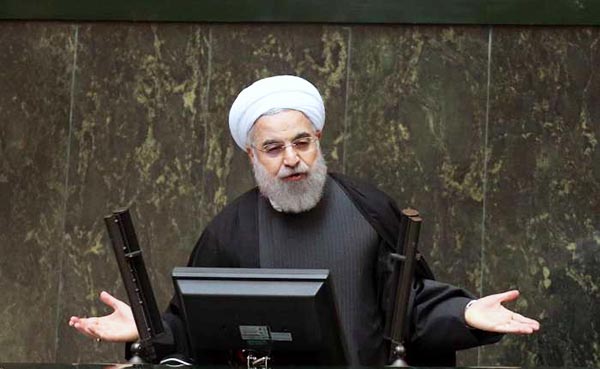
Rouhani: Everyone happy with JCPOA except Zionists

Addressing the Iranian parliament here on Sunday morning, the President said no one suffered any defeat neither in nor out of Iran due to nuclear agreement except for the Zionists, those who are seeking to sow discord within the Islamic Ummah and also extremist lobbies inside the United States.

He said the JCPOA will pave the way for Iran to move towards progress, interaction with the world and coordination.

He also termed the nuclear talks as a golden page in the book of country’s history and said during the negotiations Iran managed to bring big powers to acknowledge its nuclear rights while at the same time foiling an Iranophobia scheme.

The President added removal of sanctions is a great opening for Iran’s economy as it will provide access to international banking services as well as high-tech resources to Iran and will enable the country to absorb direct foreign investment and increase its non-oil exports.

He went on to reiterate the importance of avoiding focusing on any marginal issues in a bid to help better implementation of the Joint Comprehensive Plan of Action (JCPOA).

Now in the post-sanctions era, he said, the government is going to focus on working out productive ways to use the released assets to enhance economy.

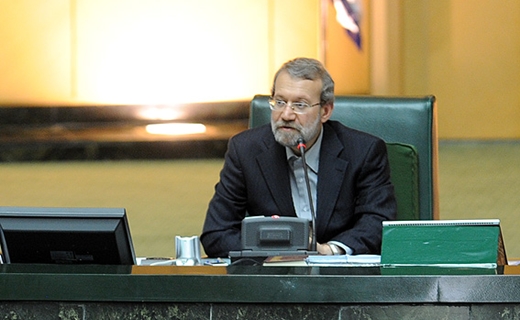
Larijani thanks Supreme Leader’s guidelines for settling nuclear issue

larijani

Larijani made the remarks in Majlis open session on Sunday.

President Hassan Rouhani is attending Majlis to submit budget bill for the next Iranian year beginning on March 20.

‘Today is an auspicious day for Iranian nation due to removal of anti-Iran sanctions,’ Larijani said.

Larijani also thanked President Rouhani and the negotiating team for their efforts to lift sanctions.

Yesterday, President Rouhani felicitated the Iranian nation on the occasion of removal of sanctions and the implementation of the Joint Comprehensive Plan of Action (JCPOA).

‘The JCPOA reached conclusion. I pray God … and congratulate you the great Iranian nation on the occasion of this victory,’ the President said in his Twitter account on Saturday.

The International Atomic Energy Agency (IAEA) released a report on Saturday, confirming that Iran honored commitments to the Joint Comprehensive Plan of Action.

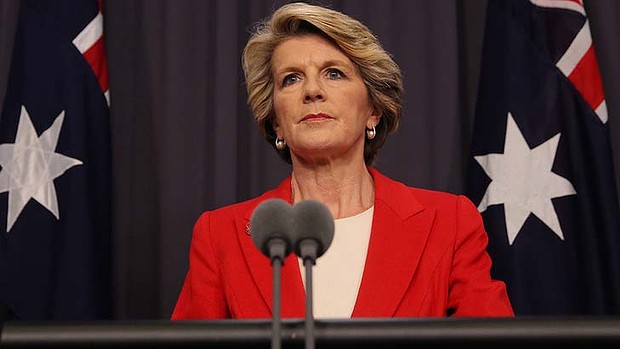
Australia to lift sanctions on Iran

“I welcome today’s announcement that Iran has met its commitments under the Joint Comprehensive Plan of Action nuclear deal,” said the Australian minister in a statement appeared on the country’s Foreign Ministry official website on Sunday.

“It is expected that sanctions on Iran, under UN Security Council Resolution 2231, will be lifted after the Security Council has received the IAEA report in coming days.

“The Australian Government will then move to lift relevant UN and certain autonomous sanctions, including economic sanctions.

“The easing of these sanctions will ensure that Australian business is not disadvantaged in pursuing opportunities in Iran.”

The Implementation Day started on January 16 when Iran’s Foreign Minister Mohammad Javad Zarif and the EU Foreign policy chief Federica Mogherini read a joint statement in Vienna, Austria, announcing the beginning of the implementation of the Joint Comprehensive Plan of Action (JCPOA).

The joint statement was read after the International Atomic Energy Agency (IAEA) chief Yukyia Amano released a report on Saturday, confirming that Iran honored its commitments to the JCPOA.

Beginning of the JCPOA implementation will pave the way for removal of all sanctions against Iran.

However, Bishop added that Australia “will continue to enforce sanctions on military exports for five years, and maintain restrictions on ballistic missile-related materiel for eight years.”

World’s response to implementation of Iran historic nuclear deal

During a joint press conference held  in Vienna late on Saturday, Iranian Foreign Minister Mohammad Javad Zarif and EU foreign policy chief Federica Mogherini announced that sanctions imposed on Tehran over its nuclear program have been lifted. The announcement was made after the International Atomic Energy Agency (IAEA) confirmed Iran’s commitment to the Joint Comprehensive Plan of Action (JCPOA).

“Today marks the moment that the Iran nuclear agreement transitions from an ambitious set of promises on paper to measurable action in progress,” said US Secretary of State John Kerry after the announcement.

United Nations Secretary General Ban Ki-moon also hailed the agreement implementation.

“This achievement demonstrates that international proliferation concerns are best addressed through dialogue and patient diplomacy,” said Ban’s spokesman in a statement. “This is a significant milestone that reflects the good faith effort by all parties to fulfill their agreed commitments,” he added.

In a statement released by the IAEA, the agency’s Director General Yukiyo Amano said that “Relations between Iran and the IAEA now enter a new phase. It is an important day for the international community. I congratulate all those who helped make it a reality.”

Head of the Atomic Energy Organization of Iran (AEOI) Ali Akbar Salehi said that Iran gained its “right” through support from the Iranian nation and Leader of the Islamic Revolution Ayatollah Seyyed Ali Khamenei.

British Foreign Secretary Philip Hammond released a statement saying that “Years of patient and persistent diplomacy, and difficult technical work, have borne fruit as we now implement the deal.”

French Foreign Minister Laurent Fabius also welcomed the deal, calling it an “important step for peace and security implementation.”

“At a time when the region is seeing immense challenges and strong tensions, I hope that the spirit of cooperation that marked the conclusion of the deal can also be brought to all the other regional issues,” he said.

German Foreign Minister Frank-Walter Steinmeier also hailed the announcement as a “historic success for diplomacy.”

He added that the diplomatic victory could lead to success “in defusing other urgent crises and conflicts in the region, especially regarding the civil war in Syria,”

Meanwhile, US President Barack Obama signed an executive order for the removal of sanctions on Iran, the White House announced.

Leading US Democratic presidential candidate Hillary Clinton praised Obama for implementing the nuclear agreement, yet claiming that concerns still remain.

“Iran is still violating UN Security Council resolutions with its ballistic missile program, which should be met with new sanctions designations and firm resolve,” Clinton said.

Israeli Prime Minister Benjamin Netanyahu also repeated Tel Aviv’s anti-Iran rhetoric, saying, “Even after signing the nuclear deal, Iran has not relinquished its ambition to obtain nuclear weapons.”

Iran has always rejected such allegations, arguing that as a committed signatory to the nuclear Non-Proliferation Treaty (NPT) and a member of the IAEA, it has the right to use nuclear technology for peaceful purposes.

Netanyahu added that Israel would “follow the implementation of the deal and warn of any violation.”

Iran and the five permanent members of the UN Security Council – Britain, China, France, Russia and the United States – plus Germany finalized the JCPOA in Vienna, on July 14, 2015.

Under the JCPOA, limits are put on Iran’s nuclear activities in exchange for the removal of sanctions against the Islamic Republic.

Iran opens new chapter in relations with world: Rouhani

In a Sunday statement, President Rouhani congratulated the Iranian nation on the implementation of the historic nuclear agreement reached between Iran and the P5+1 group of countries on July 14, 2015.

Iranian Foreign Minister Mohammad Javad Zarif and European Union foreign policy chief, Federica Mogherini, announced the implementation of JCPOA during a joint press conference in Vienna on Saturday.

Yukiya Amano, the director general of the International Atomic Energy Agency (IAEA), also said on the same day that Iran had taken the “necessary preparatory steps to start the implementation of” JCPOA.

The Iranian president noted that the official announcement of the implementation of  JCPOA has desecuritized Iran’s nuclear case, and has led to removal of the “cruel” sanctions against the Islamic Republic, while establishing the nuclear rights of Iran.

Rouhani added that implementation of JCPOA will pave the way for Iran’s economy to be reintegrated into the global economy.

The Iranian president also stated that Iran reached the agreement with the world through “professional and complicated” negotiations while maintaining its dignity and strength.

“Implementation of JCPOA does not harm any country. Iran’s friends are happy and its rivals must not be worried. We are not a threat against any government and nation,” President Rouhani emphasized.

“While being fully ready to safeguard Iran’s sovereignty, we are the messenger of peace, stability and security in the region and across the world,” he said.

Rouhani added that JCPOA is the outcome of resistance, determination and wisdom of a nation that opposes war and violence and has chosen the path of logic and negotiation.

The president noted that Iran has weathered the period of economic hardships and its national strategy is still “the strategy of the Economy of Resistance,” which will connect the country’s economy to global economy.