Monday, April 20, 2026
Home Blog Page 4631

US tourists heading to Iran after sanctions lift: NYT

According to the New York Times, tour operators speak of a surge of bookings by many Americans who, undeterred by a State Department warning about travel risks to Iran, are keen on visiting the country.

Tour operators say the demand has been so acute that they are racing to add new departures and selling them in record time.

“It’s similar to Cuba in my mind where suddenly it’s both OK to go there officially but also with travelers thinking this place is going to change,” said Barbara Banks, director of marketing and new trip development at the Berkeley, California-based Wilderness Travel, which sold out its spring trip to Iran and is planning a fall trip focused on the saffron harvest.

“They want to experience the destination before it gets watered down by lots and lots of people going,” the report quoted her as saying.

Tourism in Iran is already popular with Europeans.

Iranian officials told the Associated Press last fall that about five million foreign travelers visited Iran in 2014, and that the country aims to attract 20 million tourists, spending $30 billion, by 2025.

Among growth signs, Air France recently announced that it plans to start three flights weekly between Paris and Tehran beginning in April.

Already Iran is a one-stop destination from New York.

Iran hosts some of the world’s oldest cultural monuments, including 19 Unesco World Heritage Sites, and its varied terrain ranges from desert locales to ski resorts.

“It’s just extraordinarily beautiful, and the sites are as magnificent as any you can find in the world,” said William O. Beeman, a professor and chairman of the anthropology department at the University of Minnesota.

In response to an increase in inquiries, the Seattle-based Mir Corporation, which has been operating in Iran for 15 years, has added new train trips and small group departures in the country this year, for a total of about 10 different trips.

The report also points to some deficiencies such as shortage of enough hotels and some financial restrictions for foreign money transfers.

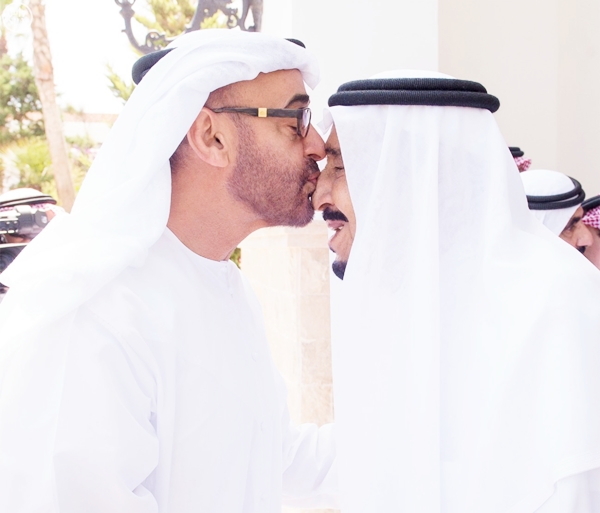
What Price Will the UAE Pay for its Emotional Decision to Go Along with Saudi Arabia?

Tabnak website, a news and media analysis outlet, said on Monday that, following a series of recent victories by resistance forces and the defeat of terrorist groups in the northern strategic city of Aleppo, various countries supporting these groups (including Turkey and Saudi Arabia) have reacted in different ways to these new developments in the Syrian conflict. Turkish President Erdogan reacted angrily to the war waged by Russia against terrorist groups, accusing Moscow of killing Syrian people. Saudi Arabia has been talking about sending its troops to Syria, which seems to be beyond its regional power and capability.

According to Tabnak, Saudi Arabia, which along with its allies has been fighting in Yemen for more than a year, has not achieved very much so far, and is now talking about sending a large number of its troops to Syria. It is possible that the Saudi rulers themselves are not particularly serious when they say they are ready to dispatch their forces there.

Meanwhile, the United Arab Emirates (UAE), which has always followed Saudi policies, and has taken part in the killings of Yemeni people led by Riyadh, announced its readiness to send ground troops into conflict-ridden Syria along with the Saudis.

There are several reasons behind a UAE decision to follow Saudi Arabia in sending troops to Syria. Firstly, they want to overshadow their activities in Yemen by sending troops to Syria. Secondly, by sending troops to Syria a country like the UAE can portray itself as a country of more influence in the region, especially militarily. This may be a gesture which they themselves do not believe in. Thirdly, by going along with the Saudis, they want to show Iran that the Arab countries are united in countering Iran’s regional policies, and are able to forge regional coalitions against Tehran.

Putting aside the reasons behind such position taken by the UAE, one must reflect on the consequences of the decision taken by UAE rulers. The first result of such measure is military casualties. They are engaged with a single group named Ansarullah in Yemen, and have sustained heavy loses there. In Syria, however, they will be faced with an organized government, as well as Iran and Russia, two major regional and global powers. They will also come up against Hezbollah militia forces which have often contended with Israel, possessors of one of the world’s most modern armies. Therefore, sending any troops by the UAE to Syria could result in a costly defeat.

Another possible outcome of a UAE military presence in Syria, due to its geographical proximity to Syrian conflict, will be that it could expose the country to a security crisis. Russia will undoubtedly be able to provide the Syrian army with missiles which can target both Jordan, Saudi Arabia and the UAE, which lacks a considerable defensive force.

One more fallout of sending troops to Syria by UAE will be Iran and Russia’s reactions. These two countries will definitely react to a move which, under the pretext of fighting ISIS, is in fact aimed at weakening the Syrian government. This is why the deputy commander of the Iranian Revolution Guards Corps said that Iran has given the Saudis an ultimatum, stating that there will be a strong reaction to any troops being sent to Syria.

Finally, it could be said that the UAE government is fully aware of the dangers involved in dispatching its troops to Syria. They know that, due to their limited military capabilities, they are more vulnerable to such expedition than the Saudis. With these in mind, it seems very unlikely that UAE rulers would embark on such a dangerous path. It seems more likely that they are simply going along with Saudi policies, and may consequently pay a heavy price for their decision.

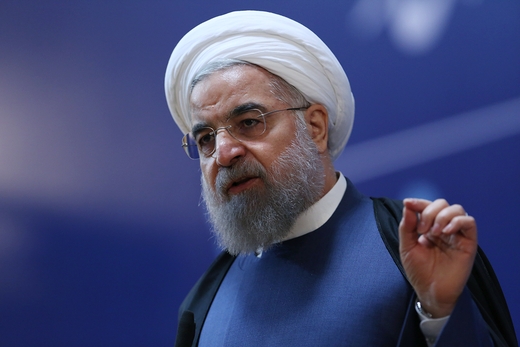
Iran’s President Vows Not to Let People Feel Humiliated

Rouhani

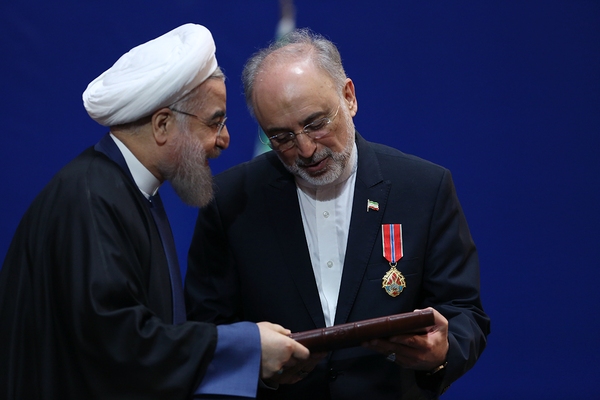
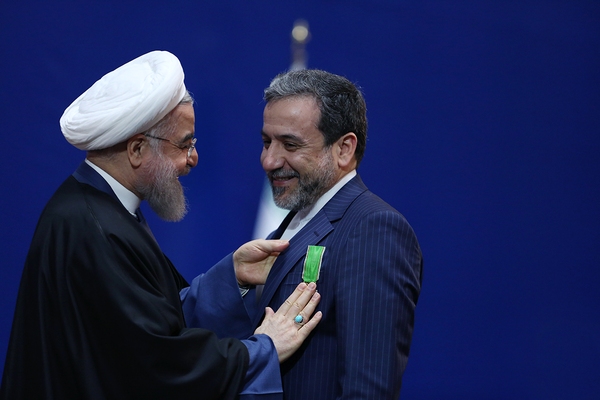
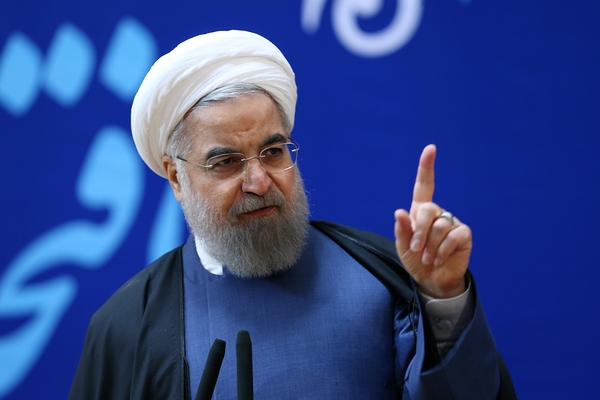
“Today is the day when a nation appreciates the strong men of politics, defense, military, and discipline who endeavored for days and nights to secure the nation’s might,” President Rouhani said.

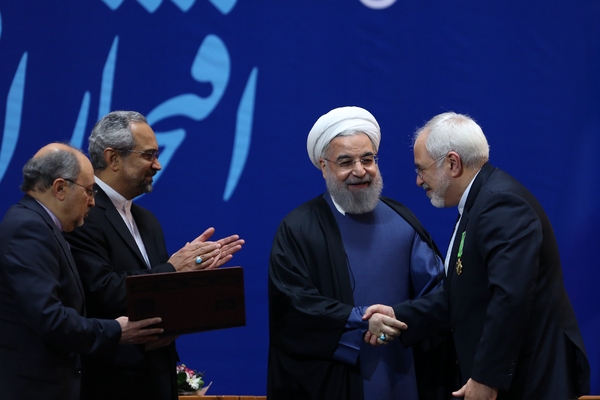
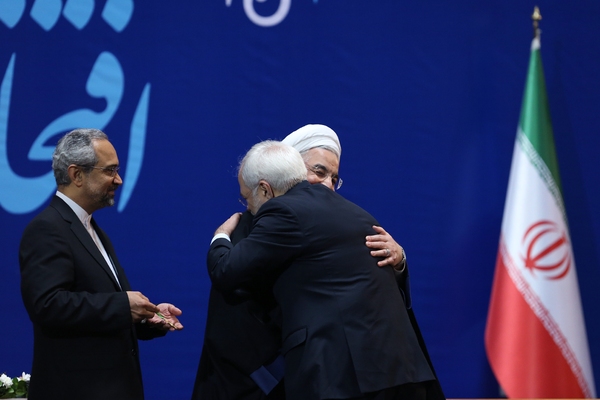
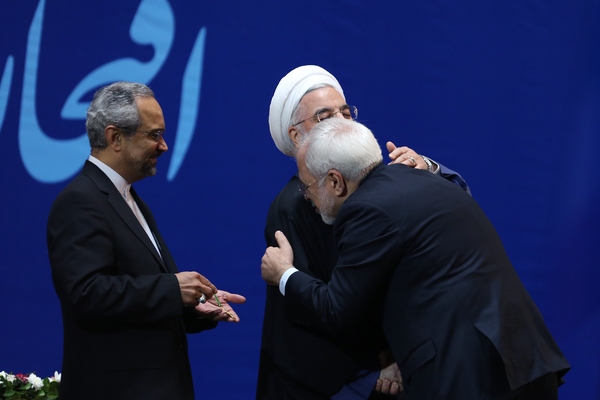
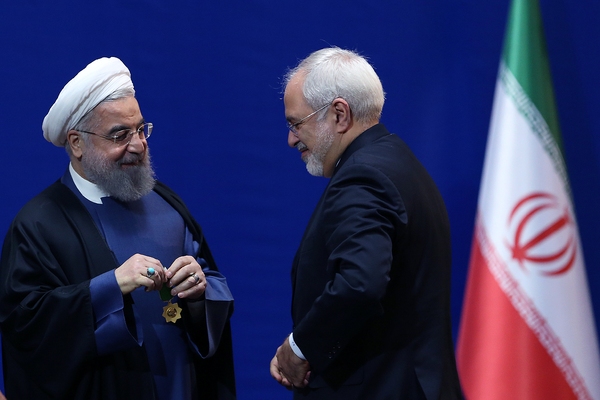
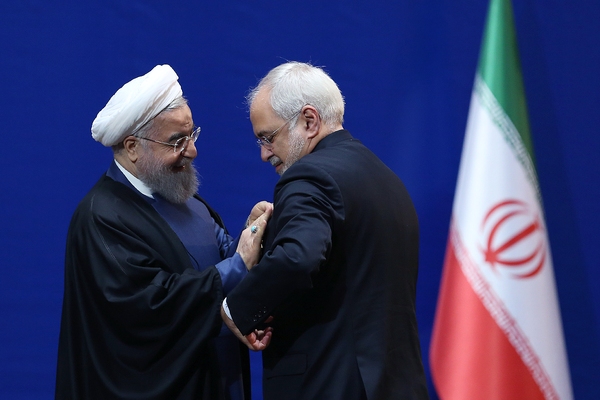
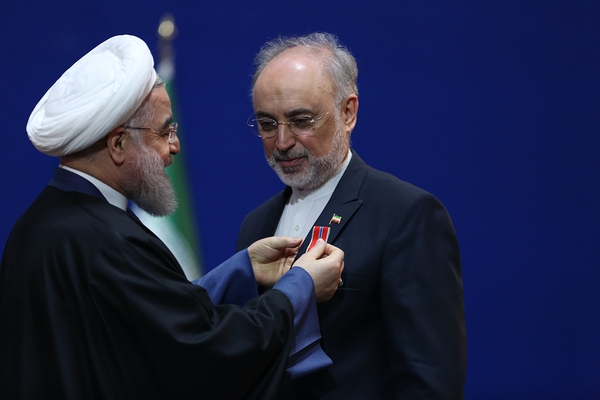
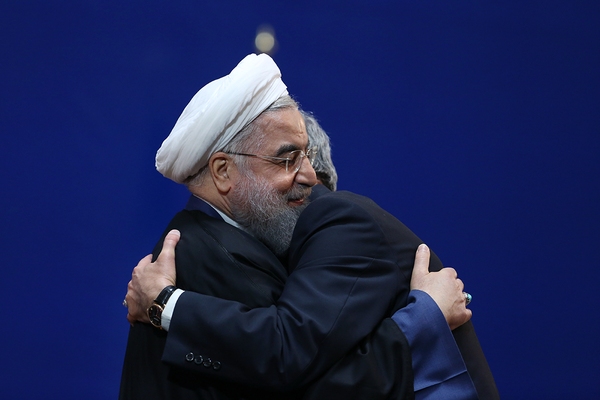
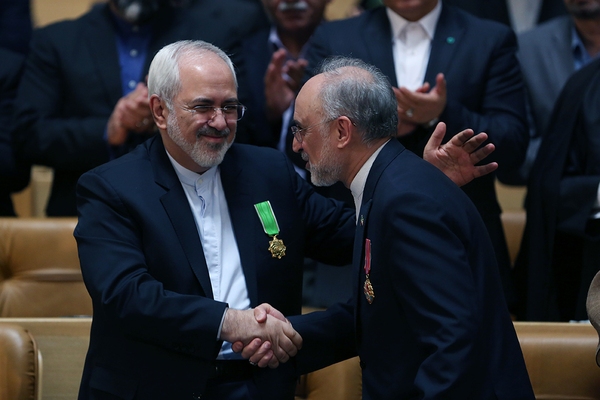
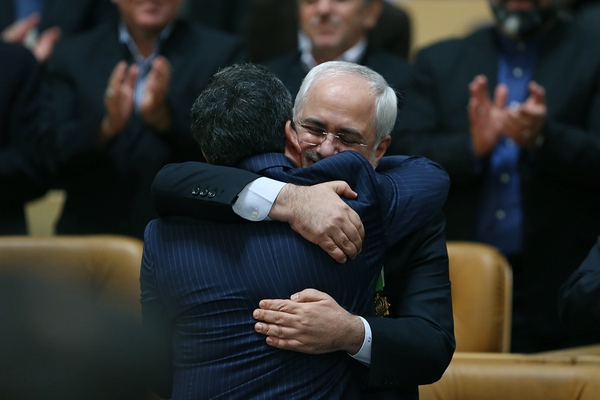
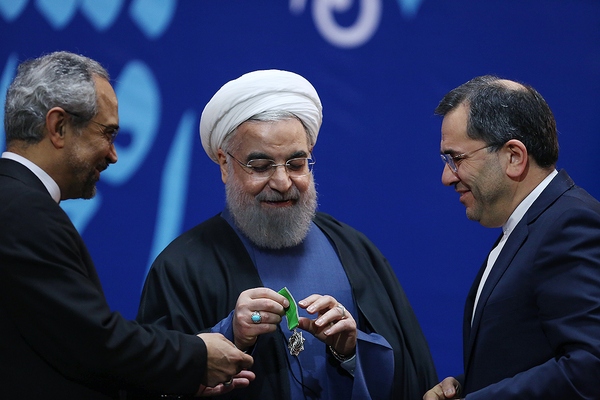
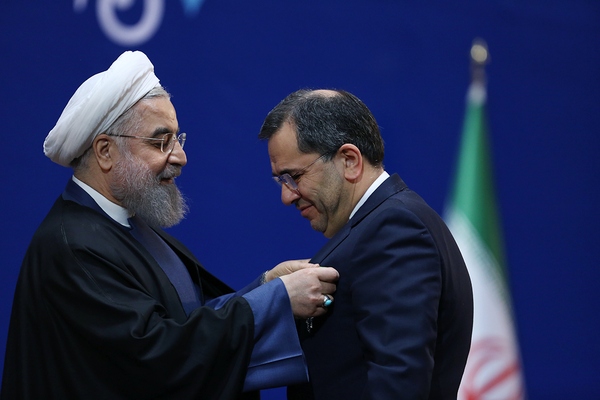
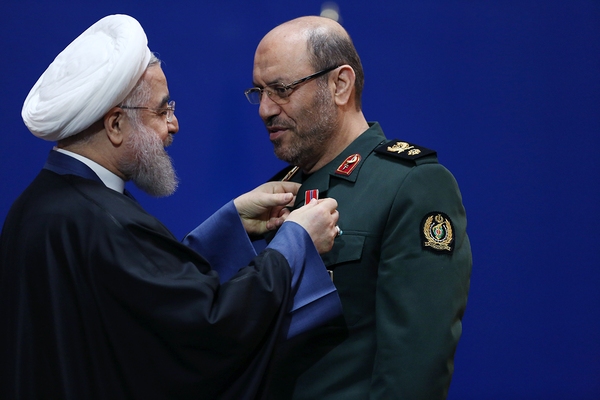
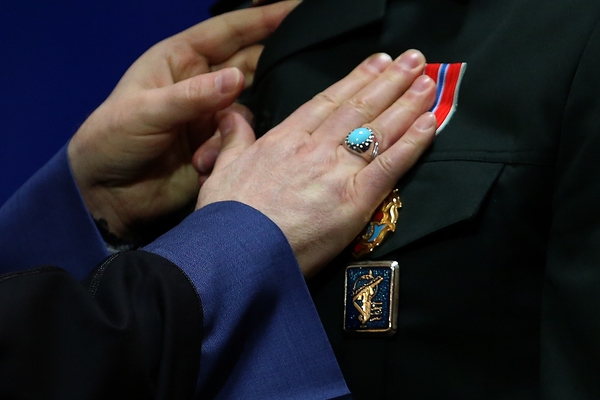
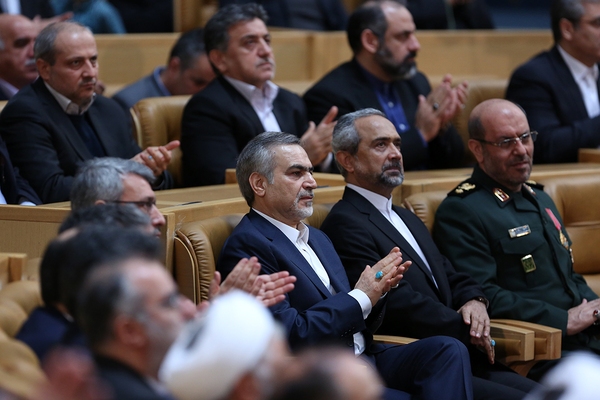
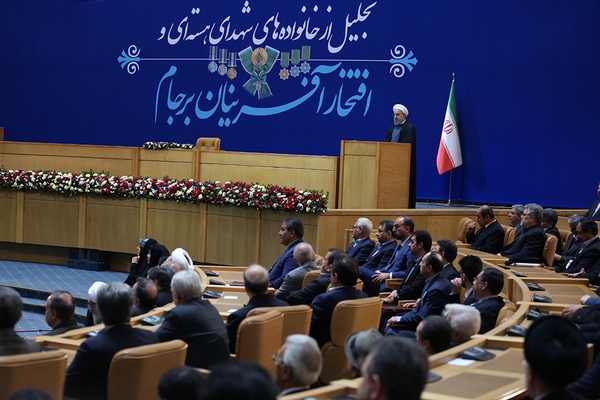
He made the remarks in an address to a Monday ceremony held in the Iranian capital to commemorate the families of the Iranian nuclear scientists that have been martyred and the officials and staff who had a role in the long process of negotiations that led to the Joint Comprehensive Plan of Action (JCPOA).

An integrated, united, and proud nation is always honored. “Wherever we stayed together, we won,” President Rouhani said.

He referred to the ceremony as being aimed at thanking the efforts of the entire nation, saying that the JCPOA neither belongs to the current administration, nor to a particular party, but it is a national honor.

The real honor in the nuclear negotiations and the JCPOA belongs to the Iranian nation, he noted, adding, “Today is the day to appreciate the great nation of Iran, who stood up in all fields, and never surrendered to or feared of superpowers.”

President Rouhani praised the families of martyred nuclear scientists, saying that Iranian peaceful nuclear energy scientists adopted the dangerous path in full awareness and courageously.

“There is no doubt that even if tens of Iranians were martyred in this path, the country’s nuclear scientists would never leave the path of people’s honor and pride,” he noted.

“When all the enemies (of Iran) joined hands to humiliate the nation in an imposed war, the Iranian nation showed an exemplary resistance and made the enemy humiliated, marking a great victory,” Rouhani said.

President Rouhani: Even if tens of Iranians were martyred in this path, the country’s nuclear scientists would never leave the path of people’s honor and pride.

He went on to say that the termination of anti-Iran nuclear-related resolutions of the United Nations Security Council (UNSC) was one of the preliminary conditions he set for Foreign Minister Mohammad Javad Zarif in the early days of negotiations, saying that the goal was achieved through the nation’s resistance although it seemed to be very difficult.

The Iranian president listed a number of factors that helped the administration conclude the nuclear talks, finalize the deal, and implement it in mid-January.

Rouhani first thanked God’s mercy, and then praised the role of the Iranian nation’s unity and solidarity, stressing that an integrated, united, and proud nation is always honored.

The world has well understood the Leader’s position and status, and knows what a position fatwa holds in an Islamic community, and is well aware that if Iran’s Leader says something, the world should trust his word and promise, President Rouhani said.

“Wherever we stayed together, we won,” he noted.

President Rouhani further described the Leader of the Islamic Revolution as the basis for the Iranian nation’s unity and integrity, saying that aside from God’s mercy and people’s resistance, the Leader’s guidelines were very effective.

“Whenever we asked for meetings and consultations, the Leader accepted and provided the Iranian negotiators with all his valuable experiences and outlined specific frameworks,” Rouhani noted.

Besides these three pillars (God, nation, and the Leader), the expertise and resistance of experienced and hardworking negotiators were keys to the finalization of the nuclear deal, he added.

President Rouhani also appreciated the Iranian nuclear chief Ali Akbar Salehi, noting that besides the path Foreign Minister Mohammad Javad Zarif and his ministry were following, a new group was needed to be formed in parallel, so the Atomic Energy Organization of Iran (AEOI) entered the negotiations with all its technical strength.

The night before the Geneva deal, from early hours in the night until 5 in the morning, we were constantly in contact, but the important point is that we never lost the way, and God did not leave us alone, President Rouhani said.

After Dr. Salehi started his work beside other members of the nuclear negotiating team, new breakthroughs were started to be made in technical and technological fields, he added.

“Later in the negotiation process, we reached a point where the defense minister and the ministry’s experts were required to enter the negotiations, and clear the false charges Zionists had raised against our nation, and settle the PMD (possible military dimension) dispute,” Rouhani said.

Accordingly, Defense Minister Brigadier General Hossein Dehqan bravely entered the field with all his colleagues, the president asserted.

He also referred to other factors including the country’s stable economy and the security and stability of the country during the course of negotiations as other keys to the nuclear deal.

If it was not for the courage of the Iranian army, Islamic Revolution Guards Corps (IRGC), Basij (voluntary forces), and other armed forces, we could not have the conditions for good negotiations, the Iranian president said.

“If during the 30-month nuclear negotiations, the administration’s economic department could not control the inflation and turn the minus 6.8 economic growth to positive 3, and restore stability to the market, we certainly could not be successful in the negotiations,” he added.

“Also if the intelligence ministry’s forces, and the Iranian Armed Forces failed to maintain the country’s security, and if our brave commanders did not resist in Iraq and refused to help the Syrian people in Damascus and Allepo, and if it was not for the courage of the Iranian army, Islamic Revolution Guards Corps (IRGC), Basij (voluntary forces), and other armed forces, we could not have the conditions for good negotiations,” Rouhani noted.

“Isn’t it an honor to prove the lies Zionists and the US raised against Iran’s nuclear program, and to terminate the cruel resolutions,” the president asked.

He further touched upon the course of nuclear negotiations, which led to the JCPOA implementation. “We passed difficult days and hours. The night before the Geneva deal was as difficult as the decisions made in Operations Karbala 4 and 5 (two of Iran’s military operation during the Iraqi imposed war).”

“From early hours in the night until 5 in the morning, we were constantly in contact, but the important point is that we never lost the way, and God did not leave us alone,” the Iranian president added.

Elsewhere in his remarks, President Rouhani underlined that the government is seeking to renovate the country’s transportation system, especially the air fleet, after the recent implementation of the nuclear deal.

After Dr. Ali Akbar Salehi, the Iranian nuclear chief, started his work beside other members of the nuclear negotiating team, new breakthroughs were started to be made in technical and technological fields, Rouhani noted.

“We will not let the Iranian people get on board of aging aircraft and feel humiliated. We are looking for renovating the air fleet and provide speedy and modern trains for the sake of Iranian nation’s welfare, comfort, and safety,” he added.

“A very great job was done to turn threat into opportunity, and all-out partnership will begin instead of sanctions,” he added.

We will not let the Iranian people get on board of aging aircraft and feel humiliated. We are looking for renovating the air fleet and provide speedy and modern trains for the sake of Iranian nation’s welfare, comfort, and safety, Rouhani asserted.

He also referred to the post-sanctions era, noting that unlike the lies certain people say – that the administration will import [excessive] foreign goods instead of domestic production – the government is looking for investment, new technologies, and partnership for taking over joint markets.

“They should not lie to the Iranian nation, because the government has been honest with people from the first day … and has kept its promises, and will do so from now on, God willing,” he added.

The defense minister and the ministry’s experts were required to enter the negotiations, and clear the false charges Zionists had raised against our nation, and settle the PMD (possible military dimension) dispute, Rouhani said.

“These are still the early results. Let the skeptics and enemies say whatever they want,” Rouhani said.

“Shouldn’t we be honored that the US president, who apparently has the world’s highest economic and military power, yields to a fatwa issued by the Leader of the Islamic Revolution, and says that he trusts the peaceful nature of Iran’s nuclear program only due to the historic fatwa of Iran’s Leader,” Rouhani asked.

“This means that the world has well understood the Leader’s position and status, and knows what a position fatwa holds in an Islamic community, and is well aware that if Iran’s Leader says something, the world should trust his word and promise,” he added.

“Isn’t it an honor to prove the lies Zionists and the US raised against Iran’s nuclear program, and to terminate the cruel resolutions,” he asked.

The government is looking for investment, new technologies, and partnership for taking over joint markets, Rouhani noted.

“I bow to the Leader’s guidance and support. On behalf of the Iranian nation, I should appreciate all the people who were involved in the field. I appreciate Grand Ayatollahs, the Judiciary Chief and Parliament Speaker, particularly my brother Dr. [Ali] Larijani, the previous administrations of [Ayatollah Akbar] Hashemi Rafsanjani, [Seyyed Mohammad] Khatami, and [Mahmoud] Ahmadinejad, the Supreme National Security Council (SNSC), the previous negotiators, the elites and academics, and also the entire nation for their prayers,” he concluded his talks.



Saudi Arabia says US has welcomed troops offer for Syria

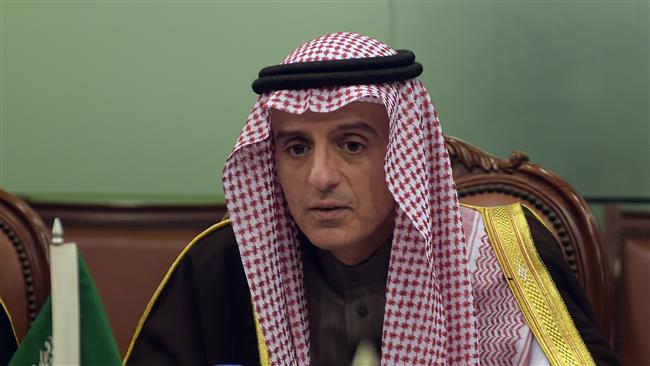
Saudi Foreign Minister Adel al-Jubeir said the offer, made last Thursday, had been met with Washington’s approval and that Saudi forces would be playing a major role in any such operation.

“The United States government was very supportive and very positive about the kingdom’s readiness to provide special forces to the operation in Syria, should the international coalition make a decision to do so,” he told reporters.
 

adel al-Jibeir
Saudi Arabian Foreign Minister Adel al-Jubeir (photo by AFP)


“So the kingdom will be part of it,” he said. “That support came from the White House, it came from the [US] State Department, it was natural for [US] Secretary [of State John] Kerry to support such a decision.”
The 65-member coalition, of which Saudi Arabia is a member, has been conducting air raids inside Syria since September 2014. The airstrikes have no authorization from the Syrian government or the UN and have reportedly fallen short of uprooting the militants.

State Department spokesman John Kirby confirmed that the United States had welcomed the Saudi offer, but he would not comment on the nature or timing of any potential ground operation.

“We are talking about a ground element,” he said. “We have discussed the potential value of a special operations capability inside that element, which would be valuable.”

Washington itself has deployed special forces to eastern Syria in what it claims is an effort to shore up local militias against Daesh.


Europe lacks independent will in face of US: Leader

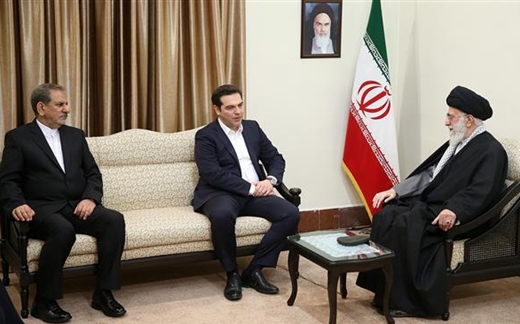
“This criticism applies to Europe that contrary to the past, it has no independent will vis-à-vis the US,” the Leader said in a meeting with visiting Greek Prime Minister Alexis Tsipras in Tehran on Monday.

He added that the European countries should address this “weak point.”

Pointing to the foreign-backed crisis in Syria, the Leader said, “Terrorism is a contagious and very dangerous malady which can be contained if it is seriously countered by all. However, some are directly or indirectly assisting the terrorist groups.”

On Iran and Greece’s resplendent cultural and civilization history, the Leader said the Greek premier’s visit to Tehran “can be good beginning to increase the two countries long-term exchanges and cooperation.”

Ayatollah Khamenei said Tehran and Athens have common and convergent stances and highlighted the “independent approach” of the Greek administration.

“I hope that you can overcome the economic problems and this trip would also serve as grounds for the promotion of the interests of both countries,” the Leader said.

Tsipras said his trip to Iran is a turning point in the bilateral ties and signals the common political resolve for stepping up cooperation at all levels.

He added that Ayatollah Khamenei is the leader of a proud and great nation who has played a decisive role in defending the causes and independence of the Iranians.

The Greek premier said the current inter-dependent nature of European countries’ economies makes any change in the status quo very difficult, adding that a shift in the power makeup is required in the European Union to rectify the situation.

Referring to the Syrian issue, he expressed hope for positive developments in the Arab country since acts of terrorism have displaced countless Syrians and triggered an influx of refugees into European states, including Greece.


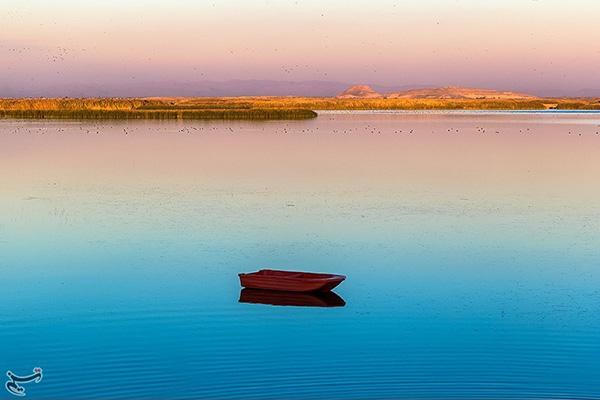
41 types of world wetlands recognized in Iran

Speaking in an exclusive interview on the sidelines of a trip to West Azerbaijan, Chalmers said that regarding wetlands Iran has a special position in the world.
She said that based on Ramsar Convention 3.2 resolutions, seven Iranian wetland sites have been listed in the Montreux Record.

Chalmers went to Azerbaijan to participate in a planning and informative workshop on the Lake Orumiyeh basin.

The Convention on Wetlands of International Importance, called the Ramsar Convention, is an intergovernmental treaty that provides the framework for the conservation and wise use of wetlands and their resources.

The Convention was adopted in the Iranian city of Ramsar in 1971 and came into force in 1975. Since then, almost 90% of UN member states, from all the world’s geographic regions, have acceded to become “Contracting Parties”.

Enemies failed in plots against Iran: Leader

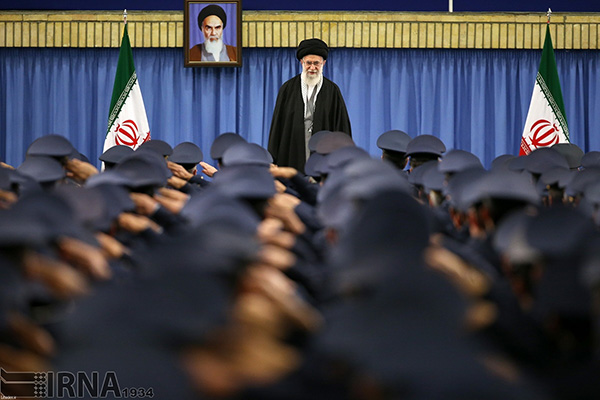
“Since the first day of the [1979] Revolution until today, the number one materialistic powers in the world have stood against the Islamic establishment but have failed to make any headway in this regard,” the Leader said in a meeting with the commanders and staff of the Islamic Republic of Iran Air Force on Monday.

Ayatollah Khamenei further urged Iranian officials to remain vigilant at all times against the plots targeting the country. “Be careful about what lies behind enemy smiles,” the Leader said.

Ayatollah Khamenei ridiculed the US proclamations of advocating human rights and democracy, saying Washington has thrown its weight behind the Israeli regime, which murders children, and its allies in the region, which are strangers to the concept of elections.

“The Americans refuse to respond to the simplest questions in the world public opinion about their support for the elements behind the savage crimes in Yemen and flagrantly continue to back those who are carrying out the most merciless form of state terrorism in massacring the innocent people of Yemen,” the Leader said.

Elsewhere in his remarks, the Leader pointed to the upcoming parliamentary and the Assembly of Experts elections and said participating in the February 26 votes is a “duty” for all the Iranians.

Mass popular turnout in the elections will thwart enemy plots and “guarantee the dignity and might of Iran and the establishment” by injecting “fresh blood” into the country.

The Leader praised Iranians’ participation in annual rallies marking the victory of the Islamic Revolution, urging a massive presence in the upcoming demonstration. Ayatollah Khamenei said that impressive participation in this year’s rallies will also frustrate ill-wishers.

Ayatollah Khamenei said the main objective of the Islamic establishment is the formation of an Islamic society which enjoys science, justice, morality, dignity and progress. “The chief goal of the enemy is consigning to oblivion these lofty objectives and ultimately changing the conduct [of the Islamic Republic] and creating internal change in the Islamic Republic establishment.”

Ayatollah Khamenei said all of the enemy efforts are directed at preventing the movement of the Islamic Republic toward dignified and mighty goals and reinstating the domination of foreigners over the country.

“Today the main agenda to counter the Islamic establishment is [to wage] a soft war to deplete the Iranian people and establishment of the components of power,” the Leader said.

Ayatollah Khamenei also called for boosting the country’s economy and said, “If we strengthen the country’s economy from inside, the majority of problems, including unemployment, stagnation and inflation, will be eliminated.”

The Leader said there is a “hostile front” against Iran in economy, culture and social issues, stressing that “whenever enemy cannot continue its hostility, it deals its blows [to our country] in the guise of a friend.”

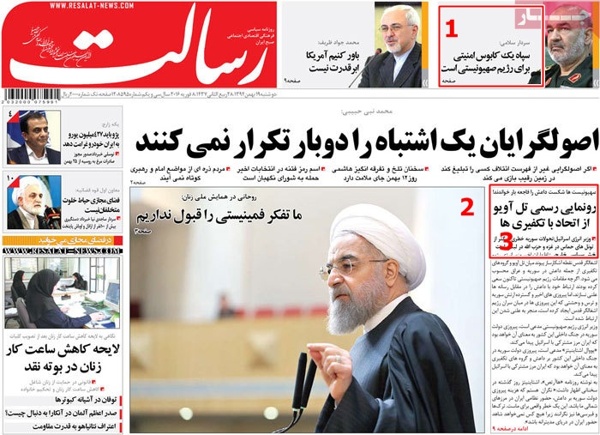
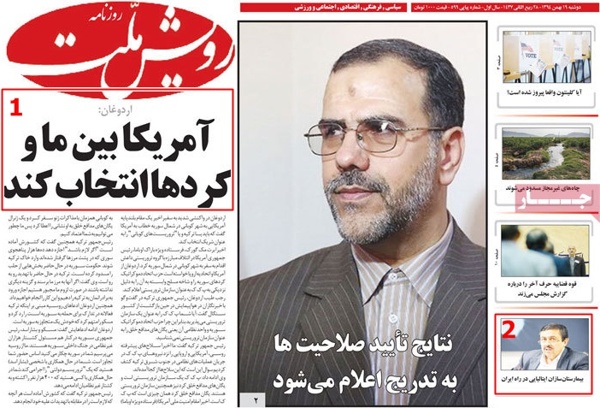
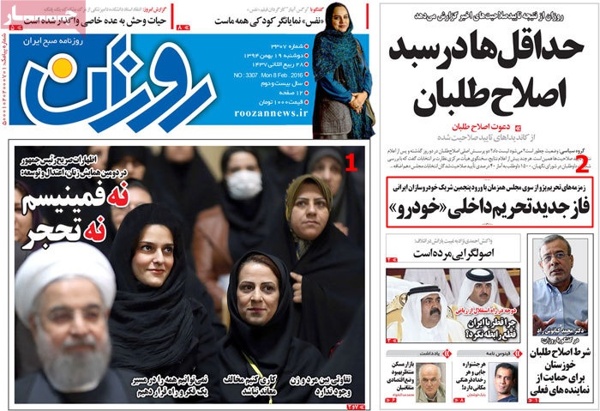
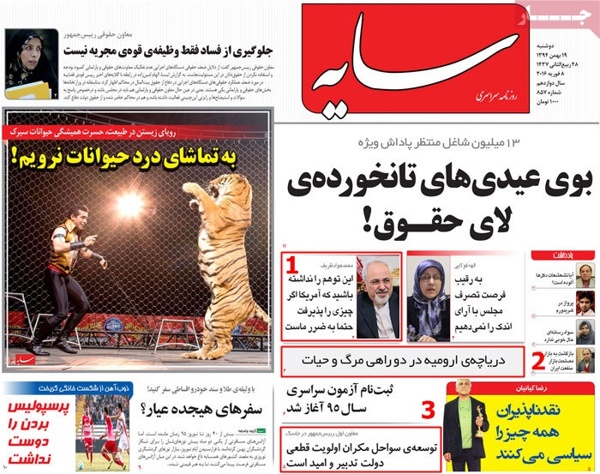
A look at Iranian newspaper front pages on Feb 8

Iran Newspaper front pages

IFP Press Round up; February 8, 2016

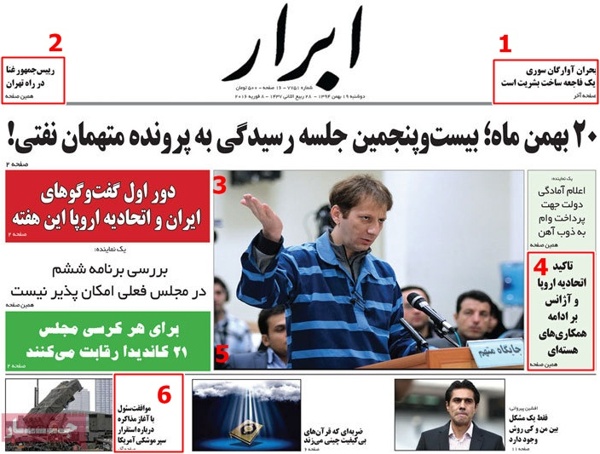
The Greek premier’s visit from Iran and Tehran’s new deals with giant French carmaker Peugeot was covered by most papers on February 8, 2016. Furthermore, the Iranian President Hassan Rouhani’s call on the nation to come to the ballot boxes in the late February elections was also considered by many dailies on the day.

Abrar:

1- The Syrian refugee crisis – a man-made disaster

2- Ghanaian president en route to Tehran

3- Tehran, EU to resume high-level talks on Monday

4- EU, IAEA stress nuclear co-operation with Tehran

5- 21 contenders for every parliamentary seat

6- US, South Korea to discuss deployment of missile defense system


A look at Iranian newspaper front pages on Feb 8


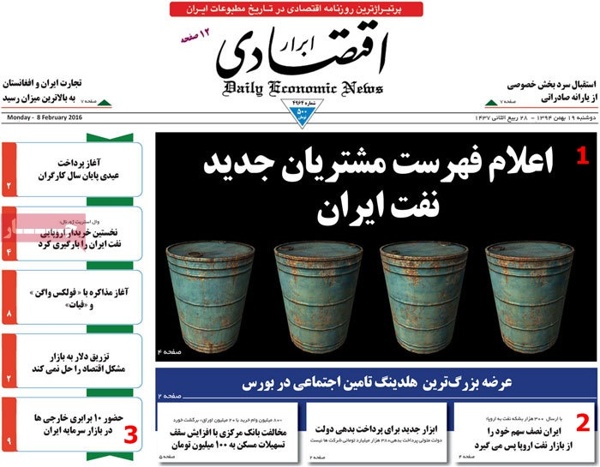
AbrarEqtesadi:

1- First EU customer loads Iranian oil

2- Iran poised to regain half of lost EU oil market share

3- Foreigners flock to Iranian capital market; number has grown tenfold since removal of sanctions.


A look at Iranian newspaper front pages on Feb 8


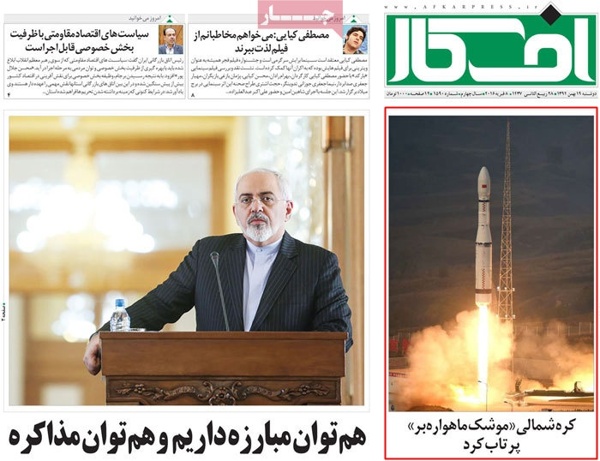
Afkar:

– North Korea launches long-range missile


A look at Iranian newspaper front pages on Feb 8


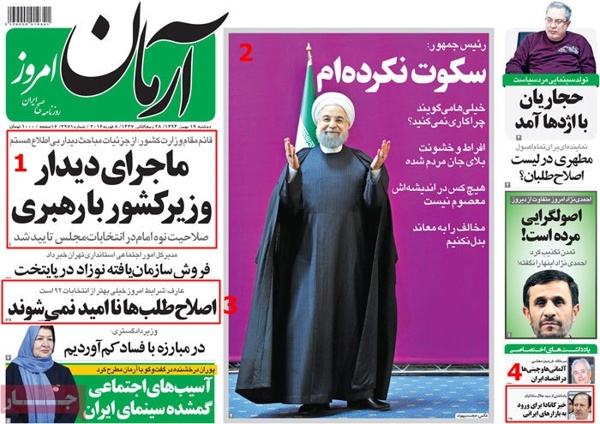
Arman-e Emrouz:

1- Imam’s grandson qualified for parliamentary election

2- President: I have not kept silent

3- Mohammad Reza Aref: Reformists will never give up

4- Canada poised to enter Iranian markets


A look at Iranian newspaper front pages on Feb 8


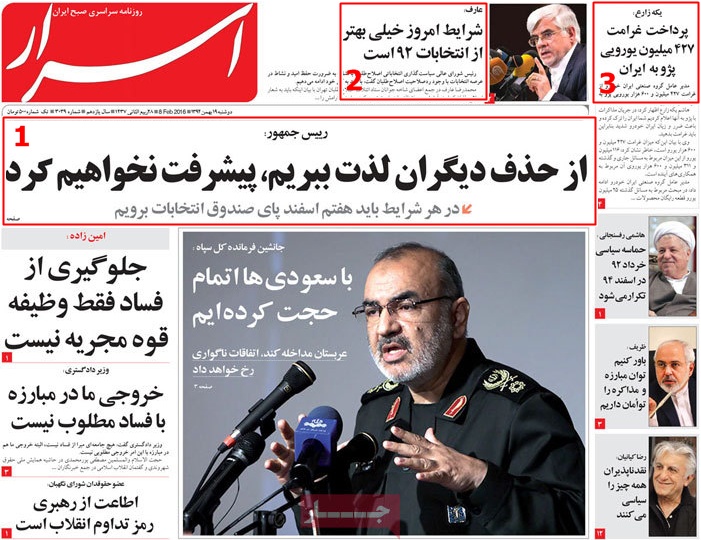
Asrar:

1- President: Revelling in others’ downfall leads us nowhere; every citizen should vote on February 26

2- Reformist figure: Conditions have improved since 2013 elections

3- Peugeot to pay €427m to Iran in damages


A look at Iranian newspaper front pages on Feb 8


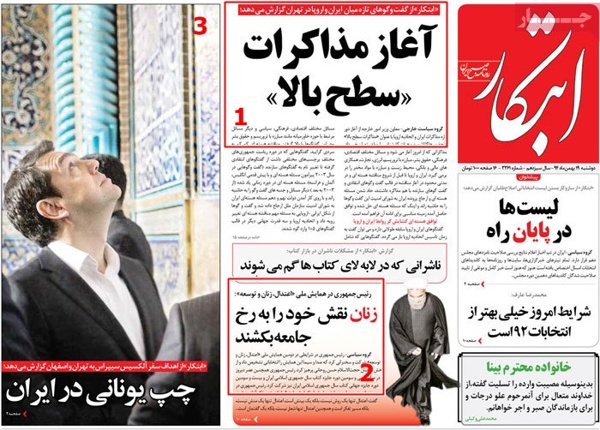
Ebtekar:

1- Report: High-level negotiations begin [between Iran and Europe in Tehran]

2- President calls on women to showcase their role in society

3- Report: Goals of Greek Premier in Iran visit


A look at Iranian newspaper front pages on Feb 8


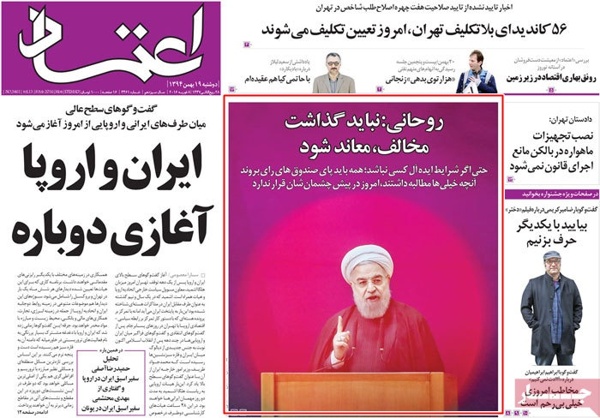
Etemad:

1- Iran, EU resume talks

2- Tehran Prosecutor: Satellite dishes on balconies no obstacle for law enforcement


A look at Iranian newspaper front pages on Feb 8


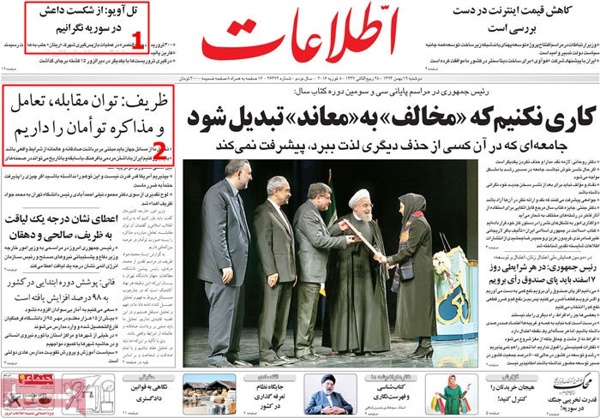
Ettela’at:

1- Tel Aviv nervous about a Syrian army victory against ISIS

2- Zarif: Iran can resist, interact and negotiate at the same time

3- President warns against turning dissenters into enemies


A look at Iranian newspaper front pages on Feb 8


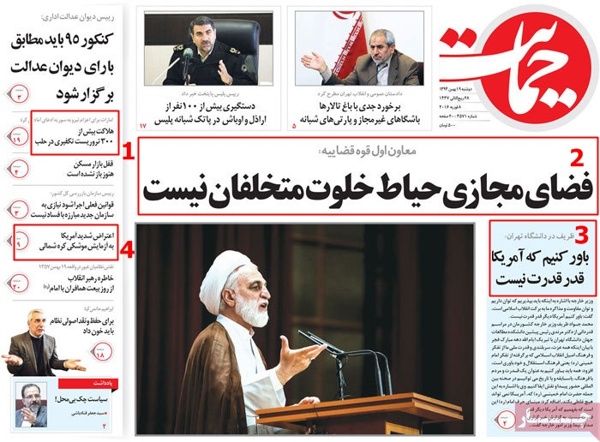
Hemayat: 

1- Over 200 Takfiri terrorists killed in Aleppo

2- First Deputy of Judiciary: Cyberspace no backyard for offenders

3- Zarif: Let’s believe US is no longer a superpower

4- US slams Pyongyang missile test


A look at Iranian newspaper front pages on Feb 8


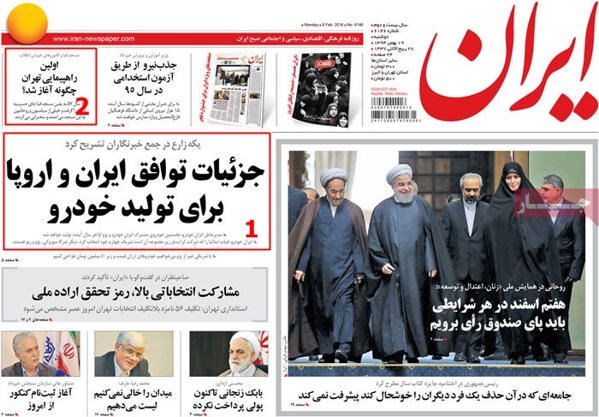
Iran:

1- Details of Iran-EU deals for making cars

2- Report: How did Tehran’s first demonstration form?


A look at Iranian newspaper front pages on Feb 8


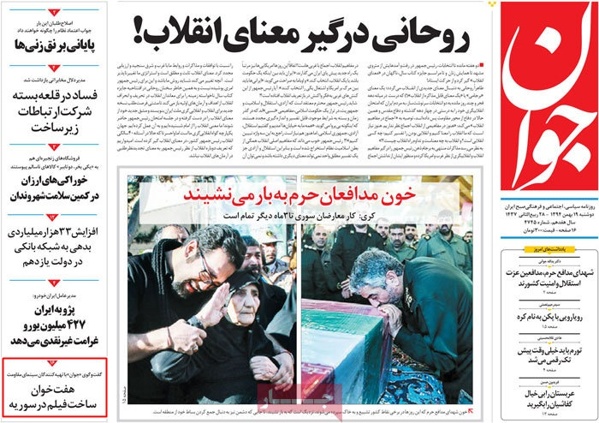
Javan:

– The difficulties of movie-making in Syria


A look at Iranian newspaper front pages on Feb 8


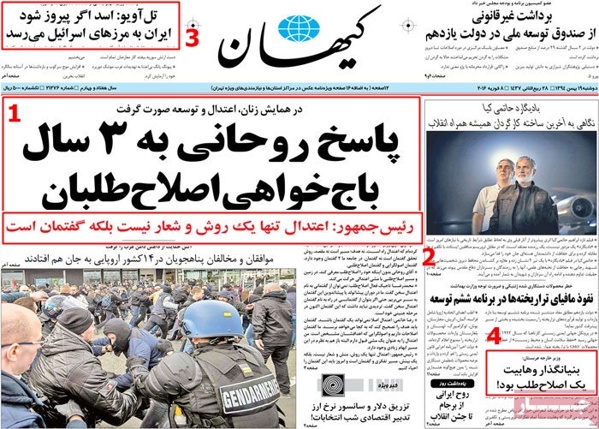
Kayhan:

1- Rouhani reacts to 3 years of reformist blackmail

2- President: Moderation not only a method or slogan; it is a form of discourse 

3- Tel Aviv: If Assad wins, Iran will get to Israeli borders

4- Saudi FM: Founder of Wahabbism was a reformist


A look at Iranian newspaper front pages on Feb 8


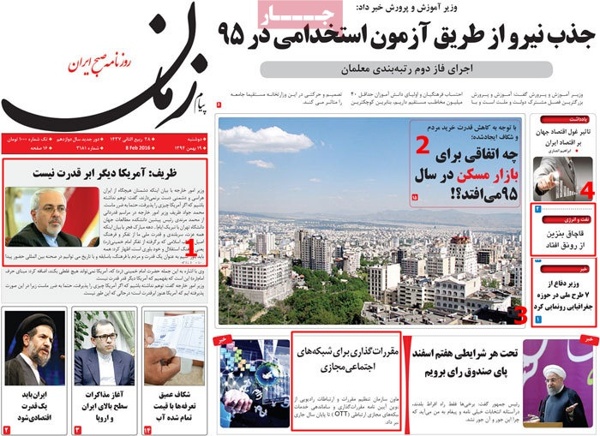
Payamzamn:

1- Zarif: US no longer a superpower

2- Next year’s housing market predictions

3- Defense Minister unveils 7 geographical national projects

4- Petrol smuggling no longer profitable

5- New social media regulations


A look at Iranian newspaper front pages on Feb 8


Resalat:

1- IRGC a security nightmare for Zionist Regime: Cmdr. Salami

2- Rouhani: We do not hold feminist beliefs

3- Tel Aviv officially exposes support for Takfiri terrorists


A look at Iranian newspaper front pages on Feb 8


Rooyeshmellat:

1- US should choose between Ankara, Kurds: Erdogan

2- Italian hospital makers en route to Iran


A look at Iranian newspaper front pages on Feb 8


Roozan:

1- Neither feminism, nor stone-age thinking

2- New phase of no-new-car campaign


A look at Iranian newspaper front pages on Feb 8


Sayeh:

1- FM: It is a fallacy to say whatever US approves of is harmful

2- Urmia Lake in life and death dilemma

3- Administration prioritizes Makran coast development


A look at Iranian newspaper front pages on Feb 8


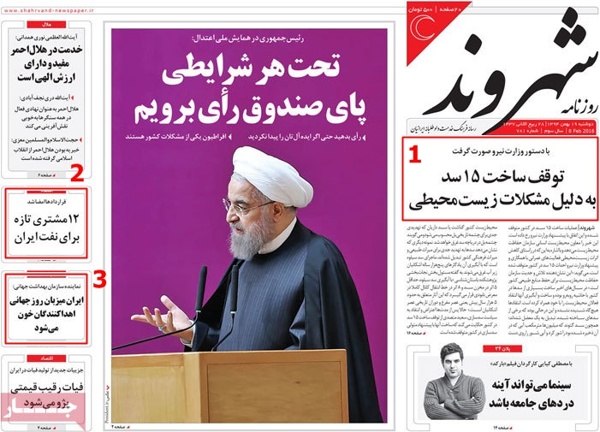
Shahrvand:

1- Iran halts construction of 15 dams to protect environment

2- 12 new customers for Iranian crude oil

3- Iran to host World Day of Blood Donors


A look at Iranian newspaper front pages on Feb 8


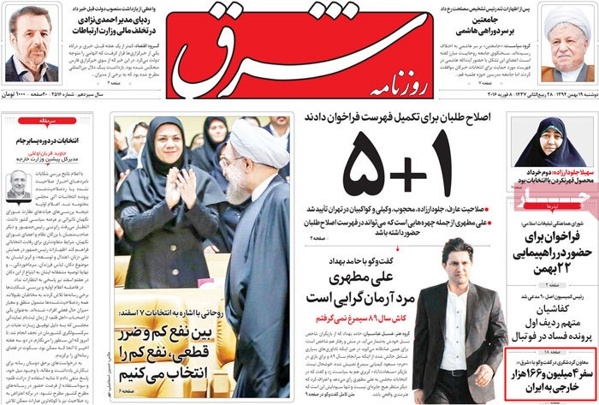
Shargh:

– 4.166m foreign visitors to Iran, tourism organization deputy said


A look at Iranian newspaper front pages on Feb 8


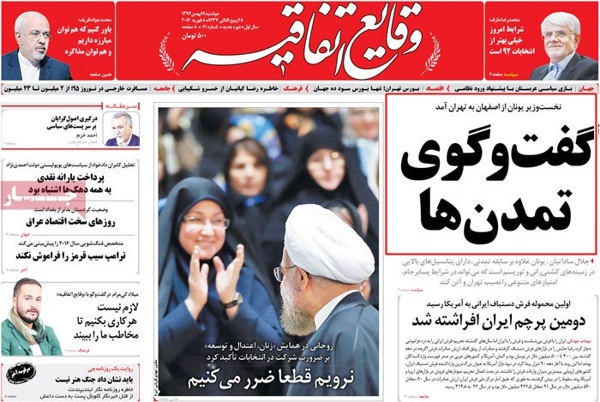
VaghyeEttefeghiyeh:

– Dialogue of civilizations: Greek premier visits Iran’s Isfahan upon arrival

A look at Iranian newspaper front pages on Feb 8

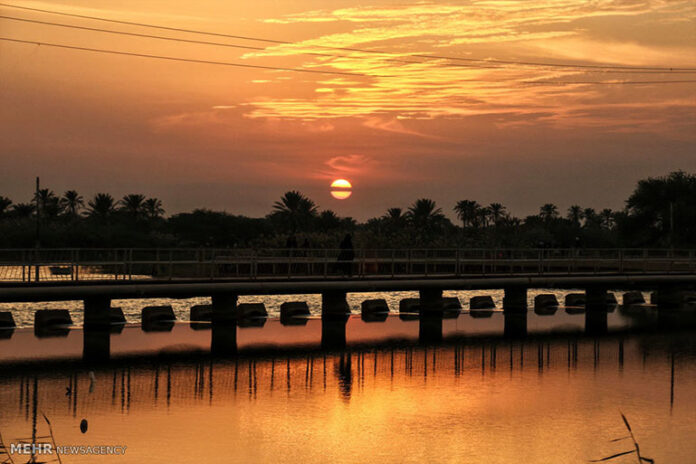
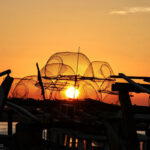
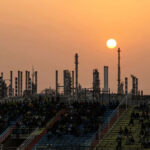
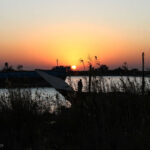
Beautiful Sunset in Abadan

Sunset in Abadan, Khuzestan province, is so amazing and beautiful depicting the beauty of nature in the region.

The following images have been released by Mehr News Agency:


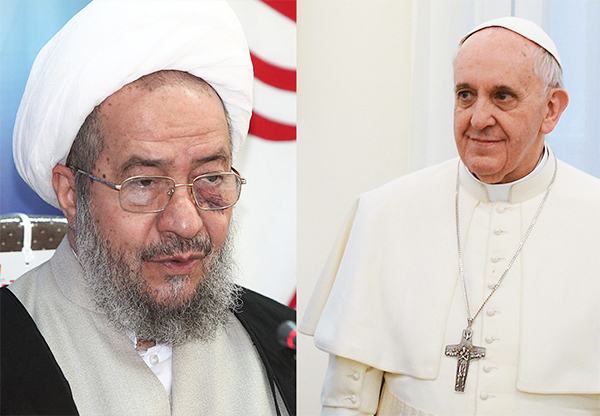
Pope’s Representative Received in Qom’s Islamic Seminary

Representing the Vatican City, Cardinal Peter Turkson visited the holy Iranian city of Qom at the invitation of Qom Seminary, where he held meetings with senior officials of the Islamic educational body, and attended a conference entitled “The Role of Religions in the Realization of Justice and Peace from the Viewpoints of Islam and Christianity”.

In an address to the conference, Ayatollah Morteza Moghtadaei, the secretary of the Supreme Council of Islamic Seminaries (SCIS), praised Cardinal Turkson for accepting the Seminary’s invitation, and described the visit as “a positive step” for the establishment of closer ties between Qom Seminary and the Vatican.

He announced that Cardinal Turkson had had a good meeting with the Seminary president on Friday night. During the meeting, it was decided that a group should be formed to examine the ways in which Islam and Christianity can co-operate on a global level.

“We wish to stay abreast of the Vatican’s plans for establishment of peace throughout the world,” Ayatollah Moghtadaei noted, adding that Qom Seminary is also keen to make the Vatican familiar with Islam’s plans through the Catholic Church’s close ties with Muslim clerics.

Ayatollah Moghtadaei further highlighted the ongoing wars and massacres across the world, saying that terrorist groups are currently killing and exploiting people, with many women and children being killed in Yemen and Bahrain.

He called on the Pope to use his influence with European heads-of-state, and to order them to stop arming militants such as Daesh [ISIS], who kill numerous Muslims, including women and children, every day.

He urged Cardinal Turkson, who is the President of the Pontifical Council for Justice and Peace, to deliver this message to Pope Francis: “Jesus Christ orders (his followers) to eradicate the roots of tyranny; so does the Prophet of Islam.”

“You are the president of a council whose responsibility is to spread peace and justice, and we want you to deliver our message to the Pope,” he added.

“Please deliver this message to him that we, Muslim clerics, want you to use the influence God has given you, and to order them to cut off their support of Daesh, so that oppressed Muslims can be freed, and the roots of Daesh can be eradicated,” the Iranian cleric noted.