Thursday, January 1, 2026
Home Blog Page 4575

How will the Federal Reserve’s decision to raise interest rates affect Iran’s economy?

Federal_Reserve_Board_Building (1)

The US Federal Reserve has recently decided to raise interest rates by a quarter of a percent. How will that decision affect Iran’s economy has yet to be seen, but economists are warning the Iranian government about its possible ramifications.

Khabaronline.ir’s Khatereh Vatankhah has filed a report that focuses on the likely impact of the decision of the US Central Bank on Iran’s economy. The following is the translation of that piece:

Several economies were still grappling with the fallout of a decline in global oil prices when the US Federal Reserve decided to raise interest rates by 0.25 percent. The first likely impact will be a rise in the value of the greenback.

The decision to raise interest rates was meant to push the US economy into an overdrive, but some analysts believe that this decision will have a negative impact on emerging economies because as a result of the rise in question the volume of their debts to the US will swell. Will these countries do something in reaction? What will be the best reaction? And what impact will it have on Iran’s economy which is on the verge of leaving sanctions behind? There are no clear-cut answers to these questions. Analysts are still studying the market. What is certain though is that the value of the US dollar will rise against other currencies, including the Japanese Yen.

Morteza Imani-Rad, an international economy analyst, says, “Although the rise in the value of the greenback won’t be plain sailing, one cannot deny the fact that the US dollar will remain a strong currency in global markets in 2016. That means other currencies such as the British pound and Euro will remain weak. On the other hand, oil and gold are projected to be traded at low prices in the world markets. Their prospects for 2016 are not that bright.”

The world economy is on a downward slope; the decline in crude oil prices has made matters worse and the decision of the Federal Reserve will see these conditions persist.

In an interview with khabaronline.ir, international economy expert Mohammad Hadi Mahdavian has said that economies that were out of recession before the decision of the Feds will see a slowdown in growth next year; those which have yet to lift themselves out of recession, will remain mired in bad conditions next year.

Major economies won’t keep silent in the face of the Federal Reserve’s decision. These economies, especially members of the EU, are high likely to take action and hike their own interest rates because they seek to strike a balance on the money market.

When other economies decide to raise their own interest rates, the global recession will worsen because countries whose currencies have lost ground will get into a race to save their national economies and prevent a decline in their exports.

How countries will react to the US interest hikes falls into three categories: silence and inaction; a proportionate reaction; reactions exceeding the Federal Reserve’s measure.

What impact will the US interest hike have on Iran’s economy?

In response to the question above Mahdavian says any decisions world economies make in reaction to the US interest hike will have an impact on Iran’s economy. If the European Union with which Iran’s has the largest volume of trade ties raises its own interest rate, the Euro will grow in value and that will leave a mark on Iran’s economy.

In a recent report Rating Agency Moody’s said the “rate hike by the U.S. Federal Reserve, which would be its first in more than nine years, could hit the capital market in emerging market countries” and this will have negative consequences for these countries.    

Analysts say emerging economies such as Brazil, Russia, Turkey and South Africa will bear the brunt and have to deal with several local challenges on their currency markets as well as instability in monetary markets. In light of the fact that emerging markets have commercial transactions with Iran, that impact will pass on to Iran.

On his Instagram page Imani-Rad has written, “These developments urge [Iranian] MPs to act more cautiously and opt for a rational foreign currency rate [in the spending package] in a bid to prevent a budget deficit which may follow a decline in exports and oil prices. That will help stave off unexpected budgetary problems hitting the government and members of the public.”

The Iranian private sector has heard the message of global markets; as for what arrangements the government will make, we need to wait. Preserving the value of national currency should be the priority of any decision the government makes. At a time when major economies seek to shore up their currency against the dollar, Iranian monetary policymakers should consider the same thing.
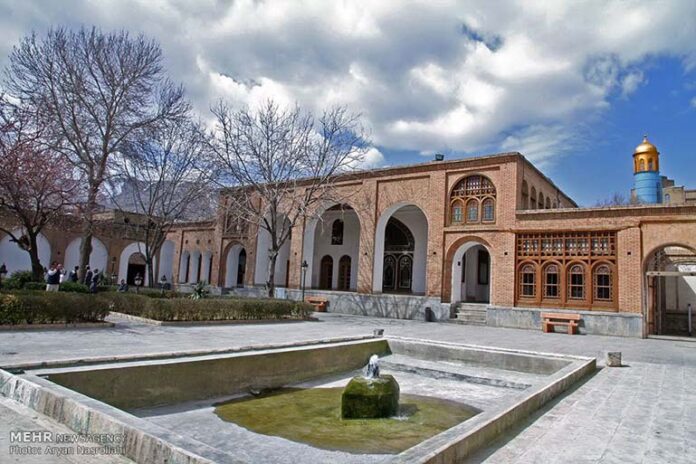
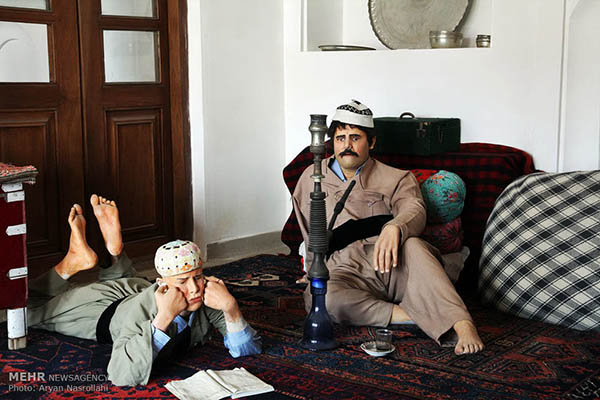
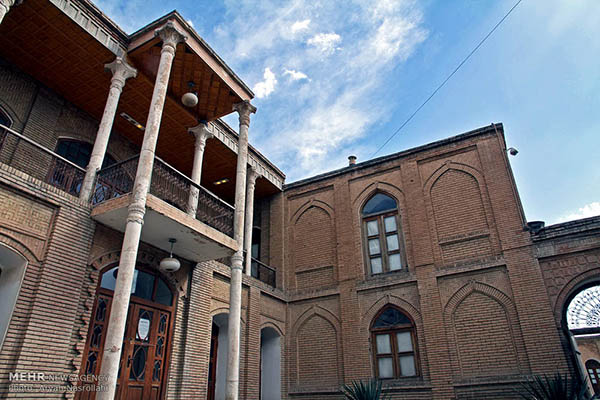
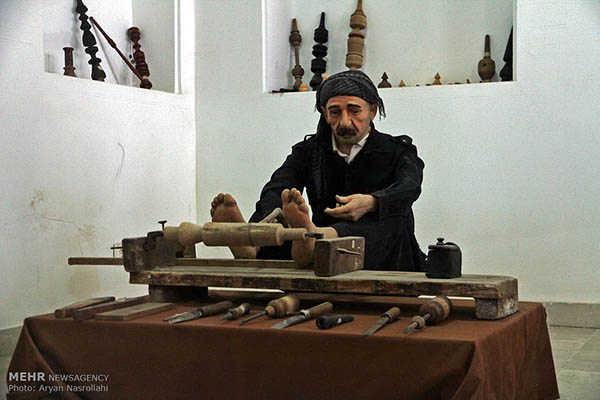
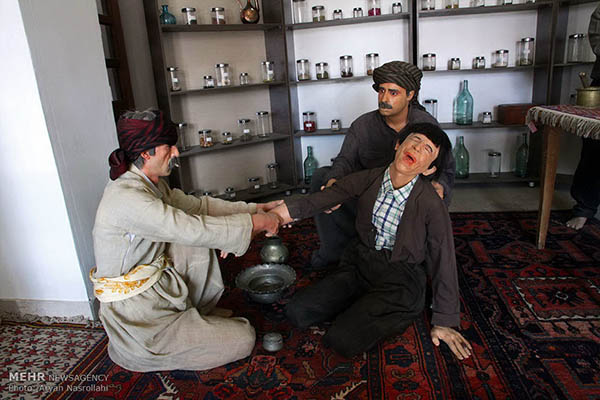
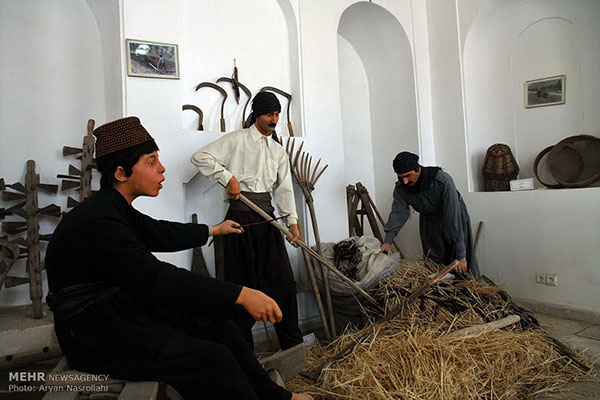
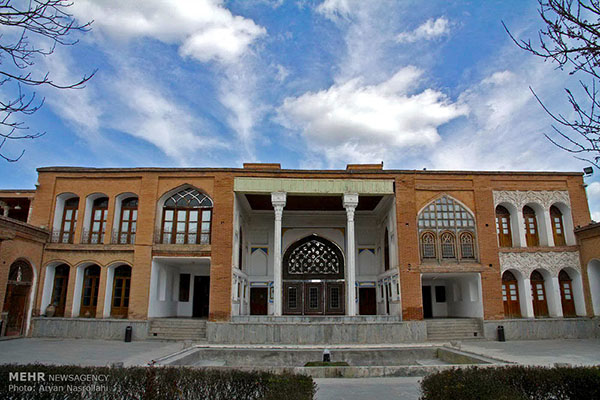
Asef Mansion, Sanandaj Museum (PHOTOS)

Asef Mansion6

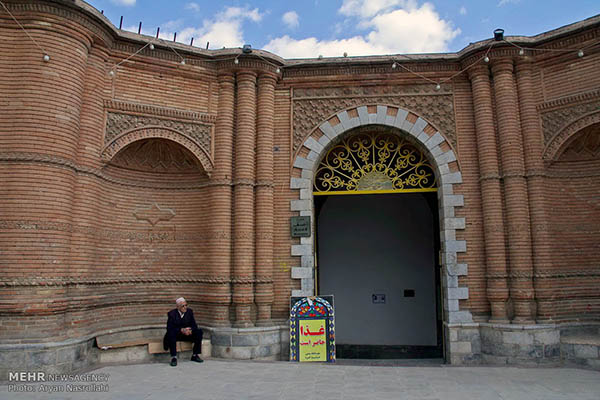
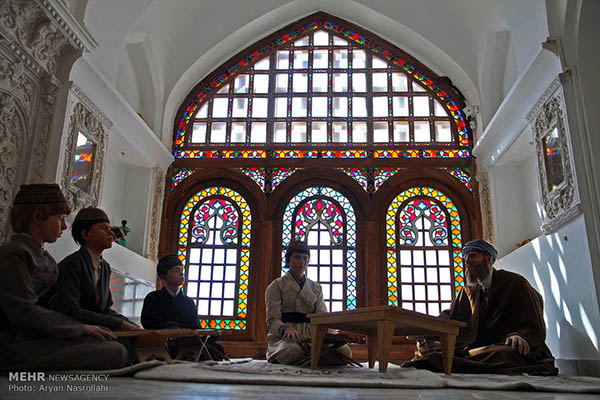
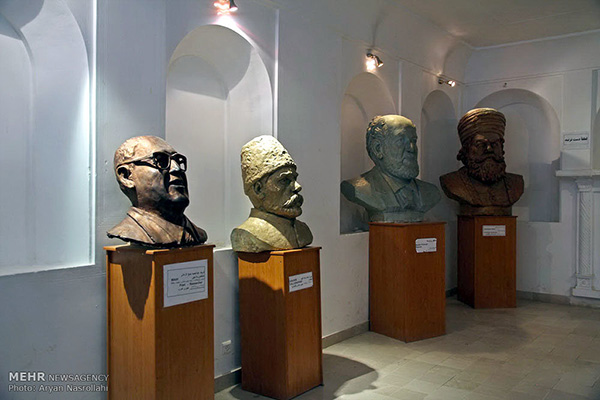
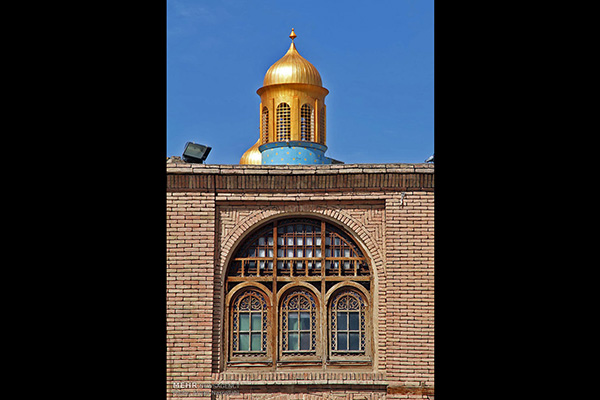
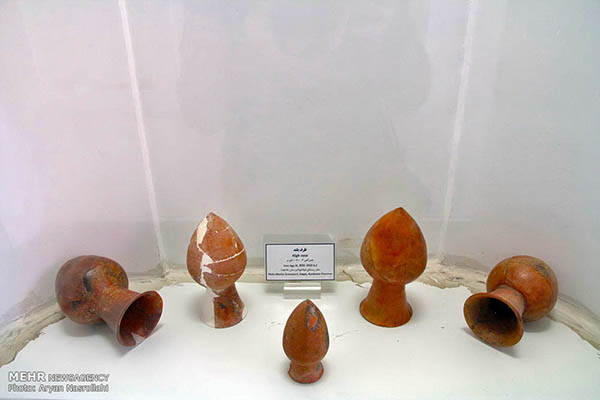
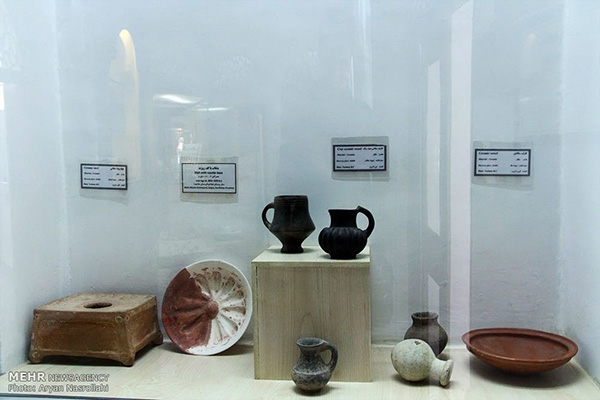
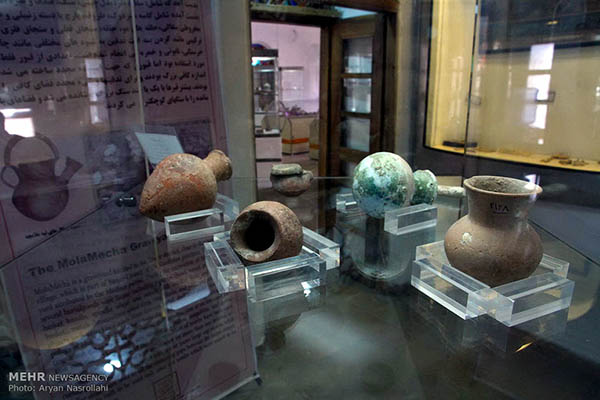
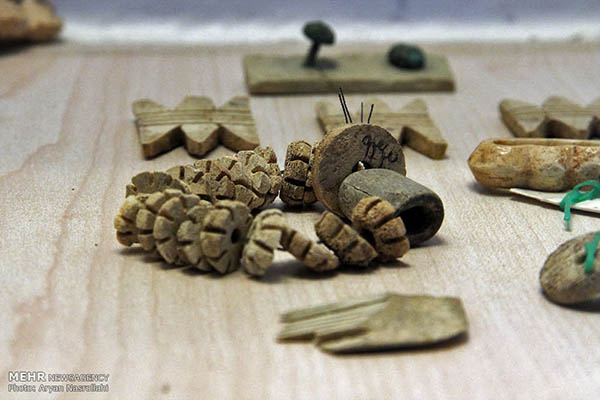
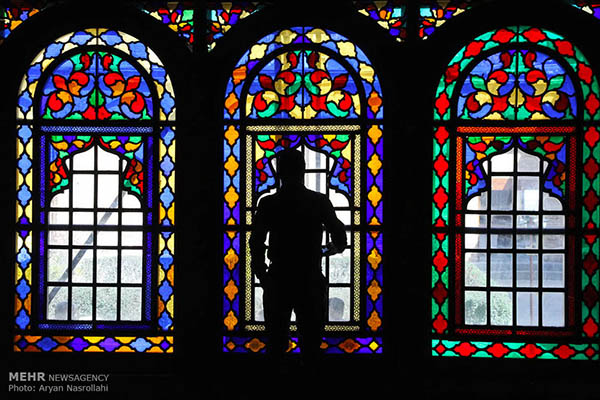
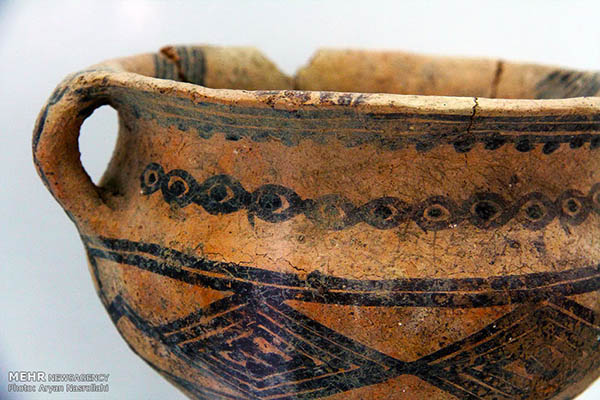
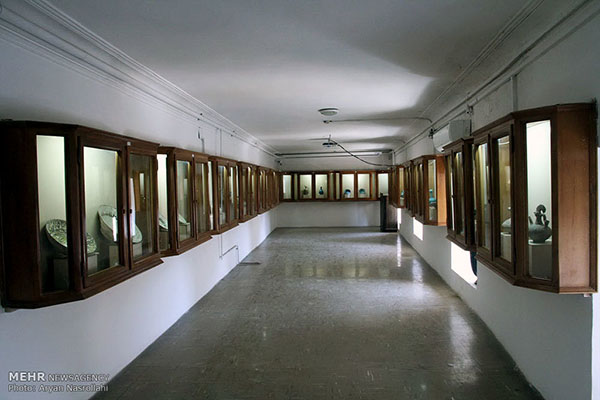
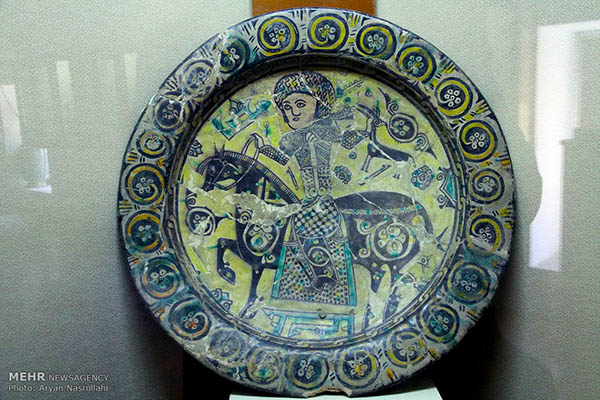
Aref Mansion and Sanandaj Museum, a manifestation of Kurdish identity in western Iran, are home to a rich anthropological treasure trove.
The following images of this historical structure have been released by Mehr News Agency:


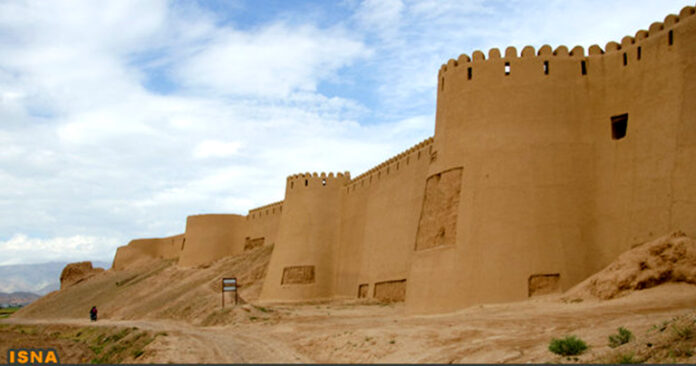
Historical mud-and-brick town in northeastern Iran (PHOTOS)

Belgheis08

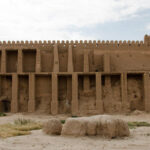
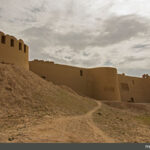
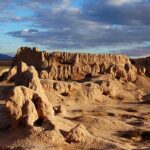
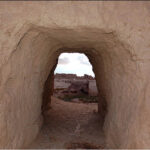
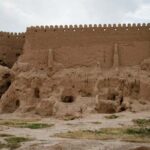
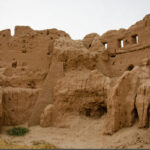
Belgheis, one of Iran’s biggest adobe structures, is located 3 km to the southwest of what is today Esfarayen in North Khorasan Province.

The historical town is believed to have been built in the pre-Islamic period, the Sassanid era to be more exact.

It was demolished at the end of the Safavid era at the hands of invading Afghans and became a legend.

The following images of what remains of this historical structure have been released by ISNA News Agency:


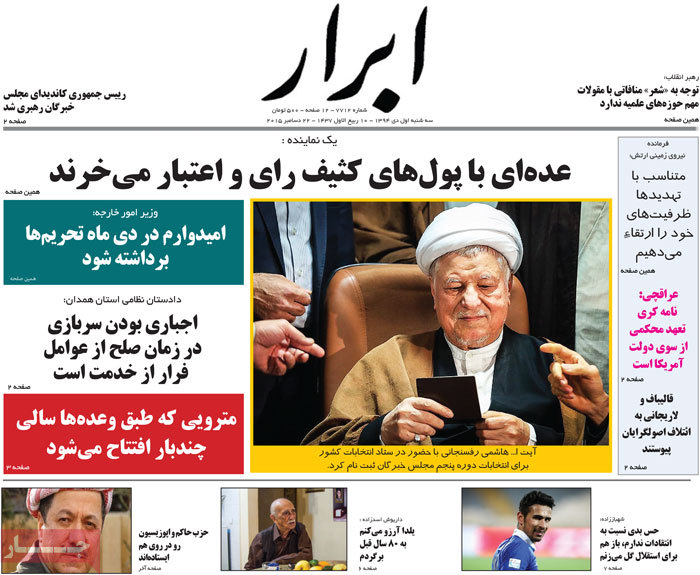
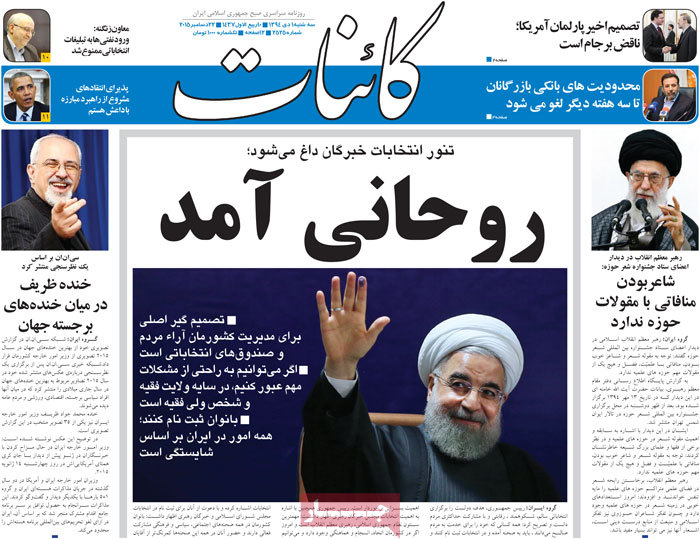
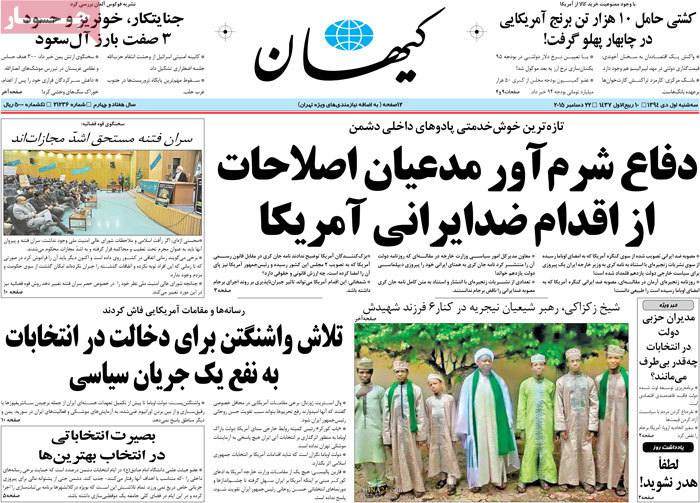
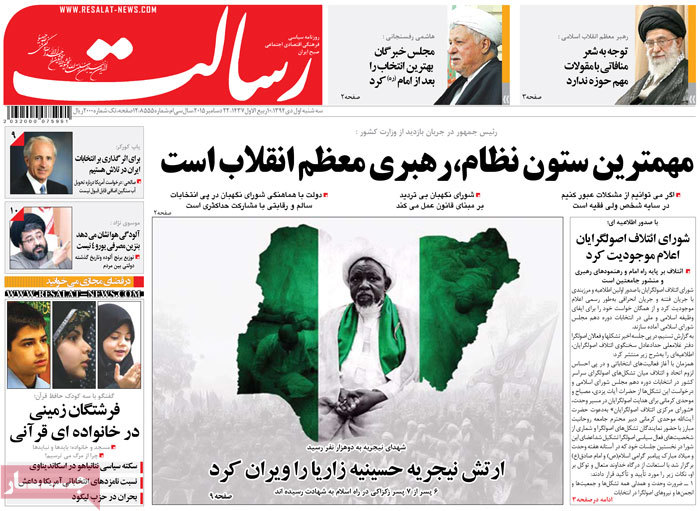
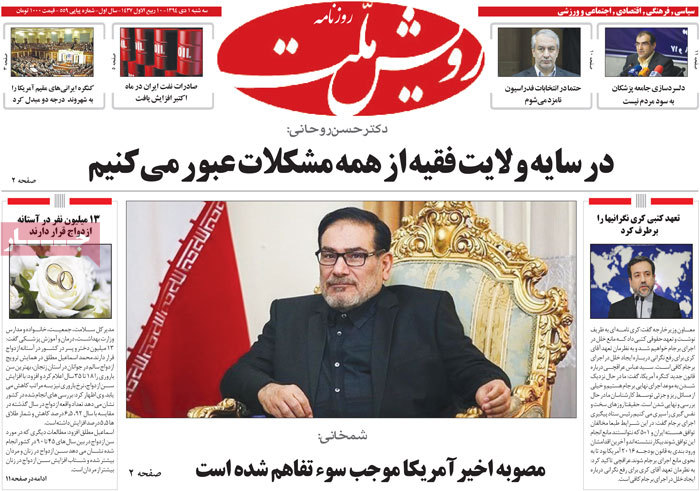
A look at Iranian newspaper front pages on Dec. 22

Iranian Newspapers Headlines

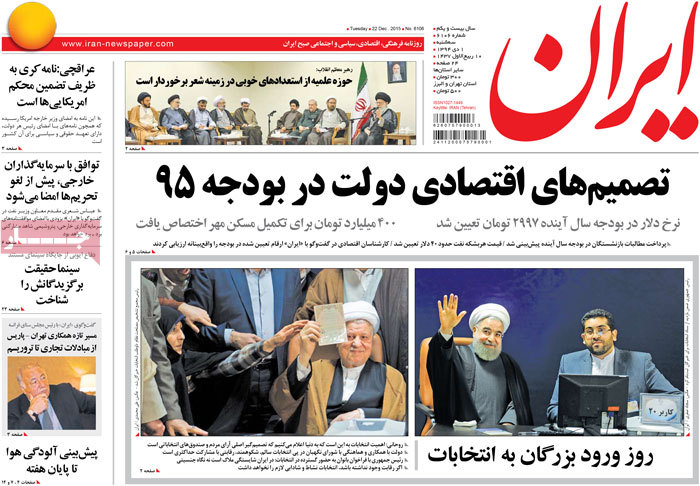
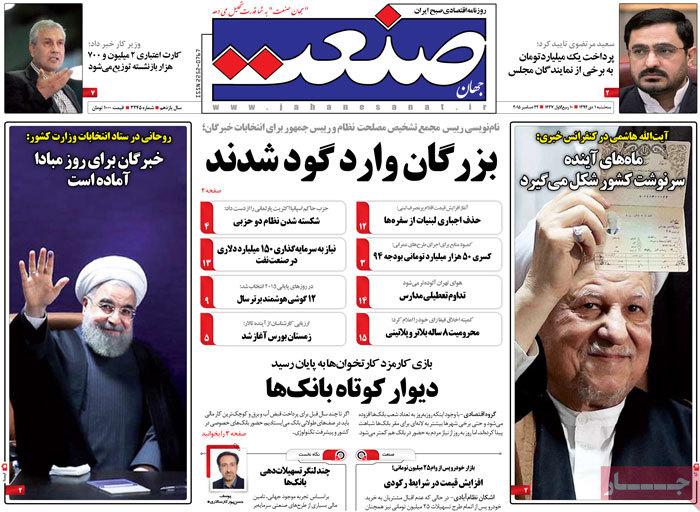
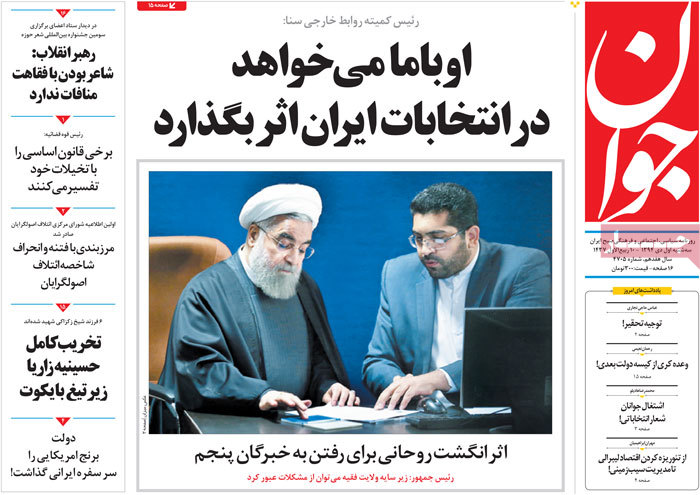
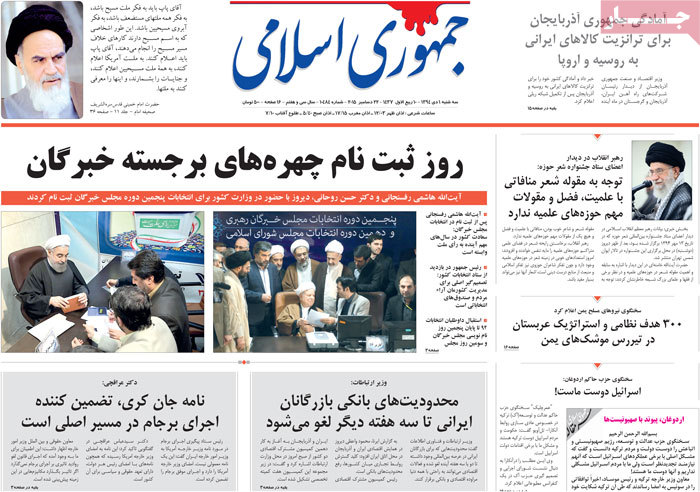
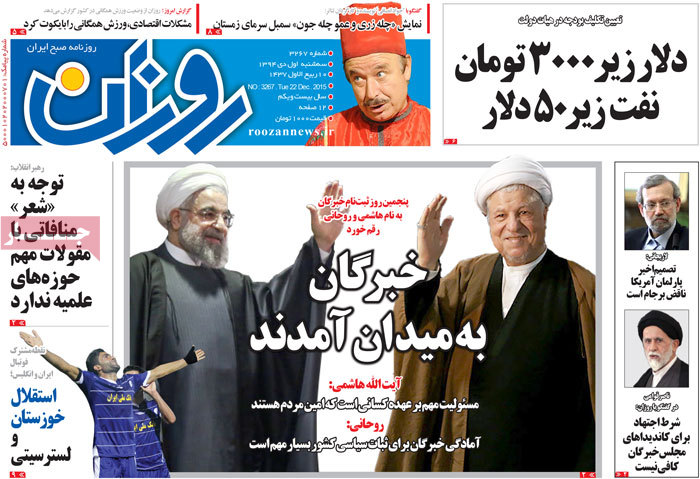
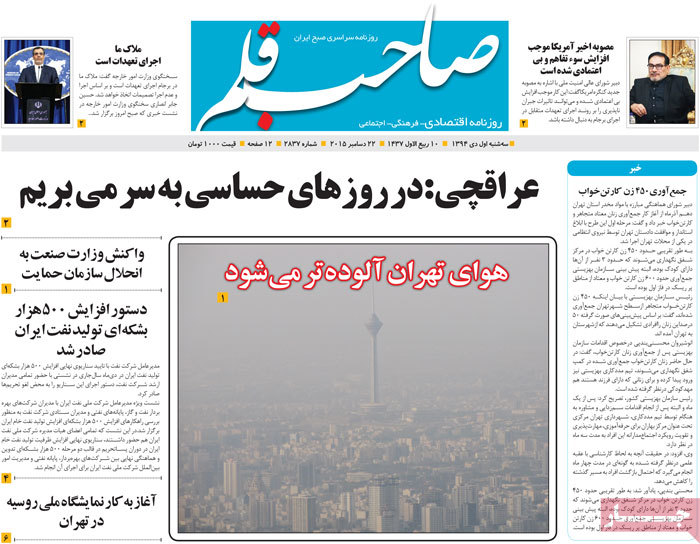
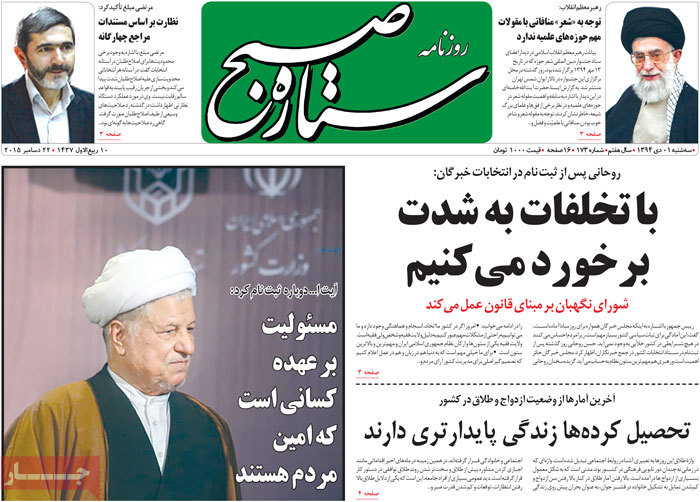
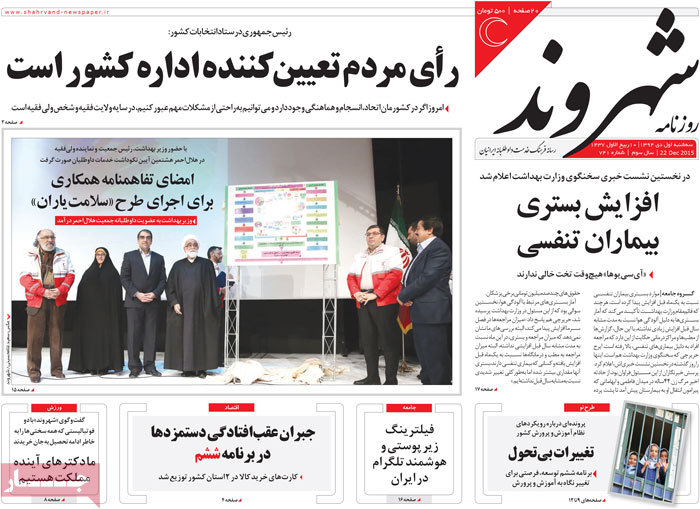
The official candidacy of Ayatollah Rafsanjani and President Rouhani for the Assembly of Experts elections in late February dominated the front pages of Iranian newspapers on Tuesday. Also on the cover of dailies was the stifling air pollution in the capital which prompted the closure of schools for a third day.


A look at Iranian newspaper front pages on Dec. 22


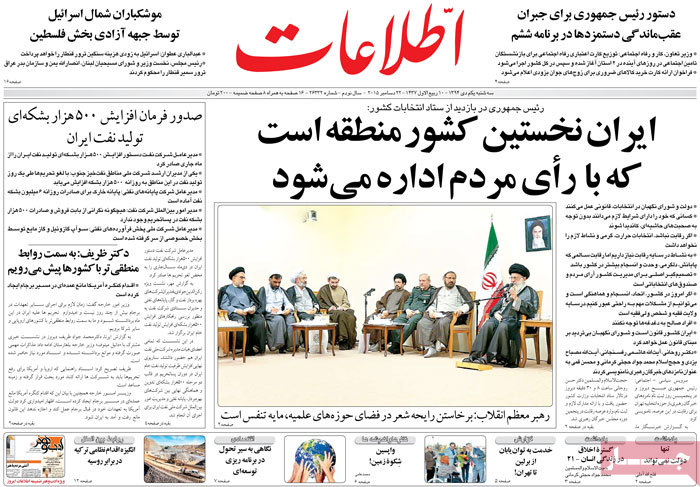
Ettela’at: Iran is the first regional country in which administration of affairs is based on the vote of people, President Rouhani said as he visited the Electoral Headquarters.

The president vowed that his government and the Guardian Council will act on the basis of law in the upcoming elections, urging those who deem themselves competent for public office to ignore “marginal questions” and field their candidacy.

Ettela’at: President Rouhani has ordered past failures to raise wages redressed in the Sixth Development Plan.

Ettela’at: The Palestine Liberation Front has fired missiles at northern Israel.

The Lebanese parliament speaker, prime minister and the Christian Council as well as Yemen’s Houthis and Iraq’s Badr Organization have condemned the assassination of veteran Lebanese fighter Samir Kuntar.

Ettela’at: The Supreme Leader has likened poetry-reading in seminary schools to breathing in fresh air.

Ettela’at: An order has been issued to raise Iran’s daily crude oil production by 500,000 barrels.

A senior oil official has said there are no concerns about the sale and exports of the additional oil Iran will produce in the post-sanctions era.

Ettela’at: Foreign Minister Zarif has said that Iran is moving toward more rational ties with other countries.

The top diplomat further said the US Congress has created a hurdle in the way of the nuclear deal by voting to tweak the US Visa Waiver law.


Abrar: Foreign Minister Zarif says he hopes sanctions are lifted next month.

Abrar: The commander of the Army ground forces has said his men upgrade their capabilities proportionate to threats.


A look at Iranian newspaper front pages on Dec. 22


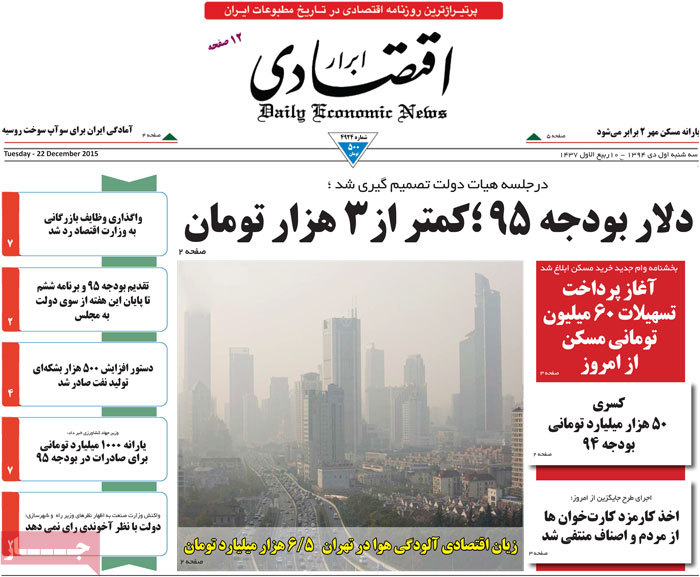
Abrar-e Eghtesadi: The economic damage air pollution in Tehran has caused adds up to more than $2.1 billion.


A look at Iranian newspaper front pages on Dec. 22


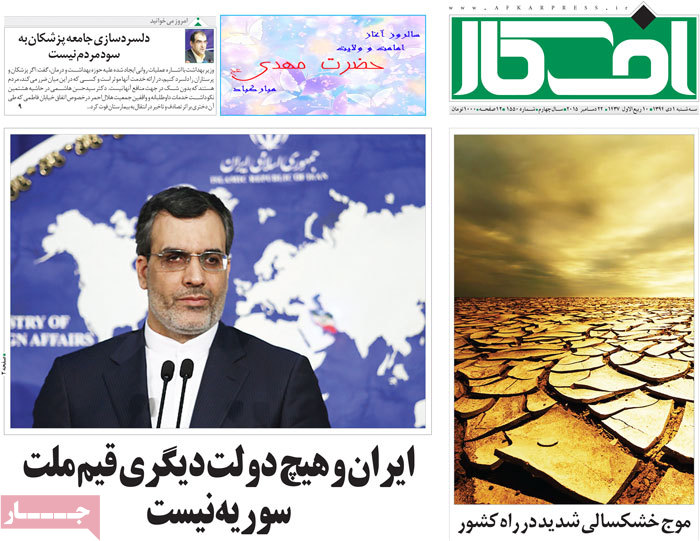
Afkar: Neither Iran nor any other government is the custodian of Syria, Foreign Ministry Spokesman Hossein Jaber Ansari said.


A look at Iranian newspaper front pages on Dec. 22


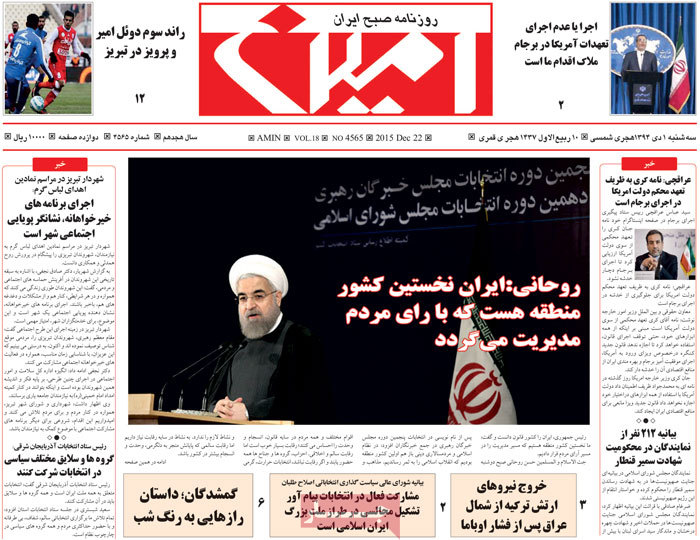
Amin: Two-hundred-and-twelve MPs have released a statement in condemnation of the assassination of Lebanese fighter Samir Kuntar at the hands of the Zionist regime.


A look at Iranian newspaper front pages on Dec. 22


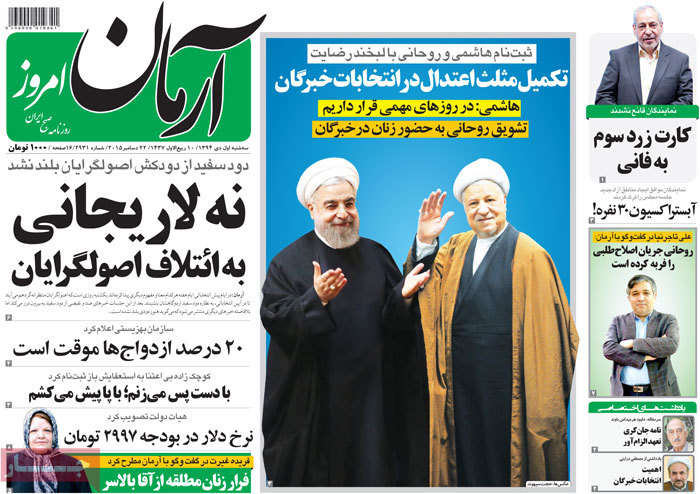
Arman-e Emrooz: The triangle of moderation [a reference to Seyyed Hassan Khomeini, Ayatollah Rafsanjani and Hassan Rouhani] is now complete in the upcoming Assembly of Experts elections.

Ayatollah Hashemi Rafsanjani has said that the country is in a crucial juncture.

President Rouhani has urged women to field their candidacy for Assembly of Experts elections.

Arman-e Emrooz: Speaker Ali Larijani said no to the coalition of principlists.

No white smoke emerged from the chimney of principlists.


A look at Iranian newspaper front pages on Dec. 22


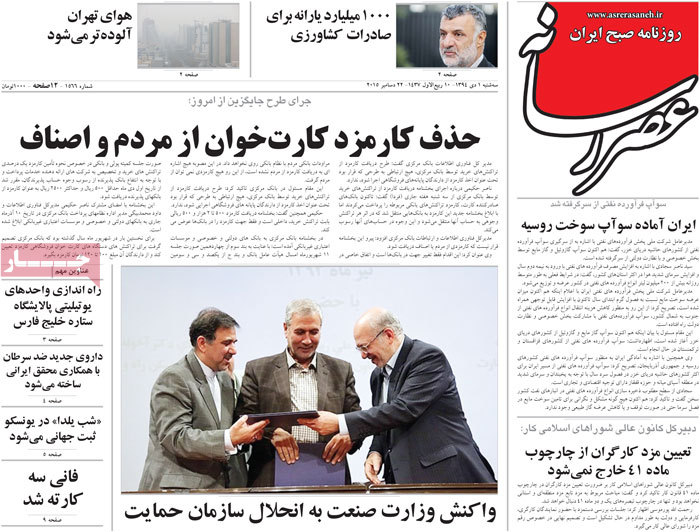
Asr-e Rasaneh: Yalda Night [an age-old Iranian tradition which coincides with the winter solstice in the northern hemisphere] is to be registered at UNESCO.


A look at Iranian newspaper front pages on Dec. 22


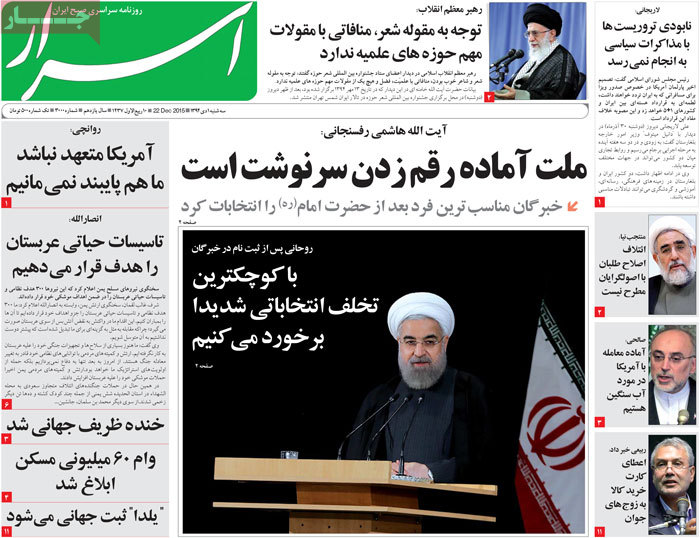
Asrar: If the US fails to keep its end of the bargain [under the nuclear deal], we won’t remain committed to our obligations either, said Deputy Foreign Minister Abbas Araghchi.

Asrar: The director of the Atomic Energy Organization of Iran has said Tehran stands ready to transact with the US on heavy water.


A look at Iranian newspaper front pages on Dec. 22


Ebtekar: There seems to be no end in sight to air pollution in Tehran.

The daily has a report on high levels of air pollution in the capital and other Iranian metropolises.


A look at Iranian newspaper front pages on Dec. 22


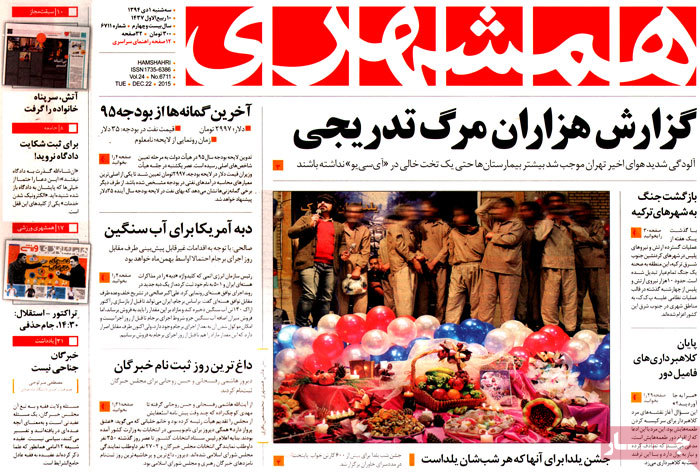
Hamshahri: A report on the gradual deaths of thousands

The dramatic rise in air pollution levels in Tehran has left no ICU beds available at the hospitals of the capital.


A look at Iranian newspaper front pages on Dec. 22


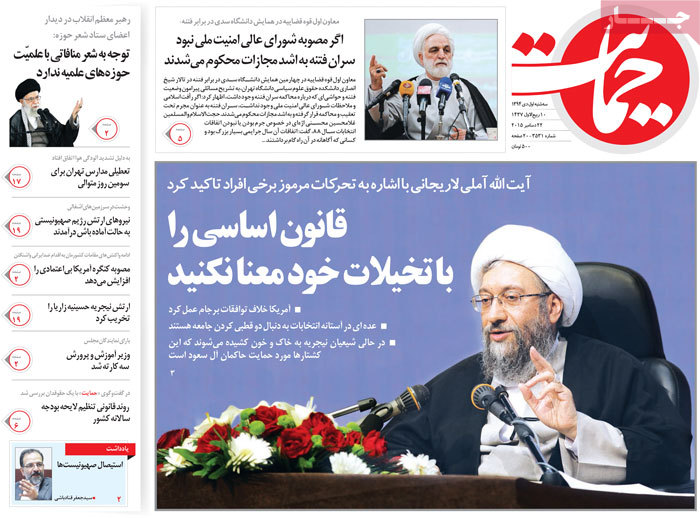
Hemayat: Had it not been for the decision of the Supreme National Security Council, the seditionist leaders [a reference to those who sparked massive unrest in the wake of the 2009 presidential elections by doubting the results] would have received maximum punishment, said the judiciary spokesman.

Hemayat: Don’t interpret the Constitution based on your imaginations, Judiciary Chief Ayatollah Sadegh Amoli Larijani said as he took a swipe at those who “seek to polarize society in the run-up to elections.”


A look at Iranian newspaper front pages on Dec. 22


Iran: The letter Secretary Kerry has sent to Foreign Minister Zarif amounts to a firm guarantee by the Americans, said Deputy Foreign Minister Abbas Araghchi.

Iran: Deals will be cut with foreign investors before the actual termination of sanctions.


A look at Iranian newspaper front pages on Dec. 22


Jahan-e Sanat: Saeed Mortazavi [a former judge who is on trial for corruption] has admitted that he has paid more than $300,000 to some MPs.


A look at Iranian newspaper front pages on Dec. 22


Javan: President Rouhani took the first step toward reelection to the Assembly of Experts.

After fielding his candidacy for the upcoming elections, he told reporters that the country can ride out the storms through the rule of religious jurisprudent.


A look at Iranian newspaper front pages on Dec. 22


Jomhouri Islami: Azerbaijan says it is ready to transit Iranian products to Russia and Europe.

Jomhouri Islami: The minister of communications has said that the banking restrictions Iranian businesses have been facing will be lifted in three weeks.


A look at Iranian newspaper front pages on Dec. 22


Kaenat: An image of Foreign Minister Zarif laughing has landed on CNN’s The Year in Laughter page.


A look at Iranian newspaper front pages on Dec. 22


Kayhan: A vessel carrying 10,000 tons of American rice has docked at Chabahar Port in southeastern Iran.


A look at Iranian newspaper front pages on Dec. 22


Resalat: The Nigerian Army has demolished a Shiite religious site in Zaria.

The total number of Shiites killed in the crackdown now runs into 2,000.


A look at Iranian newspaper front pages on Dec. 22


Rooyesh Mellat: The recent decision of the US Congress to restrict travel to Iran has raised the level of mistrust, said Secretary of the Supreme National Security Council Ali Shamkhani.


A look at Iranian newspaper front pages on Dec. 22


Roozan: The recent decision of the US Congress amounts to violation of the Joint Comprehensive Plan of Action, said Parliament Speaker Ali Larijani.


A look at Iranian newspaper front pages on Dec. 22


Saheb Ghalam: Air pollution in Tehran is set to get worse.

[Schools in the capital remained closed for a third day in a row on Tuesday.]


A look at Iranian newspaper front pages on Dec. 22


Setareh Sobh: Those who commit electoral offenses will be seriously dealt with, President Rouhani said.


A look at Iranian newspaper front pages on Dec. 22


Shahrvand: A cooperation MOU has been signed by the Health Ministry and the Red Crescent Society to implement a healthcare volunteer program.


A look at Iranian newspaper front pages on Dec. 22


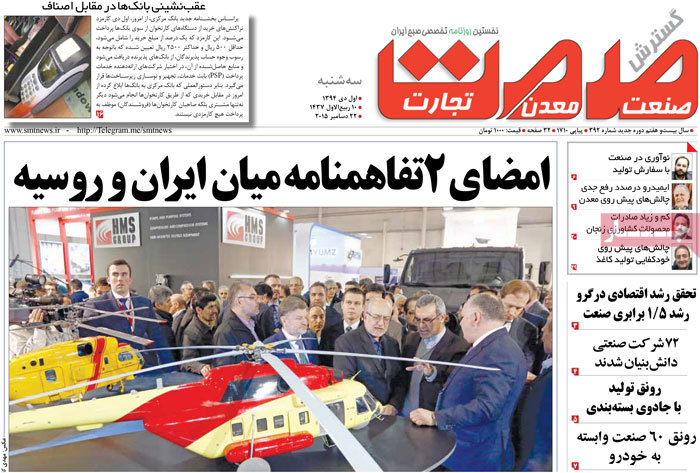
SMT: Iran and Russia have signed two economic cooperation MOUs.


A look at Iranian newspaper front pages on Dec. 22


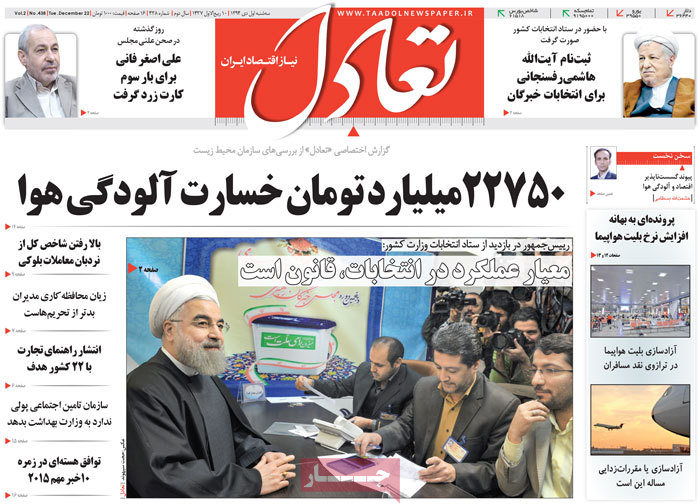
Taadol: The education minister has been yellow-carded by parliament for a third time [paving the way for his impeachment.]


A look at Iranian newspaper front pages on Dec. 22


New US visa law breaches Europe independence: Iran FM

Zarif-France-1

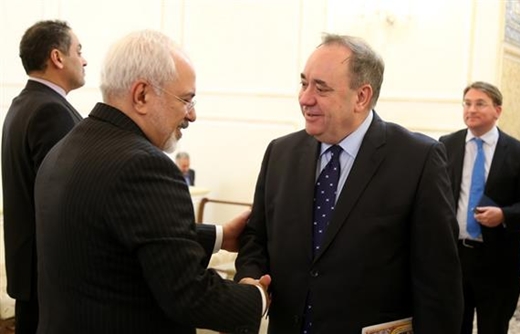
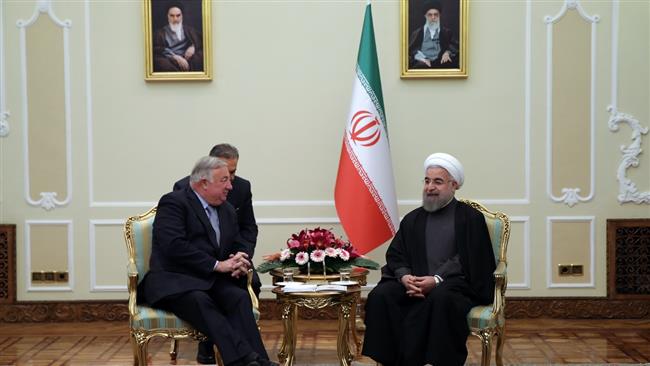
Foreign Minister Mohammad Javad Zarif says a new US legislation to tighten visa-free travel to the United States breaches Europe’s independence.

“The legislation is against Europe’s independence and the spirit of the law lays down the approach that whoever is siding with terrorists is immune,” Zarif said in a meeting with French Senate President Gerard Larcher in Tehran on Monday.

He urged European countries “to express their independent resolve” in the face of such discriminatory approaches.

For more than 25 years, the Visa Waiver Program (VWP) allowed people from 38 countries, namely European states, Australia, Japan and South Korea, to travel to the US without applying for a visa.

However, US President Barack Obama on Saturday signed a USD-1.1-trillion funding bill that aims to exclude from the VWP all dual nationals from Iran, Iraq, Syria and Sudan, and anyone else who has traveled to those countries in the past five years. Such foreign nationals are now required to obtain a visa through standard measures, including face-to-face interview at a US consulate.

Zarif further said extremists and Takfiri groups have turned into common threats to Iran, France and the entire region, and emphasized that regional crises should only be settled through political means.

The French Senate president, for his part, said his country welcomes the improvement of ties with Iran and that the French Senate “will take appropriate action” with regard to the US legislation.

Earlier Secretary of Iran’s Supreme National Security Council (SNSC) Ali Shamkhani told the French official the new US legislation will deepen the distrust of Washington and negatively affect the implementation of the July 14 nuclear agreement between Tehran and the P5+1 group of countries.

Certain measures and decisions including the recently devised visa restrictions in the US “will definitely increase misunderstanding and distrust and can have irreversible effects on the implementation of JCPOA,” Shamkhani said in a meeting with Gerard Larcher.

Shamkhani said that JCPOA has prepared the ground for dialog instead of hostility and conflict, calling on both sides of the deal to safeguard the achievements of the agreement.

Shamkhani-FranceStating that the JCPOA has opened a new chapter in relations between Iran and France, Shamkhani said that taking “common and constructive steps” for the restoration of trust is a starting point in the establishment of new ties on the basis of mutual respect and national interests of the two nations.
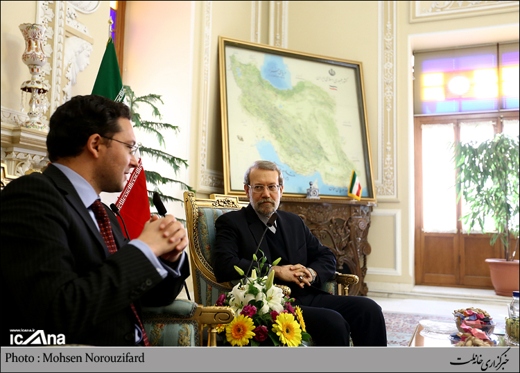
The Iranian official further expressed regret over the November 13 terrorist attacks in the French capital, which killed some 130 people, calling for concerted global efforts to fight terrorism that poses a threat to the security in Europe, the US, West Asia and parts of Africa.

Shamkhani also criticized certain countries for spreading terrorism by adopting wrong policies and using terrorism as a tool, saying that eradicating the root causes of terrorism and the causes promoting it is a main step in countering the menace.

Larcher, for his part, described the Islamic Republic as a center of stability in the West Asia region, calling for closer political and security cooperation between Tehran and Paris.

DM: Iran to implement JCPOA after west fulfills commitments

General Dehghan

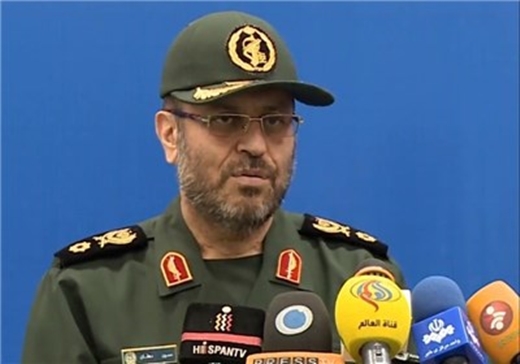
Defense Minister Brigadier General Hossein Dehghan underlined that Iran will implement the Joint Comprehensive Plan of Action after the Western countries show their commitment to the nuclear agreement reached between Tehran and world powers in Vienna in July.

General Dehghan pointed to the nuclear agreement between Iran and the P5+1 (the US, Russia, China, France and Britain plus Germany) and the commitments and undertakings of the Western countries, and said, “We will implement JCPOA only if the other side fulfills its commitments and if it fails to do so, we will drop the implementation of the JCPOA.”

The defense minister underlined that the country has developed its missile industries and production.

“We have not halted designing, producing and testing our missiles, (on the contrary) we have even increased our production,” General Dehghan said, addressing a ceremony in the city of Sari, in northern Iran on Monday.

The defense minister, however, said that Tehran has never had any plans to produce nuclear warheads for its missiles.

The defense minister reiterated that constant updating and upgrading of military equipment and weapons stands atop Iran’s agenda as it needs to ensure protection against enemies.

[…]

Larijani: Decision by US Congress violates JCPOA

Larijani-Bulgaria

Parliament Speaker Ali Larijani said on Monday that the recent decision made by the US Congress to tighten travel rules for those who visit Iran will harm the nuclear deal signed between Iran and P5+1 and is against the content of the agreement.

Larijani made the remarks in a meeting with visiting Bulgarian Foreign Minister Daniel Mitov in Tehran on Monday.

In two or three weeks, the Joint Comprehensive Plan of Action (JCPOA) will be implemented and economic relations between Iran and Bulgaria will be boosted considerably, he said.

Iran and Bulgaria can broaden cooperation in culture, media, education and tourism, Larijani said. On the coalition formed in fight against the Daesh terrorist group, he said we hope these countries are serious in their fight against terrorist groups.

Double standards adopted by a very limited number of countries have enabled terrorist groups to creep into countries such as France to carry out sabotage operations, he said.

Referring to the ongoing crises in countries such as Syria and Yemen, he said complete destruction of terrorists via political negotiations sound impossible and these problems will be resolved through security means.

The downing of a Russian fighter jet [by Turkey] and the recent military attack of the Zionist regime against Damascus will promote warmongering in the region, Larijani said.

The Bulgarian foreign minister, for his part, said during his visit to Tehran he held very positive talks with the Iranian officials leading to expansion of cultural, commercial, tourism and sporting events in both countries.

Bulgaria and Iran have very rich cultures along with huge tourist attractions, said the Bulgarian foreign minister.

Bulgaria is ready to invest in Iran’s natural gas to transfer it to Europe, he said.

Bulgaria seeks the destruction of terrorist groups as their presence will create international challenges which should be removed at the earliest, said the Bulgarian top diplomat.

Air raid is not enough to quell terrorist groups and other measures should be taken in this regard, he said.

The West and the European Union could play leading role in fight with terrorists, he said adding that the role of regional countries should be heeded in such fight.

Syrian people wish to make a decision on their fate and all should help them establish democracy in the war-torn country, he said.

Bulgaria believes that ceasefire should be established in Syria as soon as possible to help the country reorganize itself, said Bulgarian foreign minister.

He also said he wished the US Congress revised its decision on visa for travelers visiting Iran and by doing so helped implement the Joint Comprehensive Plan of Action (JCPOA).

Bulgarian foreign minister also held talks with President Hassan Rouhani and Foreign Minister Mohammad Javad Zarif on issues of mutual interests along with regional and global developments.

Rouhani: The Guardian council will undoubtedly act based on law

rouhani

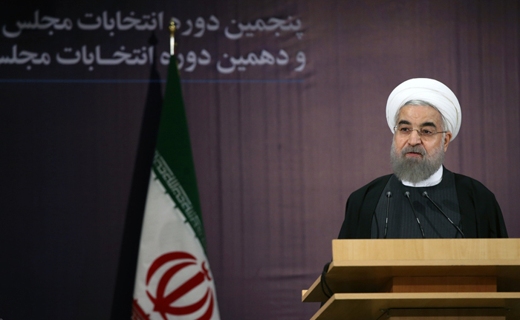
President Hassan Rouhani, who has been a member of the Assembly of Experts since 2000, went to the Interior Ministry on Monday to field his candidacy for the Assembly of Experts elections.

After registration, the Iranian president told reporters: “The Assembly of Experts is a significant institution because the leadership is the most important pillar of the establishment.

“Thanks to the principle of the rule of religious jurisprudent and the religious jurisprudent himself there is unity and coordination inside the country today and we can easily weather the difficulties. Religious jurisprudence is one of the pillars of the Islamic Republic of Iran, and it is the most significant and highest-ranking pillar.

“It is very important to us to declare to the world, both in words and action, that people’s votes and ballot boxes are the main decision makers in the country. Today we are getting prepared to hold the 33rd elections after the victory of the Revolution.”

The head of the 11th government also added, “Those who deem themselves as competent should turn a deaf ear to concerns heard here and there. Our country is a country of law, and the Guardian Council undoubtedly acts based on law. The government, Interior Ministry, executive boards, and governors general all act according to law. If there is a violation of law in a corner, this government will severely deal with it since we are seeking to stage a 100 percent healthy, glorious, and competitive elections with maximum turnout.”

Rouhani also recalled the very good participation of women in political, social, cultural and religious arenas and reiterated, “Women should also partake in the Assembly of Experts elections and in the elections for the Islamic Consultative Assembly.”

Rouhani underlined, “To us, the presence of women in the elections is of significance. Though there is no difference between male and female MPs, the presence of a substantial number of women in the chamber is important in the court of world public opinion. That helps the world understand the realities of this country and realize that things are done based on merit and not gender. We expect women, who view themselves as competent for public office, to run.”

The head of the government of Prudence and Hope also said, “We are in a special regional and global situation and we need unity more than ever before. Competition is good but it must be healthy and ethical. In the absence of competitiveness there will be no dynamism. We need dynamism to have a competitive election which will lead to further unity.”

Iran: Nuclear deal start of better French ties

Rouhani-France

Iran says its July nuclear agreement with P5+1, which included France, has served as a beginning for improvement of Tehran-Paris relations.

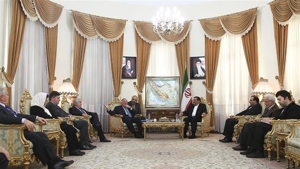
President Hassan Rouhani made the remark in a meeting with President of the French Senate Gerard Larcher in Tehran on Sunday.

[…]

Rouhani said, “Visits by high-level French economic and political officials and delegations to Iran following the nuclear agreement showed that the conclusion of the accord is a starting point for the activation and development of cooperation and relations between the two countries.”

“Tehran and Paris have common goals in many areas and both sides have the political will to use the existing opportunities to the two nations’ benefit,” he added.

He expressed hope that “Iran, as a stable country in the region, and France, as a powerful country in Europe, can join in good cooperation and measures toward resolving regional and international issues and conflicts.”

The Iranian chief executive also condoled with the French government and nation on the November 13 terrorist attacks in Paris which killed some 130 people. “Iran hopes that the perpetrators of these crimes face justice as soon as possible.”

The French official expressed gratitude for the condolence and said, “The French government and parliament attach great importance to the [upcoming] trip by the Iranian president to Paris and we hope that the visit takes place in the near future.”

French President Francois Hollande has said President Rouhani will pay an official visit to France at the end of January.

Isfahan designated UNESCO Creative City of crafts and folk art

Isfahan

A list recently placed on the website of the United Nations Educational, Scientific and Cultural Organization is good news for residents of Isfahan because it officially makes their city a member of the UNESCO Creative Cities Network in terms of crafts and folk art.

Isfahan-1
Isfahan – Si-o-seh pol

Efforts by the current Isfahan Mayor Dr. Mehdi Jamalinejad, who previously served as deputy mayor of the city for coordination among municipal districts and urban organizations, and also as a senior aide to the previous mayor for international relations, eventually came to fruition and Isfahan was named as a UNESCO creative city in crafts and folk art.

It came after Isfahan was designated a World Crafts City in September by the World Crafts Council.

The network includes seven creative fields, namely, crafts and folk art, design, film, gastronomy, literature, media arts and music. In light of Isfahan’s world-class fame in handicrafts, it secured a berth in the first of the seven fields in question: crafts and folk art.

Since 2004, 116 cities have joined the networks. It is the first time a city from the Islamic Republic of Iran has made it to the list of creative cities.

The UNESCO Creative Cities Network aims to foster international cooperation among cities committed to investing in creativity as a driver for sustainable urban development, social inclusion and cultural vibrancy.

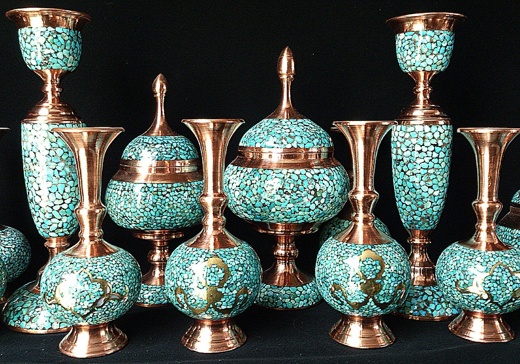
Diversity, quality and creativity have lent Isfahan a special position in the handicrafts industry both at home and abroad. Isfahan is the only city in the country with an independent handicrafts guild which acts in conjunction with the Municipality and has as many as 8,000 members.

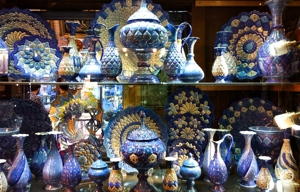
Isfahan-HandicraftsThe attention the city pays to folk art is of importance too. The term folk art refers to works of art whose practicality outweighs their aesthetic aspects. This is rooted in the rich old culture of the city. Since ancient times the people of this city have attached importance to art and UNESCO’s focus on the city is meant to sustain this intangible heritage.
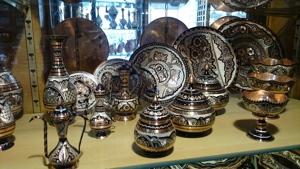
A major part of the responsibility to maintain this heritage and ensure its dynamism lies with the city’s Municipality.

In a letter to the mayor of Isfahan, Bahman Namvar, a deputy director of the Cultural Heritage, Tourism and Handicrafts Organization, said: “Iran has been a major civilizational hub in different eras and has always served as a shining example as far as human culture and civilization is concerned. Isfahan has a special place in Iran’s cultural and artistic nobility. Without a doubt, presentation of the noble aspects of the city is a praiseworthy effort. Hereby I thank the artisans of this city and the distinguished mayor for their contribution to efforts to join the Creative Cities Network and congratulate you on the designation by UNESCO of Isfahan as a creative city in terms of crafts and folk art.”

In festivities held earlier this year to celebrate the designation of Isfahan as a world crafts city, Namvar Motlagh said the designation made the responsibility of the city officials heavier.

Meanwhile, the mayor of Isfahan said Isfahan owes the victory it has nailed down in becoming a creative city to the efforts of its creative engineers and artisans since ancient times and said the network is the most paramount network UNESCO has founded and that Isfahan is the first Iranian city to join the network as a creative city in terms of crafts and folk art.

He further said that in naming creative cities UNESCO chooses those which have high cultural potential and can tap such potential to promote sustainable development; that was one reason why Isfahan was chosen as a UNESCO creative city.

HandicraftsThe mayor went on to say under his stewardship the city of Isfahan has shed its structural approach in favor of a creative one and said as the UNESCO statement says, “as a driver for sustainable urban development, social inclusion and cultural vibrancy” creativity can guarantee a lofty future. By establishing a center for innovation and creativity in the municipality, the city of Isfahan has taken effective steps toward that goal.

He said the designation of Isfahan as a creative city is bound to usher in better urban development in the city and added creation of more jobs in creative cities over the past two decades has contributed a lot to overall economic development of the country.

The mayor further said factors such as creative human resources, high quality of living, groundwork for innovation and participation of social assets are meant to secure sustainable development.

Diversity is a feature of a creative city, he said, adding Isfahan has diverse neighborhoods which are home to predominantly Jewish, Christian, Fars and Bakhtiyari communities and this has paved the way for the emergence of artistic creativity in society.

In conclusion he thanked all those who contributed to global registration of Isfahan as a UNESCO creative city.