Wednesday, December 31, 2025
Home Blog Page 4561

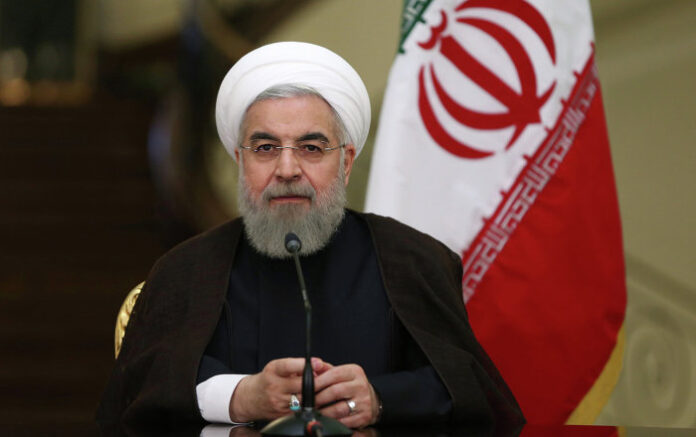
President calls for punishment of Saudi Embassy attackers

‘Those behind this clear offence should be punished in order to prevent such actions to happen again in the future,’ he added.

The president called the attack on Saudi Embassy, ‘an attack against the country’s security and the system’s authority’.

Rouhani vowed on Sunday to bring perpetrators of the overnight attack on the Saudi Embassy in Tehran to justice.

An outraged group of people stormed the Saudi diplomatic missions in Tehran and Mashad late Saturday after the Saudi regime executed prominent Shia cleric Nimr al-Nimr for alleged terror offenses.

‘I request Iran’s Interior Minister – with the cooperation of Judiciary and Intelligence Ministry – to identify the attackers and send them to judicial system so justice can be administered,’ Rouhani had said on Twitter.

The Iranian president condemned the killing of Sheikh al-Nimr, warning it would only exacerbate terrorism in the region, but urged Iranians to refrain from retaliation.

‘The Iranian people should not allow this to become an excuse for rogue individuals and groups to commit illegal acts and damage Iran’s image,’ he stressed.

Sheikh al-Nimr was an outspoken critic of the Saudi monarchy. He rose to prominence during the 2011 anti-government protests in the Saudi kingdom, where the Shia population says they are being discriminated against.

Training instead of jail, an unusual sentence for an environment offender

An unusual verdict a Golestan Province judge – who is a nature lover – has issued for a young man who committed an environmental offense has unleashed a wave of efforts to preserve the environment in the area.

Entekhab.ir on January 6 published a report on the atypical sentence for an environmental offender. The following is the translation of the report:

The sitting judge in the trial of a man in Golestan Province handed down an environmental verdict for the convict instead of a jail sentence.

The man who had tried to sell as many as 32 sandgrouses and laughing doves was sentenced to six months in discretionary jail term in a court of first instance in Gomishan District in Golestan Province. The convict later appealed against the court’s decision.

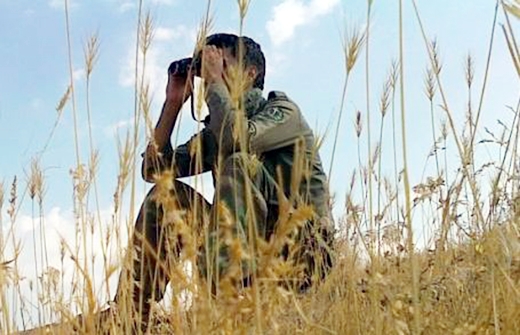
Having heard the case, the Court of Appeals reduced his sentence to one year suspended jail term and ordered him to appear in the Environment Protection Office in Turkman Port and Gomishan once a week to learn more about ways of protecting the environment, receive park ranger training and get familiar with the destructive impacts of poaching. He was also ordered to try to teach what he learns about the environment to other people in his area of residence.

According to the ruling, the court decision is implemented under the full supervision of the Environment Protection Office in Turkman Port which is obliged to report – every two months – to the court on what has been done.

With a population of more than 60,000 people, Gomishan is located in the northwest of the province. Its international lagoons, ponds and water reserves are home to a large number of indigenous and migrant birds in winter.

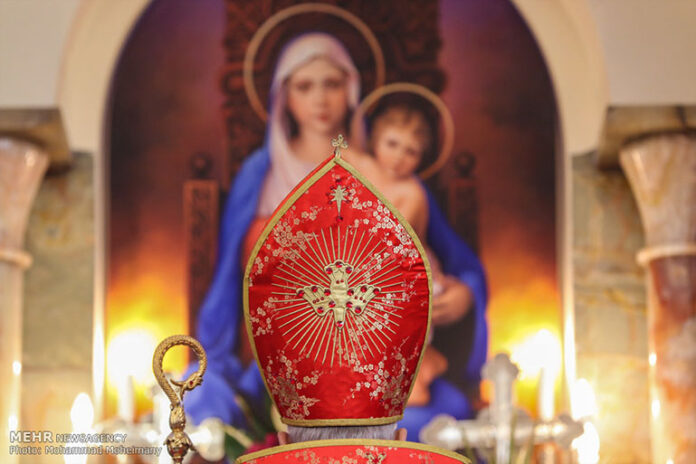
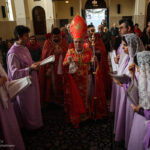
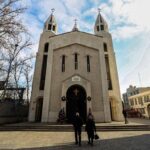
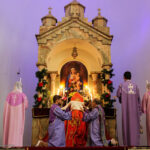
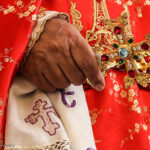
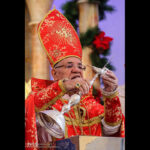
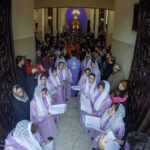
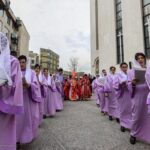
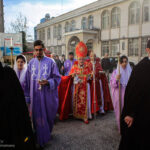
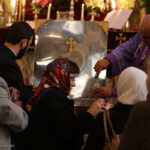
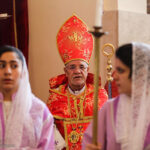
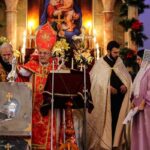
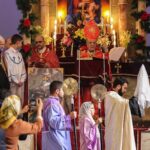
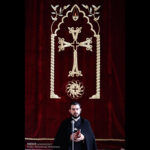
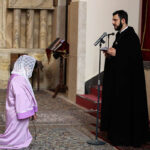
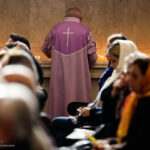
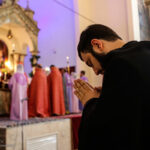
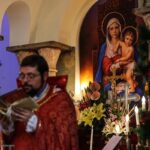
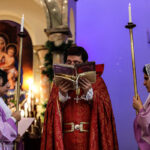
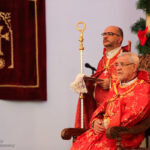
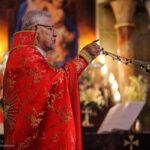
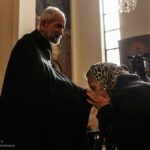
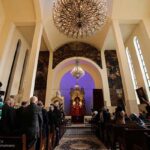
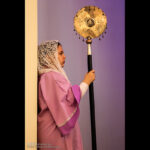
Orthodox Christians observe Christmas in Iran (PHOTOS)

Orthodox Christians observe Christmas Day on or near January 7.

The following images of one such church observance have been released by Mehr News Agency:

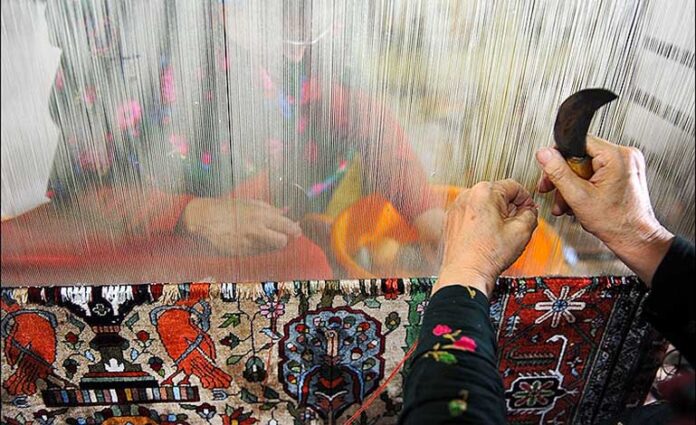
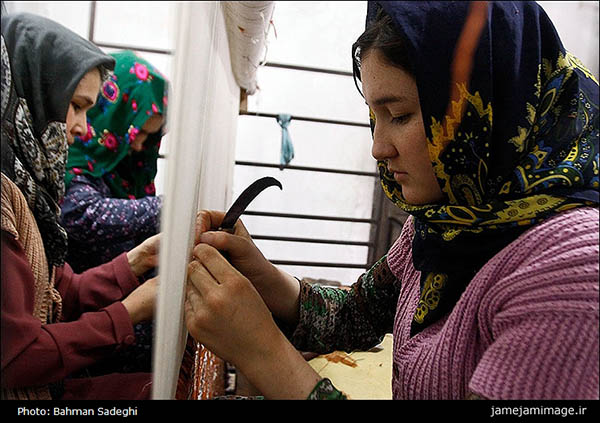
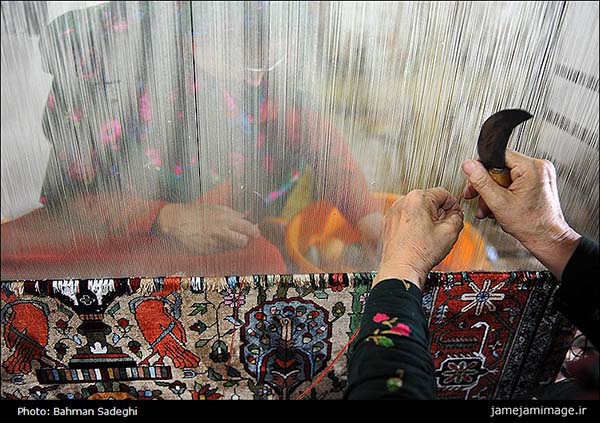
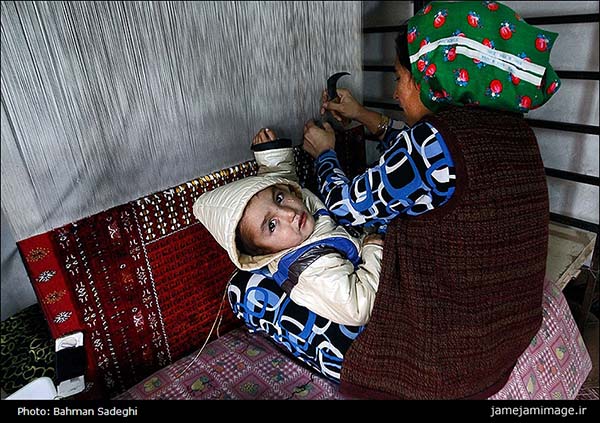
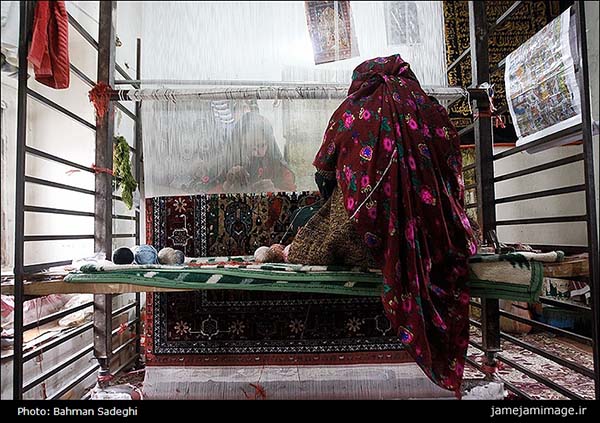
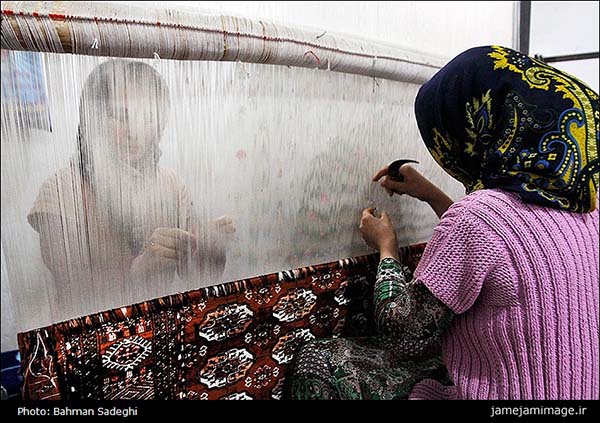
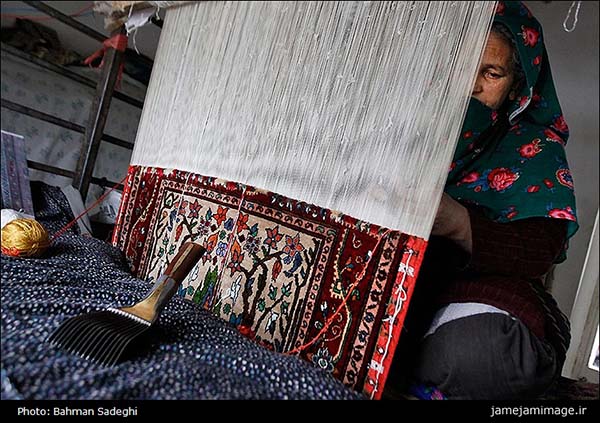
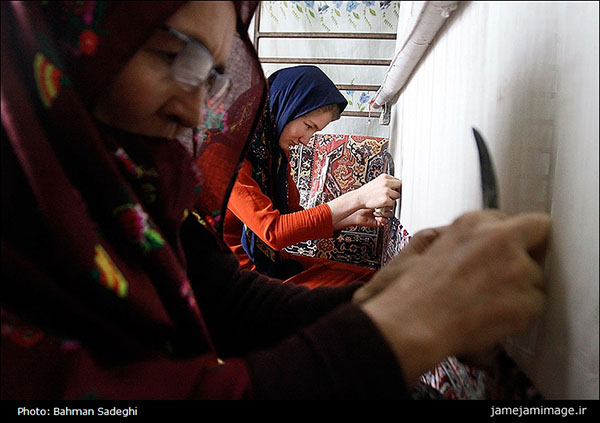
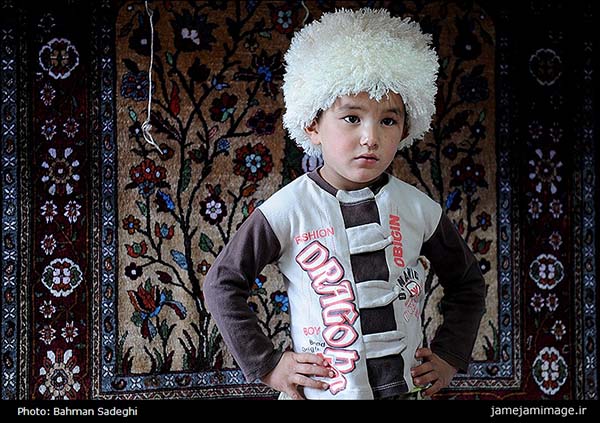
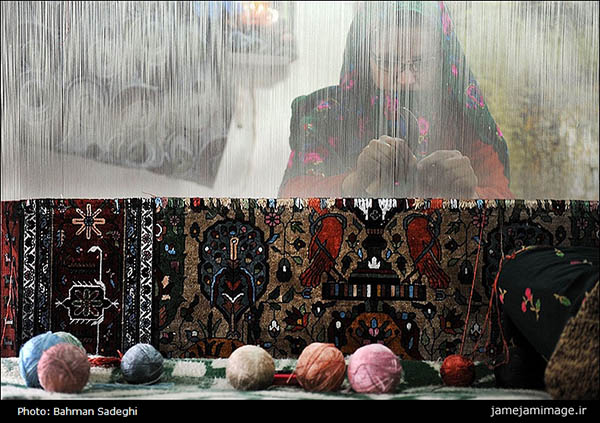
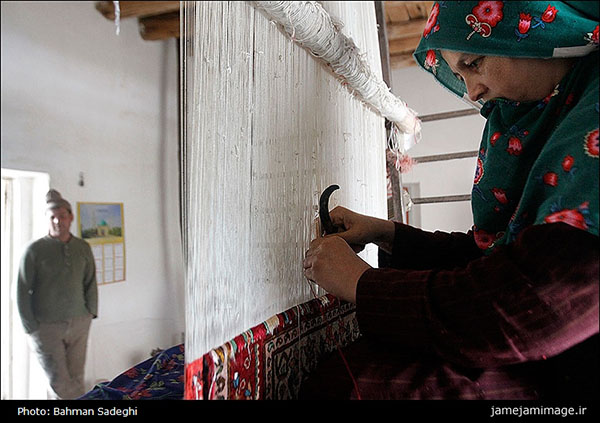
Double-sided Persian rug (PHOTOS)

A double-sided silk rug woven by Turkmen weavers [who are based in North Khorasan Province] is a unique artistic work when it comes to delicacy, motif and color.

The rug has been put on display in some Asian and European countries.

The following images of this silk rug, which has been put on display in some Asian and European countries, have been released by Jam-e-Jamonline.ir:


Saudi Arabia needs to stop fueling tension in Mideast, Iran says

Iranian Foreign Minister Mohammad Javad Zarif says the government of Saudi Arabia must stop measures that only serve to pour fuel on regional tensions in the Middle East.

Speaking during a press conference with his Iraqi counterpart, Ibrahim al-Jaafari, in Tehran on Wednesday, Zarif said the Saudi regime has, over the past two and a half years, moved against measures taken by Iran to contribute to the restoration of peace and unity in the region.

The Iranian foreign minister warned Saudi officials that any measure that would lead to escalation of tensions and create crises in the region will not benefit its perpetrator.

“We invite all parties to become united in the face of extremism, terrorism, sectarianism, and tribalism,” Zarif noted, adding that measures taken to intensify such factors will backfire on those who take such steps.

Zarif stated that Riyadh worked in line with the Israeli regime’s policy to undermine negotiation between Iran and six world powers over Tehran’s nuclear program, adding that the Saudi rulers even cut down oil prices to harm Tehran.

Iran has shown tolerance toward Saudi acts as it believes conflicts in the region will not serve the interests of any side, the Iranian foreign minister said.

Zarif also emphasized that measures aimed at fomenting tension in the terror-hit Middle East region do not stem from the power of those who take them, but are out of pure “weakness.”

Zarif: No justification for Sheikh Nimr’s execution

Zarif touched on special conditions in the region following the recent execution of senior Saudi Shiite cleric, Sheikh Nimr al-Nimr, adding that he had discussed the issue with his Iraqi counterpart.

He noted that Saudi Arabia’s measure to executive the cleric was by no means justifiable because he was “a person who dedicated his entire life to invite people to Islam through peaceful means, dialogue, and interaction” and took advantage of all civil capacities to oppose recourse to military forces, terrorism and extremism.

“The measure taken against this reformist and scholarly figure is by no means justified and it has been met with hatred and condemnation across the world,” Zarif said.


PART THREE: On the Iran nuclear deal

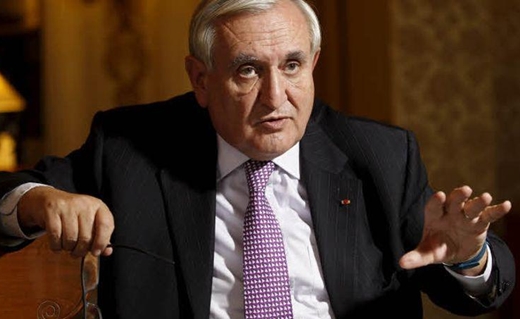
A former French premier has said that his country will not follow in the footsteps of the United States if Washington unilaterally goes back on its promises under the Iran nuclear deal.

Jean-Pierre Raffarin, who served as French prime minister (2002–2005), made the remark in an interview with Etemaad daily’s Ehsan Badaghi and added that JCPOA is an agreement between Iran and six world powers and that one country, out of P5+1, cannot unilaterally violate the nuclear deal.

The opposition UMP party senator – who is now the chairman of the French Senate Committee for Foreign Affairs, Defense and Military – also talked about trans-partisan policies of France on the war on terror and stressed that Iran should be a key player in international efforts to take on terrorism.

Raffarin was in Tehran in mid-December as part of a French delegation led by President of the French Senate Gerard Larcher. The following is the translation of the final part (PART THREE) of the interview which focused on the international fight against terrorism and implementation of the Iran nuclear deal:

Q: If France holds a positive view of Iran, why is it that Paris took the harshest stance in the final hours of the two key stages of nuclear talks – once in Geneva and another time in Vienna? In those two stages, why did your country adopt a policy which pushed the talks to the brink of a breakdown?

A: France had no intention of taking the talks to the brink of a breakdown and putting an end to the negotiating process. France wanted the two sides to arrive at an agreement which could bring the dispute to an end for good. France was extremely worried that an agreement that lacked substance might be struck, one that could not close the [Iran nuclear] case forever.

The question was how to change Iran’s international position, and such a change is not what you can bring about every six months. France is very happy with the agreement [Iran and P5+1 struck in July] and is certain that the parties to the Iran nuclear deal will keep their end of the bargain.

As far as France is concerned, this [Iran’s nuclear] case is closed. We should honor all commitments under the nuclear deal. This applies to all sides of the deal. We can embark on our new work with regard to Iran’s new international position.

Q: What is that new work?

A: Development of political and economic cooperation. It is what the two sides are very much eager about, both officials in Iran and in France.

Q: As far as the Joint Comprehensive Plan of Action (JCPOA) is concerned, there is one point. Despite your positive view, we see certain developments, especially the new developments in the US, have unfolded to counter Iran. These developments have now created ambiguities in Iran. There are some in the Republican Party who insist on going back on JCPOA in case their nominee wins the 2016 presidential elections. What do you think about such stance? What is France’s policy on this?  

A: We view JCPOA as a special international opportunity, a starting point for a number of positive developments. I should stress here that JCPOA will not be revoked. France got involved in the talks simply to help the two sides reach a sustainable agreement.

I do not think a new development will take place in the United States [which can affect the nuclear deal], because it is in the best interests of all nations for Iran to assume its own place and undertake its own responsibilities. Thanks to Iran’s regional power and economic potential, it would serve the interests of all nations to help Iran reclaim the position it seeks and deserves on the world stage. This is the conclusion many countries have come to: this is the position which belongs to Iran.

France will be seriously defending Iran’s efforts to achieve such a position [at the international level] and this is the most important message of Paris to Iranian officials.

As for a US decision to contradict JCPOA, I should say that the Joint Comprehensive Plan of Action is a deal struck by Iran and six countries which represented the international community. I think the requirements of the political situation will eventually bar the US or any other country from going it alone and breaching the nuclear deal. Five powerful countries along with Iran, which had been involved in the talks for two years, will not easily ignore the results of the talks.

I cannot make promises on behalf of the Americans, but I can say on behalf of France that we will remain committed to the deal we have inked and reject as unconstructive any breach of JCPOA.

France distanced itself from the Americans during the US invasion of Iraq and Afghanistan, but our differences with the Americans will widen even more if they violate the nuclear deal. Paris does not follow any other country, including the US, when it comes to the implementation of the Iran nuclear deal.

The end

A look at Iranian newspaper front pages on Jan 6

Iranian Newspapers Headlines

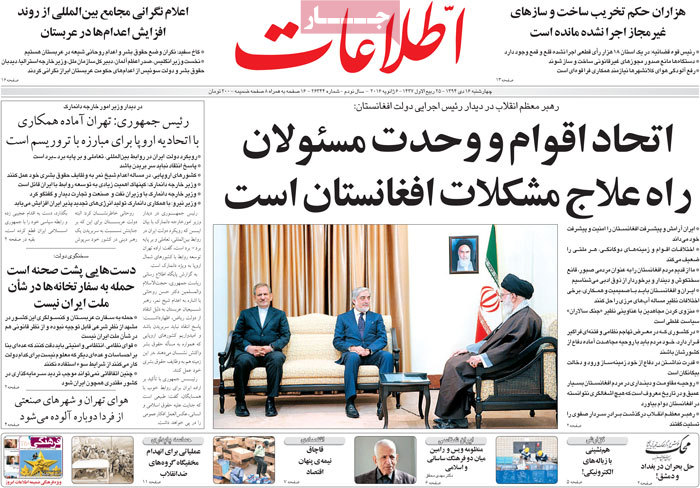
The comments of the Supreme Leader at a meeting with visiting Chief Executive Officer of Afghanistan Abdullah Abdullah dominated the front pages of Iranian newspapers on Wednesday. Also appearing on the cover of dailies was the result of a first round of screening for parliamentary elections.


Ettela’at: The Supreme Leader has said that ethnic unity and official solidarity is key to solving the problems Afghanistan is facing.

In a meeting with visiting Afghan chief executive, Ayatollah Khamenei said that Iran views Afghan security and progress as its own.

Ettela’at: President Hassan Rouhani has said that Tehran stands ready to cooperate with the EU in the fight against terrorism.

In a meeting with the Danish foreign minister, President Rouhani also said that Iran’s approach to international ties is based on win-win interaction.

Ettela’at: The Judiciary chief has said that there are thousands of unimplemented court rulings on pulling down unauthorized structures and buildings.

Ettela’at: International figures and institutions have expressed concern over the growing number of executions in Saudi Arabia.

The British prime minister, the German chancellor, the UN secretary general, the Australian foreign minister, Human Rights Watch and the Swiss government have expressed concern over executions in the kingdom.

Ettela’at: The government spokesman has said that hands behind the scenes are involved in recent incidents.

Mohammad Bagher Nobakht further said that storming embassies is below the dignity of the Iranian nation.

Ettela’at: Air pollution will make its ominous comeback to Tehran and industrial parks on Thursday.
 

A look at Iranian newspaper front pages on Jan 6


Abrar: Parliament Speaker Ali Larijani has said that the chamber supports allocation of budget to the country’s missile program in the Sixth Development Plan.

Abrar: Hamid Rasaei, [a hardline principlist MP in the current parliament] has been found unqualified to seek reelection.
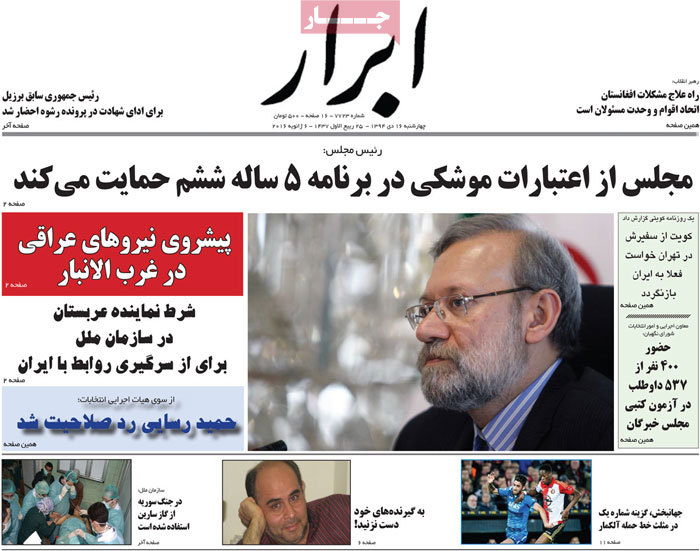
 

A look at Iranian newspaper front pages on Jan 6


Arman-e Emrooz: Seyyed Hassan Khomeini [the grandson of the late Imam Khomeini] has not bowed out of the race for the Assembly of Experts, his brother Seyyed Ali said.

In another development, the executive boards [affiliated with the Interior Ministry] have given the [initial] go-ahead to 90 percent of electoral candidates.
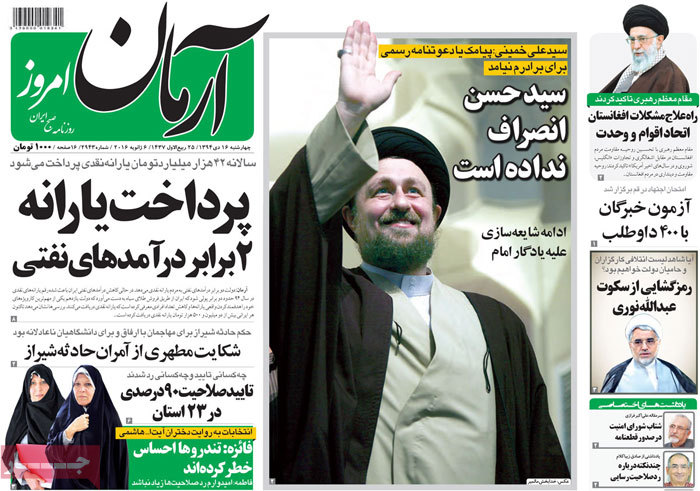
 

A look at Iranian newspaper front pages on Jan 6


Asia: Representatives of Italian food giants will visit Iran along with the Italian agriculture minister.
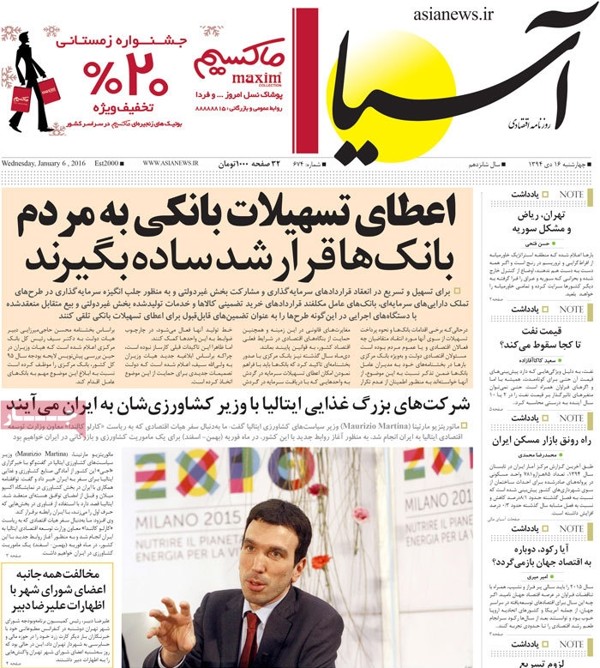


A look at Iranian newspaper front pages on Jan 6


Asrar: Tehran MP Ali Motahari has filed a new complaint against those who ordered an attack on him in the southern city of Shiraz where he was to deliver a speech last year.

Asrar: Iran and Russia are to strike an oil alliance to contain Saudi Arabia.
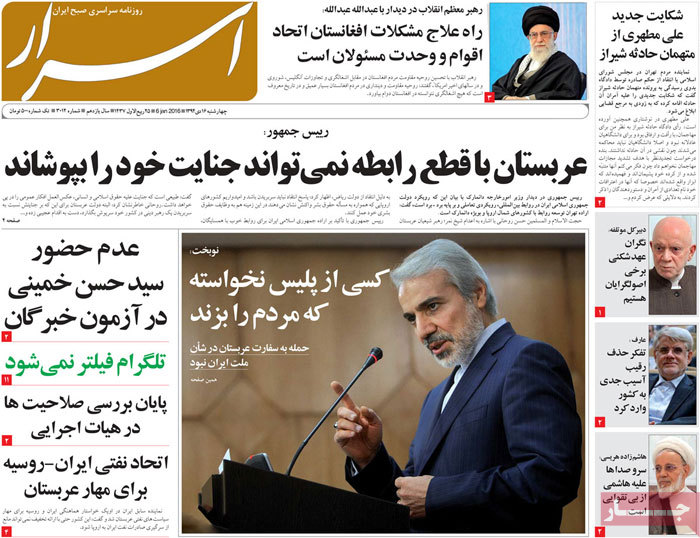
 

A look at Iranian newspaper front pages on Jan 6


Etemad: Telegram [a messaging app very popular in Iran] won’t be blocked.
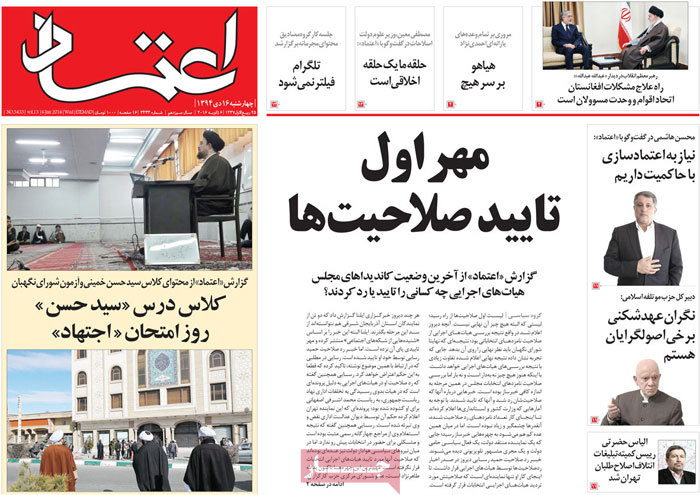
 

A look at Iranian newspaper front pages on Jan 6


Hemayat: The parliament speaker has said that the missile capability of the Islamic Revolution Guard Corps sends chills down the enemy spine.
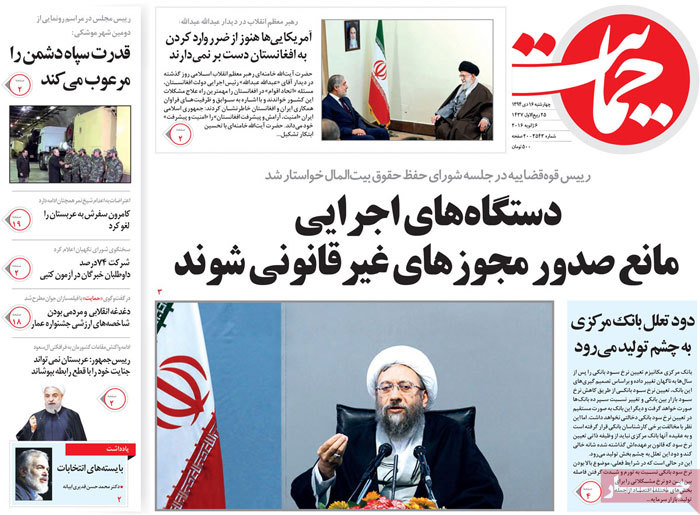
 

A look at Iranian newspaper front pages on Jan 6


Iran: The SWIFT (Society for Worldwide Interbank Financial Telecommunication) ban on Iran will be lifted within two weeks.
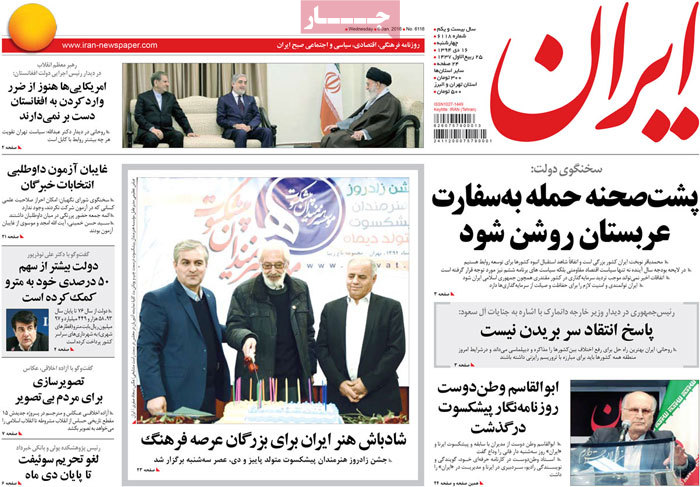
 

A look at Iranian newspaper front pages on Jan 6


Javan: The US won’t quit harming Afghan interests, the Supreme Leader told the visiting Afghan chief executive officer.
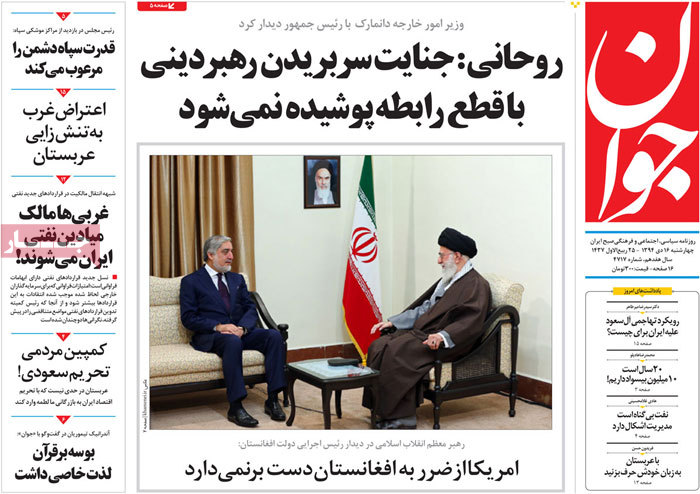
 

A look at Iranian newspaper front pages on Jan 6


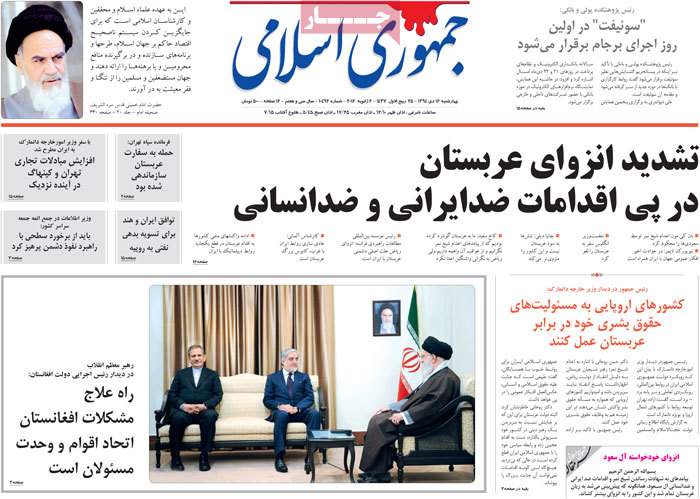
Jomhouri Islami: Trade transactions between Iran and Denmark will increase in the near future.

The announcement comes after a state visit to Tehran by the Danish top diplomat.
 

A look at Iranian newspaper front pages on Jan 6


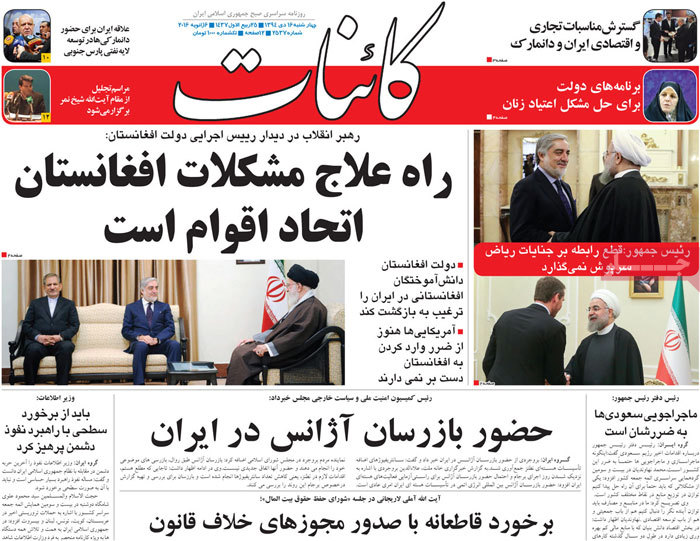
Kaenat: The chairman of parliament’s National Security and Foreign Policy Committee has said that IAEA inspectors are expected in Iran.

Kaenat: President Rouhani’s chief of staff has said that the adventurism of the Saudis will harm their interests.
 

A look at Iranian newspaper front pages on Jan 6


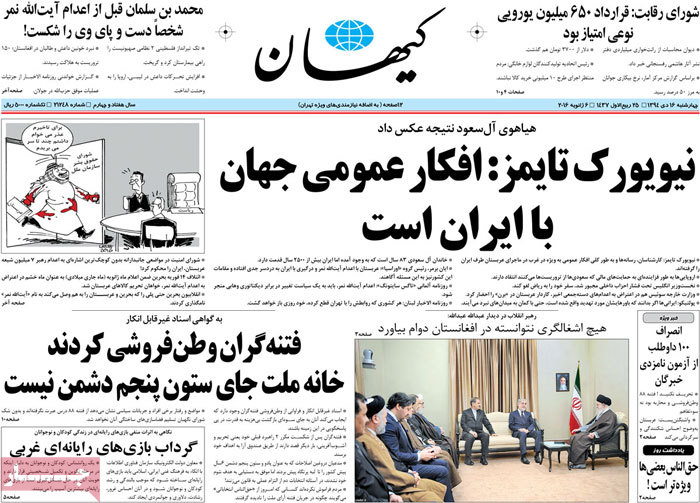
Kayhan: Some 100 hopefuls have withdrawn from the race for the Assembly of Experts.
 

A look at Iranian newspaper front pages on Jan 6


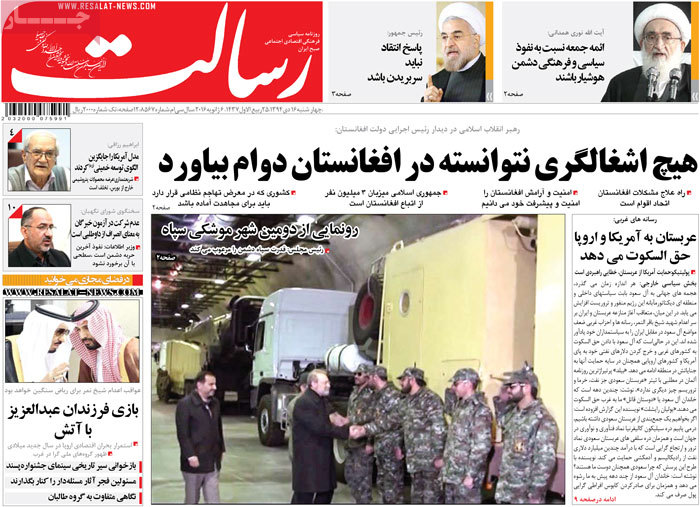
Resalat: Failure to take the [Ijtihad] test for Assembly of Experts aspirants amounts to withdrawal from the race, said a spokesman for the Guardian Council.
 

A look at Iranian newspaper front pages on Jan 6


Setareh Sobh: You don’t behead individuals for being critical, President Rouhani has said.
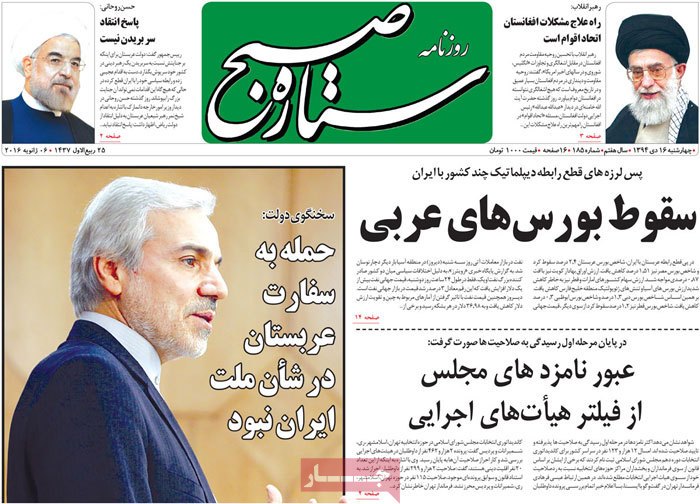
 

A look at Iranian newspaper front pages on Jan 6


Shahrvand: A child has been born in blizzard condition after being rescued by the Red Crescent Society.
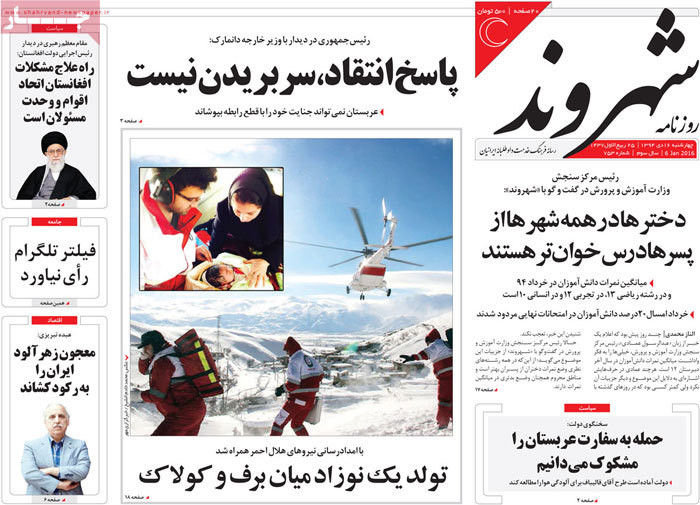

 

A look at Iranian newspaper front pages on Jan 6


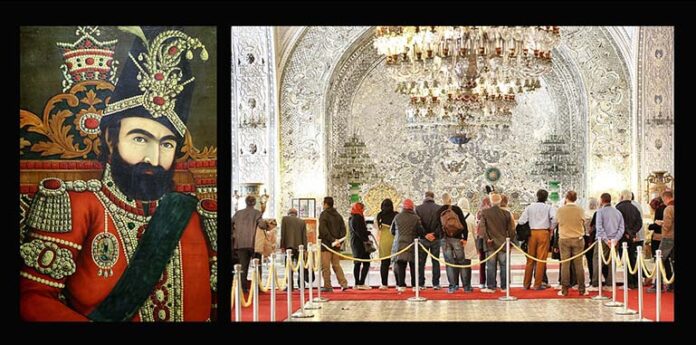
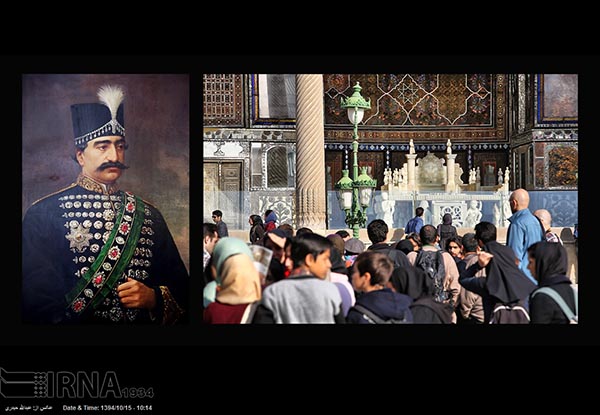
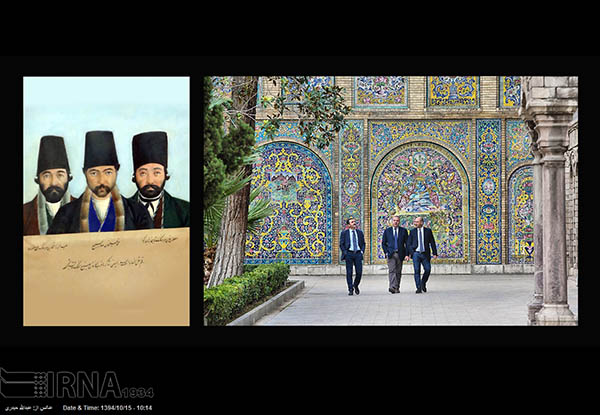
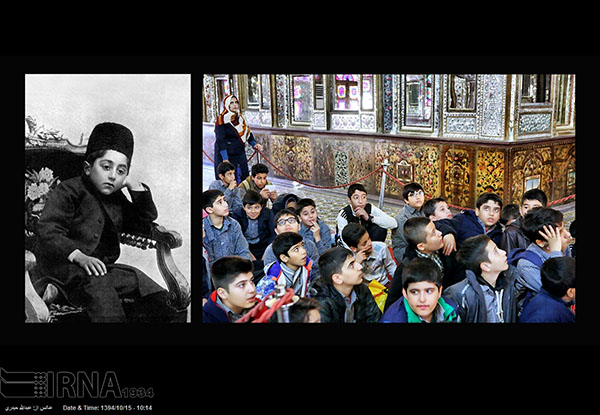
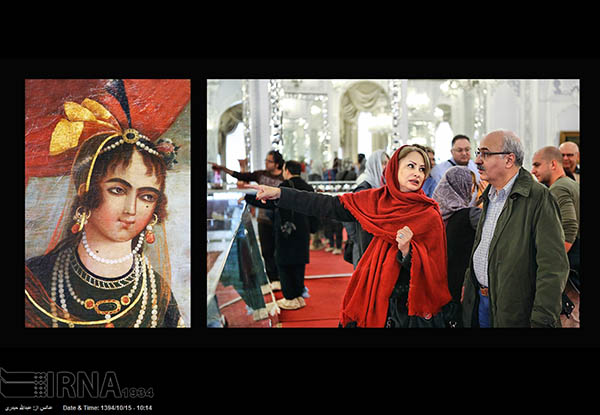
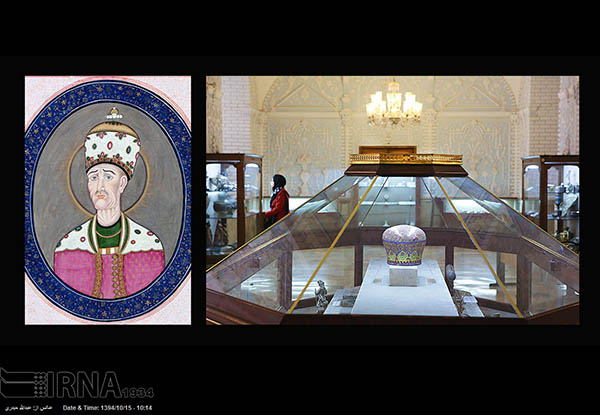
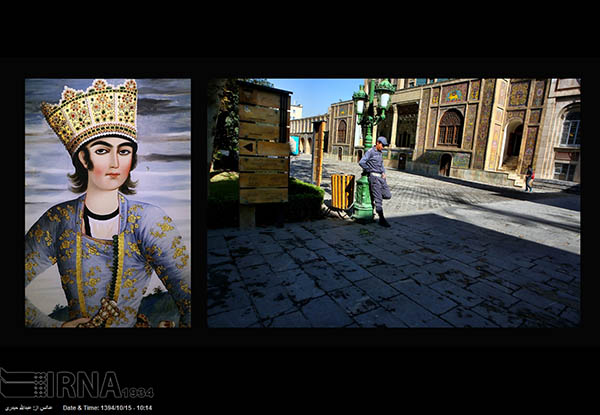
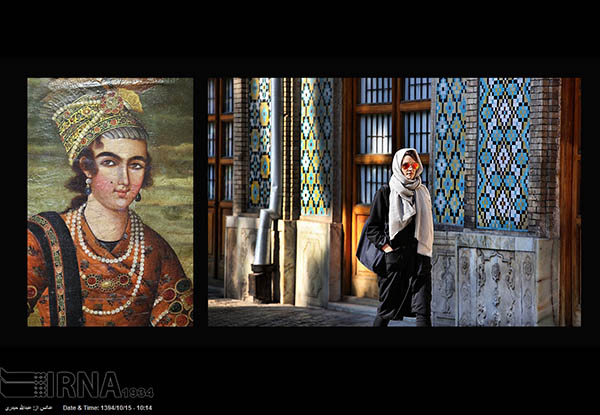
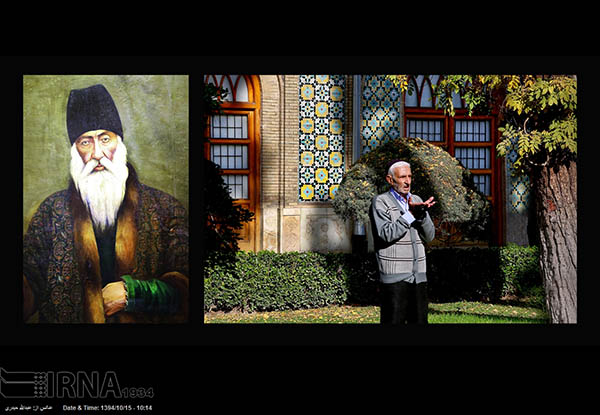
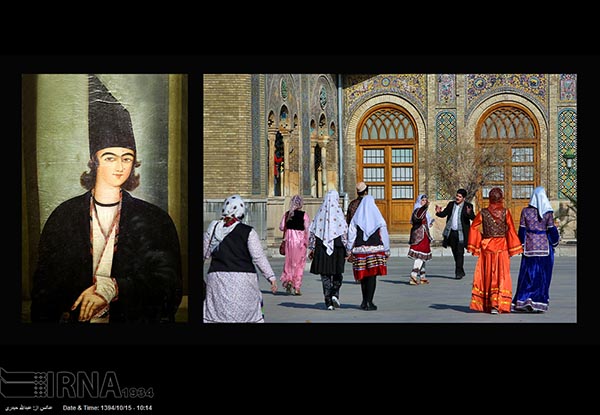
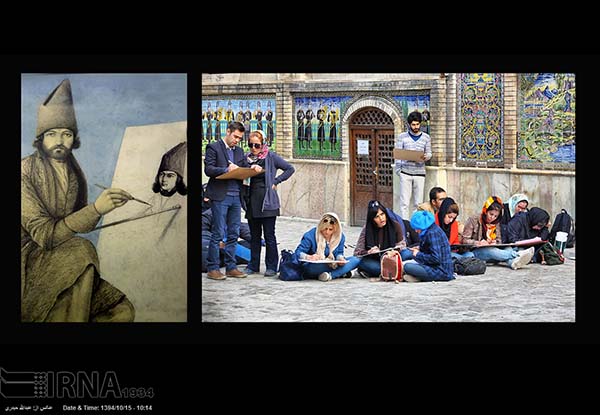
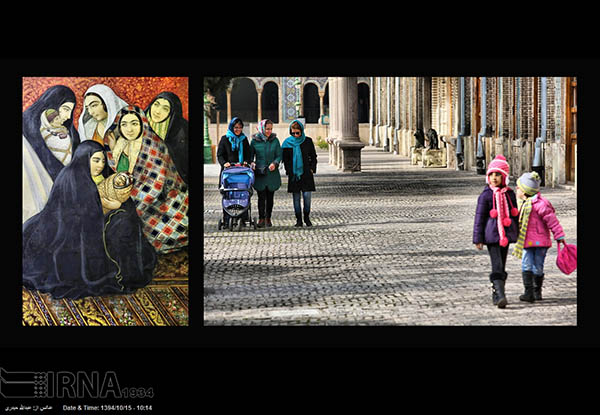
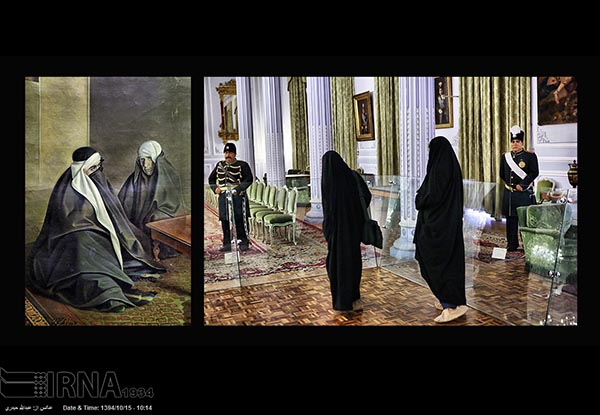
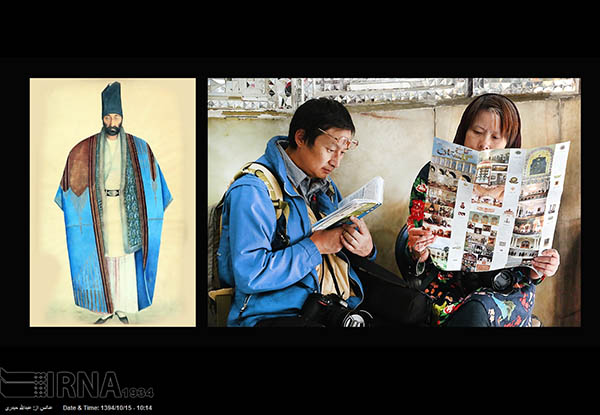
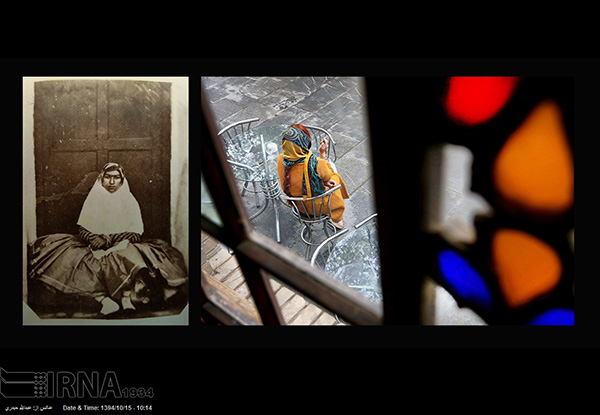
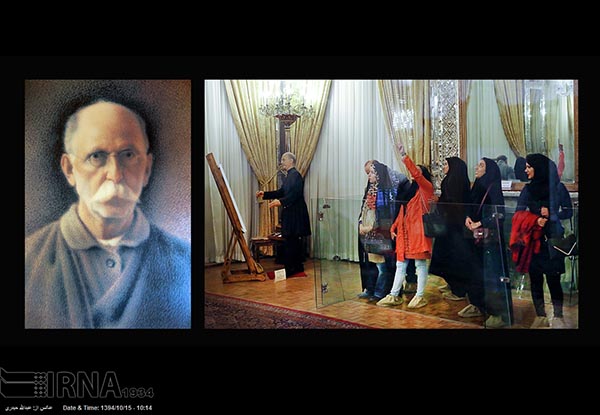
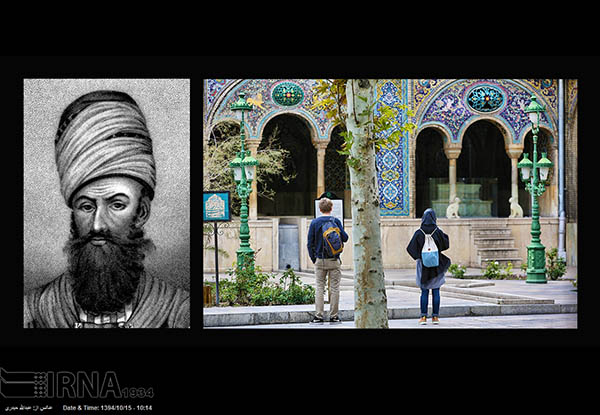
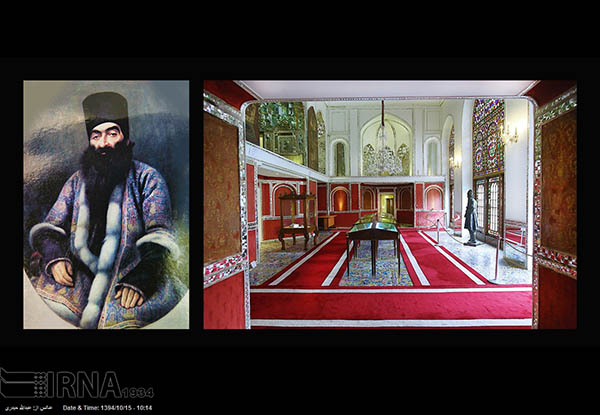
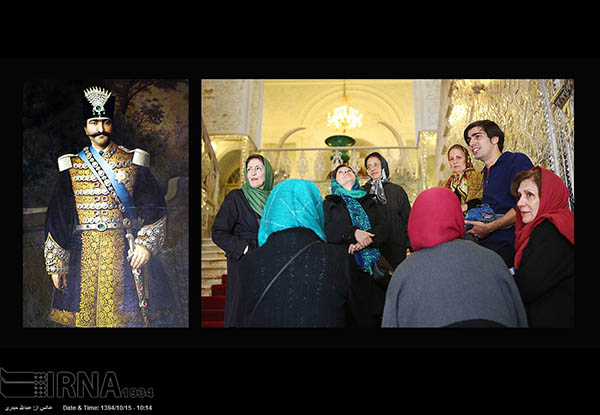
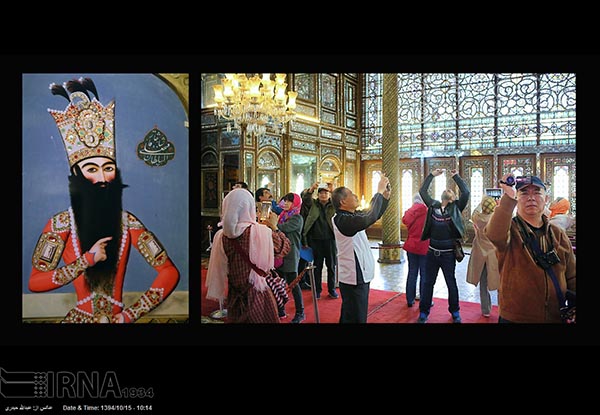
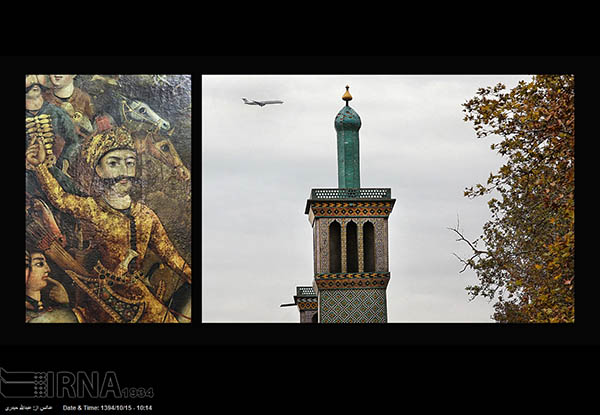
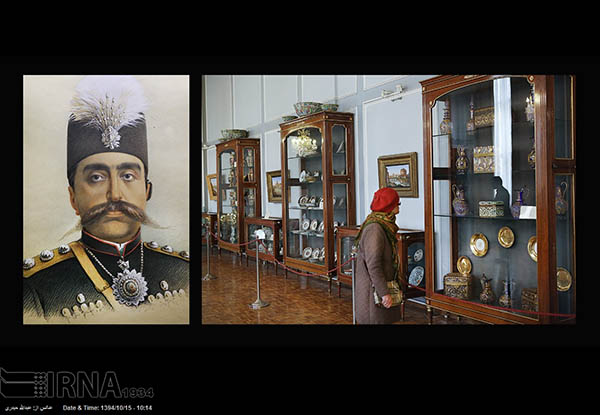
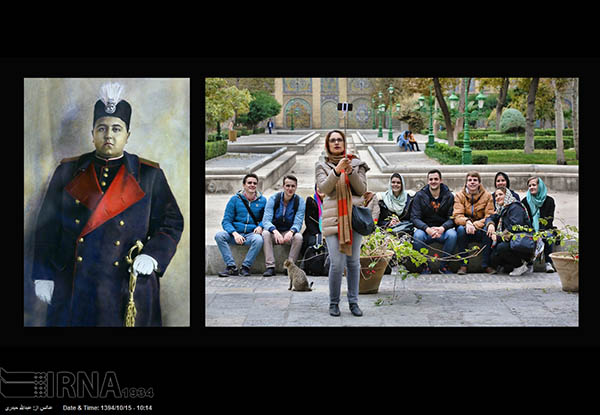
Golestan Palace in the course of time (PHOTOS)

Golestan Palace in Tehran is a unique historical complex in Iran. The 440-year-old palace was the seat of government in Qajar era.

The lavish palace has now turned into an attractive museum for tourists and history lovers. 

The following images of the historical royal palace and its changes over time have been released by the Islamic Republic News Agency (IRNA):

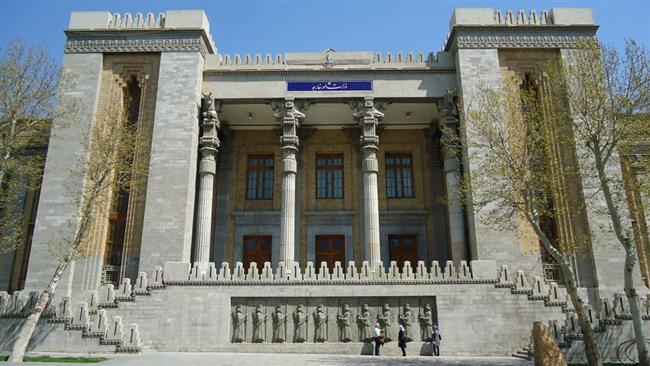
Iran denies reports of Kuwait downgrading ties

Iran's Foreign Ministry

The Islamic Republic has dismissed media reports that there has been a downgrade in diplomatic relations between Iran and Kuwait after Saudi Arabia and Bahrain severed relations with Tehran.

“The Kuwaiti ambassador traveled to his country only for consultation,” an informed source at Iran’s Foreign Ministry said on Tuesday.

He added that such reports are media hype.

Media reports claimed that Kuwait recalled its ambassador to Iran on Tuesday in reaction to demonstrations held in front of the Saudi embassy in Tehran and its consulate in the northeastern city of Mashhad by angry protesters censuring the Al Saud family for the killing of the top Shia cleric Sheikh Nimr al-Nimr.

Some people scaled the walls of the consulate in Mashhad while incendiary devices were hurled at the embassy in Tehran. Some 50 people were detained over the transgression.

Saudi Arabia severed diplomatic relations with Iran on Sunday following the demonstrations.

The Bahraini government said on Monday that it is cutting diplomatic ties with Iran following a similar move by its ally Saudi Arabia. Manama also announced on Tuesday that it had decided to halt all flights to and from Iran.

The United Arab Emirates said on Monday it has recalled its ambassador from Iran and downgraded diplomatic relations with Tehran.

The UAE had decided to lower “diplomatic representation to the level of charge d’affaires and reduce the number of Iranian diplomats in the country,” WAM news agency quoted the Foreign Ministry as saying in a statement.

Nimr’s execution has drawn strong public and political reactions around the world. The monarchy has, however, rejected all criticisms, accusing critics of meddling in its internal affairs.

Sheikh Nimr, a critic of the Riyadh regime, was shot by Saudi police and arrested in 2012 in Qatif, which was the scene of peaceful anti-regime demonstrations at the time.

He was charged with instigating unrest and undermining the kingdom’s security. He had rejected the charges as baseless.


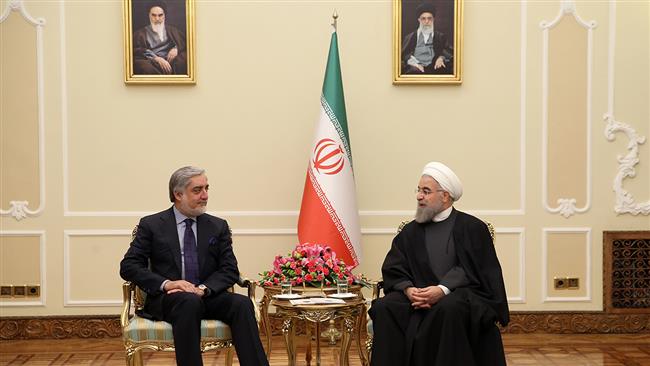
Iran supports peace, stability in Afghanistan: Rouhani

Iranian President Hassan Rouhani says the Islamic Republic supports peace and stability in Afghanistan.

“The Islamic [Republic of] Iran favors a secure, stable and united Afghanistan,” Rouhani told the visiting Chief Executive of Afghanistan Abdullah Abdullah in Tehran on Tuesday.
Rouhani gave a positive assessment of the formation of national unity government in Afghanistan, saying it proves the “maturity” of Afghan political leaders who have paved the way for “unity and consensus among all ethnic Afghan groups.”

The Iranian president noted that security is the key requirement for Afghanistan and the entire region and expressed hope that unity in the country would result in further development of the Central Asian country.
He said that Iran’s policy is based on strengthening Tehran-Kabul ties.

“Iran welcomes the expansion of cooperation with Afghanistan particularly in the economic, cultural and environmental sectors,” said Rouhani.

He also said that the production and smuggling of narcotics poses a challenge whose tackling requires regional cooperation.

For his part, Abdullah heaped praise on the Islamic Republic for its all-embracing support for his country, saying the Iranian government and nation have always stood by the Afghan nation.

The Afghan chief executive expressed hope that the proper conditions would come about soon to facilitate the return of Afghan refugees living in Iran.

Roadmap for Iran-Afghanistan ties: Zarif

In a meeting with Abdullah earlier on Tuesday, Iranian Foreign Minister Mohammad Javad Zarif stressed the importance of drawing up a roadmap for bilateral cooperation in different fields including transit of goods, trade, security and legal issues.

He commended the Afghan government’s efforts to establish security and peace in the country within the framework of dialog among all ethnic Afghan groups.

Zarif and Abdullah also discussed the latest regional and international developments and ways to improve constructive cooperation in fighting terrorism and extremism.

Heading a high-ranking delegation, Abdullah arrived in Tehran on Monday for an official three-day visit.