Saturday, December 27, 2025
Home Blog Page 4560

Iran’s Power Only for Defense, FM Zarif Cites IRGC Chief’s Words

“Neither JCPOA nor SC Res prohibit Iran from missiles not designed for nuke warheads. Read the Document: It’s plain English not legalese,” Mohammad Javad Zarif said in a post in his Twitter account.

“Iran hasn’t attacked any country in 250 years. But when Saddam rained missiles on us and gassed our people for 8 yrs, no one helped us… If we had missiles during Saddam’s war on us, they may have discouraged or at least reduced his indiscriminate attacks on our civilians,” he added.

“I challenge those who accuse Iran of provocation to make the same statement as IRGC General: we will not use force except in defense,” Zarif underlined.

His comments came after a recent missile exercise by the IRGC provoked hue and cry in the West.

The IRGC Aerospace Division test-fired a number of advanced ballistic missiles with pin-point accuracy in the drill.

IRGC Commander Major General Mohammad Ali Jafari had already described the message of the missile drill as security for Iran and its neighboring countries.

Later on March 14, the UN Security Council convened a session to study the issue, but said in a statement that it needed more technical information to determine whether or not the launches were a breach of a UNSC resolution that was approved after the Joint Comprehensive Plan of Action (JCPOA).

Iran and the Group 5+1 (Russia, China, the US, Britain, France and Germany) on July 14, 2015, signed the JCPOA, a 159-page nuclear agreement that terminated all sanctions imposed on Tehran over its nuclear energy program.

Afterwards, the 15-memebr United Nations Security Council passed a resolution that endorsed the JCPOA.

Resolution 2231 calls upon Iran “not to undertake any activity related to ballistic missiles designed to be capable of delivering nuclear weapons.”

Iranian officials have time and again affirmed that none of the country’s missiles have been designed to be capable of carrying nuclear warheads, because nuclear weapons have basically no place in Iran’s defense doctrine.


Iran’s Nuclear Chief: IRGC Missile Tests Not in Breach of JCPOA

“The IRGC’s recent (missile) war game was definitely not in breach of the JCPOA, since our missiles have not been designed for (carrying) nuclear warheads,” Salehi told reporters in Tehran on Tuesday.

While Iran has undertaken under the JCPOA not to design any missiles with the capability to carry nuclear warheads, the country’s other activities in the military sphere will go on routinely, he added.

Asked about the US threats to re-impose sanctions against Iran, Salehi said Tehran will keep doing what it deems necessary for its national interests.

His comments came after a recent missile exercise by the IRGC provoked hue and cry in the West.

The IRGC Aerospace Division test-fired a number of advanced ballistic missiles with pin-point accuracy in the drill.

IRGC Commander Major General Mohammad Ali Jafari had already described the message of the missile drill as security for Iran and its neighboring countries.

Later on March 14, the UN Security Council convened a session to study the issue, but said in a statement that it needed more technical information to determine whether or not the launches were a breach of a UNSC resolution that was approved after the Joint Comprehensive Plan of Action (JCPOA).

Iran and the Group 5+1 (Russia, China, the US, Britain, France and Germany) on July 14, 2015, signed the JCPOA, a 159-page nuclear agreement that terminated all sanctions imposed on Tehran over its nuclear energy program.

Afterwards, the 15-memebr United Nations Security Council passed a resolution that endorsed the JCPOA.

Resolution 2231 calls upon Iran “not to undertake any activity related to ballistic missiles designed to be capable of delivering nuclear weapons.”

Iranian officials have time and again affirmed that none of the country’s missiles have been designed to be capable of carrying nuclear warheads, because nuclear weapons have basically no place in Iran’s defense doctrine.


Russia’s Syria Withdrawal Pre-Arranged: Iran’s Shamkhani

The pullout of Russian military forces from Syria was “not surprising at all”, Shamkhani told IRIB on Wednesday morning.

He said the plans for the withdrawal had been made earlier by the Kremlin.

Back on Monday, Russian President Vladimir Putin ordered the withdrawal of the “main part” of Russian forces in Syria, a move that reflected what he called the Kremlin’s achievement of nearly all its goals in the war-torn country.

Shamkhani further emphasized that the fight on terrorism is not going to end in Syria.

“The Syrian Army’s advances in areas where terrorist groups are still threatening the security of people and the region will continue with the advisory helps of Iran and Russia within a joint framework,” the top official added.

Russia’s Defense Ministry has announced that the first group of fighter jets left Syria on Tuesday, a day after President Putin’s order.

The technical staff at the Hmeymim air base near Latakia, Syria, “began to prepare the aircraft for the long-range flights to the Russian Federation,” the ministry said in a statement on its website.

Russia deployed about 50 fighter jets and attack helicopters to the base starting in September 2015.

Russia has also maintained a naval repair and refueling station on the coast at Tartus, its sole overseas military outpost.

The deployment of Russian forces helped turn the tide of the war in favor of Syria’s legitimate government.

Iran and Russia, known as the main allies of Syria, increased efforts in recent months to find a solution to the crisis that has plagued the Arab country for five years.

Syria has been gripped by civil war since March 2011 with Takfiri terrorists, including the Daesh (ISIL) terrorist group, currently controlling parts of it, mostly in the east.

The Syrian conflict has killed at least 260,000 people, according to the UN, and more than half of Syria’s pre-war population of 22.4 million has been internally displaced or fled abroad.

Painting Eggs at Nowrouz (PHOTOS)

As Nowrouz, the Persian New Year, comes each year, families across Iran create Haft-Sin displays in their homes with special symbolic objects. One of the most striking additions is a selection of decorated eggs, often painted by children. These represent femininity, birth and new life, and add a splash of colour to the traditional Haft-Sin table.

The following photos show a Nowrouz egg-painting event, run by a selection of children’s charities.


A look at Iranian newspaper front pages on March 16

Iran Newspaper front pages

Abrar:

1.  Withdrawal of Russian troops from Syria, positive step to ceasefire: Zarif

2.  Depite certain unfavorable events, country’s overall direction is positive: Leader

3.  Australia invited to invest in Iran

4.  MP calls on admin to make final arrangements for Mehr Housing scheme “ASAP”

5.  Obama: US will keep anti-ISIL combat

6.  Implementation of new U.N. sanctions on North Korea going well: U.S. expert


A look at Iranian newspaper front pages on March 16


Arman-e Emrouz:

1.  Who will be next parliament speaker: Larijani or Aref?

2.  Tragedy of burnt hands, faces

Dozens of Iranian citizens were wounded in the fire festival which Iranians observe at the last Tuesday of every year. The festival has turned from a gathering of citizens around a bon fire into a cracker fete, injuring dozens every year and even killing a few.

3.  Gasoline price rise, maybe later

4.  Judiciary chief hails nation for election turnout


A look at Iranian newspaper front pages on March 16


Ebtekar:

1.  Rouhani: We will honor this year for the rest of history

Addressing a gathering with Iranian athletes, Iranian President Hassan Rouhani said the nation’s achievements in the current Iranian calendar year which began on March 21 will be never forgotten in history.

2.   Zarif calls for Iran, Saudi Arabia talks over ISIL

3.  Leader praises country’s movement

4.  Putin surprises everyone

5.  Rafsanjani: We will proudly initiate human development


A look at Iranian newspaper front pages on March 16


Asrar:

1.  Seminary schools must remain revolutionary: Leader

2.  OPEC: Iran crude oil output hits 3mbd

3.   Recent election displayed nation’s political awareness, maturity: Rafsanjani

4.  Veep expects next year to be good for economy

5.  Iran brain drain losses three times more than oil revenues

6.  UN: Iran missile tests no violation of nuclear deal


A look at Iranian newspaper front pages on March 16


Ettela’at:

1.  Veep says admin will keep supporting subway development

2.  Iran on path to progress: Leader

3.  Savage Saudi attack on Yemeni market kills 107

4.  Vietnamese president meets with Iran Leader

5.  Zarif: Iran, Saudi Arabia must talk on ISIL


A look at Iranian newspaper front pages on March 16


Etemad:

1.  Zarif’s invitation for talks

2.  Russia starts troops withdrawal from Syria

3.  Next year will be better: Rouhani


A look at Iranian newspaper front pages on March 16


Afkar:

1.  Iran launches 5 new passenger train

2.  Report: Role of motorcyclists in accidents


A look at Iranian newspaper front pages on March 16


Emtiaz:

1.  Gov’t cabinet lifts ban on palm oil imports

2.  Korea signs deal for building 37 trains for Iran

3.  570 state hospitals open during Nowruz


A look at Iranian newspaper front pages on March 16


Iran:

1.  Leader: Cooperation with Asia, chief policy of Iran

2.  Year of hope

A review of the current Iranian calendar year which began on March 21 about two landmark events: JCPOA and parliamentary election

3.  1,202 LCs opened since JCPOA implementation: CBI head


A look at Iranian newspaper front pages on March 16


Payam Zaman:

1.  $2.5b foreign investments finalized

2.  Iran internet band reaches 500 gigabits


A look at Iranian newspaper front pages on March 16


Jomhouri Islami:

1.  CBI: Biggest post-JCPOA Swift order received, carried out

2.  President honors international athletic champions

3.  Tehran launches new subway stations


A look at Iranian newspaper front pages on March 16


Javan:

1.  Leader: I am alarmed

The leader said he is alarmed about dissolution of revolutionary thinking in seminary schools.


A look at Iranian newspaper front pages on March 16


Hemayat:

1.  US anti-Iran move in UNSC frustrated

2.  Tehran mayor: Tehran subway complete in 20 months with guaranteed gov’t support

3.  Judiciary chief: Muggers, armed robbers to be treated as Moharib (perpetrators)


A look at Iranian newspaper front pages on March 16


Khorasan:

1.  Reactions to Russian troops’ withdrawal from Syria

2.  I cannot say Iran is our chief ally: Khalid Mash’al


A look at Iranian newspaper front pages on March 16


Rah-e Mardom:

1.  Report: Necessity of expanding tourism industry in modern world


A look at Iranian newspaper front pages on March 16


Resalat:

1.  Seminary must remain cradle of revolution: Leader

2.  JCPOA was supposed to play big role in solving problems: Judiciary chief

3.  Enemy’s military threats turn into chance: Gen. Jafari

4.  US seeking to dissolve Syria

5.  Zarif: Fate of Syria in hands of its people


A look at Iranian newspaper front pages on March 16


Rooyesh Mellat:

1.  Ali Daei could become AFC chief, member of directors


A look at Iranian newspaper front pages on March 16


Shargh:

1.  Judiciary chief: Some anti-revolutionaries sought to prevent leader’s appointees from winning in elections


A look at Iranian newspaper front pages on March 16


Shahrvand:

1.  Rouhani outlines current year’s achievements; “Aren’t these achievements?”


A look at Iranian newspaper front pages on March 16


Saheb Ghalam:

1.  Iran reaches agreements with 10 major Russian banks

2.  Iranian Mobarakeh Steel Co. among world’s 10 top steel companies


A look at Iranian newspaper front pages on March 16


Ghanoon:

1.  Putin-less Assad

Why Russia left Syria?


A look at Iranian newspaper front pages on March 16


Kayhan:

1.  Moscow: Russia will keep airstrikes against ISIL in Syria


A look at Iranian newspaper front pages on March 16


Vaghayeh Ettefaghiyeh:

1.  Analysis: Restoration of Iran, Australia ties

The plan of friendship

2.  Rouhani: I am the strictest president


A look at Iranian newspaper front pages on March 16


Asia:

1.  $7b of foreign investments earmarked for Iran projects


A look at Iranian newspaper front pages on March 16


Abrar Eqtesadi:

1.  9-months economic growth rate at 0.7%

2.  Iranair, Lufthansa sign cooperation deal


A look at Iranian newspaper front pages on March 16


Aftab Yazd:

1.  Bank interest rates may drop to below 10%

2.  Terrorist blast hits German heart


A look at Iranian newspaper front pages on March 16


South Korea ups oil imports from Iran

Seoul bought 1,064,337 tons of Iranian oil last month, or 269,020 barrels per day (bpd), almost two times higher than 557,174 tons a year earlier, Reuters reported on Tuesday, citing Korean customs data.

The report said in the first two months of 2016, the world’s fifth largest oil importer brought in 1,923,560 tons, or 486,196 bpd, of crude from Iran, versus 830,800 tons in the same period in 2015.

Energy hungry South Korea plans to boost imports of Iranian oil, especially condensate, this year to meet growing demand.

The Asian country imported a total of 12.92 million tons of crude last month, or 3.26 million bpd. The total was 20 percent higher than the 10.74 million tons imported in February of 2015.

Seoul bought 203,165 barrels per day (bpd) of Iranian crude oil in January against 64,699 bpd a year earlier. The figure showed South Korea tripled its imports of Iranian crude.

The imports were the highest since 2012 when South Korea bought 230,769 barrels from Iran before it cut shipments due to intensified Western sanctions over Tehran’s nuclear program.

Iran now reportedly produces around 3.1 million bpd of oil as it seeks to regain market share after sanctions were effectively lifted in January.

The sanctions had cut its crude exports from a peak of 2.5 million bpd before 2011 to just over 1 million bpd in recent years.

Carpet washing (PHOTOS)

Many Tehran citizens head to Cheshmeh Ali neighborhood, city of Rey, southern Tehran, in the final days of the year to wash their carpets and rugs.

The following images have been released by Mehr News Agency:


100 Years of Solitude and Kindness / Welcome to Haj Ali Darvish Tea-house

The smallest tea-house of the capital city, which is nearly a hundred years old, is located in the middle of the bazaar among hundreds of others. You can spend some time in this teahouse and listen to the stories of the old owner who inherited this job from his father, and has since maintained its history and identity, never allowing it to be destroyed by ideas of profit.

Tehran’s smallest tea-house can be found next to the bazaar’s mosque and Haj Abdollah School. In a very small space, hardly two square meters, there’s tons of love and kindness awaiting the customers. He talks about many things, about himself and his feeling of loneliness, his memories of his father, the war, hiking in Darakeh mountains, about his sports shop next to Darakeh cultural house, about his good financial status and his fortune to not have to rely on the tea-house for his income.

We walk and talk for a long time. The numbness in my feet makes me notice how much time has passed. It is nice to talk to a lonely, old man who is extremely kind-hearted, who stands in this little memory-packed space every day. To forget the sadness of his life, instead he serves his customers with drinks like tea and coffee to keep this old heritage alive and lit up. The tea-house was first started in 1917, while his father, Haj Ali Darvish, (the founder of tea-house) is still alive, and lives at home with a nurse. The man has never married, in order to look after his father.

I don’t know of his education and he doesn’t like to mention it, but he knows Marx, Weber, Durkheim, and even Michel Foucault very well. It’s very obvious that he is also very well-travelled both in Iran and abroad, but he insists on introducing himself simply as a tea server.

He has his own way of giving bills to costumers. If it is your first time at his tea-house, then the first couple of glasses are on him. He asks all the customers whether it’s their first time or not.

Tehran’s smallest tea-house, now over 100 years old, still preserves its history and, more importantly, its identity. You can see this in both Darvish the father and Darvish the son.

100 years of loneliness and kindness, and a hot cup of tea and the sweet smell of coffee, tea or other herbal infusions can still excite any passerby. If your path ever takes you this way in Tehran, don’t forget to pay a visit to Haj Ali Darvish’s tea-house, and to enjoy a nostalgic cup of tea!

Ahmad Shaheed’s Human Rights report is politically motivated, biased and unacceptable

Iranian Foreign Ministry Spokesman, Hosein Jaberi Ansari reacting to the latest human rights report by UN Special Human Rights Rapporteur, Ahmad Shaheed said such reports are compiled based on views of certain countries aimed and certain countries by abusing the international human rights mechanism, reported Tasnim News Agency.

This selective approach will not improve human rights condition internationally but rather will lead to some political quarrel among countries and in long run undermine efforts aimed at upholding such rights globally, Mr. Ansari said.

He added that from our point of view, the latest report by Ahmad Shaheed content wise is biased and politically motivated and discriminatory. Methodologically, the report is unbalanced and imaginative and instead of relying on concrete realities it is prepared based on unsubstantiated information.

Foreign Ministry Spokesman said, the government of Islamic Republic of Iran is committed to improving quality of human rights and is trying to foster basic human rights of its nation based on country’s Constitution and religious values and is busy with preparing Citizenship Rights Charter. He said due to what I said and because the report reflects some political objectives, we categorically dismiss the latest human rights report made by Ahmad Shaheed against Islamic Republic.

Mr. Ansari went on saying that promotion of human Right is an important issue for every country and only through cooperation and dialog as well as non-selective and fair treatments, human rights could be improved universally.

Undersea pipeline to take Iran gas to India: Report

Indian media reports said Tuesday that the planned multi-billion project will circumvent Pakistan.

“The deal for the Iran-India undersea gas pipeline will be done. Matters have become easier as the US-imposed economic sanctions on Iran have been lifted,” the Indian daily, The Tribune, quoted an unnamed government official as saying.

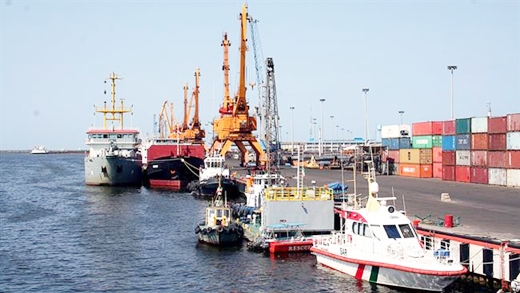
The 1,400 kilometer pipeline will link Iran’s southeastern port of Chabahar to India’s western Gujarat State, bypassing the exclusive economic zone (EEZ) of Pakistan.

New Delhi will also reportedly fund a rail link between Chabahar and Zahedan, the provincial capital of Iran’s Sistan-Baluchestan.

The railway will join the Iranian port with International North-South Transport Corridor (INSTC) to provide direct access to Central Asia.

India thus seeks to use the undersea gas pipeline to import natural gas from Turkmenistan.

The $4.5 billion pipeline will bring 31.5 million cubic meters of gas per day to India’s west coast.

Laying such a pipeline would need technical expertise for which a global consortium will lead the way.

A report by the Economic Times said last month that executives of Gail and Indian Oil Ltd (IOL) will meet Iranian officials to discuss the price of gas to be used in the pipeline which has to pass through the Sea of Oman and the Arabian Sea.

The paper said Oman might join the pipeline at a later stage, making it a trilateral initiative given its geopolitical proximity both to India and Iran.

Iran and Oman have already signed a deal to build an undersea pipeline to ship 20 million cubic meters per day of gas to the sultanate for a period of 25 years. The deal worth $60 billion also includes turning Iranian gas to LNG for exports.

India has sought to establish a direct gas link with Iran after Pakistan’s ‘foot-dragging’ in completing an onshore gas pipeline between the three nations.