Thursday, December 25, 2025
Home Blog Page 4518

The Magic Paintings by Women on the Mysterious Island

Hormuz Island00

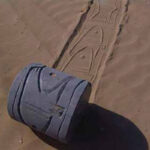
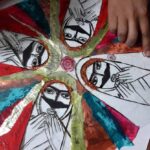
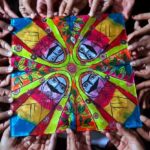
The soil of this island is colourful. On one side it is golden, on the other it is a shiny, navy blue. At one spot it is white and another faun. Here it seems transparent like glass while there it is mixture of a hundred different shades.
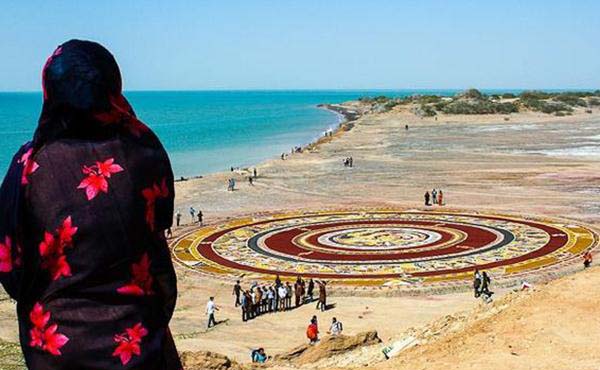


red soil19


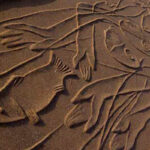
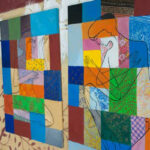
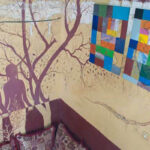
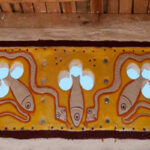
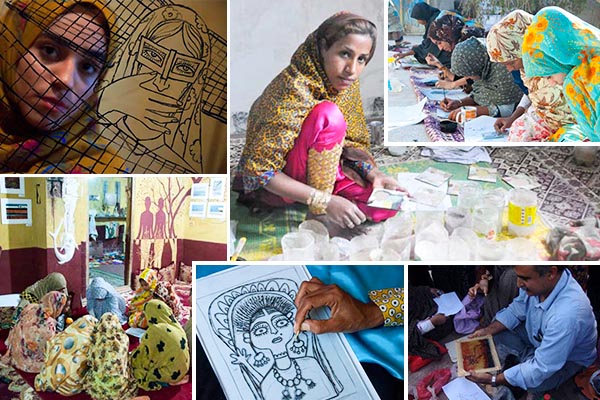
The arts of the women of the island once included Souzan Douzi [stitching patterns on fabrics], making colourful tents, henna painting and cooking fish, but now their lives have been changed by creating their rituals and traditional patterns with the colourful soil of the island.

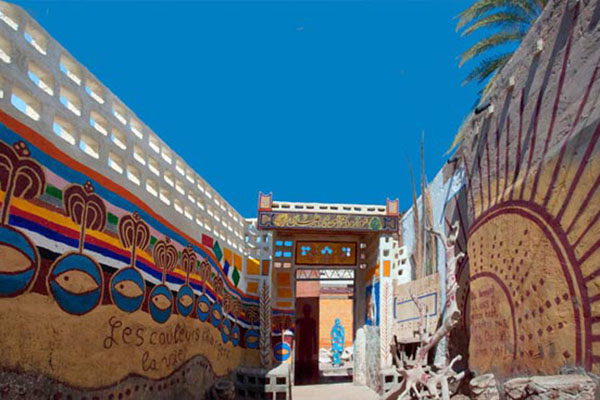
The places which were once drug-dens, exhibiting classic signs of social decay, have now turned into a house for artists and a centre for presenting environmental art. How have these women’s lives changed on this faraway island?
 

Hormuz Island29


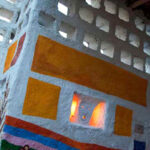
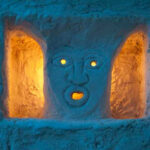
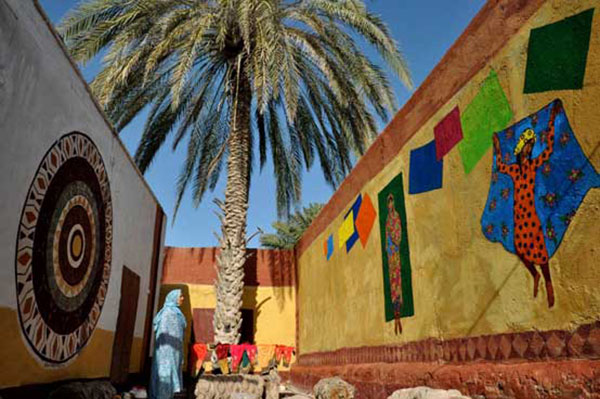
An environmental artist, well-known for his carvings in nature, while painting on the shore of Hormuz, noticed the tremendous differences between the wonderful beauty of Hormuz and its people’s lifestyles. He then decided to make a big change on the island. He bought an abandoned house in the old part of the island and turned an old addicts’ hang-out into an art centre and a place for exhibiting environmental artists and artworks.

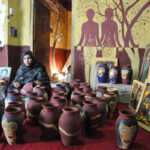
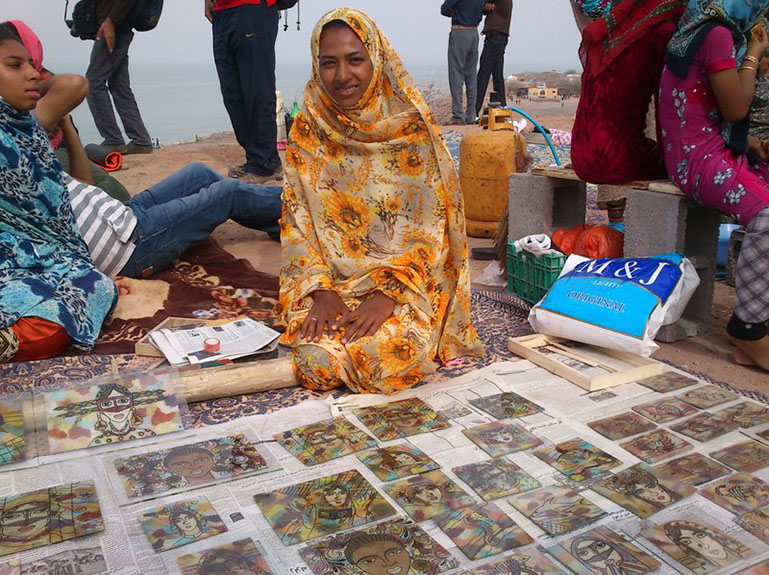
In this centre, Ahmad Nadalian started to teach the women painting with the colourful soils of the island. Now, not only has this art centre become a tourist attraction, but also the fame of these Hormuz women has spread all over the country. It has also created many jobs and led to a decrease in social problems on the island.

Nadalian received his Art Philosophy PhD in Mural Paintings and Decorations. In an interview with an ISNA journalist, he said, “At first, when I started to train women in Hormuz, I had to give them the raw materials to create something. Eventually, by expanding this art in Hormuz, they provided them themselves. Just two years ago, these women had no direct presence in the island’s activities, but now they produce, create and supply their artworks.”

Thirty women in Hormuz make their living by selling their artworks. This has improved tourism in Hormuz and has affected the island’s employment.


Hormuz Island6


Ahmad Nadalian explained how he started his activity in Hormuz, “When I traveled to Hormozgan Province for a workshop on making statues out of sand, on my visit to Hormuz I realized that we could use these beautiful natural materials in creating art. In the beginning, I would go to a virgin nature site and paint there by myself or create things with stone beads. Every time I went to the city for food or materials, I would notice the huge differences between the wonderful beauty of Hormuz’s landscape and the lifestyles of its people. Unfortunately, the people were suffering from unemployment and as a consequence, social problems, so I decided to work as a volunteer at Imam Khomeini Relief Foundation and teach the women how to paint using colourful soils from the island.
 

Hormuz Island7


He continues, “At first, I would just go into the city by bicycle, but after 6 years I bought a house there and started the art centre. My initial goal was to bring artists from all over the country here to interact and collaborate with the people of this region, but then with all the positive responses and many visitors, this place became a museum.”

He emphasized, “Our goal is now to empower the women of the island to support their husbands and families. Also, painting can improve mental health, lower crime rates, as well as facilitating cultural exchange.”

He added, “Hormuz Island itself, especially its beautiful landscapes in the southern part, can be considered to be a natural museum.”

Hormuz is an island off the south coast of Iran, right at the entrance of the Persian Gulf. Due to its geographical location, neighbouring the Straits of Hormuz, it is called the Key of the Persian Gulf. For the same reasons, Hormuz Island is of high commercial and strategic importance.


Three Valuable Carpets from Kerman Go under the Hammer at Christie’s

Christie’s was first founded in London by James Christie in 1766.

Some Iranian artists’ works so far have broken records in Christie’s Middle East (Dubai), including works by Reza Derakhshani, Sohrab Sepehri, Mohammad Ahsayi, Faramarz Pilaram, Shirin Neshat, Koroush Shishehgeran, Farhad Moshiri, MAsoud Arabshahi, Sadegh Tabrizi, Golnaz Fathi and Sedaghat Jabbari. The success of these Iranian artists has opened a path for Iranian art to enter Europe, and now Christie’s plans to auction three valuable Kerman carpets. Kerman, however, already has a notable history at auctions.

It was three years ago that another Kerman carpet was auctioned and sold at Sotheby’s in New York at the price of $33.8m. This carpet, which is 360 years old, was sold for three times as much as the second-most expensive carpet in the world.


Kerman – Iran’s Carpet Heaven

Somayeh Fathollahtabar Malekshah, a carpet researcher and university lecturer, says, “Kerman carpets are some of the most original Iranian carpets. The history of carpet-making in that region goes back to the Safavid Dynasty. Kerman carpets first owe their fame to their unique designs, and secondly to their successful harmony of colours and patterns. Kerman’s climate and its desert environment led their artists to make up for the lack of plants and greenery by imagining them, and bringing them to life in their designs.

The variation of colours used in Kerman carpets is another reason for their global fame. Even though these colours are made from herbal sources which won’t fade, they still have a strong colour composition. All of these characteristics have made Kerman carpets some of the most famous in the world.

Next President Revoking JCPOA Would Undermine US Credibility: American Academic

“I think it is doubtful that a Republican president would abrogate the agreement, because it would undermine US credibility in the world,” said Robert F. Philip, Professor of International Studies in the University of Washington’s Henry M. Jackson School of International Studies, in an interviewwith Tasnim.

The following is the full text of the interview.

Q: Do you think that the outcome of the next US presidential elections will impact US-Israel ties?

A: I do not expect major changes in US-Israel relations. These relations are multi-faceted, with the president playing one role among many players, including congress and various constituencies. What might occur is a statement by President Obama after the elections, but before he officially leaves office, about the peace process between Israel and the Palestinians, similar to the Clinton parameters in 2000, just before Clinton left office. Obama might update those parameters to reflect changes since 2000. If he issues such a statement, it will be a powerful tool for the next president and the Europeans in trying to pressure the parties to resume negotiations.
Q: Will a potential Republican winner of the next US presidential election tear apart the Joint Comprehensive Plan of Action (JCPOA) between Tehran and world powers? What would be the European Union’s and Israel’s reactions?

A: The Israeli establishment is divided over the agreement. While the prime minister has been adamantly opposed, the military and intelligence echelon has been surprisingly supportive. Those divisions, I think, would suggest a wait-and-see policy by Israel.
I think it is doubtful that a Republican president would abrogate the agreement because it would undermine US credibility in the world. (You can think of how Netanyahu opposed the Oslo agreements as a candidate in 1996, but after he was elected in that year he worked within the framework of the accords and even signed the Wye accord within the Oslo framework. Similarly, what you hear from Republican candidates during elections is quite different from what they then adopt as policy). The Europeans would mobilize immediately to put pressure on the new Republican president to adhere to the agreement.

Q: How will the result of the polls affect developments in the Middle East region?

A: The United States will continue to be a major player in the Middle East. But the war-weariness of the American people will continue to act against overt military intervention on the ground in Syria, Libya, and Yemen. I would expect, then, continuity in policy. If Hillary Clinton is elected, which seems the most likely possibility now, one can expect a slightly more militant policy.

Iranian Dentist Gives Free Street Dental Exams

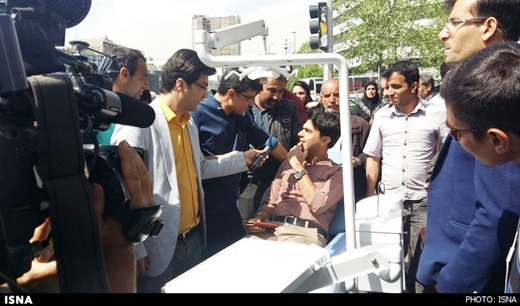
What Ja’fari, a Tehran University graduate, did, was a symbolic act of criticism centred on the widespread public ignorance of prevention.

He explained that “Iranian people often overlook the importance of prevention and regular checkups, so I took my unit to the street to encourage the public to take dental problems seriously.”

“I usually visit 40 to 50 patients per day, and I know from experience that neither patients nor doctors take prevention into account,” he said.

Ignoring dental problems at the early stages would intensify the disease itself, as well as the cost, Ja’fari warned, adding that periodical checkups can both prevent serious problems and lower expenses.

“I chose Enqelab Square so I could visit people from different classes, and I got great feedback,” he added.

He expressed hope that insurance companies and healthcare providers will strive to reconcile people with the concept of medical prevention, particularly in the field of dental care.

Clothes That Taste of Food

Mohammad Jaafar Taherzadeh, professor of bioprocessing technology at the Swedish Center of Resource Recovery, at the University of Boras in Sweden, briefed IRNA on the processing of agricultural waste and other residues into bio-fuels and valuable materials, saying that it is a complicated project, featuring several phases. What’s important now, he pointed out, is facilitating the procedures and lowering the cost.
He added that his project mainly aims to design an efficient and cheap process for the production of valuable products, saying that waste products can be converted to feedstock and biopolymers.
“For instance, we throw away old clothes as being of no use; but based on the new methods, they can be converted to products which can be eaten, smelling and tasting like meat. Though it might seem fantastical, the idea is possible. For the time being, we can turn food waste into biogases at the industrial level, then turn the gas into CNG fuel. Production of the second generation of ethanol fuel is in the industrial phase.”
Taherzadeh said his project also allows agricultural waste and urban garbage to be turned into feedstock and food for human beings, as well as into plastic.
The Iranian professor, who has been working on the project for about 16 to 17 years, said the final product depends on the user’s choice and that the process involves further study of the raw material and type of molecules and atoms, to see into what types of product they can be converted. “Of course, some of them may take several hours, several days or several months to be produced.”
He advised people to be serious about segregating their urban garbage, because any waste can become a raw material for the production of their favourite items.
Dr. Taherzadeh’s research project was presented and acclaimed at the 29th International Khwarazmi Festival, gaining second place in the category of fundamental research by Iranian researchers living abroad.

Isfahan, Hong Kong discuss boosting trade ties

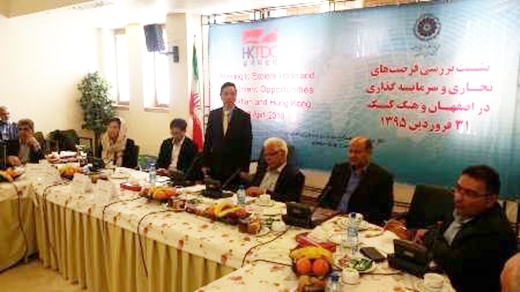
Vice President of Isfahan Chamber of Commerce Ghasem Ali Jabbari noted “Isfahan welcomes foreign investors especially from Hong Kong in mine, banking, insurance, hotel construction and tourism sectors.”

“Development of railway and urban railway in Isfahan also possesses great potentials for attracting investment,” Jabbari continued.

Head of Hong Kong Trade Institute Peri Fung deemed Isfahan as a major and historical city with great investment capacities; “Hong Kong also marks a large economic zone where companies can be easily established in the shortest time.”

Fung went on to state “US is the biggest foreign investor while China is the biggest country open to foreign investment in the world and Hong Kong is the second country in the world regarding attracting investment.”

He emphasized that the trip aims at getting information to develop economic ties.

Later at the meeting, Director General of Customs Office of Isfahan Province Assadoallah Ahmadi Vanhari said that exports Isfahan’s customs were about $1.3b last year.

Ahmadi Vanhari added “Isfahan province exported products to 58 world countries while the goods mostly consisted of oil and petrochemical products, iron, cast iron, steel, hand-made and machine-made carpets, dairy, as well as agricultural products.”

Hong Kong’s trade and economic delegation, who had previously made visits to Iranian provinces of Tehran and Mashhad, is active in different fields such as clothing, textiles, food and beverages, construction and tourism, tourism industry management, electronic trade, leather, fashion, construction of energy storage facilities, sewage system, packaging and banking.

Based on statistics announced by official sources, Iran’s exports to Hong Kong consisted of dried fruit, chicken and food, leather and skin, polymers, iron ore, building stone, plastics, and petrochemicals.

Imports from Hong Kong consisted of computer parts and office supplies, telecommunication equipment and the related parts, clock, radio, tape, electrical machinery and spare parts, cloth, home appliances and electronic circuits.

Over 80% of Iran’s exports to Hong Kong are related to dried fruits.

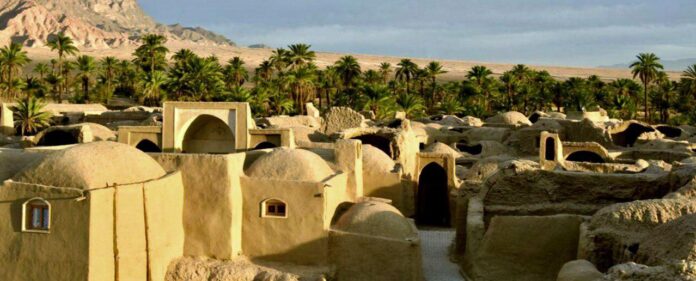
Village in South Khorasan restored 38 years after quake

Village in South Khorasan restored 38 years after quake

Recalling the huge losses inflicted on the village by the 1979 earthquake, Ali Shariatimanesh, Deputy Head of South Khorasan Cultural Heritage, Handicrafts and Tourism Department, said the inhabitants had to abandon the village and establish a new village nearby, reported Iran Daily on Wednesday.

Many of the buildings of the old village have been restored and turned into ecotourism resorts, Shariatimanesh said.

Currently, Esfahak Village hosts a large number of tourists, he added.
Esfahak Village, which boasts invaluable monuments including a mosque, a public bath, and a beautiful palm grove, was registered on the National Heritage List in 2015, he said.

Since the village has unique weather, it is suitable for cultivating various farm crops, he added.

The villagers are involved in farming, animal husbandry and weaving carpets.

Esfahak Village boasts the richest water resources in the Tabas region. A deep well provides drinking water for the village.

The numerous advantages of South Khorasan Province pertain to its abundant production of high-quality agricultural and horticultural products including saffron, barberries, jujube, cotton, pomegranate and medical herbs.

It has deserts with unique features. For instance, Heydar-Abad desert in Nahbandan has the world’s highest sand dunes, some of which are 480 meters high. Moreover, the night sky of the Se-Qaleh Desert provides tourists with an opportunity to view stars for astrological purposes. Hemmat-Abad Desert is yet another example of a great biodiversity. Other deserts of the province with potentials and qualities for tourist attraction are Deh-Salam, Boshrooyeh and Tabas.

The popular attractions of South Khorasan include Ferdows Jame’ Mosque, Ferdows Theological School, Nehbandan Citadel, Forg Fortress, Kolah Farangi Mansion in Birjand, Chahar-Derakht Mosque, Amirabad Garden, Behgard Garden, Chenshat Cave, Birjand Jame’ Mosque, Imamzadeh Musa al-Kadhim, Alam Palace and Deragon Cave in Sarayan.

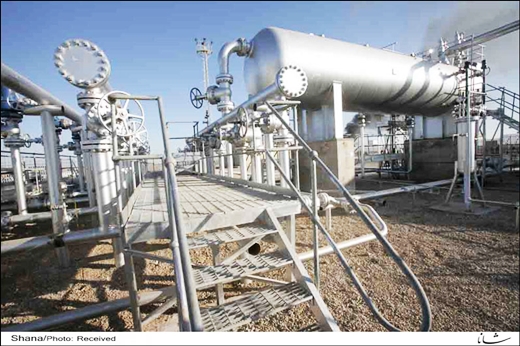
MSOGC Eyes 10% Rise in Output by March 2017

Ebrahim Piramoon told Shana that the company’s performance for the previous calendar year was more than expected and it supplied 105% of the output it had planned.

The company added an average of 6,000 000b/d of oil to its production capacity.

He said MSOGC plans to repair old wells and dig new ones in the new year in a bid to boost its production in line with the National Iranian Oil Company’s directives.

“This year, 4 desalination projects in Lab Sefid oil field and a gas desalination and sweetening project in Ghale Nar and Lab Sefid will be finalized by the end of the current year which will add the quality and quantity of the company’s production,” he added.

NIOC has tasked MSOGC to add at least 14,000 000b/d or 10% to its oil and gas production.

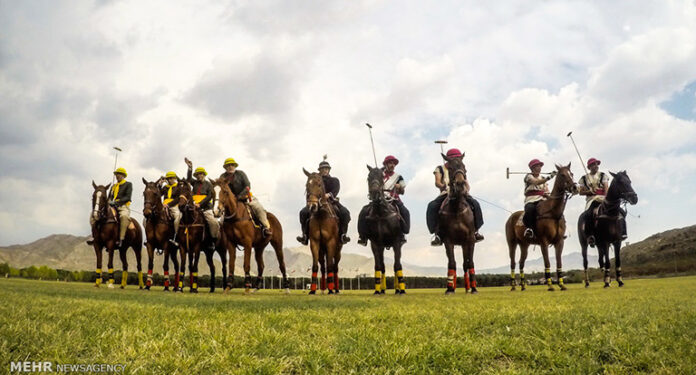
Polo Nominated for UNESCO Cultural Heritage Status

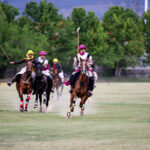
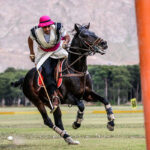
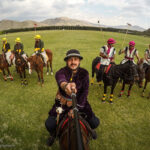
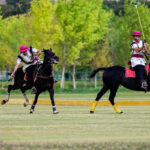
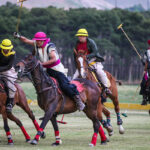
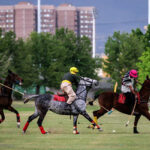
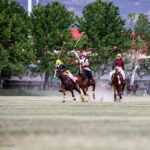
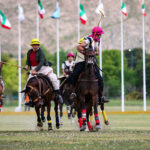
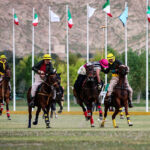
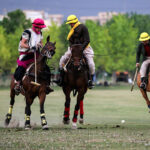
Polo was invented and first played in Iran thousands of years ago. The original name of polo was Chogan which is a team sport played on horseback. Yesterday, a symbolic polo match was played at Shohada Sport Complex in Tehran, in preparation for its inclusion in the UNESCO List of Intangible Cultural Heritage.


Iran’s Larijani Hails Afghanistan’s Progress in Anti-Terror Fight

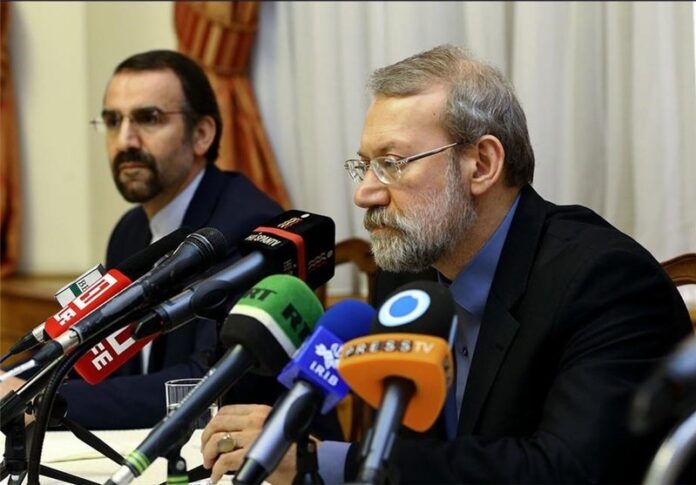
Larijani held a meeting with his Afghan counterpart in the Russian capital, Moscow, on Wednesday on the sidelines of the first meeting of Eurasian parliamentary speakers.

During the meeting, the senior Iranian official condemned a recent terrorist bomb blast in Afghanistan’s capital of Kabul and expressed his condolences over the deaths of tens of people in the tragic event.

Larijani, elsewhere in his remarks, pointed to the recent advances by the Afghan army in its anti-terror military campaign, and underlined the need for other regional countries to help in the fight against the inauspicious phenomenon.

The first conference of the Eurasian states’ parliament speakers, titled Inter-Parliamentary Cooperation in the Interests of Joint Prosperity of the Counties in the Eurasian Region in the 21st Century, opened in Moscow on Tuesday. Speakers from 19 countries are attending the meeting.