The two sides have already reached an agreement on production of commercial vehicles and passenger cars in Iran.
“The current letter of intent will get down to signing in the first half of the next (Iranian) year,” beginning on March 20, Iran Khodro Chief Executive Hashem Yekke-Zare said on Sunday.
Mercedes-Benz is a subsidiary of German-based Daimler which has announced a swift return to Iran where the race among carmakers for a share of the country’s huge market is getting intense.
In January, the German carmaker said it had signed letters of intent with local partners Iran Khodro Diesel and Mammut Group to arrange a “comprehensive re-entry” into the country.
The areas of cooperation include a joint venture for local production of Mercedes-Benz trucks and powertrain components plus the establishment of a sales company for Mercedes-Benz trucks and components, it said then.
Daimler also plans to return as a shareholder in the former engine joint venture Iranian Diesel Engine Manufacturing Co. (IDEM), based in Tabriz.
Leading carmakers are seeing a pent-up demand for cars in Iran, a country of more than 80 million people, which is emerging from years of sanctions.
Yekke-Zare said Iran Khodro was waiting for talks between another Iranian carmaker, Pars Khodro, and Renault to conclude in order to begin its own negotiations with the French company.
Iran Khodro is also willing to cooperate with Japan’s Suzuki for production of Swift, Ciaz and Vitara cars, he added.
Furthermore, the Iranian company is in “serious” talks with an Italian company which he didn’t name, Yekke-Zare said.
“If everything goes according to plan, we will get to the signing stage very soon and the deal will be at a level above the cooperation agreement with Peugeot.”
The French carmaker said in January it had signed a binding contract worth 400 million euros with Iran Khodro to produce a range of cars in the country.
PSA Peugeot Citroën will begin by producing 200,000 cars a year in a 50:50 joint venture, producing the Peugeot 208, 2008, and 301 models, its Chief Executive Carlos Tavares said then.




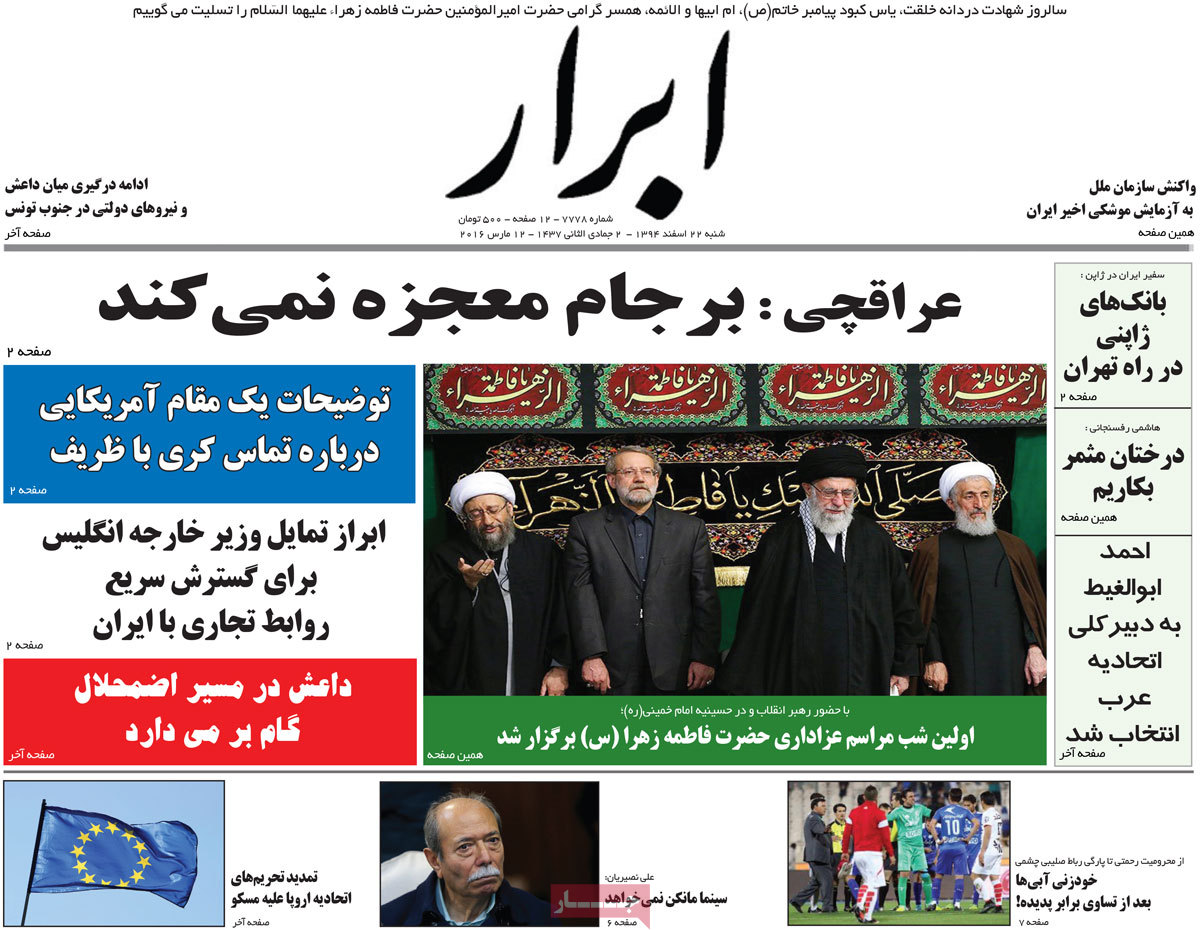
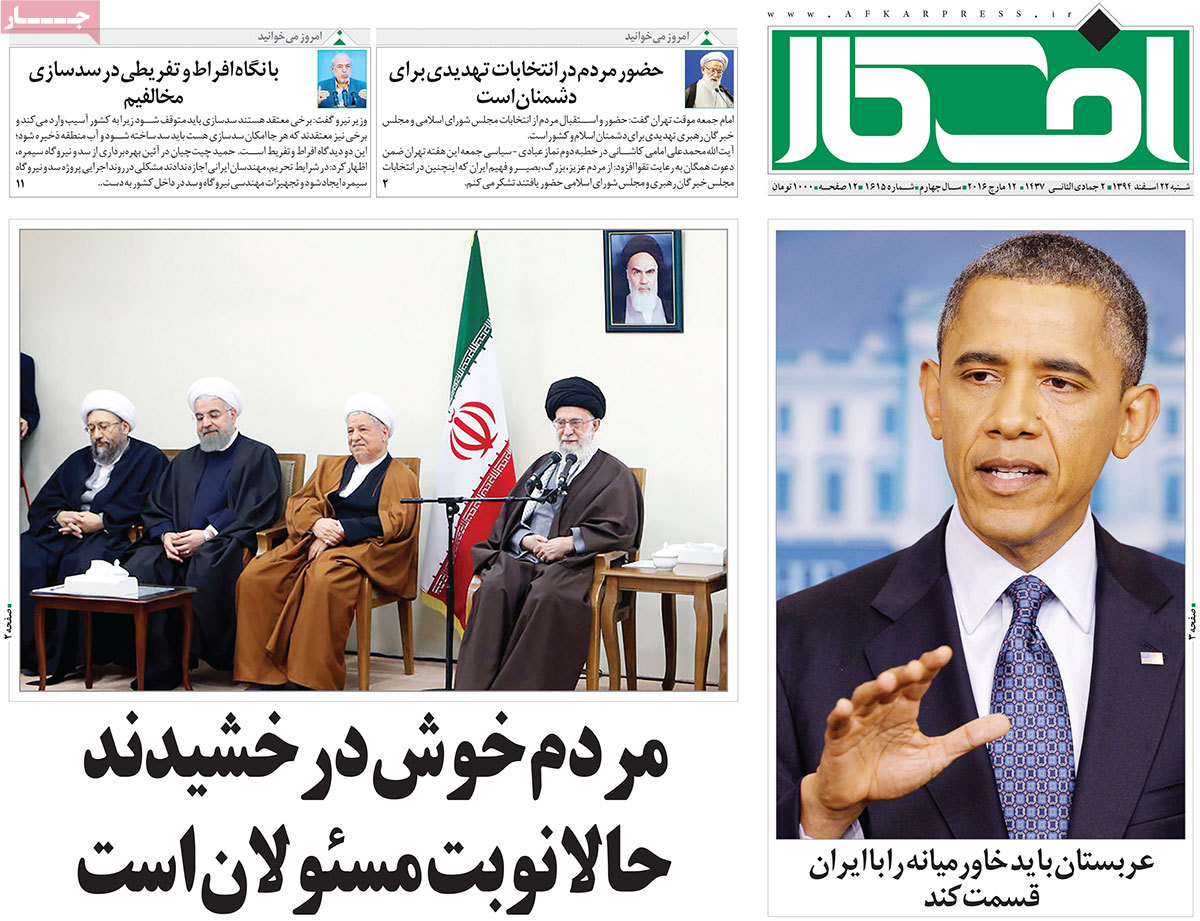
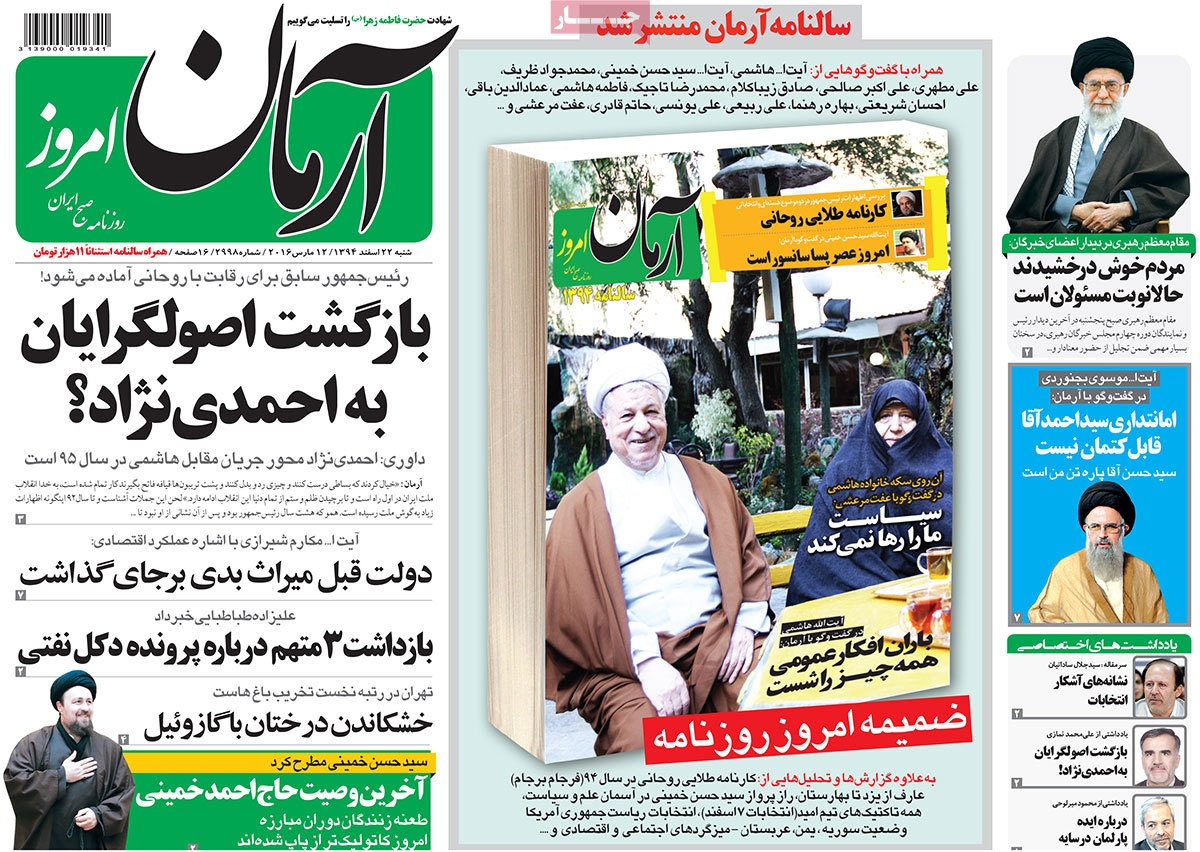
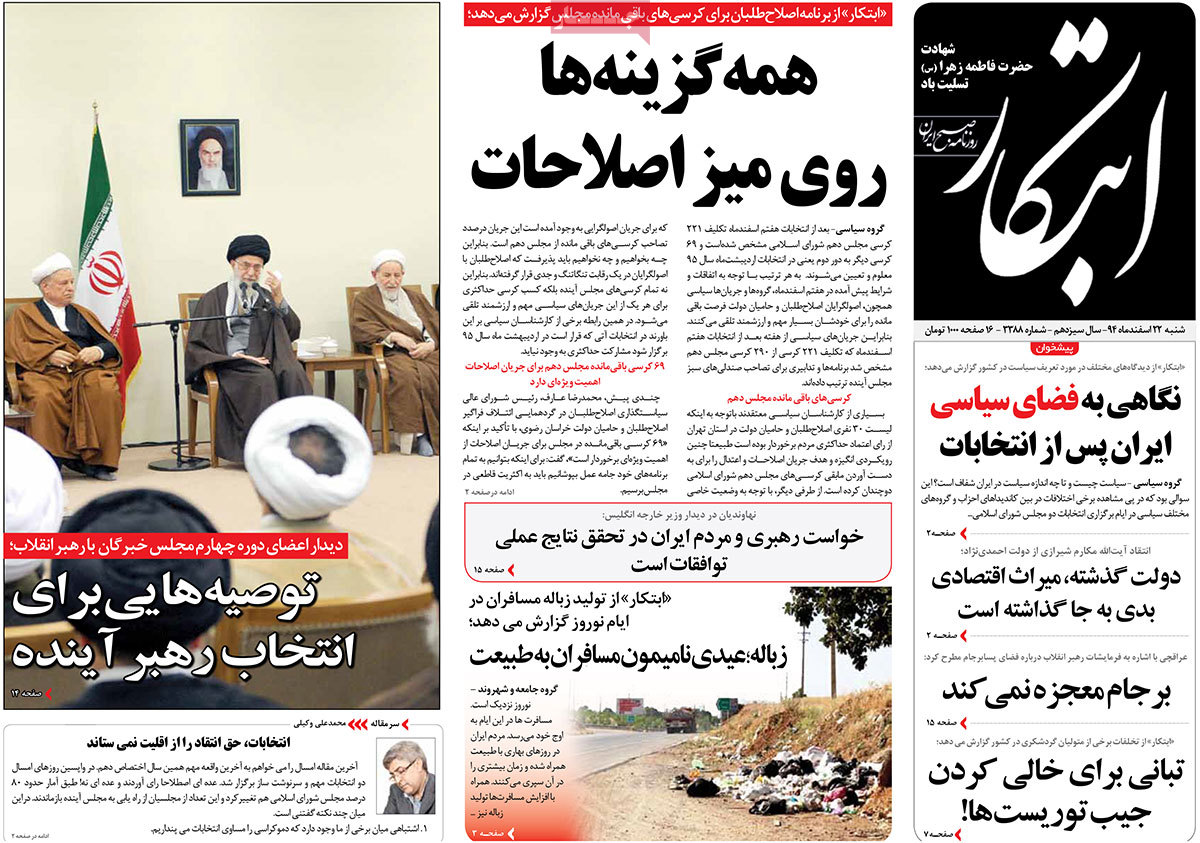
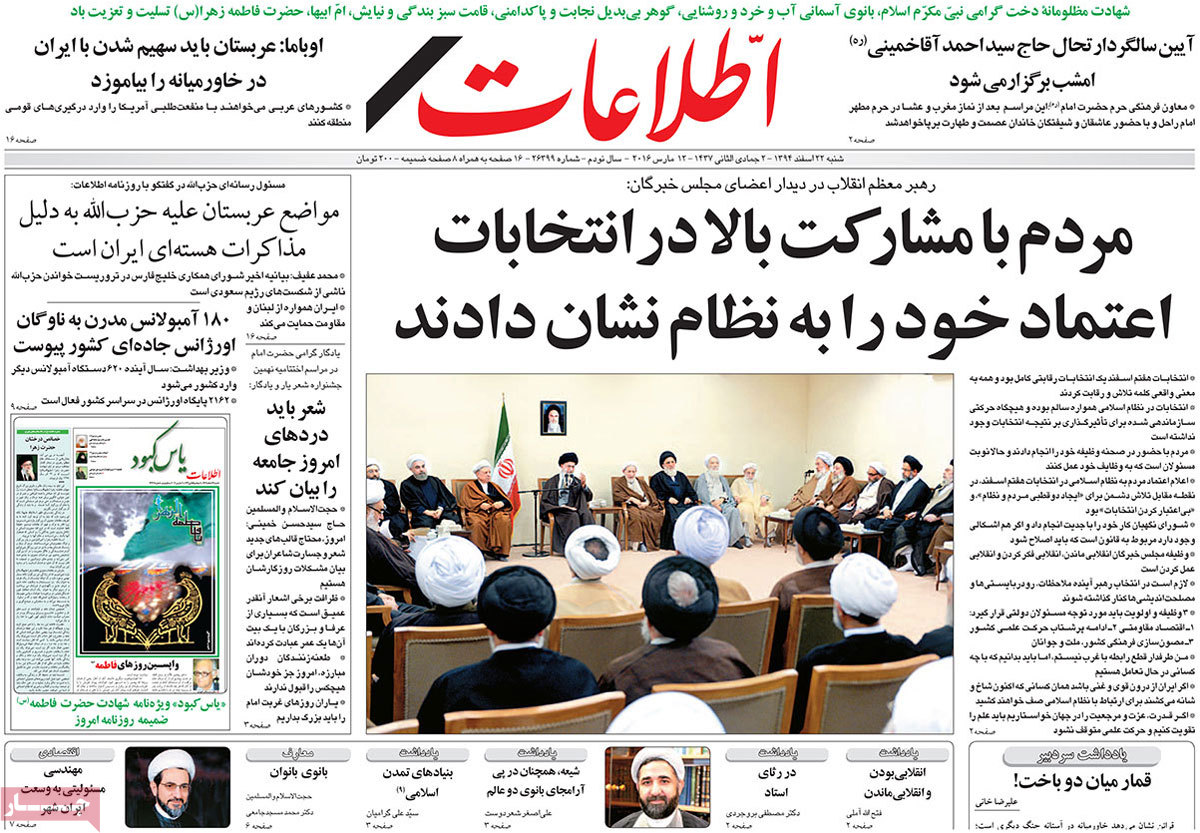
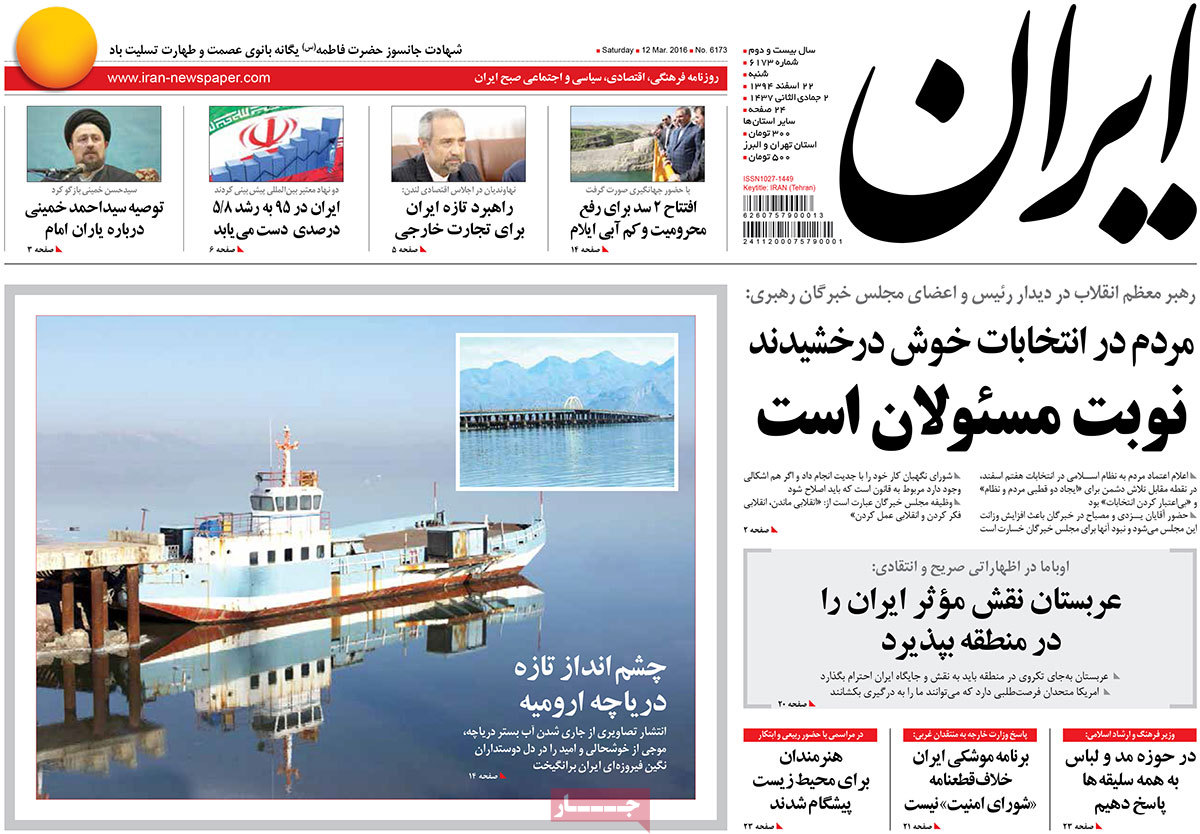
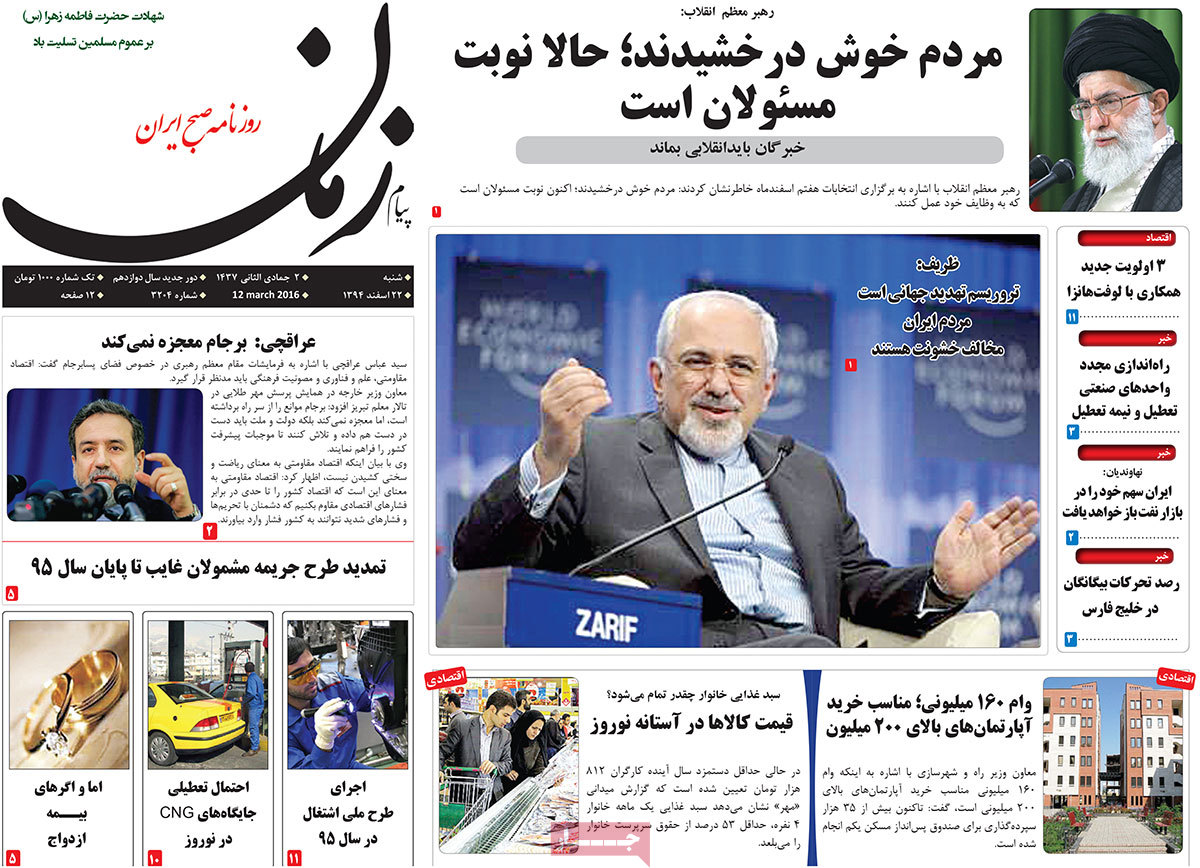
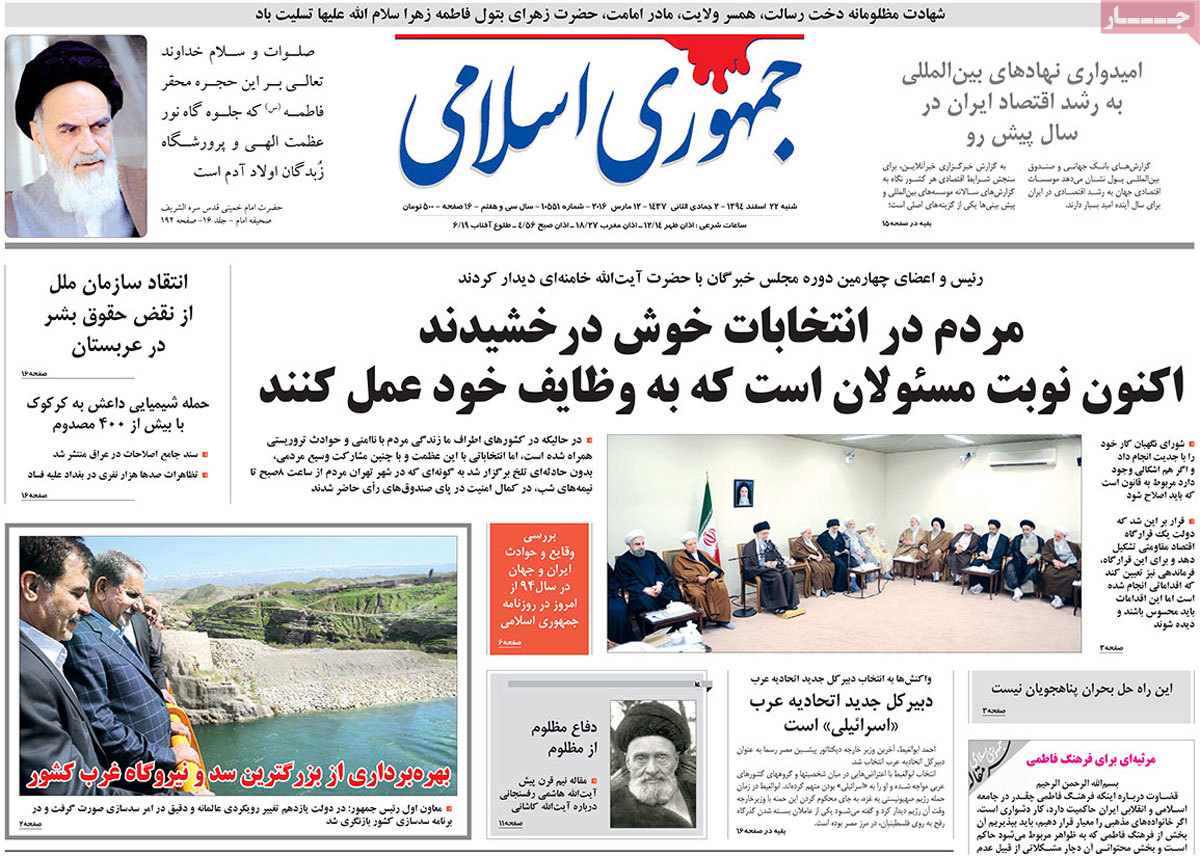
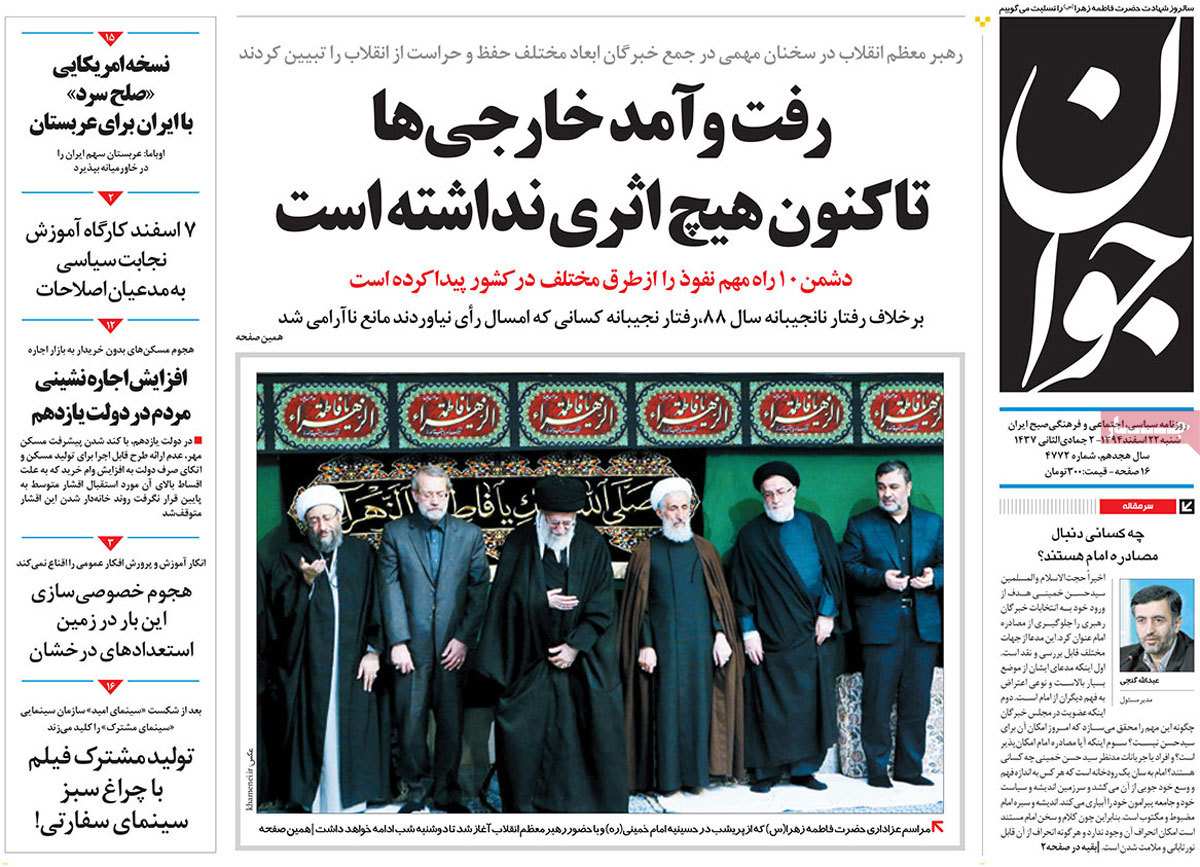
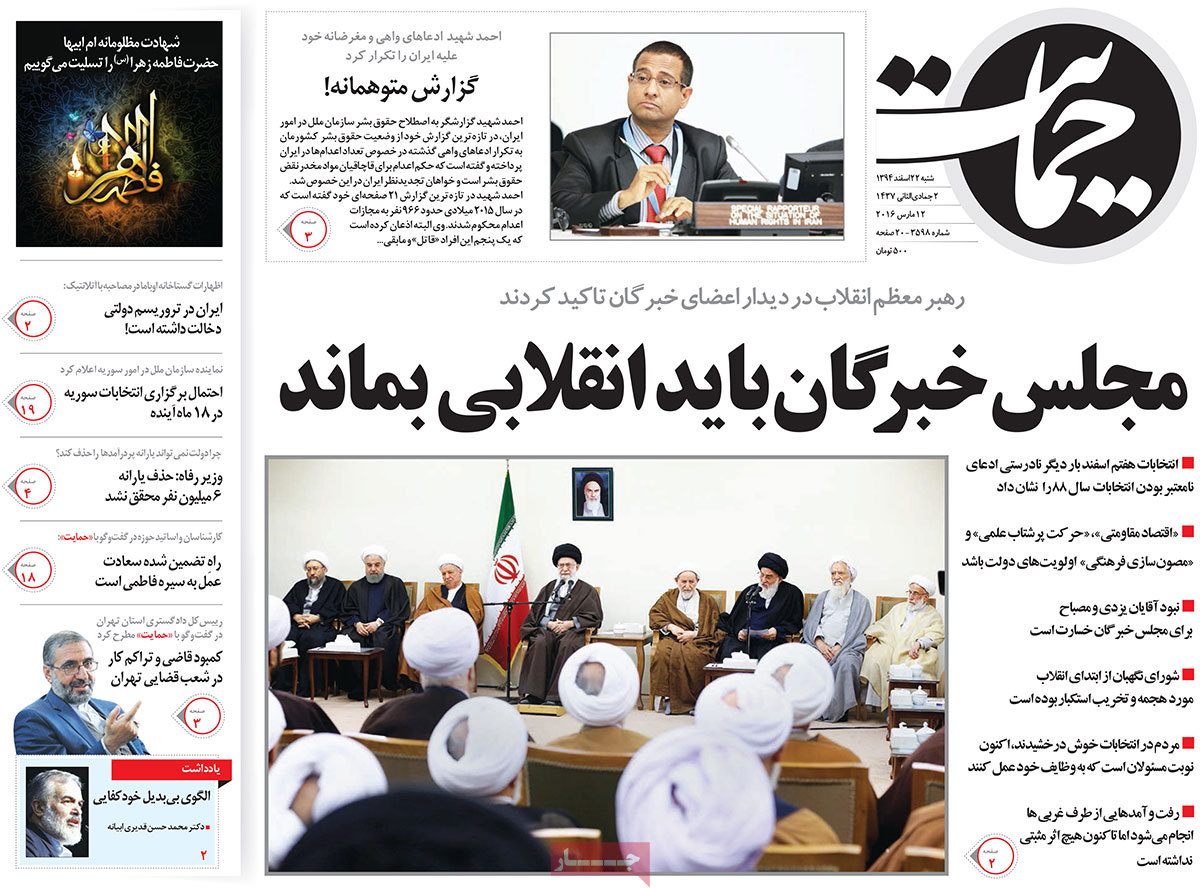
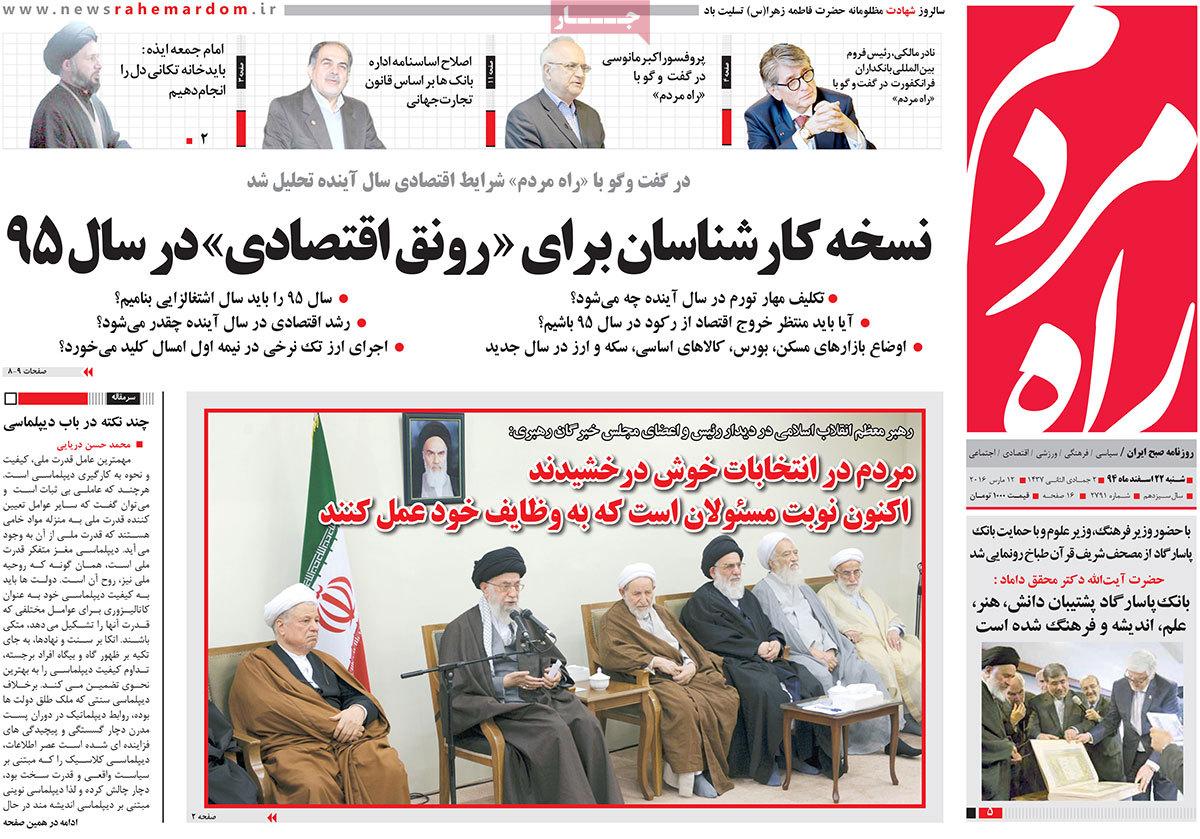
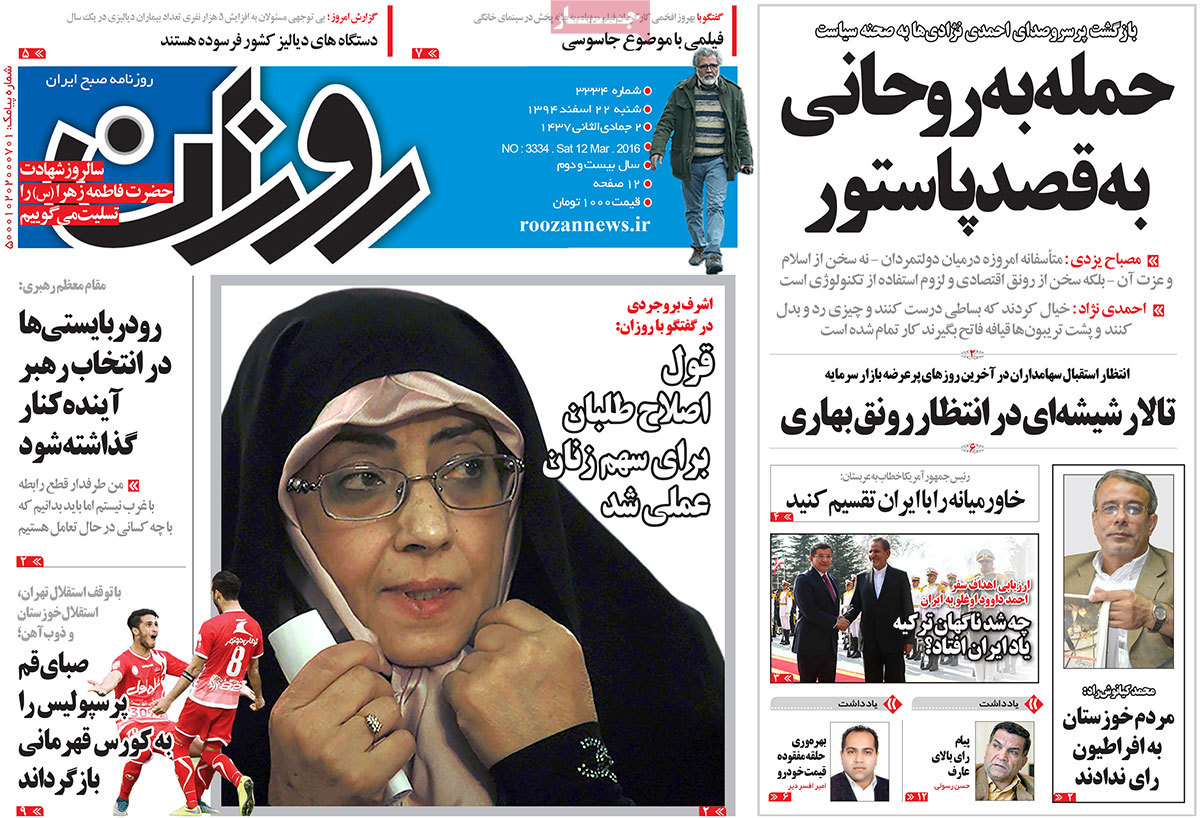

Saudi Arabia and its Arab allies accuse Iran of meddling in crises gripping Syria and Yemen, in both of which the monarchy itself has been directly engaged.
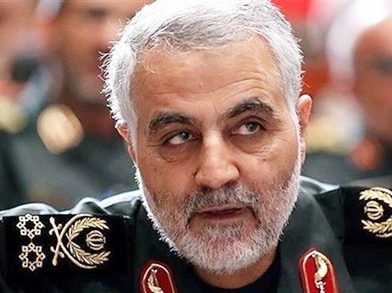
“Is it an adventurous move for the Islamic Republic to defend Muslims’ properties and lives… (and) to stop the destruction of Muslims’ mosques?” he said
The commander noted that the reason for such claims is that the Islamic Republic plays a central role in the Muslim world.
Although the Muslim country is under the “dominance” of the Saudi royal family, and the people play “no role” in its governance, Iran has never gotten engaged in any form of “adventurism” against Saudi Arabia, Soleimani said.
“It has always been the Saudis who have been adventurous towards Islam,” he said, referring to Riyadh’s killing of thousands of Muslim men and women in Yemen and crackdown on its own people.
Saudi Arabia has relentlessly been attacking Yemen since March last year while it has been implicated in providing support for Daesh along with its allies, including Qatar and Turkey.
On the other hand, the kingdom has been part of a US–led coalition which launches air raids in Iraq and Syria allegedly to target the Takfiris.