Friday, April 10, 2026
Home Blog Page 4454

Iran Ranks High in Regional Blood Donation: Official

blood-donate32_147431

Here’s IFP’s translation of a report by IRNA:

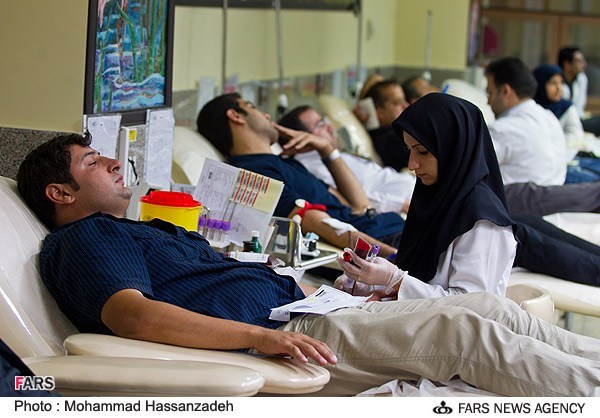
Deputy Head of the Office for Blood Donor Recruitment Nima Hamoon told IRNA that over 2 million Iranians donate blood each year.

“This means that 27 Iranians out of every 1,000 give blood,” he noted.

“In developed countries, 30 to 40 people in every 1,000 donate blood, while in regional countries, the figure is 10.” Therefore, he said, Iran ranks well in comparison with the region and the world.

13910522025125571_PhotoLWomen Make up Less than 10% of Donors
“According to statistics, women’s participation in blood donation is 50% in some European countries, and the average global proportion of female blood donation is 30%. The figure in Iran lags too far below the averages,” Hamoon went on to say.

“Currently, women’s participation in blood donation is less than 10% in Iran, and measures should be taken to encourage a change,” he added.

“Sometimes there are false beliefs about women’s blood donation, which discourages them from donating. For example, some think that if women donate blood, they will get anaemia,” he said.

Every year on 14 June, countries around the world celebrate World Blood Donor Day (WBDD). The event, established in 2004, serves to raise awareness of the need for safe blood and blood products, and to thank blood donors for their voluntary, life-saving gifts of blood.

Iran Takes Part in Milan Architecture and Design Triennial

82109795-70791144

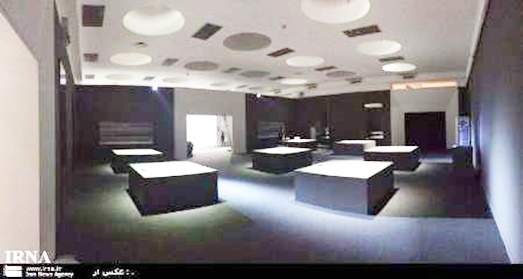
The Iranian pavilion has been decorated with symbols of Iranian culture and architecture and local Iranian markets. The organizers of the Iranian pavilion told IRNA that some Iranians works created by 3-D printer are to be exhibited in La Pernamente.

By applying three-dimensional technology and being visited several times, the Iranian pavilion stood among the top five stands as ranked by the International Biennial Association.

Managing Director of the Centre for Visual Arts and the Supervisor of Tehran Museum of Contemporary Art, Majid Molanoruzi, and the Iranian pavilion curator Arash Ahmadi participated for the first time.

The event began at the beginning of the current Iranian year and will continue until the month of August.

New Plans to Make Qeshm A Persian Gulf Focal Point: Official

82109624-70790776

The contract was signed between Arak Machine Manufacturing Company (Machin-Sazi Arak) from Iran and Jinggang Company, which is the biggest name in the Chinese iron industry.

According to Amir Hossein Rezaie, who is the manager of Arak, the value of the contract stood at $550m. The deal aims at establishing a strategic point as an oil reservoir and for oil products. At the first stage of the project, 10m barrels of oil will be stored.

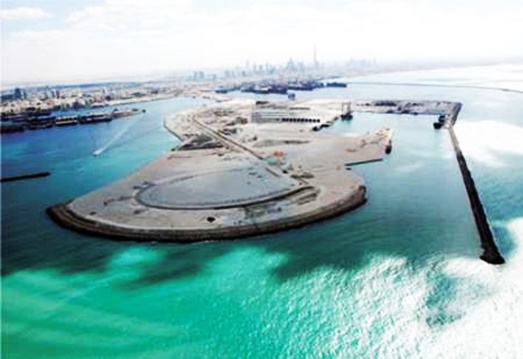
The selection of Qeshm Island for the implementation of the project is due to the island’s special geographical situation, as it is close to the port city of Bandar Abbas in south of the country. The port is a very favourable spot for loading and unloading oil tankers and cargo ships.

New Nanofibers Developed for Treating Damaged Skin

2105020

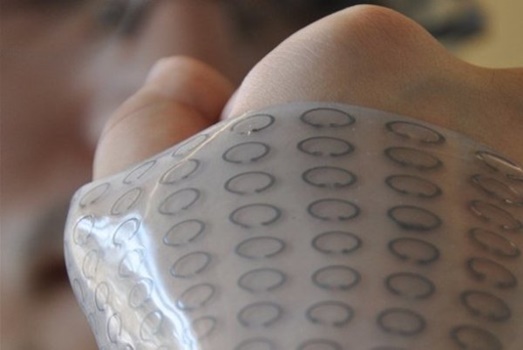
One of the primary requirements for tissue engineering is the design and construction of scaffolds, which are the artificial constructs in which cells are planted. These structures are able to mimic and support the native three-dimensional tissue structure. The structure of the scaffolds must be as similar to the tissues surrounding the planting area as possible. Thus, regeneration and improvement of damaged tissues are increased quantitatively and qualitatively.

Bakhali Masoumi, the project manager, said the research was conducted with an aim to synthesize and evaluate a new scaffolding to repair damaged skin tissues.

“The synthesized scaffolds in the project are biocompatible, biodegradable, and have good mechanical and rheological properties,” he said, adding, “They are also electrically conductive which allows them to have a better performance in engineering skin, bone, and neural tissues that need electrical signals.”

According to him, a polymer system comprising aliphatic, polyaniline, and polycaprolactone polyesters has been used in building the scaffolds for repairing damaged skin tissues. The results of the research have been published in RCS Advances, vol. 6, No. 32, 2016, pp 19437-19451.

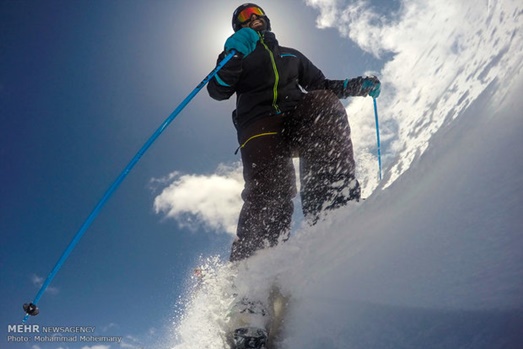
Iran to Host 2018 Asian Alpine Ski C’ship

2049208

The 50th International Ski Congress, held in Cancun, Mexico from 6th-10th June 2016, was attended by more than 900 participants from the global ski family including delegates, representatives of National Ski Associations, Organizing Committees, the ski industry, FIS partners and the media, who took part in more than 100 official meetings.

The 14 session of ASMF, which was held on the sidelines of the FIS Congress, unanimously voted for Iran as the host of 2018 Senior Asian Alpine Ski Championship. The event in 2018 will mark a turning point in the Iran’s ski history.

Iran Resumes Dairy Exports to Iraq

82108735-70789086

The WOAH reported on May 31, 2016 that the disease has been controlled in Iran and in line with the report, the head of the Veterinary Organization of Iraq ordered the prohibition to be cancelled. The Iraqi organization sent the letter to related bodies and organizations in Iraq as well as the Customs House of the country.
Turkey and Saudi Arabia are two competitors in the Iraqi dairy market. Iran aims to export 30 tons of different types of dairy to Iraq monthly.
According to the statistics of the Islamic Republic of Iran Customs House, the value of Iran’s export and import of agricultural crops and food industries in year 1394 fell 14% and 27% respectively, compared with the preceding year. According to statistics, agricultural exports in year 1393 stood at $6.5bn. It fell 18% in year 1394 to $5.6bn.

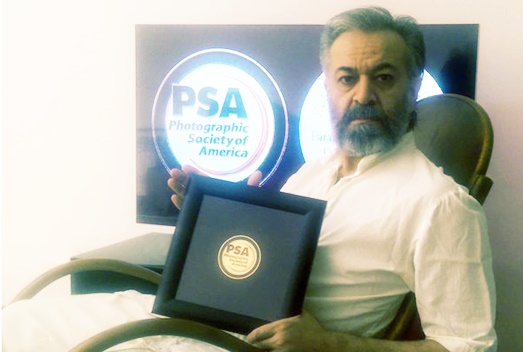
Photographer Awarded PSA 3D Photography Prize

2104334

Faramarz Ghahremanifar confirmed the story on Saturday June 12 as his “Most valuable medal” in 2016, saying, “The 56th 3D Photography Contest gold medal was my 3rd prize; in 2000, I also won a prize for 3D photography, from the Stereoscopic Society of America,” he told reporters.

“I started my career in stereography in 1988 beginning with photographing and directing short 3D films in 1997 in IYCS. With special zest for 3D imaging, I took 3D photography as my major and have been active ever since then,” Ghahremanifar added.

The award winner, who is an expert in cutting-edge photography technology, believed that technology would create new capacities for country’s cinema industry. “I believe 3D photographing is pivotal to 3D filming; the secret for success is having a good photographer, graphic artist, and illustrator, all experts in 3D territory.”

Ghahremanifar received preliminary training at IYCS. “Viewed as recreation, 3D photography carries a specific concept and a message to the audience in each frame, thus making the communication rich and mutually enjoyable. My latest project recently ended, which addressed the rendering of 3D movies for unarmed eyes (that is, without 3D glasses).”

Agreements Worth Over $35bn Reached Between Iran and Foreign Banks

global-deal

Talking to IRNA, the president of the Organization for Investment Economic and Technical Assistance of Iran, Mohammad Khazaei, said, “Obtaining a figure that goes beyond the country’s needs is not out of reach, but it will take time to display tangible results.”

Touching upon the removal of anti-Iran sanctions, Khazaei said that foreigners are traveling to Iran to examine all aspects of fostering cooperation, and naturally it would take some time to display tangible results.

“Recently, the Japanese agreed to open a $10bn credit line in Iran,” he said, reiterating that the Japan International Cooperation Agency (JICA) also has agreed to grant a low interest rate loan worth $2bn to the Iranian schemes.

Khazaei stressed that Iran and South Korea also reached an $8bn agreement recently. He also cited the Iran-Norway credit line as another achievement of the post-sanctions era.

Khazaei added the initial documents of the mutual credit lines have been inked and the amount of loans with their interest rates, term of loans, banking agents and the specific projects would be announced later.

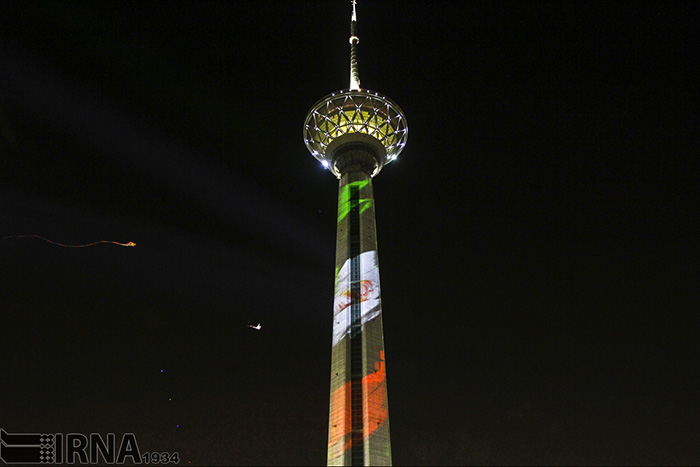
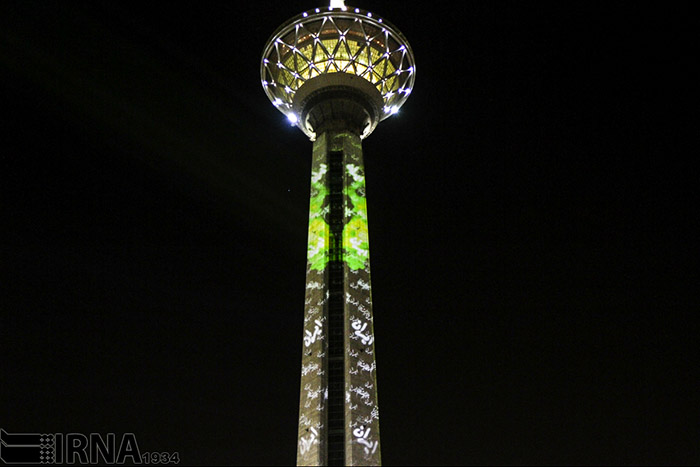
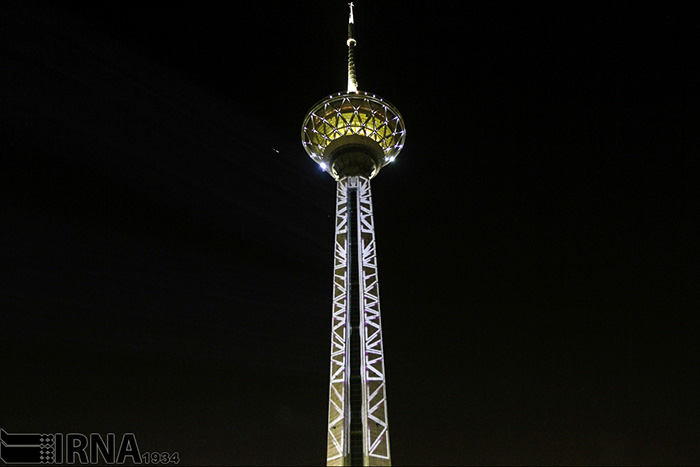
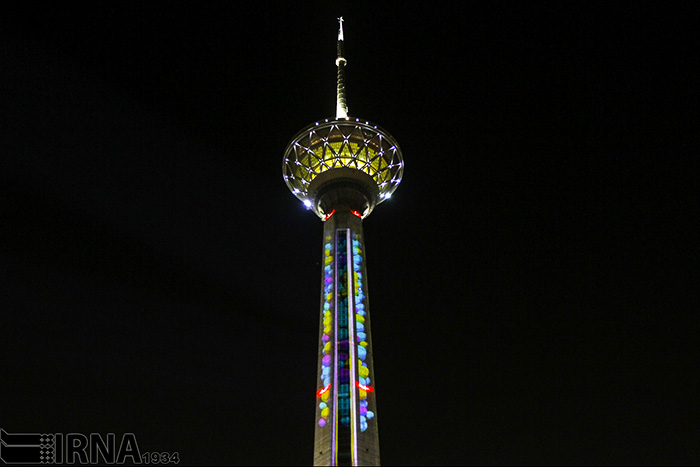
Call to Prayer Lit up on Milad Tower

Milad Tower-5036200

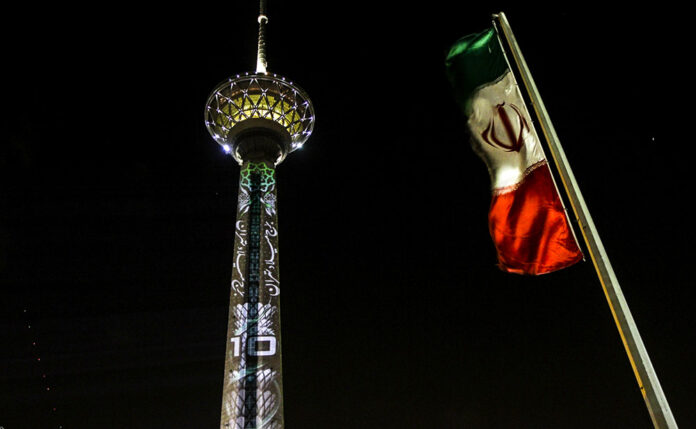
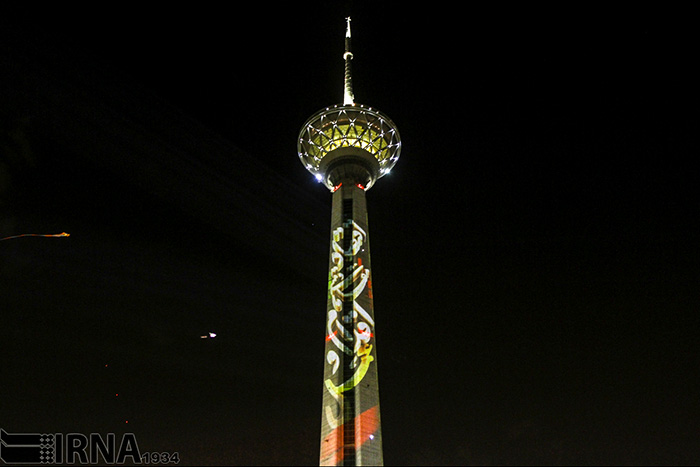
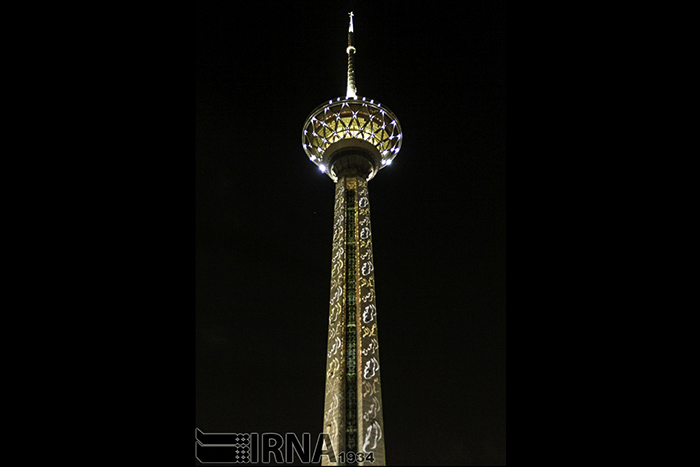
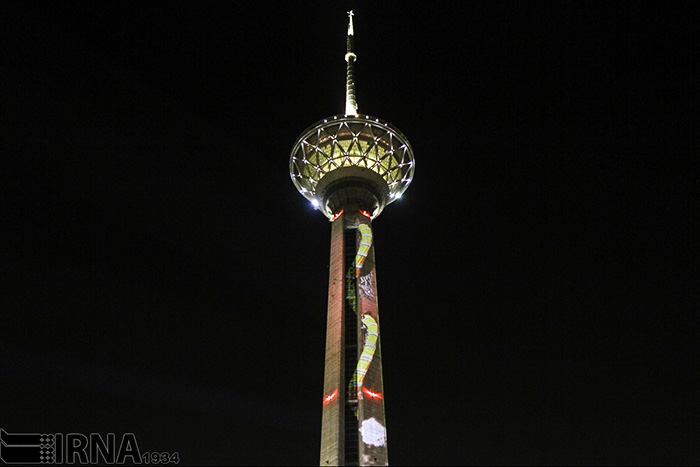
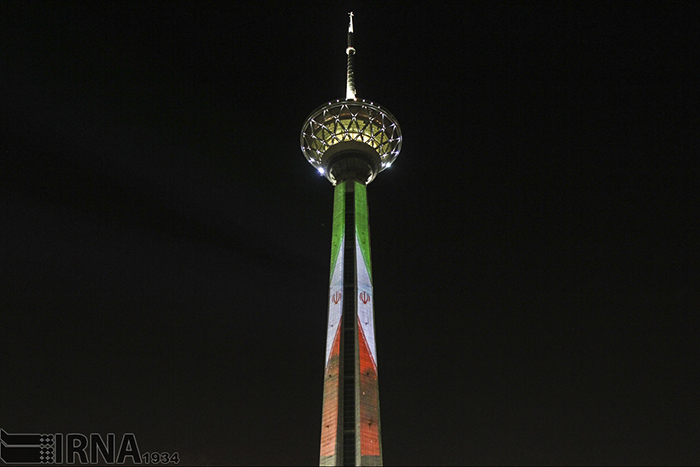
A 3D Adhan (A public call to invite Muslims to perform their daily prayers) can be seen illuminated on the structure of the Milad Tower in Tehran. The illuminated text, along with other images and animations, will be shown every evening on the Tower during the Islamic holy fasting month of Ramadan.

Rouhani Orders First VP to Pursue Issue of Astronomical Salaries

Rouhani

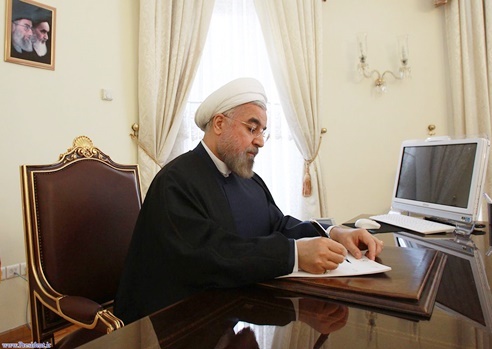
On Sunday, June 12, President Rouhani ordered First Vice-President Eshaq Jahangiri to seriously pursue the issue of extremely large salaries given to certain executives, urging him to fire the ones who had violated the law as soon as possible.

He also asked Jahangiri to provide a report on the “decisive measures” taken in this regard, and to submit it to the President.

“All cases of violation and abuse should be identified as soon as possible; the wages unlawfully paid should be returned to the public funds; the offending managers should be dismissed; and a report on the decisive measures [taken in this regard] should be given to me,” Rouhani said in his order, as reported by Alef and translated by IFP.

Rouhani’s move came in reaction to a recent leaked paycheque belonging to the managing director of the state-run Bank Refah, which showed an astronomical monthly payment of $67,000.

That was the worst case in the past few months. Earlier in May, Central Insurance of Iran (CII) came under fire when the paycheque of one of its employees appeared on the popular messaging app Telegram, as reported by Al Monitor.

The name of the employee was crossed out but likely belonged to one of the five members of the CII executive team. Subsequently, more paycheques were leaked, displaying what appeared to be monthly salaries in the tens of thousands of dollars, interest-free loans and significant overtime payments.

The CII responded by releasing two paycheques belonging to one of the executives, showing a base monthly salary of IRR85m ($2,450). It argued that the large sum leaked was in fact not a salary, but 84 months of back payment owed to the employee in question. This did not help quell the anger directed at the CII and the government.

A conservative website later claimed to be in possession of a scathing letter written by CII employees addressed to President Hassan Rouhani. The unnamed staff blasted their CEO, Mohammad Ebrahim Amin, a long-time insurance executive, criticizing him for showing favouritism during his tenure and increasing executive pay “astronomically.” The outcry subsequently led to the resignation of Amin, who began his resignation letter with the words “I am ashamed.” He did not admit to any wrongdoing, but he apologized to the Minister of Economic Affairs and Finance for making his ministry look incompetent. Minister Ali Tayyebnia accepted Amin’s resignation and quickly reinstated the former managing director, Abdulnasser Hemmati. However, as pointed out by numerous commentators, the removal hardly addressed the root of a more widespread phenomenon.

As per Article 76 of the Civil Service Law, which the Rouhani administration renewed, “No individual in a government post can be paid more than seven times the lowest earning civil servant.” Most estimates put this minimum almost at IRR1m ($290) per month.