Saturday, April 18, 2026
Home Blog Page 4379

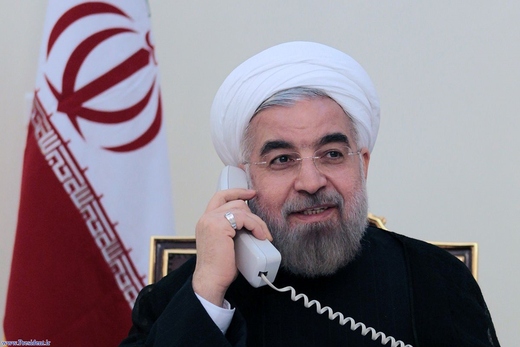
Iran’s President, British Premier Discuss Bilateral Ties, JCPOA Implementation

During the conversation on Tuesday evening, President Rouhani hailed development of Tehran-London ties after coming into force of the Joint Comprehensive Plan of Action (JCPOA), a lasting nuclear deal between Iran and the Group 5+1 (Russia, China, the US, Britain, France and Germany).

Highlighting Britain’s role in the achievement of the JCPOA, the Iranian president said the efforts should now be focused on its full implementation.

He also voiced Iran’s readiness to work with Britain in the fight against terrorism, given the escalation of terrorist attacks in the world.

May, for her part, said London is resolved to enhance relations with Tehran in all fields.

She also restated Britain’s commitment to full implementation of the JCPOA, voicing support for the expansion of banking and trade cooperation.

She further voiced London’s preparedness to hold consultations with Tehran to coordinate efforts in battling terrorism.

Theresa May became Britain’s prime minister in July with the task of leading it out of the European Union. Former premier David Cameron stepped down after Britons rejected his entreaties to stay in the EU.

Iran Will Never Compromise on Distance from US: Leader

Leader

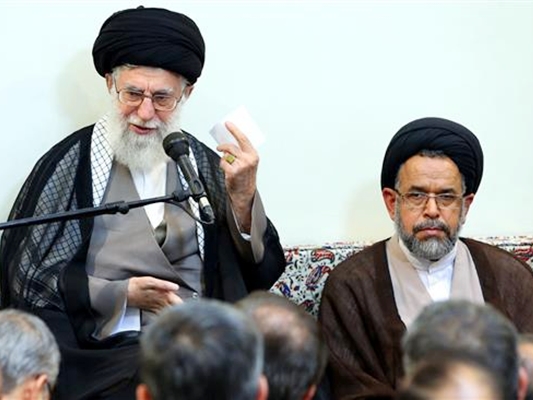
Leader of the Islamic Revolution Ayatollah Seyyed Ali Khamenei says Iran will never back down from distancing itself from the United States.

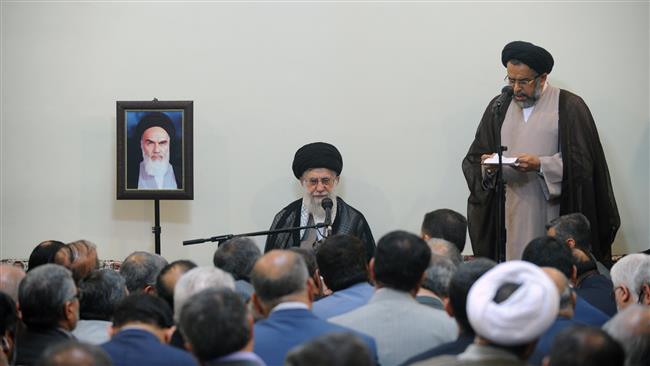
“Keeping a distance from the head of the arrogant movement, i.e. the US, is one of the most important definitive principles of the great founder of the Islamic Republic (the late Imam Khomeini) and there is no room for any compromise or negligence in this regard,” Ayatollah Khamenei said in a meeting with Iran’s Intelligence Minister Mahmoud Alavi and other senior personnel of the ministry on Tuesday.

Ayatollah Khamenei hailed the relentless efforts of the ministry, describing it as a “very important and crucial bastion” and “the wakeful and observant eye of the Islamic establishment.”

“The Intelligence Ministry is the hard shell of the Islamic establishment and should never become vulnerable,” the Leader added.

The Leader further called for the presence and operation of the ministry anywhere suspected of becoming a hideout for the enemy to deal a blow to the Islamic Republic.

Ayatollah Khamenei also said the survival and victory of the Islamic Revolution are tied to maintaining faith, adding, “The failure of the global arrogance against the Islamic establishment, despite massive and varied plots and methods that they have deployed since the first day against the [Islamic] Revolution, could not have been possible without the support of faith.”

The Leader stated that any move to weaken the faith of the Iranian people and officials would be treason and added, “The defensive force that has sustained the country throughout all these years has been the power of faith and if this strong and efficient weapon is undermined, it will lead to many plights.”

75816452-349b-4ce8-b24e-418d085685f1Elsewhere in the meeting, Ayatollah Khamenei highlighted the role of the ministry in helping the realization of Resistance Economy, saying, “The solution to the country’s problems is Resistance Economy and some works have begun in this field but the result of these works must be seen on the ground.”

The Leader also underscored the Intelligence Ministry’s role in combating and preventing financial corruption.

Prior to Ayatollah Khamenei’s remarks, Alavi provided a comprehensive round-up of the Iranian Intelligence Ministry’s agendas and activities.

Iran Condemns Resumption of Saudi Airstrikes on Yemeni Civilians

Bahram Ghasemi

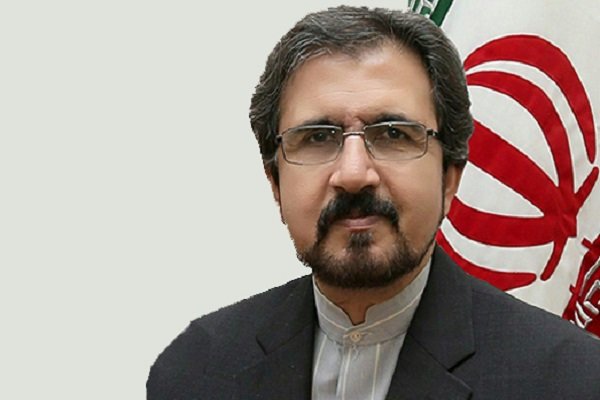
In comments on Tuesday night, Qassemi deplored inaction by the United Nations Security Council and the organizations claiming to advocate human rights on Saudi Arabia’s crimes against people of Yemen, saying such muted response has encouraged the Riyadh regime to continue to devastate Yemen’s infrastructure, kill civilians and keep a blockade on the country which is in need of humanitarian aids.

He also called on the UN and those arming the Saudi military to take effective steps to end the attacks on Yemen and ensure the safety of civilians, particularly women and children.

More than a dozen people have been killed in Yemen after the Saudi-led coalition resumed airstrikes on the capital Sana’a, following the collapse of UN-brokered peace talks.

In the first such attacks since 11 April –when an often-violated ceasefire was put in place– Saudi-led jets bombed a potato factory in the capital’s Nahda district on Tuesday, killing at least 14 people working there, mostly women.

Since last March, Saudi Arabia has launched airstrikes to reinstate the ousted president, Abd-Rabbu Mansour Hadi, and counter Houthi movement advances. More than 6,000 people have died, including thousands of civilians and children, according to the UN.

The UN child protection agency UNICEF has said more than 1,100 children were confirmed to have died since the conflict began last year.

Over 4 Tons of Illicit Drugs Seized in Iran’s Southern Province

139504280921208258157984

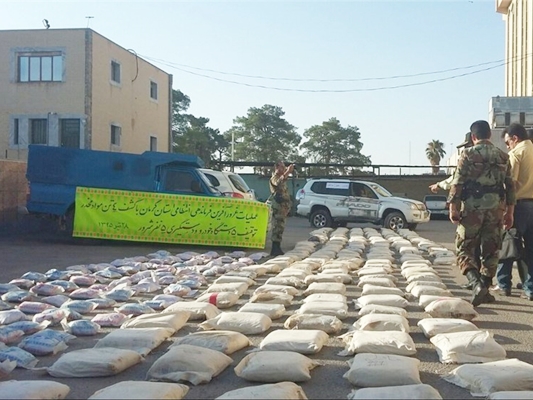
Iranian security and intelligence forces have managed to seize two cargoes of narcotics amounting to more than 4,000 kilograms in the southern province of Kerman, the prosecutor general of the province said.

Following intelligence measures by the security forces, two major drug rings operating inside and outside of the country were identified and smashed, Dadkhoda Salari said on Tuesday.

The drug dealers intended to smuggle the cargos from the neighboring province of Sistan and Balouchestan into Kerman, he added.

During the operations to arrest the drug smugglers, over 4 tons of illicit drugs, including 4,161 kg of opium, 21 kg of morphine and 10 kg of heroin, were seized and 9 members of the drug gangs were detained, the judicial official said.

Iran, which has a 900-kilometer common border with Afghanistan, has been used as the main conduit for smuggling Afghan drugs to narcotics kingpins in Europe.

Despite high economic and human costs, the Islamic Republic has been actively fighting drug-trafficking over the past three decades.

The country has spent more than $700 million on sealing its borders and preventing the transit of narcotics destined for European, Arab and Central Asian countries.

The war on drug trade originating from Afghanistan has claimed the lives of nearly 4,000 Iranian police officers over the past 34 years.

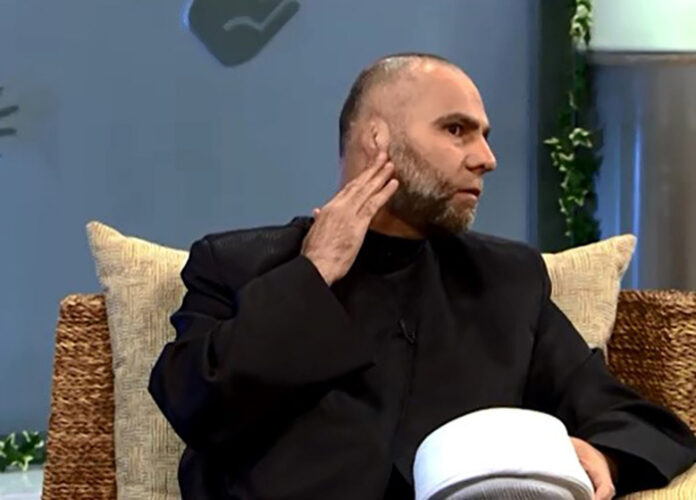
ISIS Terrorists Cut Sunni Imam’s Ear and Force Him to Eat It (+Video)

ISIS Terrorists Cut off Sunni Imam Ear and Forced Him to Eat It!

According to a report by Al-Alam News Network, as covered by Mizan, in part of his speech, the Sunni Imam of the Umayyad Mosque Sheikh Ma’moun said that ISIS elements had cut his ear and forced him to eat it.

Here is the video of his remarks:


Here is IFP’s translation of what he says in this video clip:

“He [an ISIS commander] ordered him [another ISIS element] to cut his [the Imam’s] ear, because he doesn’t listen to us. And they cut my ear. He cut it and asked me to eat it. Take it and eat. I told him, ‘this is not mine. My body is for God, and Allah is the one who has created it. If you are a Muslim, I should remind you that mutilation is prohibited by Islam.’ He once again said, ‘eat it’. He tried to open my jaw, but he couldn’t do it, even though my jaw was hurting. HeHHHe wanted to force me into eating it. Imagine your ear is cut and someone is trying to force you to eat it. Is there any human being that cuts his or her own body organ and eat it? It’s really strange.”

Prediction of Earthquake, 48 Hours Earlier!

Two Quakes Hit Iran as Fight against COVID-19 Goes On

Babollah Abedinzadeh is a not very well-known man from the Iranian city of Semnan who claims he can predict an earthquake 48 hours before it occurs.

Here is IFP’s translation of a report by Khabar Online on a claim made by the Semnani man who says he can forecast the occurrence of any earthquake on earth from distance.
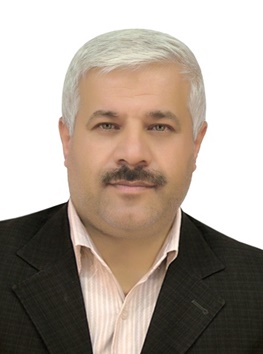
Babollah AbedinzadehAbedinzadeh said, “Although no one in Iran takes my words seriously, I predicted the earthquake that recently struck Pakistan 48 hours before its occurrence. I even predicted the earthquake that hit Iran’ East Azarbaijan and informed the authorities in Semnan.”

He has allegedly spent 12 years of his life on doing research about earthquakes and methods of predicting them. He said he is ready to prove his claims; however, officials at Iran’s Seismological Centre have asked him to support his claims by presenting a seismological device.

Abedinzadeh, who has a master’s degree in management, hopes to bring a new revolution to the history of earthquake prediction!

Read more about his claims in the following interview.

Are earthquakes really predictable? We’ve been told since we were kids that only animals are able to sense earthquakes before they occur and that only a few seconds earlier. Have you invented any device? What is your method of forecasting?

I’ve been doing research in this area for over 12 years and have achieved some valuable results. I have been cooperating with University of Tehran’s Institute of Geophysics for a few years and, unlike public opinion, I can prove that earthquakes are predictable 48 hours earlier!

How do you do that? Have you created any specific device?

Some believe that earthquakes are predictable only through magic or in dreams and such superstitions. Put all these aside. If I’m not mistaken, some gases such as argon and neon come out of the earth’s crust as a prelude to earthquake and these gases generate waves by themselves. Some animals react to them.

Does that mean that you notice the occurrence of an earthquake simply by smelling those gases?

I don’t feel the smell of those gases but I can detect the emission of them through examining some animals’ reactions.

What animals?

I’m afraid; I don’t want to divulge such information before the registration of my discovery.

Are these animals found in every country?

Yes. Depending on the magnitude scale of earthquakes, I can predict their occurrences in Pakistan, Japan or even Argentine.

Could you please name at least one of these animals?

Spider is one of them. These insects enjoy very strong senses that are not known to many. You can even measure the earthquake’s magnitude by examining their moves.
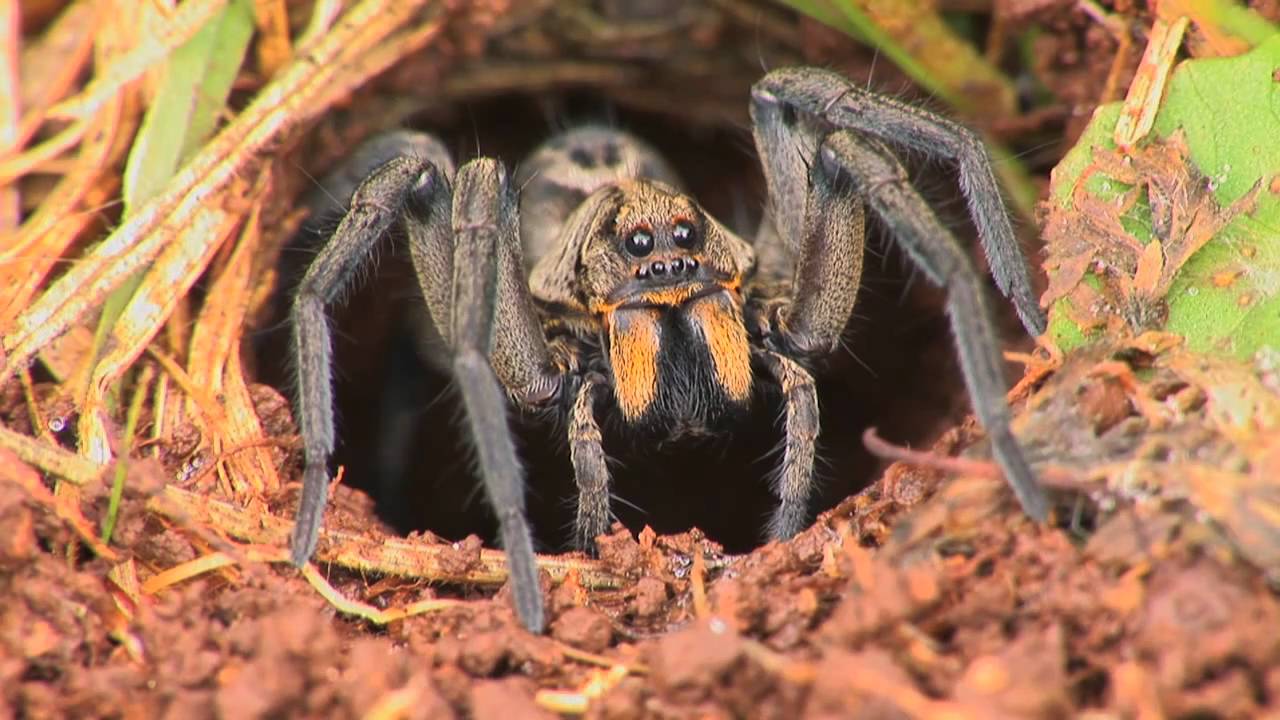
spider

What is special about the moves of spiders? They only produce threads to construct webs, catch their prey and sometimes descend from the ceiling.

You do not notice because you haven’t worked on their moves and haven’t examined them precisely.

Well, what do spiders do before an earthquake occurs?

They tend to run in the opposite direction of the earthquake’s focus! I live in Semnan’s Meyami County. In Meyami, if I’m to divide up from where I’m standing now, Bandar Abbas would be in the south, north is clear, Pakistan and Japan would be the in east. I can forecast earthquakes as large as magnitude 4.5 to 6.5.

God forbid! Should we be expecting any earthquakes in Iran?

Not yet; however, I predicted the earthquake that struck Pakistan 48 hours before it occurred.

Did you predict it from here?

Yes, I predicted the one in Japan from here too. I study the moves these animals make. I wish you were here to see it for yourself. There are many things that are hard to elucidate verbally.  The more earth is closer to the centre, our distance from Japan becomes shorter; hence sooner detection.

Are you collaborating with Institute of Geophysics and Seismological Centres?

If anything comes up, I will let the National Disaster Management Organization (NDMO) know. Semnan’s Seismological Centre says that I have to provide proofs or present a device to corroborate my claims; otherwise they reject it. Although I have been working with them for five years, they still want a device. Recently, Jundishapur University of Iran’s southwestern city of Ahvaz built a device for $14,000, but it is just a pendulum.

What I am trying to make them understand is that predicting the occurrence of an earthquake does not need any devices. You can do the prediction through many signs that are prevalent. I forecasted the earthquake that hit Iran’ East Azarbaijan through the same signs; however, no one bothered to listen.

Who did you tell?

I informed the National Disaster Management Organization (NDMO)’s office in Semnan. I went to Tehran’s Seismological Centre too, but they said they could not broadcast baseless news. You give me your phone number; 48 hours before any earthquake happens in the world, I’ll send you a message and inform you of its location!

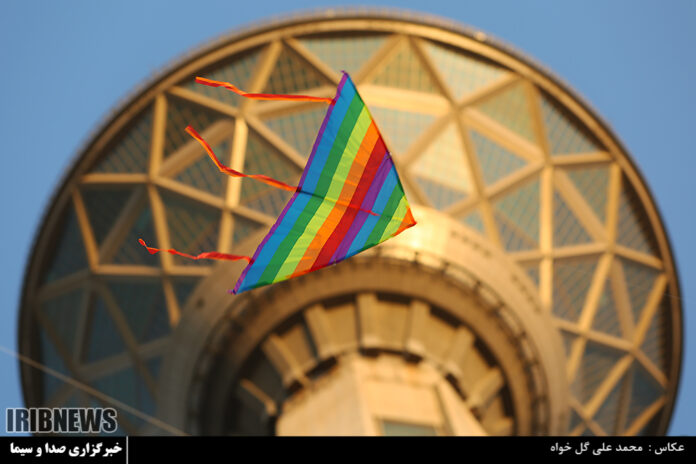
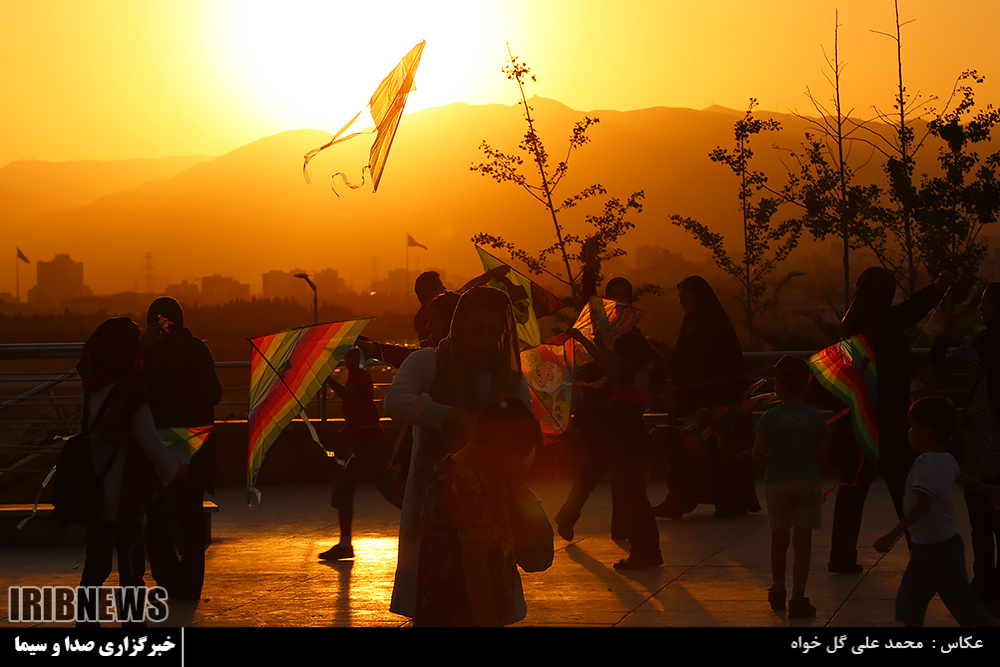
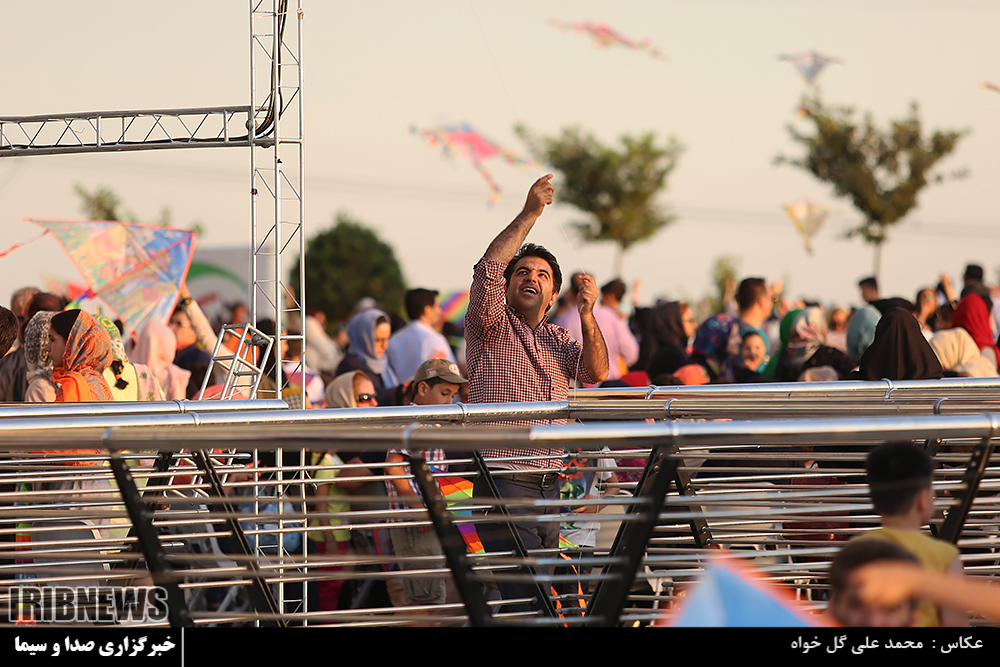
Kite Festival in Tehran’s Milad Tower

222

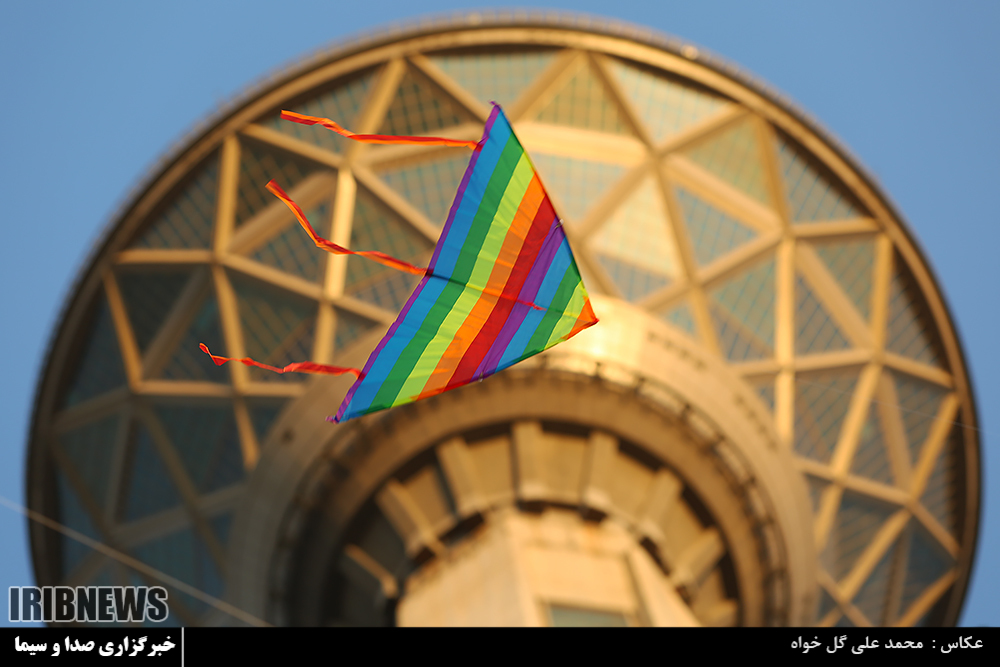
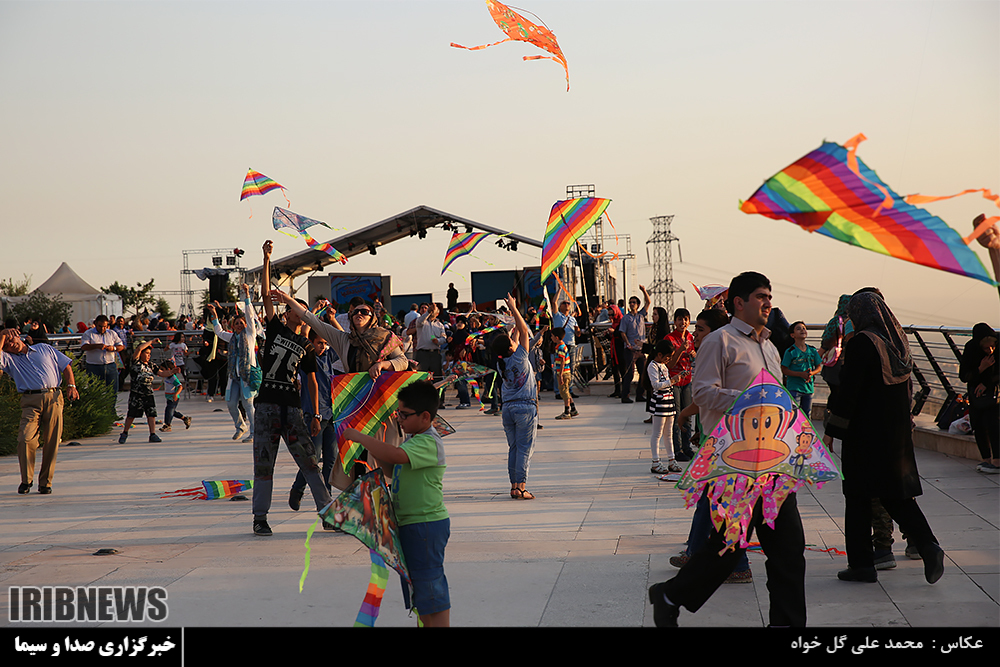
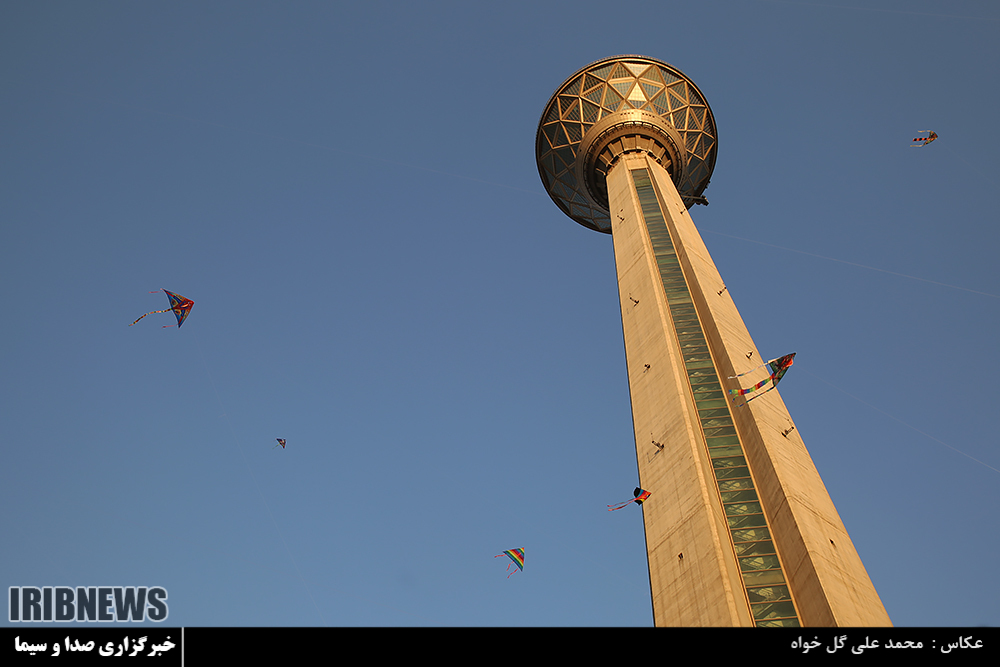
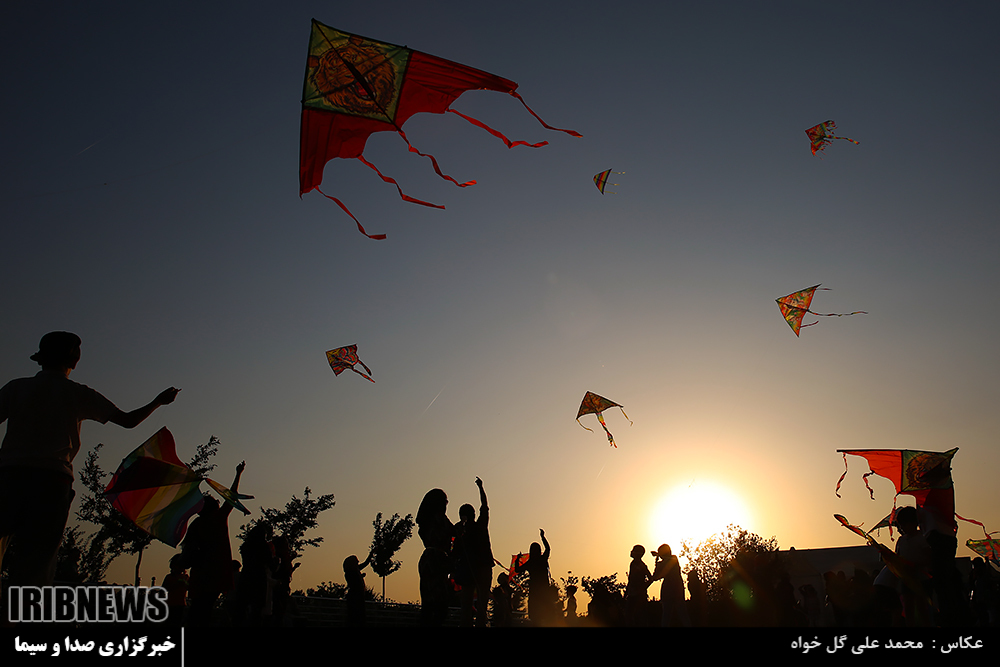
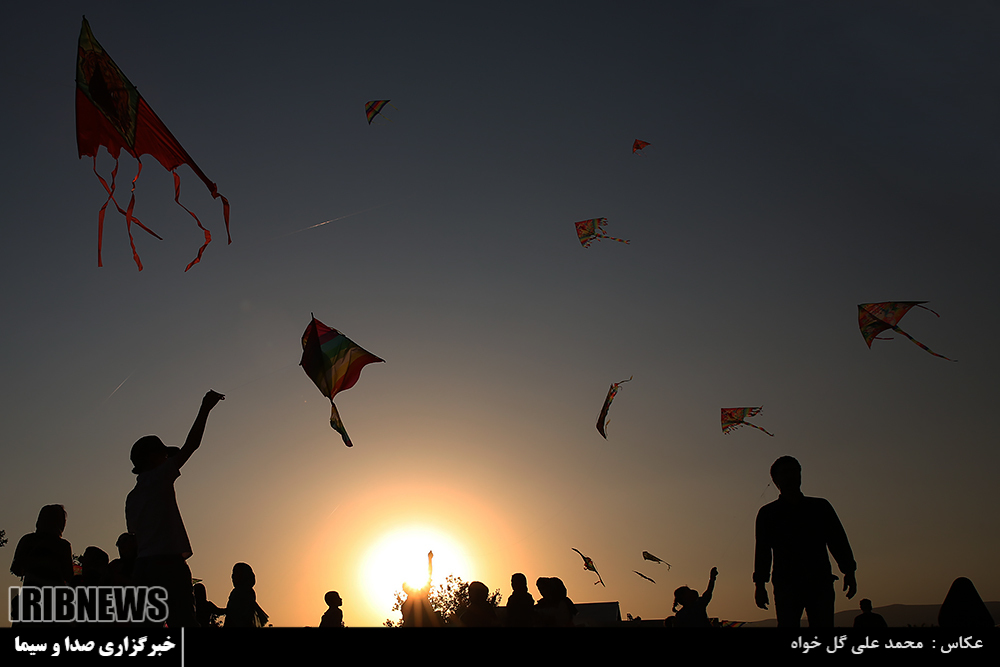
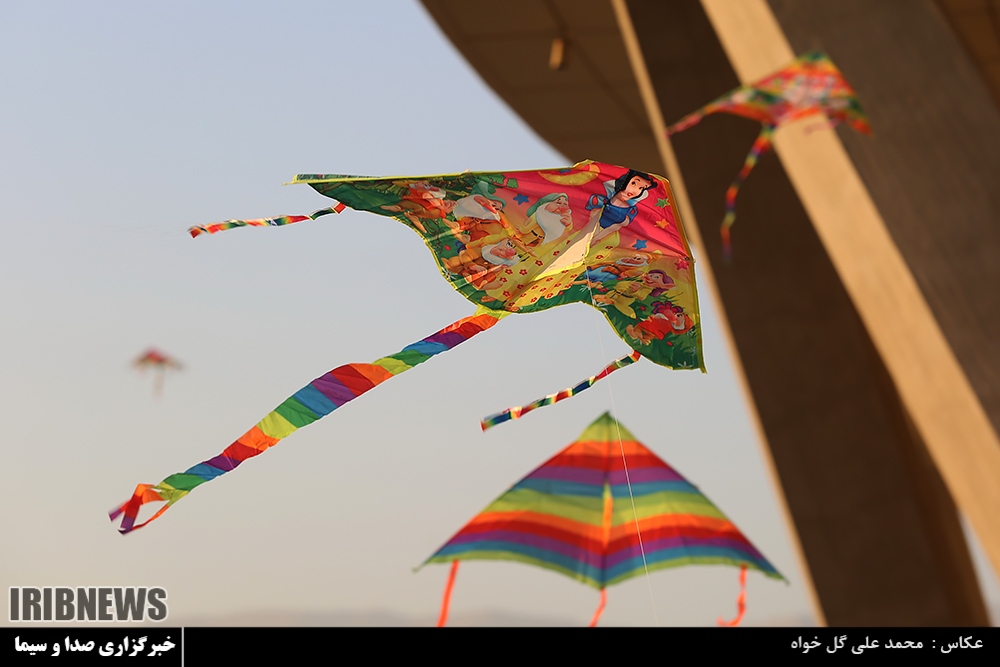
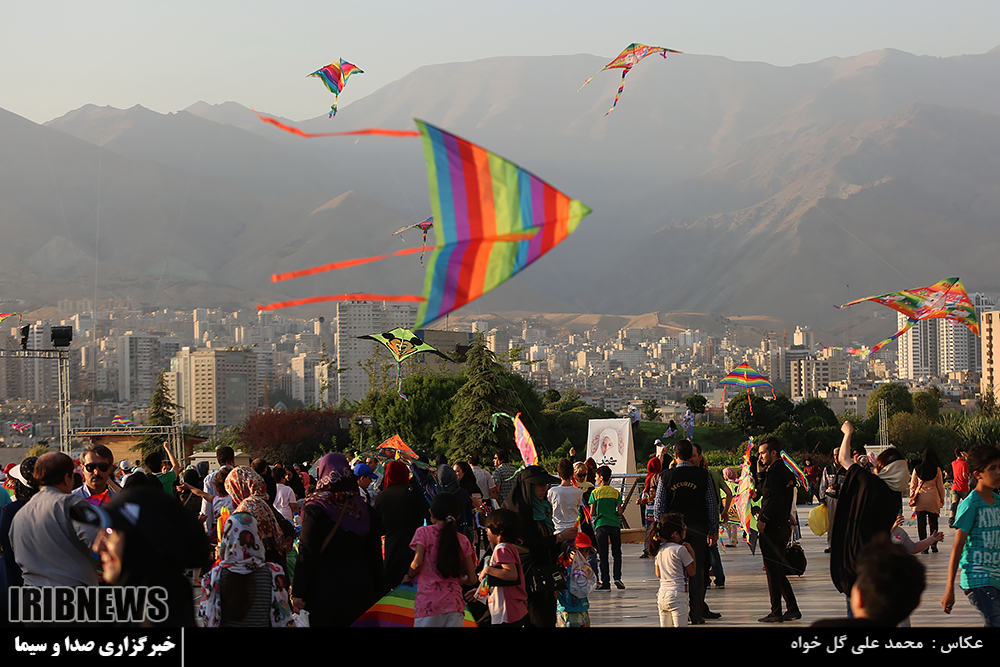
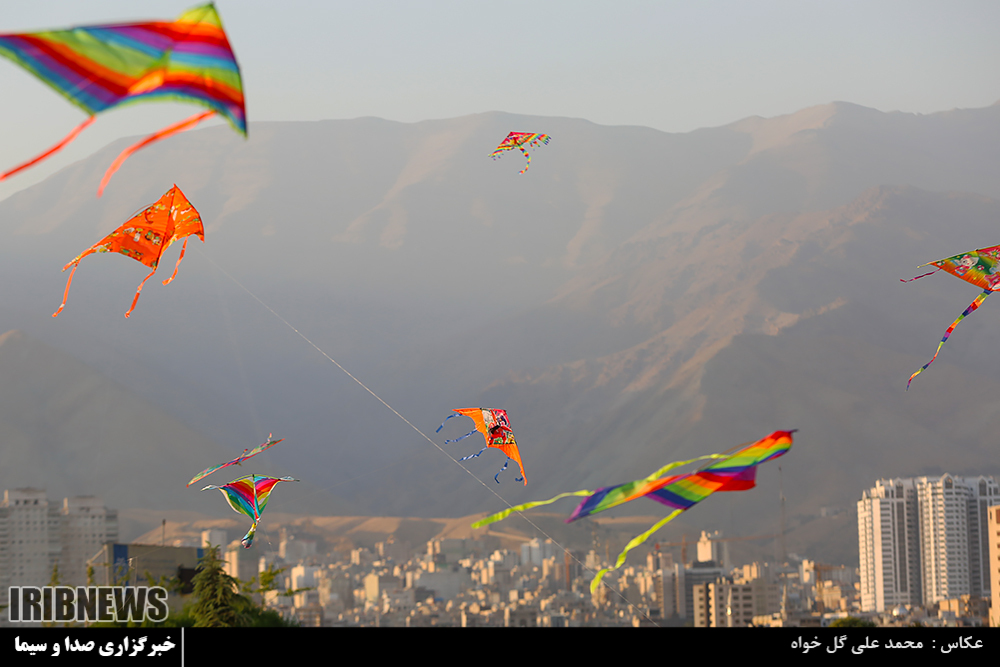
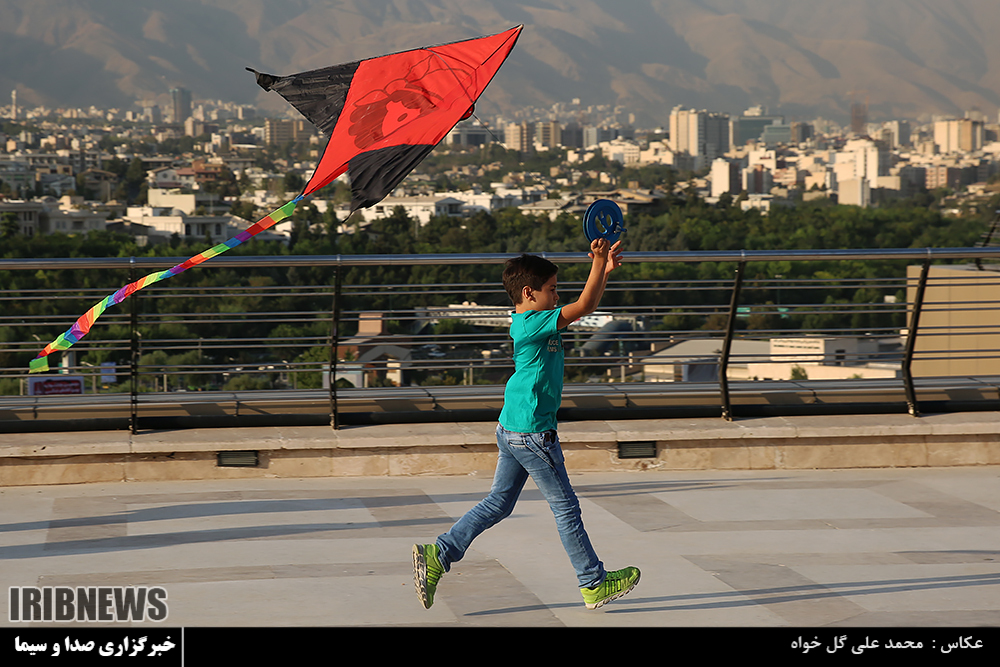
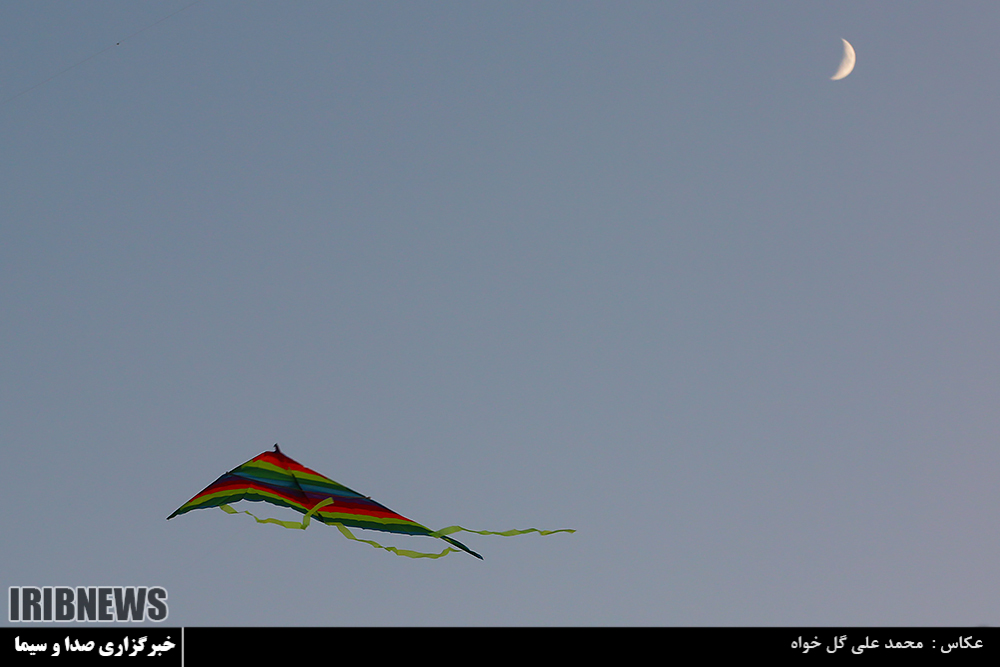
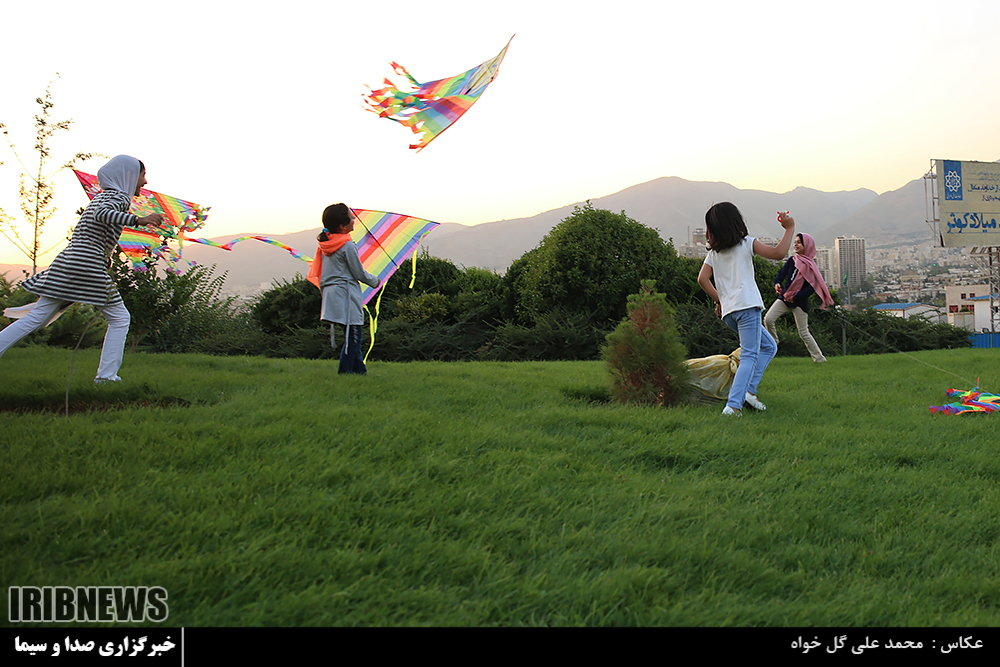
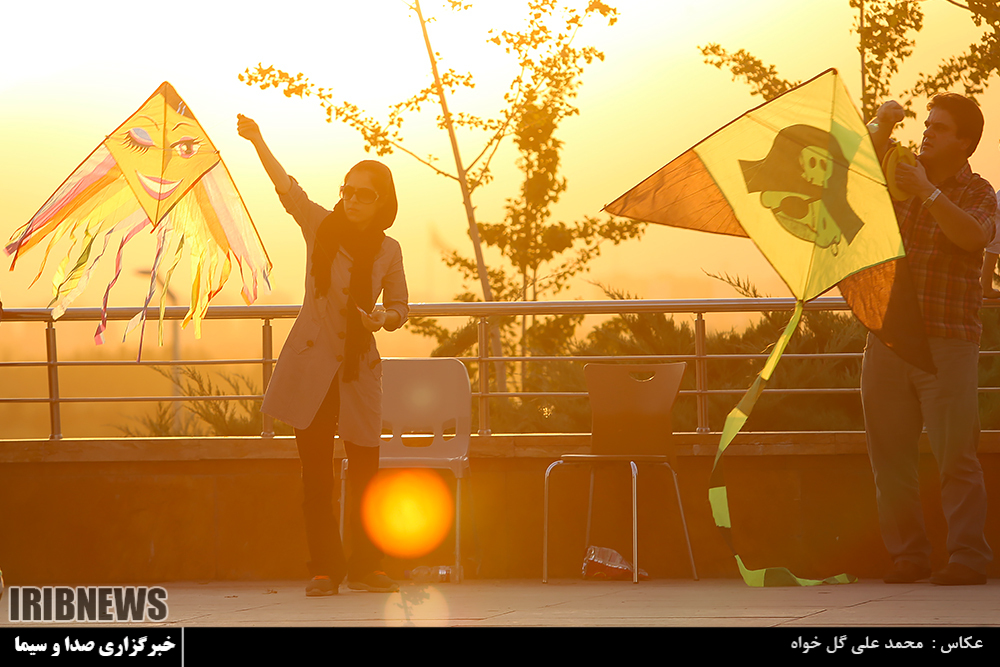
Flying Kites Festival was held in front of the iconic Milad Tower in the Iranian capital of Tehran on Monday afternoon.

Here are IRIB News Agency’s photos of the festival:


Iran’s Non-Oil Exports Jump by 21% in 4 Months

139409291020263076744604

Iran’s non-oil exports have witnessed a 21 percent increase during the first four months of the current Iranian year (started on March 20), Head of the Trade Promotion Organization of Iran (TPO) Valiollah Afkhami Rad announced.

Over the first four months of the current Iranian year, the country’s exports increased by 21% and imports were down by 7% compared to the same period last year, the Public Relations Department of the TPO quoted Afkhami Rad as saying on Tuesday.

The value of non-oil exports, including gas condensate, in the four-month period reached $16.308 billion and the imports stood at $12.865 billion, which improved Iran’s trade balance by 990 percent, he noted.

Afkhami Rad further expressed the hope that with the growing trend, the country’s annual non-oil exports would reach $50 billion by the end of the current Iranian year (March 20, 2016 – March 20, 2017).

Iran has stepped up efforts in recent years to enhance its non-oil exports and reduce dependency on its oil revenues.

In 2014, the country’s exports of commodities and natural-gas condensate reached $50 billion, showing a 19 percent increase.

There was also a boom in Iran’s service exports in diverse sectors, including tourism, engineering, and transit.

Iran Ready to Promote Its Political Ties with Kurdistan Region: Top Security Official

139505191249053688332064

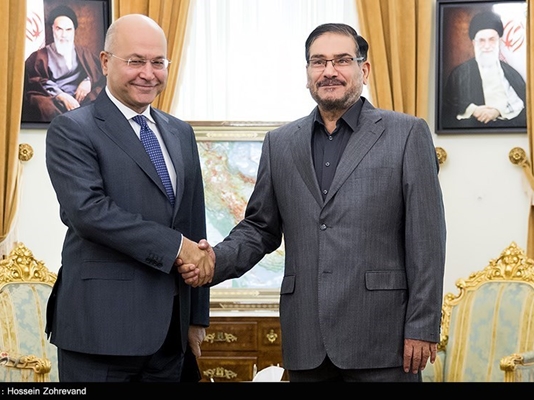
Secretary of Iran’s Supreme National Security Council (SNSC) Ali Shamkhani hailed the long-term friendship between Iran and Kurdistan Region, saying that Tehran is prepared to expand its cooperation with the Kurdistan Regional Government (KRG).


“The Islamic Republic of Iran has long had warm relations with Kurdish groups in Iraq,” Shamkhani said in a meeting with former prime minister of the Iraqi Kurdistan region, Barham Ahmad Salih, held in Tehran on Tuesday.

“The deep friendship between Iran and Iraqi Kurdish brothers is the result of cooperation and joint struggles throughout the past years in hard and tense battlefields,” he said, described the friendship as “unbreakable”.

Shamkhani further noted that national unity and solidarity among different Iraqi groups and sects are the overriding priority to deal with the security crisis that has beset Iraq.

“Iraq’s strategic interests and its regional power depend solely on strengthening an integrated and united Iraq,” he added, as reported by Tasnim.

He also warned that ignoring the goal of united Iraq would result in instability and damages, as is evident in the fact that Iraq’s Sunni Muslims have borne the brunt of attacks by the ISIS terrorist group.

Smashing ISIS will strengthen unity in Iraq and boost its national identity, which is why certain foreign countries and regional players are not interested in the settlement of the crisis and are propping up ISIS ideologies, Shamkhani said.

He further reaffirmed Iran’s support for unity among all Iraqi groups, including Kurds, and added, “Increasing integrity and friendship among the Kurdish groups for active partnership in the political and economic structure of united Iraq is the Islamic Republic of Iran’s unchanging policy.”


Iran Is Kurdistan’s Strategic Ally: Former PM

The Iraqi politician, for his part, hailed Iran’s constructive measures in the fight against terrorism.

Ahmad Salih also highlighted the importance that the Iraqi Kurdistan region attaches to ties with Iran.

“We regard the Islamic Republic of Iran as our strategic ally,” he underlined.

Since early 2014, Iraq has been facing a growing militancy by the Takfiri ISIS terrorist group and its allied militants, who have taken over areas in the country’s west and north. The crisis deteriorated in June last year, when the terrorists declared a so-called caliphate in the territories they had seized.

ISIS is threatening all communities In Iraq, including Shiites, Sunnis, Kurds, Christians, and others.

Back in December 2014, Iraqi Prime Minister Haider al-Abadi lauded Iran for standing by his country in very critical conditions, when other countries were hesitant to help the Arab nation in the face of threats posed by terrorists.

He said Iran rushed to help Iraq and “never ever had any doubts” even about assisting the Kurdish residents of Erbil when the city faced the threat of Daesh militants, while Americans were hesitating over whether to support Baghdad or not when the capital city was in jeopardy.


Iranian Foreign Ministry Condemns Quetta Terrorist Attack

Bahram Ghasemi

Iran’s Foreign Ministry Spokesman Bahram Qassemi strongly denounced a Monday terrorist attack that left scores of civilians dead at a hospital in Pakistan’s southwestern city of Quetta.


Qassemi on Tuesday offered condolences to the Pakistani government and nation on the deadly suicide bombing that claimed the lives of at least 70 and wounded more than 100 others, mainly lawyers and journalists.

He also called for concerted action by the international community to put an end to such barbaric killings, Tasnim reported.

Qassemi attributed a wave of violence and acts of terrorism in the region to the soft approach in dealing with extremism and Takfiri [extremist] terrorism, which he said are being supported by certain regional governments.

Iran believes that tackling the ominous and horrible phenomenon of terrorism is possible only with global determination and without double standards, the spokesman added.

A suicide bomber in Quetta killed at least 70 people and wounded more than 112 others in an attack on mourners gathered at a hospital in Quetta.

The bomber struck as a crowd of mostly lawyers and journalists crammed into the emergency department to accompany the body of a prominent lawyer who had been shot and killed in the city earlier in the day.

ISIS terrorist group and a Taliban faction have claimed responsibility for the attack.