Monday, December 22, 2025
Home Blog Page 4260

Iranian Navy’s 44th Flotilla Docks at Tanzania Port

iranian-navys-44th-flotilla

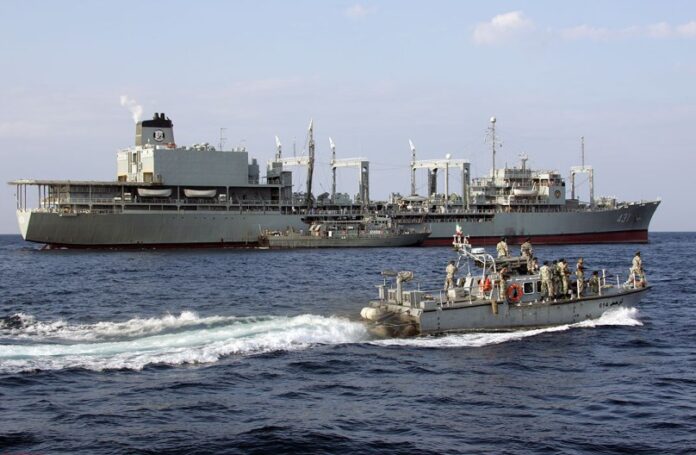
The 44th Fleet of Iranian Army’s Navy, consisting of Alvand and Bushehr logistical destroyers, had left Bushehr to explore uncharted waters in the Gulf of Aden and Bab el-Mandeb on October 5.

Aimed at protecting naval routes and providing security for merchant vessels and tankers in areas threatened by pirates, the Iranian flotilla docked at Dar es Salaam port of Tanzania on Saturday morning.

While carrying the message of peace and friendship, it also aims to strengthen friendly ties and diplomatic relations between the Islamic Republic of Iran and Tanzania as well as to develop maritime interactions between the two sides.

Accordingly, the 44th flotilla of Navy is scheduled to stay in Tanzania for three days before departing for South Africa, as reported by Mehr and edited by IFP.

It is worth mentioning that the 30th and 38th fleets of the Iranian Navy had docked at Dar es Salaam port in the African country during their missions.

Iran’s Navy has managed to foil several attacks on both Iranian and foreign tankers during its missions in international waters.

Iranian Justice Minister Calls for Revision of Death Penalty Laws

mostafa-pour-mohammadi

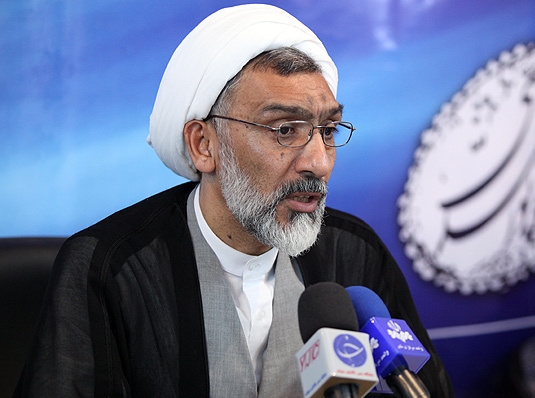
According to a report by ICANA, as translated by IFP, Iranian Justice Minister Mostafa Pour-Mohammadi said that death penalty can’t be removed, because there are corrupt people inside the country who can’t be corrected with any other type of punishment.

Therefore, he added, capital punishment should not be rejected given the Islamic law and numerous experiences of other countries.

However, Pour-Mohammadi noted, this type of punishment has not been effective in recent years, and should be revised.

The view is also accepted by the Iranian Judiciary, he said, adding that Judiciary officials are now looking for ways to punish criminals in the best and most effective way possible.

Capital punishment will remain on the Iranian Judiciary’s agenda, but it won’t be implemented as much as it is now.

The Justice Minister’s remarks came one month after 150 lawmakers signed a motion to stop execution of minor drug traffickers.


Cartoon: Hillary Clinton, the Mother of ISIS

Cartoon

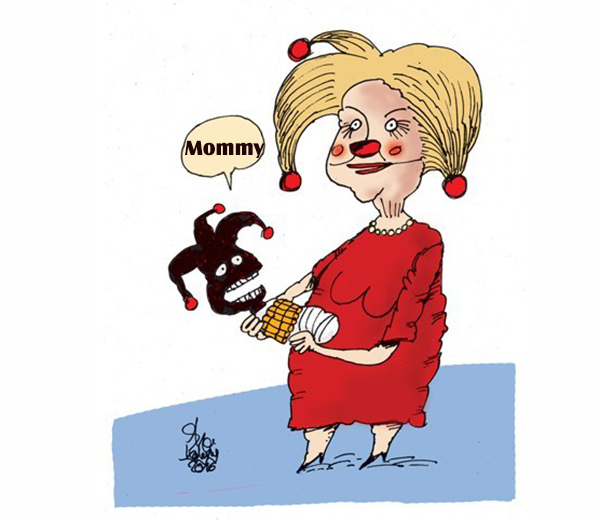
Clinton is reported to have links with the ISIS terrorists and their emergence. Here is Shahin Kalantary’s cartoon, showing her as the mother of the terrorist group.

Iran and Saudi Arabia Need No Mediator: Last Envoy to Riyadh

Hossein Sadeqi

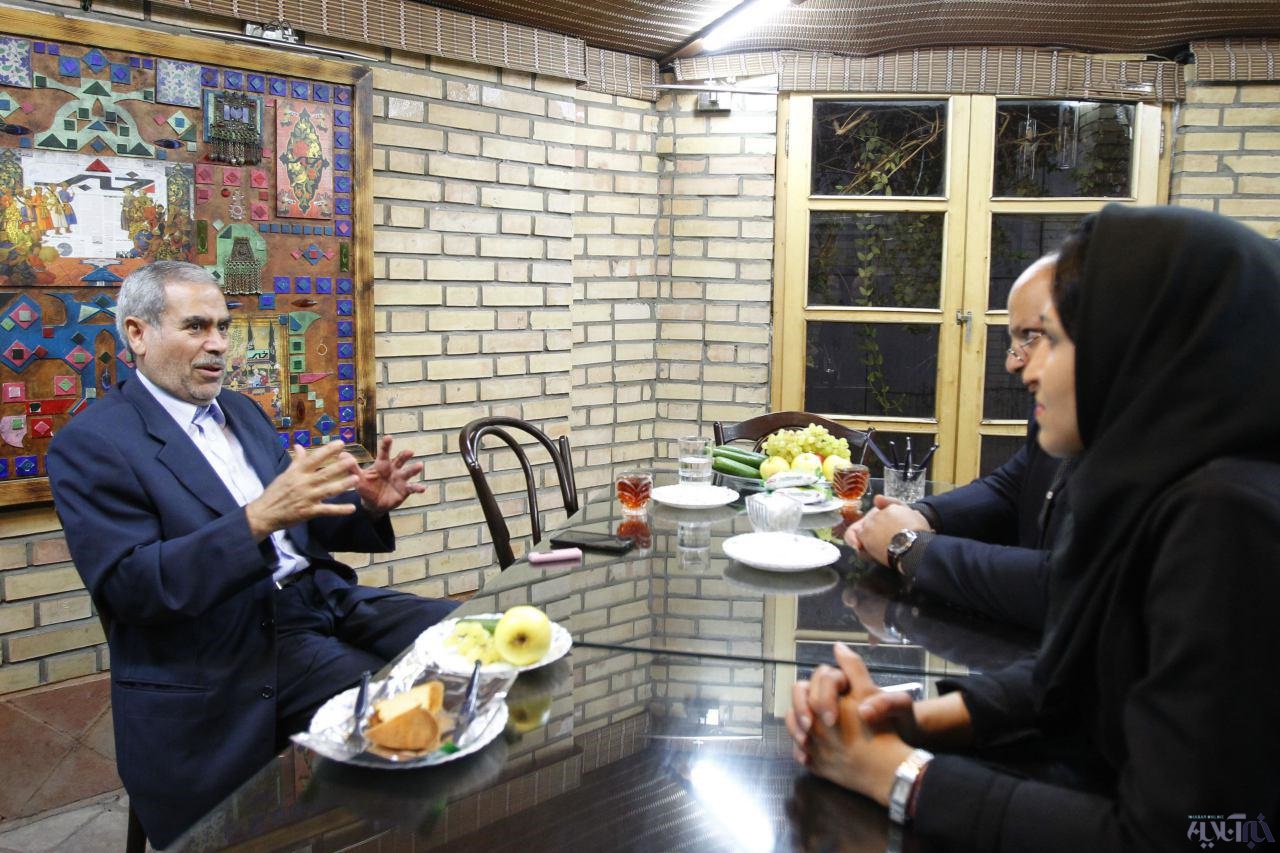
Here’s IFP’s translation of an interview by Khabar Online with Hossein Sadeqi, the last Iranian envoy to Riyadh:


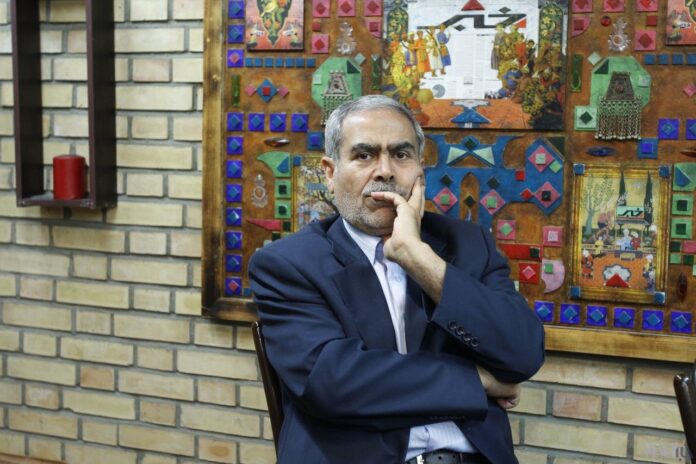
Hossein Sadeqi, the last Iranian ambassador to Saudi Arabia, is a calm but cautious diplomat. It was not easy to interview him, but the resulting interview contains interesting points. He talked about the time when he was an ambassador in the government of former president Mahmoud Ahmadinejad, and his last return to Iran after the attack on Saudi embassy in Tehran.

Sadeqi says he doesn’t agree with the language of humiliation when talking about Saudis in spite of what Saudis have done to us. He believes we can sit at the negotiating table and make them finally understand that we are a united Ummah [Islamic society].

The Iranian diplomat also says that some other countries are stonewalling in the improvement of Iran-Saudi Arabia ties, because it is not to their interests that two major powers of Muslim world come to the negotiating table.


Why can’t we sit at the negotiating table with Saudis? Why two Islamic countries are this much unable to establish communication?

I believe if we could design and adopt an acceptable framework in our ties with Saudi Arabia, a major change could happen in the situation of the Middle East and the Muslim world.

The fact is that after the 1979 Revolution in Iran, a serious concern was created for Saudi Arabia and all Sunni countries, particularly the Persian Gulf littoral states. After all, a Shiite Muslim government had taken the office in Iran, and Saudi Arabia became the first to worry. I believe if the then US President Jimmy Carter could win in the hostage crisis, a serious change could happen in Saudi Arabia’s situation; at that time, the issue of human rights was very serious.

However, a number of events helped Saudis be relieved in spite of their concerns:

First, Republicans came to power in the US. Traditionally, the GOP has more consistency with Arab kingdoms. Saudis were worried about losing Washington’s trust. The concern was serious, particularly given the fact they held a special stance towards the Islamic Republic of Iran.

Second, the USSR’s occupation of Afghanistan.

Third, the Iran-Iraq war and Saddam Hussein’s motivation, and the consequent support he received from other countries in the imposed war.

Fourth, the domestic crises in Iran: Our country was faced with a range of border crises and the issue of MKO militants in the border areas.

All these issues allayed the majority of Saudi Arabia’s concerns about Iran; Riyadh was no longer worried about the export of Iran’s revolution to other countries. At that time, there was a revolutionary atmosphere in Iran, and people had very special slogans, dreams, and causes. These were effective on the existing atmosphere, which continued until the end of the war and Iran’s adoption of the UNSC Resolution 598.

It is interesting to know that Saudi Arabia was worried about Iraq as well. The Constitution of Ba’ath Party considered all regional countries to be dependent and reactionary states, and believed that they all should be destroyed. However, the Iran-Iraq war removed the concerns of Iraq and Saudi Arabia.

After the Iraqi invasion of Kuwait and its consequences, Arab neighbours started adopting a different approach towards Iran. In fact, our ties with Arab countries entered a new chapter. In 1988, Iran and Saudi Arabia severed their ties. Actually, what happened in that year was exactly repeated in 2016, and led to the severance of ties.

The relations were resumed thanks to the passage of time and regional developments as well as the willingness of both countries for restoration of ties.

Aside from the mistakes made by Saudis, what were our mistakes in your opinion?

I believe the fate of Middle East and the Muslim world could be different and we wouldn’t have this much extremism and violence in this region only if we could continue adopting the policy and approach that started in the time of President Akbar Hashemi Rafsanjani and reached its peak under President Mohammad Khatami.

Why can’t we go on with that policy today?

During the times I mentioned, the two countries moved towards moderation. All the doors had been opened thanks to the mutual trust between Tehran and Riyadh. At that time, King Abdullah was the Crown Prince, and because of King Fahd’s illness, Prince Abdullah was in charge of Saudi Arabia’s affairs. Therefore, the major obstacle had been removed for us.

Saudis were the ones who started official and unofficial reciprocal visits. That was while Saudis didn’t even dare to come to Iran in the past due to their worries and fears of us. After the thaw in Iran-Saudi ties, the reciprocal visits increased, and the image Saudi people had in their minds about Iran was changed.

If Iran could continue adopting the policy and approach that started in the time of President Hashemi Rafsanjani and reached its peak under President Khatami, the current wave of violence and extremism in the Middle East could be prevented. But everything was brought back to the zero point during the time of Ahmadinejad.

Unfortunately, during the time of President Mahmoud Ahmadinejad, everything was brought back to the zero point. Saudi Arabia’s assumptions about Iran were totally changed during Ahmadinejad’s presidency. During this era, Saudis concluded that Iran’s policy has not changed, and Tehran is still pursuing the same policy it used to adopt in the 1980s.

Is there any resolve to ease the tensions in Iran’s foreign policy?

As a matter of fact, we have yet to reach a conclusion inside Iran over our ties with Saudi Arabia. I believe in spite of all the problems and challenges we have, we can talk to Saudis and sit with them at the negotiating table.

Some believe that we cannot cooperate with Saudis because of ideological differences, political tensions between the two countries, and conflict of opinion in areas of influence; however, I don’t believe so. Many countries, Arabs or non-Arabs like Israel and the US, don’t want it happen. Americans themselves are not at all interested in the improvement of Iran-Saudi ties, because they don’t have any clear perspective about Iran and the Middle East. This is because everything in the region has become unpredictable after the overthrow of Iranian monarchy. There is a power vacuum; after 38 years, nothing has managed to replace it and crises are exacerbating on a daily basis.

Many countries, Arabs or non-Arabs like Israel and the US, don’t want to see a thaw in Tehran-Riyadh relations. Americans themselves are not at all interested in the improvement of Iran-Saudi ties.

Unfortunately, these crises have been extended into Northern Africa. Not until a new order is created, no one can hope that sustainable development is realized. Therefore, if our policies towards Saudi Arabia could be based on consistency, many positive developments could occur in bilateral relations between Tehran and Riyadh. Suppose that, thanks to such cooperation, the voice of Islam could be heard more clearly, and the two countries could work together and have a louder voice in the Muslim world and the West instead of wasting their energy on harming and removing each other.

Based on Iran’s Constitution, we are obliged to move the Muslim world towards unity, and achieve economic and cultural prosperity thanks to this unity. This is what we all know. We know that we would gain great achievements if we are together in the Muslim world. We know that Israel is the winner of Middle East conflicts as no one cares about the Zionist regime’s occupation anymore and all the attention is focused on Muslims killing each other. Superpowers are just watching Muslims’ atrocities against each other, and the expenses have soured for the Muslim world. Do you really think such a simple equation is not observed and understood? Do you think those who attacked the Saudi embassy in Tehran don’t understanding such simple equations? Don’t they understand or do they have special interests in not seeing them?

What you are talking about is definitely true. A group of people are ignoring national interests and just consider the interests of a special group. We can say one of the reasons for our problems in many fields is that we don’t pay attention to national interests. This might even be the root cause of all problems.

The solution is that a group of wise people should convene and decide about this issue. I believe when there is religious democracy in a country and people vote for a particular way of thinking in ballot boxes, the elected ideology should have the power and capacity to implement its ideas.

Normally, some might be opposed to the way of thinking elected by people, but this is not important at all. There should be opposition, but it should be voiced through negotiation, conference, articles, and the like. These opponents should not have executive power. This might be one of the major problems we have. Let me explain it with a simple example.

For instance, a government decides to make serious investment in the field of tourism, and believes that the country’s economy can be developed, the unemployment problem can be resolved, and Iranophobia can be stopped through such a policy. The government aims to earn more income from tourism than it earns from oil and gas industry.

All these policies need mechanisms. Imagine when the government plans to implement its policies, it is faced with serious barriers, and there are people who can create serious obstacles to the implementation process. There is a time when you are ideologically opposed to a policy; for example, you’re opposed with the policy of developing tourism industry; there is no problem with the opposition, but there is also a time when you create obstacles; you don’t allow people to feel the results of developing the country’s tourism.

This is a nation’s right to protest; they even have the right to express their protest in front of a foreign embassy. But attacking an embassy is totally different. It is the host country’s responsibility to provide security of the embassy. Radicals have become so strong in Iran that they managed to break into the embassy. Since we had the same experience before, the attack should have been stopped, or at least they shouldn’t have let them increase the prices so much that Saudi Arabia benefits from the situation.

Imagine how much Saudi Arabia was under the international community’s pressure at that time, and how we helped them through that attack, totally changing everything in favour of the Saudi King and against ourselves.
Hossein Sadeqi


Is there any interest in ignoring these issues?

I believe there is a short-sighted ideological view in Iran that definitely has supporters among different social strata. In this view, the united Islamic society [Ummah] is ignored. On the other hand, some have special material interests. Why don’t we like to be transparent in different fields? Why doesn’t a particular group in our society want to be transparent? In fact, if such transparency is realized, their interests will be endangered, and they won’t be able to gain immense wealth. Suppose that if such surveillance and transparency is absent from our government, what would happen in the aftermath.

Therefore, besides the ideological view, there is also a material view about your question. Why are some people opposed to the Joint Comprehensive Plan of Action, the nuclear deal between Tehran and world powers? During the time of sanctions, some managed to earn astronomical money on the pretext that they can find ways to evade the sanctions. Why did the class gap become so much wide in the Iranian society? I believe a lack of transparency is one of the main reasons for the increased gap in our society compared with pre-Revolution era. It is not clear how some people have earned such wealth.

What can Switzerland, as the protector of Saudi Arabia’s rights in Iran, do to improve Tehran-Riyadh ties?

Switzerland cannot do anything serious for Iran. I believe Iran and Saudi Arabia need no mediator. Two neighbouring countries that claim to be the most powerful in the Muslim world should show their excellence, maturity, and competence. I have repeatedly told the Iranian and Saudi sides that we must start challenging talks, even if they take a very long time. We can have argument and conflict at the negotiating table, but we also can cooperate at the same time.

Switzerland cannot do anything serious for Iran. I believe Iran and Saudi Arabia need no mediator.

We can’t ignore the fact that Saudi Arabia has played a major role in the emergence and formation of extremism; however, the country is now faced with a crisis. Therefore, it is the time for us to sit at a table to negotiating with them. We can work together and tell them that this is our common threat.

It is easy to talk about coming to the negotiating table; our rival [Saudi Arabia] is now weakened in the international community because of numerous cases such as the 9/11 case in the US, the war it has waged in Yemen, and so on. Therefore, it doesn’t have any credit anymore and won’t take part in negotiations with Iran.

The Saudi-led coalition’s war on Yemen and its current atrocities were among the biggest mistakes made by Riyadh. But this is where the aforementioned issue of maturity comes up. Both countries should prepare the grounds for the beginning of such talks.

Iranian Speaker Raps Ploys to Prolong Syria War

larijani

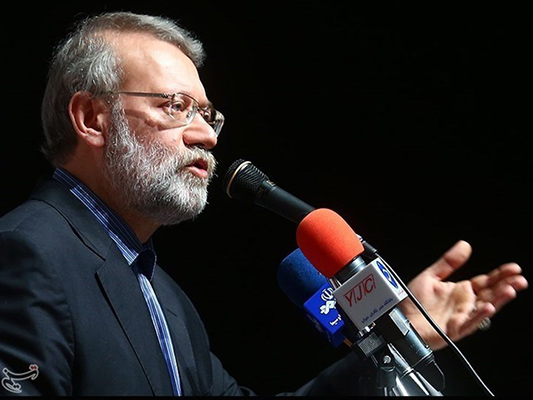
Whenever a change is imminent in the situation of Syria, the enemies hold a meeting to prevent that change from taking place, Larijani said on Saturday.

Maintaining the crisis in Syria will benefit the Israeli regime, he added, saying the Zionists are sitting back watching the crisis that has affected Muslims.
Larijani also decried a US-led coalition purportedly formed to fight the ISIS (ISIL) terrorist group and its failure to flush terrorists out of Iraq, saying the West is not after destroying terrorism.
Iraq has been facing the growing threat of terrorism, mainly posed by the ISIS terrorist group.

ISIS militants made advances in northern and western Iraq over the summer of 2014, after capturing swaths of northern Syria, but have been forced to withdraw from many of the occupied areas in recent months.

In September 2014, Leader of the Islamic Revolution Ayatollah Seyed Ali Khamenei dismissed as “absurd, hollow and biased” the US announcement of leading a coalition to battle ISIS.

“The move that occurred in Iraq and broke backbone of the ISIL was not performed by Americans, but it was done by the Iraqi people, army and popular forces, and the American themselves, as well as ISIS, are aware of the reality,” the Leader said at the time.

Iran Rules Out Military Solution to Syria Crisis

rouhani

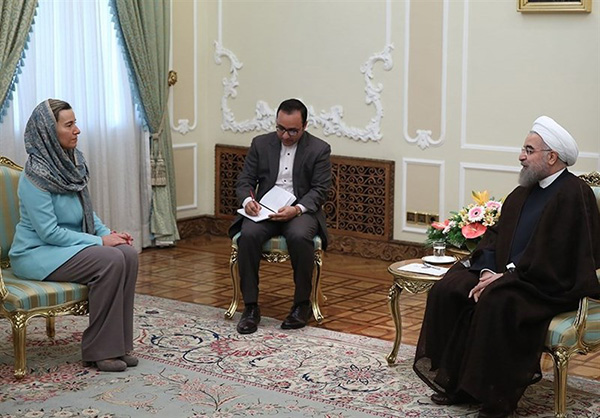
“All should know that the Syrian issue has no military solution and must be resolved through diplomatic means,” Rouhani said in a meeting with EU foreign policy chief Federica Mogherini in Tehran on Saturday.

“In this regard,” the Iranian president said, “the EU’s increased activity to create security and peace in Syria with the cooperation of regional countries will be effective.”

Rouhani further said terrorist activities in Syria and Iraq pose a threat to the whole world, calling on the EU to use its “political influence” to put pressure on the regional sponsors of terrorist groups and block financial support for them.

He warned that the Middle East region and North Africa will in the future witness the establishment of several terrorist governments “if the terrorists are not seriously confronted.”

President Rouhani further said fighting terrorism and safeguarding the territorial integrity and sovereignty of Syria is important to the Islamic Republic.

Mogherini, for her part, underlined the need for cooperation between Tehran and the EU in the settlement of regional conflicts, including in Syria, saying that diplomacy can help solve such crises.

Earlier Saturday, Mogherini met with Iranian Foreign Minister Mohammad Javad Zarif to discuss bilateral ties between Tehran and the EU as well as the latest developments in Syria.

Zarif hailed EU’s “constructive” role in the Syrian peace process and expressed the Islamic Republic’s readiness to forge closer relations with the bloc.

Mogherini arrived in Tehran on Friday night to hold talks with senior Iranian officials about the ongoing crisis in Syria.

Iran Rules Out Military Solution to Syria Crisis

Mogherini’s trip to Tehran comes after Iran’s foreign minister participated in a day-long trilateral meeting with his Russian and Syrian counterparts, Sergei Lavrov and Walid al-Muallem, in Moscow on Friday.

Zarif said the three countries should reinforce cooperation in the campaign against terrorism. He called for measures to stop the delivery of military equipment to foreign-backed Takfiri militants wreaking havoc in Syria.

Since March 2011, Syria has been gripped by a militancy that it blames on some Western states and their regional allies, particularly Saudi Arabia.

Iran has been providing military advisory assistance to the Syrian government in its campaign against terrorism. Russia has been carrying out airstrikes against terrorist positions in Syria on a request from Damascus.

Muslims in Final Stages of Defeating Enemy: Iranian Commander

Arms Embargo Won’t Affect Iran’s Defence Power: Top General

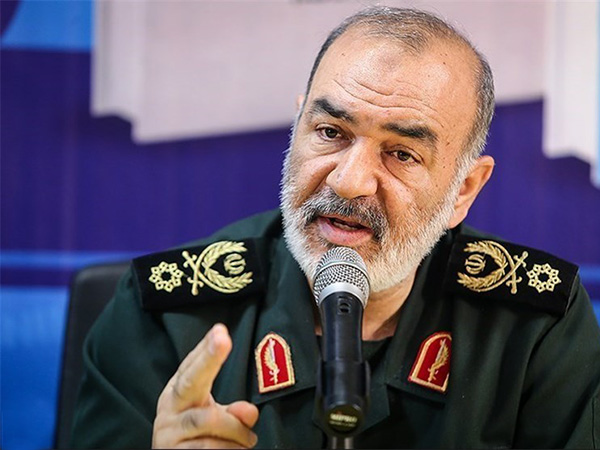
Brigadier General Hossein Salami, the Islamic Revolution Guards Corps (IRGC)’s second-in-command, made the remarks in Khomeinishahr in Isfahan province on Friday.

He also hailed the anti-Israeli resistance front in regional countries such as Iraq, Syria, Yemen and Lebanon.

Inspired by Iran’s 1979 Islamic Revolution, Iraq’s Popular Mobilization Units, known as Hashed al-Sha’abi, has at its disposal a major public force, the IRGC commander said.

Similarly, a strong grassroots volunteer force has been formed in Syria while the Lebanese Hezbollah resistance movement has turned into a “nightmare for the Zionists,” he added.

Salami further noted that “the flames of the Islamic Revolution are burning bright in Yemen.” He said the political, cultural and naval dominance of the US along the coasts of the Red Sea is being challenged by Yemen’s Houthi Ansarullah fighters who as representatives of the Islamic establishment are trying to win back their homeland from the enemy.

Elsewhere in his comments, Salami stressed that using the military option against Iran is a “shattered and dead and buried dream” for the enemies as the Islamic Republic is capable of responding to the enemy “at any level required.”

In recent years, Iran has broken new grounds with regard to its defense capability and attained self-sufficiency in producing important military equipment and systems.

The Islamic Republic maintains that its military might poses no threat to other countries, stating that its defense doctrine is merely based on deterrence.

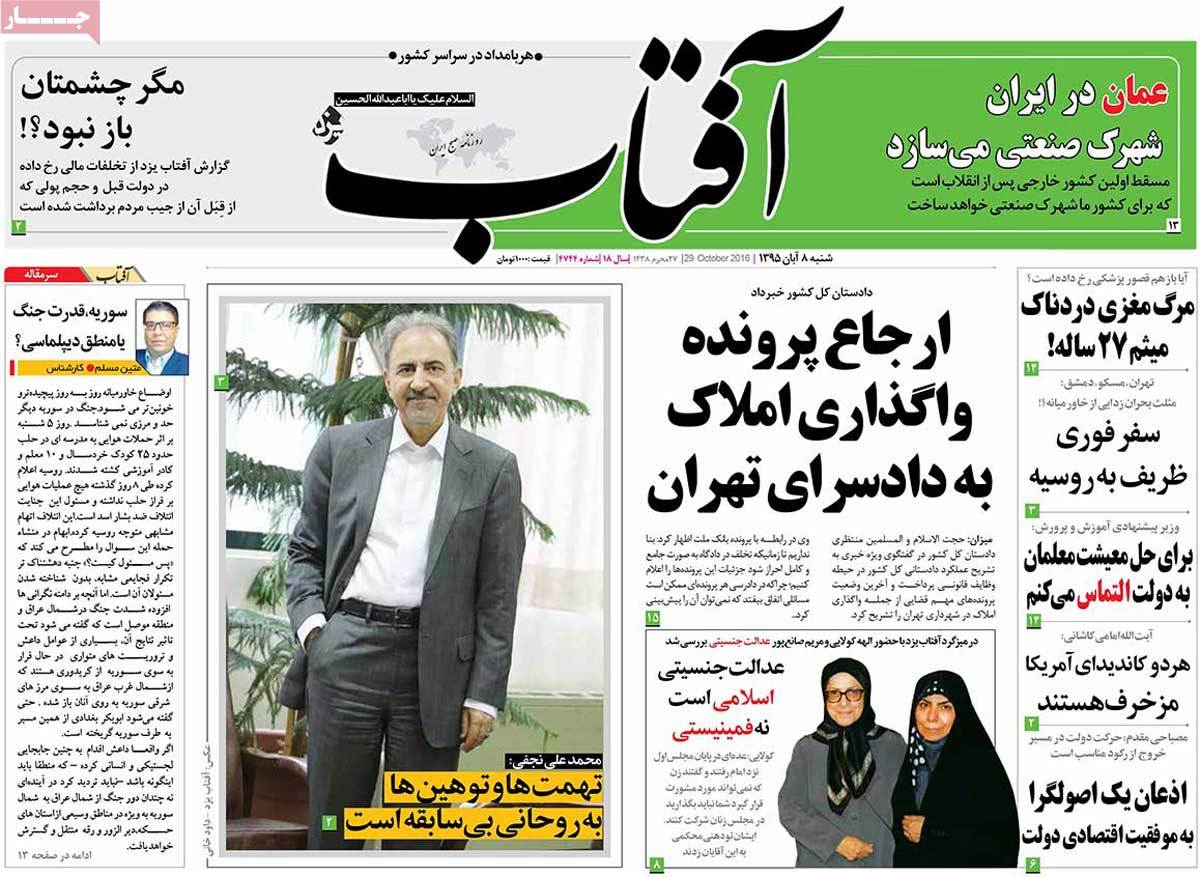
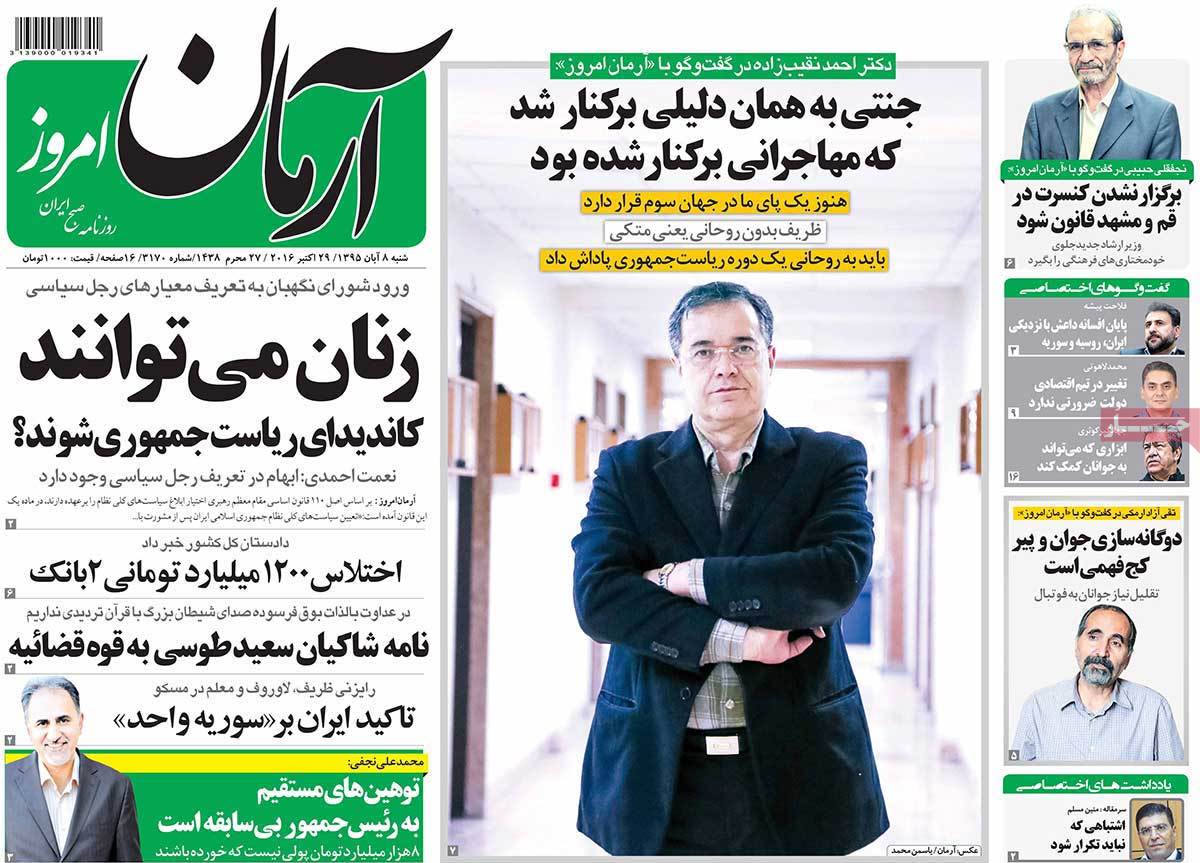
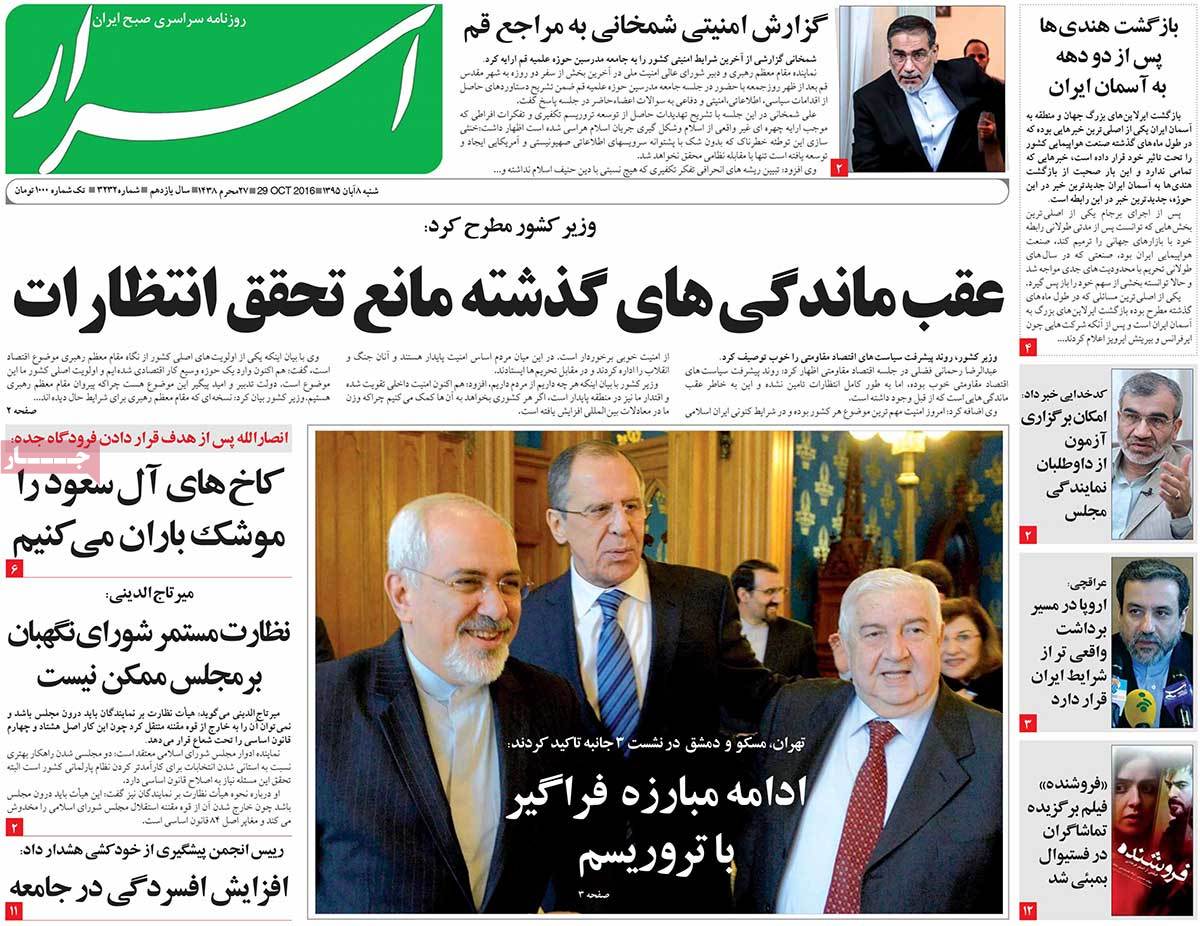
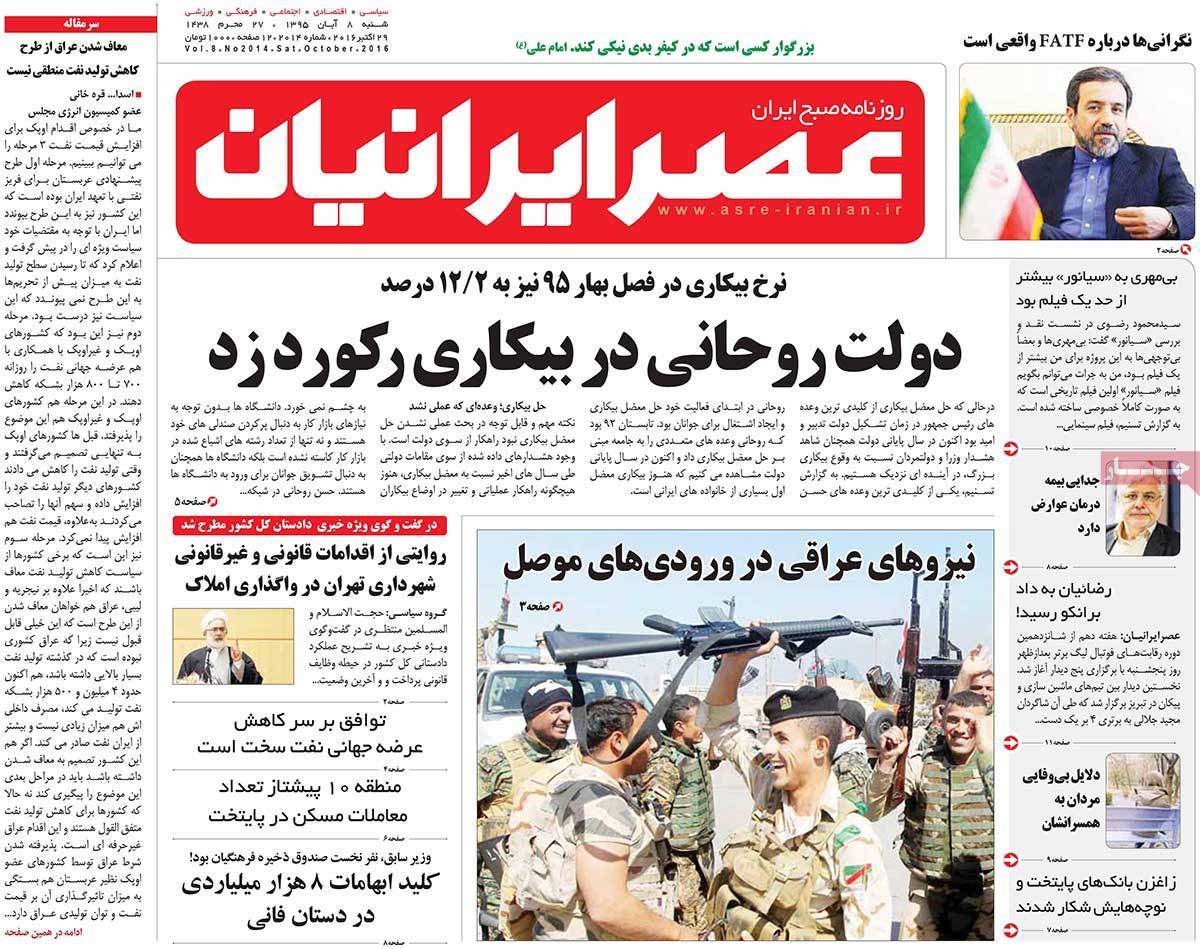
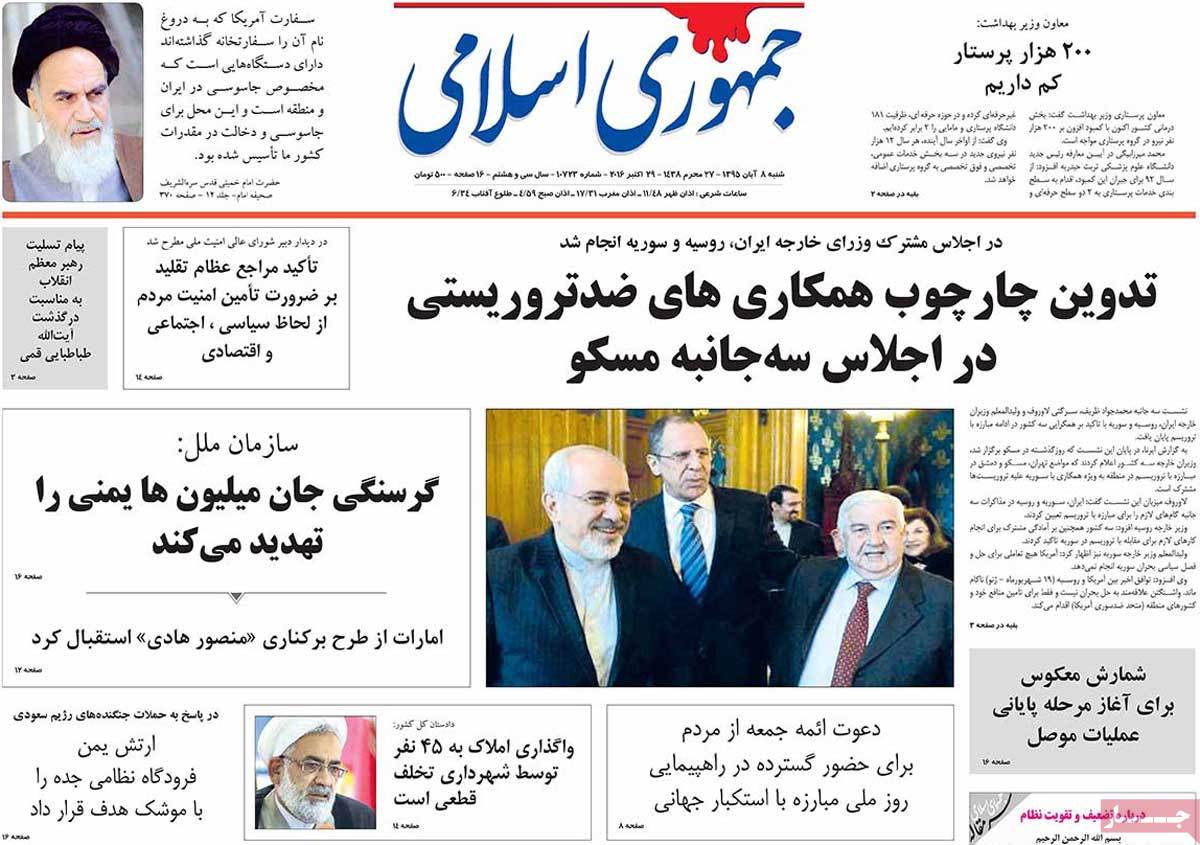
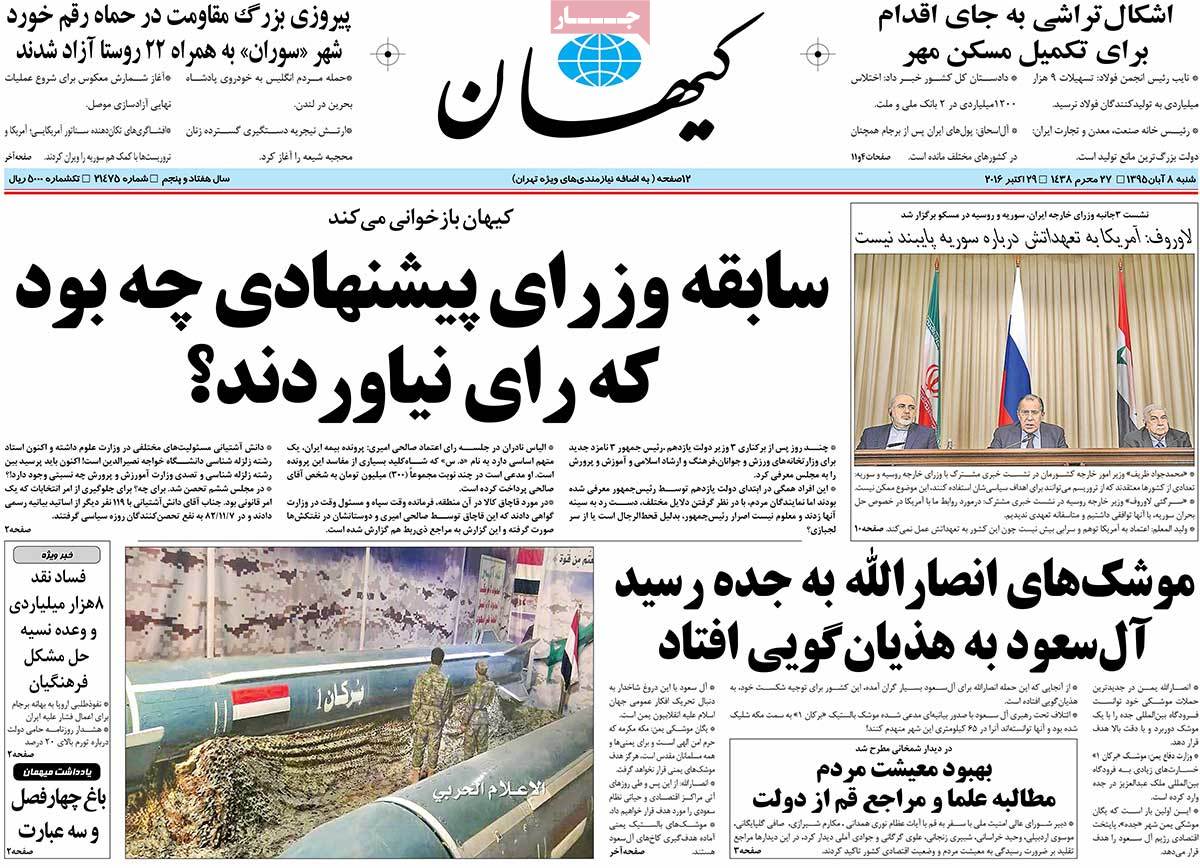
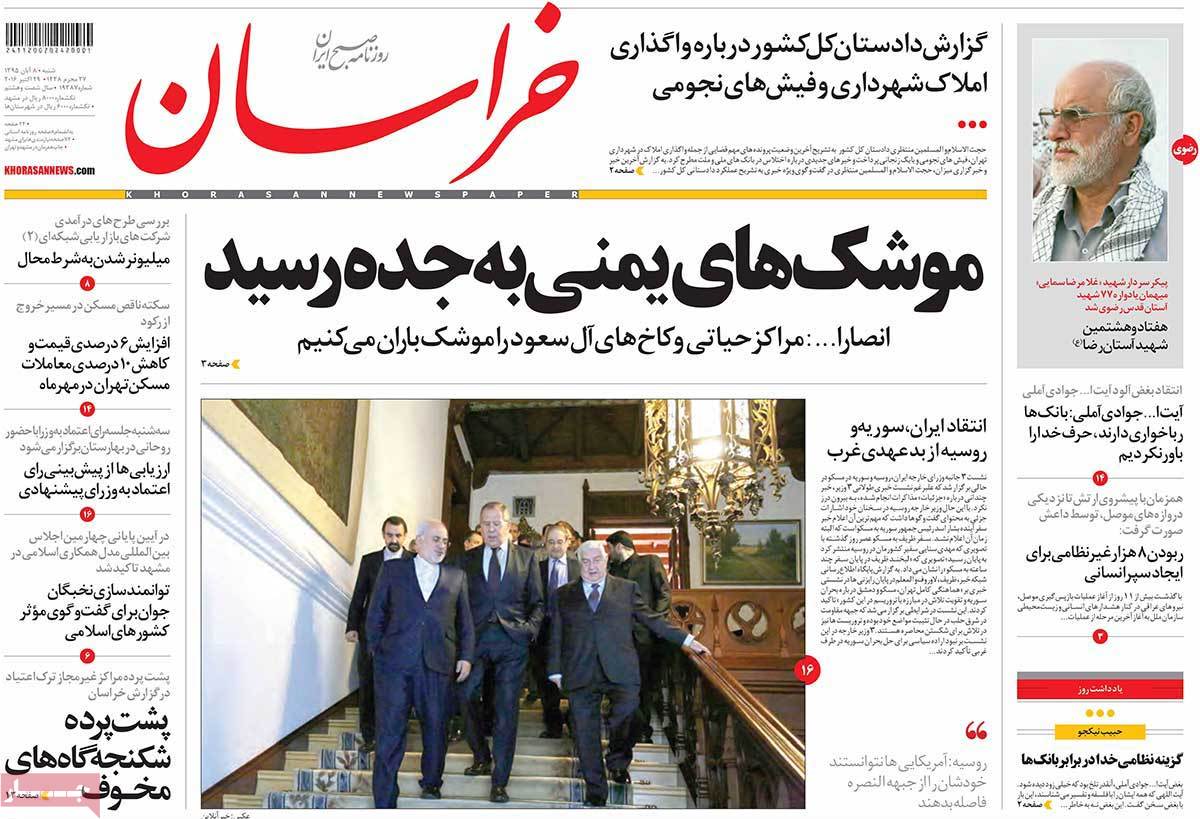
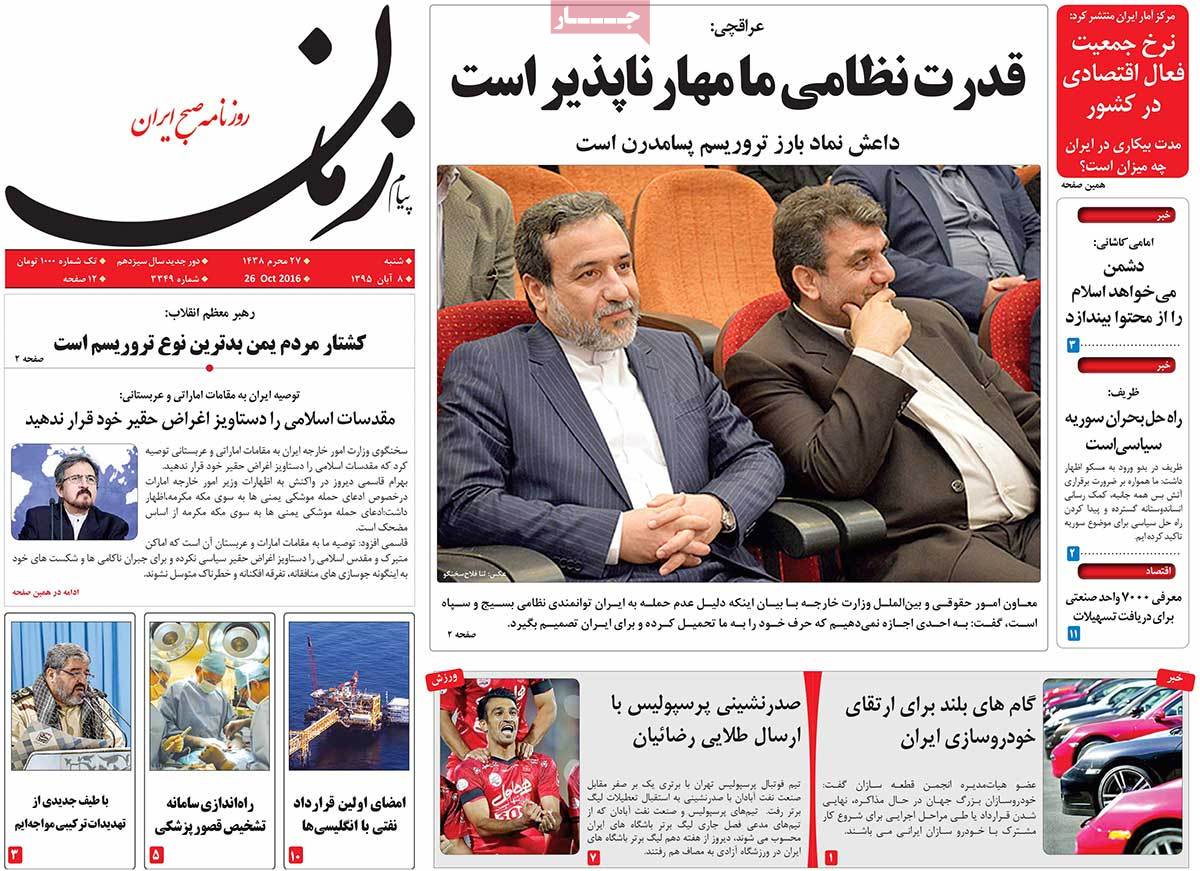
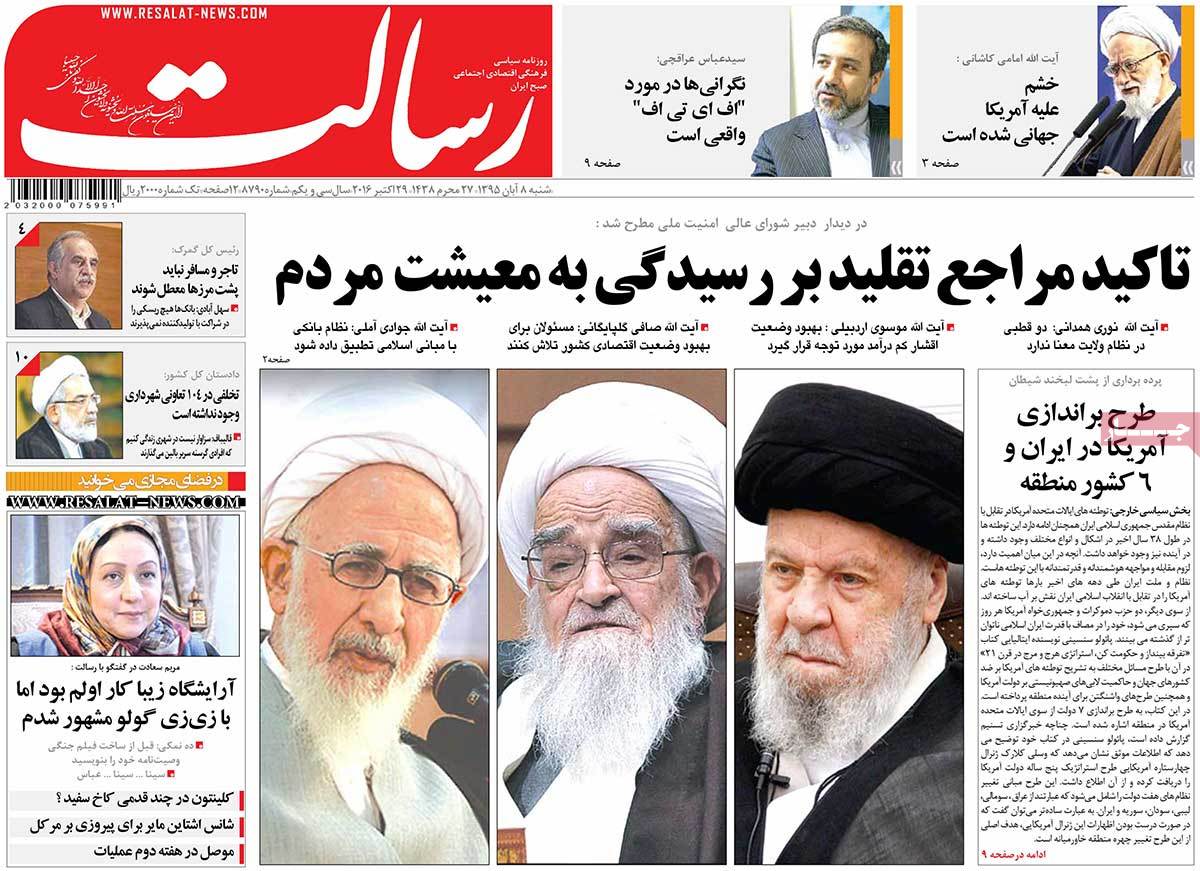
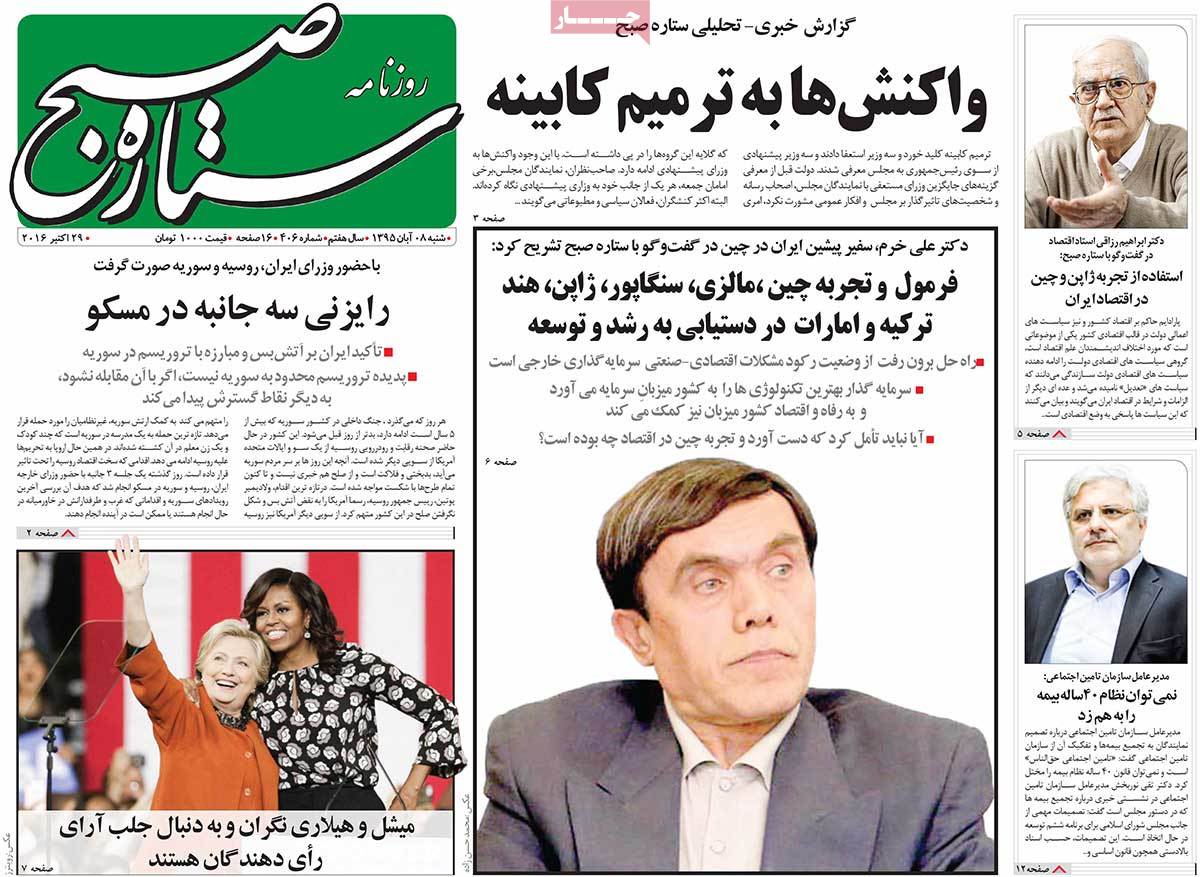
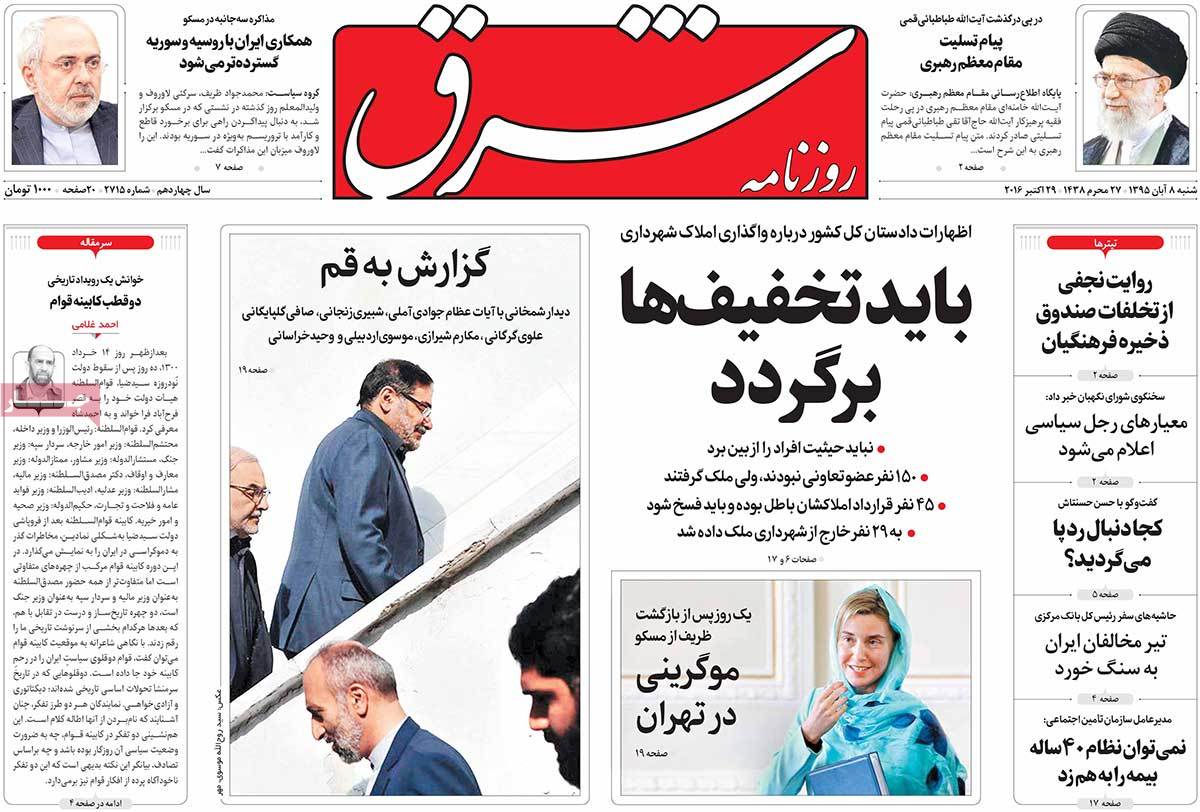
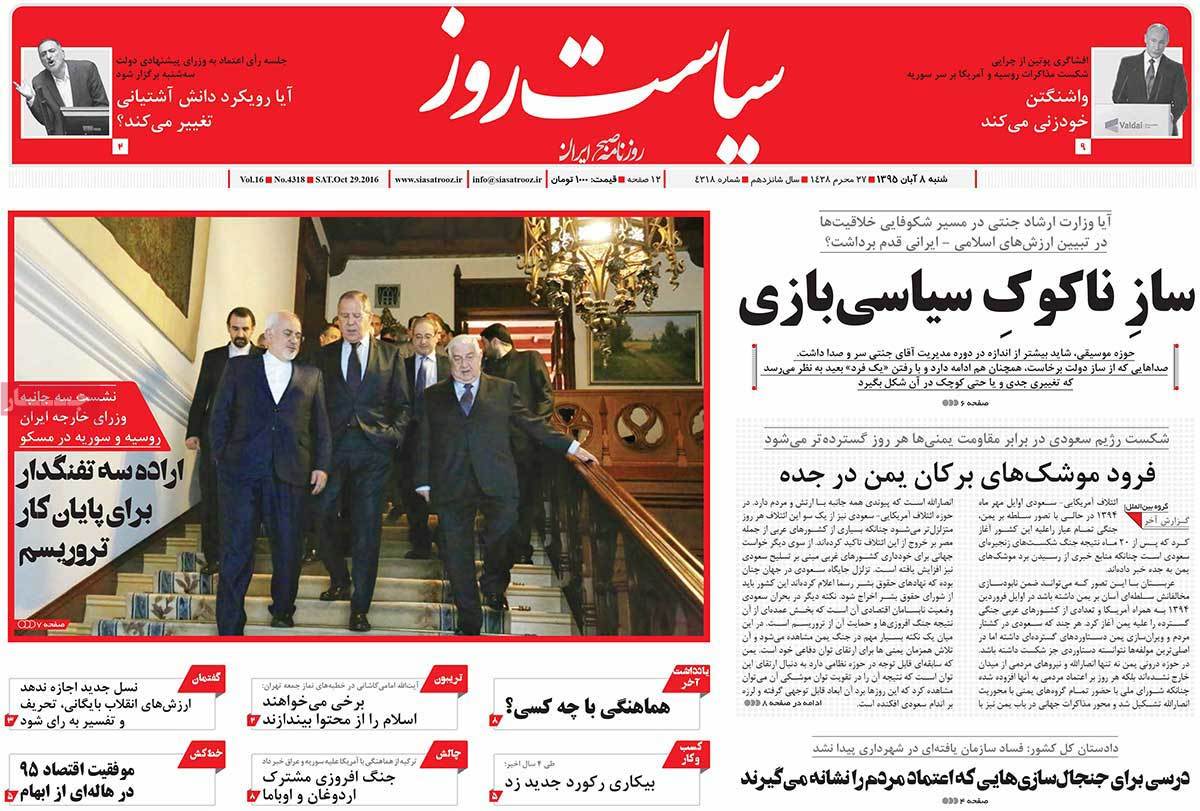
A Look at Iranian Newspaper Front Pages on October 29

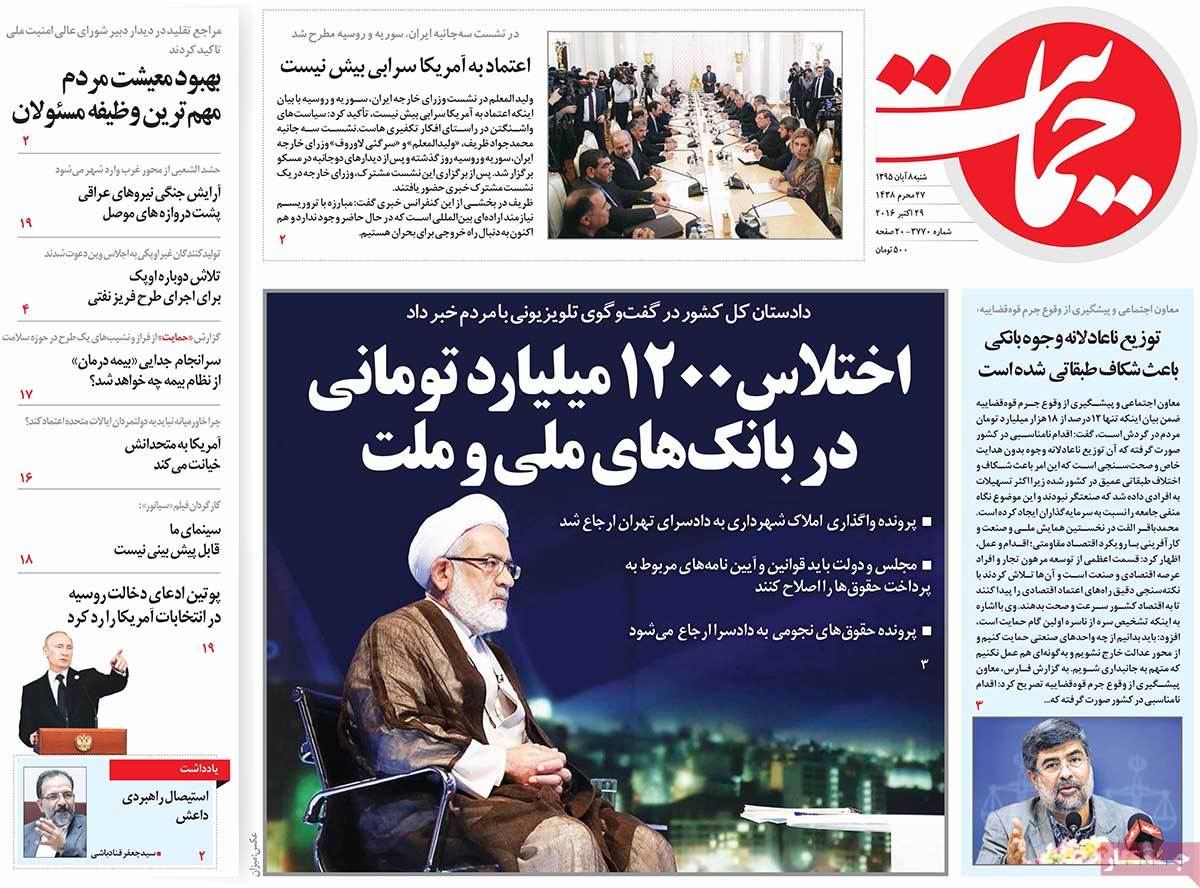
The trilateral Syria talks between Iran, Russia, and Syria in the Russian capital of Moscow was the top story in all Iranian newspapers today.

Newspapers also covered the missile fired by Yemen’s Ansarullah Movement on Saudi Arabia’s Jeddah Airport and the subsequent reactions.

The ongoing battle in Mosul to retake the ISIS-held city also remained a top story today.

The above issues, as well as many more, are highlighted in the following headlines:


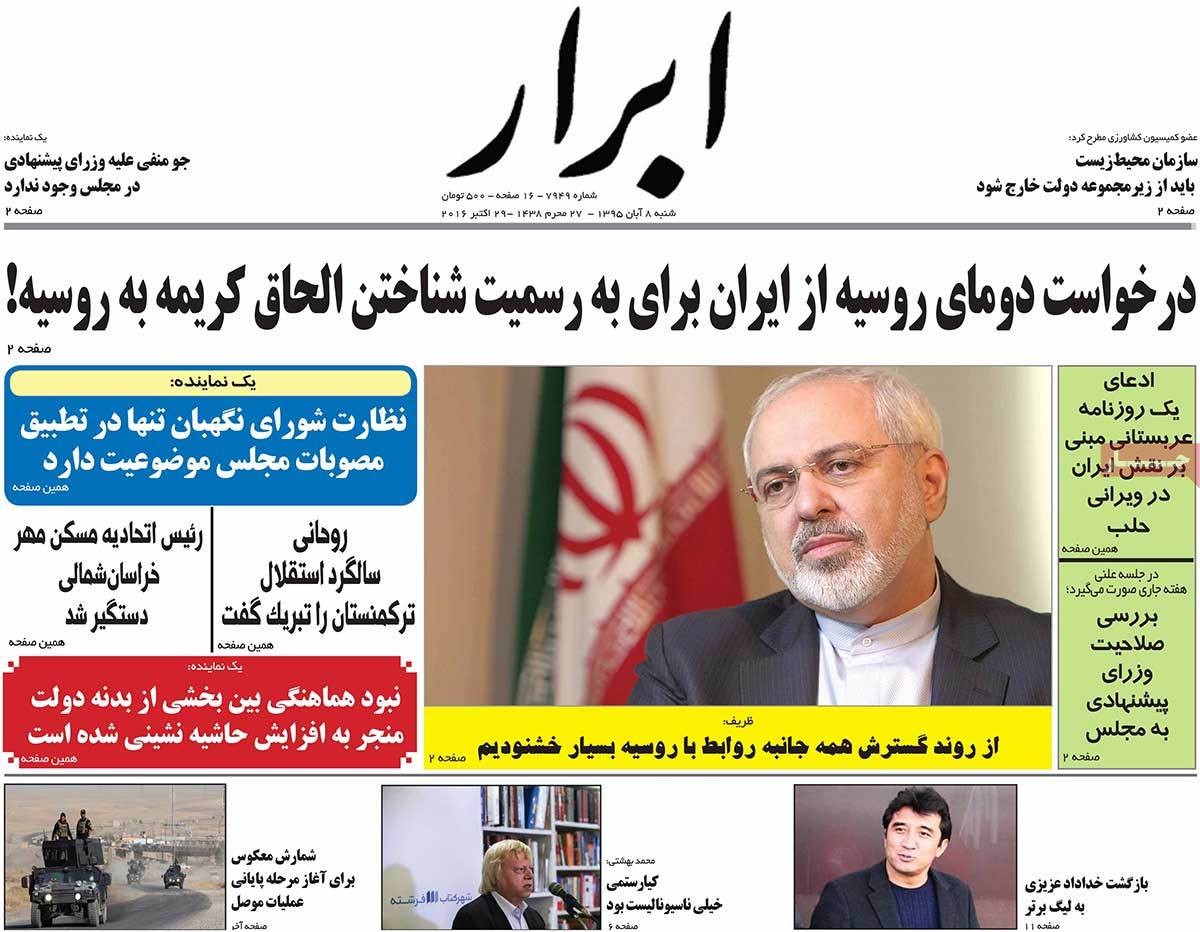
Abrar:

1- Russian Parliament Calls on Iran to Recognize Crimea’s Accession to Russia!

2- Zarif: We’re Very Pleased with All-Out Expansion of Ties with Russia

3- Countdown for Beginning of Final Stage of Mosul Operation

A Look at Iranian Newspaper Front Pages on October 29


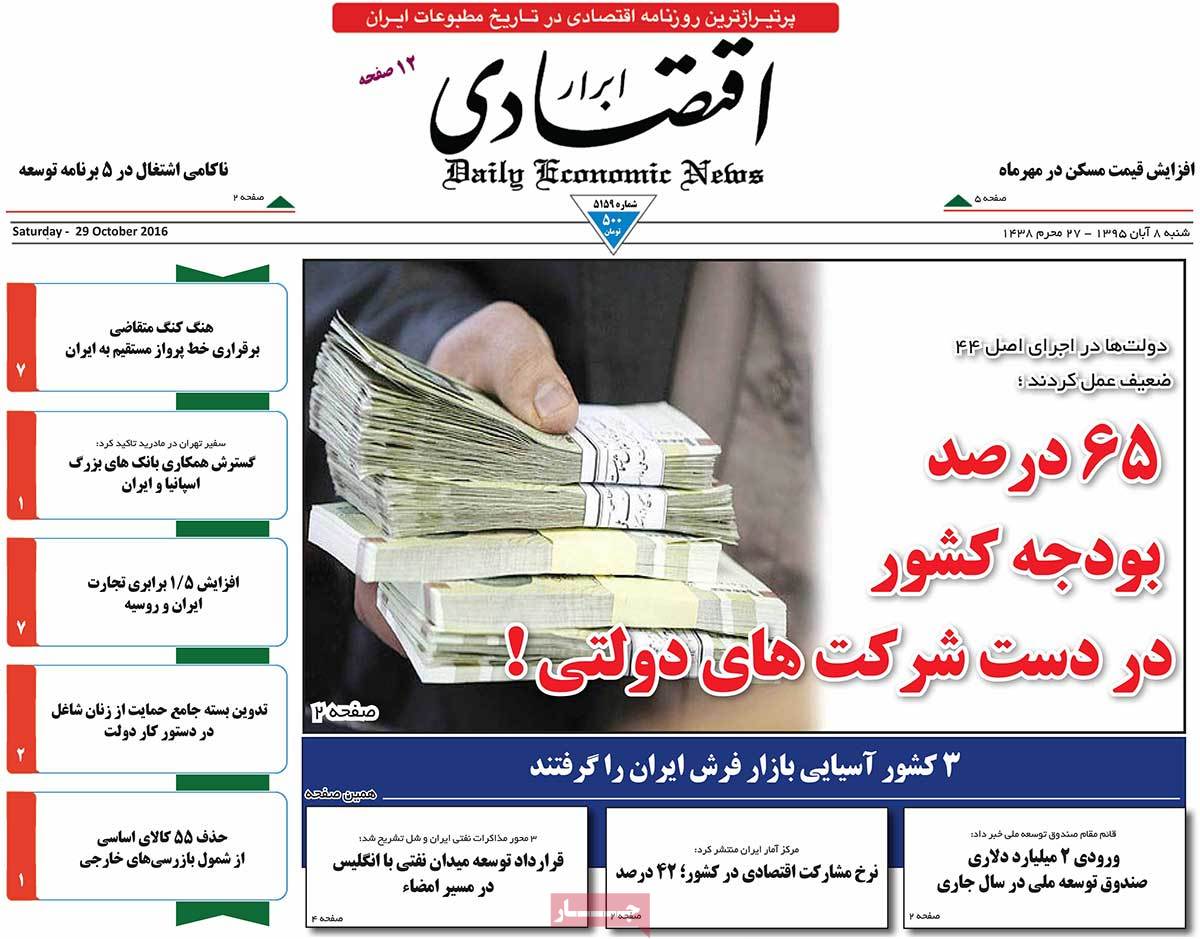
Abrar-e Eqtesadi:

1- 65% of Iran’s Budget Is in Hands of State-Run Companies! Iranian Governments Had Been Weak in Implementation of Privatization Law

2- Honk Kong Ready to Establish Direct Flights to Iran

3- Promotion of Cooperation between Major Banks of Iran and Spain: Ambassador to Madrid

4- 1.5-Fold Increase in Iran-Russia Trade

5- Government to Ratify a Comprehensive Bill on Supporting Working Women

6- Iran to Sign Contract for Development of Joint Oilfield with Britain

A Look at Iranian Newspaper Front Pages on October 29


Aftab-e Yazd:

1- Oman to Build Industrial Town in Iran

2- Tehran, Moscow, Damascus: Triangle of Ending Crisis in Middle East?

3- Zarif’s Urgent Visit to Russia

4- Senior Cleric Ayatollah Emami Kashani: Both US Presidential Candidates Are Pieces of Crap

5- Sexual Justice Is Islamic, Not Feministic

6- Advisor Criticizes the Unprecedented Insults and Accusations against President Rouhani


A Look at Iranian Newspaper Front Pages on October 29


Arman-e Emrooz:

1- Can Women Now Run for Presidency in Iran? Guardian Council Starts Reconsidering Definition of ‘Man of Politics’

2- Iran Underlines Integrity of Syria: Zarif, Lavrov, and Muallem Hold Talks in Moscow


A Look at Iranian Newspaper Front Pages on October 29


Asrar:

1- In a Trilateral Meeting, Tehran, Moscow, and Damascus Underline Continued Inclusive Fight against Terrorism

2- Ansarullah: We’ll Fire Missiles on Al Saud Palaces

3- Asghar Farhadi’s ‘The Salesman’ Selected by Audiences of Mumbai Film Festival as Best Film

A Look at Iranian Newspaper Front Pages on October 29


Asr-e Iranian:

1- Rouhani’s Government Breaks Records in Unemployment Rate

2- Iraqi Forces behind Gates of Mosul

A Look at Iranian Newspaper Front Pages on October 29


Asr-e Rasaneh:

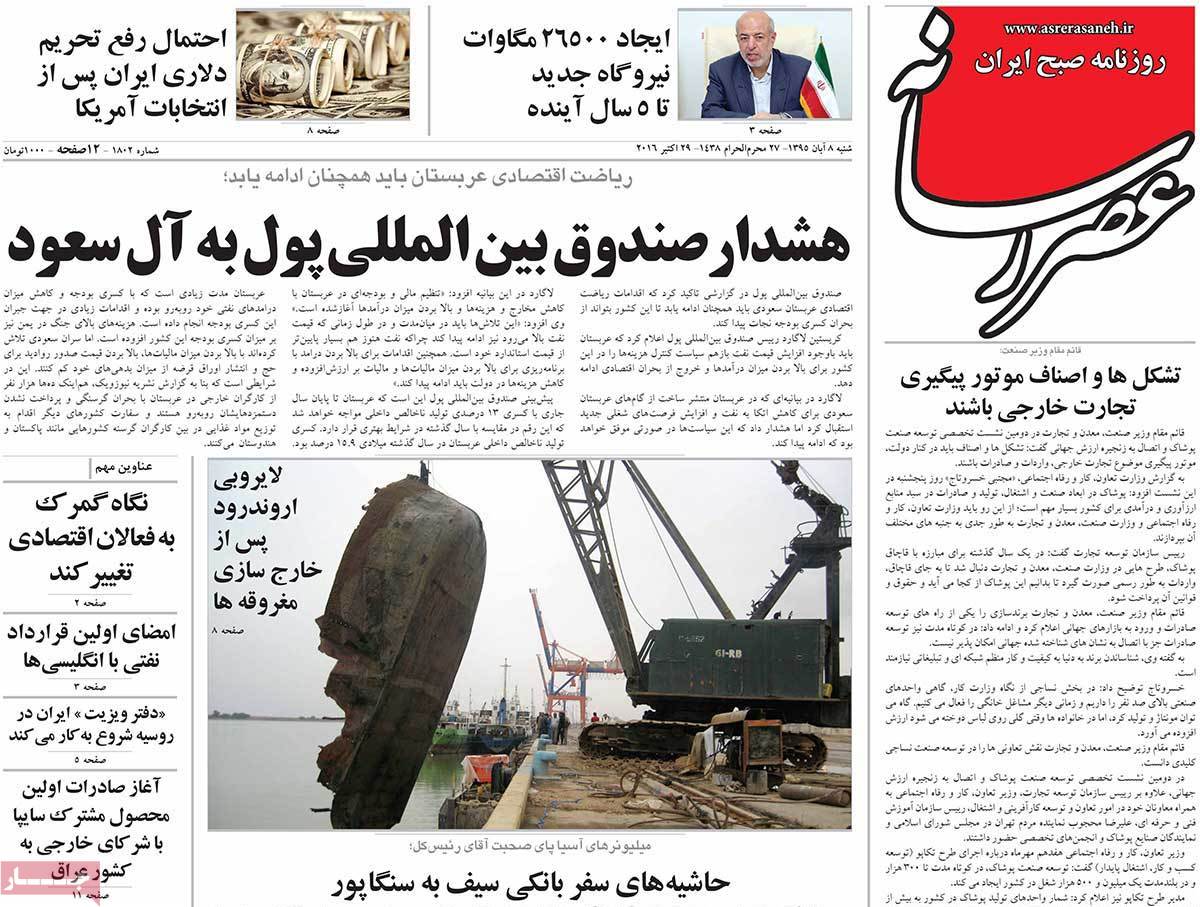
1- Plants with 26,500MW Power to Be Constructed in Five Years: Minister

2- IMF Warns Saudi Arabia: Riyadh’s Austerity Plans Should Still Continue

A Look at Iranian Newspaper Front Pages on October 29


Ebtekar:

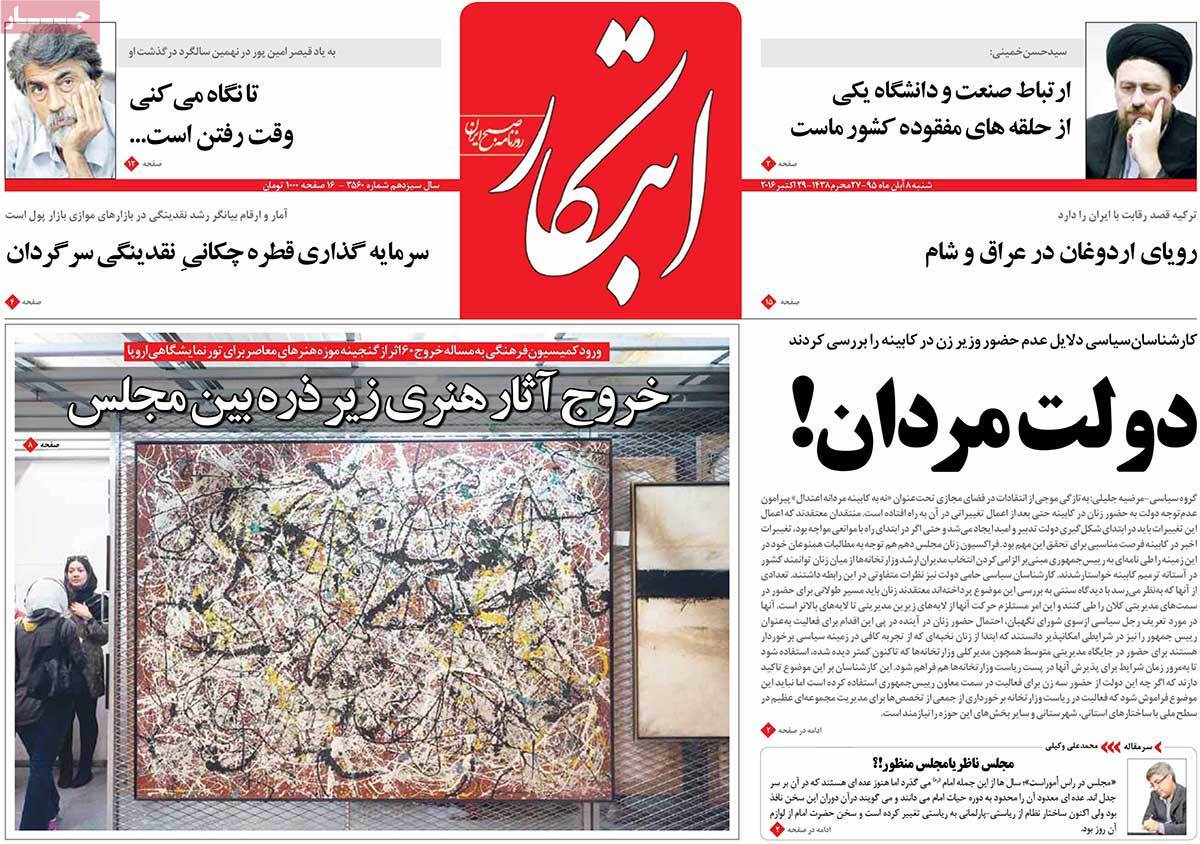
1- StatesMEN! Political Experts Analyse Reasons for Absence of Female Ministers from Rouhani’s Cabinet

2- Erdogan’s Dream in Iraq and the Levant: Turkey Looks for Competition with Iran

3- Transfer of Artworks to Foreign Countries under Scrutiny of Parliament: Cultural Commission to Investigate Transfer of 60 Artworks from Tehran Museum of Contemporary Arts to a European Exhibition

A Look at Iranian Newspaper Front Pages on October 29


Emtiaz:

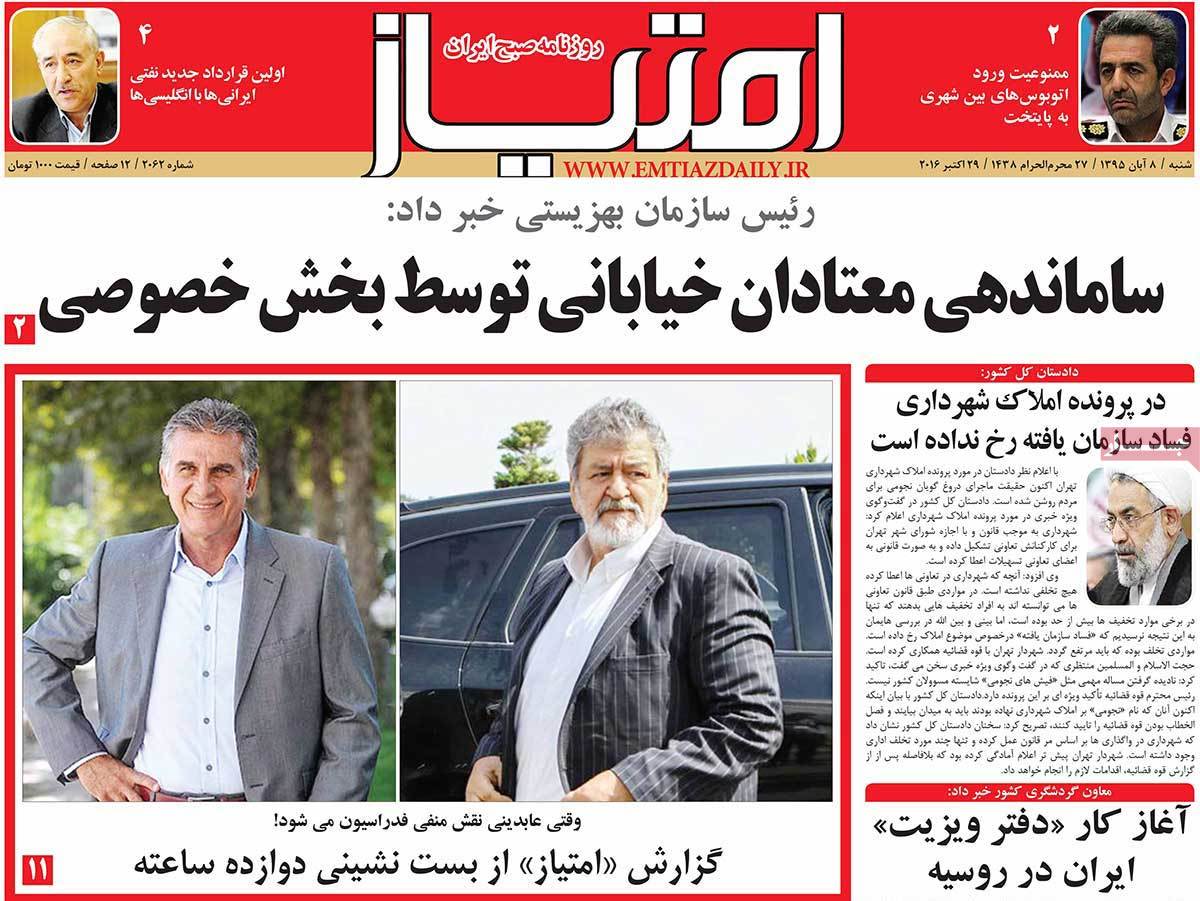
1- Private Sector to Organize Street Junkies

A Look at Iranian Newspaper Front Pages on October 29


Ettela’at:

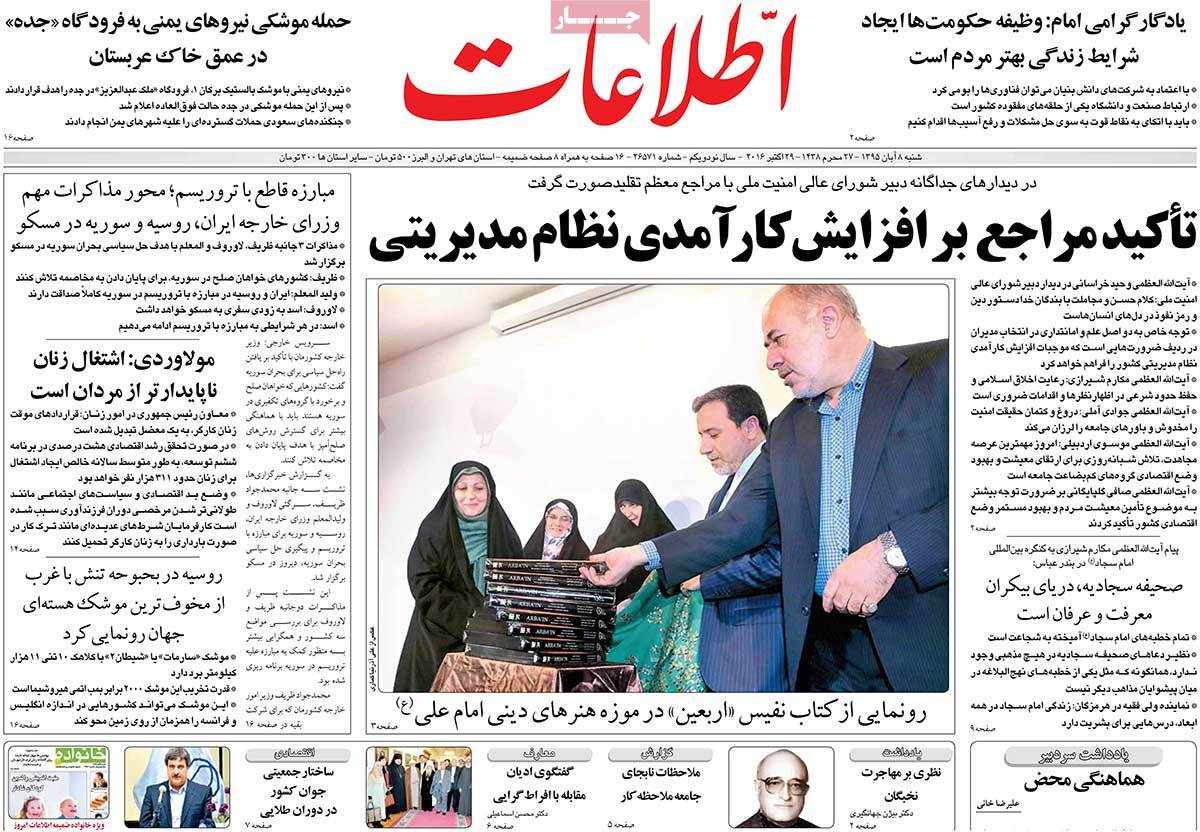
1- Yemeni Forces Launch Missile Attack on Jeddah Airport Deep into Saudi Territory

2- Amid Tensions with the West, Russia Unveils World’s Most Horrible Nuclear Missile

3- Precious Book on Arbaeen Is Unveiled


A Look at Iranian Newspaper Front Pages on October 29


Hemayat:

1- Trust in US Is Nothing More than a Mirage [It was said during the trilateral meeting between Iran, Russia, and Syria in Moscow]

2- OPEC Once Again Tries to Implement Oil Freeze Plan


A Look at Iranian Newspaper Front Pages on October 29


Iran:

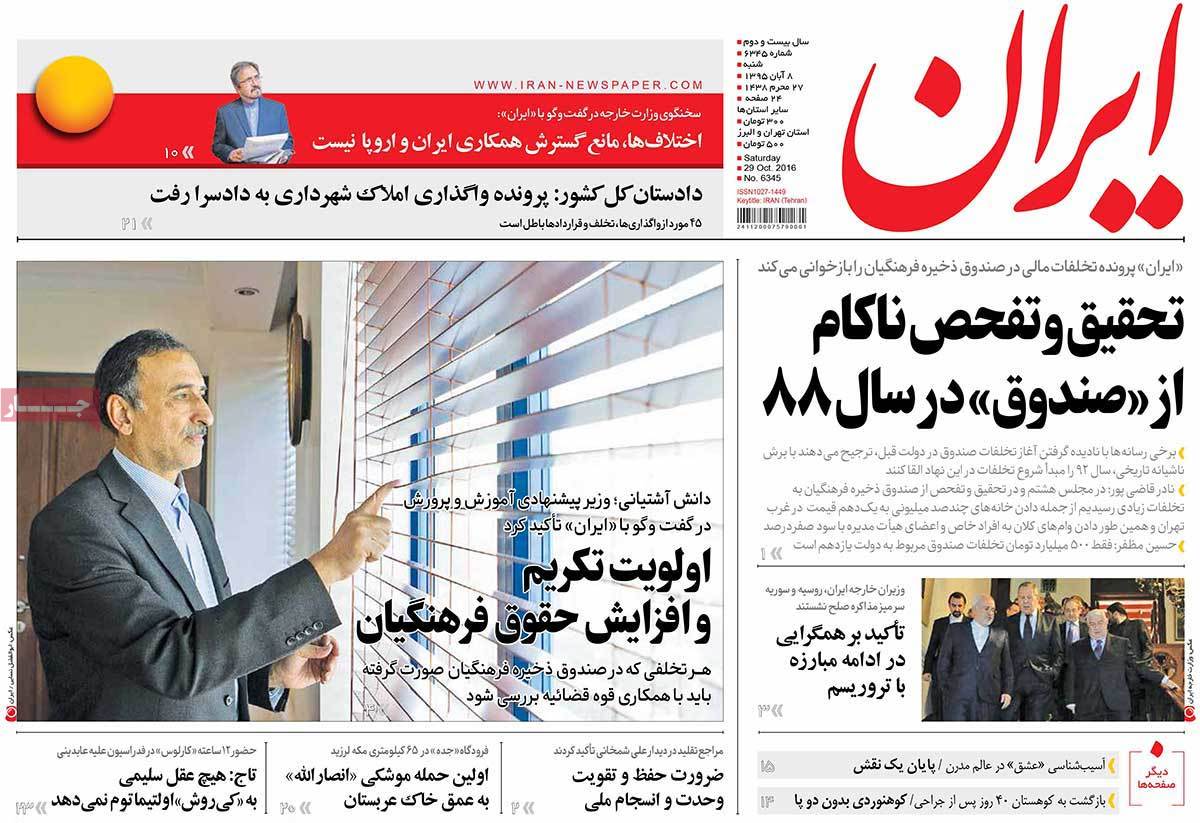
1- Foreign Ministry Spokesman: Differences Will Not Prevent Iran and Europe from Expanding Mutual Cooperation

2- Emphasis on Convergence in Fight against Terrorism: Ministers of Iran, Russia, and Syria Sit at Table of Peace Negotiations

A Look at Iranian Newspaper Front Pages on October 29


Jame Jam:

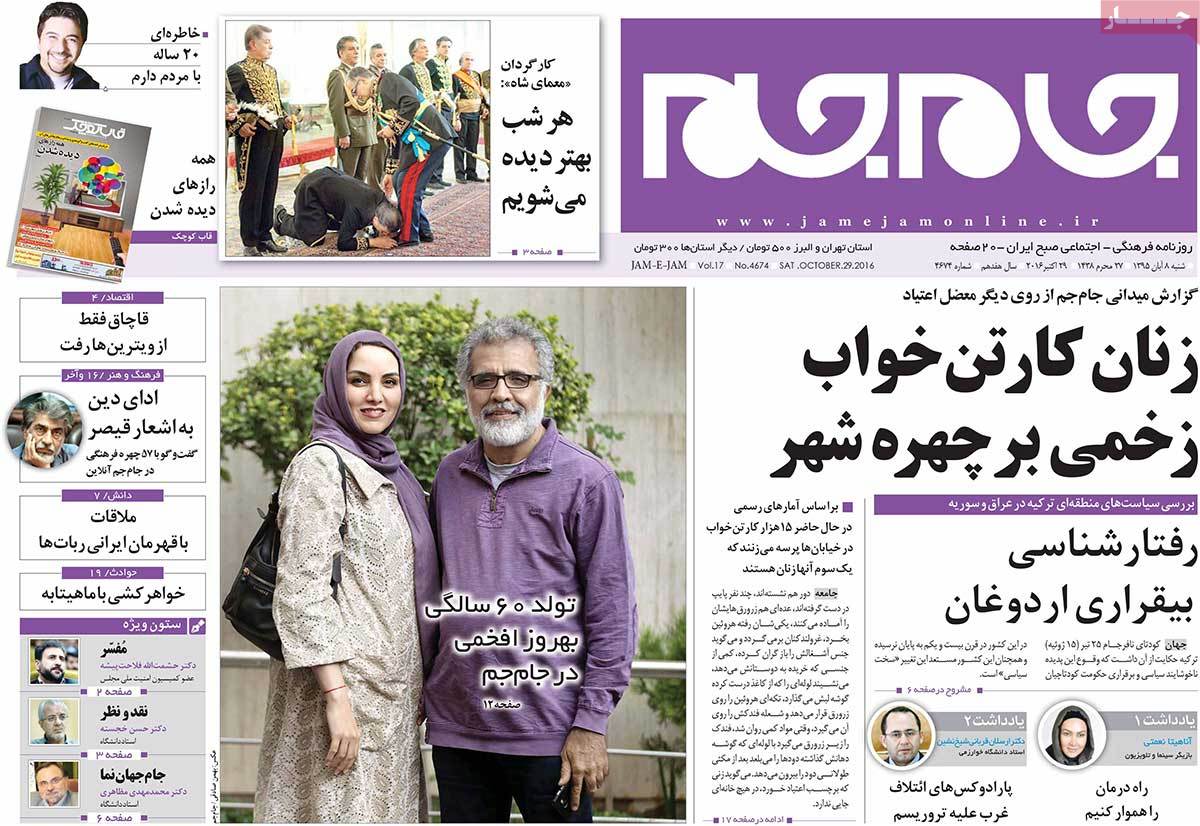
1- Homeless Women, a Scar on Face of Tehran


A Look at Iranian Newspaper Front Pages on October 29


Javan:

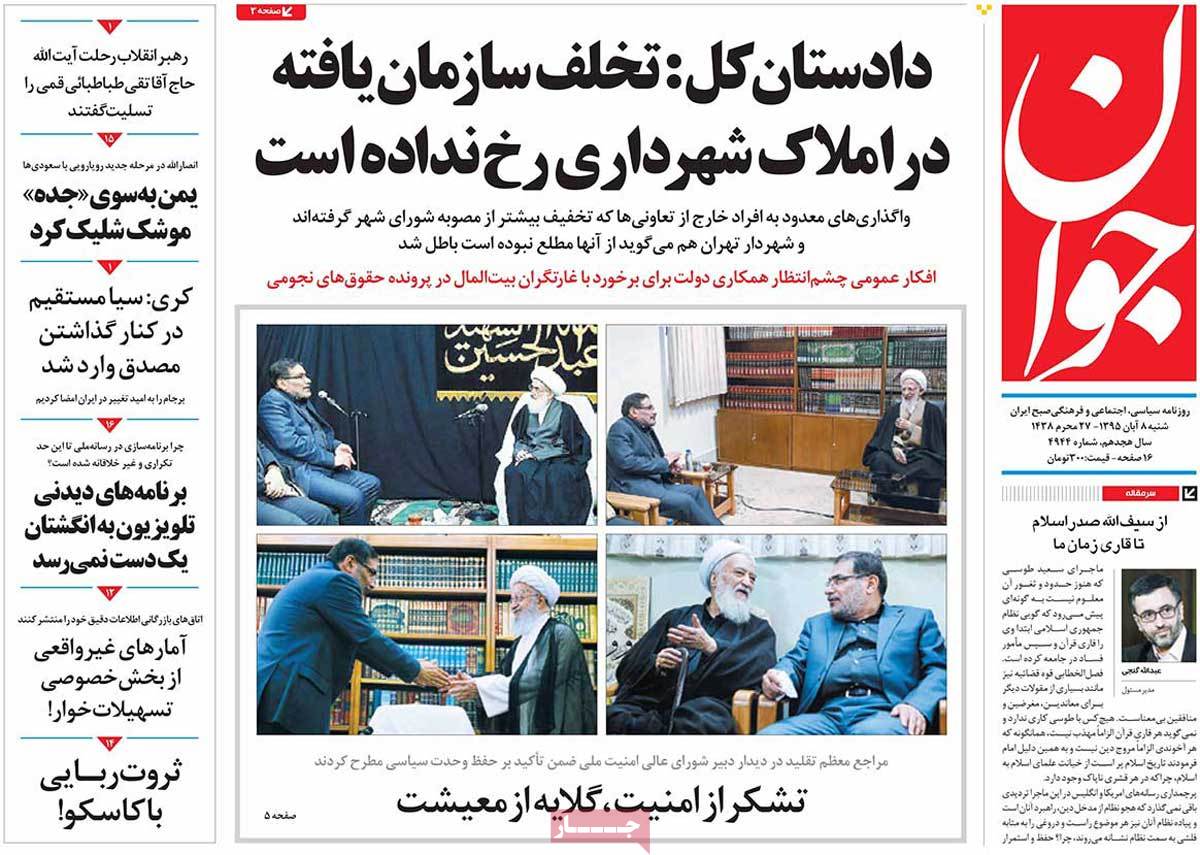
1- Grand Ayatollahs Appreciate Security, Complain about People’s Livelihood in Meeting with Shamkhani

2- Yemen Fires Missile at Jeddah

3- Kerry: CIA Directly Interfered in Overthrow of Mosaddegh


A Look at Iranian Newspaper Front Pages on October 29


Jomhouri Eslami:

1- Starvation Threatening Lives of Millions of Yemenis: UN

2- UAE Welcomes Plan to Remove Mansour Hadi

3- Countdown for Beginning of Last Step in Mosul Operation


A Look at Iranian Newspaper Front Pages on October 29


Kayhan:

1- Major Victory for Resistance Front in Syria’s Hama: A City and 22 Villages Liberated

2- People in Britain Attack the Car Carrying Bahrain’s King in London

3- Nigerian Army Starts Arresting Veiled Shiite Women

4- Ansarullah Missiles Hit Jeddah: Al Saud Starts Talking Nonsense


A Look at Iranian Newspaper Front Pages on October 29


Khorasan:

1- Iran, Russia, and Syria Criticize West’s Violation of Its Commitments

2- Russia: Americans Failed to Distance Themselves from Nusra Front

3- 8,000 Civilians Abducted by ISIS to Create Human Shield

A Look at Iranian Newspaper Front Pages on October 29


Payam-e Zaman:

1- Iran’s Military Might Is Unstoppable: Deputy FM

2- Iran’s Advice to UAE and Saudi Officials: Don’t Use Islamic Sanctities as Pretexts for Your Meagre Goals

A Look at Iranian Newspaper Front Pages on October 29


Resalat:

1- Top Clerics Underline Need for Improving People’s Lives in Meeting with SNSC Secretary

2- Deputy FM: Concerns about FATF Are Real

3- Anti-US Wrath IS Now Global: Cleric

A Look at Iranian Newspaper Front Pages on October 29


Setareh Sobh:

1- Michelle and Hillary Are Worried and Try to Gain People’s Votes


A Look at Iranian Newspaper Front Pages on October 29


Shargh:

1- Mogherini in Tehran: One Day after Zarif’s Return from Moscow

2- Iran’s Cooperation with Russia and Syria to Be Developed: Trilateral Negotiations


A Look at Iranian Newspaper Front Pages on October 29


Siasat-e Rooz:

1- Three Musketeers’ Resolve to End Terrorism: Iran, Russia, Syria Hold Trilateral Meeting

A Look at Iranian Newspaper Front Pages on October 29

European Firms Seek to Buy Iran’s Heavy Water: Nuclear Official

behrouz kamalvandi

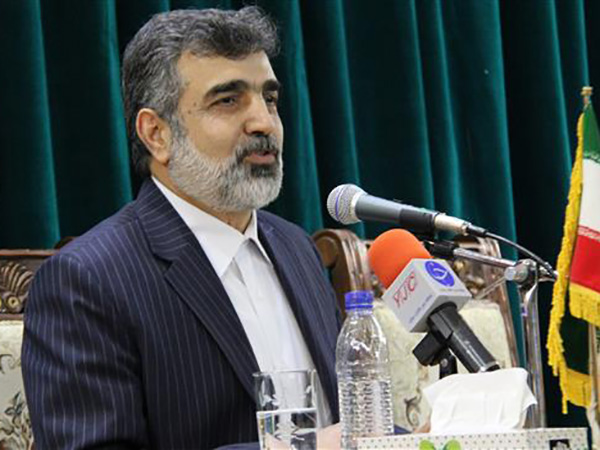
Behrouz Kamalvandi, who is the spokesman for the Atomic Energy Organization of Iran (AEOI), said Friday that the volume of the nuclear material sought by the companies stands at “several tons.”

He explained that Iran currently has no surplus of heavy water and that countries seeking purchases will have to place orders several months in advance.

“Even so, we will be hard pressed to address such orders by the year-end if we do receive them,” he told the Fars news agency in an interview.

Iran, which had been the subject of tight sanctions over its nuclear program until recently, has found new markets for its heavy water following a deal that it struck with six world powers last year.

The agreement, known as the Joint Comprehensive Plan of Action (JCPOA), was reached in July 2015 and began being implemented in January this year.

Under the deal, Iran agreed to limit certain aspects of its nuclear program in return for sanctions imposed by the UN Security Council, the US and the European Union to be lifted.


‘Americans Congratulated Iran’

The US, one of the parties to the deal, became the first country to buy Iran’s heavy water after the implementation of the agreement.

Earlier this month, Ali Akbar Salehi, the head of the AEOI, said Iran had sold 32 tons of heavy water to the US and delivered 38 tons of the nuclear material to Russia.

Referring to US purchases of Iranian heavy water, Kamalvandi said the Americans congratulated Iranian officials for the high-level purity of the nuclear product after receiving it.

He said the US is currently selling Iran’s heavy water at its pharmaceutical and research markets. “This,” he said, “is a source of national pride.”

The AEOI spokesman further said that so far, Iran has sold 70 tons of its heavy water on the international market thanks to the JCPOA.

Under the deal, Tehran can keep a heavy water stockpile of 130 tons and offer the surplus for sale on the market.

The administration of US President Barack Obama said in April that Washington would buy 8.6 million dollars worth of heavy water from Iran.


Nuclear Cooperation With Poland, Hungary

Elsewhere in his remarks, Kamalvandi said that Salehi is expected to travel to Poland in a few weeks to expand bilateral nuclear cooperation with Warsaw.

He also said that Iran and Hungary are due to sign a memorandum of understanding (MoU) in the field of nuclear technology.

In a quarterly report on Iran on September 8, Iran’s commitment to the nuclear agreement was confirmed by the International Atomic Energy Organization (IAEA), which is tasked with overseeing the implementation of the JCPOA.

Since January, the IAEA has released regular reports confirming the peaceful nature of Iran’s nuclear activities and Tehran’s commitment to the agreement.

Iran’s Beauties in Photos: Autumn in Arasbaran Forest

Arasbaran

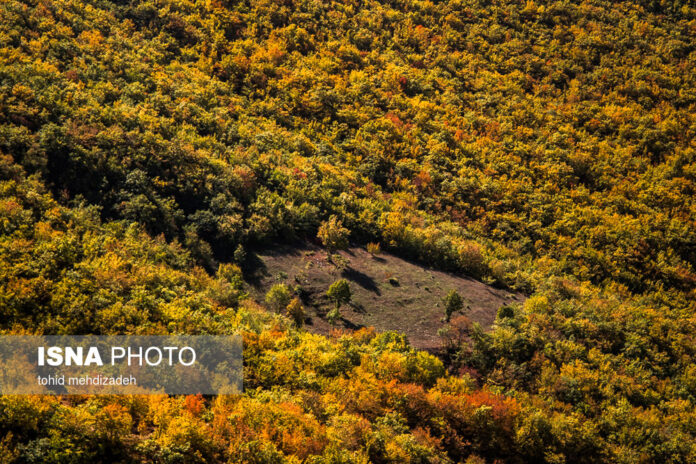
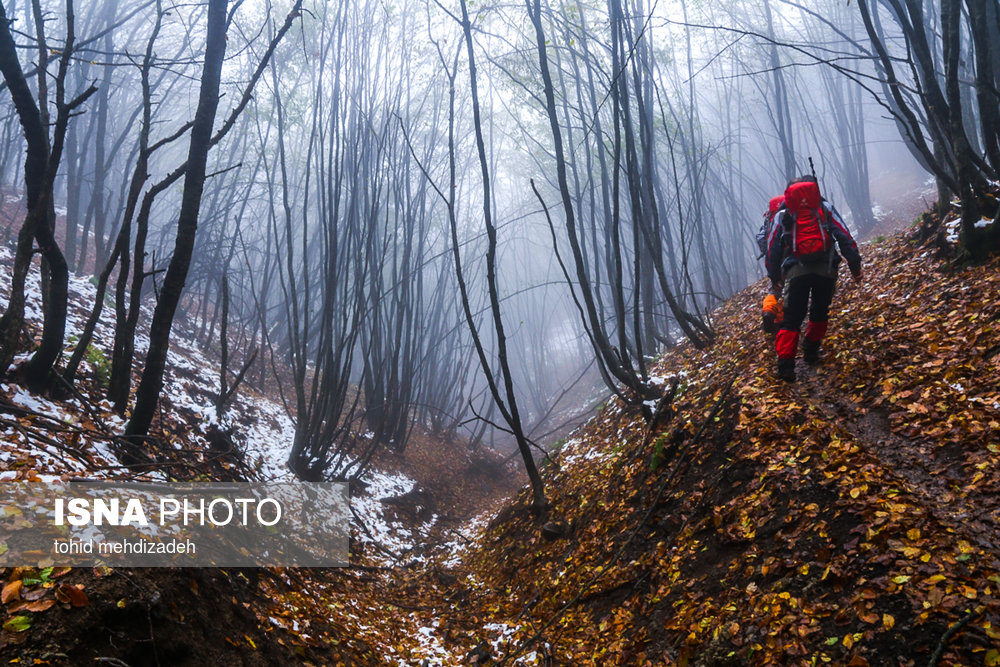
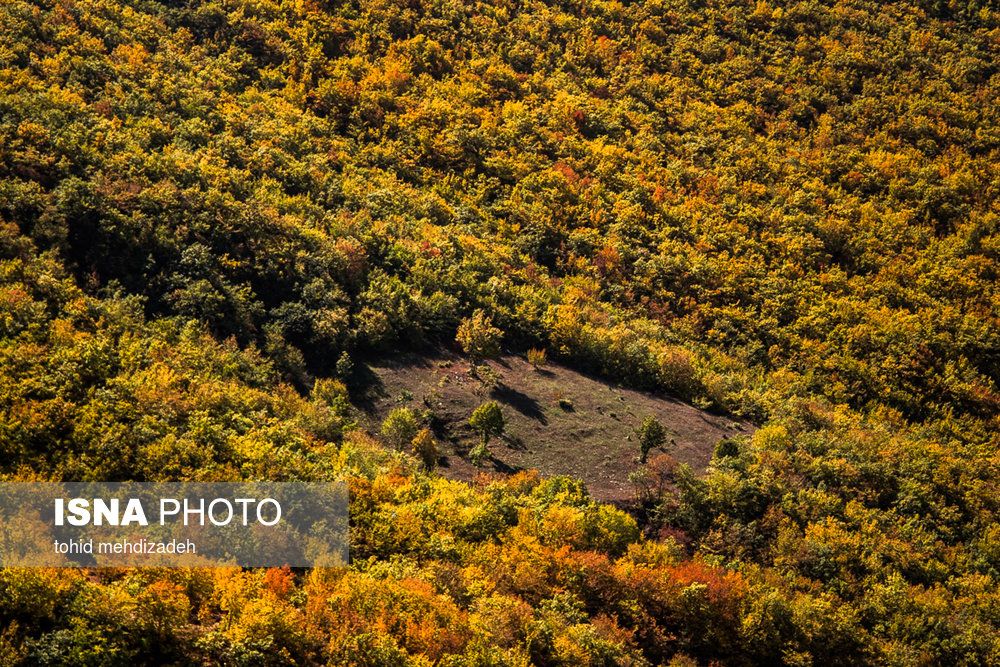
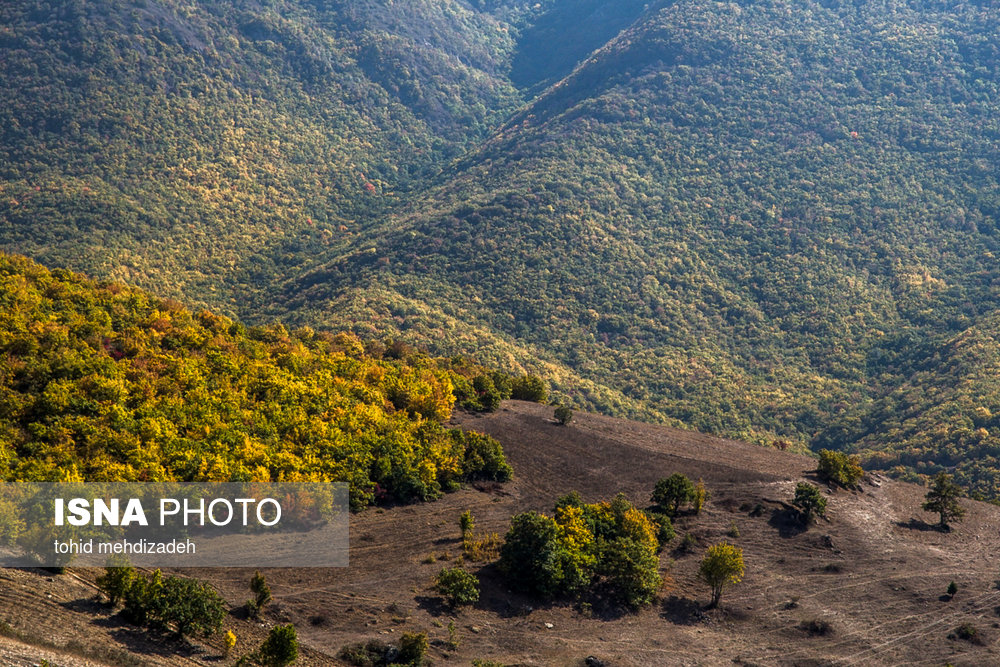
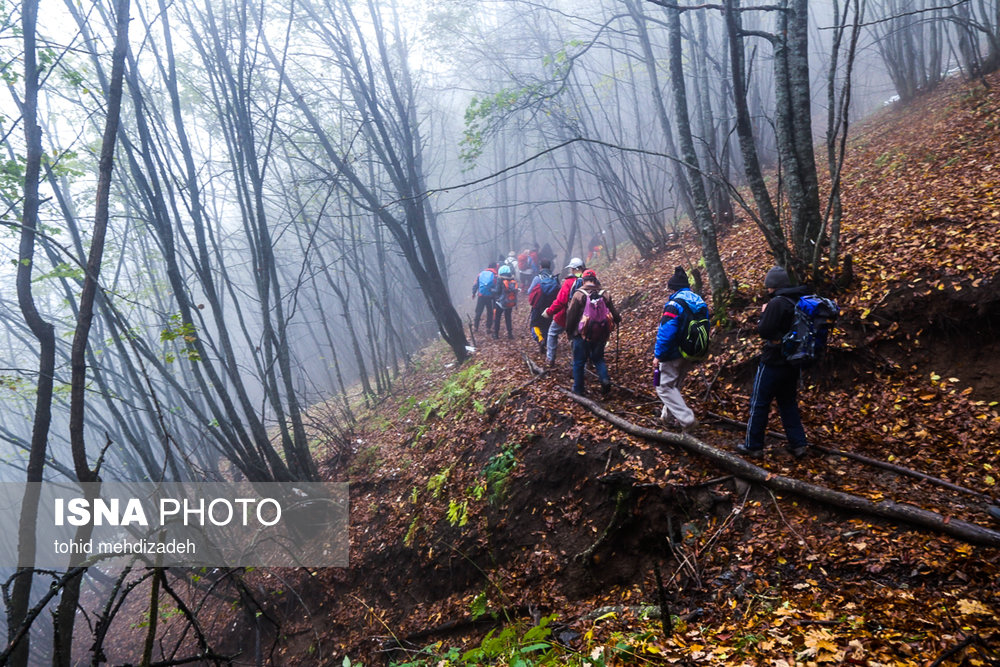
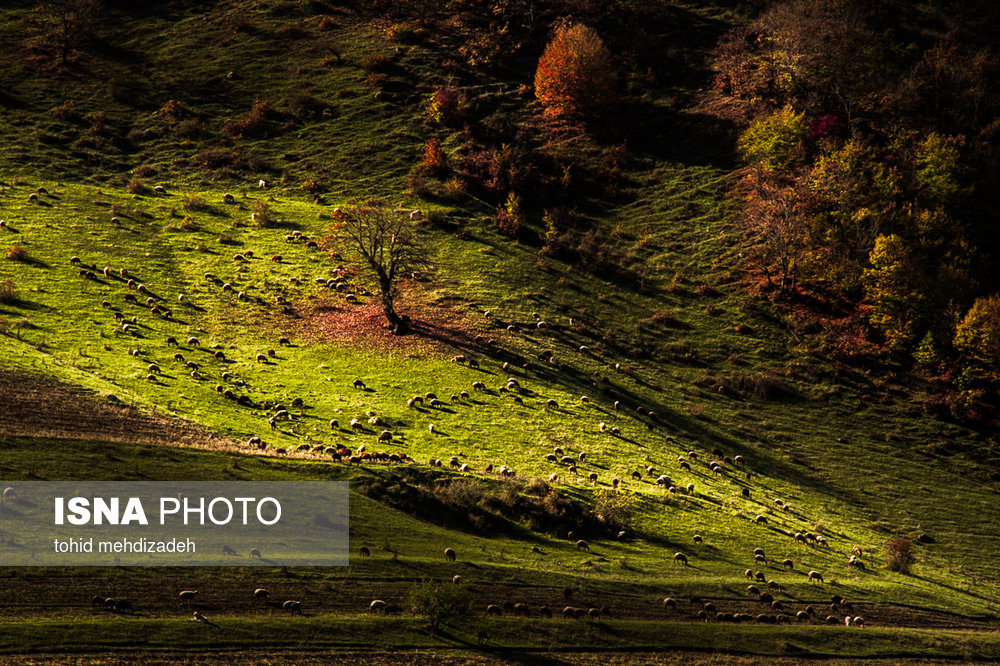
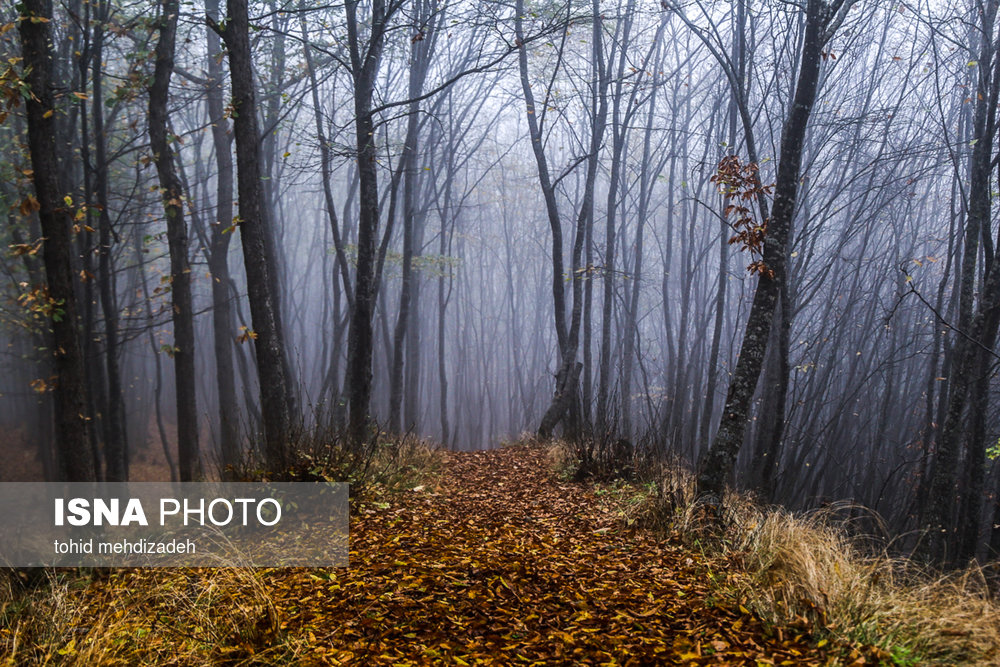
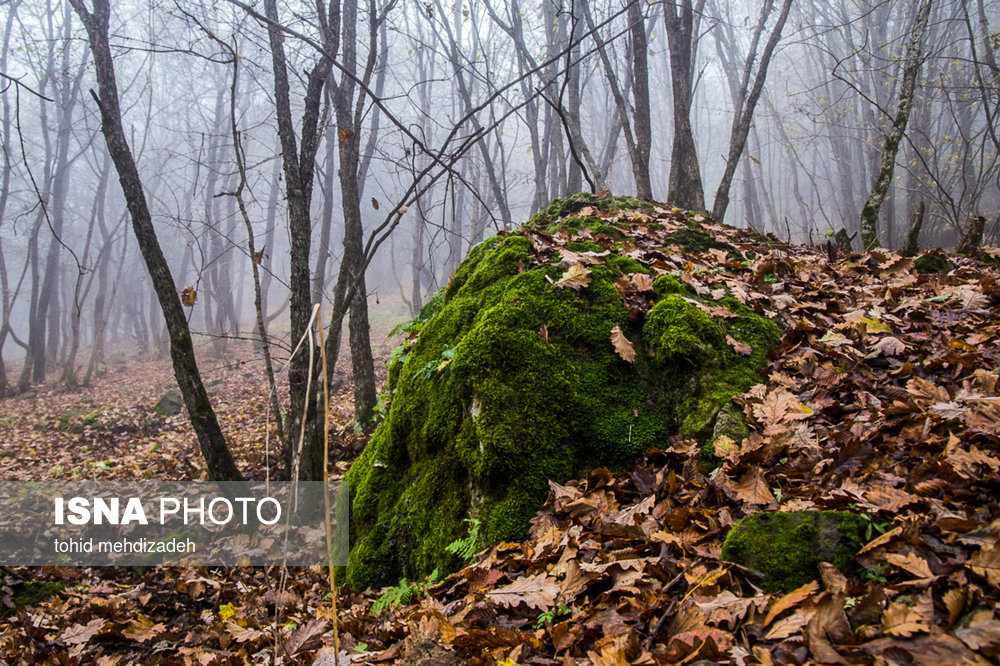
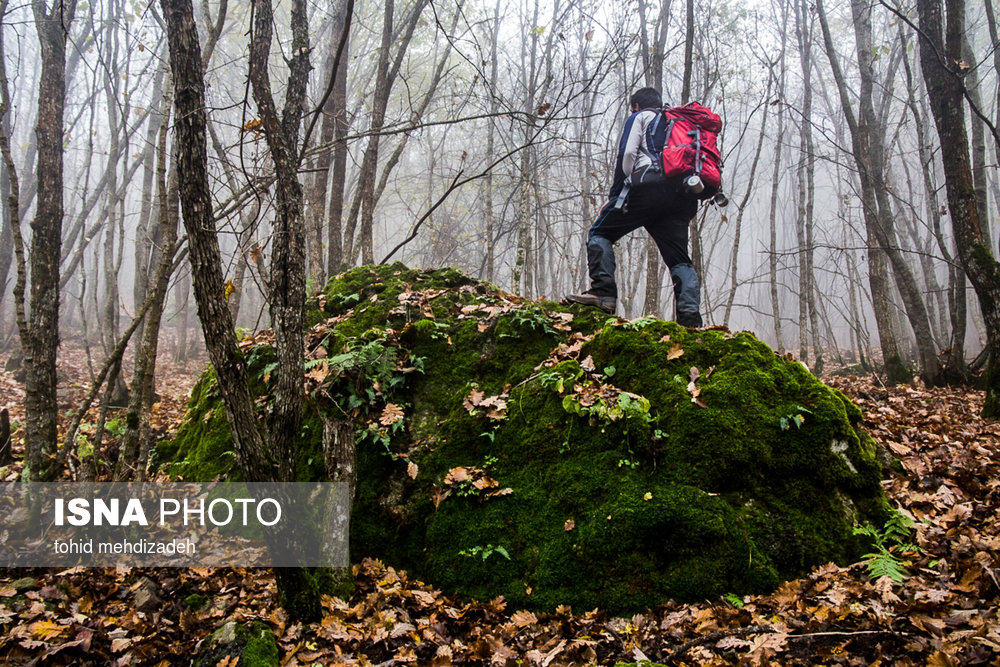
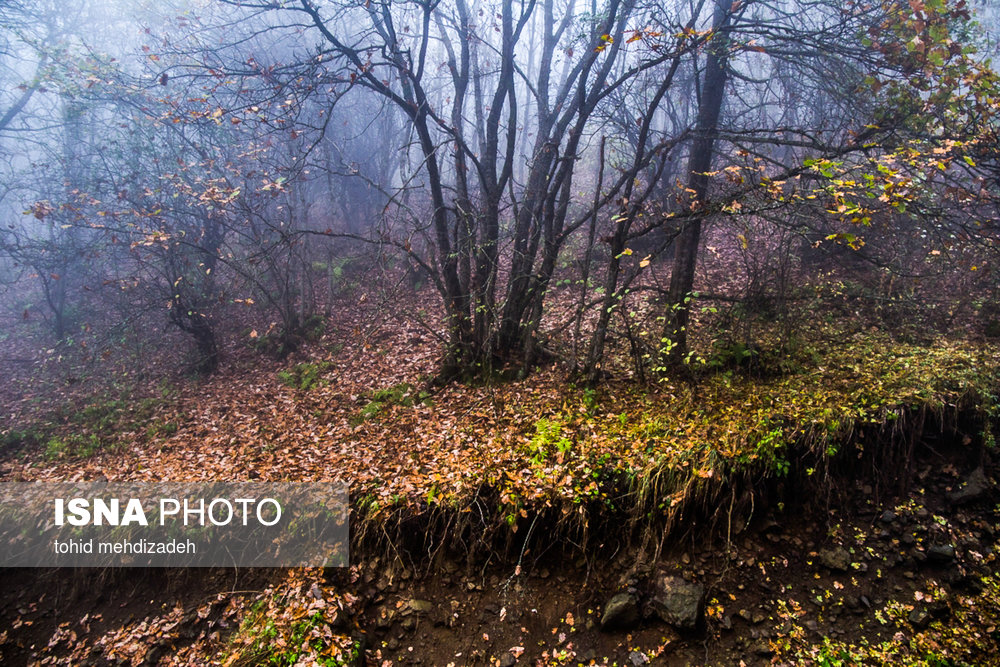
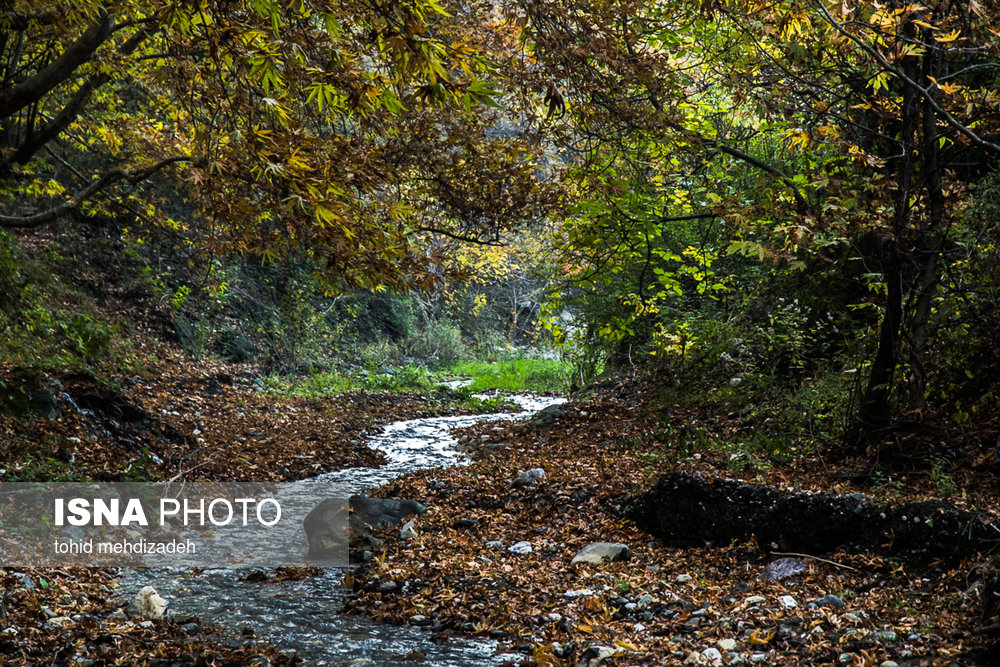
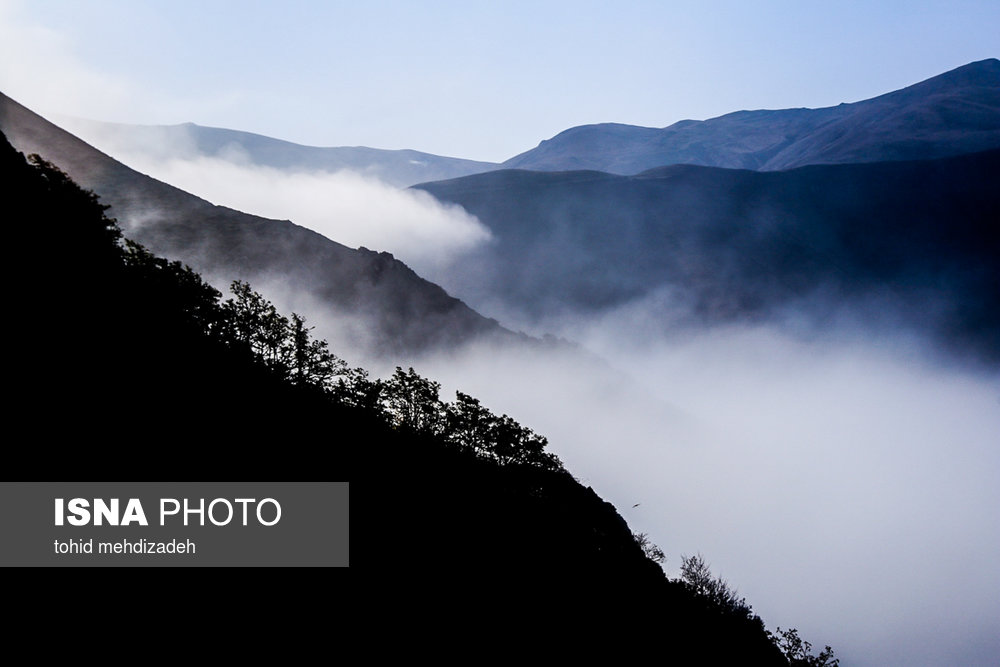
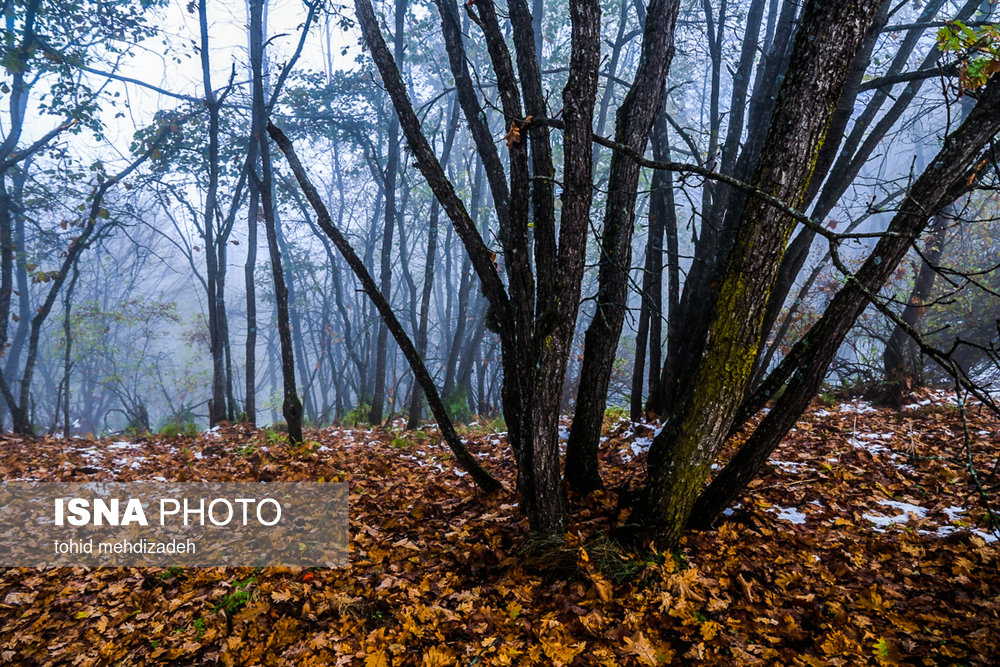
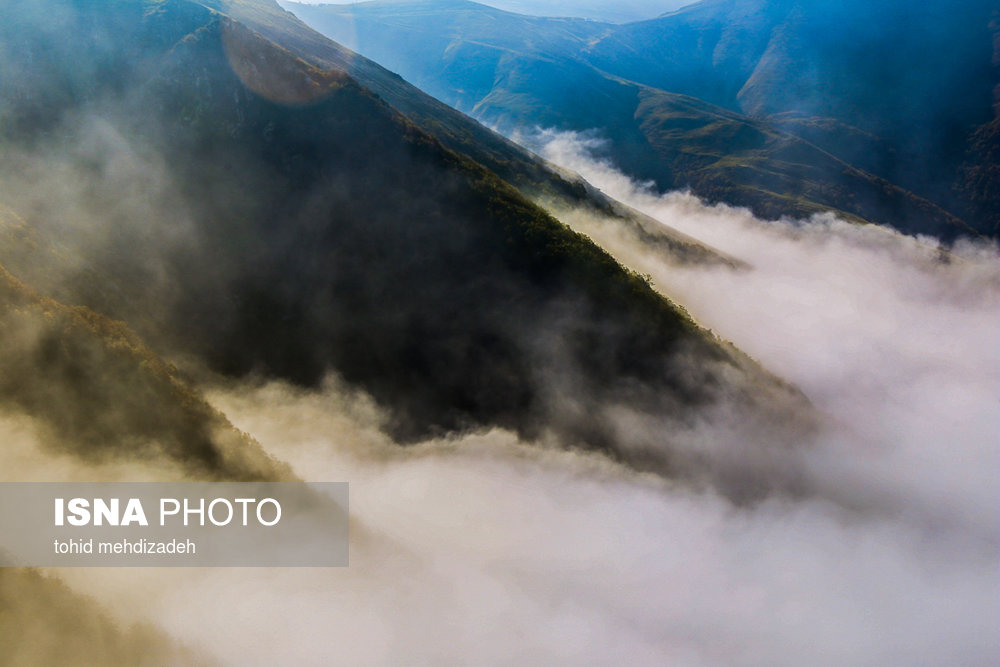
Arasbaran is a large mountainous area in Iran’s northwestern province of East Azarbaijan, covered with peaks as high as 2,200 meters, alpine meadows, rangelands, forests, rivers and springs.

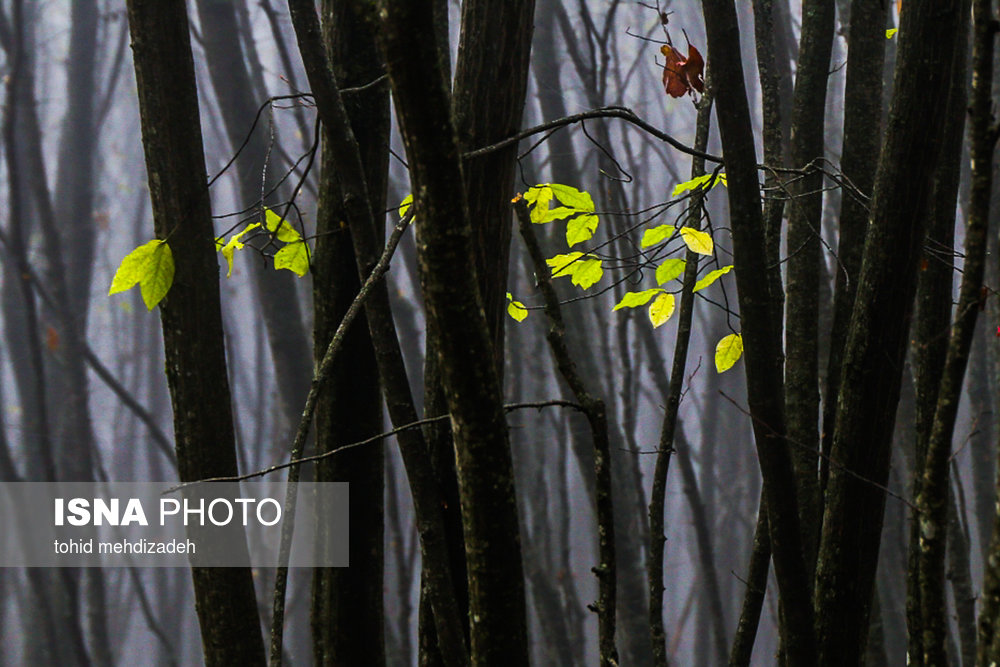
Here are ISNA’s photos of Arasbaran forests in autumn: