Monday, December 22, 2025
Home Blog Page 4261

Iran, Algeria Begin New Chapter of Health Cooperation

qazizadeh-hashemi

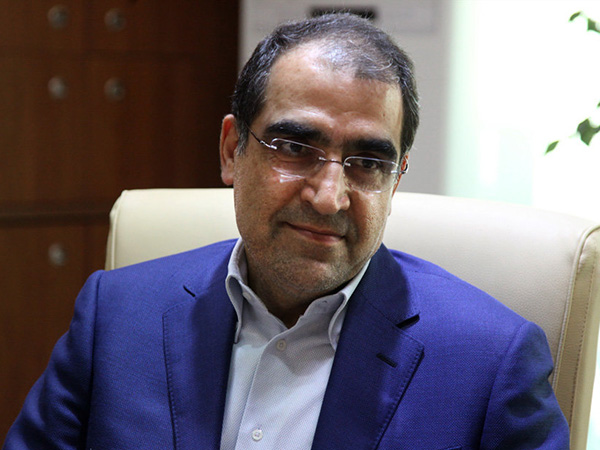
Iranian Health Minister Hassan Qazizadeh Hashemi on Friday signed four memoranda of understanding on health cooperation with Algeria at the country’s Ministry of Health, Population and Hospital Reform.

During the ceremony held in Algiers, Qazizadeh Hashemi highlighted the long-standing relations between Iran and Algeria, adding, “In the current international situation and after Iran nuclear deal, we now have a perfect opportunity to expand mutual cooperation between the two countries’ private sectors in the fields of health, industry, agriculture, academia and research.”

“The day before the signing of these four MoUs, we opened a production line for a type of medicine that is jointly produced by a private Iranian and an Algerian company,” Qazizadeh Hashemi said, as reported by Mehr and edited by IFP.

“We plan to work toward putting our joint cooperation into practice, rather than just holding talks and signing agreements.”

Qazizadeh Hashemi stressed that mutual cooperation between Tehran and Algiers will be implemented through the private sectors so that the two countries will be able to easily continue their cooperation at times of economic crisis.

“Our aim is not imports, but rather joint production in Algeria which is considered as one of the most important countries in its region and the whole African continent,” he said.

Sanctities No Means for Meagre Goals: Iran to Saudi, UAE

Bahram Qassemi

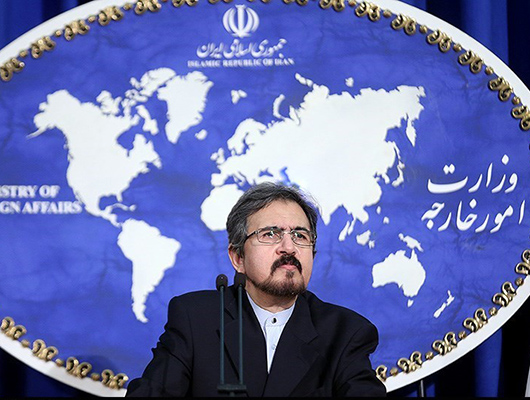
“The claim about the Yemenis’ missile attack against the holy Mecca is basically ridiculous,” Iranian Foreign Ministry Spokesman Bahram Qassemi said on Friday.

He urged Saudi and Emirati officials not to resort to such divisive and dangerous propaganda stunts in order to make up for their failed policies and defeats.

The Iranian spokesperson expressed confidence that those who regard their own “criminal goals” as more important than the sanctity of Islam’s holiest shrine, the Kaaba, will “be further disgraced among Muslims day by day.”

Yemeni people’s love for Islamic holy sites is much more than the Wahhabis and Sultans who depend on the US and the Zionist regime of Israel to protect their thrones, he went on to say, as reported by ISNA and translated by IFP.

Qassemi’s remarks came after Yemeni army forces and allied fighters from Popular Committees launched a locally designed and manufactured ballistic missile towards an area deep inside Saudi Arabia on Thursday in response to the Riyadh regime’s atrocious aerial bombardments against the crisis-hit Arab country, Press TV reported.

Yemeni soldiers and their allies fired a Borkan-1 (Volcano-1) missile towards King Abdulaziz International Airport, located 19 kilometers north of the western Saudi port city of Jeddah.

A military source, speaking on condition of anonymity, later told the official Saba news agency that the 12.5-meter-long missile had targeted its target accurately and left massive destruction at the airport.

Sanctities No Means for Meagre Goals: Iran to Saudi, UAE

Saudi media outlets, however, reported that the kingdom’s missile systems intercepted and destroyed the solid propellant and Scud-type missile before it could cause any damage.

The Saudi military also claimed that the Yemeni missile was fired toward the holy city of Mecca, but the Houthi Ansarullah movement has rejected the claim.

Meanwhile, UAE Foreign Minister Sheikh Abdullah bin Zayed on Friday pointed the finger at Iran.

“The Iranian regime is supporting a terrorist group that fires its rockets on Mecca, is this an Islamic regime as it claims?” he tweeted.

Iran has repeatedly rejected claims that it is funneling arms to the Yemeni Houthi Ansarullah fighters.

Saudi Arabia has been engaged in the deadly campaign against Yemen since March 2015 in an attempt to bring back the former Yemeni government to power and undermine the Houthi Ansarullah movement.

The United Nations puts the death toll from the military aggression at over 10,000.

EU’s Mogherini in Tehran for Syria Talks

Mogherini-00

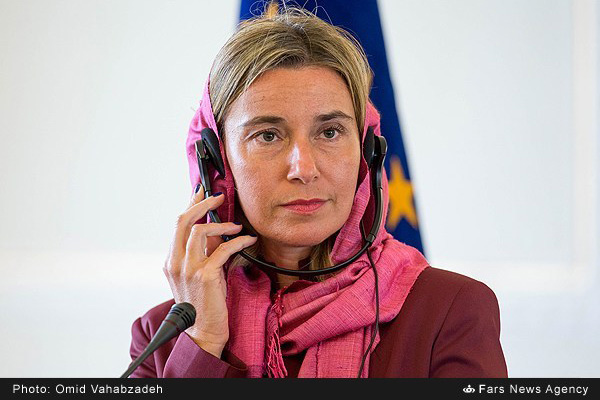
The visit comes in the framework of decisions taken by the Foreign Affairs Council and the European Council last week to engage in dialogues with key regional actors on the Syrian crisis.

The High Representative for Foreign Affairs and Security Policy/Vice-President of the European Commission will hold talks on Saturday with Iranian President Rouhani and Foreign Minister Zarif, before departing for Riyadh later in the day to discuss the Syrian situation with Saudi officials.

Mogherini’s visit comes a day after foreign ministers of Iran, Russia, and Syria sat down for talks in Moscow for a trilateral meeting on the Syrian crisis.

During the meeting, the three senior diplomats censured the US for its unconstructive measures in combating terrorism in Syria, and stressed Syrian-Syrian talks as the only viable way to settle the crisis in the war-torn country.

Morocco Turns to Iran to Keep Distance from Saudis: Ex-Ambassador

Mohammad Masjed-Jamei

In early March, 2009, the kingdom of Morocco suddenly cut off its diplomatic relations with Iran arguing that Tehran’s policies towards Rabat are unacceptable. After a new Iranian government was sworn in and following the negotiations held between foreign ministers of Iran and Morocco, the two countries agreed to reopen embassies. Iran’s ambassador to Rabat started work in 2014. Morocco, in turn, introduced its new ambassador to Iran a short while ago.

Sending an ambassador to Iran at this point is worth further discussion. Khabar Online has recently had an interview with Mohammad Masjed-Jamei who once was Iran’s ambassador to Morocco from 2003 to 2005.

During his farewell ceremony, Moroccan king bestowed the Order of Ouissam Alaouite to Masjed-Jamei because of his activities in the development of bilateral relations. Order of Ouissam Alaouite is the highest badge of Morocco.

Here is IFP’s translation of the interview:


How do you evaluate the recent news on the reopening of Morocco’s embassy in Iran and the normalization of relations between the two countries?

Shortly after the Arab Spring broke out, King Abdullah of Saudi Arabia expressed the desire that the countries which operate under a monarchy join the [Persian] Gulf Cooperation Council.

Saudi Arabia was mostly focused on Jordan and Morocco. Jordan became excited and accepted the offer without hesitation; however, Morocco approached it with caution. Saudi Arabia has waged a brutal war against Yemen; it is so barbaric that even its allies have voiced criticism. Therefore, it seems that some countries, including Egypt, are trying to keep distance from Riyadh.

In international equations, Morocco usually takes steps circumspectly, and this is not limited to the king only; its people are cautious too.

Morocco introduced its ambassador to Iran at a time when Saudis have tensions with Egypt and their bombing of civilians in Yemen has caused much criticism even by the UN Secretary General. Given the unfortunate condition, it seems that Morocco has deemed it necessary to keep distance from Saudis and their coalition.

How are things like in Morocco? Is there a consensus on foreign policy? Given the rule of a monarchy in this country, are there any opposing views? 

Morocco is inherently a complicated country and multiple decision-making centres have a say in its policies. It is so much different from other North African countries, even from Tunisia. There are two mainstream groups; one of them advocates the Francophone ideas and have a tendency towards Europe.

They believe that Morocco’s prosperity and growth entail cooperation with Europe. There are many reasons for that. One is the large number of Moroccan immigrants living in Europe. Another reason is the semi-institutionalized trade and economic relations with Europe, either in tourism or agriculture, either with southern Europe or with the entire Europe.

Another point is that they wish for the quasi-European stability, especially when they witness unrest and war in Mashriqi Arabic (Eastern Arabic) every single day.

On the other hand, there is a group who looks up to the East and by East they mean Mashriqi Arabic. They have a penchant to strengthen ties with Eastern Arabic countries, especially the Persian Gulf states.

Foreign, trade, and economic policies in Morocco are formed through integrations of ideas between these two opposite poles.

The Francophone advocates frown upon the development of relations with Arabic countries. During the years of 2004 and 2005, when Qatar invested heavily in Rabat, the Francophone media outlets criticized it as being at odds with the future of their country.

Between the two opposite poles in Morocco, which one supports ties with Iran?

Iran is not categorized as Arabic or East Arabic countries. Not only Iran is not an Arabic country but also it has tensions with some of them. Therefore, developing ties with Iran is presently in line with the Francophone ideas.

Relations with Iran is like a counterbalance that controls the depth of relation with Mashriqi Arabic. It is a specific country that many governments in the world either lose or win points by approaching to or keeping distance from it. Rabat can adjust its relations with Arab countries by approaching to Tehran.

Disguised as a Boy, Iranian Girl Sneaks into Football Stadium

Girl in Stadium

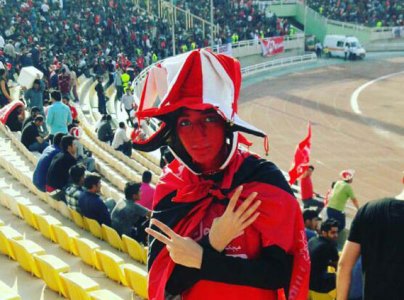
Zeinab is a girl who disguised herself as a boy to appear among the football fans in Ghadir Stadium in southwestern Iranian city of Ahvaz. It is an illegal and very dangerous thing to do by a 20-year-old girl; especially given the violent commotion in football games. She published some photos of herself among the fans on the Internet after the match.

Here is IFP’s translation of Khabar Online’s interview with her:


Please, introduce yourself before we go on with the interview.

I am Zeinab, 20, from Ahvaz and I got my high school diploma in Science. I have a strong liking to take coaching courses to fulfil my future plans. I have been a big fan of Perspolis FC since I was a kid.

Now let’s talk about your presence in the stadium. Did you know that it was illegal and it could put you in trouble?

It was actually my third time. I took the risk because I love football and Perspolis, so when I’m doing it, I don’t think about the possible troubles.

Tell us about your trick! How did you do it that no one realized you were a girl?

I called my father in the morning of the game and let him know. At first he was worried that we would be exposed; however, when I told him that I would dress up in boys’ clothes and paint my face, he accepted and together we went to the game. I think I’m getting professional in it!

Didn’t anyone among the spectators realize that you were a girl? Not even the guards?

The guards didn’t become suspicious at all and we entered the stadium without any problems. However, almost all the fans close to where I was sitting knew me because for a very long time I have been an active member on the pages of Perspolis fans. In efforts to sustain us, they would come and say, “There is no need to worry or panic; you’re like a member of our own families.”

When the referee blew his whistle for a foul on Perspolis defender, many of the fans started to cry out swearwords. The interesting point was that those who knew I was there immediately told their friends that there was a girl in the stadium and asked them to behave. Everything changed; they even apologized to me.

How did you get so much close to Perspolis? I think you are one of the most well-known fans in Iran. Many people know you, especially from Instagram.

It’s been a long time since I’ve been doing these things for Perspolis. When the team comes to Ahvaz, not only I welcome them at the airport, but also print banners and give them to the boys of the group to take them to stadium.

Concluding words?

I believe that girls’ presence in stadiums can definitely bring peace and calmness to the atmosphere of our football venues.

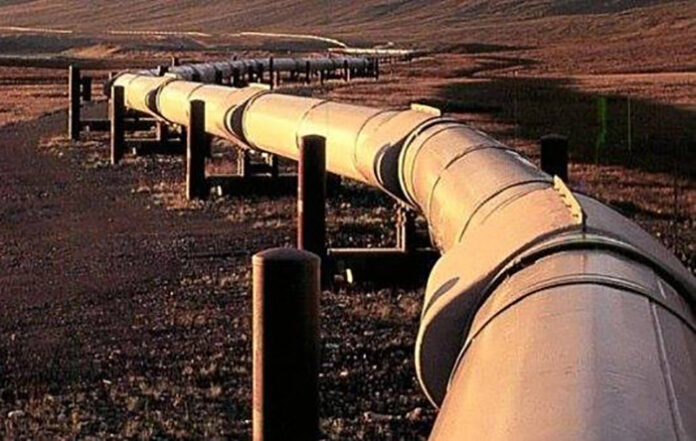
Iran to Resume Gas Exports to Turkey Soon

gas

Sadeq Akbarpour, the head of Gas Exports Measurement Facilities at Iran-Turkey Border, told the domestic media that the required coordination is being carried out with the Turkish Botas company to resume Iran’s exports by next Monday.

Akbarpour emphasized that Iran is ready to supply Turkey with its required gas whenever it voices its readiness.

Majid Bojarzadeh, the spokesman of the National Iranian Gas Company (NIGC), also told Iran’s Shana news agency that Ankara had informed Tehran of a problem in the pipeline that carried Iranian gas into Turkey on Thursday night.

Furthermore, Majid Aqababaei, the director general for border affairs of Iran’s Interior Ministry, acknowledged, as reported by Shana, that an explosion near Iran’s border had caused the problem.

Iran is Turkey’s second supplier of gas after Russia, providing one-fifth of the country’s consumption. The current volume of natural gas that Iran is piping to its northwestern neighbor is 30 million cubic meters per day (mcm/d).  Officials in Tehran had already emphasized that the Islamic Republic is ready to increase its gas exports to Turkey by 6 mcm/d.

Iran has also for long been working on a plan to export its natural gas to Europe through Turkey. The plan – that was to be carried out though the Nabucco scheme – was eventually put on hold due to a series of technicalities.  Nevertheless, officials in Tehran announced last month that the possibility that gas exports to Europe would return to the agenda exist “if the requited agreements with Europeans countries over the plan are reached”.

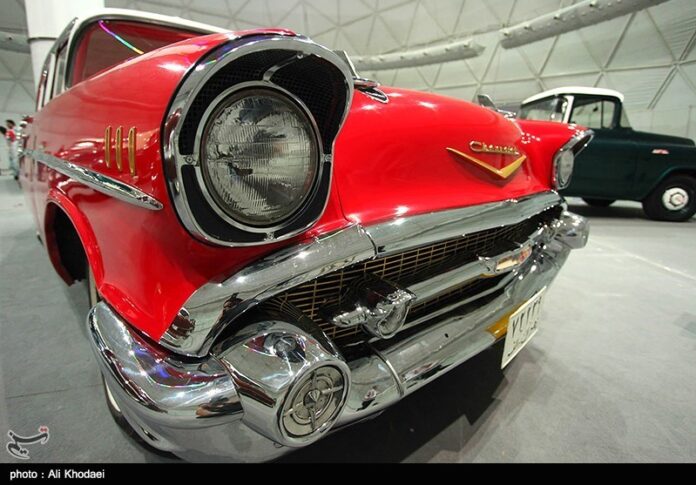
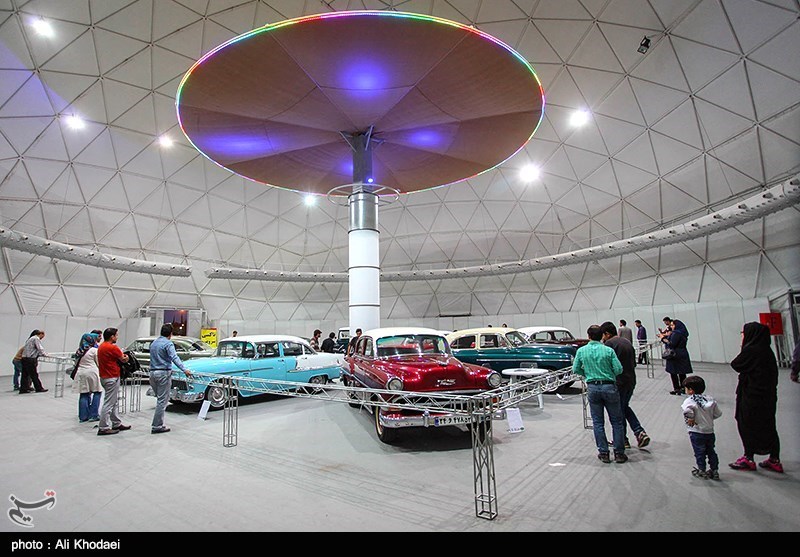
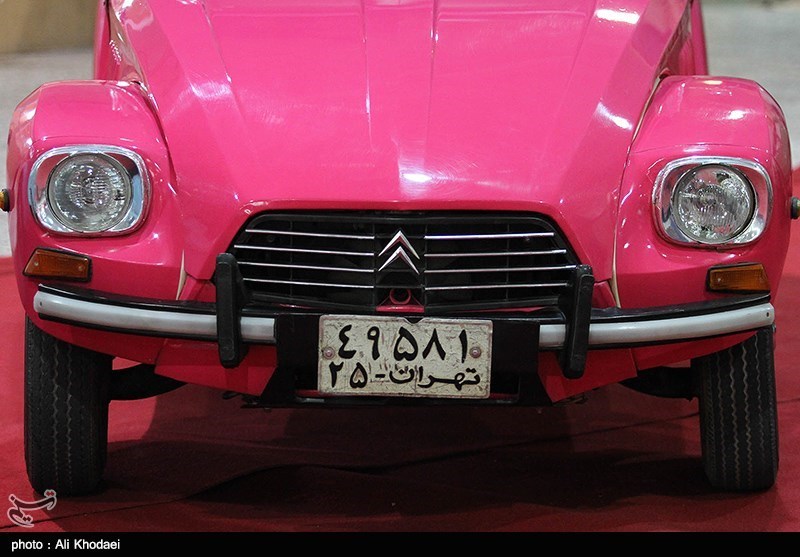
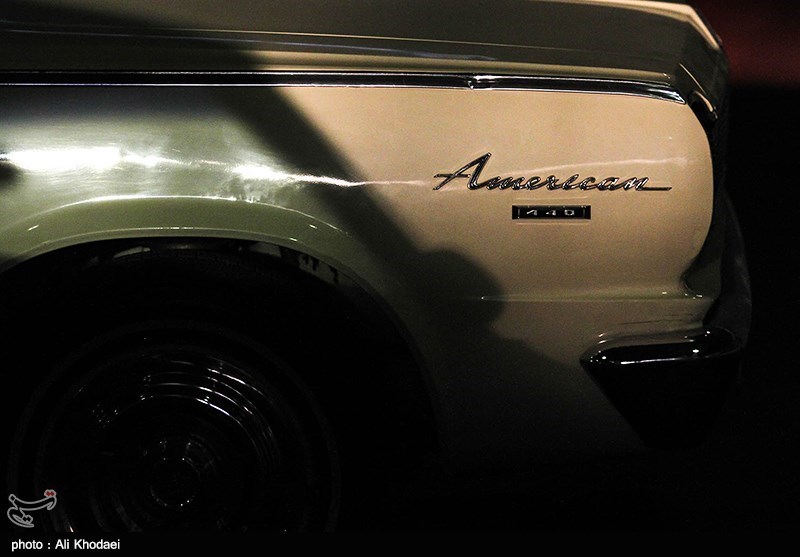
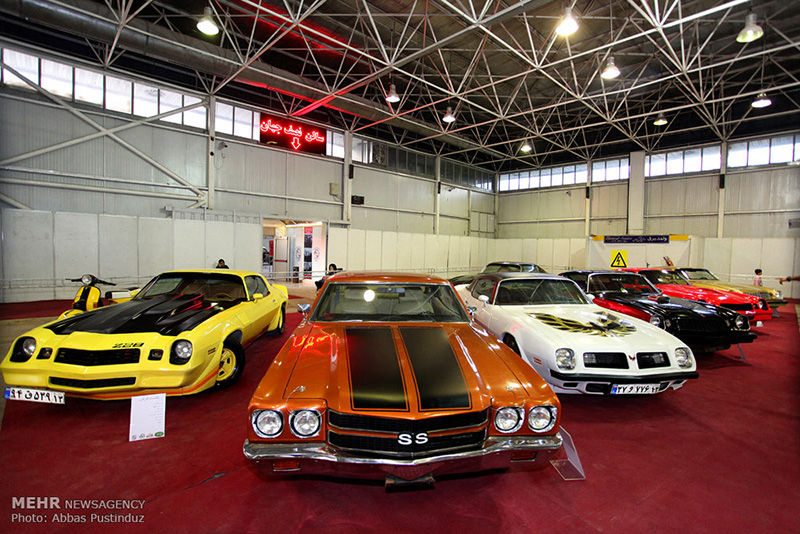
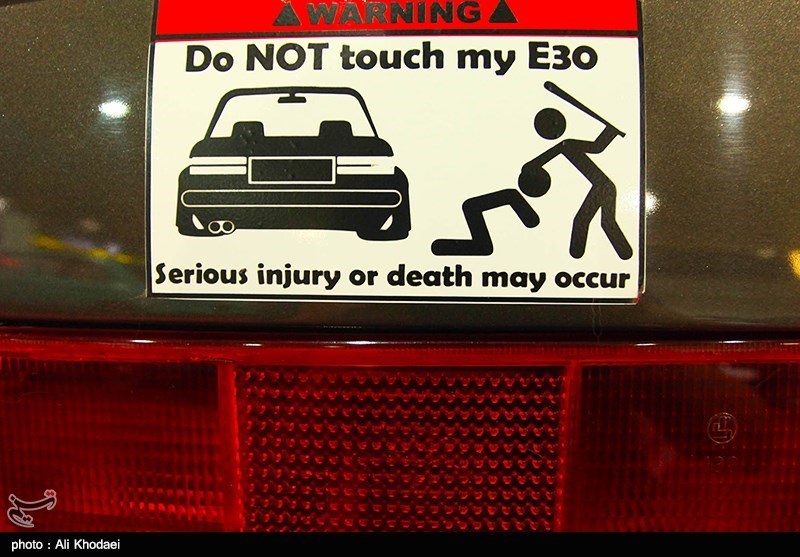
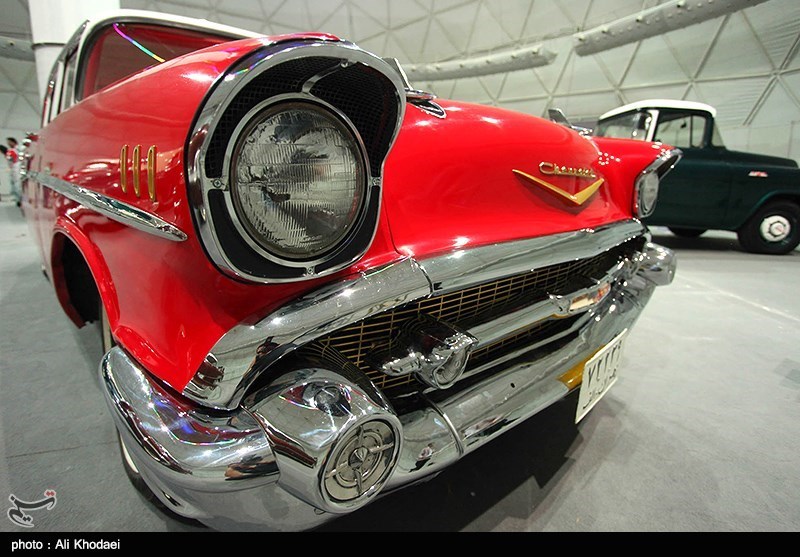
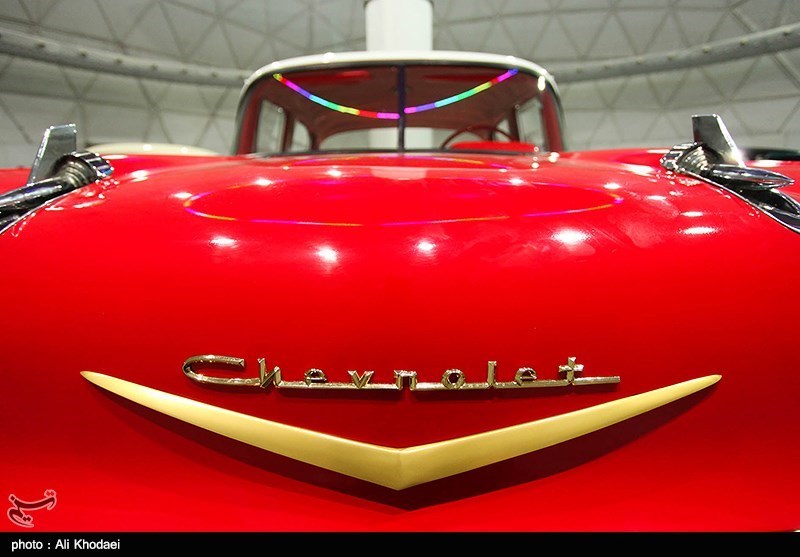
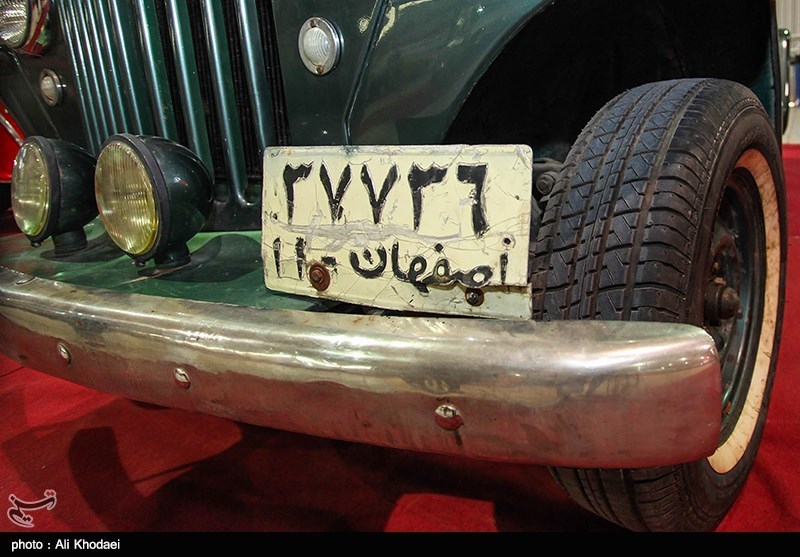
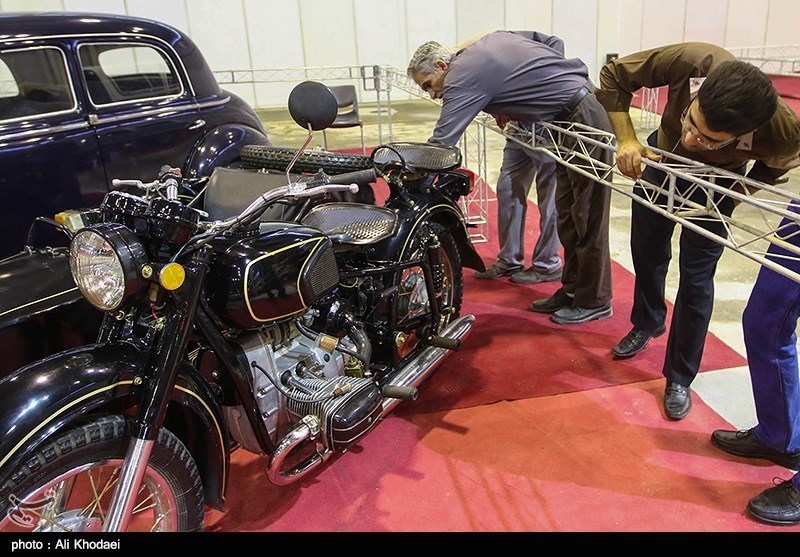
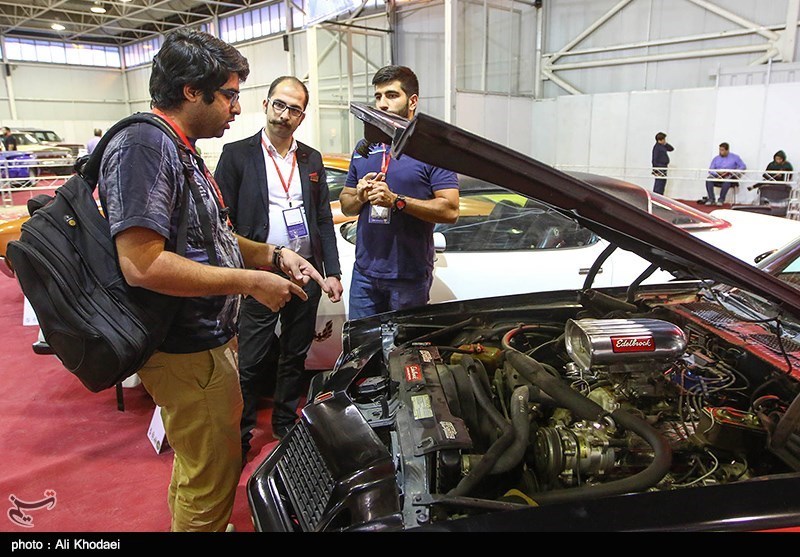
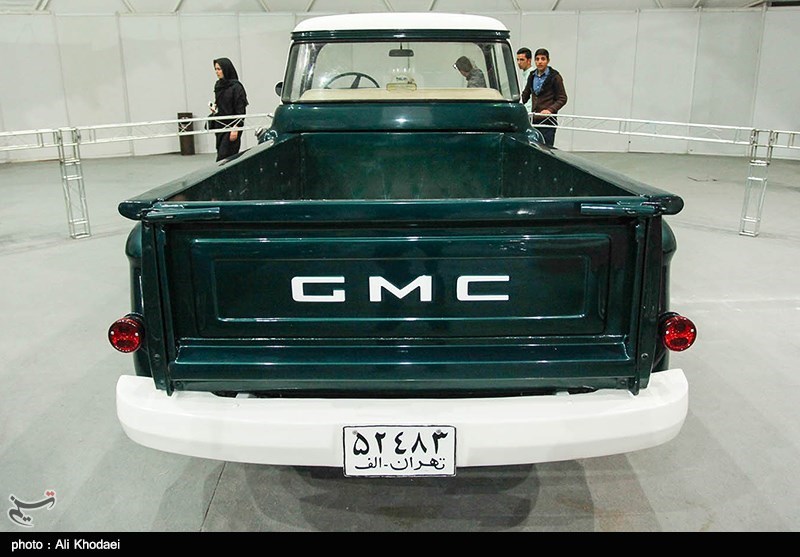
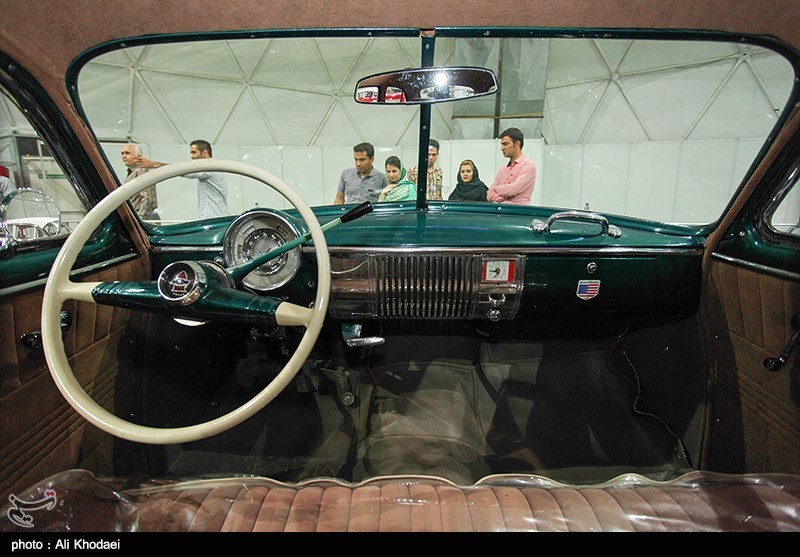
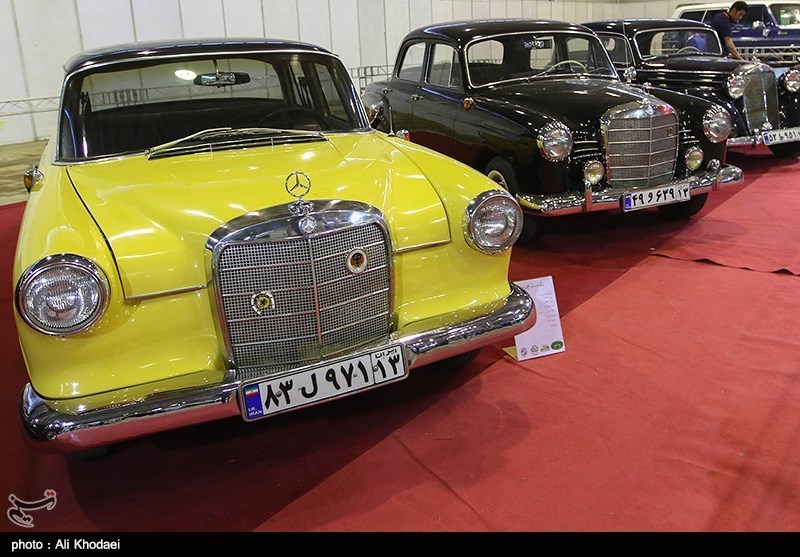
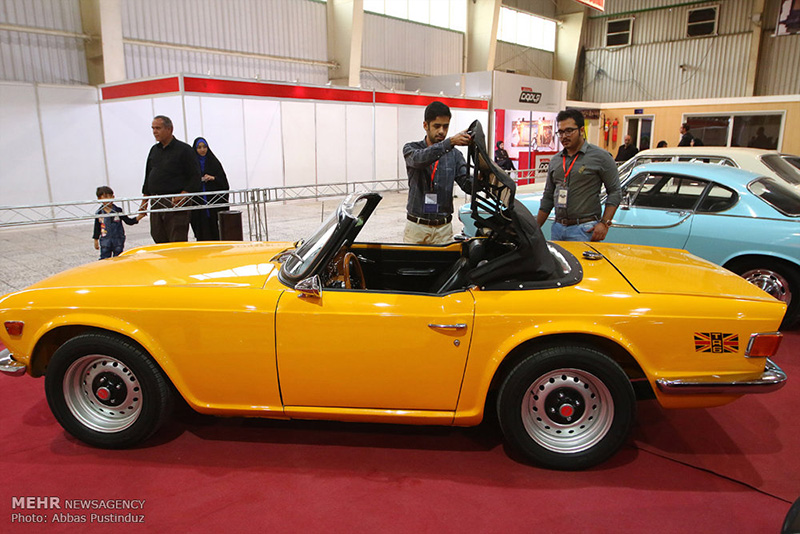
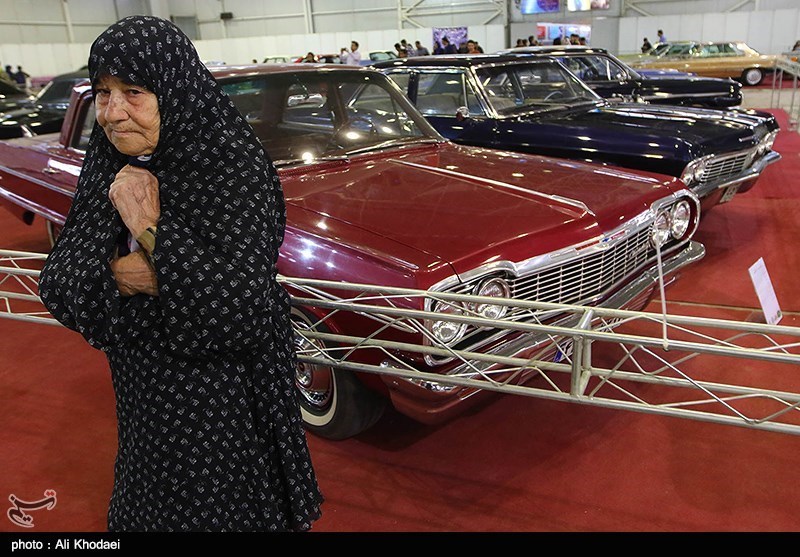
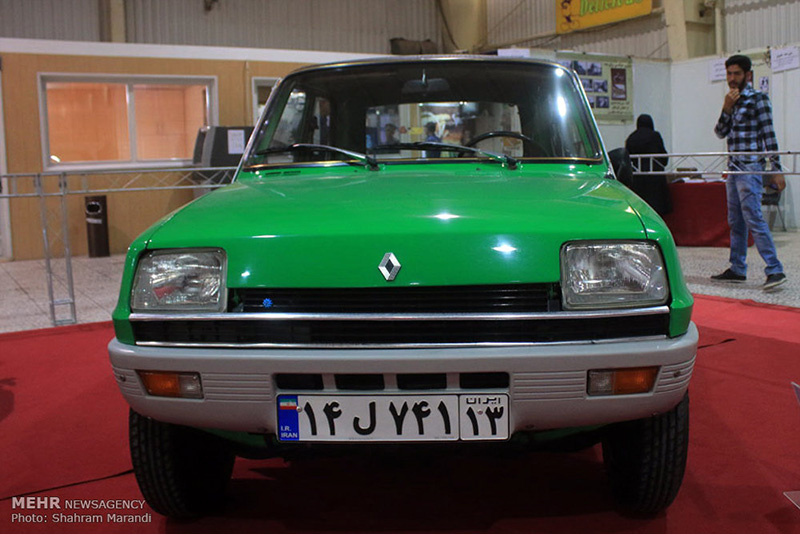
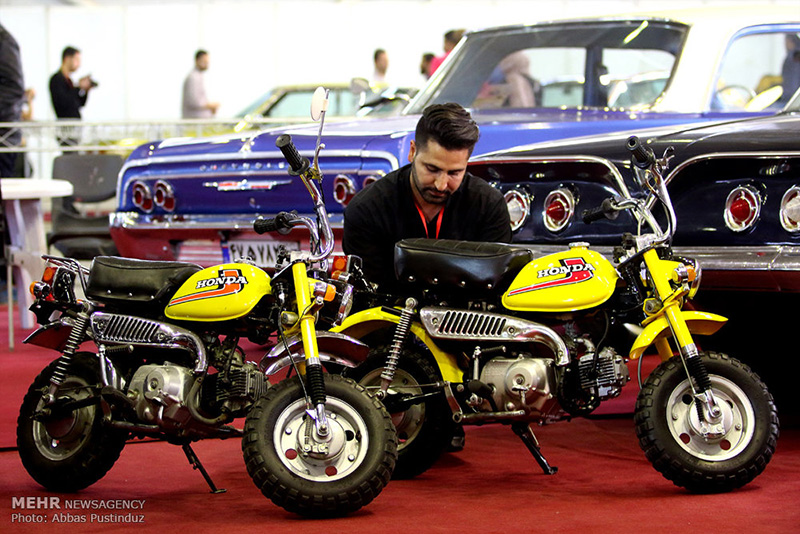
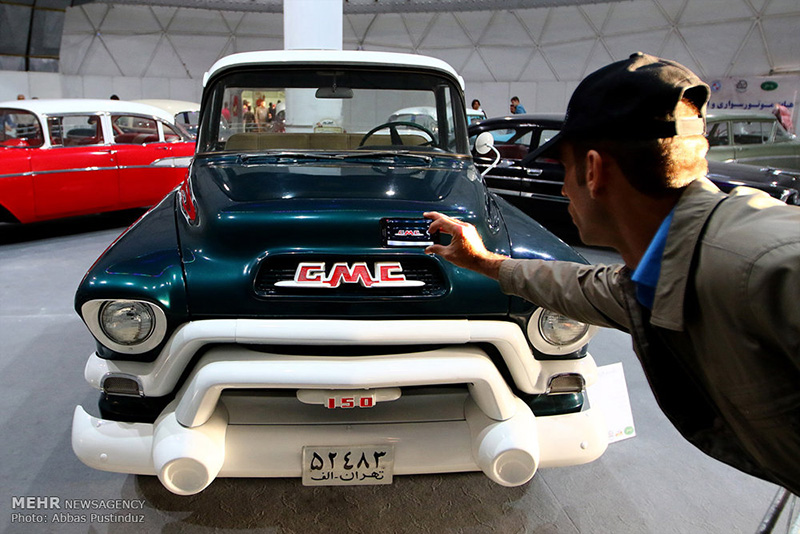
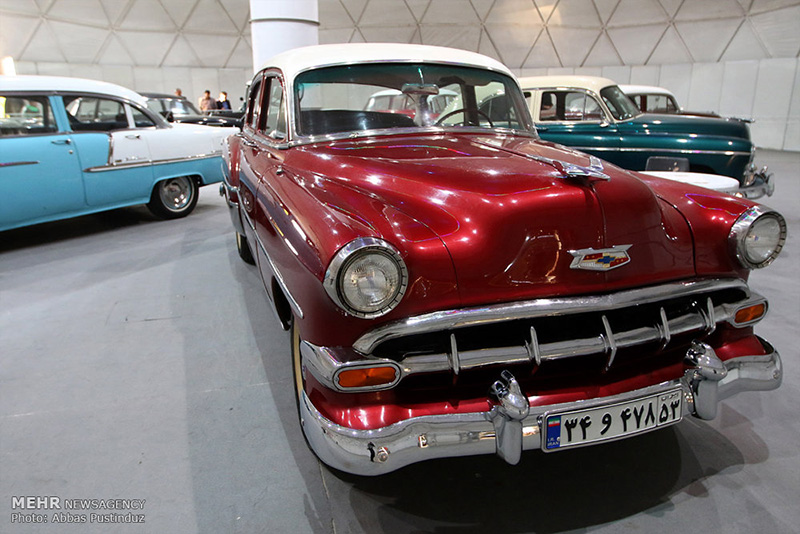
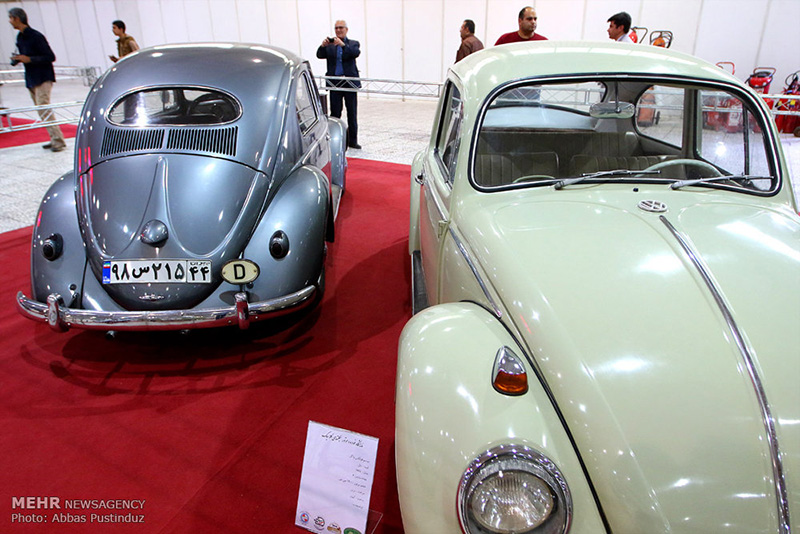
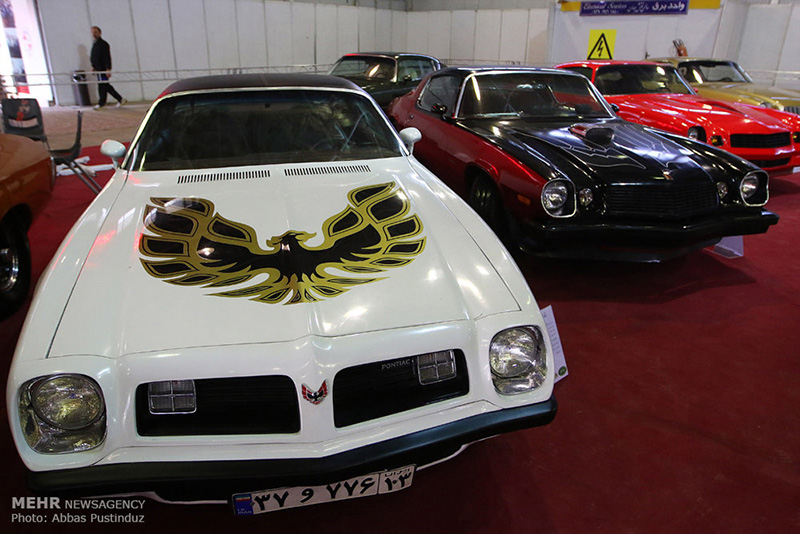
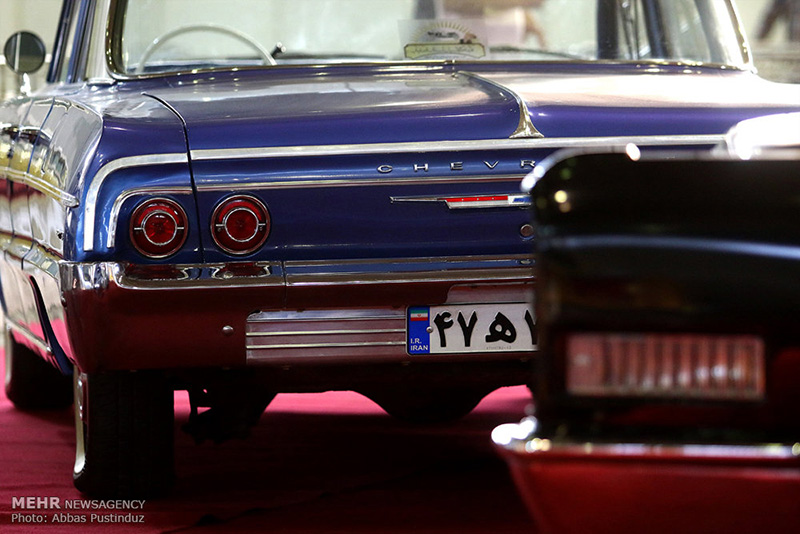
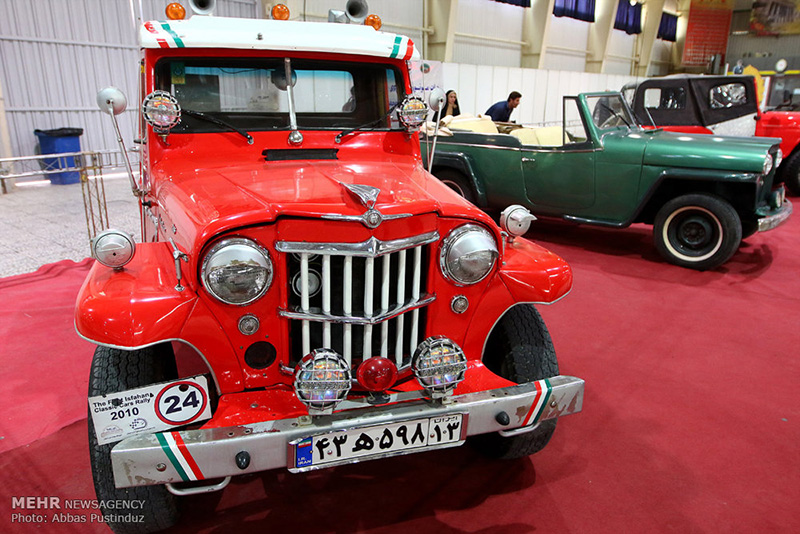
Vintage Cars Put on Display in Iran’s Isfahan

Vintage Cars

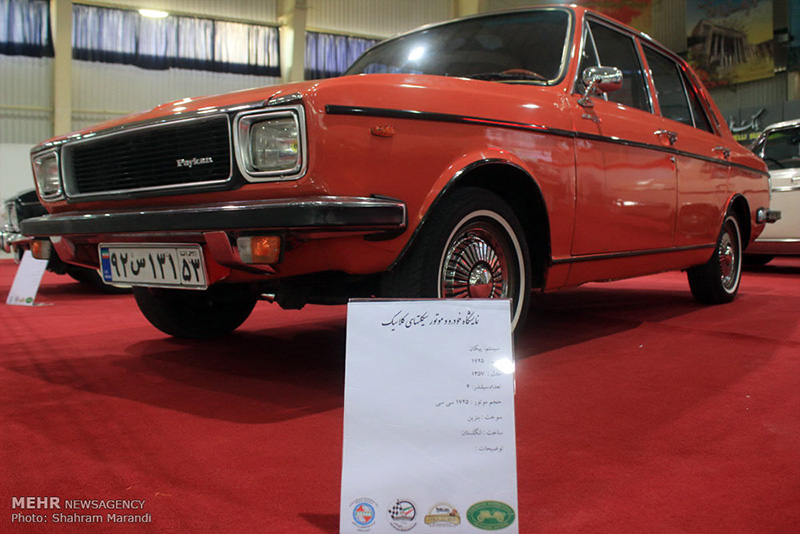
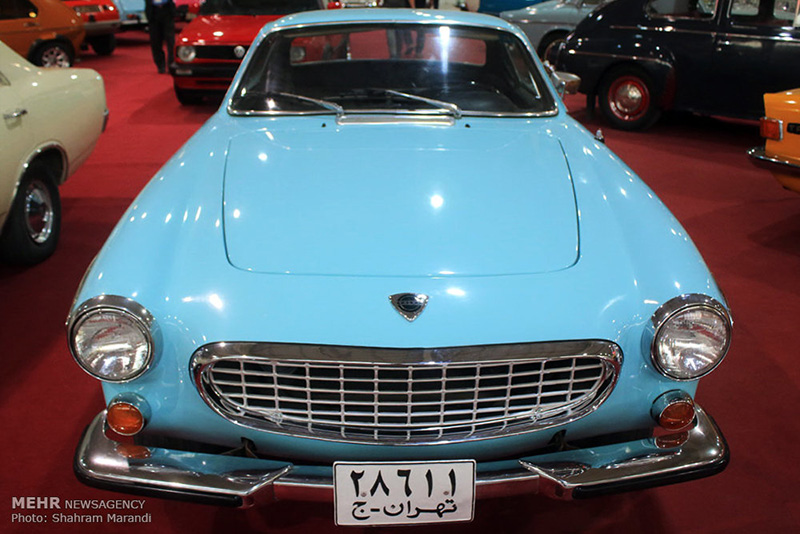
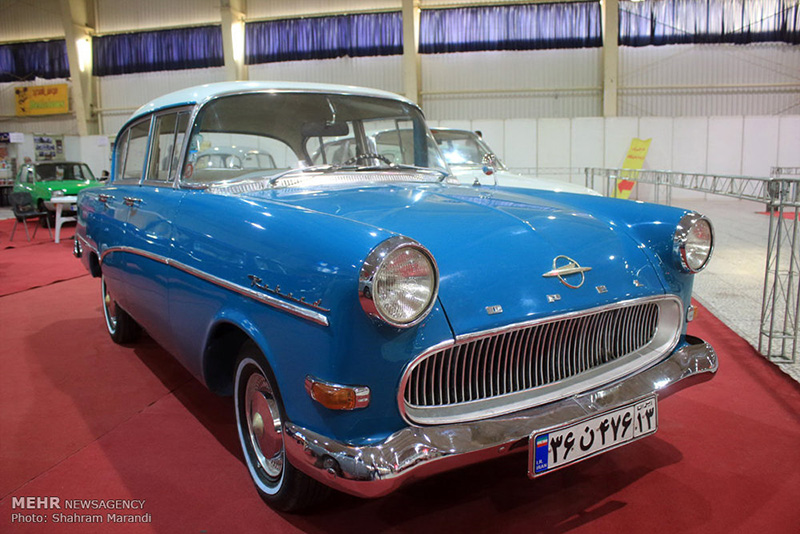
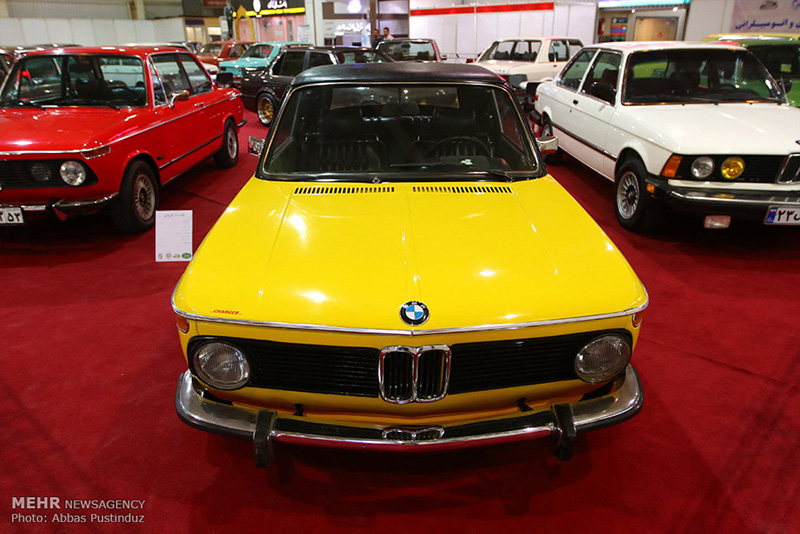
A fair dedicated to showcasing vintage cars and motorbikes is underway in Isfahan and will be open to visitors until Saturday.

These are photos of the exhibition taken by Mehr and Tasnim:

Iran to Open Tourism Office in Russia

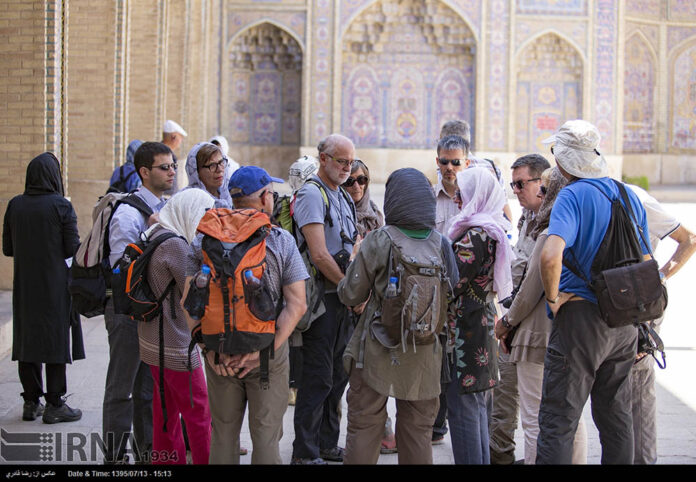
Speaking to Tasnim, deputy head of Iran’s Cultural Heritage, Handicrafts and Tourism Organization (ICHTO), Morteza Rahmani, said the Iranian office will be inaugurated in Moscow by next March.

He said the organization is now looking for a competent pick to be in charge of the “Visit Iran” office in Moscow, hoping to attract Russian travelers to Iranian tourist destinations.

Russia opened its tourism office in Tehran in February 2016, in a ceremony attended by Russian Ambassador to Iran Levan Dzhagaryan, Head of the Russian Government’s Federal Agency for Tourism Oleg Safonov, Chairman of the State Committee on Tourism of the Republic of Tatarstan Sergey Ivanov, and Dagestan’s Minister of Tourism Magomed Isayev.

US Faces Growing Worldwide Wrath: Iranian Cleric

Emami Kashani

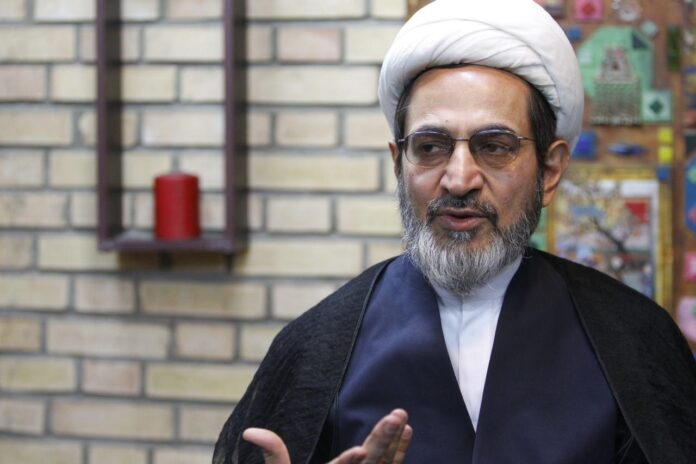
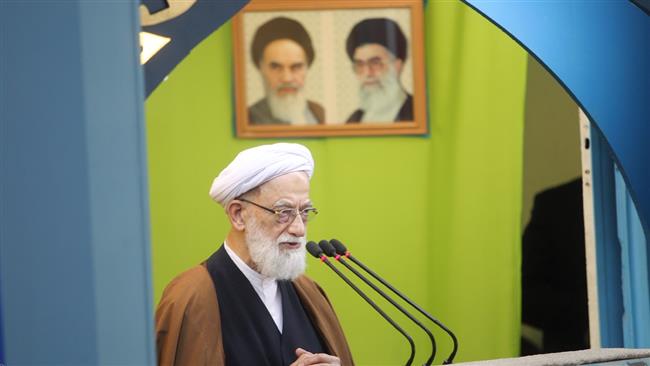
37 years after victory of the Islamic Revolution, when only the Iranian nation rose against the US tyranny, people in other countries such as Iraq, Bahrain, Yemen and Syria are now filled with anger at the US criminal acts that are carried out by mercenaries in their countries, Ayatollah Mohammad Emami Kashani told worshipers at Friday Prayers in Tehran.
“The wrath (at the US) has become global,” the cleric added, saying Washington and the Zionist regime of Israel are behind the atrocities against Muslim nations.

On November 4, 1979, and in less than a year after the victory of the Islamic Revolution that toppled a US-backed monarchy, Iranian university students that called themselves “students following the line of (the late) Imam (Khomeini)” seized the US embassy in Tehran, which had become a center of espionage and planning to overthrow the newly established Islamic system in Iran.
Every year on the 13th day of the Iranian month of Aban (November 4), the Iranian nation, particularly the students, hold rallies across the country to mark the day.
Elsewhere in his comments, Ayatollah Emami Kashani lashed out at the US presidential candidates for deviation from the religious values and boasting about crimes against the oppressed instead of coping with the US internal affairs.

His comments came after Leader of the Islamic Revolution Ayatollah Seyyed Ali Khamenei denounced the US presidential candidates for their comments during the debates.

“The (ongoing) election campaigns in America and issues raised by the two candidates constitute a clear and evident example of the consequences of lack of spirituality and faith among those in power,” the Leader said on October 20.

“During the coming weeks, one of these two candidates of America’s (presidential) election, whose remarks and condition you observe, will become the president of a country which has power and wealth and the biggest amount of nuclear weapons as well as the biggest media in the world,” Ayatollah Khamenei said.

The US presidential election will be held on November 8.

Iranian Ex-Envoy Warns against US Plots to Hijack Mosul Operation

Iraqi army

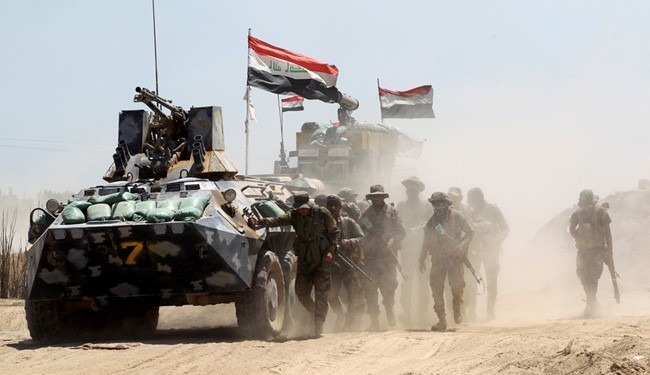
Forces taking part in the operation are namely the Iraqi army, anti-terrorism forces, the federal police, and Kurdish Peshmarga forces and the Popular Mobilization Units (Hashd al-Shaabi), Kazemi Qomi told the Tasnim news agency on Friday.

He added that the operation is being carried out under the command of the Iraqi government not Washington, stressing that the US is trying to pretend that it is the one that is leading the Arab country’s military to victory.

According to reports, the presence of the international coalition forces is meant only for intelligence exchange, carrying out airstrikes against ISIS (Daesh or ISIS) and training and arming Iraqi forces.

The Iranian envoy further said recent remarks made by senior Iraqi officials that there was no need for foreign troops on the Arab country’s soil conveyed a clear message to the US and Turkey that the Iraqi army can take care of the Mosul operation single-handedly.

Elsewhere in his comments, he said the Iraqi forces are closing in on the ISIS terrorists from four directions at a slow pace taking into account the safety of civilians trapped in the city.

The Iraqi army launched the offensive on October 17 aimed at wresting Mosul from the hands of ISIS and is now edging closer to Mosul by liberating villages around the city. Nearly 80 ISIS-held towns and villages have been retaken by the army since the Iraqi forces began the battle to liberate Mosul last week.