Friday, December 26, 2025
Home Blog Page 4224

Iran Convinces OPEC States to Return to Negotiating Table: MP

opec

Speaking to Shana, Vice-Chairman of Iranian Parliament’s Energy Commission Hossein Amiri Khamkani said Iranian Minister of Petroleum Bijan Zangeneh managed to convince OPEC members to return to the negotiations so that the organization will fulfil its mission once again.

The MP said the country should raise its exports to have a say in the world energy market and preserve its standing.

He said immediately after and during the Joint Comprehensive Plan of Action (JCPOA), Iran’s Parliament, especially its Energy Commission, supported Ministry of Petroleum, so that the country succeeded to regain its former OPEC quota.

He added that the Majlis will continue support for such gestures.

Khamkami said fortunately, a good diplomacy was followed in the oil domain and the country managed in the Algeria session to regain its last solid bases.

171st OPEC Meeting Will Be Fruitful If Not Politically Conditioned: Minister

Iranian Minister of Petroleum Zangeneh said the 171st meeting of members of the Organization of the Petroleum Exporting Countries (OPEC) could end with an agreement if political intentions do not prevail in the session.

Speaking in a televised interview Monday night, the official said the upcoming ordinary meeting of OPEC members in Vienna on November 30 will bear the desired fruits if discussions will be held based on economic and business views and all the members remain committed to what was agreed upon in Algiers in September.

OPEC members in Algiers agreed that the organization’s total output would remain at the 32.5mbd level with the maximum output not crossing 33 mbd in case of emergency.

Zangeneh warned, however, that decision making will become difficult if political motivations prevail in the meeting, Shana reported.

He expressed the hope that the economic spirit will lead the meeting and oil will not be used as a means for political intentions so that a favourable result will be reached.

“As a founding member, Iran has always cooperated with the organization strongly and has always struggled to play an influential role in the body,” he further said.

Bijan Zangeneh, 63, further said Iran has always tried to ensure security of crude oil supply and is currently exhibiting the maximum level of collaboration and flexibility with the OPEC while being the least dependent on oil revenues among other OPEC members.

Iran relies for less than 7% of its GDP on oil revenue and depends only for 30% of its national budget on oil and gas condensate sales, however, it has always cooperated with the OPEC and has tried to play a constructive role in the body, he said.

Under the US-led sanctions, Iran was not able to raise its production while certain other members did in fact raise their output considerably in order to fill the gap created by Iran’s absence in the market, the top Iranian energy official argued.

 Libya and Nigeria have also been struggling with domestic troubles in recent years and must be considered as exceptions in OPEC’s production cuts, Zangeneh said.

“Naturally, in order to manage the market, those countries [that has raised their output the most in recent years] are required to shoulder more burden than others in the production cuts and be more receptive of their responsibilities in this regard,” he added.

Minister of Petroleum Bijan Zanganeh is to leave Tehran for Vienna on Tuesday to take part in the 171st OPEC session.

The price for OPEC basket of crude fell by 34 cents to 44.88 dollars a barrel on the eve of the OPEC session.

Saudi Energy Minister Khaled al-Faleh had on Sunday announced Riyadh adheres to its stance in connection with the Algiers accord. He said consensus on oil output freeze will help market balance.

Talking to reporters, he said that he believed oil market will be balanced in 2017 even if the producers do not interfere in the issue.

Many experts believe the 171st OPEC meeting will be tough in its kind and the members will be able to bring the oil price to the range of 50 to 55 dollars a barrel through adhering to the Algiers accord and its enforcement.

The 14 OPEC members are now producing 33.6 million barrels per day oil and they should decrease the output by 1.1 million barrels per day should they reach the Algiers accord.
Iran Ready to Respond to US if Sanctions Renewed: Salehi

salehi

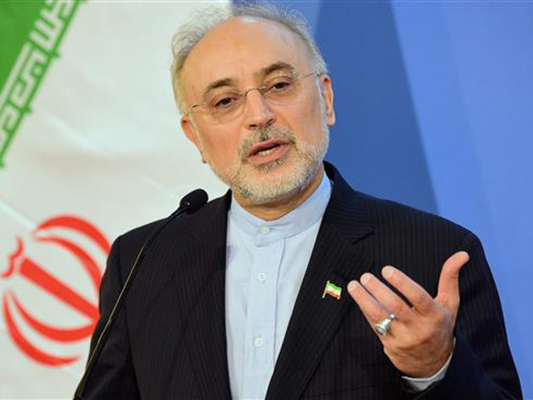
“Iran has made necessary preparations for potential US decisions about the extension of sanctions,” Ali Akbar Salehi, the head of the Atomic Energy Organization of Iran (AEOI), told reporters on Monday.

In case of the final approval of the Iran Sanctions Act (ISA), it will “certainly be a violation of the JCPOA (the nuclear agreement, known as the Joint Comprehensive Plan of Action),” he added.

Salehi noted that Iran is ready to respond to any US breach of the JCPOA, saying Tehran, however, will make necessary decisions at the appropriate time and after the assessment and analysis of Washington’s moves.

He said Leader of the Islamic Revolution Ayatollah Seyyed Ali Khamenei has already provided guidelines to Iranian officials about standing ready to considerably increase the country’s nuclear enrichment capacity.

“The JCPOA has brought about an evolution or new paradigm in international diplomatic interactions and all, including Iran, regional and world states, have benefited from it,” Salehi said.

He emphasized that Washington will be the “main loser” if it fails to remain committed to its obligations under the nuclear agreement.

The AEOI head expressed hope that the next US administration would act wisely and on the basis of realities “because it cannot unilaterally undo an international agreement which has been endorsed by the United Nations Security Council.”

Salehi’s remarks came a day after Ayatollah Khamenei said the renewal of sanctions against Iran by the US is tantamount to the violation of commitments under the JCPOA.

“During the [nuclear] negotiations there was a lot of debate about the sanctions, but now they raise the issue of extending the sanctions in the US Congress and claim that these are not [new] sanctions but renewal [of old ones],” the Leader said in a meeting with a group of Iranian Navy commanders and officials in Tehran on Sunday.

“‘Initiating sanctions’ is no different from ‘renewing them after their expiration,’ and the latter is also [an instance of imposing] sanctions and violation of the previous commitments by the opposite side,” Ayatollah Khamenei said.

The GOP-controlled US House of Representatives on November 15 passed a bill for a 10-year extension of the Iran Sanctions Act (ISA). The ISA will expire at the end of 2016 if it is not renewed. The bill must be approved by the Senate before being signed by the US president into law.

Iran’s Ancient Water System, Masterpiece of Creative Genius: UNESCO

Shushtar13

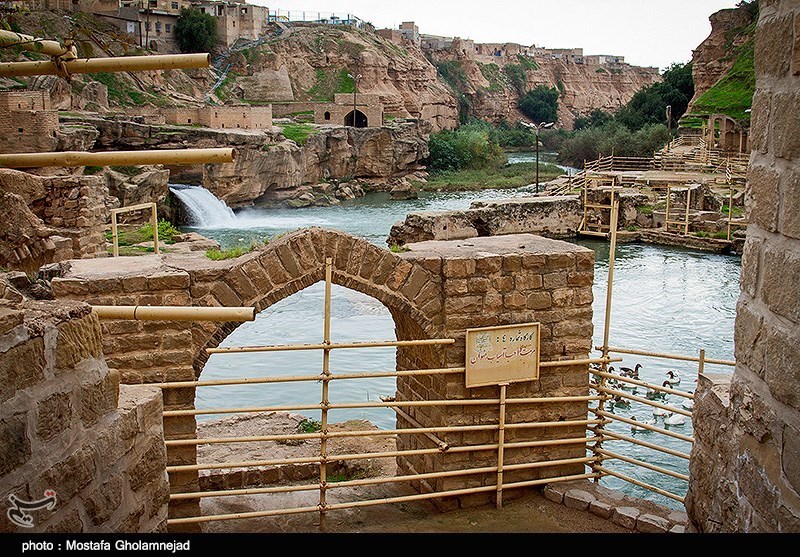
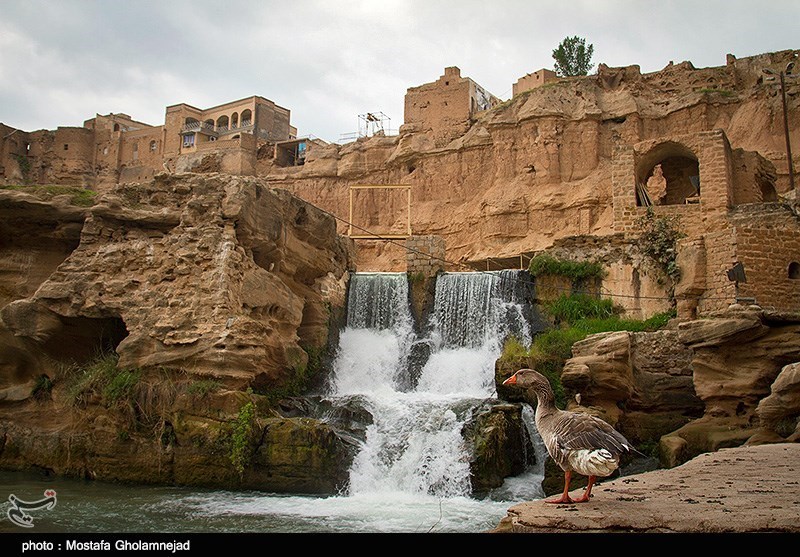
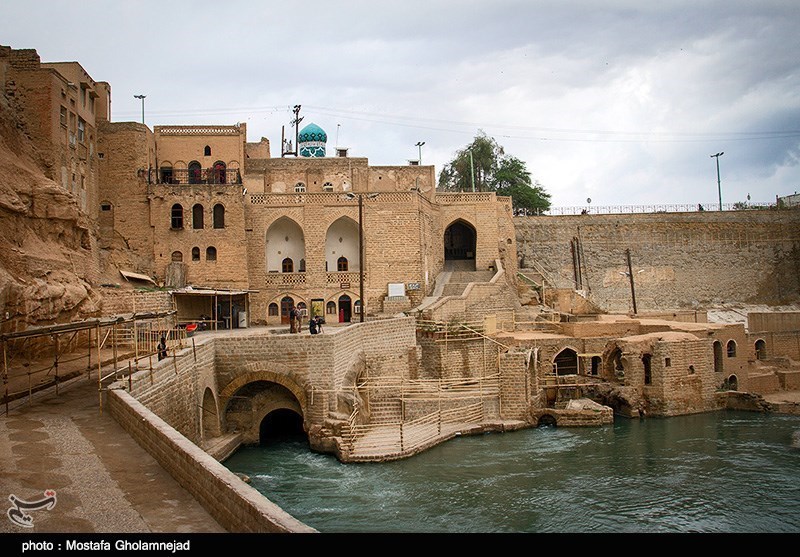
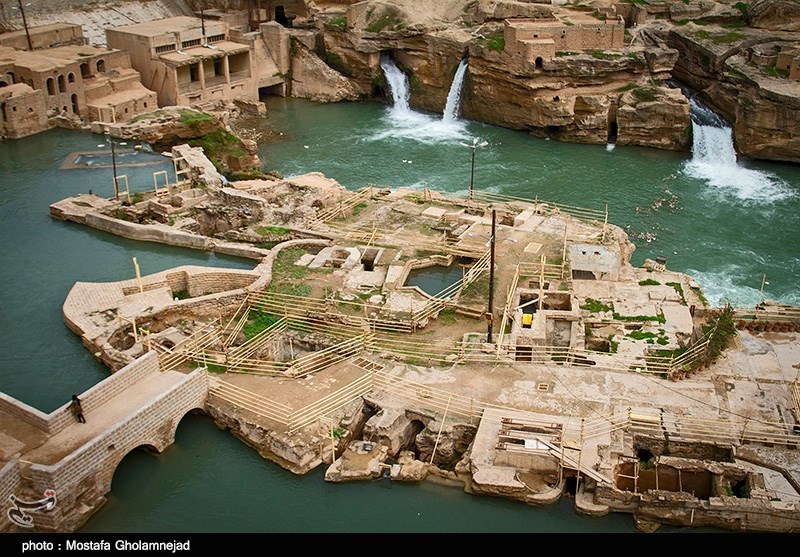
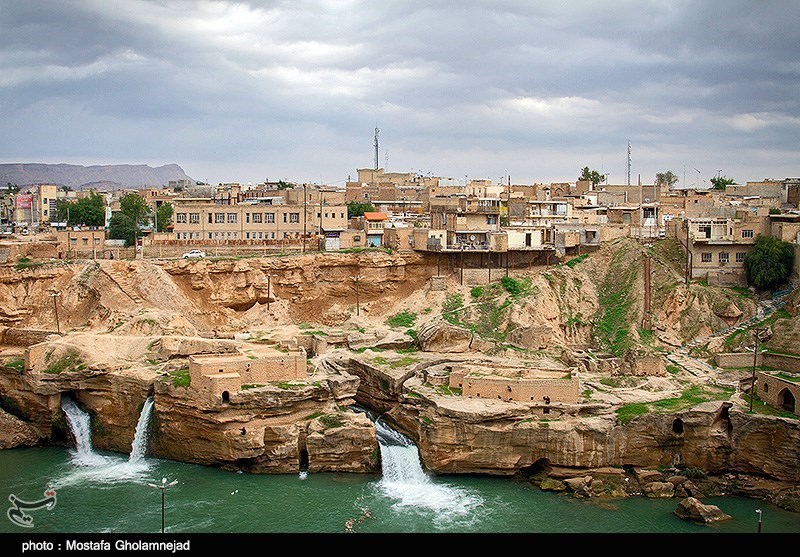
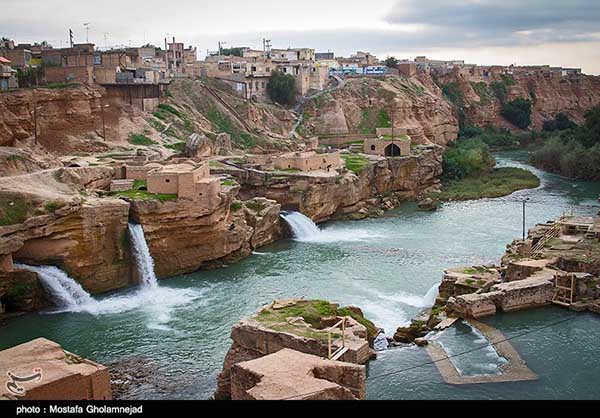
Shushtar, Historical Hydraulic System, inscribed as a masterpiece of creative genius, can be traced back to Darius the Great in the 5th century B.C.

Brief Synthesis

The Shushtar Historical Hydraulic System demonstrates outstanding universal value as in its present form, it dates from the 3rd century CE, probably on older bases from the 5th century BCE. It is complete, with numerous functions, and large-scale, making it exceptional. The Shushtar system is a homogeneous hydraulic system, designed globally and completed in the 3rd century CE. It is as rich in its diversity of civil engineering structures and its constructions as in the diversity of its uses (urban water supply, mills, irrigation, river transport, and defensive system). The Shushtar Historical Hydraulic System testifies to the heritage and the synthesis of earlier Elamite and Mesopotamian knowhow; it was probably influenced by the Petra dam and tunnel and by Roman civil engineering. The Shushtar hydraulic system, in its ensemble and most particularly the Shâdorvân Grand Weir (bridge-dam), has been considered a Wonder of the World not only by the Persians but also by the Arab-Muslims at the peak of their civilization. The Gargar canal is a veritable artificial watercourse which made possible the construction of a new town and the irrigation of a vast plain, at the time semi-desert. The Shushtar Historical Hydraulic System sits in an urban and rural landscape specific to the expression of its value.

Iran’s Ancient Water System, Masterpiece of Creative Genius: UNESCOIran’s Ancient Water System, Masterpiece of Creative Genius: UNESCO

The Shushtar Hydraulic System is testimony to a remarkably accomplished and early overall vision of the possibilities afforded by diversion canals and large weir-dams for land development. It was designed and completed in the 3rd century CE for sustainable operation and is still in use today. It is a unique and exceptional ensemble in terms of its technical diversity and its completeness that testifies to human creative genius.

Iran’s Ancient Water System, Masterpiece of Creative Genius: UNESCO

The Shushtar Historical Hydraulic System is a synthesis of diverse techniques brought together to form a remarkably complete and large-scale ensemble. It has benefited from the ancient expertise of the Elamites and Mesopotamians in canal irrigation, and then that of the Nabateans; Roman technicians also influenced its construction. Its many visitors marveled at it and were in turn inspired. It testifies to the exchange of considerable influences in hydraulic engineering and its application throughout antiquity and the Islamic period under the various Iranian dynasties.

Iran’s Ancient Water System, Masterpiece of Creative Genius: UNESCO

Shushtar is a unique and exceptionally complete example of hydraulic techniques developed during ancient times to aid the occupation of semi-desert lands. By diverting a river flowing down the mountains, using large-scale civil engineering structures and the creation of canals, it made possible multiple uses for the water across a vast territory: urban water supply, agricultural irrigation, fish farming, mills, transport, defense system, etc. It testifies to a technical culture dating back eighteen centuries serving the sustainable development of a human society, in harmony with its natural and urban environment.

Iran’s Ancient Water System, Masterpiece of Creative Genius: UNESCO

Integrity and Authenticity

The integrity of the hydraulic footprint is good, but its functional integrity compared with the original model is only partial and reduced, notably for the dams; it remains good for irrigation and water supply. The authenticity of elements reduced to archaeological remains is certain, but has been affected by 20th century works and materials so far as the civil structures and sites still in use are concerned. Efforts directed to the restoration of attributes that demonstrate authenticity must be pursued.

Management and protection requirements

The components of the management plan are satisfactory, but they need to be improved in terms of the interpretation of the sites and the involvement of the local population.

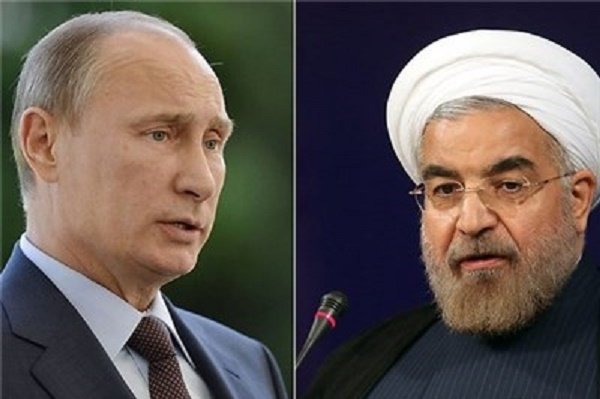
Iranian, Russian Presidents Discuss Regional Issues, Bilateral Ties

In the conversation on Monday night, President Rouhani expressed the hope that an upcoming session of Iran-Russia joint economic commission would remove obstacles, if any, to closer mutual cooperation.

He further hailed the “historical impacts” of Tehran-Moscow cooperation in the fight against terrorist groups in Syria on regional stability, reiterating that only the people of Syria can decide the fate of their country.

For his part, the Russian president expressed satisfaction with a rise in the volume of bilateral trade in comparison to the previous year, saying the two countries can cooperate in major projects in the nuclear, oil, gas and transportation industries.

As regards Syria, Putin underlined that Iran and Russia are and will remain partners in settling regional crises, noting that such collaboration will continue until the Syrian people are saved from terrorist groups.

The two presidents further discussed the latest developments in the international oil market, and agreed to work together as part of the necessary coordination among oil producing countries.

Iran-Russia Visa-Free Deal Not Signed Yet: Spokesman

bahram-ghasmei

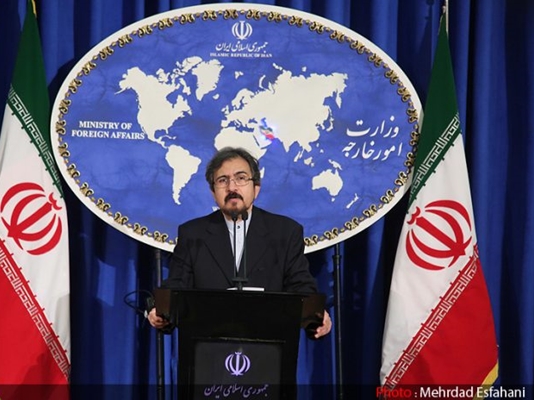
Visa requirements for package tours between the two countries are going to be removed under certain conditions but the agreement on the issue has not been signed yet, he said on Monday.

The two countries are going to sign the deal in the near future, Qassemi added.

There were reports earlier on Monday that Iran and Russia have already removed visa requirements for travelers from the two countries.

Russian Foreign Ministry Spokeswoman Maria Zakharova, too, said on Monday that the deal has not been signed yet.

Tehran and Moscow hope to sign an inter-governmental agreement on cancelling visas for tourists who book package tours through travel agencies, she said.

According to her, visa liberalization for Russian and Iranian tourists was one of the topics which dominated Russian-Iranian consultations on consular matters held by the heads of appropriate foreign ministry departments on November 21-22.

“Their outcome raises hopes that a Russian-Iranian inter-governmental agreement on cancelling visas for travelers who purchase packaged tours may be signed soon,” Zakharova said.

“During the consultations, the parties reviewed the draft’s text clause-by-clause. We are planning to work over the document jointly with Russian agencies in the next two or three months before the government issues a directive on this matter,” the Russian diplomat explained.

The sides agreed to examine the possibility of using a mechanism of direct invitations for arranging package tours for Russian and Iranian businessmen. It gives legal entities, companies and the heads of enterprises the right to invite foreign business partners independently.

“We are planning to make the said agreement a supplement to the existing Russian-Iranian inter-governmental agreement on simplifying reciprocal travel for certain categories of Russian and Iranian citizens,” Zakharova said, according to Tass.

“We believe that these steps will add momentum to Russian-Iranian relations and will, first and foremost, create favorable conditions for enhancing business cooperation and tourism, and expanding reciprocal understanding of the centuries-old cultural traditions of Russia and Iran.”

Washington Claims Iranian Vessel Has Pointed Weapon at US Chopper

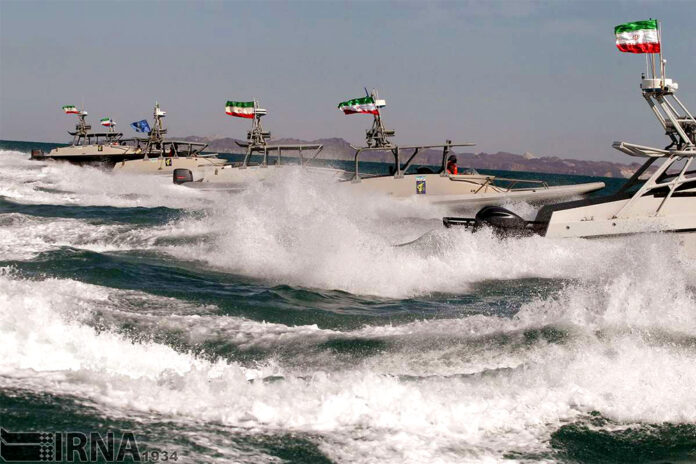
The officials, speaking on condition of anonymity, said the incident took place when a Navy MH-60 helicopter flew within half a mile (0.8 km) of two Iranian vessels in international waters. One of the vessels pointed a weapon at the helicopter, the US officials claimed.

“The behaviour by our standards is provocative and could be seen as an escalation,” the officials said. At no point did the crew of the helicopter feel threatened, they added.

It was not immediately clear what type of weapon was pointed at the US aircraft, according to a report covered by ILNA.

Reuters said the vessel belongs to the Islamic Revolution Guards Corps (IRGC).

The incident is the latest in a series of similar actions by Iranian vessels this year, but the first reported since Republican Donald Trump won the US presidential election on Nov. 8.

During his campaign, Trump vowed that any Iranian vessel that harassed the US Navy in the Persian Gulf would be “shot out of the water,” if he was elected. Trump is due to take office on Jan. 20.

Lawmakers Urge Gov’t to Counteract Washington`s Deceitfulness

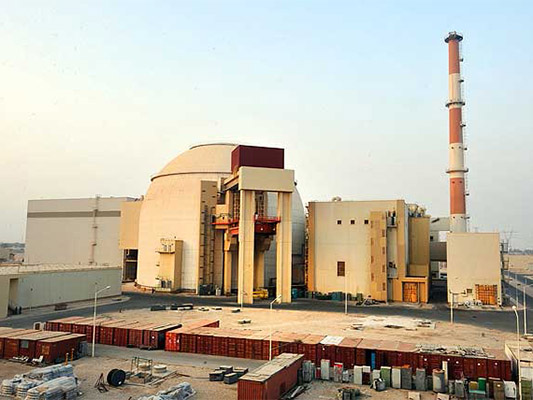
Bushehr-Nuclear

“According to the nuclear deal, the US was due to remove all nuclear-related sanctions on Iran,” said Abolfazl Aboutorabi, a member of Iranian Parliament, according to a report by ICANA, as translated by IFP.

“If the US Senate re-enacts D`Amato law and the President signs it, they would have undoubtedly violated the JCPOA,” he added. “In this case, what our Leader predicted about JCPOA and Washington`s deceitfulness will come true.”

“The Group 5+1, the European Union and all parties to JCPOA are accountable for this move,” he added.

“After the implementation of JCPOA, the Parliament`s National Security and Foreign Policy Commission has been supposed to monitor the implementation of deal by the other party,” said Ali Bakhtiar, another lawmaker.

“We have to be more aware of Washington`s moves now that Trump is elected,” he declared. “We must anticipate all probable sudden moves and deceits to be able to strongly counteract the US.”

“Parliament members need detailed, well-reviewed reports for their further decisions about JCPOA. The Board responsible for monitoring JCPOA implementation has an important role in preparing reports about the other party’s performance; this board should hold its sessions more regularly,” Bakhtiar said.

Australia’s Most Wanted Terrorist and ISIS Fighter Detained in Turkey

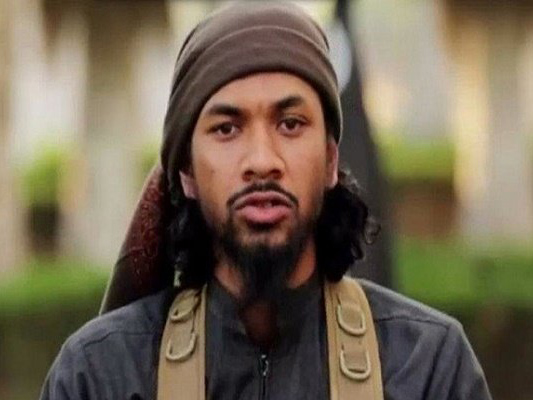
isis

According to a report covered by Iran’s Mehr News, Prakash was earlier reported to have been killed in a drone strike earlier this year.

But Neil Prakash was alive, and headed across Iraq to the Turkish border using a fake passport after recovering from his injuries, Daily Telegraph reported.

He was unaware Australian spies and US intelligence agencies were on the case, and tracked him for seven months before his arrest.

Australian and Turkish officials were waiting for him at the border and captured him at gunpoint earlier this month.

In June, online ‘chatter’ alerted spies that Prakash was still alive.

Prakash – who used the name Abu Khaled Al-Cambodi – is not believed to have been travelling alone, and may have been with his Indonesian-born wife.

Prakash was a key part of Islamic State propaganda and he is linked to several failed Australian terror plots to kill innocent people.

He was linked to a failed Melbourne plot to behead a police officer on Anzac Day last year and to Numan Haider, an 18-year-old who was killed after stabbing two police officers in Melbourne in 2014.

Australian Prime Minister Malcolm Turnbull in May named Prakash the most senior Australian operative in Islamic State.

Prakash was a chief recruiter and plotter for ISIS, Daily Mail reported.

He was arrested by Turkish authorities several weeks ago after being contacted by Australian officials who believed they had intelligence he was planning to enter the country.

Prakash, who left Melbourne in 2013, had also appeared in IS propaganda videos and magazines.

Australia is still awaiting a response from Turkey regarding Prakash.

If he returns to Australia, he will most likely be kept in maximum security at the Goulburn Supermax or a new anti-terror facility in Sydney’s Long Bay Correctional Centre, ABC News reported.

Kuwait Cabinet Steps Down after Parliament Polls

kuwait parliament

According to a report covered by Mashregh News in Iran, after accepting the cabinet’s resignation, Kuwait’s Emir Sheikh Sabah al-Ahmad Al-Sabah will either reappoint the outgoing premier, Sheikh Jaber Mubarak Al-Sabah, or name another senior member of the ruling family to form a cabinet.

The new cabinet must be formed before parliament holds its first session within the next two weeks.

The election on Saturday saw the Islamist-dominated opposition win nearly half of the 50-seat parliament after it ended a four-year boycott and took part in the polls.

Analysts predict the return of political disputes in parliament unless the ruling family-led government succeeds in cooperating with the opposition.

Around half of the opposition candidates who won seats are Islamists from a Muslim Brotherhood-linked group and Salafists.

The emir dissolved the previous parliament due to a dispute over hiking petrol prices.

But a majority of the elected MPs have openly said they would oppose any austerity measures by the government to boost non-oil income.

Voters dealt a heavy blow to candidates from the outgoing parliament, with more than half of them failing to win seats in the new assembly.

Only one woman was elected and Kuwait’s Shiite Muslim minority was reduced to six seats from nine in the previous house, AFP reported.

Unlike other Arab states in the Persian Gulf, Kuwait has an elected parliament with powers to hold ministers to account, even though senior members of the ruling family hold all the top cabinet posts.

The election came as Kuwait faces its most acute budget crisis in years. Oil income, which accounts for 95 percent of government revenues, has nosedived by 60 percent in the past two years.

The OPEC member which pumps 3.0 million barrels per day of oil posted its first budget deficit of $15 billion last year following 16 years of surpluses.

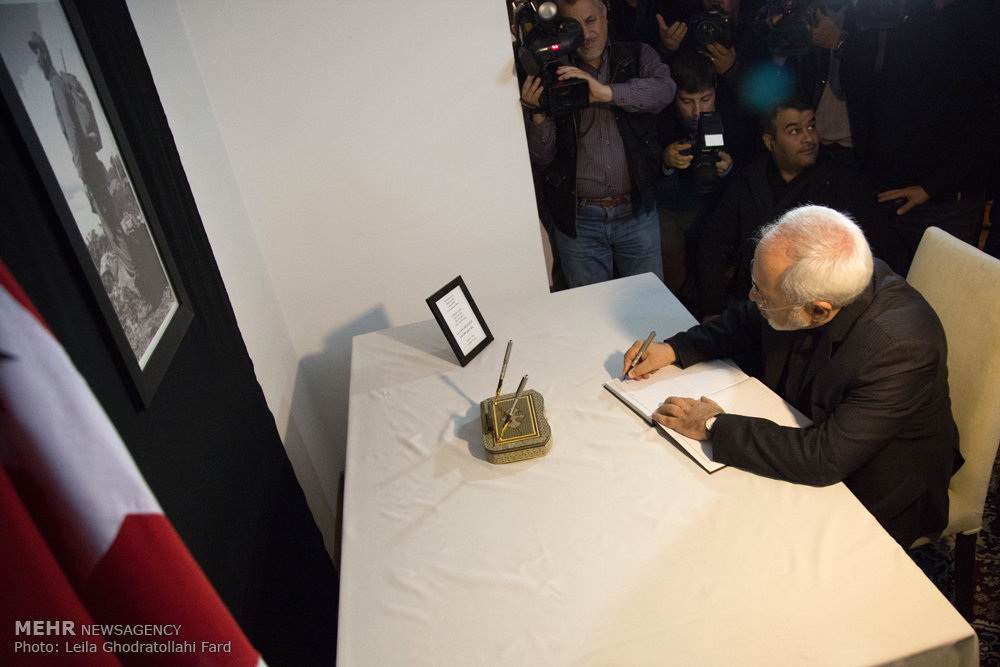
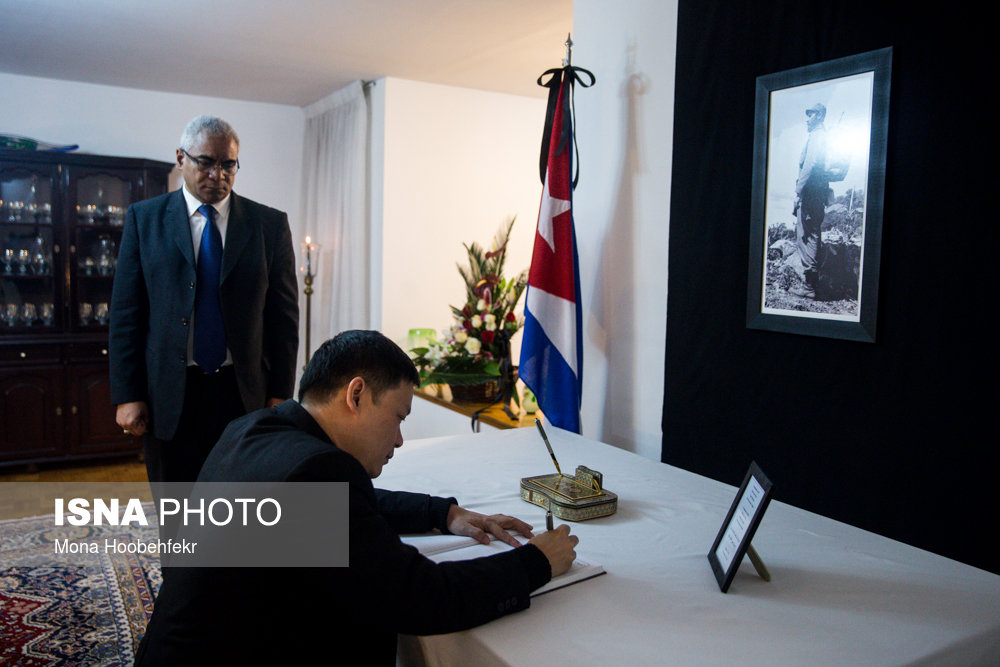
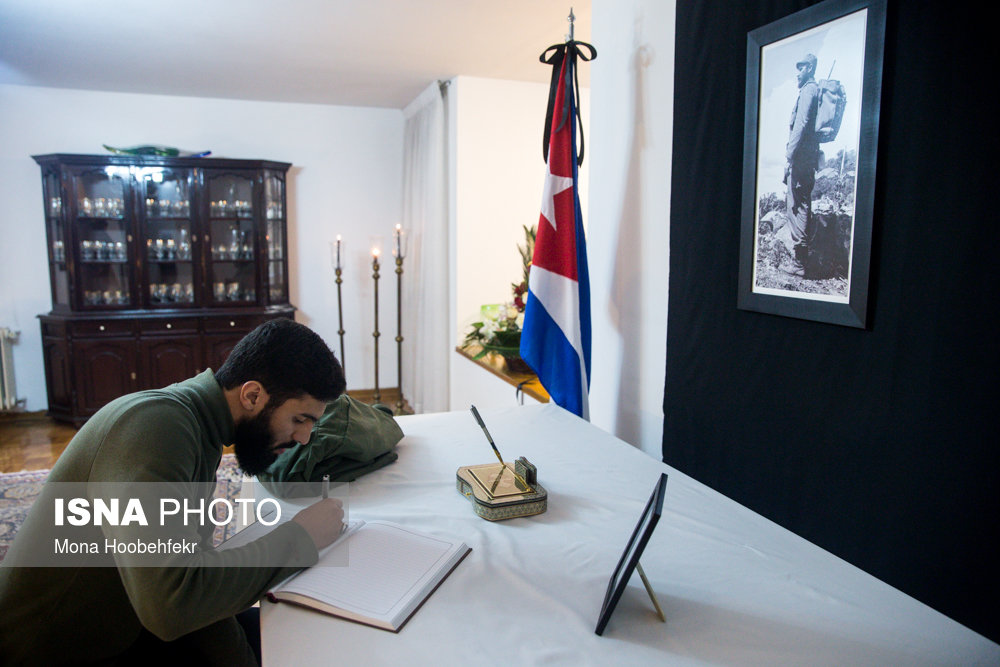
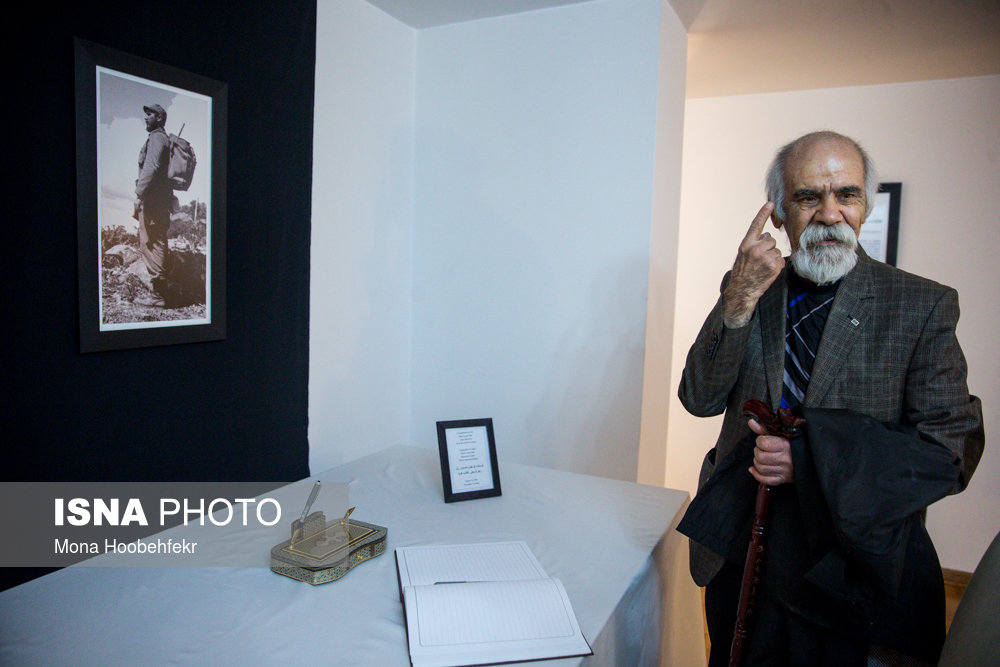
Castro’s Revolutionary Struggles Deathless: Iran FM

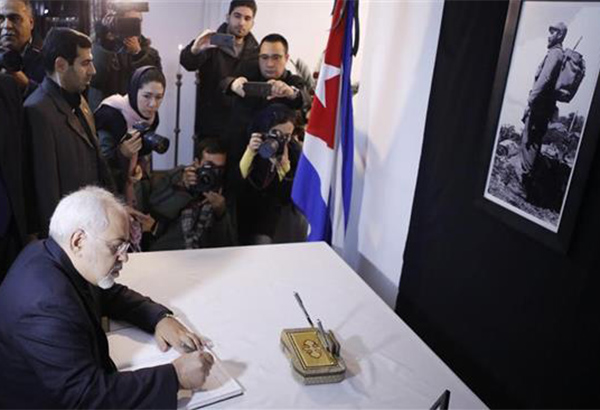
mohammad-javad-zarif

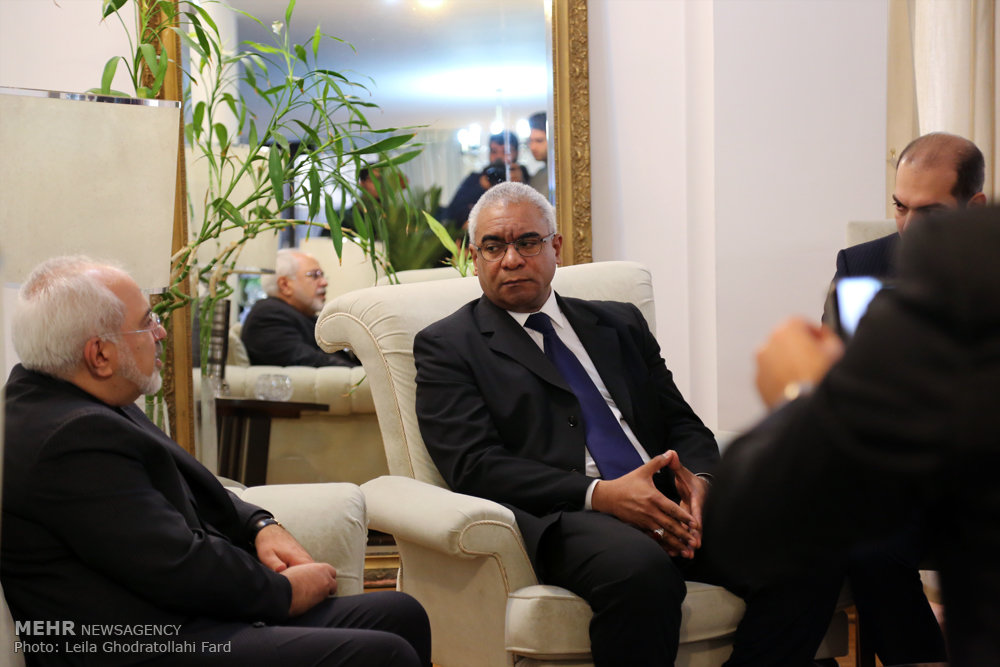
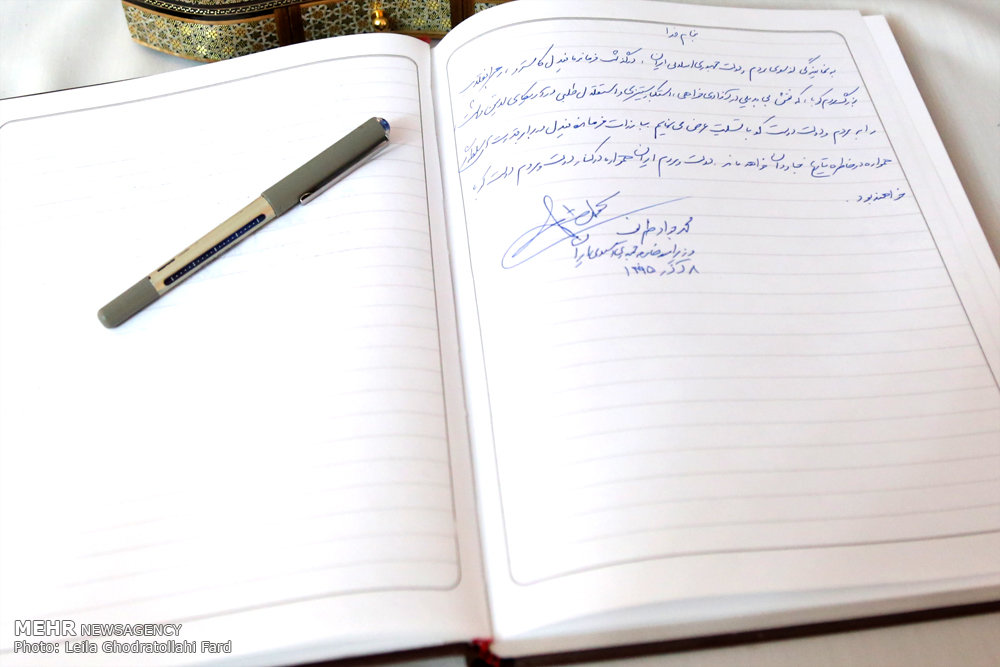
“Commander Fidel’s struggles against imperial powers will live on in history forever,” Zarif wrote, offering condolences to Cubans on Castro’s death.

The late Cuban leader “had an unparalleled role in pursuit of freedom, fight against arrogance, and quest for independence in Latin America,” the note said. “The Iranian government and people will always stand by the friendly Cuban government and people.”

Addressing reporters, he called Castro’s demise a catastrophe for the world’s freedom-seeking movements, especially in the Latin American region.

He also recalled Castro’s remarks to President Hassan Rouhani during a recent visit by the Iranian chief executive to the Latin American country, in which he had communicated concern considering the situation in Cuba and the Third World, and urged unity among developing nations against arrogant powers.

Castro’s Revolutionary Struggles Deathless: Iran FM
Iranian President Hassan Rouhani (L) is received by former Cuban President Fidel Castro (R) in his house in the Cuban capital Havana, September 19, 2016. (Photo by AFP)

Both Zarif and the Cuban envoy to Iran, Andres Gonzalez Quesada, meanwhile, hailed the status of bilateral Tehran-Havana ties and both sides’ resolve to strengthen their relations.

Cuba’s former president died last Saturday at the age of 90.

He famously led a guerrilla campaign that gained popular support and ousted US-backed Cuban dictator General Fulgencio Batista on January 1, 1959. He was then named prime minister.

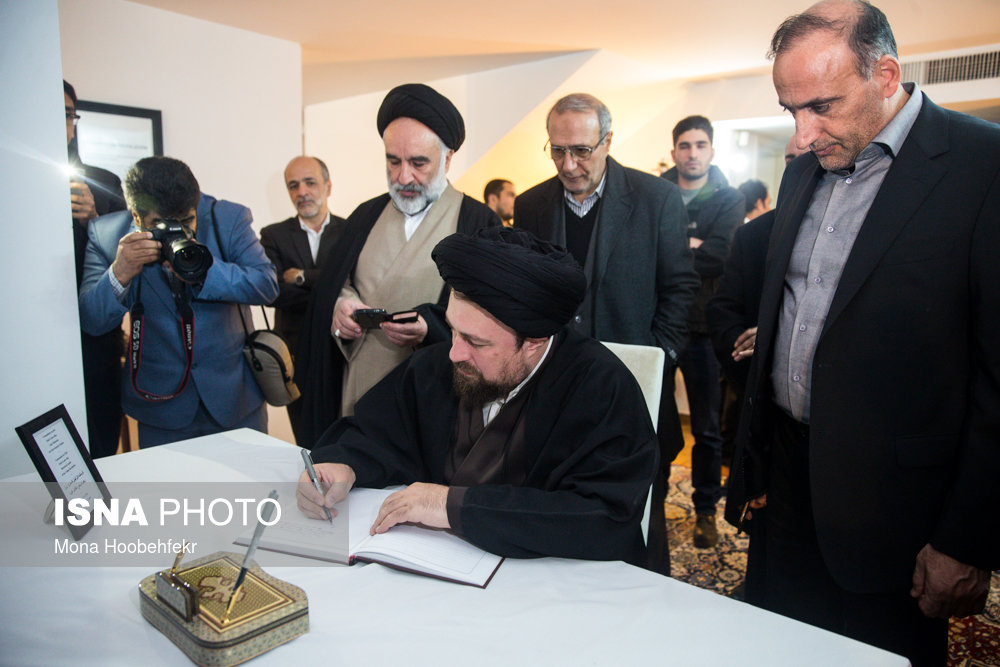
On Saturday, President Rouhani also extended his condolences to Cubans over the death of Castro in a message to Cuba’s President Raul Castro.