Friday, December 26, 2025
Home Blog Page 4204

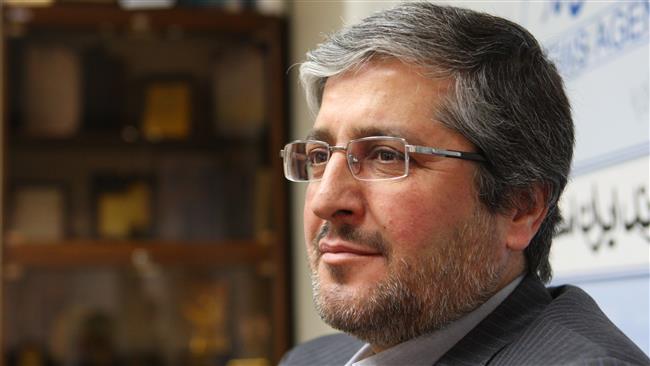
Asian Young Player of the Year 2016: Sardar Azmoun

sardar azmoun

The 2016 has been a thrilling year for Iran’s golden boy, Sardar Azmoun. Having made his loan spell permanent with Russian side FC Rostov following off the pitch complications, he embarked on a fairy-tale journey that transmitted to the rest of the side.

The side surprised the footballing world, with an incredible title challenge that saw them ultimately finish second, and book a place in Europe’s premier competition, for the first time in their history.

Azmoun’s best performances came towards the tail-end of the 2015-16 Russian Premier League season. The 21-year-old scored six goals in the last six games of the season, propelling his side to the top and holding off pressure for that coveted Champions League spot.

Rostov managed to secure three points against German champion Bayern Munich, helped by a goal from Azmoun en route a 3-2 victory. The youngster has also been ever present for his national side, striking four times across seven matches as the Persians look to book their place at the 2018 FIFA World Cup, in Azmoun’s adopted home – Russia.

The clinical striker has done well to adapt himself into Europe, having developed his football in his homeland with Sepahan. Relying on his finishing and dependable first touch, the Iranian international has leaped to fame and is enjoying the prime of his career, with 2016 possibly being just a sneak peek of what’s more to come.
Soil of Iran’s Hormuz Island Smuggled Abroad: Environment Chief

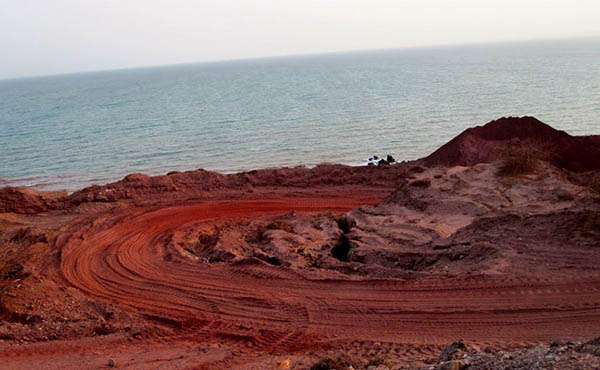
red soil24617

“The Forest, Range and Watershed Organization of Iran is the main body responsible for the fight against soil smuggling; if this happens in the areas under environmental protection, though, Iran’s Department of Environment (DOI) will strongly react,” said Masoumeh Ebtekar, the Iranian environment chief.

“A magnificent natural attraction of Persian Gulf, the Hormuz Island, has been subject to soil smuggling. We have written several letters to the Forest, Range and Watershed Organization and the Ministry of Agriculture to express our concerns,” she noted, according to a Farsi report by ICANA.

“The soil smuggling occurs outside of areas under protection of Department of Environment, so we demanded the Forest, Range and Watershed Organization of Iran to investigate the case,” she said.

Ebtekar went on to say that the soil of other regions has been smuggled, as well. “Soil is valuable. Soil smuggling poses a real threat to environment. We are reviewing the soil protection bill in order to introduce it to the Parliament.”

Iranian President Orders Work on Nuclear Propulsion Device

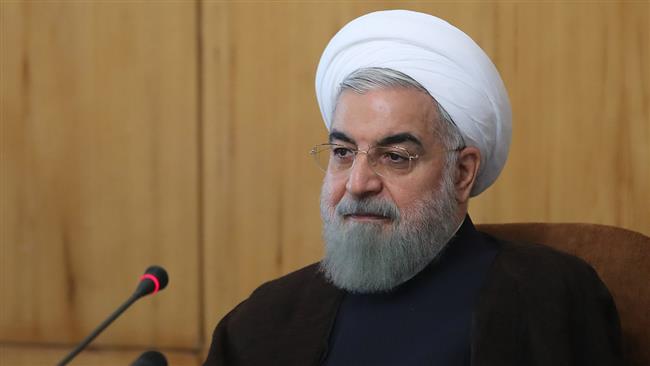
Iranian President Hassan Rouhani (photo via AFP)

In a directive issued to the head of the AEOI on Tuesday, the Iranian chief executive demanded that the organization draw appropriate plans to design and manufacture nuclear propulsion devices as well as the fuel required for them.

He instructed Ali Akbar Salehi, the head of the AEOI, to report back to him on the issue within a maximum period of three months.

The president said the measures were warranted in light of the United States’ foot-dragging in fulfilling its commitments under the multilateral nuclear deal — known as the Joint Comprehensive Plan of Action (JCPOA) — and the recent ratification of anti-Iran legislation in the US Congress known as the Iran Sanctions Act (ISA).

President Rouhani said Iran had warned that the approval of the ISA would amount to a breach of the JCPOA.

He said the directives were now being given in implementation of the decisions made by Iran’s Supreme National Security Council (SNSC) and the committee tasked with monitoring the implementation of the JCPOA.

In a separate directive issued to the Iranian Foreign Ministry, President Rouhani instructed Minister Mohammad Javad Zarif to take action to follow up on the US violations of the JCPOA as per the provisions of the deal and to take other legal and international measures necessary in that regard.

The JCPOA involves a total of seven sides, namely Iran, the US, the UK, France, Germany, Russia, and China. It was reached in July 2015. The deal stipulates that nuclear-related sanctions against Iran be terminated and no such sanctions be imposed as long as Iran meets its side of the bargain, including certain limits to its nuclear program.

However, the US Congress recently reauthorized the ISA, extending the US president’s authority to potentially impose sanctions on US entities that do business with Iran.

The ISA awaits US President Barack Obama’s signature to turn into law. The White House has signaled that it will sign the ISA but will “waive” nuclear-related sanctions against Iran. Even so, Iranian officials have complained, the JCPOA has been breached as a result of the Congress’ renewal of the ISA.

Iran had warned it would take reciprocal action if the ISA was approved. The Islamic Republic has written a letter of complaint to the United Nations over the vote on the legislation at the US Congress.

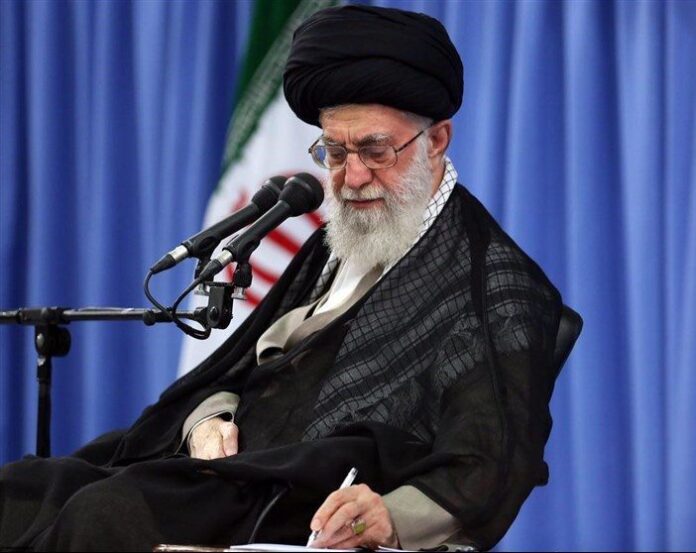
Iran’s Leader Allocates $500m to Development of Southeastern Province

Iran Leader

Speaking on the sidelines of a military event on Monday, Iran’s Parliament Speaker Ali Larijani unveiled plans for withdrawal of $500 million from the National Development Fund on the Leader’s orders for development of the underprivileged province.

The National Development Fund of Iran (NDFI) is the country’s sovereign wealth fund. Founded in 2011 to supplement the Oil Stabilization Fund, NDFI is independent of the government’s budget.

The $500 million in investment for development of Sistan and Balouchestan is expected to strengthen the border province’s infrastructures.

Located in southeast of Iran, the large province borders Pakistan and Afghanistan, and has a long coastline by the Sea of Oman.

The desert province grapples with severe water shortage, particle pollution, underdeveloped infrastructure and transit of illicit drugs.

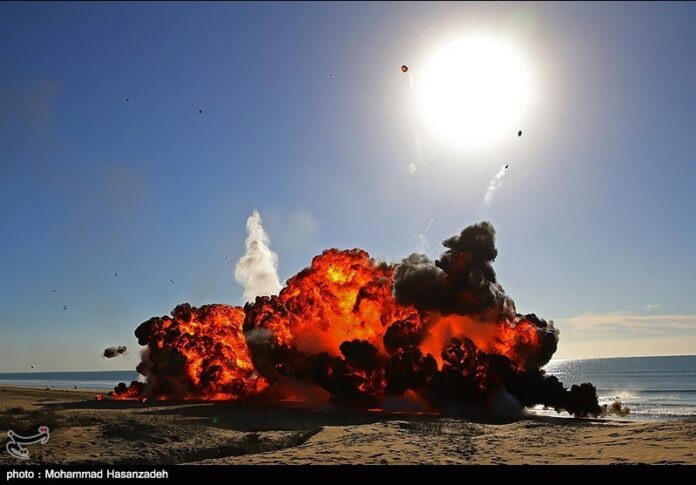
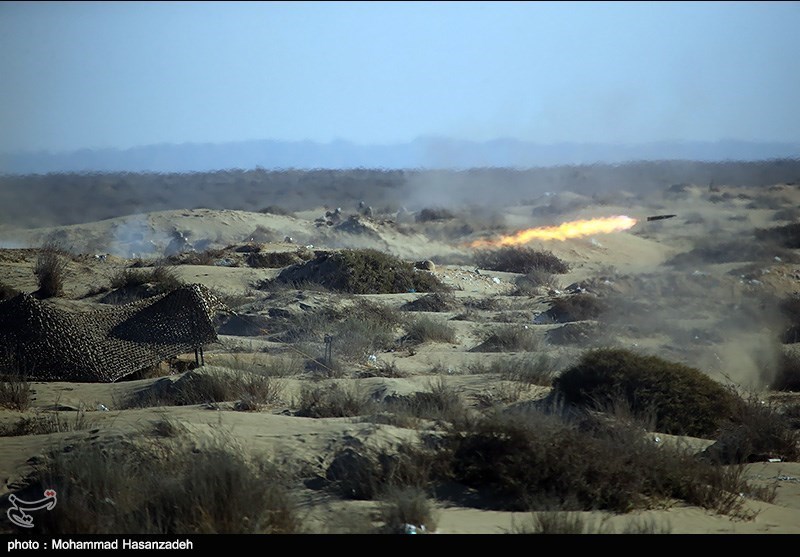
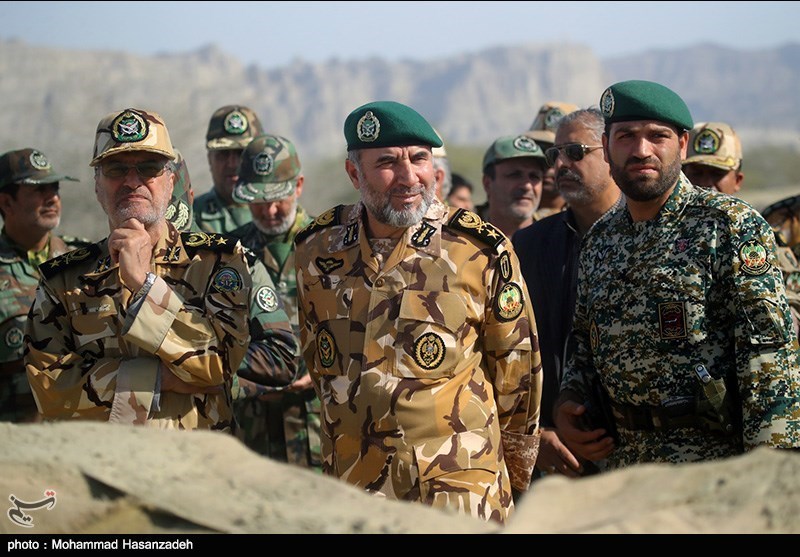
Army Wraps Up War Game in Southeast Iran

Army

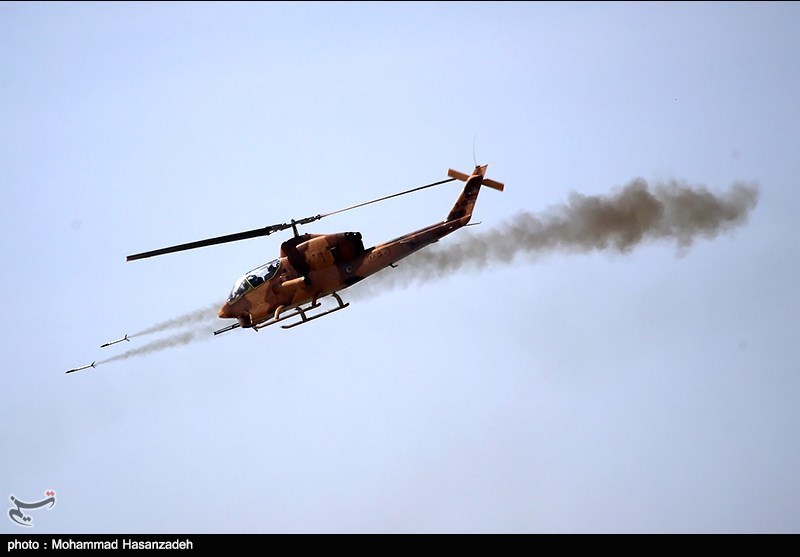
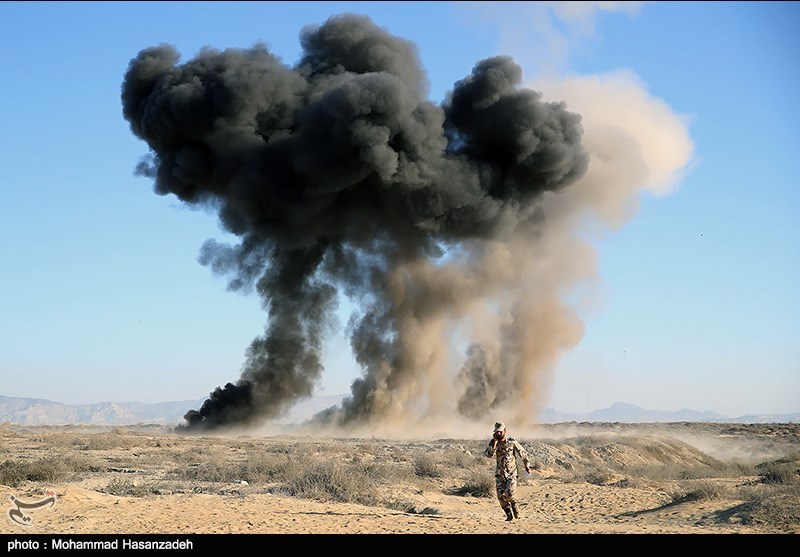
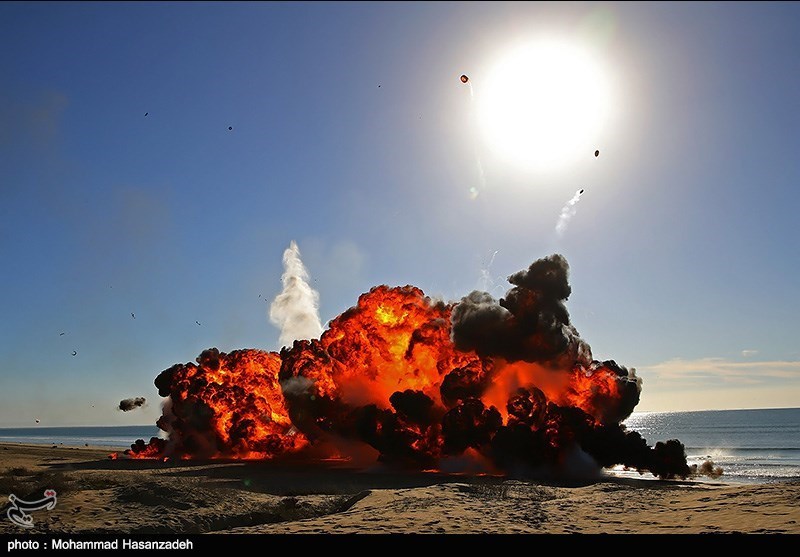
The drill, codenamed “Muhammad Rasulullah-4” (Muhammad, the Messenger of God), began on Sunday in an area of more than 220,000 square kilometers southeast of Iran.

Army Wraps Up War Game in Southeast Iran

According to General Kamal Payambari, spokesman for the war game, the drill achieved all its purposes and produced valuable results in the ground warfare sphere.

Army Wraps Up War Game in Southeast Iran

Describing the drill as the largest-ever tactical combat exercise by the Army Ground Force Rapid Reaction Units, Payambari said a broad range of homegrown weapons were employed in the war game, which helped young officers to gain good experiences.

Army Wraps Up War Game in Southeast Iran

Under the theme of “regional security and sustainable peace with defensive power and Islamic unity”, the war game asserted that the regional countries can counter all threats under unity and solidarity, without the need for any foreign force, he explained.

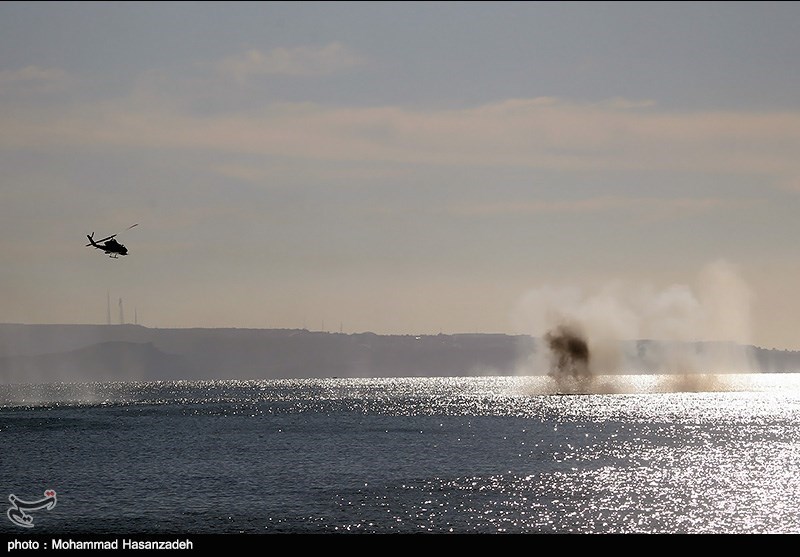
The exercise covered a large zone, stretching from the Sea of Oman coasts to inland deserts.

Army Wraps Up War Game in Southeast Iran

Highlights of the war game included heliborne operation to deploy commandos, drone flights for reconnaissance, combat and assault operation, counterterrorism tactics, intense ground battle operations, and electronic warfare.

Army Wraps Up War Game in Southeast Iran

The Iranian armed forces hold routine military drills throughout the year.

In September, Chief of Staff of the Iranian Armed Forces Major General Mohammad Hossein Baqeri said there will be no delay or slowdown in the country’s military tests and war games, adding that Iran has devised comprehensive defensive strategies to counter all threats.

Army Wraps Up War Game in Southeast Iran

Iran to Get First Airbus Planes by Next March

farhad parvareshGFarhad Parvaresh, the managing director of Iran’s flag carrier airline Iran Air, was quoted by media as saying Iran in the first batch could receive five planes from Airbus.

Parvaresh said that the France-based company had agreed to fund the sales of 17 planes to Iran, itself.   He added that Iran was trying to provide the funding for the purchase of the first three planes that would be delivered within the next few months.

“The removal of the sanctions has provided Iran with an opportunity to directly purchase planes from aircraft makers,” the official told Iran’s Tasnim news agency.

This opportunity, he added, should not be wasted and should be used as efficiently as possible.

On Sunday, Iran Air finalized a much-awaited agreement with US aviation giant Boeing to purchase 80 planes.  The purchase involved 50 twinjet narrow-body Boeing 737 planes and 30 long-range wide-body 777 aircraft at a total cost of $16.6 billion. They would be handed over to Iran within 10 years and the first deliveries could take place in 2018.

Elsewhere in his remarks, Parvaresh emphasized that a third plane purchase contract was expected to be concluded with Japan’s Mitsubishi Aircraft Corporation shortly after the finalization of the contract with Airbus.

He added that Iran had found a financer to support the planned purchase of Mitsubishi Regional Jets (MRJs).

Special Tour of Tehran for Blind People

Blind People

According to a report by IFP, Rajabali Khosroabadi, the Director General of Cultural Heritage, Handicrafts and Tourism Organization of Tehran Province, announced that the programme of “Tourism with the Voice of Kindness”, a plan for encouraging the blind to discover Tehran’s historical and cultural attractions, has started in late September and will continue until the National Day of Cultural Heritage in May 2017.

“It is a civil right to benefit from tourist attractions. No one should be deprived of it because of his disability,” he noted, according to a Farsi report by Nasim Online.

“By sending their voice messages about Tehran’s tourist attractions, the tour leaders, as well as students and graduates of tourism-related fields, can take part in the programme,” he added, noting that some prizes are considered for the 10 best voice messages as selected by the blind.

According to Khosroabadi, the first page of a tourism manual in braille is to be unveiled during in a tourism conference in Allameh Tabataba’i University campus.

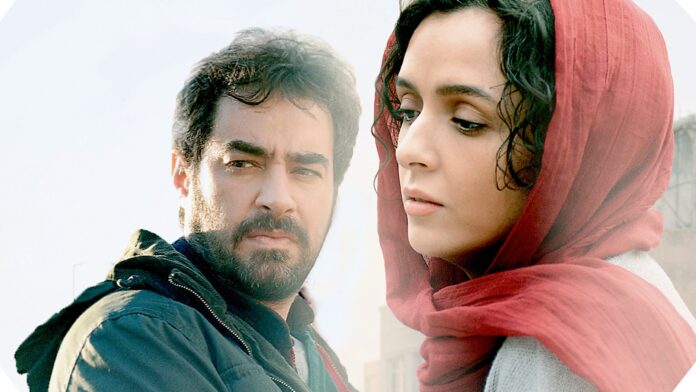
Asghar Farhadi’s ‘The Salesman’ Nominated for Golden Globe Awards

The Salesman - Asghar Farhadi

The list of nominees for the Golden Globe Awards 2017 ceremony was announced on Monday by the Hollywood Foreign Press Association. The 74st annual Golden Globe Awards will be held on January 8, 2017.

Other nominees for the Best Foreign Language Film category in the 74th Annual Golden Globe Awards are Divines (Houda Benyamina), Elle (Paul Verhoeven), Neruda (Pablo Larraín), and Toni Erdmann (Maren Ade).

The Salesman has already been chosen as Iran’s official submission to Academy Awards to represent the country in the upcoming Oscar race for the best foreign language film award, Fars reported.

Farhadi won the award for the best screenplay for “The Salesman” at the 2016 Cannes film festival while Hosseini grabbed one of the world’s most important cinema awards by winning the best actor. The film also received a fantastic reception at the Cannes film festival.

Farhadi has made the films Dancing in the Dust (2003), Beautiful City (2004), Fireworks Wednesday (2006), About Elly… (2009), A Separation (2011) and The Past (2013) before his latest film.

Farhdi’s most famous movie, “A Separation”,  grabbed global attention as it became the first Iranian movie to win an Oscar, the Academy Award for Best Foreign Language Film at the 84th Academy Awards.

Iran’s FM Meets Egyptian Diplomat in Tehran

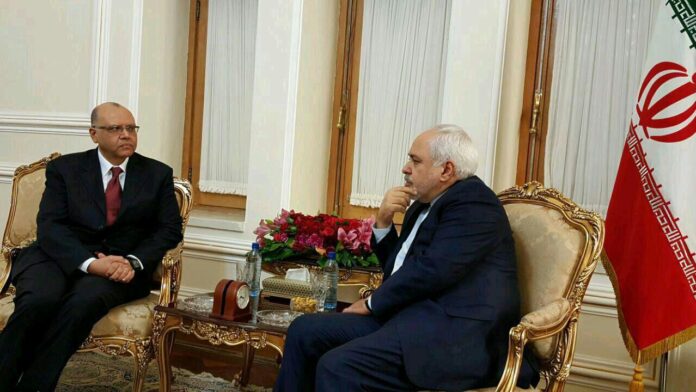
Zarif and Egypt

Iran’s Foreign Minister Mohammad Javad Zarif received the Egyptian diplomat in the Ministry of Foreign Affairs in Tehran after months of speculation over the future of relations between the two countries.

Egypt does not have an embassy in Iran. The relations between the two countries turned hostile following the Islamic Revolution in Iran in 1979.

After years of strained atmosphere, the two sides agreed to set up Interests Section offices in 1991 under President Akbar Hashemi Rafsanjani’s administration.

Steps were taken under President Mohammad Khatami and Mahmoud Ahmadinejad’s administrations to upgrade ties to embassy level, but led to no tangible outcome.

The two Middle Eastern countries, however, found common ground in the Syrian conflict as both emphasized the necessity for finding a political solution to the crisis.

Back in October, Hossein Amir Abdollahian, a senior advisor to Iran’s parliament speaker, praised Egypt for its “constructive and useful” positions on the Syrian crisis and campaign against terrorism.

In a meeting with Othman, Amir Abdollahian said “Iran and Egypt are two big and influential countries which can play a constructive role through mutual cooperation in the region to help soothe tensions.”

Othman also said that Iran plays an important role in the region and called for increased consultations between the two countries to ameliorate the volatile situation in the region.

Egypt’s stance on the Syrian crisis was close to that of Saudi Arabia during Mohamed Morsi’s tenure, as they both criticized Iran for supporting Syrian President Bashar al-Assad.

But things have changed since the ouster of Morsi and the ruling Egyptian government’s stance on the Syrian crisis has tilted towards that of Iran and Russia.

In October, Egypt voted in favour of a Russian-drafted UN resolution on Syria, a move that angered Saudi Arabia, Tehran Times reported.

Things may have taken a further turn in November, when Saudi Arabia informed Egypt that shipments of oil products expected under a $23 billion aid deal have been halted indefinitely.

However, Egypt’s Foreign Minister Sameh Shukri recently denied reports of a rift between the two Arab countries, hailing a “special relationship” with Saudi Arabia.

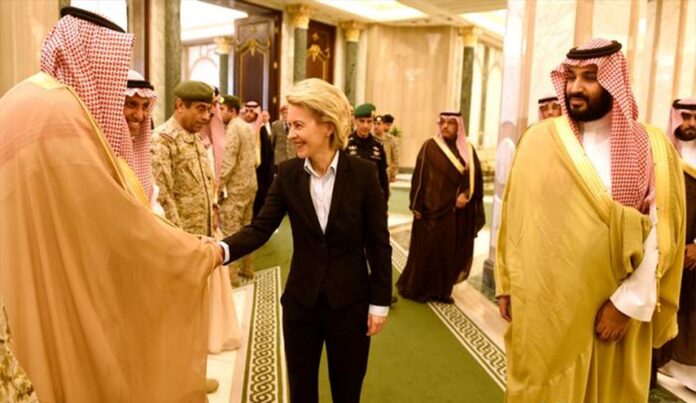
German DM’s Attire in Saudi Arabia Sparks Controversy

وزيرة الدفاع الألمانية

According to a report by IFP, Ursula von der Leyen had said that while “of course [she] respect[s] the customs and traditions of the country”, she would not be wearing the conservative clothing usually required by all women in the Persian Gulf state, conservative German newspaper Bild reported.

“No woman in my delegation will be required to wear the abaya, as the [right] to choose one’s attire is a right shared by men and women equally,” she added, expressing anger at the pressure placed on visiting women to cover up.

The Minister was in Riyadh last Thursday for a meeting with her Saudi counterpart, Mohammad bin Salman al Saud, the Deputy Crown Prince. They discussed German support for the training of Saudi officers, some of whom will be travelling to study in the EU nation next year.

While the Prince was dressed in traditional Saudi attire including the long white “thobe” and the “ghutrah” head covering, Ms. von der Leyen wore a dark blue suit for the occasion.

After the minister’s attire was reported in Arabic media, some Saudis have condemned her behaviour on Twitter, Al Bawaba reported.

Von der Leyen is not the first Western woman to refuse to comply to the Kingdom’s strict dress code, as last year American First Lady Michelle Obama sparked outrage by going bare-headed on a visit with her husband. Her apparent indecency was condemned by Saudis.

Foreign visitors, however, have it easy in comparison to the locals. Social conservatism is so rigid in the country that last week a Saudi woman was inundated with death threats for sharing a picture of herself out and about without the hijab to cover her hair or the black abaya to obscure her body.Hijabro para oscurecer su cuerpo.