Sunday, December 28, 2025
Home Blog Page 4193

Effective Terror Fight Sole Solution to Mideast Crises: Iran Diplomat

e41c76ec-f183-4492-86a6-032bc46808bb

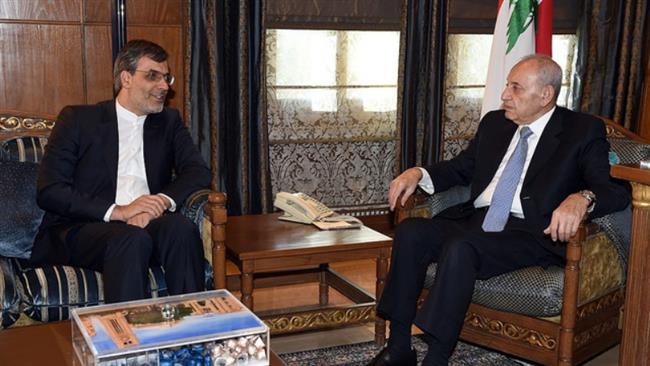
“It is not possible to settle the ongoing crises in the region without an effective fight against extremism and terrorism,” Iranian Deputy Foreign Minister for Arab and African Affairs Hossein Jaberi Ansari said after a meeting with Lebanese Parliament Speaker Nabih Berri in Beirut on Friday.

He added that conflicts must also be resolved through a political solution based on negotiations.

“The Islamic Republic of Iran has a clear standpoint in this regard and believes that these two issues must be pursued in parallel [with each other],” the Iranian diplomat said.

He noted that Lebanon has in two areas been a role model for all nations and states in the region over the past few decades.

“Resistance against foreign occupation and the expansionism of the Zionist regime [of Israel] and coexistence among people of various ethnicities, faiths, political and social groups are these two very important exemplary [features],” Jaberi Ansari said.

He expressed hope that regional governments and states would see better days in the future and the existing differences would be solved through understanding and dialogue.

Jaberi Ansari’s meeting with Nasrallah

The Iranian diplomat also on Friday held a meeting with Secretary General of the Lebanese resistance movement, Hezbollah, Seyyed Hassan Nasrallah.

Effective Terror Fight Sole Solution to Mideast Crises: Iran Diplomat

During the meeting, the two sides discussed the latest political developments in the region, particularly in Lebanon.

Fighters with the Lebanese resistance movement of Hezbollah defended Lebanon against Israel during the 33-Day War in 2006 and Tel Aviv was forced to withdraw its troops without the achievement of any of its objectives. Hezbollah has also been successfully helping the Syrian army fight Saudi-backed Takfiri militants in order to prevent the Syrian conflict from spilling over to Lebanon.

Rouhani’s message to Lebanese counterpart

Meanwhile, in a meeting with Lebanese President Michel Aoun in Beirut on Friday, the Iranian diplomat conveyed President Hassan Rouhani’s message to him.

In the message, the Iranian president had stressed the importance of developing mutual relations in all fields, particularly after the election of Aoun as the Lebanese president.

Effective Terror Fight Sole Solution to Mideast Crises: Iran Diplomat

It added that Aoun’s election carried the message of understanding and cooperation among all the Lebanese based on wisdom and prudence.

On October 31, Lebanese legislators elected Aoun as president, ending a 29-month presidential vacuum. The Maronite Christian founder of the Free Patriotic Movement succeeded Michel Sleiman.

On Sunday, the country announced forming a new 30-minister cabinet led by Prime Minister Saad Hariri. The government brought together the country’s whole political spectrum except for the Christian Phalangist party, which did not accept the portfolio it had been offered.

Elsewhere, Jaberi Ansari reaffirmed the Islamic Republic’s support for the Lebanese leaders’ approach of settling the country’s political differences through dialogue and national agreement, calling for such a policy to be adopted by all regional countries to resolve discords.

The Lebanese president, for his part, hailed Rouhani’s attempts to strengthen mutual relations and said the Islamic Republic plays a positive role in regional developments.

Aoun added that the recent meeting among the Iranian, Russian and Turkish foreign ministers in Moscow was an important step to settle regional crises, particularly the Syrian issue.

Iranian Foreign Minister Mohammad Javad Zarif and his Russian and Turkish counterparts Sergei Lavrov and Mevlut Cavusoglu, respectively, held a meeting in Moscow on Tuesday and discussed the latest developments in Syria, particularly those concerning the newly liberated strategic city of Aleppo.

Jaberi Ansari arrived in Lebanon after he wrapped up a visit to Syria, where he had met separately with President Bashar al-Assad, Prime Minister Imad Khamis and Foreign Minister Walid al-Muallem.
Iran Should Boost Export of Oil Products Rather than Crude Oil: Rafsanjani

photo_2016-12-24_12-06-17

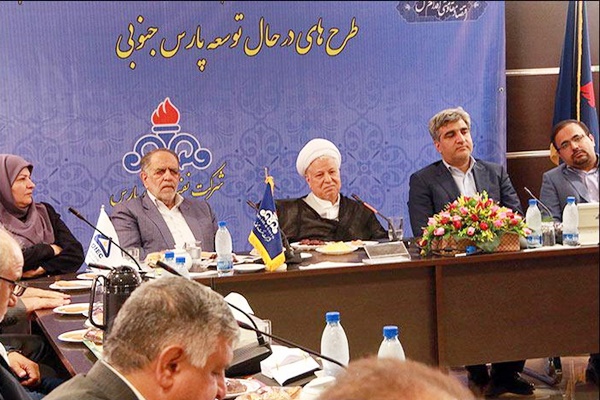
Addressing a group of top sailors in Kharg Island in southern Iran, Ayatollah Rafsanjani said conditions should be prepared for moving away from crude sale and selling oil products instead.

He said, “What observed in Kharg Island proved development and progress. I have paid many visits to Kharg Island but this time was dramatically different from the former ones; today, Kharg Island is alive and refreshed. Never before or after the 1979 Revolution had I seen oil reserves as they are today.”

“We are so happy that oil exports are at such a great level. Conditions should be prepared to distance ourselves from crude sale and move towards export and sale of oil products.”

He noted that many entrepreneurs and Iranians residing abroad are interested and ready to invest in the Islamic Iran. “Iran is getting globalized.”

Ayatollah Rafsanjani said Iran’s general policy prior to the 9th government [Ahmadinejad’s] was movement towards minus crude oil sale economy and export of oil products but within the eight years of Ahmadinejad’s presidency, the conditions mandated the country to export crude oil for a period.

Elsewhere in his address, Ayatollah Rafsanjani said for the time being, 600,000 tons of methanol are produced in Kharg Island and necessary conditions to hit the target of 2.5-fold increase are prepared.

He said for the time being, there are many flares burning in Kharg Island and necessary investment is needed to turn the gas into methanol, Shana reported.

Damascus Water Supply Cut after Being Polluted by Militants

Syria

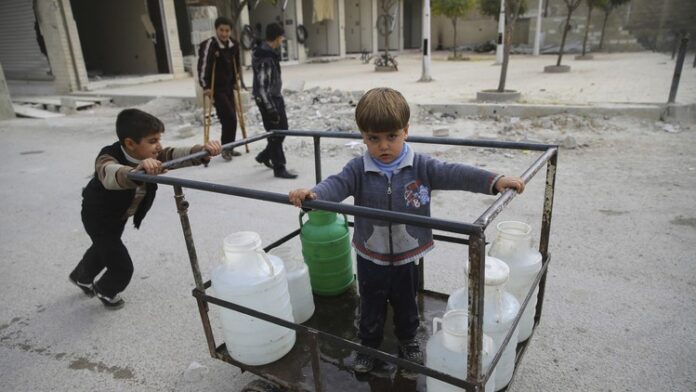
According to a Farsi report by Al-Alam, the Damascus water authority has been forced to cut supplies coming into the Syrian capital for a few days and use water reserves instead after militants [anti-government rebels] polluted the water with diesel.

The al-Fija spring which supplies Damascus with water is in the militant-held Wadi Barada valley northwest of the capital in a mountainous area near the Lebanese border, Reuters reported on Friday

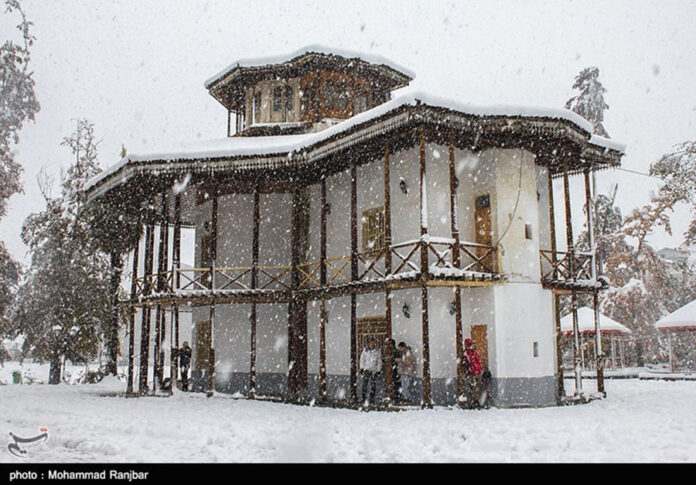
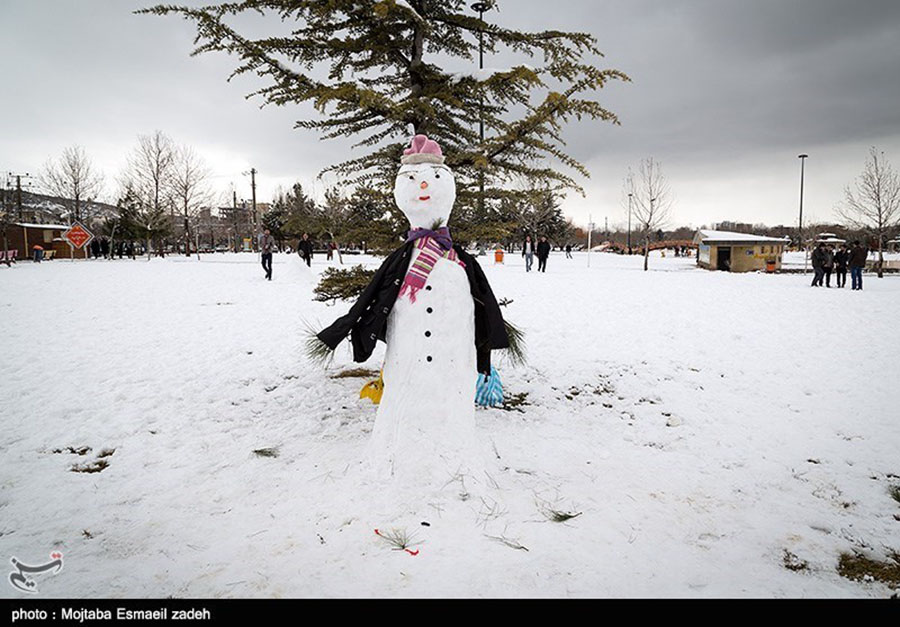
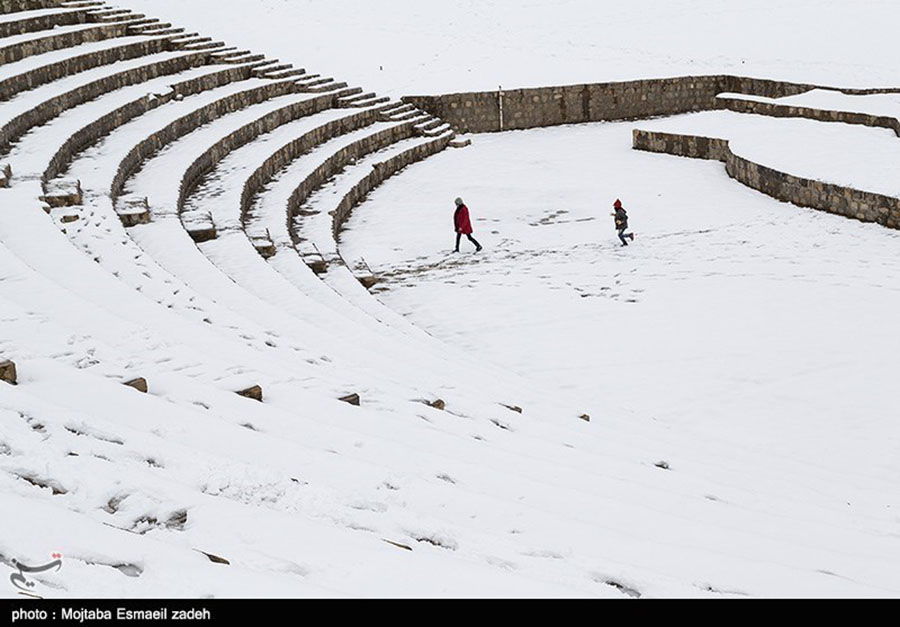
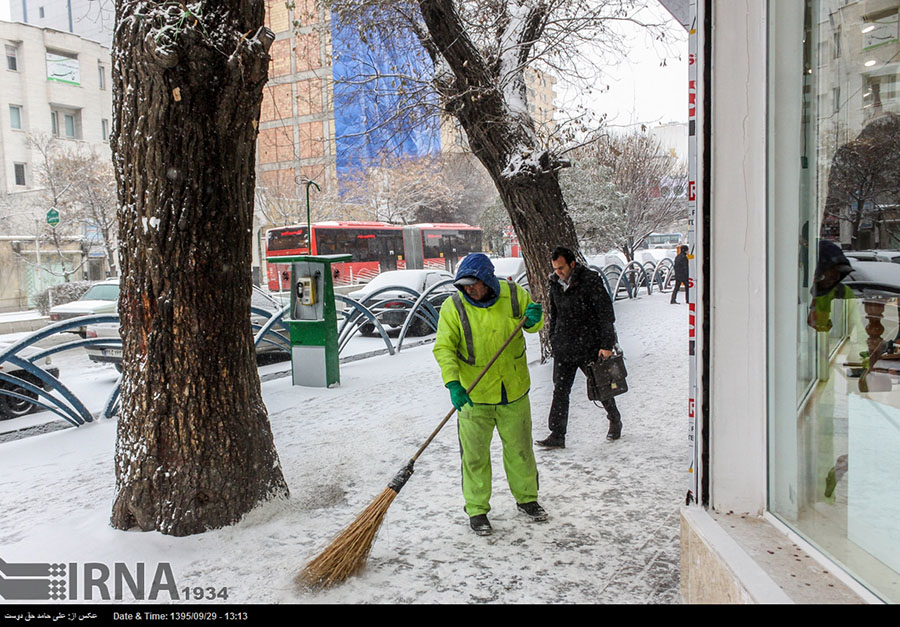
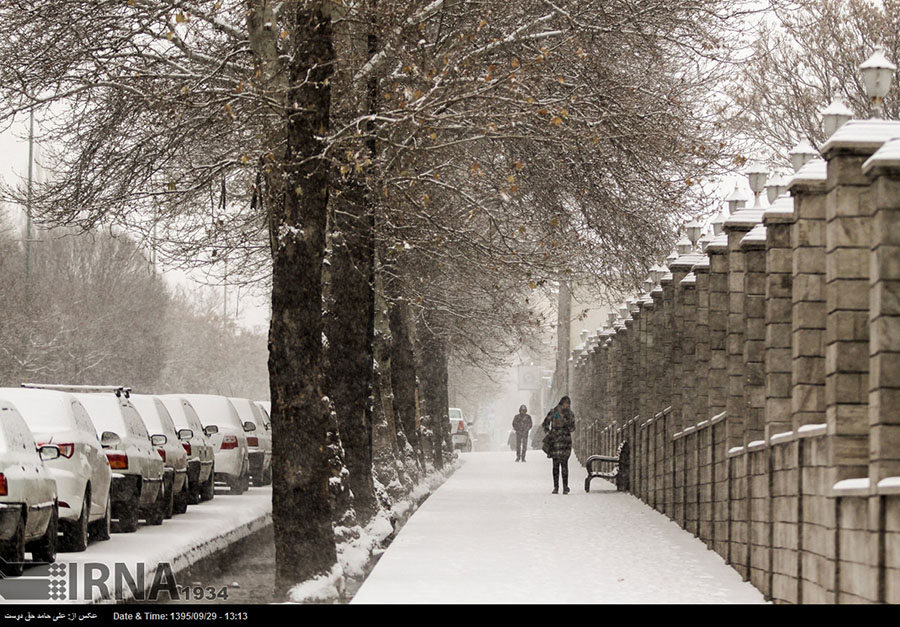
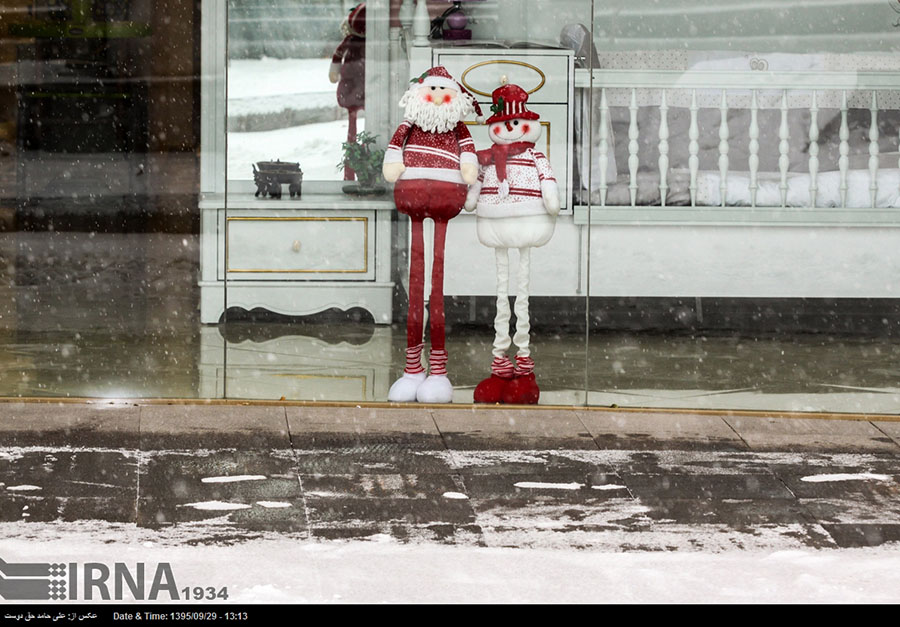
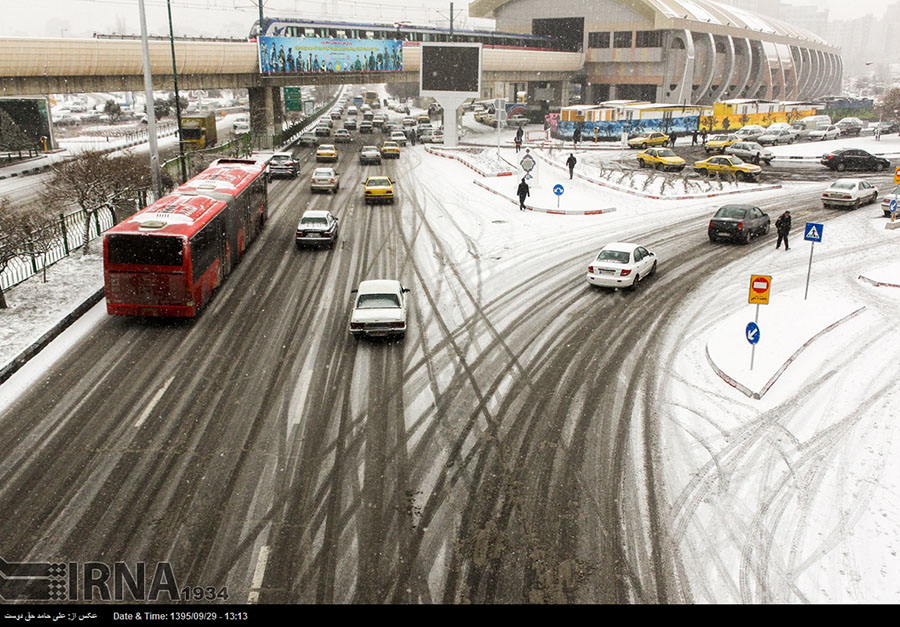
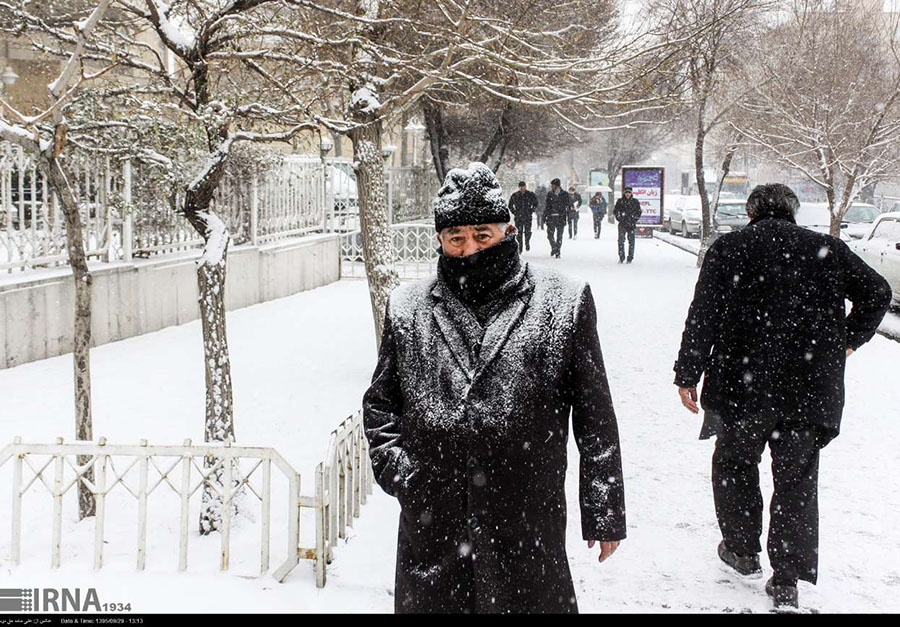
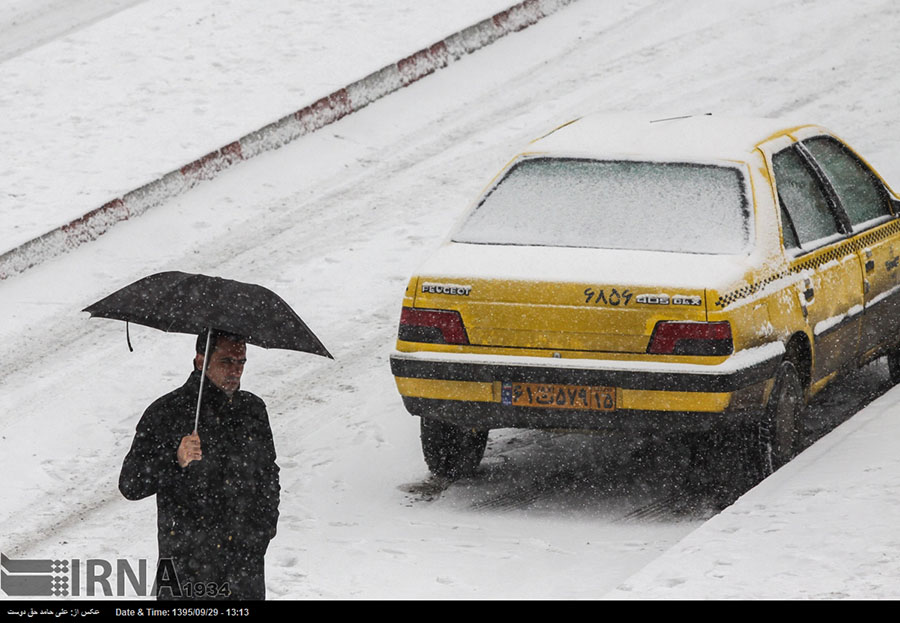
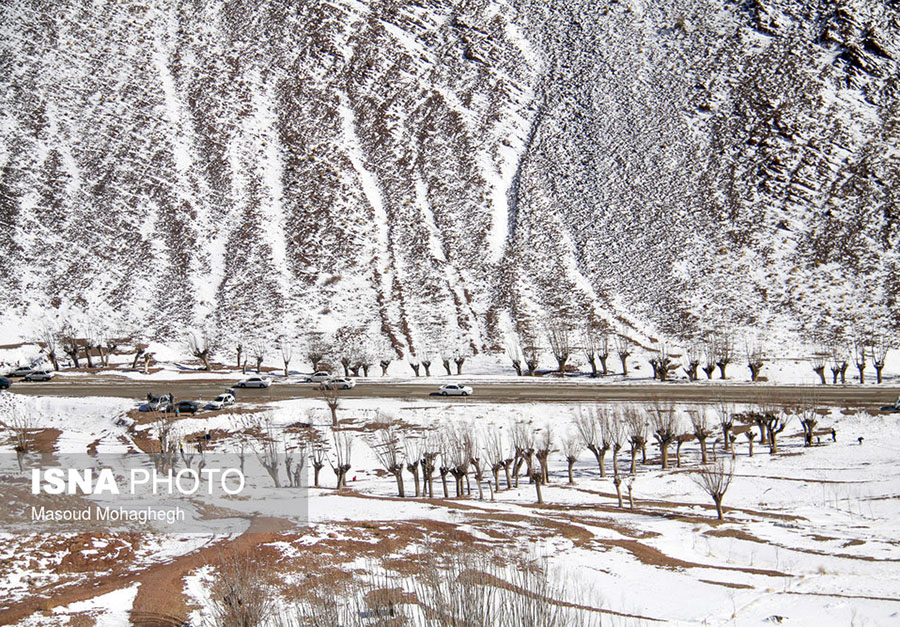
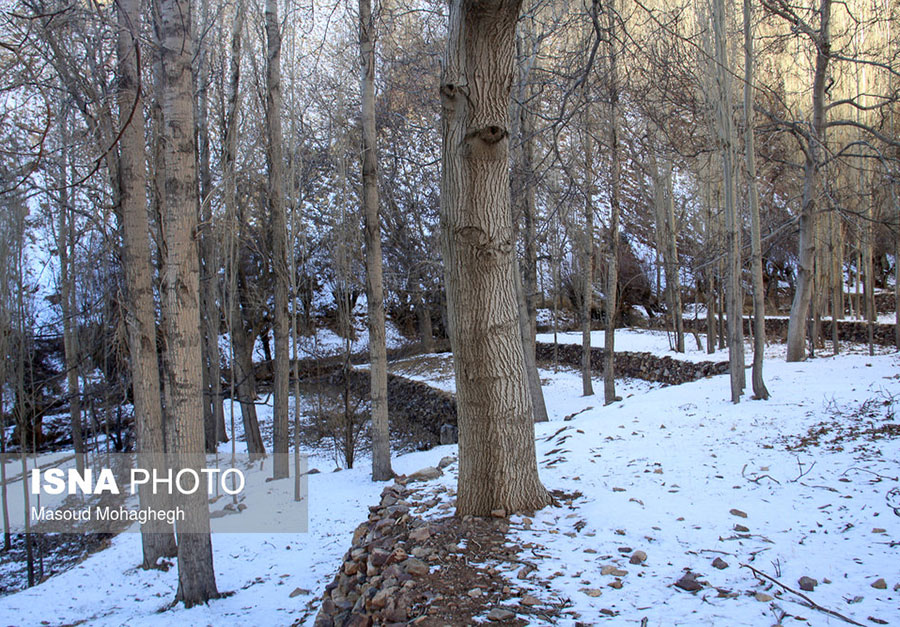
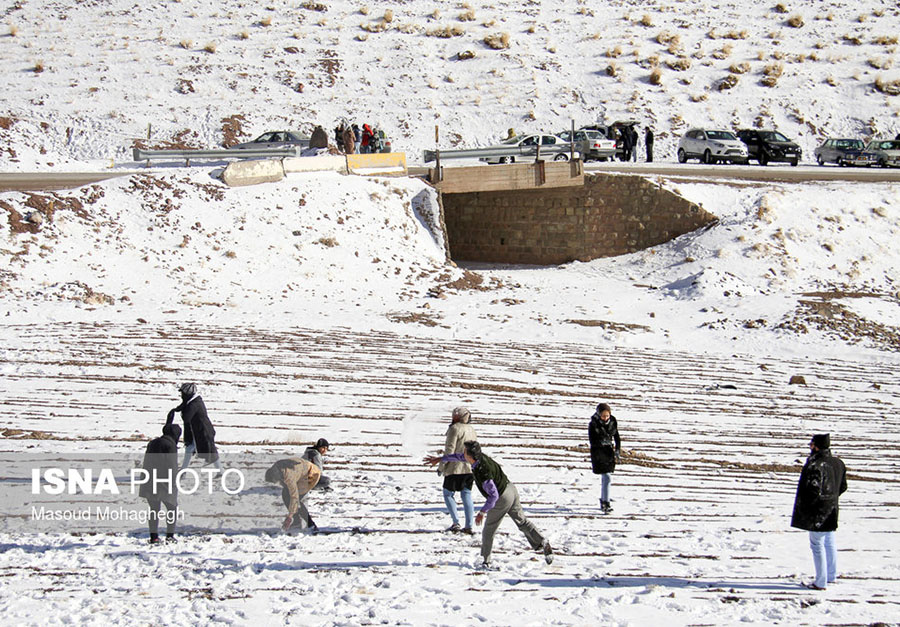
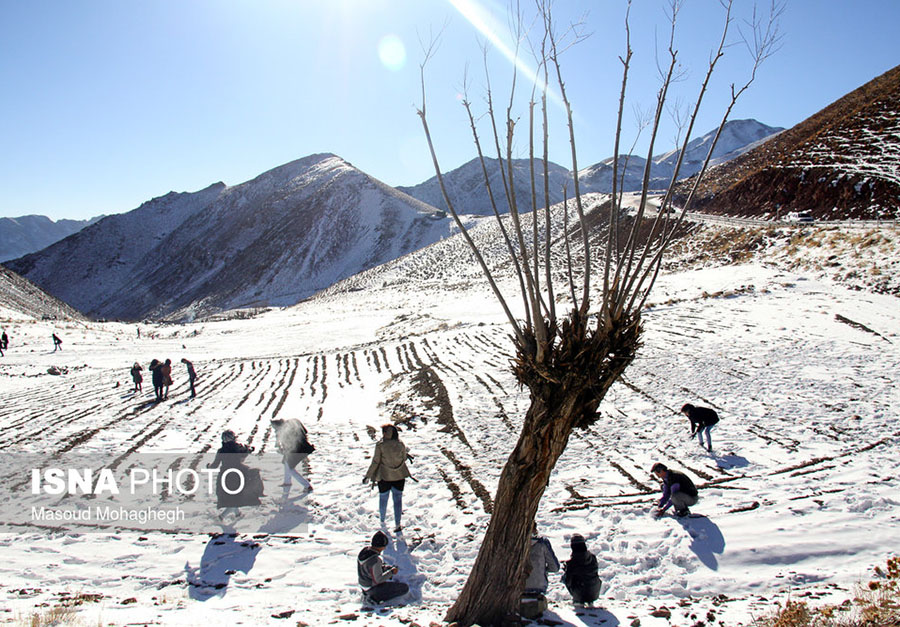
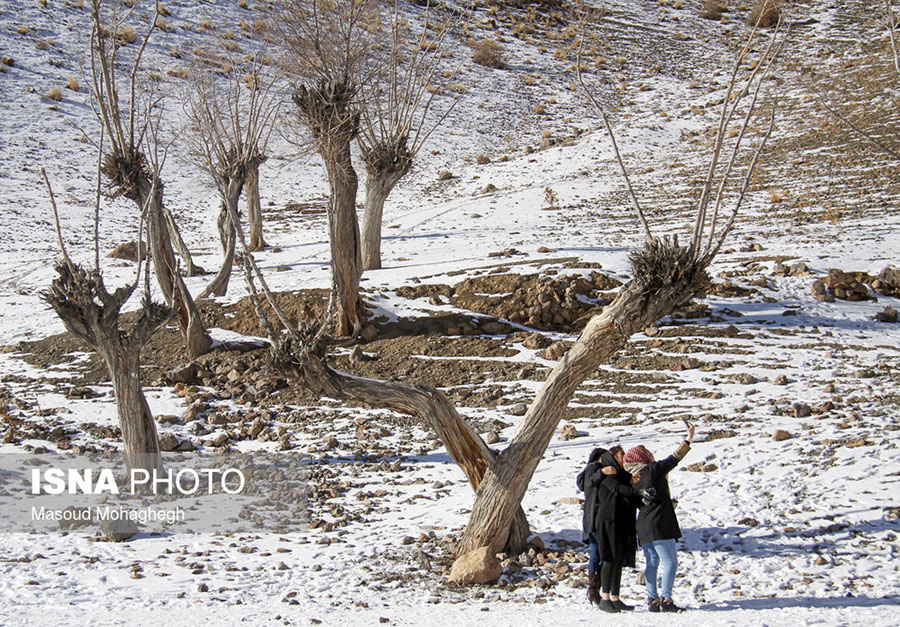
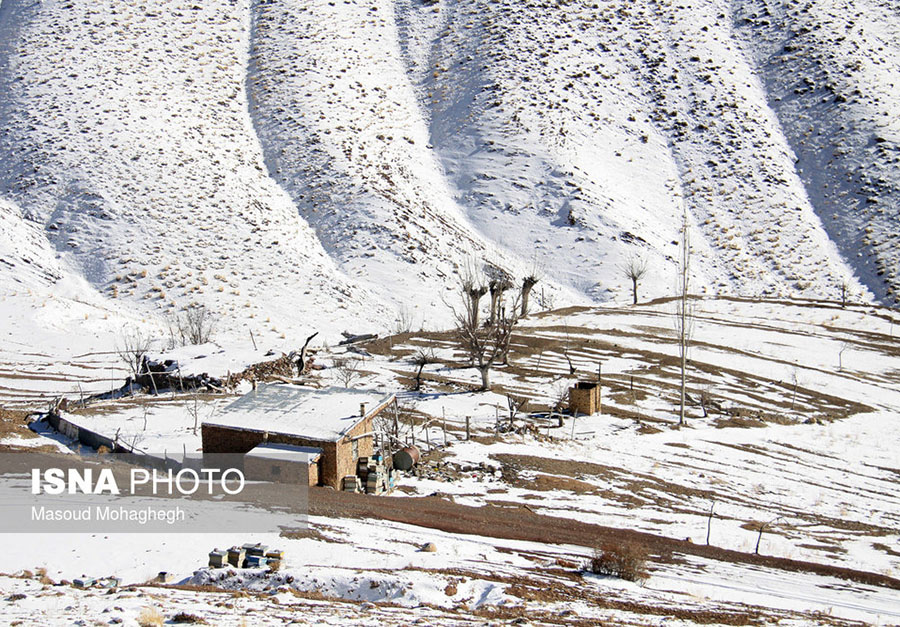
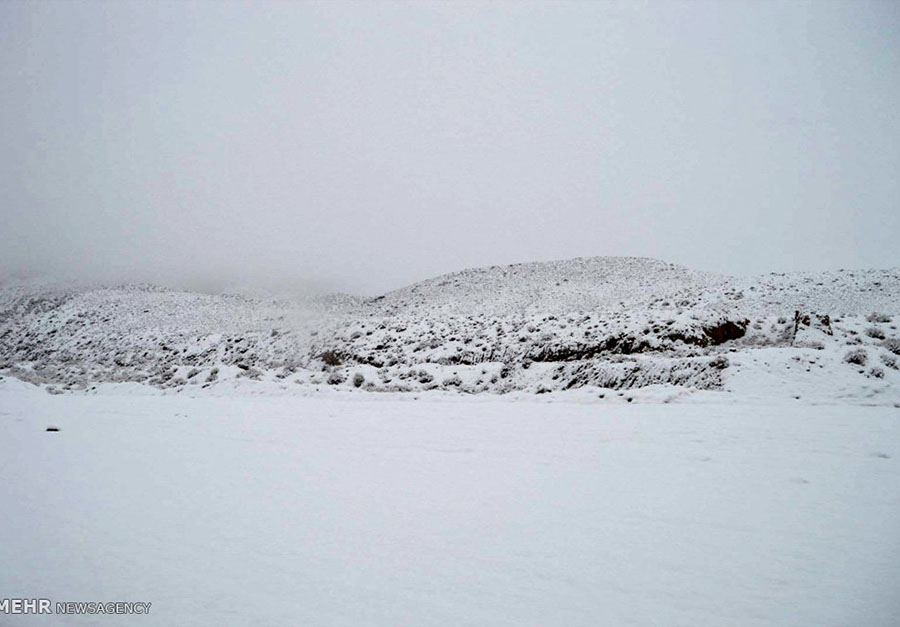
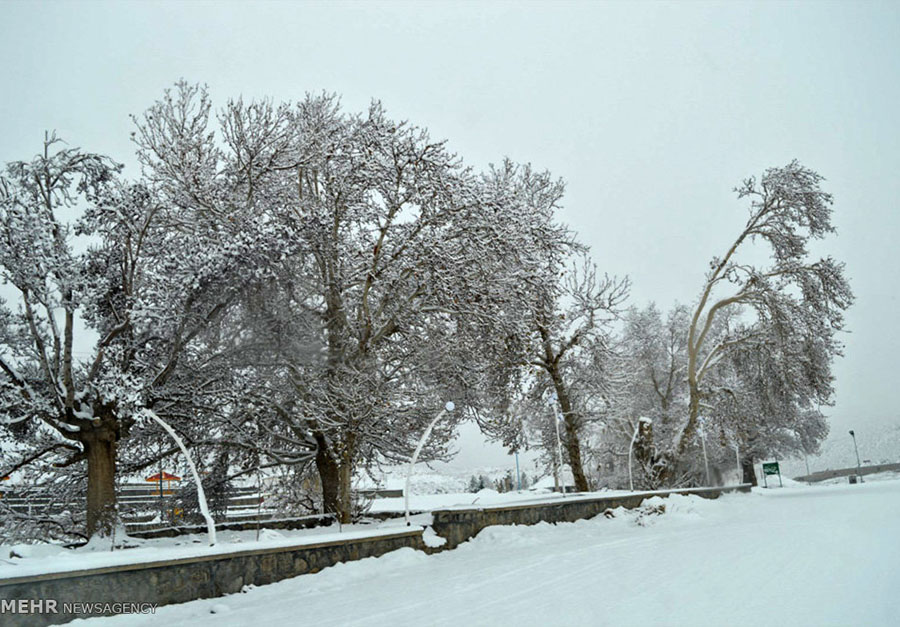
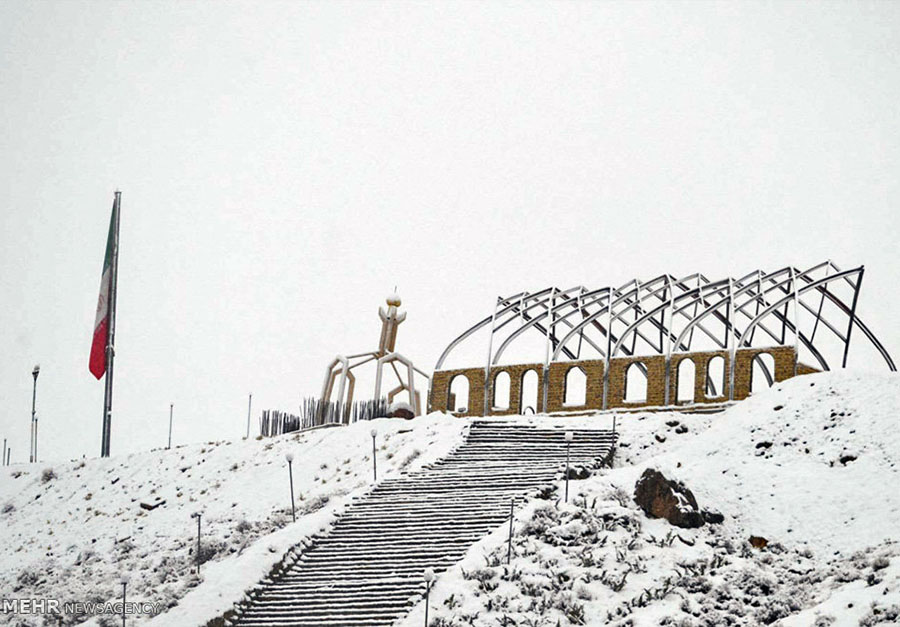
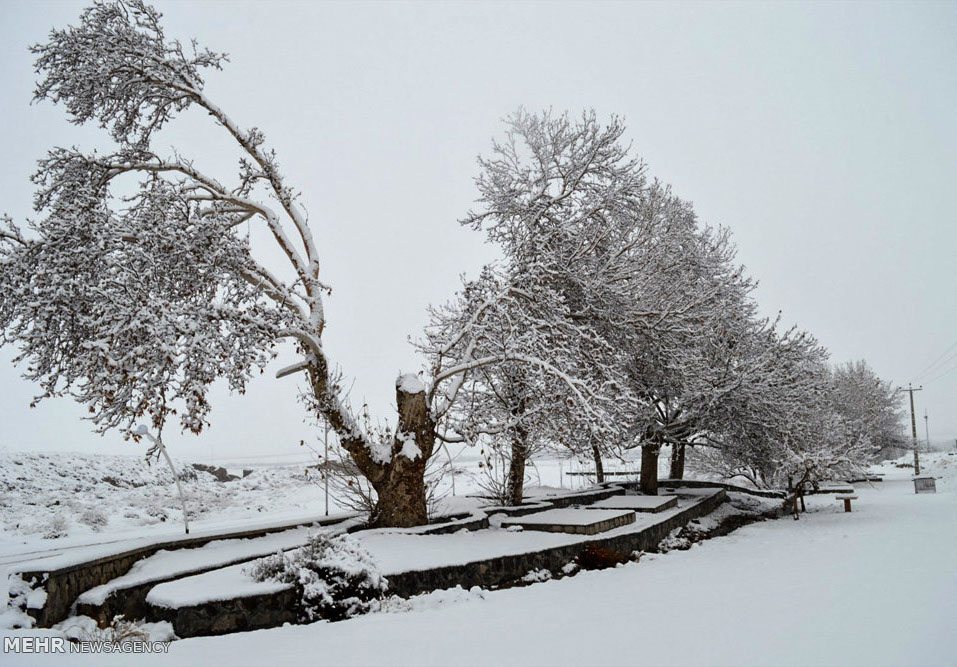
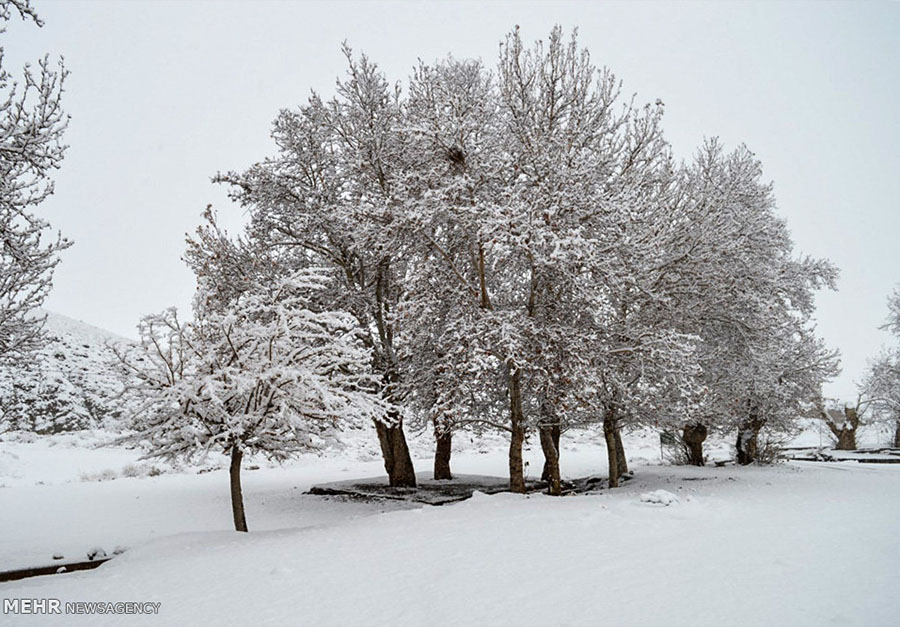
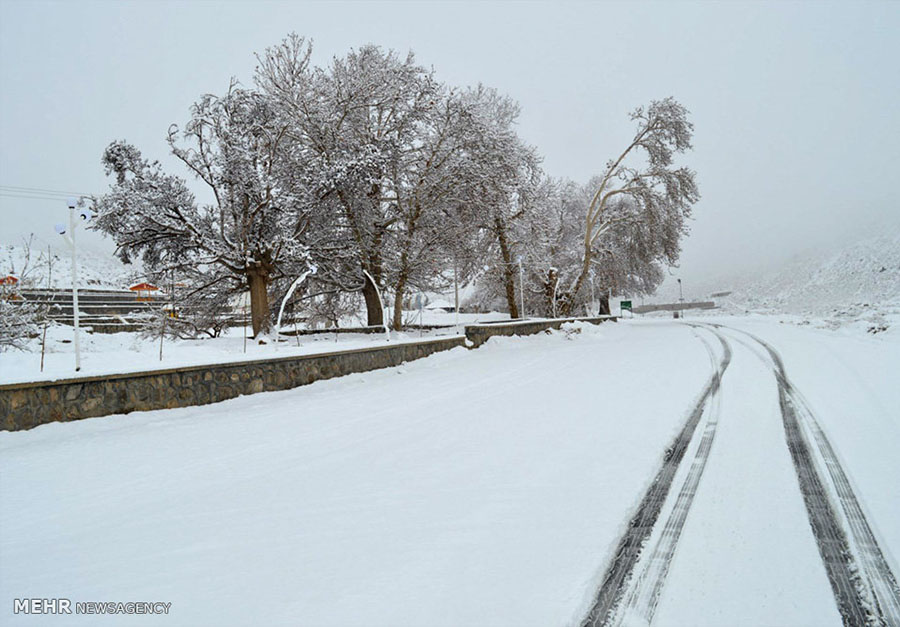
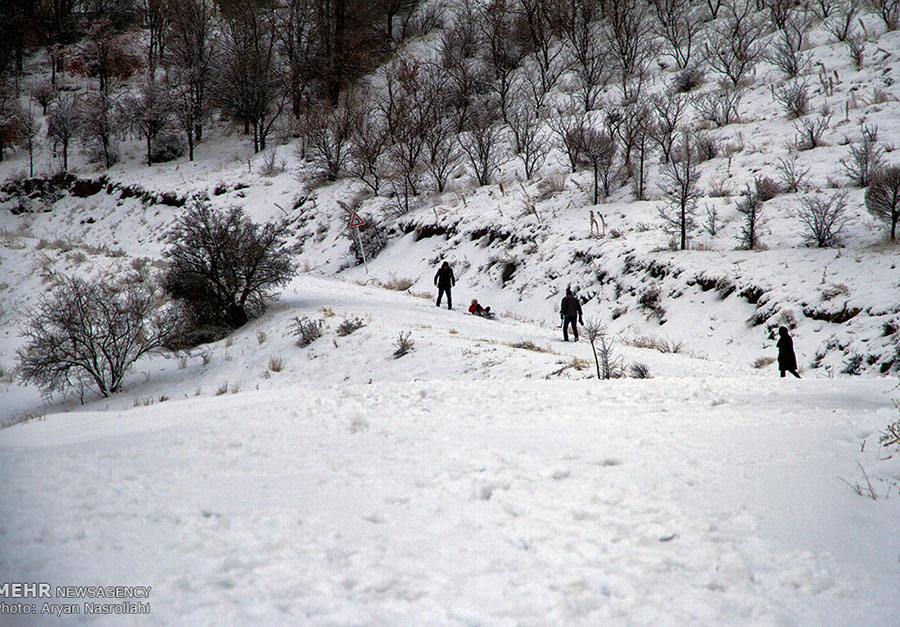
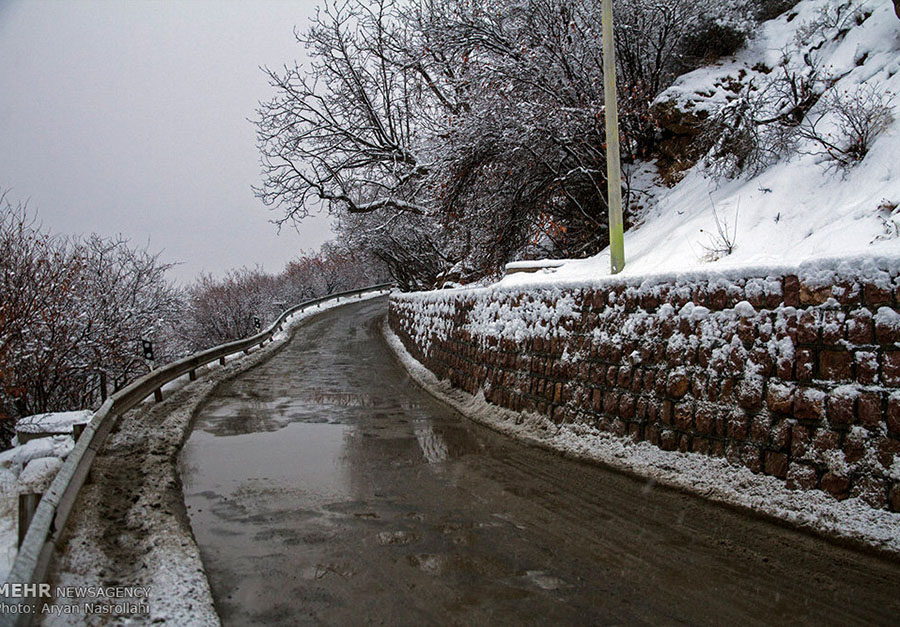
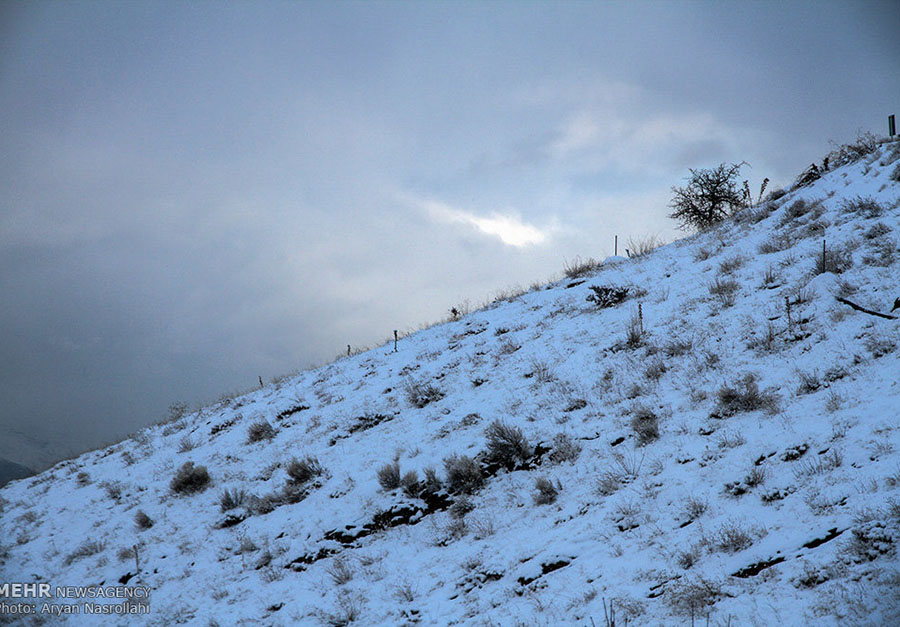
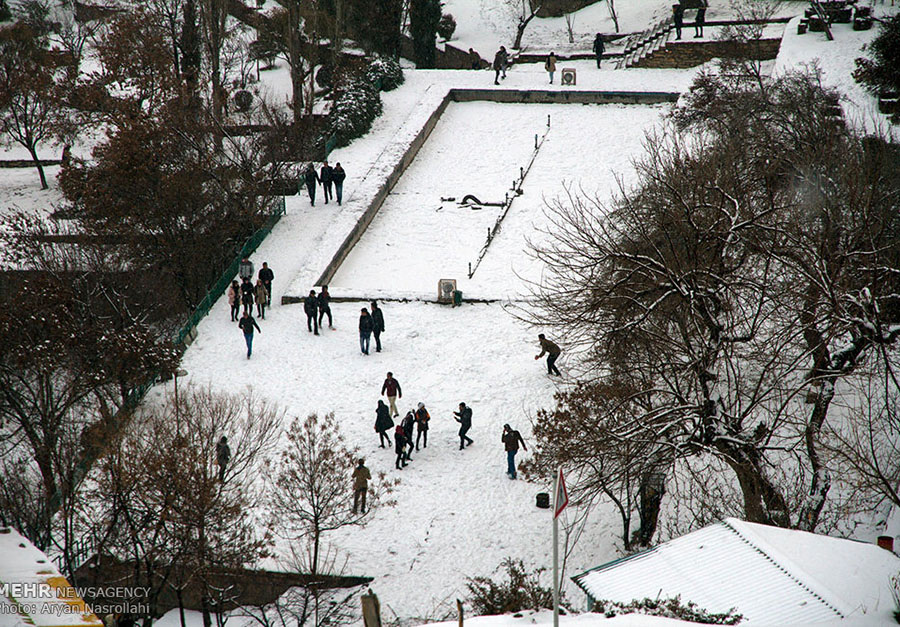
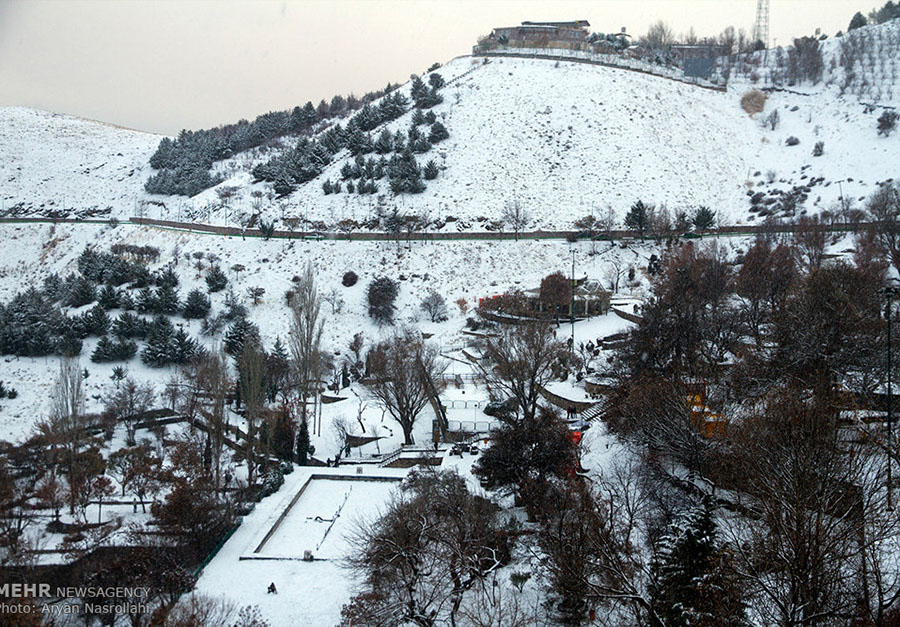
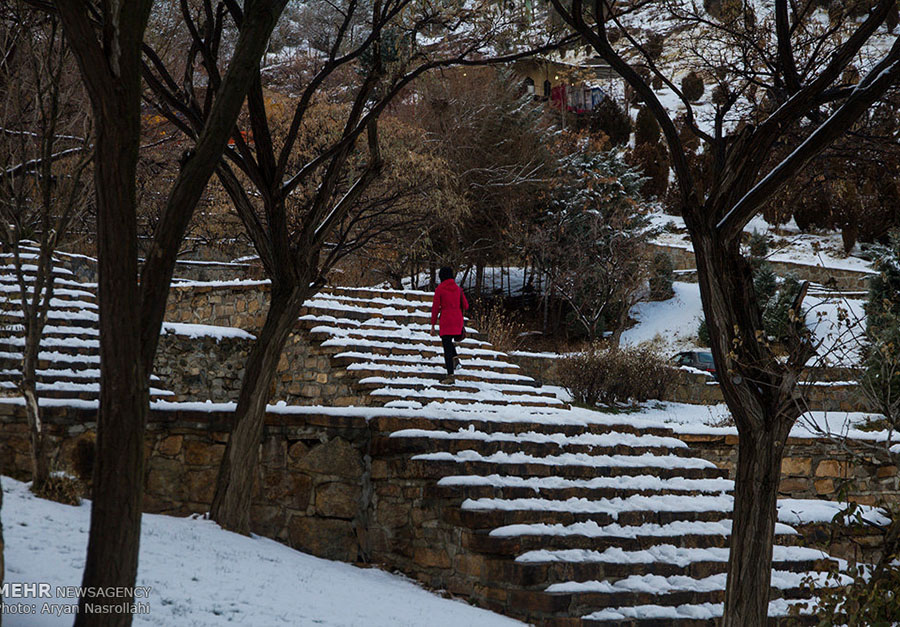
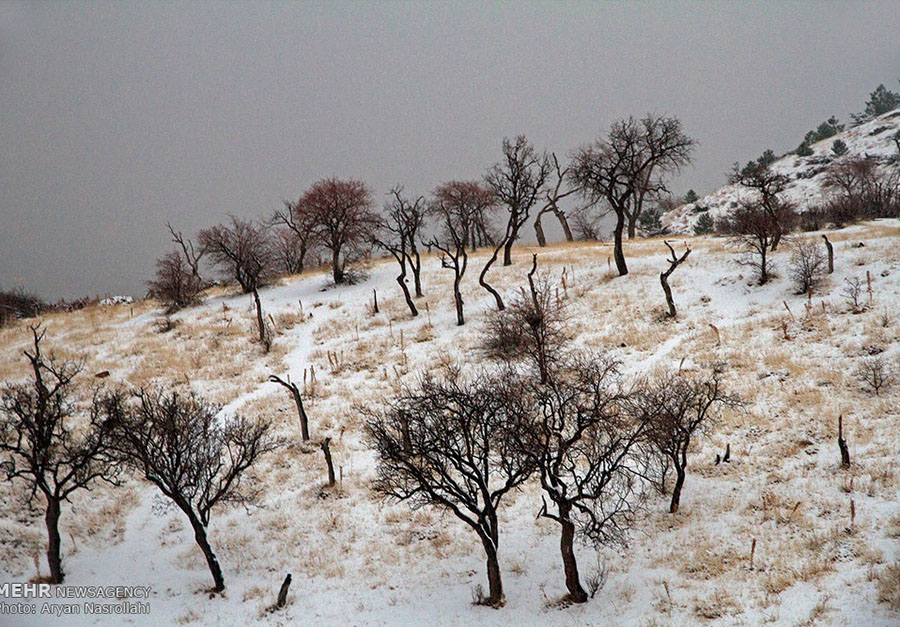
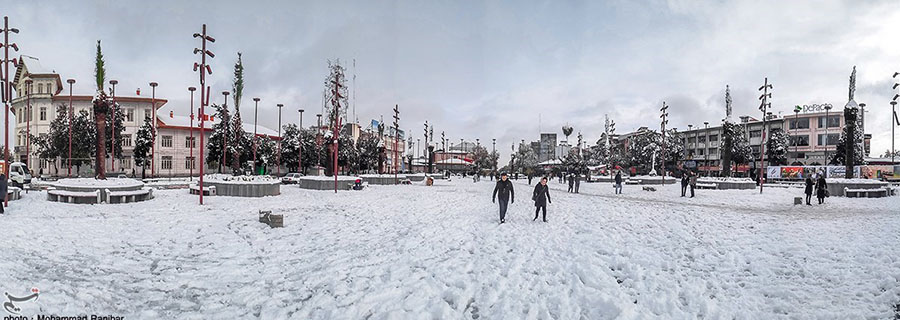
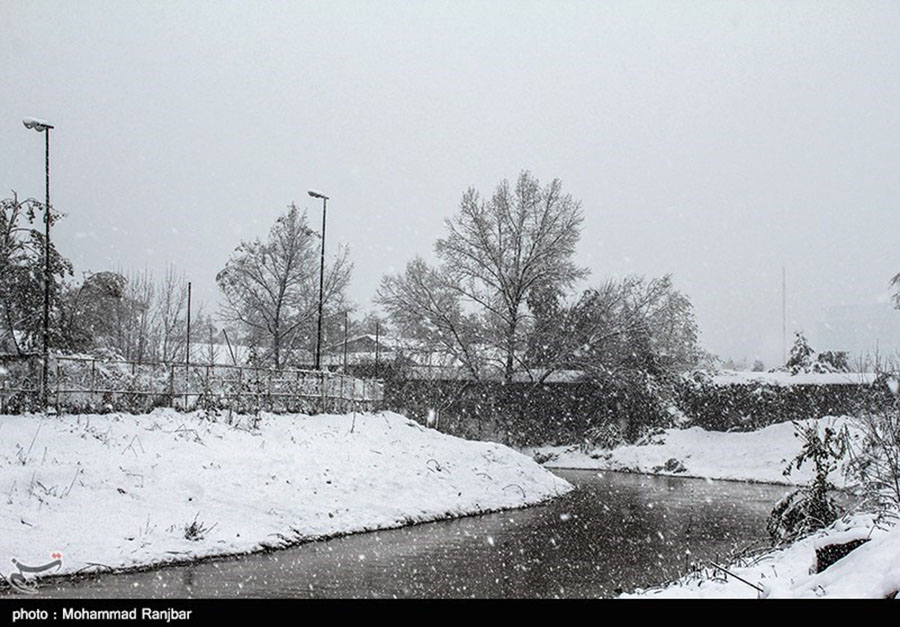
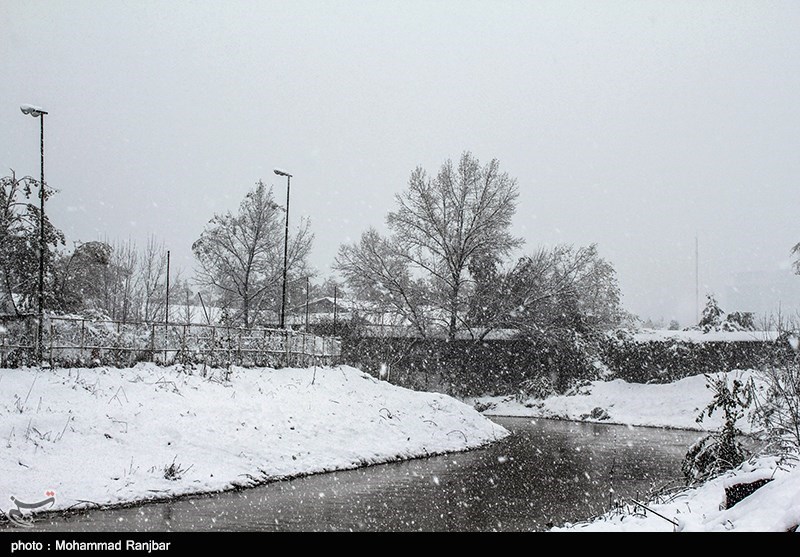
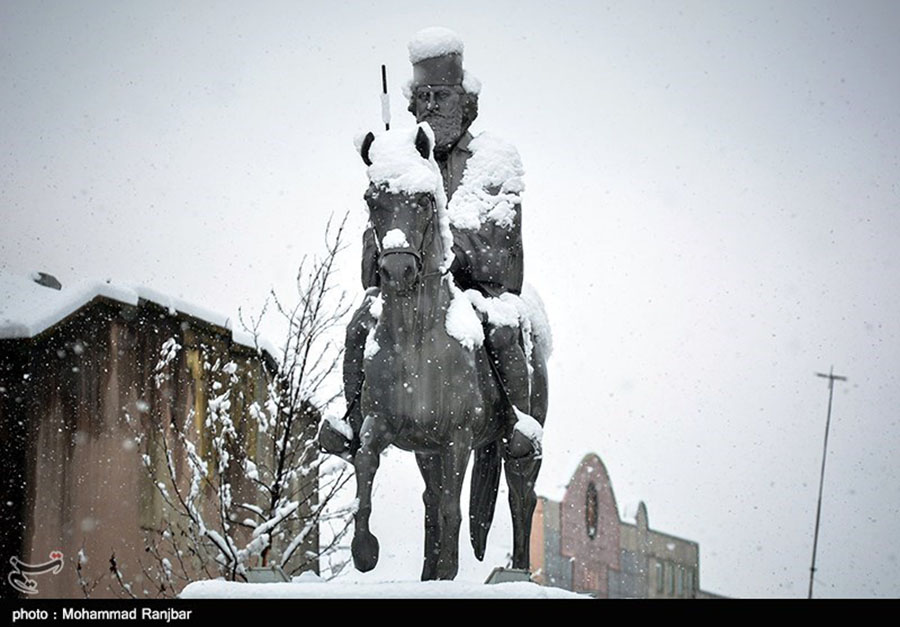
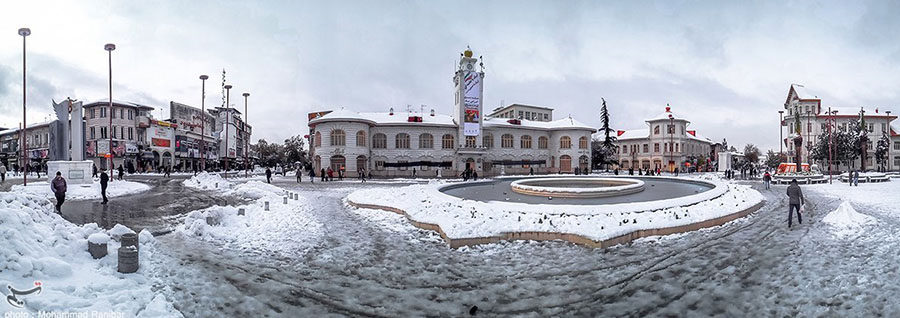
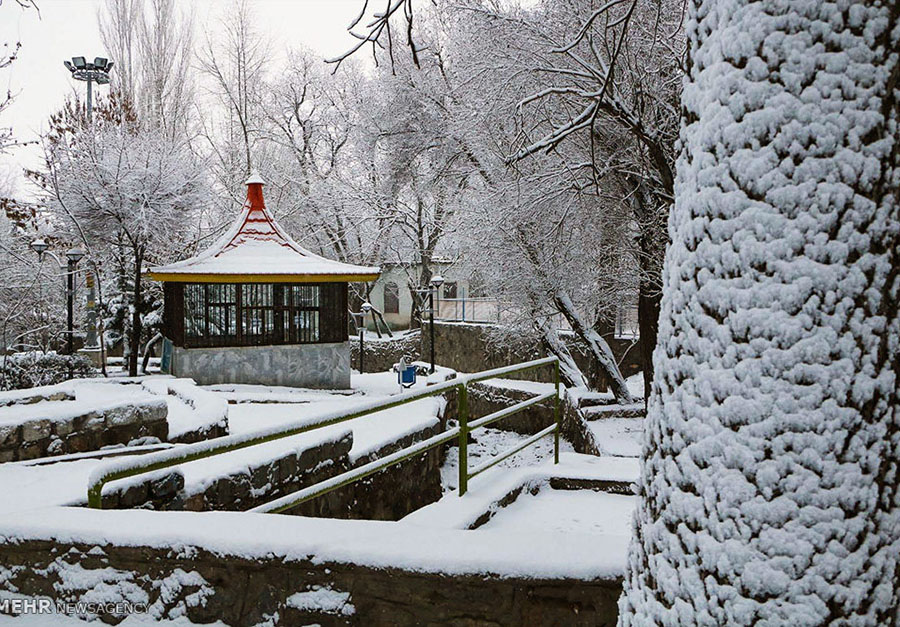
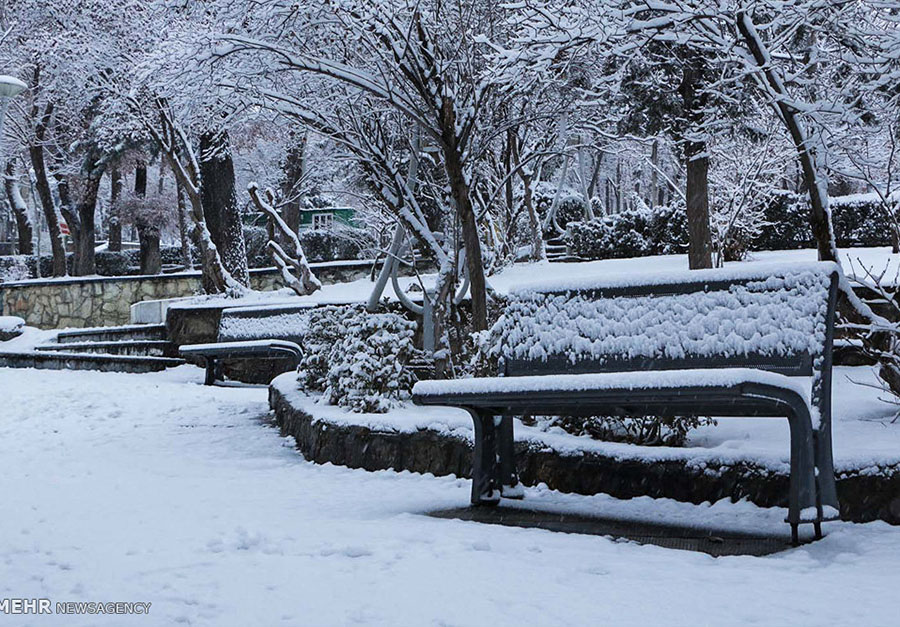
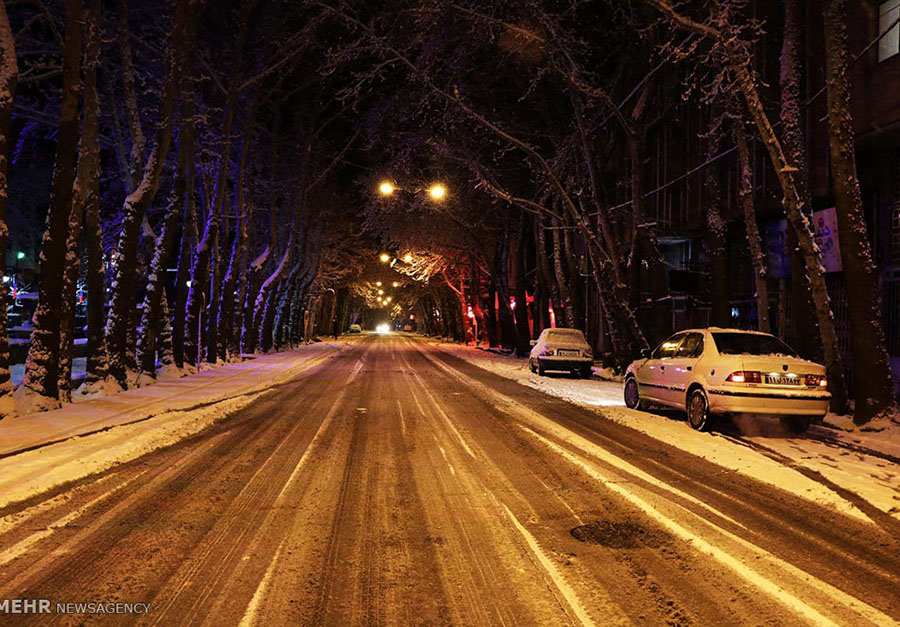
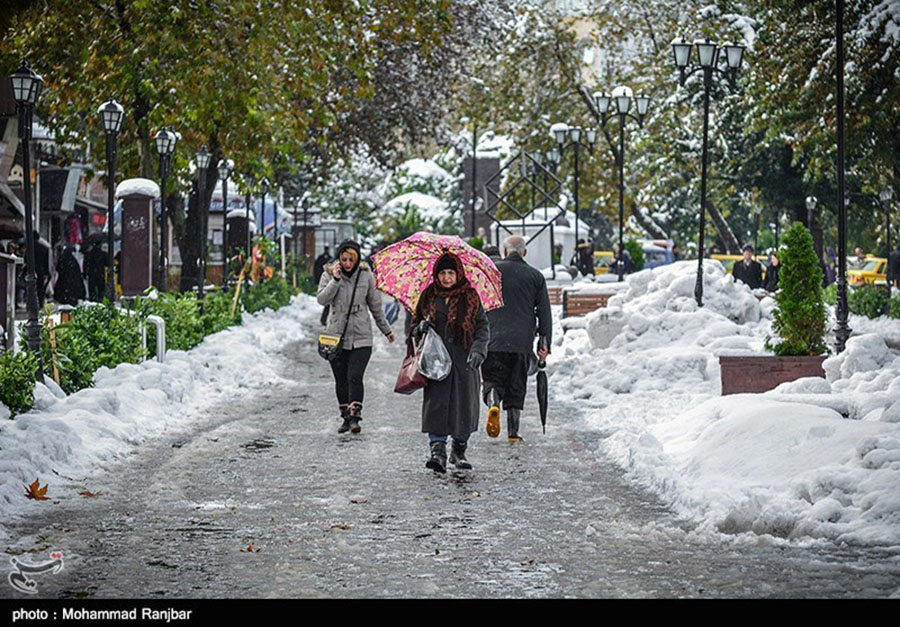
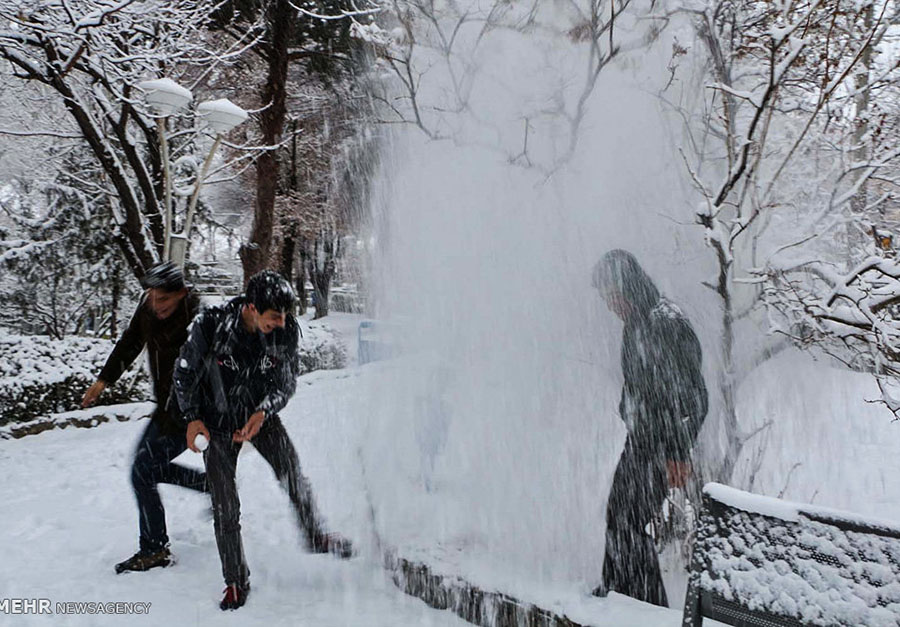
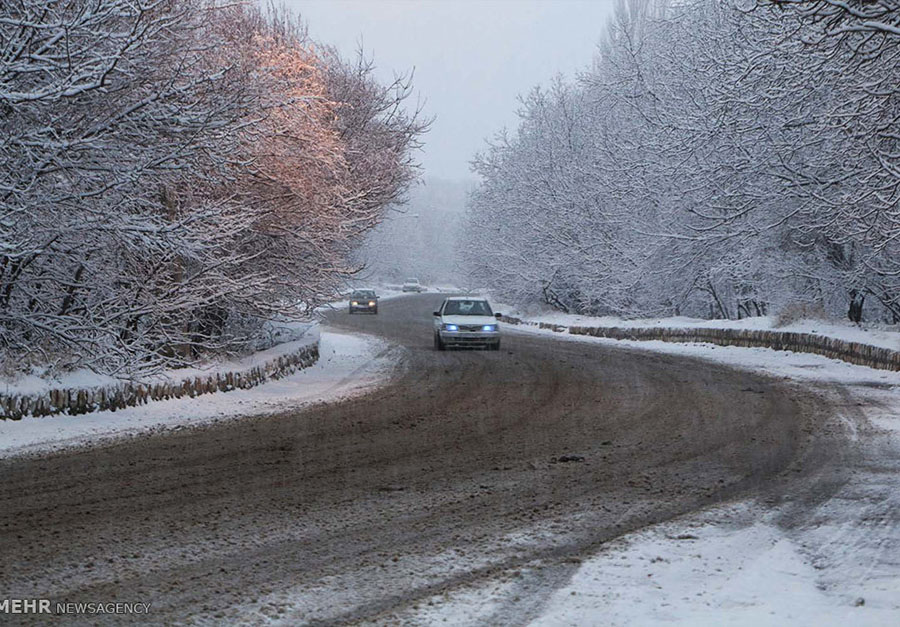
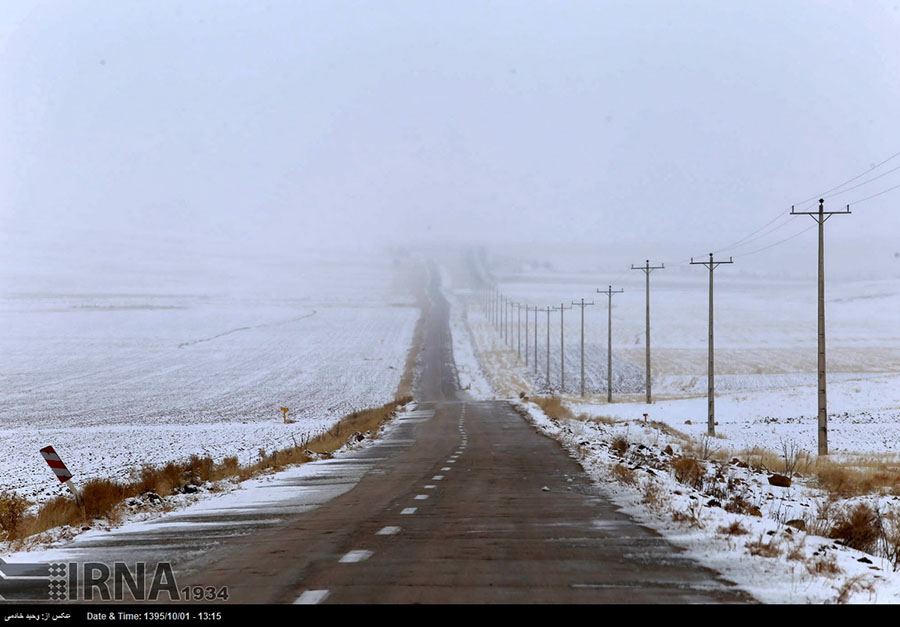
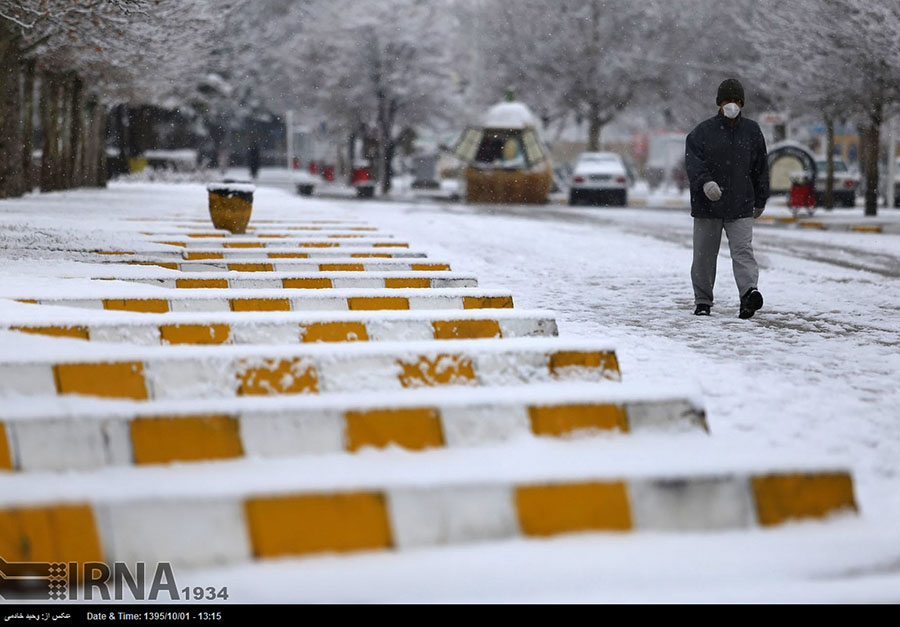
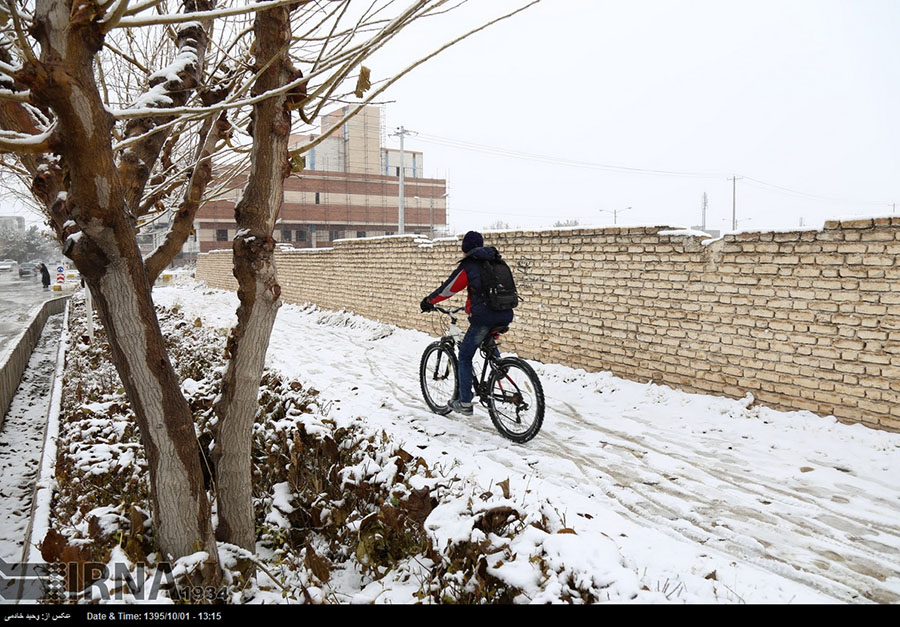
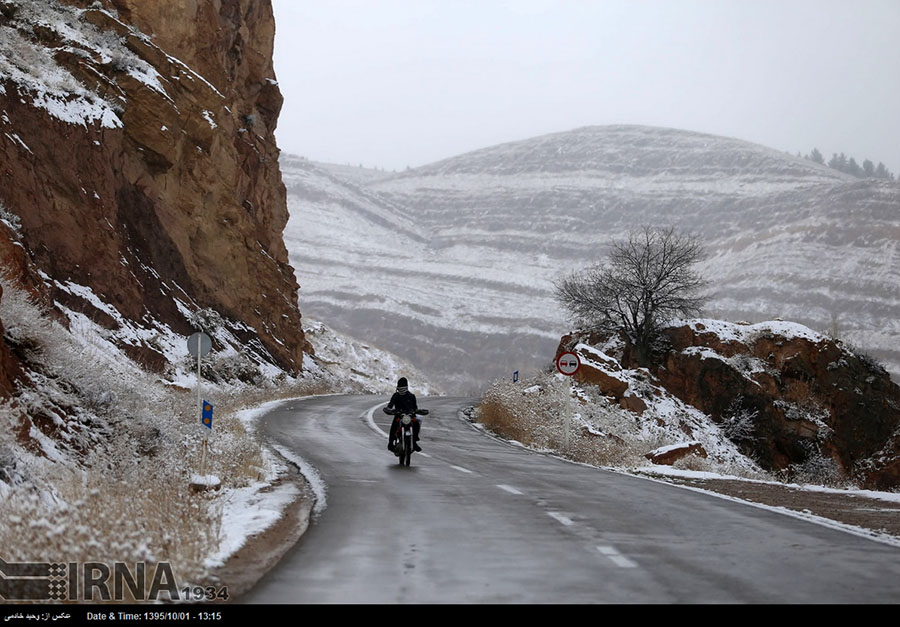
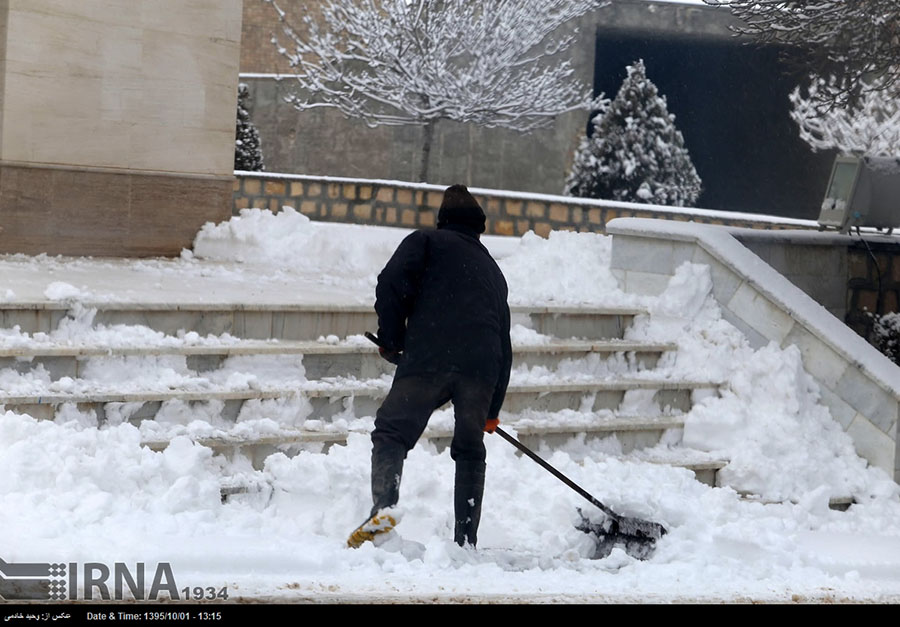
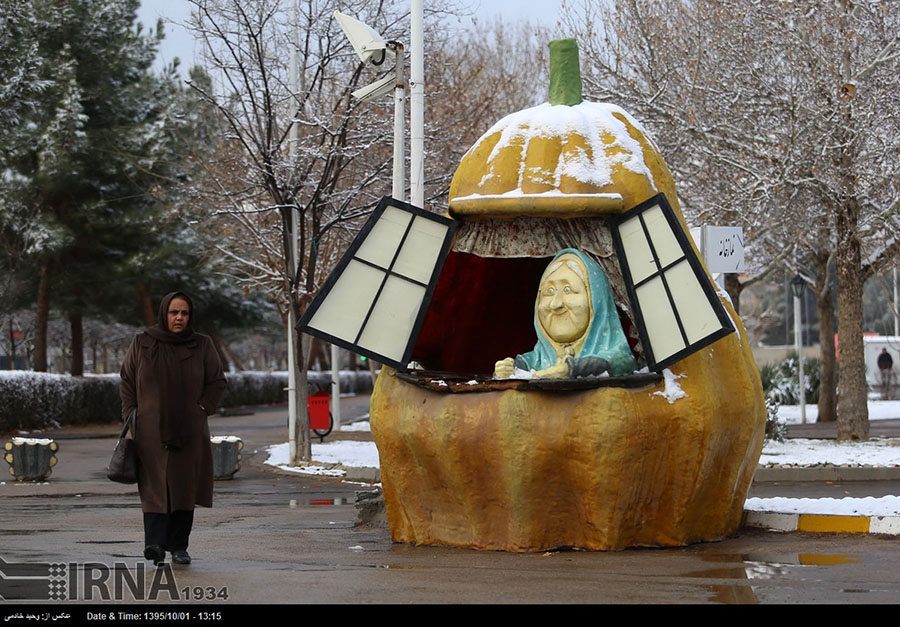
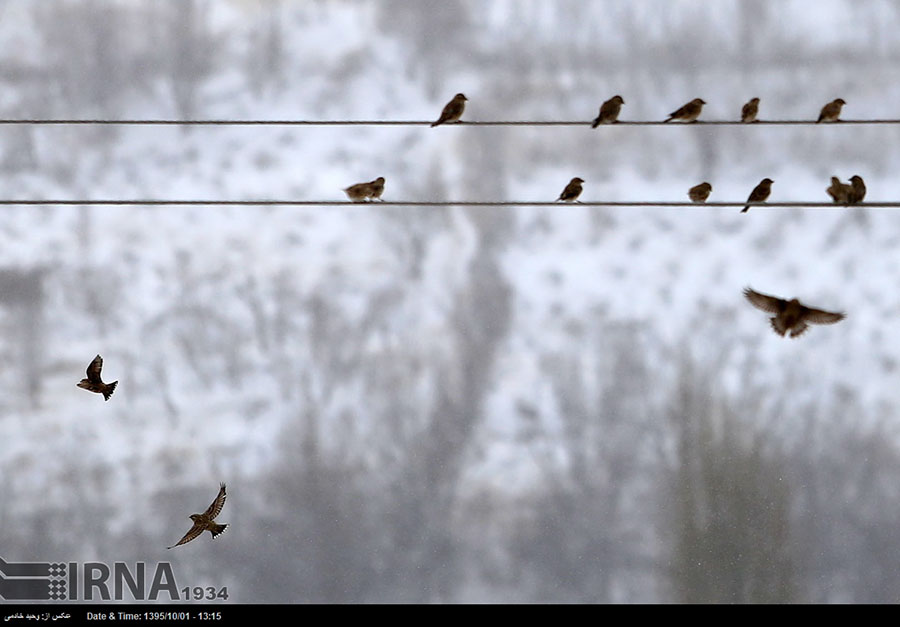
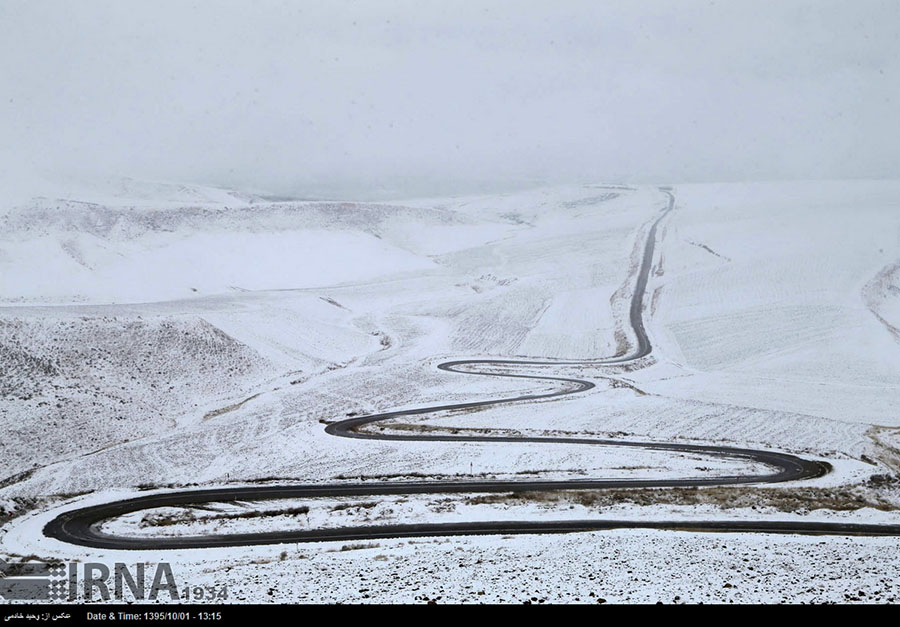
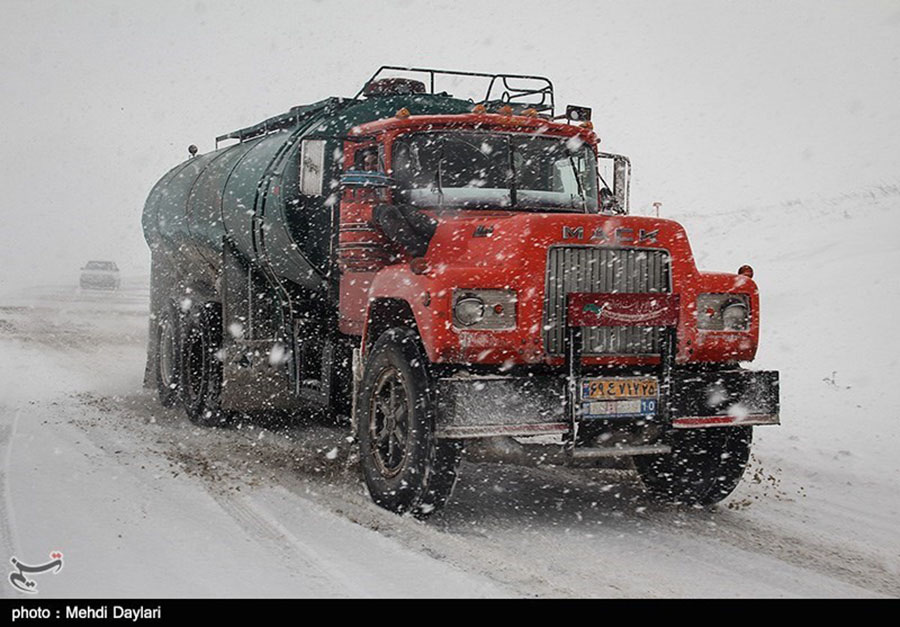
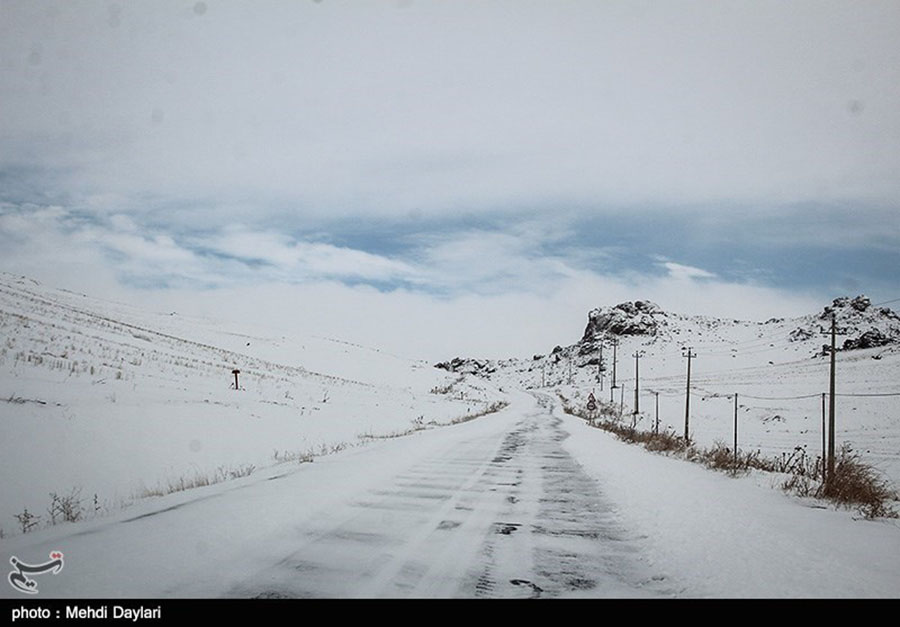
Iran Starts Winter with Heavy Snow

Here are photos taken by various news agencies of the winter snow across Iran:

US Refuses to Veto Anti-Israel Resolution in UNSC

UNSC Vote on Israel

According to a report by IFP, Resolution 2334 was approved with 14 member states voting in favour, none voting against and one abstention — the United States.

There was applause in the chamber following the vote, which represented perhaps the final bitter chapter in the years of antagonism between President Barack Obama’s administration and Netanyahu’s government.

In an intense flurry of diplomacy that unfolded in the two days before the vote, a senior Israeli official had accused the United States of abandoning Tel Aviv with its refusal to block the resolution with a veto.

The Palestinian Authority hailed “a day of victory” and Palestinians were delighted by their rare diplomatic coup.

“This is a victory for the people and for the cause, and it opens doors wide for the demand of sanctions on settlements,” said Mustafa Barghouti, a Palestinian leader.

Speaking at the Security Council after the vote, US Ambassador Samantha Power said the decision underlined the Council’s long-standing position that “the settlements have no legal validity.” She claimed the US position was “fully in line with the bipartisan history” of how US presidents have approached the issue for decades.

The US did not agree with every word of the resolution, she said, and therefore had not voted in favor. But “we cannot stand in the way of this resolution,” she said, in the quest for “two states living side by side in peace and security.”

“The settlement problem has gotten so much worse,” she said, that it was now endangering that solution. “One has to make a choice between settlements and separation,” she said.

Iranian Official Hails Turkey’s Withdrawal from Its Stance towards Syria

IRAN-TURKEY-RUSSIA

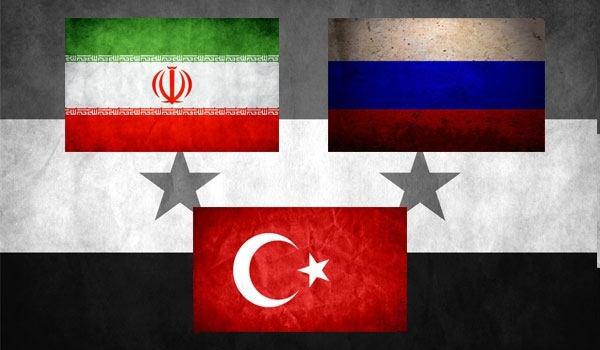
According to a report by IFP, Mohsen Rezaei, the Secretary of Iran’s Expediency Council, referred to the recent tripartite meeting between Iran, Russia, and Turkey in Moscow on the issue of Syria, saying the most important outcome of the meeting was Turkey’s retraction of its previous position about Syrian President Bashar al-Assad.

Mohsen Rezaei“The alliance between Iran, Turkey, and Russia was an important development. The recent assassination of Russian ambassador to Turkey was aimed at cancelling the trilateral meeting and preventing the three sides from agreeing on a common stance,” Rezaei said in a televised interview on Wednesday.

“We all know what was Turkey’s previous stance towards Syria, but now we see a change in Ankara’s position, which is declared in the form of the trilateral meeting’s joint statement, and it is a significant development,” he went on to say.

JCPOA Is Like a Melting Snowball: IRGC General

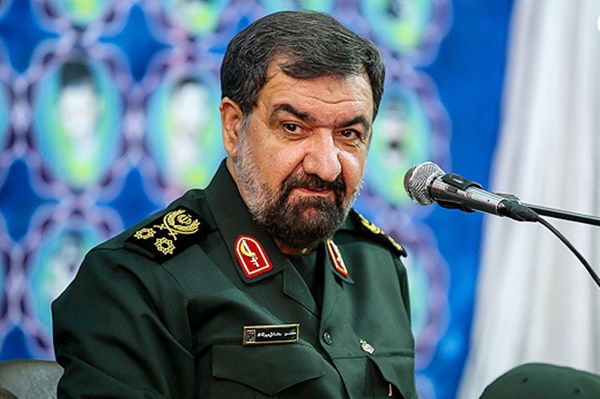
According to a report by IFP, Mohsen Rezaei, the former IRGC Commander and the incumbent secretary of Iran’s Expediency Council, recently talked about a range of issues including the nuclear deal between Tehran and world powers, the US extension of Iran Sanctions Act (ISA) and Iran’s reaction to the move.

“Mr. Obama did not sign off the law [ISA extension proposed by the US Congress], and the Iranian administration, in reaction, put working on nuclear propulsion program on its agenda. However, this is not enough, because the dignity of Iran’s foreign policy should not be harmed,” Rezaei said in a televised interview on Wednesday.

“I believe the Joint Comprehensive Plan of Action (JCPOA) is like a snowball that is gradually melting. We should not let it turn into a corpse, and it should have impact on people’s lives,” he went on to say.

“During the nuclear negotiations, three teams – a nuclear, a diplomatic, and an economic team – should have taken part in the talks. The nuclear and diplomatic teams had a good performance, but there was no economic team. The economic team should have proposed certain regulations to be implemented by the US Treasury Department after the deal, but it turned to a historic negligence, whose results we have seen.”


Statistics Declared by Government Are Not Proportional to Economic Conditions

Rezaei further referred to the economic growth rate of 7.4% recently announced by President Hassan Rouhani, and said, “We have statistics that the economic growth rate is 6.4%, and if we subtract the oil [income] from that number, the rate would be standing at 4%.”

“This rate was 1% last year; what has happened within the past six months that it has risen to 7.4%? We would be happy if it even rises to 9%, but the declared statistics should be proportional to the country’s economic conditions,” he went on to say.

“The government recently ratified a good plan to inject around $3 billion into quick-impact firms, but the plan had two problems: first, it was too late; the government was expected to implement such a plan three years ago; second, Rouhani’s administration should not act in a conservative way, and should allocate greater amounts of money to this field,” he added.


Corruption in Administrative System Prevents Economic Mobility

Rezaei also referred to the problems in Iran’s management system and decision-making process, and called for a fight against corruption, as reported by various Iranian news agencies.

“Corruption in administrative system prevents economy from moving. This corruption prevents meritocracy, and leads to the appointment of inept executives and bribery,” he noted.

He also called for giving further authority to regional and provincial bodies, saying, “One of the country’s good governors, who was wounded in Syria [in the fight against terrorism] and is one of our good friends, used to say that if he wants to move a simple power pole, he needs to coordinate it with the relevant ministry, and he does not have even that much authority.”

“Authority should be given to provinces and counties in the field of production and services; however, the central government should be the authority in the fields of security and military,” he added.

“I ask our politicians and statesmen not to undermine the country’s national security in negotiations and talks even if they cannot provide further services. We all should try to improve the country’s economy while maintaining our security,” Rezaei noted.

GCC’s Talks with Iran Based on Good Neighbourliness: Kuwaiti Official

Neighbourliness

According to a Farsi report by IRNA, Kuwait’s Deputy Foreign Minister Khaled Sulaiman Al-Jarallah announced that the message Kuwait should share with Iran is related to the talks between Tehran and GCC, and that is focused on good neighbourliness among countries in the Middle East.

The Kuwait-based Al-Qabas newspaper on Wednesday quoted al-Jarallah as saying that the talks between Iran and the GCC is based on non-interference in other countries’ domestic affairs and showing respect for the territorial integrity of other states.

“These principles are based on the UN Charter,” he noted.

The Kuwaiti official also referred to the release of four Kuwaiti nationals recently arrested in Iran’s Ahvaz, and appreciated the positive interaction and cooperation of Iranian officials towards the prisoners and their release.

Ban’s Presidential Ambitions ‘Hollow Dream’: North Korea

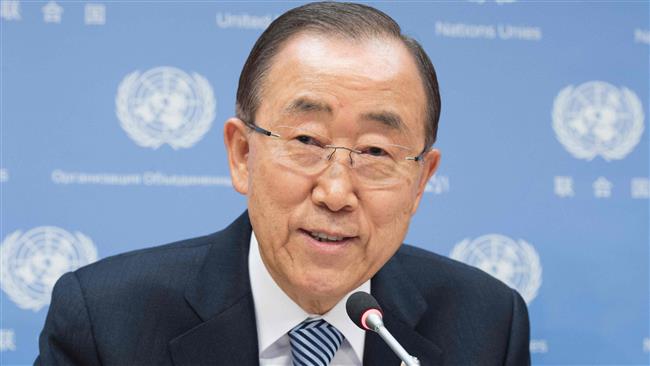
Ban Ki-moon

The North’s official Uriminzokkiri website said in an article on Friday that Ban’s possible presidential hopes were absurd because the way he managed his job as the UN chief over the past 10 years has left him living in “criticism and shame.”

It added that the UN chief, who steps down at the end of the year after two five-year terms, had a bad reputation in South Korea’s domestic politics because he is an opportunist who “sets sail wherever winds blow and changes colors by the circumstance.”

“There is an old saying that you stretch your feet no longer than your blanket will reach, and his harboring presidential ambitions despite living in all sorts of criticism and shame could only described as an incomparably hollow, silly dream,” the article said.

Ban has not officially declared an intention to run for South Korean president, but he has suggested that he may become a candidate after his tenure at the world body ends.

Addressing South Korean reporters in New York on December 20, Ban gave the strongest signal that he is keen to run for president in his native South Korea.

He said he would be inclined to run if his decade-long experience as UN head “can be of help to the country.”

The 72-year-old said he would “burn” himself in devotion for South Korea.

Ban’s comments come as his home country is engulfed in political uncertainty after the parliament impeached President Park Geun-hye on December 9 on charges of constitutional and criminal violations ranging from failure to protect people’s lives to bribery and abuse of power.

Most of the charges stemmed from a probe into a scandal involving Choi Soon-sil, a long-time confidante of the suspended president. Choi is currently awaiting prosecution for fraud and embezzlement. Park is accused of colluding with Choi in coercing large corporations into paying tens of millions of dollars in “donations” to organizations under her control.

Park’s presidential powers are suspended until then, with the prime minister assuming the role of government caretaker. If she is formally removed from office, a presidential election must be held within 60 days.

Ban’s political prospects as the next president are still shrouded in substantial uncertainty since he must wait to see if the country’s Constitutional Court rules to remove Park permanently. Then, he has to determine what political party he would align with before making a presidential bid.

The UN chief served his country as the minister of foreign affairs from 2004 to 2006.

Antonio Guterres, Portugal’s former premier, was sworn in as the new head of the world body late last week and will replace Ban on January 1, 2017.

Syria Officially Declares Restoration of Security and Stability to Aleppo

Aleppo

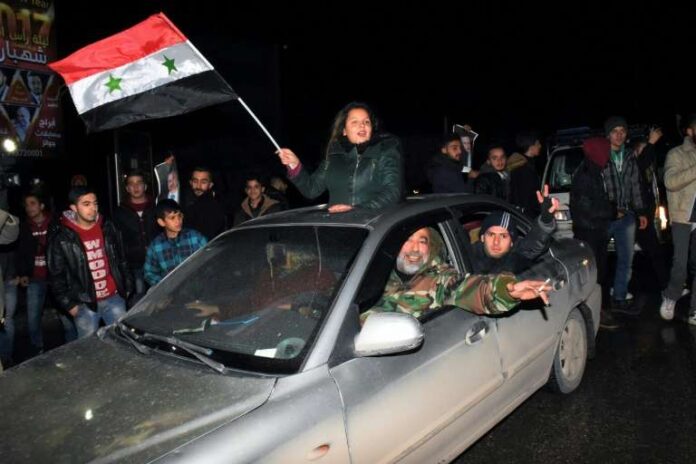
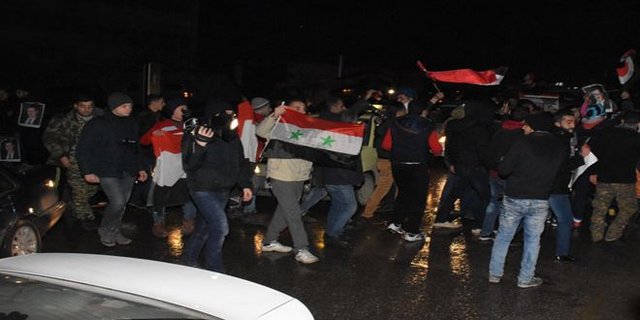
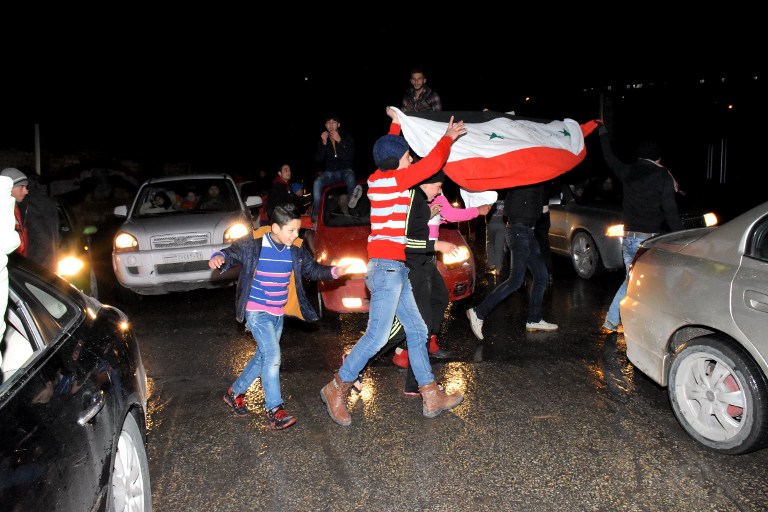
“The restoration of security and stability to Aleppo is a victory which forms a strategic juncture and important turning point in the fight against terrorism, from one point, and a blow to the terrorist project and its supporters from another,” the army’s general command said in a statement, as reported by ISNA in Farsi.

AleppoIt added that this important step affirms the capability of the Syrian army and its allies to terminate the war against terrorist organizations and establishes a new era to expel terrorism from all Syrian territories.

Aleppo

“This great achievement will be a strong incentive to resume the national duties and eliminate terrorism as well as restore security and stability to every span of the Homeland,” the Army’s general command said, the official Syrian Arab News Agency reported.

It called on any one who carries weapon to throw it because the fight against terrorism will be continued until liberating the last bit of the homeland’s soil.