Monday, April 13, 2026
Home Blog Page 4159

Airbnb Praises Iran’s Beauty, Lauds Iranians’ Hospitality

According to a report IFP, a few days after US president Trump signed an executive order indefinitely banning Syrian refugees, and temporarily blocking refugees and citizens from six other Muslim majority countries of Iran, Iraq, Sudan, Somalia, Yemen and Libya, the American lodging company Airbnb, an online marketplace and homestay network, issued its own response for refugees: “We’ve got a free place where you can stay.”

On Saturday (January 28, 2017) the company’s CEO Brian Chesky tweeted, “Airbnb is providing free housing to refugees and anyone not allowed in the US.”

In addition to offering support to Iranian immigrants and tourists as well as refugees from the other six Muslim states, Airbnb, in some of its recent Instagram posts and photos, has lauded Iranians’ hospitability and depicted the country’s beauty, saying it always holds the doors open for, and welcomes, anyone not allowed in America.

In the caption of a photo depicting a young man and a woman standing in front of the alcove of an Iranian mosque, it quotes a foreign tourist, who had visited Iran last year, as saying: “If Paris is the city of love, then Iran is the country of love. I have never seen so much love given so freely. I found Iranians to be some of the most loving, cultured and intelligent people I have ever met.”
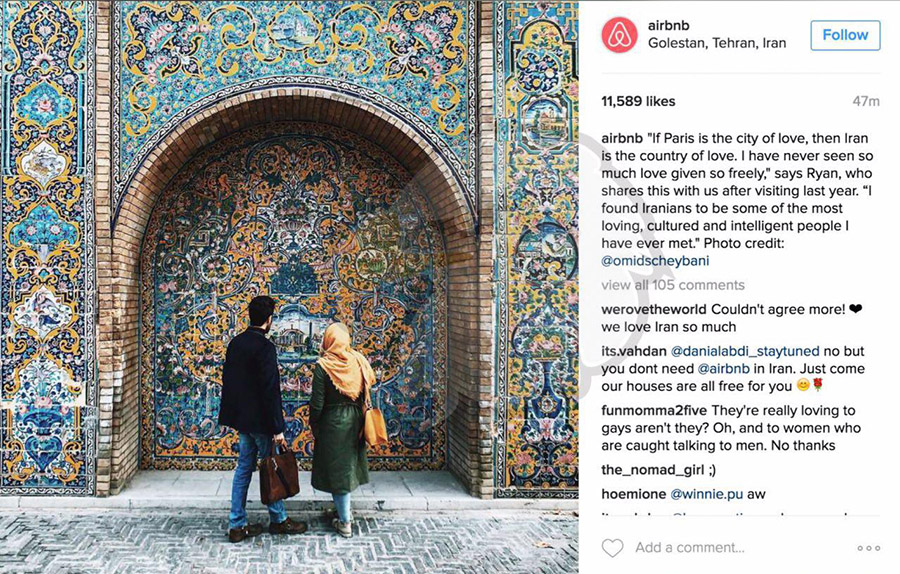
airbnb

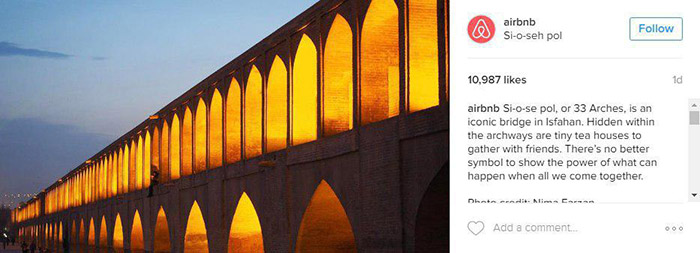
In the caption of another photo picturing Isfahan’s Si-o-seh pol (the bridge of thirty-three spans), it writes, “Si-o-se pol, or 33 Arches, is an iconic bridge in Isfahan. Hidden within the archways are tiny tea houses to gather with friends. There’s no better symbol to show the power of what can happen when all we come together.”
airbnb

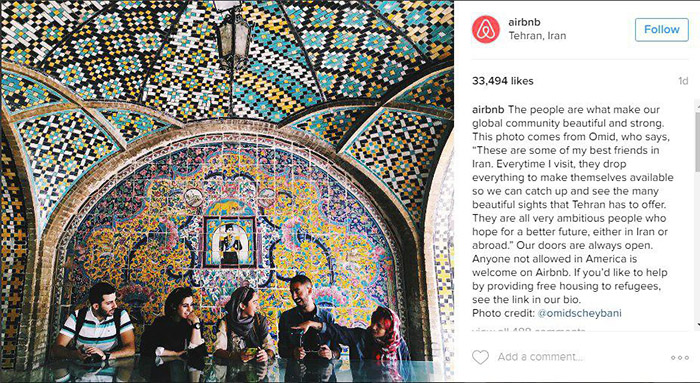
Another photo shows the picture of a number of Iranian youths sitting at a table in a beautiful traditional old café in Tehran. Its caption quotes a young Iranian as saying, “The people are what make our global community beautiful and strong. These are some of my best friends in Iran. Every time, I visit [them], they drop everything to make themselves available so we can catch up and see the many beautiful sights that Tehran has to offer. They are all very ambitious people who hope for a better future, either in Iran or abroad.”
3

In the same caption the company promises: “Our doors are always open. Anyone not allowed in America is welcome on Airbnb.”

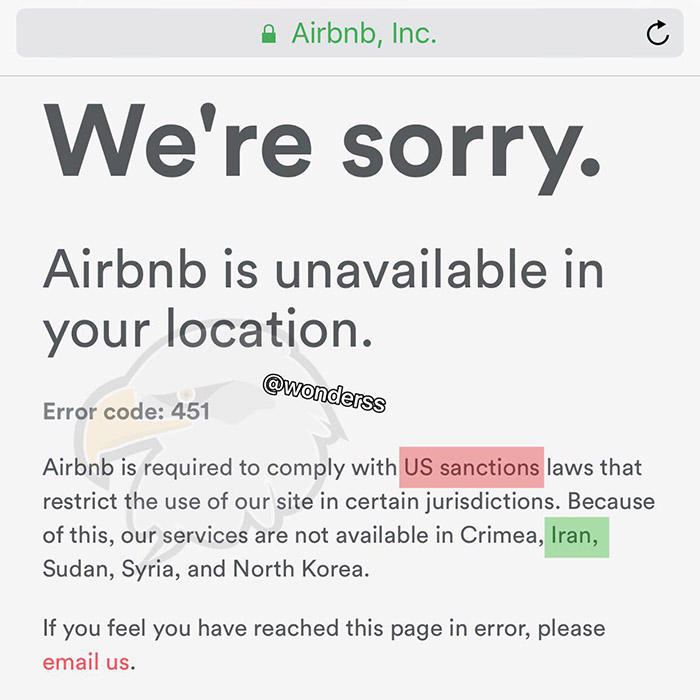
The company’s Instagram posts come as no one in Iran can go to Airbnb’s website due to the US sanctions restricting Iranian users’ access to it. Upon writing www.airbnb.com in the address bar of their browsers, Iranians are faced with the following message instead of the company’s page:

“We’re sorry. Airbnb is unavailable in your location. Error code: 451. Airbnb is required to comply with US sanctions laws that restrict the use of our site in certain jurisdictions. Because of this, our services are not available in Crimea, Iran, Sudan, Syria, and North Korea. If you feel you have reached this page in error, please email us.”
airbnb

Retired Teacher’s Body Organs Donated after his Brain Death

According to a Farsi report by IRNA, the organs of Gholam-Ali Qanbari Hassanabad, a retired Iranian teacher from Kohgiluyeh and Boyer-Ahmad Province, southwestern Iran, were donated with his family’s consent after he was found brain-dead.

“The organ transplant medical team removed the kidneys and the liver of this 64-year-old brain-dead patient and transferred them to Namazi Hospital of Shiraz,” announced Sassan Abbasi, member of the medical team.

 “He was a veteran teacher in this region,” said Hadi Zarepour, head of Kohgiluyeh and Boyer-Ahmad Province Education Office. “He started teaching in the 1970s, and retired in 2000.”

“This year, the organs of 23 brain-dead patients in this province have been donated.”

With a population of 700,000, the province is ranked first in Iran in organ donation: while 76% of brain-dead patients’ families in Iran give their consent to transplant the organs of their patients, the figure is 82.5% in Kohgiluyeh and Boyer-Ahmad.

The organ transplant unit of Kohgiluyeh and Boyer-Ahmad Medical University was launched in 2011, and 550 organs of 198 brain-dead patients have been transplanted in five years.

The youngest organ donator of this province was a 19-month toddler, and the oldest, a 71-year-old.

5,000 people from Kohgiluyeh and Boyer-Ahmad have signed papers for organ donation after death, by which they formally announce their consent to it. Recently an association was also been formed to promote the culture of organ donation there.

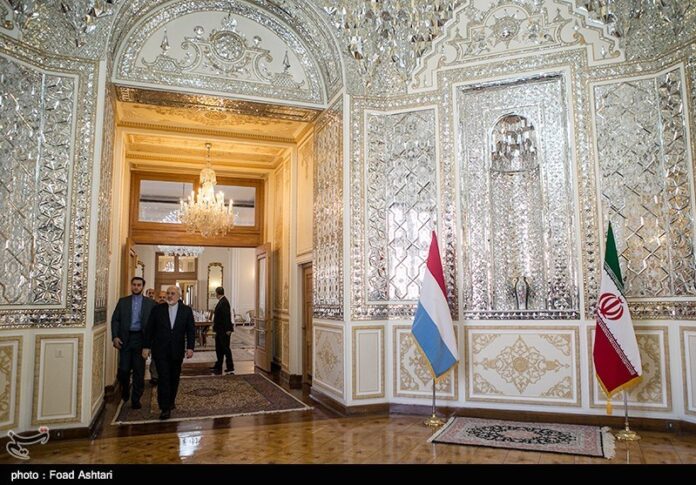
Iran and Luxembourg Plan to Remove Visa Restrictions for Travellers

Iran-Luxembourg

Iralux is seeking to pave the way for travelers from the two countries to easily obtain travel visas in Luxembourg and Iran, Mahmoud Kouchesfahani, the executive board member of the Iran-Luxembourg Chamber of Commerce and Industry (Iralux) said during an interview with Delano news website on Monday.

“…companies everywhere in Europe, even in the US, are pushing, lobbying in favor of relaxing sanctions or removing all of the barriers to be able to work with Iran,” he added.

“The Luxembourg community has always been very positive about Iran, especially with the history of the country and its culture. People have been traveling to Iran for years. What they like is the people and the reception they receive in various cities,” he went on to say.

Reports suggest that a group from Luxembourg’s young managers’ federation will visit Iran for five days in May 2017, and a new mission is expected later in the year.

The last economic mission from Luxembourg visited Iran in October 2016 with a delegation of 76 people representing 40 companies.

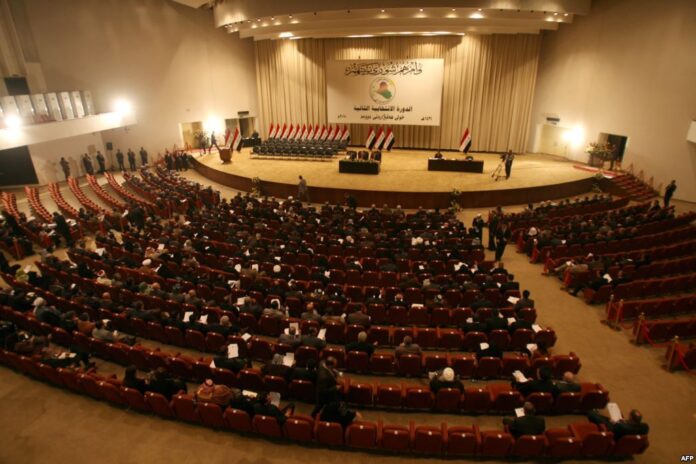
Iraqi Parliament Bans American Citizens’ Entry for 90 Days

iraq

The ban, adopted by lawmakers at a Monday session of parliament, is to apply to Americans entering Iraq.

Lawmakers Kamil al-Ghrairi and Mohammed Saadoun told The Associated Press that decision is binding for the government. Both say the decision was passed by a majority votes in favor but couldn’t offer specific numbers.

Trump’s order includes a 90-day ban on travel to the US by citizens of Iraq, Syria, Iran, Sudan, Libya, Somalia and Yemen, and a 120-day suspension of the US refugee program.

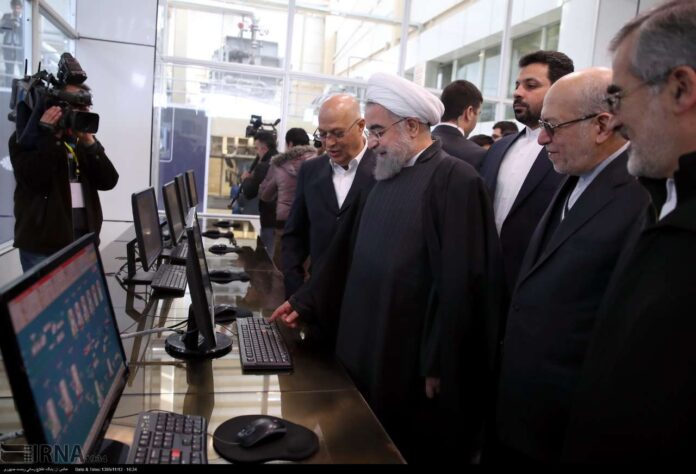
Iranian President Opens Mideast’s Largest Grain Refinery

rouhani

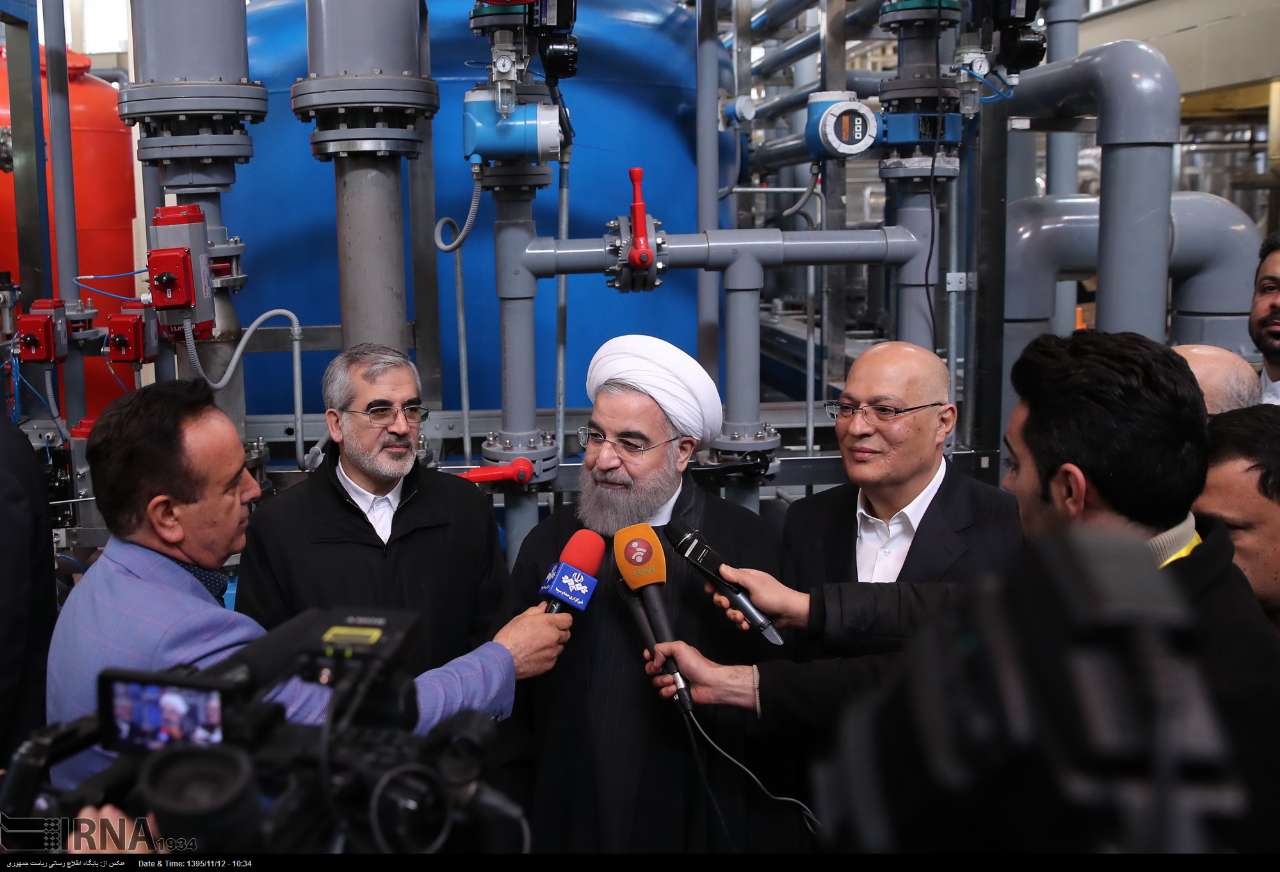
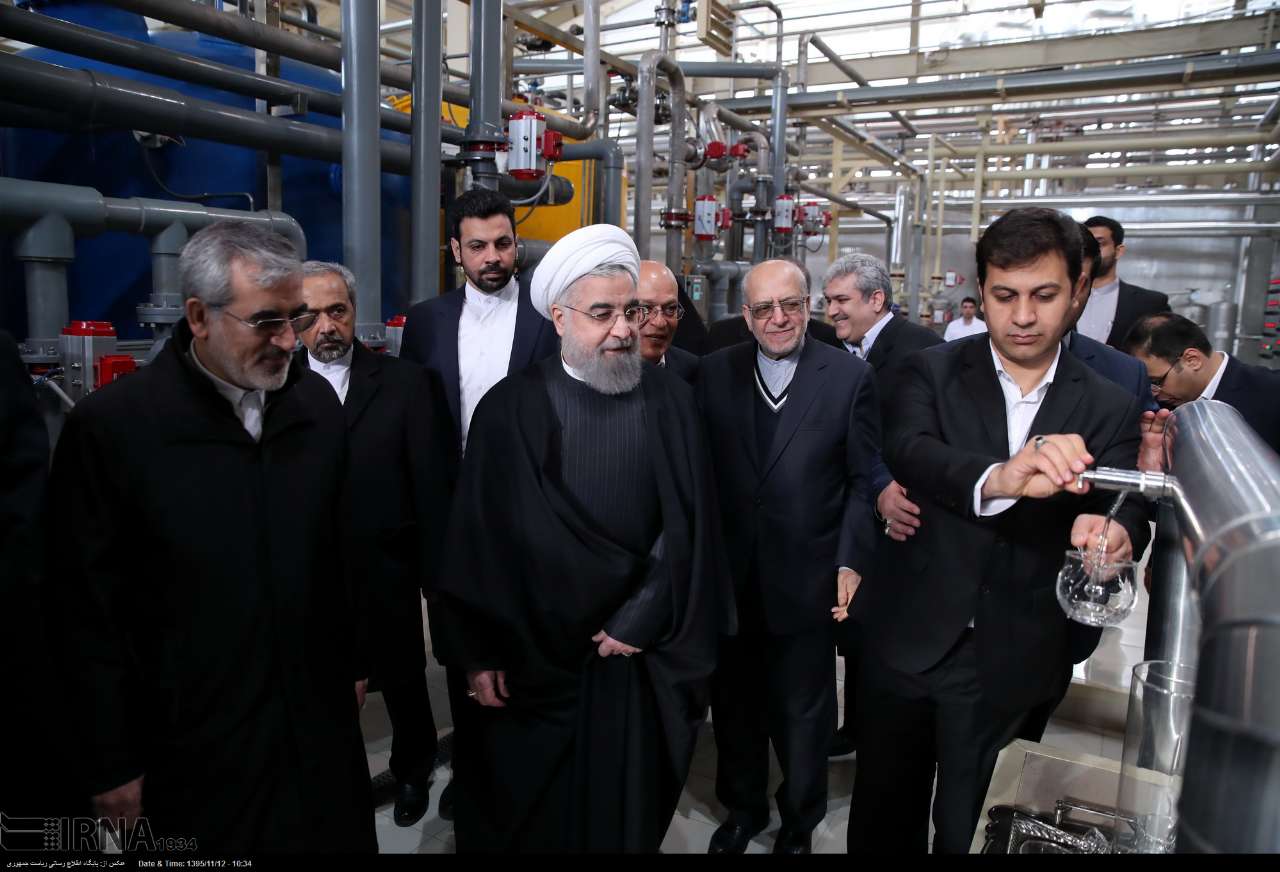
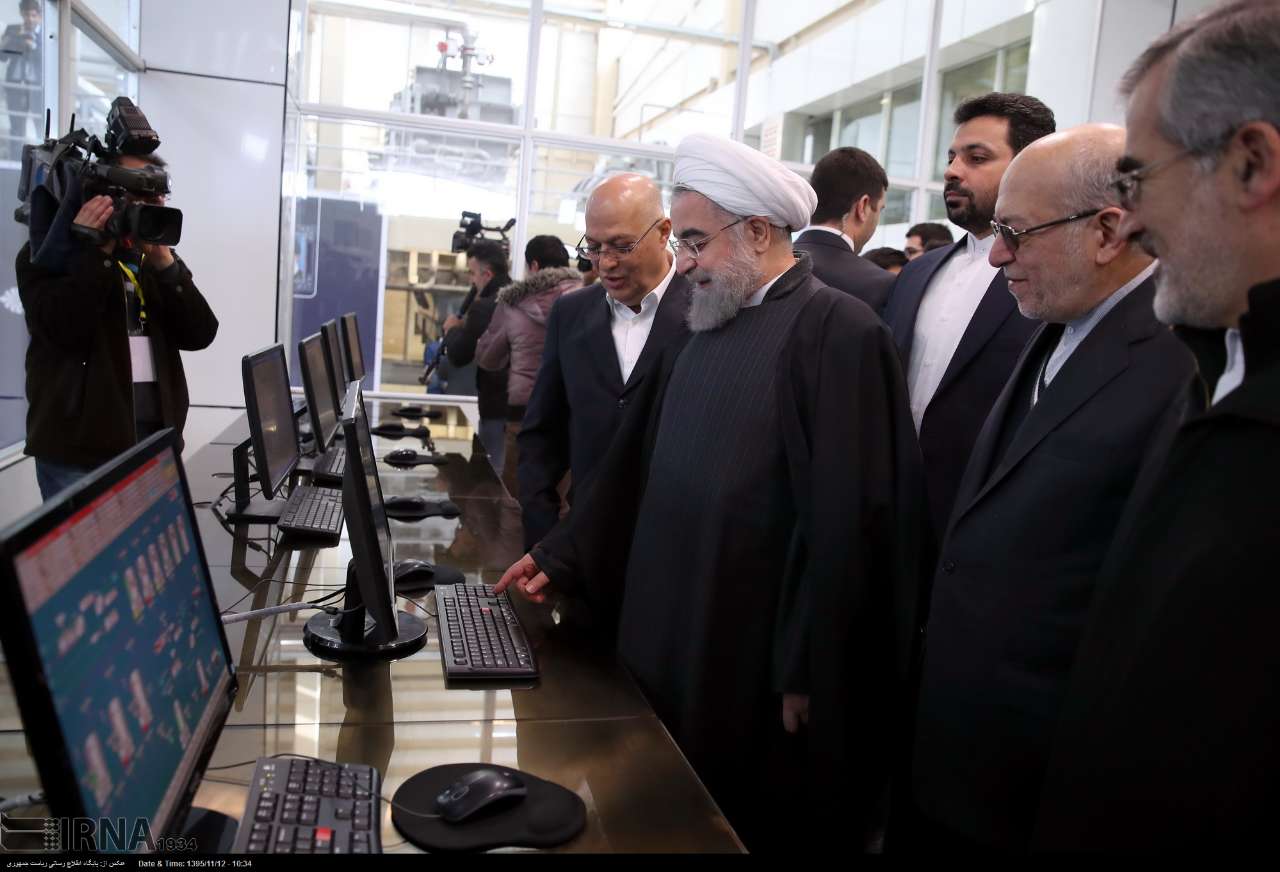
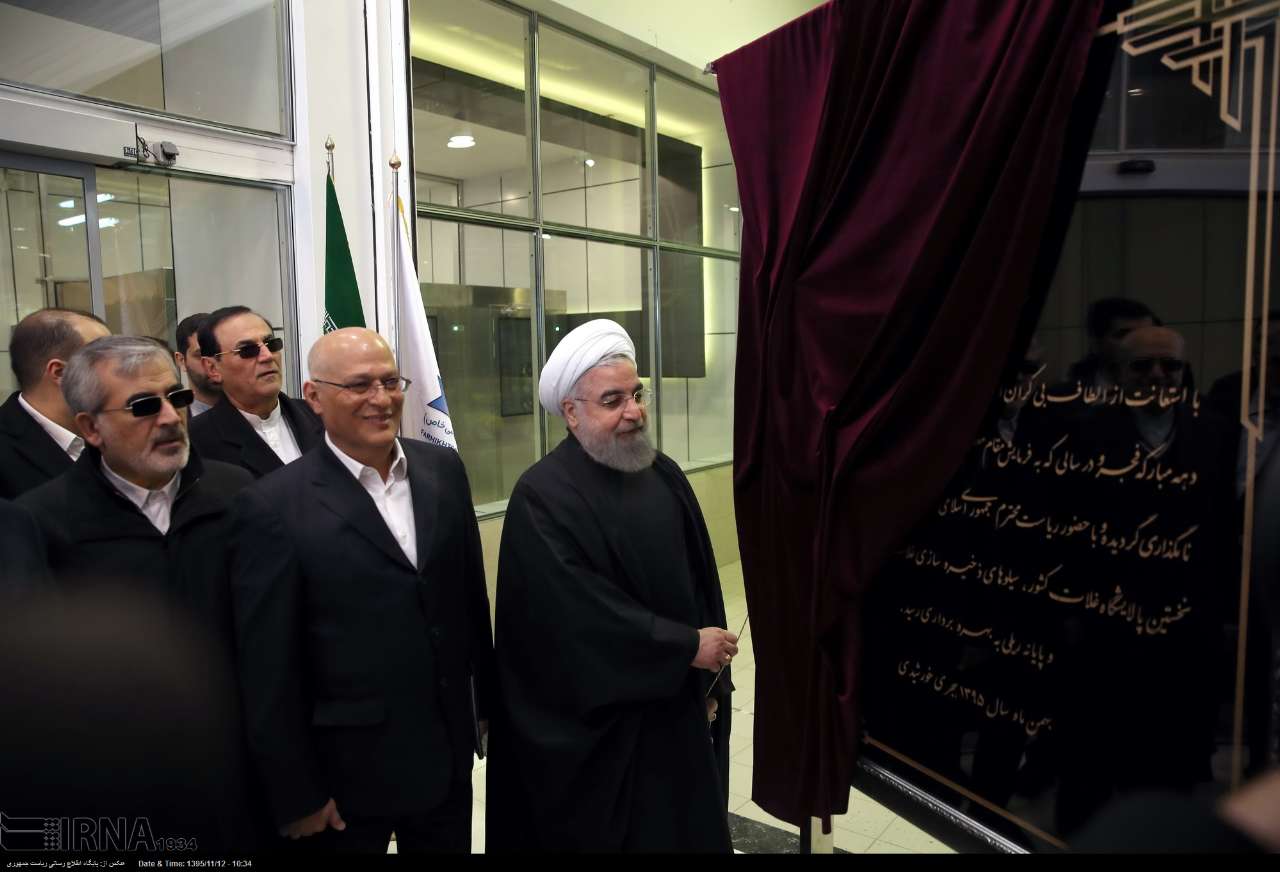
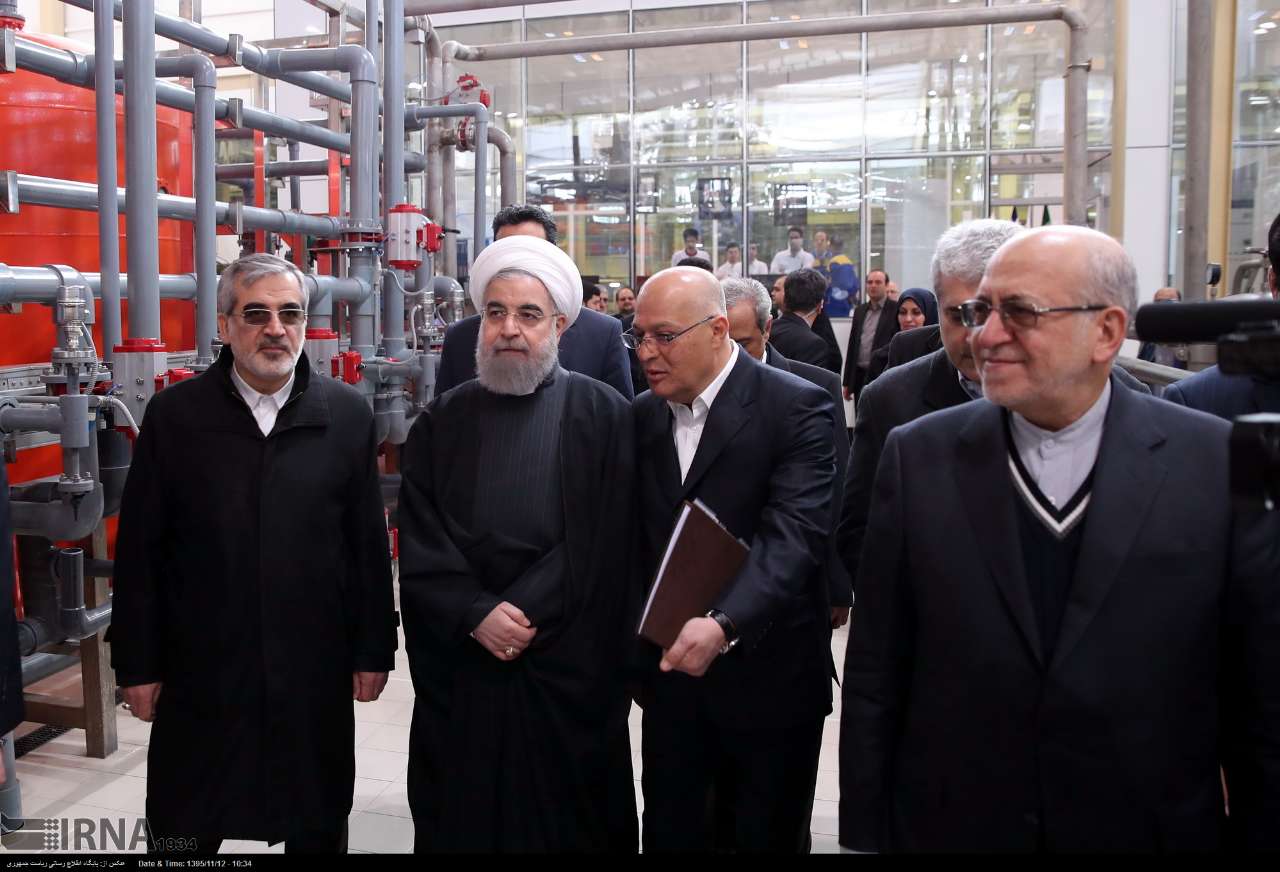
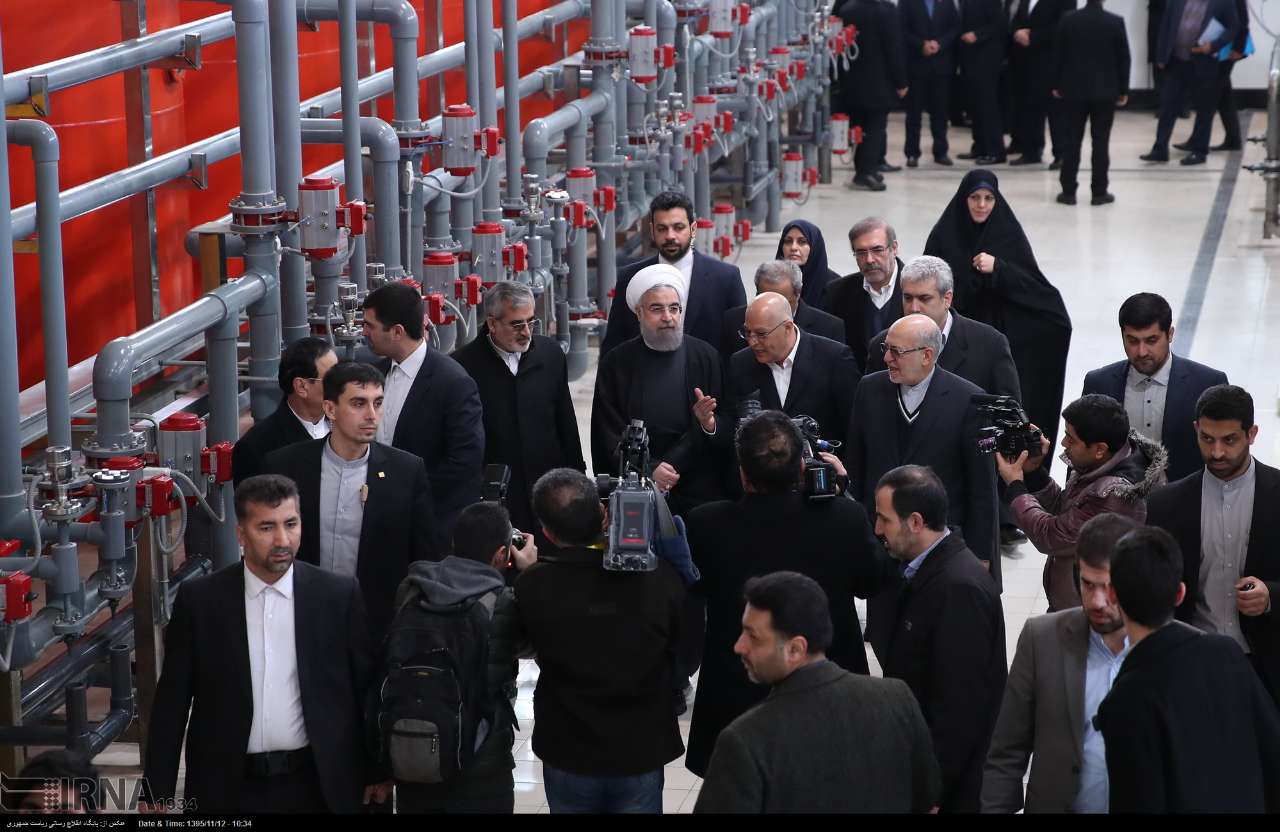
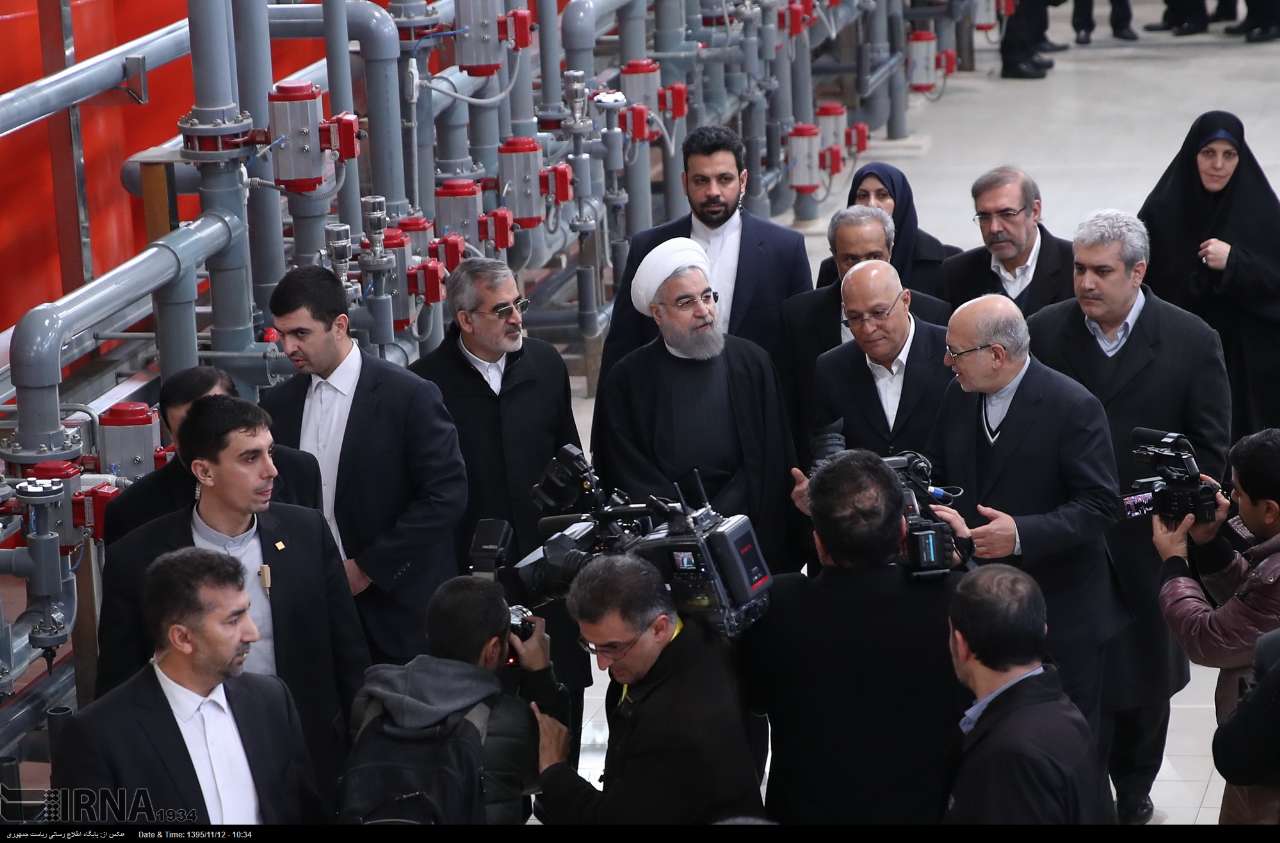
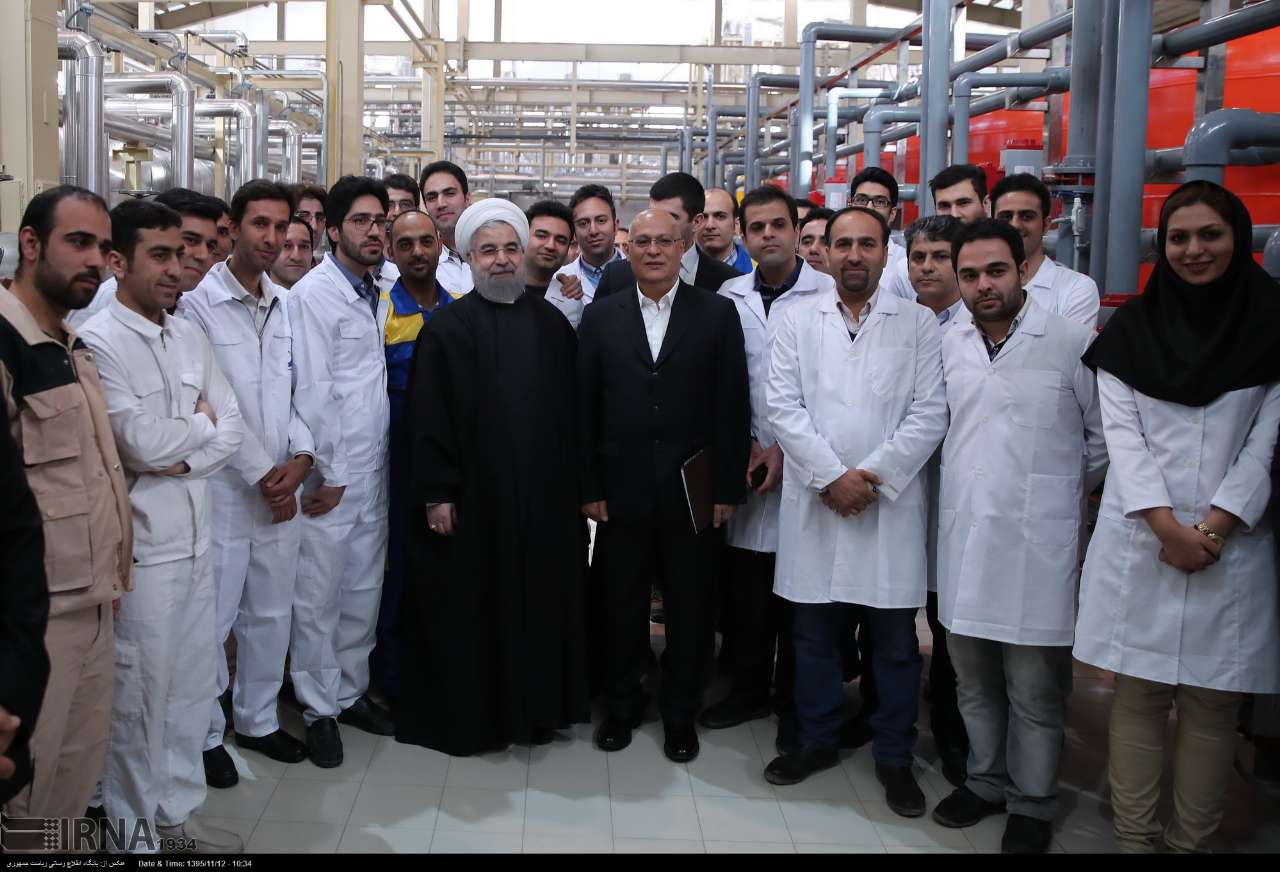
‘Zar Grain Refinery’ located in Alborz province and a mega project of Zar Industrial and Research Group came on stream on Tuesday in a ceremony attended by President Hassan Rouhani.

According to a report by IFP, during the visit, President Rouhani highlighted the significance of Zar Grain Refinery, saying that many countries today are customers of the refinery’s products.

“The value of these grain products is as much as sugar but with 40% lower cost,” Rouhani said, adding the opening of this refinery is a cost-efficient move.

He also noted that the refinery has created a total of 6,500 sustainable jobs, and the government attaches great importance to knowledge-based projects that create job opportunities for young Iranians.

“Zar Grain Refinery has been inaugurated by the private sector using public facilities. Therefore, if we pay enough attention to private sector, we will witness a good move in implementing policies of Resistance Economy,” Rouhani added.

The first phase of the complex which is considered the largest of its kind in the Middle East and the first in Iran, became operational in early November 2014.

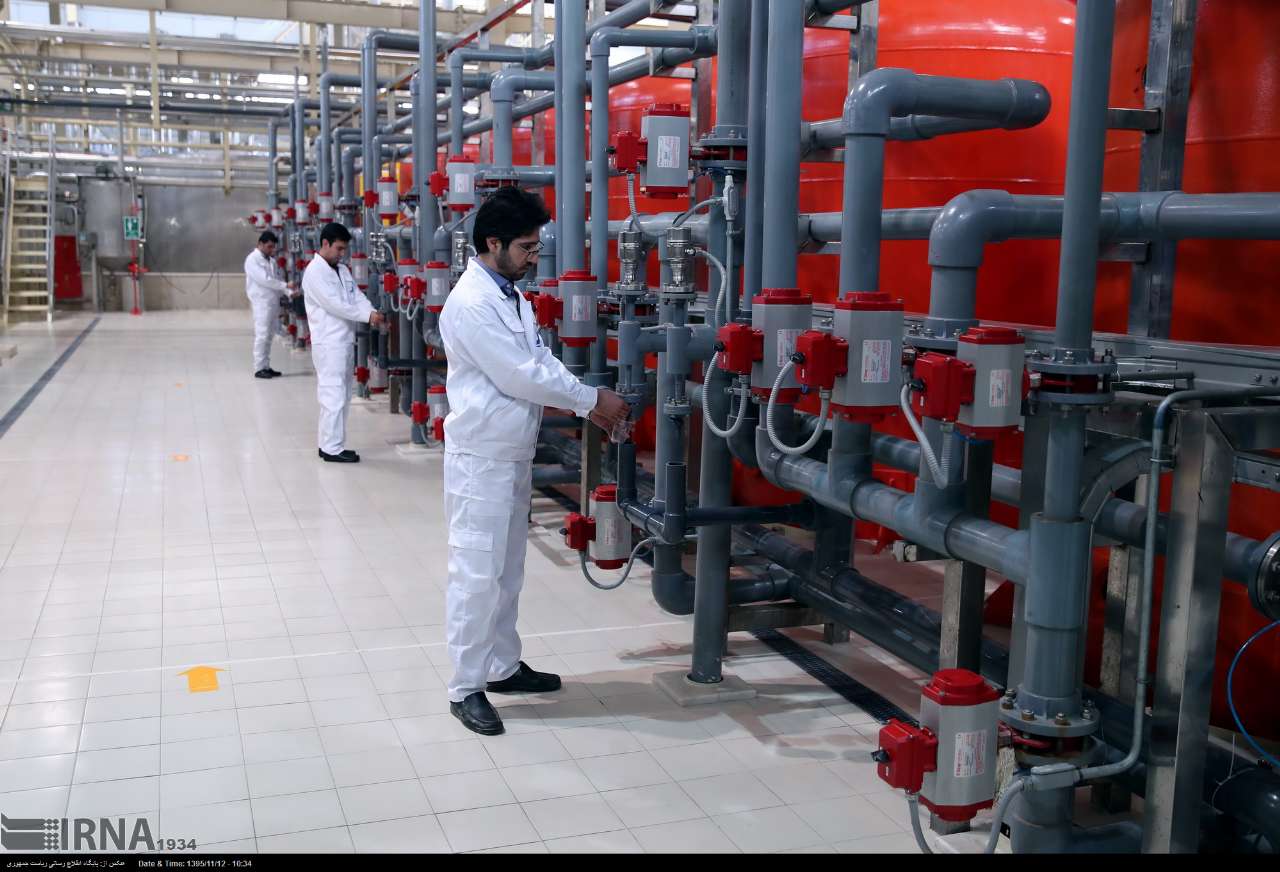
The refinery has the advantage of relying on supply, production and distribution and is scheduled in such a way that now it can refine thousands of tons of grain every day for dozens of industrial units and hundreds of food and pharmaceutical units in the country.

It is also the only dry port in Iran situated at the transport intersection in the country with access to the national rail network. These features will considerably decrease transportation costs and boost Iran’s competitiveness in international markets.

Zar Fructose products have entered the market with an emphasis on quality, health and cost-efficiency, targeting the improvement of customers’ health and increasing the quality of producers’ goods.

The first output of these factories include natural sweeteners derived from corn such as a variety of high-fructose corn syrup, glucose syrup, and a variety of starch, Mehr reported.

Other advantages include low storage and maintenance costs, more economic and cost-effective compared to sugar and sucrose derivatives, effective use of time, labour and energy due to the elimination of refining and baking sugar, a higher level of purity compared to other sugars, no microbial contamination, sterile distribution and the product’s more sustainability during storage.

Nuclear Deal to Be Implemented Even without US: Iranian MP

Iranian MP Morteza Saffari Natanzi said signatories to the JCPOA cannot easily renege on the agreement, adding Iran, as a party to the deal, remains committed to its obligations.

In a Farsi interview with ICANA, he further touched upon the remarks made by US President Donald Trump that his administration would “tear up” the nuclear deal known as the Joint Comprehensive Plan of Action (JCPOA).

“It is envisioned in the JCPOA that if one of the state parties to the deal breaches its commitments, we can study the matter and continue the implementation [of the agreement] with the other signatories,” said Saffari Natanzi, who sits on the Parliament’s National Security and Foreign Policy Commission.

“Under the JCPOA, it is envisaged that if any of the signatories to the agreement does not comply with the framework [of the deal], that country should be left out of the process of the implementation of the JCPOA, and regardless of whether or not this would be in our interest, it is an important issue because a signatory that withdraws from the implementation of an international agreement will definitely face problems on the international stage,” said the legislator.

He said incoming reports suggest the P5+1 group of nations are adamant that they will continue to implement and observe the terms of the JCPOA without the United States, and added this would be in the interest of all signatories.

Ancient Festival of Sadeh in Southern Iran

Ancient Festival of Sadeh in Southern Iran

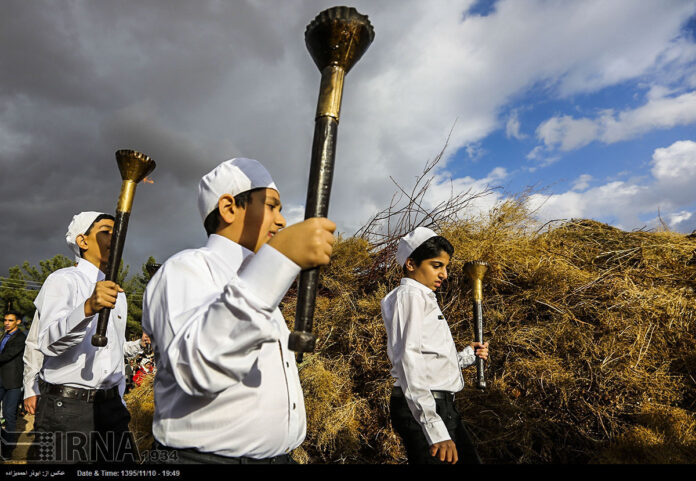
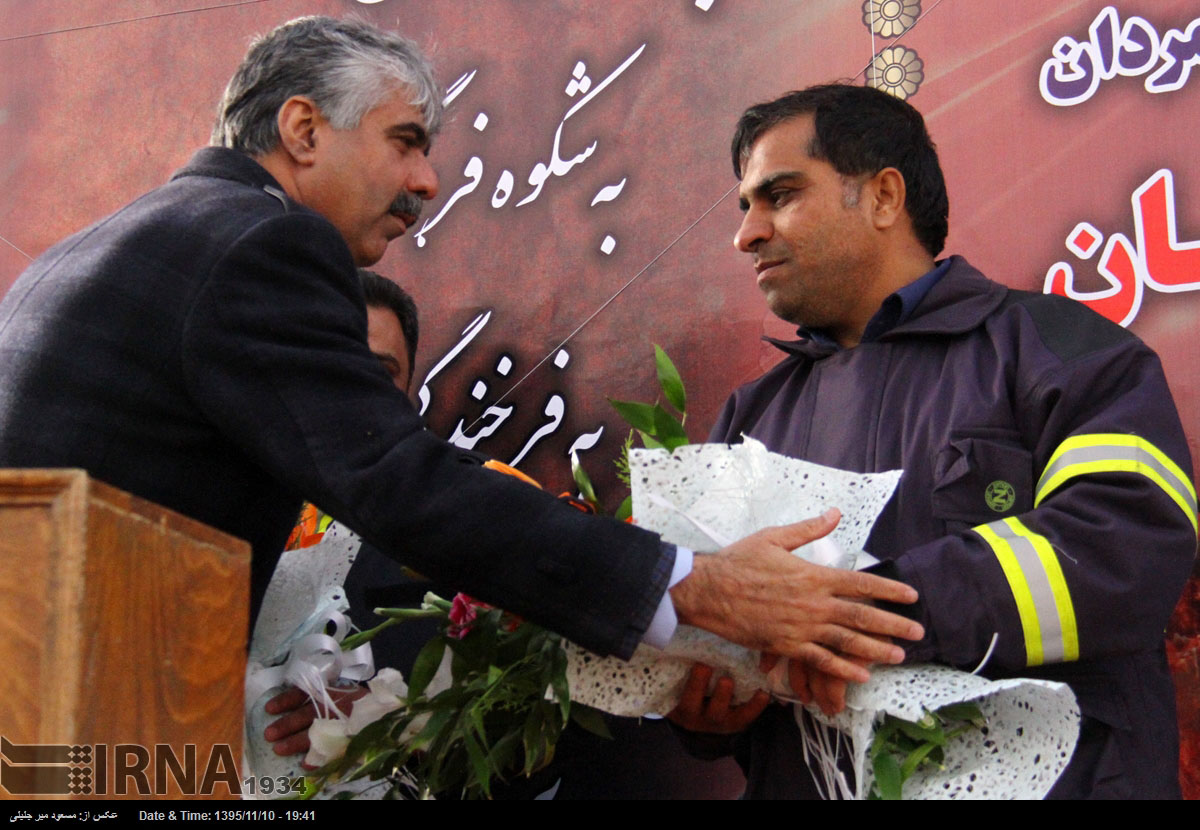
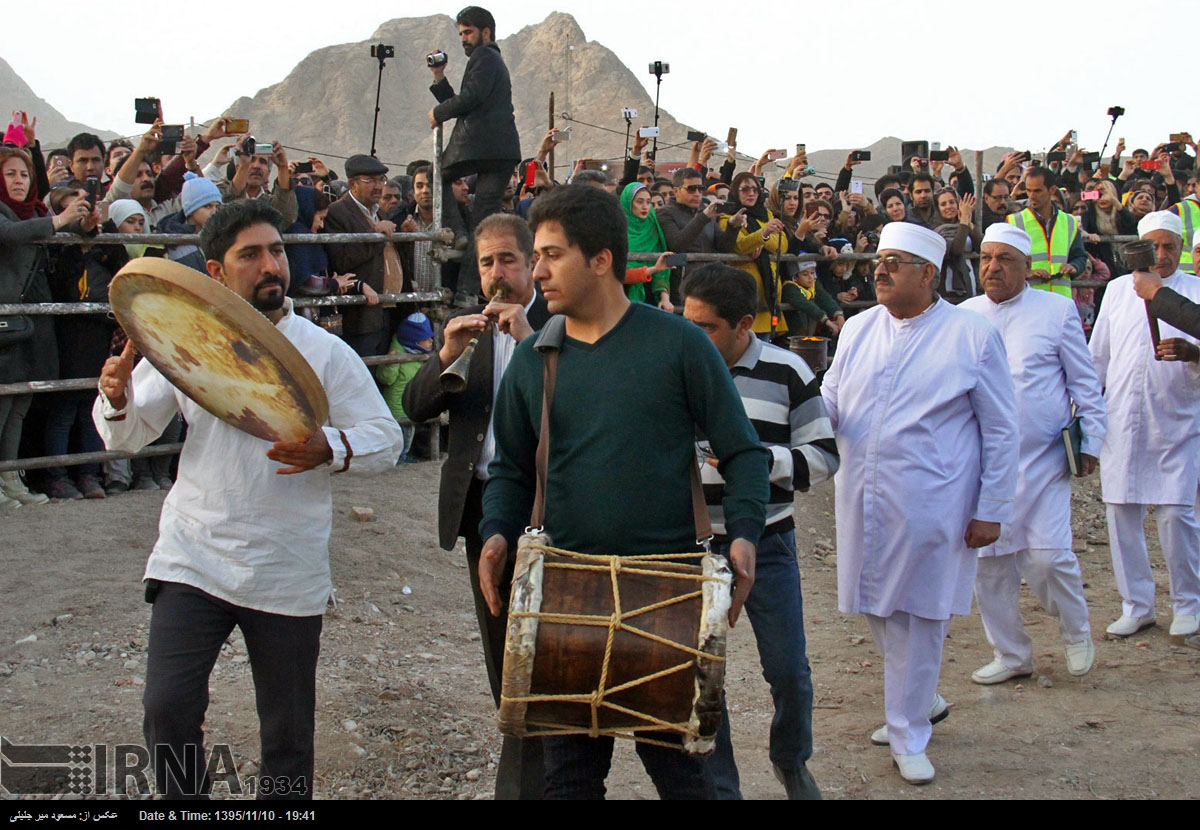
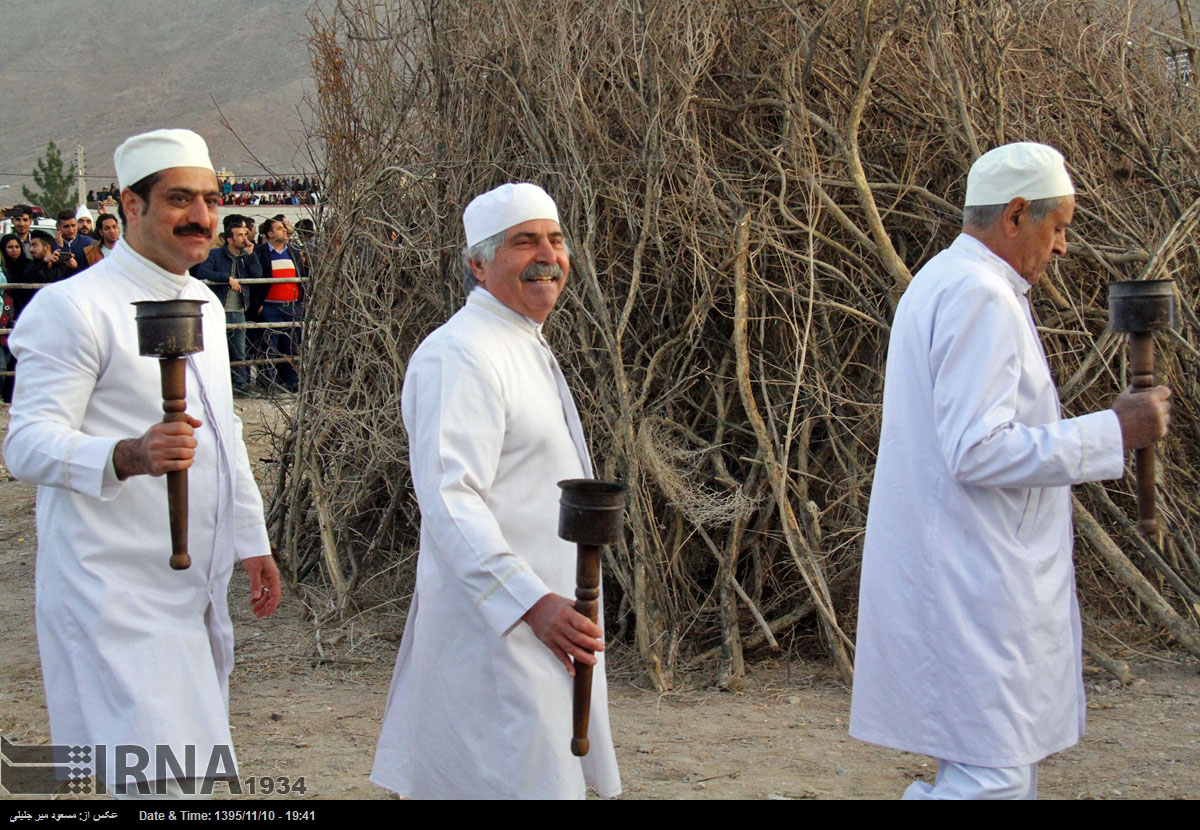
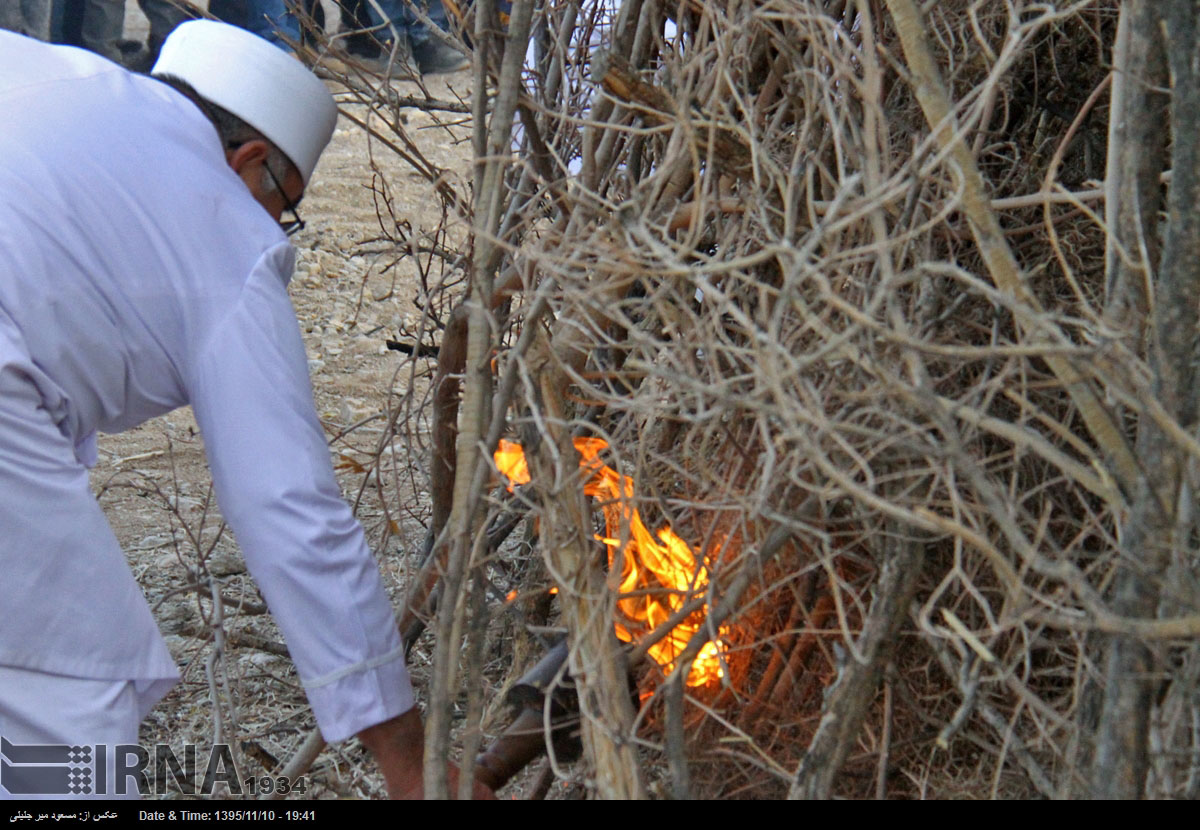
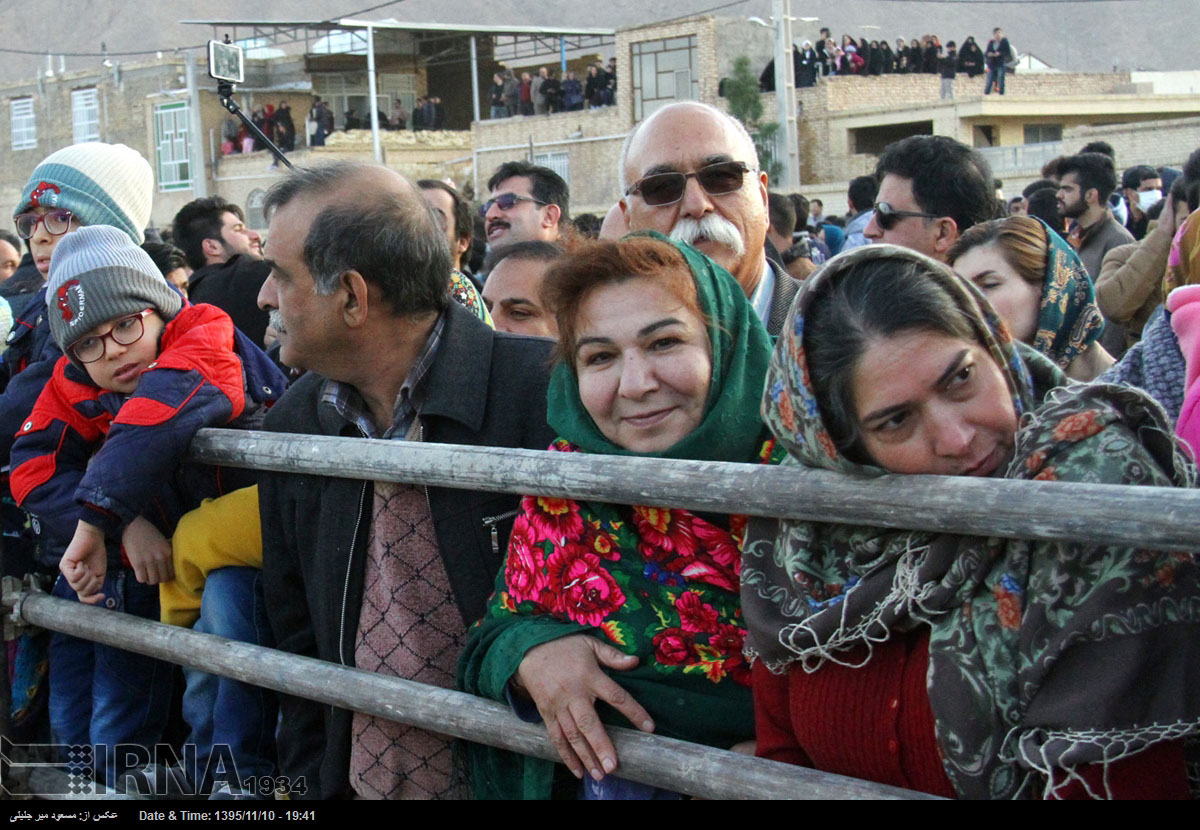
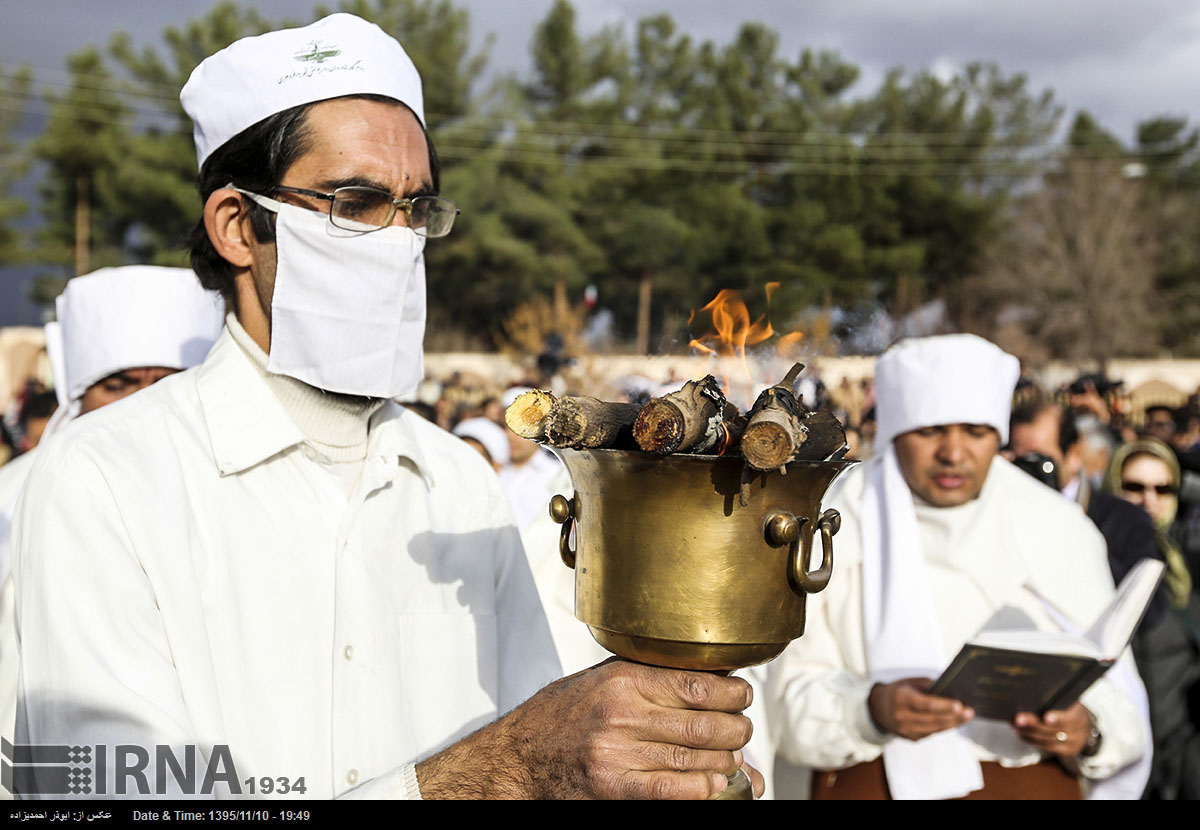
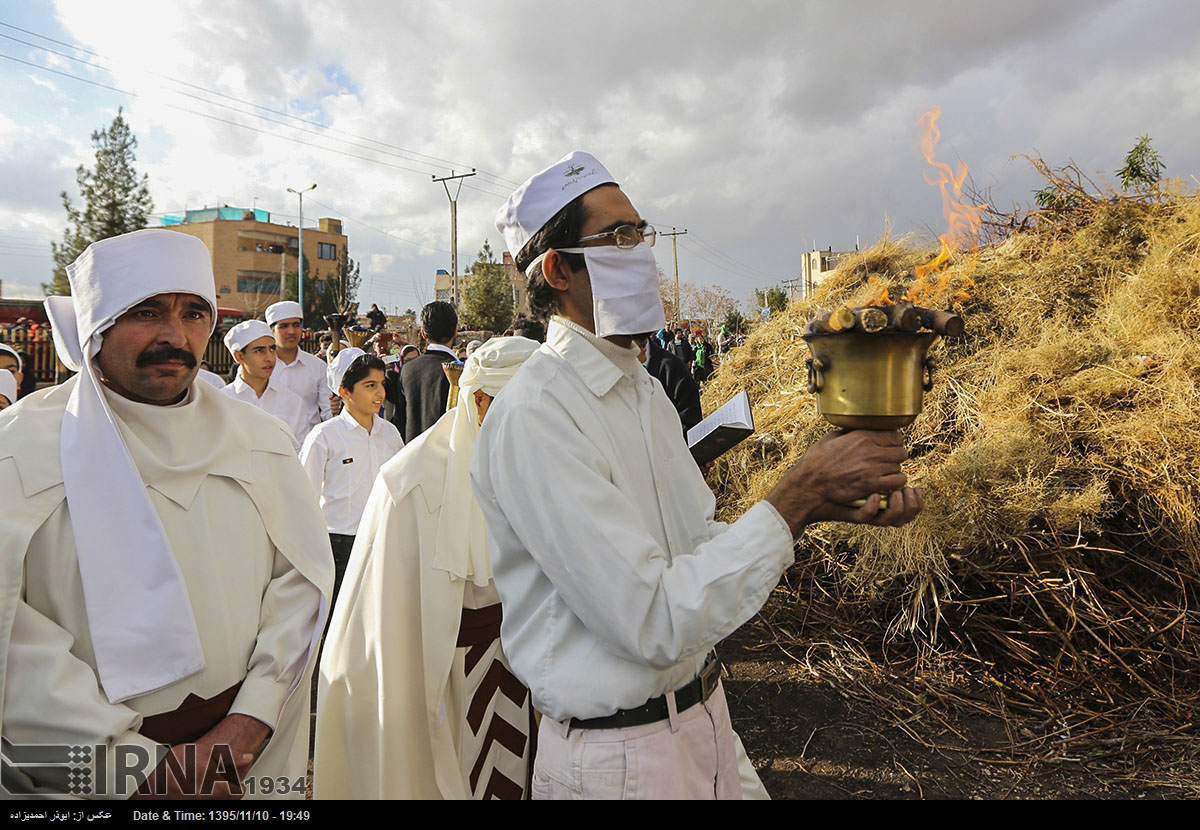
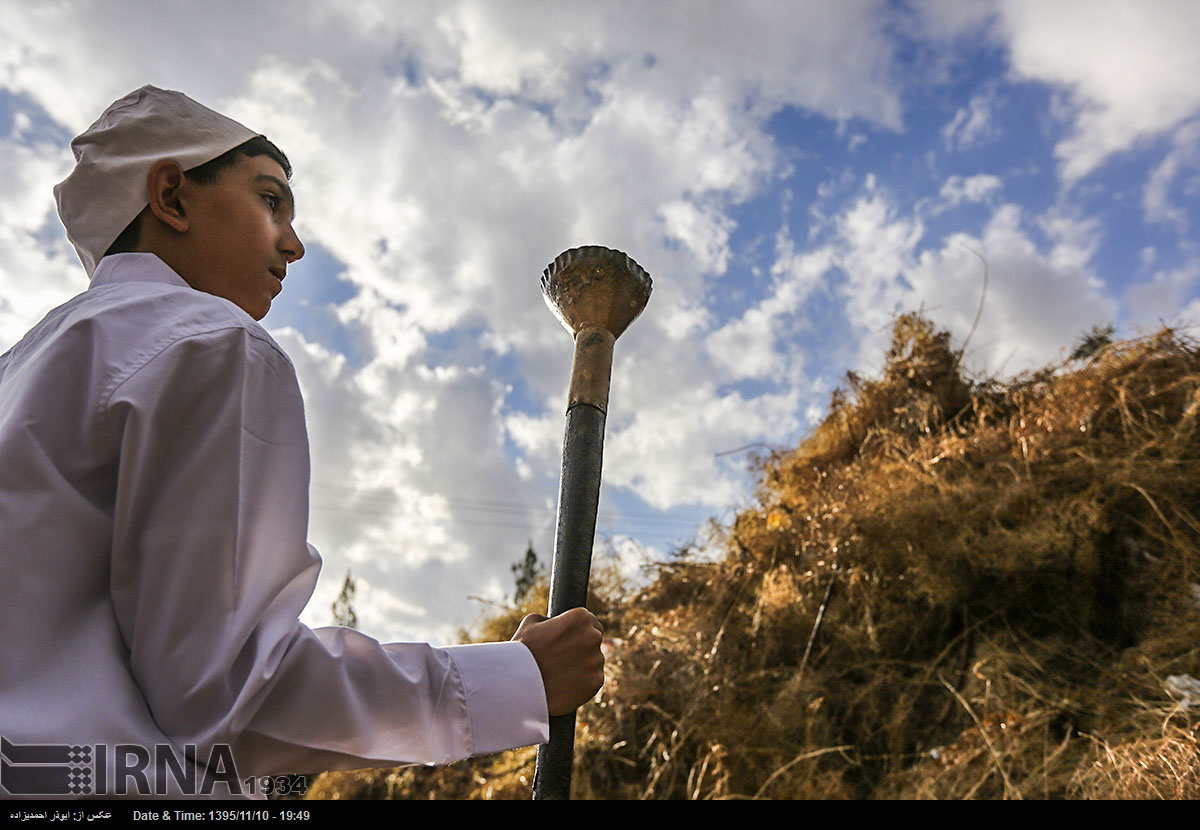
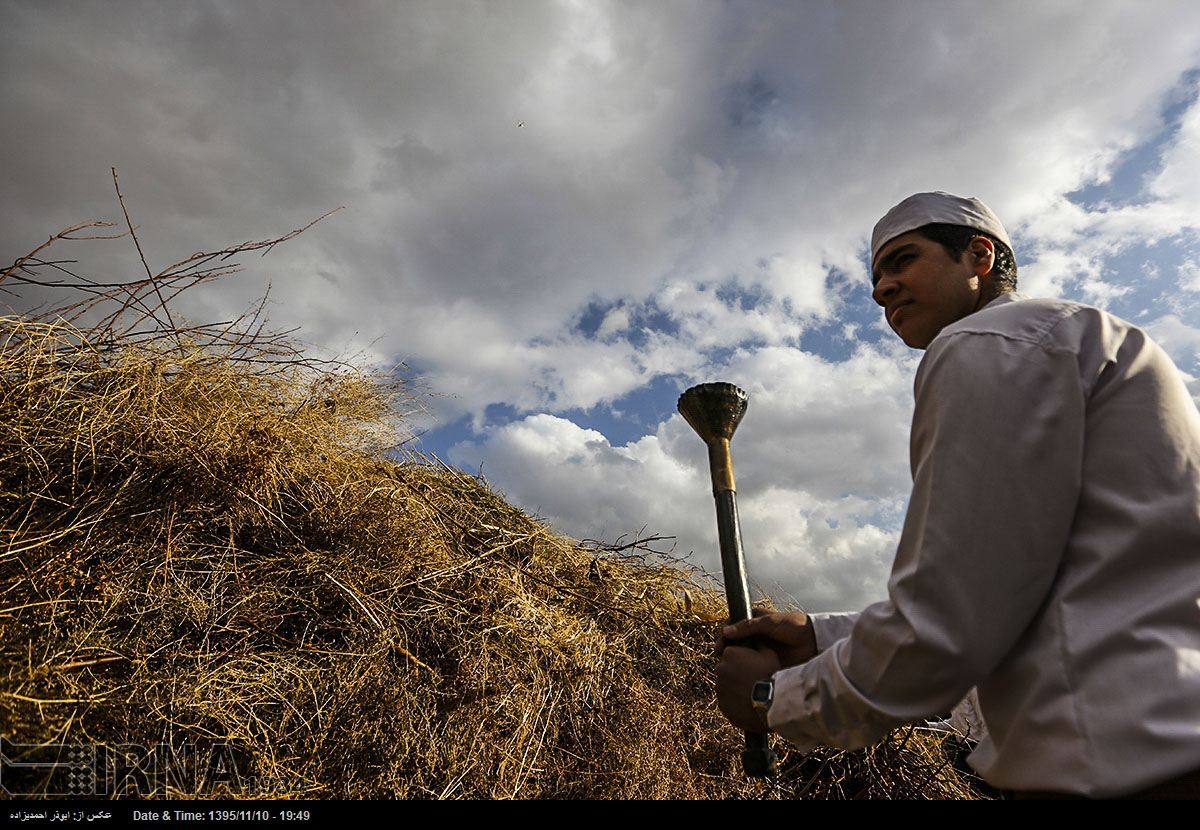
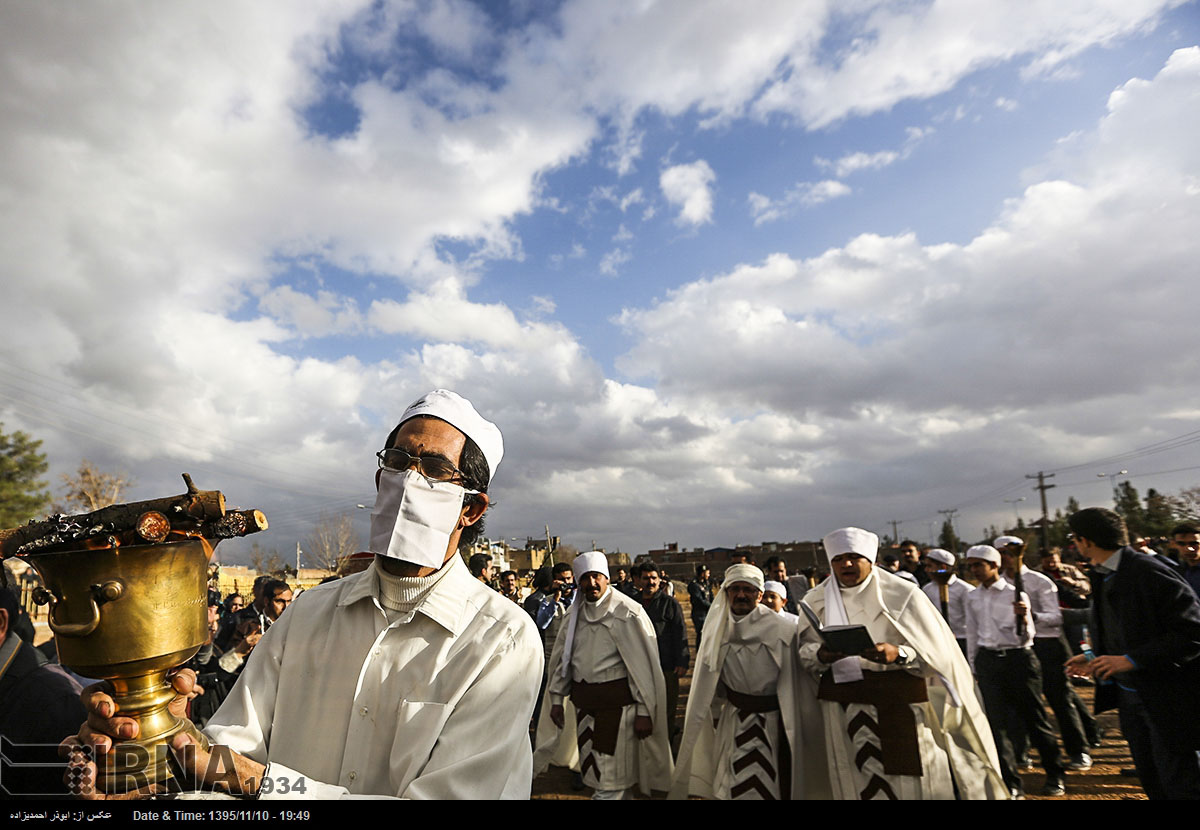
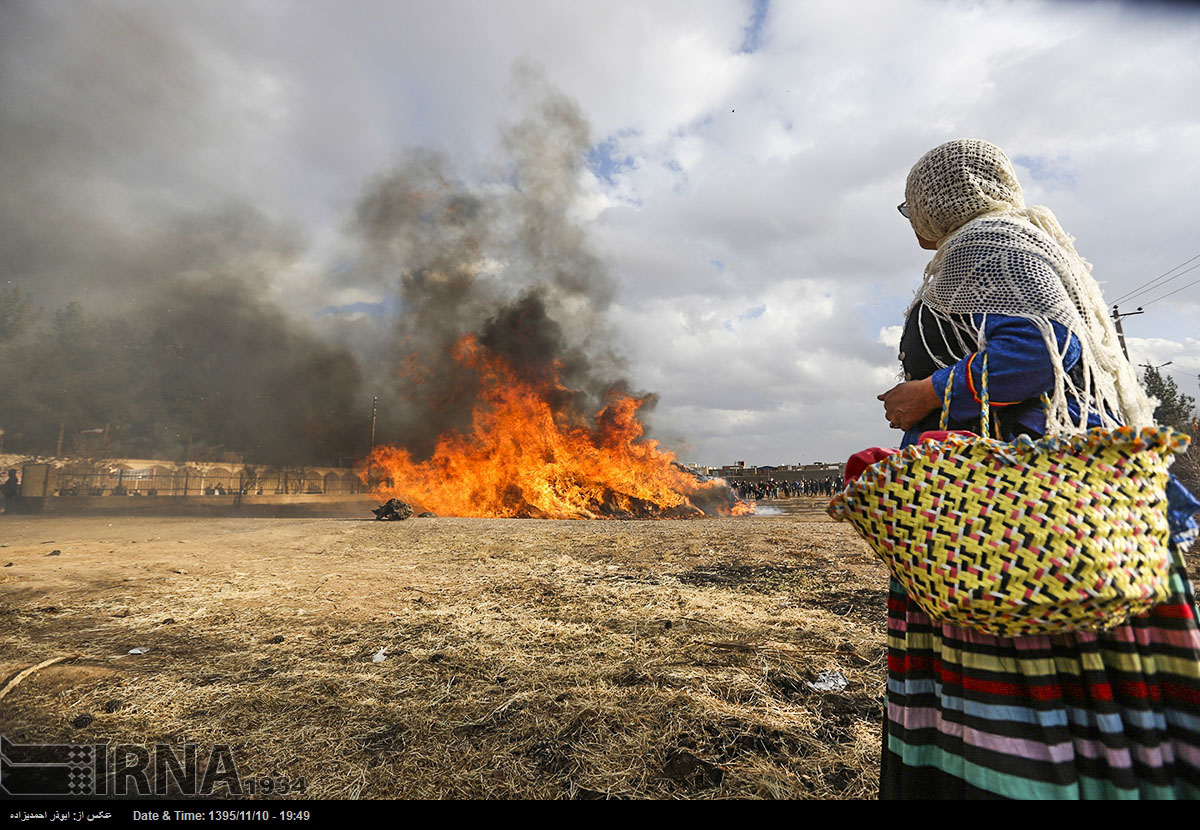
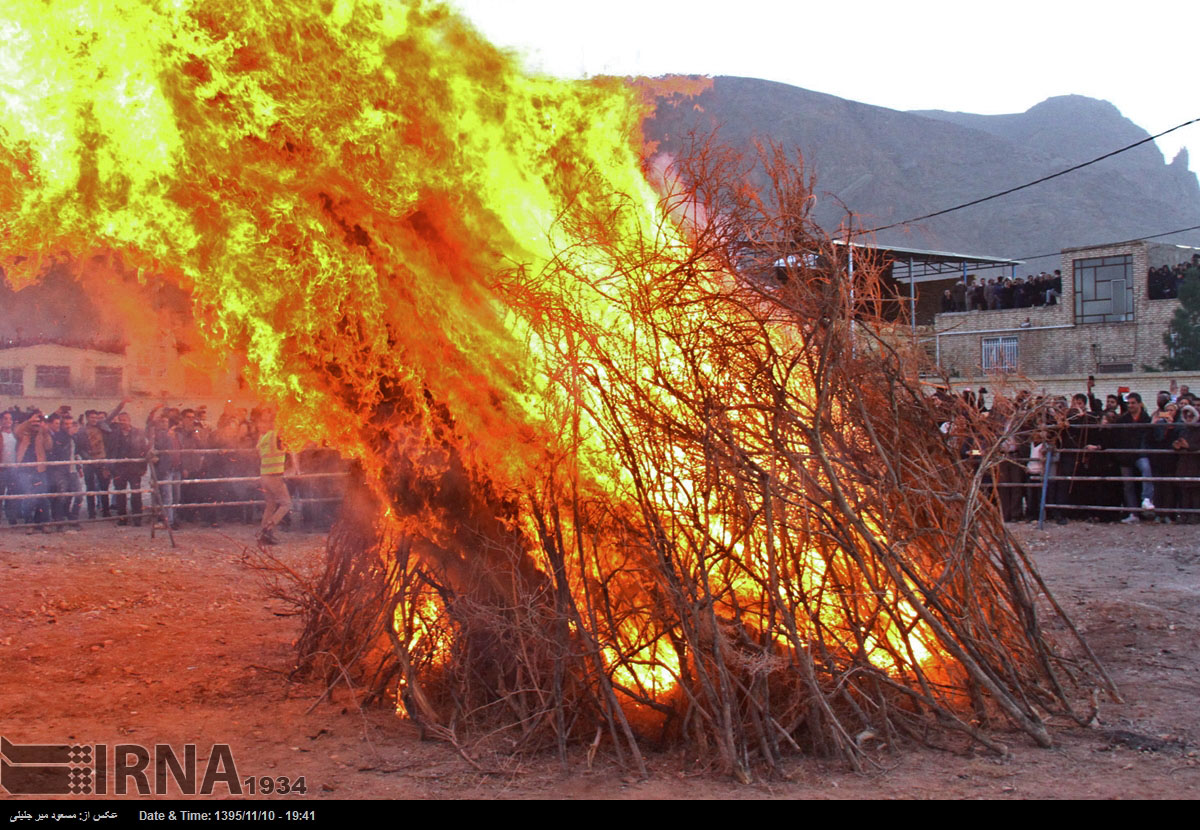
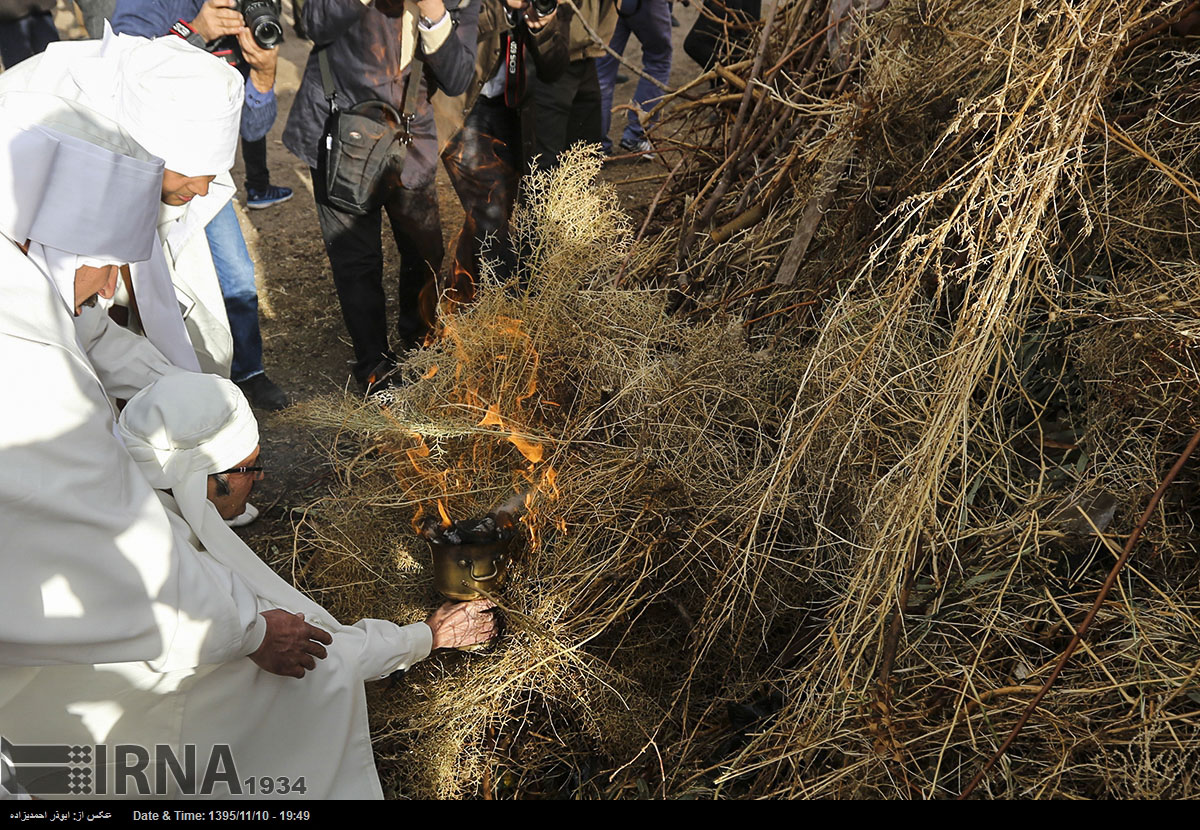
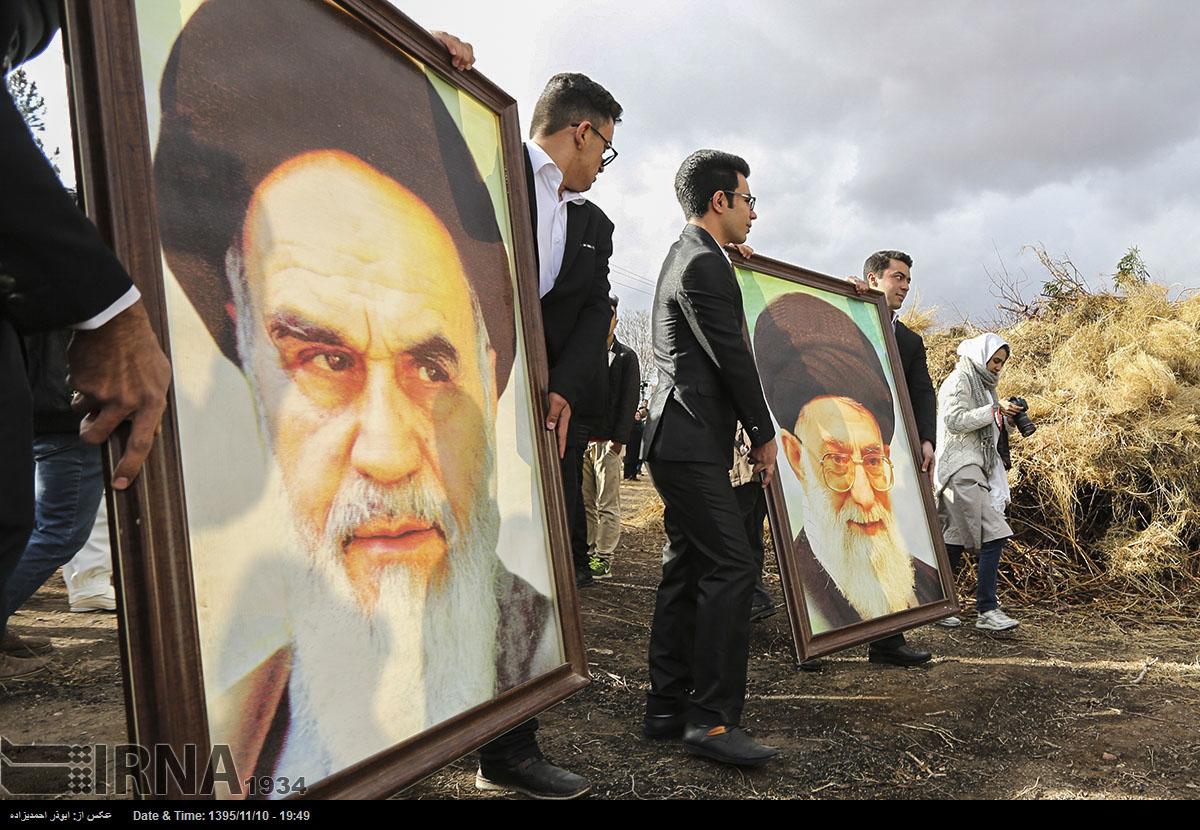
In the evening of Sunday, January 29, Iranian Zoroastrians celebrated the ancient festival of Sadeh in Bodaq Abad garden, Kerman, southern Iran.

Sadeh is one of the most ancient Iranian celebrations known in the country which dates back to the first Iranian Empire about 500 BC. The Zoroastrians, followers of the ancient Iranian religion, celebrate Sadeh 50 days before Nowruz (March 20-21) in late January.

Here you can see IRNA’s photos of this celebration:

“American Dream” Is Merely a Dream: Iranian Artist

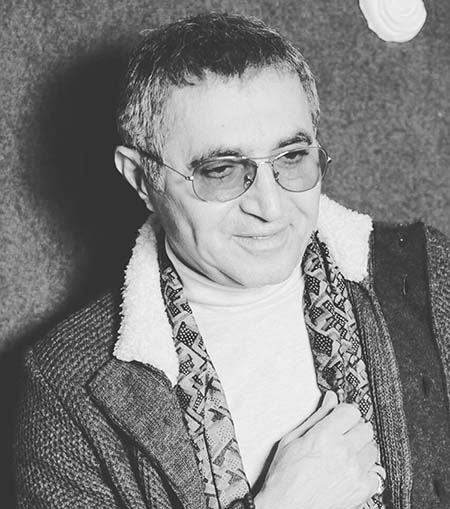
According to a report by IFP, Fereydoun Asraei, an Iranian pop singer who has the experience of living in Canada for many years, in an Instagram post expressed his protest against US President Donald Trump’s visa ban for seven countries including Iran and the deportation of Iranian immigrants.

Fereydoun-asraei“Today I saw an English report in a French news channel showing an Iranian man crying for being deported from the US,” he wrote.

“What is the reality? Is the United States the utopia people all around the world long to immigrate to?”

“A nation that voted for an impolite, racist businessman who ordered today that a large number of our compatriots be deported, and banned the others from legally entering the US? A territory that was occupied by the ancestors of people like Trump after massacre of the Indians?”

“My compatriots! The US isn’t the country you imagine,” he expressed. “The statistics show that many American residents are killed every day, many women are raped.”

“Is it really the lost heaven of some Iranians?”

He also blamed the US for supporting a country like Saudi Arabia which supports terrorism.

“The terrorism and fundamentalism are rooted in Saudi Arabia. It is a country that supports tyrants such as Osama bin Laden and ISIS for years. The warmonger United States sells weapons and war equipment to this country to boost its own economy founded on humans’ blood.”

“While the Saudi citizens easily enter the US, the Iranians, one of the most educated, intelligent members of American society, are humiliated like this!”

“By doing this, the US administration announced its slavery toward Saudi Sheikhs.”

He then made it clear that criticizing the US state doesn’t mean hostility towards its citizens: “People are never judged based on their rulers.”
“I take my hat off to the liberal American people who gathered around to show their hatred towards the decisions of Trump and his racist administration.”
“The American dream is merely a dream: the reality is another thing, my compatriots,” Asraei added.

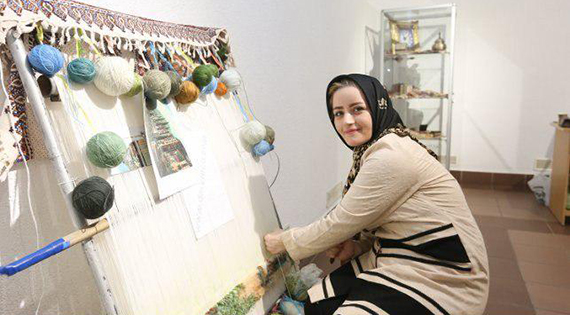
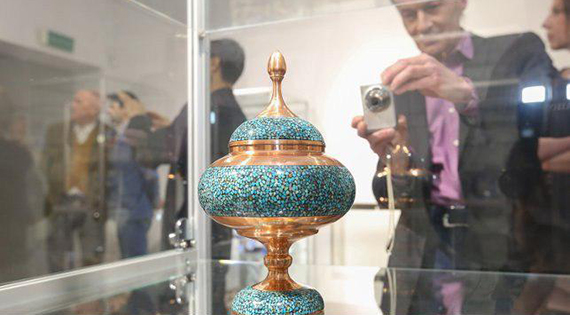
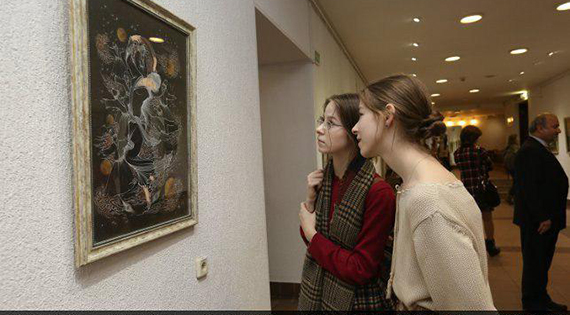
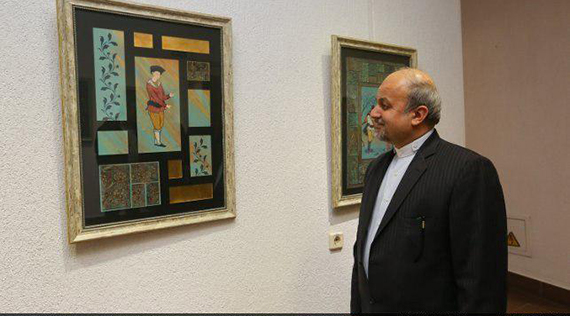
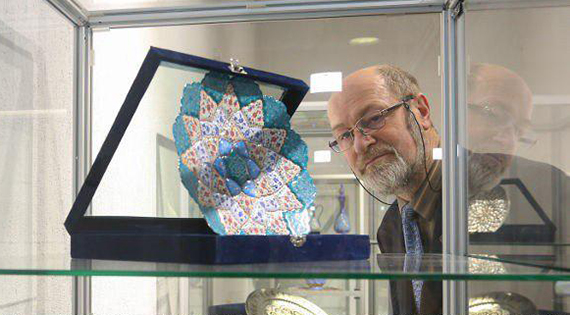
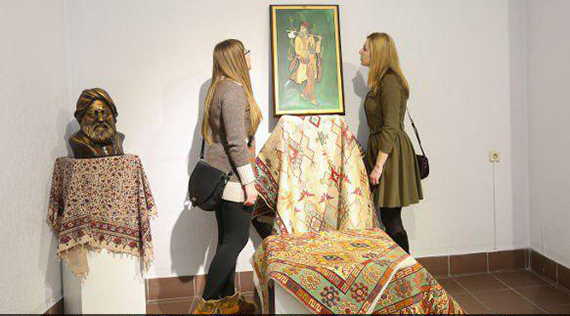
Iranian Art and Culture Put on Display in Belarusian Capital

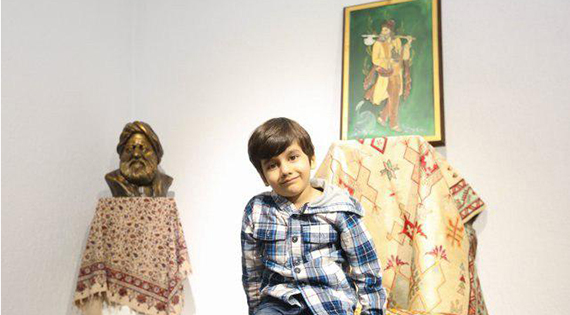
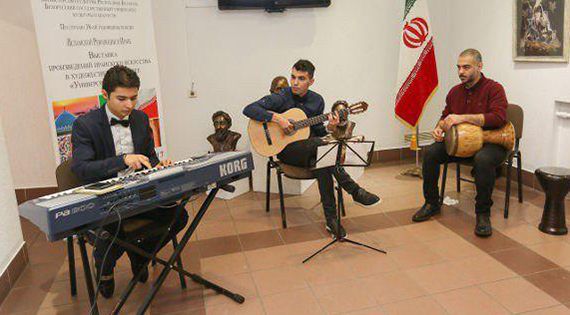
Iranian Art- Belarusian

According to media reports, the exhibition of Iranian culture and art in Minsk is aimed at commemorating the 38th anniversary of the victory of the Islamic Revolution in Iran.

“The victory allowed Iran to more actively develop and demonstrate new accomplishments in all spheres to the world. The accomplishments include advances in nuclear energy, automobile engineering, nanotechnologies, pharmaceutics, healthcare, and culture,” said the head of the cultural department of the Embassy of Iran in Belarus.

“The Islamic Revolution led to a new stage in the development of art. One can say that Iran’s art is unique and is represented by internationally recognized cultural figures, whose works have become world masterpieces,” BelTA quoted him as saying.

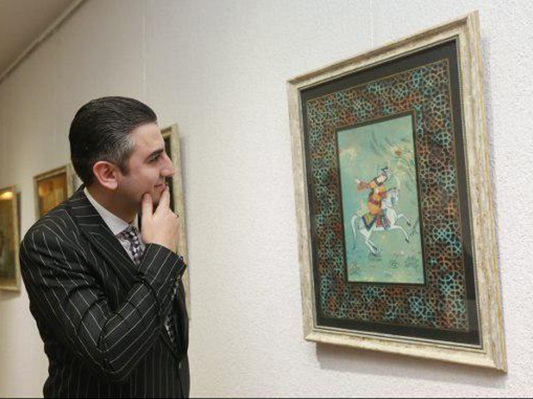
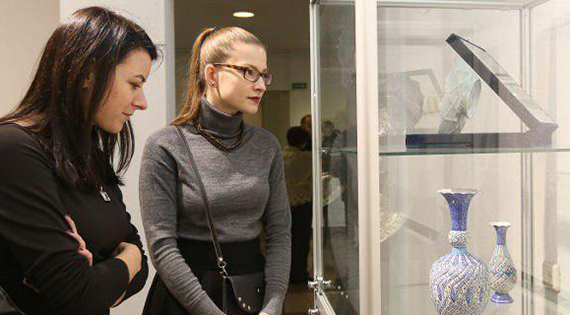
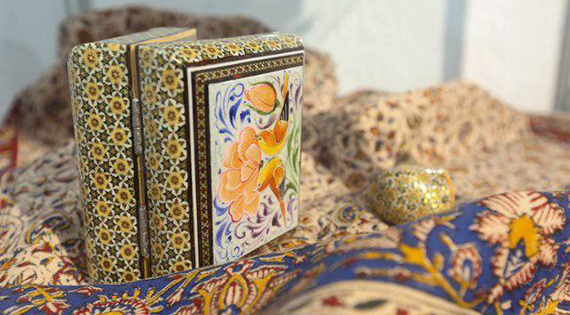
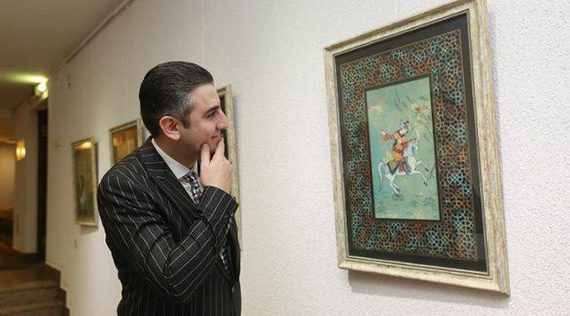
The exhibition demonstrates works produced by weaving, calligraphy, miniature painting, pictorial art, ceramics, and wood carving.

All the artworks vividly depict the versatility of Iranian national traditions and the outstanding workmanship of the Iranian artisans.

The exhibition is supposed to get Belarusians to know Iran’s national traditions.

During the opening ceremony Iranian artisans arranged a master class, during which visitors were able to learn some peculiarities of carpet weaving, pictorial art, and calligraphy.

Chairman of the Belarusian Union of Painters Grigory Sitnitsa drew attention to Iran’s great contribution to the world culture and art.

He noted that such Iranian names like Khayyam, Ferdowsi, Rudaki, Saadi, and many other ones are known well all over the world.

Deputy Chairman of the Belarusian Peace Foundation Tadeush Struzhetsky underscored that the large number of visitors, who turned up for the opening ceremony, testifies to the strong interest of Belarusians in Iranian culture.

The exhibition has been organized by the cultural department of the Embassy of Iran in Minsk, the public association House of Friendship of Iranians in Belarus in association with the Belarusian Culture and Art University and the Belarusian Culture Ministry. The exhibition will stay open through 13 February.

Recovery of Iran’s Shrinking Lake Urmia on Track despite Setbacks

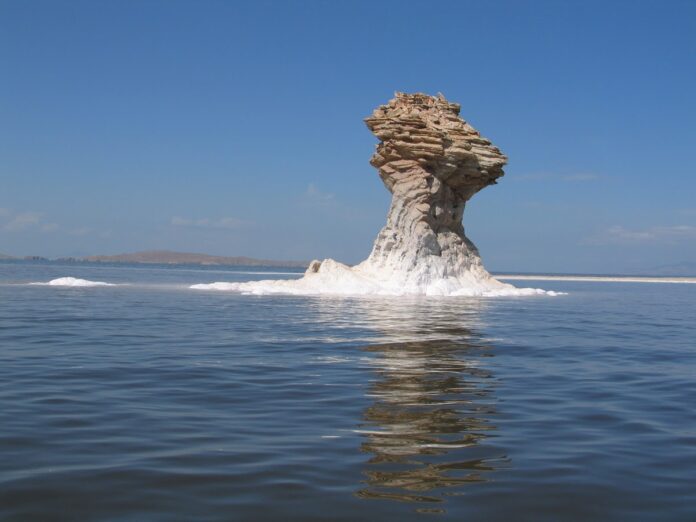
urmia

Adequate rainfall in the last water year helped improve the lake’s level of water while this year, low precipitation and high evaporation rates took a toll on its recovery.

“Last year, over 1.5 billion cubic meters of water were released into the lake while there has been no release so far this year due to the insufficient levels of water in dam reservoirs,” said Rahim Meydani, deputy for water and wastewater affairs at the Energy Ministry, IRNA reported.

Despite the setback, restoration efforts by the Urmia Lake Restoration Program are gradually paying off. The lake saw an 11-centimeter rise in level by Jan. 25 in comparison to the same period of last year.

“At present, Urmia Lake contains 2.4 billion cubic meters of water across 2,400 square kilometers and the water level stands at 1,270.55 meters,” Meydani said.

The present administration has given considerable attention to the revival of the imperiled lake. As a result of the effective measures, the volume of water in the lake’s reservoir has increased from 500 million cubic meters in 2013 to 2.4 billion cubic meters at present.

Between 1996 and 2013, no water had flowed into the water body and the level had declined by an average of 40 centimeters per year.  Farhad Sarkhosh, chief ULRP official in West Azarbaijan Province, attributed the problem to the failure to dredge rivers, which combined with high rates of evaporation in that period, helped speed up the lake’s desiccation.

“However, effective measures helped stabilize the lake’s water level last September,” he said.

Sarkhosh said dredging 412 km of the Urmia Lake’s tributaries, unblocking river mouths, sealing 1,200 illegal water wells and modernizing irrigation methods across 6,200 hectares of farmland were among key measures that quickly yielded results.

“The dredging of the rivers helped reduce the wastage of water from 100% to 12%,” he added.

Set up in 2013 shortly after President Hassan Rouhani took office, the ULRP set out to stabilize the lake’s water level (Phase 1) before embarking on the more challenging task of restoring its water level to what it was more than a decade ago (Phase 2) within 10 years.

The first phase was completed in September and the second phase started shortly after, with the initial goal of increasing the water level by 40 centimeters in a year.  The target is to restore the ecological level (1,274 meters above sea level) within 10 years.