
Swedish PM Löfven arrived in Tehran on Friday night at the head of a high-ranking business delegation.
Here are photos of the Saturday morning’s official ceremony where Rouhani welcomed him:
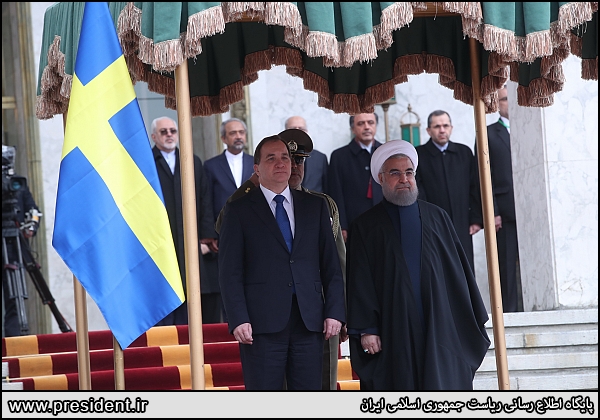
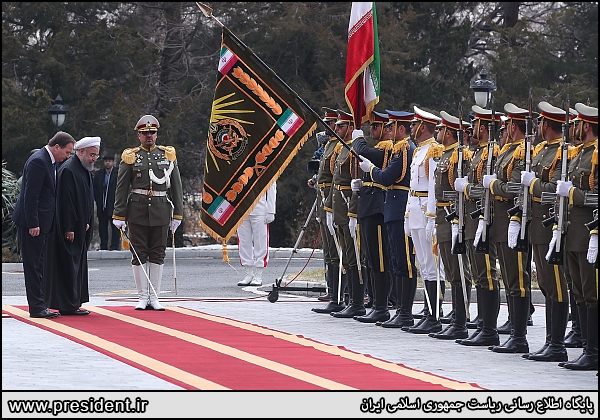
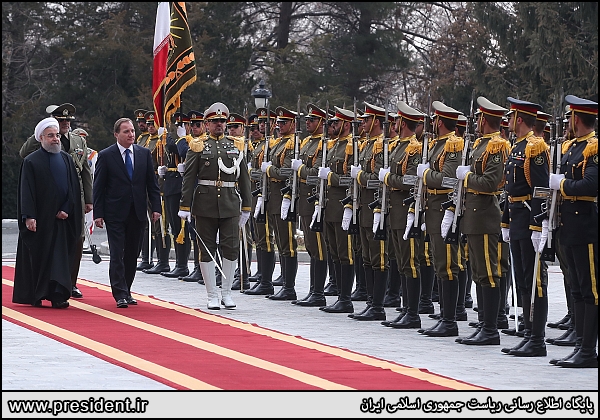
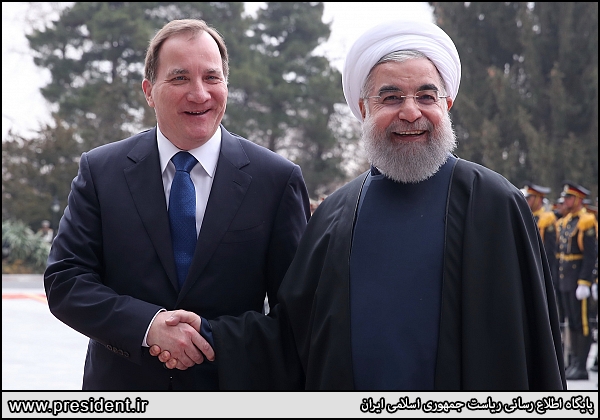
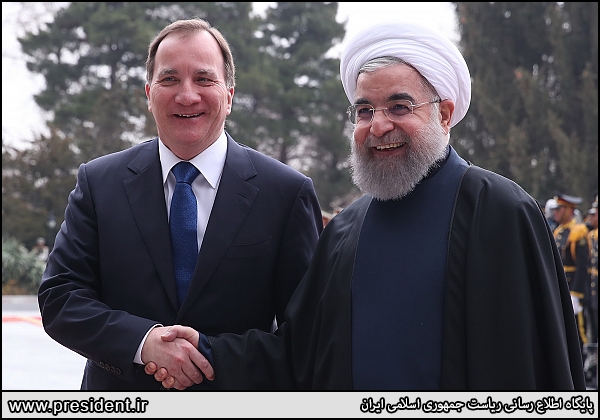
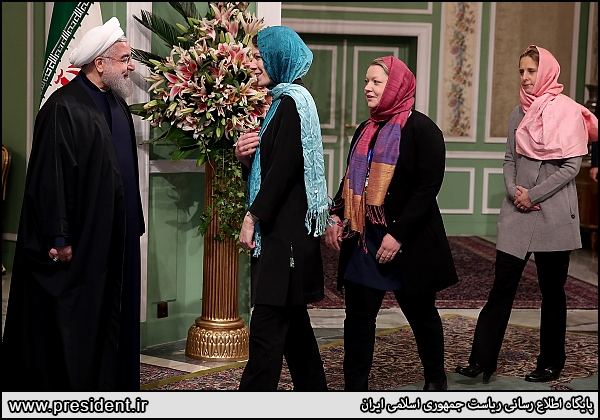

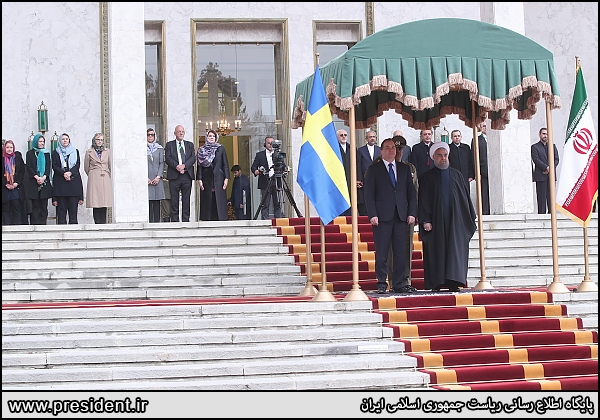
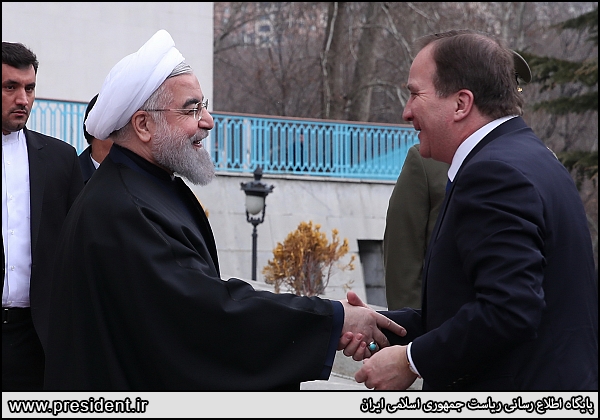
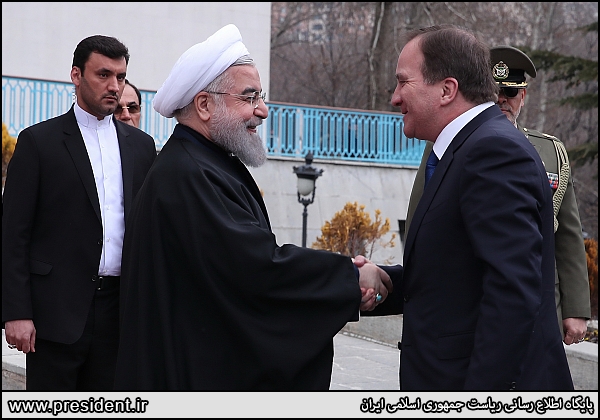
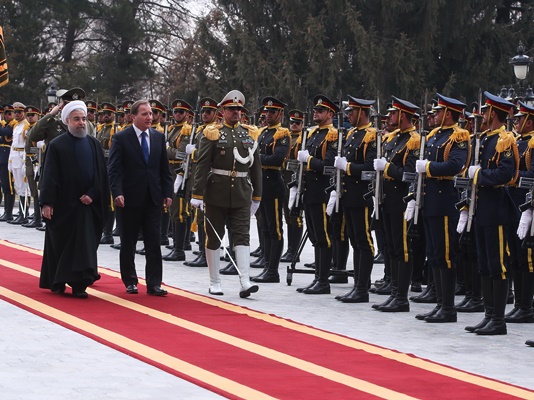
Swedish PM Löfven arrived in Tehran on Friday night at the head of a high-ranking business delegation.
Here are photos of the Saturday morning’s official ceremony where Rouhani welcomed him:
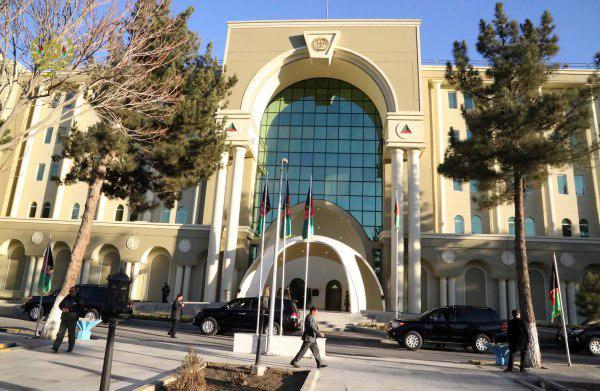
The Afghan Defence Ministry in a statement said no one was killed or injured by the magnetic bomb which was attached to an army truck.
It said that the explosion happened at 8:20 a.m. when the vehicle was entering the Defence Ministry compound.
There was no immediate claim of responsibility for the bombing.
The blast in Kabul comes less than a week after a suicide attacker killed 20 people and injured dozens more outside Supreme Court in the city.
The ISIS terrorist group claimed credit for that attack.
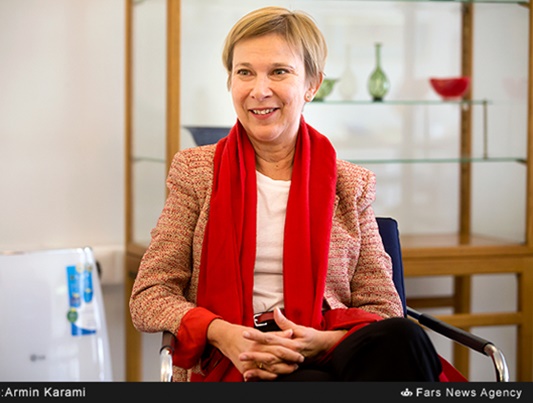
Sweden’s new ambassador to Tehran, Helena Sångeland, believes her country and Iran can contribute to the Middle East’s greater security and stability through bilateral talks.
In a Farsi interview with Fars News Agency, Sångeland said in addition to their economic cooperation, Iran and Sweden can hold talks on regional issues.
Expounding on the Middle East’s crises and developments, she noted, “Sweden is very much interested in knowing about Iran’s prediction about the future of the region where the country plays a very significant role.”
“We encourage Iran to make optimum use of its great influence in the region and help find a peaceful solution to the Syrian crisis. Tehran can also be of great help in providing humanitarian assistance to the people in need in conflict zones.”
Swedish PM’s Visit to Tehran
Elaborating on the Saturday visit of Sweden’s Prime Minister Stefan Löfven to Iran, she said he is accompanied by the country’s Minister for EU Affairs and Trade at the Ministry for Foreign Affairs Ann Linde, managing directors of about 20 private companies as well as the officials of a number of state-run firms and universities.
Sångeland added Löfven is not very often accompanied by such a large delegation in his foreign visits.
“The visit comes at the invitation of Iran’s President Hassan Rouhani. In addition to President Rouhani, Löfven is also expected to meet with the Leader of the Islamic Revolution Ayatollah Seyyed Ali Khamenei.”
Tehran-Stockholm Bilateral Trade
Commenting on her country’s trade with Iran, Sångeland said prior to the imposition of Western sanctions on Iran, Tehran was Stockholm’s most important partner in the region.
“Currently, many Swedish companies ask questions about Iran’s investment opportunities and conditions. This year (2017), Business Sweden (Swedish Trade and Invest Council) will officially open an office in Tehran to prepare the ground for the presence of the Swedish companies interested in engaging in trade activities with Iranian firms or making investments in the country’s projects.
Banking Obstacles
Referring to Sweden’s willingness to find solutions to banking and money transfer problems in trade with Iran, she stressed that financial cooperation is of the utmost importance in the two side’s economic relations, which require greater efforts to further improve.
“The Swedish government is ready to work out a solution for resolving such problems. Nevertheless, increased banking transactions between the two countries highly depends on the collaboration of Swedish banks. Banking issues are to be discussed during the Prime Minister’s visit to Tehran.”
All-Out Cooperation
Listing the fields of cooperation between Tehran and Stockholm, Sångeland said the two sides can collaborate in any given area.
“Swedish companies have considerable experience in the field of modern technologies and related products. They have also worked out effective solutions for dealing with environmental issues and mining-related problems. In addition, we have valuable experiences in the field of health and medical treatment which can be shared with Iran. In the field of education, we have great expertise that can be passed on to your related organizations.”
Moreover, she said, Scania AB and Volvo Group — two major Swedish commercial vehicle manufacturers, specifically heavy trucks and buses — can be of great assistance to Iran in the field of transportation.
Direct Flight
“Iranians constitute some one percent of Sweden’s population. Thus, direct flights between the two countries is of the outmost importance for us. We are looking for a solution to overcome the absence of such flights.”
She also said that plans are underway by Sweden to resolve the obstacles encountered by Iranian planes for refueling.
“This is a top priority for the Swedish government,” she added.
Visa Issuance
In 2016, some 18,000 Iranian nationals applied for visa to Sweden, of which 70 percent managed to obtain one, she said.
“We expect that the figure would witness a rise in the future. Most of the applicants are those who have relatives or acquaintances in Sweden. The Swedish Embassy in Tehran also issues business visa.”
Iranian Women, Society
Hailing Iranian women’s greater presence in the society compared to the past, Sångeland said the Iranian society is progressing at a speed much faster than its previous pace.
“I am quite content to see that a large number of Iranian women are engaged in social activities. They can drive and have a significant presence in diverse sectors of the society. I was very pleased to be informed that a large number of Iranian women attend university. Talented Iranian women are required to play a significant role in the development and growth of their country. I would like to see a larger number of Iranian women in the country’s job market.”
She stressed that more active involvement of women in social and political activities requires a favourable atmosphere.
Sångeland said, “Iranians have provided me with their generous hospitality. Although facing numerous challenges, Iran is developing at a rapid pace.”
The Swedish ambassador listed the Iranian cities she has visited since taking office in Tehran (four months ago) as Kerman, Yazd, Isfahan and Chabahar port, in southeastern Iran.
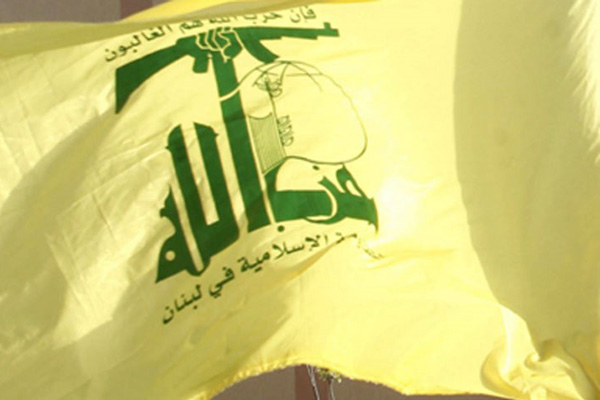
Nabil Qaouk, a deputy member of Hezbollah executive council, praised Iran for giving massive support to regional countries in the fight against Israel and terrorist groups.
“We will remain Iran’s faithful ally, whether the US likes it or not,” he stressed, according to a Farsi report by Al-Alam.
Qaouk declared that backed by Iran, Hezbollah managed to stop the ISIS’ progress in Syria, Iraq and Lebanon.
“Lebanon is still facing the threat of ISIS, though,” he noted. “The regions of Jarrod Arsal and Ras Baalbek still serve as ISIS bases and passages: we can’t neglect such a threat to our nation.”
“Hezbollah won’t stop fighting against Takfiri [extremist] groups despite all Arab, regional and international fulminations and pressure to leave Syria.”
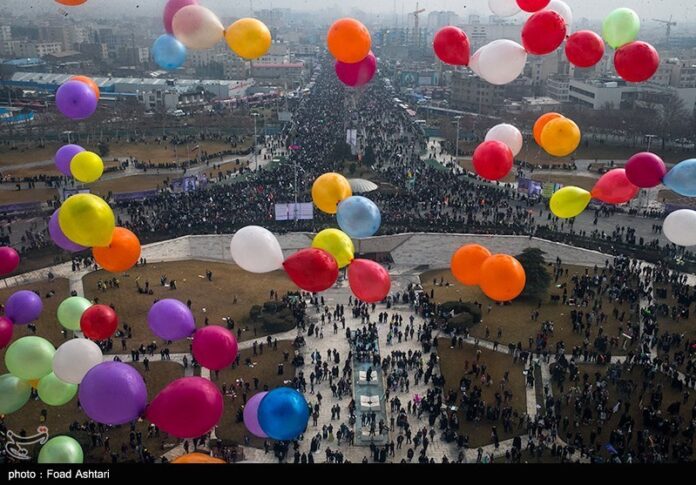
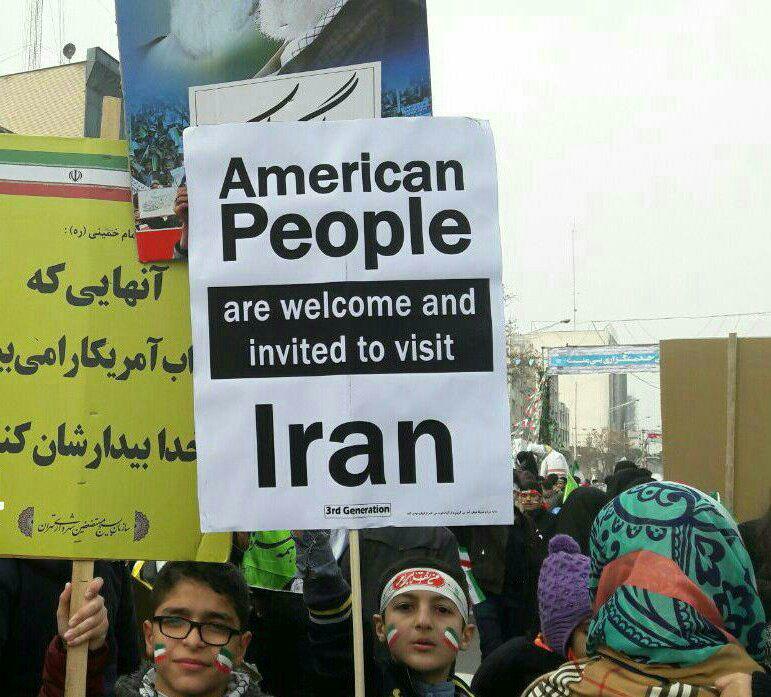
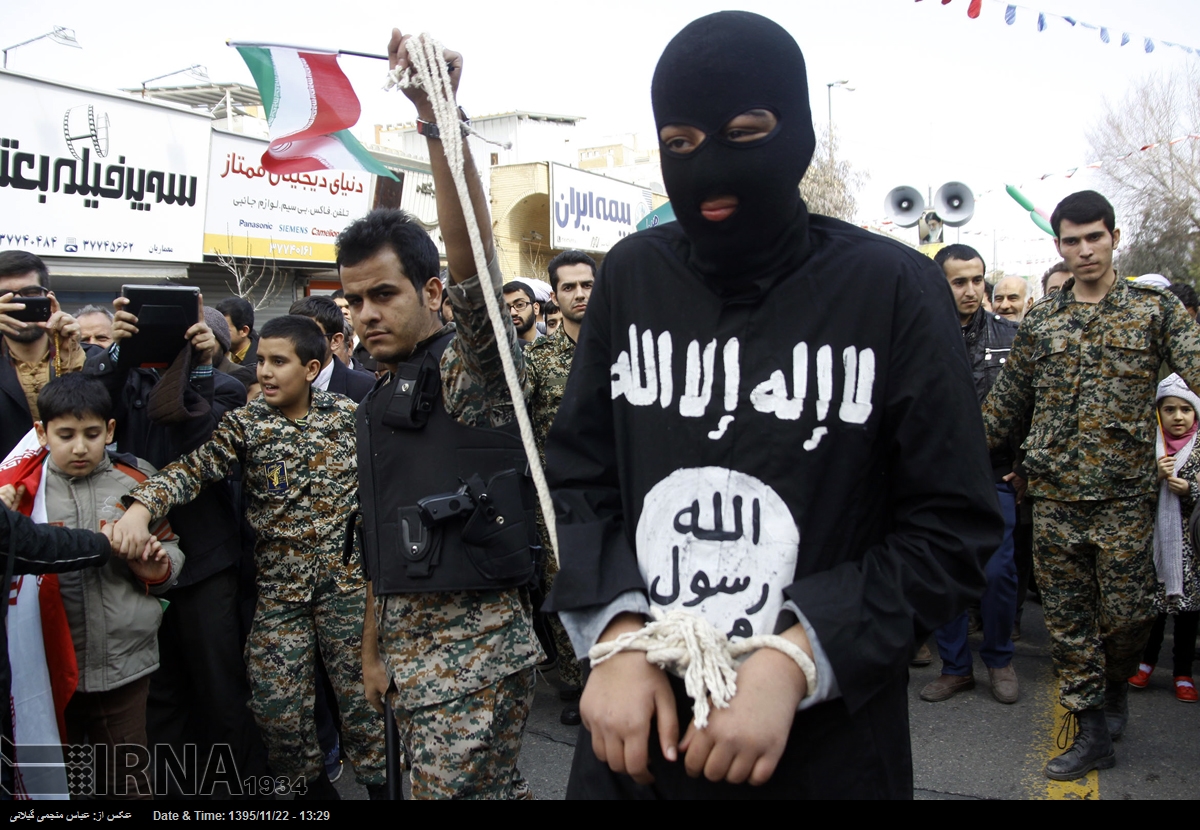
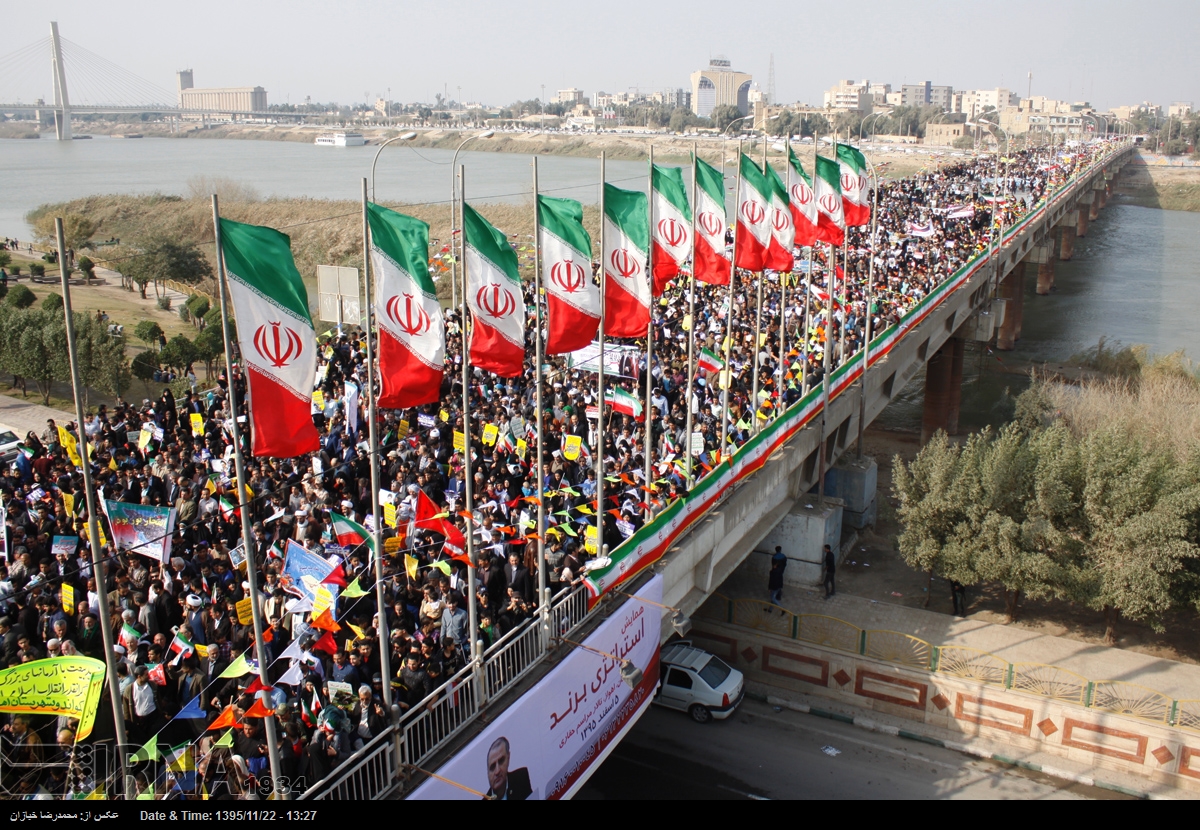
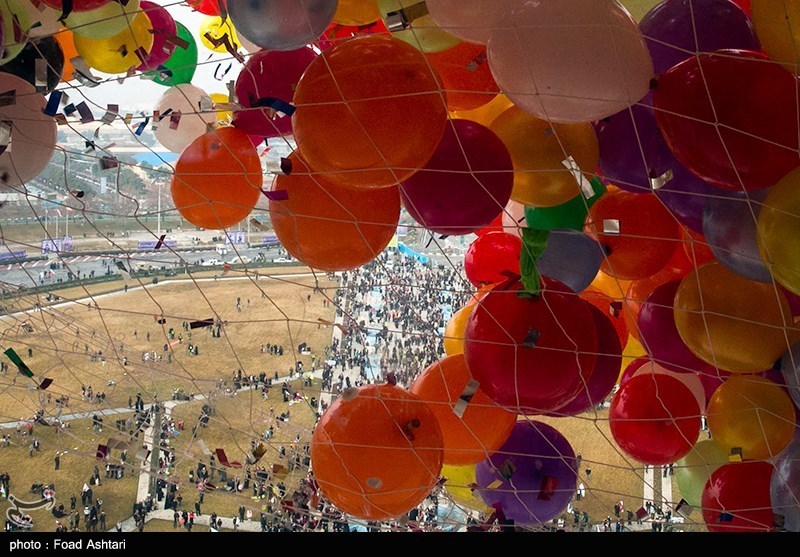
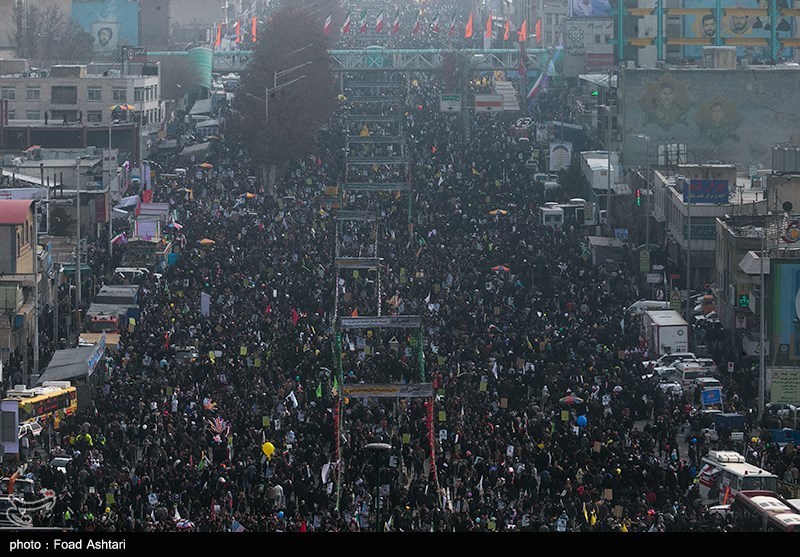
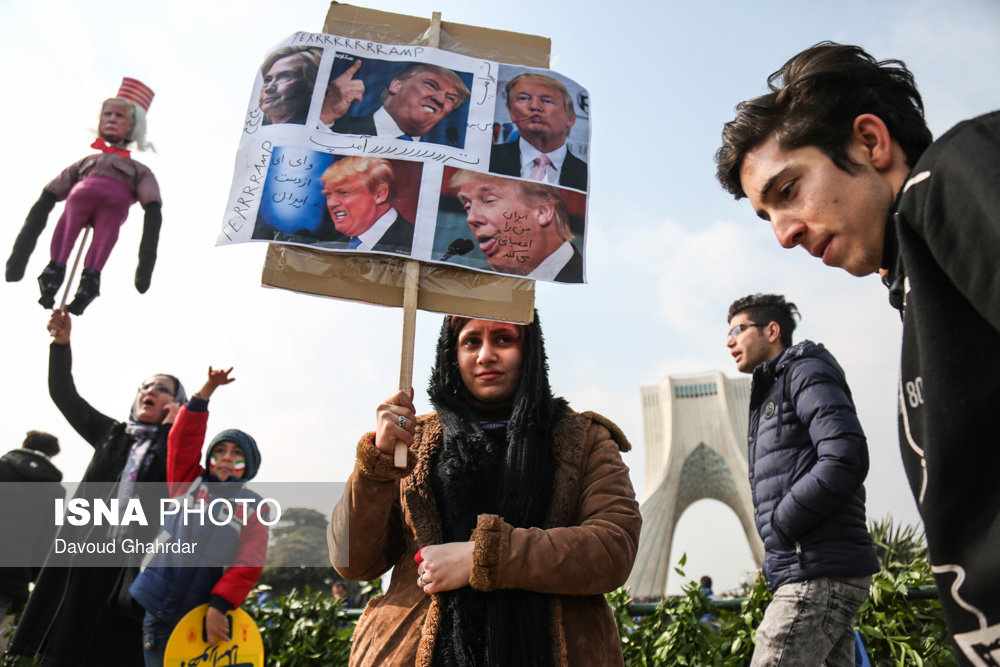
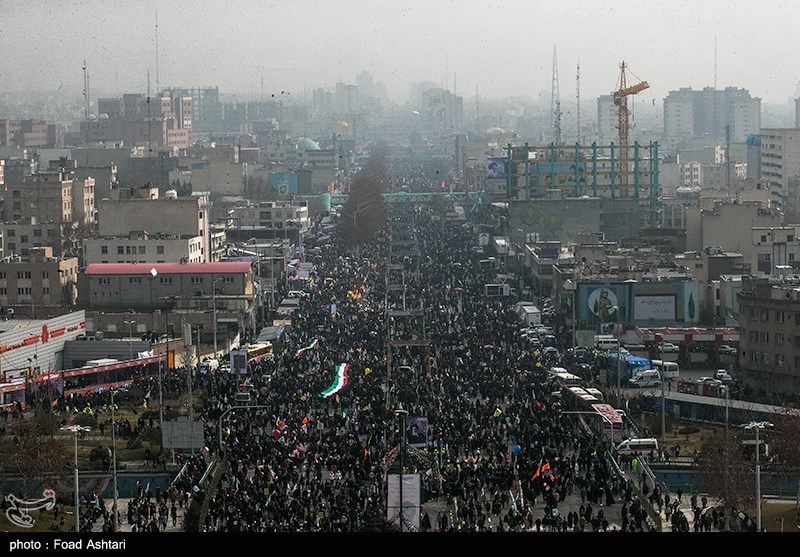
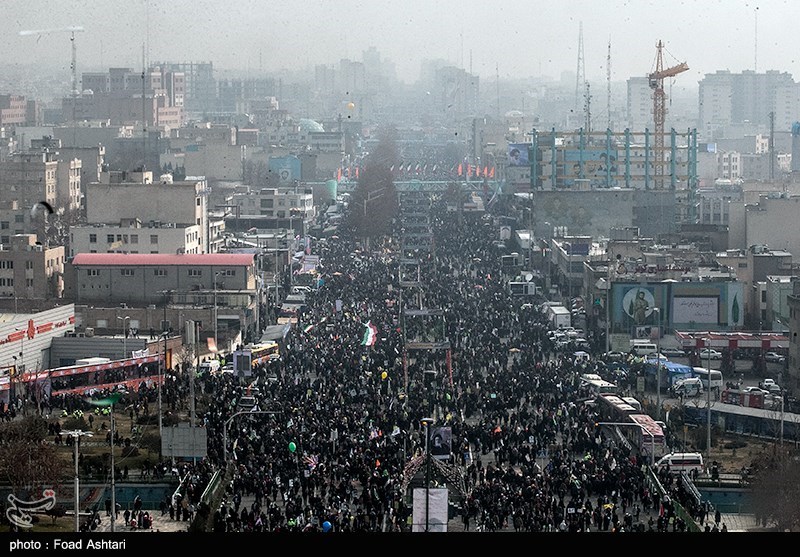
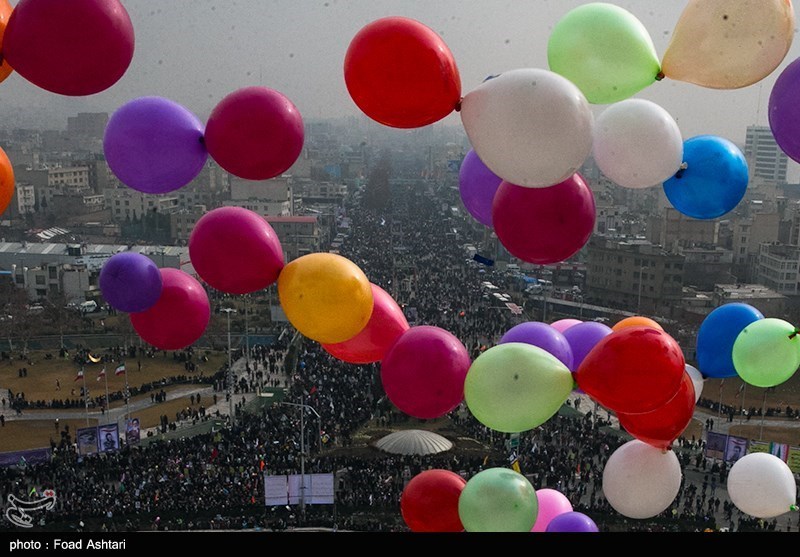
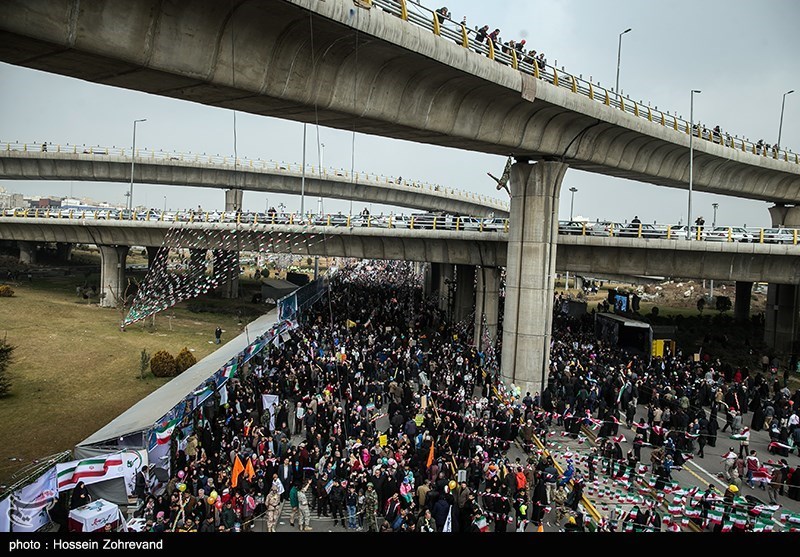
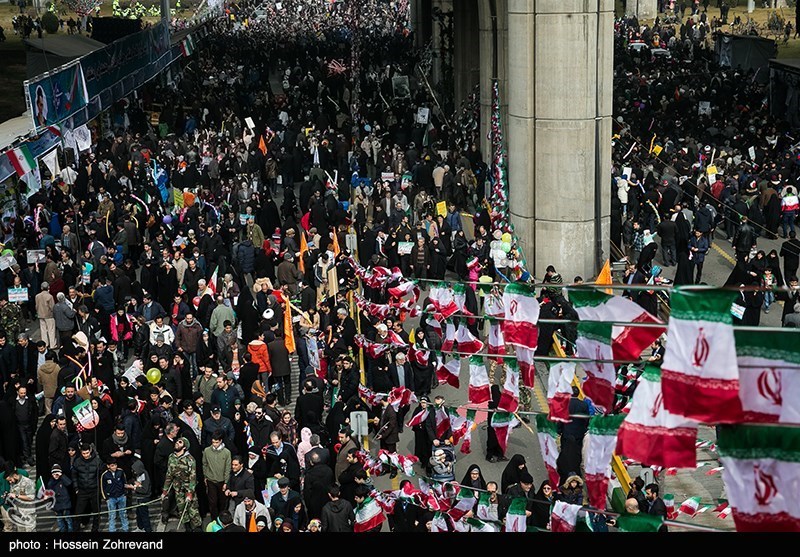
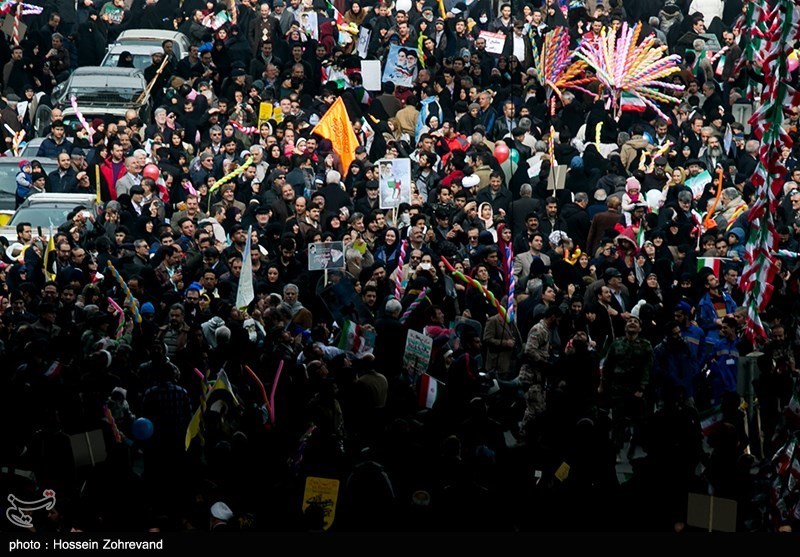
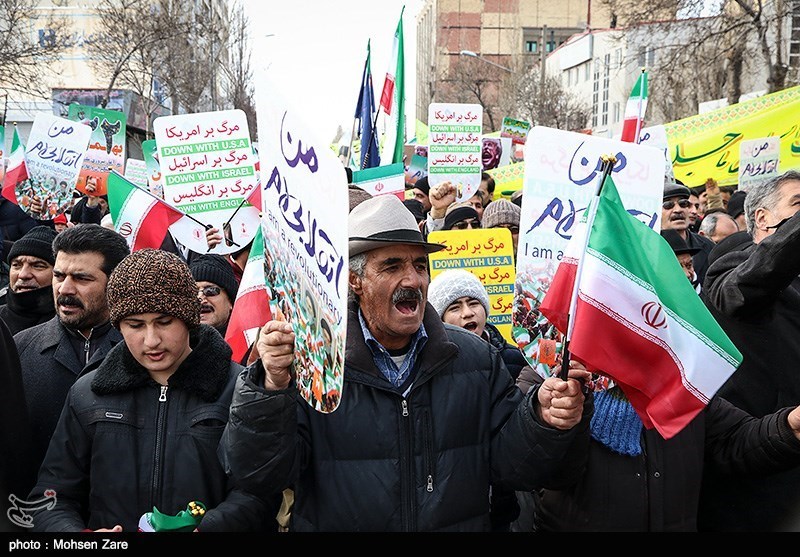
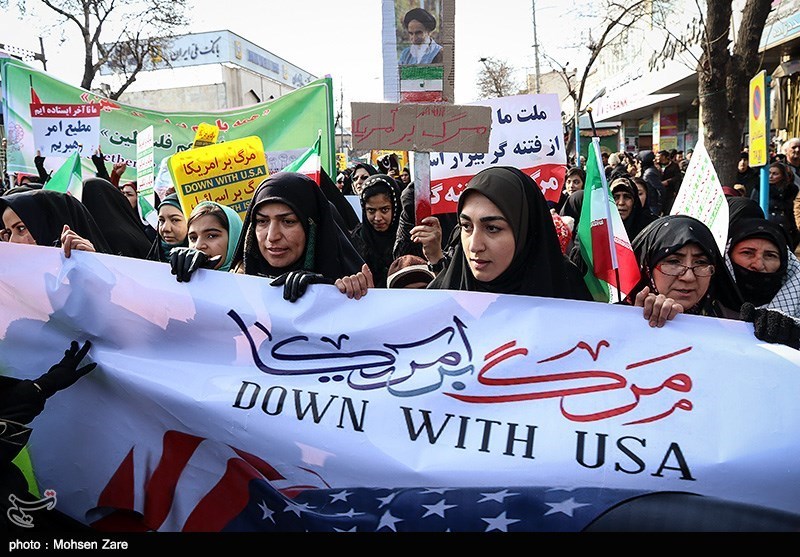
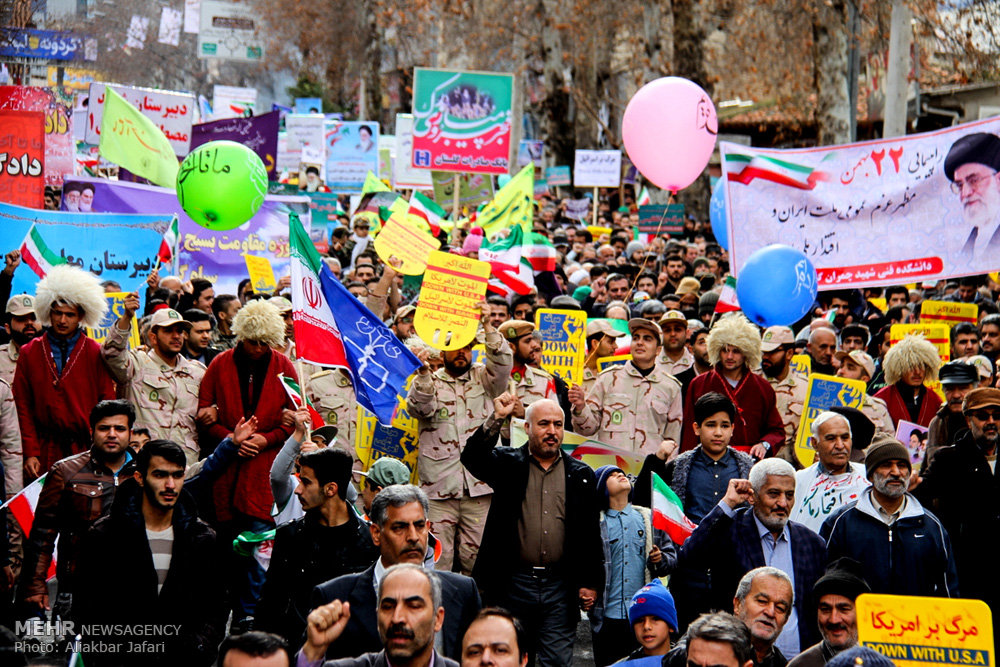
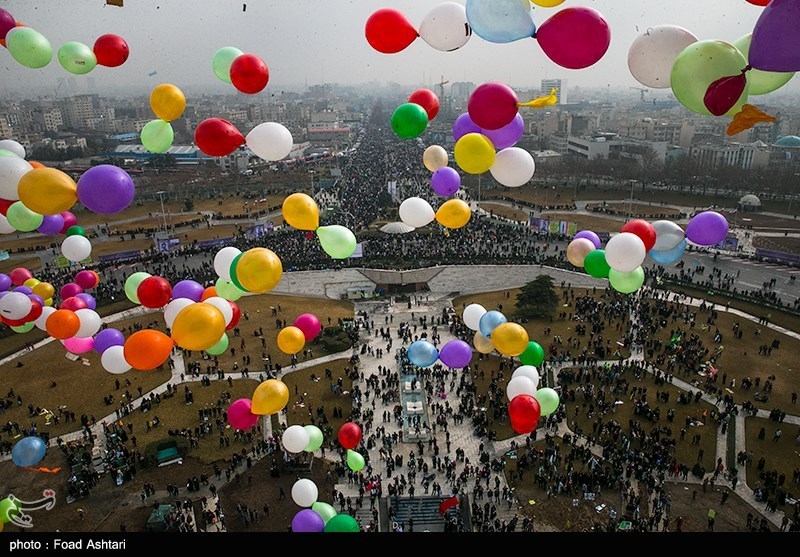
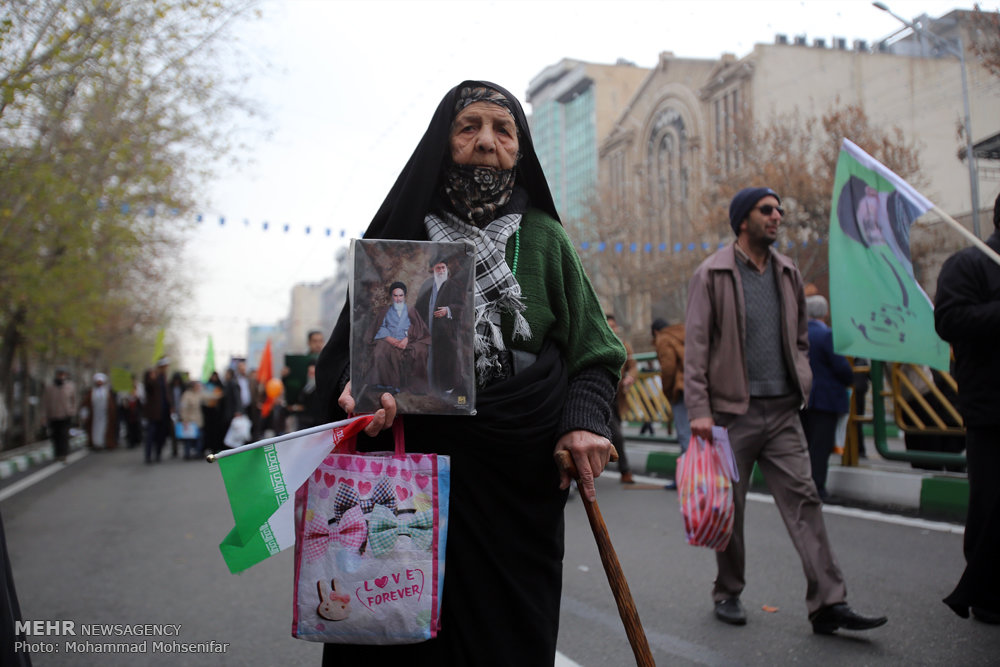
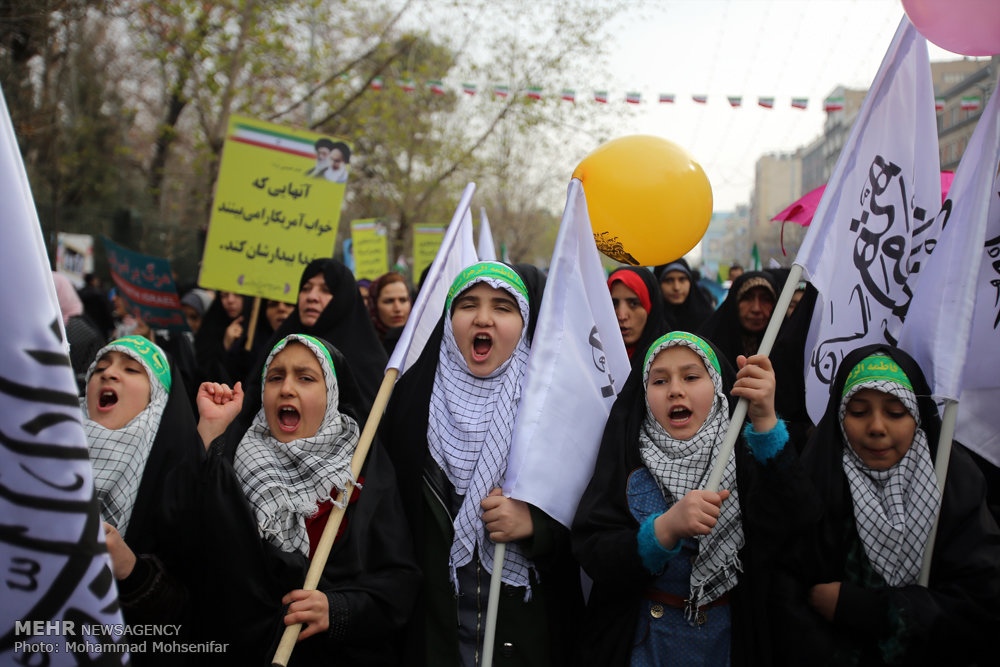
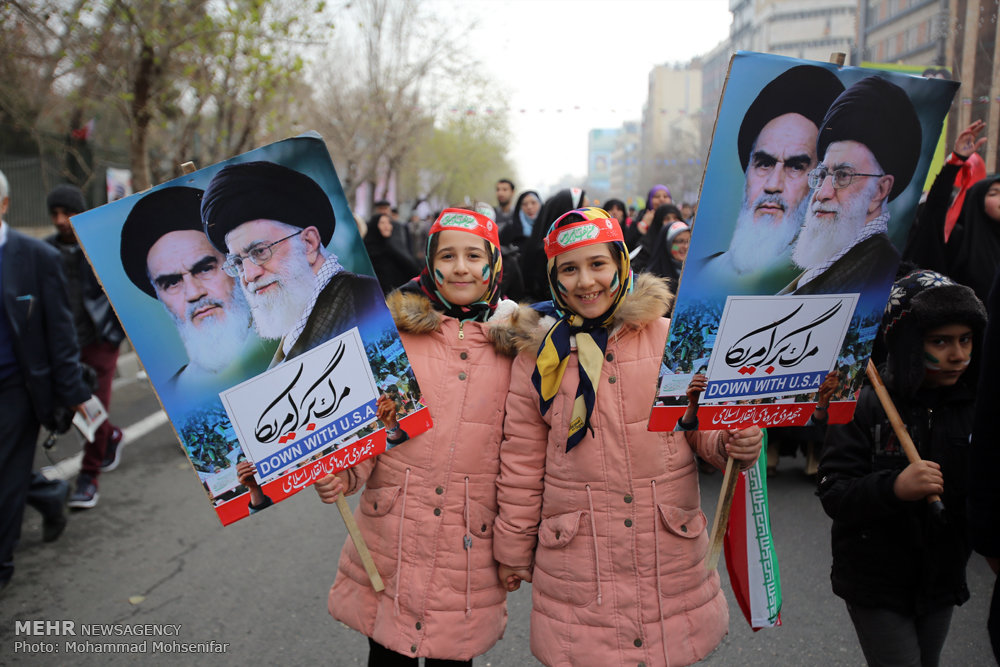
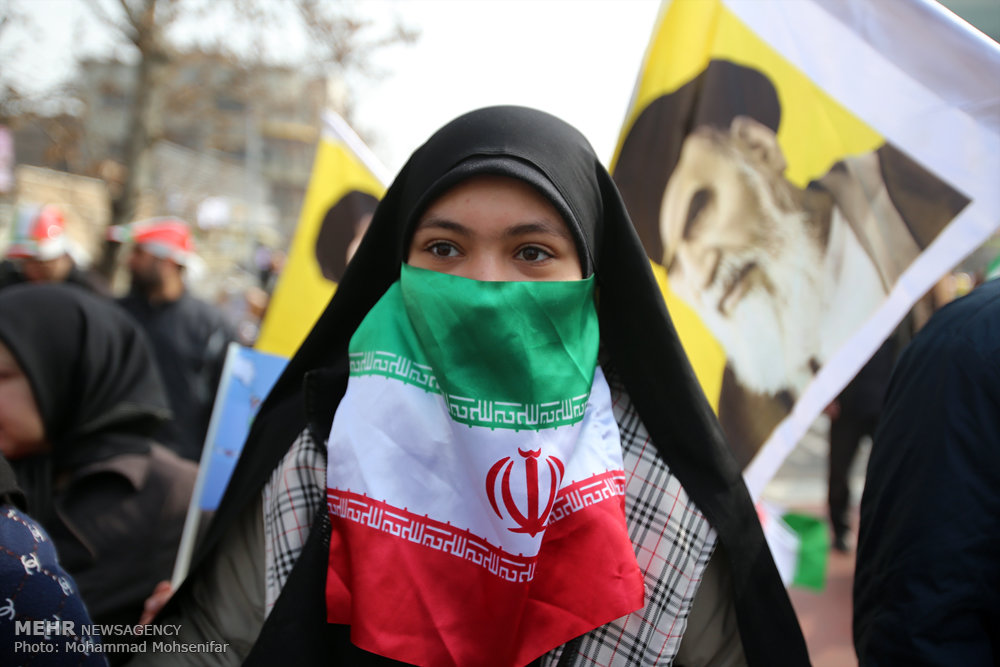
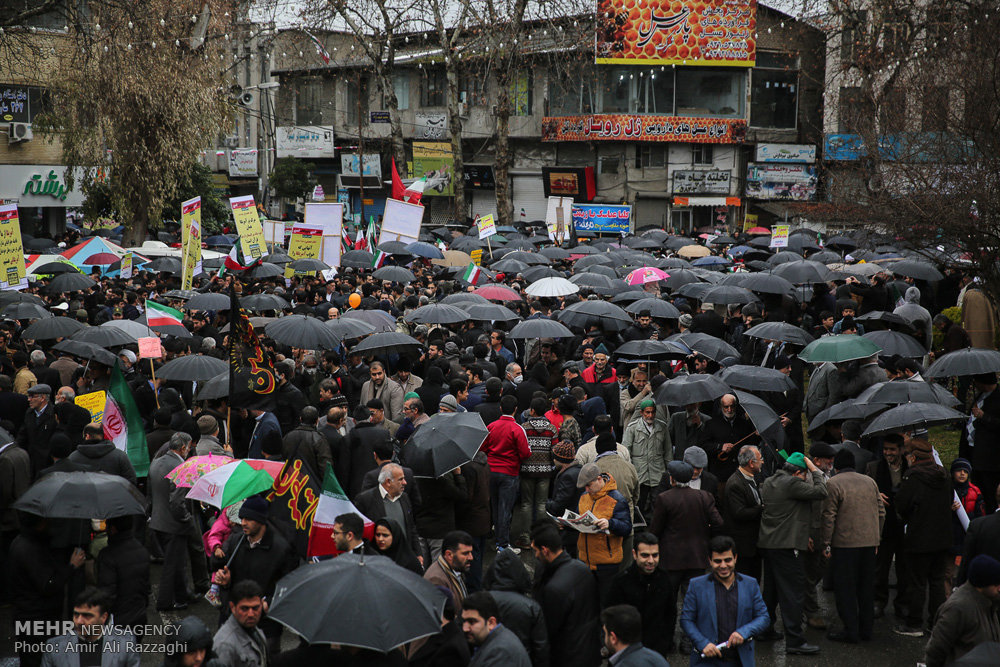
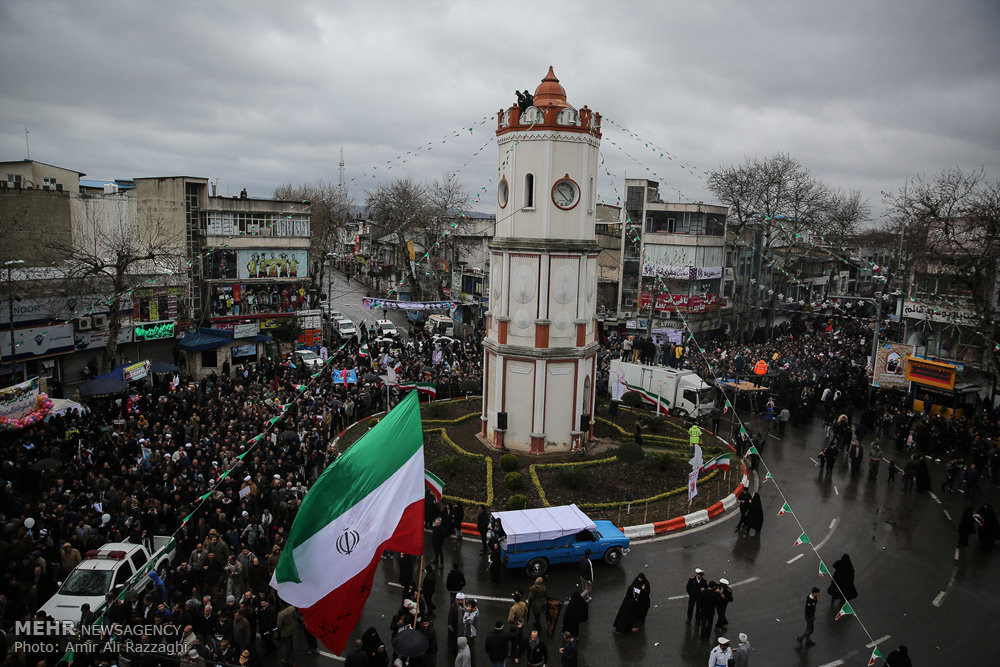
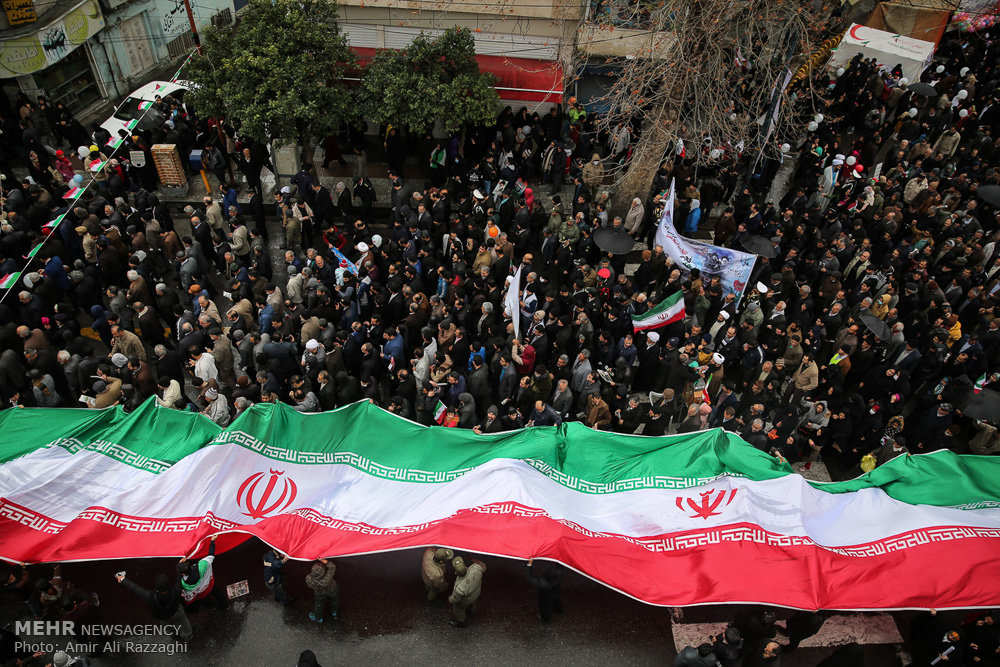
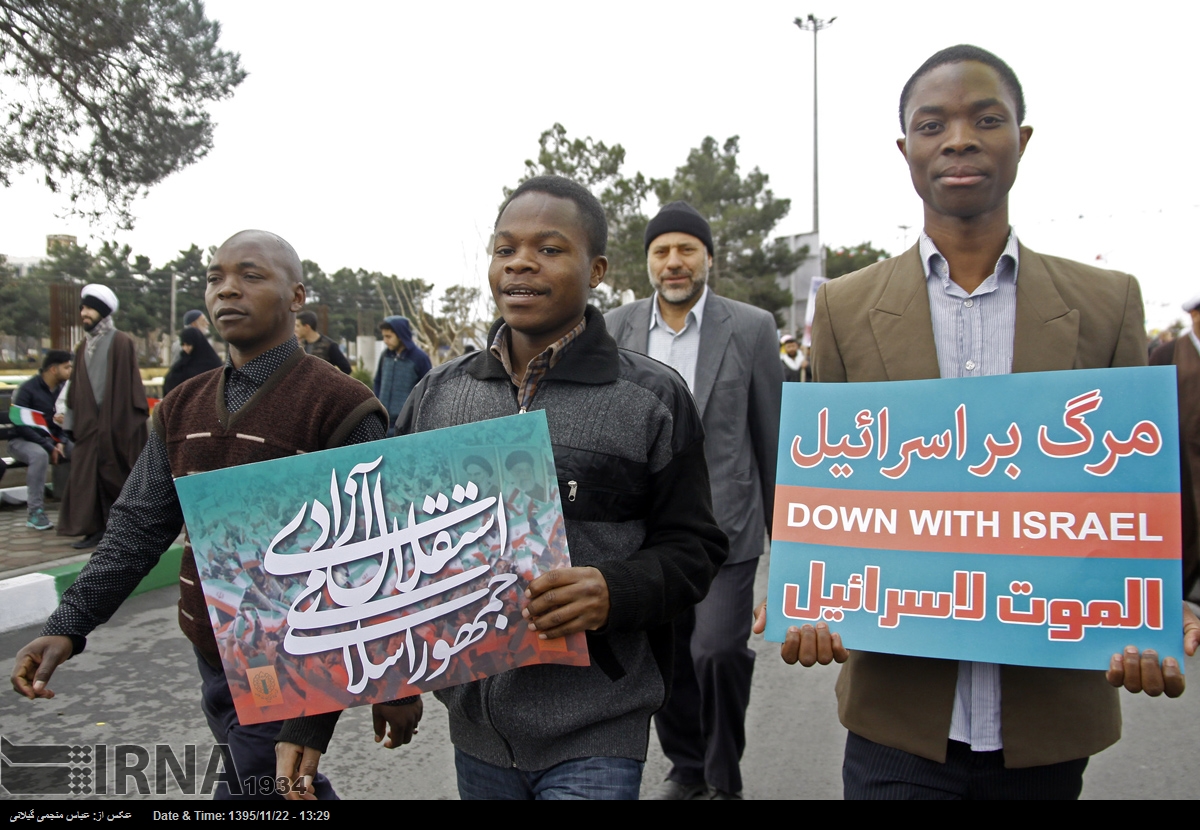
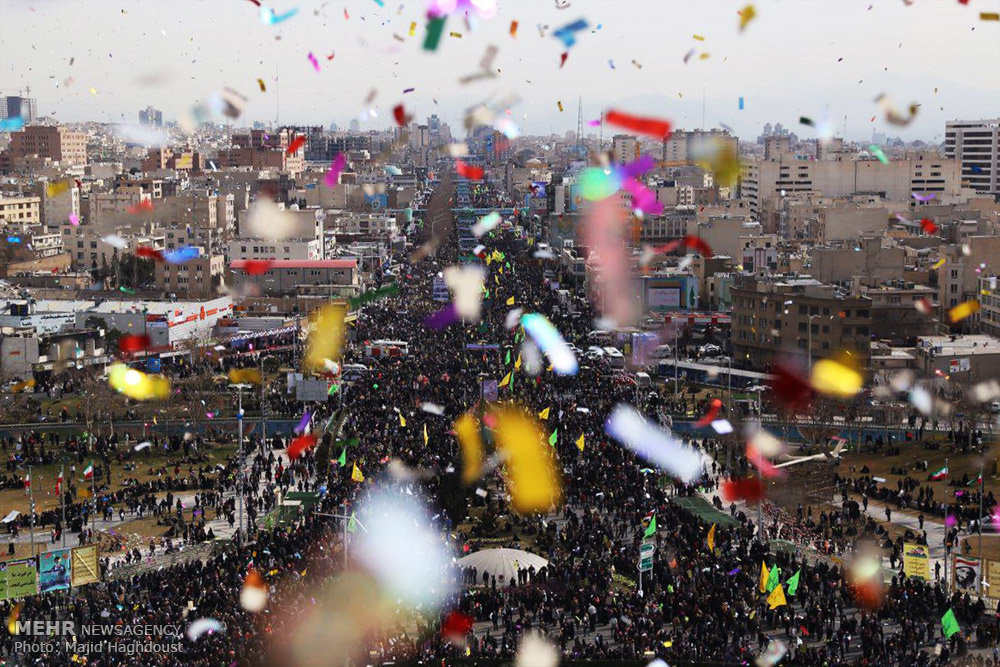
In February 1979, the Islamic Revolution led by the late Imam Khomeini toppled the US-backed Pahlavi monarchy and set the stage for the establishment of the Islamic Republic of Iran.
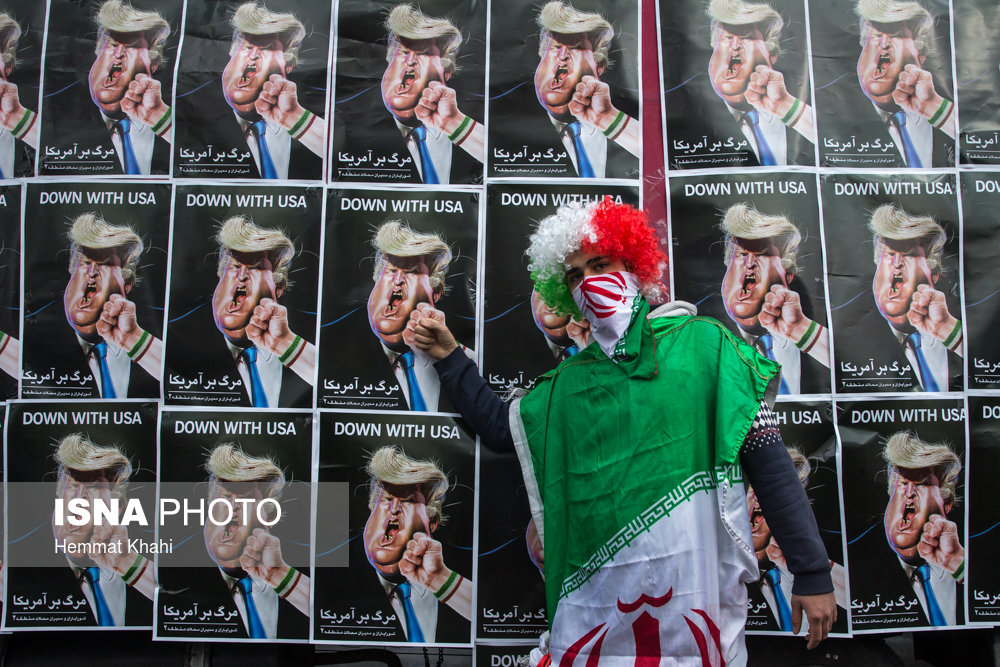
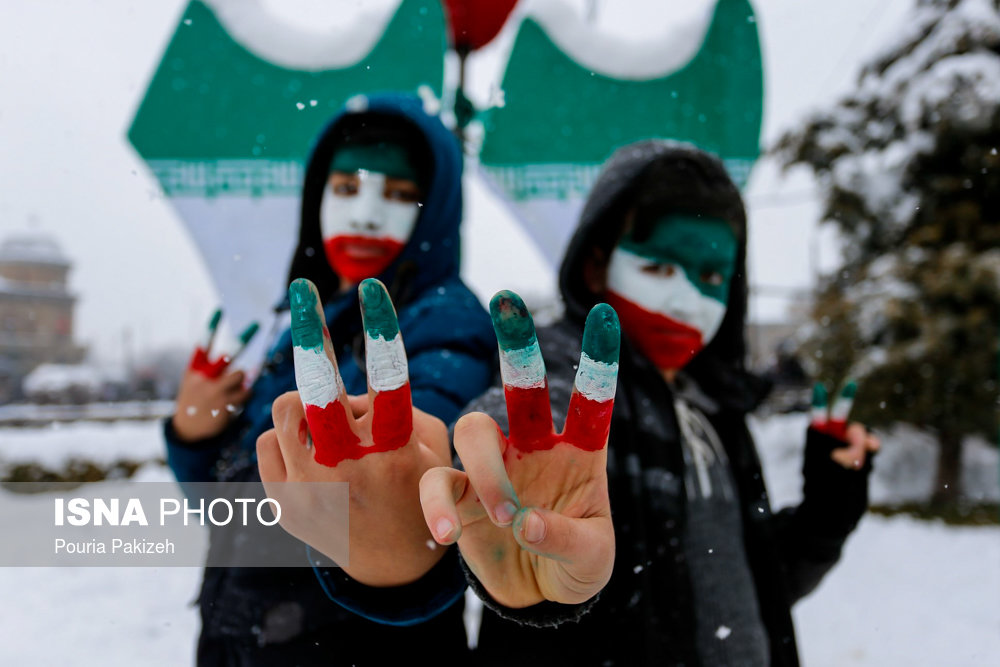
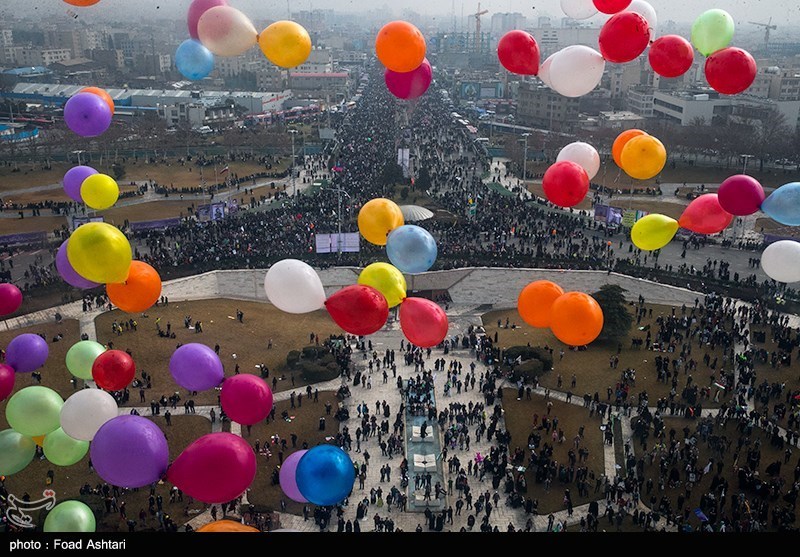
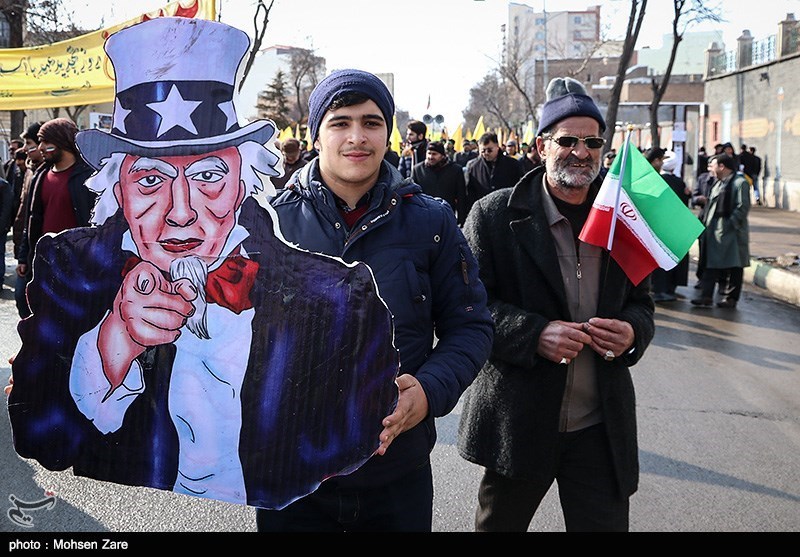
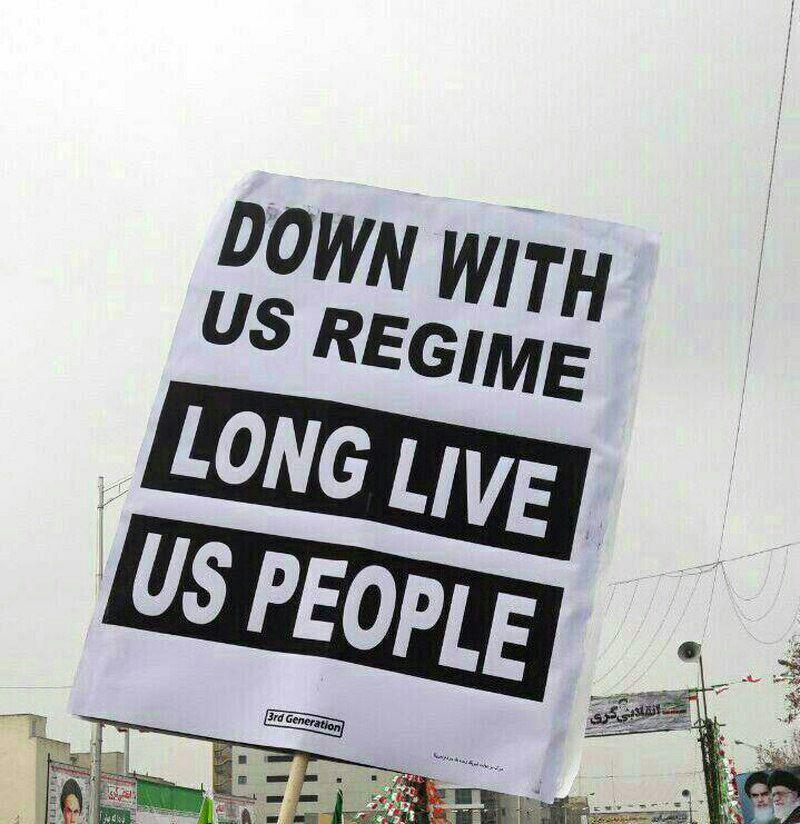
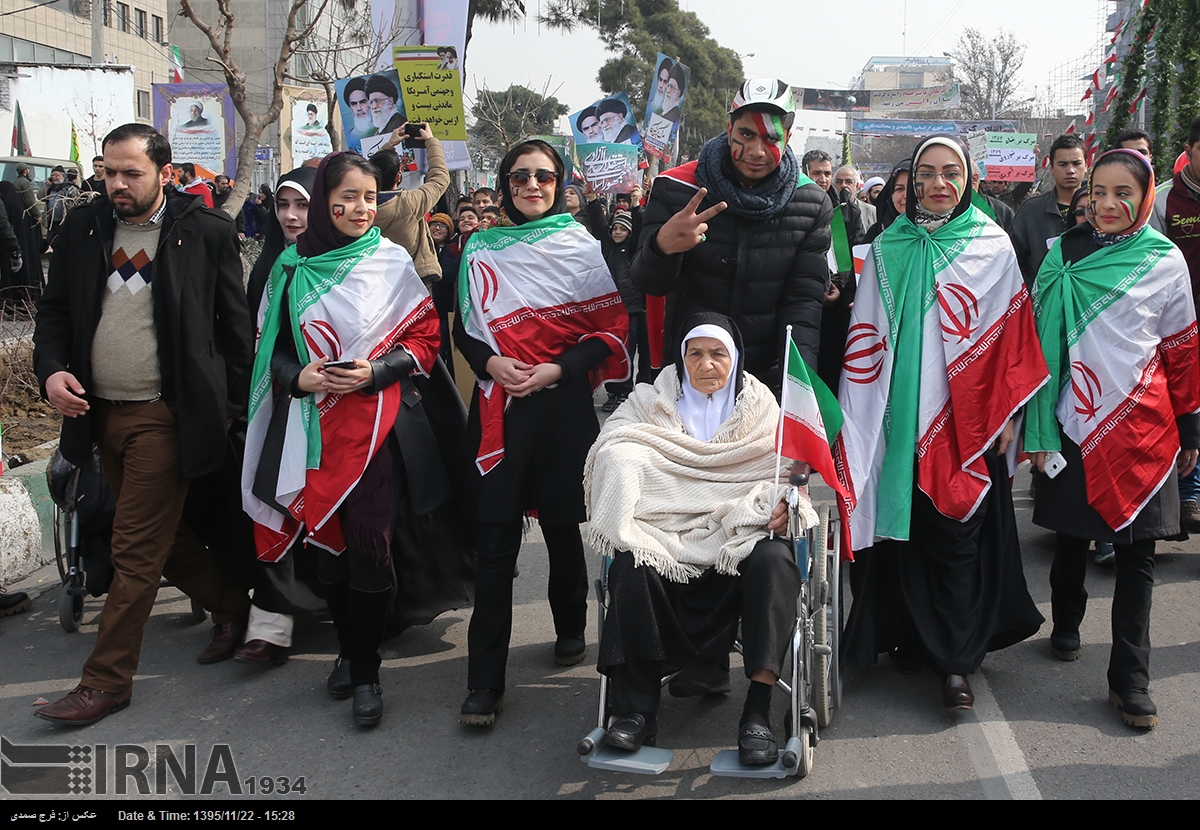
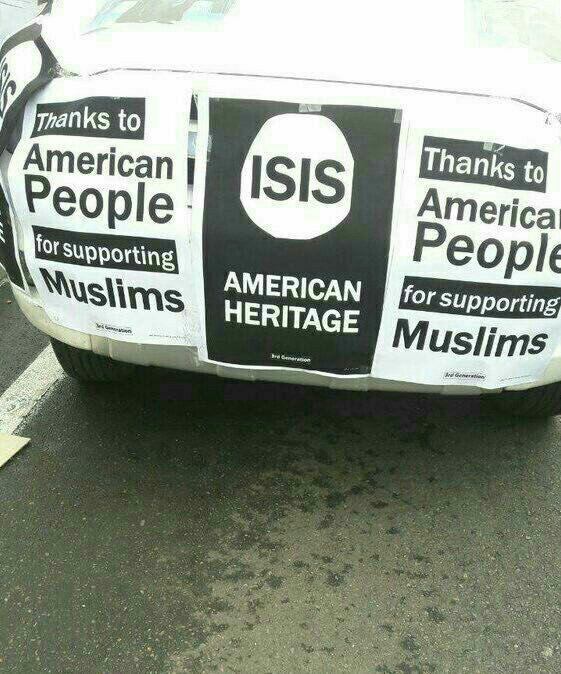
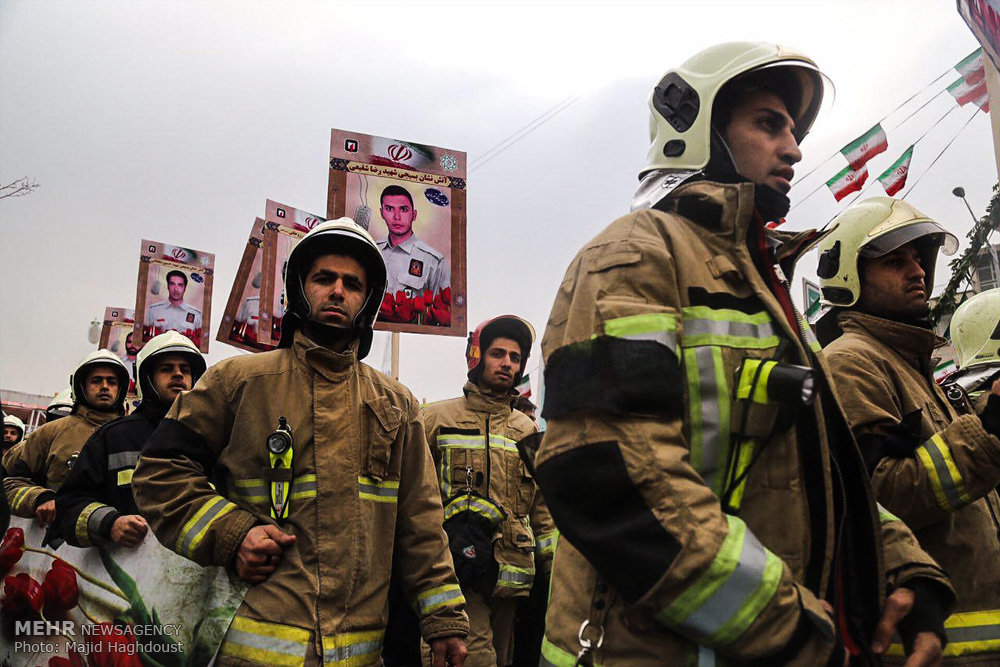
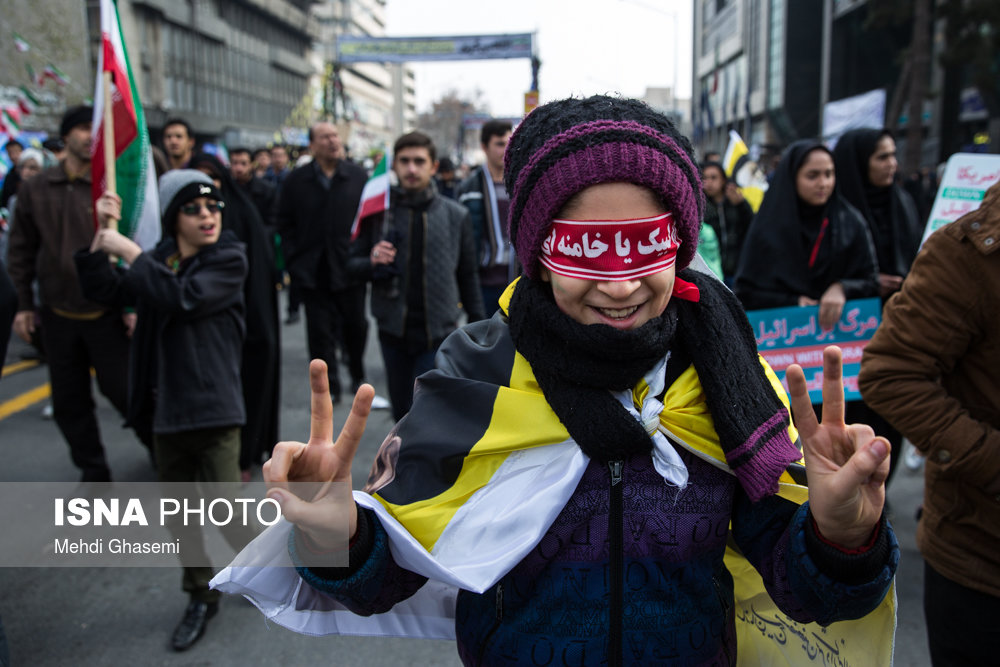
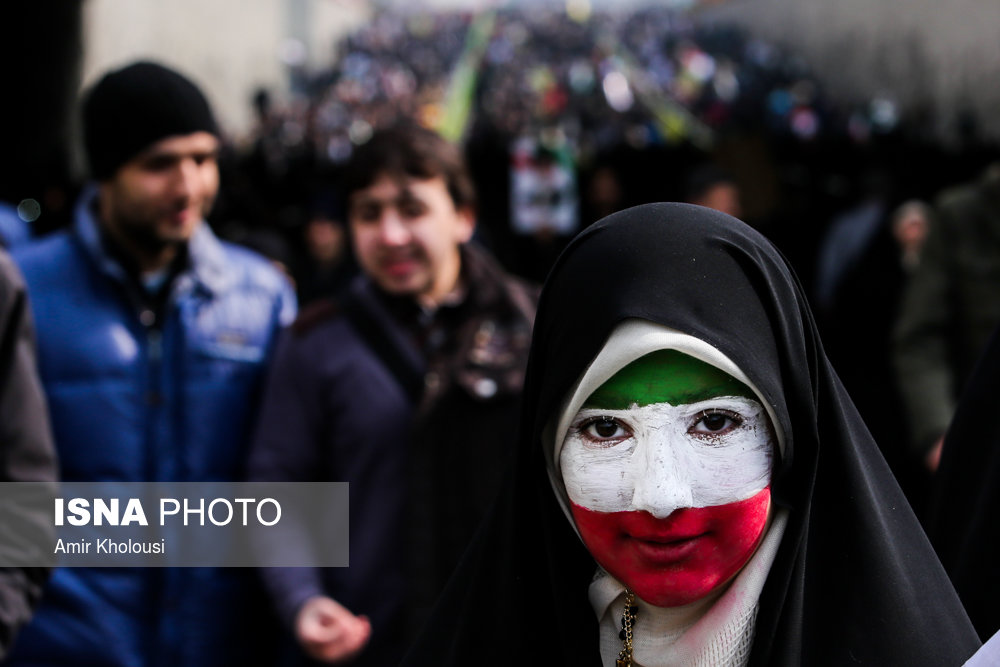
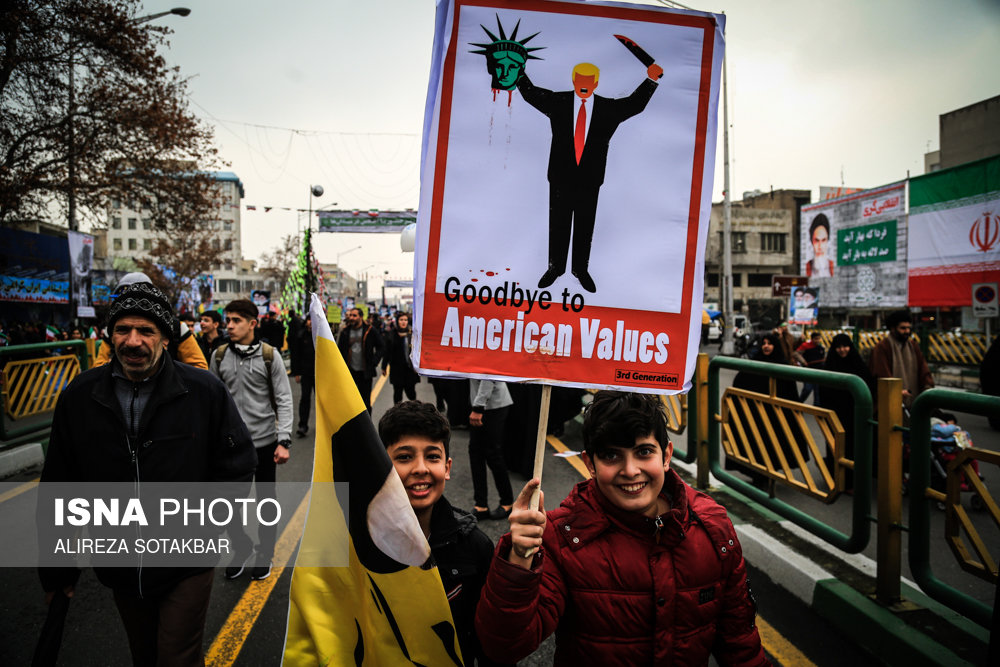
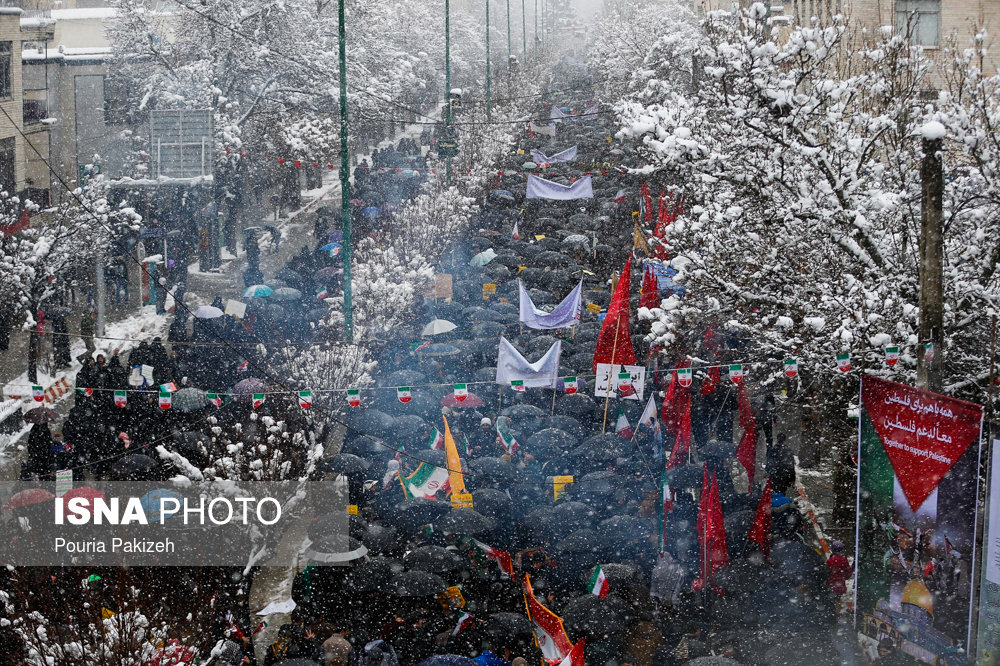
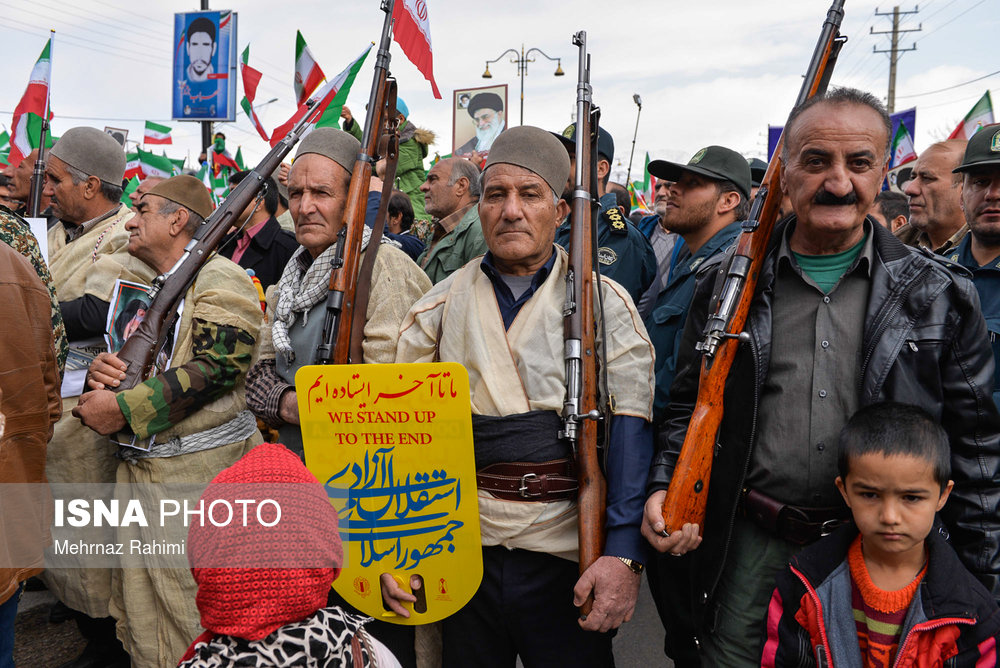
Iranian people annually celebrate the anniversary of the victory in massive demonstrations in which anti-arrogance slogans are usually chanted.
Here is a selection of photographs taken by various news agencies during the mass rallies around Iran on Friday, February 10:






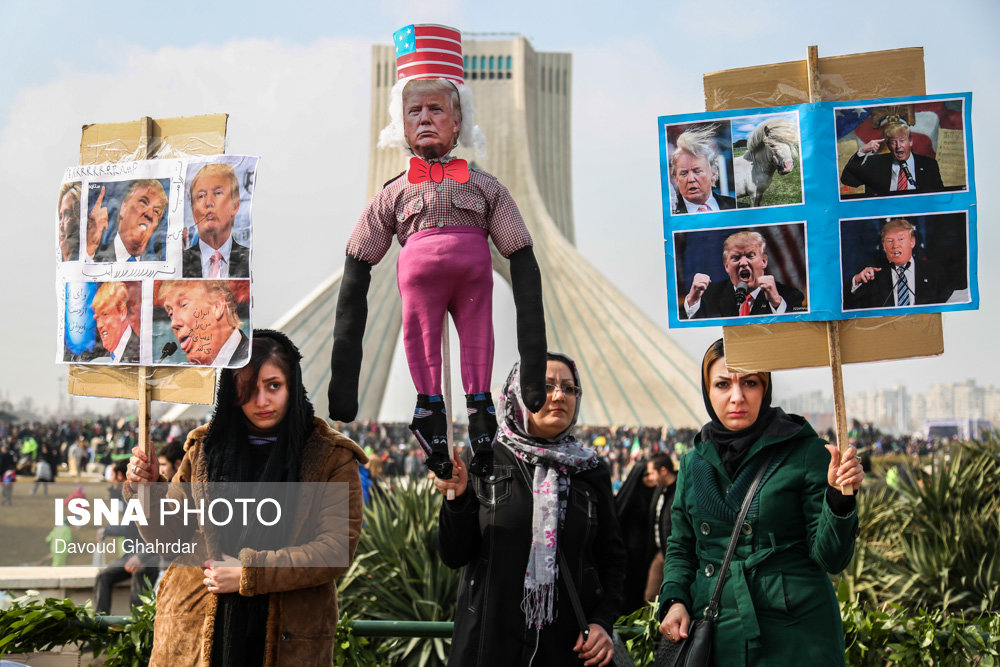
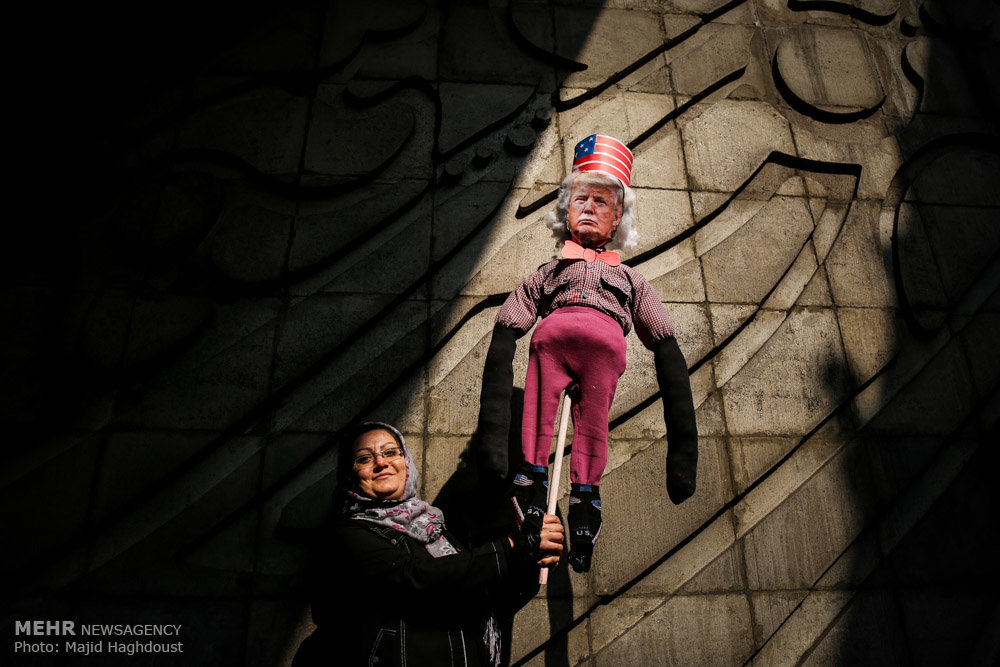
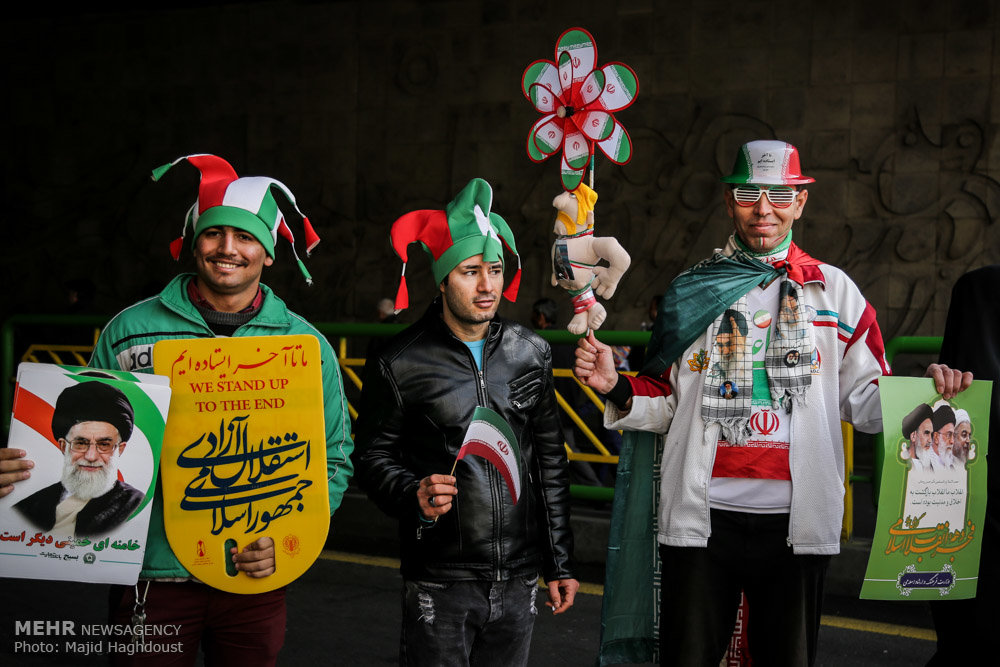
Ayatollah Ali Khamenei, the Leader of Iran’s Islamic Revolution, produced widespread, varied reactions among the international press and public opinion after he thanked Trump, the new US President, during a speech on February 7, for revealing the United States’ real face, and thus, proving that the perception Iran used to express for the past 40 years has been true.
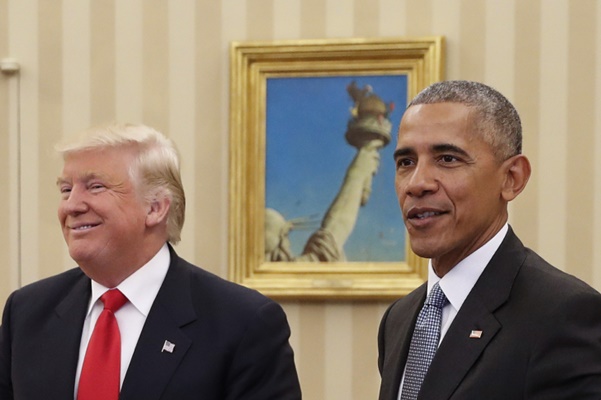
Trump, of course, isn’t the first US President to show, by his actions and statements, that the Islamic Republic is right to take anti-American positions; and to solidify the integrity of Iranian people as a result: in fact, Obama had confirmed the Iranian leader’s predictions before Trump.
Shortly after Hassan Rouhani was elected as Iranian President in 2013, the new government decided to open direct nuclear negotiations with Washington. Iran’s Leader agreed with it to the surprise of many, and the press started to publish commentaries about Iran’s modified position and a new season in the relations between the two countries.
When Rouhani visited New York City for the first time in his presidency to attend the United Nations General Assembly, which ended in his telephone conversation with Obama, I told the New York Times that the Iranian Leader was in a win-win situation: if the talks led to the reduction or elimination of economic sanctions that had damaged Iran’s economy, Ayatollah Khamenei would get the credit for approving the new negotiating strategy.
But he could also take the credit if the talks failed to reach any results, as “he will be praised for having proved his warnings over the dishonesty [shown] by the West towards Iran.”
“In that case his doubts will be proved once again,” I had stressed.
During the nuclear negotiations, the Iranian Leader held on to his positions, and repeatedly stated that despite having accepted the Iranian government’s suggestion for conditional negotiations with the US, he wasn’t optimistic about it.
“In my opinion, we won’t achieve the Iranian nation’s expected results in the negotiations. As an experience, however, it will solidify the Iranians’ empirical basis of the issue,” he stated.
Finally, Iran and P5+1 reached a deal that held up hopes for the end of a contrived crisis in Iranian nuclear program, which had led to cruel embargoes on the export of medicine and medical equipment to Iran!
Shortly after the nuclear deal was signed, Iran started to fulfil its obligations such as limiting the number of its centrifuges and enriched uranium reserves, as well as changing the function of IR-40 heavy water reactor; hoping that the US and Europe would end their economic war against Iran by lifting the sanctions.
However, according to high-ranking Iranian officials (not necessarily opposite to JCPOA), the US tries to weasel out of its obligations to lift banking and insurance sanctions, and to release Iran’s blocked assets.
Not only Washington didn’t change its behaviour despite the efforts and remarks by Iranian Foreign Minister and other top officials, and in spite of Iran’s complaint to the JCPOA Implementation Joint Commission, but also Obama refused to veto the Iran Sanction Act, considered to be violating the JCPOA by Iranian authorities, shortly before leaving the White House.
“How much did I point out that the US was dishonest and deceitful; that it wouldn’t keep to its words? Now see! Today I am not the only person who calls it dishonest; our dear officials, the negotiators who endeavoured so much to reach the deal, say so.”
By these statements in last November, the Iranian Leader not only slammed Washington for its deceitfulness, but confirmed that at this moment, public opinion, the ones who supported the negotiation with the United States at first, have admitted the rightfulness of his distrust of the US.
Washington’s dishonesty – planned to put pressure on Iran to give more concessions in regional issues, as believed by some analysts – didn’t push Iran to retreat, though: in fact, by making clear that the US was unreliable, it strengthened national solidarity among Iranians, and caused them to trust in the old belief that any effort to negotiate and re-establish the relations with the US would turn out to be ineffectual.
Trump’ controversial anti-Iran remarks during the US electoral campaign, and after his entrance to the White House in particular, should be considered as another US gift to Iran which solidifies Iranians’ national solidarity against the White House policies.
Trump’s actions, from his revelations about Washington’s role in ISIS formation to his visa ban on the citizens of seven Muslim countries including Iran, disappointed the Iranians who were slightly hopeful about the future of Iran’s relations with the US, leading them to the confirmation of the 40-year stances held by Iranian officials about the real face of Washington.
On the other hand, by implicitly threatening Iran to military invasion, Trump produced a reverse effect on the accomplishment of Washington’s objectives: clear evidence shows that during his first days of presidency, Trump had strongly unified the Iranians, provoking a wider support of Ayatollah Khamenei views among them.
Neglecting the past experiences of US presidents, Trump integrated Iranians and excited their hostility toward his administration by making military threats against Iran, right in a moment when the country, as admitted by American commentators, was more powerful than ever.
Now it is not surprising to see anti-American hashtags in the pages of Iranian social network users who take stance against the US threat regardless of their political orientations.
On another level, Trump’s threats against Iran have even changed the positions of Iranian domestic opposition. Mohammad Khatami, the former Iranian President who is facing political constraints for having supported the protests after Iran’s 2009 elections, reacted to Trump by making a statement to invite all Iranians to a national reconciliation, and call on reformists to attend the February 10 nationwide rallies to celebrate the 38th anniversary of Iran Islamic Revolution’s victory: “Death to the US” slogan can be heard louder than all recent years right now!
It was surely because of the history of Iranian people’s national solidarity against foreign threats that Ayatollah Khamenei decided to let the Iranian nation give the country’s response to Trump’s threats.
“[Trump] says be afraid of me! No, we aren’t afraid of you. The people will respond to your threats in the streets on February 10; they will show you how the Iranian nation reacts to such threats,” the Leader said.
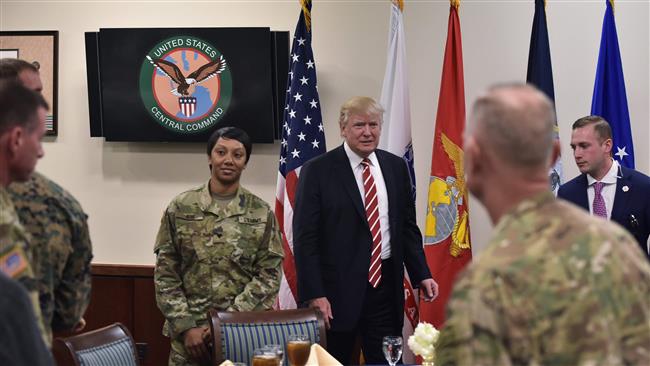
The White House has been weighing designating the IRGC – the elite arm of Iran’s security forces — and Egypt’s Muslim Brotherhood as “Foreign Terrorist Organizations,” Trump administration officials familiar with the matter told CNN.
But, the officials said, Trump did not sign executive orders on the issue after US national security agencies warned the president about the consequences of such a move, the US news network reported on Thursday.
President Trump was scheduled to sign the IRGC order on Monday during his visit to the US Central Command (CENTCOM)’s headquarters in Tampa, Florida, but the plan was put on hold after the State and Defense Departments expressed “serious objections,” according to the officials.
The US military’s CENTCOM deals with issues in the Middle East, North Africa, and Central Asia, most notably Afghanistan and Iraq.
It is not clear now if Trump will sign the order regarding the IRGC.

The officials said Trump was told that designating the IRGC as a terrorist organization would create serious problems for Iraqi Prime Minister Haider al-Abadi, who is receiving assistance from both the US military and the IRGC in his fight against the Daesh (ISIL) terrorist group.
In addition, they said that US national security agencies are also concerned that American military and embassy personnel in Iraq could be targeted after such an action from the United States.
This is while, according to reports, some officials from the Trump administration have received money from the anti-Iran Mujahedin-e Khalq Organization (MKO) to deliver speeches in support of the terrorist group.
Trump’s transportation secretary, Elaine Chao, received $50,000 in 2015 for a five-minute speech to the political wing of the MKO, which has carried out numerous terrorist attacks against Iranian civilians and government officials over the past three decades.

In March 2016, Chao received another $17,500 for a speech that she gave to the Iranian-American Cultural Association of Missouri, which reportedly has ties with the MKO terrorist group. Chao is the wife of Senate Majority Leader Mitch McConnell of Kentucky.
Former mayor of New York City Rudy Giuliani, who is also likely to get a post in the Trump administration, has also acknowledged that he has been paid by the MKO for his appearances at the terrorist group’s events.
Out of the nearly 17,000 Iranians killed in terrorist assaults since the victory of Iran’s 1979 Islamic Revolution, about 12,000 have fallen victim to MKO’s terrorist attacks.
The organization also sided with former Iraqi dictator Saddam Hussein during Iraq’s eight-year imposed war against Iran in the 1980s. The group also helped Saddam in his brutal crackdown on his opponents.

The US State Department added the MKO to its list of foreign terrorist organizations in 1997 for the group’s involvement in the killing of Americans in Iran in the 1970s and an attack on US soil in 1992.
But, now some officials in the Trump administration are reportedly lobbying for the MKO’s removal from the US list of terrorist groups, and designate Iran’s IRGC, which has been fighting against terrorism and aggression since the 1979 Islamic Revolution, as a terrorist organization.
According to some observers, Israel and Saudi Arabia, which are considered main sponsors of terrorism in the Middle East, particularly in Iraq, Yemen and Syria, are pushing the Trump administration to act against the IRGC, an organization that has frustrated their designs on these countries.
Fox News claimed that Iran has launched another missile Wednesday from the same launch pad east of Tehran where it conducted a previous ballistic missile test last month.
In reaction to the report, Iran’s Defence Minister said such claims are fabricated, and this has not happened.
However, he added, even if such a missile was test-fired, it was none of their business.
“The Islamic Republic of Iran’s missile program is a normal one, and its missile tests are part of pre-planned program aimed at maintaining the country’s defensive capabilities,” he added, according to a Farsi report by Mehr.
“Such fabricated claims are part of the Iranophobia project designed by the Zionist regime [of Israel],” he noted, adding that the project tries to provoke Iran by spreading lies about the country.
“We advise our southern Persian Gulf neighbours not to be deceived by such claims, because the Islamic Republic of Iran has never been a threat for them, and it won’t be.”
“Americans have spread the propaganda and waged the psychological war in a bid to sell their weapons,” Dehqan said, adding that Iranian people will respond to the propaganda in February 10 nationwide rallies.

“Today the Intelligence Ministry can monitor all web pages in Iran,” Iranian Intelligence Minister Mahmoud Alavi said, according to a Farsi report by Basij Press.
“We don’t interfere, though, unless the country’s Establishment is threatened.”
“Telegram, Instagram, and Twitter are the most popular social networks among Iranians,” he noted.
“Actually, there are 180,000 active Iranian channels in Telegram. Our observations show that 90% of them are used as a medium for communication with friends and family.”
He went on to say that 7% of channels are political, and the other 3% have immoral or blasphemous content: 2.5% publish obscenities, and 0.5% work on anti-religion topics.
“We have identified and arrested the administrators of many anti-religious channel,” Alavi stressed. “The obscene channels are also banned after being reported to the Telegram central administration in Germany.”
“While the anti-religious channels have few visitors, Dua-ye Faraj – a prayer for the reappearance of Imam Mahdi [AS], the last Shiite Imam – once had 14 million viewers in a channel: it shows that our youth are neither anti-religious, nor obscene.”
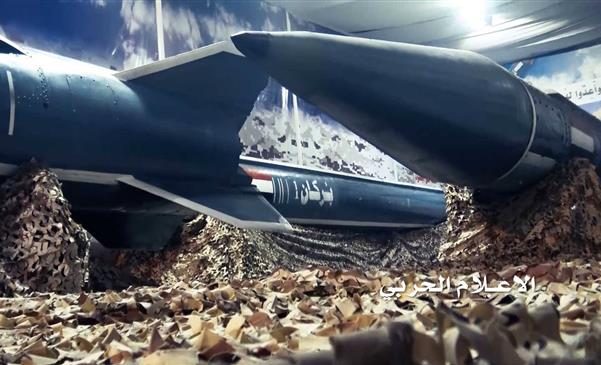
Yemen’s destruction of Saudi weapons and warships, the last of which had been purchased at $10 billion, has come as a shock to the world and the Western producers of armaments.
According to a Farsi report by Fars News Agency, it came as Yemen has been under an all-out siege by Saudi Arabia for the past 23 months.
When Saudi Arabia launched its military campaign against Yemen in March 2015, it was enjoying the military and financial support of the West and a number of Arab nations and was armed to the teeth with modern satellites, fighter aircraft and destroyers as well as Terminal High-Altitude Area Defence — an American anti-missile system also known as THAAD.
Nevertheless, the armaments and all-out support failed to give Saudi Arabia political leverage over Yemen — to increase its pressure on the country — or help Riyadh achieve military victory against Sana’a. The invasion only led to Al Saud’s fiasco and conviction by the international community.
According to a report by Yemen’s Al-Najm al-Thaqib news website, Saudi Arabia has signed deals with a number of countries, including France, to purchase arms. Al Saud’s latest contract with France is said to be the biggest weapons purchase agreement ever signed between the two states.
French fast attack crafts and frigates as well as the American and British armaments — all purchased by Saudi Arabia — failed to help Al Saud win in their invasion of Yemen, as witnessed in the destruction of the French warship deployed along the Yemeni coast.
The warship being targeted by Yemeni Ansarullah revolutionaries’ missiles caused great tumult in Western and other international media.
The attack, also caused grave concern among big arms producer companies, as the Yemeni forces had destroyed a warship equipped with the world’s most advanced and modern anti-missile radar system.
The fact that Yemeni forces had destroyed the warship with Burkan-1 ballistic missile, their own production, raised the question among Saudi Arabia and its Western sponsors that how Ansarullah revolutionaries had managed to build the missile despite being under an all-out siege by Saudi forces.
What the Saudi-led coalition had arrogantly failed to notice was that Yemeni people were committed to fulfilling the aspirations of their dominant ideology to the extent that they felt the obligation to defend their national integrity and establishment as well as the dignity and munificence of their homeland, by making advanced armaments that could destroy the West’s — particularly the US and Israeli — arms, out of the simplest and most primitive and basic facilities and equipment they had.
In its report, al-Najm al-Thaqib wrote, “As stressed repeatedly by the Leader of Iran’s Islamic Revolution Ayatollah Seyyed Ali Khamenei, Iran is the only country that is resisting against the cruelty and excessive demands of Saudi Arabia, the US and Israel.”
“Since Yemen is under Saudi Arabia’s all-out siege, and there is no access to the poor country from the ground, sea and air borders, claims accusing Iran of supplying arms to the country’s forces are entirely rejected,” the website added.
In reaction to the all-out siege, Yemeni people decided to show military and political resistance against their enemy and produce their own missiles, instead of simply surrendering to the invaders.
© All Content by IFP News ( Iran Front Page ) is licensed under a Creative Commons Attribution 4.0 International License.
