Friday, January 16, 2026
Home Blog Page 4108

Iran’s Leader Warns against Showing Weakness to Enemies

leader-rahiannoor

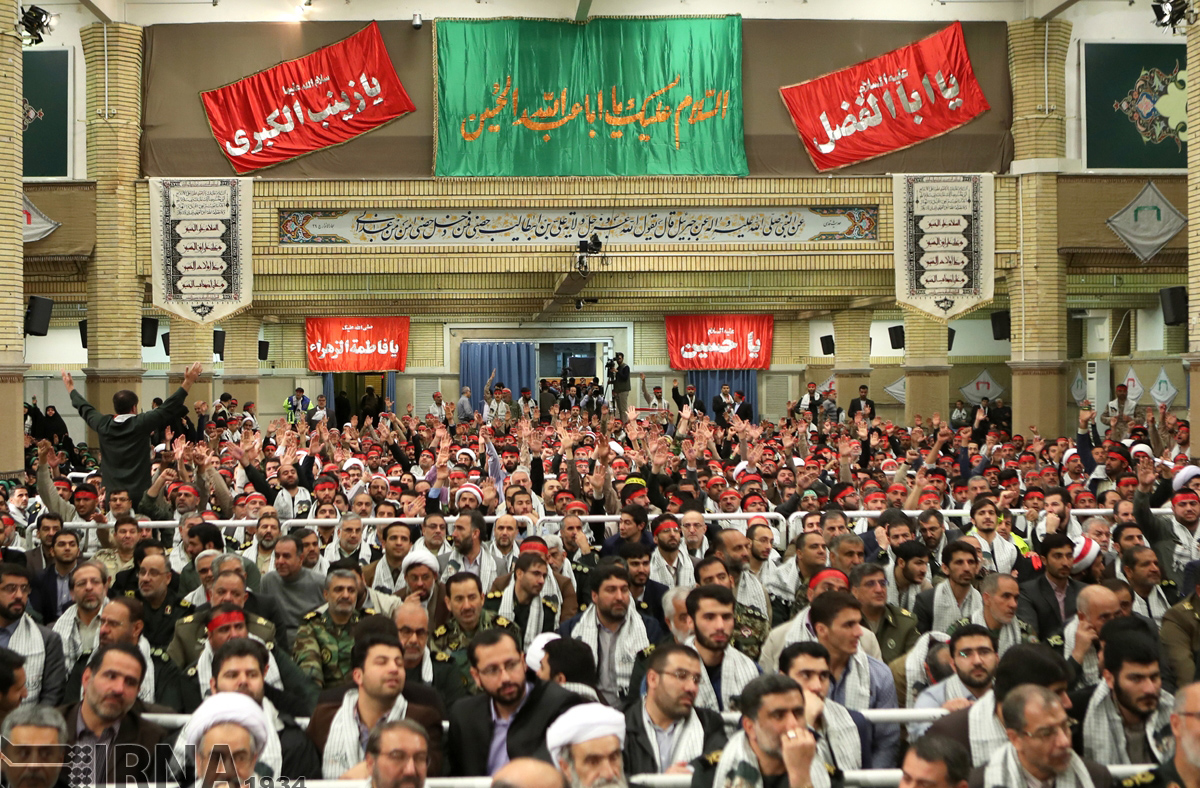
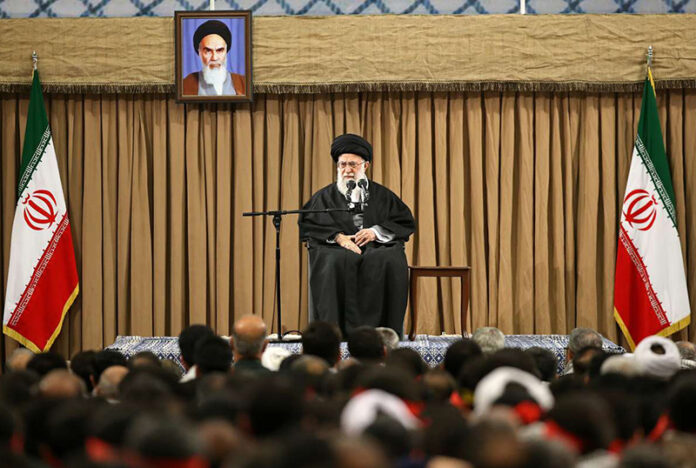
Ayatollah Khamenei says Iranians should put their national strength on display to discourage enemies from carrying out any act of aggression against the country.

On Monday, Ayatollah Khamenei pointed to the eight-year war imposed by the former Iraqi regime on Iran during the 1980s, saying the enemy dared to wage a war against Iran when it saw weak points in the nation back then, Press TV reported.

“If you seek to dissuade enemies from undertaking any act of aggression, never show weakness and [instead] demonstrate your power,” Ayatollah Khamenei advised.

The Leader further warned of enemy attempts to launch a “cultural war” against the Iranian nation.

“Enemies are making efforts and hatching plots in their think tanks to transform the nation’s culture,” said Ayatollah Khamenei, emphasizing that “a cultural invasion is even more dangerous than military threats.”

The Leader called for more productivity in the area of culture as a means of confronting “the cultural plots by ill-wishers,” saying a powerful culture could pave the way for political and economic strength in a country which is rich in resources.

leader-rahiannoor

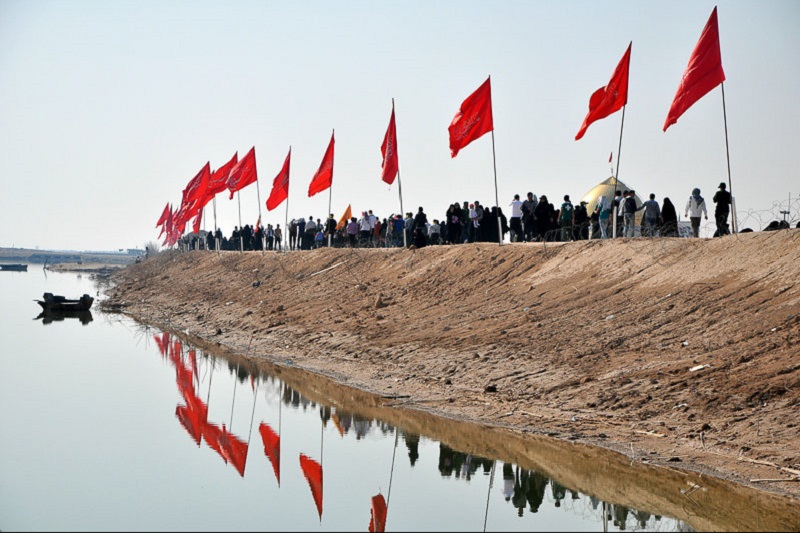
Ayatollah Khamenei further warned against the moves aimed at consigning the Sacred Defence [the eight-year war imposed by Saddam Hussein on Iran] to oblivion, hailing the annual excursions to former war zones in Iran’s border areas as a “technology” to exploit the “goldmine” of the Sacred Defence memories.

The annual excursions are part of a broad cultural program in Iran to familiarize people, particularly the young generation, with the Iranian soldiers’ bravery during eight years of imposed war under former Iraqi dictator Saddam Hussein in the 1980s, Tasnim reported.

In Iran, the 1980-1988 Iran-Iraq war is known as the Sacred Defence, and Sacred Defence Week is held on the anniversary of the beginning of the war.

rahian noor

Iran Keen to Continue Cooperation with Turkey on Syria: Zarif

mohammad javad zarif

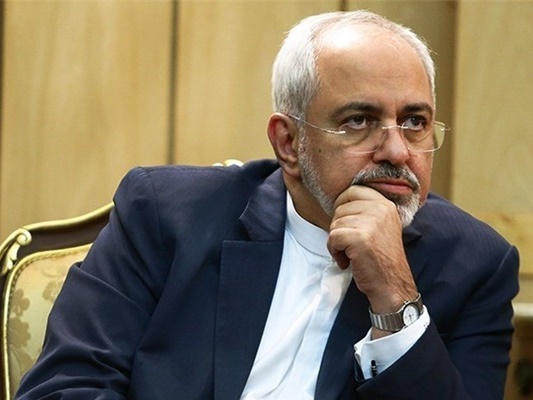
Iranian Foreign Minister Mohammad Javad Zarif maintains that although senior Turkish officials have levelled some accusations against Tehran over its regional policies, Russia and Iran still insist that Turkey should take part in Astana talks [in Kazakhstan] on Syria, as they, particularly Iran, believe that all regional countries are required to work towards establishing peace and ending conflicts in the region and that the trilateral cooperation between Tehran, Moscow and Ankara has so far proved successful in bringing down the number of skirmishes in Syria.

Speaking in a Farsi interview with ISNA, Zarif said, “As long as this trend of cooperation proves to be helpful in alleviating the humanitarian crises in Syria, we will insist that it should continue.”

He stressed that Iran still maintains that only a political solution would lead to the resolution of Syria’s crisis and that the regional countries are required to facilitate the process of achieving this solution, adding Syrian people are the ones to make the final decision about their country’s crisis.

“We cannot impose anything on them.”


Any Crisis-Ending Strategy Is Welcome

Asked about whether holding negotiations with Syrian militant groups in the first and second rounds of Astana talks – which showed that Iran has officially recognized these groups – would lead to the organisation of separate meetings between Tehran and them, the Iranian foreign minister noted that Iran seeks to employ any method or strategy which contributes to the settling of the conflicts in Syria and creation of national unity among Syrians.

He said of course, Iran has red-lines for holding negotiations with those groups which support terrorism and extremism to pursue their own political objectives, adding however, on the whole, Tehran is willing to do its utmost to play a positive role in overcoming the Syrian crisis.


Domestic Coordination on Syria

In response to a question on whether the involvement of several organizations and bodies in Iran in making decisions about how to react to and tackle the Syrian crisis creates problems in the process of decision-making about the regional country, Zarif said, “Interestingly, we are not faced with such a problem for taking decisions about the Syrian issue in the country. There are not many decision-making organizations and bodies in Iran regarding the crisis-hit state. Decisions about Syria and the strategy to address the country’s crisis are made and mapped out, respectively, in Iran’s Supreme National Security Council.”

Asked whether making decisions about the Syrian crisis is among the privileges of the Ministry of Foreign Affairs, Zarif noted that since a number of issues has different dimensions, decisions about them are made in the Supreme National Security Council.

After coming to a decision in the council, each national body and organization undertakes the responsibility handed over to it [by the Council], he added.

“Among the reasons why the Council was set up was that it should be in charge of making the final decisions on the issues the tackling of which requires coordination between different domestic bodies and organizations, such as those pertaining to regional countries. I believe that currently, there is good coordination between Iranian organizations and bodies responsible for tackling the Syrian crisis.”


Appointment of Ambassador to Syria

Asked about whether the reason behind the delay in appointing the new Iranian ambassador to Syria is the intervention of several Iranian organizations and bodies in this domain, Zarif said this issue is not related to domestic bodies and organizations, adding sometimes, the process of appointing Iranian ambassadors to European nations is also prolonged.

“Normally, the Ministry of Foreign Affairs, after carrying out its studies and analysis, submits the name of its desired candidate to the Iranian presidency which, per se, conducts an inquiry about the Foreign Ministry’s recommended nominee by referring to different supervisory bodies. Following that, in case President Hassan Rouhani approves of the ministry’s nominee, the process will initiate for obtaining the agreement licence for the candidate from the recipient country.”

As for the new Iranian ambassador to Syria, the Ministry of Foreign Affairs has fielded its candidate and will begin taking the required measures to obtain the agreement licence [for him] as soon as President Rouhani approves of him.

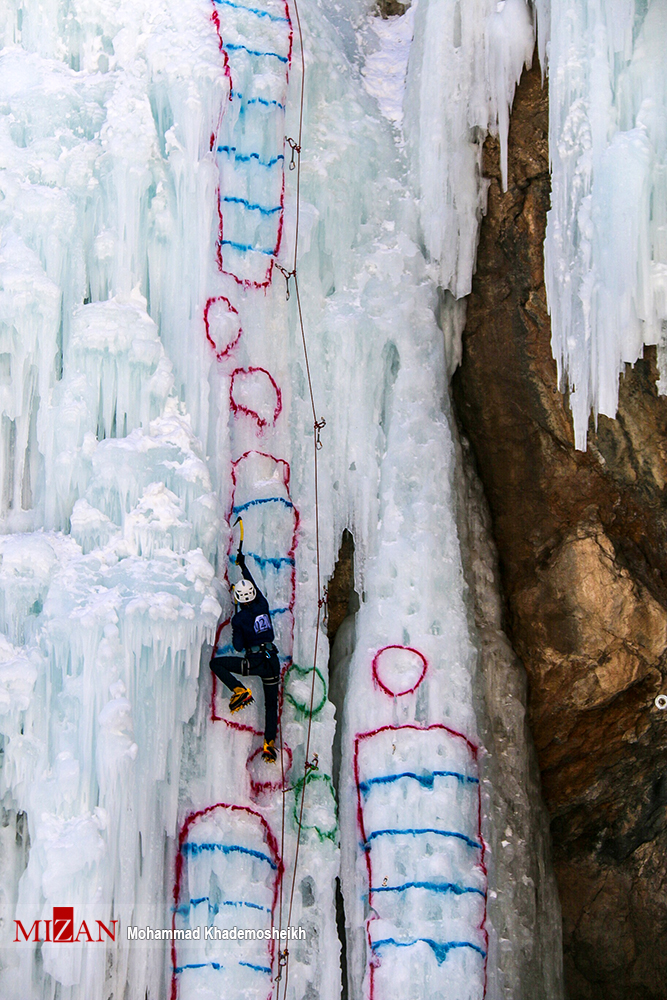
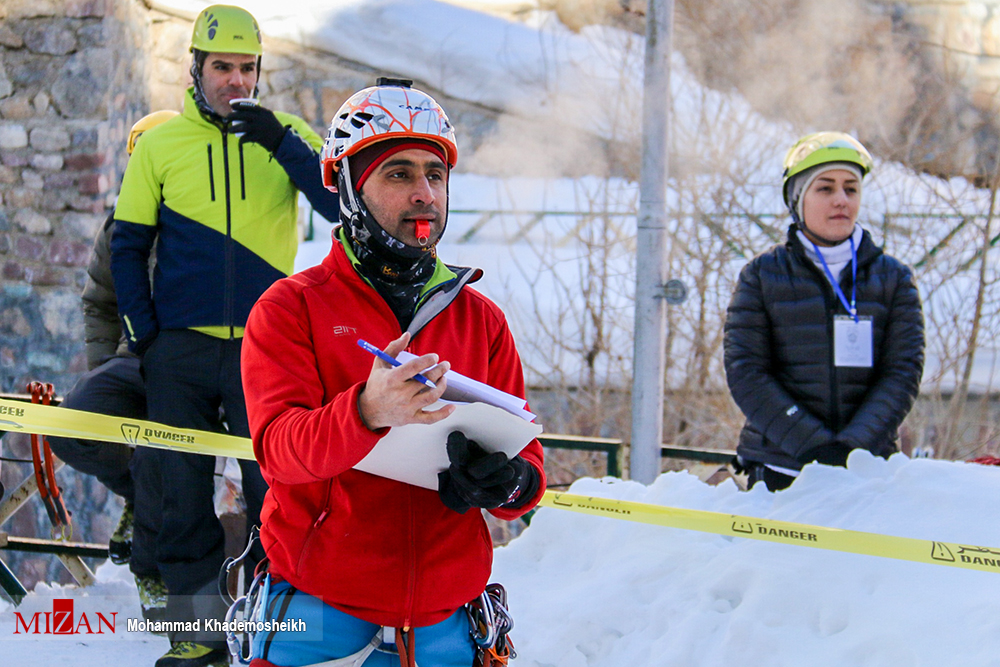
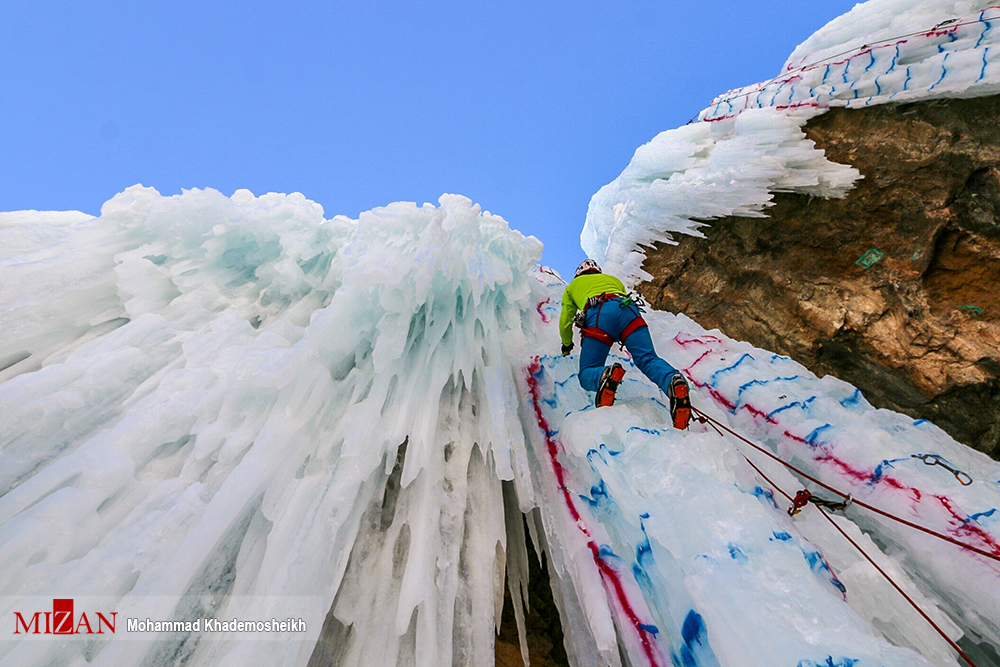
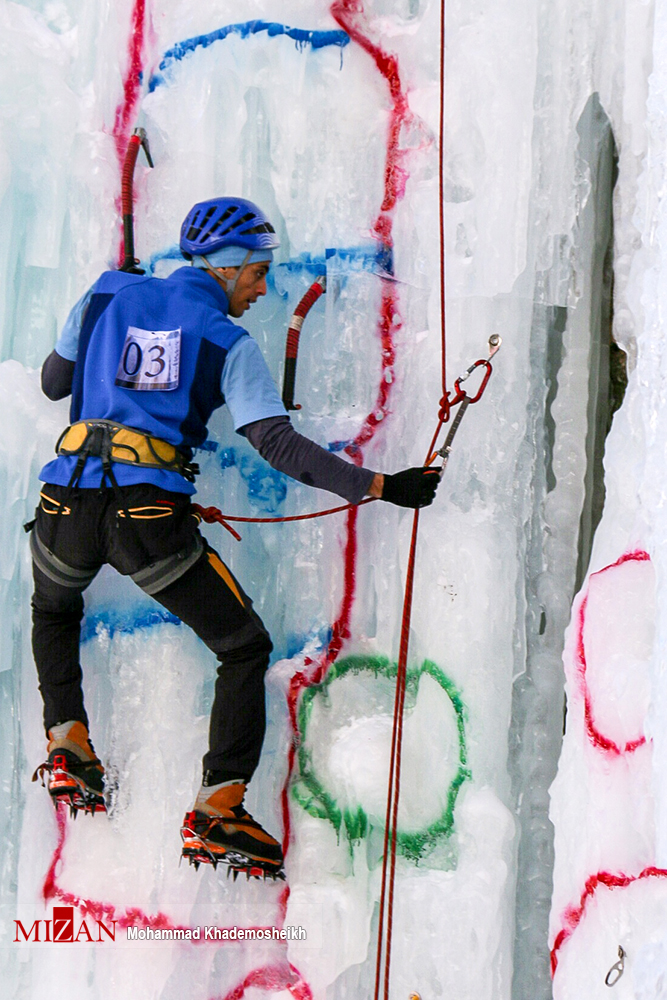
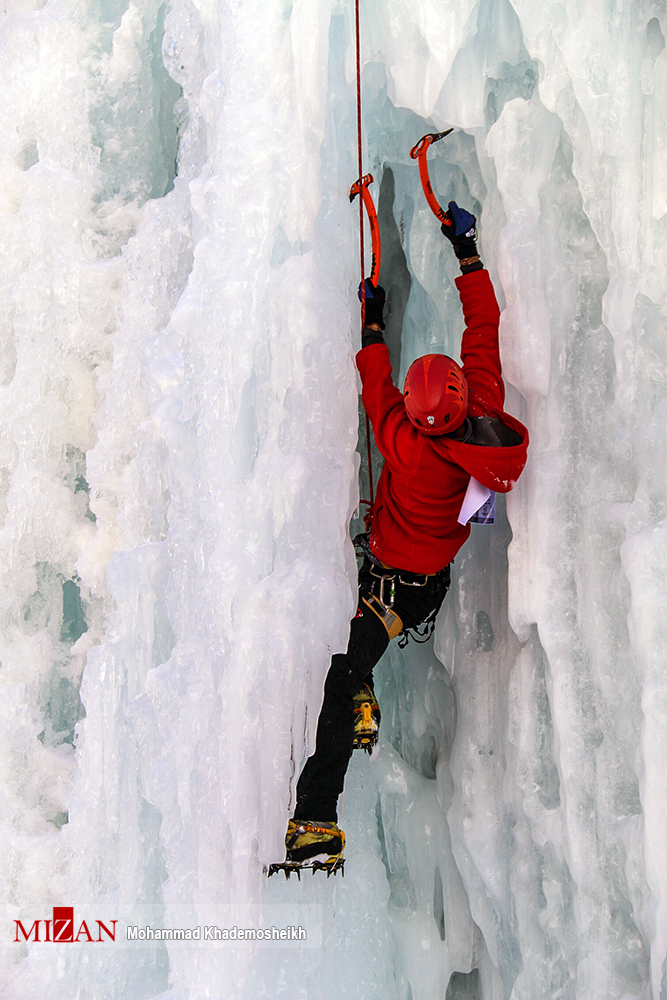
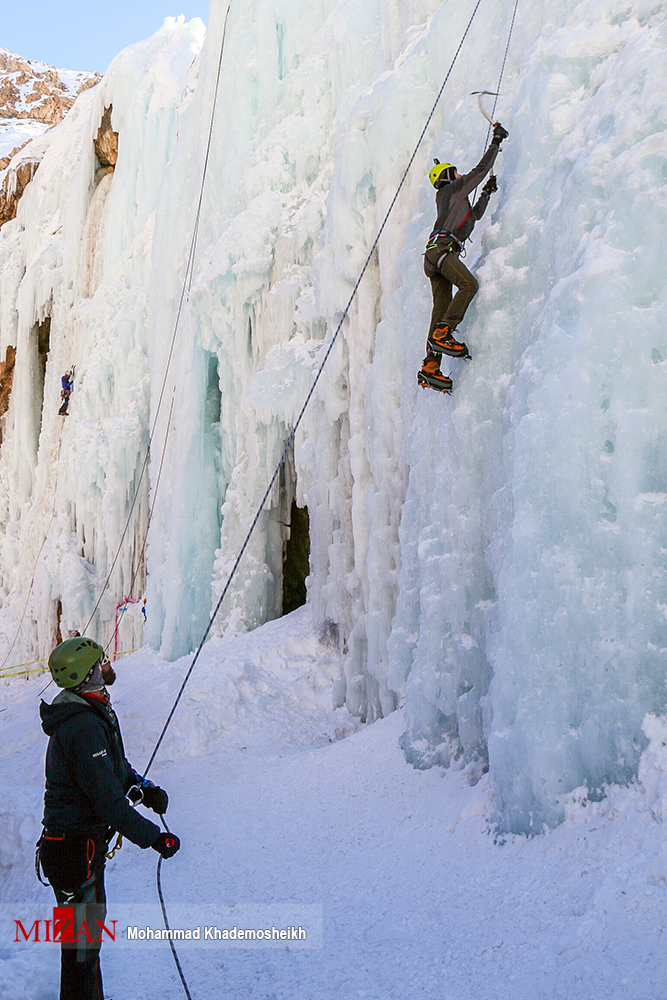
Int’l Ice Climbing School near Iranian Capital

Climbing School

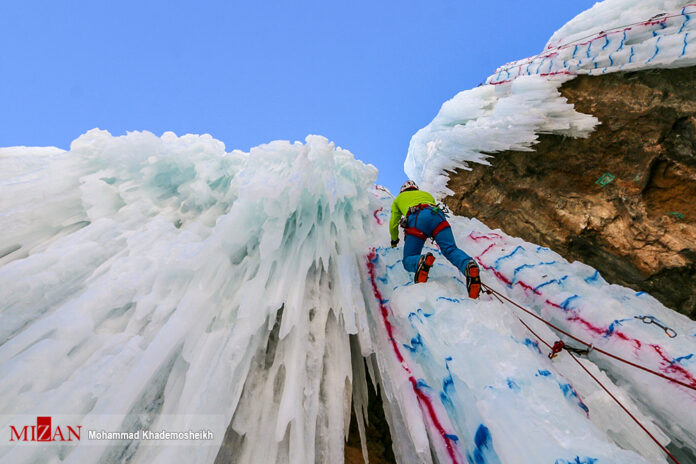
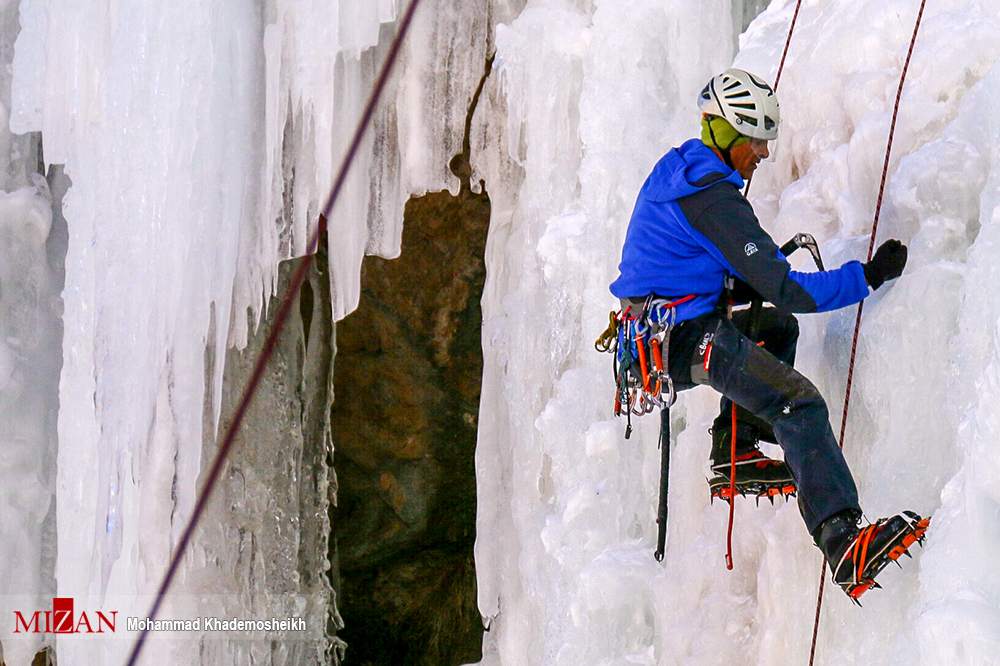
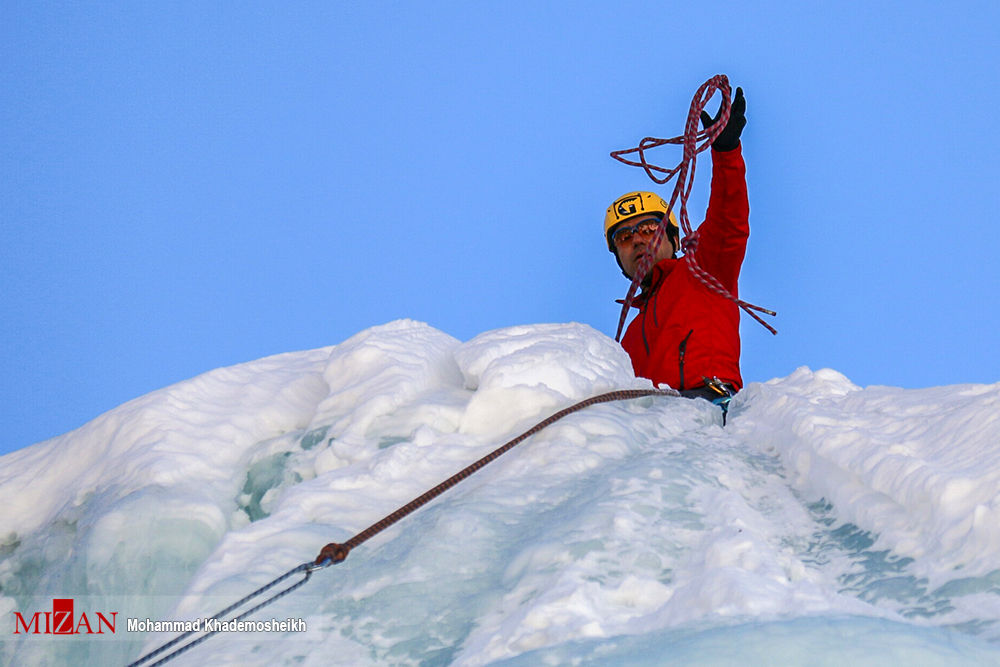
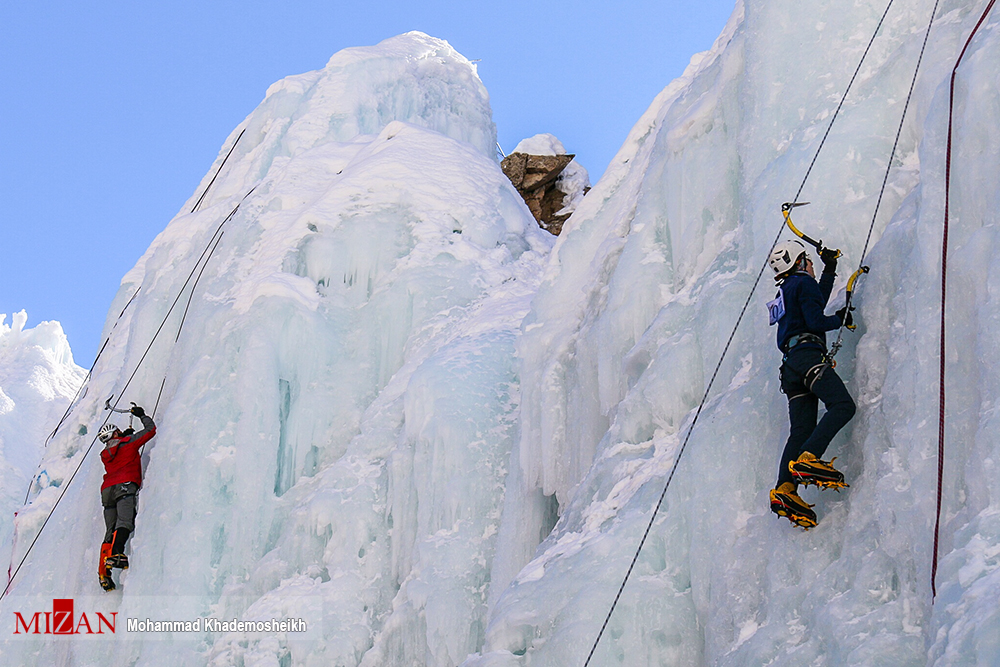
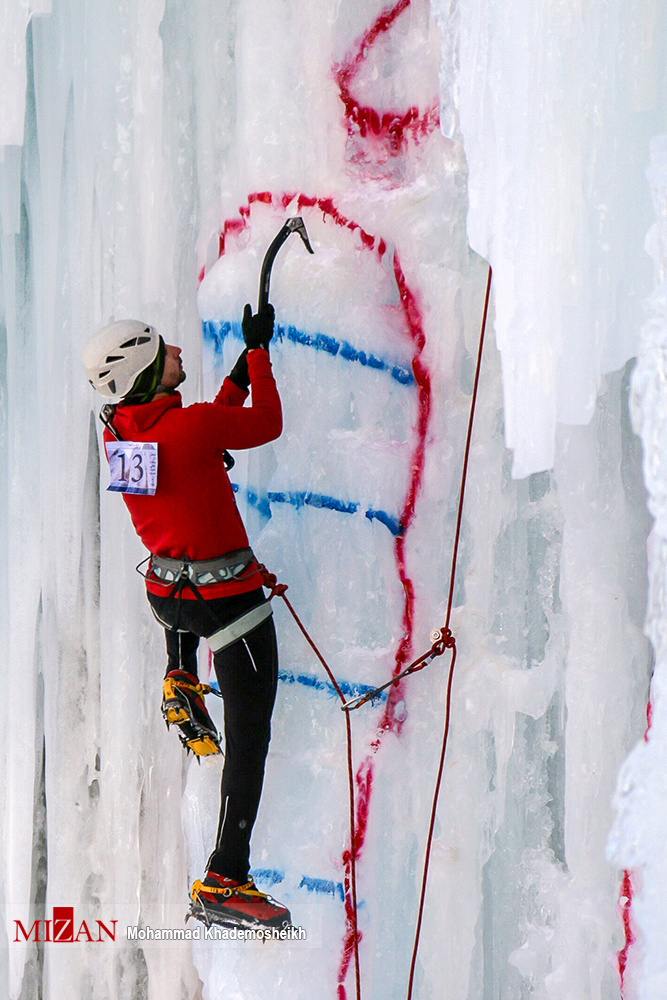
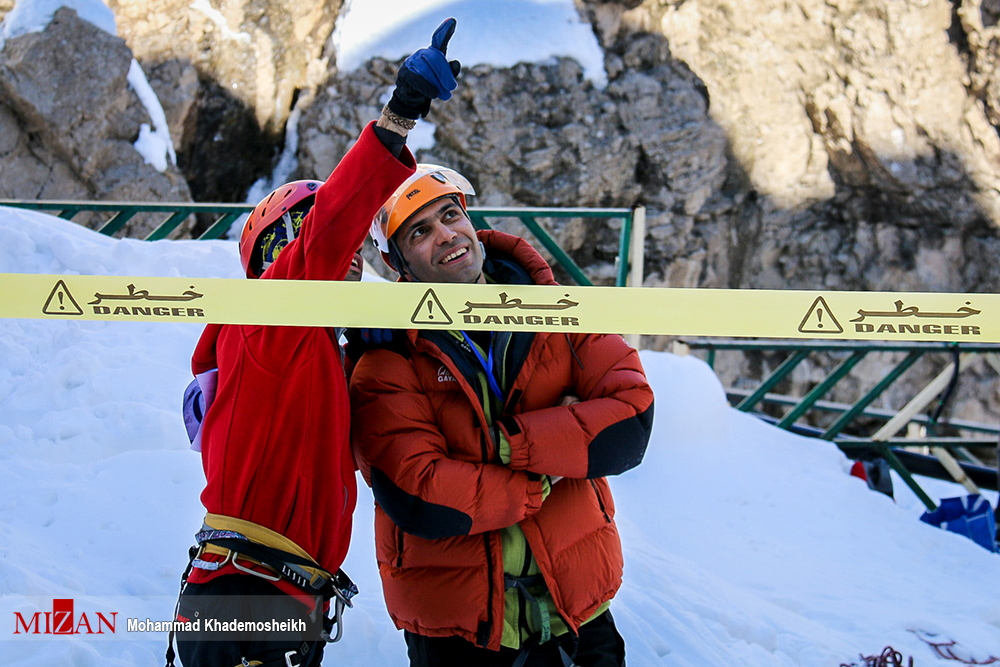
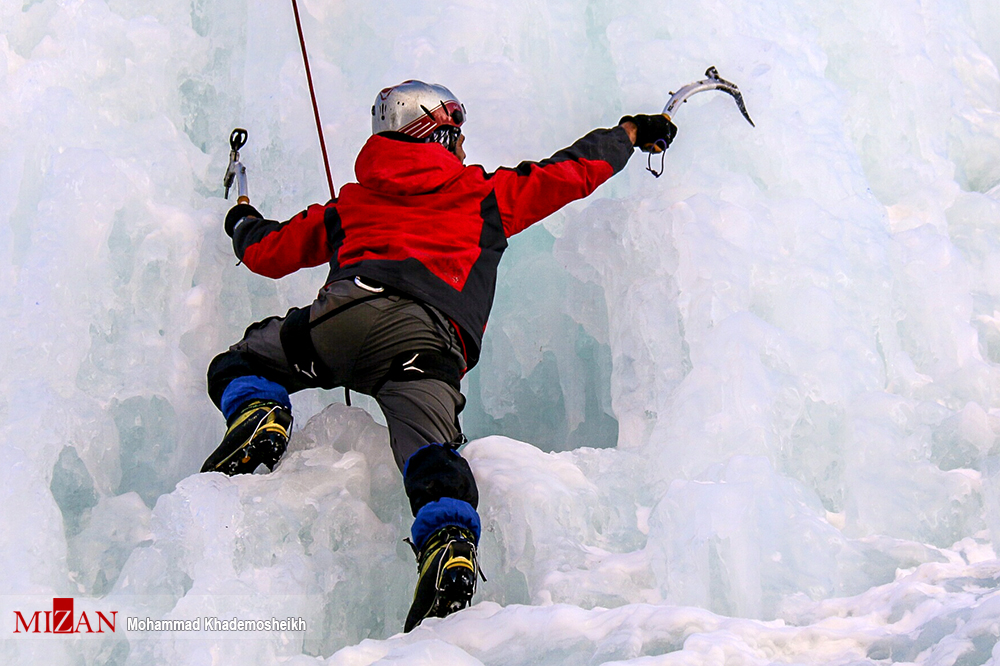
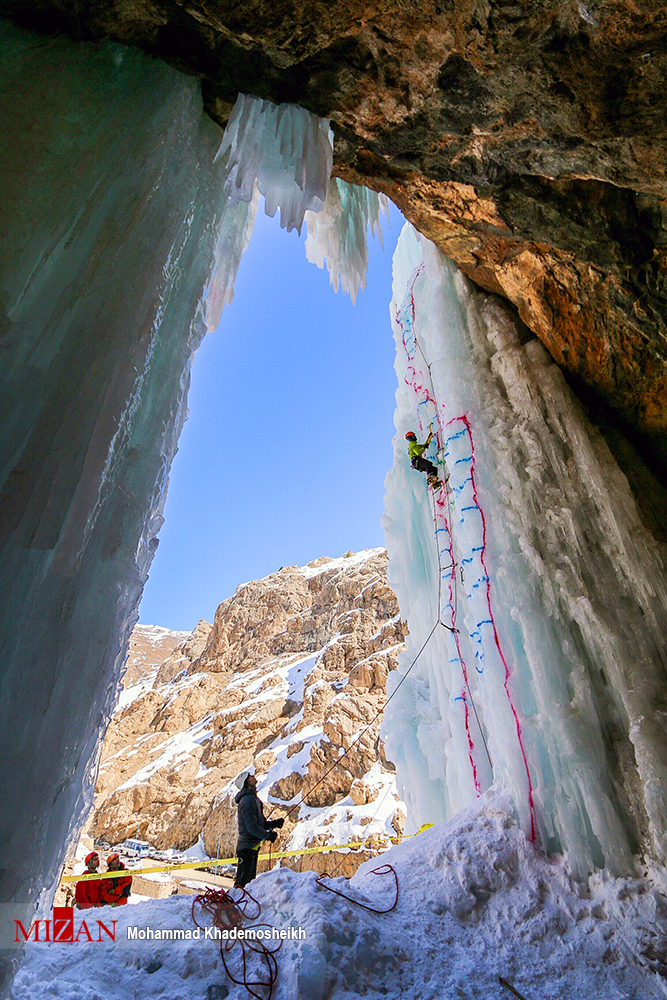
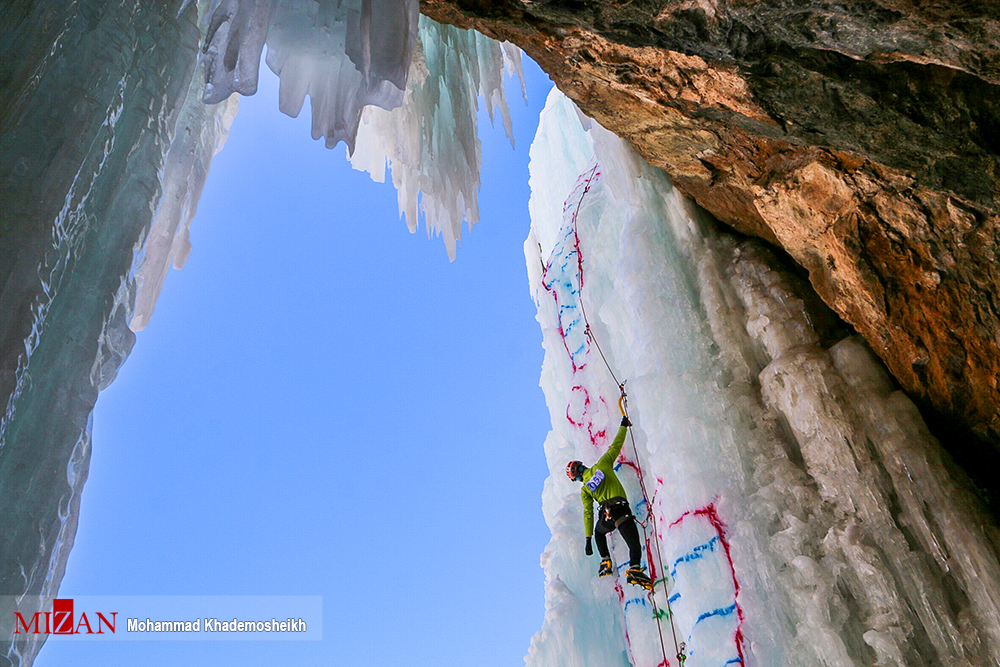
Ice climbing is the activity of ascending inclined ice formations. Usually, ice climbing refers to roped and protected climbing of features such as icefalls, frozen waterfalls, and cliffs and rock slabs covered with ice refrozen from flows of water.

Each year, many skiers and tourists use Iran’s international resorts, mostly located near Tehran. Now the country is using its natural potentials to attract ice climbers as well.

Here are Mizan’s photos of an international ice climbing school recently opened in Meygoon, north of Tehran:

Environment Is Everything: Mayor of Tehran

en-qalibah

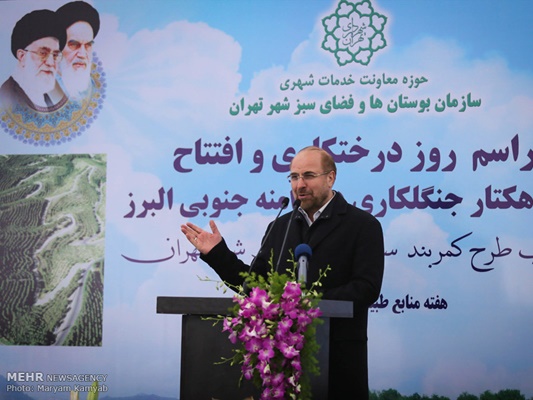
Tehran Mayor Mohammad Baqer Qalibaf said efforts are underway by Tehran Municipality to preserve the city’s green spaces, adding, “We have come to this belief that if we lose the environment, [in fact] we will have nothing.”

Addressing a ceremony to mark the Week of Natural Resources and inaugurate a 100-hectare afforestation project in the southern foothills of Alborz Mountain range, Qalibaf stressed that everybody is required to endeavour to preserve and expand the country’s forests.

Tehran mayor added, “Although air pollution is a very important issue, it would not be plausible if we say that it has roots in the city’s population, as air pollution is caused by vehicles and other means of transportation [moving on the ground].”

“Efforts are required to improve the inefficient management in different domestic sectors by focusing on preserving the environment.”

Referring to his talks with Iranian Parliament Speaker Ali Larijani on doing the follow ups to minimise Tehran’s air pollution, he said he has repeatedly reminded him that inefficient management in some sectors is the first problem to be resolved to this end.

Currently, he added, such ineffective management is expanding its range penetrating into other sectors of the country.

Qalibaf noted that Tehran Municipality has done its best to purchase the city’s gardens and turn them into public places such as parks.

In only one of Tehran districts, the municipality has spent over $485 million to purchase private gardens and turn them into parks, and this shows the organization’s absolute determination to protect the city’s green spaces, he went on to say.

According to a Farsi report by ICANA, speaking in the same ceremony, Larijani said the report presented today by Tehran mayor indicates the municipality’s resolve to solve Tehran’s grave problems.

“The truth is that Tehran is a big city whose problems are clearly required to be solved. Naturally, the complexity of the city’s problems are in proportion to its largeness. Reducing air pollution is among the serious challenges of the metropolis that definitely needs to be dealt with. Resolving this problem requires a national resolve.”

He added creating a green belt in the area surrounding the city was a very effective measure which, providentially, received sufficient attention.

“Once completely created, the green space will improve the quality of life in Tehran and prevent the unrestrained expansion of the metropolis.”

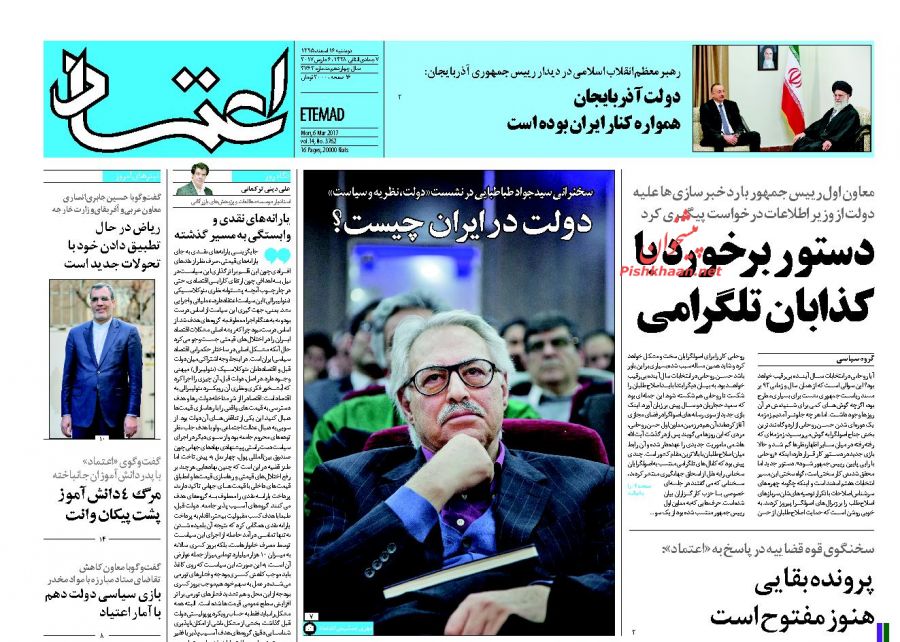
A Look at Iranian Newspaper Front Pages on March 6

The top story today was the remarks made by the Leader of Iran’s Islamic Revolution Ayatollah Seyyed Ali Khamenei in a meeting with Azerbaijani President Ilham Aliyev in Tehran.

The street fights in California between Trump’s fans and opponents as well as the clash between Trump and Obama also received great coverage today.

Among other top stories are the Iran-Saudi deal over the resumption of dispatching pilgrims to Hajj, and the National Arbour Day when several officials talked about the importance of protecting the environment and planting trees.

The above issues, as well as many more, are highlighted in the following headlines and top stories:


Aftab-e Yazd:

1- Iran’s Leader: Israel Seeks to Weaken Iran-Azerbaijan Ties

2- First VP Jahangiri Might Run for Presidency in Support of Rouhani

[He is the most probable person to be introduced by reformists as a supporting candidate who will withdraw in support of Rouhani’s campaign]

A Look at Iranian Newspaper Front Pages on March 6


Arman-e Emrooz:

1- Iran and Saudi Arabia’s Preliminary Agreement: Iranians to Go on Hajj Pilgrimage Next Year

A Look at Iranian Newspaper Front Pages on March 6


Donya-ye Eqtesad:

1- Trump’s Counterattack on Obama: Clash between Two US Presidents

A Look at Iranian Newspaper Front Pages on March 6


Ebtekar:

1- Rouhani: Protecting Environment Is Not Issue of Formalities

2- Diplomacy’s Battle with Dust Pollution

  • FM Zarif, Environment Chief Ebtekar write to UN Secretary General

A Look at Iranian Newspaper Front Pages on March 6


Etemad:

1- Iran’s Leader: Azerbaijan Gov’t Has Always Stood by Iran

2- First VP Urges Intelligence Minister to Take Action against Those Who Spread Lies

A Look at Iranian Newspaper Front Pages on March 6


Ettela’at:

1- Ayatollah Khamenei: Relying on People Most Important Factor in Immunity to Powers

2- Zarif: Terrorism to Plague Those Created It

A Look at Iranian Newspaper Front Pages on March 6


Iran:

1- Economy Minister: People’s Living Conditions Will Improve

2- Rouhani: No Limit to Expand Tehran-Baku Cooperation


A Look at Iranian Newspaper Front Pages on March 6


Javan:

1- Leader: It’s in Azerbaijani Government’s Interest to Sympathise with People’s Religious Sentiments

2- Intelligence War in White House, Street War in Cities


A Look at Iranian Newspaper Front Pages on March 6


Jomhouri Eslami:

1- 11,520,000 Billion Rials [over $303bn] Set as Iran’s Budget in Next Fiscal Year

2- President Rouhani Calls on Everyone to Protect Environment


A Look at Iranian Newspaper Front Pages on March 6


Kayhan:

1- Israel Starts Evacuation of Ammonia Plant 2 Weeks after Nasrallah’s Threat

2- Trump-Obama Dichotomy: Fans and Opponents of US President Clash


A Look at Iranian Newspaper Front Pages on March 6


Khorasan:

1- After Leader’s Order, 2,500 Hectares of Lands Occupied by Organisations Returned to People

2- Street Fighting over Trump


A Look at Iranian Newspaper Front Pages on March 6


Mardom Salari:

1- 80,000 Iranian Pilgrims to Be Sent to Hajj If Barriers Removed

A Look at Iranian Newspaper Front Pages on March 6


San’at:

1- China’s National People’s Congress Kicks Off under Trump’s Shadow

2- Don’t Go to Turkey: Official Warns


A Look at Iranian Newspaper Front Pages on March 6


Vatan-e Emrooz:

1- Conservative Front Appreciates Parliament for Backing Off from Decision

2- Trump Fans and Opponents Clash with Each Other: Street Fight in California

A Look at Iranian Newspaper Front Pages on March 6


Ambitious Project to Connect Europe to India Closer to Reality

iran-azerbaijan-Train
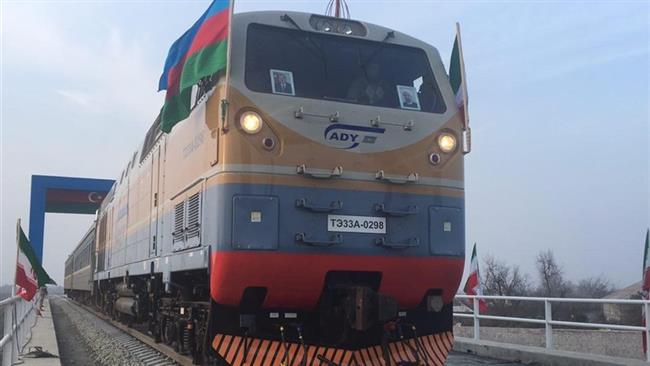
Azerbaijan has launched a rail link with Iran by sending a train across the border to Iran’s northern city of Astara

The train arrived in Iran simultaneous with a visit to the Islamic Republic by Azerbaijan’s President Ilham Aliyev where he discussed the implementation of the North-South Transport Corridor (NSTC) with Iran’s President Hassan Rouhani.

Aliyev told reporters after meeting Rouhani that the NSTC was an important project, stressing that it could have positive effects on the economies of its host countries.

He indicated Baku’s determination to materialize the project when he said his country would invest in the construction of a railway from Iran’s northern city of Rasht to Astara.

Aliyev emphasized that a basic agreement that was signed between the main railway companies of Iran and Azerbaijan during his Sunday meeting with Rouhani was in the same connection and could help facilitate the expansion of economic relations between the two countries.

The NSTC is a multi-modal route to link India and the Middle East to the Caucasus, Central Asia and Europe.

The ship, road and rail route connects India’s Mumbai to the Iranian port of Bandar Abbas and further to Baku in Azerbaijan as well as Astrakhan, Moscow and St Petersburg in Russia before stretching to northern Europe and Scandinavia.

In addition to Iran, India and Russia, countries that are on board to integrate into the transit network include Armenia, Azerbaijan, Belarus, Kyrgyzstan, Kazakhstan, Ukraine, Turkey, Tajikistan, Oman, Syria and Bulgaria.

US Airstrike Kills 33 Iraqis Taken Hostage by ISIS

western Mosul

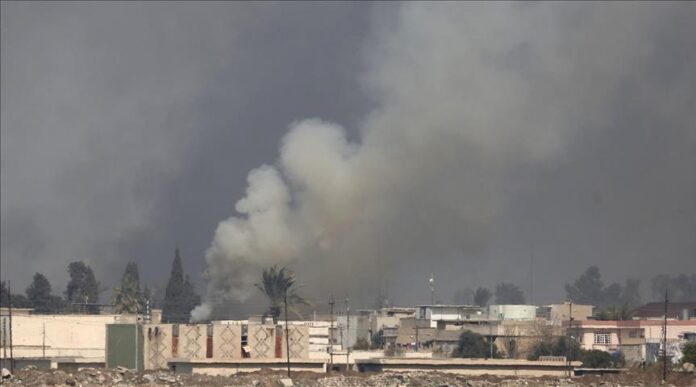
At least 33 former members of Iraqi security forces were killed in a US-led coalition raid in western Mosul on Monday, according to a local police officer.

Federal police officer Abdullah al-Mayahi said ISIS militants had held dozens of former members of the security forces to question them about an alleged collaboration with the Iraqi army.

He said a coalition warplane mistakenly fired two missiles into a train station, where the captives were held.

“The strike killed 33 former security forces members and injured eight others,” he told Anadolu Agency.

According to al-Mayahi, a number of ISIS militants were killed and injured in the airstrikes.

“ISIS has tried to cover up its crime by claiming that the bombed site was hosting refugee families,” the police officer said.

In mid-February, Iraqi forces — backed by a US-led air coalition — began fresh operations aimed at purging ISIS terrorists from western Mosul.

The offensive came as part of a wider campaign launched last October to retake the entire city, which ISIS overran — along with much of northern and western Iraq — in mid-2014.

“Riyadh Still Has Chance to Change Its Policies”

Hossein Amir Abdollahian

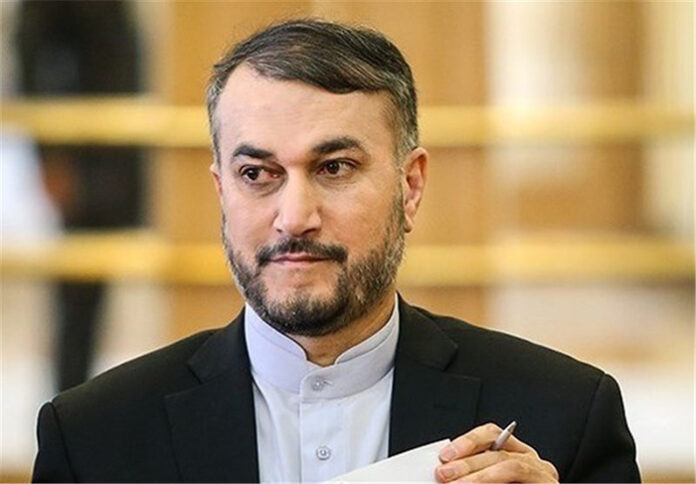
Hossein Amir Abdollahian, a special aide to the Iranian Parliament speaker on international affairs, says Tehran has adopted a positive approach vis-à-vis Arab countries, especially Saudi Arabia.

Speaking in an interview with Lebanon’s Al Manar TV, which was covered in Farsi by Al Alam, he said Tehran has left the way open for Riyadh to reverse the course if it wants to.

Here are excerpts from his remarks in the interview:


Iran and Turkey have differences of opinion on the issue of Syria, and the degree to which the two countries are divided depends on the extent to which Ankara wants to distance itself from terrorists.

Palestinians have also made big gains while countering the Israeli regime.

The first and foremost outcome of an international conference on the Palestinian Intifada recently held in Tehran was that all delegates agreed on the fact that the more the Tel Aviv regime is harnessed, the more secure the region will be.


Mideast States Should Steer Clear of Religious Conflicts

Regional countries together with Palestine should distance themselves from tribal and religious strife as well as terrorist wars.

The Tehran conference had two messages for the Israeli regime: One was that resistance is the only way to secure the full liberation of Palestinian territories, and the other was that all Palestinian groups have contributed to resistance against Israel and secured great achievements. And as Leader of the Islamic Revolution Ayatollah Seyyed Ali Khamenei said, through resistance and unity among Palestinian groups, an entity called Israel (the Zionist regime) will be non-existent in 25 years.

The so-called reconciliation talks will not help work out a political solution to the Palestine issue and determine the future of the country.


Holding Referendum Key to Resolving Palestine Crisis

The two-state solution will not help settle the Palestine issue. The solution to the crisis is through holding a plebiscite.

Many of the costs, sanctions and pressures slapped on Iran are because of its support for Palestine and resistance against the Israeli regime. If Iran had dropped its backing for Palestine, the agreement over its nuclear program would have been implemented in a matter of minutes.

How much support Iran lends to Palestinian groups depends on the extent to which Palestinian groups are standing up to Israel.


Israeli Regime Facing Key Challenges

Zionists use the language of threat, but do not dare confront the Islamic Republic of Iran and are facing serious problems and challenges. In the Israeli regime’s most recent aggression against Gaza at a time when the region was in a very critical situation, Tel Aviv thought Syria, Iran, Lebanon or any other country were able to rush to the aid of Gaza. But then, Israelis were forced to ask for a ceasefire. It was when resistance groups fired their first rocket into Tel Aviv.


Iran Countering Israeli, Takfiri Terrorism

Tehran is tackling terrorism which is on both sides of the Israeli-Takfiri coin.

Armed groups affiliated with the Al-Qaeda or ISIS have never been a threat to Israeli interests. Rather, al-Nusra Front terrorists signed a security cooperation pact with Israel on Syria’s Golan Heights. In their 2017 strategy, Zionists speak of cooperation with terrorists. ISIS has also announced it is not engaged in any conflicts with Israel.


Iran’s Positive Approach in Region

Iran continues to maintain a positive approach vis-à-vis Arab countries, especially Saudi Arabia. Speculations that Iranian-Arab relations have been soured are not true. Of course, problems exist in Iranian-Saudi ties, which is because of Riyadh’s unconstructive behaviour toward Iran and the region. Three days after a very positive diplomatic meeting between Iranian Foreign Minister Mohammad Javad Zarif and Prince Saud Al-Faisal, we heard inappropriate comments from Al-Faisal. He ruined many agreements simply with an interview.


Al-Jubeir Should Have Become Minister of War


Saudi Foreign Minister Adel Al-Jubeir is not in the right position. He should have become minister of war. All his stances on the Yemeni conflict are similar to the ones adopted by a spokesman for war, not a foreign minister. Saudi authorities ought to either change their behaviour or change some of their officials, so that the region would feel Saudi Arabia is seeking a constructive approach vis-à-vis both Iran and other regional countries. Iran has left the path open at all stages for Saudi Arabia to revisit its policies.


Riyadh Severed Ties with Tehran

Saudi officials have cut off their relations with Iran, but Tehran has not definitely announced it has severed its ties with Riyadh. Around 9,000 pilgrims, nearly 500 of them Iranians, were crushed to death during the Hajj rituals. The only response by Saudi Arabia was that the incident happened because Saudi police lost control of the situation for a few moments. But in Iran, when emotions ran high among people over the Saudi execution of top cleric Sheikh Nimr, and the Iranian police could not control the crowd outside the Saudi embassy in Tehran for a short time, no Saudi diplomat was killed, wounded or even hurt.


Saudi Arabia Concerned over Guerrilla Operations

Today, Saudi Arabia is massacring Yemeni people, which has only led to further insecurity in the region and along Saudi borders. Riyadh is worried about security along its frontiers with Yemen, and guerrilla war by Yemeni nomads and tribes. Today, Bahrain is under Saudi military occupation. Al Khalifa rulers in Bahrain have no authority to make decisions in their country, and are controlled by Saudi Arabia.


Saudi Intelligence Apparatus in Iraq, Syria

Incontrovertibly, Saudi intelligence services are operating in certain regional countries, including Iraq and Syria. Riyadh thinks it can ensure its security and interests by playing the terror card, a move which would jeopardise both the region and Saudi Arabia. Iran welcomes any constructive behaviour by Saudi Arabia and would like to see the country steer clear of war, aggression and support for terror.


Terrorists’ Presence in Geneva Threatening Talks

Astana and Geneva negotiations were a good start to help settle Syria’s political crisis. But the presence of terrorists in the talks in negotiators’ clothing will pose a threat to the negotiations. We should keep terrorists away from the negotiating table because they believe in a terroristic solution.


Russia’s Pivotal Role in Region

Maybe it would be too early to say Russia will remain on board with Iran on the Syria issue to the end. But we regard Moscow’s current behaviours toward Syria as constructive, and consider decisions made by Russian President Vladimir Putin as good ones. Unlike Obama and Trump’s overt and covert relations with terrorists, we do not see any connections between Russians and terrorists. So, we should laud the Kremlin for its key role.

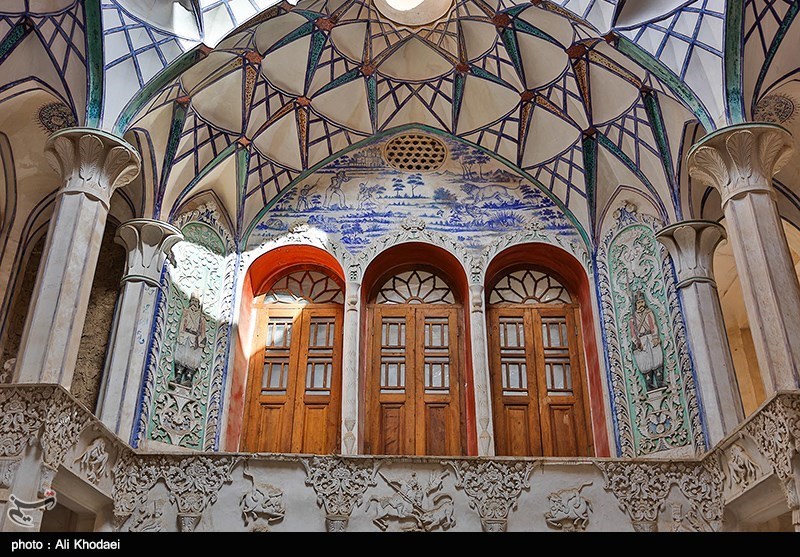
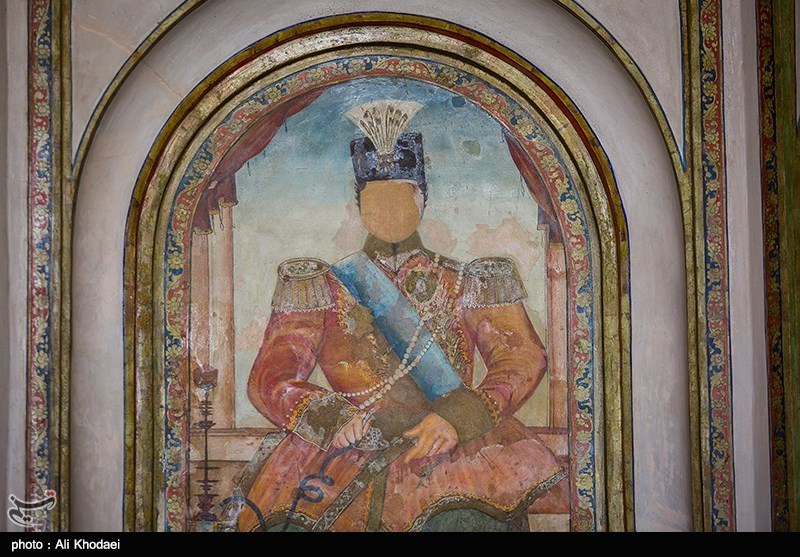
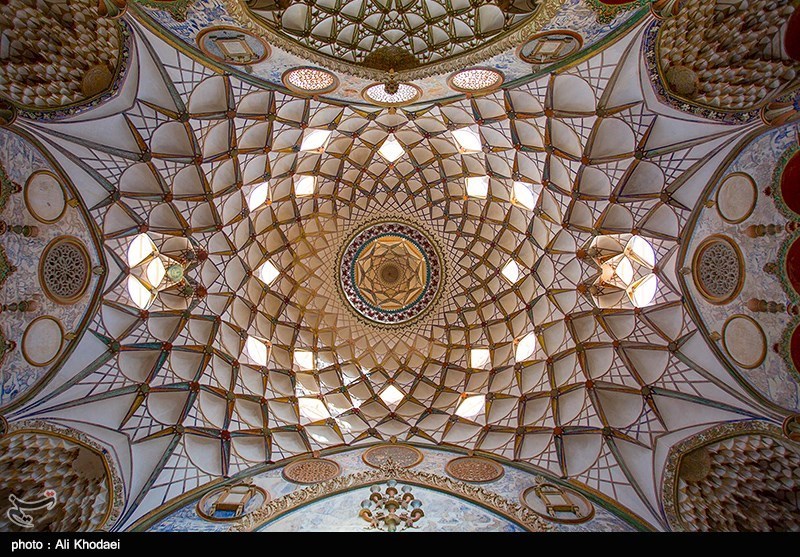
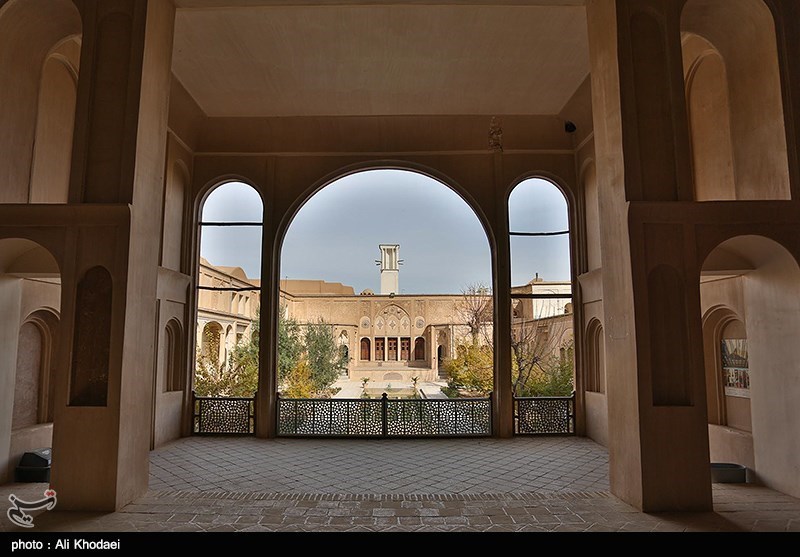
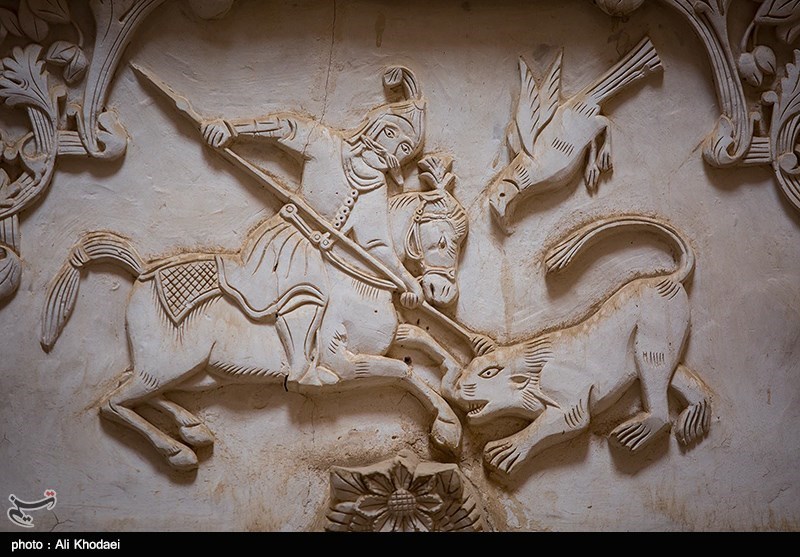
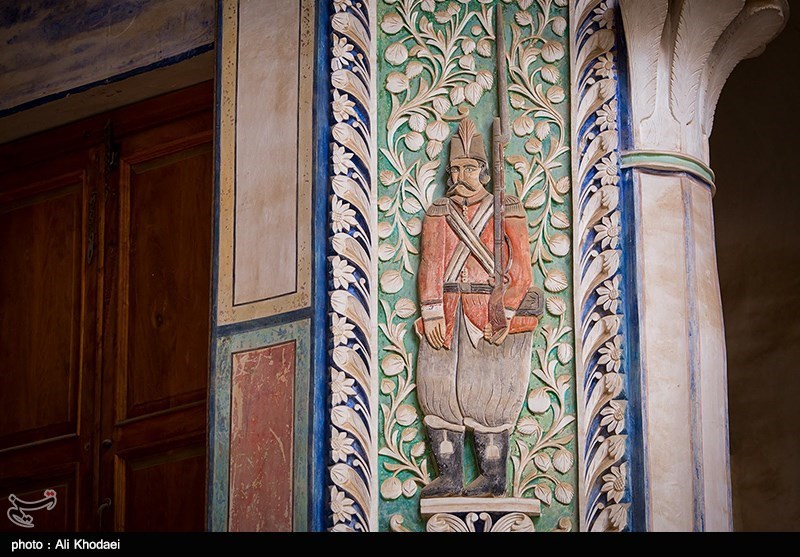
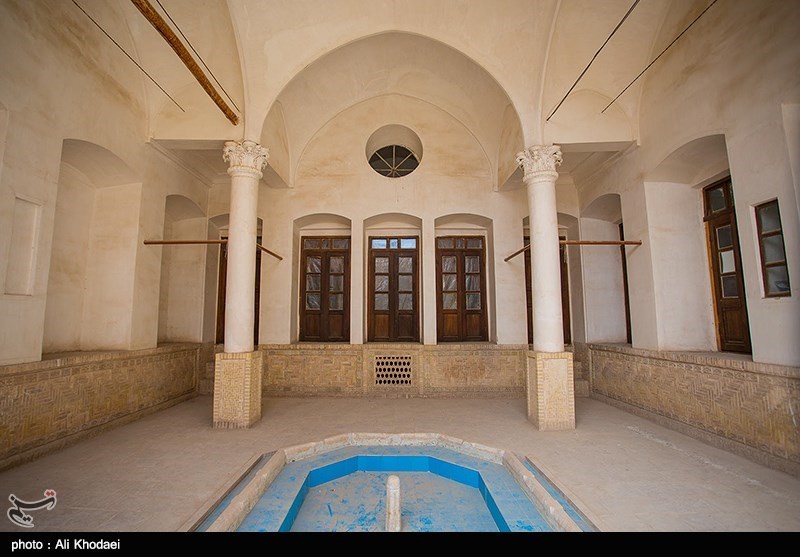
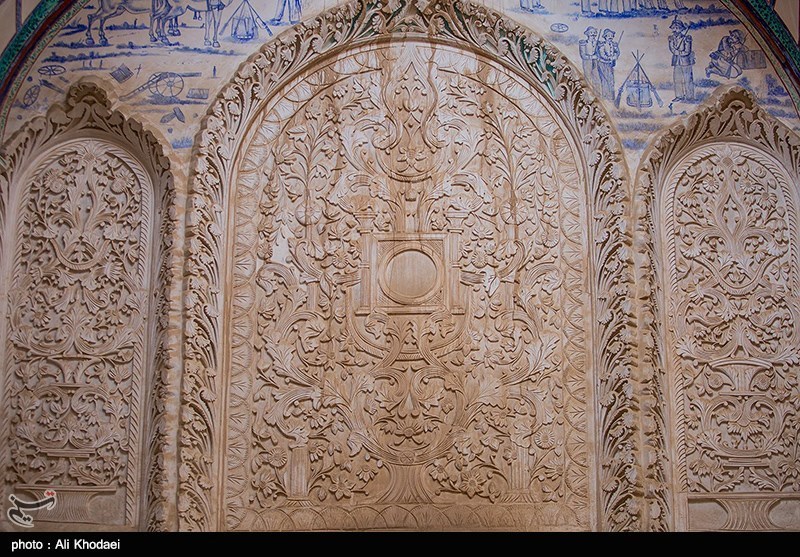
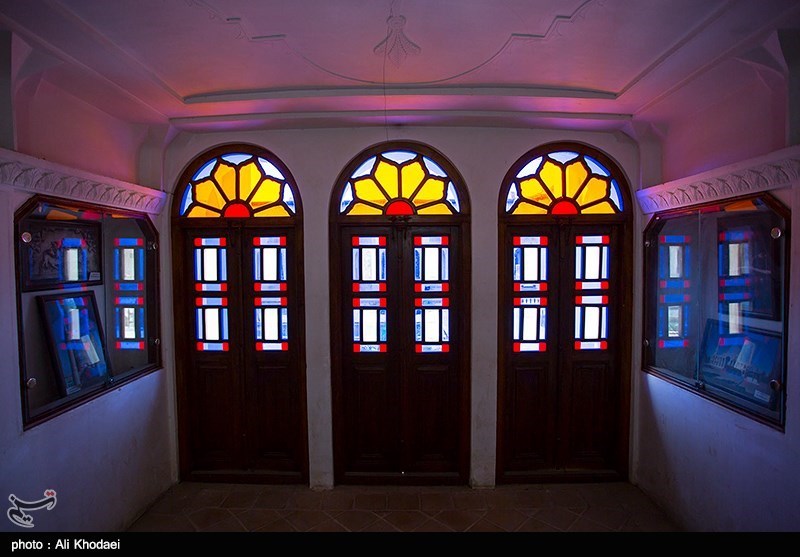
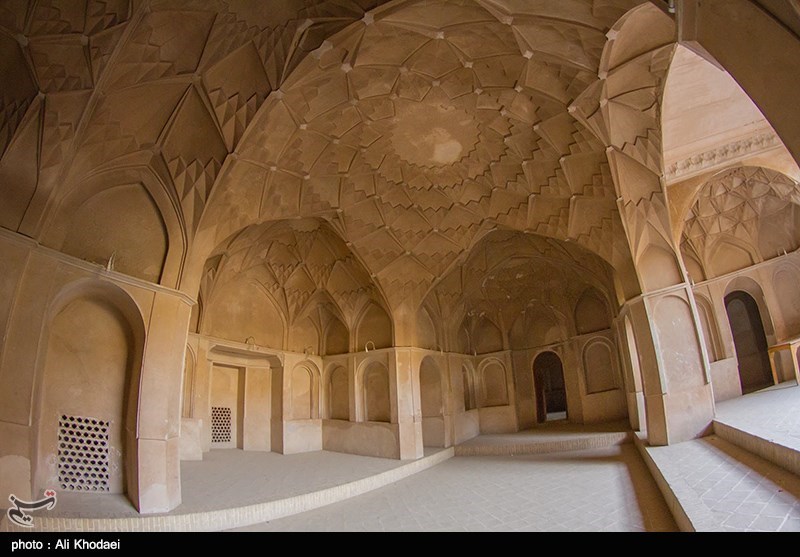
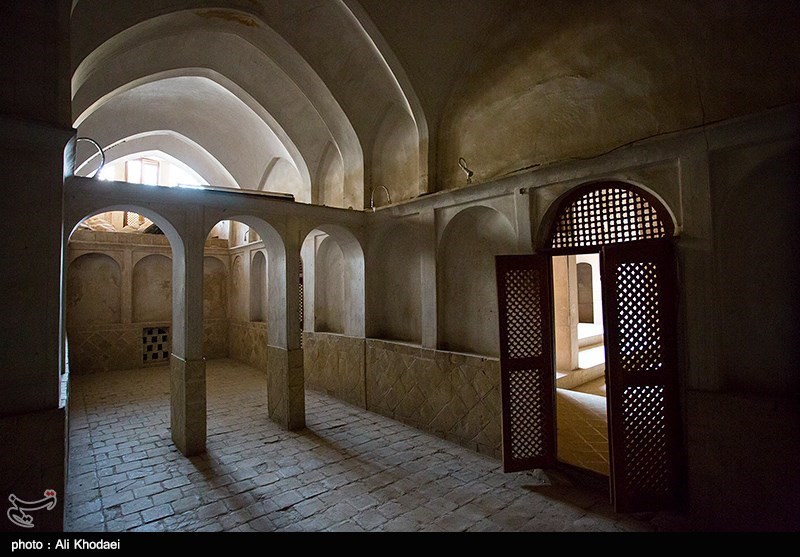
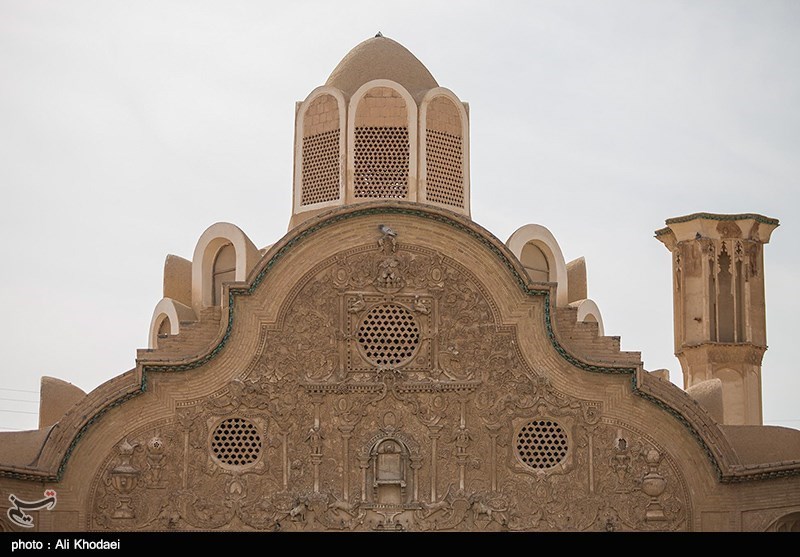
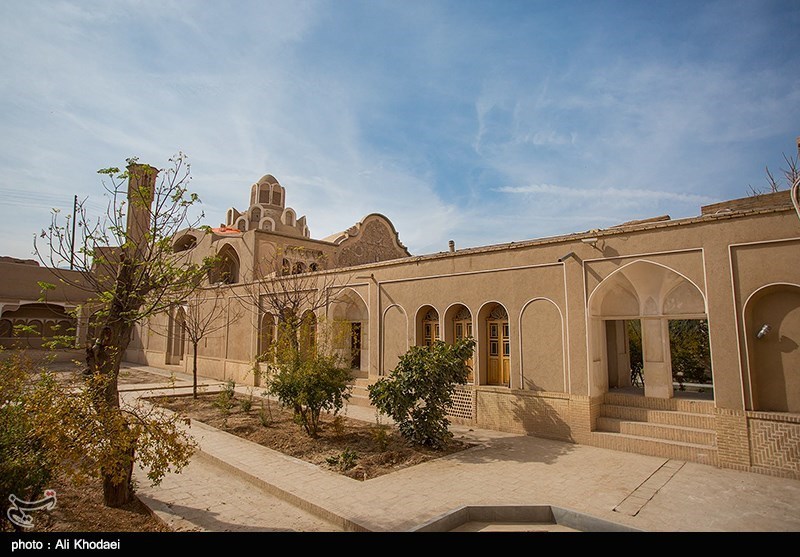
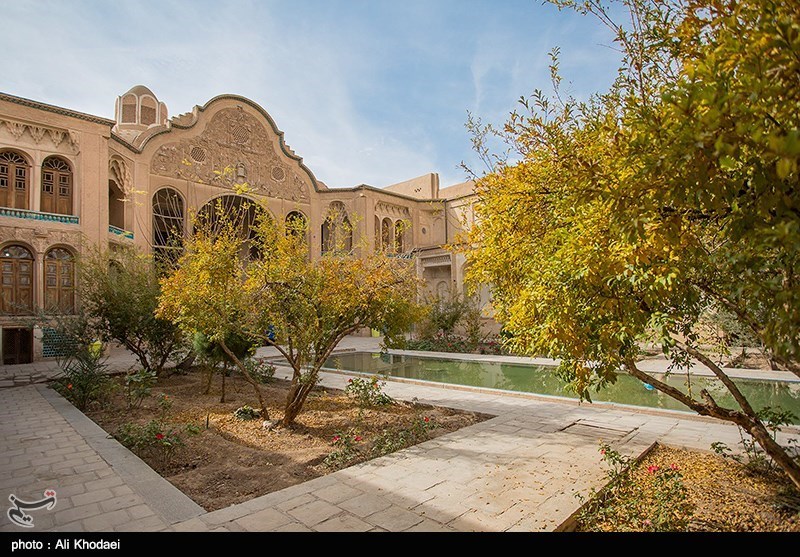
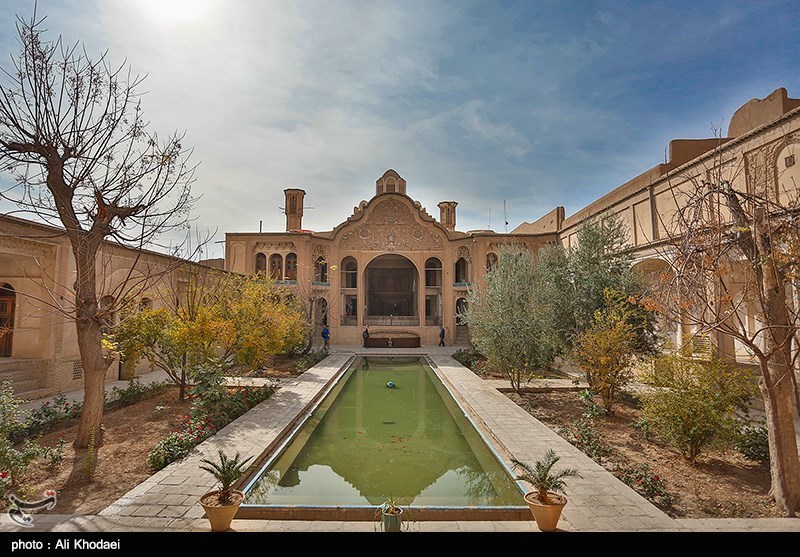
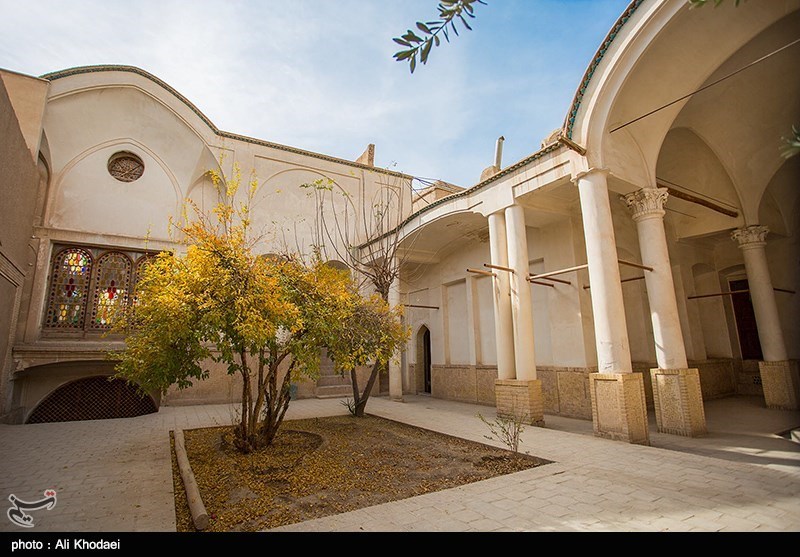
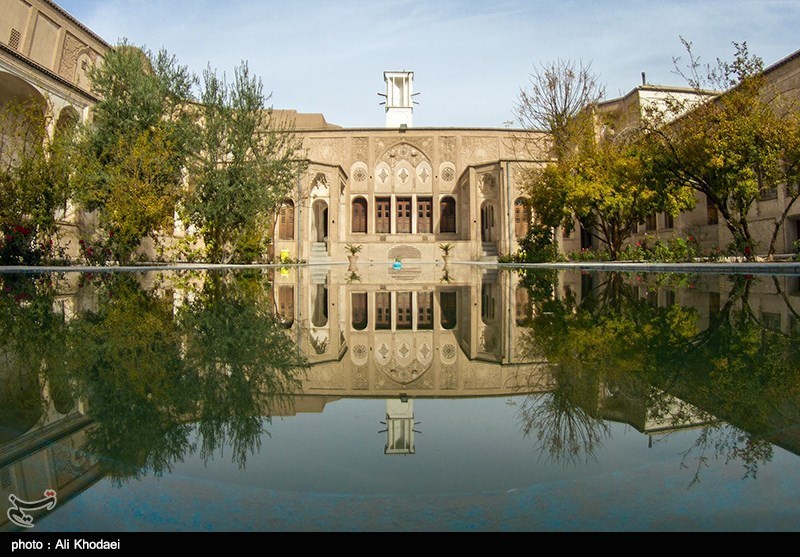
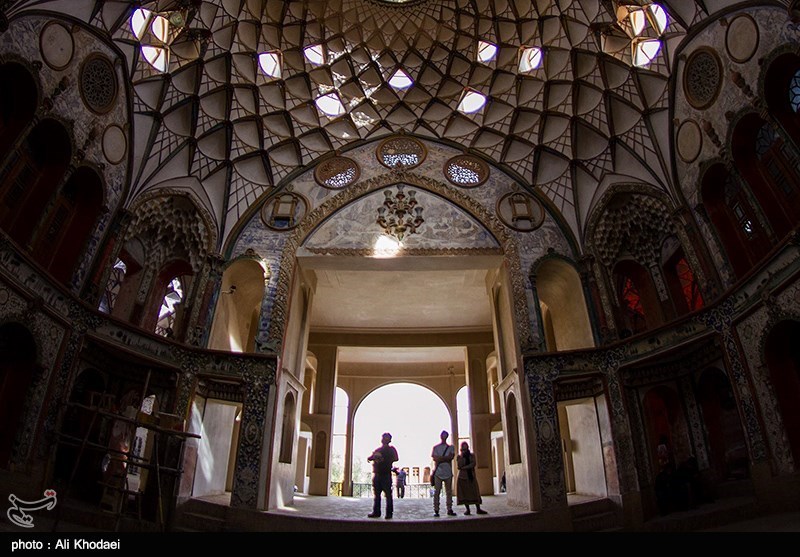
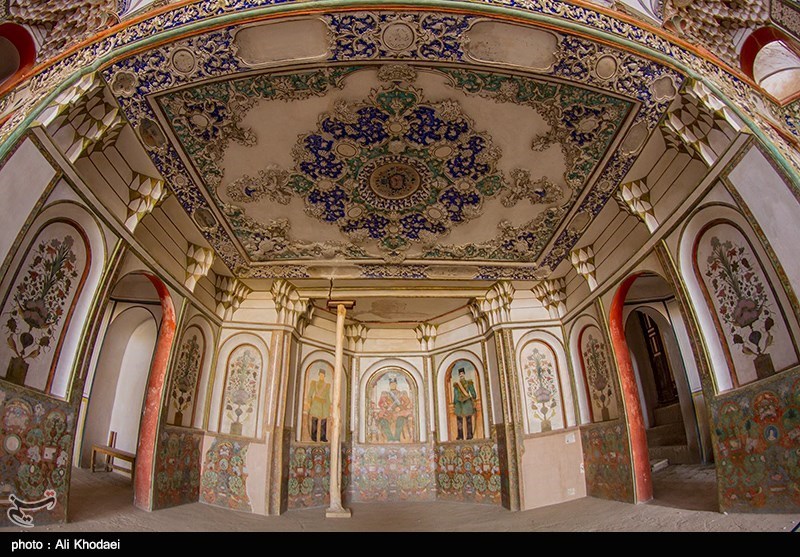
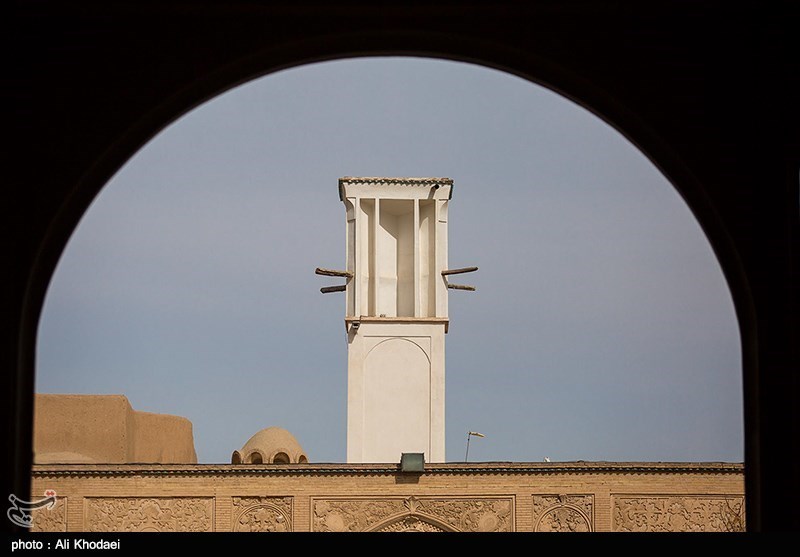
Historical House of Boroujerdis in Iran’s Kashan

Historical House of Boroujerdis

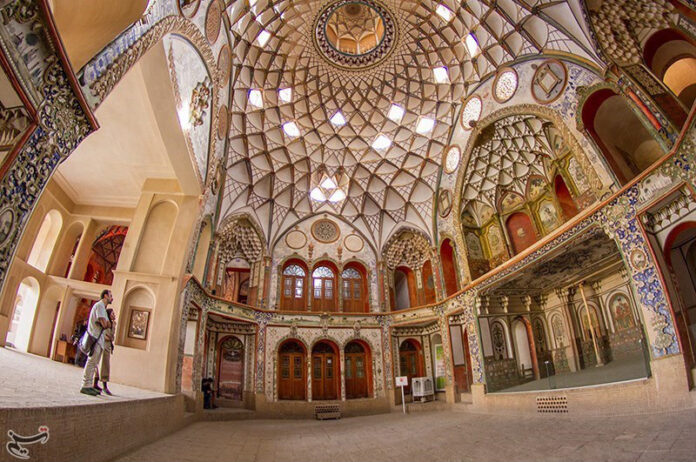
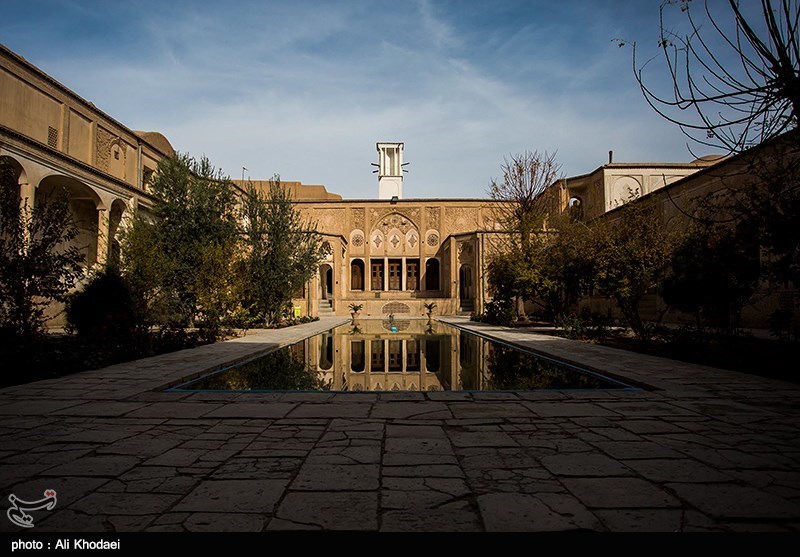
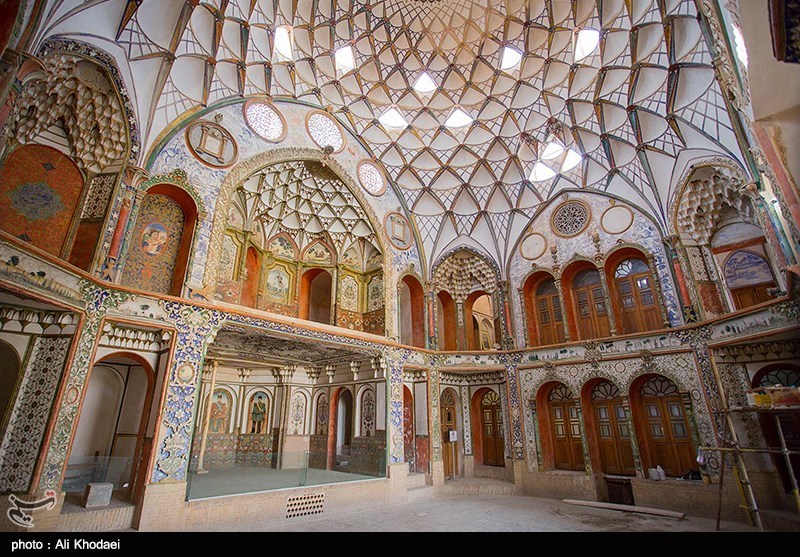
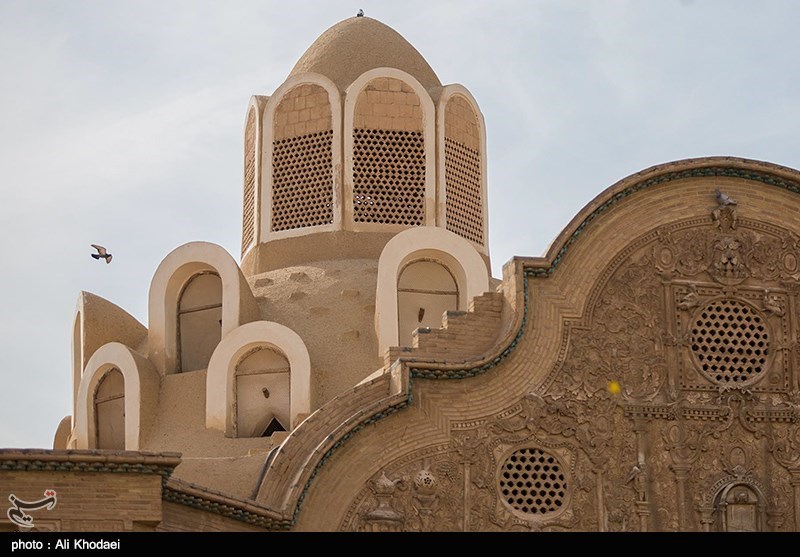
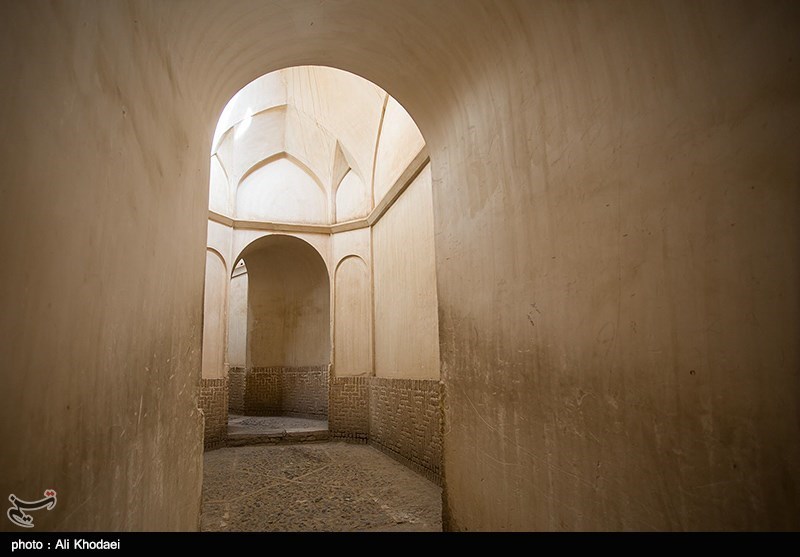
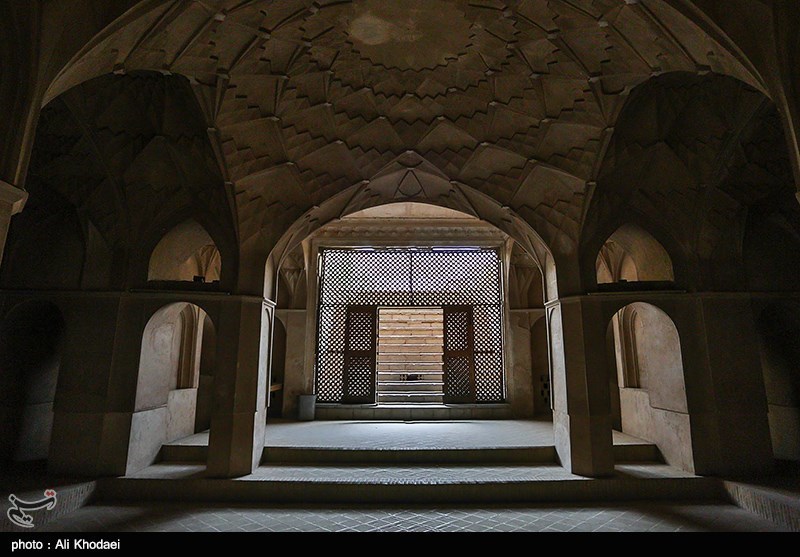
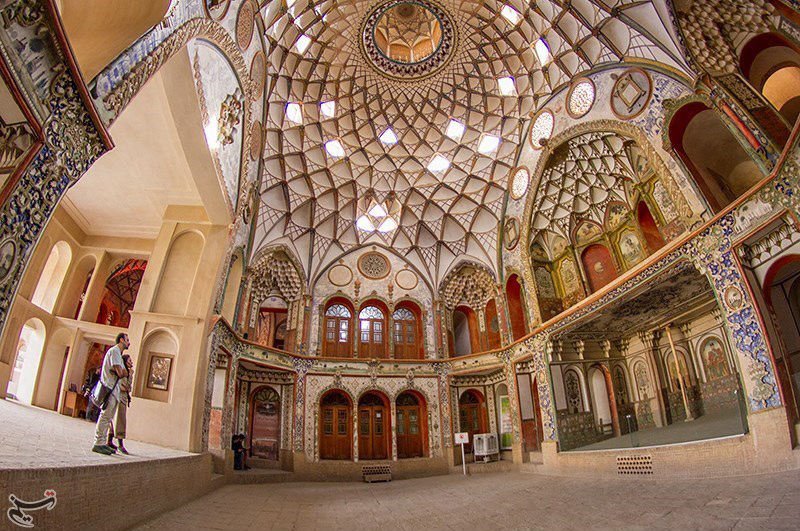
The house of Boroujerdis of Kashan was built in 1857 by architect Ostad Ali Maryam, for the wife of Seyyed Mehdi Boroujerdi, a wealthy merchant. The wife came from the affluent Tabatabaei family, which Seyyed Mehdi fall in love with her and built this house for her.

It consists of a rectangular beautiful courtyard, delightful wall paintings by the royal painter Sani ol molk, and three 40-metre-tall wind towers which help cool the house to unusually cool temperatures.

It has 3 entrances, and all the classic signatures of traditional Persian residential architecture, such as biruni yard (exterior yard) and daruni yard (andarun) (interior yard). The house took eighteen years to build using 150 craftsmen.

Here are Tasnim’s photos of the beautiful House of Boroujerdis:

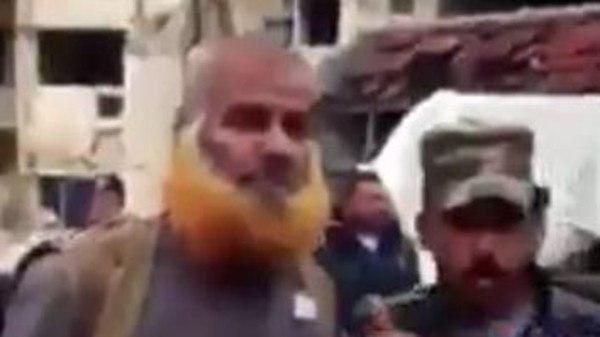
ISIS Leader’s Cousin Reportedly Arrested in Mosul (+Video)

ISIS Leader’s Cousin

The arrest of Al-Baghdadi’s cousin, who is also a high-ranking member of ISIS, would prove to be a significant blow to the terrorist organization.

He was captured in Mosul where Iraqi forces are currently engaging ISIS in the western portions of the city after liberating the east some months ago.

The most current intelligence suggests that Baghdadi is stranded in Nineveh province, where Mosul is located, without any means of escape.

This would prove to be a major blow to the leadership of the terrorist group in the last two days as another top commander was captured on Saturday, with another 7 killed by airstrikes on Friday.