Friday, January 16, 2026
Home Blog Page 4109

Iran Ranks among Top States in Science, Disaster Response: Report

science-technology


According to a Farsi report by Shahrvand Newspaper, Iran currently stands among the top eight countries in the world with the ability to give emergency and organized response to natural disasters — a feature which has convinced the International Committee of the Red Cross (ICRC) to view the country as a progressive state in the region and the world.

The country is also among the leading countries in terms of making scientific and technological progress in different fields and sectors.

In addition, in military sector, Iran has achieved the technology to produce modern pinpoint accuracy ballistic missiles and naval, air and ground weapons. Last year, Sputnik Italia [newspaper] ranked the country as the world’s fourth missile power.

Iran has made significant advances in other sciences as well. After the US, Russia, Germany and China, the country stands fifth in terms of developing the technology of building Fleetwings Sea Bird.


Stem Cells

Annually, 400 stem cell transplants are carried out in Iran which helps the country substantially prevent the outflow of capital and save $5 billion in revenues per year. Iran ranks fourth worldwide in terms of having the largest number of hospital beds and performing transplants.


Aerospace Engineering

Among the remarkable achievements made by the country in the past few years is developing the science of aerospace engineering. Interesting and outstanding about the country is that, despite it lagging 50 years behind the world’s leading countries in aerospace engineering, Iran has managed to rank amongst the top nine countries with the complete life-cycle of the technologies related to this field of study.


Chemical Engineering

Chemical engineering has a broad historical background in Iran. Iranian universities rank third in the world in chemical engineering and began offering PhD courses in the discipline prior to [doing the same in] other fundamental sciences. During 1996-2010, Iranian chemistry experts produced 16,429 scientific articles.


Computer Engineering

In 2012, Iran’s Sharif University of Technology ranked 14th among the world’s top 200 leading universities in computer engineering. Iranian researchers and scientists had published 5,900 articles pertaining to this field in the same year.


Microelectronics

Iran stands 18th in the world in microelectronics, a subfield of electronics, which is so important worldwide that has become a criterion for measuring countries’ level of development. In 2004, the discipline generated $200 billion in revenues worldwide. Making advances and holding a global rank and status in this discipline helps a country significantly prevent annual capital outflow and save several billions of dollars per year.


Nanotechnology

Iran has managed to rank 7th in the world in nanotechnology while being under tough hampering Western sanctions. Over the past 15 years, Iran has jumped 57 spots in this field’s global rankings.
Afghanistan Violates Treaty with Iran on Border River

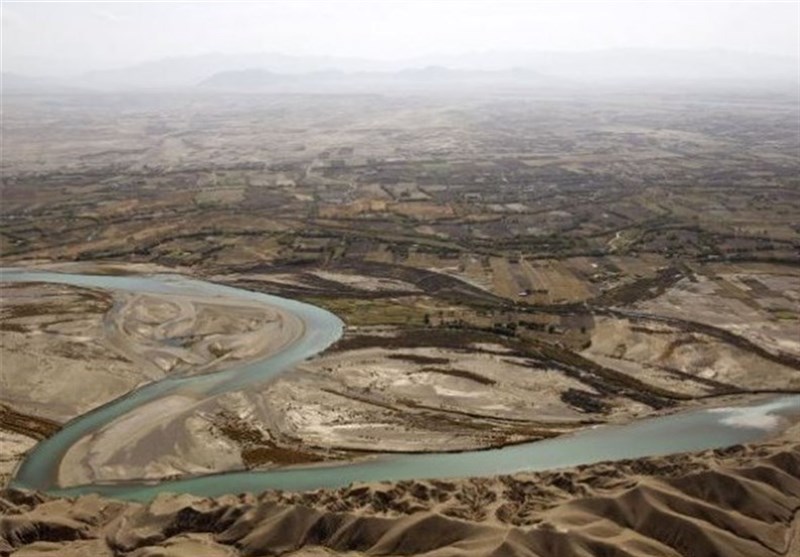
Hirmand River

Sources in the Iranian Energy Ministry said the Afghan government has failed to meet its commitments under the 1973 treaty with Iran.

During the water year 1395-1396 (2016-2017), Iran has not received the amount of water from the border river stipulated in the treaty, sources said.

According to a treaty that was concluded in 1973, Afghanistan is committed to share waters of the Hirmand River with Iran and supply it with 26 cubic meters of Hirmand water per second or 850 million cubic meters per annum.

Afghanistan Violates Treaty with Iran on Border River

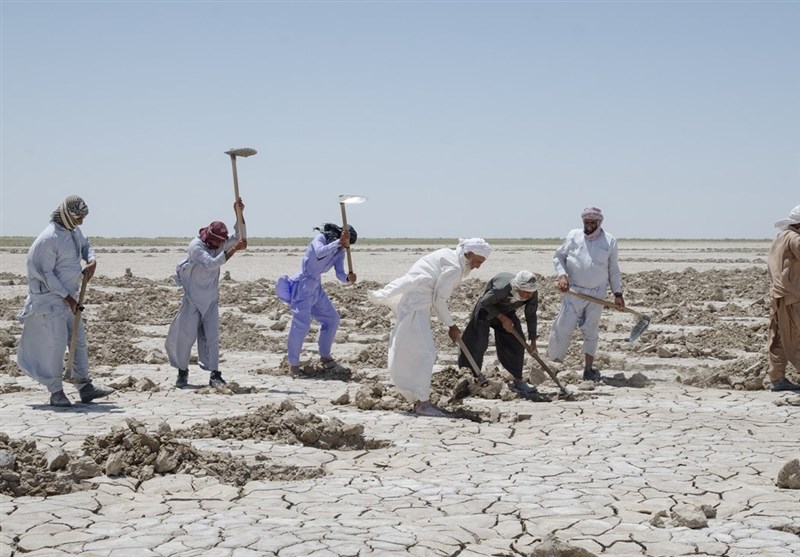
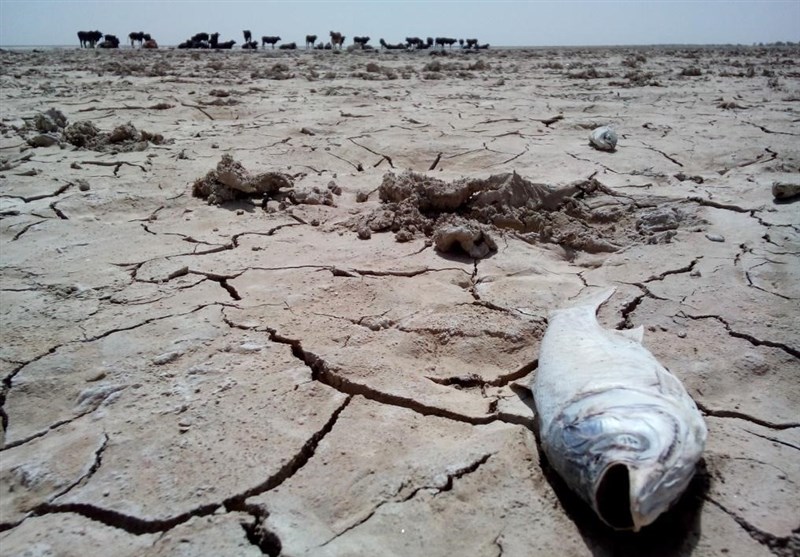
Afghanistan’s failure to abide by the agreement has accelerated an environmental disaster in southwestern Afghanistan and eastern Iran.

The annual 850 million cubic meters of water for Iran has been initially allocated for drinking and irrigation of farmlands, which falls far short of the minimum flow required to feed Hamoon wetlands, which straddle Iran-Afghan common border and are fed by Hirmand river.

In 1950, Iran and Afghanistan created the Hirmand River Delta Commission tasked with measuring and dividing river flow between the two countries, and hammered out the treaty in 1973.

Afghanistan Violates Treaty with Iran on Border River

However, political events such as a 1973 coup in Afghanistan, the Soviet invasion of Afghanistan in 1979, and subsequent civil war and Taliban rule had a damaging impact on the fate of the Hamoon wetlands.

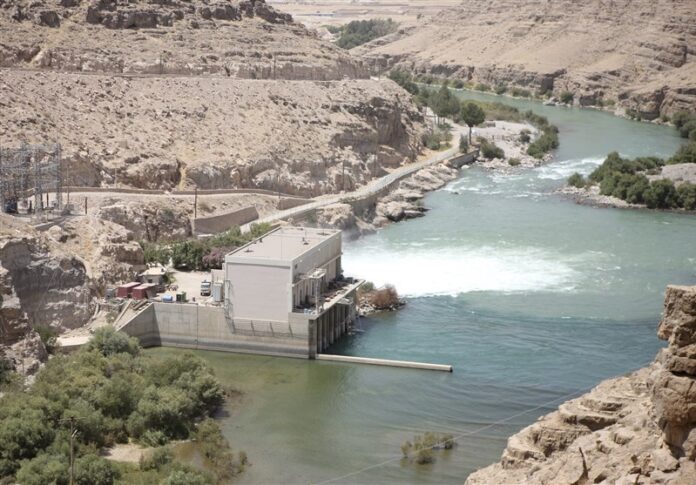
In the last two decades, the fertile wetlands have substantially dried up. The Taliban government closed the sluices to the Kajaki dam on Hirmand until 2002. This compounded the impact of the worst drought the region has experienced in many decades, caused in part by climate change and warming temperatures.

Afghanistan Violates Treaty with Iran on Border River

According to the World Bank, Afghanistan has 57 billion cubic meters of surface water flowing from its three large river basins; the Amu Darya Basin in the north, the Kabul River Basin in the east, and the Helmand River Basin in the south.

Kabul government is currently beginning the second phase of the development on the Kajaki dam, the largest dam in Afghanistan, which could aggravate the environmental situation in east and southeastern Iran.

US Misses Golden Chance to Improve Ties with Iran: Zarif

Mohammad Javad Zarif
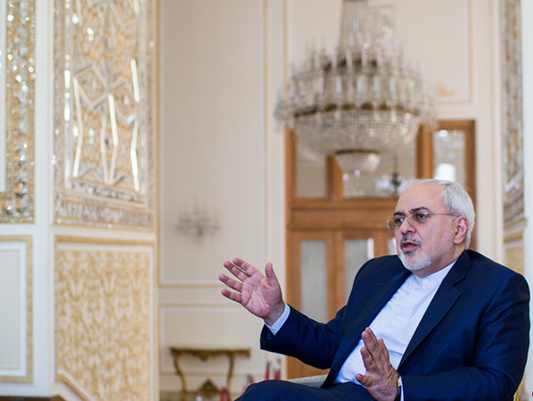
Iranian Foreign Minister Mohammad Javad Zarif

“Many in the world, just like the new US administration, believe Iran gained more from the nuclear deal with world powers, but few in the world would claim Iran has incurred losses by signing this deal,” Zarif said in a Farsi interview with ISNA.

However, he added, this does not mean the Americans have kept to their promises.

“In fact, they missed a golden opportunity, because the Leader of [Iran’s] Islamic Revolution had noted the nuclear deal and talks are a litmus test for Americans. If they pass, it is possible to extend it [the negotiation] to other fields,” Zarif added.

“But Americans forced the Islamic Republic to make efforts for every step of the JCPOA implementation.”

“Therefore, instead of using the nuclear deal to build trust, they heightened the distrust, and this was the Americans’ loss more than any other party, because they missed a special historic opportunity.”


Nuclear Deal Not to Turn into Iran Government’s Achilles Heel

He further noted that the opponents of JCPOA who think they can turn the deal into the government’s Achilles heel are mistaken.

The nuclear deal is an agreement endorsed by the Islamic Establishment and “all countries in the world believe that it was a wise decision,” Zarif said.

Israel Seeks to Damage Iran-Azerbaijan Brotherly Ties: Ayatollah Khamenei

en-leader-azarbiajan

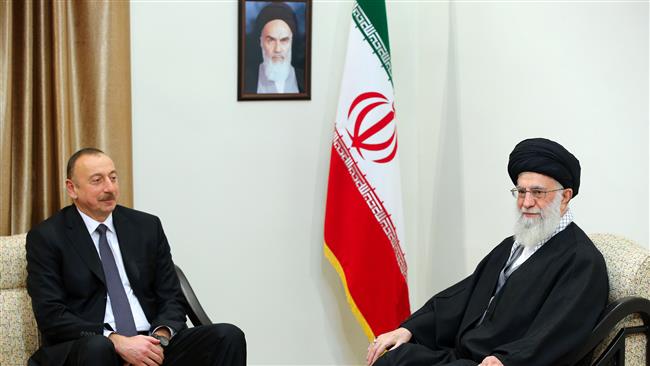
“The evil Zionist regime [of Israel] is making efforts more than all enemies to weaken the brotherly relations between Iran and Azerbaijan,” the Leader said in a meeting with the visiting Azeri President Ilham Aliyev in Tehran on Sunday.

Ayatollah Khamenei added that in response to enemies’ plots, Tehran and Baku must try to protect their friendly relations.

The Leader hailed Azerbaijan’s very positive stances on the Islamic Republic, including its position on the Iranian nuclear issue.

“In political circles and communities, the Azeri government has always stood by Iran and these positive stances bring the two countries closer than ever to each other,” Ayatollah Khamenei stated.

During the meeting, which was attended by Iranian President Hassan Rouhani, Aliyev said Tehran and Baku enjoy cultural, historical and religious commonalities.

Despite efforts to sow discord between Iran and Azerbaijan, the two countries have high-level relations and the enemies bids to undermine such ties would be futile, he added.

The Azeri president said Tehran and Baku signed 20 documents for cooperation in 2016, adding that the volume of trade exchanges showed a 70-percent increase in comparison with the previous year.

Aliyev, however, expressed dissatisfaction with the current volume of trade exchanges and said the two countries are implementing joint projects, including a railway link.

The Iranian and Azeri presidents signed an agreement in Tehran on Sunday to work toward completing their portions of a planned freight railway route from Europe to South Asia and also agreed to link the two countries’ rail systems.

The Azeri president arrived in Tehran for a one-day visit on Sunday and attended a joint press conference with his Iranian counterpart earlier in the day.

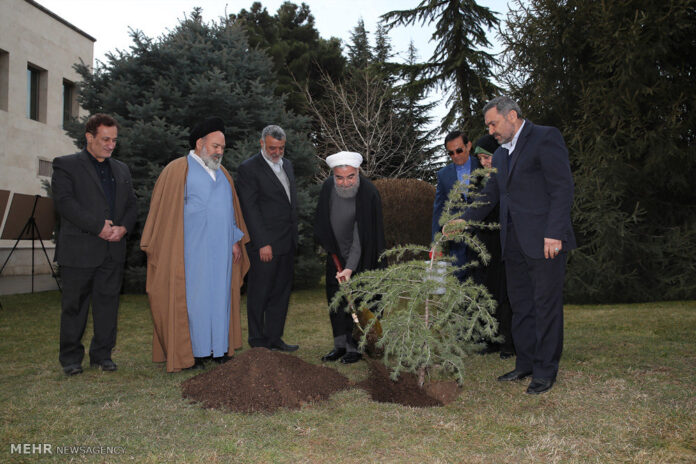
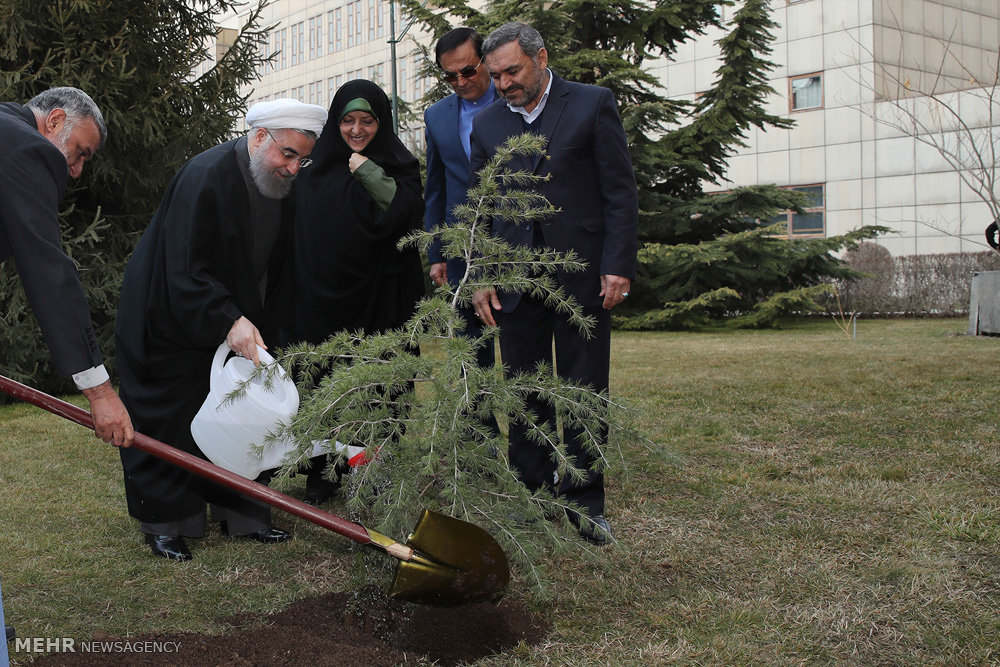
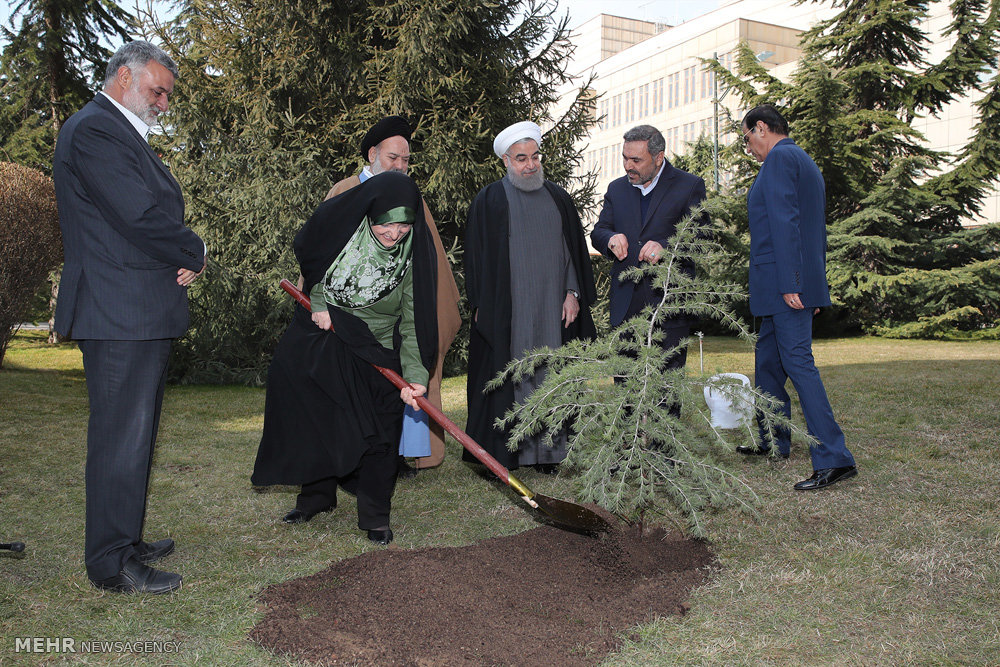
Iran’s President Plants Tree on National Arbour Day

Rouhani-Plants Tree

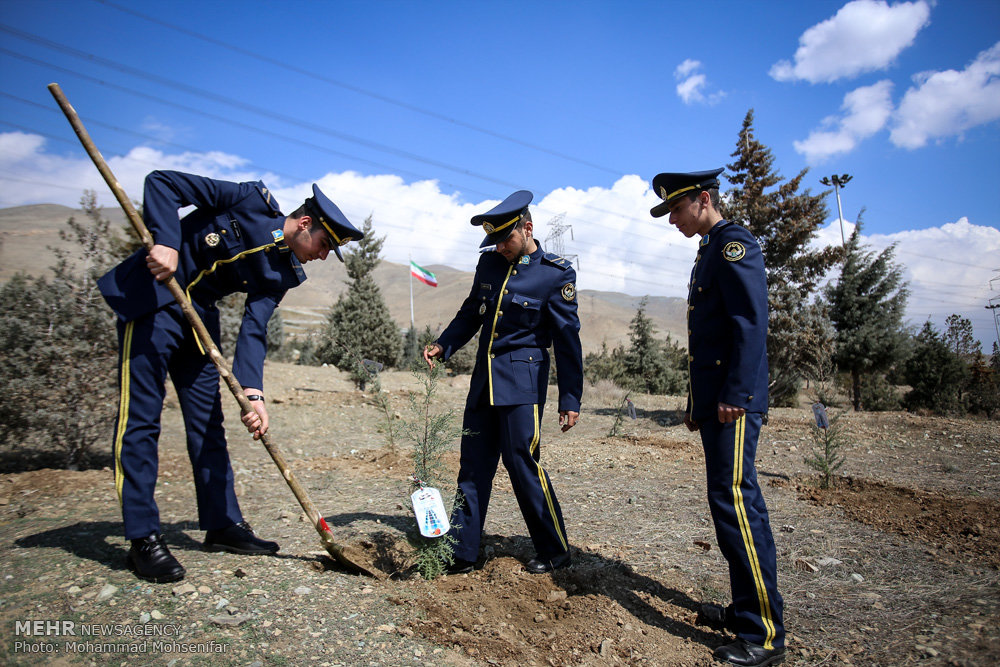
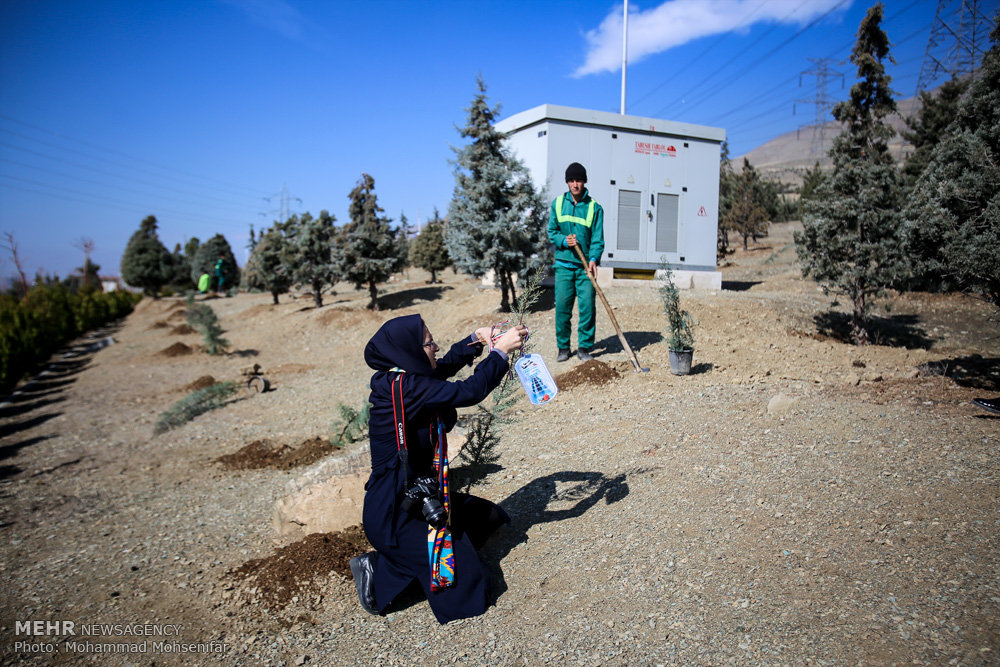
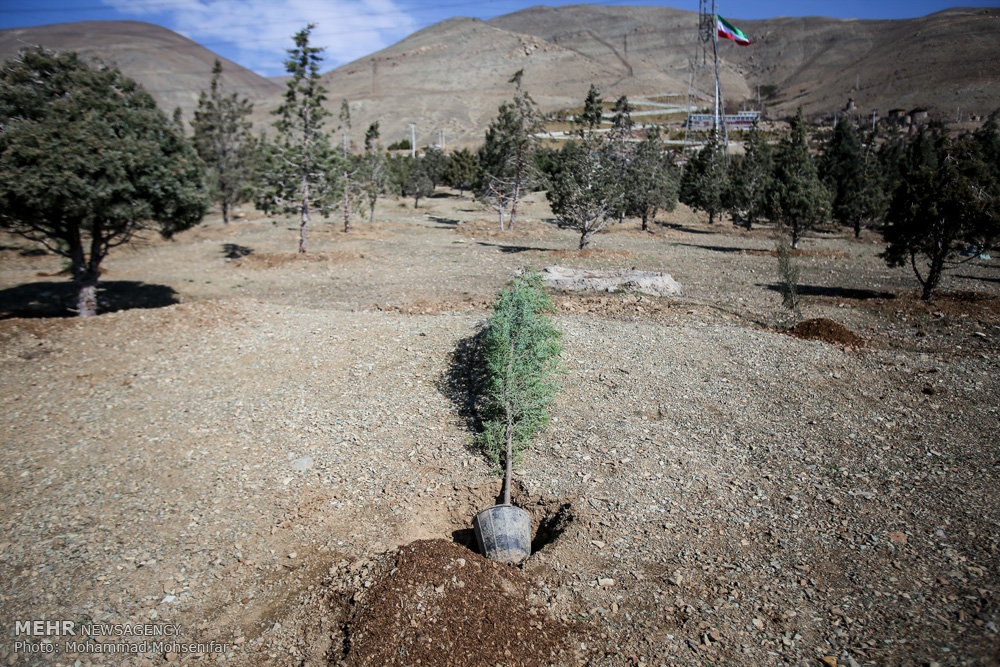
President Rouhani on Sunday planted a sapling in Sa’dabad Complex in Tehran as a symbolic gesture of respect for the Mother Nature to highlight the importance of natural resources and to mark the National Arbour Day and Week of Natural Resources.

Speaking to reporters, Rouhani called for employment of new technologies and effective management to reduce pressure on the environmental resources, underlining that sustainable development hinges on protection of the environment.

Iran’s President Plants Tree on National Arbour Day


The natural resources, including water, land, and air are under intense pressure today, he warned, saying the approach to reducing that pressure is employment of new technologies, appropriate management, and promotion of efficiency, Tasnim reported.

Highlighting his administration’s efforts to conserve the environment, President Rouhani underscored that sustainable development entirely depends on protection of the environment.

The president finally called on the Iranian celebrities, athletes, professors and authors to encourage the society to push for protecting and cleaning up the environment.

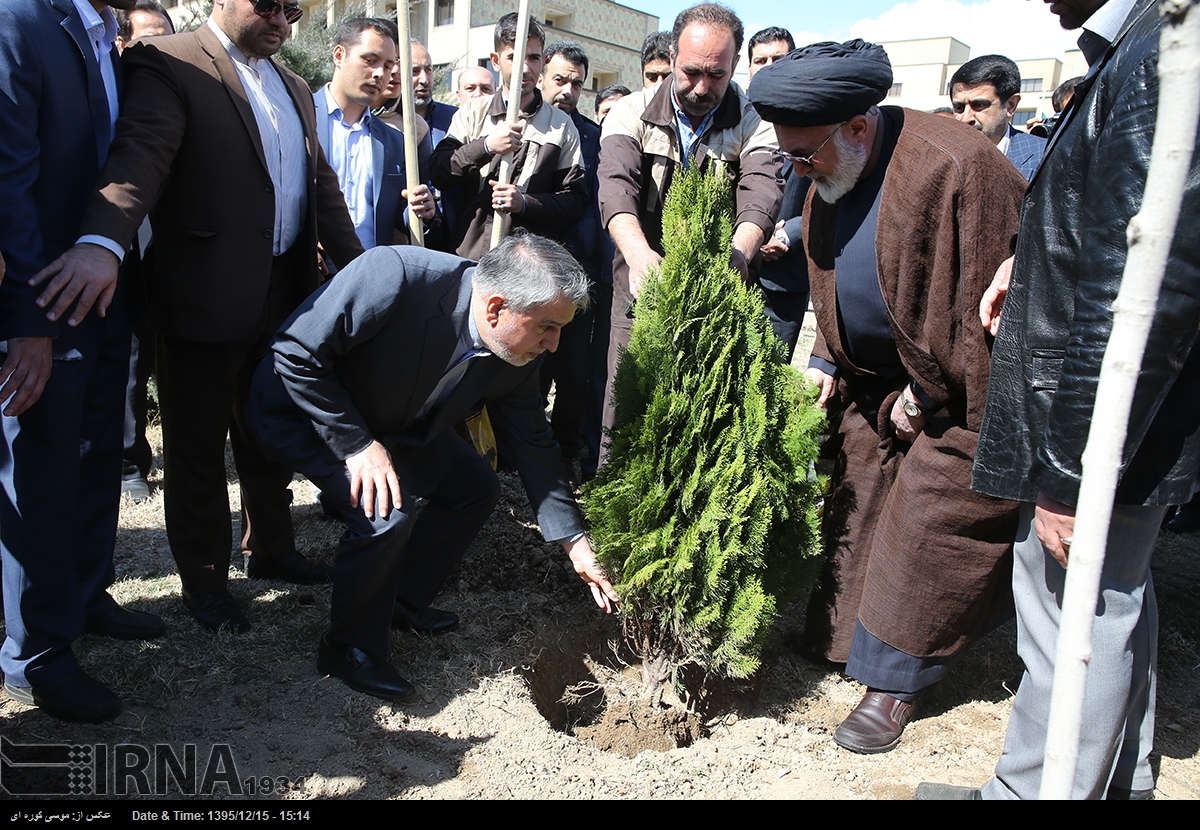
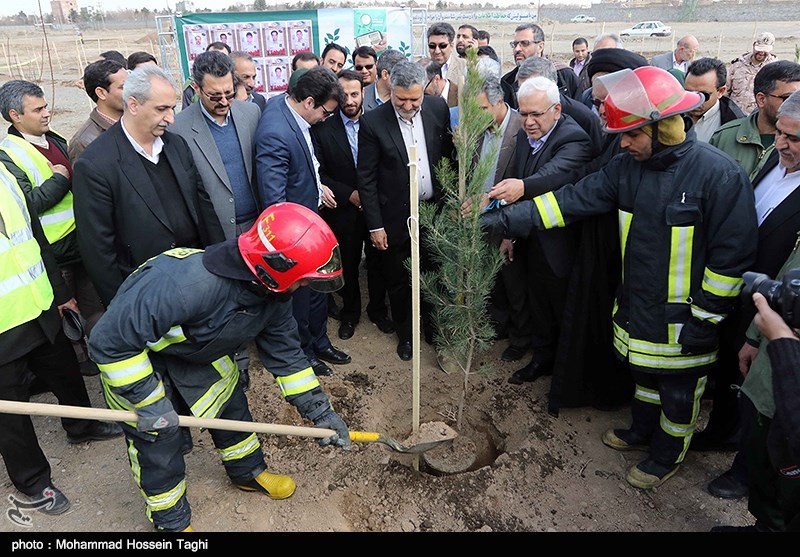
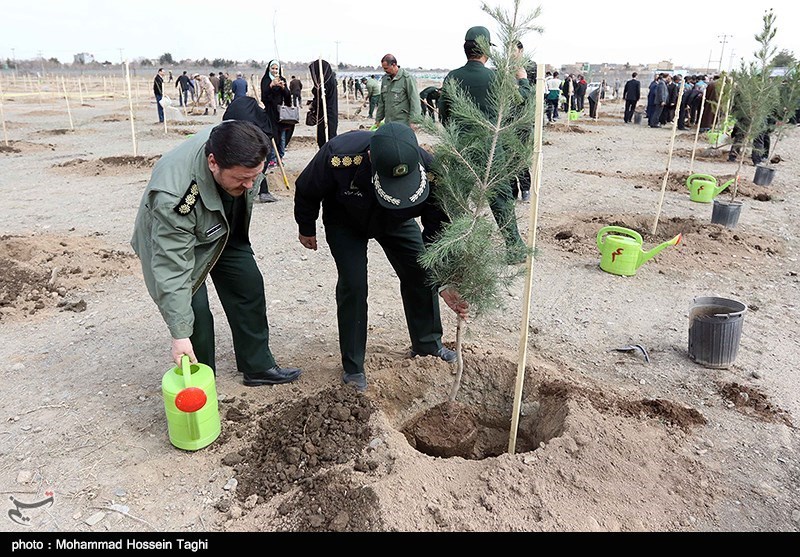
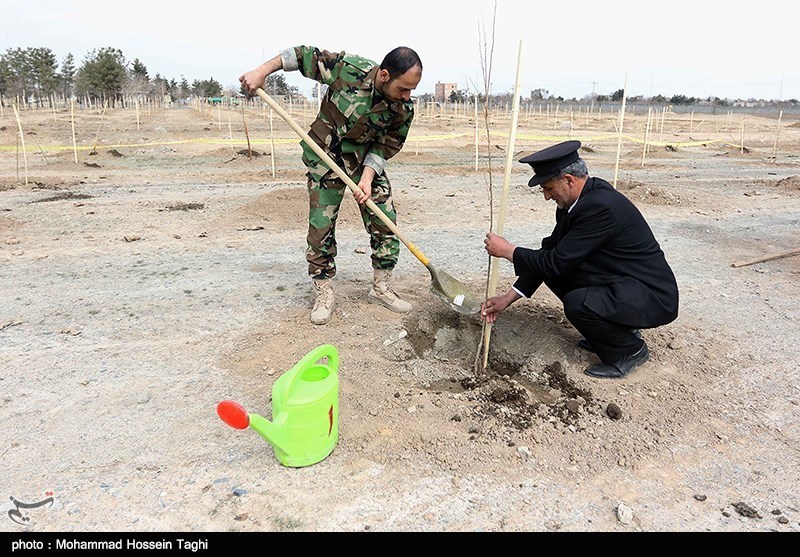
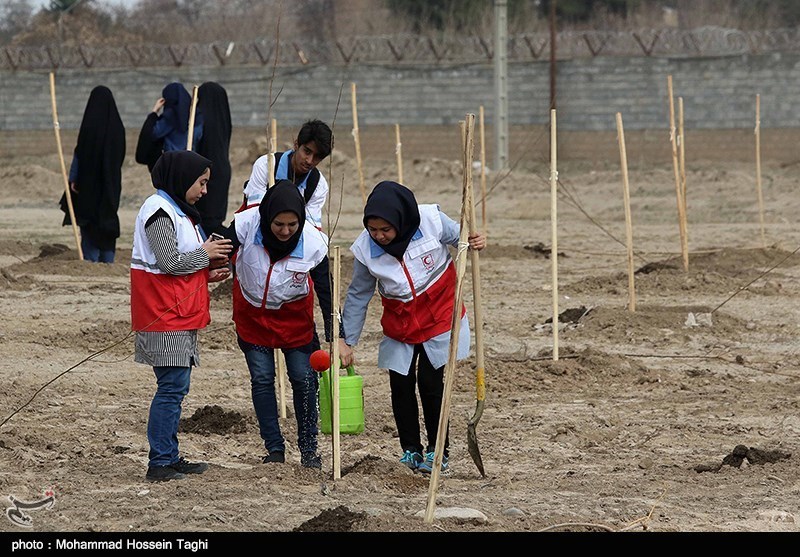
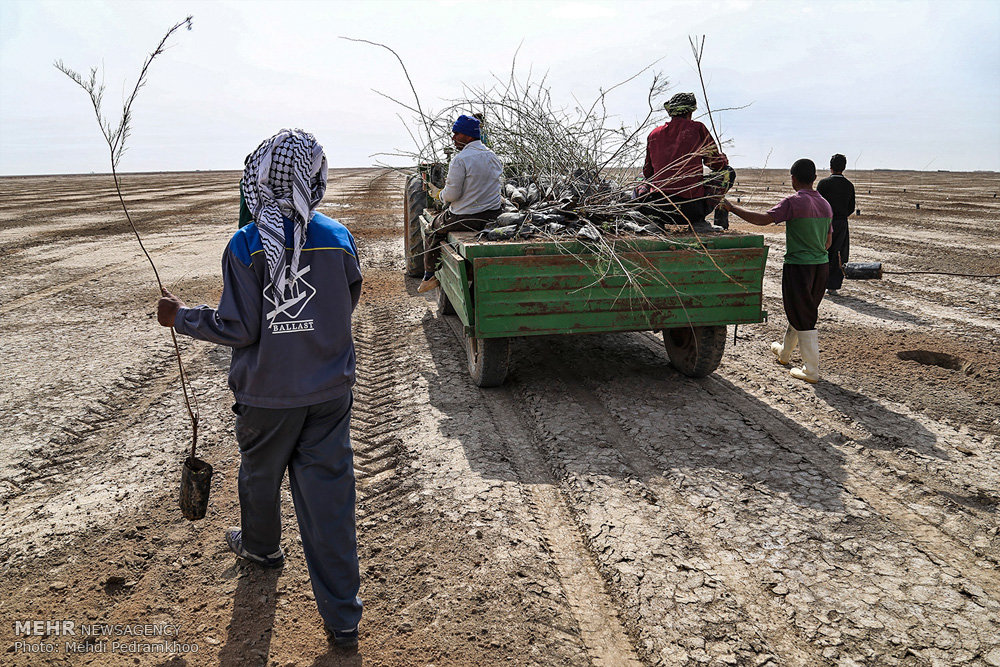
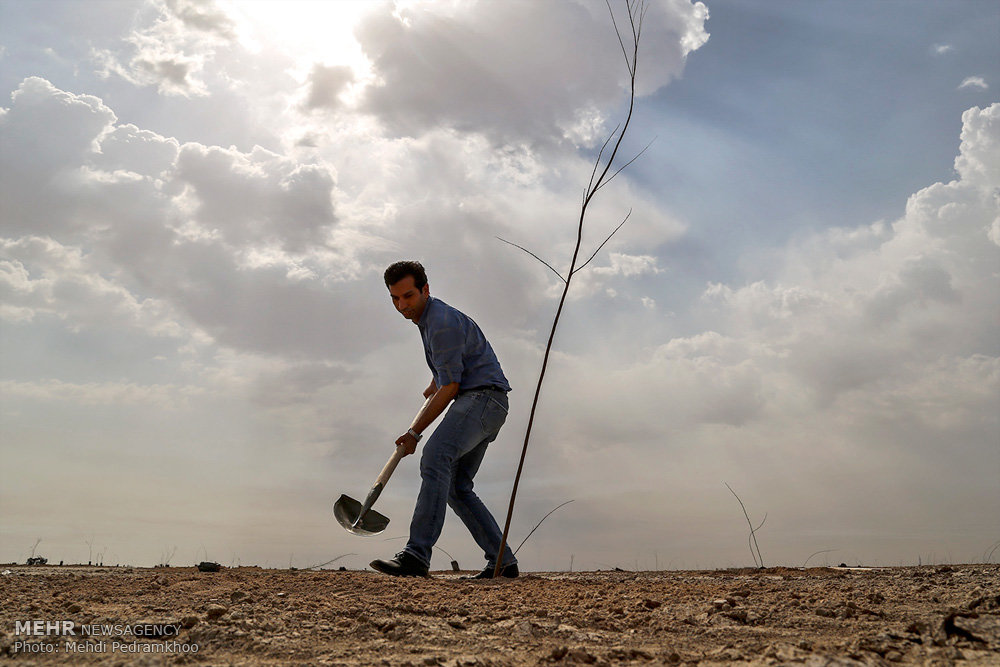
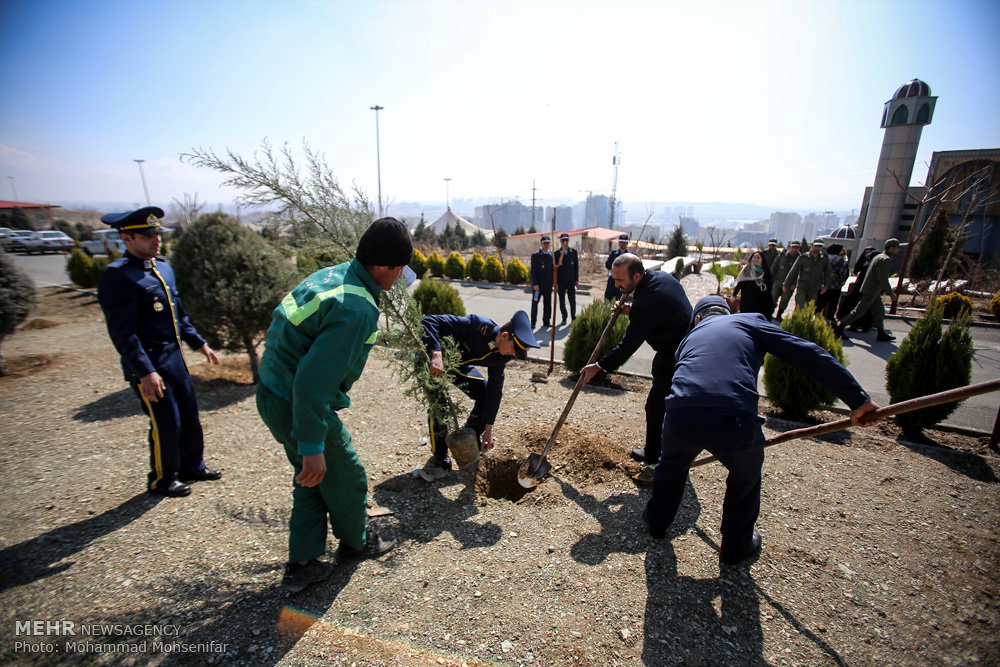
Other Iranian officials and people in different cities also marked the day by planting tree saplings. Here are photos of them taken by various news agencies:


Iranian MP Calls for Promotion of Tree Planting Culture among People

en-tree

Iranian lawmaker Jalil Mokhtar says the culture of planting tree saplings is required to be fostered among Iranians.
National Arbour Day should not be the only day on which people plant tree saplings, he noted, according to a Farsi report by ICANA.
Commenting on the National Week of Natural Resources (March 5-11) and National Arbour Day (March 5) in Iran, Mokhtar said Islam gives considerable importance to planting tree saplings and preserving the environment.

To achieve a balance in the nature, he added, people are required to take decisive steps towards protecting the environment and preserving the forests as well as natural resources.

He noted that on National Arbour Day, “we are required to highlight the value and importance of trees and planting saplings.”

Referring to the remarks by the Leader of the Islamic Revolution Ayatollah Seyyed Ali Khamenei on the importance of tree planting and preserving natural resources, the parliamentarian said Ayatollah Khamenei pays special attention, theoretically and pragmatically, to tree planting and protecting the natural resources, adding the Leader plants a tree sapling every year on the National Arbour Day.

“Iranian officials and people are also required to follow their leader in this regard and do their utmost to preserve the country’s forests and natural resources.”

He said planting tree saplings is of enormous value in the Islamic culture, slashing the gradual destruction of the country’s gardens and natural resources.

Mokhtar noted that turning Iran’s gardens and farmlands into trade, industrial and residential centres and units has led to a drop in the number of the country’s gardens and the destruction of the natural resources, adding this is while such moves are violation of law.

“The [Iranian] Department of Environment (DoE) is required to take the issue more seriously and tighten its supervision over the enforcement of the environmental laws in the country.”

He stressed that all Iranian people and organizations and bodies are also required to feel responsible towards protecting the country’s environment and natural resources, adding environmentalists and NGOs can also work towards this end by fostering proper culture among people.

Mokhtar said the DoE is required to turn into a ministry with a number of supervisory vice-presidencies which has strong leverages and effective pragmatic plans.

He stressed that this move will help the Iranian Parliament improve its supervision over the DoE’s function, performance and activities, adding the DoE, itself, will be able to be more responsive and responsible to the people and the Parliament.

‘Qatar, Turkey Silent on Trump’s Anti-Brotherhood Bill’

Muslim Brotherhood

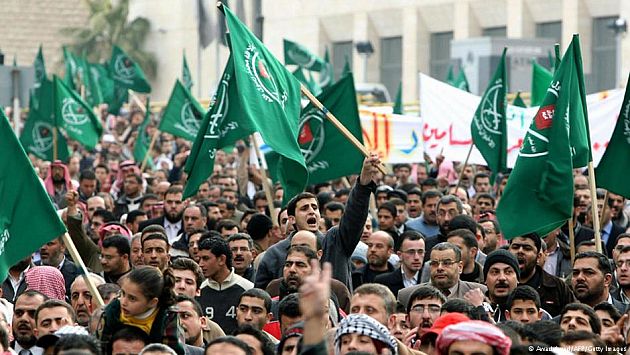
In an interview with irdiplomacy.ir, Jafar Qannadbashi, a Middle East and North Africa analyst, said the US is going to blacklist the Muslim Brotherhood organization as a terrorist group; however, Qatar and Turkey have kept silent towards such an important development.

Here are excerpts from his remarks in the Farsi interview:


Some sources close to US President Donald Trump recently announced that the country’s national security advisors have drawn up a plan to put Muslim Brotherhood on the US State Department and Treasury’s list of terror groups. Experts say it would be a big mistake to equate Muslim Brotherhood with ISIS and Al-Qaeda as the move would jeopardize Muslim groups in the United States.

The decision has its roots in a proposal back in 2015 when some members of the US Congress tabled a motion to label Muslim Brotherhood as a terrorist group and slap restrictions on the organization’s activities in America and other Western countries as well as on the international stage. Such a way of thinking stems from Zionist lobbies and the Al-Saud regime which are concerned over Muslim Brotherhood’s activities in Saudi Arabia and other satellite countries under their control.

The Al-Saud dynasty fears the wide range of activities by Muslim Brotherhood might lay the groundwork for anti-monarchy movements in Saudi Arabia.


Saudi Arabia Worried over Brotherhood’s Activities

The Al-Saud dynasty fears the wide range of activities by Muslim Brotherhood might lay the groundwork for anti-monarchy movements in Saudi Arabia. Therefore, two lobbies, namely the Zionist lobby as well as the one sponsored by Saudi petro-dollars and encouraged by US senators, set the stage for plotting machinations against Muslim Brotherhood. A conditional plan was approved by Congress in early 2016 under which Muslim Brotherhood would be put on the list of terrorist groups “if it is not proven that it has disavowed its terrorist acts.” The plan had been shelved until Trump came to power. After Trump assumed office, the stage was set for the plan to become operational. It is said the congressional motion should be signed by the president to be implemented. There are two key points in this regard.


Pro-Zionist, Pro-US Schemes behind Plan

First, they want to please the Zionist lobby and the lobby sponsored by Saudi petro-dollars. Second, there are objectives that Trump is personally pursuing: Imposing restrictions against Muslims and Muslim immigrants. If, the anti-Brotherhood is given the thumbs-up, the group’s activities will be limited in the US. Moreover, its bank accounts in the US will be blocked, and its activities in American and Western mosques, which are part of its cultural activities, will be stopped.


Brotherhood’s Key Backers Turning against It

At the same time, we see Turkey and Qatar, as key supporters of Muslim Brotherhood, remaining tight-lipped all along. Of course, all Arab countries have remained silent vis-à-vis Washington’s anti-Brotherhood move. But the silence by the two above-mentioned countries stands out in the whole scenario because they both back Muslim Brotherhood. Qatar, for instance, is frequented by some top Brotherhood officials. Qatar has offered the greatest support to Muslim Brotherhood over the past decade. Also in Turkey, the Justice and Development Party is regarded as an offshoot of the group. That is why the silence by Qatar and Turkey is more noticeable than that of other countries. At this juncture, the two countries seem reluctant to oppose Trump’s anti-Islamic policies. That is due to their submission to the United States. If the plan is signed by the US president, then Turkish and Qatari officials may express their criticism of the move. But we are not expecting serious criticism given Qatar’s inaction vis-à-vis what is being done against Muslim Brotherhood on the one hand, and the alliance between Turkey and the US on the other.

Turkey and Qatar currently seem reluctant to oppose Trump’s anti-Islamic policies due to their submission to the United States.


Turkey, Qatar in League with Anti-Brotherhood Entities

Moreover, both Turkey and Qatar are Saudi Arabia’s allies against Syria. Ankara and Doha are backing Takfiri groups in Syria. Riyadh is an opponent of Muslim Brotherhood, too. Furthermore, Turkey and Qatar have compromised with Israel on the issues of Syria and Palestine. So, Ankara and Doha’s silence against Washington’s anti-Brotherhood move amounts to yet another sort of cooperation between Turkey, Qatar and the West. Turkey and Qatar have, on numerous occasions, aligned themselves with reactionary currents in the region and with the Israeli regime, which could be regarded as another instance of collaboration with anti-Brotherhood entities.

Return of Life to Major Wetland in Southwestern Iran

Hurolazim Wetland

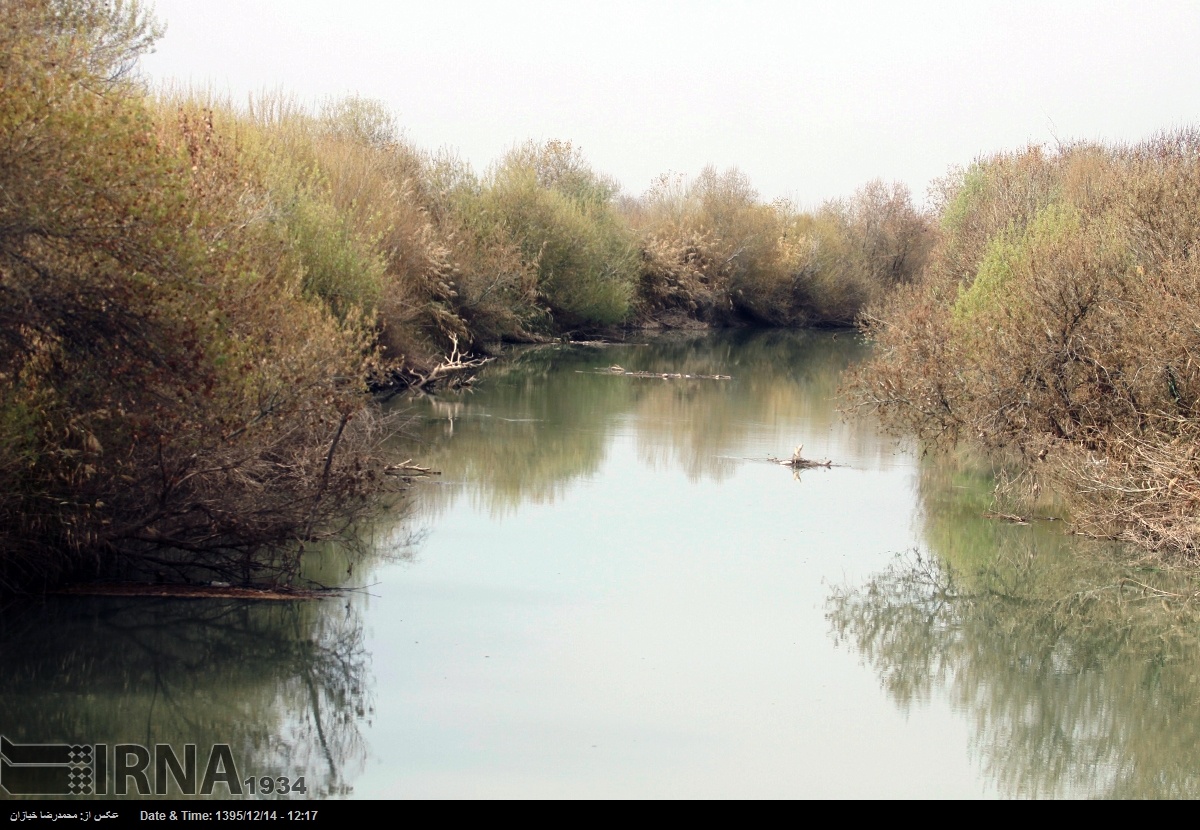
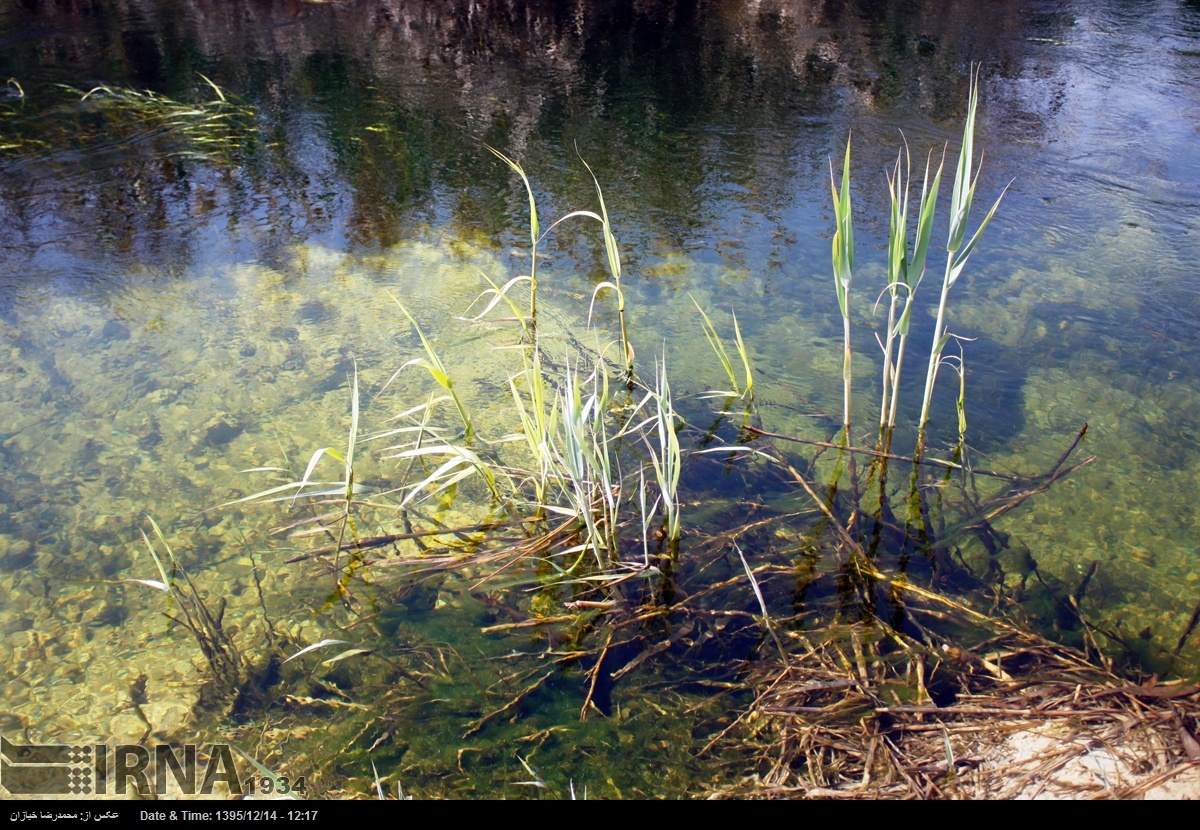
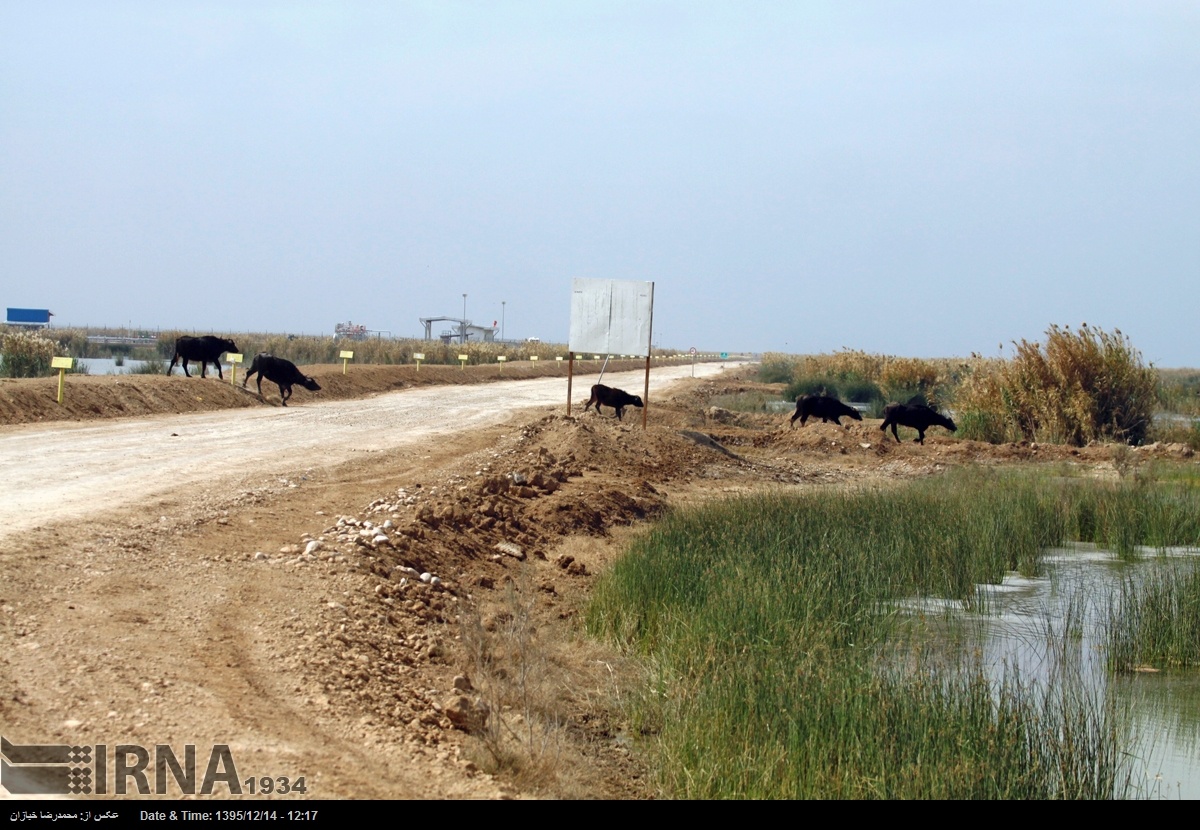
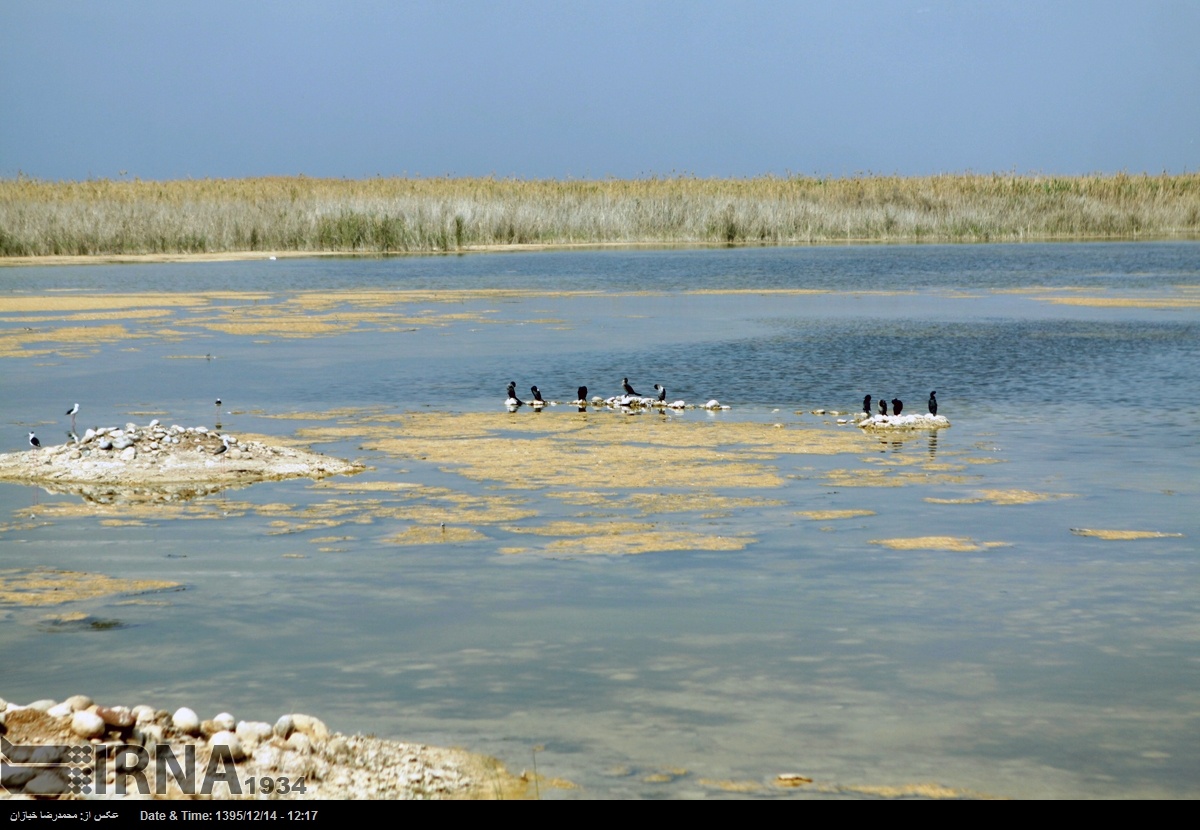
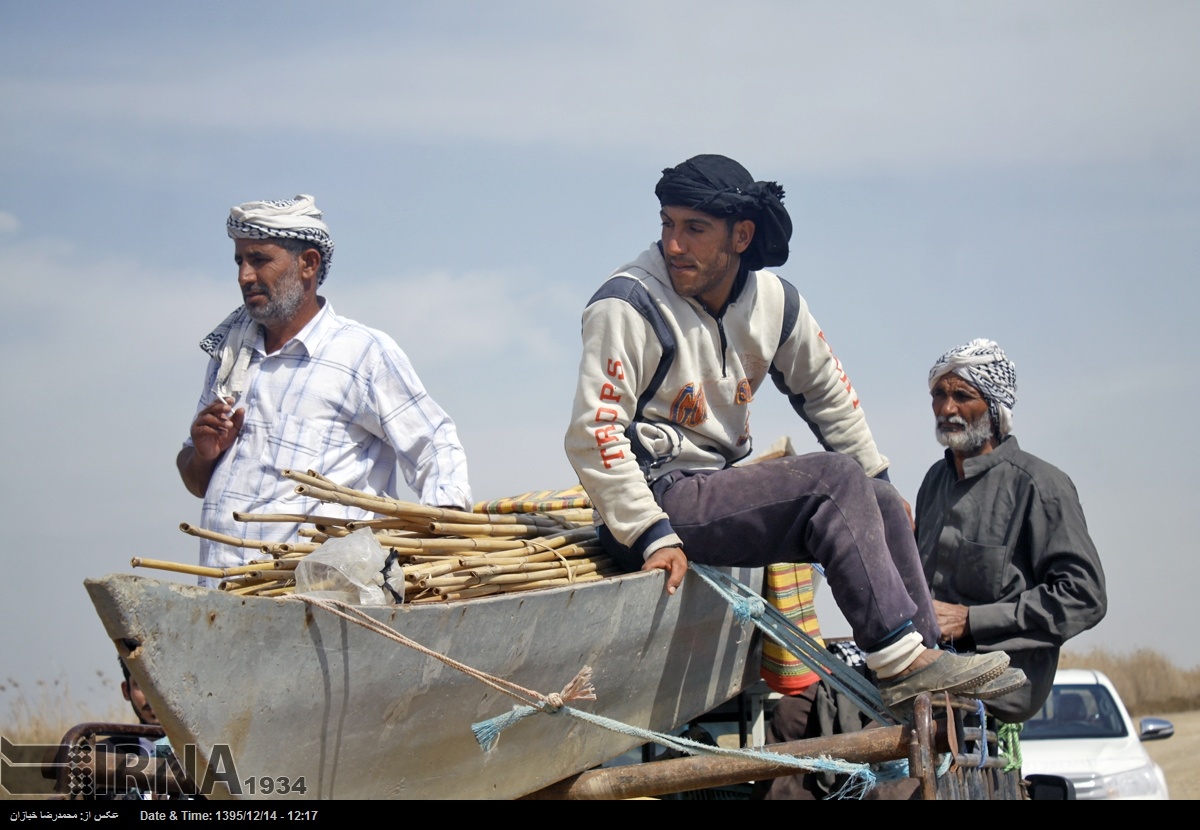
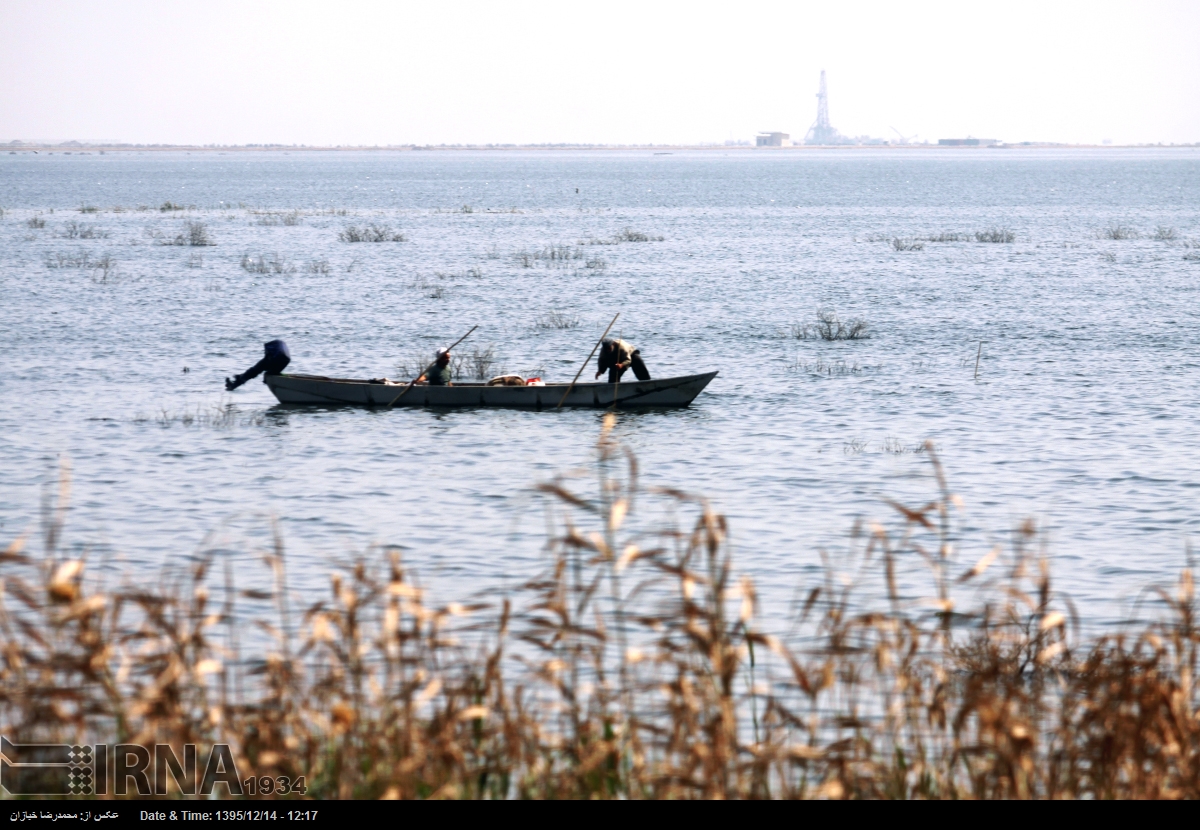
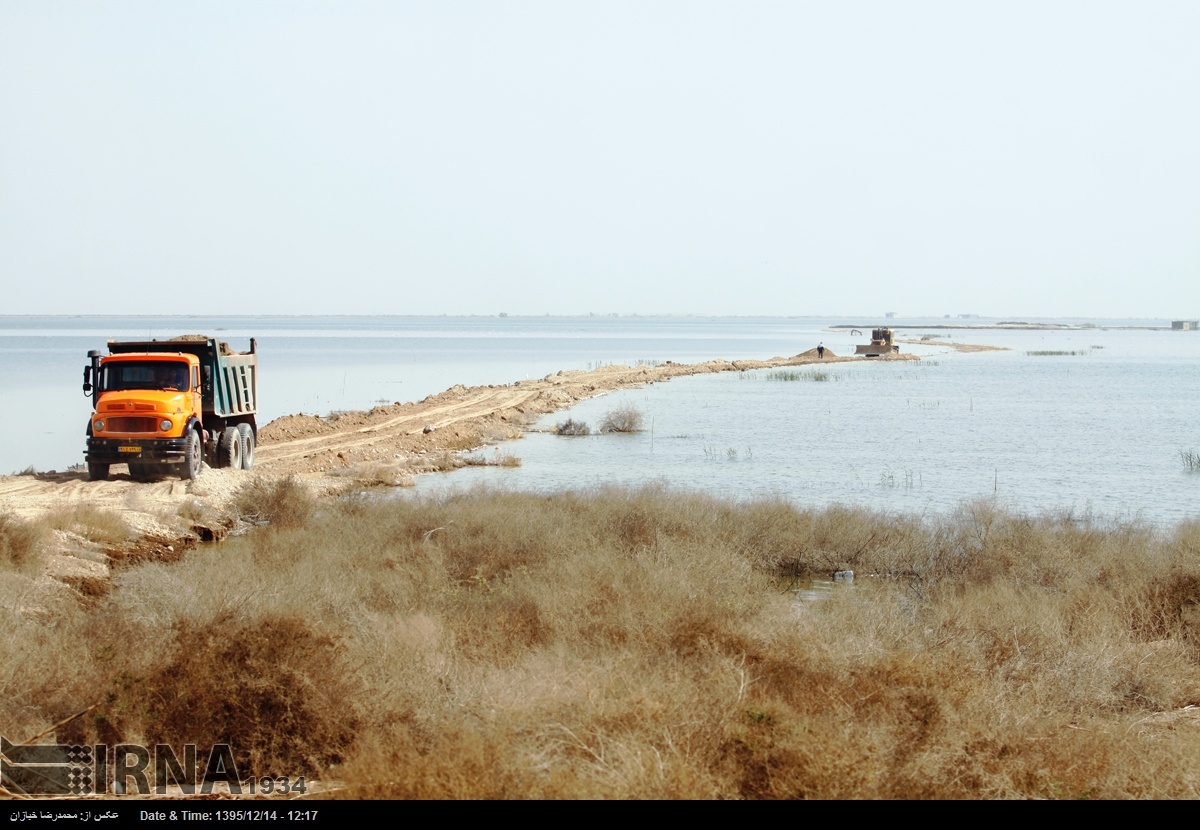
Located in Khuzestan province, Hurolazim Wetland is the name referred to the Iranian part of Hawizeh Wetland in Iraq.

Due to the serious water crisis in southwestern Iran, Hurolazim had almost dried up, but the recent rainfalls helped the major marsh revive.

Here are IRNA’s photos of the return of life to this beautiful wetland:

Saudi Officers Receive 4-Year Term for Molesting Iranian Teenagers

en-Seyyed Ali Qazi Askar

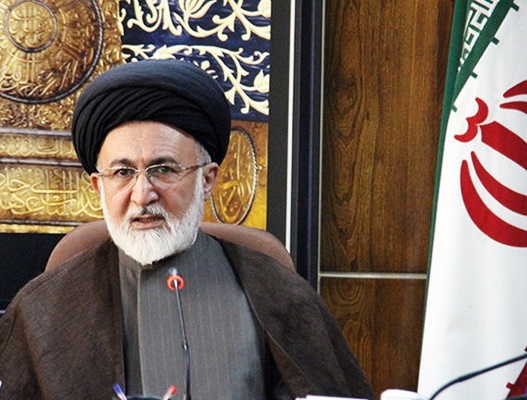
Seyyed Ali Qazi Askar, the representative of Iran’s Leader in Hajj and Pilgrimage Affairs, said Saudi Arabia has declared in a written statement that it has sentenced the Saudi officers who had molested two Iranian teenagers at Jeddah Airport in 2015 to four years in prison and 1,000 lashes.

The molestation, and the following Mina crush in Hajj that killed hundreds of Iranians, convinced Iran to stop sending pilgrims to the annual pilgrimage.

However, Qazi Askar says if Saudi Arabia declares the ones involved in Mina disaster and resolve the issue of blood money, the barriers will be removed and Iran may resume sending pilgrims.

Iran will dispatch at least 80,000 pilgrims to Hajj next year [in case the disputes are settled], he noted.


Iran Signs 2 MoUs with Azerbaijan Republic

rouhani-Aliyev

The documents were signed at the conclusion of a joint meeting of Iran-Azerbaijan high-ranking delegations, attended by Iranian President Hassan Rouhani and his Azeri counterpart Ilham Aliyev, who arrived in Tehran earlier in the day for an official visit.

Cabinet ministers and senior officials from the two neighbors were present in the meeting.

One of the MoUs was signed between an Iranian financial data and anti-money laundering center, affiliated with Iran’s Ministry of Economic Affairs and Finance, and Azerbaijan’s Financial Markets Supervision Chamber on cooperation to counter money laundering, criminal assets and terrorism financing.

The Islamic Republic of Iran Railways and Azerbaijan Railways inked the other MoU on expansion of railroad links.

Iran and Azerbaijan have accelerated efforts in recent years to forge closer partnership in various areas.

Aliyev last visited Iran in February 2016, when the two sides signed eleven memorandums of understanding and agreements to promote mutual cooperation in a range of fields.