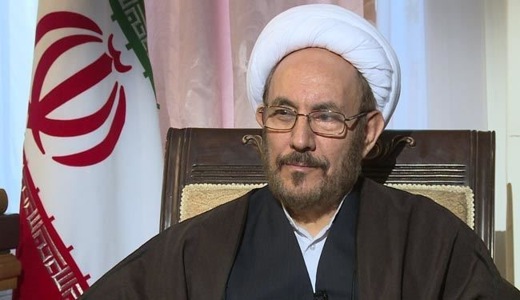
Iranian Foreign Ministry Spokesman Bahram Qassemi condemned the verdict against Sheikh Qassim and voiced concern about an escalation of security approaches in Bahrain.
Reminding the Manama regime of Sheikh Qassim’s high-profile religious and political status among Muslims, Qassemi warned the kingdom of any offense against the popular cleric.
Anti-regime protesters in Bahrain have always taken Sheikh Qassim’s peaceful conduct as an example, the Iranian diplomat noted.
He added that the kingdom is expected to have regard to the cleric’s “spiritual influence” and, respecting the popular demands, stop exerting pressure on Bahraini religious figures.
On Sunday, a Bahraini court sentenced Sheikh Qassim to one year in prison. Based on the verdict, the cleric’s properties worth three million Bahraini dinars (near $8 million) have been also confiscated. Moreover, Sheikh Qassim has been sentenced to pay a fine of 1,000 Bahraini dinars (about $2,650).
According to local reports, Sheikh Qassim’s prison sentence has been suspended for three years.
In June 2016, the Manama regime said the citizenship of Sheikh Qassim had been revoked, accusing him of sowing sectarian divisions.
Bahrain, a close ally of the US in the Persian Gulf, has been witnessing almost daily protests against the Al Khalifa dynasty since early 2011, with security forces resorting to harsh measures against demonstrators.
Scores of Bahrainis have been killed and hundreds of others injured and arrested in the ongoing crackdown on the peaceful protests.
US President Donald Trump’s trip to Saudi Arabia started on May 20, 2017, one day after millions of Iranian people went to the polls to pick a president. Trump is visiting Riyadh in his first overseas trip as president.
Here is an Iranian voter’s account of the Friday’s elections in Iran, which is a must-read for the US president:
It is 7 p.m. I’m leaving home with my family to find a less crowded polling station nearby, somewhere in the centre of the Iranian capital, Tehran. But I’m trying in vain! Just one hour to go before polls close in the presidential election as well as the city council elections, I must hurry and not waste time. I get to a school used as a polling station. It is located on an old street named Malek, which was a major thoroughfare five or six decades ago, but now is home to middle-class families who form part of the 10-million-strong Tehran population.
I stand at the end of the queue in the pavement. I know it’s between 100 and 150 metres from the ballot box. But soon I won’t be the last one in the queue. I look back and see 60 to 70 others standing behind me. The one right behind me seems to be a 45-year-old man, who has come to vote along with his wife and children. He himself begins to talk:
“I’ve come here for the sake of my two kids; If the day I was as old as him (he refers to his one-year-old son he is holding in his arms) my father had the chance to stand in the queue to cast his ballot, If people could vote in elections, now these votes would be held electronically and we wouldn’t have to wait in the queue in this hot weather for so long with these two kids and waste our time.”
I don’t want to ask what his job is. It looks like he prefers to spend time talking about why he is voting. I express my agreement with him and try to give him hope that the next election will be held electronically. He seems happy to see we agree with him. His face says it all.
His child has gotten restless. He keeps playing with the father’s glasses and grabs the bottle of water from his hand. The father is so patient that makes me surprised. His wife checks on them once in a while, and it is clear that they have divided the labour before coming to the ballot box. In the meantime, their other child wants a ball to play with the new friends he has found in the yard! The wife leaves her husband with the two children to buy him a ball.
A woman, who says is a teacher, comes to our help. She offers to take care of the elder boy and amuse him until his mother arrives. She makes a gesture to say she can do it.
A middle-aged man wearing casual, sports clothes looks as if he were on a picnic. He breaks the silence:
“I bet more than 70% of the people (eligible voters) will cast their ballots. But see how much of people’s time is wasted? It’ll take at least 3 hours to get our job done here!”
I tell him we probably won’t be able to cast our votes if it takes 3 hours as the voting is planned to end at 8 pm, but he has the answer at his disposal: “Be sure, it will be extended to 12 pm.”
He then multiplies 40 million (number of voters) by 1 hour (the average time an Iranian must spend to cast his/her vote) and says, “If you multiply 40 million hours by 10 thousand tomans (the average material value of one hour of an Iranian’s time according to him), then our people’s standing in the queues will cost more than $100 million, but the result is worth it.
“Now, what will the result be? Who’s going to win?” I ask. And in order to know whether or not he has any memory of the bitter post-election events back in 2009 (including the unsubstantiated claim that the presidential election, in which Mahmoud Ahmadinejad was elected president for a second term, had been rigged), I further asked, “Do you believe in vote counting?”
“Hundred percent!”, answered the middle-aged man with certainty and without hesitation.
My companion said a lot of things in this exciting trip, from the time we stopped at the queue till the time we arrived at our destination, i.e. the ballot box (as predicted by my new friend, it took us three hours to vote). I like him talking. I, for one, was making my own assessments and drawing conclusions. In fact, our conversation had gradually turned into a street round table! How enjoyable and useful companionship with people is.
In the meantime, I remembered Donald Trump’s trip to Riyadh. It came to my mind when a lady at our street round table said: “In this country, so many people have turned out to vote, but some countries which do not even know what the ballot box means are respected at the UN human rights council and are handed over the rotating presidency of the world body; moreover, US officials call us terrorists.”
What if the US president crosses the Iranian airspace on his way to Riyadh and sees with his own eyes the enthusiasm and fervour among Iranian voters going to the polls to pick their president.
All of a sudden, an idea crossed my mind. Of course, I knew my dream was impossible to come true.
“What if the US president crosses the Iranian airspace on his way to Riyadh and sees with his own eyes the enthusiasm and fervour among Iranian voters going to the polls to pick their president. Then he could ask the Saudi king, ‘Any news about Iran’s elections?’, ‘When will YOU hold elections?’,” I thought.
If this dream of mine could come true, Saudi Arabia’s distinguished guest Donald Trump, who has now migrated from the “Trump Tower” to the White House, and who is running a major country which can influence the world’s destiny, might distance himself from the land of dreams and illusions, and might put a question to his host and the heads of state of the other 17 countries who have travelled to Riyadh to adopt an anti-Iran stance:
“Gentlemen, folks, any news about Iran? Looked like all people were out on the streets; I’ve heard there was an election today. Well, I was on my way here. Was there an election?” asks Trump.
“Excuse me, what did you say?” asks the Saudi king.
“Do you have elections in your country? Have you ever voted? Are you elected by your people?” asks Donald surprisingly while raising his voice.
“Hey pal! Move on! We’re 3 metres behind!”, says my new, middle-aged friend while tapping me on the shoulder.
“I was in Saudi Arabia! I even visited the Saudi royal court,” I replied.
They looked surprised after hearing what I said. One of them, the female teacher, said, “Then you were in your imaginations,” and I confirmed, while giving a regretful smile.
I leave the polling station at 10 p.m. (Tehran time). It’s a pity I didn’t get my far-sighted friend’s cell phone number.
I’m going to miss him and other new friends who I got to know while standing in the queue for voting, despite their different viewpoints and despite the fact that some of them were not going to vote for my favourite candidate. I’m also going to miss the election mood on that Friday too, the determining day when the Iranian nation showed they had deeply understood democracy and were loyal to an establishment which was the fruit of the 1979 Islamic Revolution.
The Iranian people showed that they determine their destiny themselves and believe in the strategic motto “Independence, Freedom, Islamic Republic” despite all its ups and downs, and that they keep going to reach a better future.
Can Iran and Iranians, who on Friday (May 19, 2017) displayed the most eye-catching show on the path to peaceful coexistence and peace, be expected to threaten the security of the region and the world?
How can the heart of Iran and the Iranian nation be a breeding ground for terrorism?
After all, where was the evil of Takfirism born?
It is time to ponder on and review the status of Iran on the international stage. It is still possible to understand the reality and not to play with the destiny and future of mankind for a few barrels of oils and the Arab states’ petrodollars.
Mr. Trump! Read the reports, prepared by friends and foes alike, of the brilliant Friday in Iran. You may have avoided the Iranian airspace for fear of Iranian missiles on your way to Riyadh; but don’t try to avoid the reality!
Please see the realities on the ground and try to use them to revise the options on your table accordingly. This is the only way to make the US great again.
New jobs cannot be created in the US by developing and selling advanced warfare, and turning the Middle East and Persian Gulf into an arms depot. Using criteria that belong to past centuries will waste the chance of peace and lead to a Hitlerian glory, which is not lasting.
Political commentator Mohammad Jamshidi has, in an interview with the IRDiplomacy website, offered an analysis of US President Donald Trump’s policy toward Iran. The following are his comments in full.
Washington’s policy vis-à-vis Iran is focused on three domains: regional issues, the Joint Comprehensive Plan of Action (JCPOA) and Iran’s domestic situation. Nevertheless, unlike in the Obama era, Iran’s domestic situation is practically not in the spotlight during Trump’s tenure. This comes as great importance is attached to regional issues. To analyze Trump’s policy on Iran, one has to consider two issues.
First, how does the US see the JCPOA strategically? It seems like Washington’s approach on the nuclear deal will remain unchanged, an approach which has its roots in the Obama administration and has not changed in the Trump administration. Second, Trump’s analysis of the issue has been a strategic one.
The JCPOA has been associated with four strategic issues.
1) Making the prevention strategy operational: If you remember, Obama said the JCPOA was aimed at preventing Iran from accessing atomic weapons. How has this prevention strategy materialized in Iran? Technically, this strategy has been realized. The White House estimates that Tehran has not yet developed nuclear arms and has not decided to build such weapons, either. This is what the US intelligence community believes in, and it was not announced from 2007 until Trump took over as president. Still, the issue is the “determination.” Americans imposed restrictions on Iran’s capabilities. They wanted Iran not to be able to reach that point even if it was “determined” to. They wanted to keep Iran from “developing” nukes. Under the JCPOA, the four stages of developing nuclear weapons have been blocked, and Iran will not be able to do so even if it is “determined” to.
2) Managing the Transition Period in the Middle East: The performance of the incumbent and previous US administrations as well as Trump’s stances indicates that tranquility will not return to the region any time soon. In other words, regional conflicts will be long-term ones and may last more than one or two decades. So, a long-term plan is drawn up. Drawing up strategies is not a fixed approach, either. Sometimes strategies are enforced with special forces and special operations. This was the tactic adopted by the Obama administration, and has remained unchanged in the Trump administration.
3) Stabilising a strong regional competition with Iran: US Defence Secretary James Mattis says Iran’s nuclear program was the potential for a “game change,” which could tip the balance in the region. If, as Americans see it, Iran is stripped of its potential, and weapons are removed from its arsenals, then the country can be tackled effectively. Based on this idea, they had predicted that a regional confrontation would emerge following the conclusion of the JCPOA. This issue can be noticed in Trump’s language, too.
4) Managing Sanctions inside Iran: This is a domestic issue which has not come under the spotlight in the Trump administration, either.
What was just said shows Washington’s strategy on the JCPOA. Of course, all previous approaches have remained unchanged in the Trump administration. Although Trump is unpredictable and should be followed on a daily basis, he follows a few specific patterns. The Trump administration seeks to heat up sensitive points to rebuild strategic relations. Trump has distanced himself from a business-oriented approach, an example of which can be seen in the China issue. Trump first rose the issue of Taiwan in order to gain trade concessions from China. But in the North Korea issue, he offered trade concessions so as to take Beijing on board against Pyongyang. He seeks to reactivate the issues of Syria and the JCPOA in a bid to reconstruct relations. After the dismissal of national security advisor Michael Flynn, the situation has changed and Trump has got closer to a traditional establishment. In my view, Trump’s team is more important than Trump himself.
In foreign policy, it is the “team” that counts. It is clear the Trump is a sort of person who fuels uncertainty. He first goes for a bitter and disruptive language. Then he says “do whatever you decide.” His opinion changes easily. Regarding Korea, Trump said his view changed after the Chinese president spoke about the history of Korea and regional policies for ten minutes. As mentioned before, Trump had no achievements during his first 100 days in office, and, hence, had to become active in the foreign policy arena. But regarding the JCPOA and Iran, we saw that nothing special happened after Flynn’s threatening remarks until Tillerson wrote a letter to Congress in which he had proposed the need for a review of Washington’s policy on Iran.
The policies that they adopted include a few points. Obama had promised Iranians, including the elite, that Tehran’s regional policy will not change if the JCPOA is adopted. But it is estimated that Iran’s regional policy became more aggressive after the signature of the nuclear deal. In fact, in the Trump administration’s point of view, the JCPOA has failed to secure a non-nuclear achievement and has only delayed Iran’s nuclear program. Second, Iran’s behavior has become more aggressive. On the other hand, the most frequent approach adopted by the Trump administration vis-à-vis Iran is that it sees Iran as the root cause of all regional problems. From the Trump administration’s standpoint, the problem with the JCPOA is that the deal has not covered all threating aspects of Iran, and has only turned to the nuclear domain.
Tillerson’s letter mentions several cases of Iran’s threats. What can be concluded is that an overarching look is required toward Iran, and an uncomprehensive look won’t do. A comprehensive look means all threats allegedly posed by Iran should be viewed in one package, and Iran should be considered within a regional context. The phrase the “spirit of the JCPOA” that Trump talked about encompasses all of Iran’s regional commitments.
All in all, the US seeks to rethink its policy on Iran. They have associated all of Iran’s obligations with the region. With its presence in western Iraq and eastern Syria, the US practically seeks to cushion Iran’s influence in the region. The second thing that American will continue to do is that they will use sanctions as leverage. The Trump administration is seeking a regional policy, and the way to achieve it is to keep Iran off regional issues. Trump’s approach is not based on war. The Trump administration believes the JCPOA can be used to put pressure on Iran. Washington believes the solution is to ratchet up the pressure and not to suspend the US sanctions on Iran.
According to the international data and assessment reports, Iran’s ranking rose in 11 of the 13 key economic indices during 2013-16, which indicates that the country’s government and people have put in a convincing performance in this duration.
According to a Farsi report by the Donya-ye Eqtesad newspaper, ranking countries on a global scale in terms of their diverse economic indices to clearly and precisely determine their international standing, is a subject of interest to a large number of the world’s organizations. Iran is also subject to evaluation by international organizations and institutes based on its performance in terms of these indicators of economic performance.
According to the international data, in this period, Iran’s world standing soared the highest in the indices of the international innovation, ease of doing business and trade credit risk.
As per an assessment published by the World Intellectual Property Organization (WIPO), Iran stood 113th worldwide in 2013 in terms of its performance in the International Innovation Index. The country, nevertheless, jumped 35 spots to world’s No. 78 in 2016.
In the ease of doing business index, as one of the most important indices giving a general overview of a country’s economic condition, Iran leaped 32 places to world’s No. 120 in 2016, from No. 152 in 2013.
Also, according to an assessment by the Organisation for Economic Cooperation and Development, the country which used to rank 86th in 2013 worldwide in Trade Credit Risk Index, climbed 32 places to stand 54th in 2016.
Iran’s ranking in the world has also witnessed improvement – though not as remarkable as the three abovementioned indicators – in the indices of economic freedom, logistics performance, misery, global entrepreneurship and development, life quality, corruption perceptions, international property rights and the satisfaction with life.
A more in-depth and detailed review of Iran’s performance in the key international economic indices, is indicative of the country’s improved world standing in most of them. According to an assessment published by the economic affairs directorate of Iran’s Ministry of Economic Affairs and Finance, Iran managed to boost its ranking in 11 indices, out of a total number of 13.
The full list of the indices comprises economic freedom, logistics performance, misery, global entrepreneurship and development, life quality, corruption perceptions, international property rights, the satisfaction with life, international innovation, ease of doing business, trade credit risk, E-government development and global competitiveness.
As per the ease of doing business index, the more competitive and transparent a country’s business market and atmosphere are, the healthier its economy will be. A healthy economy leads to the adoption of more favourable and effective economic policies by the government as well as the country’s improved performance in economic indices. An impressive performance by a country in the ease of doing business index also prepares the ground for stimulating economic growth.
An assessment by the Heritage Foundation – the co-creator of the annual index and ranking of economic freedom along with The Wall Street Journal – of the degree of the economic freedom in Iran during the three-year period from 2013-16, indicates that Iran took an 18-spot leap in the world ranking in this duration, to sit in the 155th place in 2016. It used to rank 173rd in 2013.
Economic freedom is the fundamental right of every human to control his or her own labour and property. In an economically free society, individuals are free to work, produce, consume, and invest in any way they please.
Iran moved 16 spots upward in the world standing to No. 96 in 2016 from No. 112 in 2013 in the Logistics Performance Index (LPI) during the three-year time-span. The progress and performance of a country in terms of this index is evaluated by the World Bank. LPI is an interactive benchmarking tool created to help countries identify the challenges and opportunities in their performance on trade logistics and what they can do to improve their performance.
The misery index is an economic indicator created by economist Arthur Okun. A country’s performance in this index is assessed by International Monetary Fund (IMF). IMF reports show that Iran ascended 15 spots in the world ranking during 2013-2016 in terms of its performance in the index. The country which used to rank third in 2013, stood 18th in 2016. The index helps determine how the average citizen is doing economically and it is calculated by adding the seasonally adjusted unemployment rate to the annual inflation rate.
Global Entrepreneurship Development Institute which assesses the performance of countries in Global Entrepreneurship and Development Index, has reported that Iran jumped 15 spots in the world ranking to No. 85 in 2016 from No. 100 in 2013.
The Life Quality Index (LQI) is a compound social indicator of human welfare that reflects the expected length of life in good health and enhancement of the quality of life through access to income. The LQI combines two primary social indicators: The expectancy of healthy life at birth, E, and the real gross domestic product per person, G, corrected for purchasing power parity as appropriate.
Numbeo’s — a crowd-sourced global database of reported consumer prices, perceived crime rates, quality of healthcare and other statistics — assessment of Iran’s performance in the index shows that in 2016, Iran managed to stand 52nd in world ranking. This is while in the absence of the 14-place-jump, Iran ranked 66th in 2013.
During the same period, Iran also put in a good performance in Corruption Perceptions Index (CPI), as assessed by the Transparency International (TI). It used to stand 144th in the world in 2013 and managed to climb 13 spots to 131 in 2016. TI has published the CPI since 1996, annually ranking countries “by their perceived levels of corruption, as determined by expert assessments and opinion surveys”. The CPI generally defines corruption as “the misuse of public power for private benefit”.
In International Property Rights Index, Iran climbed 10 places to world’s 101 in 2016 from 111 in 2013.
In the three-year time-span, Iran’s performance also improved in the Satisfaction with Life Index. The index is an indicator attempting to show life satisfaction in different nations. The country ascended 10 places in the world to stand 105th in 2016. It used to rank 115th in 2013. The performance of the countries in terms of this index is assessed by the United Nations (UN).
In the same period, Iran, nevertheless, dropped some spots in the world standings, ranking states based on their performance in the indices of the E-government development and global competitiveness. Evaluated by the UN, Iran’s poor performance in the E-government development index during 2013-16, caused the country to lose its place as the world’s No. 100 in 2013 and drop to No. 106 in 2016. In the Global Competitiveness Index, Iran experienced another loss of places in the world ranking during the same period, to stand 74th in 2016. It was in the 66th spot in 2013.
In comments on Sunday, Deputy Chief of Staff of the Iranian Armed Forces Brigadier General Massoud Jazayeri said Rex Tillerson’s expectations from Iran signify his ignorance of the Islamic Republic’s policies.
It came after the senior US diplomat said on Saturday he hopes the reelection of Iranian President Hassan Rouhani would prompt changes to what he called Tehran’s approach to terrorism and human rights. Speaking at a news conference with Saudi Foreign Minister Adel al-Jubeir, Tillerson also urged Iran’s president to dismantle the alleged “network of terrorism” and to end ballistic missile tests.
Brigadier General Massoud Jazayeri underlined that the only things leading to peace and calm in the Middle East would be American forces’ withdrawal from the region and an end to the “aggressive and terrorist operations against independent states” by the “reactionary regimes” in the region.
He also made it clear that Iran presses ahead with its defense policies and programs within a definite process no factor could hinder.
The general also described the plans to boost Iran’s missile defense systems as a top priority given the world’s current situation and the existence of “sworn enemies” seeking to harm the Islamic Revolution.
Iranian officials have repeatedly underscored they will not allow foreigners to interfere in the country’s defense affairs.
According to the official final results, all the seats of Tehran’s City Council have been given to the List of Hope, which consists of pro-reform and moderate candidates who supported President Hassan Rouhani for presidency.
Tehran’s Governor Issa Farhadi said on Sunday that the candidates in the List of Hope have won all the seats in Tehran.
Leading the table is Mohsen Hashemi Rafsanjani, the son of late Ayatollah Akbar Hashemi Rafsanjani, followed by former Tehran mayor Morteza Alviri and former culture minister Ahmad Masjed-Jame’i.
Only two conservative candidates, namely Alireza Dabir and Mahdi Chamran, have scraped in a place among 11 reserves, Press TV reported.
This means an end to the almost 15-year dominance of conservative councillors over Tehran’s city council.
The results have further jeopardized the position of current Tehran Mayor Mohammad-Baqer Qalibaf who ran in the presidential race only to withdraw in favour of Rouhani’s leading challenger, Seyyed Ebrahim Raeisi.
Early results show that reformist and moderate candidates have defeated their conservative rivals in most major cities of Iran, including Karaj, Isfahan, Tabriz, Shiraz, and even Mashhad, where the majority of voters usually picked conservative candidates.
“A Saudi official has recently threatened to ‘have the battle in Iran’. I declare formally and in the name of the government of Iran today that we are ready to present peace as a gift to the entire region, foremost to Saudi Arabia,” he said.
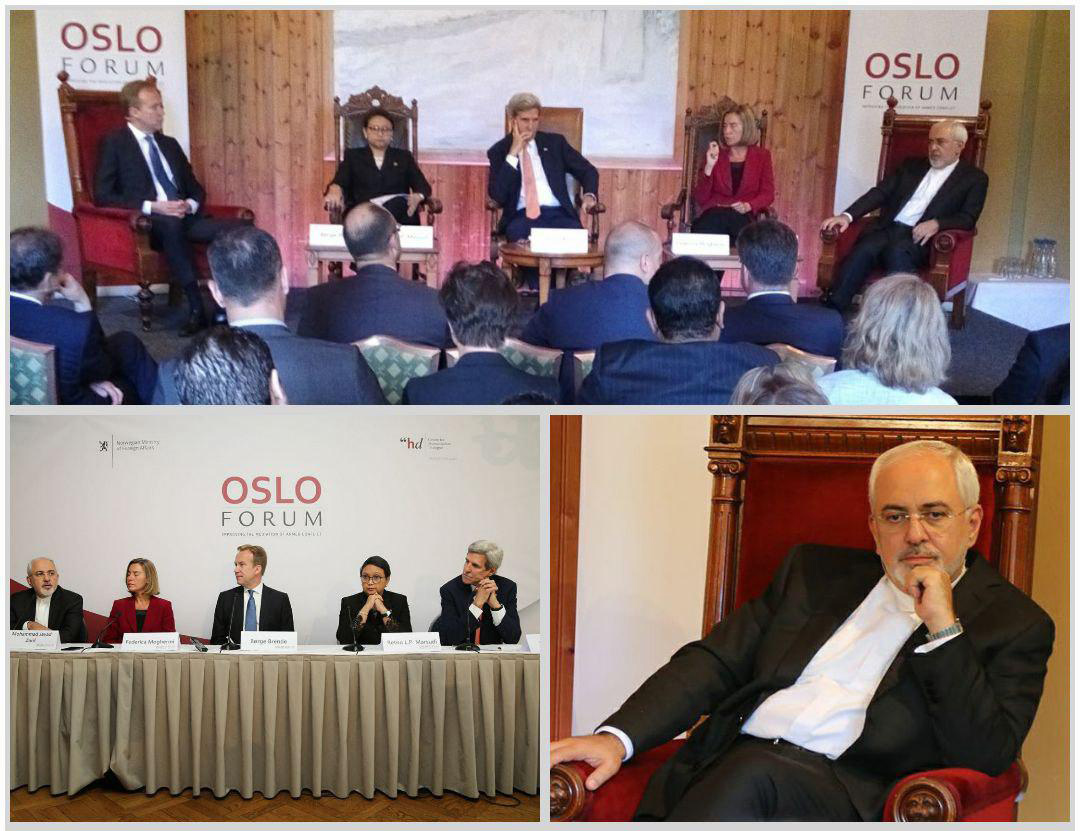
Zarif’s announcement came in an article published on the London-based al-Araby al-Jadeed media outlet on Saturday, in which he spelled out Iran’s conditions for peace.
“The realization of this issue, however, depends on the Saudi government ending its futile war and deadly attacks against the Yemeni people and abandoning its crackdown on the pro-democracy majority in neighboring countries,” he added.
He was reacting to Saudi Deputy Crown Prince and Defense Minister Mohammed bin Salman who recently said, “We will work to have the battle in Iran rather than in Saudi Arabia.”
Zarif said, “Some Arab governments have drawn our region into instability in recent years through escalating their destructive policies and measures.”
“Promoting and supporting extremist ideologies and presenting a violent and unrealistic image from Islam on the one hand, and sacrificing the interests of the regional countries through promotion of instability, bloodshed and fratricide on the other sums up these policies,” he said.
“These bellicose measures altogether would ultimately result in nothing other than serving the greatest enemies of the Muslim and Arab nations,” Zarif wrote.
The minister said the policy line currently being pursued by Saudi rulers is helping “the Iranophobia project which has been initiated and promoted by the Zionist regime for years.”
“Today, the stable Iran is seeking stability in the entire region because it knows that achieving security at home at the expense of insecurity among neighbors is basically impossible,” the article read.
Tensions between Iran and Saudi Arabia have escalated since the kingdom executed a prominent Shia cleric in January 2016.
The execution triggered angry protests in many countries, including Iran. Protesters attacked the Saudi Embassy in Tehran and its consulate in Mashhad, prompting Riyadh to cut diplomatic ties with the Islamic Republic.
The rupture was followed by exceedingly belligerent remarks against Iran by Saudi officials, including Salman and Foreign Minister Adel al-Jubeir.
On Monday, though, Iran’s Foreign Ministry said its response to such comments was that it did not seek tensions with Saudi Arabia.
Iran is critical of Saudi Arabia’s war on Yemen which has killed thousands of civilians and destroyed the impoverished nation’s infrastructure over the past two years.
Tehran has also lashed out at Riyadh’s assistance to militants fighting to topple the Syrian government as well as its contribution to the ongoing crackdown on pro-democracy protests in Bahrain.
Zarif touched on US President Donald Trump who is currently visiting Saudi Arabia on his first foreign tour since taking office.
“If the American president sees himself as a friend of the Riyadh regime and is loyal to his election campaign slogans, he should talk to it about the ways of containing Takfiri terrorists in the region and preventing other 9/11s from being repeated in Western countries by Saudi citizens.”
Zarif said, “Iran is ready to cooperate with regional and extra-regional countries on fighting terrorism and extremism and helping restore peace and tranquility in Syria.”
A biannual report published by the World Economic Forum (WEF) gave Iran a score of 66.6 in terms of price competitiveness and put it ahead of global tourism players such as Egypt, Malaysia, Russia, Turkey, Greece, Spain, the US, Franc and Italy.
The last 10 countries at the bottom of the list in the same category included Peru, Australia, Denmark, Senegal, Norway, Iceland, Barbados, Britain and Switzerland.
The price competitiveness of countries in the WEF’s “Travel and Tourism Competitiveness Index 2017” were measured by comparing costs relating to travel to and from a destination (travel costs including ticket prices, taxes, fuel rates, etc) and those relating to prices within the tourism destination (ground costs including hotel prices, service rates, food prices, etc).
Iran was also given a ranking of 38 in terms of cultural resources – the number of World Heritage natural sites, total known species, total protected areas and attractiveness of natural assets.
The country outperformed several European countries including the Czech Republic (42), Denmark (43), Hungary (45), Romania (46) and Norway (47) in the same category.
At the top of the list in the same group were China, Spain, France, Japan, Italy, Germany, Britain, Brazil, India and Mexico.
Overall, the WEF report showed that Iran’s overall travel and tourism competitiveness ranking had improved by four points over the past two years.
It identified Iran as the 93rd country with the appropriate set of factors and policies that enable the sustainable development of the travel and tourism sector. Those factors, it said, include business environment, safety and security, health and hygiene, human resources and the labor market as well as its readiness in terms of information and communication technology (ICT).
The country’s closest rivals in the Middle East with lower rankings are Lebanon (96) and Kuwait (100) and those with higher rankings include Jordan (75), Oman (66), Saudi Arabia (63), Bahrain (60), Qatar (47) and the UAE (29).
The top 10 best performing countries are Spain, France, Germany, Japan, the United Kingdom, the United States, Australia, Italy, Canada and Switzerland.
The bottom 10 worst performing countries are Benin, Lesotho, Nigeria, Mali, Sierra Leon, Mauritania, Congo, Burundi, Chad and Yemen.
Overall, the report said the Middle East and North
Africa, led by the United Arab Emirates (29th), had improved its travel and tourism competitiveness. Better ICT infrastructure, lower prices, partial improvements in international openness and some progress in nurturing cultural heritage have created better conditions to develop the tourism sector overall. Still, natural and cultural resources remain mostly underexploited, international openness is still limited and security perceptions remain the biggest hurdle, it emphasized.
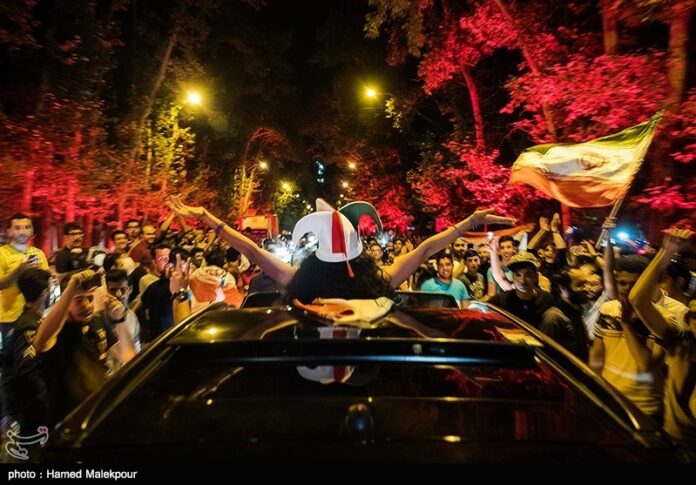
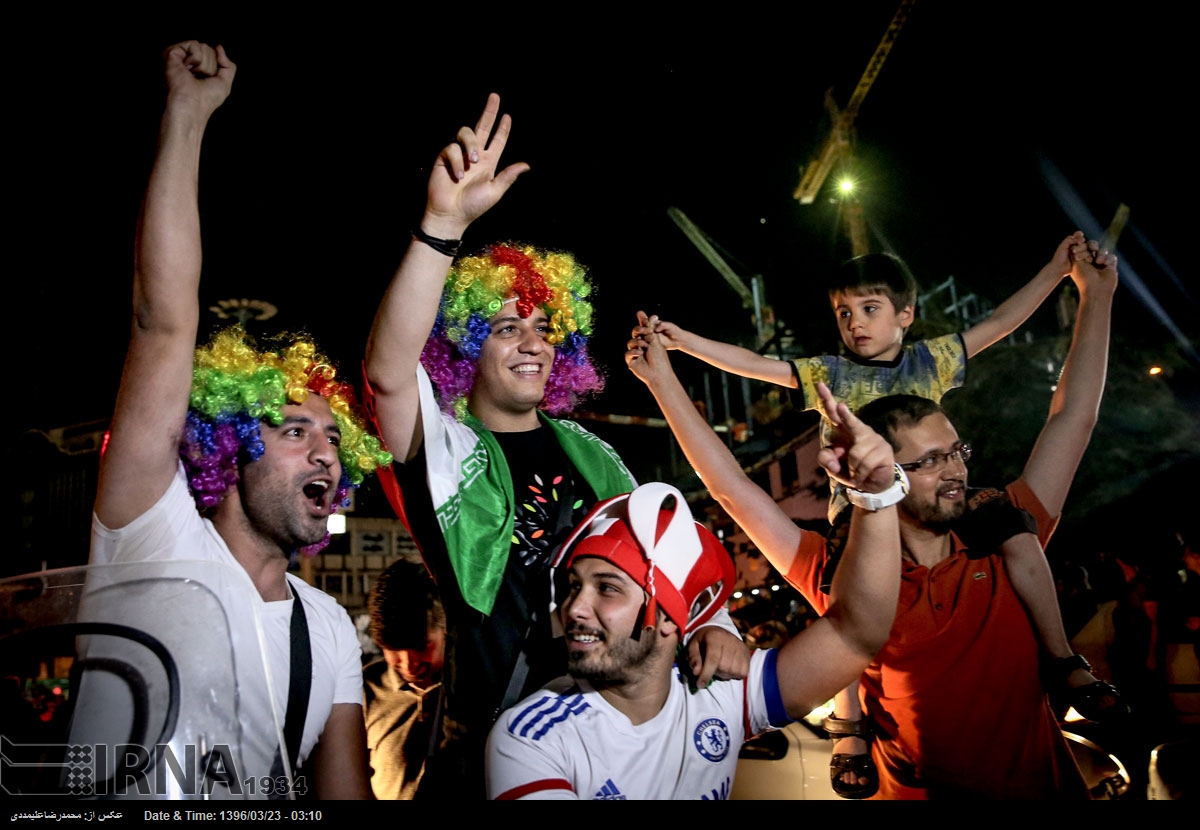
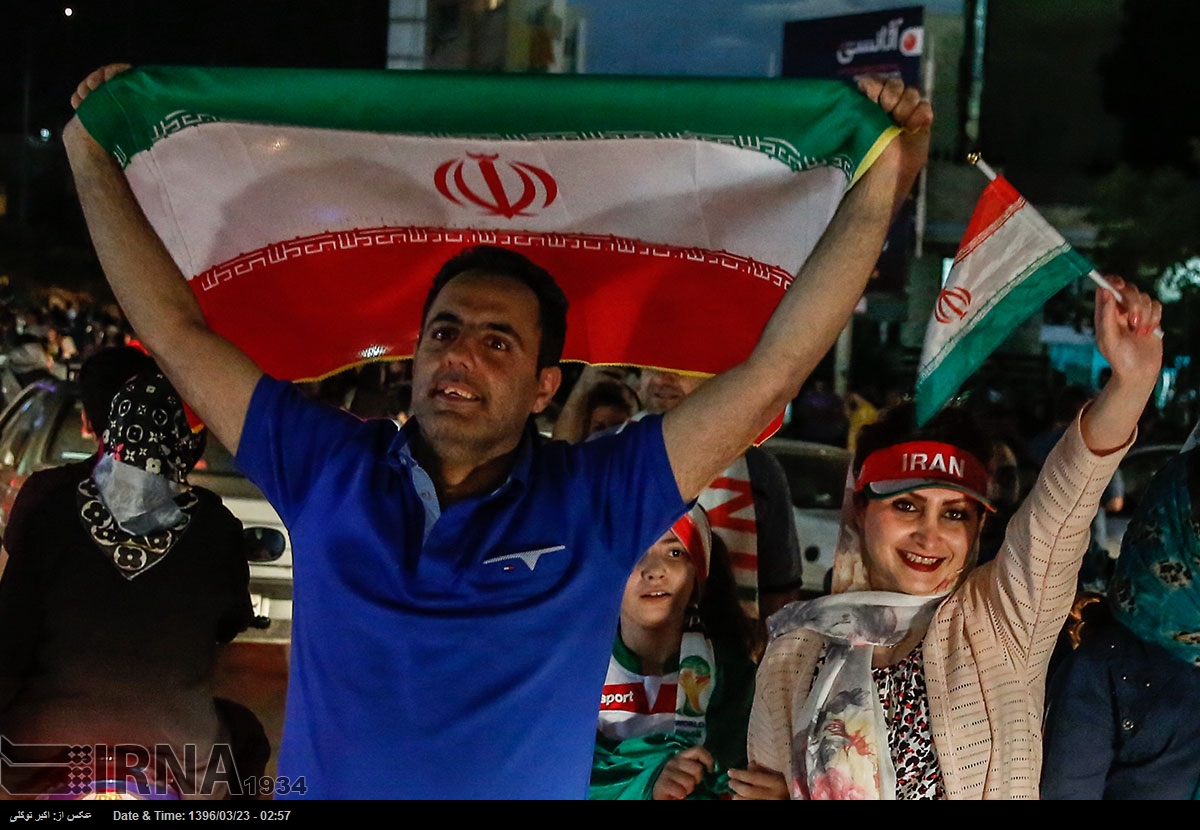
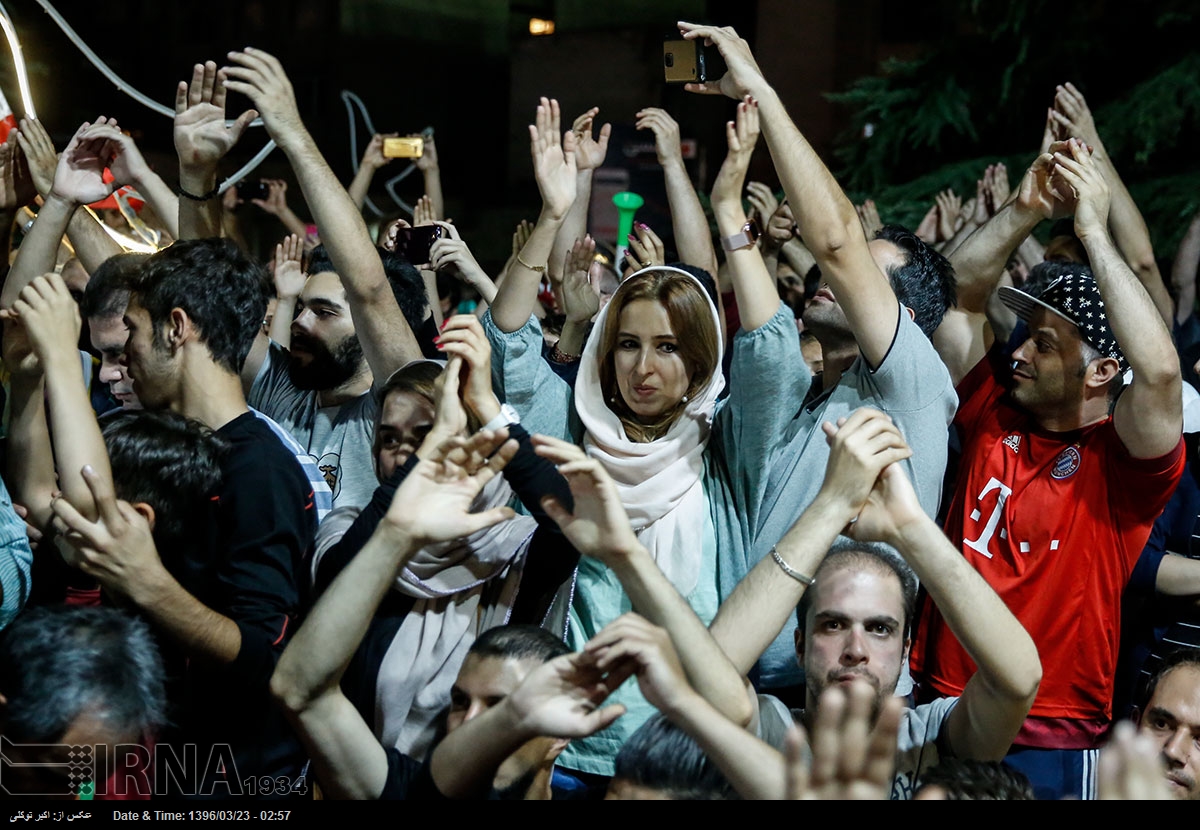
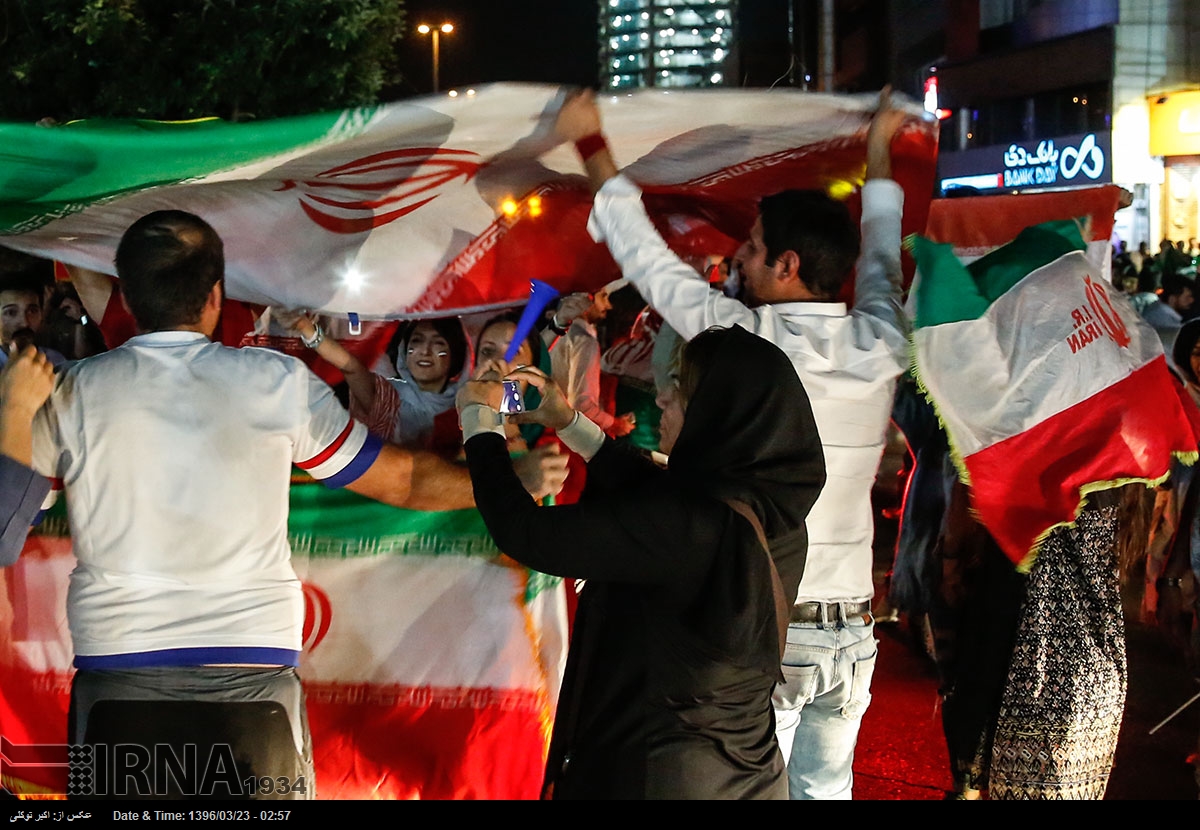
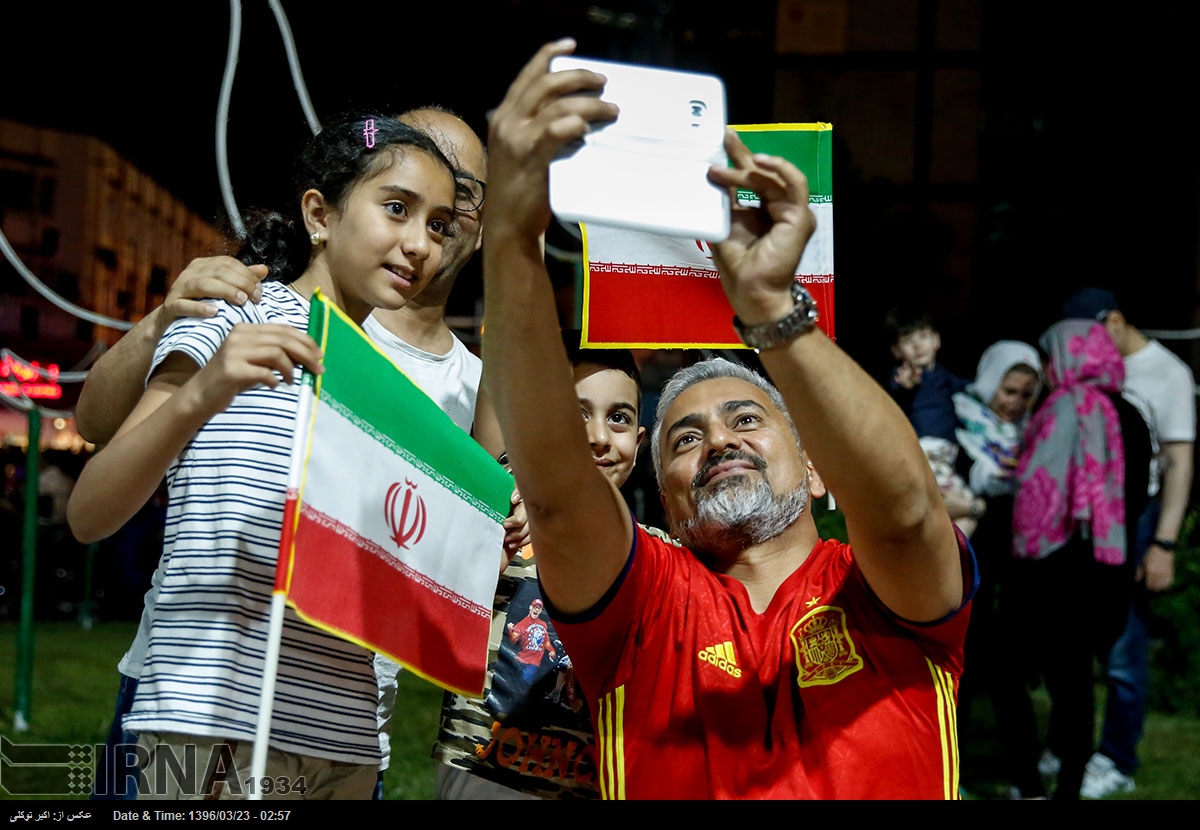
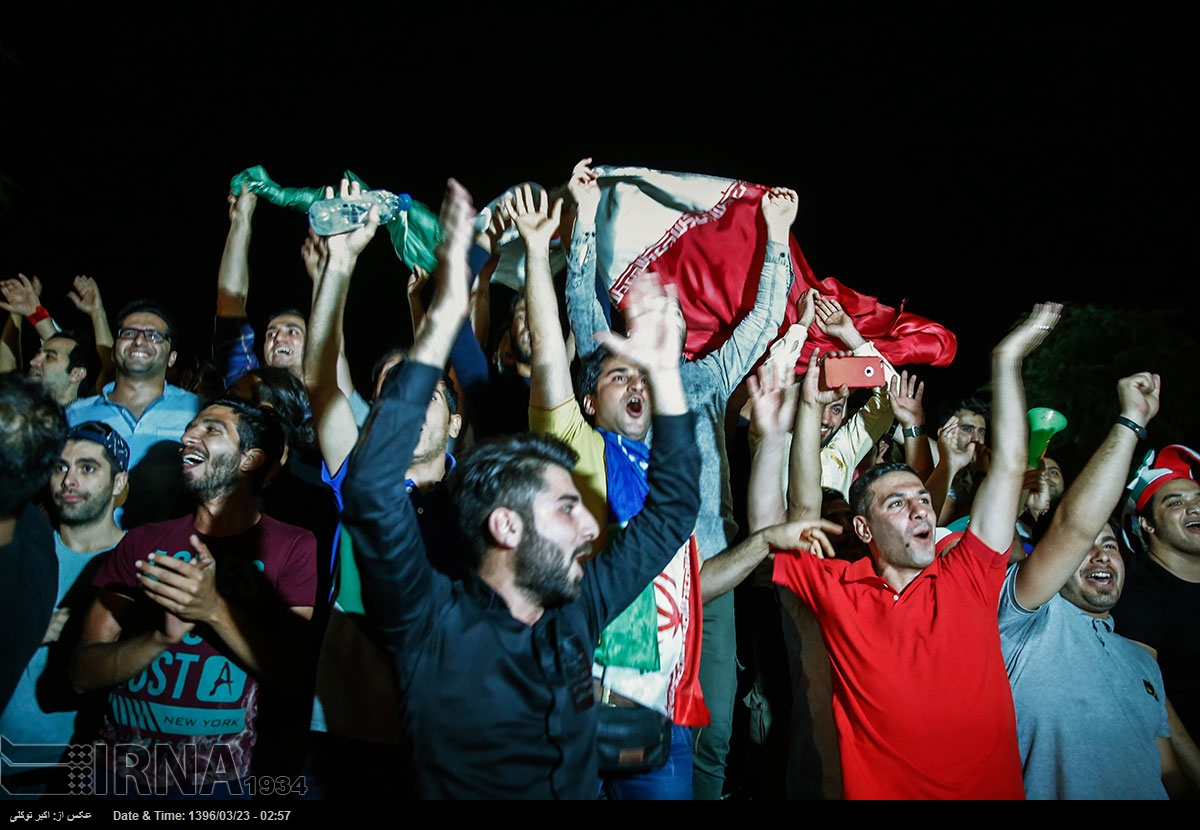
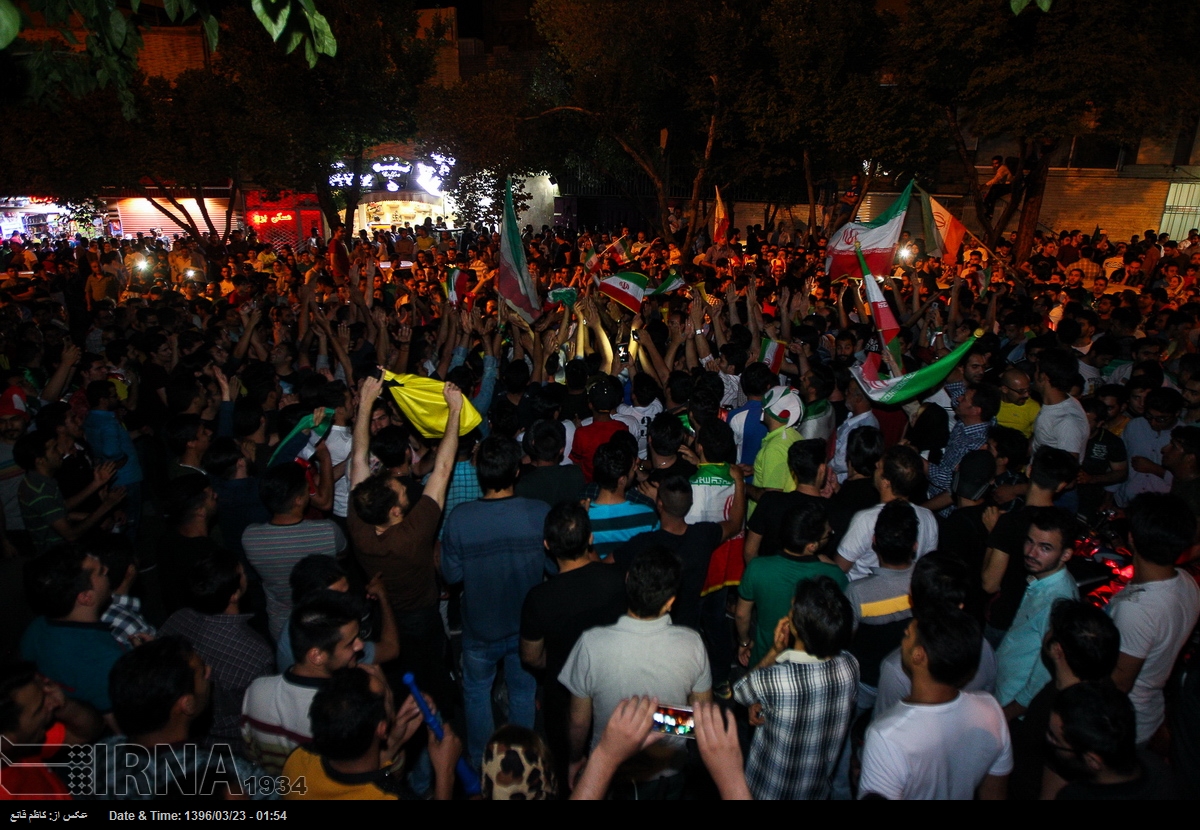
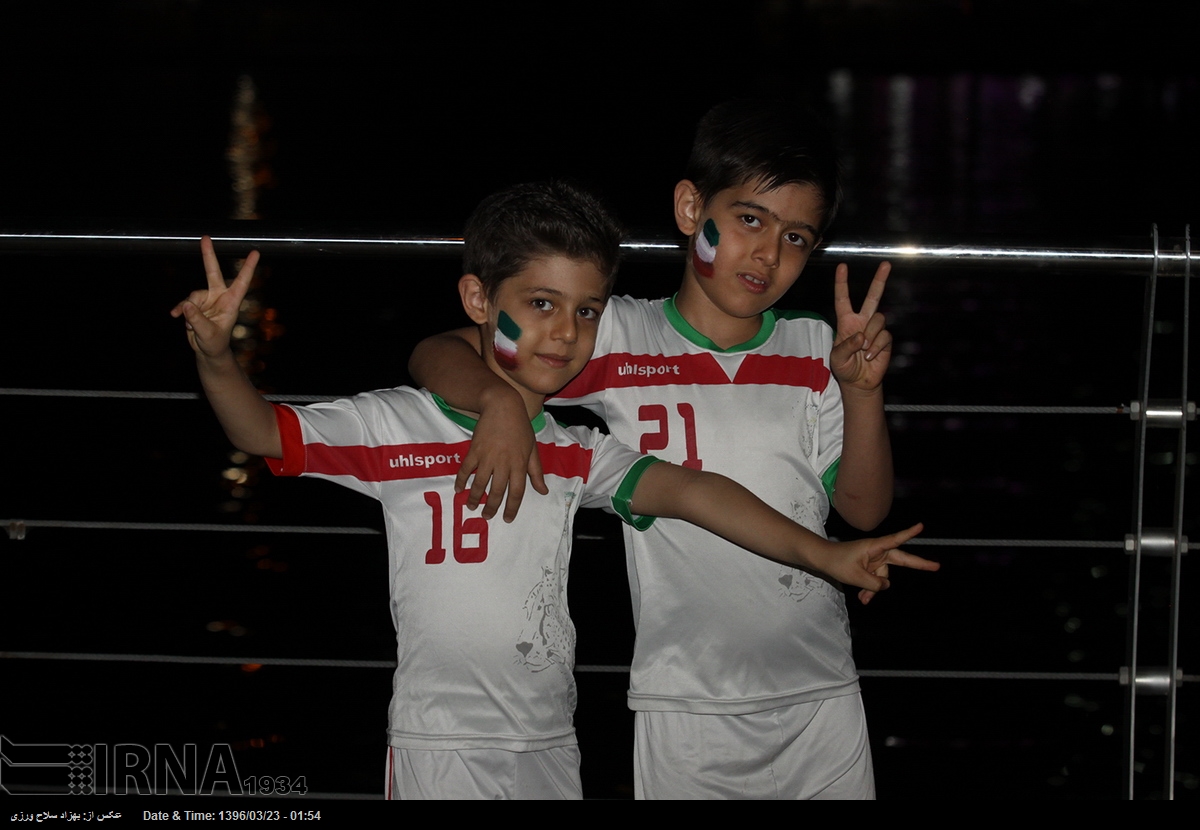
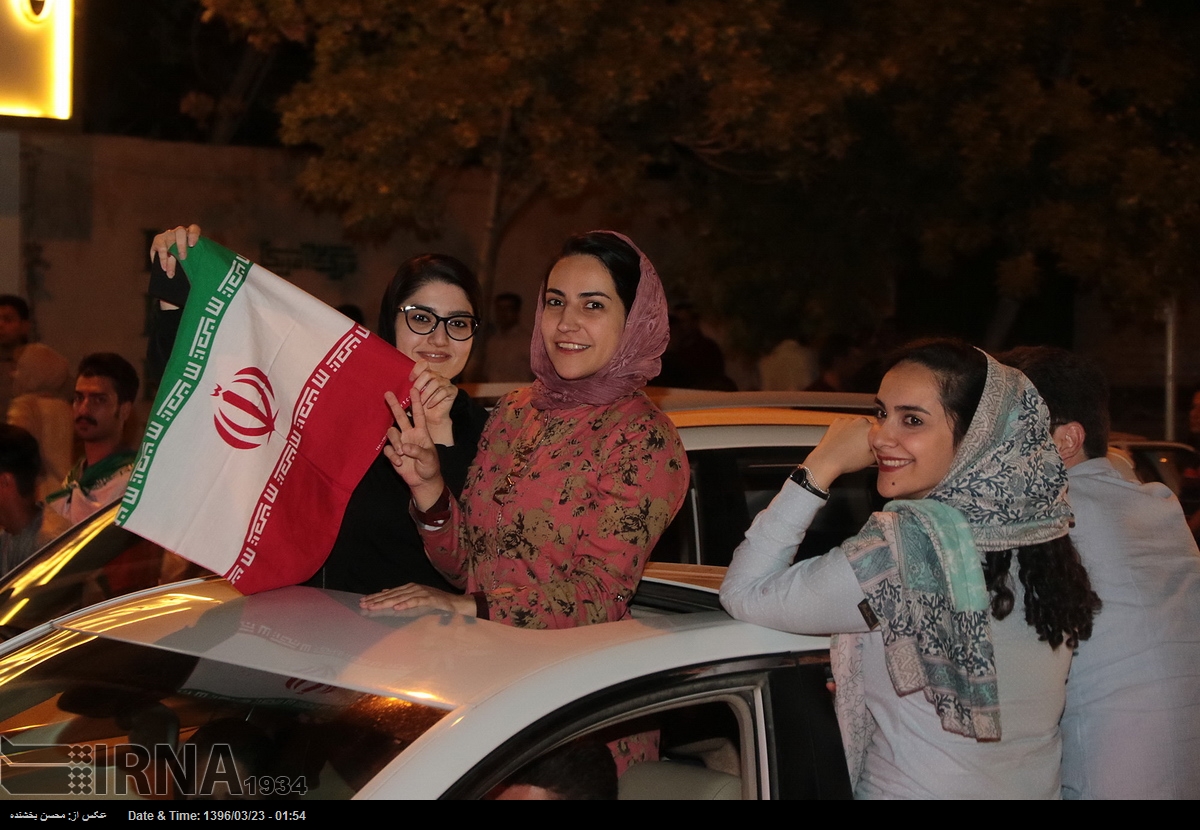
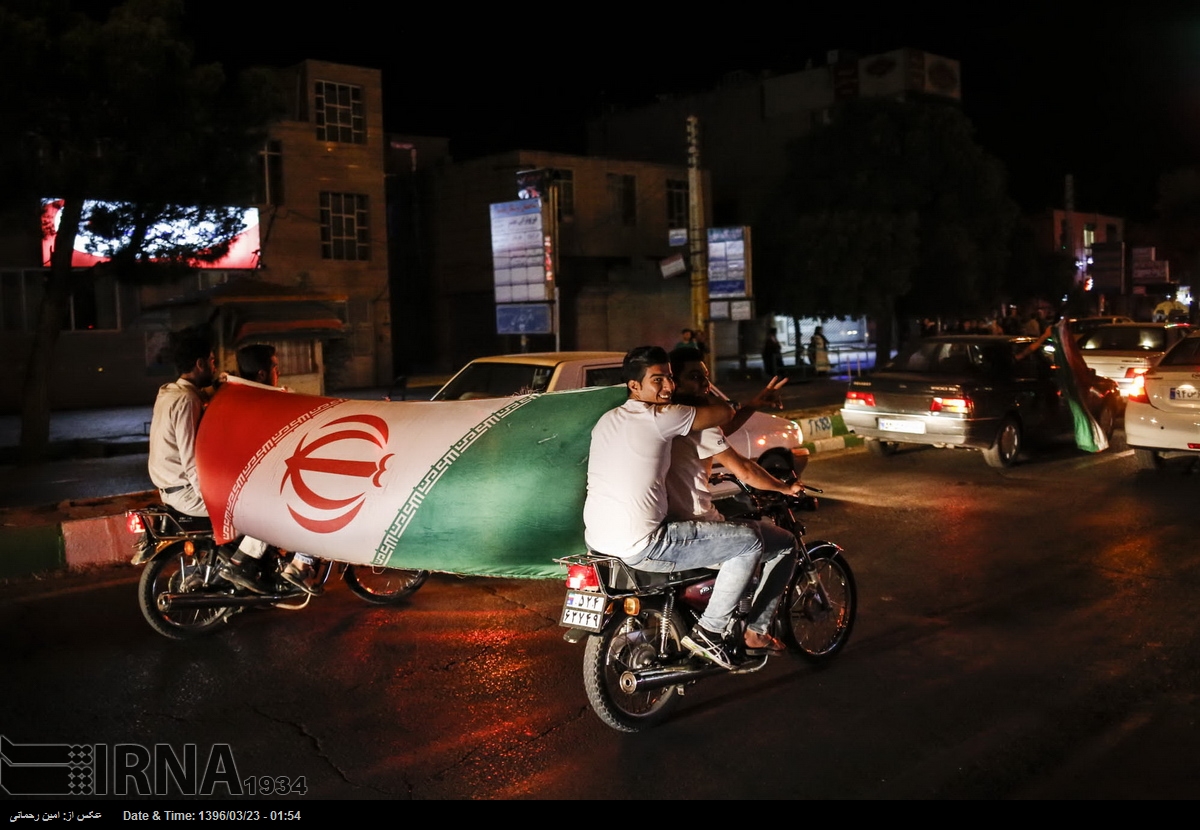
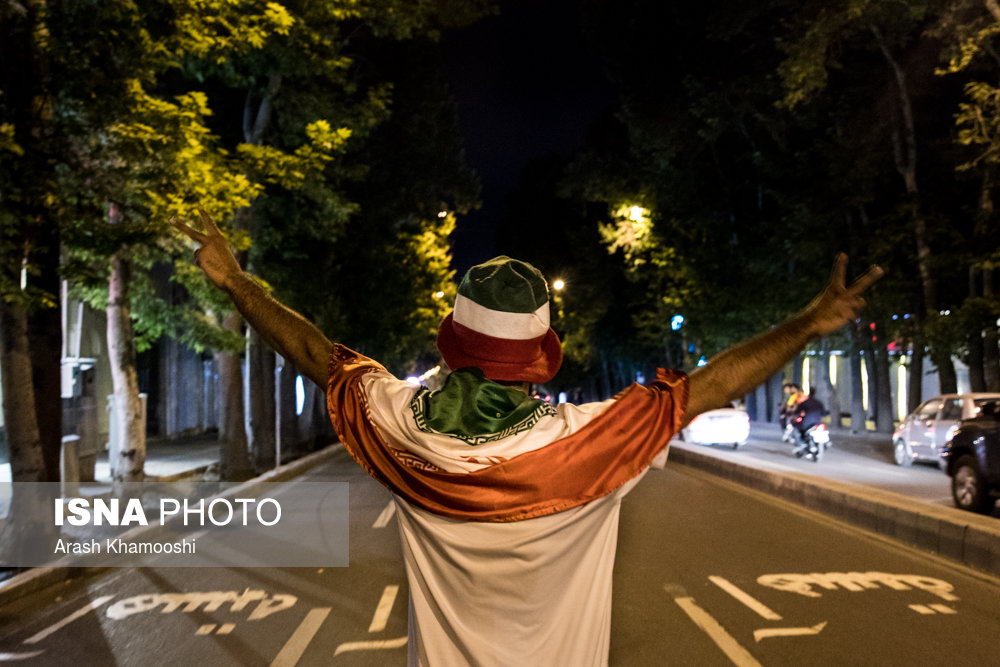
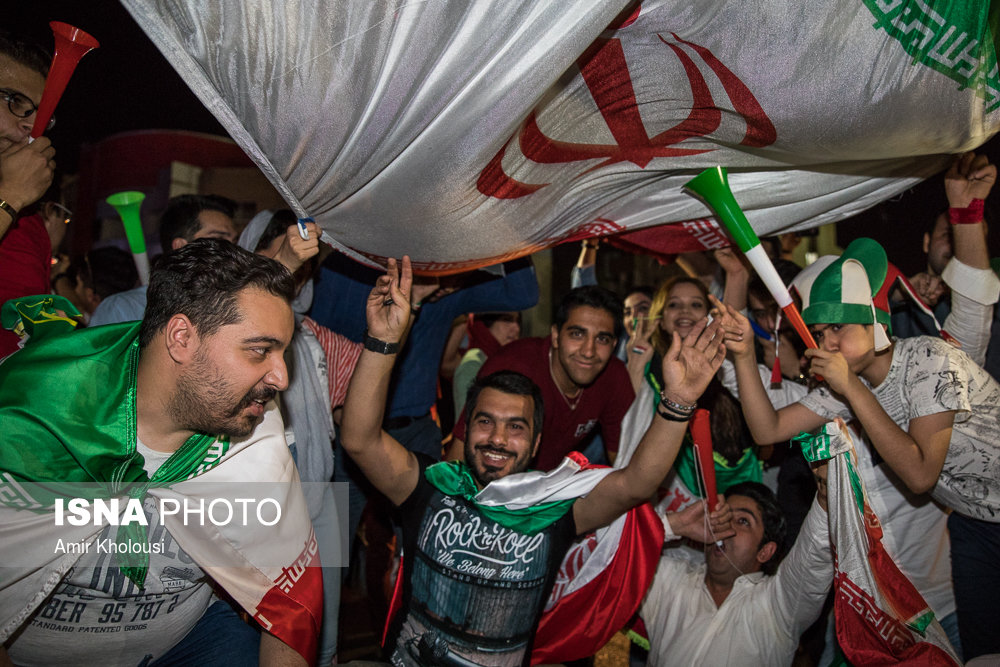
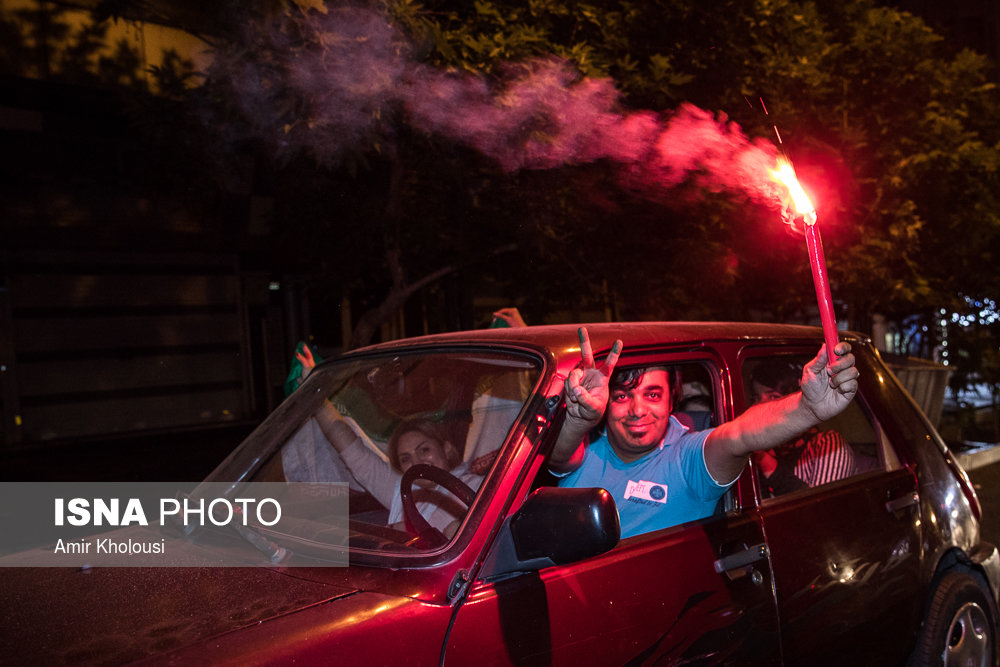
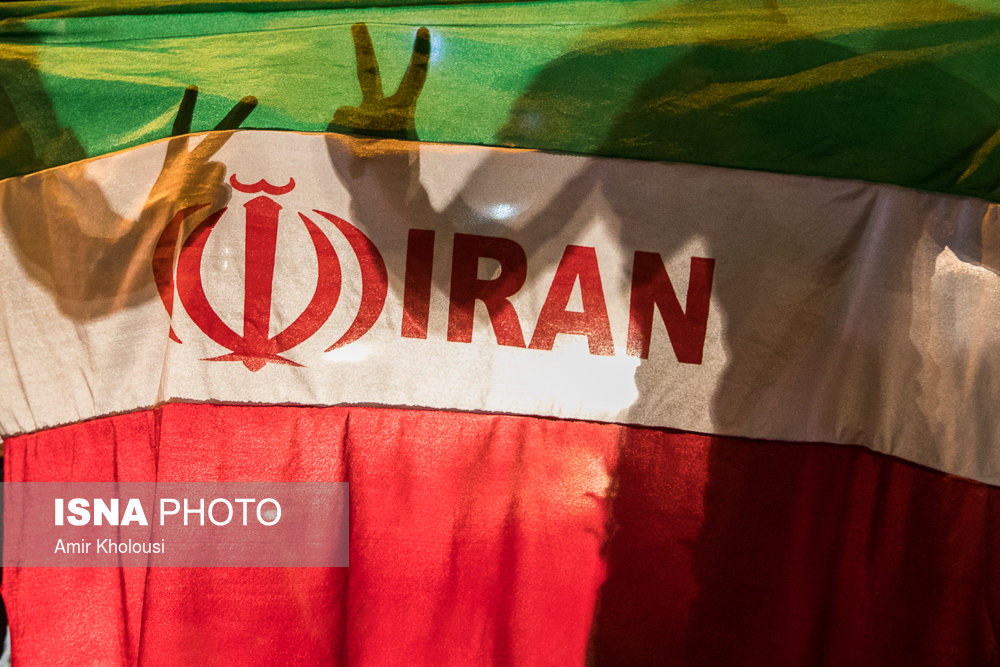
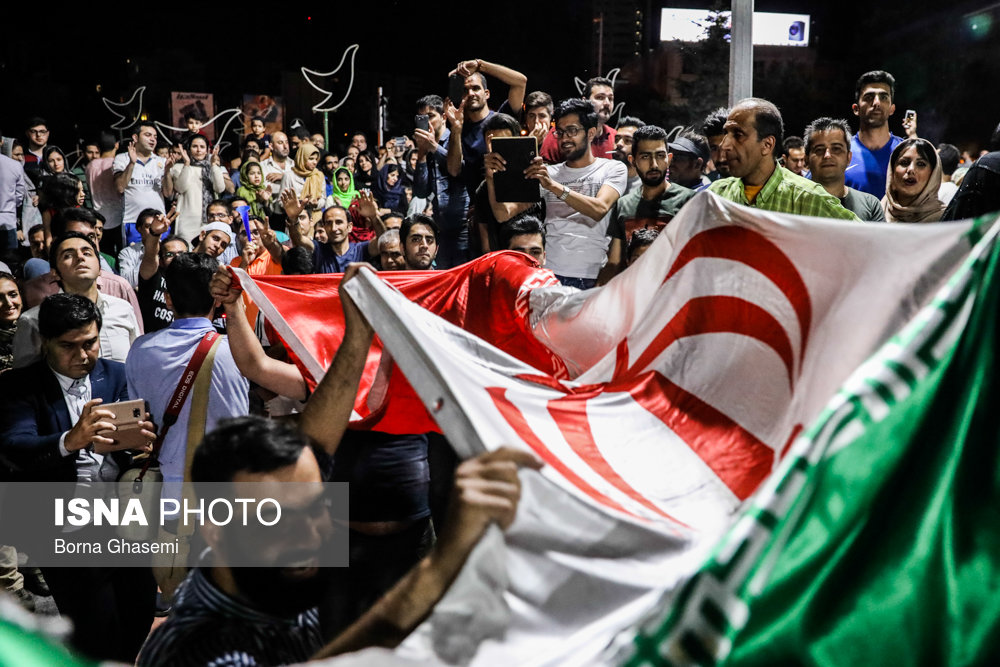
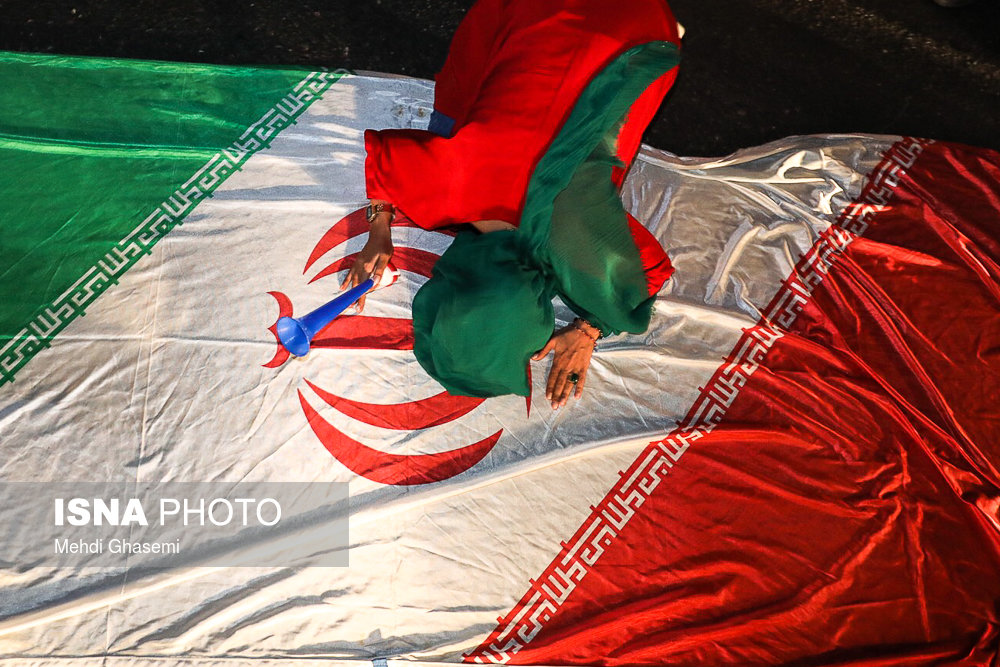
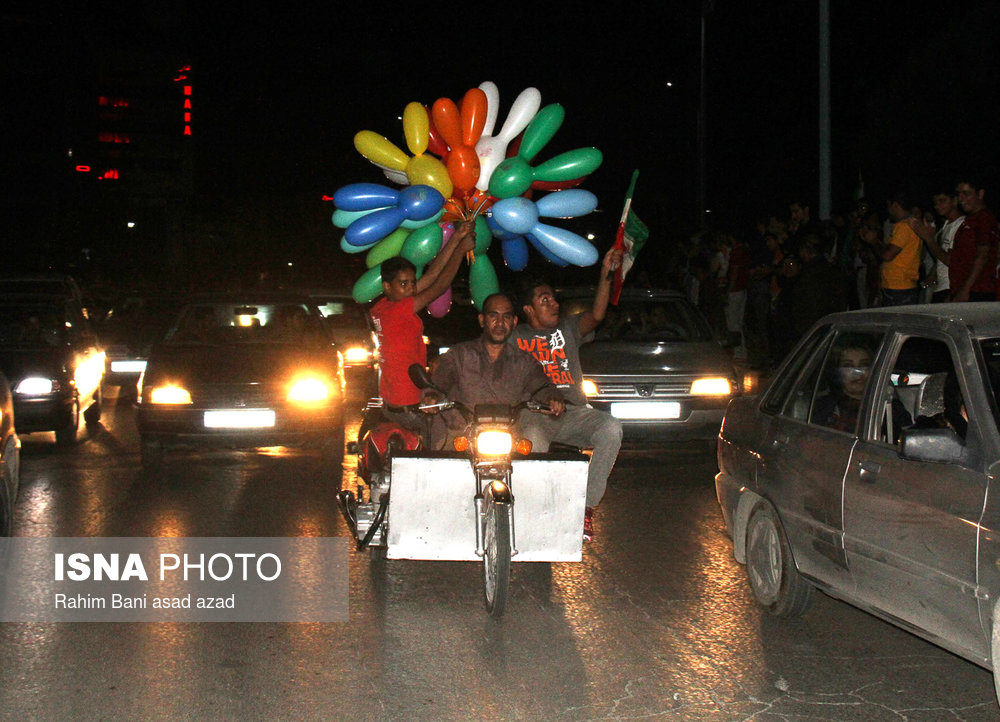
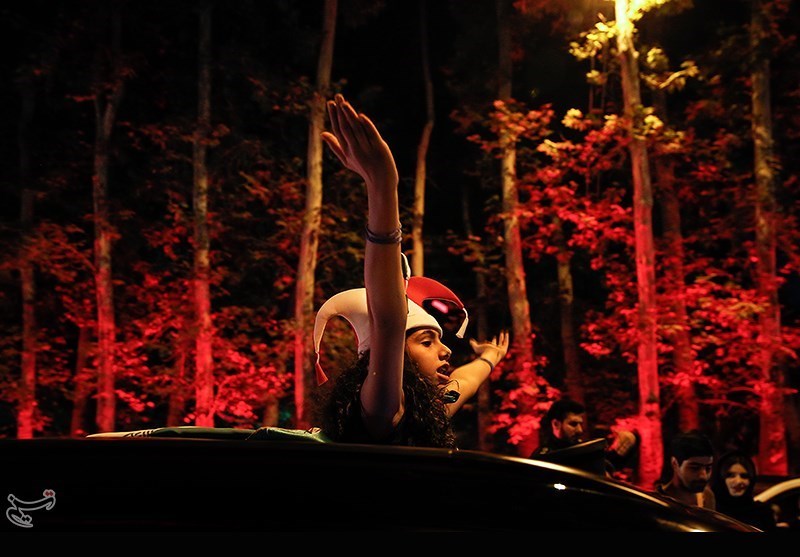
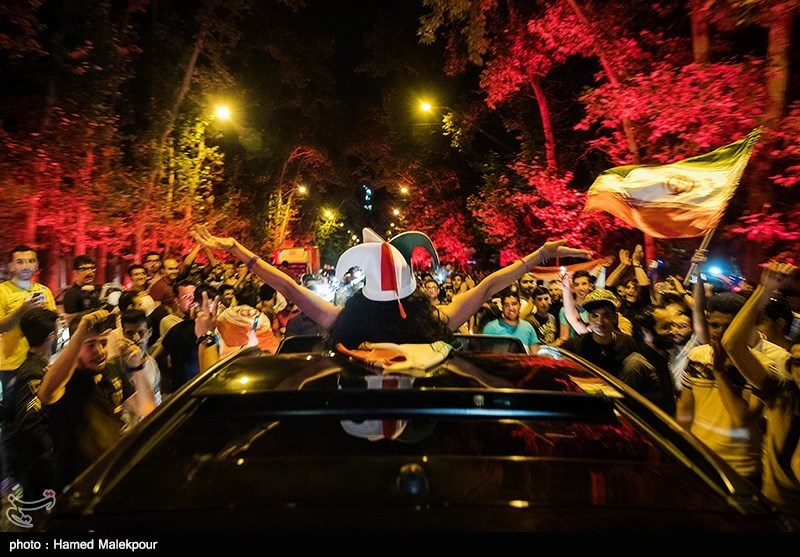
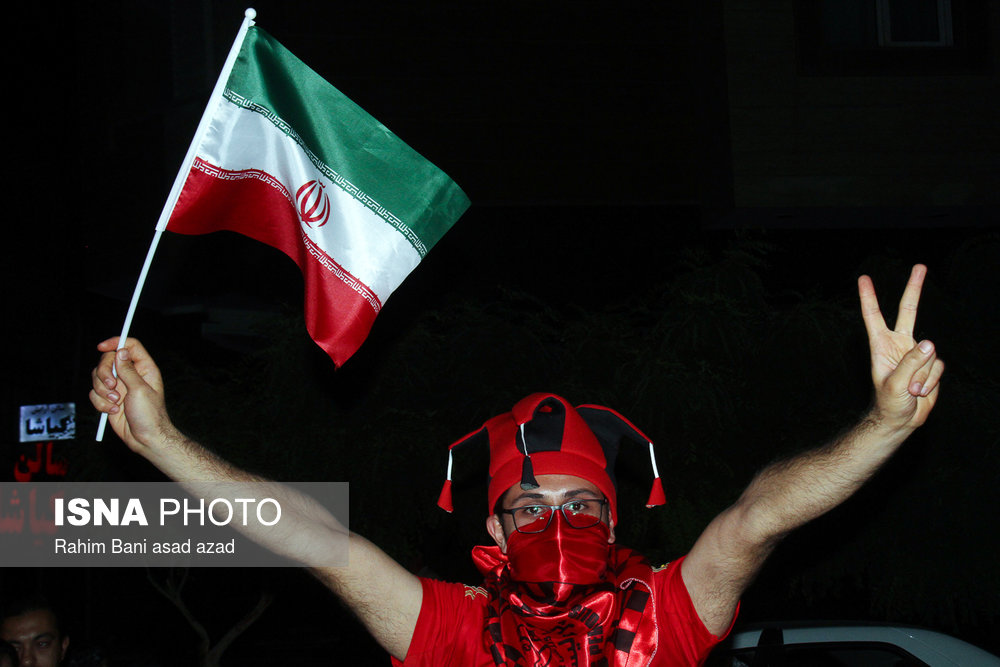
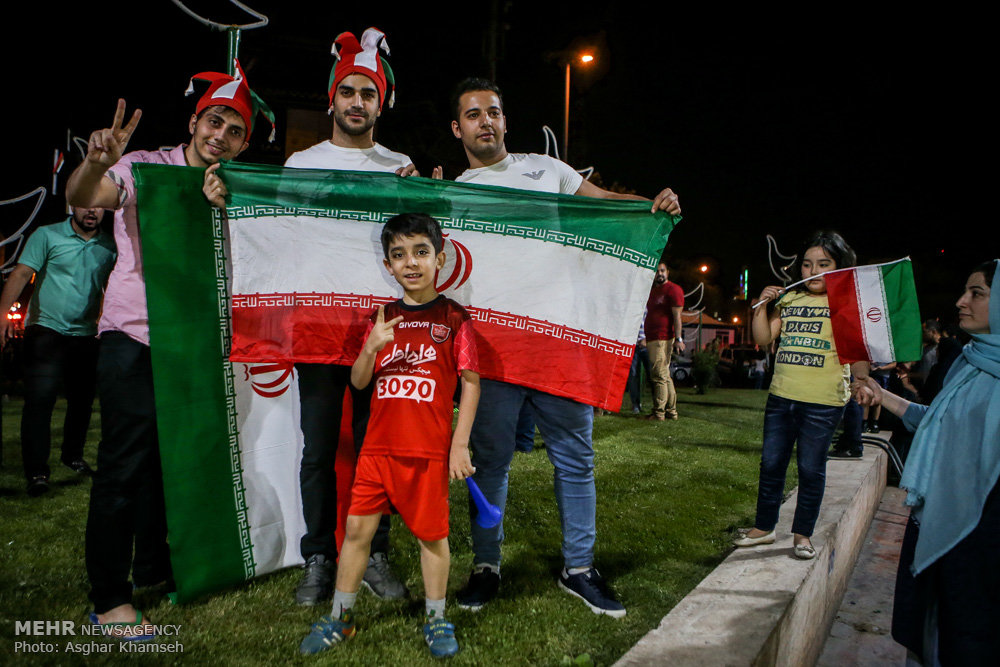
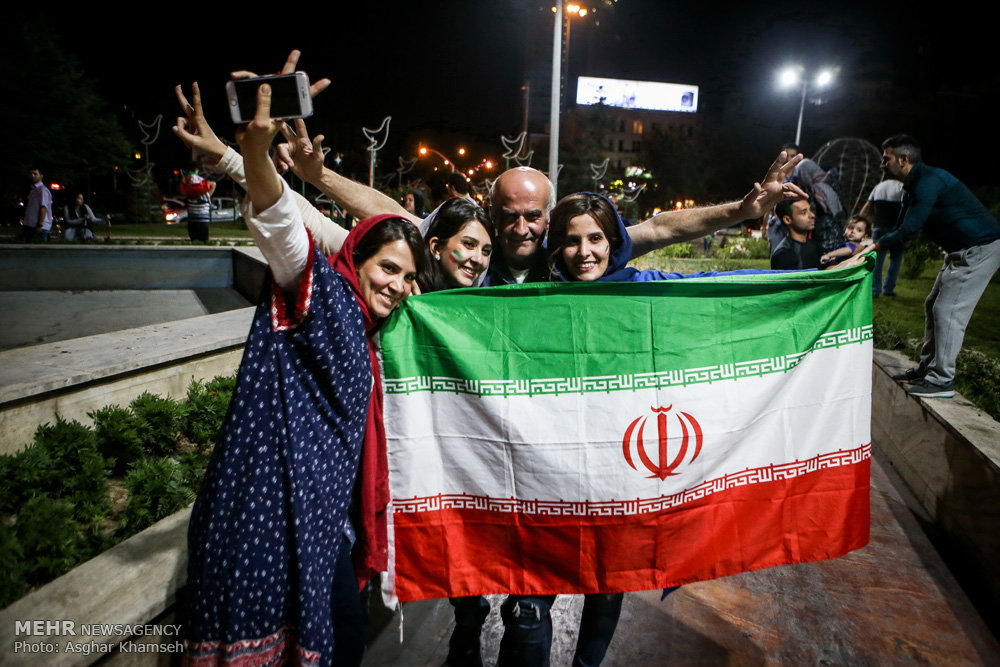
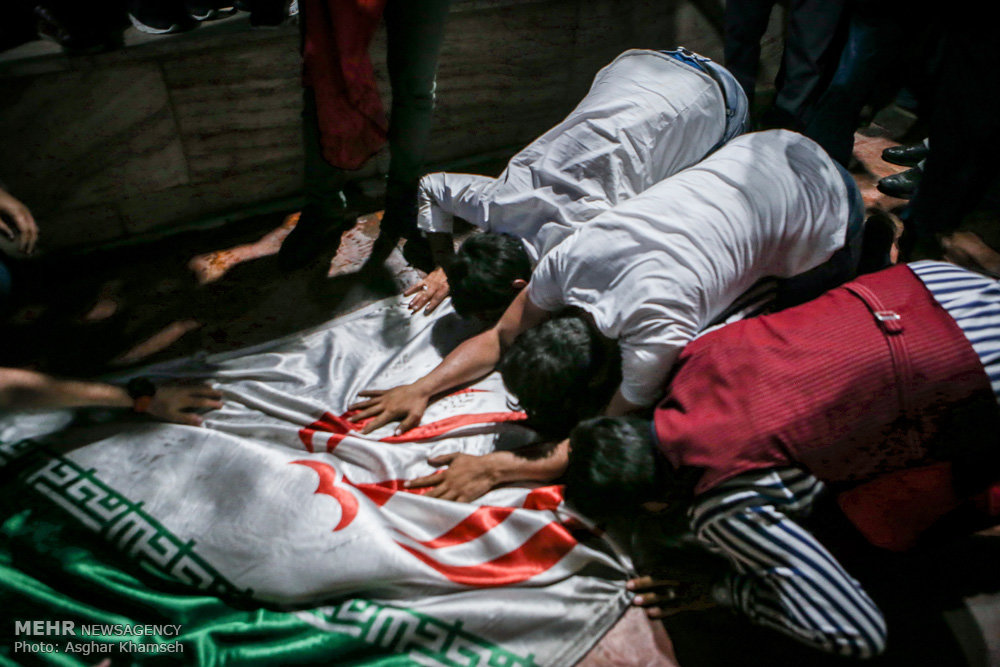
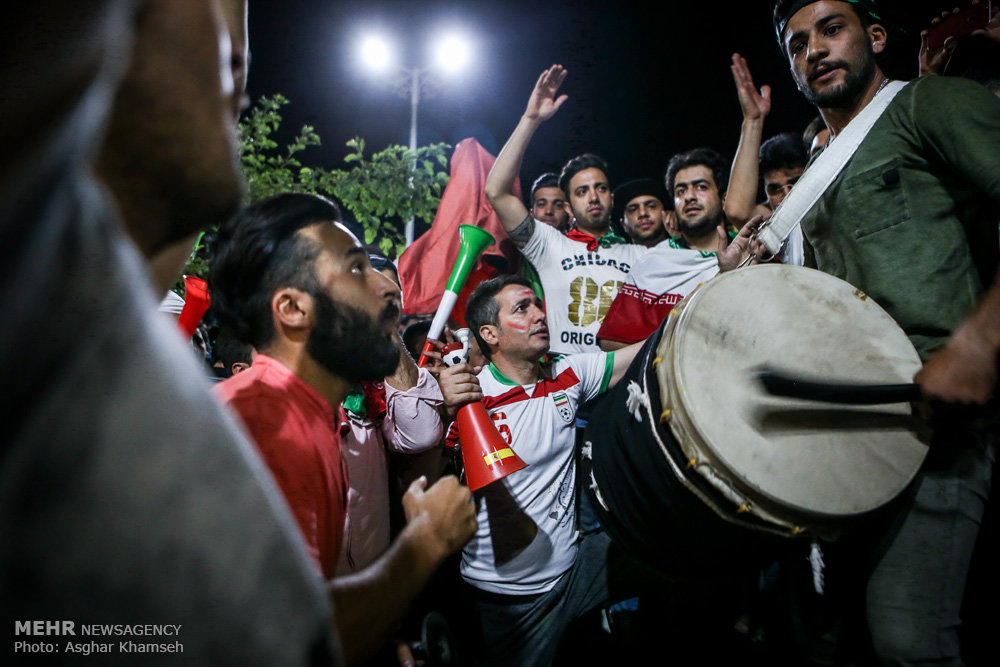
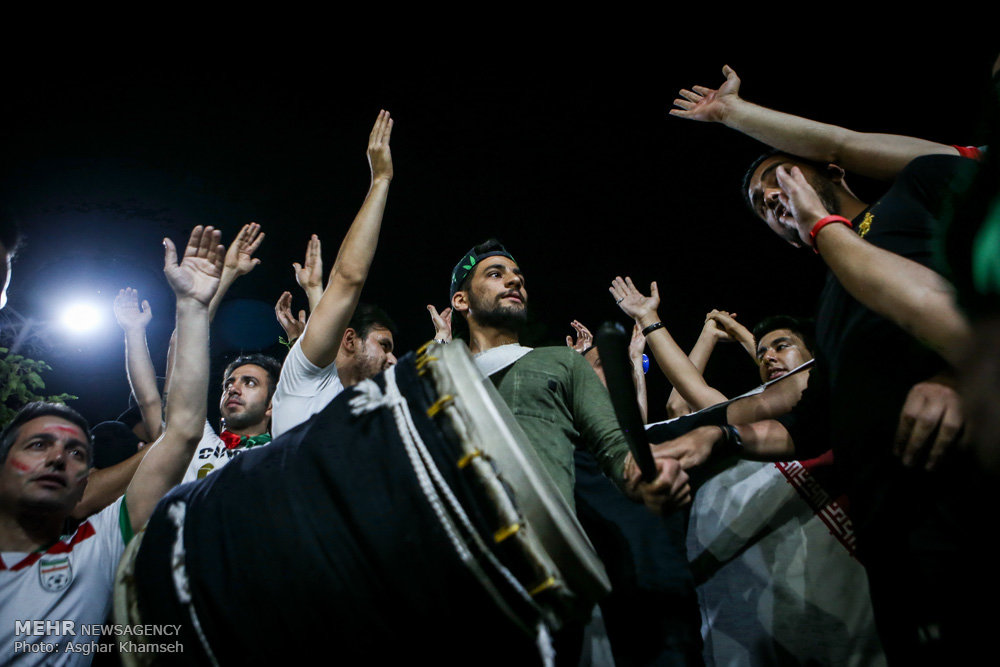
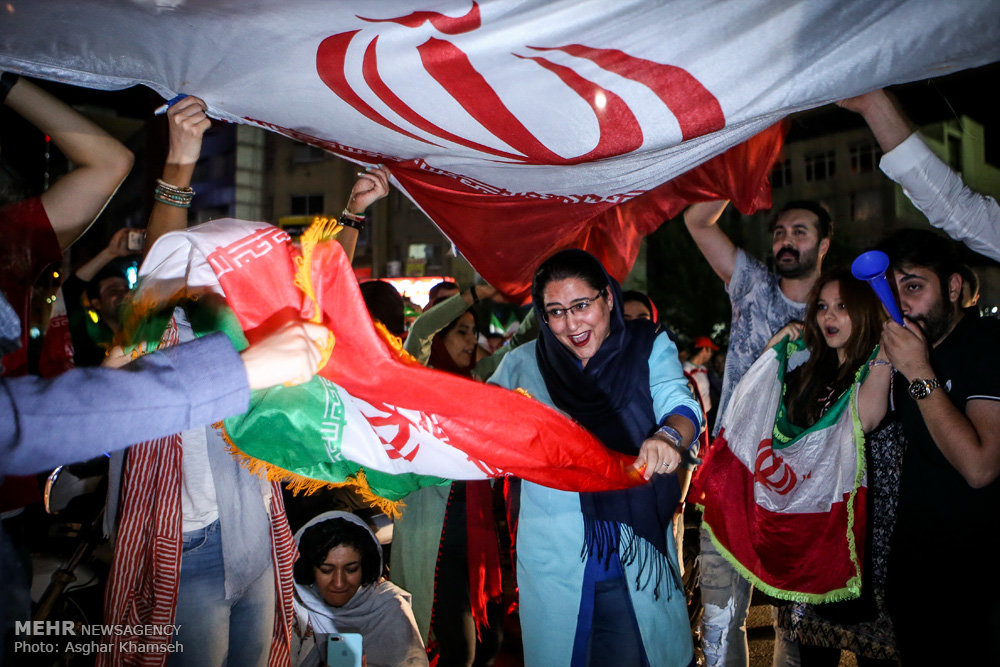
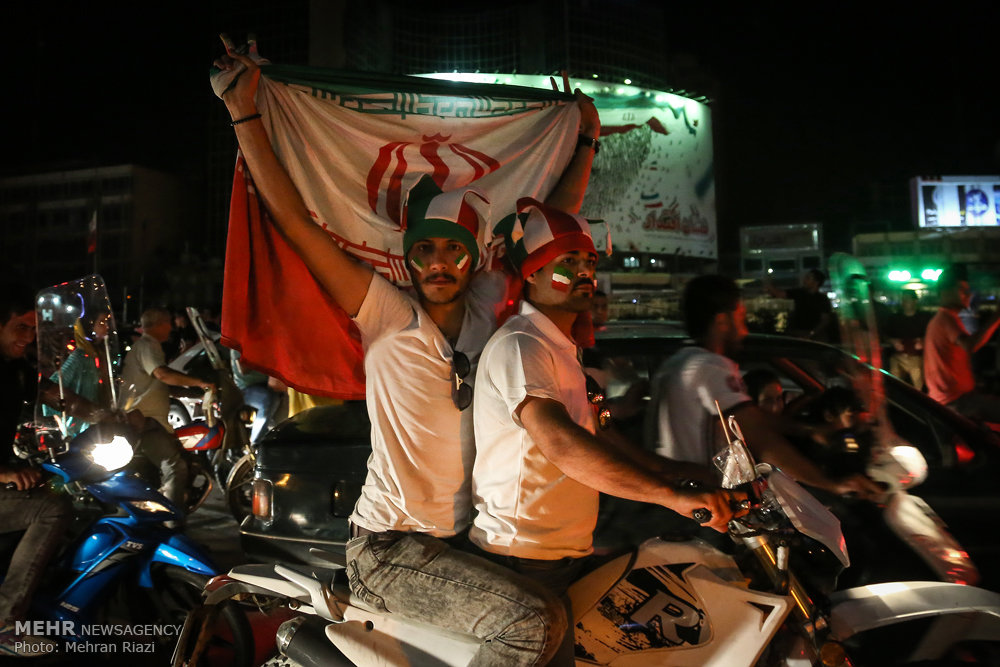
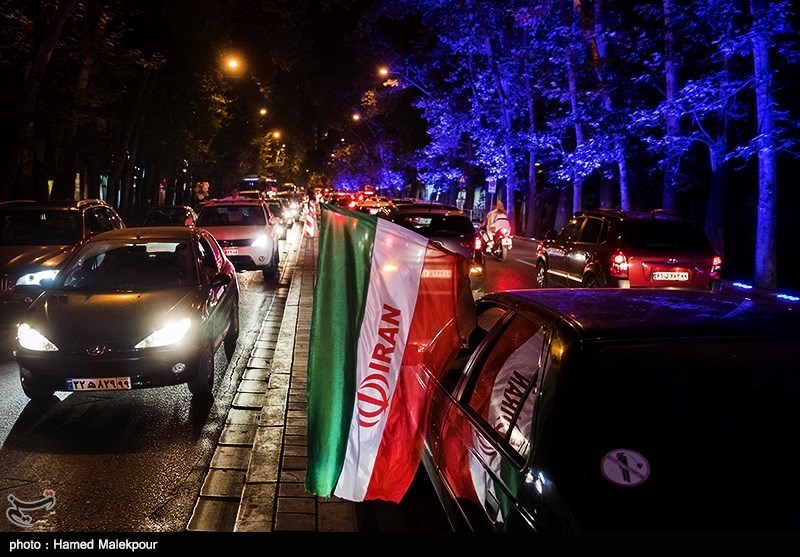
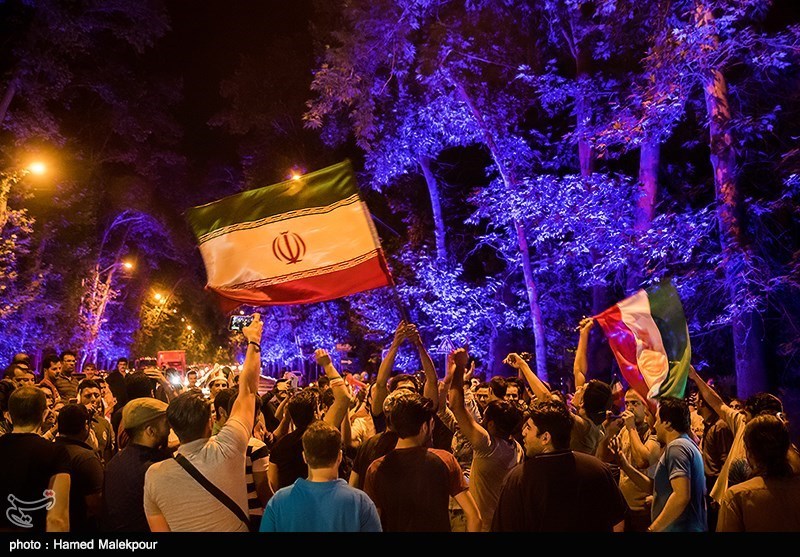
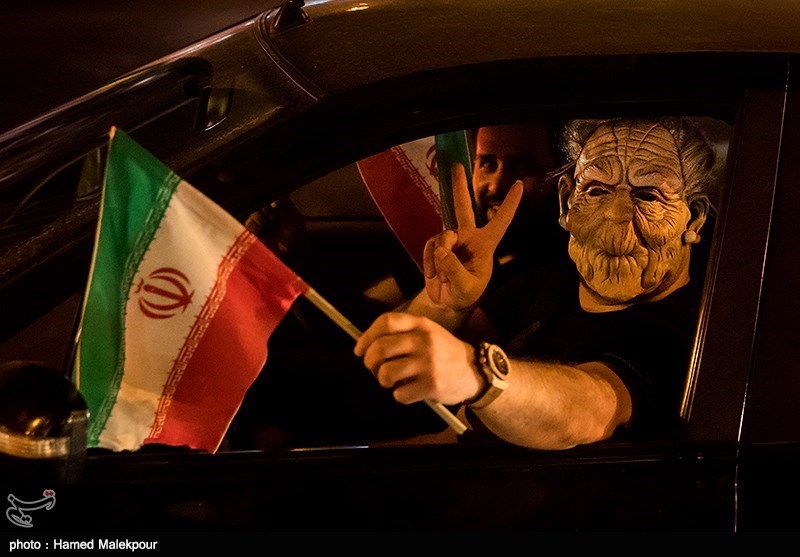
Videos and photos on social media showed huge crowds in all four corners of the country celebrating Rouhani’s re-election, which was officially declared earlier on Saturday.
Here are photos, collected from various news agencies, of Rouhani fans partying in the streets after his landslide victory:
President Hassan Rouhani’s victory in Iran’s May 19 presidential elections was widely covered today. Both moderate and conservative media highlighted the re-election in their front pages.
However, conservative papers focused more on a statement released by the Leader of Iran’s Islamic Revolution Ayatollah Seyyed Ali Khamenei, in which the president was advised to fight corruption and resolve the economic woes in his four-year term.
Another top story today was US President Donald Trump’s visit to Saudi Arabia, and the missile strikes by Yemeni forces on Riyadh ahead of the trip.
The above issues, as well as many more, are highlighted in the following headlines and top stories:
19 Dey:
1- Iran Leader: All Political Tastes Voted for the Establishment
2- Iranian People Choose Moderation
3- Iranian Nation Did a Great Job: First VP
Abrar:
1- Iranian Nation, Establishment Are Winners of Elections: Leader
2- Rouhani Becomes Iran’s President by Securing 57% of Votes
3- US Defence Secretary: We Hit Iran’s Military Convoy in Syria
Afkar:
1- Iran Leader: Elected President Should Fight Corruption as Top Priority
2- Insult to 16 Million Iranians: Rouhani Calls His Rival’s Fans Violent-Seekers
3- Conservative: Revolutionary Front Won’t Start Rebellion [against rival’s election]
4- Raisi’s Aide: Courageous Acceptance of Defeat Introduction to Victory
5- Status Quo is Extended
Aftab-e Yazd:
1- Salute to Mr Lawyer: Hassan Rouhani Remains Iran’s President
2- Rouhani: I’m the President of All Iranian People
Arman-e Emrooz:
1- We Won! ‘May God Give Us His Blessing’ [Islamic expression used by Rouhani]
2- Iran Smiles at Rouhani with 24 Million Votes
Asr-e Azadi:
1- It’s Now Time for Demands
Asrar:
1- A Fresh Beginning
2- I’ll Respect Critics’ Right to Criticize: Rouhani
3- People’s Meaningful Vote Gives Rouhani’s Gov’t Increased Power
Bahar:
1- Rouhani’s Message after Election: I’m President of Everyone, Even Opponents
2- 100-Percenter Government
Ebtekar:
1- President of All Iranian People
Emtiaz:
1- German, Dutch, British Firms Top List of Those Interested in Iran’s Petchem Industry
Etemad:
1- Leader: Iranians Are Winners of Iran Elections
2- People’s Lawyer: Rouhani Secured 23.5 Million Votes
3- Rouhani Vows to Remain Committed to His Plans, Promises
4- Repeated Victory: Reformists Win All Seats in Tehran City Council
Ettela’at:
1- Iran Leader Appreciates Epic Celebration of Elections
Farhikhtegan:
1- People Once Again Trust [Rouhani]
Ghanoon:
1- Iran Leader Appreciates People’s Epic Turnout
2- Rouhani: No One Loses in This Victory
3- Letter to Rouhani: Be Careful Not to Lose Pages of Hope
Haft-e Sobh:
1- A Great, Sweet Win, and Some Little Victories
How Everyone, Both Moderates, Conservatives, Gained from Iran Elections
2- Miracle of Valiollah in Khorramabad
Educated Street Vendor in Western Iran Elected to City Council
Hemayat:
1- All Complaints about Electoral Offences to Be Considered
2- Yemeni Army Fires Ballistic Missiles on Saudi Capital amid Trump’s Visit
3- 120 Arrested over Electoral Offences: Iran’s Judiciary
Iran:
1- Iran’s Bright Future until 1400 [2021]
2- President: I’ll Keep to Plans I Earlier Declared
Jame Jam:
1- Iran Leader’s Important Advice for Next Government
2- Rouhani: I’ll Ask for Everyone’s Help
3- Yemen Roars in Protest at Trump’s Tour of Middle East
Javan:
1- Iran Leader Urges Gov’t to Fight Corruption, Help Poor People
2- Just Like Previous Presidents, Rouhani Wins Second Term
3- Trump Visits a Place Where Democracy Has Never Existed
4- It’s Now Time to Join Hands and Resolve People’s Problems: Basij Commander
5- Iranian People Are Decent and Love Peace: US Translator
6- Iranians Ridiculed in Cannes!
Kayhan:
1- Iran Leader: Gov’t Should Prioritize Dealing with People’s Economic Problems
2- Rouhani: 41-Million Turnout Great Step towards Iran’s Development
3- Ansarullah Bombards Riyadh on Verge of Trump’s Arrival
4- Iran Has Shown Brilliant Example of Islamic Democracy: Rodney Shakespeare
Khorasan:
1- 23 Million Iranians Voted for Rouhani
Noavaran:
1- Rouhani Finished the Job: It’s Now Your Turn
Quds:
1- Raisi: I’ll Speak on Behalf of Deprived People
2- Riyadh, a Place to Fleece Arab Sheikhs!
3- Secrets behind Trump’s Visit to Saudi Arabia
Resalat:
1- Iran Leader’s Congratulatory Message: Iranian People Are Winners of Election
2- Rouhani: Winner of Iran Election is National Sovereignty
3- Terrorists Meet in Riyadh
Shargh:
1- Conquest of Tomorrow
2- Iran Leader: Now Think about Unity, Public Solidarity
3- President: Your Vote Helped Iran’s History Avert Doubt, Stoppage in Time