Monday, December 29, 2025
Home Blog Page 391

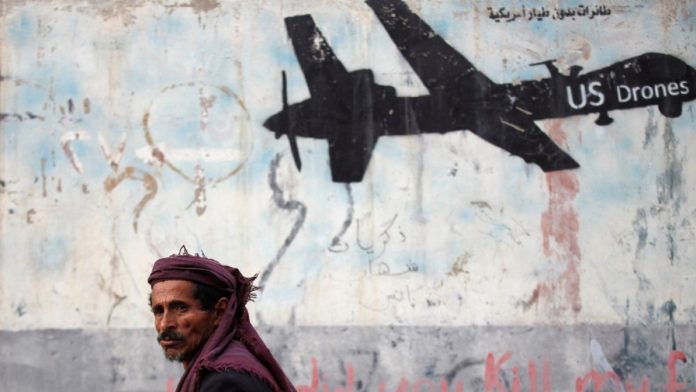
Yemen’s Houthi fighters shot down $200mN worth of US drones in recent weeks

The drones were destroyed between March 31 and April 22, according to defence officials, as the Houthis step up efforts to target United States aircraft operating over Yemen.

Three of the drones were lost in the past week alone, suggesting an improvement in the Houthis’ ability to strike high-altitude US aircraft.

The drones – each costing about $30m – were conducting surveillance or attack missions when they crashed into water or land. A defence official stated the strikes occurred on March 31 and on April 3, 9, 13, 18, 19 and 22, according to The Associated Press news agency.

Dozens of civilians have been reported killed in Houthi-controlled parts of Yemen since March 15 after US President Donald Trump ordered daily strikes against the group.

Central Command spokesperson Dave Eastburn said on Thursday that US forces have struck more than 800 targets, destroying command centres, weapons depots and air defences, and killing hundreds of Houthi fighters and leaders. This claim could not be independently verified.

Another US official, speaking on condition of anonymity, added the drone losses are under investigation but are likely the result of hostile fire, the AP reported.

The Houthis have targeted mainly Israeli, US and British ships passing through the Bab al-Mandeb Strait in protest against Israel’s war on Gaza. The group has announced the attacks would stop if Israel agreed to a permanent ceasefire.

The Trump administration appears to have shifted from targeting only infrastructure to deliberately striking figures within the Houthi movement.

The strategic change comes amid rising civilian casualties from the US-led campaign, according to Airwars, a UK-based monitoring group.

Airwars estimates that between 27 and 55 civilians were killed in US strikes during March. The group believes the toll in April is already considerably higher, though full figures remain unconfirmed.

Earlier this month, a US air strike targeted the Ras Isa port, also in Hodeidah, killing at least 80 people and wounding more than 150.

This was followed by another attack on Monday, which killed 12 people and wounded more than 30 others in Yemen’s capital Sanaa.

Concerns are growing in Washington over the human cost of the campaign.

Senators Chris Van Hollen, Elizabeth Warren and Tim Kaine have written to Defence Secretary Pete Hegseth, questioning whether the administration is abandoning its responsibility to reduce civilian harm, particularly after reports emerged about the high civilian death toll on the Ras Isa fuel terminal.
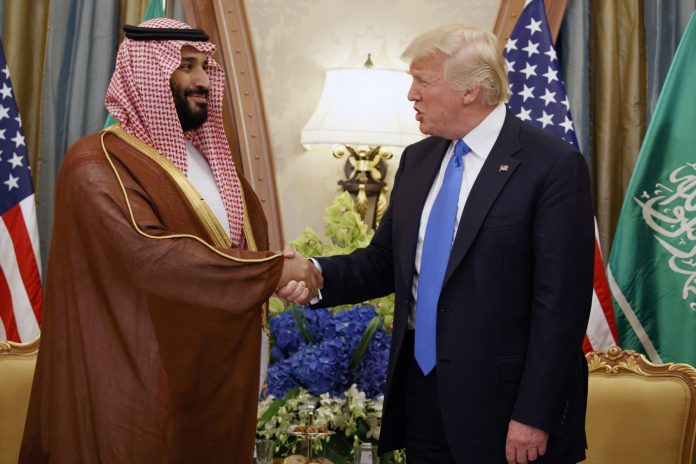
US plans to offer Saudi Arabia $100bn weapons deal: Reuters

The deal is reportedly in the works in advance of a planned trip by US President Donald Trump to Saudi Arabia, Qatar and the United Arab Emirates next month, Reuters reported.

Top defence contractors such as Lockheed Martin, RTX Corp, Boeing, Northrop Grumman and General Atomics are reported to be involved in the supply of advanced weapons systems, according to Reuters, and several executives from the companies are expected to join Trump’s delegation for the visit.

The sources cited by Reuters say the contractor could see Riyadh supplied with a range of weapons including C-130 transport aircraft, missiles and radar systems.

It is unlikely, however, that Saudi Arabia will gain access to Lockheed Martin’s F-35 fighter jet. Only a select number of countries can buy F-35s from the US, such as NATO allies, Japan, South Korea and Australia.

Trump’s predecessor, President Joe Biden, tried unsuccessfully to sign a new defence pact with Saudi Arabia with the broader aim of normalising relations with Israel. Biden’s pact also called for Riyadh to restrict Chinese investment and halt arms purchases from Beijing, but Reuters said it could not establish whether Trump’s proposed deal would call for similar restrictions.

Neither the White House nor Saudi officials immediately responded to the request for comment, but a US defence official told Reuters that “security cooperation remains an important component” of the US-Saudi relationship. None of the defence contractors named by Reuters replied to queries.

While the US has long supplied Saudi Arabia with weapons, sales dropped off in 2018 following the murder of Saudi journalist Jamal Khashoggi. In 2021, the US Congress banned the sale of offensive weapons to Saudi Arabia in the wake of the murder and Riyadh’s involvement in the war in Yemen.

The Biden administration began to soften its stance on Saudi Arabia in 2022 after Russia’s invasion of Ukraine impacted global oil supplies, and the ban on offensive weapons sales was lifted in 2024 as Saudi Arabia was seen as a key partner by the US in the post-war reconstruction of Gaza.

Iran says ready to give assurances regarding peaceful nature of its nuclear work

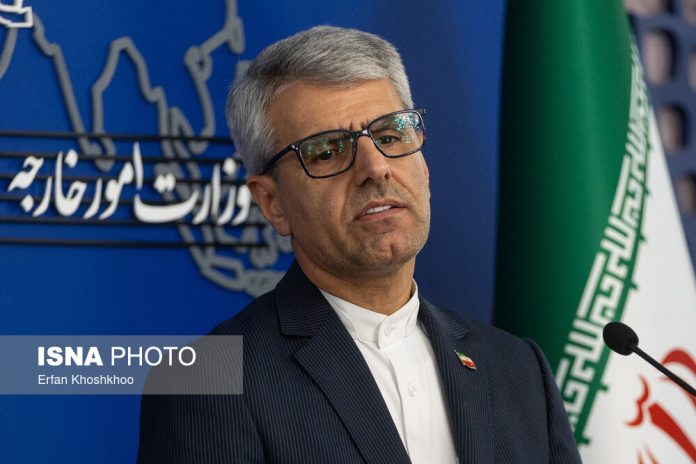
Esmael baghaei

On the eve of the third round of indirect nuclear talks between Iran and the US, Esmail Baqaei, emphasized that ending the illegal and inhumane sanctions against the Iranian people is an immediate and tangible priority for the Islamic Republic of Iran.

On Friday Iran’s Foreign Minister, Seyed Abbas Araghchi, arrived in Muscat for the third round of nuclear talks between Iran and the US.

Baqaei stated Tehran is determined to safeguard the legal and legitimate rights of the Iranian people to use nuclear energy for peaceful purposes.

The third round of the Iran-US talks is set to take place on Saturday under Oman’s mediation.

The Iranian Foreign Ministry spokesperson added: “We must see to what extent the other side is serious and prepared for a fair and realistic agreement.”

The first round of the Iran-US  talks was held in Muscat, and the second round took place in Rome.

On Saturday, alongside expert-level meetings, talks will be held between Iran’s Foreign Minister Araqchi and US President’s Special
Envoy Steve Wittkof in the Omani capital.

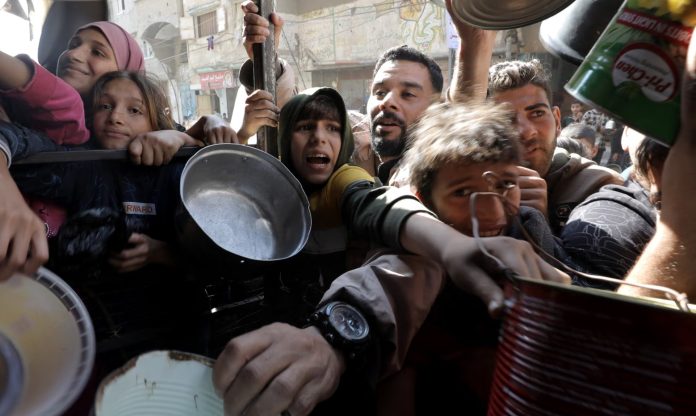
Iran spokesman: Preventing aid from entering Gaza war crime

Gaza War

Esmail Baqaei, referring to the intensification of the Zionist regime’s attacks on Palestinian refugee camps and temporary shelters, called for decisive global action to prosecute and punish the leaders of the Zionist regime for genocide and war crimes.

Baqaei criticized the United Nations Security Council’s inaction regarding these crimes, stating that the US and certain European countries—which continue to provide military aid to the Zionist regime—are complicit in these atrocities.

The Iranian Foreign Ministry spokesperson stressed that the Zionist regime’s continued impunity, the ongoing slaughter of defenseless people in Gaza and the West Bank, and the occupation of parts of Lebanon and Syria severely threaten peace and security in West Asia.

Baqaei also strongly condemned the Zionist regime’s repeated violations of Lebanon’s sovereignty and territorial integrity, breaches of ceasefire agreements, and the assassination of political and social activists in the country.

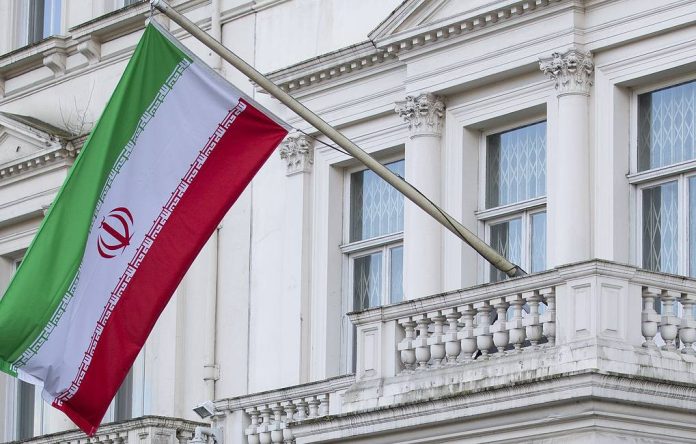
Iran’s Mission Denies Dutch Terror Allegations as Baseless

Iran Embassy UK

In a statement, the embassy emphasized Iran’s status as a major victim of terrorism and its strong commitment to combating all forms of terrorism.

The Dutch intelligence agency recently released a report accusing Iran of links to two alleged assassination attempts in Europe, claiming that two individuals were arrested in June 2024 for attempting to kill an Iranian resident in the Netherlands.

In response to these accusations, the Iranian ambassador was summoned to the Dutch Foreign Ministry.

The embassy’s statement described the allegations as baseless and suggested they are part of an effort by some to pose as victims for political gain or privileges from host governments.

It further noted that many individuals and groups responsible for terrorist acts in Iran, who openly admit to or take pride in such actions, operate freely in Europe with the backing of Western governments, often fueling such claims.

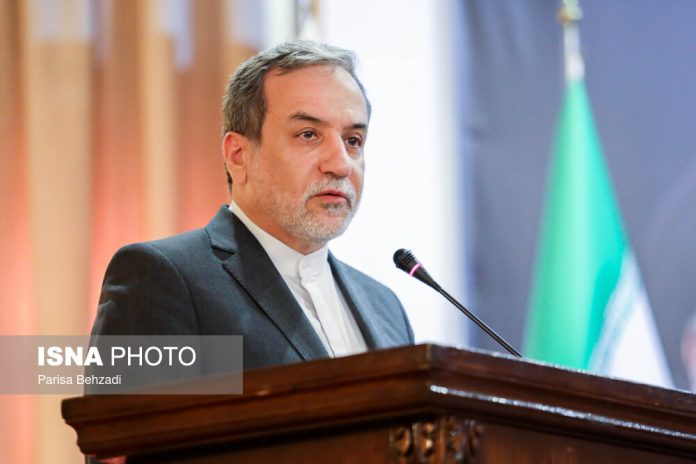
Iran FM calls for robust Islamic action against Israel crimes

Iranian Foreign Minister Seyyed Abbas Araghchi

In a telephone conversation with his Indonesian counterpart, Sugiono, the Iranian foreign minister identified the ongoing occupation and massacre of the Palestinian people as the most pressing issue confronting the international community.

He noted that the Zionist regime, with comprehensive backing from the United States and certain other Western powers, has turned the Gaza Strip and the West Bank into zones of genocide and torture against innocent Palestinian civilians.

He warned that despite the issuance of arrest warrants by the International Criminal Court and provisional measures by the International Court of Justice calling for the cessation of genocide, the regime’s atrocities continue unabated. At the same time, the Zionist regime persists in its aggression against Lebanon and Syria, while the United States is carrying out military strikes on Yemen in support of the occupying regime.

Elsewhere, Araghchi underscored the importance of strengthening ties between Iran and Indonesia as two major developing Islamic nations.

The Indonesian Foreign Minister, in turn, echoed his Iranian counterpart’s remarks regarding the tragic situation of the Palestinian people in Gaza and the West Bank, and emphasized the need for consensus and concerted efforts among Islamic countries to achieve an immediate ceasefire and facilitate the unimpeded delivery of humanitarian assistance to the Palestinian population.

Sugiono also reaffirmed Jakarta’s commitment to expanding cooperation and coordination with Tehran at bilateral and multilateral levels, and welcomed the proposals presented to bolster bilateral ties and joint initiatives.

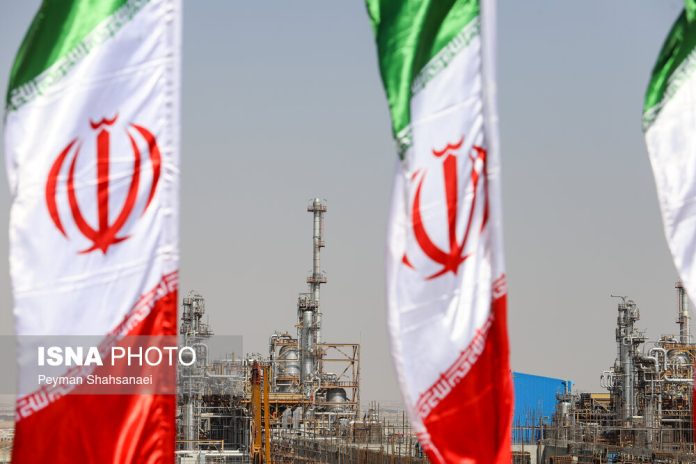
Iran signs 4 oilfield development contracts with Russia

Iran Oil Gas

The deals, worth a cumulative $4 billion in investment, were unveiled during the 18th meeting of the Iran-Russia Joint Economic Commission in Moscow.

Paknejad emphasized that the current volume of trade, standing at approximately $5 billion annually, falls far short of the actual potential.

He noted that existing frameworks and agreements between the two countries have the capacity to push bilateral trade beyond $10 billion and open new avenues for cooperation in key sectors.

Paknejad highlighted the breadth of untapped opportunities between Iran and Russia, spanning energy, finance, banking, agriculture, and the trade of oil and gas products.

“This partnership can evolve into deeper economic collaboration far exceeding the current benchmarks,” he stated.

In addition to the finalized oilfield development contracts, Paknejad revealed that several memoranda of understanding concerning other oil and gas fields are under negotiation and are expected to be formalized in the near future.

The Iranian oil minister also outlined a phased plan for gas cooperation with Russia. In the first phase, Iran will begin importing gas from Russia. The second phase will involve leveraging an equivalent volume of imported gas for international trade through swap deals and transit routes. “Both sides are keen to move forward, and negotiations on the remaining issues are progressing towards a final agreement,” he added.

4 arrested over controversial content aired on Iranian state TV

TV

Following the broadcast of a short video on Wednesday’s edition of the program, which contained remarks interpreted as offensive to Sunni religious sanctities, the Tehran Prosecutor ordered the immediate opening of a judicial case.

The investigation is ongoing until all aspects of the incident are fully clarified.

The judicial response came amid widespread reactions to the segment, which was condemned for inciting sectarian discord.

As a result, four key figures responsible for airing the material have been taken into custody by order of the judiciary.

Simultaneously, IRIB issued a public statement describing the broadcast as an “unforgivable and suspicious error.”

The controversial video was swiftly removed from IRIB’s digital platforms, including Telewebion and Sepehr.

Moreover, IRIB confirmed that eight individuals have been formally reported to judicial authorities for their involvement in the incident.

Meabwhile, the head of the relevant production unit and the Channel One broadcast manager have both been dismissed from their positions.

Authorities have emphasized that further steps will be taken based on the outcome of ongoing investigations.

Vladimir, stop!’: Trump ‘not happy’ with Russia’s deadly strike on Ukraine

“I am not happy with the Russian strikes on Kyiv. Not necessary, and very bad timing. Vladimir, Stop!” Trump said on the Truth Social platform, addressing the Russian leader by his first name.

Trump urged Russian President Vladimir Putin to “get the peace deal done,” stopping short of further criticism.

Russia launched the deadly attack amid Trump’s effort to broker a peace deal in Ukraine and Kyiv’s calls for an unconditional ceasefire, which Moscow continues to reject.

Trump’s diplomatic outreach has largely favored Russia, with his reported peace proposal offering U.S. de jure recognition of Russia’s control over Crimea, a ban on Ukraine’s membership in NATO, and closer economic cooperation.

After President Volodymyr Zelensky ruled out formally ceding the occupied peninsula to Russia, Trump criticised him at length and called his position “harmful to the peace negotiations.”

Peace efforts stand on shaky ground as the planned ministerial talks between Ukraine, the U.S., and European allies in London on Wednesday, which were meant to hash out a united position on a peace deal, were postponed after U.S. Secretary of State Marco Rubio skipped the meeting.

The meeting was instead held on a technical level, with the parties praising it as “positive” but announcing no breakthrough. Trump’s Special Envoy Steve Witkoff is also expected to visit Russia on Friday for his fourth meeting with Putin.

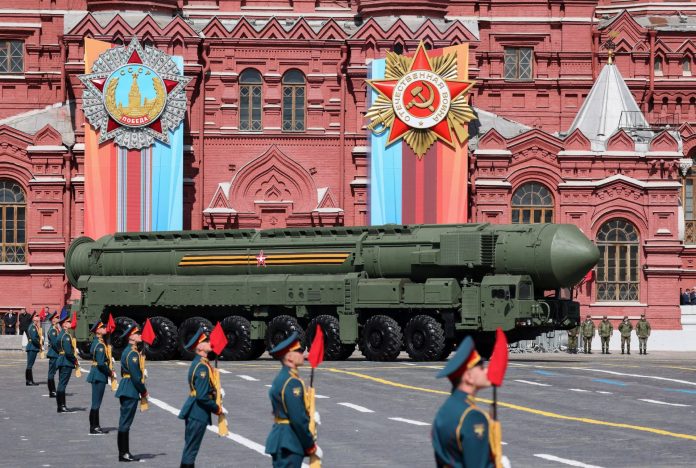
Russian Security Council Secretary threatens Europe with nuclear weapons

Russia Nuclear Weapons

Shoigu said Moscow was “closely monitoring” the “military preparations” of European countries, as they seek to ramp up defense spending and production in the face of the U.S. reducing its military presence on the continent.

“In case foreign states commit unfriendly actions that threaten the sovereignty and territorial integrity of the Russian Federation, our country considers it legitimate to take symmetrical and asymmetrical measures necessary to suppress such actions and prevent their recurrence,” he stated.

“Nuclear deterrence is carried out against states and military coalitions that regard Russia as a potential adversary, possess weapons of mass destruction, or have significant combat capabilities of general-purpose forces,” he added.

Shoigu also said that any European future peacekeeping forces deployed to Ukraine to monitor a ceasefire would also be seen by the Kremlin as a provocation.

“Sensible politicians in Europe understand that the implementation of such a scenario could lead to a direct clash between NATO and Russia and subsequently to World War III,” he added.

In November 2024, Russia updated its official nuclear deterrence policy. According to the changes, the Kremlin reserves the right to use nuclear weapons in response to aggression against itself or its closest ally, Belarus, even if the attack involves non-nuclear weapons.

Russia has repeatedly made nuclear threats against Ukraine and the West since the beginning of the full-scale invasion in February 2022. The threats have failed to materialize, and Russia continues to wage its all-out war without using its nuclear arsenal.

The statement came as U.S. Vice President JD Vance repeated warnings that the U.S. might drop its peace efforts if both sides refuse to accept a “very explicit proposal,” which includes recognizing temporarily occupied territories as Russian.

Ukraine agreed to relinquish its nuclear arms after signing the 1994 Budapest Memorandum, which also saw the country join the Treaty on the Non-Proliferation of Nuclear Weapons.

In exchange, Kyiv received security assurances from major powers, including the U.S., the U.K., and Russia. These guarantees failed to prevent Moscow’s aggression in 2014 in Crimea and Donbas and the full-scale invasion of Ukraine in 2022.

The Budapest Memorandum has been sharply criticized by today’s Ukrainian leadership over its lack of strong security guarantees.