Monday, December 29, 2025
Home Blog Page 3859

British MPs to Visit Tehran in 3 Weeks

UK Debt to Iran Has Nothing to Do with Release of Jailed Criminals: Defence Ministry

Speaking to Tasnim, Head of Iran-UK Parliamentary Friendship Group Alireza Rahimi said arrangements for the trip are being discussed with the British side.

The visit would take place within the next three weeks, he added.

In comments in early September, Rahimi had announced that another delegation from the UK Foreign and Commonwealth Office is also going to visit Iran.

In January 2014, a British parliamentary delegation, led by former foreign secretary Jack Straw, visited Iran as part of efforts to improve Tehran-London relations.

Iran-Britain ties soured in 2011. On November 27, 2011, a large majority of Iranian lawmakers voted to downgrade diplomatic ties with Britain, following Britain’s decision to impose sanctions on the Central Bank of Iran.

Later, angry Iranian students stormed the British embassy in Tehran and pulled down the European country’s flag.

Following the incident, Britain withdrew its diplomatic staff from Tehran on November 30 and asked Iran’s diplomatic delegation in London to leave within 48 hours.

The two countries made diplomatic efforts afterwards to amend ties.

In August 2015, the British embassy in Iran reopened after a 4-year closure. Britain’s then foreign secretary, Philip Hammond, attended a ceremony in Tehran to mark the reopening on August 23. It was the first visit by a British foreign secretary to Iran since 2003.

Simultaneously, Iran’s embassy in London also reopened.

The thaw in Tehran-London relations came after finalization of the Joint Comprehensive Plan of Action (JCPOA), a nuclear agreement between Iran and the Group 5+1 (Russia, China, the US, Britain, France and Germany).

Iran, France Ink Deal on Sheep-Breeding

Iran, France Ink Deal on Sheep-Breeding

The memorandum of undersranfing to supply 13,000 sheep were signed between Kowsar Agricultural Investment Company on behalf of Iran and France’s sheep breeders’ society.

Accordding to a Farsi report by Tasnim, this cooperation document was signed at the governorate headquarters of the city of Clermont-Ferrand. The ceremony was held in presence of the two countries’ ministers of agriculture.

Based on this MoU, France’s sheep breeders’ society would transfer its knowledge of sheep breeding, and sale of livestock to the Kowsar Agricultural Company’s farms in Kermanshah and Mazandaran provinces of Iran.

One of the officials from the Iranian side said the comprehensive livestock breeding program of Iran consists of four stages: the joint breeding of sheep in Iran, the establishment of a centre to control breeding, the production of genetic material including sperm, and the production of embryo and male genome.

The official added that with the measures taken, the pace of development of industrial livestock breeding would be increased.

Iran Starts Export of Nano-Equipment to S. Korea, China

Nano-Equipment

Speaking to reporters on the sidelines of a nanotechnology exhibition in Tehran, Sattari declared that the Islamic Republic has started exporting nano-equipment to some modern countries such as China and South Korea, which are pioneers in this industry.

He said Iran’s nano-exports are mostly related to industry and laboratory sectors, describing the start of exports as a very pleasing event for the country.

Sattari referred to the nanotechnology exhibition held annually in Tehran and said it has always been coupled with innovation.

“Currently, more than 300 companies are active in the field of nanotechnology,” he went on to say, according to a Farsi report by IRNA.

He said last year, the sales of nano-products by Iranian companies exceeded Rls. 8800 bn, which, as he added, is a record. He also expressed hope the trend will gain momentum this year.

The top official also said investors have welcomed putting their money into the field of nanotechnology as it has considerable profit for them.

Sattari noted the nanotechnology field in Iran covers a range of activities and products from the student level to production and exports.

“This planning was the reason behind Iran securing the fourth spot in the world in terms of presenting scientific articles, and this is a great honour.”

The official says many companies active in this field belong to top contestants in previous years’ competitions and Olympiads, who have been able to commercialize their ideas.

“In order to develop and commercialize nano-products, we need to devise an ecosystem to further encourage the private sector to step in.”

The Nanotechnology Development Commission is holding a festival and exhibit on nanotechnology in keeping with the objectives of a national strategic plan aimed at developing nanotechnology and in a bid to introduce the latest achievements in this field.

The 10th Nanotechnology Festival which runs from October 6-9, 2017, in Tehran brought together 160 institutions operating in the field. They include students’ associations, scientific institutions, universities, research centres and companies offering relevant services.

US Problem with Iran Not Nuclear Program but Regional Influence: Hezbollah Chief

Sayyid Hassan Nasrallah

In a Sunday address to an event marking the martyrdom of two Hezbollah commanders in Syria, Nasrallah said the US and Israel lie about Iran’s nuclear program.

Washington and Tel Aviv’s main problem with Iran is not the country’s nuclear program but its growing influential role in the region, he said, according to a Farsi report by IRNA.

Nasrallah referred to the failure of the US and Saudi Arabia’s projects for the region and added their plots in Iraq, Syria and Lebanon have been foiled. “Signs of their failure are also seen in Yemen.”

He stressed that Iran has thwarted the projects of the US and Saudi Arabia in the region.

“Iran is the main element behind the failure of the US and Saudi Arabia’s projects in the region. That’s why they are raising the issue of Iran’s nuclear program but their main problem is not Iran’s program because Iran has never sought and will never seek to produce nuclear bombs,” he added.

The Hezbollah chief also said the resistance movement has the honour of playing a role in thwarting the US and Saudi Arabia’s regional plots.

He stressed that the Americans are seeking retaliation against those who thwarted their projects in the region.

ISIS Must Not Be Abandoned to Its Fate

Nasrallah went on saying that the fight against ISIS should go ahead until final victory “because the ISIS’ survival is a threat to Iraq, Syria and Lebanon.”

He warned that ISIS seeks to redeploy its forces in West Al-Qalamoun and Arsal Heights as part its larger plan to return to Lebanon.

About two months ago, the resistance movement along with the Lebanese army managed to retake eastern regions of Lebanon from ISIS militants.

The secretary general of Hezbollah also criticized the US for its stance towards ISIS and said the Americans have delayed the eradication of ISIS in the region through acts of sabotage.

“We should not abandon ISIS to its fate because the terrorist group is a cancer which must be eradicated otherwise it will engulf the whole region” he noted.

He stressed that US warplanes prevent resistance forces from advancing towards ISIS hideouts in Syria and added eradication of ISIS in Syria is not on the US agenda.

Hezbollah Not to Change Stances under US Sanctions

He also referred to the US sanctions against the movement and said some people were worried that the US sanctions may put economic pressure on Lebanon. “But the sanctions are not new to Lebanese people.”

He stressed the new sanctions will not change Hezbollah’s anti-US stance.

“Those who are ready to sacrifice their lives in defence of their cause will not sit back against financial sanctions,” he added.

He also thanked Lebanese officials for their efforts to protect the country’s economy against the sanctions.


Peace Achievable Only if US Stops Interference

Nasrallah referred to the latest statements by Saudi Minister of State for Gulf Affairs, Thamer al-Sabhan, who called for building a coalition against Lebanon’s Hezbollah, and said with such statements Saudi officials confess that Hezbollah has turned into a regional power.

He stressed peace and security will be restored to the region only if the US and Saudi Arabia stop meddling in the regional affairs and supporting terrorist groups.

“Today Saudi Arabia has imposed a war on Yemen and dispatched forces to Bahrain blocking any dialogue,” he said.

He called Saudi Arabia and the Zionist regime “threats” to regional peace and security and added there are substantiated documents proving the destabilizing role of Saudi Arabia in the region.

Hezbollah chief also called the movement one of the main pillars of real security for the region and added today the movement has become stronger. “We will sit back neither against US sanctions nor against Israel’s threats and Saudis’ horror- mongering.”

Iranian MPs Have Mixed Feelings about Relying on EU

US Seeking to Sow Discord between Iran, Europe: Official

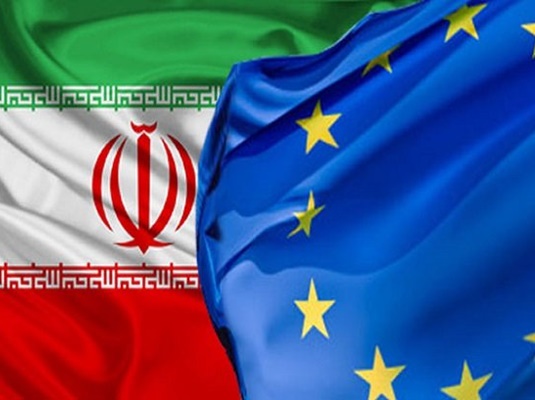
Some members of Iran’s Parliament have expressed different opinions on the country’s collaboration with the European Union after the US declares its new Iran strategy.

In this regard, Morteza Saffari, a member of the Parliament’s National Security and Foreign Policy Commission, believes that the nuclear deal has challenged Washington’s authority to take action against Iran so the new plan of Tillerson and the Congress is to form a coalition against Tehran.

He argued that US is struggling to put forward issues like human rights, terrorism, and the country’s missile program to take actions against Iran. Saffari also called for taking special measures to counter the new US anti-Iran plan, and suggested that the Islamic Republic should do its best to see the European countries next to itself.

Jalal Mirza’ee, an MP close to the government and a member of the Parliament’s reformists’ fraction, also proposes a similar approach. He believes that as the United States seeks to have the European states next to itself to take hostile policies against Iran on non-nuclear issues, the Iranian foreign ministry must struggle to moderate Europe’s positions and protect Iran’s rights using diplomacy and soft power.

However, some other members of the parliament believe that the Europeans are not reliable partners either.

Ezatollah Yousefian Molla, a senior MP, is among the lawmakers who believe the European countries are not reliable partners. He refers to the contradictory positions of the French president as one of the reasons for distrust in Europe. He has told ICANA that “if the United States withdraws from the nuclear deal, we should not trust the European countries, because Emmanuel Macron initially confirmed the agreement, but after having a phone conversation with Trump, raised the question if the Islamic Republic of Iran could get to a nuclear bomb after 15 years. This as Iran has repeatedly stated that it is not seeking to build a nuclear bomb. Under these circumstances, we must accept that the European Union is not trustable and rather relies on the United States. Even during Obama administration the Europeans did not invest in Iran.”

This Iranian MP further added that Washington’s several breaches of the deal and the lack of any effective measure by other negotiating parties has caused some of the policy-makers and legislators of the Islamic Republic to see the experience as a reason for not working with the United States and also not trusting Europe.

Ahmad Alirezabeigi, a member of the Parliament’s conservatives’ fraction and a critic of the government in a Farsi interview with ICANA, recalled Iran’s nuclear deal with three European countries in 2003 saying that the Europeans failed to comply with their obligations mentioned in the Sa’dabad statement.

“These events were foreseeable and Rouhani’s experience of Sa’dabad negotiations was repeated again,” he noted.

“At the moment, it’s not time to blame each other because it will harm the national unity of the country. But at least, we need to learn lessons from what has happened and just rely on our own domestic capacities,” Alirezabeigi added.


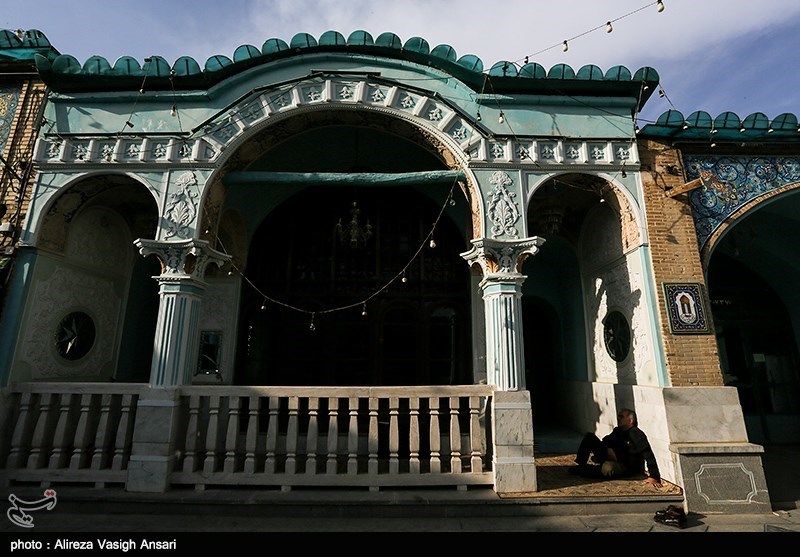
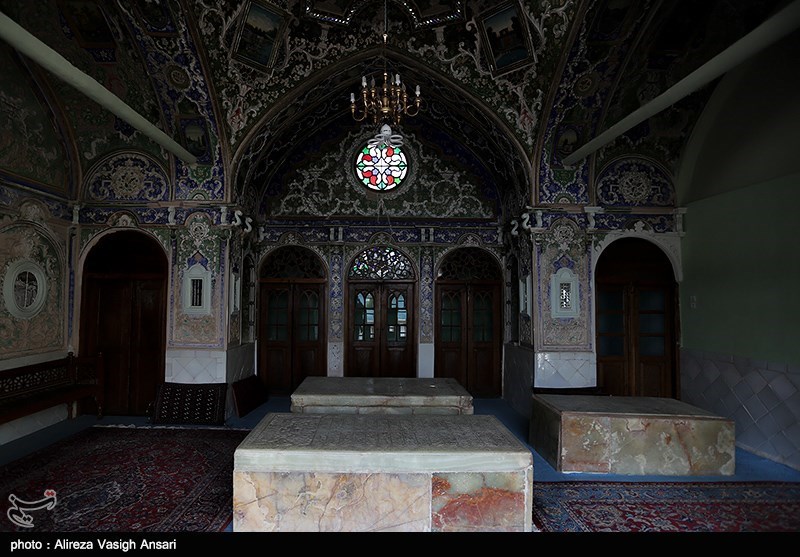
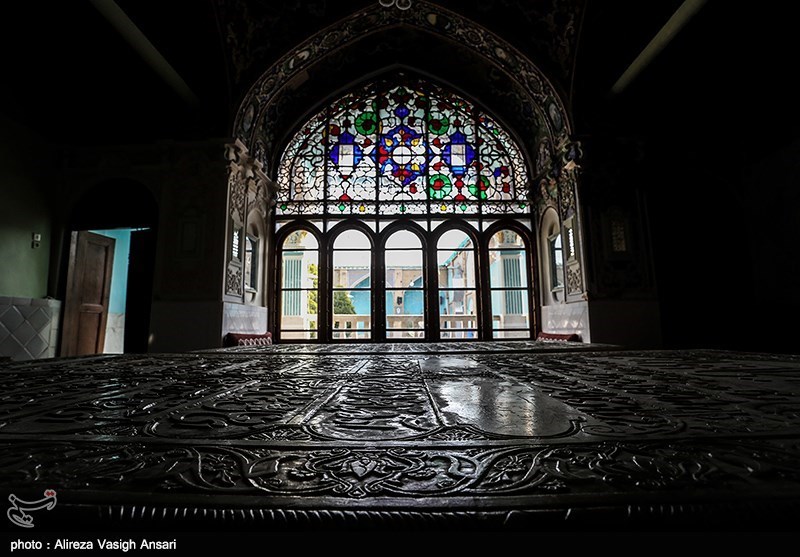
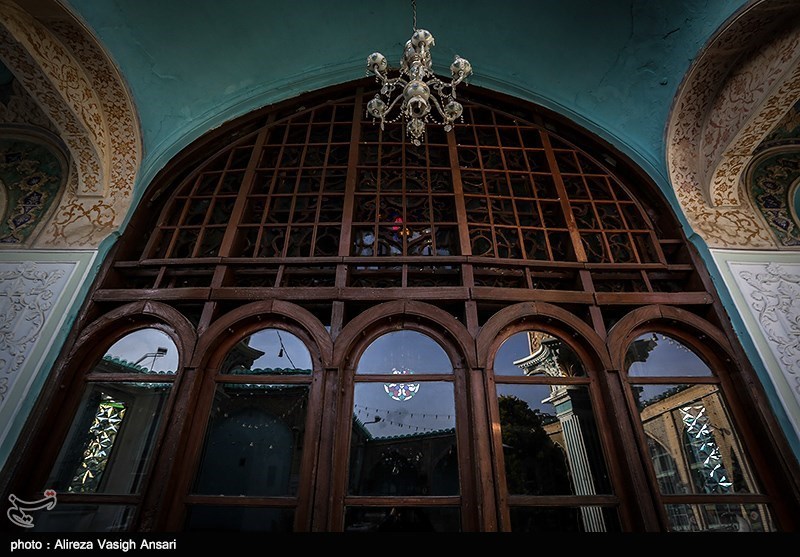
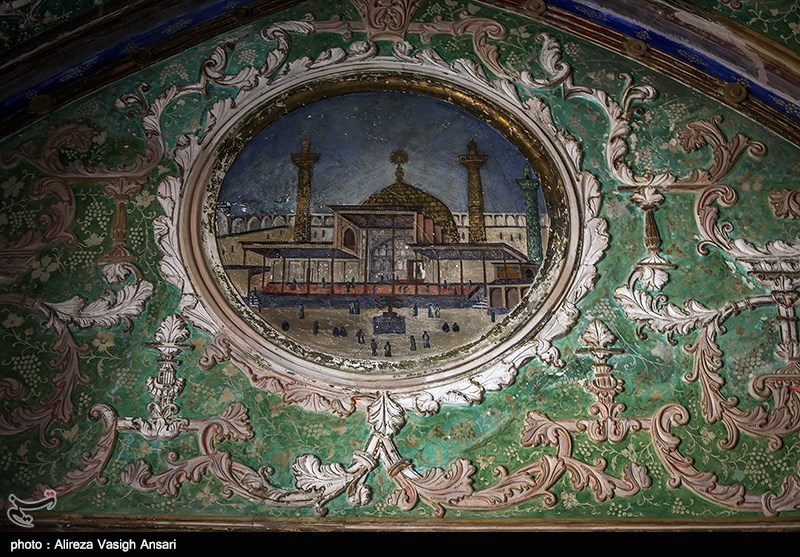
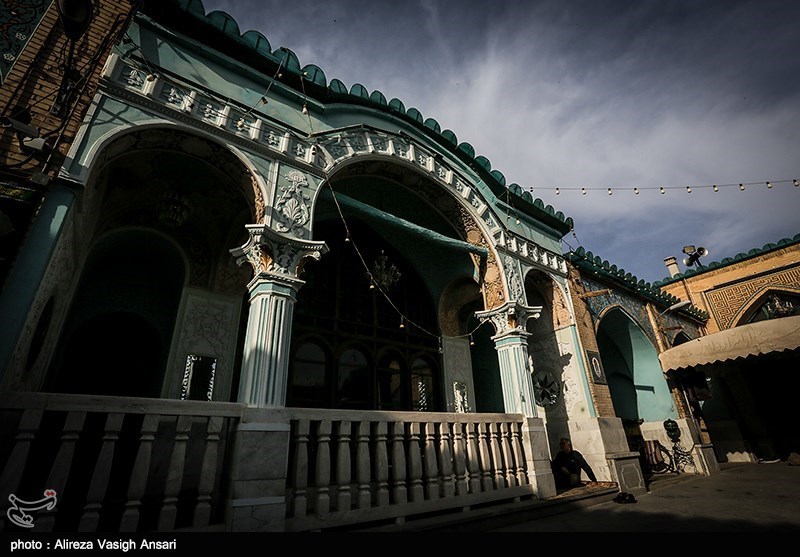
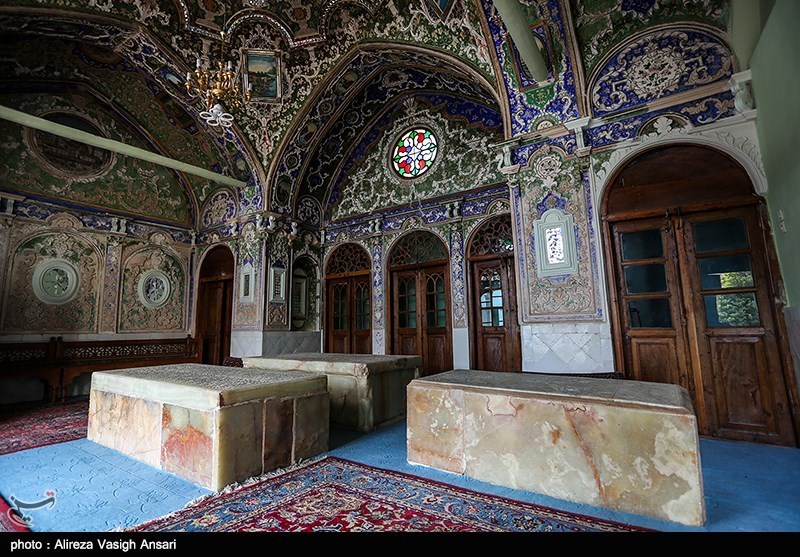
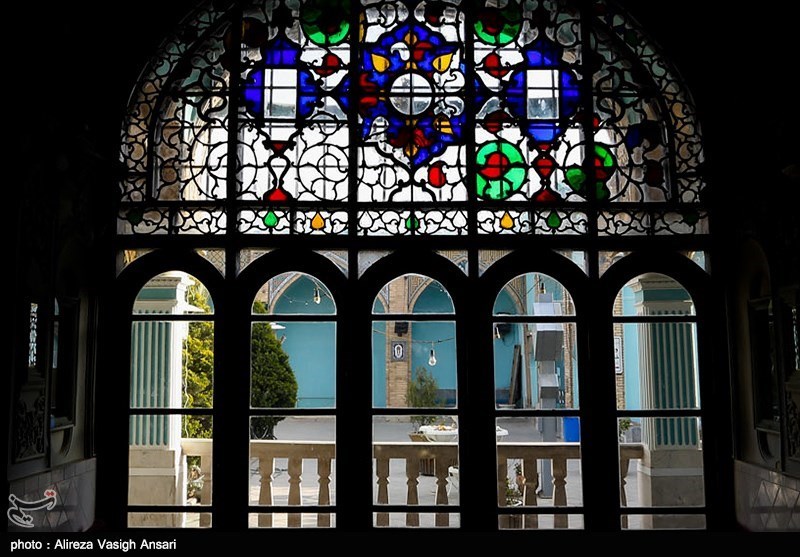
Tomb of Amir-Kabir’s Daughter; Mysterious Attraction in Central Iran

Tomb of Amir-Kabir’s Daughter; Mysterious Attraction in Central Iran11

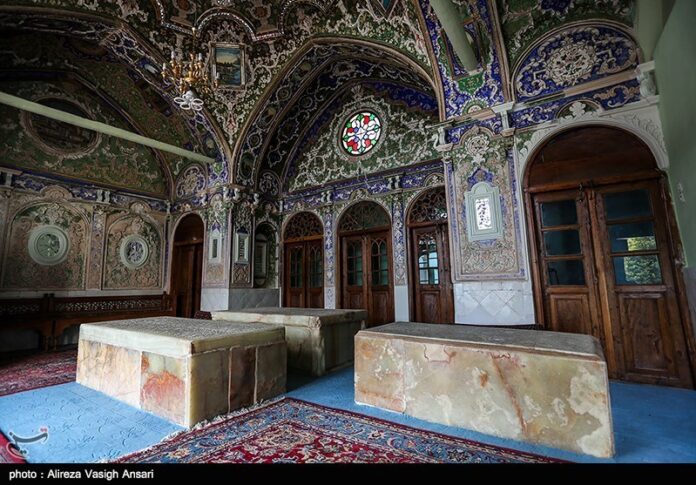
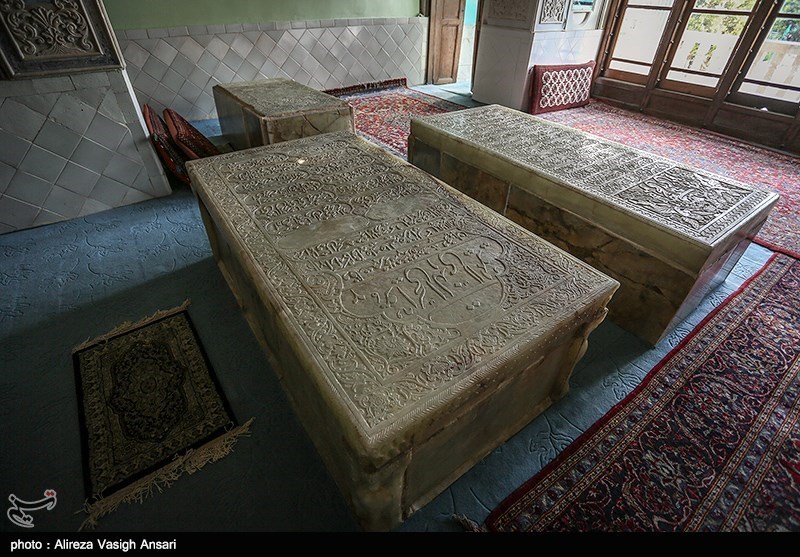
The tomb of the daughter of former Iranian Prime Minister Amir-Kabir, who made great contribution to Iran’s development in Qajar era, is located in one of the rooms of Imamzadeh Ahmad.

It is described as mysterious mainly due to the conflicting information given to visitors by the people who have no information about history. This place is also known as Naser al-Din Shah’s resort, although some believe it was not.

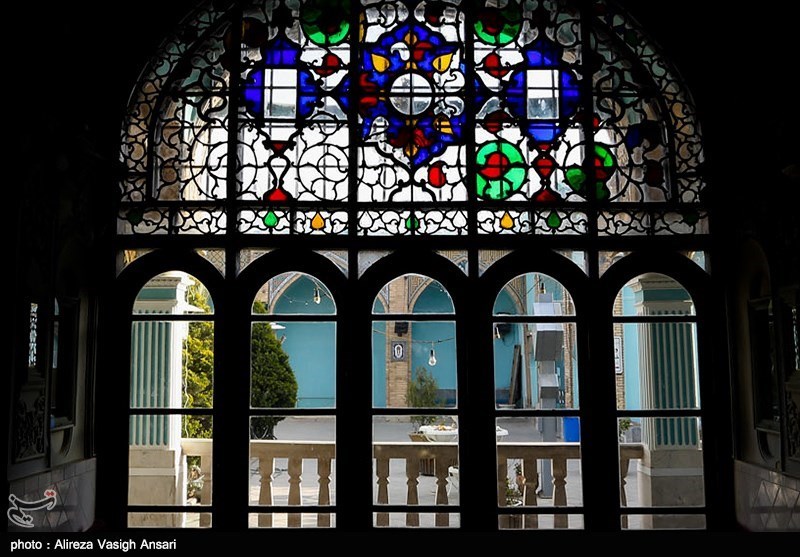
Here are Tasnim’s photos of this tomb:

Iran Providing Education for All Afghan Refugee Children

Iran Providing Education for All Afghan Refugee Children

Iran has, for years, been hosting over 3 million Afghan immigrants despite the West’s sanctions, and tries to improve the living conditions of these war-stricken refugees.

The E’temad daily newspaper has, in a Farsi report published a few days ago, reviewed the situation of Afghan refugee children’s education in Iran. The report presents the outcome of the measures adopted following an order by Leader of the Islamic Revolution Ayatollah Seyyed Ali Khamenei to provide education for all Afghan children in Iran, even illegal immigrants. The following is a summary of the report.

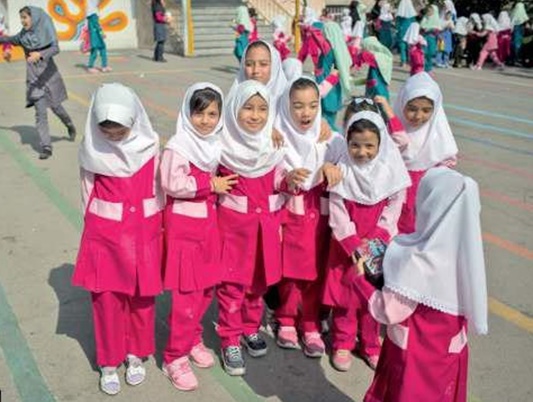
The morning shift is over. Iranian girls are leaving school from the main gate. At the same time, Afghan girls enter the schoolyard from another door. These are afternoon-shift students. They go to a state-run girls’ school in Kan neighbourhood, Tehran.

This year, too, the school is hosting Afghan kids. The school used to admit only those with residence permits. But it is the third year now that children without passports and residence permits also have the opportunity to sit in class.

The increase in the number of Afghan students was so much that now, almost all Afghan children have been separated from Iranian students and the afternoon shift entirely belongs to them.

Opposite the school, there is another school. It is a high school hosting Afghan students. In that school, Iranian and Afghan students sit next to each other in class. Two mothers are waiting for the children at the gate. They say Afghan children are clever students. They say they have no problem to see Afghan children sit next to their kids. One of the mothers is a member of the school’s Parents and Guardians’ Association, and another daughter of hers is a student in the school on the other side of the street.

“My kids have Afghan friends. They happen to be more polite than my kids. They are much better than Iranian kids in terms of scores and discipline. They go to school with difficulty and study hard,” says the mother.

The report also mentioned some of the problems that Iranians have due to the presence of Afghan refugees.

“This year, the afternoon-shift classes became full and we had to send seven of the Afghan kids to the morning shift,” says a vice-principal of the school. However, she says, the Iranian students got upset and said Afghan students were not supposed to attend morning classes.

Since the Leader issued an order obliging public schools to admit Afghan students, regardless of whether or not they have residence permits, the school has become very busy.

“I want to teach Afghans how to read and write [when I grow up], so that many of Taliban and ISIS members will come to realize they shouldn’t cause destruction in cities,” says one of the students during the break.

Part of Afghanistan’s future is taking shape amid wishes and plans of the girls attending afternoon-shift classes in this school.

German Girl Recruited by ISIS Explains How She Joined Terrorists

German Girl Recruited by ISIS

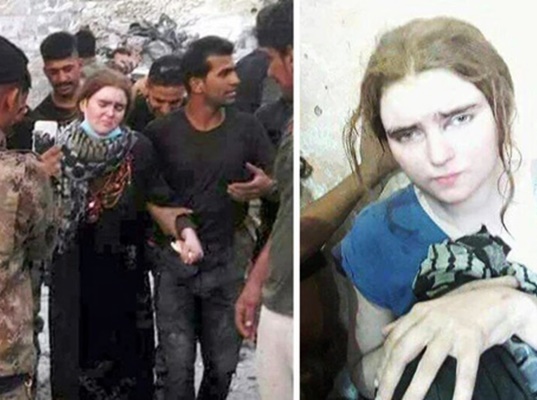
There were a lot of stories about Linda Wenzel who was dragged from the rubble in Mosul as Iraqi forces liberated the city in July. She was 16 years old when she joined ISIS, and now for the first time in an interview with the Iraqi magazine Al-Qadha, which belongs to the country’s judiciary, she has recounted her story of joining ISIS.

The magazine, in an interview titled ‘The German Angel of ISIS,’ published the details of Linda Wenzel’s trip from Germany to join ISIS.

According to a Farsi report by Asr-e Iran, Linda, who appeared in an Iraqi court a few days ago, said that she first got acquainted with a Jordanian girl named Fatima.

After becoming friend with Linda, Fatima invited her to Islam, and then she introduced Linda to a preacher called Abu Khaled, who was the Imam of a mosque in Pulsnitz, eastern Germany.

This preacher told Linda that he could not visit her so much as he is a man and Linda is a girl and this is not allowed in Islam. But the preacher gave a few books about Islam in the German language to Linda as gift.

Linda said later it became clear that the preacher did not want to meet her because he was under the control of German security police. During this period, Fatima invited Linda to Islamic forums and conferences held by the extremists in Germany.

Linda is now 17 years old. Appearing in court with hijab she told the judge that she is deeply regretful and would like to return to her country.

She further added that in these Islamists’ associations she got familiar with a man known as Abu Usama al-Shishani. Abu Usama convinced Linda to travel to the land of the Islamic Caliphate to marry him.

Linda added that the change in her behaviour led her school authorities to send a message to her mother and inform her about the suspicious changes in the behaviour of her daughter. Linda’s mother beat her when she got aware of the changes in her behaviour. The mother’s behavior and changes in the girl’s behaviour spoiled their relationship; a relationship that was not very good from the very beginning.


Getting Married on the Phone

After Linda’s relationship with her family soured, she informed Abu Usama of the story. Abu Usama gave her instructions and urged Linda to travel to Turkey to marry him.

As Linda was underage, she needed her mother’s consent to travel, so she forged her mother’s signature in the form and traveled to Turkey to meet with the groom, Abu Usama. When Linda arrived in Turkey, Abu Usama informed her that he had traveled to Syria for a special mission. Therefore, he read the sermon of the marriage (Khutba) on the phone and Linda formally became the wife of Abu Usama.

Abu Usama, who was now Linda’s husband, ordered her to go to the border areas of Syria until his Chechen friends transfer her to Syria.

Linda says after three hours of walking along the Turkish-Syrian border she finally met with Abu Usama.


Moving from Syria to Mosul

The ISIS’s bride said she met Abu Usama near a large house in Syria that she did not exactly know its location. She added that they stayed one day there, and then along with other married women and their children were transferred to Mosul.

In Mosul, Linda first stayed in a large military camp for three months and then along with his husband, Abu Usama, was transferred to their private home in Mosul.

She says she was alone in Mosul, and just once a day she was met by a woman from the ISIS’s administrative board who was responsible for distributing food.


Abu Usama Killed; Linda Stays in Mosul

Linda confessed in the interview that she was just three months with Abu Usama and then she was told her husband had been killed. The German girl explained while the Iraqi forces were approaching Mosul, she decided to return to her home country after the death of Abu Usama, but the ISIS group prevented her and all those who were in Mosul from leaving the city.

She said in this interview that ISIS gave her $200 to compensate for her husband’s death adding that after the siege of Mosul by Iraqi forces, ISIS holed up all the women in a hospital, but with the liberation of the city, she saw herself in the custody of the Iraqi anti-terror forces. Linda is now being tried in an Iraqi court.

Iranian Researchers Develop Robots to Help Rehabilitate Disabled People

Amir Salar Jafarpishe, the CEO of a knowledge-based company specializing in rehabilitation technologies, announced this piece of news and added “a part of our company’s production line is dedicated to robotic rehabilitation products.”

He went on to say the products are designed to ease the daily activities of those who have injured their upper body; these products have two therapeutic and assistive applications which can be employed by rehabilitation clinics to empower patients suffering from strokes, cerebral palsy, spinal cord injury and rheumatoid arthritis.

As stated by Jafarpishe, other productions of the company include biofeedback products such as pressure, posture, force and EMG biofeedbacks which can be used for a wide range of physical exercises to subdue the effects of various disorders and disabilities.

As a subsidiary of the growth center of the University of Social Welfare and Rehabilitation Sciences, this knowledge-based company has produced 12 innovative products in the field of rehabilitation technologies and has patented four design concepts.

Iran Pursuing Regional Policies Regardless of Others’ Rhetoric: FM

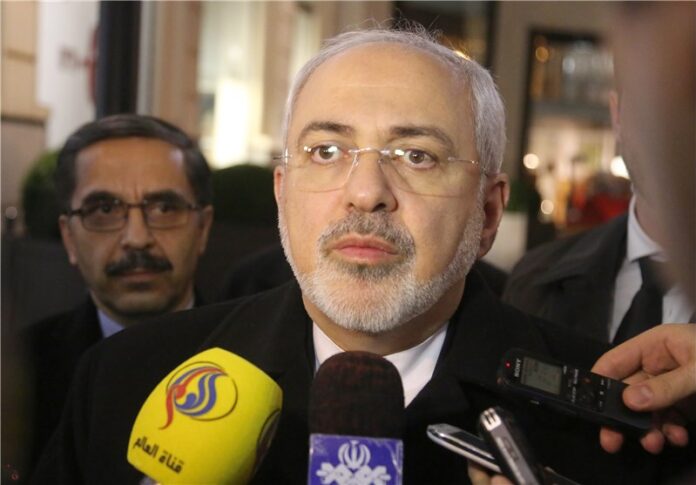
Speaking to reporters on Sunday, Foreign Minister Mohammad Javad Zarif was asked about Iran’s possible reaction to the US president’s anti-Iran strategy, which is due to be declared in coming days.

Iran pursues its regional policies independent of others’ rhetoric, he said.

However, he added, we will give an appropriate response to Trump once he makes his remarks.

“The fact is that our region has long been suffering from Washington’s wrong policies,” Zarif noted.

“Iran is now the cylinder of stability and fight against terrorism and Takfirism, and pursues its policies within the same framework.”

“The realities of the Middle East are gradually becoming clear to other countries in the world as well,” he added.

“Mr Trump and his friends, who seek to sell more weapons to the region, have pursued certain policies within this framework, but these policies have had no result but inflicting harms to themselves, the US, and the region.”