Monday, December 29, 2025
Home Blog Page 3854

Tehran Hosting Exhibition Showcasing Seven Decades of Iranian Paintings

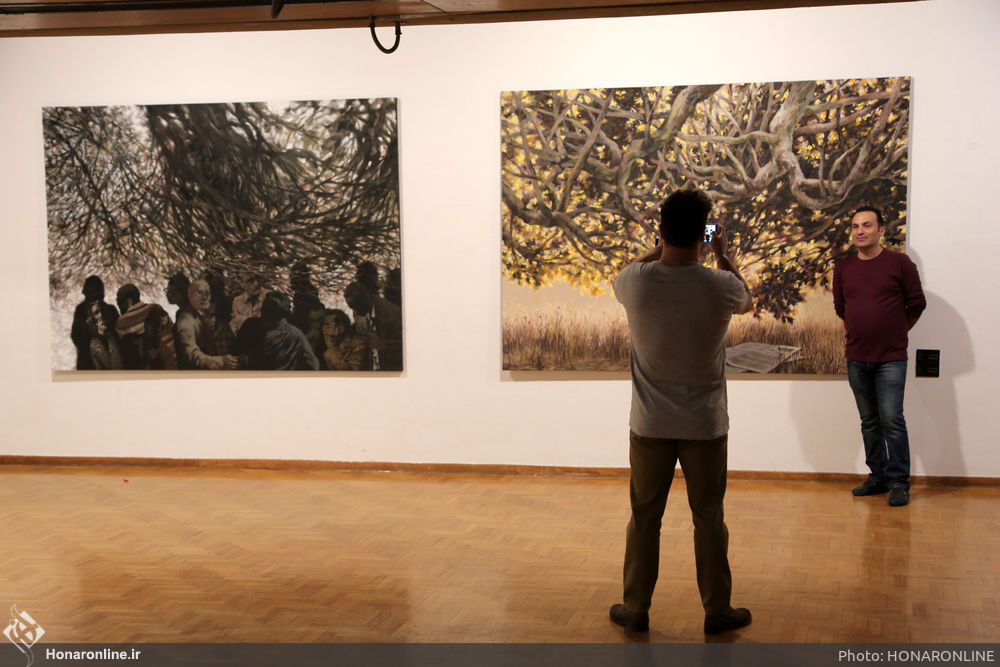
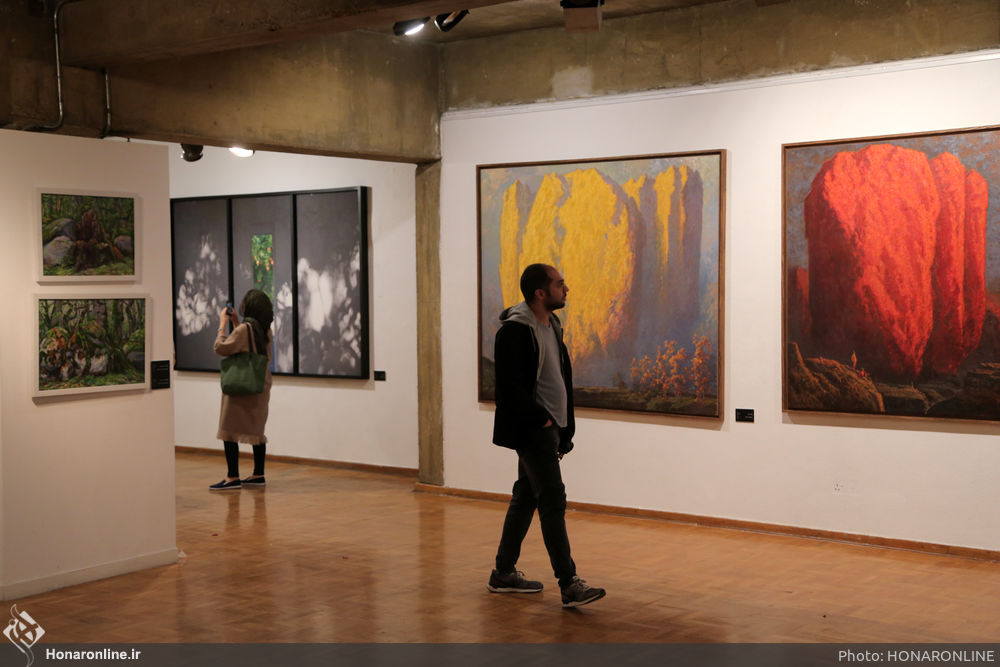
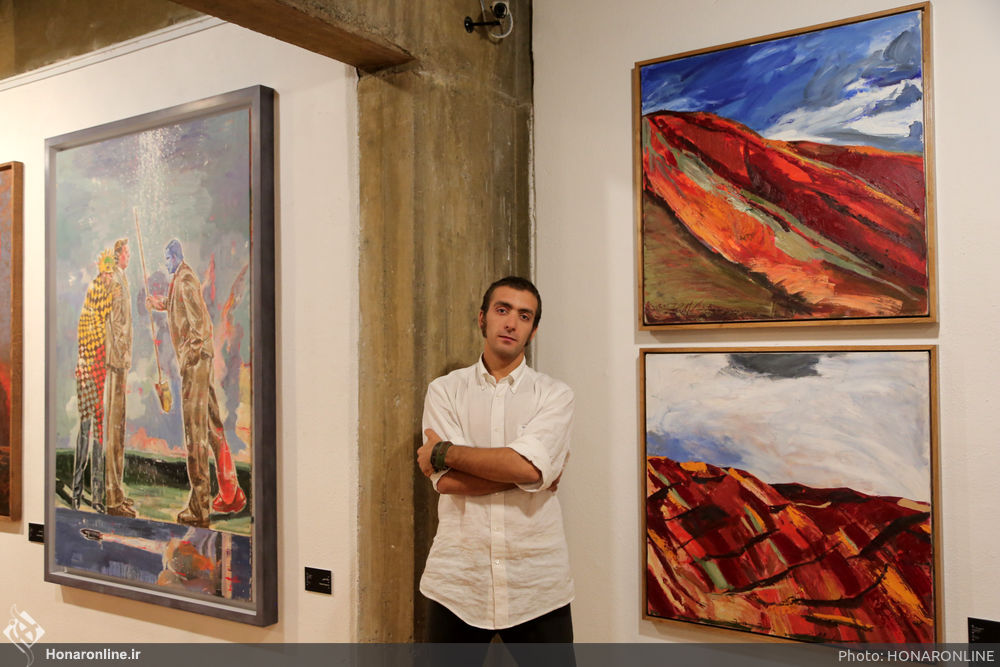
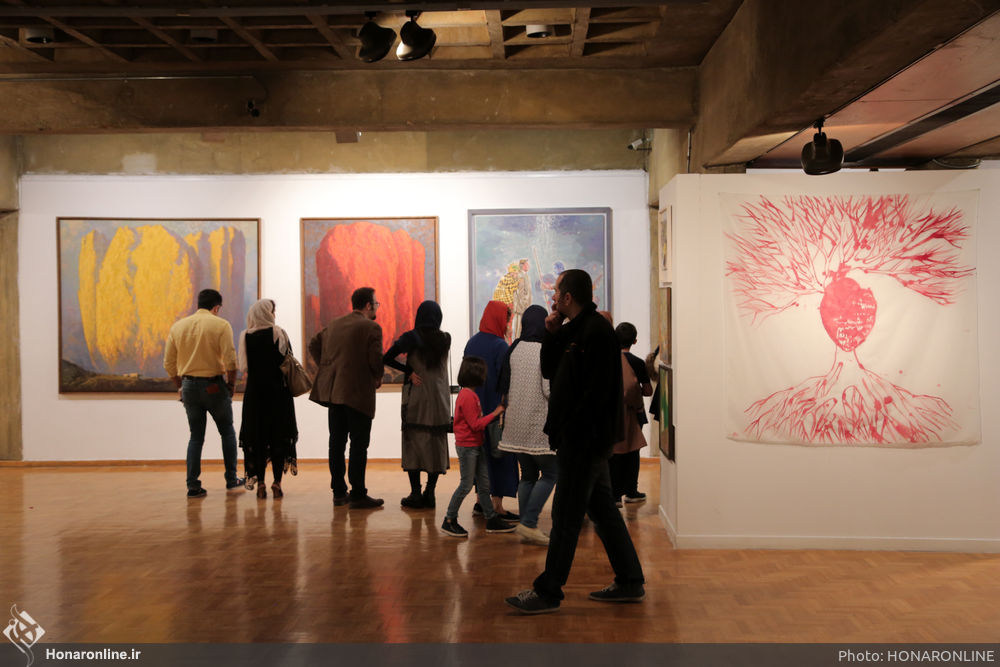
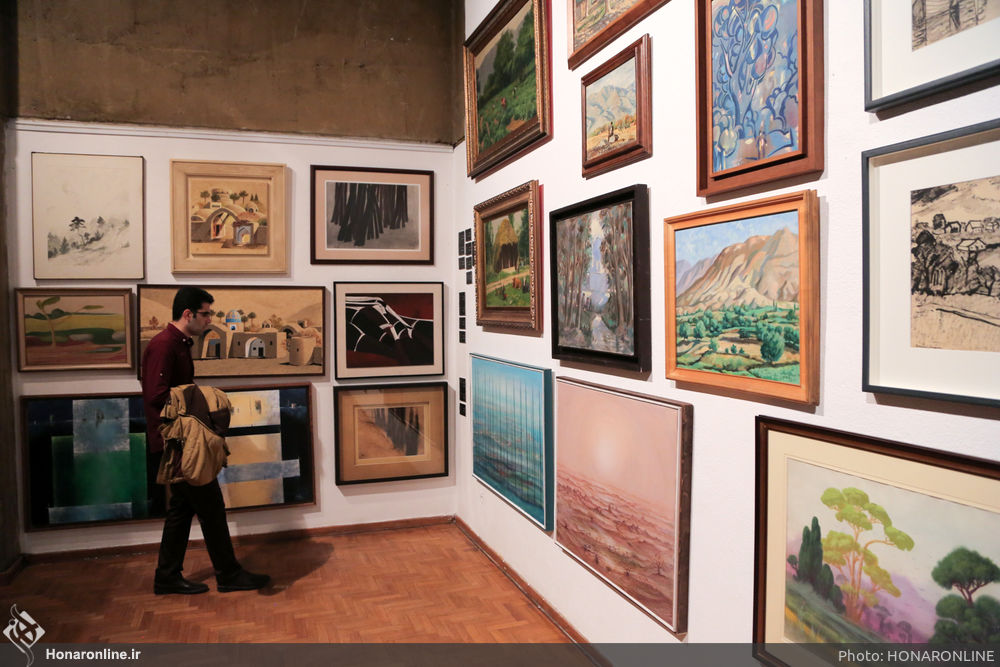
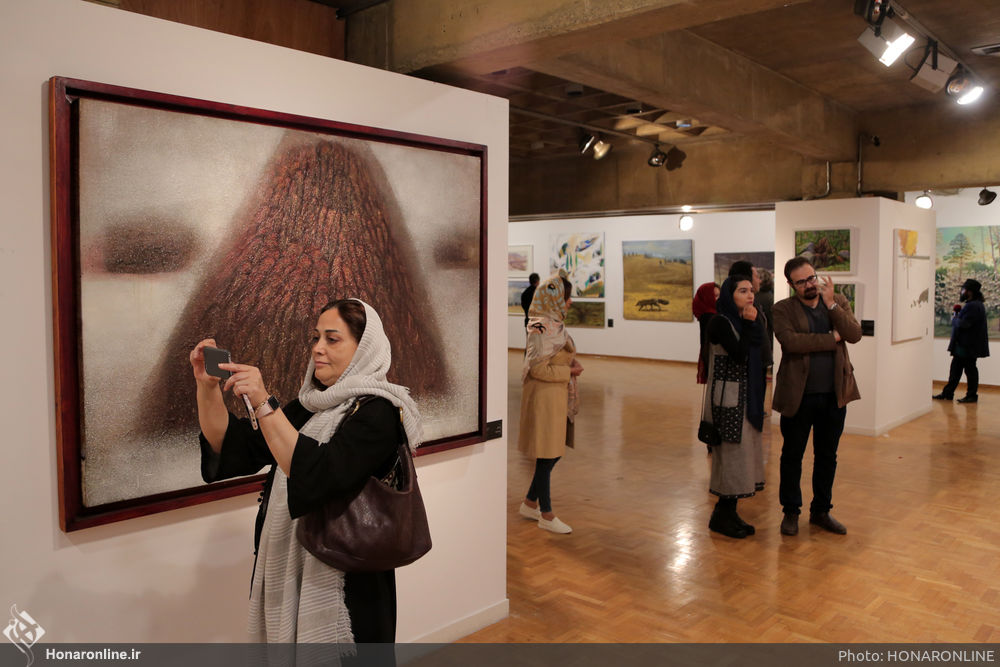
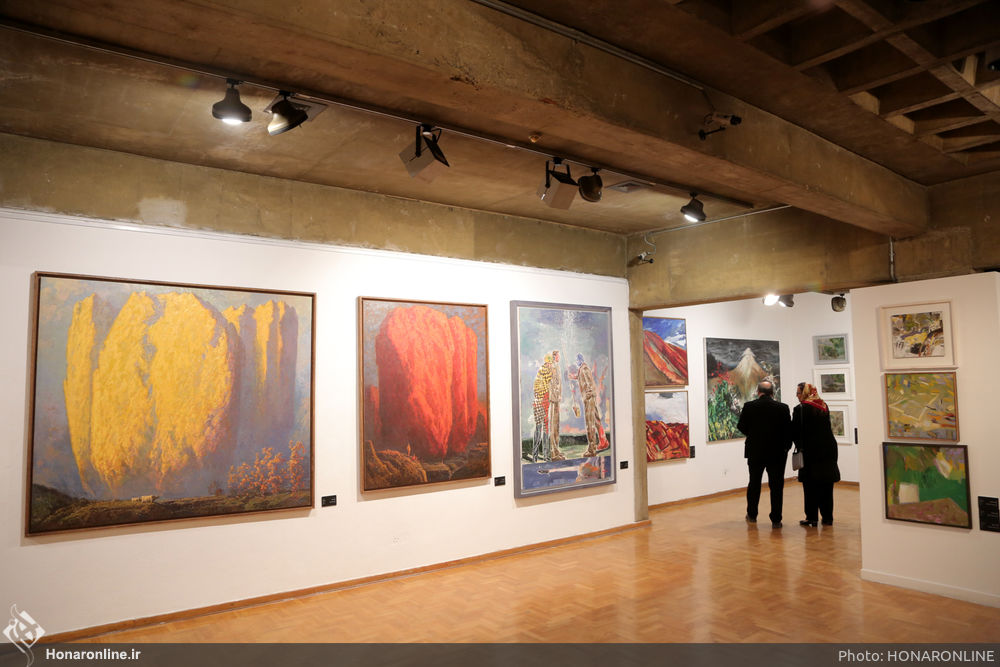
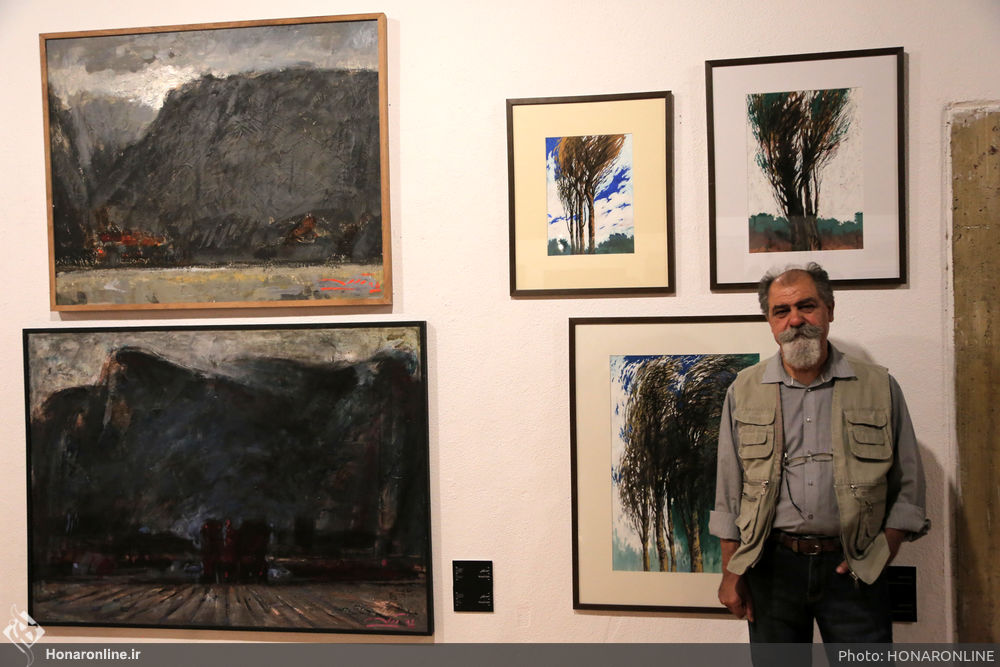
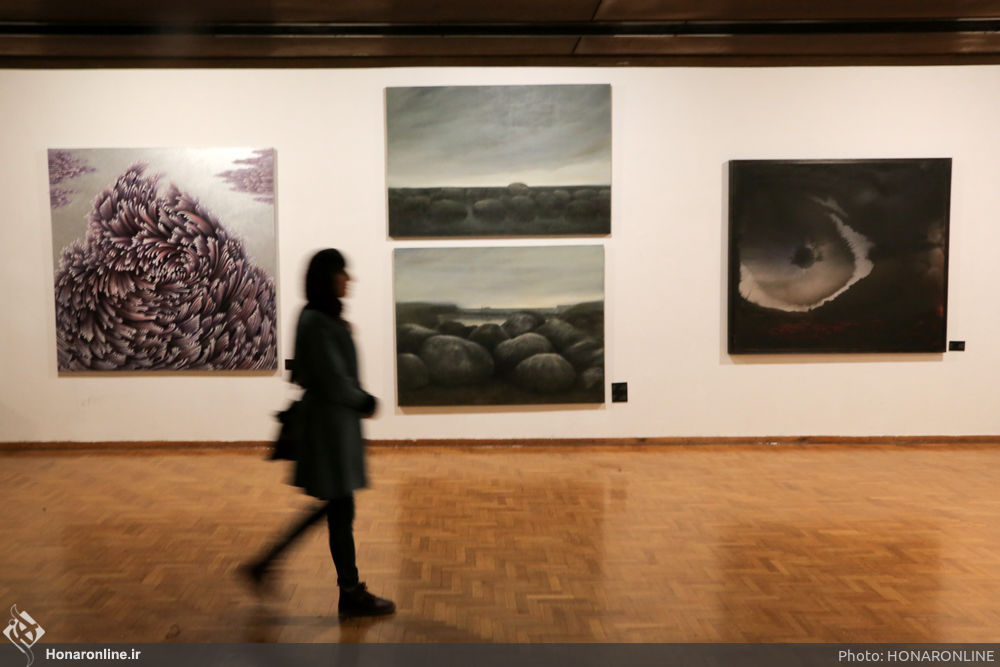
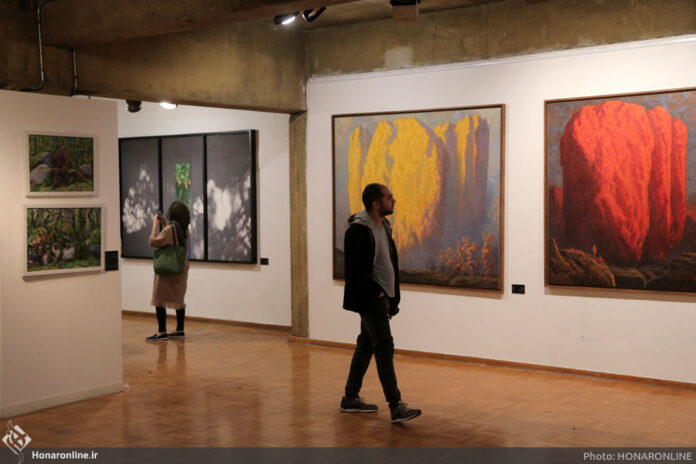
Tehran Hosting Exhibition Showcasing Seven Decades of Iranian PaintingsThe director of this exhibition, Rozita Sharaf-Jahan, said, “This exhibition focuses mostly on nature and landscape paintings in the past seventy years of Iranian art history.”

“Most of the exhibitions by the Iranian Painters Association are of a research nature and raise issues of the day that are not commercial,” she added, according to a Farsi report by IRNA.

“What matters in this exhibition are the views of critics, historians, painters, and art students. Given that the Association of Painters is an independent one and does not have a treasure gallery, collecting these works was a very tough job.”

“In the works of contemporary artists, there is a greater focus on landscape that has been crystallized in form of anxiety, worry and bitterness. In Iran, at a short period of time, Kamal-ol-molk and his students studied the landscape independently, but in the contemporary era, this process has changed,” noted Sharaf-Jahan.

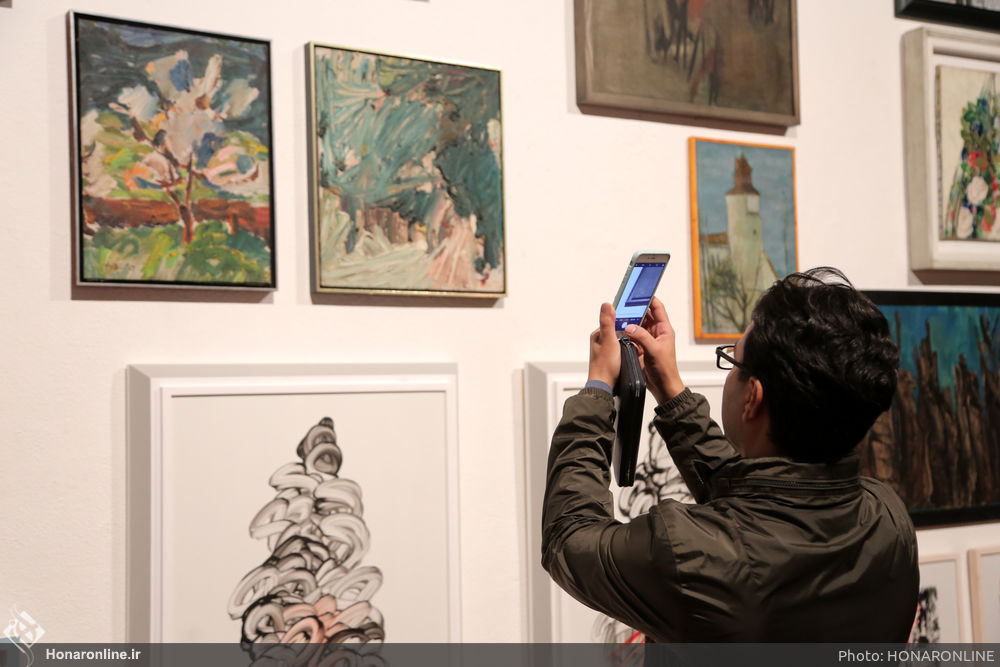
“Considering the large volume of works, we tried to display the most prominent works of each period; works by pre-modern artists such as Ali Mohammad Heydarian, Ali Asghar Potgar and Ali Akbar San’ati, as well as works by the first generation of modernists to high modernist painters, such as Mohsen Vaziri-Moqaddam, Mahmoud Javadipour, and Ahmad Esfandiari, Behjat Sadr, Sohrab Sepehri, Manouchehr Yektai, Marcos Grigorian, Abolqassem Saeedi, and Kurosh Shishehgaran.”

“I believe that the last generation and the younger ones are the most important ones because there is a significant difference between their view of landscape and those belonging to the past decades,” she underlined.

Sharaf-Jahan went on to say that some of the works are loaned and not for sale, but a number of others are for sale, most of which are paintings. She said the photos taken by two artists, next to nine videos will also be displayed during the event.

“Moreover, a book collection of works displayed will be published during the days the event is underway,” said Sharaf-Jahan.

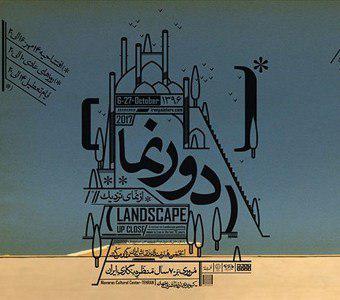
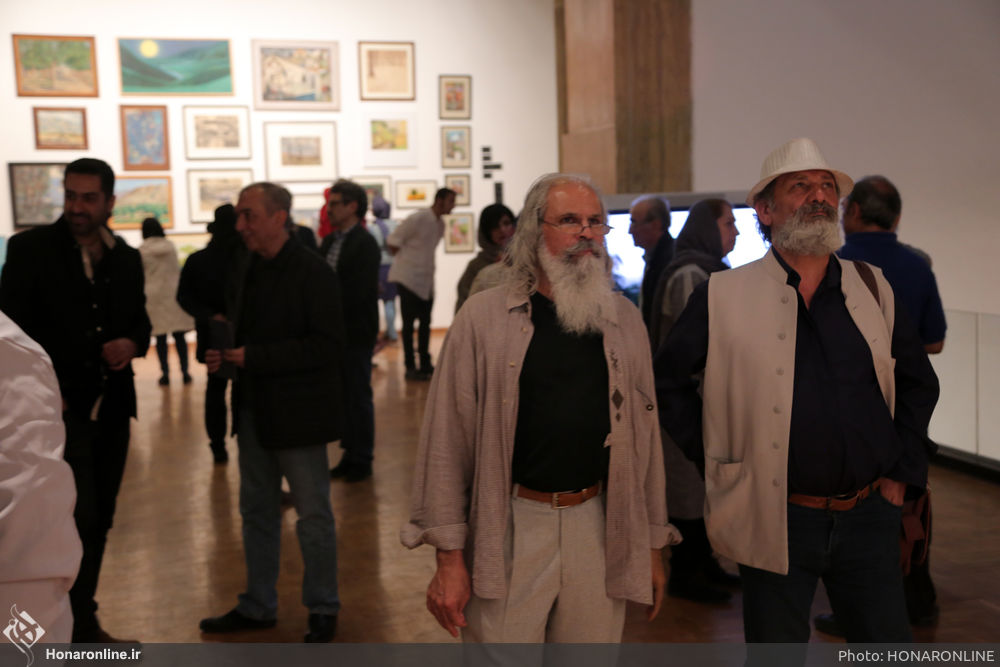
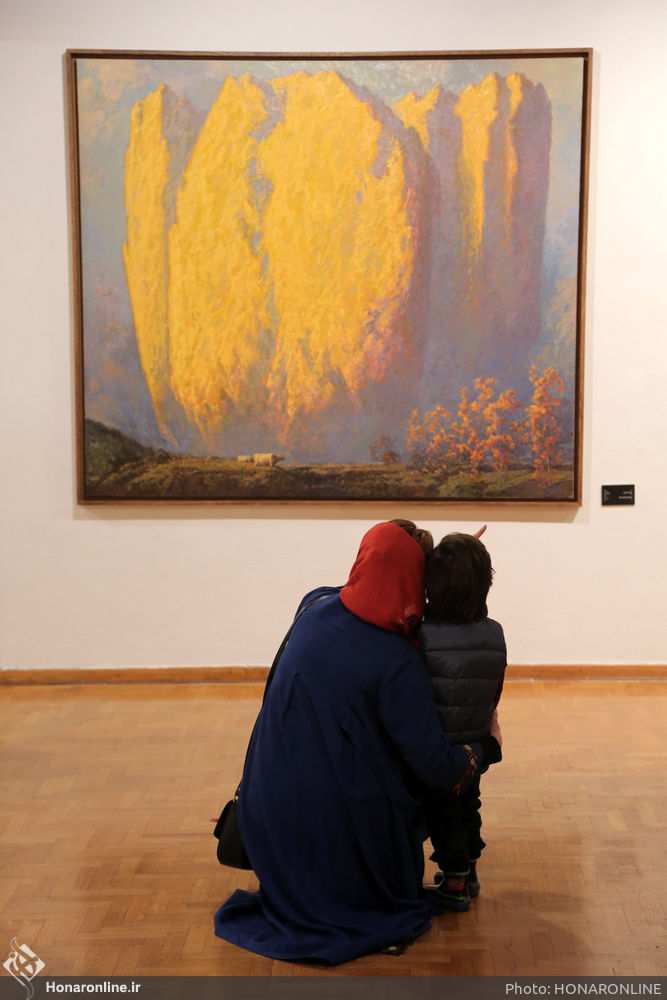
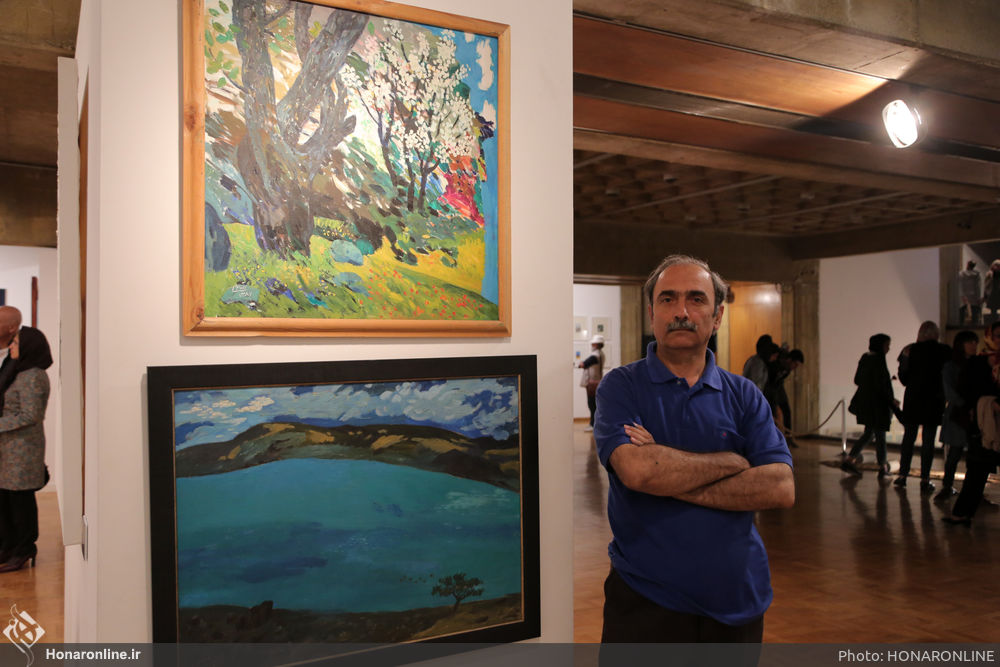
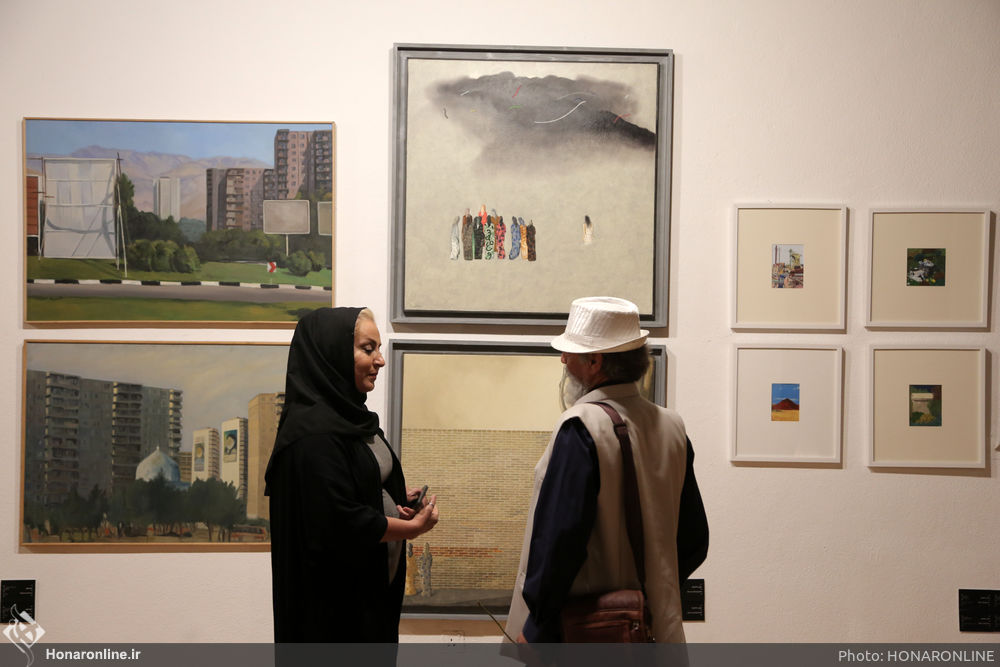
Here are Honar Online’s photos of the exhibition “Landscape Up Close: A Review of 70 Years of Landscape Painting in Iran”, which was kicked off on October 6 and will be underway until October 27 at Tehran’s Niavaran Cultural Centre:

Renault Company Starts Buying Iranian Tyres

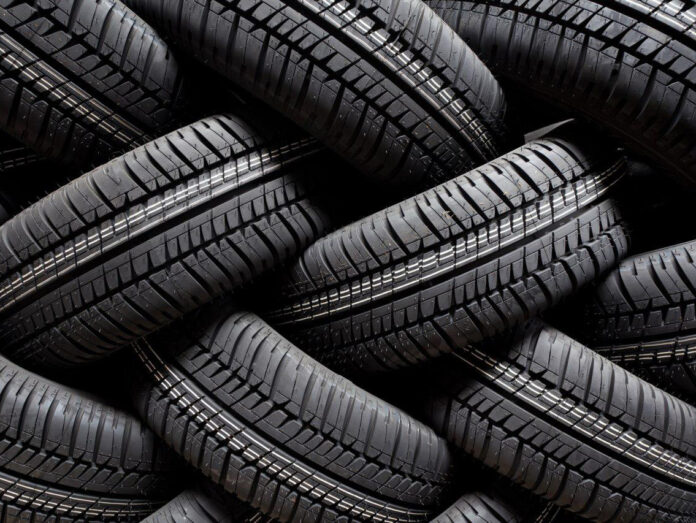
With the improvement of the quality of Iranian tyres, and achievement of world-class standards next to the use of Dutch Vredestein Company’s technology by Iran’s Yazd Tyre Corporation, 50,000 of the company’s products were purchased by Renault Algérie with the approval of Renault Headquarters in France.

The quality of the Iranian tyres and their potential to compete with the Korean and Japanese products has helped the Iranian-made tyres enter the foreign markets.

According to a Farsi report by Akhbar-e Khodro, high standards and the use of Vredestein’s technology by Yazd Tire, has given credit to the Iranian tyre industry across the world.

Mohammad Reza Ganji, the CEO of Iran Tyre Association, says, “Since tyre manufacturing for foreign automobile companies will improve the country’s industry, Renault, which is one of Europe’s largest carmakers, has signed a contract with one of the domestic tyre manufacturers to confirm the quality and standard of these Iranian-made tyres. Renault intends to use Iranian tyres in its products.”

“With the approval of the quality of Iranian tyres by Renault, the company has called on all its subsidiaries in other countries to include tyres made by Iran in their list at the time of purchase. Accordingly, the Renault Algérie has bought about 50,000 Iranian tyres and used it for the vehicles it produces,” Ganji added.

He added that Yazd Tyre is now holding negotiations with Volkswagen, which has recently entered Iran’s market.

“As we are selling our products to foreign automobile manufacturers, Volkswagen which has just entered Iran’s market held talks to use these tyres in its cars. This German automobile maker is supposed to confirm the quality and standards of the Iranian tyres.”

“According to a governmental decree in 2012, tyre exports was stopped, and as a result our export market was gradually lost, but due to the good quality of Yazd Tyre’s products, the Chinese, in order to seize the market from Iran, exported tyres bearing the name of Iranian brands to markets in Nigeria and African countries,” concluded Ganji.

‘Trump; A Wise Guy Pretending to Be Stupid’

trump

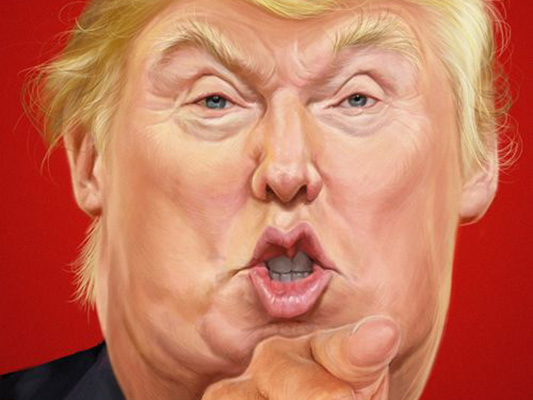
Hossein Shariatmadari, the managing editor of conservative Iranian daily Kayhan, in an article on Tuesday said Trump is actually a wise guy who pretends to be stupid.

What follows are highlights of his article:

Since November 2016, when Donald Trump was elected as the President of the United States, a suspicious movement in the US and Europe insisted on introducing him as a full-fledged stupid person who has unexpectedly become the US president! A group of others inside our own country (Iran) are approving them, saying that the president of the United States is a stupid, dangerous and unpredictable politician. They conclude that the Islamic Republic should avoid challenging and confronting him, because at any moment, Trump could take an extreme measure and adopt a disastrous decision against our country!

But is Trump, as alleged, a full-fledged stupid person?

Two weeks ago, the American Axios news website reported a meeting between leading US officials at the White House, at which Secretary of Defence James Mattis, Secretary of Agriculture Sonny Perdue, Secretary of State Rex Tillerson, and the United States’ Trade Representative Robert Lighthizer attended. The agenda of this meeting was to take a decision over Washington’s continuing or leaving the US trade agreement with South Korea. At the meeting, Donald Trump tells the Trade Representative that during the negotiations with the other side he must tell them Trump is stupid and he may withdraw from the deal at any moment!

The fact is that Trump has not accidentally become the US President overnight. This comes as some try to introduce him as an exception in the diplomatic history of the United States! He has passed a multi-stage selection process by the Republican Party of America. Donald Trump was the nominee of the US Republicans and has been selected and introduced in a multi-stage process. So it is very childish to imagine that a stupid person could pass through all multiple filters of the party and be introduced as the final candidate. It is noteworthy that several prominent Republican officials, who have been involved in the selection of Trump, also called him stupid. Why?!

Those who introduce Trump as a stupid person, and based on this conclude that we need to tolerate him, should answer this question: Which of the measures taken by Trump since he took office were against the benefits of the United States, or in other words were not a form of bullying or extortion?!

If he is stupid, he must have taken at least one decision against the interests of the Americans.

The numerous evidence mentioned leaves little doubt that the claim to present Trump as a stupid person is a trick to intimidate US counterparties, and as Axios has revealed, he is created to gain further concessions from others.

Today, there exists a serious concern that the above-mentioned movement (inside Iran) may be tricked by the US to introduce Trump as a crazy person as well, and believe the claim on his silliness, to prepare the ground for something similar to what we saw during the nuclear talks. With a justification that the other side is a full-fledged stupid person they should not surrender to US bullying and extortions. However, the importance of the recent strategic stance of the commander of Iran’s Islamic Revolution Guards Corps (IRGC) can be understood clearly at this point.

A few days ago, Major General Mohammad Ali Jafari, the chief-commander of the IRGC, warned the United States that if the Revolution Guards are placed on the list of terrorist groups, the IRGC would treat the US military as a terrorist group like ISIS.

Trump must pay for his pretensions of being stupid. He has repeatedly witnessed that the IRGC never makes false claims and keeps its pledge. In case the US army replaces ISIS, there would be basically no reason to let it escape hard-hitting punishments like those suffered by ISIS.

‘Trump, ISIS Leader So Similar that Can Be Called Twins’

IRGC General Rasoul Sanaei Raad has, in an article published on Basirat website, weighed in on the similarities between US President Donald Trump and ringleader of the ISIS terrorist group Abu Bakr al-Baghdadi. The full text of the opinion piece follows:

Although US President Donald Trump and ringleader of the ISIS terrorist group Abu Bakr al-Baghdadi are seemingly of two different races as one was born to an Arab mother in Iraq and the other to a Western mother, their ideological-behavioral features are so similar that Trump can be named al-Baghdadi’s American twin. These features are as follows:

  1. A lack of trust in all principles and regulations of diplomacy and sovereignty in today’s world and remaining in the old world in such a way that Baghdadi believes by going past the Westphalia system, he can build a global caliphate with world countries, and Trump keeps interfering in Syria and helping ISIS by ignoring the same rules.
  2. Creating “others” in a hostile and illogical manner by using ideological stigmas against others and issuing bellicose decrees such as Baghdadi’s labelling Iranians as infidels and disbelievers, and Trump’s calling Iranians terrorists, and both men’s blatant animosity toward the Islamic Revolution Guards Corps (IRGC). Such illogical decrees could trigger disasters and wars.
  3. Using the logic of threat and force in order to advance their objectives, and reliance on their bullying and tyrannical temperament. One of them follows this bullying in the outfit of a caliph and the other in president’s clothing using modernism; but both have one thing in common: Modern Jahiliyyah.
  4. Both follow the policies of Britain, the Israeli regime and the Al Saud dynasty, which are, in fact, using the two men as tools to advance their regional objectives. One of them is propped up by terrorists, and the other by extremist hawks, and both are being used as instruments to trigger chaos and instability.

What is interesting is that Trump, who, during his election campaign days, accused his rival of having established ISIS and colluding with it, is today, when the terrorist group’s days are numbered in Iraq and Syria, helping ISIS by threatening Iran on the one hand, and disrupting anti-ISIS military operations by Iraqi and Syrian armies on the other. This plays into the hands of al-Baghdadi.

Trump, who seeks to put the IRGC on the list of terrorists, has proven that he, like his Asian twin, has no respect for the rules and regulations of the modern world. He also ignores the fact that the IRGC is constitutionally part of the Iranian Armed Forces. By the same token, Baghdadi issued a decree terming “others” infidels and disbelievers, serving as a mandate for terrorists to attack Iraqi and Syrian armies. However, he ignored its formidable consequences, including hatred of ISIS, the formation of resistance fronts against ISIS, the establishment of a massive popular force to tackle ISIS, and the defeat of Takfiri terrorists. His actions discredited his fellow terrorists.

Trump’s historic mistake, too, has prompted the IRGC commander to say that he will regard the US as a follower of ISIS in the region if Washington puts the IRGC on its terror list. Of course, Trump will be the one who would start the game. From now, we can predict that the consequences of this mistake would be similar to the mistake made by Baghdadi, which led to back-to-back defeats by Takfiri terrorists against resistance fronts. These defeats were the result of his mistake and Baghdadi cannot blame anybody else but himself for that. The ones who supported and provoked Baghdadi have left him alone now and they are distancing themselves from the losing horse. Trump should not bank, either, on today’s encouragement by Britain, the Al Saud dynasty and the Israeli regime.

GITEX 2017: A Look at Iran’s Bright Future in ICT

GITEX 2017: A Look at Iran's Bright Future in ICTThe Islamic Republic of Iran is attending the GITEX Technology Week 2017 in Dubai, the UAE, in a bid to display its latest achievements in different fields of science and technology.

GoldNet Company is one of the most important Iranian firms working in the field of ICT, which is participating at the GITEX this year.

Here is an interview with the CEO of GoldNet company, Mr Khosravi:

GoldNet has been certified as a knowledge-based company by the Science and Technology Department of the Iranian Presidential Office, and has received its license from the Ministry of Information and Communications Technology of Iran to provide data services. It was established in 2000 with the aim of providing services in the ICT domain.

Currently, with over 15 years of experience in various fields of ICT, the company has managed to register eight patents and obtain licenses.

GoldNet Co., as the domestic and international ICT agent of the Science and Technology Department of the Iranian Presidential Office, is licenced to export technology products. Using this advantage, it is now implementing a plan called the ‘International Services Exchange Platform’.

The group has always tried to present its services tailored to the latest advances and achievements of the day, and has proven its pioneering role in the field.

This is achieved in collaboration with the major scientific centres such as Ferdowsi University of Mashhad and the commercial partnership with the only IP-PBX laboratory of the country.

Between 2011 and 2015, the company signed two export agreements with Kenya and New Zealand for the Fleet Management System, or the GoldTracks tracker.

GoldNet participated in GITEX 2015 and was selected as one of the top four Iranian companies of the Islamic Republic’s pavilion.

At the 2017 GITEX, due to the presence of all reputable ICT companies from around the world, GoldNet intends to introduce the Iranian Export-Import Centre (Export of ICT Products) and the International Services Exchange Platform so as to attract business partners and engage more with its counterparts in other countries.

The GoldNet’s advantage is the ability to identify the needs, and also define and monitor the implementation of integration-based projects in three areas of hardware, software and network as well as providing access to specialized experts both at home and abroad.

It also is able to set national standards in these areas and provide large-scale consultations to infrastructural companies, operators and service providers, as well as security monitoring at different levels for different projects.

Furthermore, the company’s products and services will be presented at the exhibition at an international level. The company’s products and service are as follows:

  • GNAS or GoldNet Authentication, Authorization, and Accounting (AAA) Services
  • Public Wi-Fi Platforms (Rightel)
  • Chakavak OTT Software (Instant Messenger & Internet Phone)
  • GoldNet Fleet Management System, (GoldTracks Tracker)
  • GoldTracks Tracking App

How Would Iran Respond to US Withdrawal from Nuclear Deal?

Iranian political analyst and former diplomat Javid Qorbanughli has, in a Monday editorial published in Shargh daily, referred to Iranian Foreign Minister Mohammad Javad Zarif’s statements made last week who stressed that if the US leaves the nuclear accord, Iran will think of withdrawing from the deal with the P5+1 group along with other options.

Qorbanughli stresses in this article that it is clear the new sanctions the Congress is likely to impose on Iran is a violation of the JCPOA, which means that Washington has broken down the international agreement.

The commentator discusses what should be done against such a decision by the United States that was one of the most important and influential members of the P5+1 group during the nuclear talks. Qorbanughli also weighs in on what Iran’s reaction should be.

“There are two ways of reaction to the possible US breach of the deal. A group of people believe that Iran must respond in a strong way and resume its nuclear program as quickly as possible. They say we knew from the very beginning that the United States will not adhere to the deal, and we must resume our nuclear activities with our full potential and return to the pre-accord situation as soon as possible.”

“In contrast to this view, the other ones believe that Iran must stand up to any US action, and by treading the path it has already taken, mobilize the world against Washington’s unilateral decision through an active diplomacy.”

The author then emphasizes that under the current circumstances, Trump’s stance has isolated the US, and contrary to the pre-accord conditions when the whole world was against Iran, now the international community is against the United States.

“It seems that the Islamic Republic has come to the conclusion it should avoid any action that may be taken as breach of the deal by Tehran.”

At the end, Qorbanughli suggests that “Iran must firmly insist it is fully committed to the accord and adheres to it, and let the other signatory states decide on a clear violation of the agreement by the Washington. This stance will affect the world’s public opinion, and the consequences of any action by Tehran in the event of US violation would put the finger of blame on the White House and the Congress.

The author concludes that Trump’s stance today is a result of his nervousness which is quite to the benefit of the Islamic Republic.

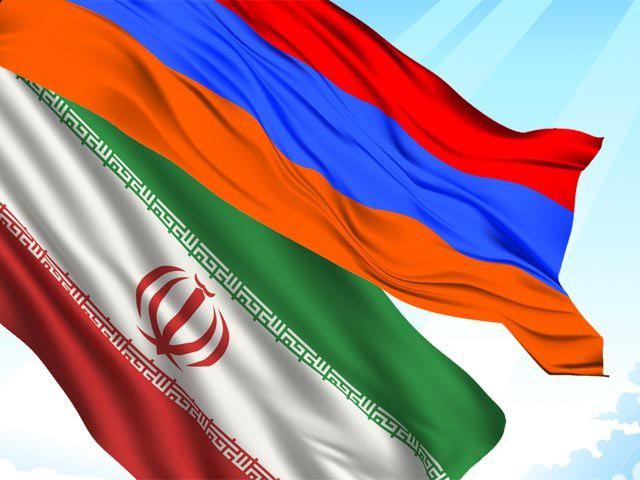
Iran, Armenia to Enhance Mutual Cooperation in All Fields

Iranian Economy Minister Masoud Karbasian on Wednesday held talks with Head of the Armenian government’s State Revenue Committee (SRC), Vardan Harutyunyan.

During the meeting, the Iranian side pointed to the broad scope of activities carried out by the Ministry of Economy, saying “the body undertakes the largest portion of international economic interactions in Iran and given the high level of political relations between Iran and Armenia, business ties between the two countries need to be developed.”

He described Armenia as a close friend of Iran inside the region, adding that the friendship between the two countries should be strengthened with further economic relations.

“Within the framework of tariff preferences, Iran and Armenia will apply reductions against goods entering the two countries,” the Iranian economy minister stated.

Karbasian also highlighted the need for expansion of banking cooperation, cooperation in Free Trade Zones, avoidance of double taxation and investment in joint productions by the two states.

For his part, Harutyunyan expressed satisfaction with the holding of the meeting and called for the development of economic relations between the two countries.

Referring to the age-old history of relations between Iran and Armenia, he voiced his country’s preparedness to expand economic relations in the IT and customs sectors.


Iran, Armenia to Provide Turkmenistan with Internet Transit

Meanwhile, Iran’s Minister of Communications and Information Technology Mohammad Javad Azari Jahromi met his Armenian counterpart Vahan Martirosyan and discussed cooperation opportunities in the fields of internet bandwidth transit, cybersecurity and postal exchange between the two countries.

Referring to constructive relations of the two nations, Iranian ICT minster said Tehran and Yerevan need to promote their bilateral relations.

He pointed to cooperation with Armenia in the area of international internet transit, adding, “In the past two years, Iraq’s transit to Europe via Armenia has increased by 10 times. In light of that, we decided to conduct trilateral negotiations in order to pave the way for international transit to Turkmenistan, in the same way.”

Azari Jahormi also invited Armenia’s ICT authorities to participate in Tehran’s International Telecom Exhibition, saying that the opportunity would familiarize them with the potentials of Iran’s private sector for cooperation purposes.

The two ICT ministers also conferred on increasing postal exchange and developing data centers as part of boosting bilateral ties, Mehr reported.

Martirosyan, for his part, pointed to the deep-rooted relations of Iran and Armenia and stated that he will address the topics raised in the meeting more seriously.

He also noted that the two countries will further their cooperation in the fields of internet transit, postal exchange, information technology and cybersecurity.

He invited Iran’s ICT minister to visit Armenia in order to address the topics discussed in the meeting.


Iran Ready to Establishing Joint Venture with Armenia

Iran’s Minister of Industry, Mine, and Trade Mohammad Shariatmadari also held a meeting with Armenia’s Minister of Economic Development and Investments Suren Karayan.

During the meeting, the Iranian side suggested that Armenia establishes a joint company with Iran for boosting bilateral trade exchange.

He described Armenia’s cooperation with Iran on Eurasian talks as admirable, adding that the joint committee of the two countries have begun good talks on preferential tariffs that will be pursued until reaching a final agreement.

According to IRNA, he also said that Iran is ready to establish a joint company for advancing goals of the two countries and enhancing cooperation in Free Trade Zones in order to lay grounds for further trade exchanges.

The Armenian economic-political delegation, headed by the country’s Prime Minister Karen Karapetyan arrived in Tehran on Monday.

The delegation was officially welcomed by Iran’s First Vice-President Es’haq Jahangiri, and held talks with senior Iranian officials, including Parliament Speaker Ali Larijani.

Iran, Turkey to Use National Currencies in Bilateral Trade

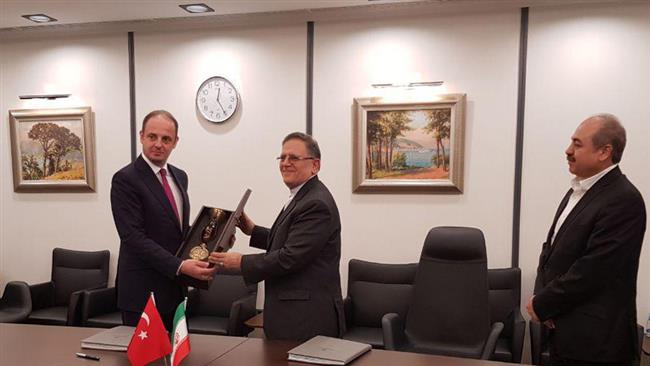
Iran, Turkey to Use National Currencies in Bilateral Trade

The agreement was signed during a visit to Ankara by Valiollah Seif, the governor of the Central Bank of Iran (CBI).

“The agreement is meant to help prepare the ground for the expansion of mutual economic relations between Iran and Turkey and also facilitate trade in mutual currencies of the two countries,” Seif was quoted as saying by Iran’s IRNA news agency.

“Based on it, Iran’s Rial and Turkey’s Lira can be easily converted into each other and merchants on both sides of the border can accordingly use those currencies for their trade activities.”

The official emphasized that this could help reduce the costs relating to the conversion as well as the transfer of currencies.

He added that the banks of the two countries can use the international payment tools to convert currencies into Rials and Liras.

Seif emphasized that the draft agreement would be finalized during the next meeting of the joint economic commissions between the two countries and would thus become effective immediately.

He emphasized that the initiative was in line with a mandate endorsed by the presidents of the two countries to boost their level of trade to as high as $30 billion per year.

“The potential to boost Iran-Turkey trade relations to $30 billion exists but the barriers to this need to be removed one by one,” Seif emphasized in his interview with IRNA.

“One important barrier was the limitations in banking channels of the two countries. The agreement to trade in local currencies can help remove it.”

‘Iran Should Adopt Independent Policy towards Kurdish Secession’

Senior political commentator Mohammad Masjed-Jamei has, in an interview with the Persian-language news agency Khabar Online, weighed in on the repercussions of the recent referendum on the secession of the Kurdistan region from Iraq.

He has reviewed the historical trends of secessionist moves, the future of the Middle East and tendencies toward disintegration. The highlights of the interview follow:

The referendum on the separation of the Iraqi Kurdistan region from Iraq was held at a time when its results could not be accepted under the current circumstances in the region, Europe and the world. After the collapse of the Soviet Bloc, several countries emerged from within the former Soviet Union and Yugoslavia and broke away from them. But the present situation in the Middle East is very much different from that in those years.

Back then, superpowers supported independence-seeking tendencies within the Soviet territory in order to help bring about the collapse of the Soviet Bloc, although the situation was different in Yugoslavia. Moreover, the proportion of the number of ethnic groups in those two countries to that of ethnic groups in Moscow and Belgrade at that time is not the same as the proportion of the number of Kurds in Iraq’s Kurdistan to that in Baghdad.

[On whether or not the referendum on the secession of the Iraqi Kurdistan region can be compared to the plebiscite on Catalonia’s independence, he said] there are practically two active independence-seeking currents in today’s Europe: Catalans and the Scottish. Although the European Union says it is committed to safeguarding the rights of minorities, the bloc is opposing any unilateral decision made without coordination with the capital of the country they are residing in. Despite the fact that Europeans lashed out at Spanish police for their acts of violence against pro-independence Catalans, they termed the referendum illegal as it had been held without the consent of the Spanish government. And the EU is now trying hard to find a way to keep Catalonia from separating from Spain, and blames itself for not having mediated between the two before the plebiscite was held.


Although the European Union says it is committed to safeguarding the rights of minorities, the bloc is opposing any unilateral decision made without coordination with the capital of the country they are residing in.


Furthermore, Europeans know well that they cannot tolerate and even calculate the consequences of such moves. The independence of Catalans would trigger independence-seeking moves in many parts of Europe, from northern Italy to Ireland located to the north of Britain, to Belgium, to ethnic Albanians in Kosovo, to Hungarians in Transylvania and residents from the Bask region both in Spain and France.

If these developments continue to unfold, that will seriously threaten their political and social stability and provoke ethnic, racial, lingual and local conflicts. In addition, the independence-seeking drive will stabilize the situation of Russians in Crimea because most of its people want to be reunited with Russia as an overwhelming majority of them voted “yes” to reunification in a referendum. Crimea was the main reason behind the straining of relations between the West and Russia. Therefore, the recognition of the current independence-seeking moves would amount to abrogation of their anti-Russia policies.

It is not Europe, only. Basically, calls for independence in big countries such as Russia, India, China and even Brazil and the United States and African countries will be problematic. Brazil’s Sao Paulo and the United States’ California have long been calling for independence due to economic reasons which are understandable. Tuaregs in Mali want their own country. They include the Tuaregs in Mali, Niger, Libya, Algeria and Chad. Berbers in North Africa have the same idea. Given Internet connections and the growing causes and effects, inattention to independence-seeking currents can result in numerous problems for our tense and chaotic world. Of course, it is not the only the issue of independence-seeking. This idea alone will lead to a rise in enmities and revive the negative memories in history. It might also trigger uncontrollable armed action, as has been the case on several occasions in the past.

[Regarding the prospects of the political landscape of Iraq’s Kurdistan, he said] If the organizers of the referendum had a more precise and more rational understanding of the situation in today’s world, they would not have done such a thing, at least for the time being. Provoking the sentiments of people and, directly or indirectly, adopting a carrot-and-stick policy vis-à-vis those who opposed the plebiscite, is not in the interest of anyone, even Iraqi Kurds themselves. They need security, welfare and progress on different fronts, not moves which run counter to all of these. After the fall of Saddam Hussein, their general situation has been much better than that of other Iraqis, and their proportionate share of oil revenues is much more than that of other Iraqis. The extent of the development in their territory is not comparable to that of other areas in Iraq.

Most probably, the flames triggered in Kurdistan will subside. The organizers of the plebiscite believed that others, especially countries from beyond the region, would back their initiative. However, such a thing did not happen, nor will it happen in the foreseeable future. The current situation is such that even Israel, which was first happy, backed down from its comments. Furthermore, since the time Kurdistan was established, they have been trying to identify and widen social, ethnic and religious rifts.


We need to adopt our own independent policy towards the Kurds. We can cooperate with others, including Turkey, within this policy, but the two countries cannot pursue the same policy towards the issue.


Zionists are following a two pronged-policy. First, they want to turn into the number-one power in the region. Second, they seek to disintegrate the region into small countries which would become Israel’s satellites. This point along with other issues has been described in an article about Israel’s strategy in the 1980s written by high-profile diplomat Oded Yinon. The article was published in a World Zionist Organization magazine.

We need to adopt our own independent policy towards the Kurds. We can cooperate with others, including Turkey, within this [independent] policy, but the two countries cannot pursue the same policy towards the issue.

Turkey is Iran’s major neighbour and cooperation with that country will benefit both sides as well as the whole region. This initiative will help boost regional cooperation, something needed by all in the region; nevertheless, one should not forget that the history and nature of the problems that Turkey has with Kurds are different form the problems that we have with the recent referendum. Moreover, we have different potentialities. Due to its industrial as well as economic and trade structures together with the features of its foreign policy, Turkey has high maneuverability power and uses it frequently. Currently, trade between Ankara and Iraq’s Kurdistan exceeds $12bn. This has somehow led to some kind of dependence, and Turkey can capitalize on this reality and benefit from it unilaterally to serve its own interests.

Iran-Turkey cooperation is a useful and necessary principle, which should be utilized in such a way that will not serve the interests of one side only. We witnessed a similar experience at the Economic Cooperation Organization (ECO). Iran tapped into its full potential to revive and expand the organization, but others benefited from the end result, at least in the economic arena, because they had more preparedness and capability.

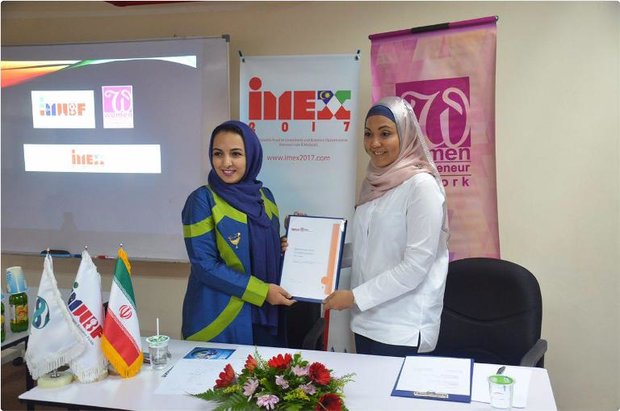
Iranian, Malaysian Women Sign MoU to Promote Business Ties

The cooperation agreement was endorsed on Monday evening in the Malaysian capital of Kuala Lumpur by IMWBF’s Secretary, Elham Amini and Ms. Nadira Yusoff, President of WENA president.

Ms. Amini underlined that participation of women is prerequisite to exploiting all capacities to increase amount of collaborations between the two Muslim countries.

The official further urged WENA members to visit Iran and stressed the need to foster friendly cooperation between businesswomen and entrepreneurs of the two sides.

Also the signing ceremony, Malaysia’s Yusoff voiced satisfaction over increasing trade transactions between Iranian and Malaysian women and attached great significance to cooperation and signing MoUs for making presence in Iran’s mega and outstanding market.

Tehran is expected to host a meeting on November 01-02 on investment opportunities in Iran and Malaysia for women.

Later at the session, Mohammad Hafez Hakami, who heads Iran-Malaysia Trade and Exhibition Opportunities, noted that there exited proper grounds for various activities that entrepreneur Muslim women from the two countries could use, and the cooperation between IMWBF and WENA could mark an emblem for women in other Muslim countries.