Friday, April 10, 2026
Home Blog Page 3833

Iran Opens New Embassy Building in Tajikistan

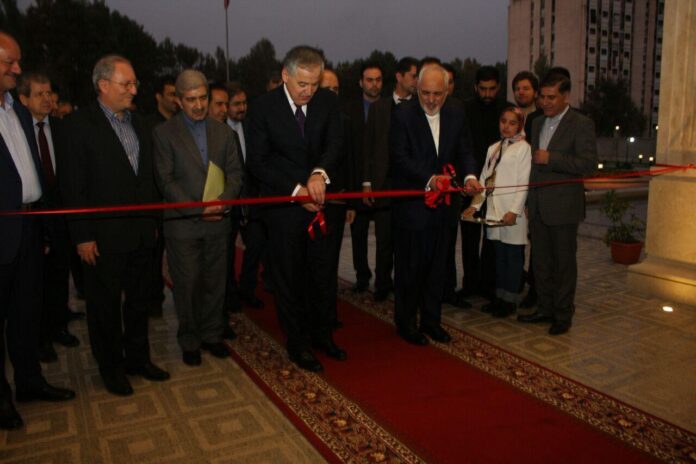
Iranian Foreign Minister Mohammad Javad Zarif opened the new embassy building during his short visit to the Central Asian state.

In an address to the opening ceremony, which was also attended by Tajik FM Sirodjidin Aslov, Zarif described Tajikistan as “the country of our kind friends” and stressed that “we find ourselves in our second homeland when we talk with our well-wishing friends who speak the same language as us.”

“The most beautiful explanation for this sense are the remarks made by the Leader of Iran’s Islamic Revolution who described the ties between Iran and Tajikistan as ‘relations between relatives’,” he added.

The Iranian top diplomat stressed that Tehran is determined to expand relations with Dushanbe in all fields and open up new horizons in cooperation with the Central Asian country.
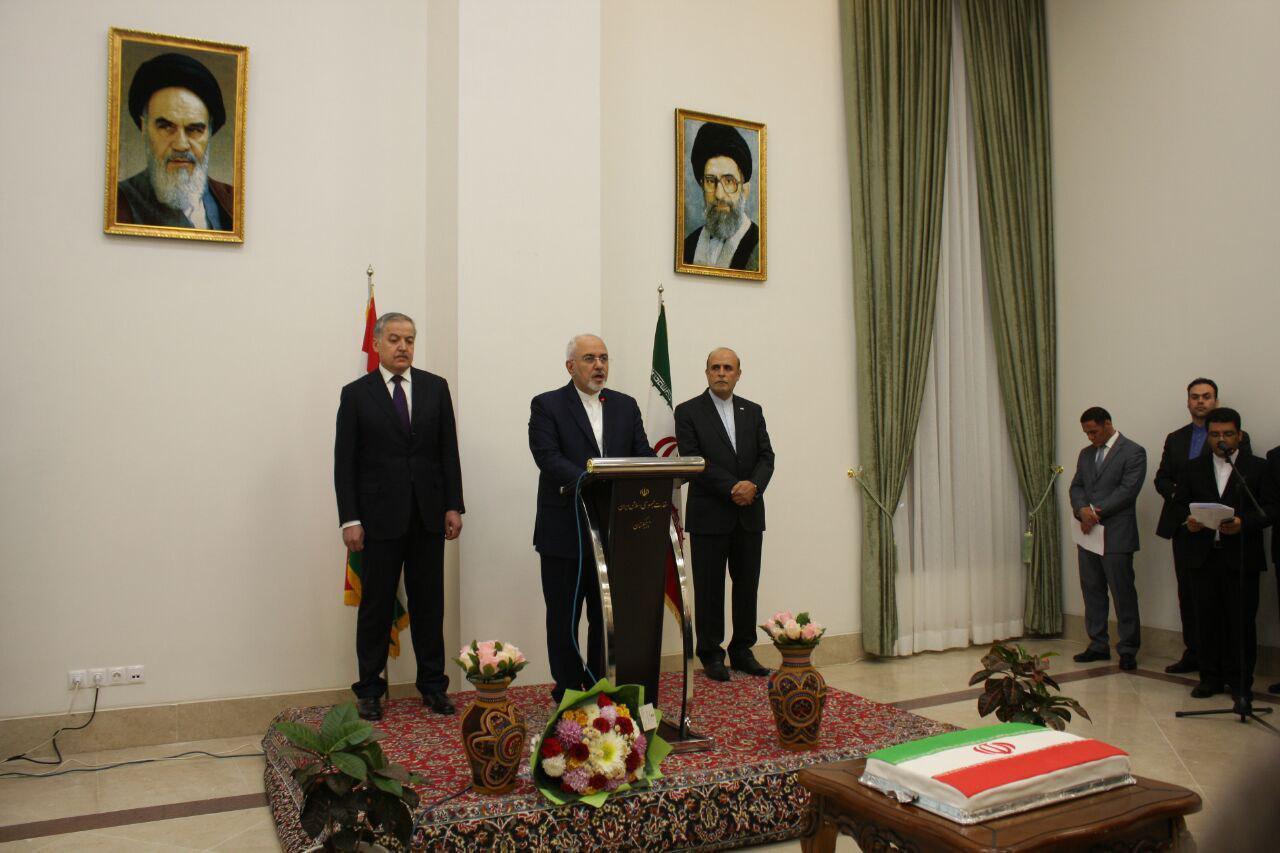
Iran Opens New Embassy Building in TajikistanHe wished that the long-standing relations between the two Persian-speaking countries would further develop.

Zarif also declared that the joint commission of economic, technical, scientific and cultural cooperation between the two countries will hold a meeting in the near future.

He also pointed to the inauguration of the new embassy building and said, “This splendid building, in which the art of traditional Iranian architecture is used and is a modern one at the same time, is a symbol of common and ancient heritage of Iran and Tajikistan which share the same religion, culture, and language.”

Zarif arrived in Dushanbe on Wednesday in his first visit since two years ago. While in the Tajik capital, he held separate meetings with FM Aslov and President Emomali Rahmon.

Later on Thursday, he left Dushanbe for the Uzbek city of Samarkand, where he has arrived and is going to attend the International Conference on Security and Sustainable Development in Central Asia.
UNESCO to Register Iranian Polo, Kamancheh as Intangible Cultural Heritage

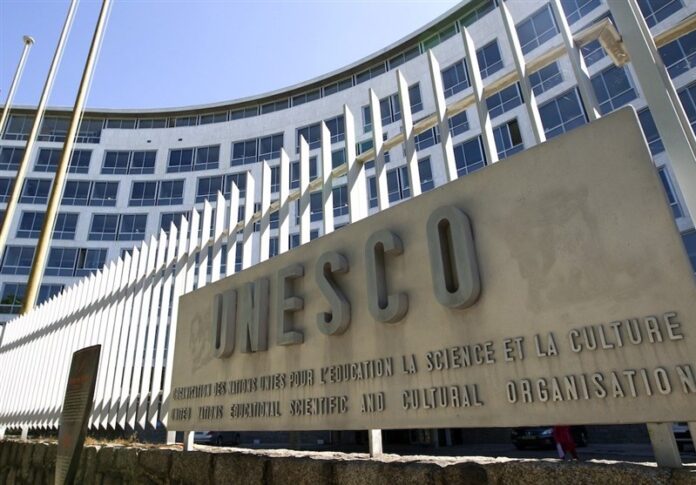
The United Nations Educational, Scientific and Cultural Organization (UNESCO) will officially register the Iranian polo and the Persian string instrument Kamancheh on its List of Intangible Cultural Heritage.

According to a Farsi report by ISNA, the decision was made by the Intergovernmental Committee for the Safeguarding of the Intangible Cultural Heritage, said Farhad Nazari, the head of the Iranian Office for Registration of Historical Monuments.

Two years ago, Iran had proposed its polo, which includes horseback riding coupled with narrating stories and music, be registered on the World’s List of Intangible Cultural Heritage, according to Nazari.

It was finally approved for registration, and will officially be registered at the 12th meeting of the committee to be held in South Korea next month, he added.

He further said the case titled “the art of making and playing the kamancheh” will also be reviewed and registered by UNESCO at next month’s meeting.

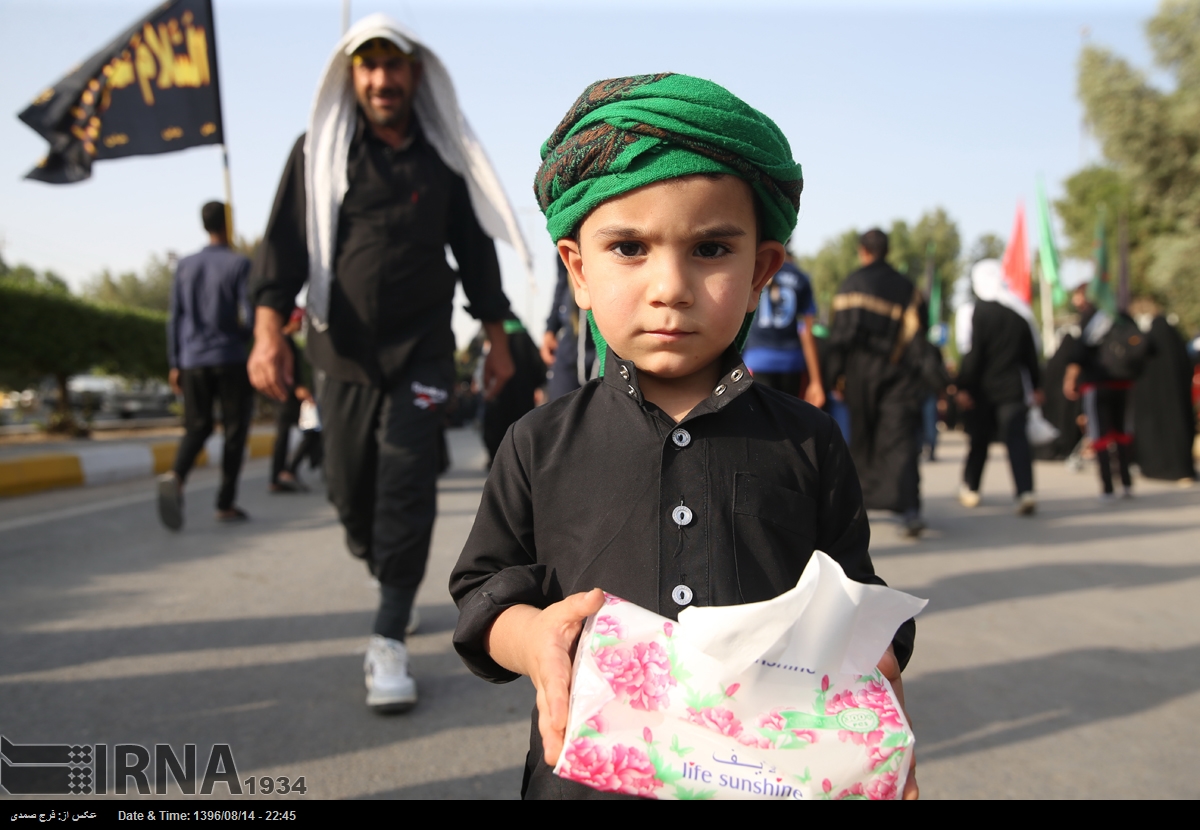
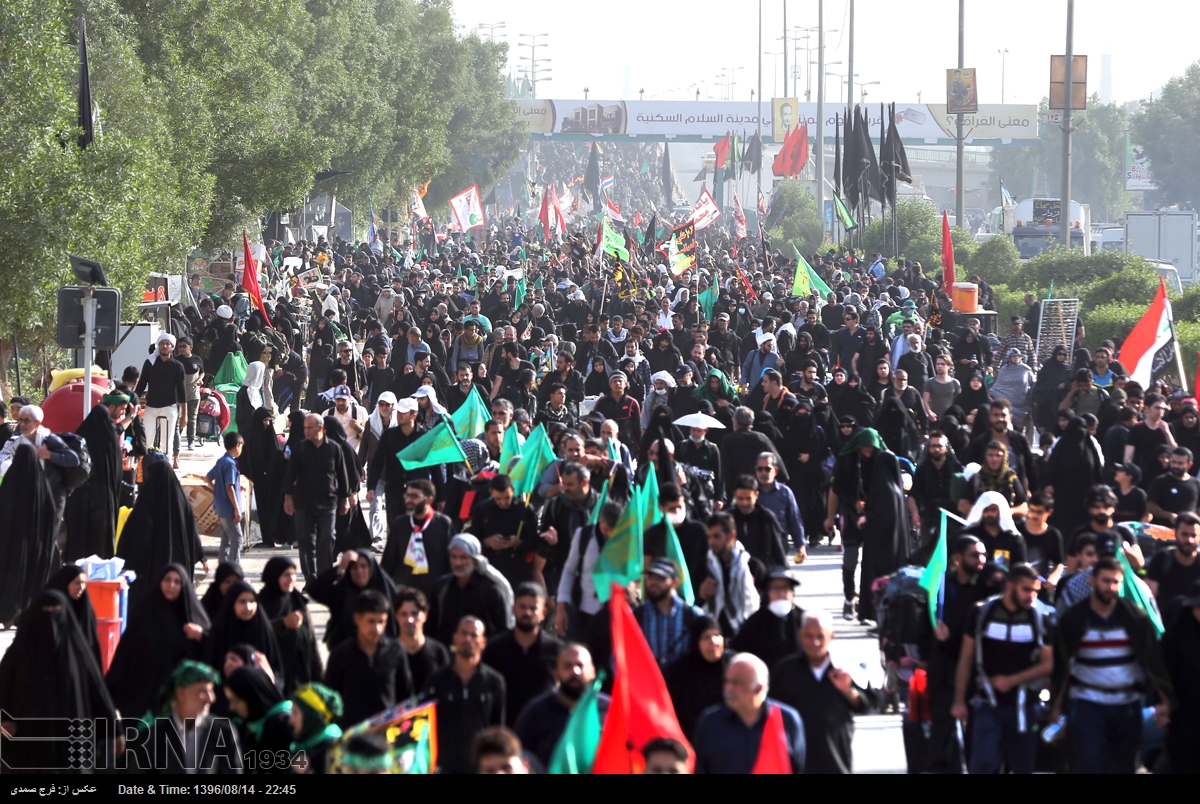
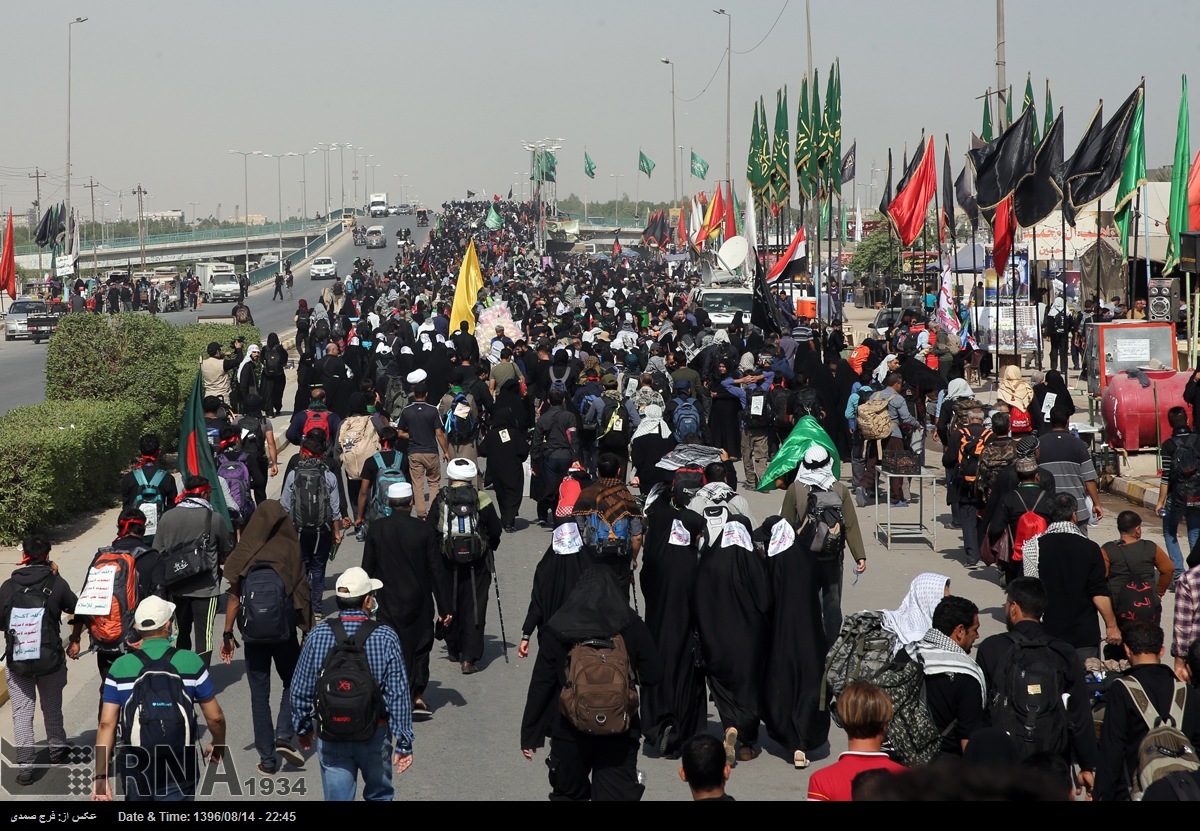
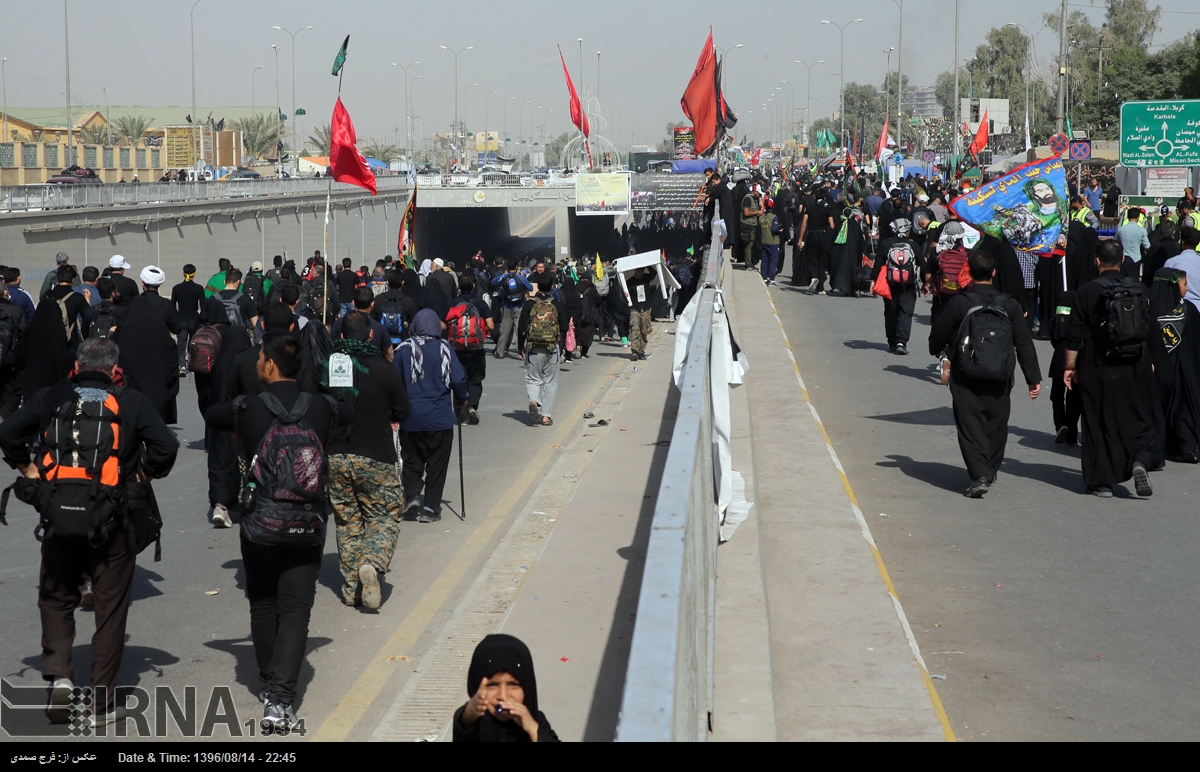
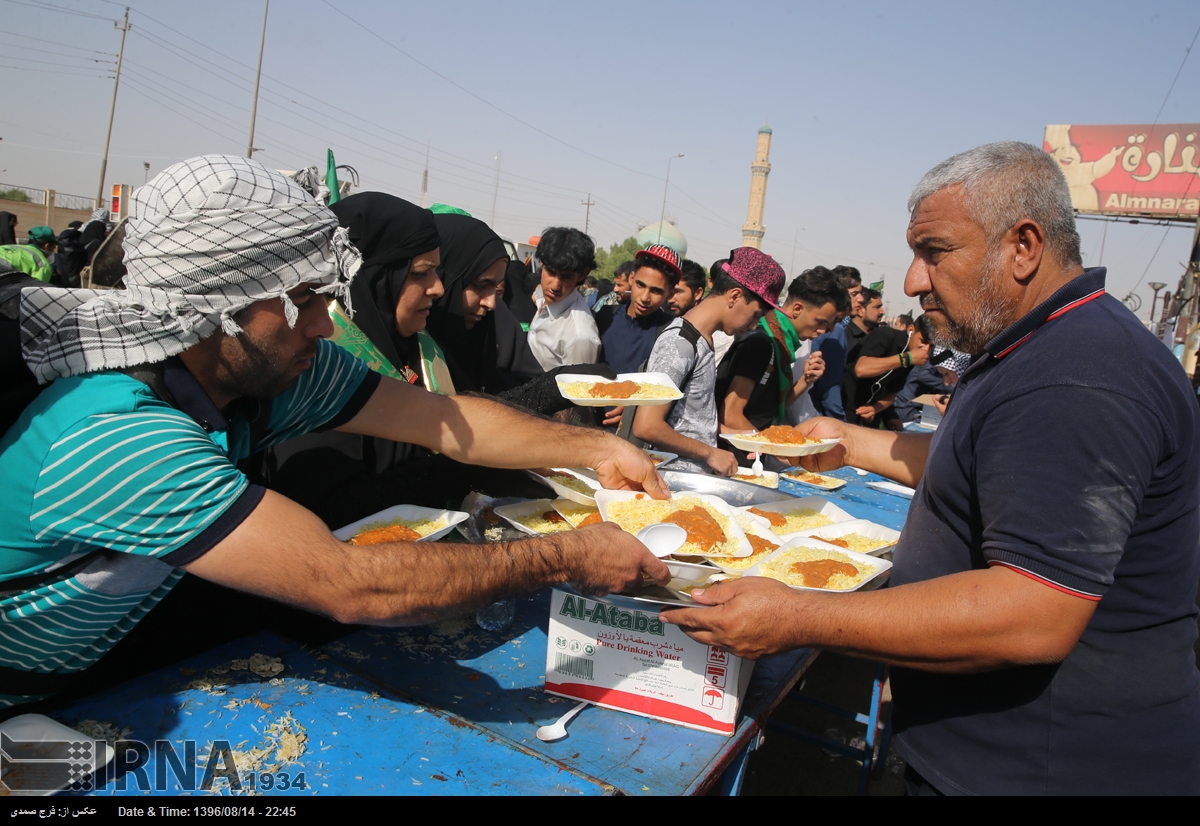
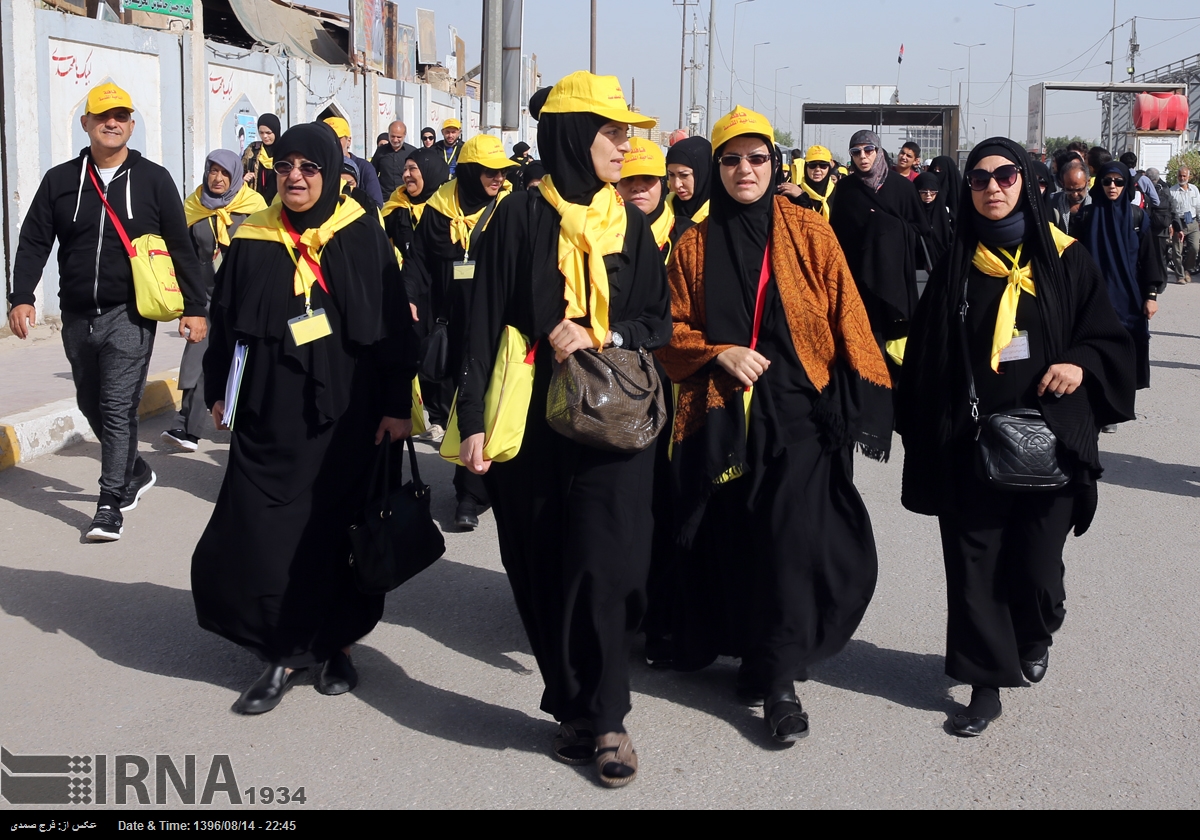
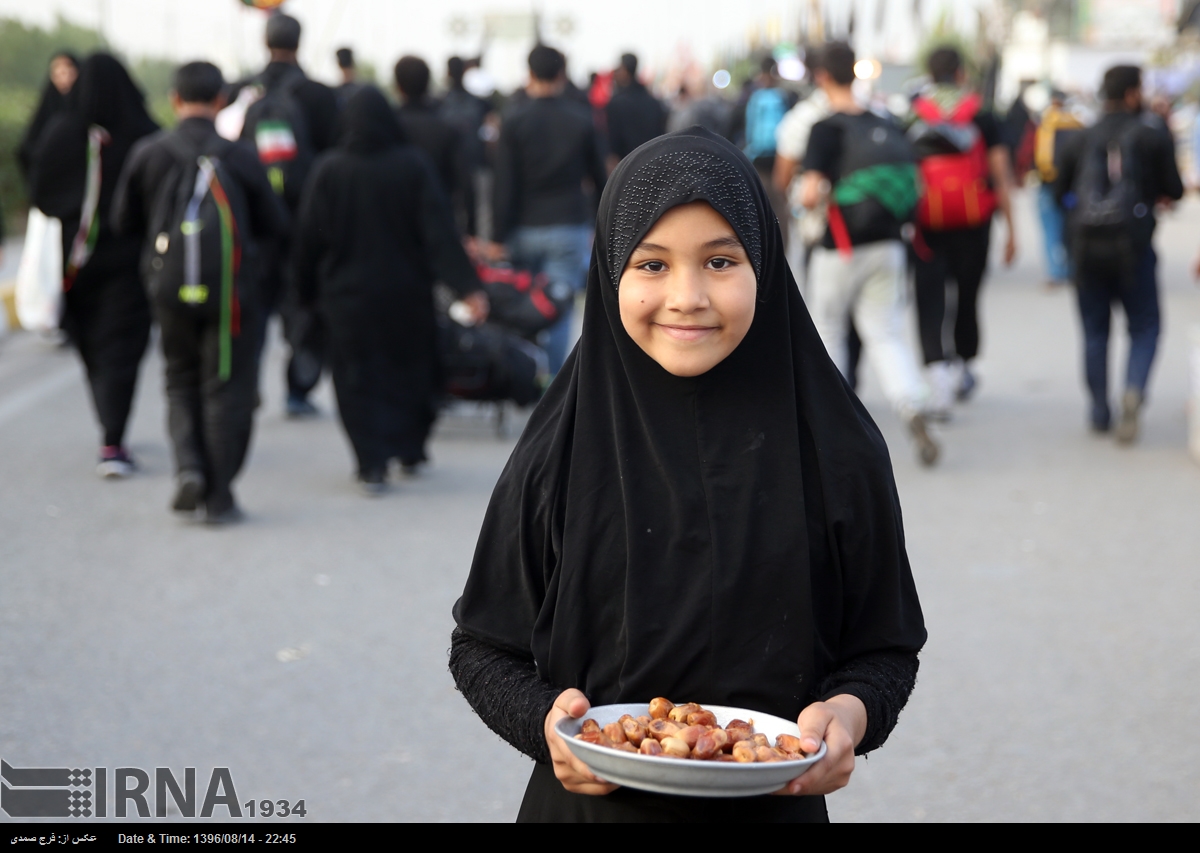
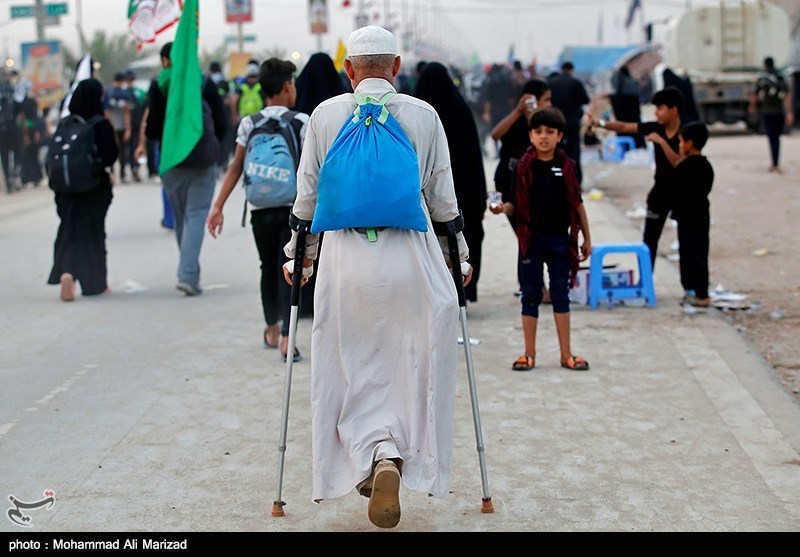
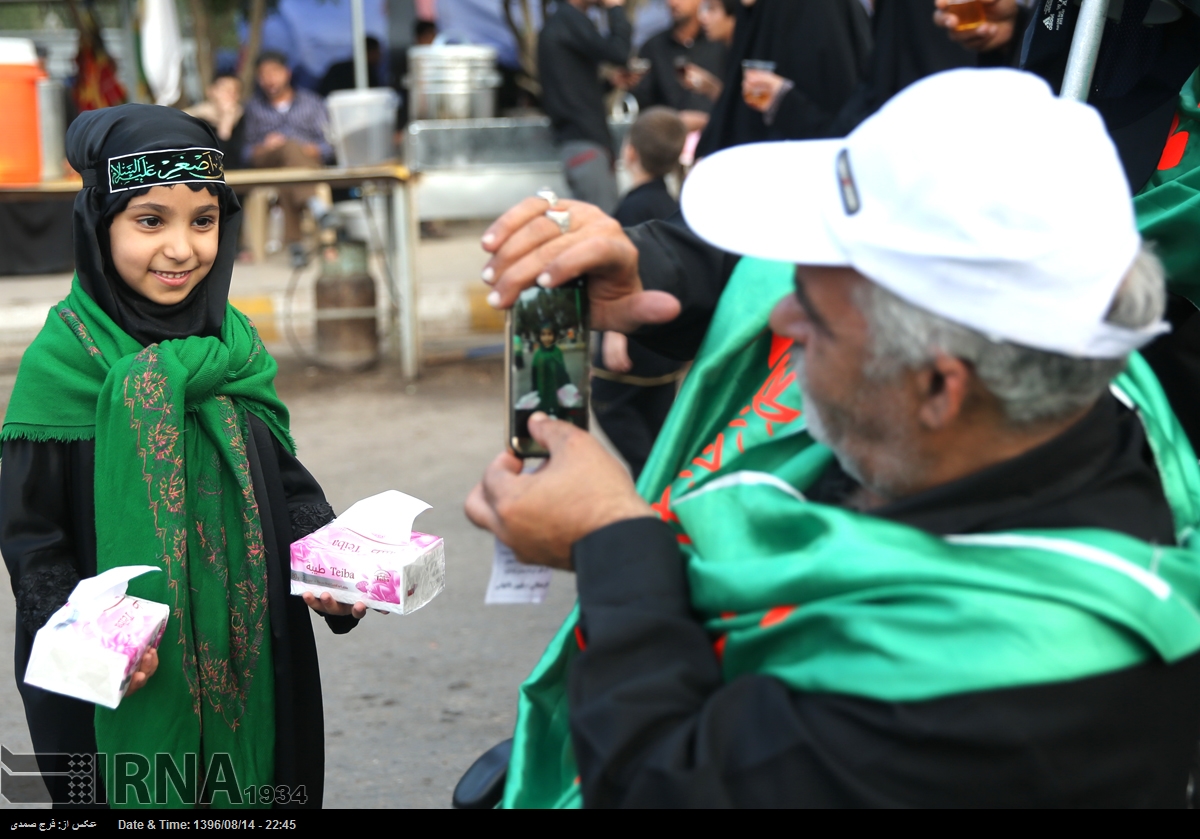
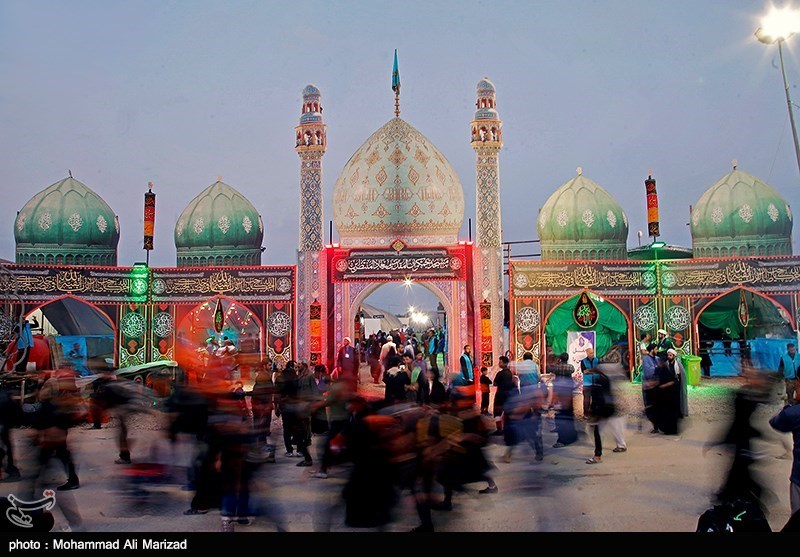
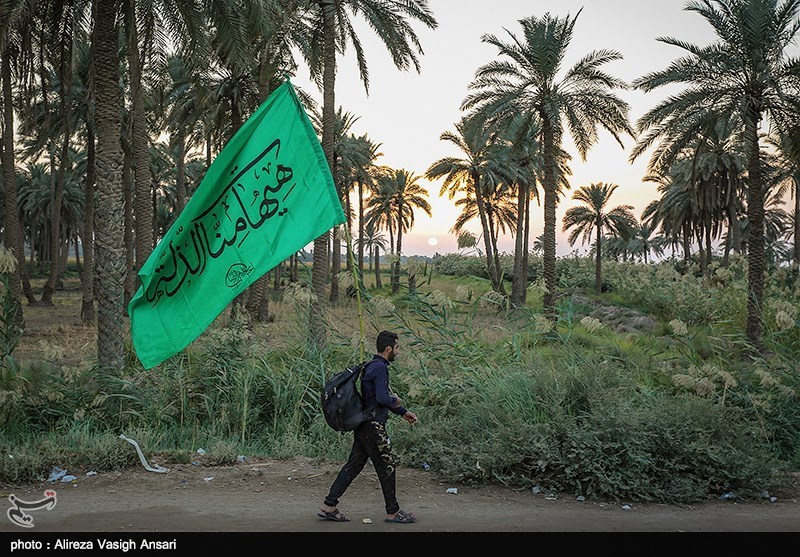
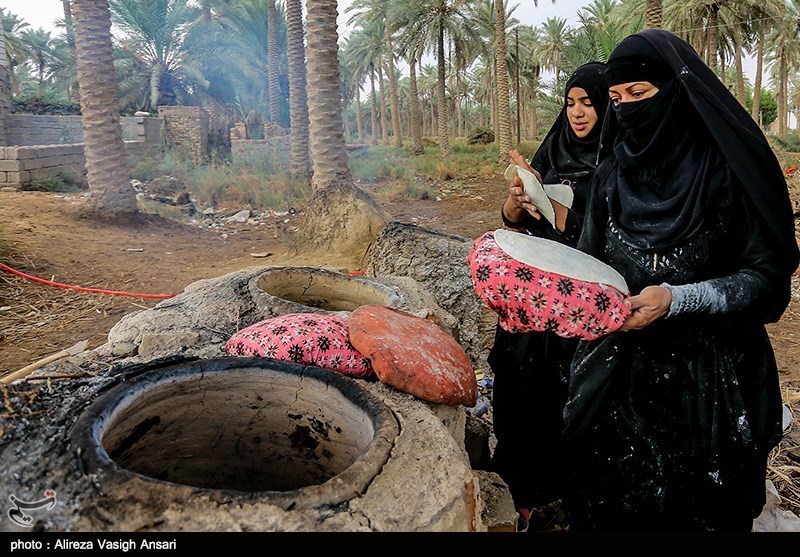
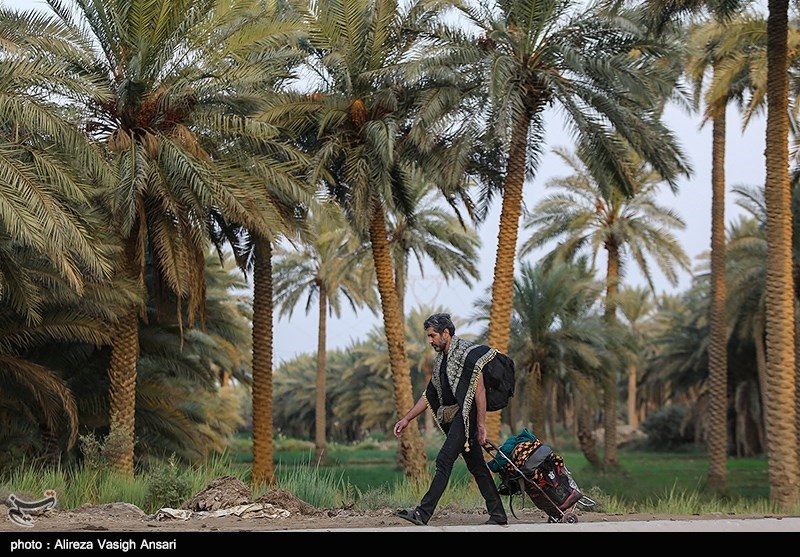
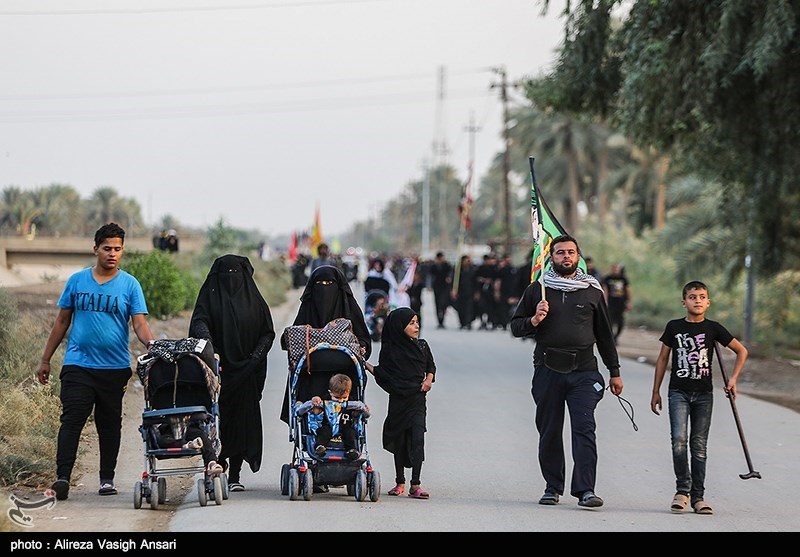
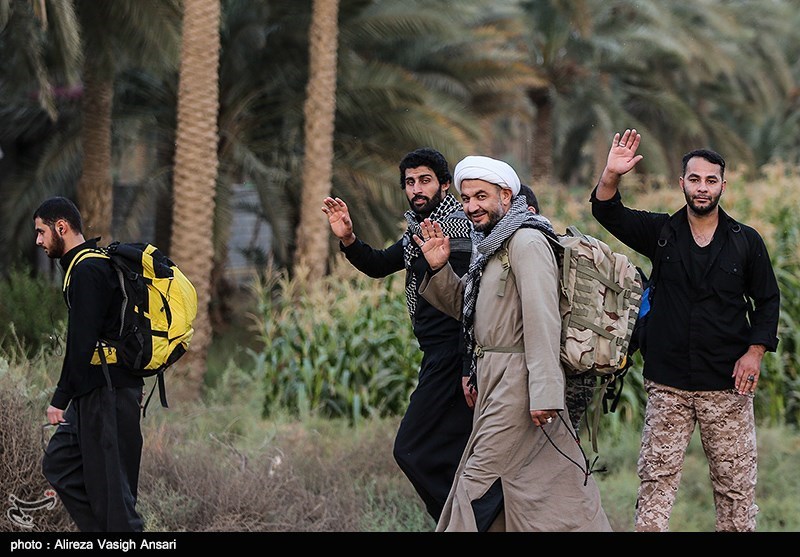
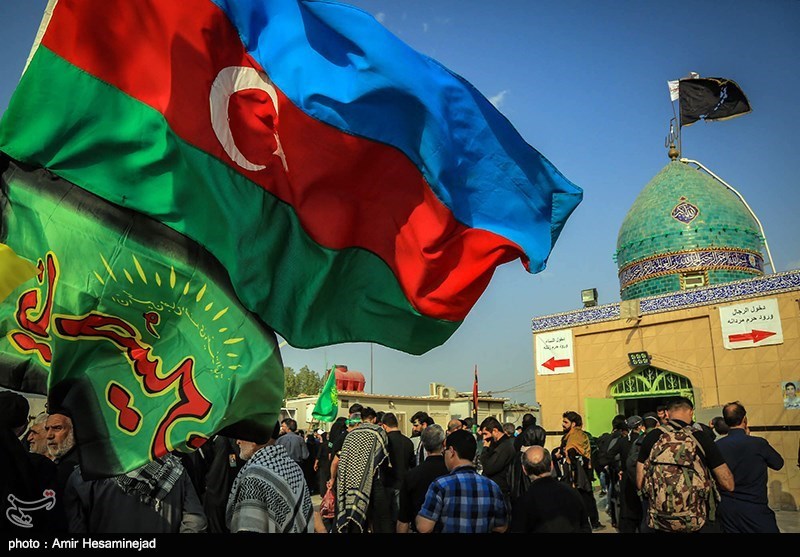
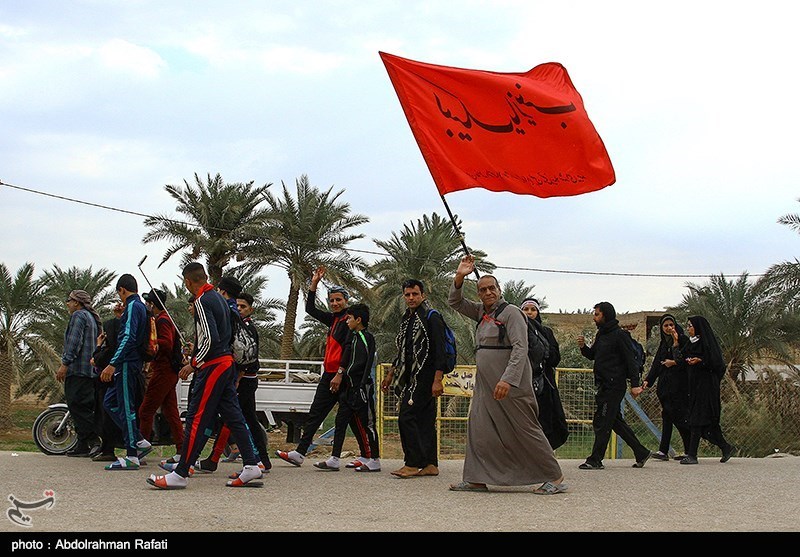
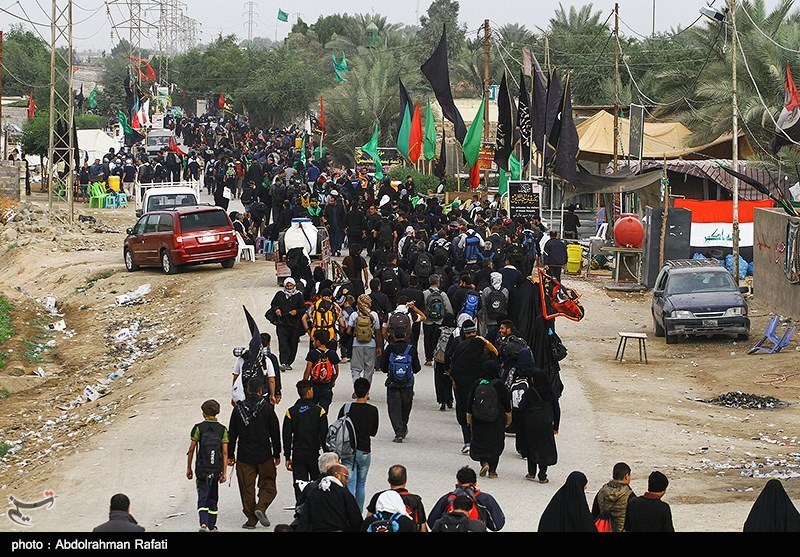
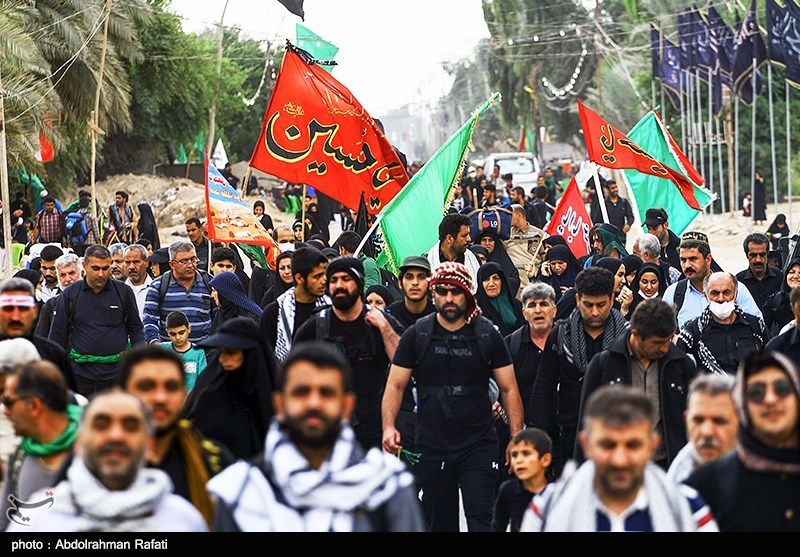
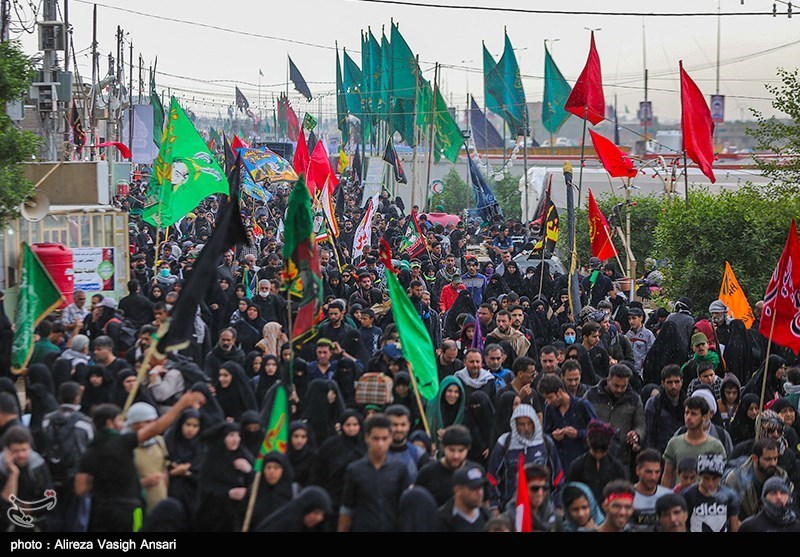
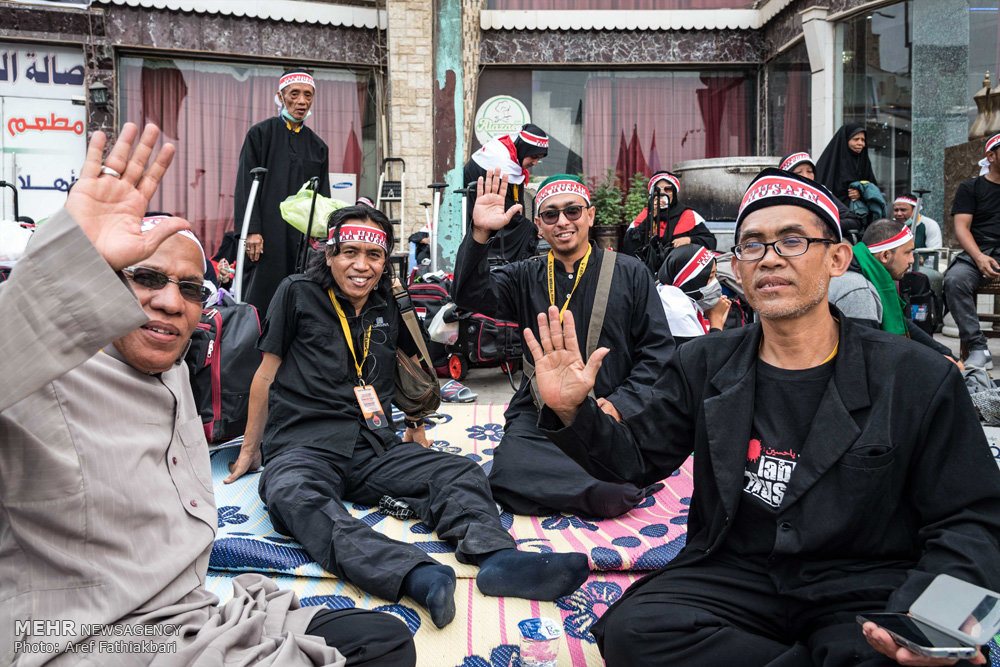
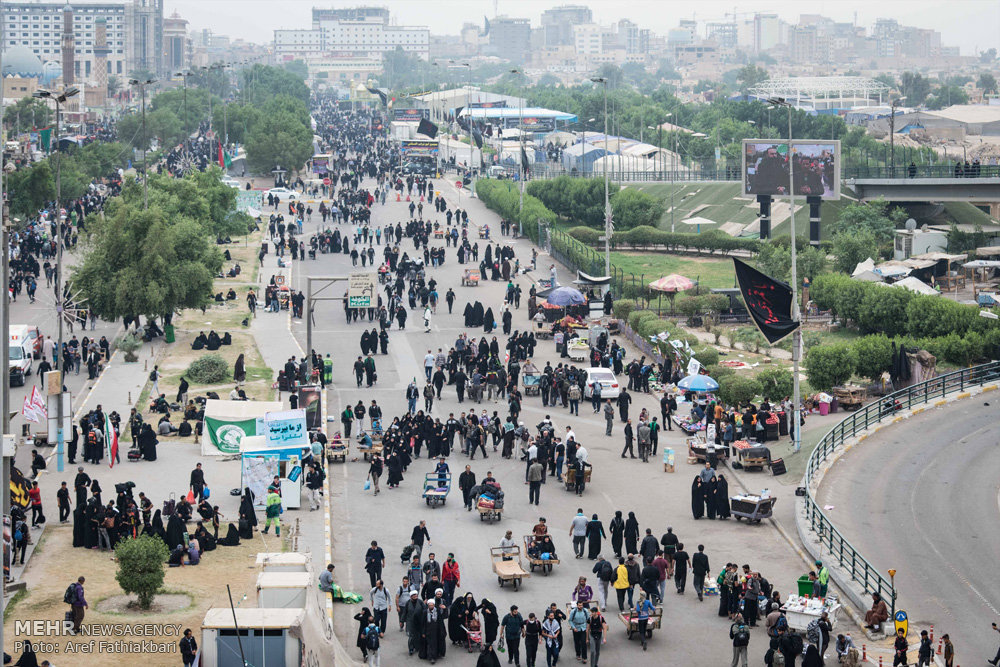
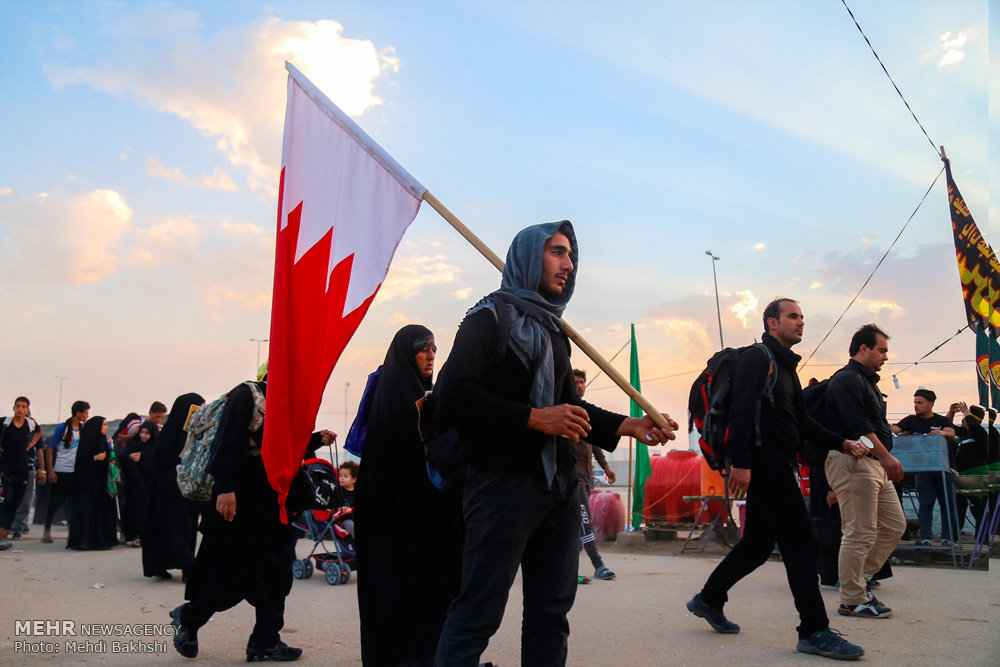
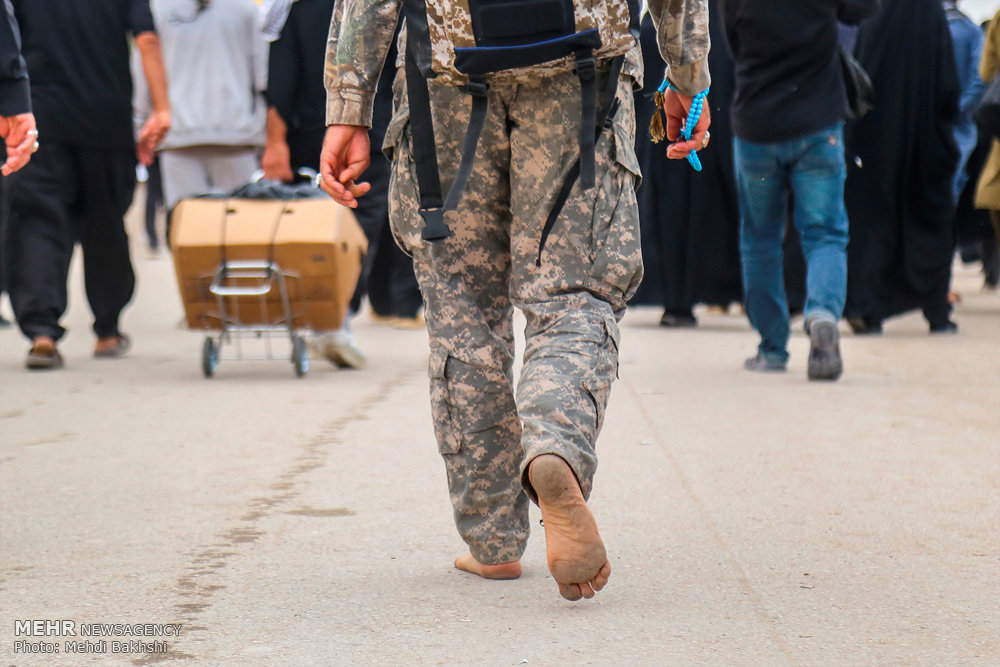
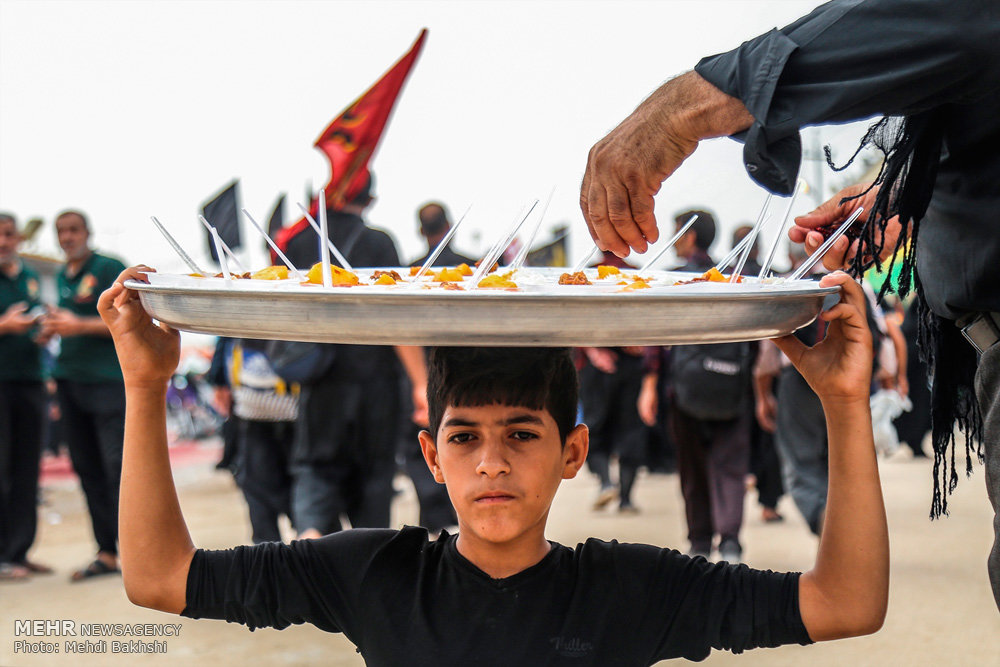
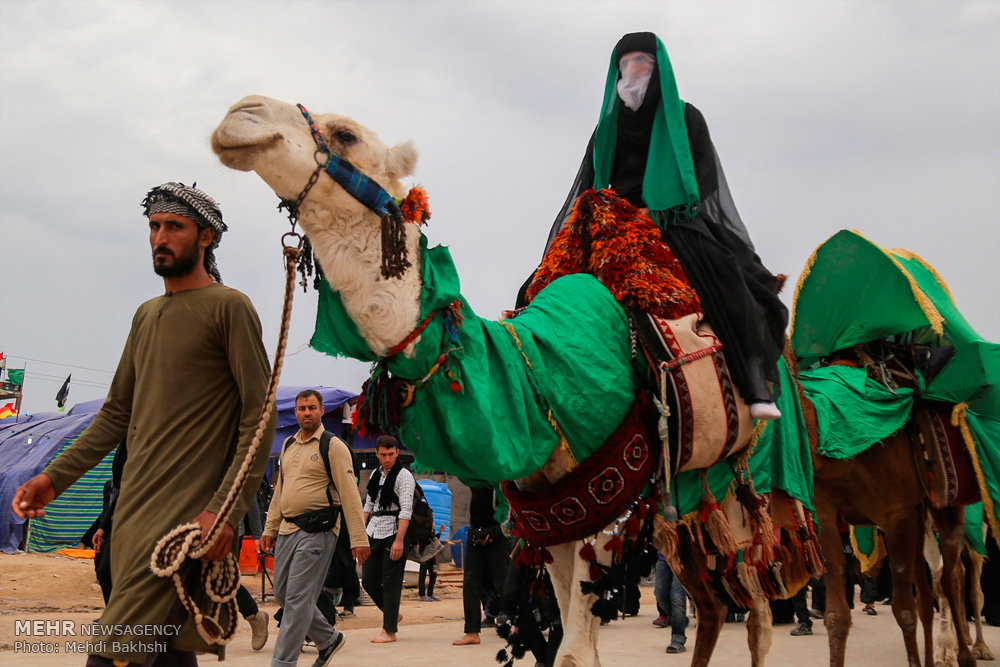
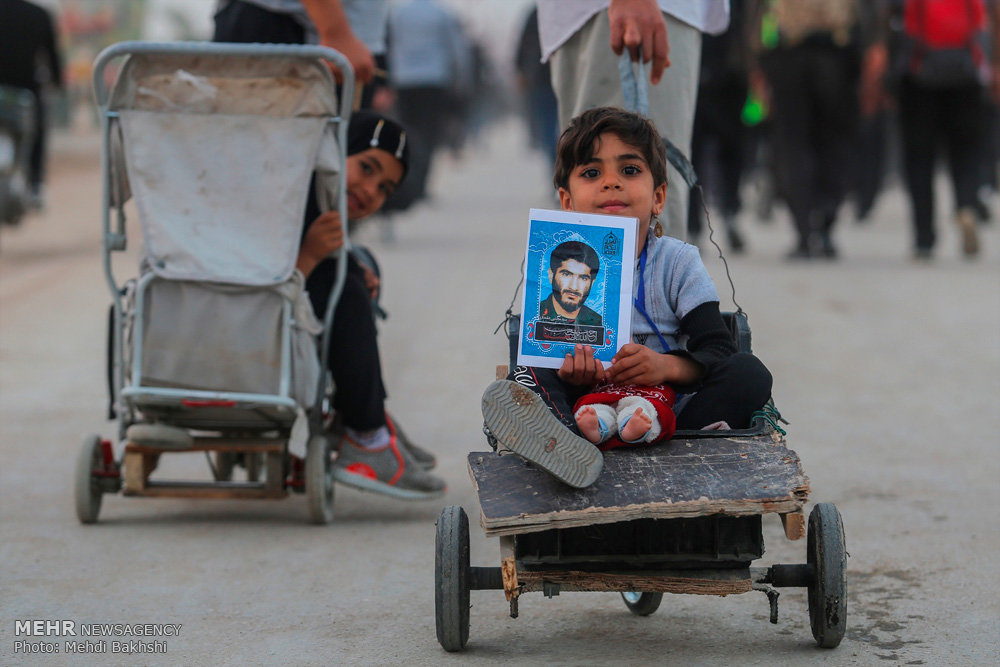
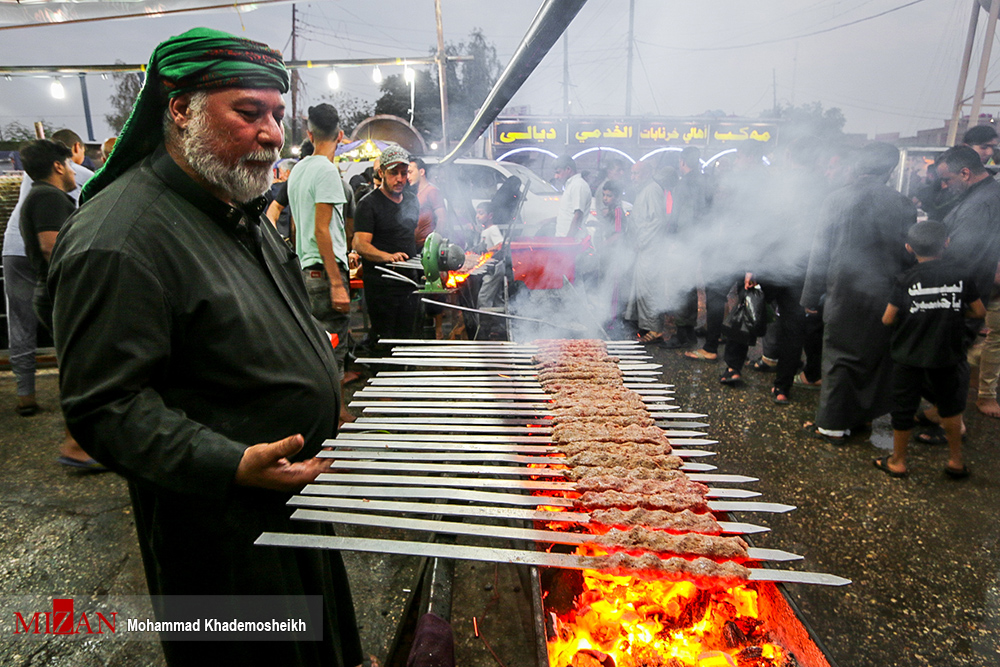
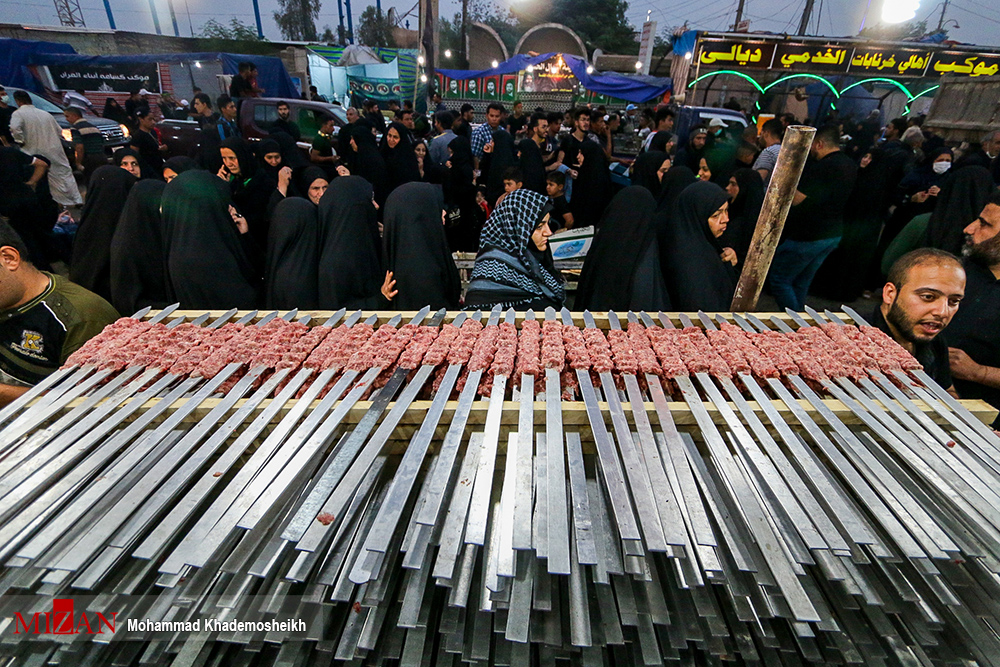
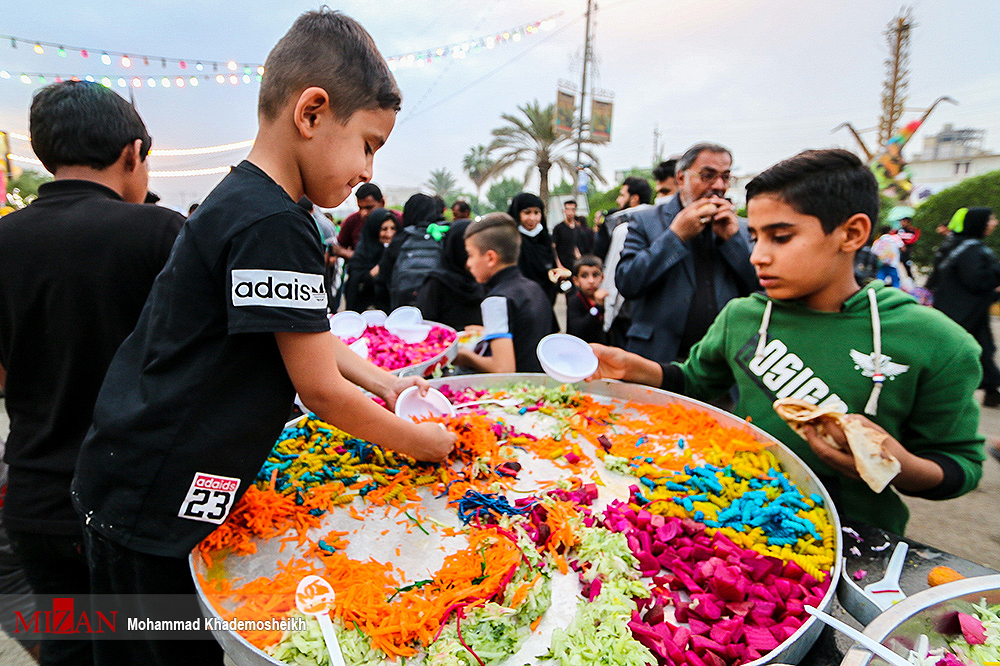
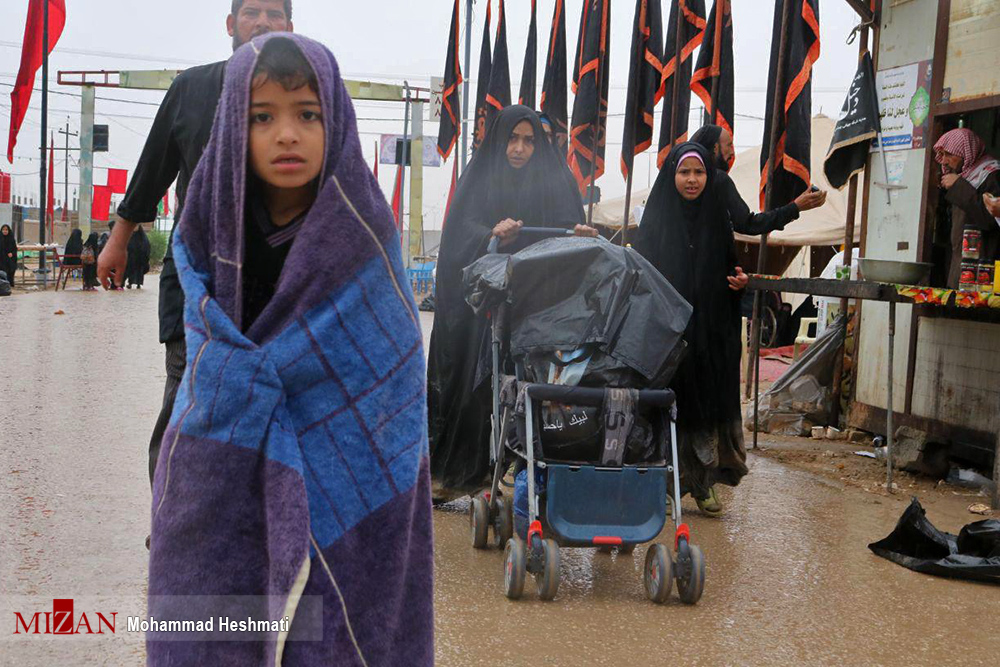
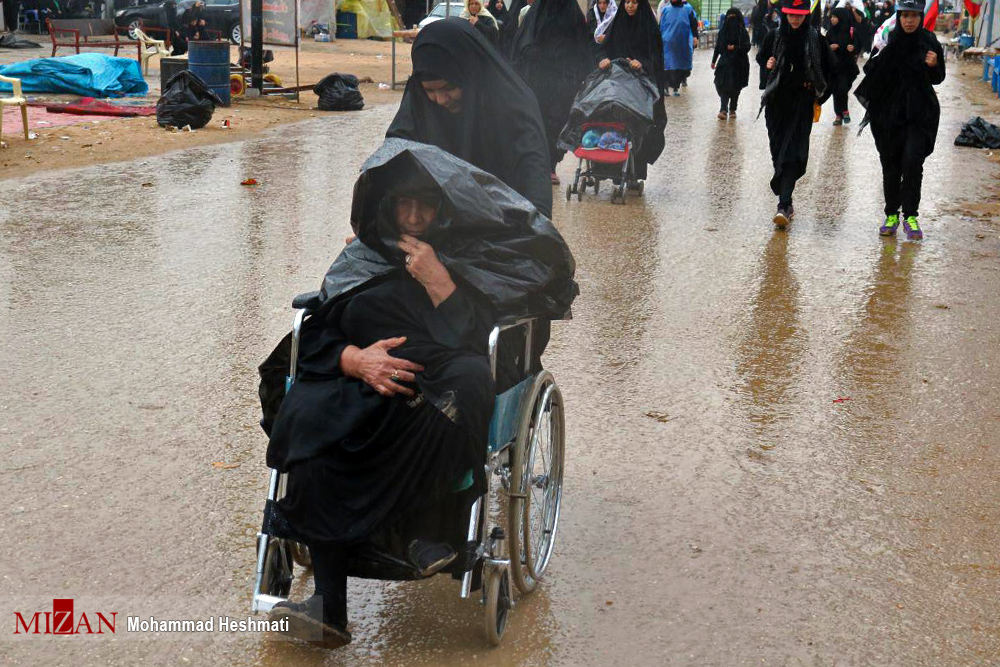
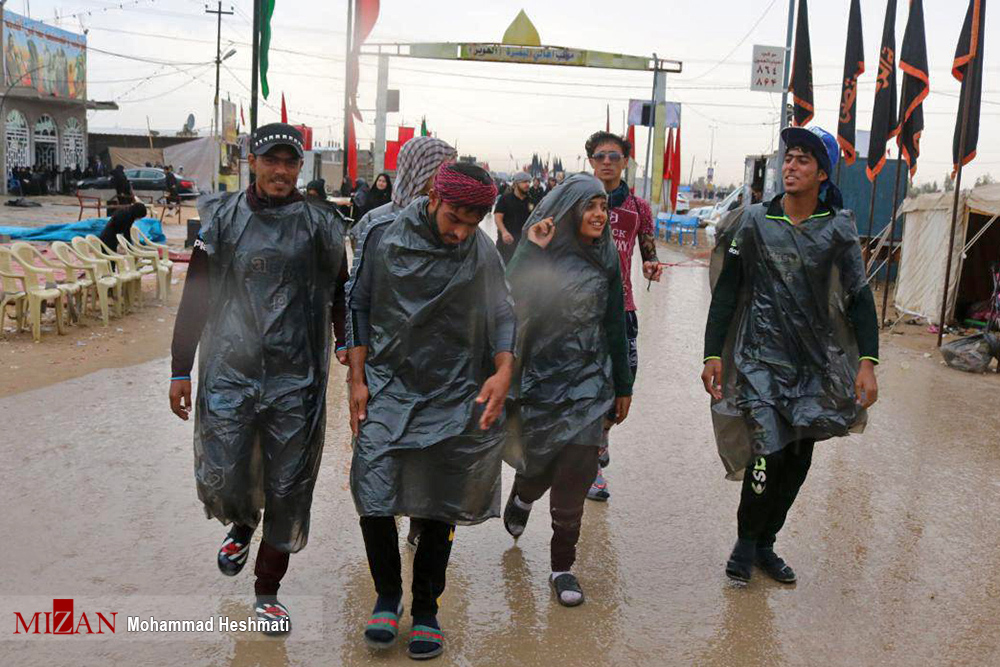
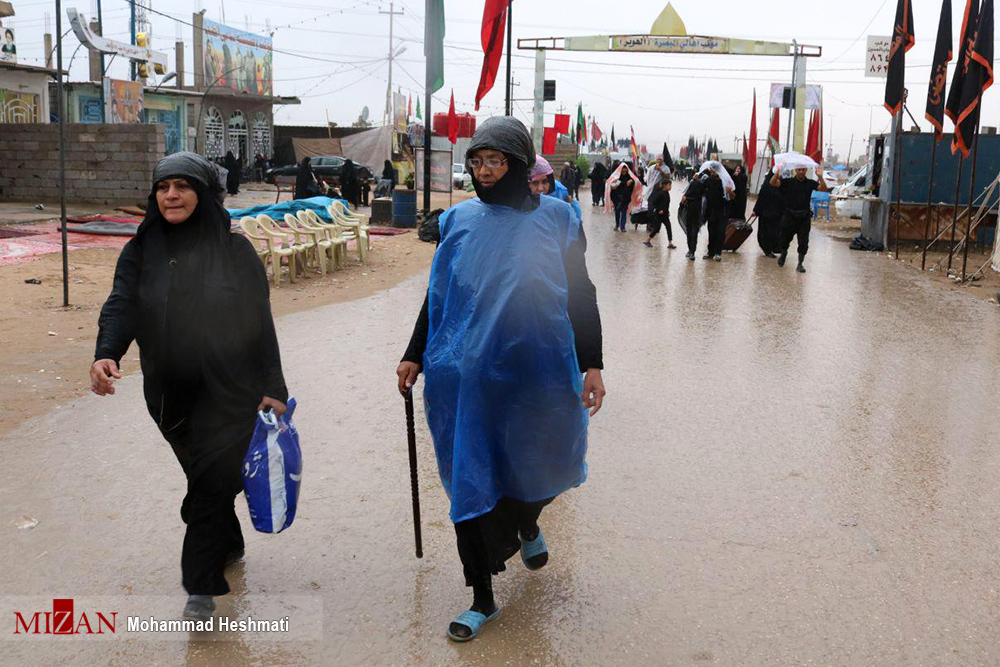
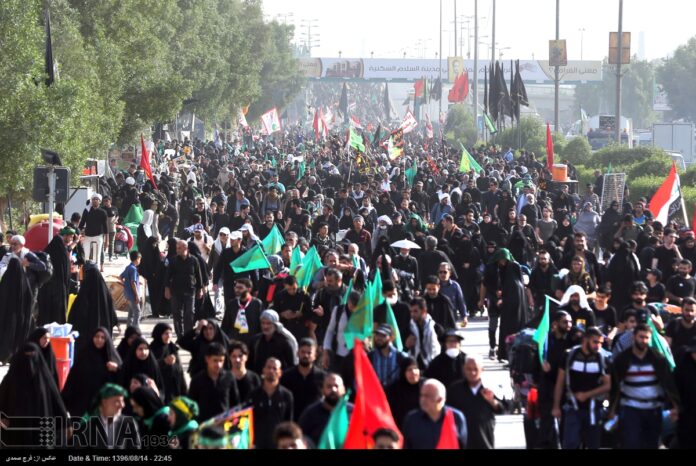
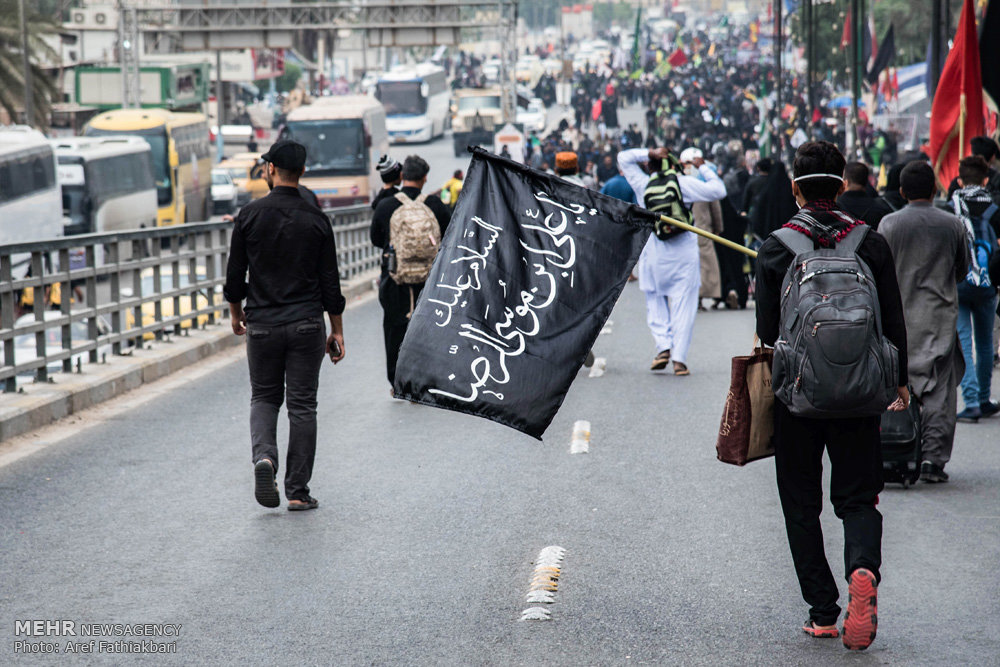
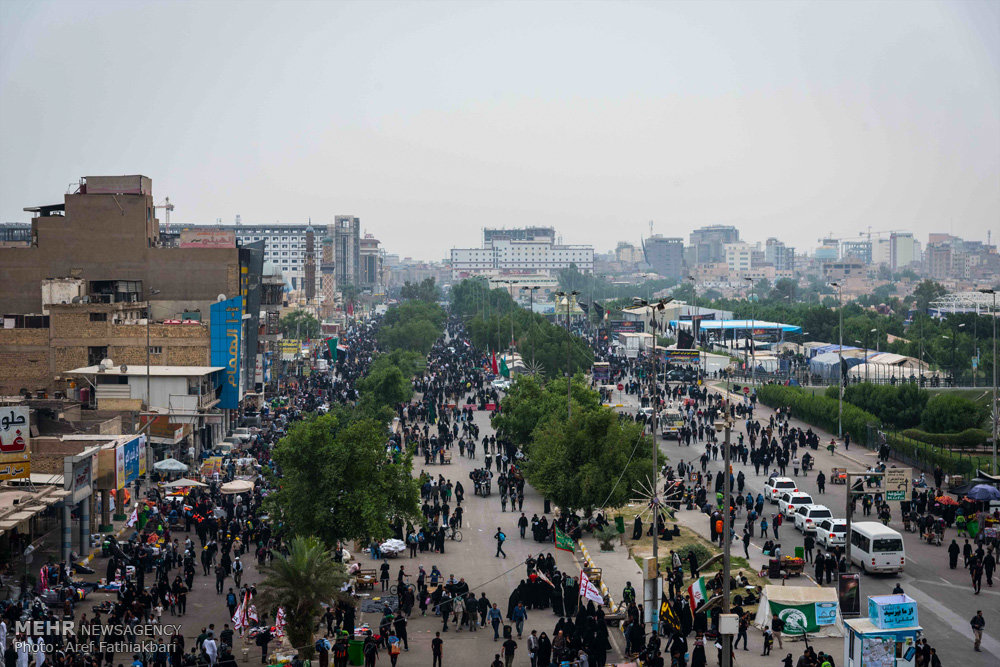
Millions of Arba’een Pilgrims in Iraq on World’s Biggest Pilgrimage

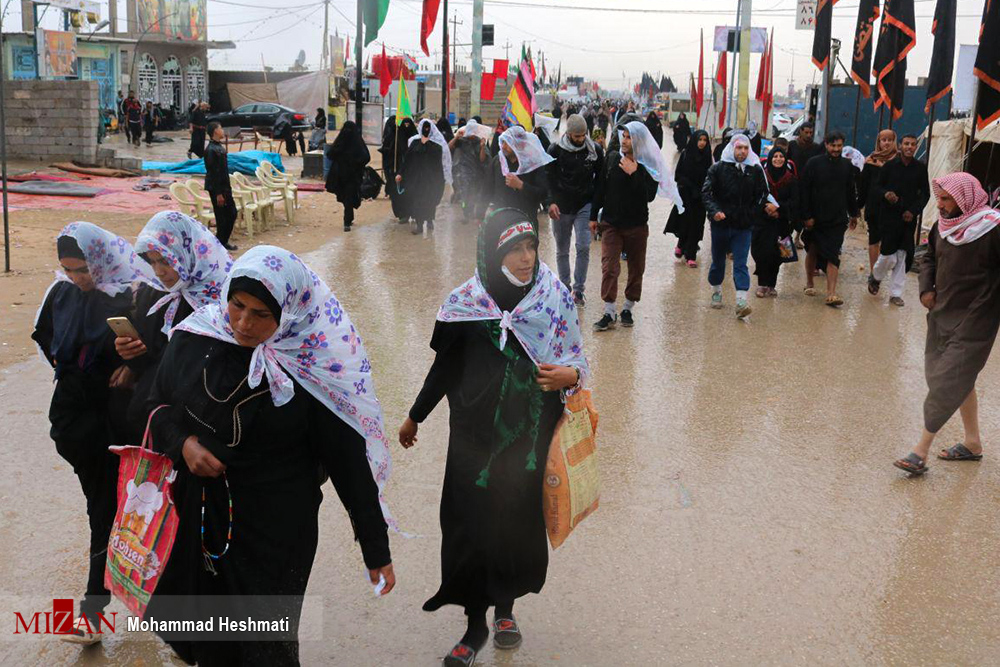
The ceremony is to highlight the hardships and sufferings of Imam Hussein (AS) and his followers after his martyrdom in 680 AD.

Imam Hussein’s uprising was in protest against Yazid, a caliph of the Umayyad, who tried to de-Islamize the Muslim community. Imam Hussein was martyred in an unequal battle and his family spread the message of his fight against oppression and corruption in the capital of the Umayyad caliphate during their captivity.

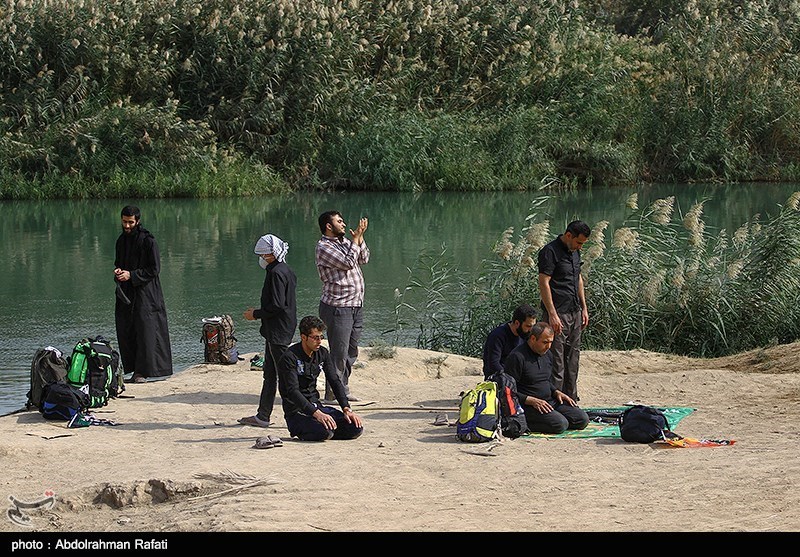
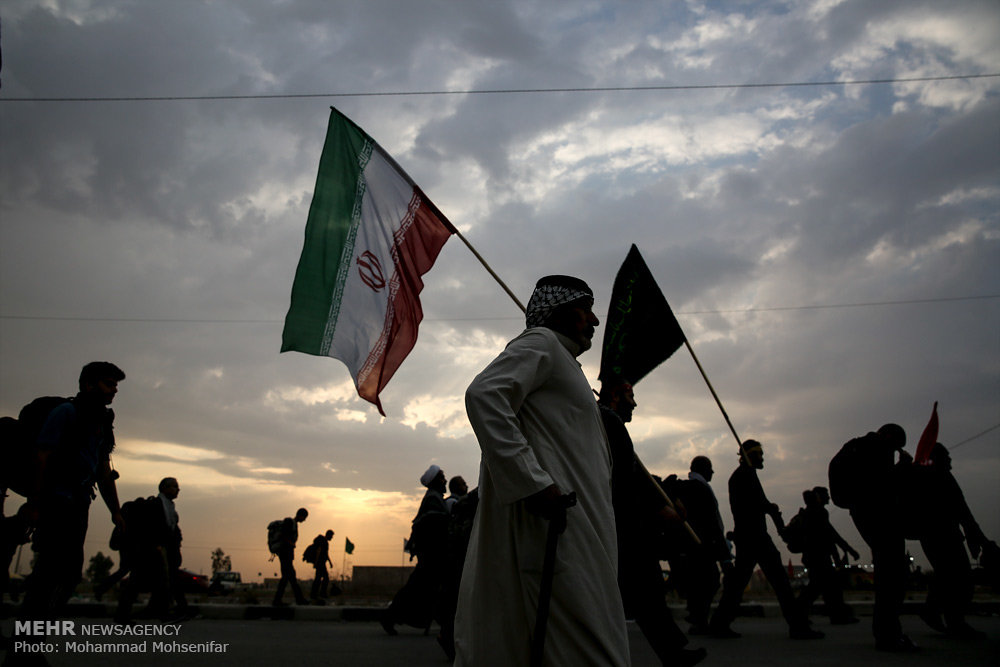
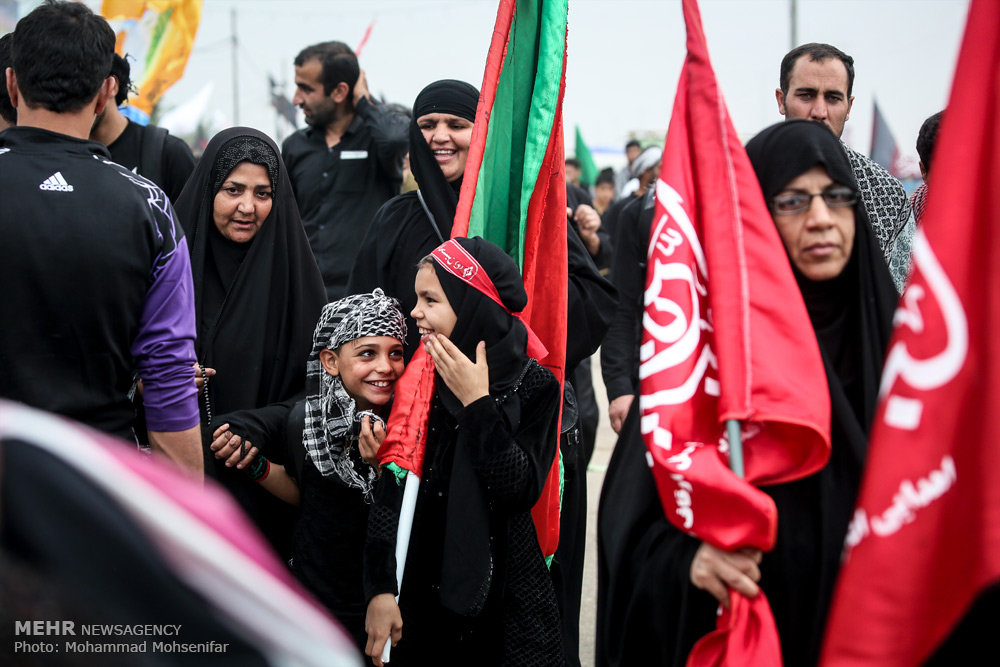
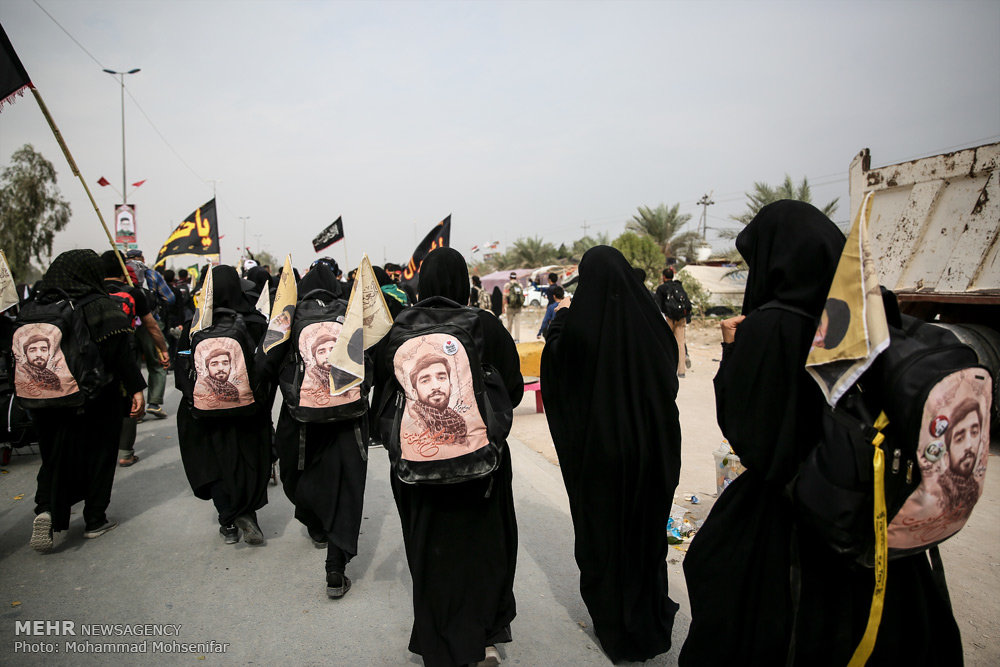
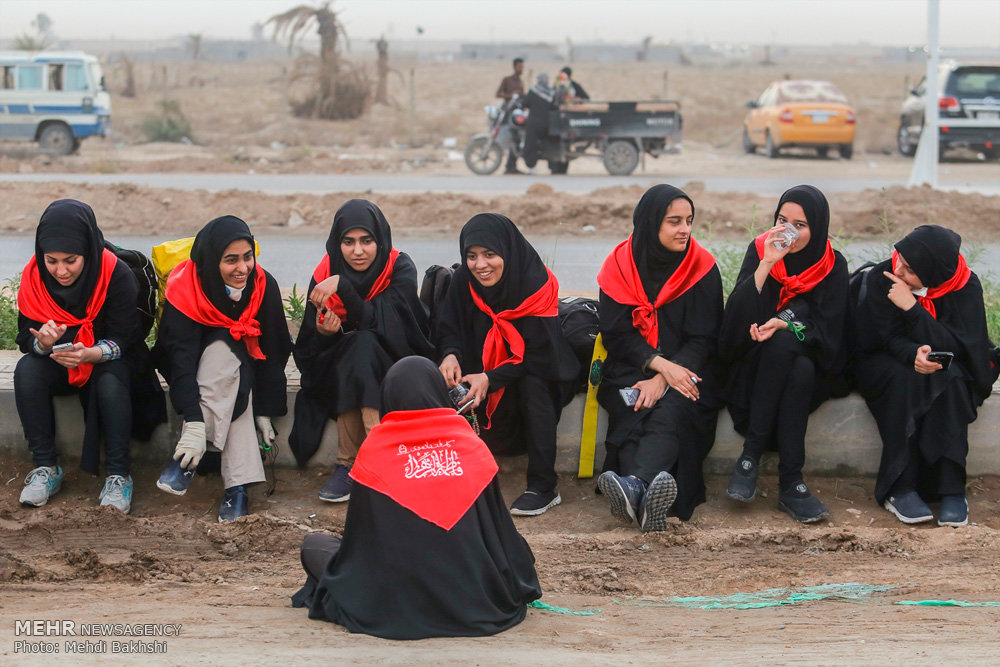
The pilgrimage on the 40th day after the martyrdom of Imam Hussein (AS) was banned during Saddam Hussein’s reign in Iraq; however, with the collapse of his regime, Arba’een once again flourished, and this time not only Iraqis, but also millions of Shiite, Sunni, and even Christian lovers of Imam headed to Iraq from all over the world to walk along the desert paths to the city of Karbala.

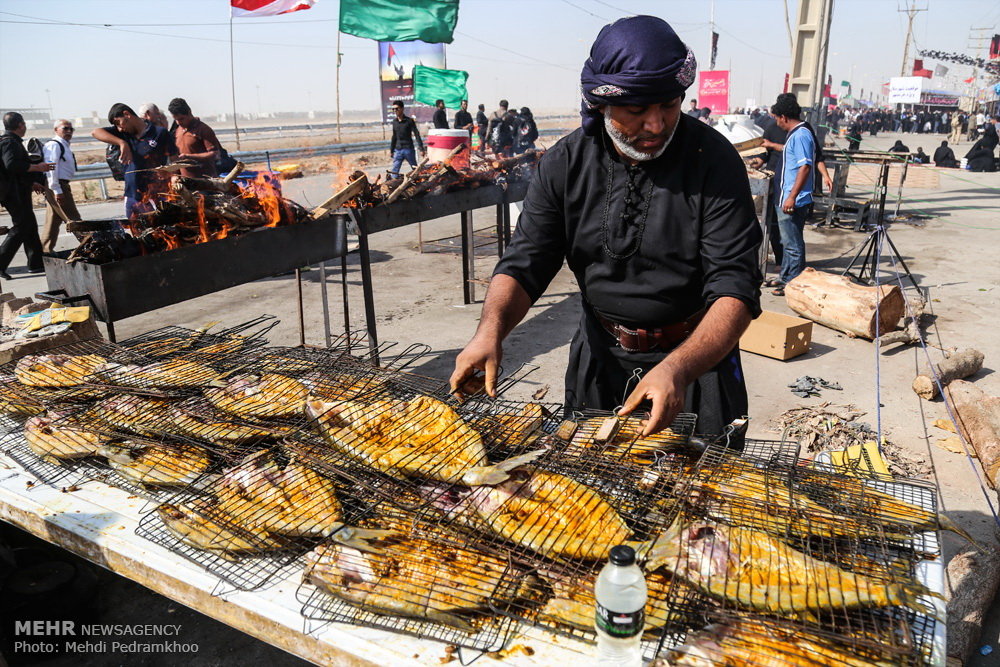
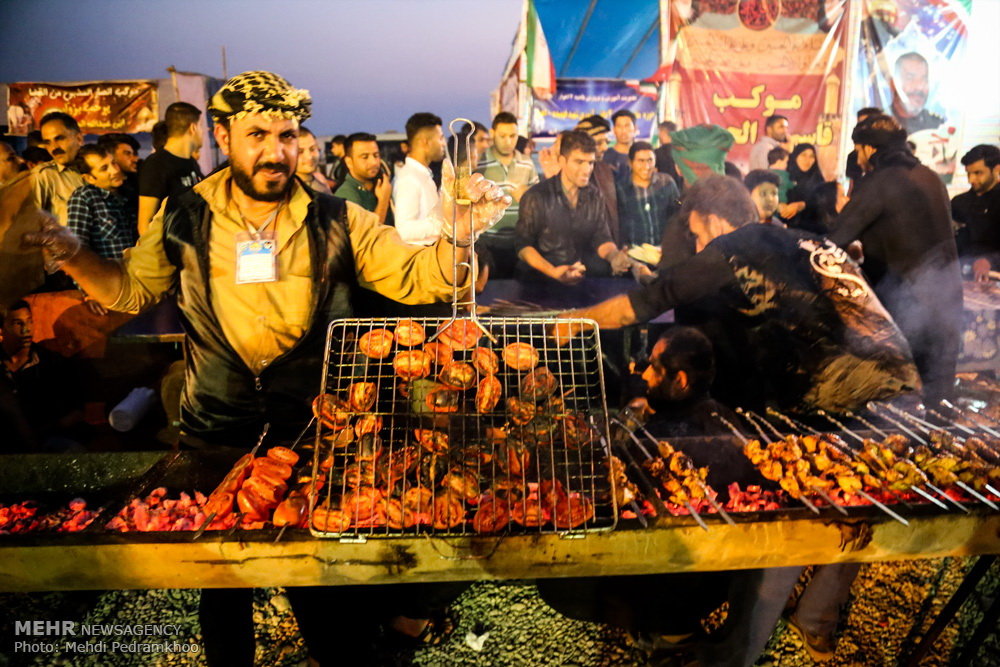
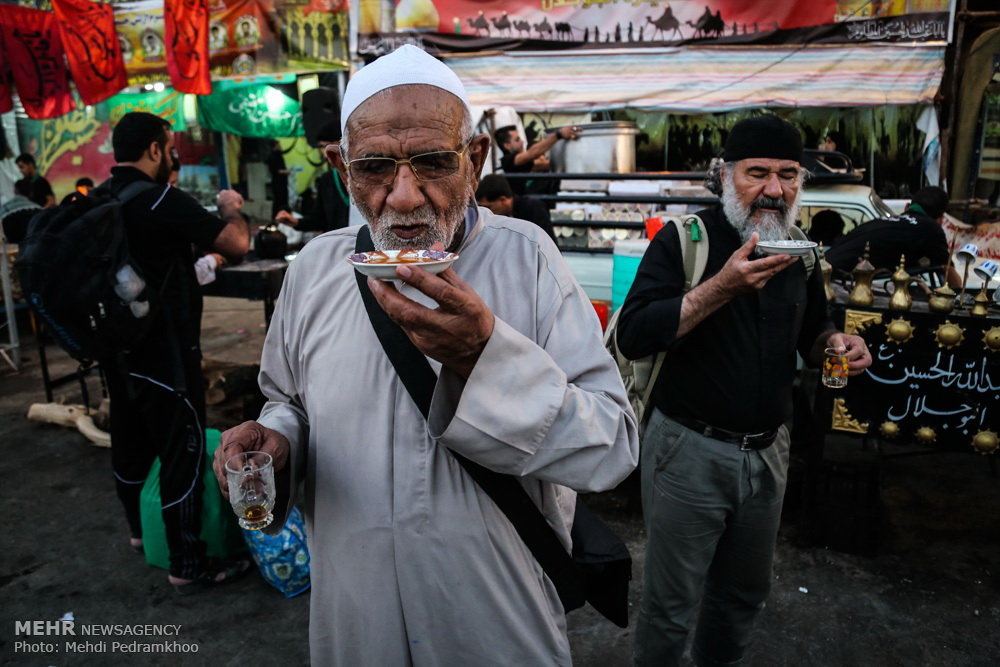
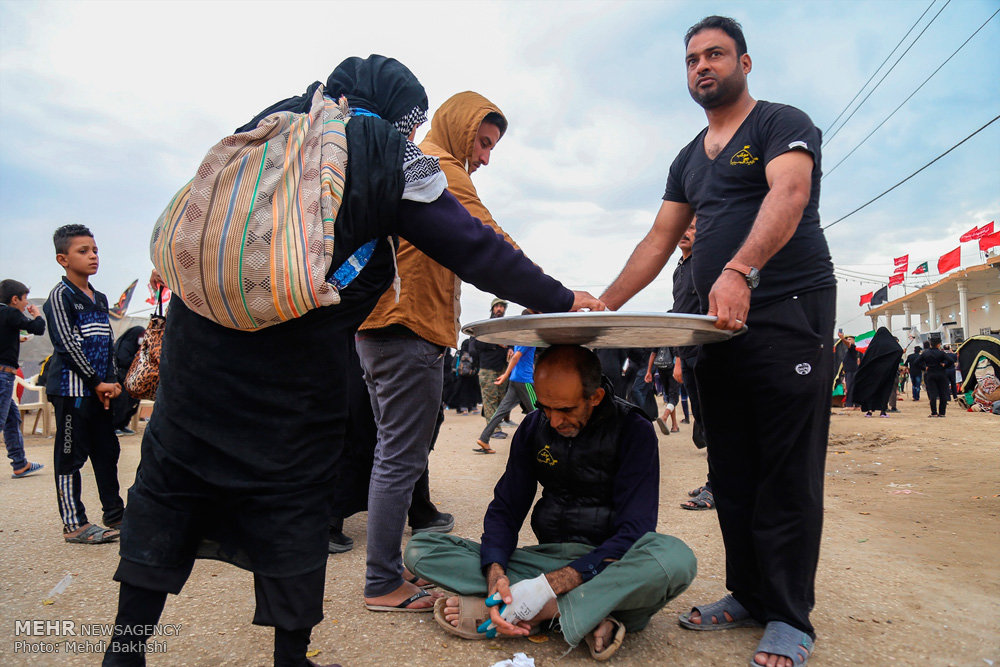
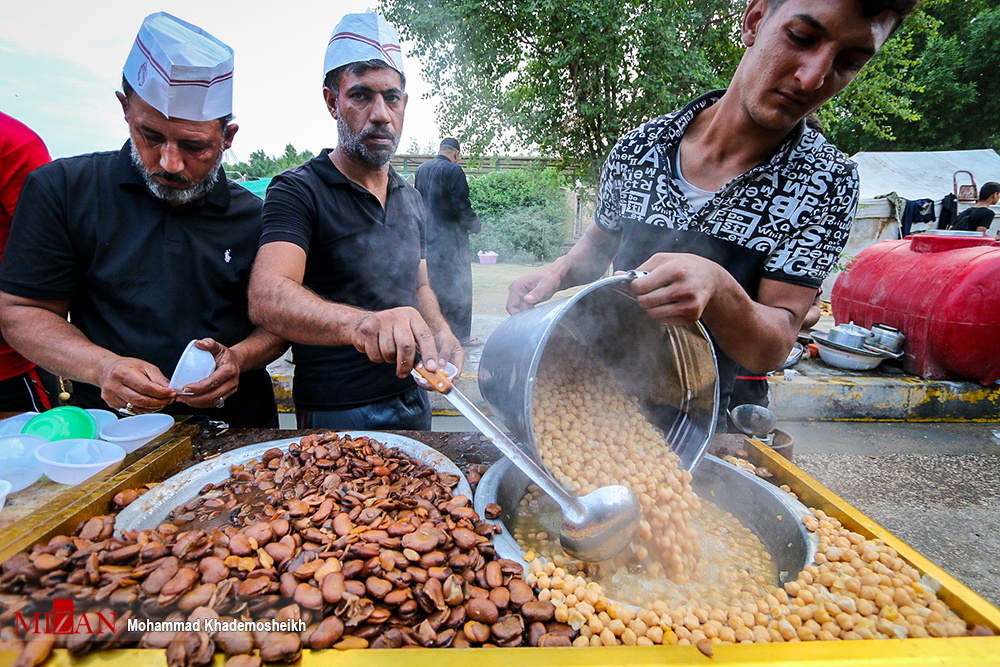
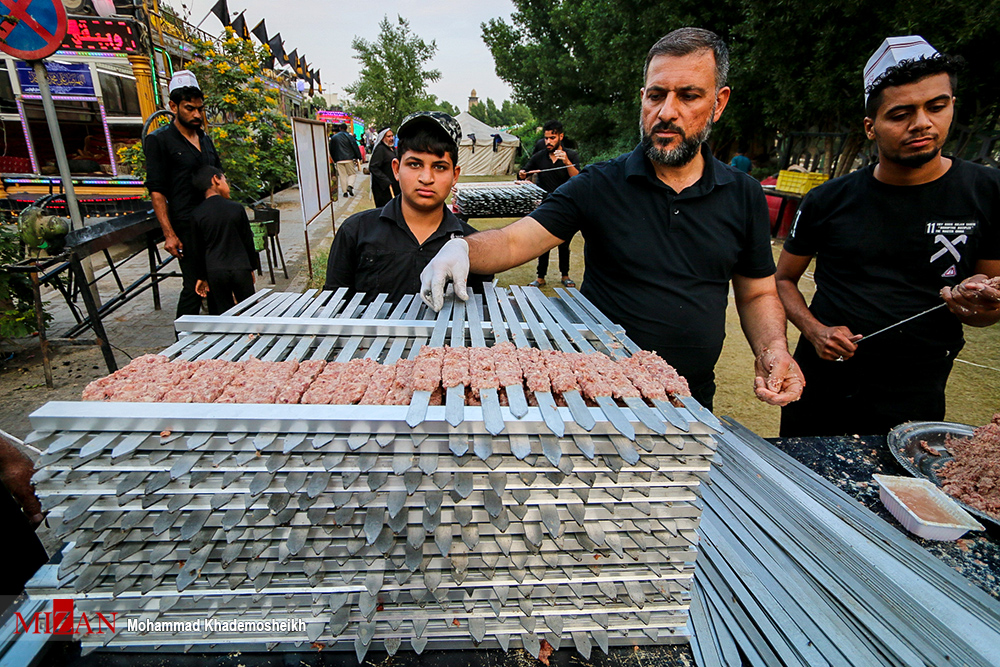
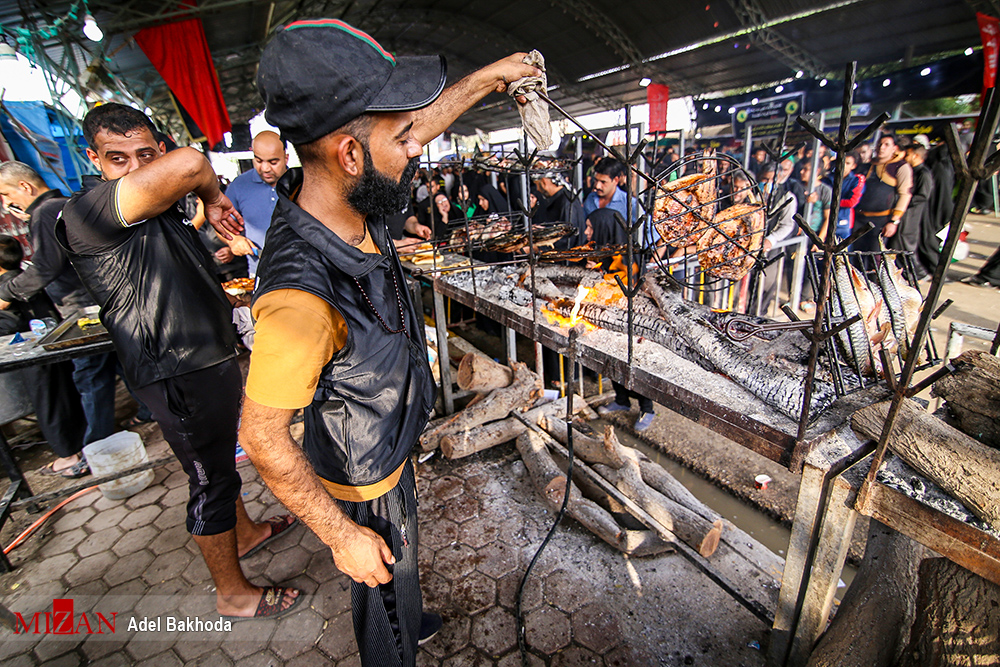
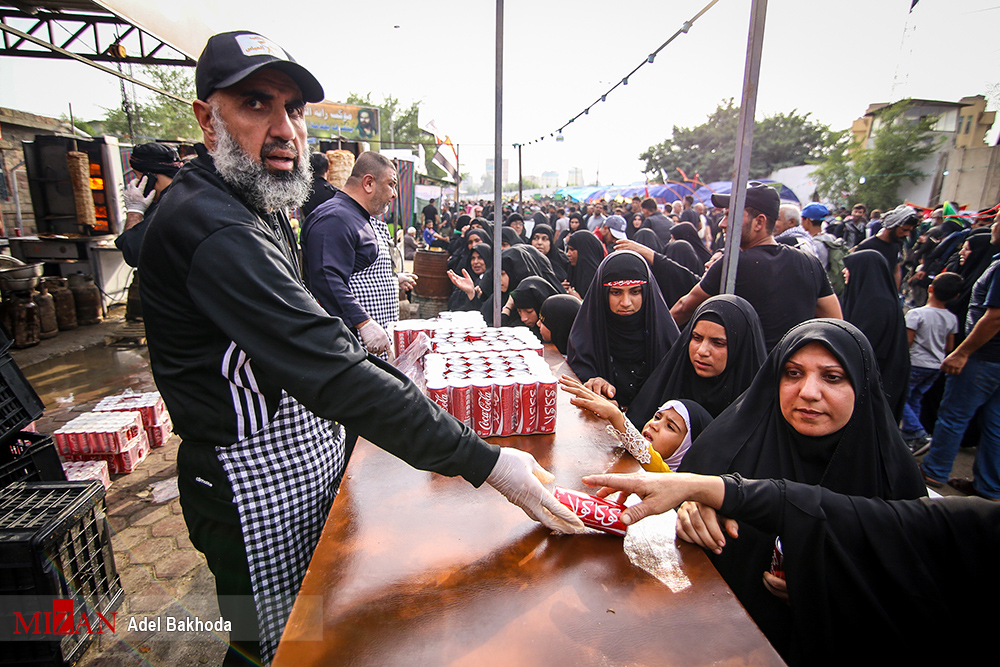
Iraqis are good hosts. The entire walkway to Karbala is full of stations where Iraqis including men, women, children, Shiites, Sunnis and non-Muslims spend everything they can afford to accommodate the pilgrims and relieve their fatigue.

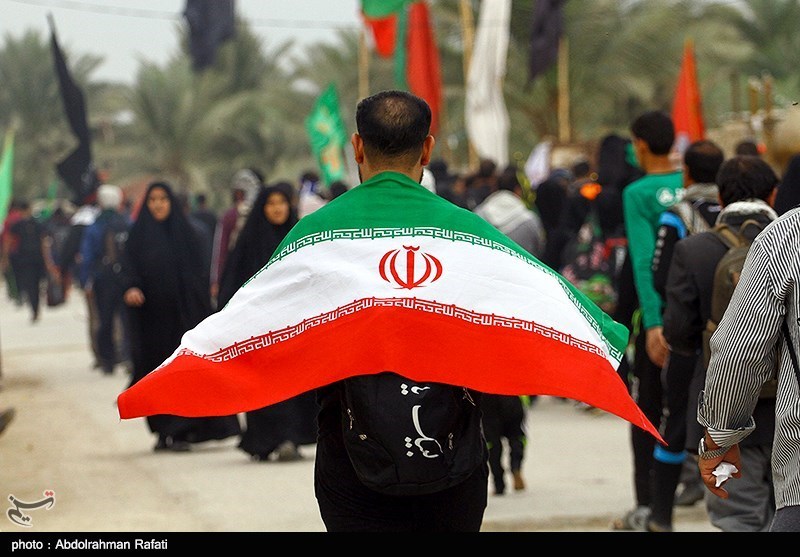
Iranians are among the many participants in this massive gathering. Each year, the Iranians who return from the Arba’een pilgrimage share their memories with friends and family members, and the next year, they travel to Karbala along with them. This has increased the number of Iranians, who want to take part in the annual mass pilgrimage to Karbala, to over 2 million people in the past few years. It has also become a major social phenomenon, extending the path of pilgrimage from Iraq to Iran.

Religious analysts and sociologists have long been struggling to understand the cause of such a phenomenon. The Iranian media every year try to find a way to reflect the news of this gigantic and unique gathering and introduce it to the world, an effort that has never been able to reflect the magnificence of what is happening on the ground.

The audience must be there and walk in that direction to see and understand the whole reality.

Some say the size of the event and the volume of occasions are so large that the lens of the camera and the paper media cannot correctly reflect. Perhaps this is the reason we see non-Muslims from different countries taking part in the ceremonies of Arba’een in recent years. Even some Western universities like the Massachusetts Institute of Technology (MIT) carry out research into the phenomenon of Arba’een pilgrimage. Maybe the only way to understand the phenomenon that the media are unable to correctly reflect is to participate in it and become part of it.

The IFP has picked some of the best photos of Arba’een released by Iranian media in a bid to partly explain this unprecedented socio-religious phenomenon to the audience.

Egypt’s Sisi Turns Down Saudi Call to Boycott Hezbollah

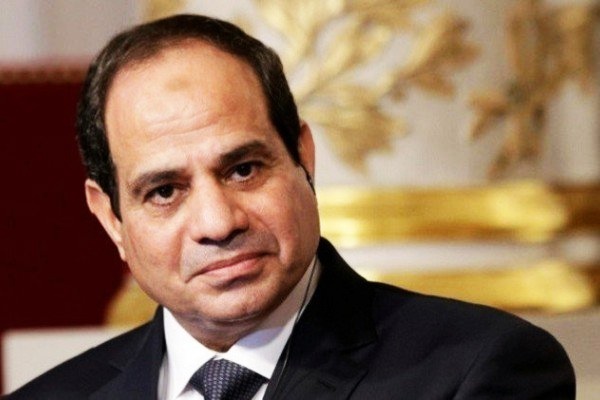
“Egypt is not planning to adopt any measure to put pressure on Lebanon’s Hezbollah,” Sisi was quoted as saying on Wednesday by Sputnik.

He went on saying his country will not adopt any measure against the Lebanese movement and continues to support the stability of Lebanon.

Earlier, Saudi Arabia had called on Egypt to put Hezbollah movement under sanctions.

In response to a question on Egypt’s stance towards Hezbollah, Sisi stressed the region is suffering from instability due to the crises in Iraq, Syria, Libya, Yemen and Somalia.

He said Egypt supports any measure strengthening the regional stability and preventing from creation of a new crisis.

Egyptian president stressed that the region is too fragile in terms of security and cannot withstand new tensions and crises.

NATO May Withdraw Forces from Iraqi Kurdistan Region

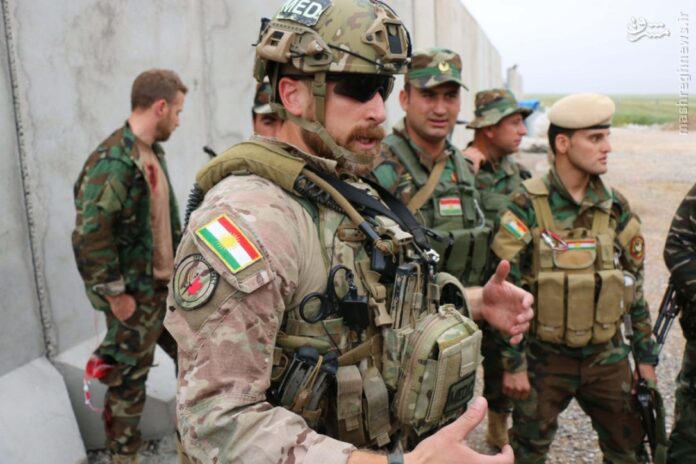
Slovenian Defence Minister Andreja Katič said his country may withdraw its troops stationed in Erbil, Iraq.

“We also expect other NATO countries to do the same,” she was quoted as saying by Kurdpress.

NATO forces are stationed in Erbil as part of an anti-ISIS collation since the terrorist group’s attack on the region in 2014.

She went on saying the details of any decision on the pullout will be announced following upcoming NATO defence ministers meeting.

This comes as Germany has warned against the forces’ withdrawal from Erbil.

German Foreign Minister Sigmar Gabriel said any withdrawal of forces may pave the way for a civil war in Iraq.

He said if his country and other NATO members withdraw their forces from Erbil, Iraq may get involved in a civil war.

On Tuesday, NATO Secretary General said they support dialogue between the Kurdistan Regional Government and the Iraqi government to resolve disputes through peaceful means.

Jens Stoltenberg urged the two sides, Baghdad and Erbil, to refrain from resorting to violence.

EU to Study Opening Office in Tehran in Saturday Visit

A 70-strong European Union delegation comprising Europe’s senior officials and economic activists are due in Iran on Saturday, November 11.

According to a Farsi report by Fars News Agency, the team are to study the existing potential in Iran to upgrade trade cooperation with Tehran, especially in the agricultural produce sector.

If their assessment of Iran’s potentialities is positive, there is a possibility of an EU office being opened in Iran. Currently, there are impediments to the export of agricultural produce to Europe, which will be facilitated if the European Union establishes an export office here in the country.

The high-ranking delegation is to hold meetings at the Tehran Chamber of Commerce and at the Iranian Agriculture Ministry.

Iran is one of the world’s leading exporters of agricultural produce, namely pistachios, nuts and saffron.

Due to adverse climatic conditions in Italy, Italians have turned into regular customers of Iran’s kiwifruit. The exports of the fruit to nearby countries, including Russia, could considerably grow if the packaging, end price and transportation service are improved.

Four Iranian Films in India’s Golden Elephant Festival

“Hoora” by Gholam-Reza Sagharchian and “A Brawl in Wedding Ceremony” by Reza Khatibi are competing with other films in Asian Panorama Section.

Meanwhile, “Formula 13” by Nasser Refaee is screened in the non-competition section of “Children’s World”.

Another Iranian film, “Shokolati” by Soheil Moaffaq is also taking part in the competition section of the festival.

The Iranian films are sponsored by Farabi Cinema Foundation, a Farsi report by Fars News Agency said.

The Golden Elephant, which started on November 8 and will be underway until November 15, is a biennial festival that strives to bring the most imaginative and delightful international and national children’s cinema to young audiences in India.
The festival presents features, shorts, live action and animation films over seven days of festive celebrations attended by more than one hundred thousand children, hundreds of film professionals and eminent guests from around the world.
Swedish National Speaks of Move to Get Imam Hussein Known Worldwide

Ali Mohammad Fars, a Swedish national serving at a Mawkab (free stations for pilgrims to eat and rest), says currently there is a tendency in European countries, especially Sweden, to convert to Islam, reports IRNA.

Because of the same tendency, he says, Arba’een ceremonies can be the starting point for a move to get Imam Hussein and his uprising (the Ashura event) known across the globe.

Mawkabs are makeshift stations set up to offer food, drinks and other services to mourners walking toward Karbala to mark Arba’een, the fortieth day after the anniversary of the martyrdom of Imam Hussein, the third Shiite Imam.

Fars, an Iraqi-born Swedish is seen serving mourners near the Imam Hussein holy shrine in Karbala. He is stationed at a Mawkab bearing the Swedish flag.

Since the downfall of former Iraqi strongman Saddam Hussein 14 years ago, Fars says, he has been attending Arba’een ceremonies in Iraq along with his family every year.

Europeans do not believe strongly in God and religion, but they are inclined to listen to the realities of Islam and Shiism. The Maryam Sura, one of the chapters of the holy Quran, is one of the divine signs which have changed their opinion about Islam. So, the clergy who go to Europe should know the language of the country they are travelling to, he added.

Number of Labour Organizations in Iran Grows by 40%

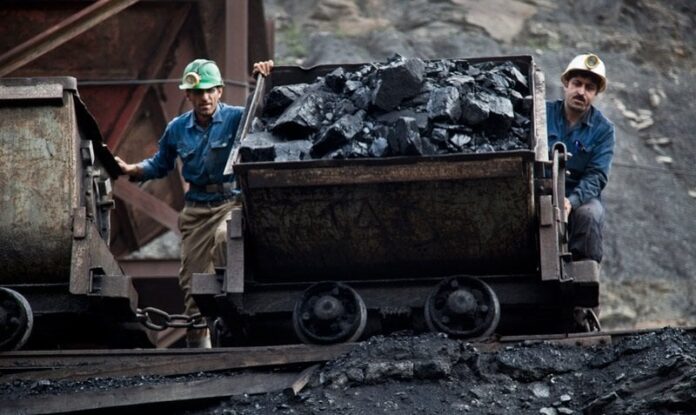
“The growthin number of labour bodies in Iran is among the main achievements of thelabour ministry because we view such organizations not as economic bodies but social ones,” Rabiei was quoted as saying by ICANA.

In an address to the Iranian lawmakers on the parliament floor, Rabiei also said “the labour organizations pave the way for more dialogue and social planning among the workers, which is highly needed in our today’s conditions.”

The Iranian minister went on saying the works done by the government so far to offer services to the workers are huge but not satisfactory yet.

He also noted that his ministry has facilitated the administrative procedures to create new bodies for the workers.

“By the end of the last Iranian calendar year (March 20th) 12,774 labourorganizations were created, which shows a 1.5-percent growth compared with the previous year. Meanwhile, in the first four month of the current Iranian calendar year, the organizations experienced a 60.7-percent growth. In other words, 13,342 organizations were created during this period of time,” he noted.

Rabiei also said the growth has not been only limited to the number of the organizations.” We also saw that during the past years, many small representative offices of the workers turned into large organizations during this period.”

He said the government needs to provide the workers with job security and investments. “Given the current 70-percent budget cuts, we have many problems in recruiting new workers.”

Iranian Jewish MP Stresses Removal of US Dollar from Trade Deals

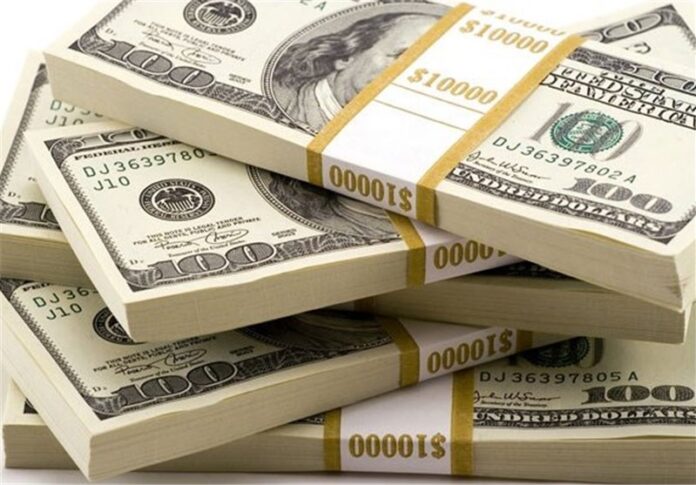
dollars

The Jewish legislator referred to the emphasis of the Leader of the Islamic Revolution Ayatollah Seyyed Ali Khamenei on eliminating the US dollar from trade deals during his meeting with the president of Russia, and said, “We should not forget that the US replacedgold with dollar in international transactions, and in this way Washington massively scammedall the countries of the world.”

“When the Central Bank of America announced the stability of the dollar against the gold in the world anddid not remainloyal to it for a long time, all the countries of the world used the US dollar as the main currency in international deals,” added MorehSedgh.

This Iranian lawmaker also noted that this stability did not persist and as a result it led to a loss for many countries, according to a Farsi report by ICANA.

“In fact, a global looting took place in favour of the US gold reserves.”

He said with this unpredictable and unreliable behaviour of the United States, its statesmen and politicians, it is natural for other countries not to trust the dollar as a stable currency because the US government and policies are not stable.

“When a change in the US presidency has changed the behavior of the country in the region so deeply, it is natural that no wise businessman trusts the US economy.”

“Trust in the US and its economy has nothing but loss, and we should not allow this country to enter into our markets.In that case, some Iranian families may exchange their national currencies for dollar and it can hurt our national economy.”

“Naturally, when the currency of a foreign country is accepted as a standard currency in another country, it will have its cultural influences as well.The use of American currency in one country will surely pave the way for the American culture,” underlined the Iranian Jewish MP.