Saturday, December 27, 2025
Home Blog Page 3807

Iran Leader Urges Acceleration of Efforts to Help Earthquake Victims

Supreme Leader Ayatllah Khamenei

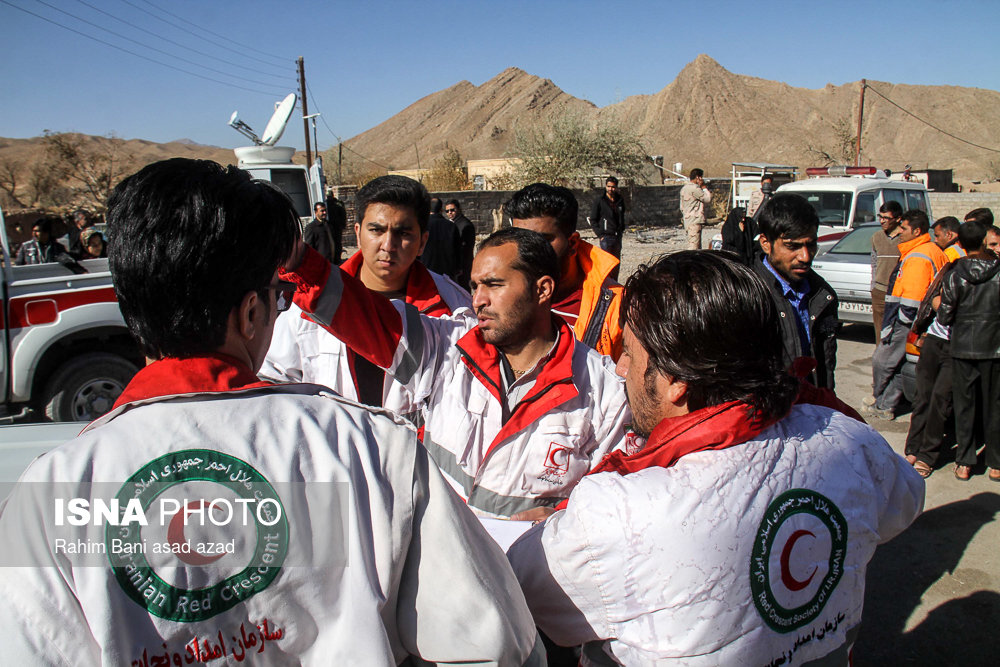
In a message on Monday morning, Ayatollah Khamenei ordered all Iranian officials to mobilize their efforts to help the large number of people affected by the last night’s powerful earthquake, and particularly rescue those trapped under rubble in the very first hours after the disaster.

The officials must employ the whole capacities at their disposal immediately to prevent rising casualties, Ayatollah Khamenei underlined.

The Leader also ordered the military forces from the Army, the Islamic Revolution Guards Corps (IRGC), and the Basij (voluntary) Force to rapidly assist with the operation to remove the rubble and transfer the wounded in the quake-hit areas.

All administrative organizations, both military and civilian ones, must make every effort to help the victims and their families, the Leader added.

Expressing condolences to the Iranian nation, especially to the residents of Kermanshah province, Ayatollah Khamenei prayed that Almighty God might bless Iran and strengthen the nation’s patience and power, according to a report by Tasnim.

Earlier, President Hassan Rouhani had ordered Health Minister Seyyed Hassan Qazizadeh Hashemi and Interior Minister Abdolreza Rahmani Fazli to visit the quake-hit areas and oversee the rescue operations personally.

Rouhani on Sunday night was briefed by Rahmani Fazli on the latest situation of the areas and people affected by the deadly quake. He then ordered the officials to mobilize all the facilities available in nearby provinces to immediately help and rescue the people of western provinces.

Iran Leader Urges Acceleration of Efforts to Help Earthquake Victims

IRGC Chief-Commander Major General Mohammad-Ali Jafari, Army Chief-Commander Major General Abdolrahim Mousavi and the Army Ground Force Commander Brigadier General Heidari are visiting the quake-hit areas.

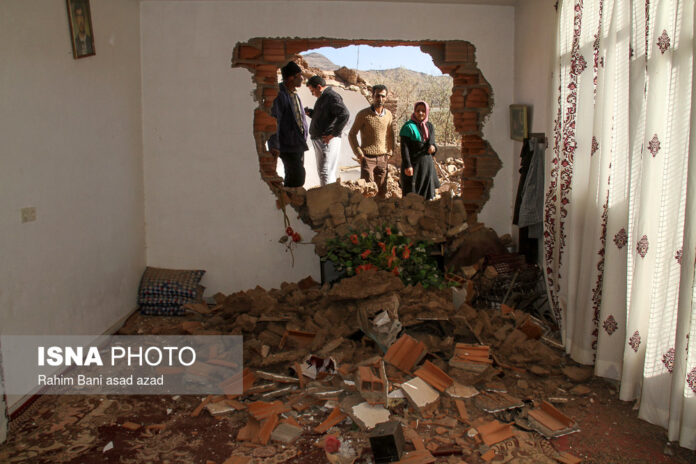
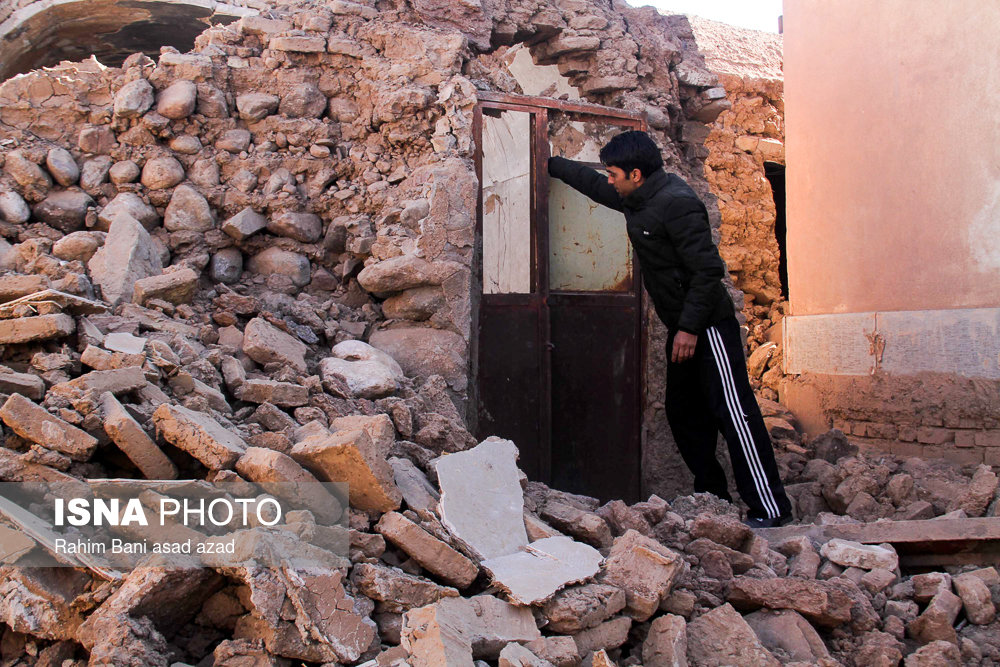
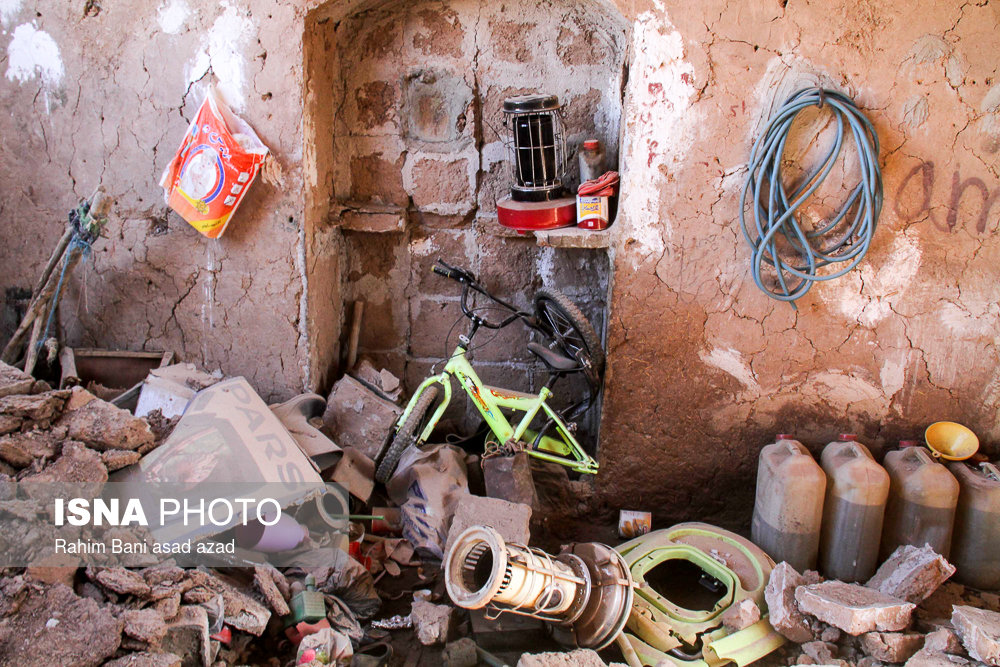
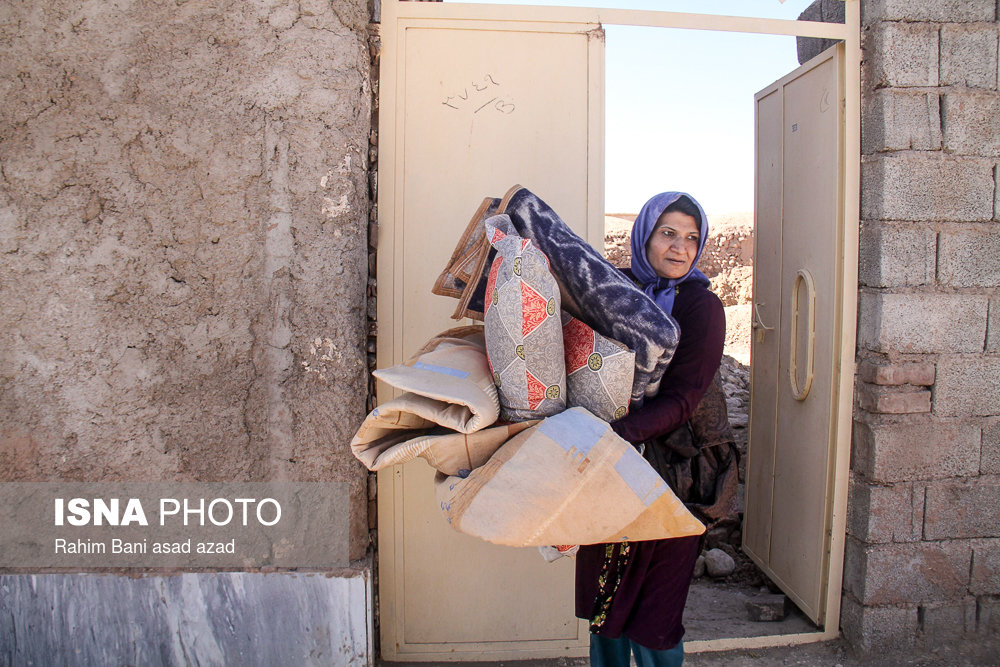
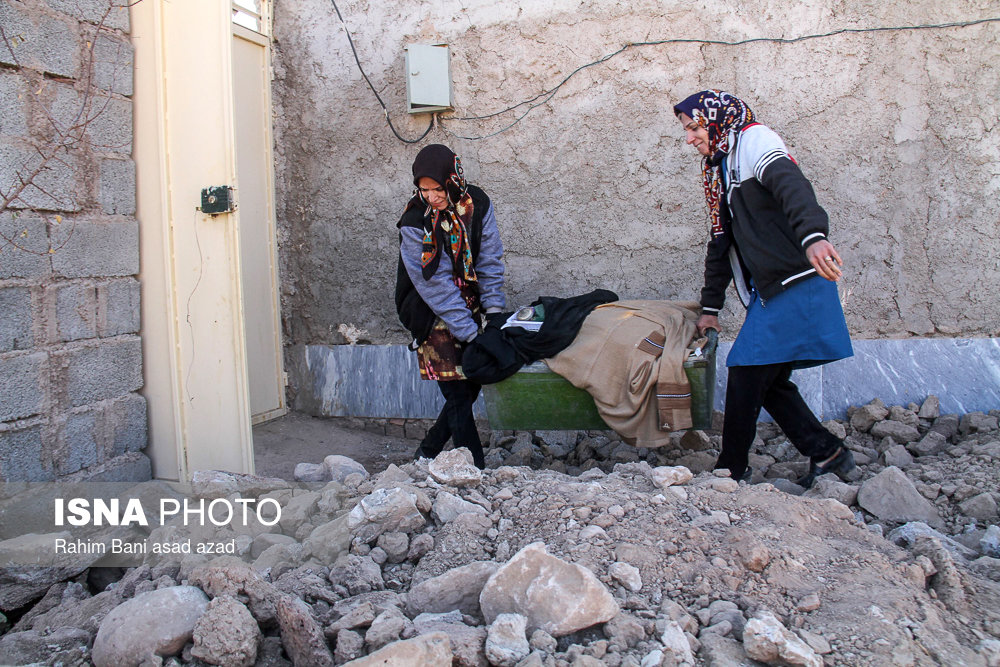
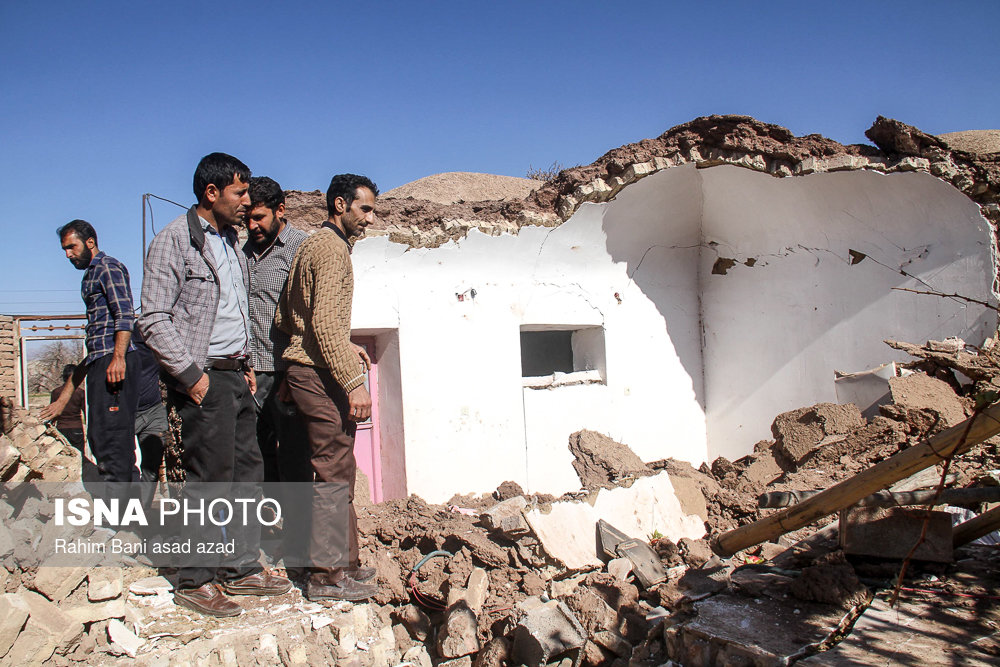
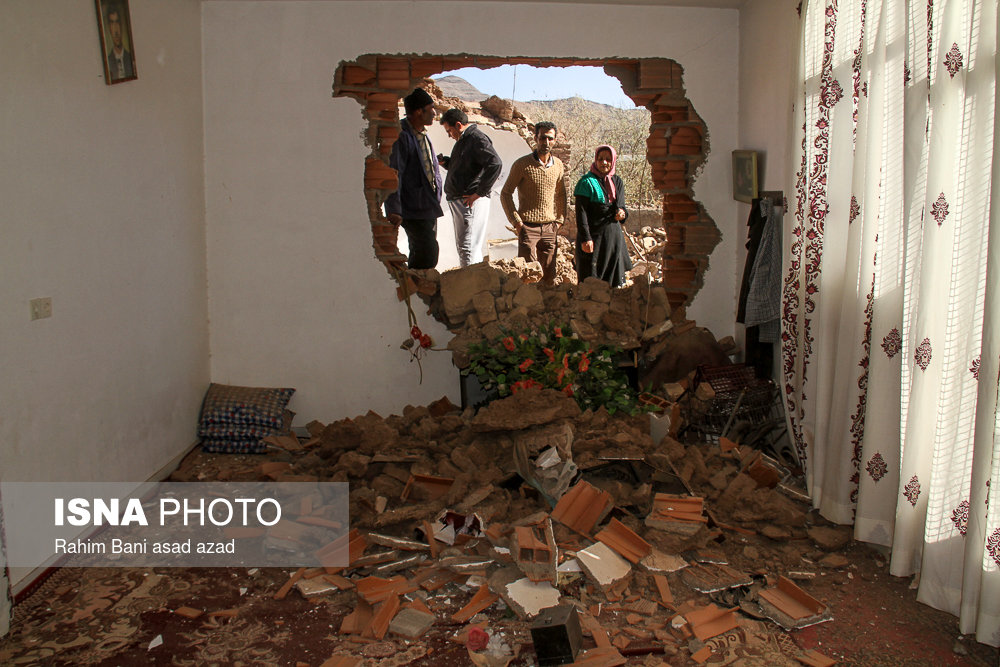
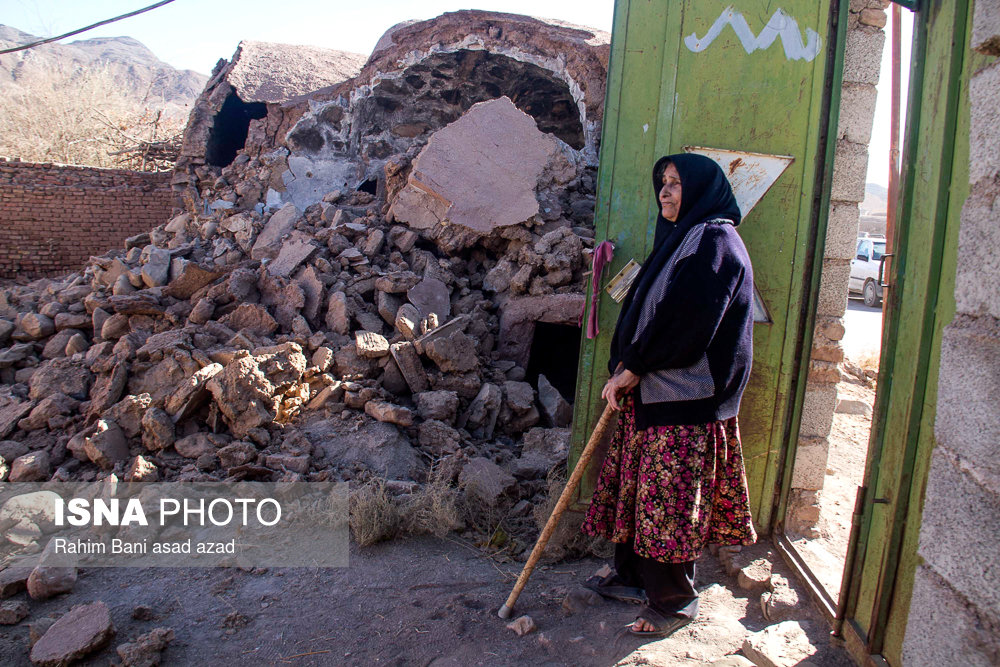
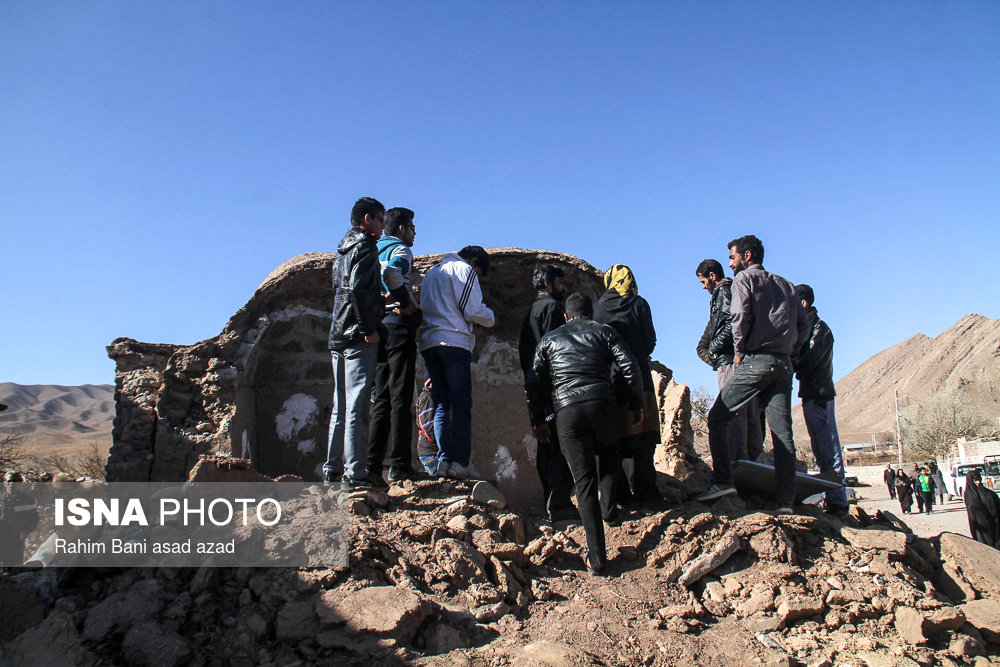
Iran Leader Urges Acceleration of Efforts to Help Earthquake VictimsBased on the latest tolls declared by the country’s emergency officials, at least 214 people have been killed and over 2,500 injured in the earthquake measuring 7.3 on the Richter scale.

Iranians have hurried early Monday to dig out survivors trapped in dozens of collapsed buildings in the quake, whose epicentre was near Halabjah, southeast of Iraq’s Sulaymaniyah.

Hospitals in the western cities of Eslamabad-e-Gharb, Sarpol-e Zahab, and Qasre-e Shirin are packed with the injured people as the death toll is expected to rise.

387 Killed, 5953 Wounded in Iran after Magnitude-7.3 Quake

The earthquake took place at 21:48 in the Iraqi territory nearly 20 kilometres away from Iran, the head of seismology centre of the University of Tehran said.

The Iranian city of Qasr-e Shirin was the closest city to the centre of the earthquake, which has claimed at least 387 lives and wounded over 5953 people so far in Iran, according to media reports.

It has also killed 4 and wounded dozens of others in Iraq’s Sulaymaniyah province.

In a phone conversation with Interior Minister, Iran’s President Hassan Rouhani was briefed on the latest situation of the quake-hit areas, and ordered the minister to step up efforts to help the people affected.

Several aftershocks also jolted the Iranian province of Kermanshah. The University of Tehran’s seismology centre has reported at least 13 aftershocks, the biggest of which was magnitude-4.6.

The earthquake has led to blackout and water cut in Kurdistan, Ilam, and Kermanshah provinces, according to Iran’s Crisis Management Organization.

Magnitude-7.3 Quake Hits Iran-Iraq Border

According to the seismologic centre of the University of Tehran, the quake was magnitude-7.3 and happened in Ezgeleh village near the Iranian city of Kermanshah.

Meanwhile, the earthquake was reported to be magnitude-7.2 according to the United States Geological Survey and magnitude-7.6 according to European-Mediterranean Seismological Centre (EMSC).

The epicenter of the quake was about 19 km deep, as per the EMSC. The centre was reported by the USGS to be in the southeast of Iraq’s Sulaymaniya province, close to the Iranian border.

It was so strong that it was felt in various cities in Western Iran and even Tehran, and also in the neighbouring countries, particularly Kuwait.

Several aftershocks also jolted the Iranian province of Kermanshah. The University of Tehran has reported at least four aftershocks, the biggest of which was magnitude-4.6.
The earthquake has led to blackout and water cut in Kurdistan, Ilam, and Kermanshah provinces, according to Iran’s Crisis Management Organization.

The earthquake has led to blackout and water cut in Kurdistan, Ilam, and Kermanshah provinces, according to Iran’s Crisis Management Organization.

The earthquake has led to blackout and water cut in Kurdistan, Ilam, and Kermanshah provinces, according to Iran’s Crisis Management Organization.

The earthquake has led to blackout and water cut in Kurdistan, Ilam, and Kermanshah provinces, according to Iran’s Crisis Management Organization.

Iran is one of the most seismically active countries in the world, being crossed by several major fault lines that cover at least 90% of the country. As a result, earthquakes in Iran occur often and are destructive.

The deadliest quake in Iran’s modern history happened in June 1990. It destroyed the northern cities of Rudbar, Manjil, and Lushan, along with hundreds of villages, killing an estimated 37,000 people.

Bam in the country’s southeastern province of Kerman witnessed a strong quake in December 2003 which killed 31,000 people.

‘Saudi Crown Prince, Himself, among Key Corrupt Princes’

Iranian political commentator Mohammad Masjed-Jame’i has, in an interview with the Persian-language Khabar Online news agency, weighed in on key political developments in Saudi Arabia. The highlights of the interview follow.


Should political tensions in Saudi Arabia be seen as a fallout from the situation in the region?

The Arabian Peninsula is comprised of Yemen, Saudi Arabia and five other sheikhdoms. They are currently in a dangerous and precarious situation, and it is only Oman and, to some extent, Kuwait that enjoy relative calm. The reason is that Oman, despite its membership in the [Persian] Gulf Cooperation Council, has always tried to steer clear of anti-Iran policies as well as the ups and downs associated with Iran. Kuwait, too, has generally adopted an independent policy on Tehran due to the maturity and prudence of the country’s leaders as well as the existence of a parliamentary system, democracy and supervisory bodies in the country.

In fact, Saudi Arabia is the flashpoint, and the United Arab Emirates (UAE) together with Bahrain is practically part of Saudi Arabia. And Yemen is targeted by a savage an inhumane war [imposed on it by Saudi Arabia.] Yemen is under incessant aggression, a situation like that of the “Ogaden Desert” during the war between Sudan and Ethiopia, or of “Biafra” in the last century. As for Qatar, is has a different story and its problems are mainly due to Western pressure rather than domestic issues.

What does Saudi Arabia want and why is it showing such unorthodox and unprecedented behaviour?

Although some acute problems existed within the royal family, never ever had so many influential members of the family been arrested on financial corruption charges. This comes as Mohammed himself is one of the key individuals charged with embezzlement. Recently, he bought a cruise ship worth $0.5 billion from an opulent Russian man. Moreover, rather reliable news suggests some of them were killed when a helicopter carrying several princes came under fire or in detention centres. In addition, a number of political and economic figures have been apprehended as well. Such an event is unprecedented in a country such as Saudi Arabia where such people have always enjoyed permanent job security.

Various interpretations, namely from Arab, European and Western sides, exist in this regard. Probably the key point is that the current situation is the result of developments within the Saudi society, especially where the ruling elite comes into play. It is a deeply primitive society where people lived in the same condition as that of hundreds of years ago until the 1950s, 1960s and early 1970s. It is a society which, with the same ancient beliefs and culture and customs, was suddenly catapulted to the modern history. The development has consequences given the kind and quality of the society’s entering the contemporary era. We will skip them for now.


Mohammed himself is one of the key individuals charged with embezzlement. Recently, he bought a cruise ship worth $0.5 billion from an opulent Russian man.


Should the current situation be regarded as the continuation of a historical trend, or is it that political developments in Saudi Arabia are unprecedented?

It all goes back to the ruling elite. Saudi Arabia was established in the 1920s as an independent country by Abdel Aziz based on the Wahhabi ideology and with the help of Najdi forces. He knew how to rule the vast country. In the early years, he faced a rebellion from his deeply Wahhabi troops and suppressed them. After that, he ruled the country until the end of World War II without any problems. At the end of the second war, due to Saudi Arabia’s rich oil resources, a contract was signed between Abdel Aziz and Roosevelt, giving Riyadh an edge as a new satellite of a superpower. Drilling began for oil, bringing in huge wealth that would only be used by the ruler along with his family associates, and spent on their debauchery.

Abdel Aziz’s successors were his children, who pursued their father’s policy in running the country. The policy was an amalgamation of conservatism and violence. That meant they would not seek to solve past and present problems and turn a blind eye to them and at the same time would crack down on dissent. Most of their actions both at home and abroad were based on the same policy. There, conservatism had its own special meaning, which was completely different from that in other regions.

The policy was, more or less, in place until the end of King Abdullah’s rule. However, during the final years of his rule, developments began to unfold that were somehow different from the nature of the Saudis’ traditional domestic and foreign policies. It looked like they had realized the necessity of adopting new policies, both on the domestic and international fronts, and they felt they could no longer rule the nation with previous methods. Pressure by the West, including the US, after the September 11 attacks, and the threats that they felt following the downfall of former Iraqi strongman Saddam Hussein, contributed to them feeling they needed change. The story of Arab uprisings which began in 2011 made Saudi rulers more determined to shift their policies, especially on the domestic front.

Is the new generation of Saudi rulers one that favours modernism and progress?

Long ago, a small group was formed within the royal family and the ruling elite. It sought cultural and behavioural changes for the country to align itself with modern criteria. Moreover, members of the group had become more nationalistic and felt being more “Saudi,” and for the very same reason were more anti-Iranian. Their being “Saudi” had been mainly formed against the backdrop of enmity toward Iran and its influence. Due to the king’s absolute rule, members of the group could not make their presence felt, but crept through and spread within the ruling elite, especially during King Abdullah’s rule.

The existing developments mostly mirror events within the ruling elite rather than reflect the realities of society. The reality is that the origin of these thoughts was the same small group mentioned above, not the Saudi public or elite. Of course, they welcomed the idea, but did not play a considerable role in its initial development.

So, we can say the demise of King Abdullah marked the end of an important era.

The passing of Abdullah and succession of Salman was a major watershed. Salman himself belonged to the previous generation, but at the same time was greatly attached to his children born with his last wife, who was his beloved one as well. Therefore, Mohammed and his brothers as well as the group of people whose thoughts and ideals he followed suddenly came onto the scene and began to receive support from extremist Wahhabis due to their extremist positions on Iran and its allies. Although the two split later on, they had played a key role in the instalment of Mohammed and his associates in the early days.

What does Mohammed bin Salman want? What type of management does the Saudi society need? And what is the correlation between the two?

First let’s turn to the second issue. For a conservative and complex society such as Saudi Arabia, science coming from domestic experience is far more important that science based on modern diplomacy, politics and economy. In a developed country like Austria where different structures and institutions have been in place for a long time, a 31-year-old young person such as Sebastien Courtois can win the majority of votes and take power and lead the society based on economy and politics. However, this does not apply to Saudi Arabia. “Old age” and the “experience of one’s lifetime” are very significant, and this is a sine qua non, but not per se adequate. This does not mean conservatism and support for conservatism. The nature of these societies should be understood based on the practical experience of its outstanding and shrewd individuals.

They can neither be known nor guided. That makes it all the more important for decision-makers to be old enough and have enough experience. A hasty person such as Mohammed and his brothers lack the necessary practical experience, which is clearly evident in their words and decisions.

Most old Saudi diplomats that the writer of this article has been in touch with have has such a viewpoint, from late Saudi ambassador to Italy Khalid al-Turki, to Saudi ambassador to Maghreb Mohieddin Khoja, who also served as the kingdom’s information minister for years after serving as ambassador.

As for what Mohammed wants, maybe we’d better ask: “What doesn’t he want?” As his words and behaviour show, he wants everything and thinks he can achieve his objectives with money, security power and military might, and foreign support.

This has always been a problem that young Arab youth have had, from Muammar Gaddafi and Saddam Hussein in the 1970s and 1980s to Gamal Abdel Nasser. In comparison with others, Mohammed’s problem is that his country both has huge wealth and has an acceptable political and religious position due to the religious policy of his predecessors. However, this political position is not the result of the capabilities of present Saudi Arabia; rather it is the result of wealth and the possibility of taking advantage of his religious position. Of course, it is major powers as well as Israel that are capitalizing on his position, and that is why he goes to extremes when making decisions and taking action.

How much grass-roots support does he have?

He currently has supporters among the youth and some social classes, but a large part of the population on which the country’s economic, religious, social and political power depends are extremely dissatisfied. They have been forced to remain silent because of fear and a kind of conservatism emanating from living in a deeply conservative society, and from the criteria of the Hanbali school of jurisprudence which impact their interaction with the ruling elite. The lack of a channel through which one can, one way or another, express his/her protest peacefully is a major contributor. Before the recent wave of arrests, at least 64 important and senior religious and social figures had been imprisoned.

How do you predict Saudi Arabia’s future? How successful with the young king be in advancing his new goals?

For reasons which are too many to be mentioned in this article, he will not be able to succeed, and his measures will practically make the country’s numerous and unsolved problems more complicated. After all, it is not clear what future he will bring to the country. His measures in the field of women’s rights, which were intentionally planned to receive extensive coverage, were lacking in the necessary cultural and religious backup acceptable to a society such as Saudi Arabia. Those whose interests entails supporting Mohammed at the moment, were behind the recent changes regarding women’s rights to make him more popular. Although this does not mean the existing freedoms will be taken away, it will pose numerous challenges to society due to a lack of proper ground.

Under such circumstances, we had better be observers unless when they resort to the language of threat, lies and slander. In such cases, we should respond with a sharper language than what they used. They would only become silent and retreat in the face of power and the language of power. Otherwise, they will act more aggressively. In this case, the worst response would be to use a soft tone and say we favour good and positive relations with Riyadh.

UAE Bank Stops Offering Services to Iranian Tradesmen

UAE Bank

The NBD group has sent a letter to the tradesmen last Sunday announcing that they are not allowed any more to have economic exchanges via its banking system, a Farsi report by Mizan New Agency said.

According to the letter, a copy of which was provided to Mizan by one of the Iranian tradesman in the UAE, the NBD banking group claimed their accounts are no longer legally acceptable. The bank has reached the conclusion based on the investigations conducted on the accounts of some Iranian tradesman.

NBDThe letter has been sent to the tradesmen on November 5 without any further explanation.

The banking group has also informed the Iranian tradesmen that “we are no longer able to work with you.”

So, the tradesmen have been recommended to close their accounts and choose another bank for economic exchanges.

In the letter, NBD has set a short deadline (one month) for the Iranian businesspeople to transfer their money to other banking groups.

The Iranian businesspeople say they experienced a similar problem four years ago but it was settled after a while.

The NBD banking group has called on the Iranian tradesmen to:

Return their unused check books to the bank for nullification,

Stop all their economic exchanges made via their NBD account,

Get back any signed checks given to others as of November 5.


NBD Decision, a Declaration of War against Iran?

The NBD banking group also called on the tradesmen to close their accounts otherwise the group itself will close them and post their deposits to their address.

Mizan said it is still following up the issue with the related Iranian officials and institutions.

Brain-Dead Woman’s Organs Save Five Lives

Brain-Dead Woman’s Organs Save Five Lives

Head of Organ Donation Department in Mashhad University of Medical Sciences, Ebrahim Khaleqi, said the organs of a brain-dead woman named Zahra Meskin Baghsiabi, 47, were donated to at least five patients with the consent of her family.

“The surgery to transplant the organs of the late female was carried out in Montaserieh hospital in Mashhad,” he noted.

Khaleqi said Ms. Meskin’s liver saved the life of a 57-year-old man from Mashhad. Neither the family nor the hospital received any money for the transplantation, according to a Farsi report by YJC.

He stated the corneas of Ms. Meskin as well as parts of her skin were also transferred to Khatam al-Anbia as well as Imam Reza hospitals for further transplantation.

The first kidney transplant in Iran was performed in 1967, and this was the first organ transplant in countries that are current members of the Middle East Society for Organ Transplantation.

In 1989, a fatwa (religious approval) from the Leader of the Islamic Republic was obtained that recognized brain death and allowed deceased-donor organ transplant.

In 2000, the Brain Death and Organ Transplantation Act was passed by the Iranian parliament, legalizing deceased-donor organ transplant.

By the end of 2012, there were 34166 kidney (including 4436 deceased-donor) and 2021 liver (including 1788 deceased-donor), 482 heart, 147 pancreas, 63 lung, and several intestine and multi-organ transplants performed in Iran.

Animation about Iran among Nominees of Academy Awards

Among the features submitted for consideration in the animated feature film category for the 90th Academy Awards there is an animation called ‘Window Horses: The Poetic Persian Epiphany of Rosie Ming’ directed by Ann Marie Fleming.

The story is about Rosie Ming (Sandra Oh), a young Canadian poet of mixed descent who grew up with her strict Chinese grandparents, believing that her father and mother abandoned her. She has been invited to recite her poem at a festival in Iran, where she finds that what she’d been told as a child may not necessarily be the entire truth.

According to a Farsi report by ISNA, funding for the film was raised through a campaign, which amassed more than $80,000 in 50 days, from 730 contributors in 28 countries

In the animation, the director uses English adaptation of poems from Gulistan, a collection of poetry written in 1258 by the Persian poet Saadi Shirazi. Also poems from ‘Masnavi’ by theosophist and poet Rumi are used to tie the animation with Persian culture.

This year, submitted features must fulfil the theatrical release requirements and comply with the category’s all other qualification rules before they can advance in the voting process. Depending on the number of films that qualify, two to five nominees may be voted for. Sixteen or more films must qualify for the maximum of five nominees to be voted.

For the first time, voting for nominations in the Animated Feature Film category is open to the entire eligible voting membership.

Nominations for the 90th Academy Awards will be announced on Tuesday, January 23, 2018.

The short list of nominees for best feature animated film includes:

The Big Bad Fox & Other Tales

Birdboy: The Forgotten Children

The Boss Baby

The Breadwinner

Captain Underpants The First Epic Movie

Cars 3

Cinderella the Cat

Coco

Despicable Me 3

The Emoji Movie

Ethel & Ernest

Ferdinand

The Girl without Hands

In This Corner of the World

The Lego Batman Movie

The Lego Ninjago Movie

Loving Vincent

Mary and the Witch’s Flower

Moomins and the Winter Wonderland

My Entire High School Sinking into the Sea

Napping Princess

A Silent Voice

Smurfs: The Lost Village

The Star

Sword Art Online: The Movie – Ordinal Scale

Window Horses: The Poetic Persian Epiphany of Rosie Ming

22nd Luxury Train in Iran with 78 Foreign Tourists on Board

The luxury train with 78 foreign tourists from the UK, the US, Germany, Switzerland, Russia, Malaysia, Australia, the Philippines, Mexico, Hong Kong, and Norway on Friday morning arrived in Kashan amid a warm welcome by the city’s dignitaries.

According to a Farsi report by IRNA, the Golden Eagle also known as the Jewellery of Heart of Persia entered Iran a few days ago. The train includes eight Russian wagons, one Russian power generator and a luxury wagon named Ghazal with a capacity of 40 passengers dedicated to the Iranians’ Foundation.

The foreign passengers of the Eagle Golden arrived in Isfahan on Friday and were taken on a tour of the historical and cultural sites of the central city.

Travelling through the ancient land of Persia, the journey takes the passengers of the luxury train to destinations that have been off the tourist map for many years and sites that are not frequently visited by western visitors; this has made the voyage more special.

The tourists are set to spend 18 days in Iran visiting all the cultural and historical sites as well as natural attractions of the Iranian cities including Mashhad, Tehran, Isfahan, Kerman, Yazd, Shiraz, Sa’adat Shahr, Kashan, Arak, Shushtar, Shush (Susa), Veresk and Pole Sefid. The tour will come to an end on November 20 in the holy city of Mashhad. The train will leave Iran then through Sarakhs border in the northeast.

Golden Eagle Luxury Train says it is the world’s leading operator of exclusive, long-distance rail tours. It has been offering rail journeys across Europe, Asia, Africa and North America over the last 25 years, and presents a range of all-inclusive, European rail cruises aboard the Golden Eagle Danube Express, according to its website.

According to officials of Isfahan, the luxury train is the 22nd tourist train arriving in the city over the past three years.

Persian Ranks 11th among Most Popular Languages on Internet

According to the latest W3Tech report in November 2017, Persian language has ranked 11th among most widely used languages of the Internet, being used by 1.7% of all the websites.

This comes as the Persian language now stands one rank higher than Turkish and 5 ranks higher than Arabic, and is the most popular language of the World Wide Web in West Asia and the Middle East, writes Tarabord website in a Farsi report.

The Persian language increased its share from 0.6% to 1.7% between 2011 and 2017.

Persian Ranks 11th among Most Popular Languages on Internet

The following diagram shows how much the websites use various content languages (in percent). English is used by 51.2% of all the websites whose content language we know. However, the use of English language has decreased in comparison to 2011.

Persian Ranks 11th among Most Popular Languages on Internet


A higher share for a language on the Web is not only a sign of the livingness of that language, but also shows the development of the online technologies and the industries related to it.

According to Tarabord, Persian language without tens of millions of Internet users and a powerful community of programmers, journalists, bloggers, and thought and content producers could not achieve this success.

On the other hand, the expansion of non-English languages on the Web is a proof of the content diversity on the Internet and the efforts of different cultures to update themselves.

In this regard, the rapid growth of Persian language on the Web is a promising phenomenon that proves Iran’s capability in creating contents.

The following diagram helps us better understand the status of non-English major languages, and shows how these languages are used on the Web.

Persian Ranks 11th among Most Popular Languages on Internet


The rapid growth and expansion of the Internet access along with the strong cultural and scientific influence of Persian language as well as the country’s policy for the development of Web-based services can be considered as the most important factors in this development.

The following table shows the top 25 mostly-used languages of the web between 2011 and 2017.

Persian Ranks 11th among Most Popular Languages on Internet


In the table above, the prevalence of Turkish language has remained relatively stable since 2011, but the odd thing is a 50-percent reduction in the use of Arabic language.

Although the exact reason for this decline is not known, the reduction could be attributed to the wars that many Arab countries have experienced in recent years.

At the same time, the Russian language has developed more than any other language. The Russian language has managed to achieve an eye-catching growth in comparison with French and German.

EU Delegation’s Visit to Iran “Just for Show”: MP

Iran-EU

Iranian MP Ezatollah Yousefian Molla said the visit of the European economic delegation to Iran is aimed at launching an office in Iran, so it seems that their objective is not to provide economic or investment services.

The Islamic Republic ultimately will not agree to the establishment of an EU office in the country, he told ICANA in a Farsi interview.

“In the past, we have had the experience of economic cooperation and providing services. Japan offered good services to Iran before and after the Revolution in the field of harvesting rice, and other countries also had plans in the field of seed improvement, land productivity improvement, and environmental protection,” said this member of Iranian Parliament’s Planning and Budget Commission.

He argued that the provision of economic services by Europeans has many attractions for them.

“However, they are linking these services to establishing an office in Iran so that they can interfere in our political and human rights affairs, which we have always been opposed to.”

The legislator added that “if Europeans provide services in fields like agriculture, including flowering, planting and growing rice, then we welcome them. Of course, they can invest in these areas after providing services.”

Pointing out that some European countries, including France, have anti-Iran stances, he said, “The Europeans took a major step to establish ties with Iran after the nuclear deal, but the result of economic delegations’ visits was inking a few contracts, such as Total. However, that deal had nothing to do with their visit and Iran’s oil minister himself attracted these investments.”

The lawmaker also criticised Europeans for not investing in infrastructures, saying, “They are expected to invest in areas such as rail and road development, but instead they invest in car industry which is an early-return investment.”

“Therefore, we cannot pin our hopes on Europeans as they obey the United States and would never sour relations with Washington for the sake of Iran.”