Tuesday, December 23, 2025
Home Blog Page 3718

Iran, China to Boost Trade Ties via Silk Road

Silk Road

The head of Iran’s Chamber of Commerce says Iran and China can open a new chapter in mutual economic and trade cooperation by tapping into the potentialities of the Silk Road.

“The tourism industry, investment in transportation projects, energy, telecommunications and other industrial activities are among the areas of cooperation between Iran and China,” said Gholam-Hossein Shafei as quoted by the Persian-language Khabar Online website.

He said the Silk Road has been revived thanks to China’s efforts, and added 67 countries have joined the Silk Road International Chamber of Commerce so far.

“Iran is the vice-chair of the chamber,” he noted.

“Economic analysts have predicted that the world’s economic hub will centre on the China-India border after 2025, and one of the areas of trade transactions, until then, will be the Silk Road. Till that time, China, Iran and India can start new cooperation,” he said.
Shafei further said Tehran and Beijing are to work together in the field of halal food, as well.

He also pointed to the status of Iranians’ bank accounts in China, “Based on the latest news that we’ve heard, the problem of the freezing of [Iranian] natural and real persons’ bank accounts in China has been solved.”

He also underscored that Chinese companies can use the capacity of production units in Iran to produce brand-name products.

Iran, along with China and India as well as other countries, have set in motion plans to revive the old Silk Road to boost economic and trade cooperation.

China, for its part, has proposed the Silk Road Economic Belt plan also known as the One Belt and One Road Initiative, which is a development strategy that focuses on connectivity and cooperation between Eurasian countries.

Iran’s Jaberi Ansari, UN’s De Mistura Discuss Syria Peace

During the Tuesday meeting, which was held on the sidelines of the Syrian National Dialogue Congress, the two sides emphasized the need for continuing consultations and cooperation to end the Syrian crisis.

They also reviewed the process of the Syrian National Dialogue Congress held in Sochi, as well as the actions and plans of the UN envoy for Syria.

The Syrian National Dialogue Congress kicked off in the Russian Black Sea resort of Sochi on Tuesday. The opening of the Congress was delayed as a group of armed opposition members arriving from Turkey had set preconditions for their participation.

Political delegations from Iran, Russia and Turkey, as the three countries which initiated the negotiations, as well as a UN delegation led by de Mistura attended the talks.

A number of documents, including a final declaration on the principles of resolving the Syria crisis, may be adopted at the Congress. Besides, permanent committees, including the one on the constitutional reform, may be established.

Slacklining Turning into Popular Sport in Iran

Slacklining is similar to slack rope walking and tightrope walking. Slacklines differ from tightwires and tightropes in the type of material used and the amount of tension applied during use.

Slacklines are tensioned significantly less than tightropes or tightwires in order to create a dynamic line which will stretch and bounce like a long and narrow trampoline. Slacklining is popular because of its simplicity and versatility; it can be used in various environments with few components.

Less than a decade ago, this sport entered Iran, and the Iranian youths have set two world records in slacklining while still not being supported by any of the sports federations.

Following you can find the Young Journalists Club’s photos of the sport in Iran:

Life Expectancy in Iran Sharply Increased in Past 4 Decades

Speaking to reporters on Monday, Harirchi said before the Islamic Revolution in 1979, life expectancy in Iran was 54 years and the figure was even lower in the 1960s standing between 45 and 50 years.

“Today, I proudly announce that our life expectancy is relatively high mainly due to the improvement in the country’s economic and social infrastructure as well as measures adopted by the Iranian governments in the health section since the victory of Revolution,” he added.

According to a Farsi report by Sepid newspaper, the spokesman noted that “an interesting point about the figure is that the ideal figure of life expectancy in the world is 65 years.”

He added this means that Iranians enjoy a relatively longer lifetime compared with many other nations in the world. “In another word, our people can put more time into the development and progress of our country.”

Harirchi said life expectancy is highly important in make decisions on people’s retirement age and leisure time.

Elsewhere in his remarks, the spokesman said over the past decades, Iran ranked between 100 and 110 in terms of life expectancy but the grade has now promoted to 63.

He said one of the most significant goals of health section is decreasing premature deaths, adding till recent years, Iran defined any death under 50 as a premature death.

“Before the 1990s, over 80 percent of deaths in Iran occurred under 70 and only from 10 to 20 percent of the Iranians lived more than 70 years.”

“But today with the economic, social and health progresses made in Iran, 51 percent of women and 43 percent of men live more than 70 years.”

Harirchi also said out of the 360,000 people who died in Iran in 2016, 219,000 were men and 141,000 were women.

“Meanwhile, 193,000 deaths or about 53 percent of the whole deaths in Iran took place under the age of 70 with 124,000 deaths for men and 69,000 for women under 70. This means that we should do our best to decrease premature deaths before 70.”

Life expectancy is a statistical measure of the average time an organism is expected to live, based on the year of their birth, their current age and other demographic factors including gender.

Pakistan Not Cooperating with Iran on Pipeline: Minister

Iran says it has completed work on its side of the pipeline up to the border of Pakistan and is ready to deliver the gas but Islamabad has yet to start construction of the line on its territory.

“Pakistan has been falling short and is not cooperating on the construction of the pipeline,” state news agency IRNA quoted Zangeneh as saying Tuesday.

“It is likely that the US and Saudi Arabia have been doing some sort of sabotage,” the minister said, acknowledging a long-held view that Pakistan was under pressure to follow other options, including a proposed pipeline from Turkmenistan, nicknamed TAPI.

TAPI ‘unlikely’ to proceed

Zangeneh, however, said there are barriers to building TAPI which is designed to carry natural gas from the Central Asian nation of Turkmenistan through Afghanistan to Pakistan and India.

The $10 billion project has been touted as a rival to the Iran plan and drawn support from the US and Saudi Arabia.

Pakistan Not Cooperating with Iran on Pipeline: Minister

Turkmen Deputy Prime Minister Maksat Babayev announced last week that Saudi Arabia would make considerable investments in the construction of the Turkmenistan-Afghanistan-Pakistan-India (TAPI) gas pipeline.

State media said Turkmen President Gurbanguly Berdymukhammedov had sent a message to Saudi Arabia’s King Salman, “expressing gratitude for the investments provided by Saudi Fund for Development” for the construction of the pipeline.

Apart from Saudi Arabia, the United Arab Emirates was also interested in TAPI, Turkmenistan’s state information agency TDH reported.

Zangeneh played down those reports, saying the project was unlikely to proceed given that India and Pakistan are often at each other’s throat.

“Anyone who could bring Pakistan and India together would do a very difficult and important job,” he said.
The Iran plan, dubbed the “peace pipeline”, was initially designed to pass through Pakistan into India but New Delhi quit the project in 2009.

Security and cost factors

The $7 billion project was conceived in the 1990s to connect Iran’s giant South Pars gas field to the subcontinent. Unlike TAPI, the project does not have to cross Afghanistan for an extra 700 km in areas riven by Taliban and Daesh militants, apart from being cheaper.

Security concerns have already forced Western conglomerates such as Chevron, Exxon, BP and Total to back down after showing initial interest in TAPI.

The only bright spot on the horizon for TAPI is Saudi Arabia getting behind the project after its repeated efforts to deter Iran’s return to the energy market fell flat.

Riyadh had threatened not to renew deals with the international tankers which lifted Iranian crude. The kingdom also offered special discounts to European and Asian customers to discourage them from buying Iranian oil but those measures failed to prevent the Islamic Republic from regaining its market share.

Iran has repeatedly called on the energy-starved Pakistan to initiate work on its part of the gas pipeline, but those pleas have fallen on deaf ears except for pledges from some Pakistan officials that they were still committed to the project.

 Pakistan Not Cooperating with Iran on Pipeline: Minister

Tehran is already selling 1,000 megawatts of electricity to Pakistan and plans to increase this up to 3,000 megawatts, according to President Hassan Rouhani.

The energy crisis in Pakistan, which suffers about 12 hours of power cuts a day, has worsened in recent years amid 4,000 megawatts of electricity shortfall. The nation of 190 million people can only supply about two-thirds of its gas needs.

Iran Football Team to Turn into Powerhouse in 10 Years: Spanish Coach

Gómez, a former defender in La Liga who now serves as a coach in Real Madrid’s academy, has recently arrived in Iran and says he has had a wonderful feeling about the country since his arrival.

“I admire the beauties of Iran as well as its people. I experience an overwhelming feeling which cannot be described in words. I love Iran. I long for launching a career in Iran’s football. I’ve visited the country many times and become infatuated with the country. I like to teach football to Iranian youths in some parts of the country. That’s why I decided to begin a career here.”

Iran Football Team to Turn into Powerhouse in 10 Years: Spanish Coach

“Iranians enjoy great potential for playing professional football. The country’s national team can turn into a powerhouse in the next ten years. To this end, the coaches should put their focus on the juniors,” he was quoted as saying in an interview with Mashregh News.

The Spanish football coach also noted that Iran has always appeared as a dark horse in major events adding the country needs to make its football more professional so that its presence in FIFA World Cup turns into a usual event for all people.

“The country’s national team should be capable enough to achieve its desired results in the world cup. Iran’s team has the capacity to do so,” he added.

Javi said during the latest world cup draw, he was wondering how Iran could cause an upset for many leading teams in its group including Spain.

“I don’t make these remarks because of my presence in Iran. I firmly believe that Iran is a serious rival for Spain.”


Iran, Spain to Advance into Next Stage

Javi, who is coaching juniors at Real Madrid’s football academy, went on to say the World Cup’s Group B is a very tough group. “I think Iran and Spain will advance into the next stage.”

He called FIFA World Cup an amazing event and said unlike Portuguese players, Iranian youths realize the importance of this international competition.

“The great passion I’ve seen in the Iranian players is the trump card of Iran national team’s head coach Carlos Queiroz. Iran has great players which cannot be ignored. I know some of Iranian old and new players like Khodadad Azizi as well as Masoud Shojaee and Javad Nekounam. These are great players. I’ve played against Shojaee when he was playing in CA Osasuna. It was an interesting experience,” he added.


Iran Football Team to Turn into Powerhouse in 10 Years: Spanish Coach

Queiroz a Smart Coach

Javi then referred to the defensive tactics of Queiroz and said he may continue to adopt his usual defensive tactics against Spain.

“But this is a part of professional football. It is an art. Queiroz is a smart guy. He has decided to strengthen his defence line. He is focused on the results and it is good.”

Born in Madrid, Javi played youth football with hometown clubs Atlético Madrid and Rayo Vallecano, going on to make his senior debuts in amateur football also in the community, with Rayo Vallecano B, Las Rozas CF and CDA Navalcarnero. In 2008 he joined Sporting de Gijón, being assigned to the reserve team in Segunda División B.


Real Madrid Camp in Iran

Javi’s agent Faramaz Palangbod also says he has obtained the certificate to establish Real Madrid’s summer camp in Iran. “We will also hold courses for training coaches.”

He then referred to the visit of Javi to the holy city of Mashhad and said during the stay, Javi paid tribute to the shrine of the eighth Shiite Imam. “During our stay in Mashhad, we were warmly welcomed by the people and enjoyed the warm hospitality of Khodadad Azizi,” he concluded.

Yemen’s Ansarullah Hits Riyadh Airport Using Ballistic Missile

The missile unit of the Yemen army and Popular Committees pounded the King Khalid international airport in the Saudi capital, Riyadh by Burkan (Volcano) H-2 missile, a Scud-type missile with a range of more than 800km, Lebanon-based Arabic-language al-Mayadeen news network reported.

There are no initial report of injuries or casualties.

The Yemeni troops had targeted the King Khalid international airport in Riyadh with a Burkan H-2 missile on November 2017.

Yemen’s defenseless people have been under massive attacks by the coalition for almost three years but Riyadh has reached none of its objectives in Yemen so far.

Since March 2015, Saudi Arabia and some of its Arab allies have been carrying out deadly airstrikes against the Houthi Ansarullah movement in an attempt to restore power to fugitive former president Abdrabbuh Mansour Hadi, an ally of Riyadh.

Over 14,000 Yemenis, including thousands of women and children, have lost their lives in the deadly military campaign.

Tehran, Lahijan Host Snow Sculpture Festivals

Tehran

The artworks included the snow sculptures of animals and human faces, among others. The festival in the Iranian capital was organized by the municipality on Monday January 29 in Pardisan Park in Western Tehran.

Also a festival of such sculptures was held in the northern Iranian city of Lahijan, attended by people from all walks of life.

Here you can find photos of the festivals retrieved from ILNA and Mehr:

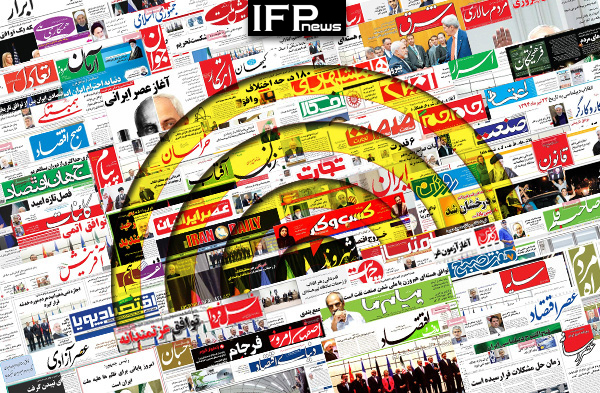
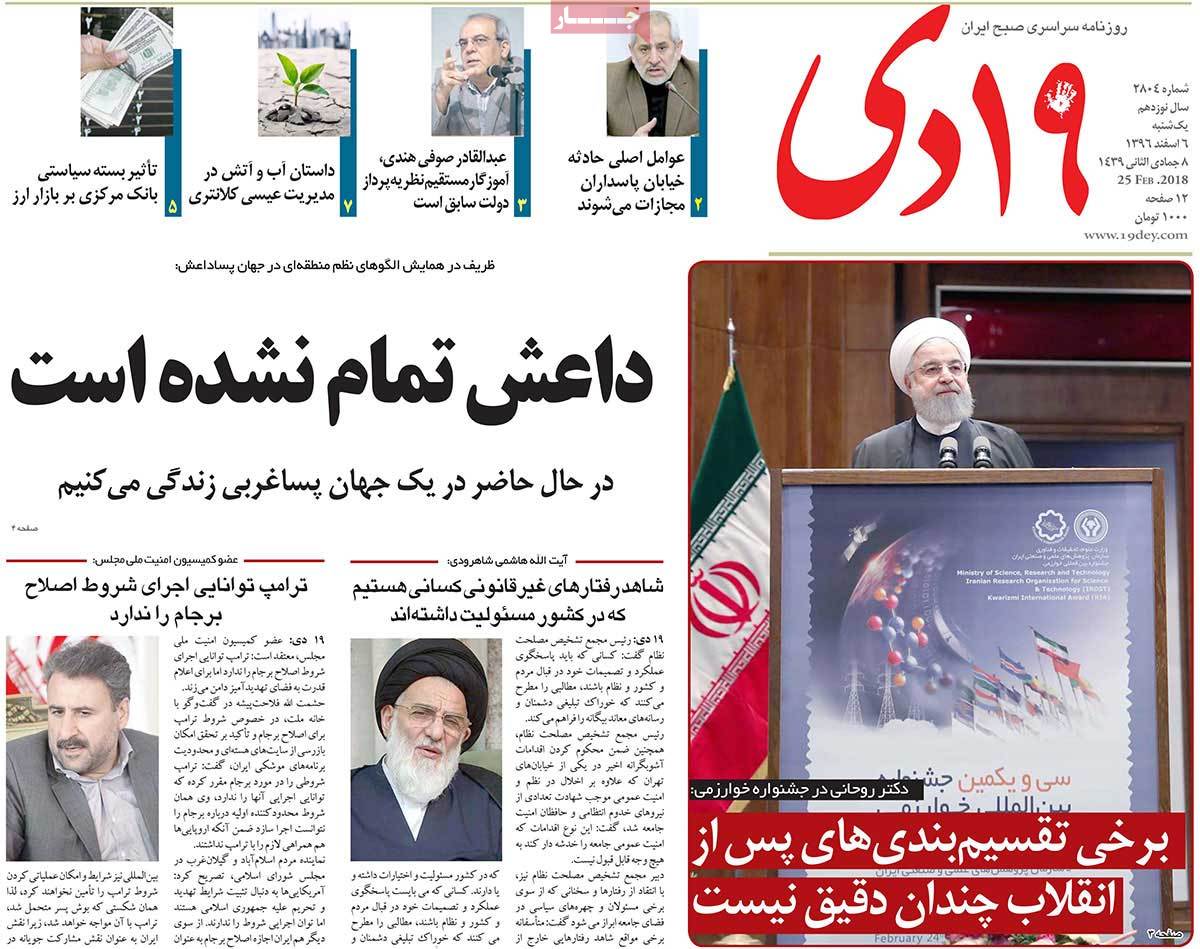
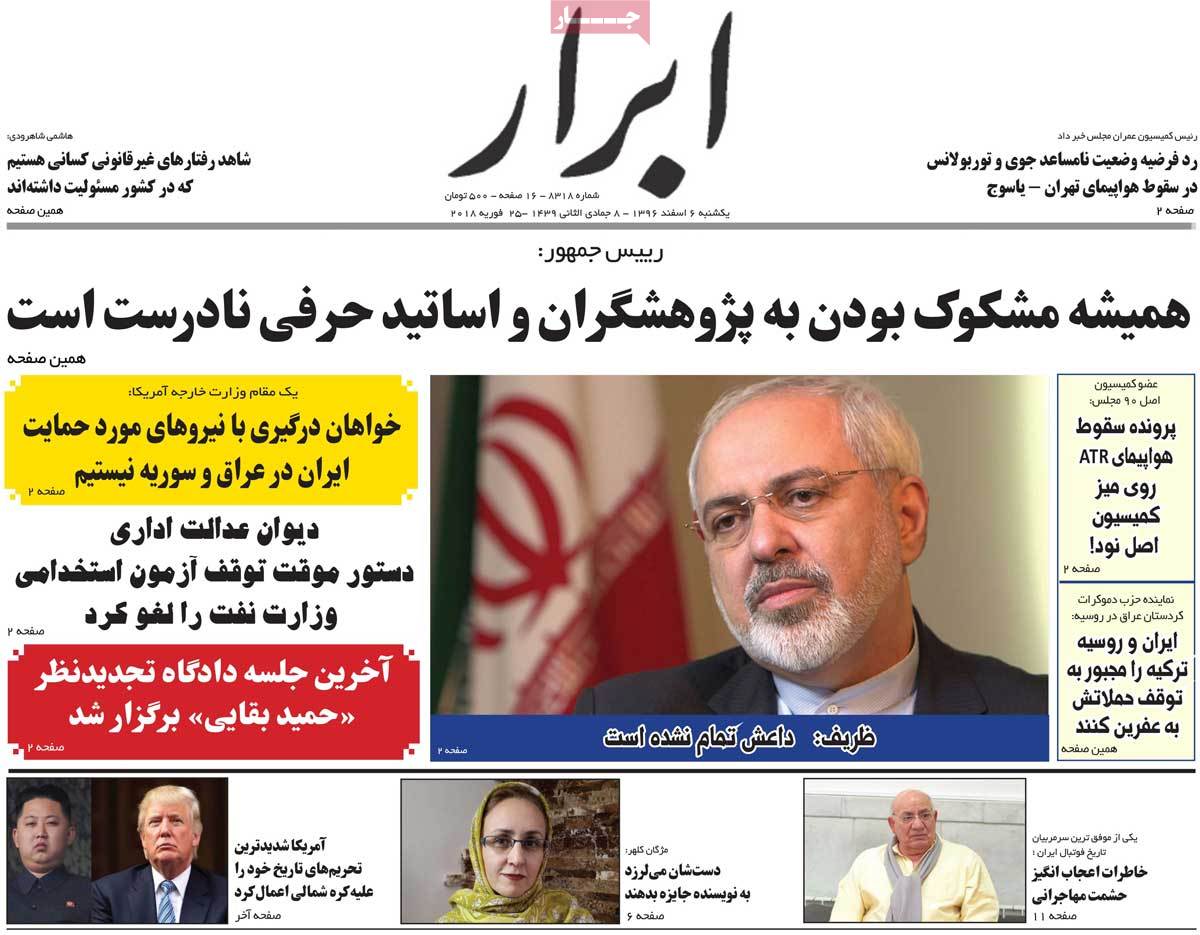
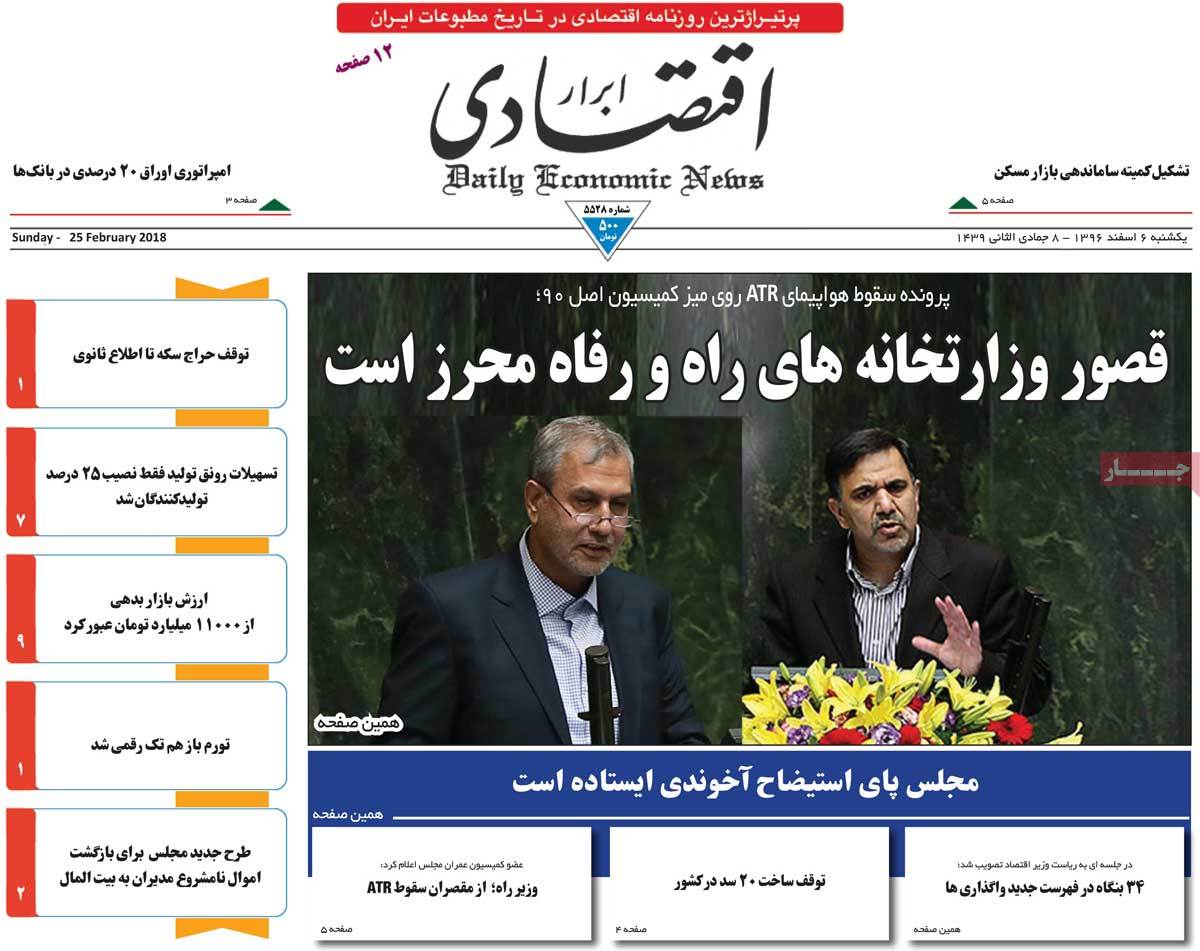
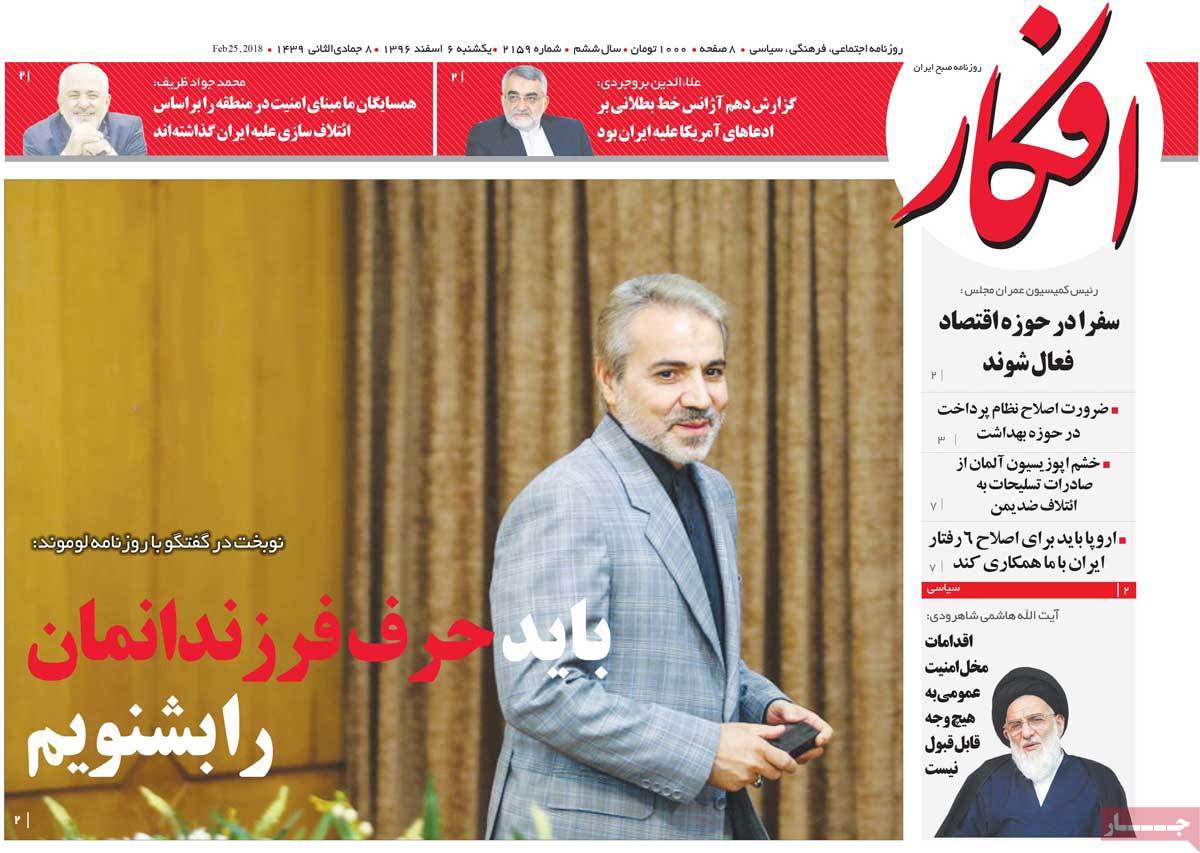
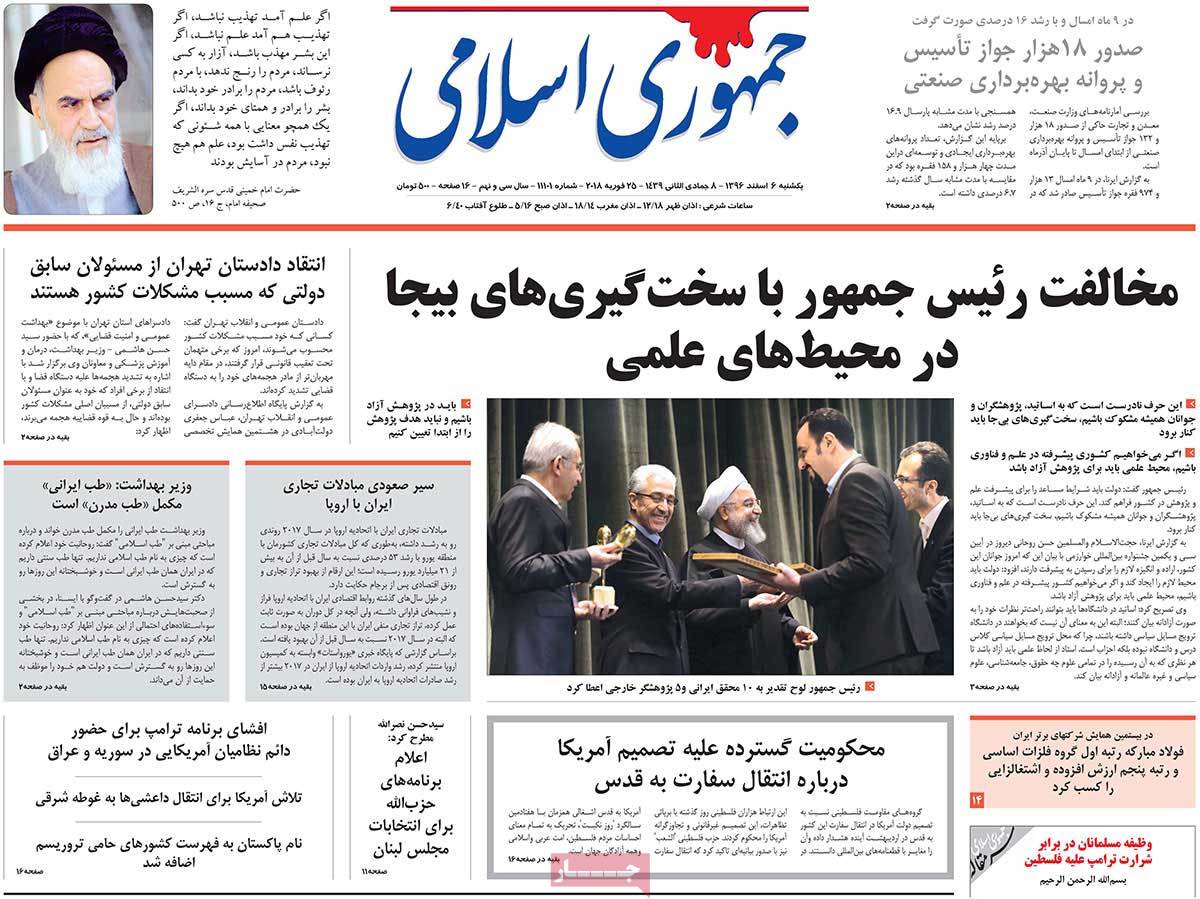
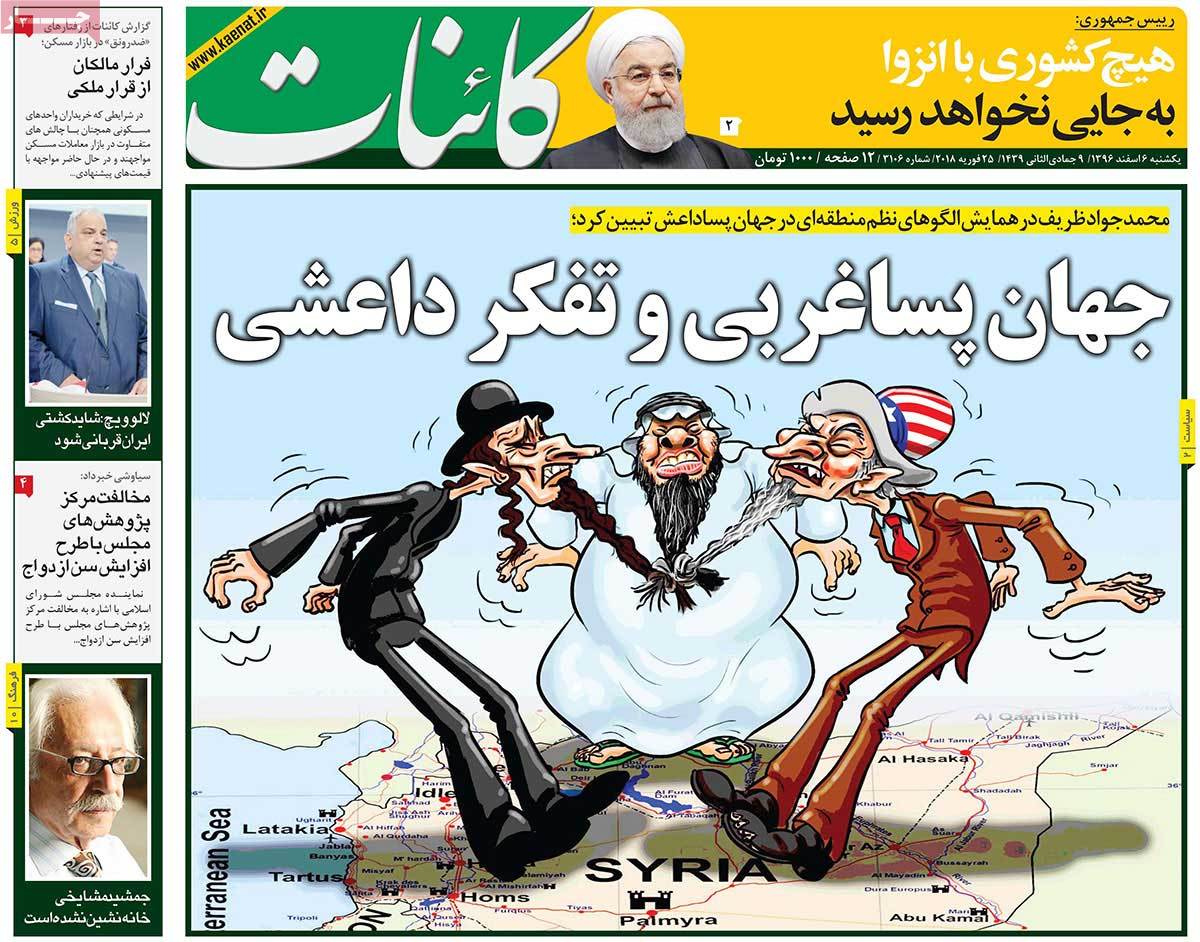
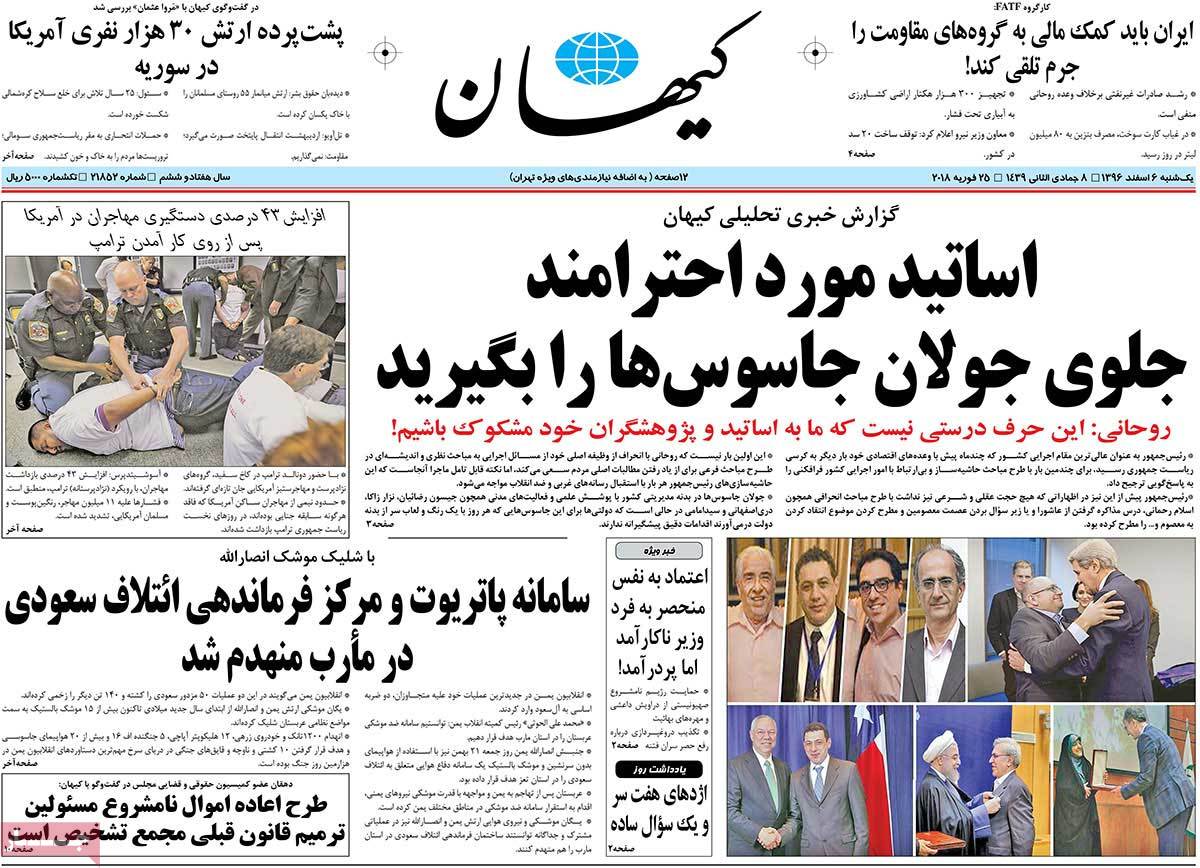
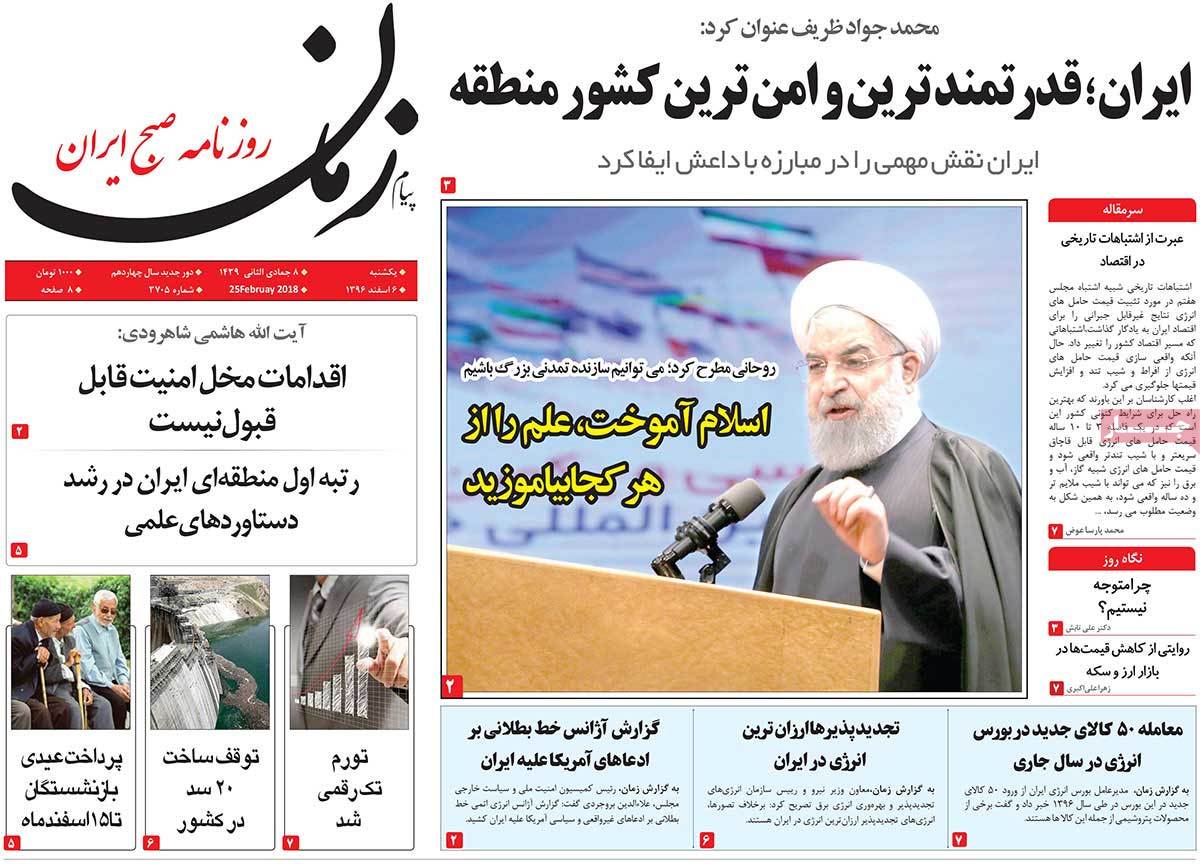
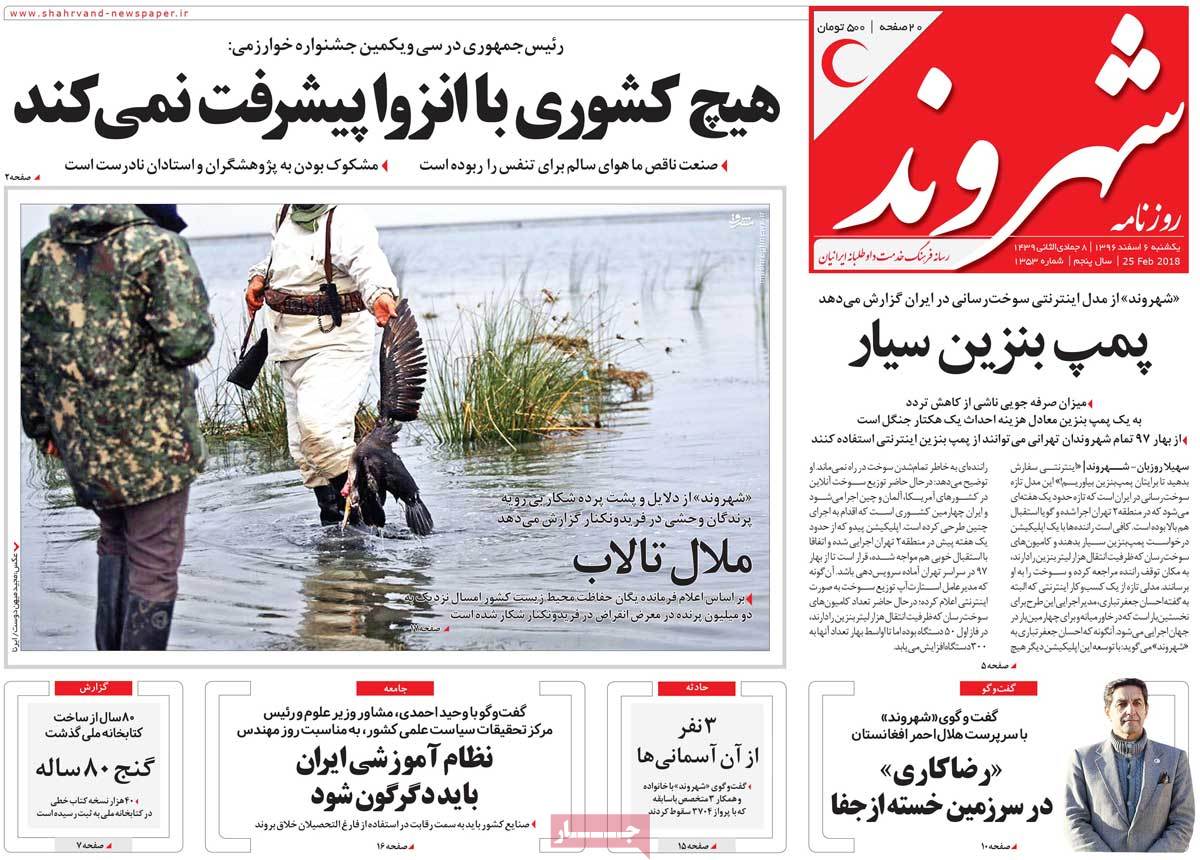
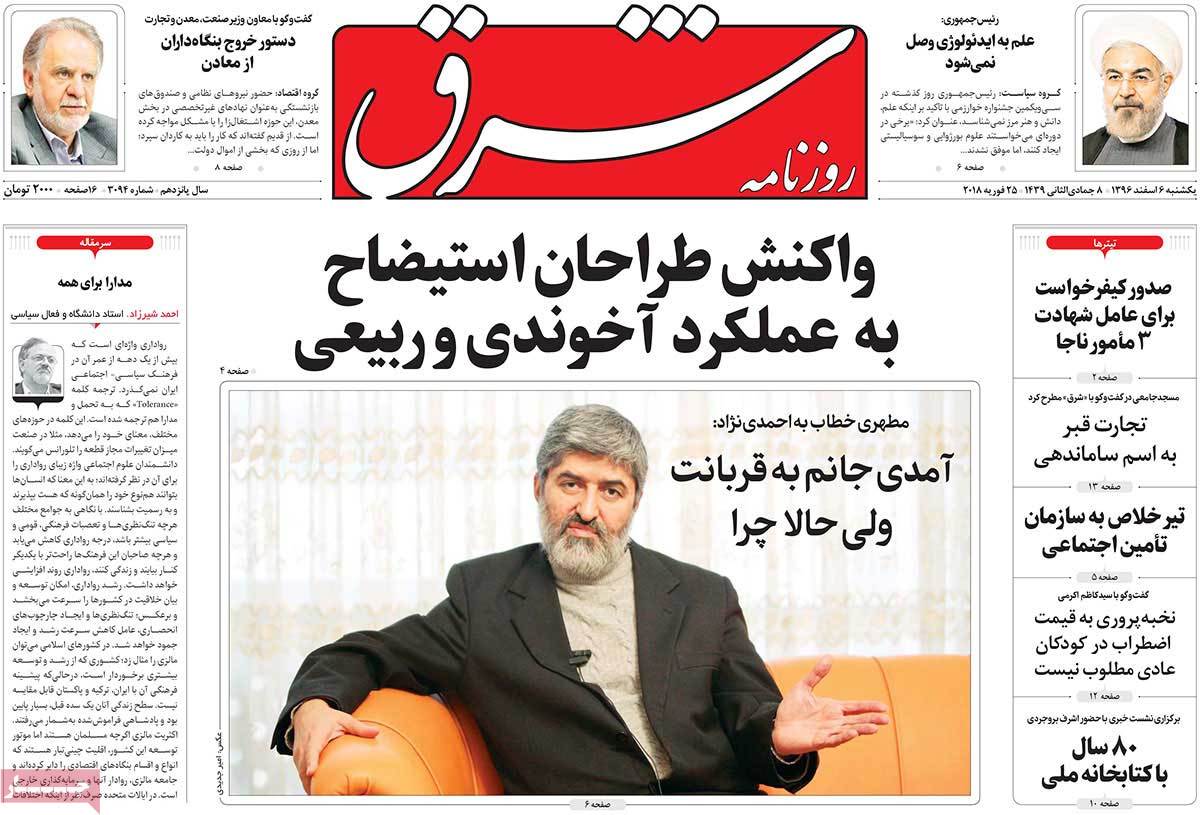
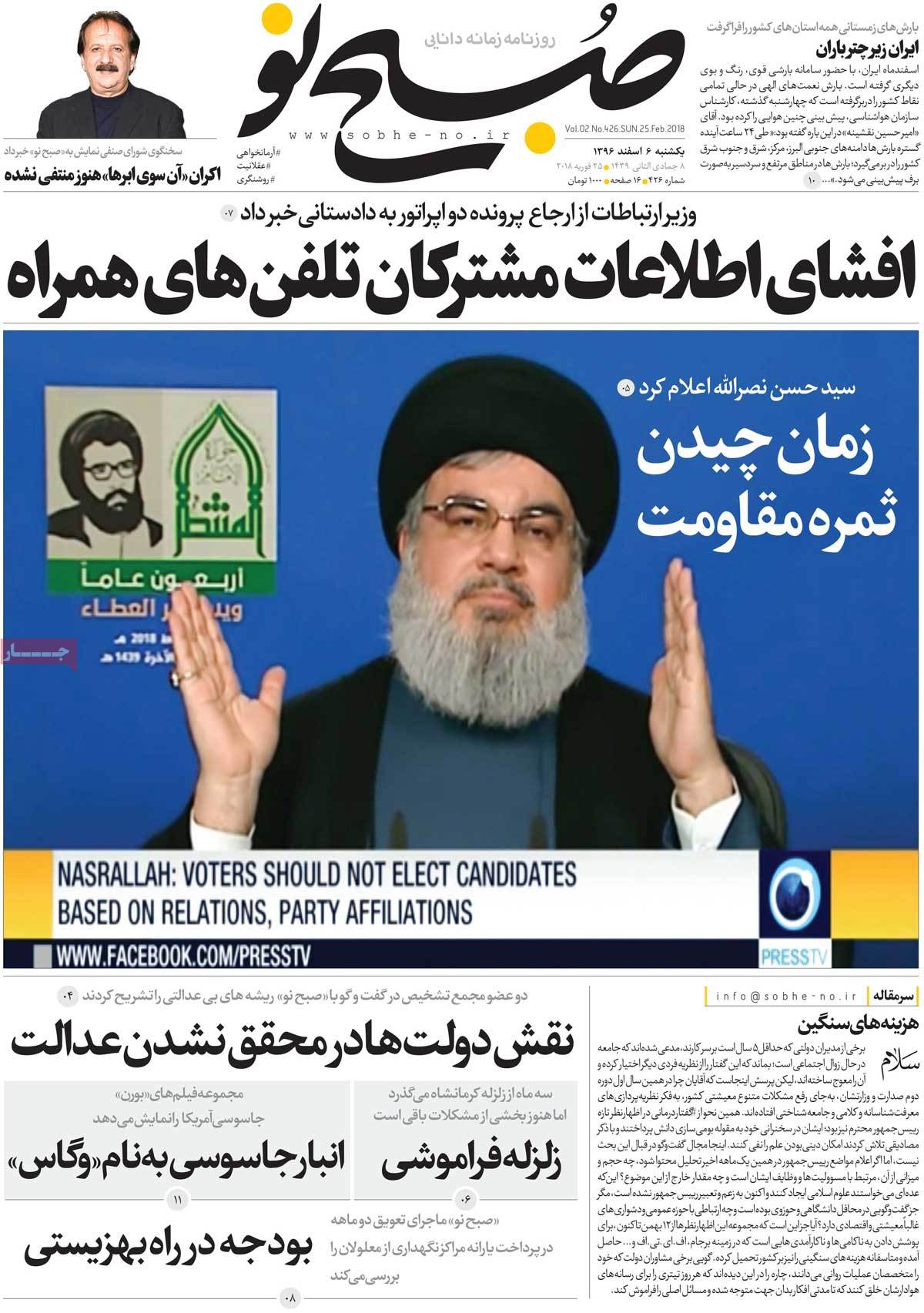
A Look at Iranian Newspaper Front Pages on January 30

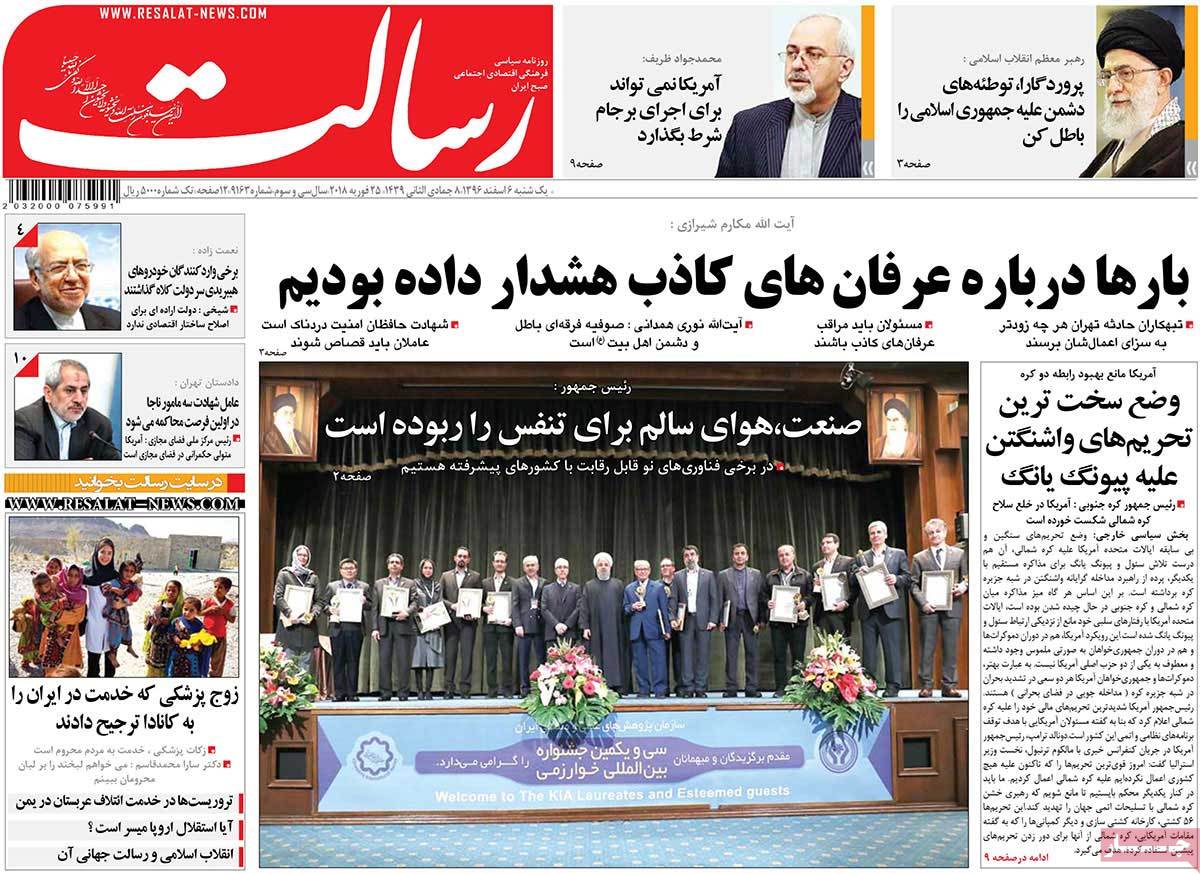
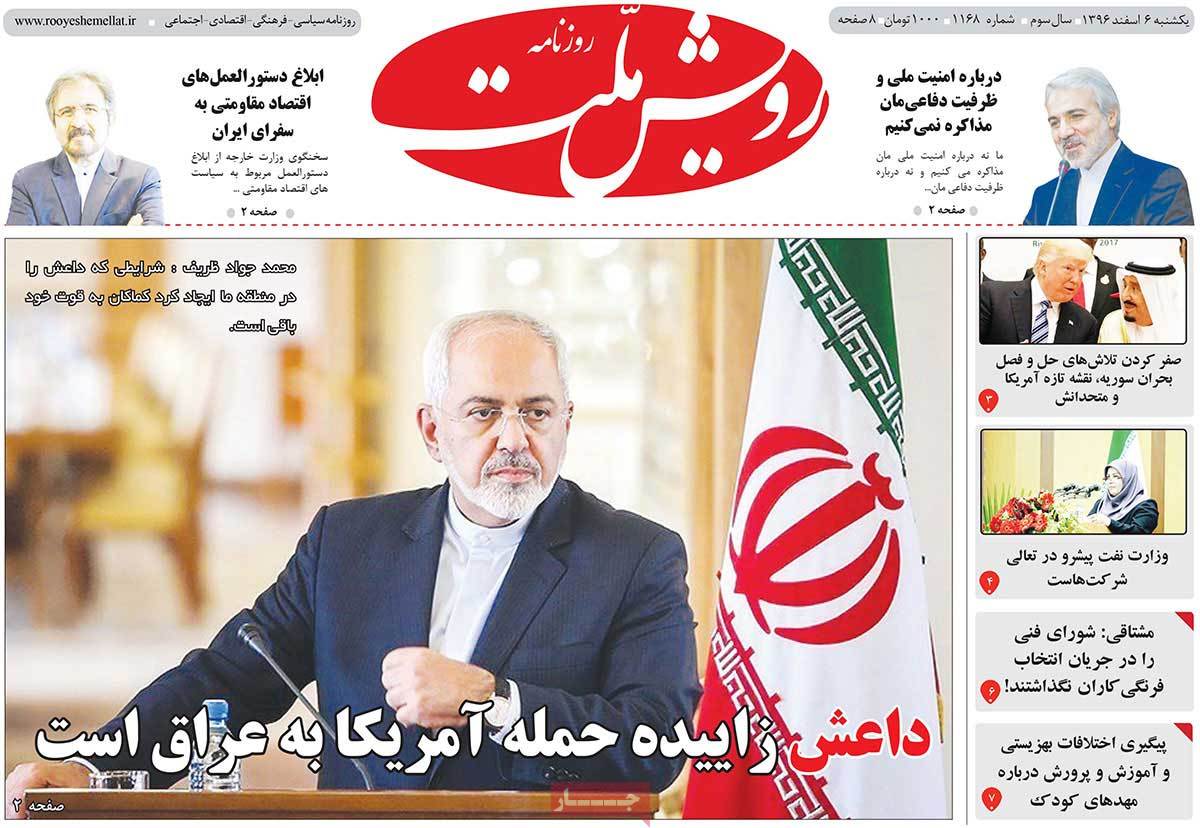
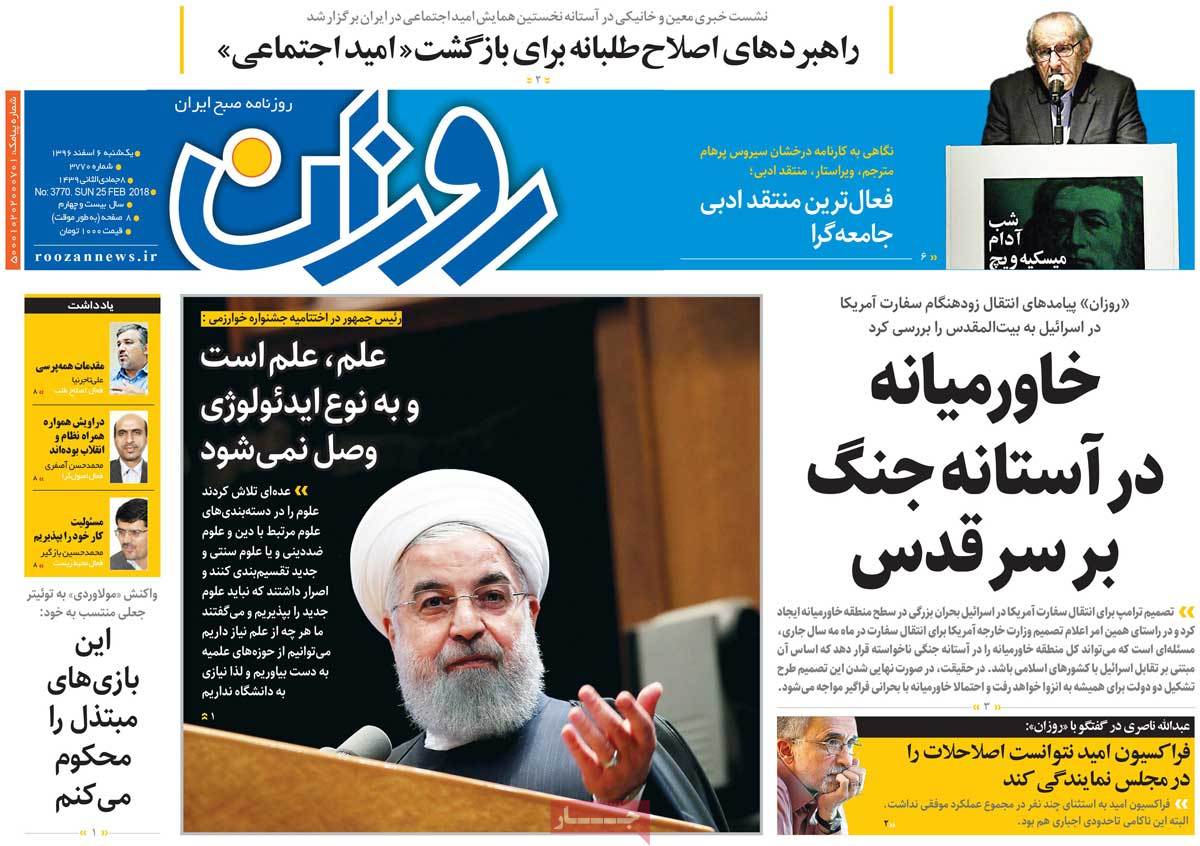
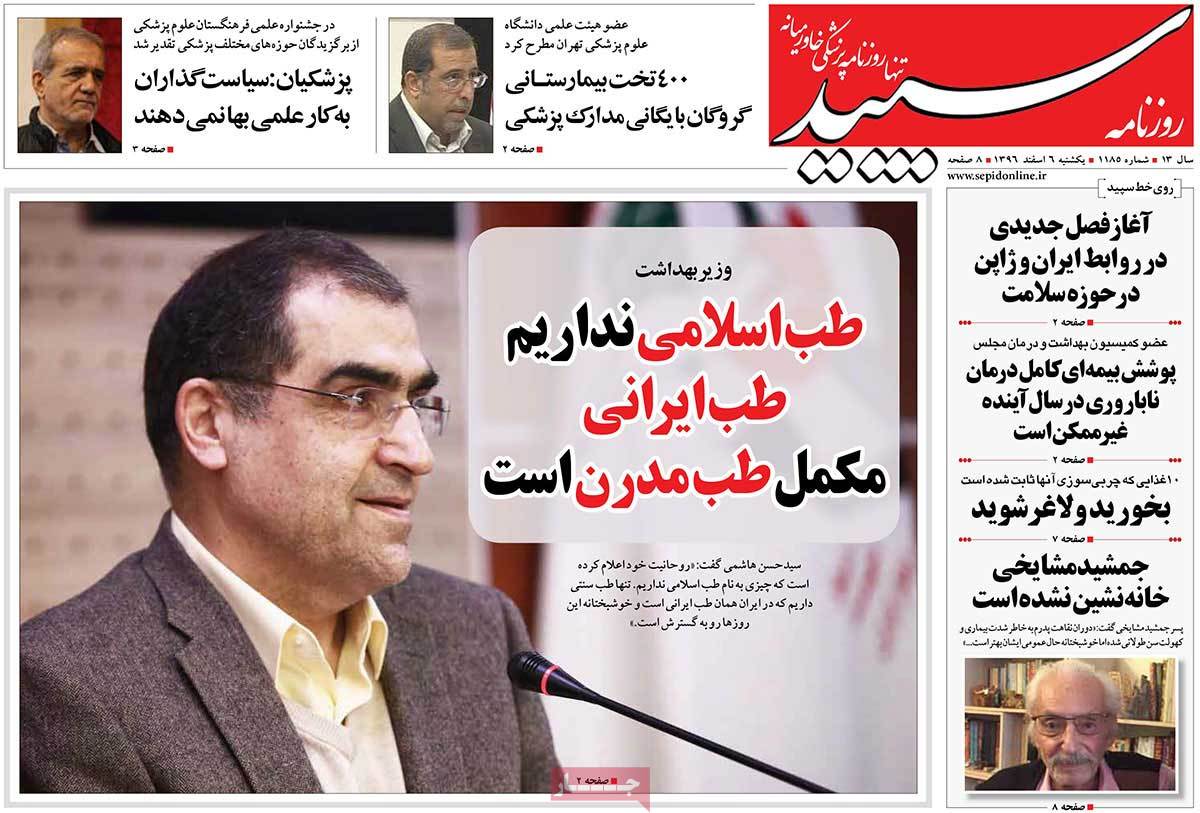
A Look at Iranian Newspaper Front Pages on November 18

The heavy snowfall in Tehran and the problems created for people remained a top story today.

Several papers also discussed the Parliament’s vote against the budget proposed by the Rouhani administration for the next fiscal year.

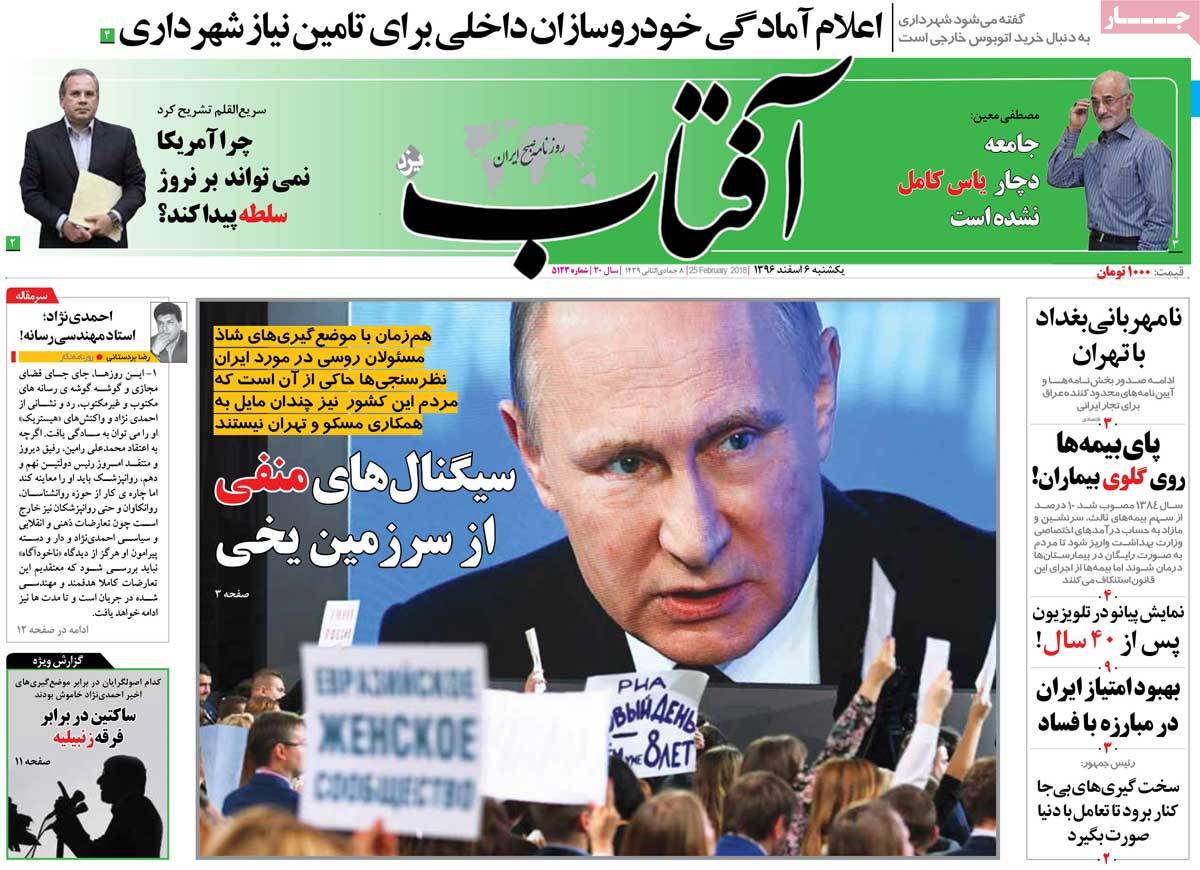
The Russian presidential election and Vladimir Putin’s certain victory as well as the Syria peace talks expected to be held in Russia’s Sochi were among other stories covered today.

The above issues, as well as many more, are highlighted in the following headlines and top stories:


Abrar:

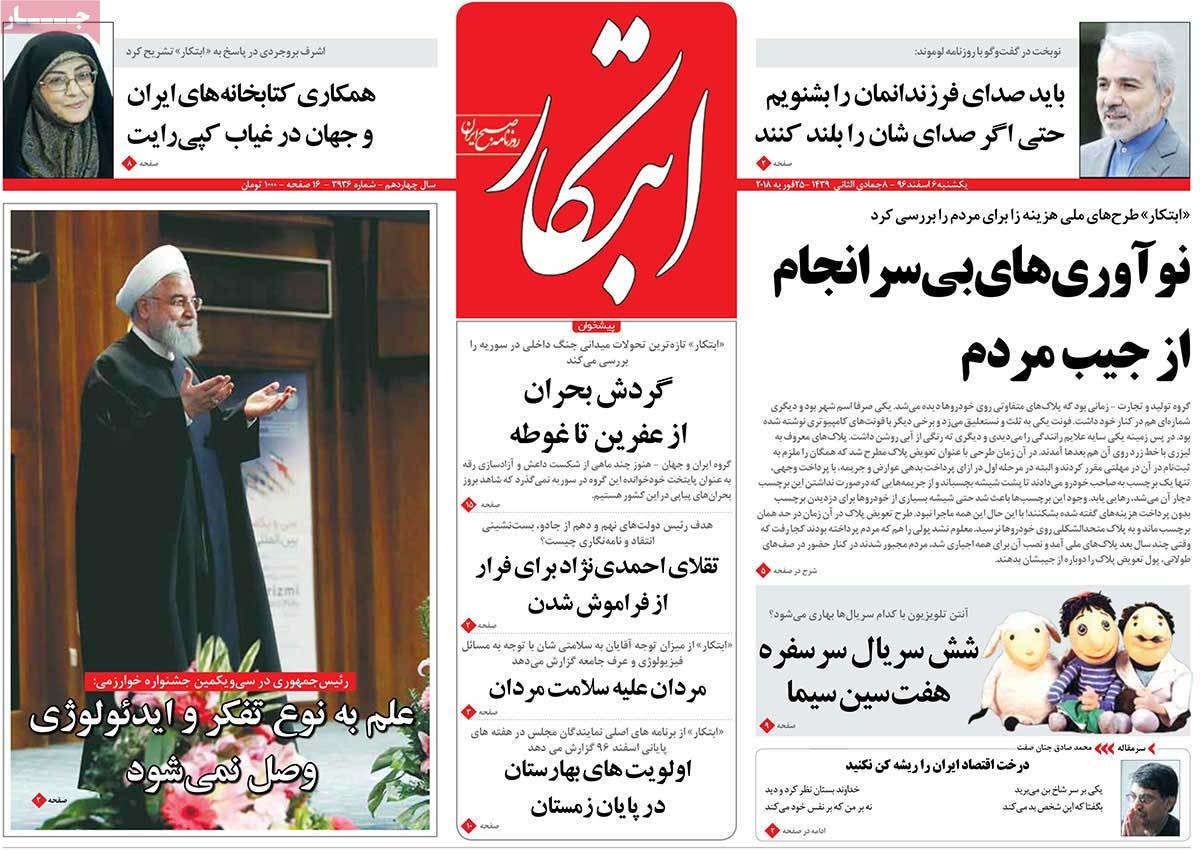
1- South Korea DM: N. Korea to Be Wiped Off World Map If Uses Nukes

A Look at Iranian Newspaper Front Pages on January 30


Aftab-e Yazd:

1- Putin’s Challenge with People

2- January 30th, Day of Clean Earth

3- Putin Will Win Russia Elections, But … [Editorial]

A Look at Iranian Newspaper Front Pages on January 30


Arman-e Emrooz:

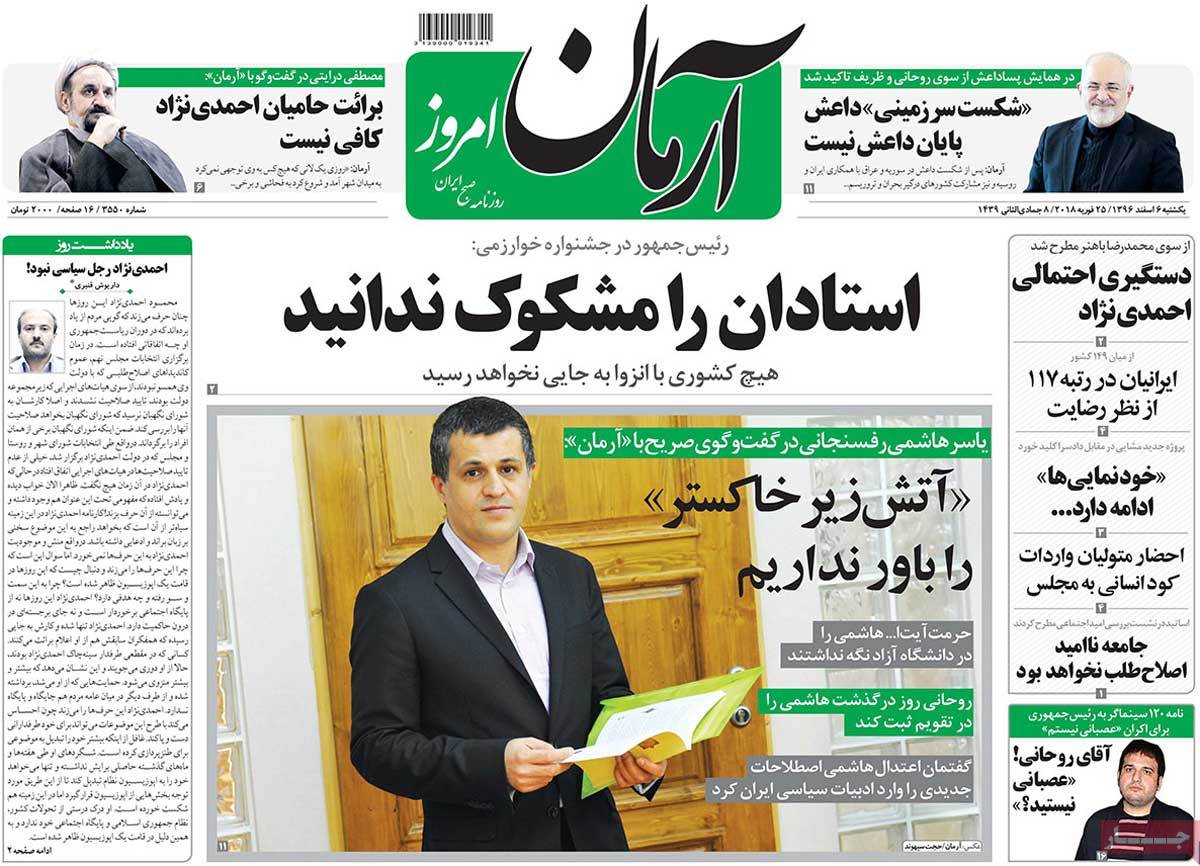
1- Those Who Disclose Corruption Are Not Protected

2- Analyst: Between Iran and US, Iraq Won’t Choose Tehran

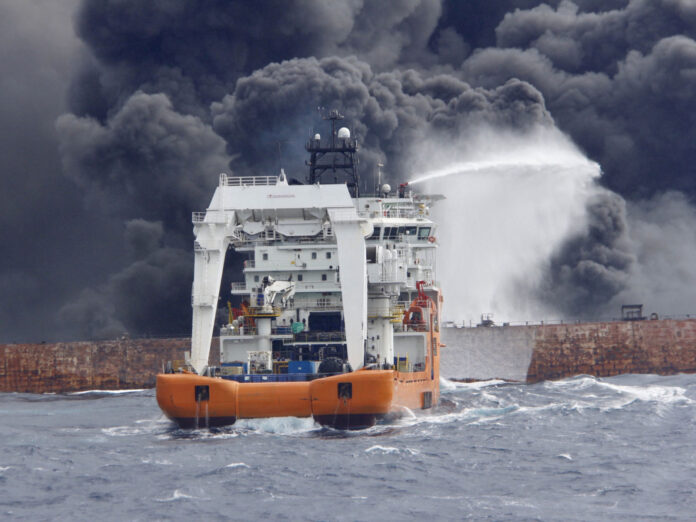
3- Iran Won’t Sue China over Sanchi Accident

A Look at Iranian Newspaper Front Pages on January 30


Ebtekar:

1- Snowy Economy: A Report on Business in Snowy Days

A Look at Iranian Newspaper Front Pages on January 30


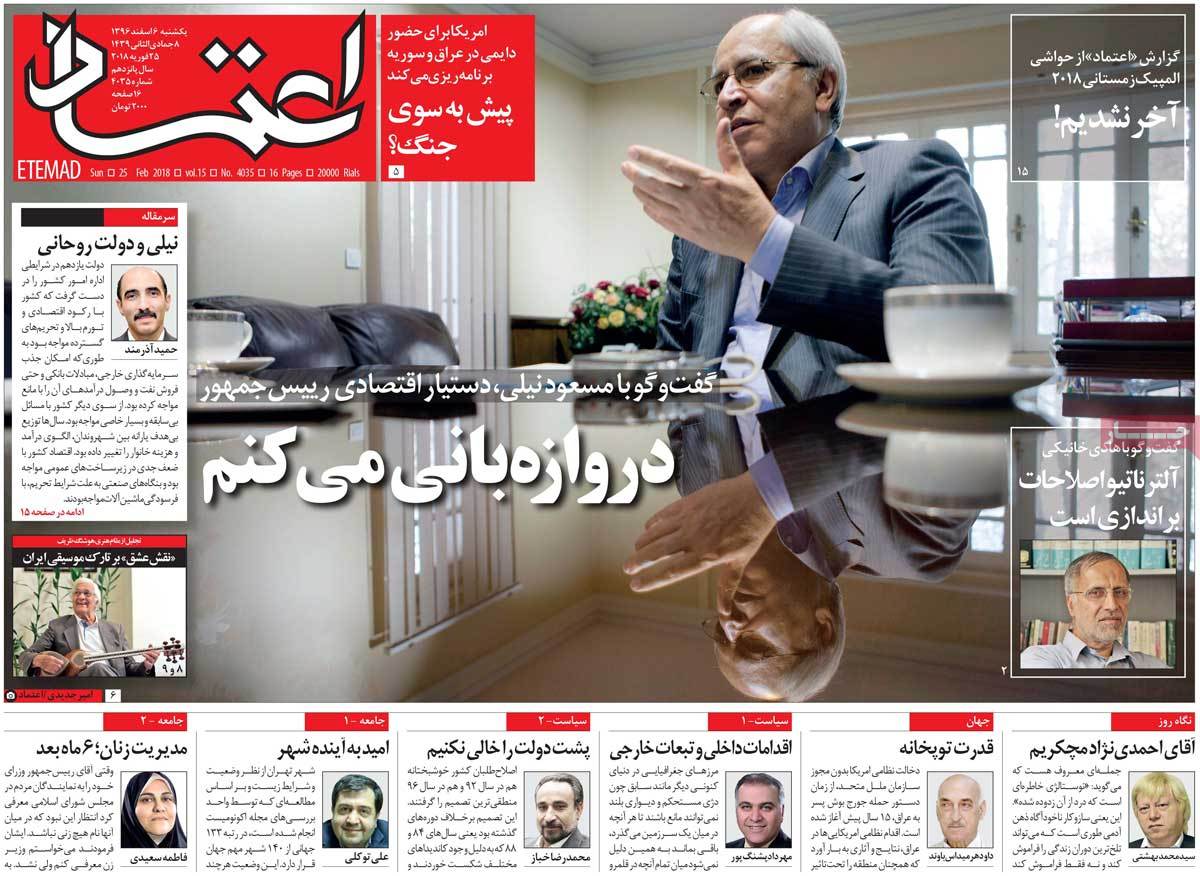
Etemad:

1- Iran National Security Council to Probe into Accession to Palermo Convention

2- Bloody Days of Kabul

A Look at Iranian Newspaper Front Pages on January 30


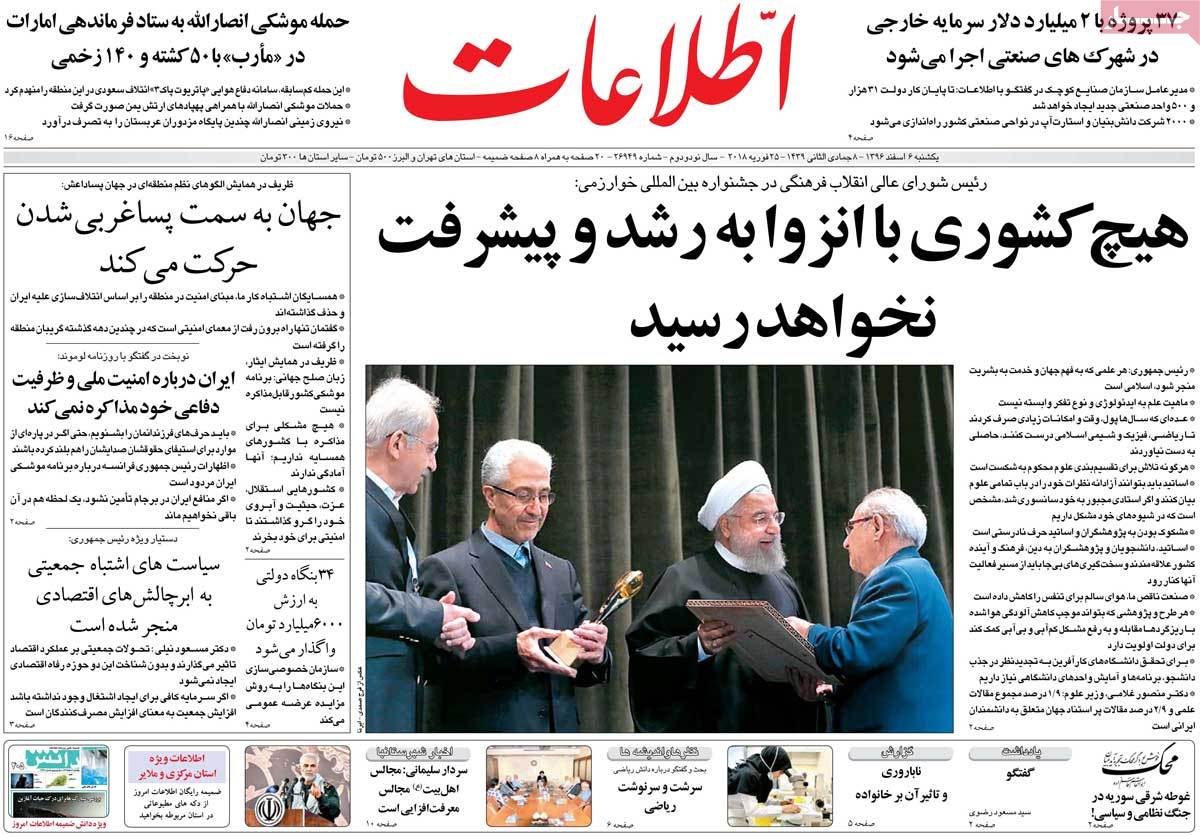
Ettela’at:

1- Iran’s Railway Network to Be Completed

2- Turkey Violates Syria’s Sovereignty by Appointing Governors for 3 Towns of Aleppo

3- Trump’s Economic Clash with Europe

A Look at Iranian Newspaper Front Pages on January 30


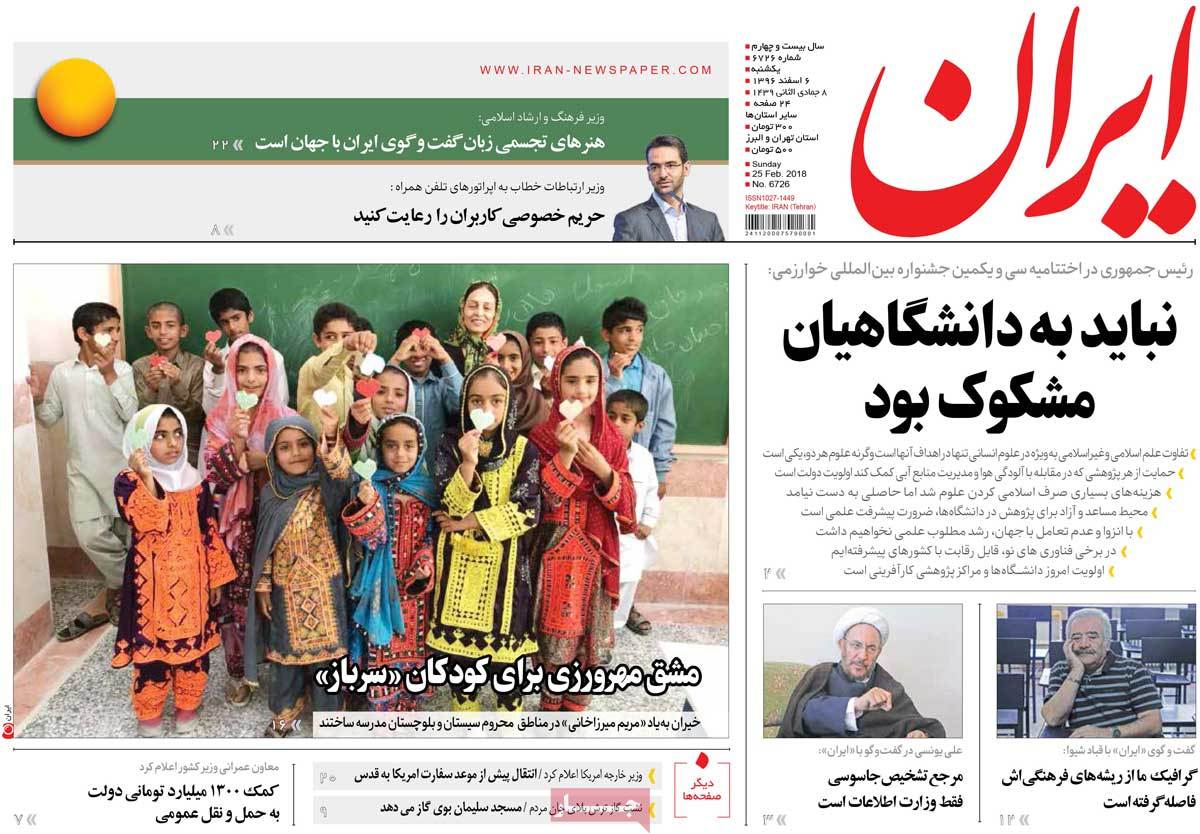
Iran:

1- Opposition Figure Mousavi, His Wife Can Now See Children Whenever They Want

2- Aftershocks of Snowfall: A Report on Transportation Problems

A Look at Iranian Newspaper Front Pages on January 30


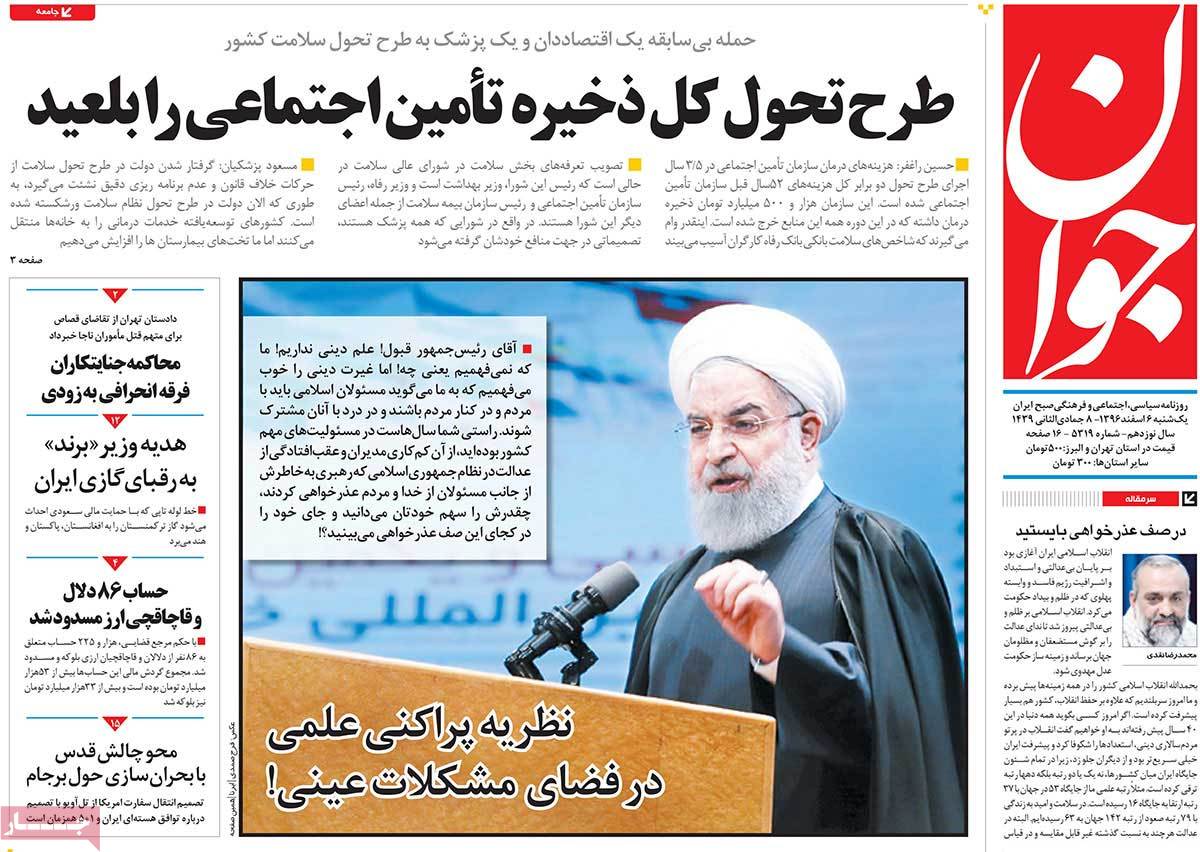
Javan:

1- IRGC Navy General: Americans Have Changed Their Behaviour in Persian Gulf

2- Judiciary Chief: Even One Single Corrupt Judge Is Too Much for Judiciary

3- Iran Leader Urges Judiciary to Publicly Prosecute Offending Judges, Introduce Honest Ones

A Look at Iranian Newspaper Front Pages on January 30


Jomhouri Eslami:

1- African Union Supports Iran Nuclear Deal

2- China to Reopen Iranians’ Blocked Bank Accounts

3- US Lawmakers to Prevent Stonewalling in JCPOA, US Isolation: NIAC Member

4- Iran First VP: Finalisation of $12 Billion Worth of Finance Deals Achievement of JCPOA

A Look at Iranian Newspaper Front Pages on January 30


Kayhan:

1- Assad: We’ll Destroy Tel Aviv Airport with Missiles If Israel Hits Syria

2- US, Europe Form Working Group to Revise Iran Nuclear Deal

  • Europe Breaks Its Promise that JCPOA Is Non-Negotiable!

A Look at Iranian Newspaper Front Pages on January 30


Khorasan:

1- Ifs and Buts of Palermo Convention: Right Concerts or Misinterpretation

A Look at Iranian Newspaper Front Pages on January 30


Resalat:

1- Health Ministry: Iranian People’s Life Expectancy Increased by 25 Years in Past 4 Decades

A Look at Iranian Newspaper Front Pages on January 30


Shahrvand:

1- Happy, Unhappy Aspects of Snow

A Look at Iranian Newspaper Front Pages on January 30


Shargh:

1- Certain MPs Lobby Others to Reject Government’s Proposed Budget 10 Minutes before Voting

A Look at Iranian Newspaper Front Pages on January 30


Sobh-e Now:

1- Health Ministry: Iranian People’s Life Expectancy Increased from 54 to 78

2- No Deadlock in Islamic Traditional Medicine: Cleric

A Look at Iranian Newspaper Front Pages on January 30

Syria National Dialogue Congress Kicked Off in Sochi (+Video)

Russian Foreign Minister Sergei Lavrov on Tuesday inaugurated the national Syria talks which finally began in the Russian coastal town of Sochi after months of debating and bargaining.

Political delegations from Iran, Russia and Turkey, as the three countries which initiated the negotiations, as well as a UN delegation led by Staffan de Mistura are attending the talks.

More than 1,600 representatives from different Syrian groups, including armed opposition groups, Kurds, Arabs and other ethnic groups, are in Sochi as well.

One of the key items on the agenda of the talks is to establish a commission tasked with drawing up Syria’s future constitution, a Farsi report by IRIB said.

The talks were officially scheduled to kick off at 10 am local time with an official ceremony. However, the talks started with several hours of delay. Differences of opinion between de Mistura and Russian officials are said to have delayed the negotiations.

The inaugural was scheduled to be followed by the first plenary session of the event, which would run until noon.

The second plenary session was scheduled to open at 14:30 and would run for three hours. High on the agenda of the second meeting would be discussions on how to draw up Syria’s new Constitution while preserving the country’s territorial integrity.

The negotiations are expected to draw to a close with the release of an official statement reflecting the decisions made during the talks.

During a trilateral summit attended by leaders from Iran, Russia and Turkey back in November, 2017, it was agreed to hold the current Syria talks in Sochi.