Tuesday, December 23, 2025
Home Blog Page 3690

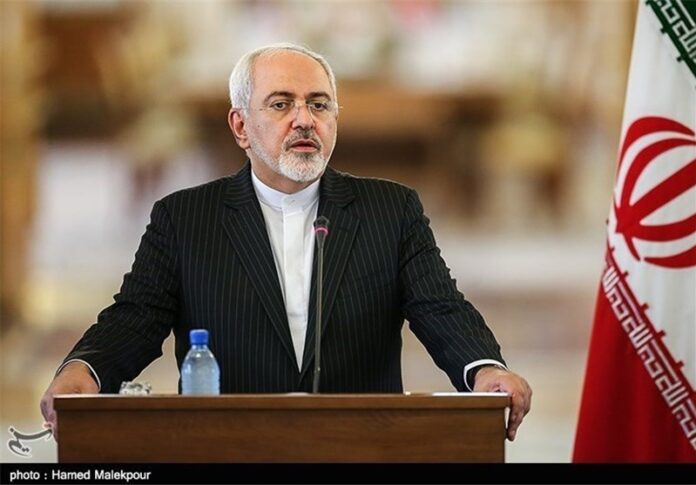
Iran FM to Depart for Balkans, Eastern Europe Monday

Zarif

According to Foreign Ministry Spokesman Bahram Qassemi, Zarif will travel to Serbia, Bulgaria, Croatia, and Bosnia to hold talks and exchange views with their top officials.

“A high-ranking political delegation and an economic commission composed of a number of businessmen and entrepreneurs from the private and public sectors will accompany the foreign minister.”

According to Qassemi, meeting with foreign ministers and other top officials of these countries, as well as a joint conference with Iranian and foreign businessmen and business-owners residing in these countries, are high on the agenda.

Zarif’s latest visit to Eastern Europe dates back to November 2016, when he paid a four-day visit to Romania, Slovakia and Czech Republic.

A delegation of 30 Iranian entrepreneurs accompanied Zarif in his visit to the Eastern Europe, during which he discussed cooperation with the European countries in the fields of banking, energy, transportation, health, mining, agriculture and auto industry.

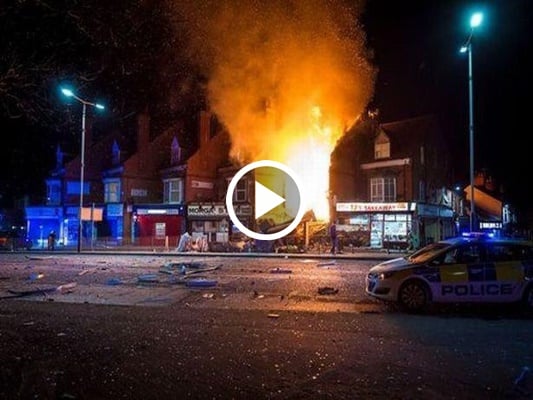
Huge Blast Hits UK’s Leicester (+Video)

British police declared a “major incident” after reports of an explosion in the an area of Leicester, the BBC reported Sunday.

Witnesses reported hearing a huge explosion in the Hinckley Road area of the city centre.

Soon after the incident Police and emergency services rushed to the scene and launched  a search and rescue operation in the area.

Police closed Carlisle Street and part of Hinckley Road and are asking people to avoid the area.

At least four people have lost their lives and four others wounded during the explosion and the ensuing blaze.

There is no immediate report of the cause of the incident.

Mobile App to Let Iranians Buy Car Fuel Online

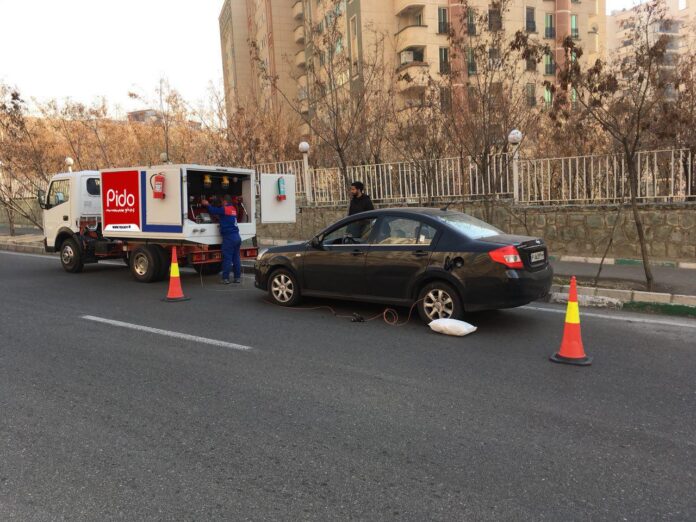
Minutes after the orders are placed, trucks with a capacity of 1,000 litres of petroleum bring the fuel to the location of the applicant.

The mobile petrol station startup, which is called “Pido”, would be available to all citizens of capital Tehran as of spring 2018.

According to Farsi report by Shahrvand daily newspaper, many say the cost of reducing traffic to a petrol station is equivalent to the cost of creating a hectare of forest.

This new model, which has been launched just about a week ago in Tehran’s 2nd District, has apparently been highly welcomed by the citizens.

For a brief review of Iran’s achievements in various fields of science and technology, check the book “Science and Technology in Iran: A Brief Review

As the executive director of the project, Ehsan Jafar Tabari says this is a new model of an online business, being launched for the first time in the Middle East and for the fourth time in the world.

“With the development of this app, drivers would not run out of fuel in the middle of the roads anymore,” he noted.


Iran 4th Country Using Such Technology

Jafar Tabari explained that online fuel distribution is currently being implemented in the US, Germany and China, and the Islamic Republic of Iran is the fourth country to implement such a plan.

As the CEO of “Pido” Startup has announced, at present, 50 fuel tanks with a capacity of 1,000 litres of petrol are in operation, but by mid-spring they would be increased to 300.

This report adds that the number of filling stations in Tehran is not enough. According to international standards, the standard distance of access to a filling station should be one kilometre. However, the executive director of the fuel distribution plan says currently one needs to drive 6 to 7 kilometres to reach a filling station in Tehran. This is apart from the time spent on refueling at filling stations.

According to him, a study conducted in cooperation with the Iranian Department of Environment shows that the amount of oxygen used by vehicles is very high. Therefore, if a petrol station is used to reduce traffic, the oxygen that is maintained is equivalent to creating a hectare of forest. Moreover, it must be noticed that carbon monoxide will no longer be produced.

According to Jafar Tabari, there are about 180 filling stations in Tehran, and at least 200 to 250 other stations are needed due to the size and the number of cars traveling on the streets of Tehran.


No Additional Costs

Contrary to what is believed, one does not need to pay more for online petrol ordering. Jafar Tabari says the price of ordinary and premium petrol is about 22 and 26 cents respectively, and the customers will only pay the carrying costs in addition to the ordinary petrol prices.

He added that there is no specific price for carrying fuel and it depends on the timing, traffic jam, and whether conditions.

The number of cars on Iran’s roads surpassed 19 million in 2017. Today, Iran is the 14th largest automaker in the world and one of the largest in Asia, with annual production of more than 1.6 million. In 2009 Iran ranked fifth in car production growth standing next to China, Taiwan, Romania and India.

Iranian Oil Minister Bijan Namdar Zanganeh said last year that fuel consumption in Iran is equivalent to 5.5 million barrels of oil per day (bpd), the rate of which is considered as the highest energy consumption rate in the world in terms of energy intensity.

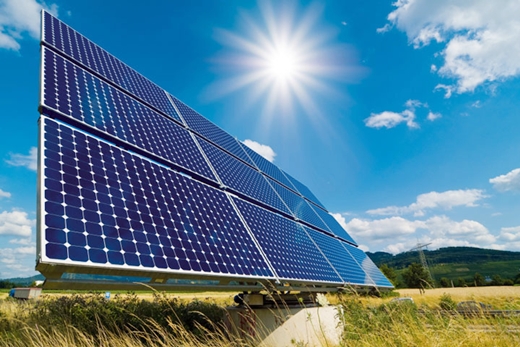
Iran to Build Solar Power Plant with S. Korean Investment

The governor of Zarandieh, Mohammad Qanati, says the project will also involve Iran’s private sector.

“Earlier, a delegation from South Korea visited the area in which the power plant is set to be established,” Qanati was quoted as saying in a Farsi report by IRNA.

He also added an area of 28 hectares has been allocated to the project. “A South Korean company will provide 70 percent ($44m) of the required investment for launching the project. The remaining part will be funded by an Iranian company.”

According to Qanati, the solar power plant will be built within the next 15 months with a production capacity of 17mw.

The governor said the strategic location of Zarandineh town near the capital Tehran and Imam Khomeini International Airport has made it an appropriate place for investment.

“That’s why many domestic and foreign companies are interested in making investment in the town,” he concluded.

Zarandieh is home to about 400 big and small production companies.

With the first largest gas reserves and the fourth oil reserves in the world, Iran is a global hydrocarbons giant. The Iranian policymakers, however, are very eager to develop renewable energies to increase energy security, reduce the country’s dependence on hydrocarbons, and realize its growth targets in electricity demand.

Iran’s topography is quite appropriate for renewables and that makes the fulfillment of these objectives pretty realistic and probable for the Iranian government.

Iran enjoys a great diversity in its climate and vast arid regions. The southern, northwestern and southeastern regions of Iran receive around 300 days of sun per year, and thus are uniquely suitable for solar energy production.

According to the data released by Iran’s Vice-Presidency for Science and Technology, the government has given particular priority to the country’s central regions, including Yazd, due to its climate and proximity to the national power grid.

With the recent removal of sanctions, Iranian companies now have greater access to a wider range of increasingly sophisticated solar technologies and financing to purchase and develop them. The immediate benefits will be rapid installation of technologies and, in the long-term, the country is likely to gain the ability of producing a significant amount of its solar infrastructure domestically.

Iranian MP Urges Use of Alternative Currencies Instead of Greenback

Iranian MP Urges Use of Alternative Currencies Instead of Greenback

Mehrdad Baooj Lahooti, a member of the Parliament’s Planning, Budget and Audit Commission, noted it is necessary to replace the greenback with other currencies in global trade.

“At a time when we have a considerable volume of economic transactions with Turkey, China and Russia, we can conduct the deals using currencies other than the dollar,” the lawmaker said as quoted by the Persian-language Islamic Consultative Assembly News Agency (ICANA).

He then touched upon the unstable dollar market during the past month, saying the issue of using alternative currencies should be raised with the countries that Iran has trade transactions with, so that the psychological pressure on the dollar market inside Iran would be reduced.

The legislator also referred to Iranian President Hassan Rouhani’s recent trip to India, and added the best way to replace the greenback with alternative hard currencies in international financial transactions is to bring up the issue during the president’s visit to the countries with which Iran has the most volume of trade.

“Iran has a lot of transactions with India. We buy rice and several other products from them. We can conduct the transactions in a foreign currency other than the dollar, including the national currency of either country,” the MP underlined.

“Therefore, the president can, during his foreign trips, promote the idea of using an alternative currency in international financial transactions and sign bilateral agreements,” he said.

He then elaborated on whether or not using alternative currencies in foreign trade needs Parliament’s approval.

“In the 6th National Development Plan, the Parliament has authorized the government to increase its international financial transactions, so there is no need for another enactment, and the government can designate and receive the necessary foreign currencies upon increasing the transactions,” he said.

ISESCO to Build Schools in Iran’s Quake-Hit Regions

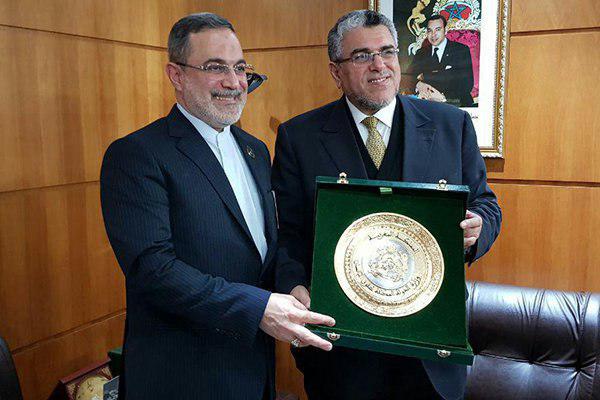
The pledge was made by ISESCO Secretary-General Abdulaziz Othman Altwaijri in a meeting with Iran’s Education Minister Seyyed Mohammad Bathaei in Morocco’s capital Rabat Friday.

According to a Farsi report by Mehr News Agency, Bathaei was in Rabat to attend the fifth Islamic Conference of Ministers in Charge of Childhood, which was held by ISESCO from Wednesday to Friday to explore measures to ensure a better and safer childhood in the Muslim world.

Based in Rabat, ISESCO was founded by the 52-nation Organization of the Islamic Cooperation in 1979 to build bonds among member states in the fields of education, science, and culture.

A powerful 7.3-magnitude earthquake rocked Kermanshah and other regions bordering Iraq back in November, killing about 630 people and injuring thousands.

The operations for restoring normal life to the quake-hit areas are still underway.

ISESCO to Build Schools in Iran’s Quake-Hit Regions
ISESCO Secretary-General Abdulaziz Othman Altwaijri meeting with Iran’s Education Minister Seyyed Mohammad Bathaei in Rabat, Morocco, on February 23, 2018

7,500 Addicted Babies Born in Iran Every Year

Studies show that half a percent of 1.5 million pregnant women in Iran give birth to addicted babies each year.

According to a Farsi report by Shahrvand daily newspaper, a screening in 2016 indicated that out of 900,000 pregnant women, 2,438 were addicted.

Hamid-Reza Sarrami, Director General of the Drug Control Headquarters, says 33% of drug consumers in the world are women.

“In Iran, one out of every 10 drug users is a woman. However, trends indicate that girls and women tend to use drugs more and more,” he added.

According to Sarrami, women with psychotic and psychological disorders are 17 times more likely to use drugs than other women.

“Studies show 27.4 percent of the population has a positive attitude towards drug use. Of these, women constitute 26.4 percent and men 29.3.”

The official has warned that the figures are alarming, adding that the government and aid organizations should deal with the issue as a top priority.

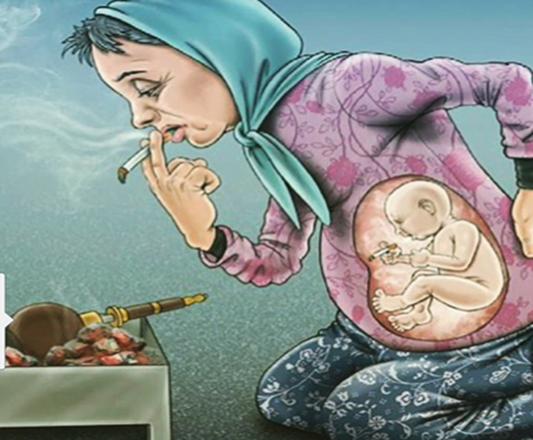
Women who have fallen victims to drugs bring to life 7,500 innocent newborns annually and transfer this horrific inheritance to their children. 80 to 90 percent of babies born from drug-addicted mothers lose their lives, according to the officials.

When women use drugs during pregnancy, they are more likely to neglect prenatal care, and their babies are more likely to be born prematurely or underweight.

While fetal heroin exposure has been a concern for decades, the explosion in opioid painkiller use is a fairly recent phenomenon that has renewed questions about long-term effects on babies’ development, intellect, and academic achievement.

Research has shown that consuming drugs and alcohol during pregnancy can lead to a number of health problems, like low birth weight, premature labour, fetal death, and miscarriage. But in some cases, the mother’s addiction is passed on to her child, and the baby’s first worldly experiences are withdrawal symptoms and rehab.

These drug-addicted infants can endure a number of problems with autonomic nervous system control: fever, vomiting, diarrhea, gagging, hiccupping, colour changes, and fast breathing, to name a few. They also have difficulties with movement, like tremors and jitteriness.

A Look at Iranian Newspaper Front Pages on February 25

A Look at Iranian Newspaper Front Pages on November 18

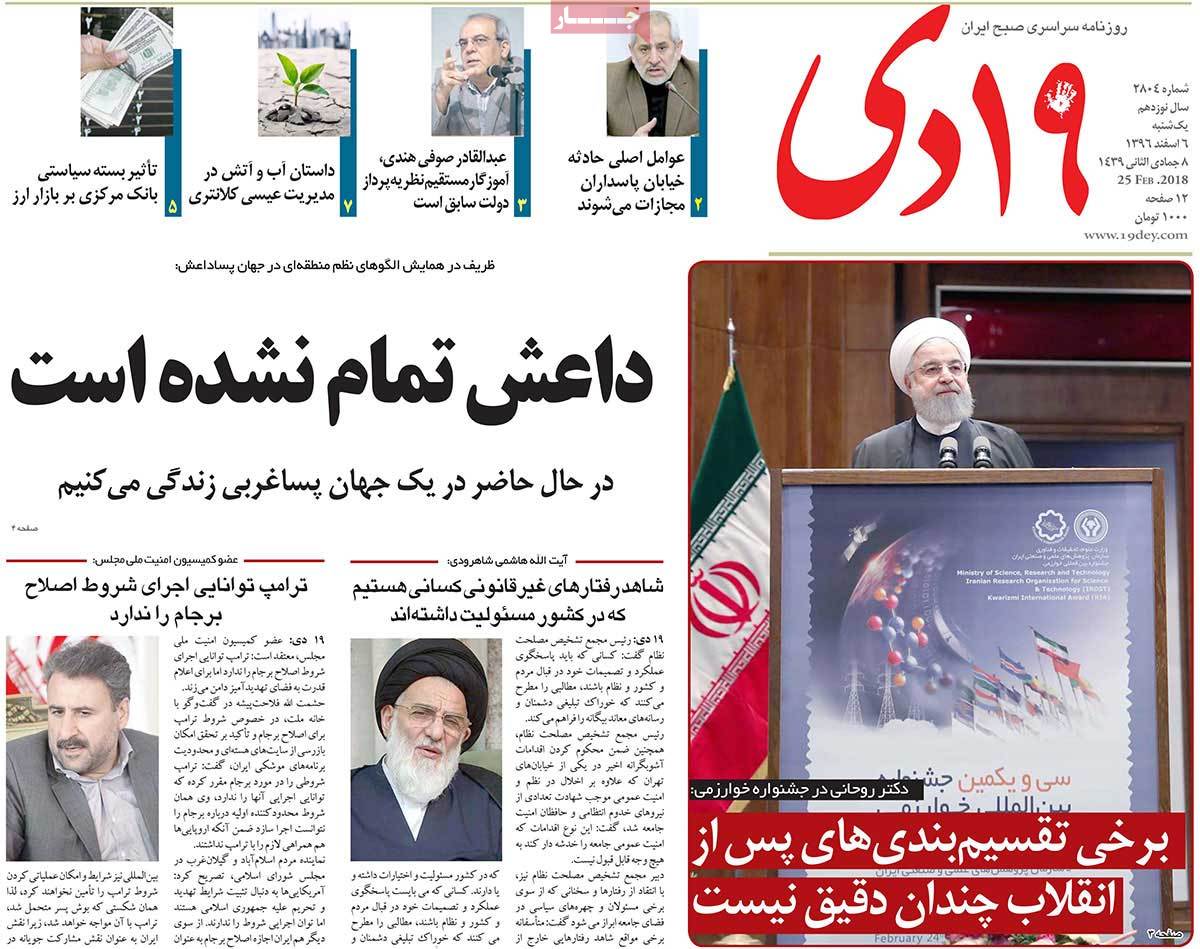
The top story in today’s papers was the remarks made by Iranian Foreign Minister Mohammad Javad Zarif about the post-ISIS era and the continuation of the Takfiri ideology in the region. Several papers also covered his comments about the conditions set by the US for the Iran nuclear deal as well as those about Saudi Arabia’s dependence on the West in terms of security.

Iranian President Hassan Rouhani’s remarks in rejection of attempts to Islamize sciences also received great coverage.

Also a top story was the recent arrest of environmentalists on charge of espionage and the prosecution of criminals affiliated with Dervishes involved in the recent violence in Tehran.

The above issues, as well as many more, are highlighted in the following headlines and top stories:


19 Dey:

1- Zarif: ISIS Not Over Yet

2- Iran MP Rejects Conditions Set by Trump for JCPOA Revision
A Look at Iranian Newspaper Front Pages on February 25


Abrar:

1- US Official: We Don’t Want to Engage in Fight against Iran-Backed Forces in Iraq, Syria

2- Iraqi Kurdistan MP Urges Iran, Russia to Make Turkey Stop Afrin Operation
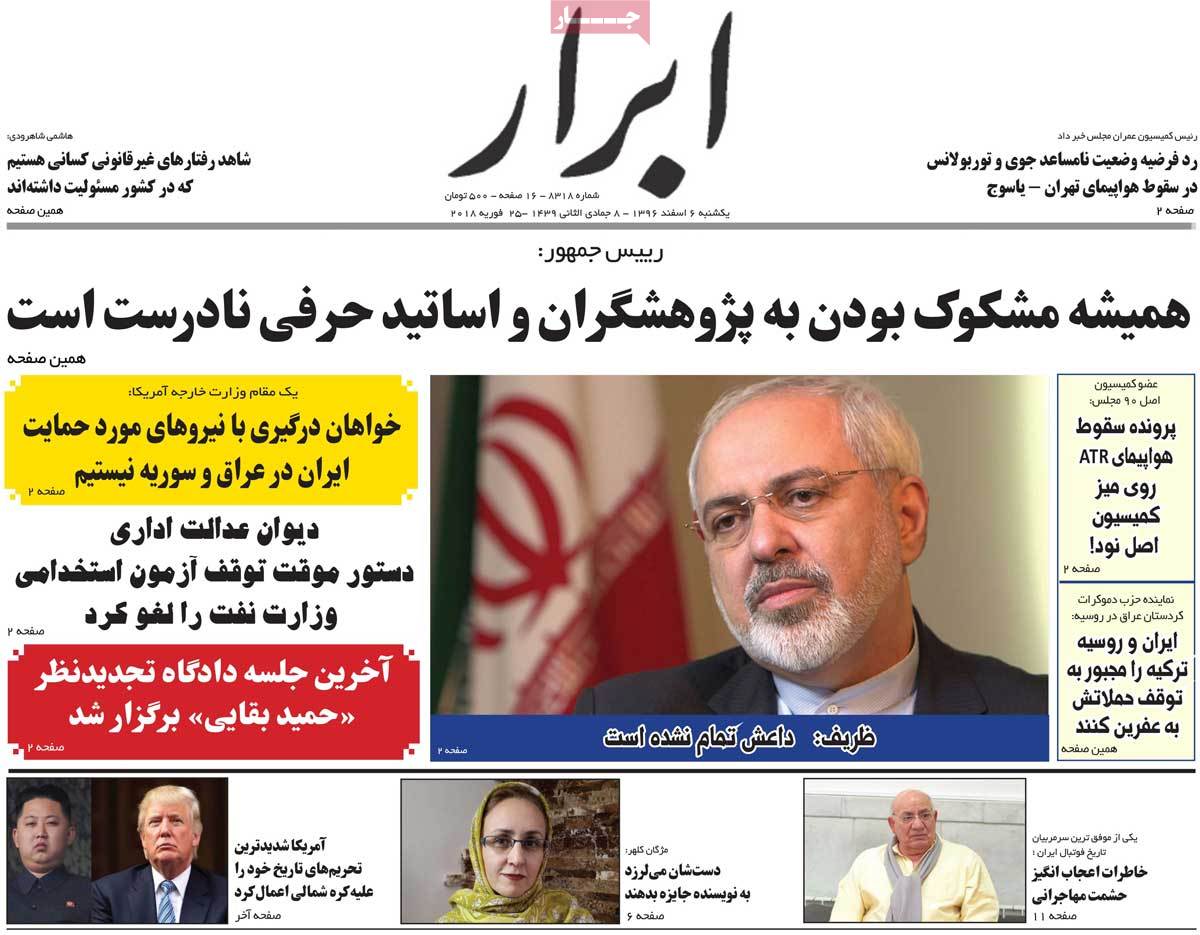
A Look at Iranian Newspaper Front Pages on February 25


Abrar-e Eqtesadi:

1- ATR Plane Crash Case Discussed in Parliament: Ministries of Roads, Welfare Guilty
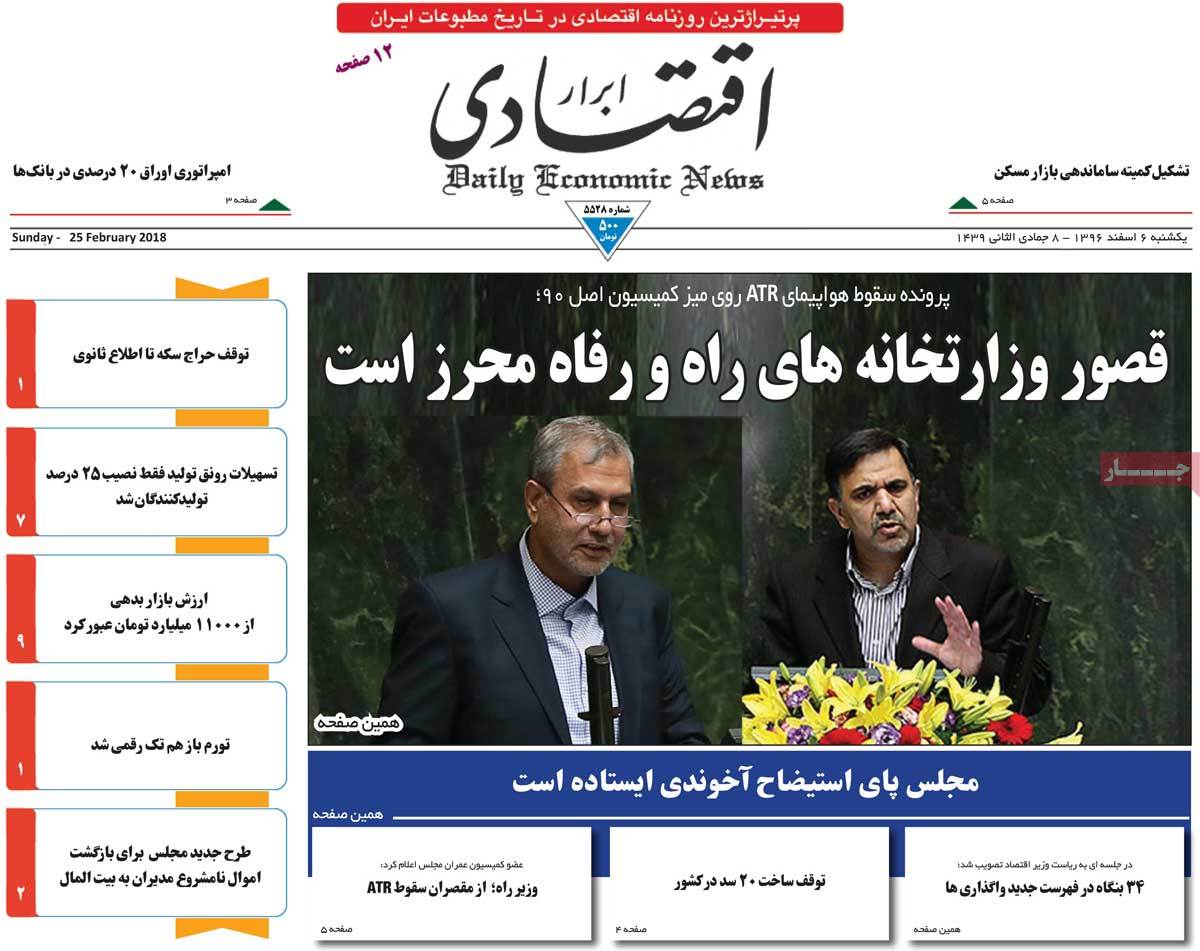
A Look at Iranian Newspaper Front Pages on February 25


Afkar:

1- Zarif: Our Neighbours Have Based Regional Security on Making Anti-Iran Coalitions
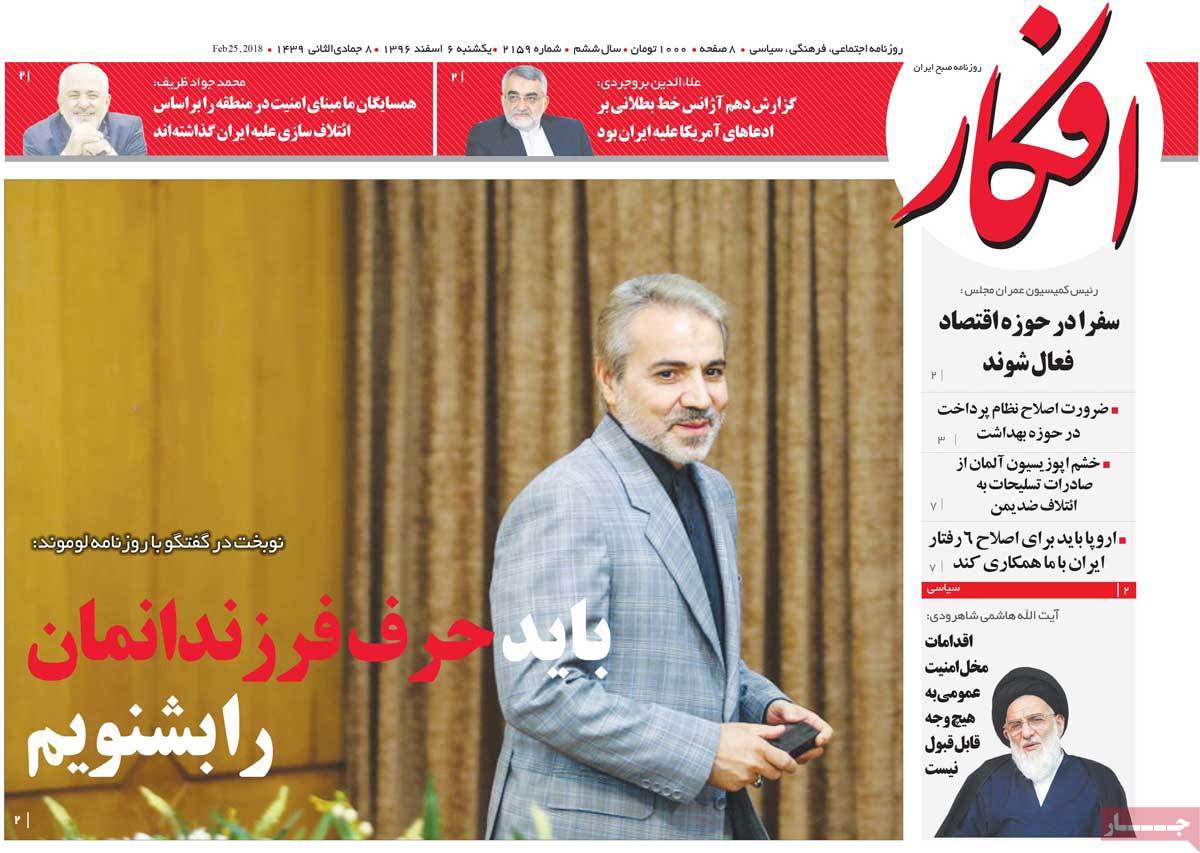
A Look at Iranian Newspaper Front Pages on February 25


Aftab-e Yazd:

1- Negative Signals from Land of Ice

  • Russian People Not Interested in Tehran-Moscow Cooperation

2- Baghdad’s Unkindness to Tehran: Iraq Continues to Impose Restrictions on Iranian Traders

3- Iran’s Points in Fight against Corruption Improved
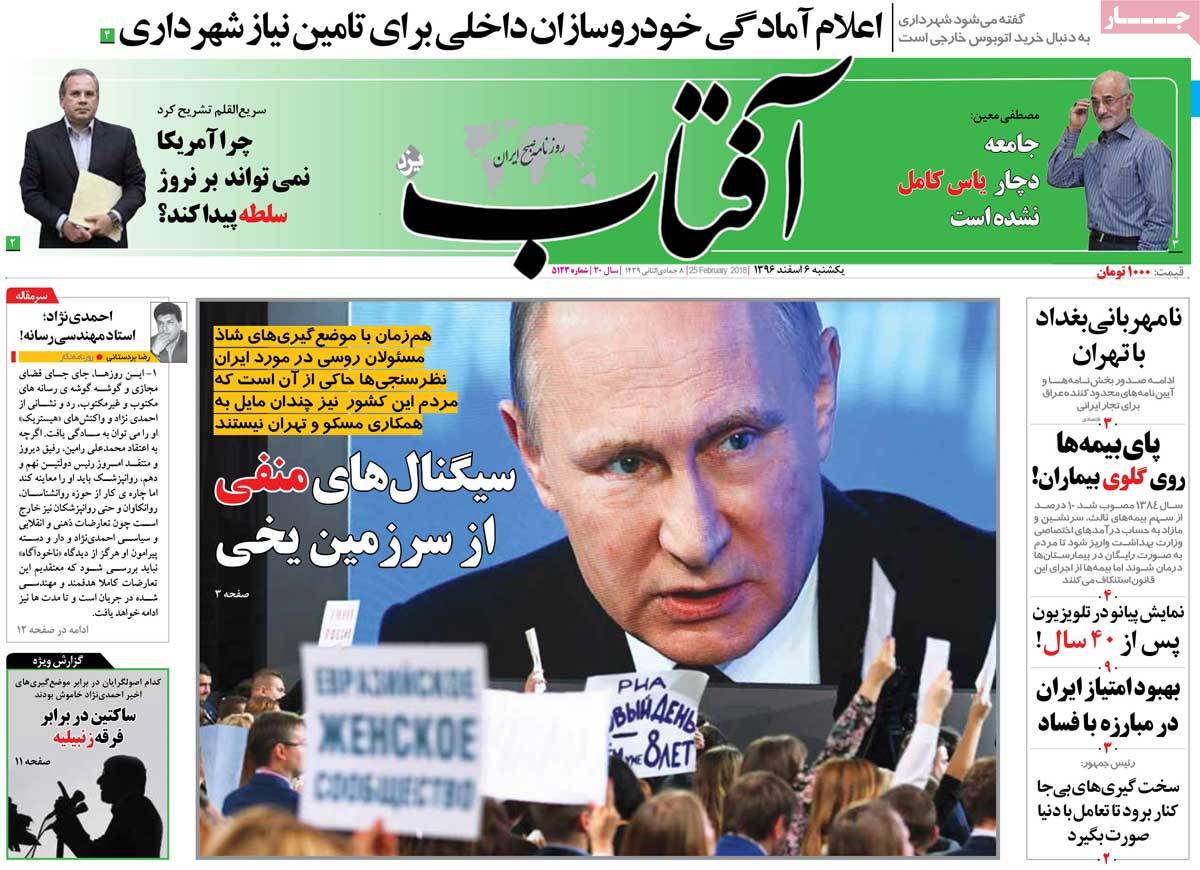
A Look at Iranian Newspaper Front Pages on February 25


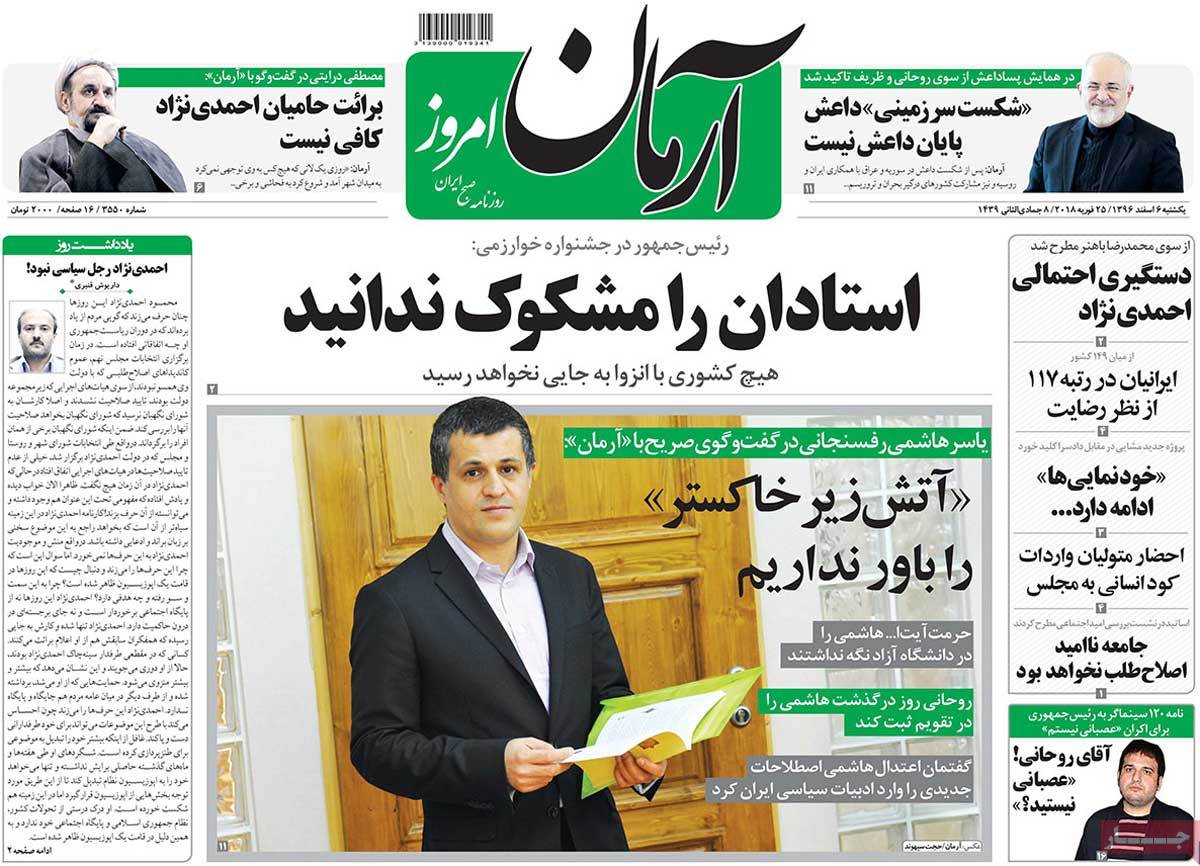
Arman-e Emrooz:

1- Ahmadinejad Might Be Arrested: Conservative Figure
A Look at Iranian Newspaper Front Pages on February 25


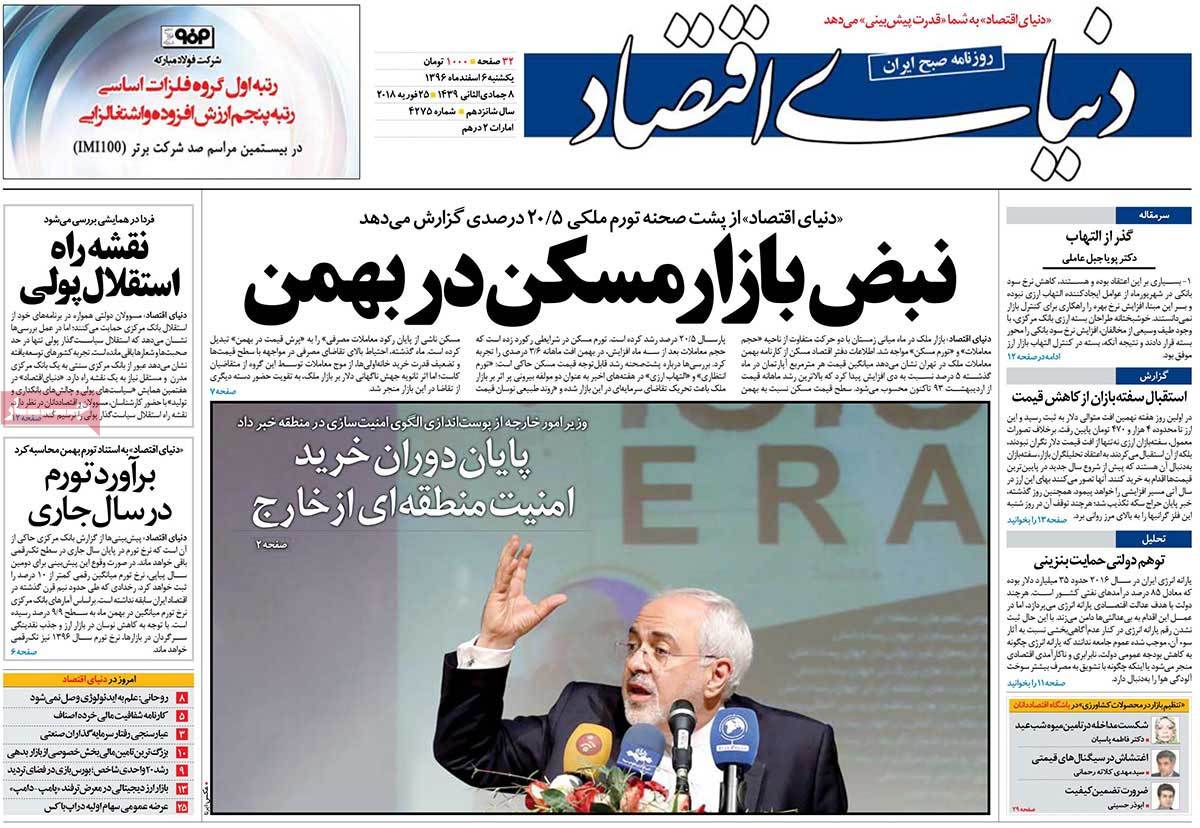
Donya-ye Eqtesad:

1- Zarif: Regional Security Cannot Be Bought from Outside Anymore
A Look at Iranian Newspaper Front Pages on February 25


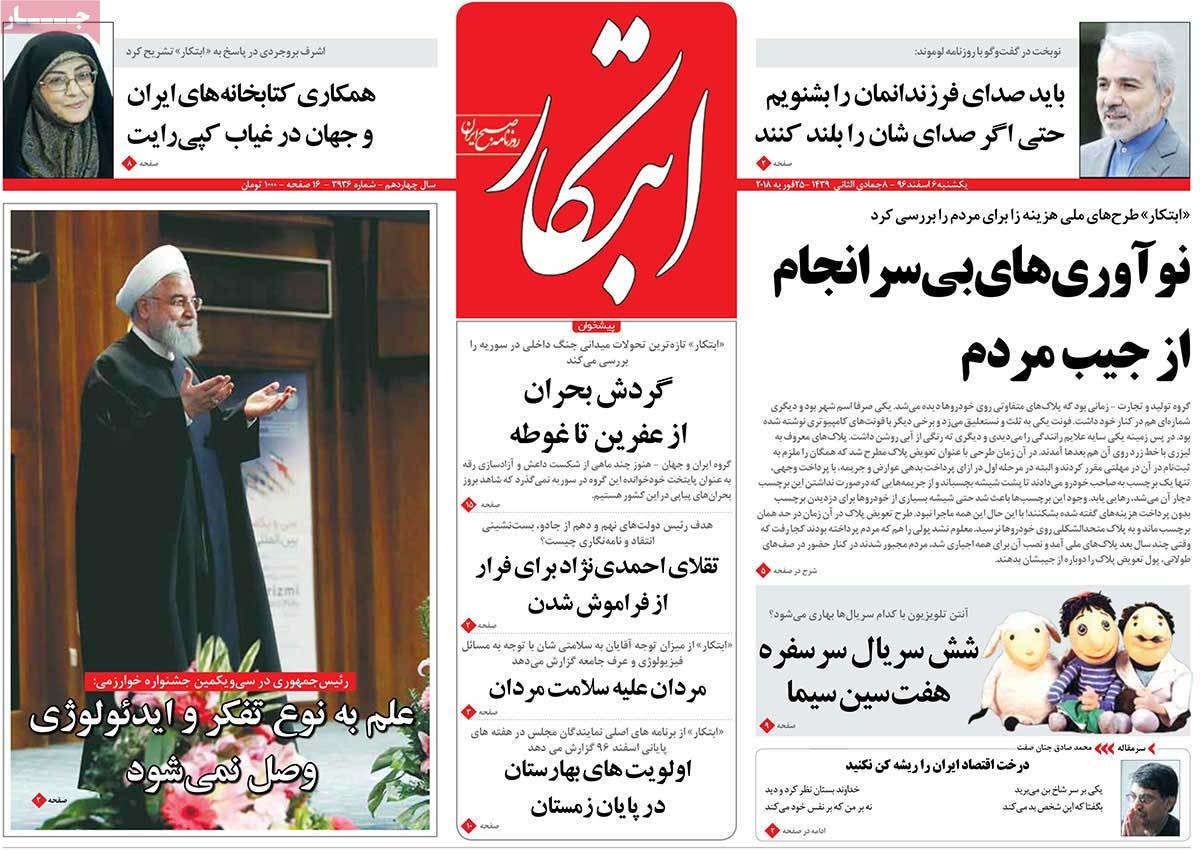
Ebtekar:

1- Crisis Circulates from Afrin to Ghouta
A Look at Iranian Newspaper Front Pages on February 25


Etemad:

1- US Planning for Permanent Presence in Iraq, Syria
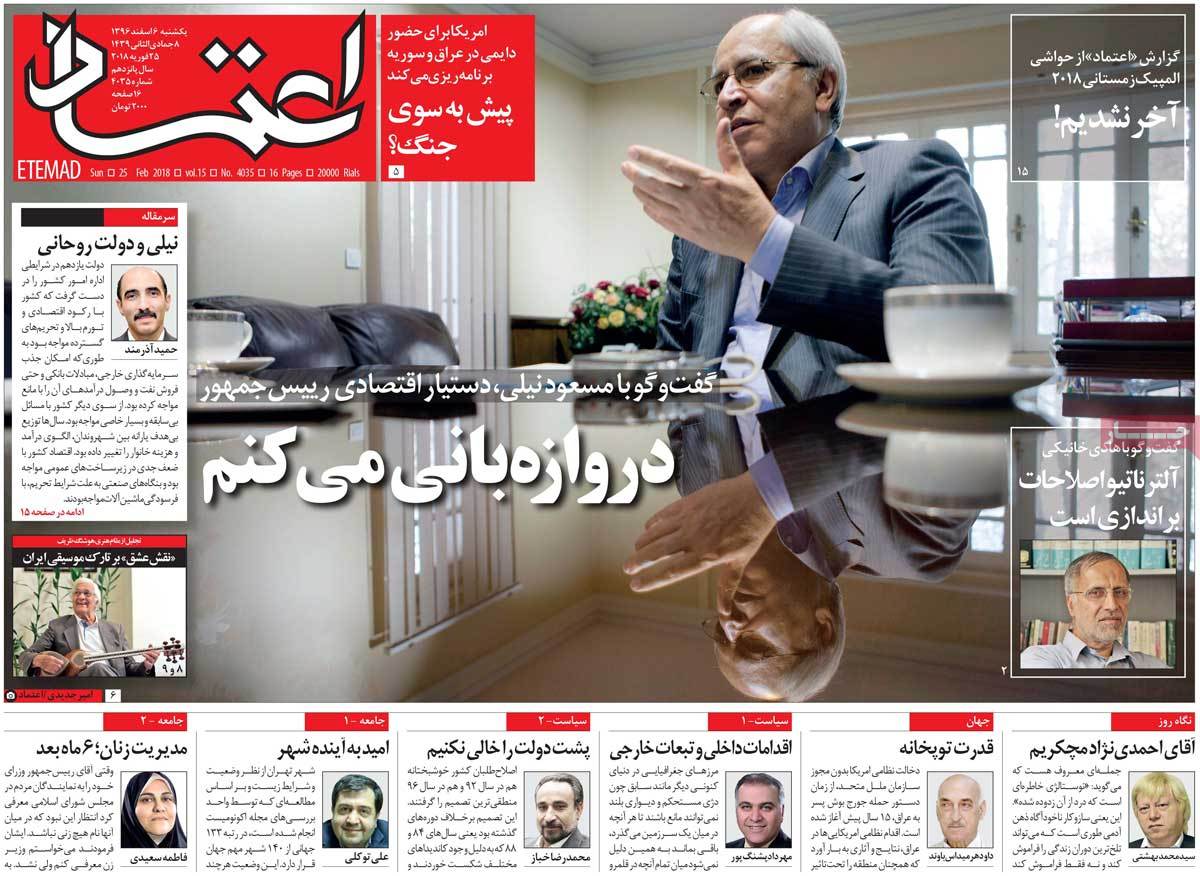
  • Is a War Coming?

A Look at Iranian Newspaper Front Pages on February 25


Ettela’at:

1- No Country Will Progress in Isolation: Iranian Cultural Official

2- Zarif: World Moving towards Post-Western Era

3- Gov’t Spokesman: Iran Not to Negotiate Over Its Nat. Security, Defence Capacity
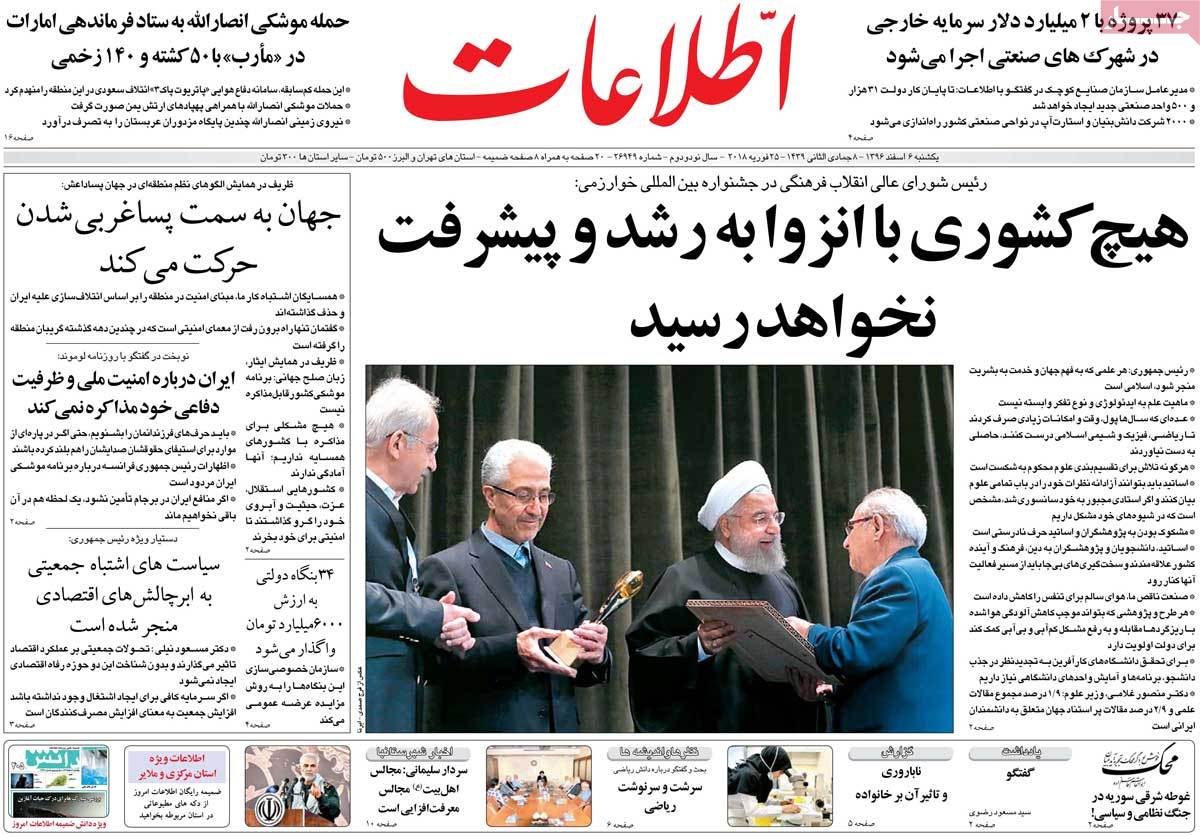
A Look at Iranian Newspaper Front Pages on February 25


Iran:

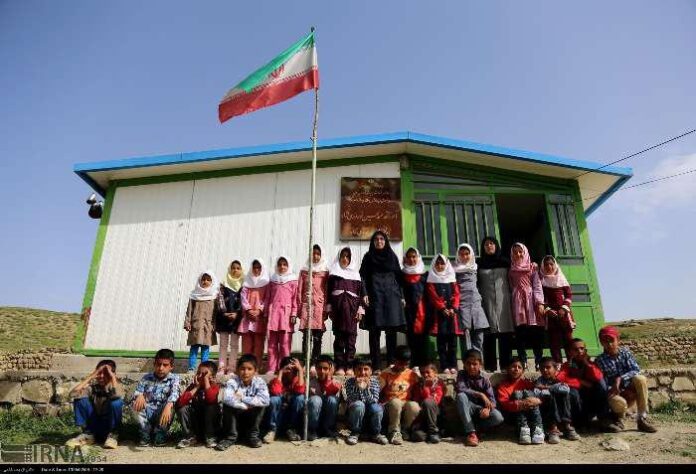
1- School Built in Underdeveloped Sistan and Baluchestan in Memory of Mirzakhani

2- Culture Minister: Visual Arts Language of Iran’s Dialogue with World
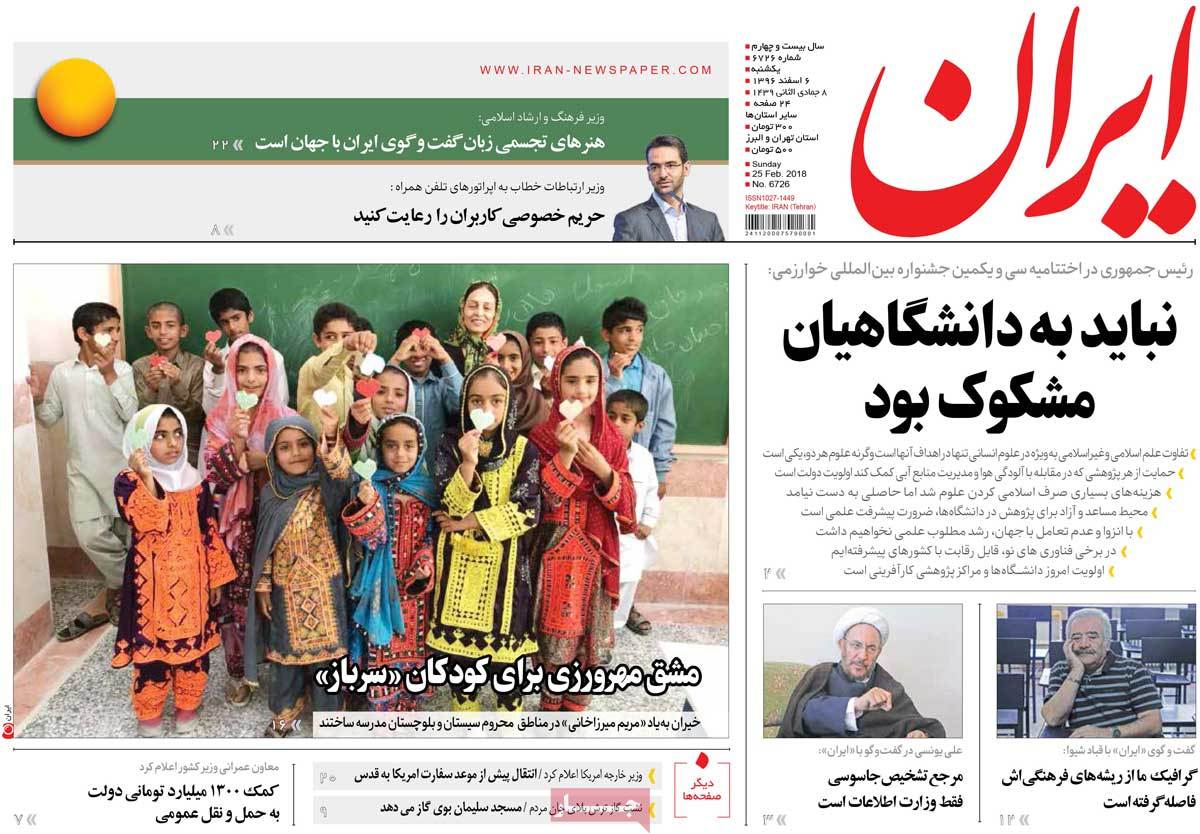
A Look at Iranian Newspaper Front Pages on February 25


Javan:

1- Tehran Prosecutor: Criminals Affiliated with Deviant Cult to Be Prosecuted Soon
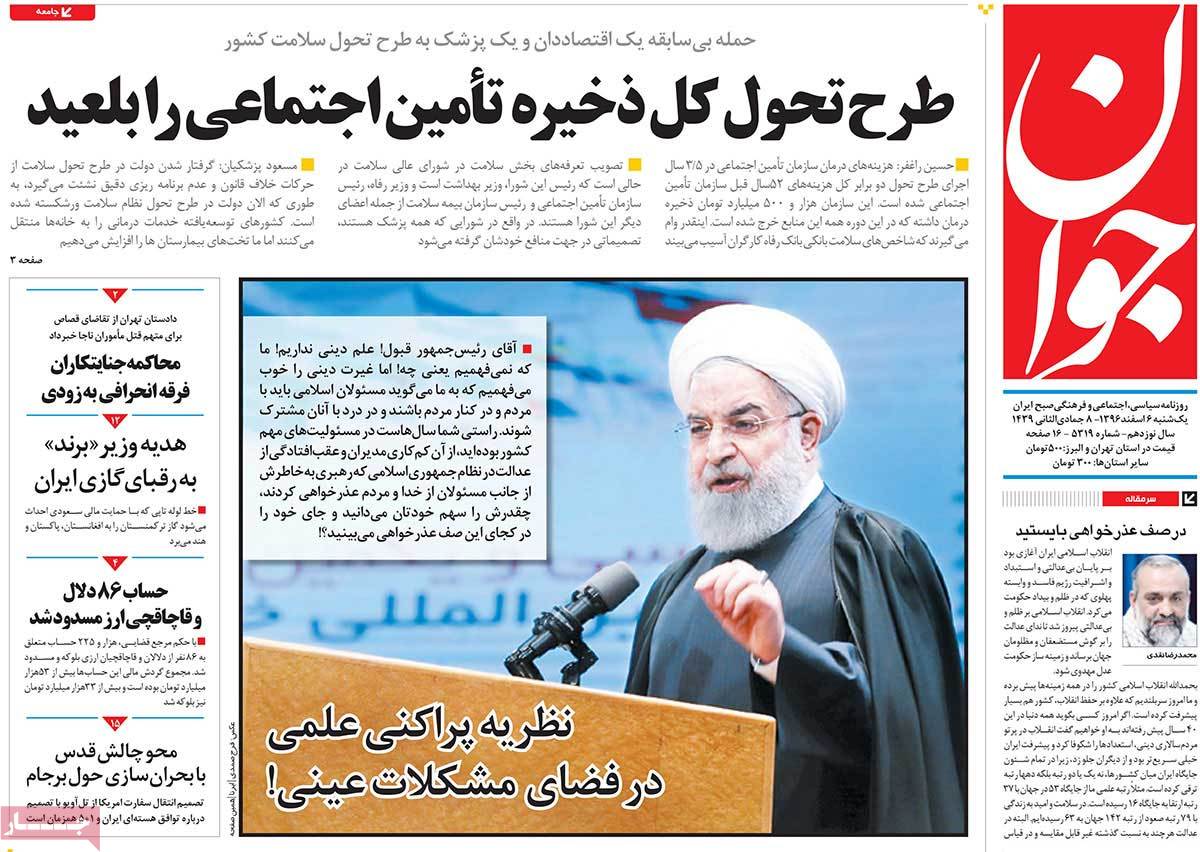
A Look at Iranian Newspaper Front Pages on February 25


Jomhouri Eslami:

1- Rouhani Expresses Opposition to Unnecessary Restrictions in Scientific Places

2- US Decision on Embassy Relocation Widely Condemned
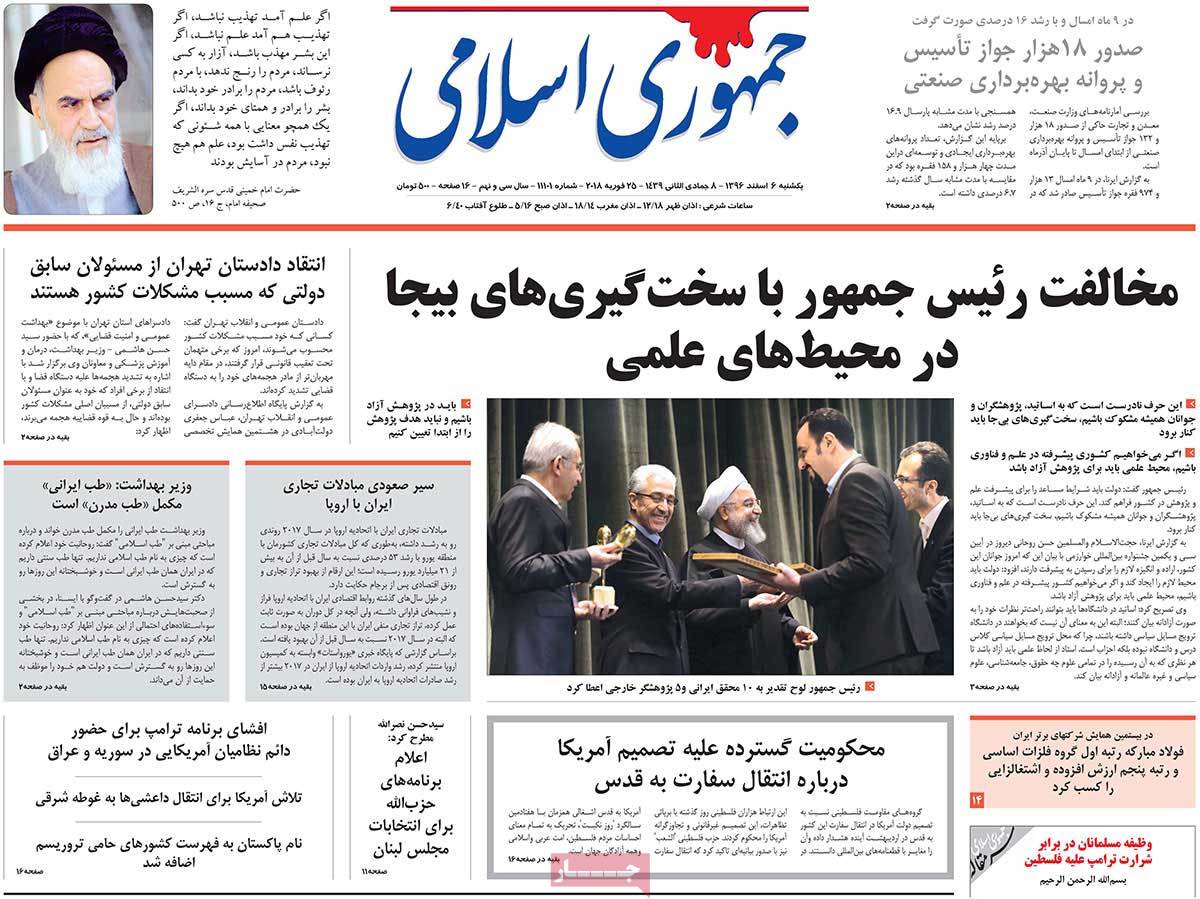
A Look at Iranian Newspaper Front Pages on February 25


Ka’enat:

1- Addressing Conference on Post-ISIS Era, Zarif Explains Post-Western World, ISIS Ideology
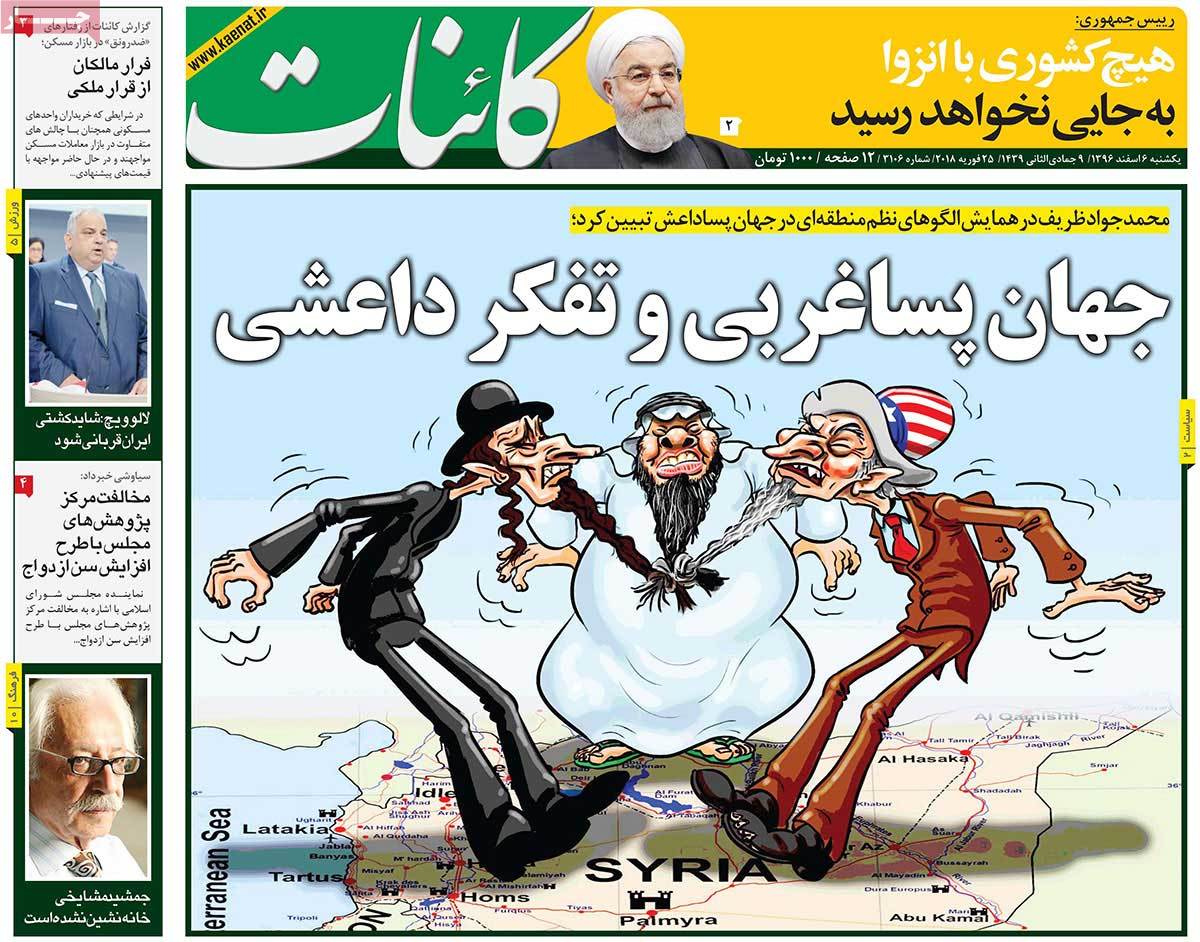
A Look at Iranian Newspaper Front Pages on February 25


Kayhan:

1- Professors Are Respected; Prevent Spies from Moving Around Freely

  • Rouhani: We Shouldn’t Be Suspicious of Our Professors, Researchers

2- FATF Says Iran Must Criminalize Funding Resistance Groups!

3- Ansarullah’s Missile Hits Saudi Command Base in Ma’rib, Defeats Patriot System
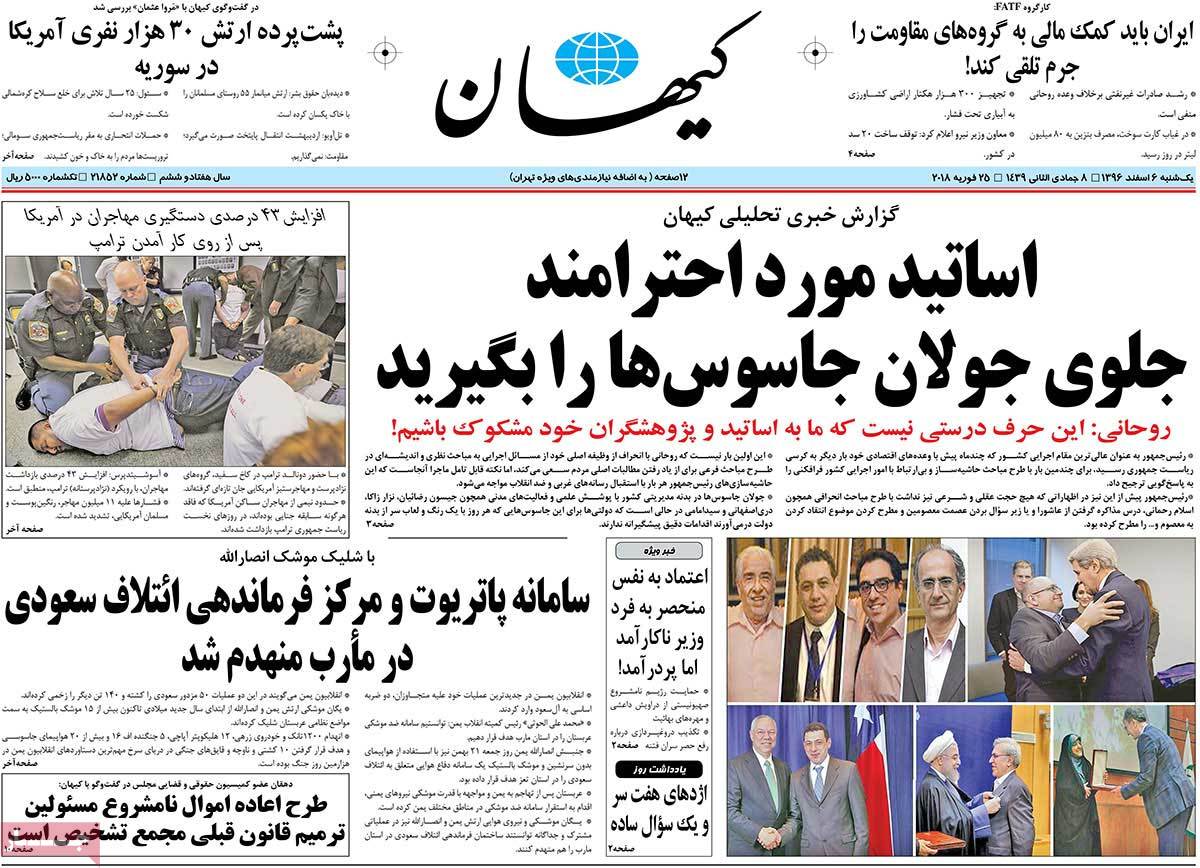
A Look at Iranian Newspaper Front Pages on February 25


Payam-e Zaman:

1- Zarif: Iran Most Powerful, Safest Country in Region
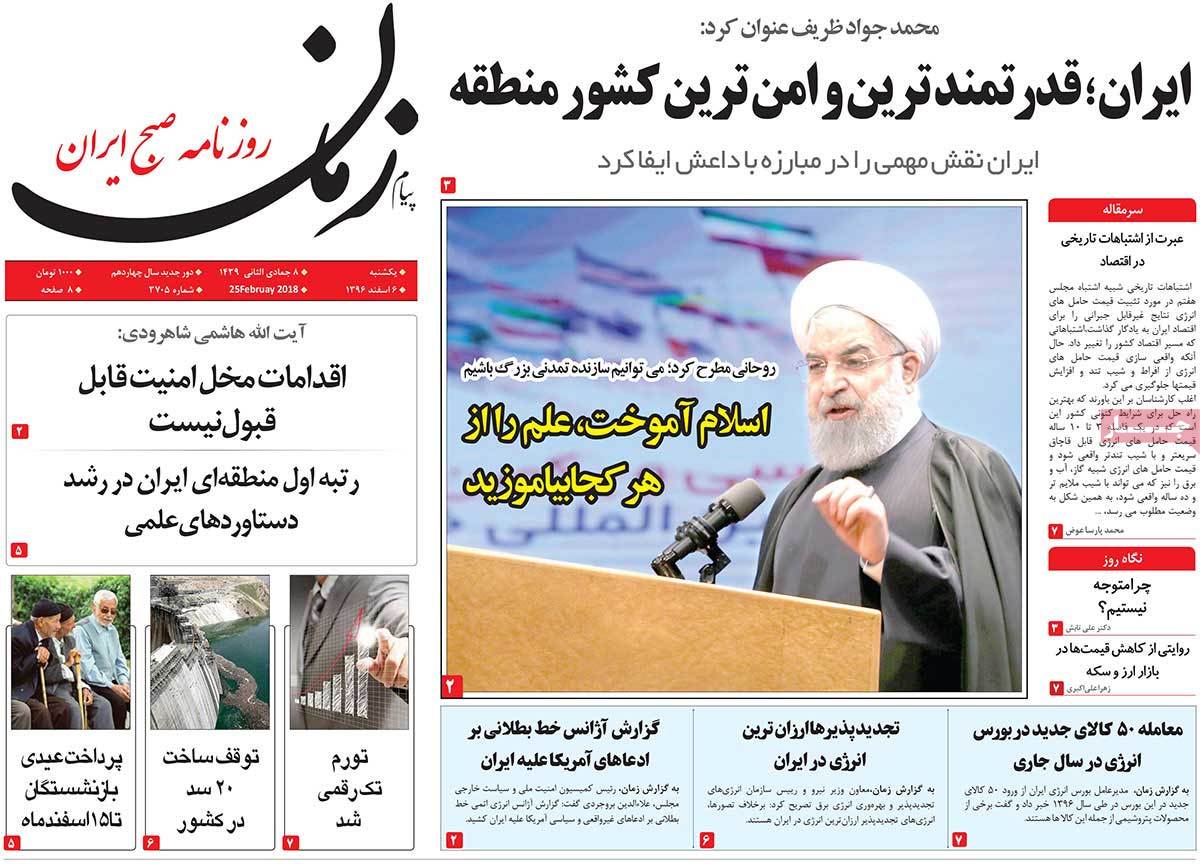
A Look at Iranian Newspaper Front Pages on February 25


Resalat:

1- Zarif: US Cannot Set Conditions for Iran Nuclear Deal

2- Rouhani: Industry Has Stolen Our Fresh Air

3- US Preventing Improved Ties between Two Koreas

  • Washington to Impose Harshest Sanctions on Pyongyang
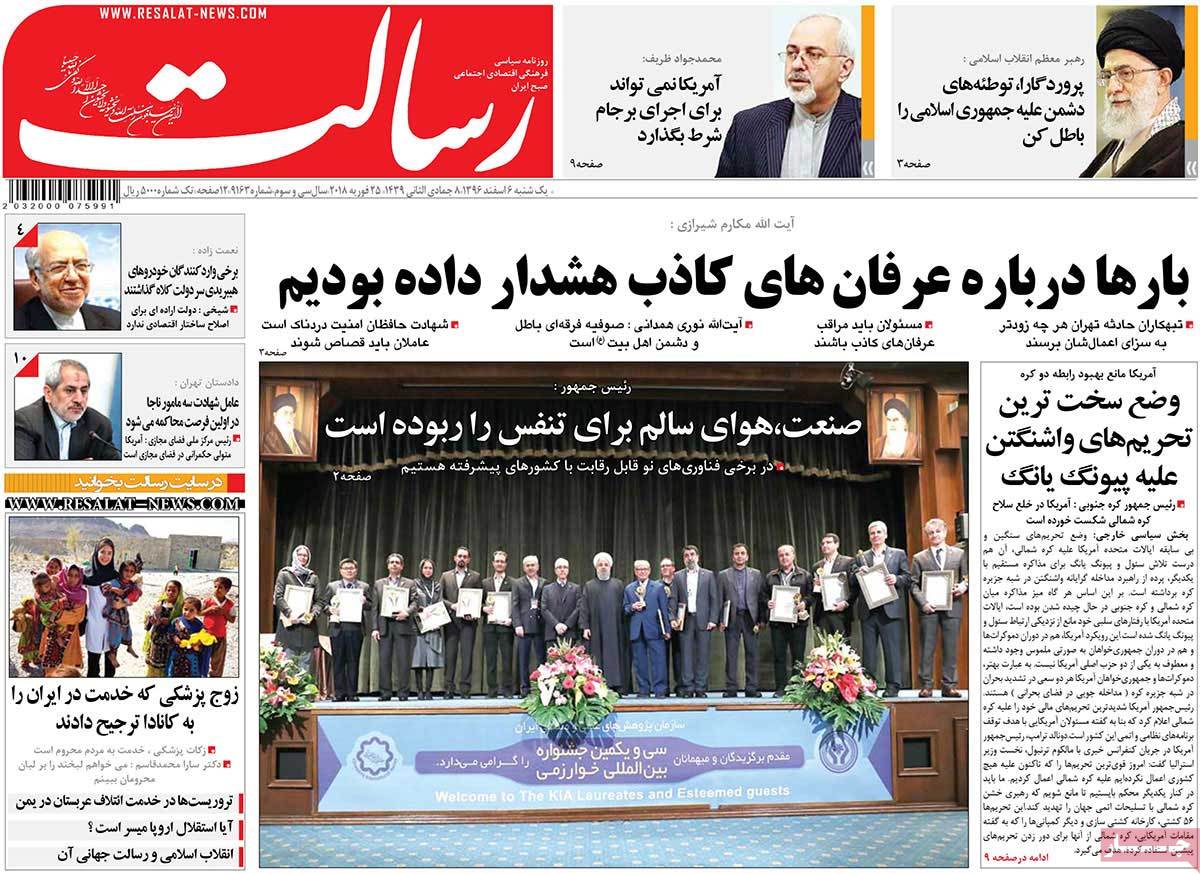
A Look at Iranian Newspaper Front Pages on February 25


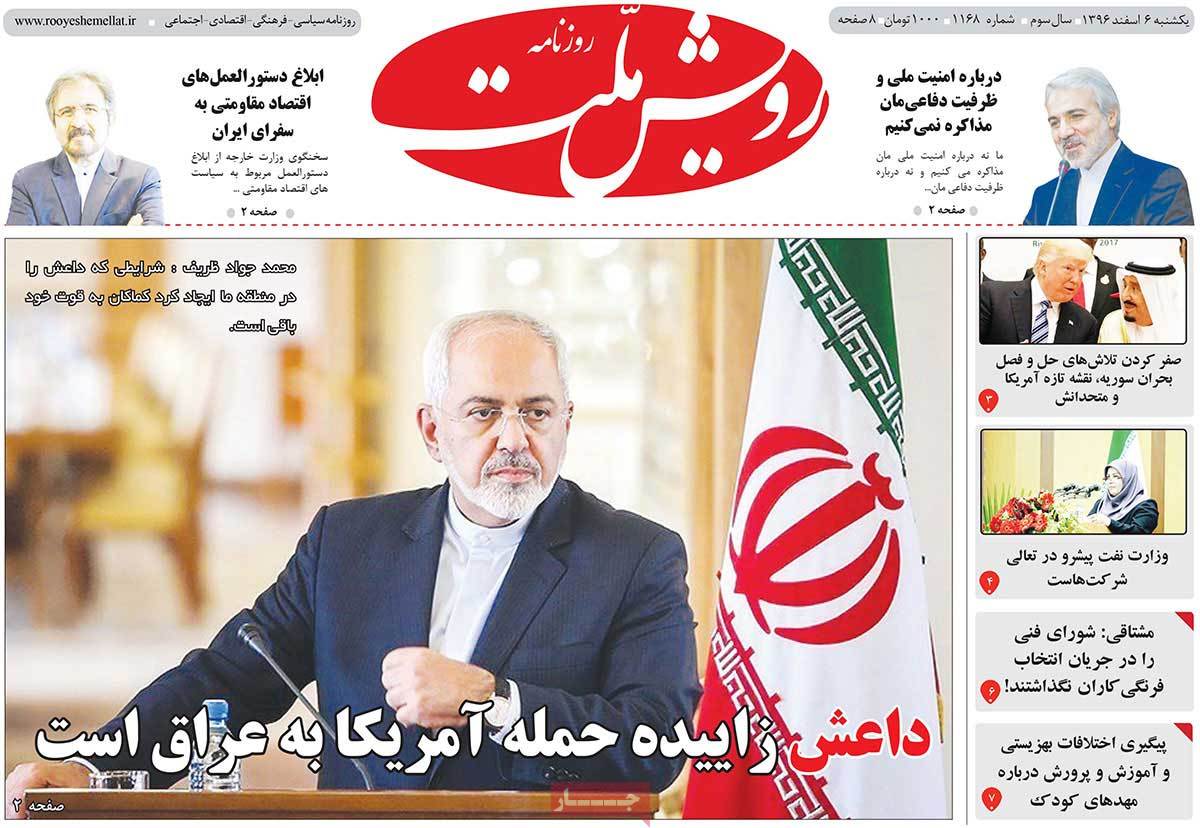
Rooyesh-e Mellat:

1- Zarif: ISIS Fruit of US Invasion of Iraq
A Look at Iranian Newspaper Front Pages on February 25


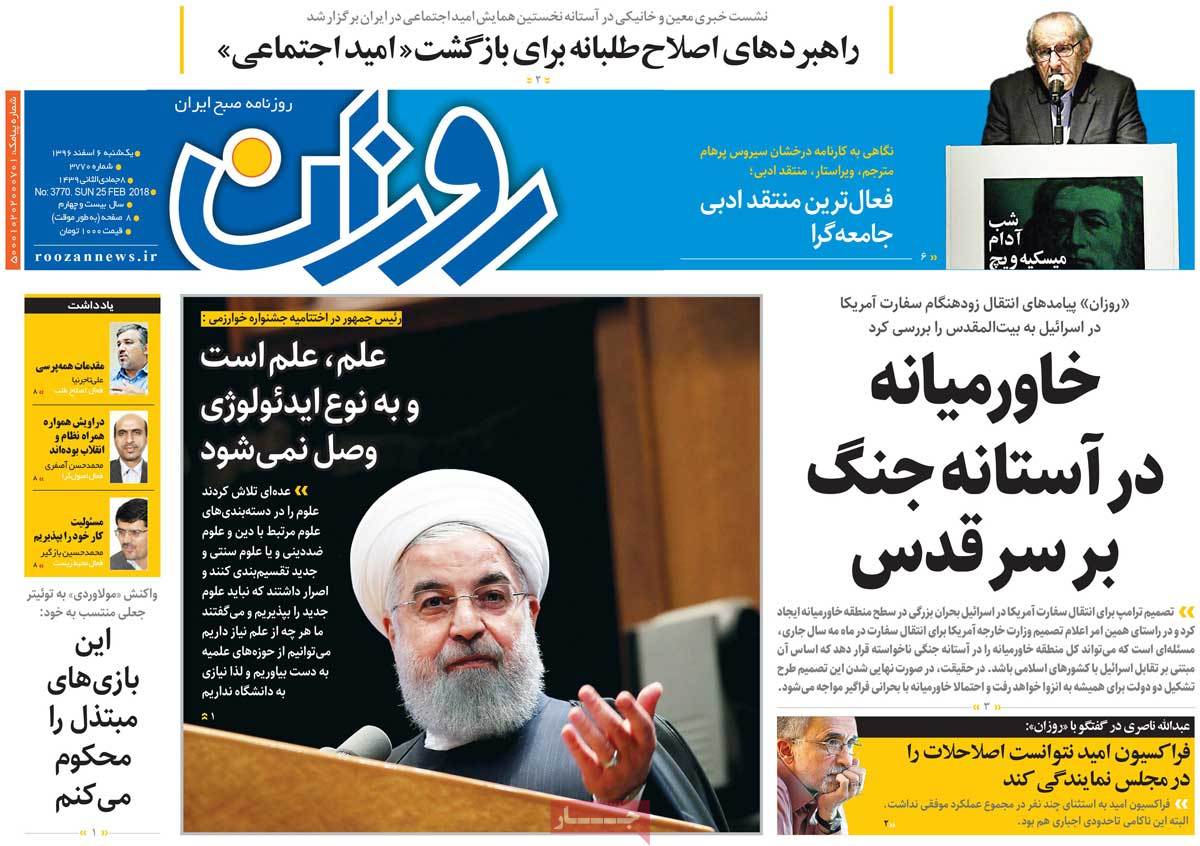
Roozan:

1- Middle East on Verge of War on Jerusalem al-Quds
A Look at Iranian Newspaper Front Pages on February 25


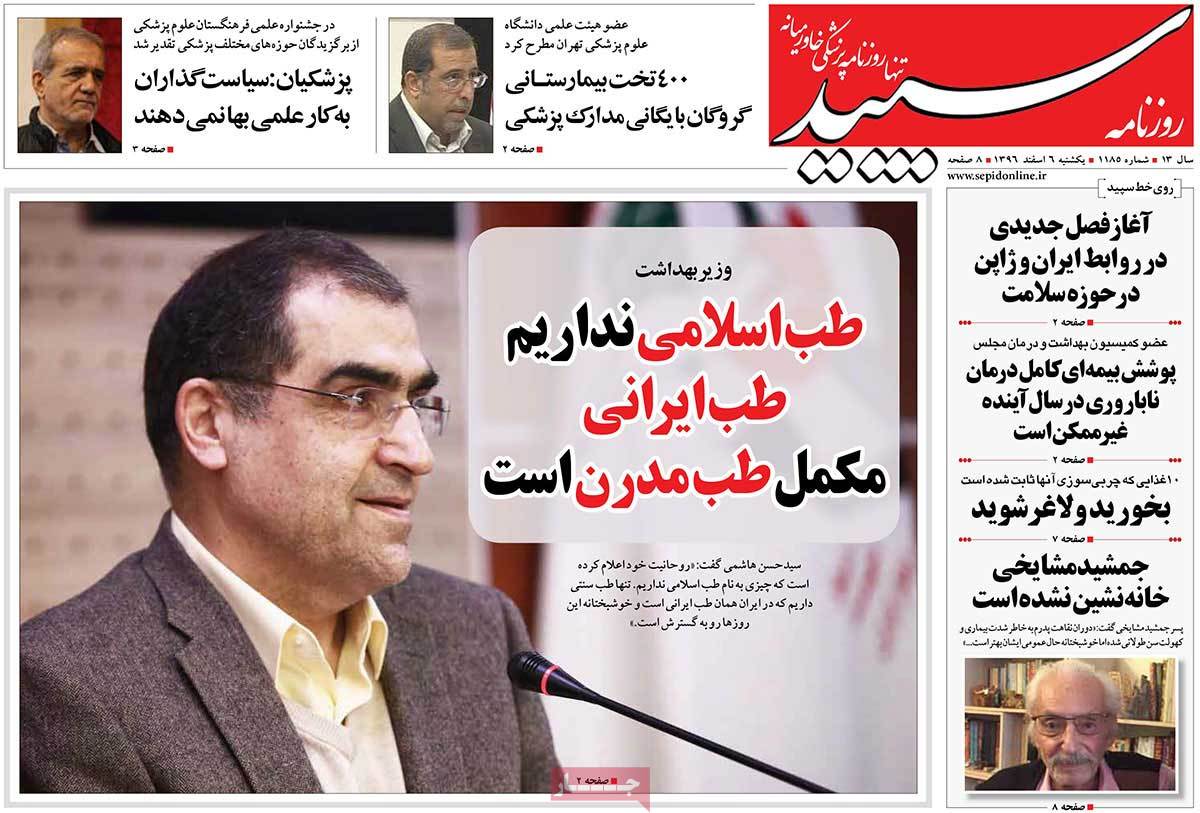
Sepid:

1- Beginning of New Chapter in Iran-Japan Health Ties
A Look at Iranian Newspaper Front Pages on February 25


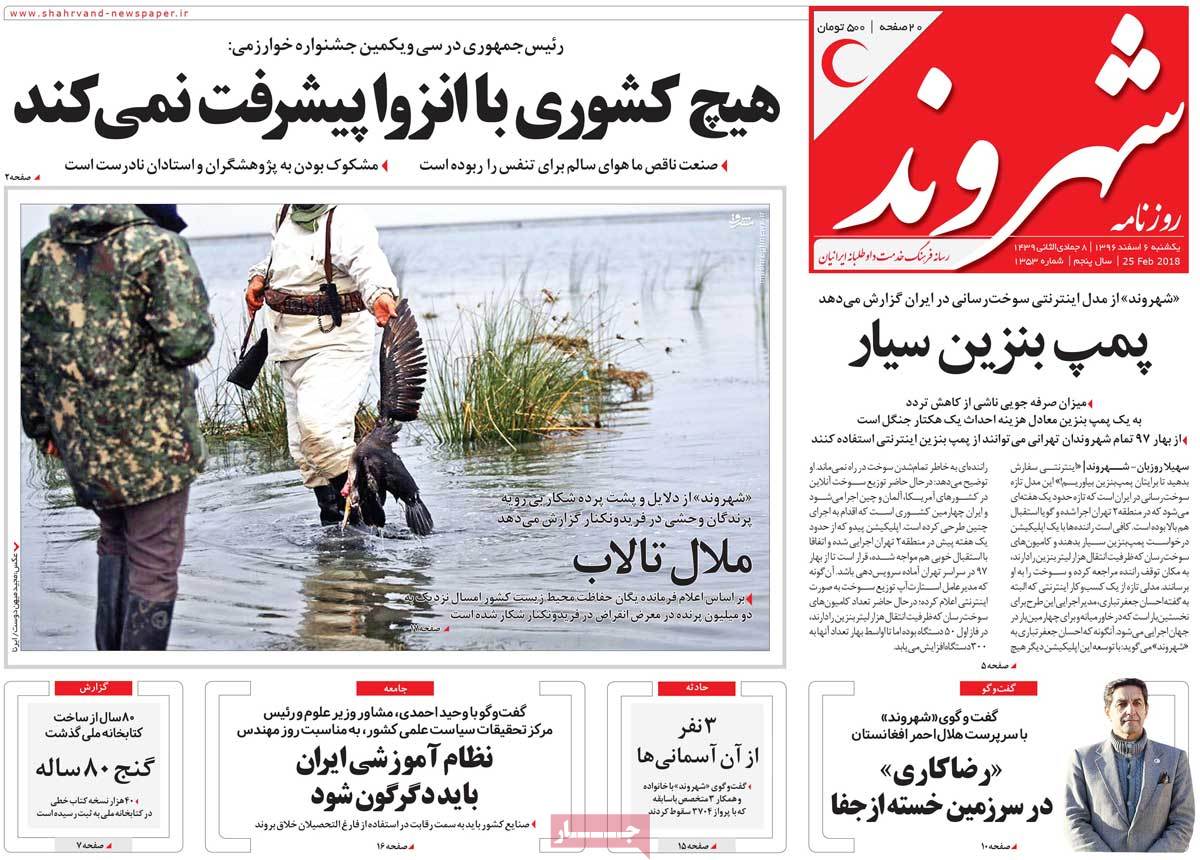
Shahrvand:

1- Mobile Gas Station: New Form of Delivering Gas to Citizens

2- Advisor to Iran’s Science Minister: Iran’s Education System Must Be Transformed
A Look at Iranian Newspaper Front Pages on February 25


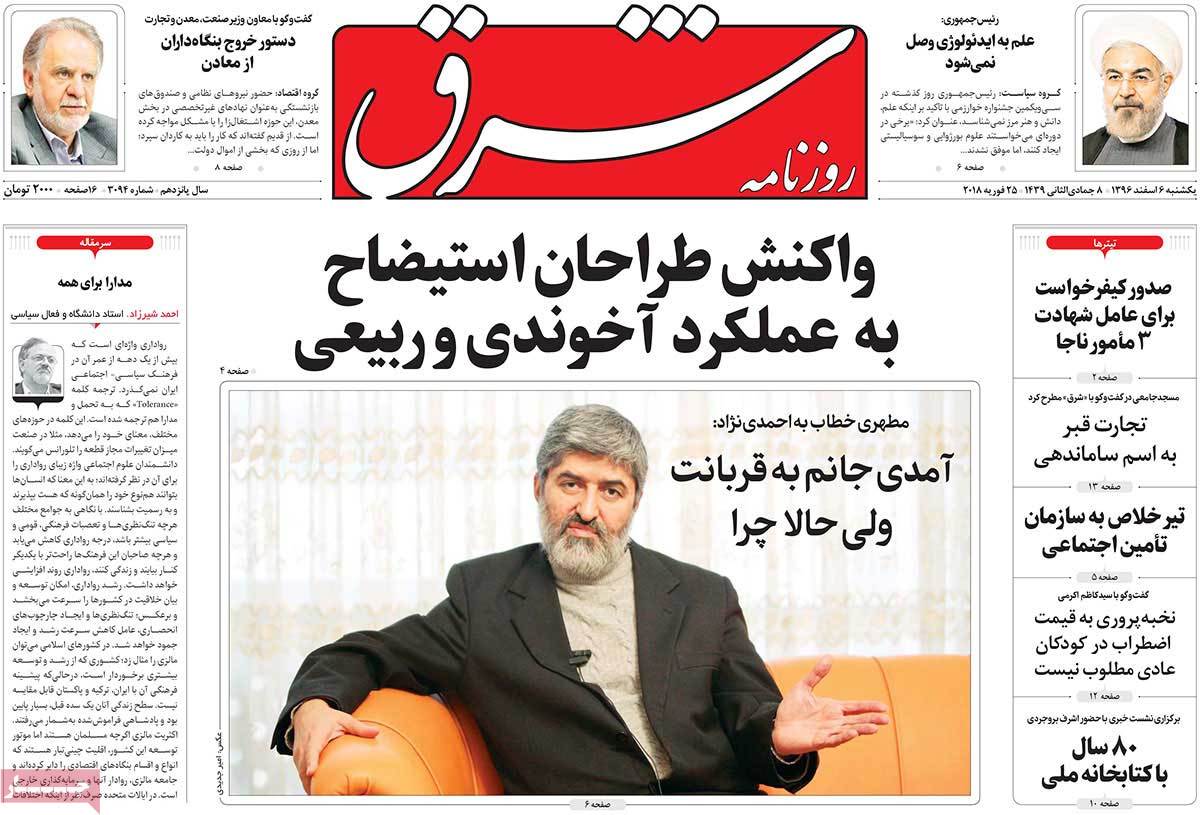
Shargh:

1- Rouhani: Science Cannot Be Linked to Ideology
A Look at Iranian Newspaper Front Pages on February 25


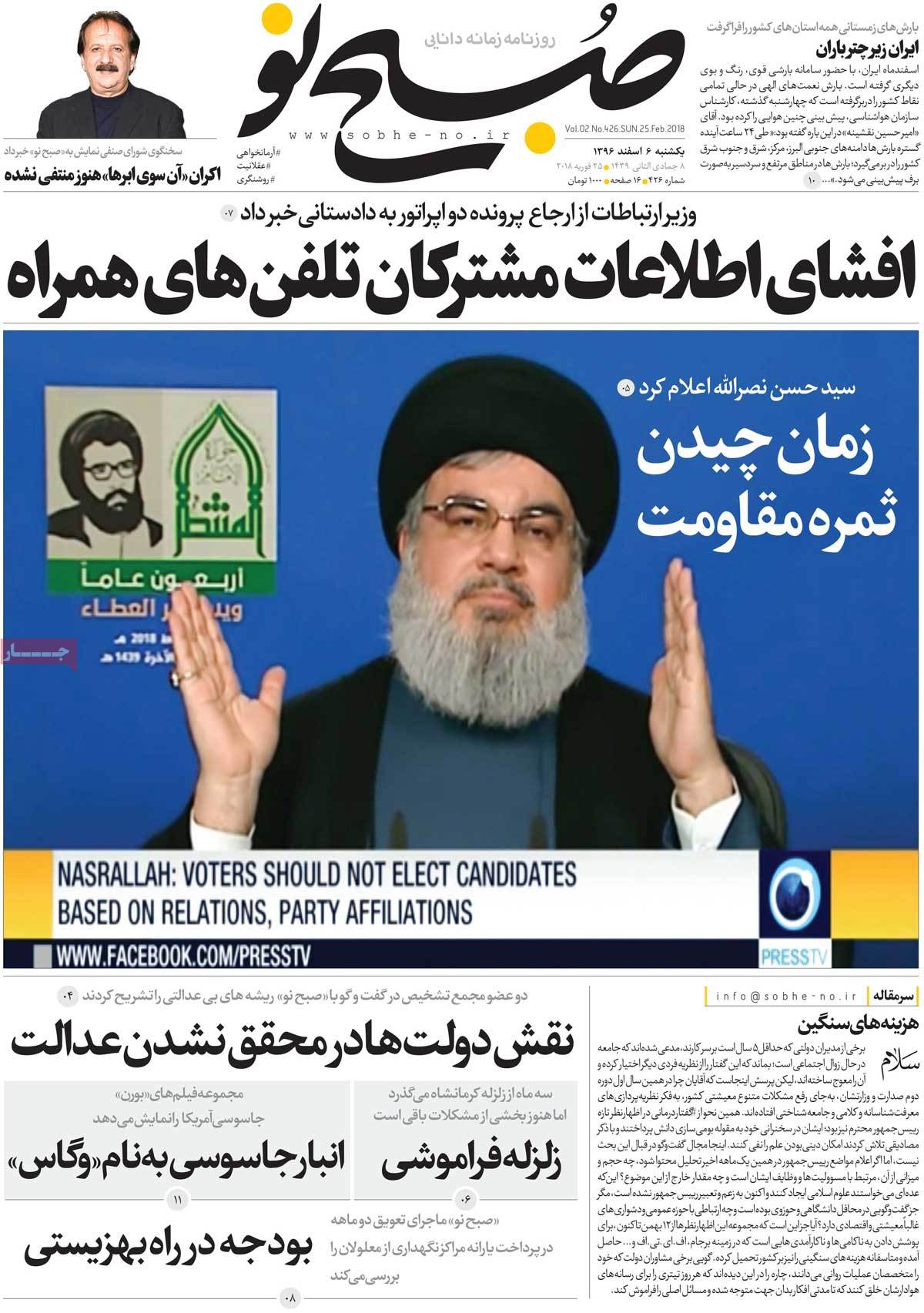
Sobh-e Now:

1- ICT Minister Says Two Operators to Be Tried for Disclosing Clients’ Information

2- Nasrallah Declares Time for Picking Fruit of Resistance
A Look at Iranian Newspaper Front Pages on February 25


Iran to Send Deep-Sea Divers to China to Excavate Sunken Oil Tanker

Iranian Parliament’s National Security Commission Spokesman Seyyed Hossein Naqavi Hosseini said in addition to the team of divers, a workgroup will also travel to China for more investigations.

According to a Farsi report by Tasnim News Agency, Hosseini stated that the decision was made following the meeting of the National Security Commission of the Parliament with the officials of the Ministry of Cooperatives, Labour, and Social Welfare and the Shipping Organization.

The exact travel time and the composition of the workgroup will subsequently be announced.

He underlined that the data recorder of the oil tanker is being studied and one of the tasks of the workgroup is to be kept abreast of retrieving its information.

“In the composition of this workgroup, there are representatives from various organizations and the issue has been coordinated with the Chinese government.”

Naqavi Hosseini noted that China says it has sent underwater robots to analyze the information, but this has not been acceptable for Tehran; therefore, it was decided that a group of professional divers be deployed to check the situation.

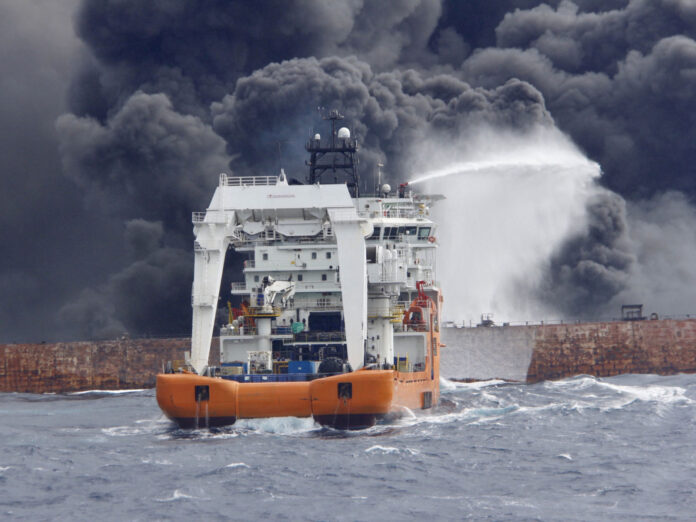
The Panama-registered Sanchi, carrying 136,000 tonnes of highly flammable ultralight crude oil and a crew of 30 Iranians and two Bangladeshis, collided with the Hong Kong-registered bulk freighter CF Crystal about 160 nautical miles east of Shanghai on January 6.

The tanker, operated by Iran, exploded and sank about 530 kilometres (329 miles) southeast of Shanghai with all 32 crew members believed dead.

Iran, Syria to Remain Committed to 30-Day Ceasefire: Top General

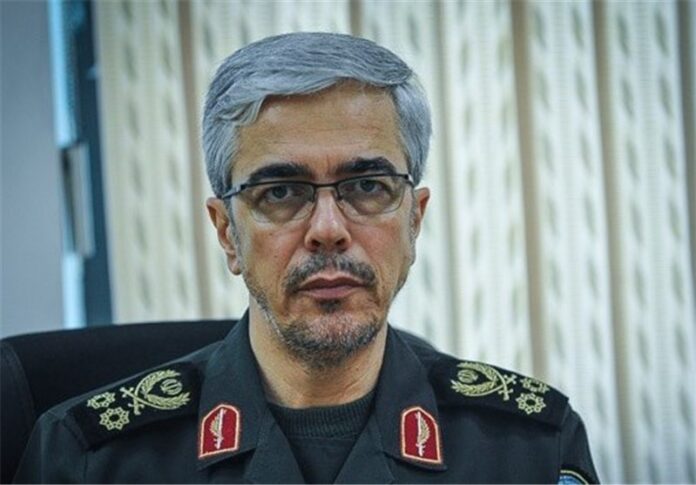
Major General Mohammad Baqeri, the Chief of Staff of the Iranian Armed Forces, told reporters on Sunday that the Iranian and Syrian governments will stick to the 30-day ceasefire approved by the UN Security Council, but certain parts of Damascus suburbs are still under the control of the terrorists and operations to clear these regions from terrorists will continue.

“As in previous cases, those who do not want the security and tranquility of Syria once again came forth with the idea of truce when they saw the Syrian army and government want to clear the suburbs of Damascus.”

According to a Farsi report by Tasnim News Agency, Baqeri said the Syrian army is seeking to clear its territories from terrorists in order to provide security for the people of Damascus, but so far 1,200 mortar shells have been fired at Damascus to disturb the security and calm of the people.

Therefore, he added, mop-up operations must be continued in these regions.

“The Western Front and the supporters of terrorists were insisting that the ceasefire must be implemented. With a joint effort by Syrians and the friends of Syria along with the opponents of terrorists, including Iran and Russia, this resolution has been slightly moderated, and the fight against the notorious terrorists, such as al-Nusra Front will continue,” he underscored.

He further noted that certain safe zones were specified, in which security and tranquility will be provided for the people and the ceasefire will be implemented so that people in these areas could continue their normal lives.

“However, the terrorists would not continue to exist, and the whole Syria will be cleared from terrorists within the next few months.”

The UN Security Council has unanimously approved a 30-day ceasefire in Syria to allow for what they call humanitarian aid deliveries and medical evacuations in war-ravaged areas.

The resolution called for all parties to “cease hostilities without delay” across the country to enable the “safe, unimpeded and sustained delivery of humanitarian aid and services and medical evacuations of the critically sick and wounded.”

The geographic scope of the cease-fire covers the conflict across Syria, except where military operations are underway against the ISIS, the al-Nusra front, Al Qaeda affiliated groups, and any other groups designated as terrorist organizations, according to the Security Council.

The UN Secretary General António Guterres had called for a ceasefire earlier this week.