Wednesday, April 8, 2026
Home Blog Page 36

Russia claims Ukraine lost almost 500,000 soldiers in 2025

Russia Ukraine War

Speaking at a Defense Ministry Board meeting attended by President Vladimir Putin on Wednesday, Belousov said Ukraine’s combat capability had been reduced by about a third over the past year, stripping Kiev of the ability to replenish its forces through forced mobilization of civilians.

“Ukraine’s forces have lost nearly 500,000 servicemen, as a result of which Kiev has lost the ability to replenish its groupings through the compulsory mobilization of civilians,” Belousov said.

According to the minister, Ukraine has lost more than 103,000 weapons and pieces of military equipment this year, including about 5,500 of Western manufacture – almost double the total recorded the previous year.

Ukraine announced general mobilization shortly after the escalation of the conflict with Russia in 2022, barring men between the ages of 18 and 60 from leaving the country. Last year, it lowered the draft age from 27 to 25 while tightening mobilization rules.

The forced conscription campaign has triggered repeated violent clashes between reluctant recruits and draft officers.

Kiev’s recruitment drive has grown increasingly brutal as Ukrainian forces confront setbacks and manpower shortages. Hundreds of incidents have been documented online in which enlistment officers assaulted potential conscripts, chased them through the streets, and threatened bystanders who tried to intervene.

Even with increasingly harsh measures, Ukrainian officials and frontline commanders have complained that the mobilization campaign is falling short of targets, contributing to the continuous Russian advance.
Western claims of Russian threat ‘lies and nonsense’: Putin

Speaking at an expanded Defense Ministry Board meeting on Wednesday, Putin noted that the global geopolitical situation remains “tense” and “downright critical” in some regions. He accused NATO countries of “preparing for a major war” by building up and modernizing their offensive forces while “brainwashing” their population with claims of an inevitable clash with Russia.

“I have repeatedly stated that this is a lie, nonsense, pure nonsense about some imaginary Russian threat to European countries. But this is being done quite deliberately,” Putin said, adding that EU officials have “forgotten their responsibility” and are being guided by short-term personal or shared political interests.

He went on to stress that throughout its history, even in the most difficult circumstances, Russia has always strived to find diplomatic solutions to conflicts and contradictions, so long as there was even a slight chance.

“The responsibility for not seizing these opportunities lies entirely with those who believed they could speak to us through force,” Putin emphasized.

The president stated that Russia supports “mutually beneficial and equal cooperation” with the US and European states, as well as the formation of a unified security system across the Eurasian region. He separately noted the progress that has been made in bilateral talks with Washington.

‘Unfortunately, this cannot be said about the current leadership of most European countries,” he continued.

Putin went on to state that Moscow recognizes that in any international situation, its armed forces remain the key guarantor of Russia’s sovereignty, independence, security, future, and strategic parity.

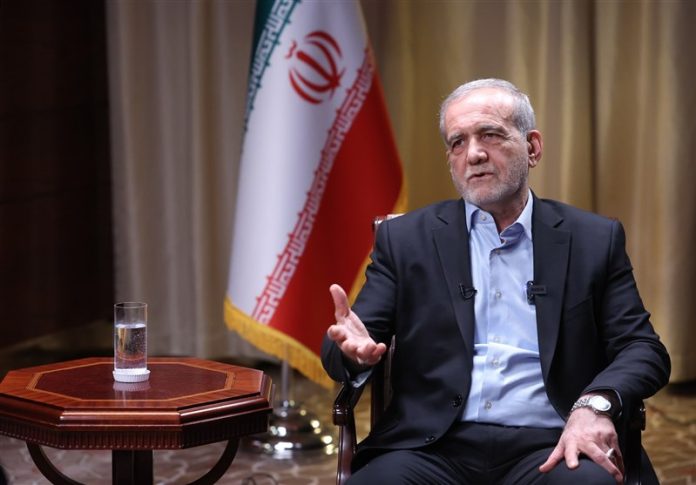
Iranian president: US sets humiliating conditions for talks

Pezeshkian said while Iran had engaged in talks with the US and was prepared for an agreement, the other side disrupted the negotiations through confrontation.

“Now, they are presenting humiliating conditions for further negotiations, which I am unwilling to accept”, Pezehskian noted.

“We will not give in to humiliation, nor will we accept a weak and fragmented Iran”.

Meanwhile, Pezeshkian underlined that the Islamic Republic is not seeking conflict.

He said, “We have repeatedly stated that we are not pursuing nuclear weapons and are ready for any verification measures, but, the other side seeks to seize all elements of Iran’s power and weaken the country vis-à-vis the Israeli regime”.

The Iranian president reiterated that Tehran pursues peace, but it will not tolerate bullying.

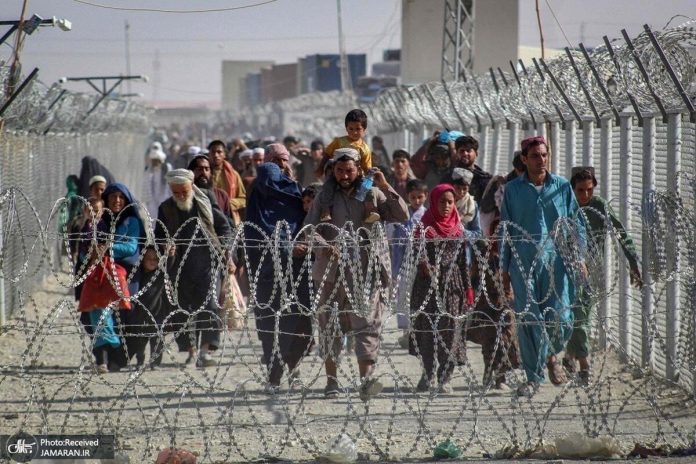
Iranian daily warns of security risks posed by large illegal Afghan population

In an analysis published amid rising regional tensions and warnings of potential escalation with Israel, the newspaper argued that national security should be viewed as a multidimensional concept that goes beyond military power.

According to the report, internal governance, social cohesion, border control and population management are critical pillars of security.

The paper described Iran’s lax and unregulated approach toward foreign nationals in recent years as one of the country’s most overlooked security vulnerabilities.

It cited the recent 12-day conflict between Iran and the US-Israeli alliance in June as a wake-up call, noting that threats can emerge from internal weaknesses as much as from external military fronts.

The daily noted that some undocumented migrants were involved in enemy intelligence and logistical activities during the conflict, including assisting with drone operations, calling this a serious alarm bell.

It stressed that populations lacking legal status and social integration are more vulnerable to exploitation by hostile actors.

Beyond security concerns, the article highlighted pressure on Iran’s limited resources, including energy subsidies, education and public services.

It urged policymakers to adopt a clear, law-based migration policy focused on national interests, including managed and gradual repatriation of undocumented migrants through diplomatic channels.

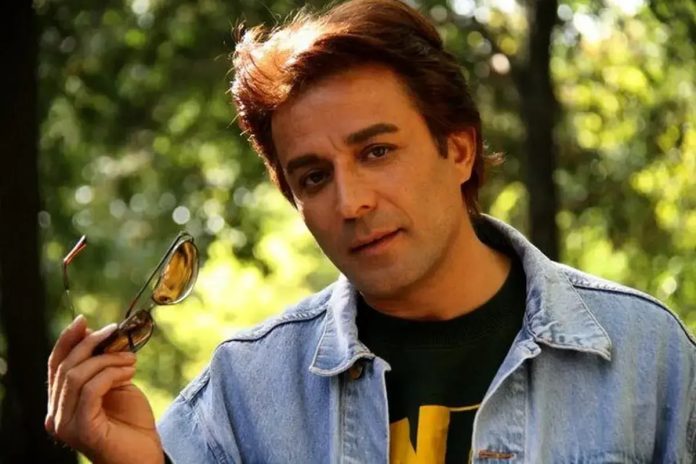
Iranian actor Hamid Taleghani passes away at 59

In a statement, Iran’s House of Cinema expressed condolences over his death and announced that his funeral will be held on Thursday.

Taleghani will be laid to rest at the Artists’ Section of Behesht Zahra cemetery in Tehran.

Born in Tehran in 1966, Taleghani rose to prominence with his role in the film High School and went on to build a long career in Iranian cinema and television.

He appeared in numerous films, including Wild Jasmines, Without Permission, A Man Like Rain, The Final Stage, Seven Passages, Line of Fire, White Dial, Come With Me, The Victim, Thus It Was, Chrysanthemum Flowers, Tell Her I Love Her, The Bearers of Life and The Necklace.

Taleghani was also active in television, starring in series such as A Nest for Life, Tell Her I Love Her, The Bearers of Life and The Necklace.

In addition to acting, he directed two works, Freer Than the Sea and A Nest for Life, contributing to Iranian cinema both in front of and behind the camera.

Iran, Russia sign foreign ministry cooperation program in Moscow

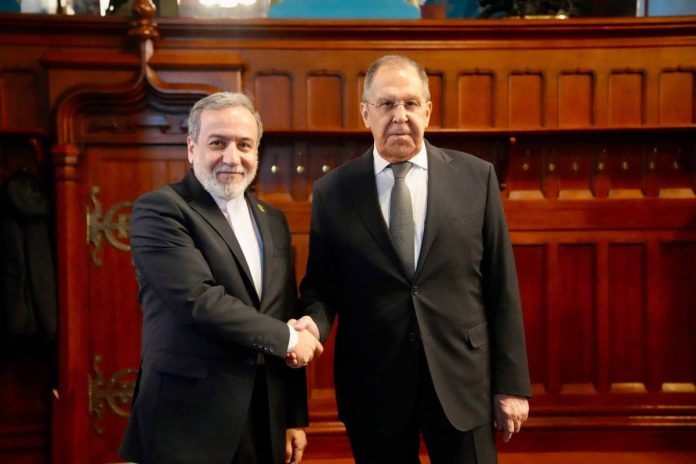
The document was signed on Wednesday by Iranian Foreign Minister Seyed Abbas Araghchi and his Russian counterpart Sergei Lavrov at the conclusion of their negotiations and comes after the implementation of the Comprehensive Iran-Russia Strategic Treaty.

Talks between the two foreign ministers focused on bilateral relations as well as regional and international issues.

Lavrov welcomed Araghchi and the accompanying Iranian delegation at the Russian Foreign Ministry before discussions commenced.

During the meeting, Araghchi said consultations between Tehran and Moscow have continued on a close and regular basis at all levels.

He described relations between the two countries as comprehensive and multidimensional, encompassing political, economic, cultural, defense, and security cooperation.

He also noted that the presidents of Iran and Russia have met five times over the past 18 months, reflecting the intensity of high-level contacts.

Referring to the recent meeting between Iranian President Massoud Pezeshkian and Russian President Vladimir Putin in Ashgabat, Araghchi said the current talks offered an opportunity to review bilateral ties in greater detail and enhance coordination on regional and international developments.

Lavrov described the comprehensive strategic treaty as the most significant development in bilateral relations this year, saying it sets a long-term, 20-year direction for cooperation.

FM: Iran not to renounce nuclear rights, including uranium enrichment

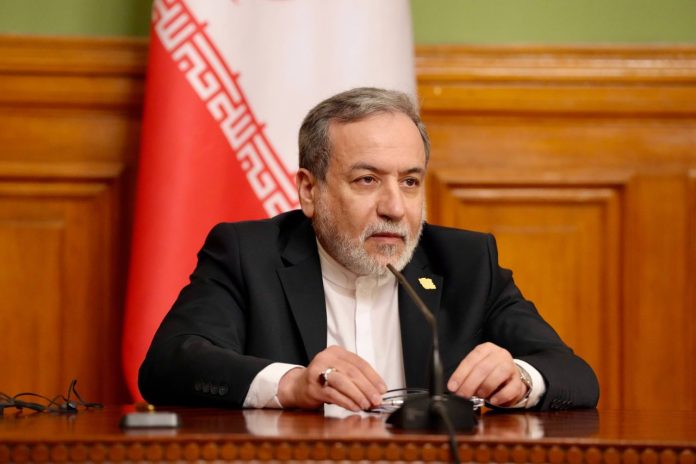
Speaking on Wednesday at a joint press conference in Moscow following talks with his Russian counterpart Sergey Lavrov, Seyed Abbas Araqchi said that Iran is a committed member of the Nuclear Non-Proliferation Treaty (NPT) and will not forgo its rights under the treaty, including the peaceful use of nuclear energy and enrichment activities.

Araqchi noted that Russia has consistently recognized and supported Iran’s right to uranium enrichment, adding that Moscow has maintained nuclear cooperation with Tehran and played a very positive and constructive role in the Joint Comprehensive Plan of Action (JCPOA).

Addressing cooperation between Iran and the International Atomic Energy Agency (IAEA), the Iranian foreign minister said Iran remains an NPT member and is committed to its obligations.

However, he emphasized that on-the-ground realities must be taken into account, noting that following attacks on Iran’s nuclear facilities, the situation has fundamentally changed.

He said that until a clear framework is established for inspections of Iran’s nuclear sites, and until the new realities on the ground are acknowledged, inspections cannot take place due to existing security and safety threats.

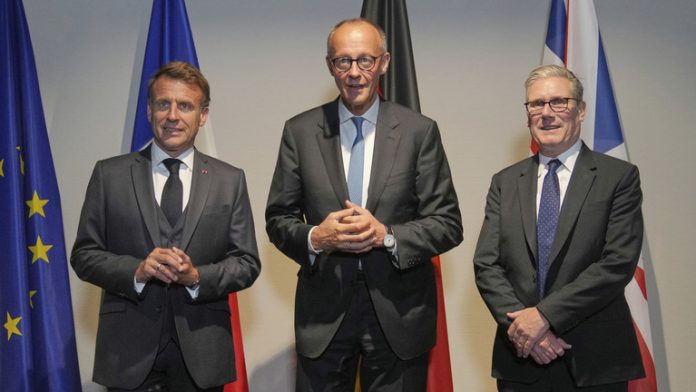
In response to a question about negotiations with the three European countries (the UK, France, and Germany) Araqchi said the European trio no longer have any capacity for talks, having unlawfully used the only mechanism available to them.

He added that there is no reason, subject, or capacity for dialogue with the three European countries regarding Iran’s nuclear program.

Commenting on developments in the Caucasus, Araqchi said the Caucasus and Central Asia are regions where security and stability must be ensured by regional countries themselves.

He stressed that no country outside the region should have a presence there or interfere in its affairs.

Russian Foreign Minister Sergey Lavrov, speaking at the same press conference, said Russia, like Iran, seeks the normalization of the situation surrounding Iran’s nuclear program.

He noted that Russia cooperates with Iran in the nuclear field, having built the Bushehr nuclear power plant and currently expanding it.

On cooperation between Iran and the IAEA, Lavrov said Araqchi had provided explanations on the matter, adding that what is needed is political will and goodwill—qualities he said Iran possesses.

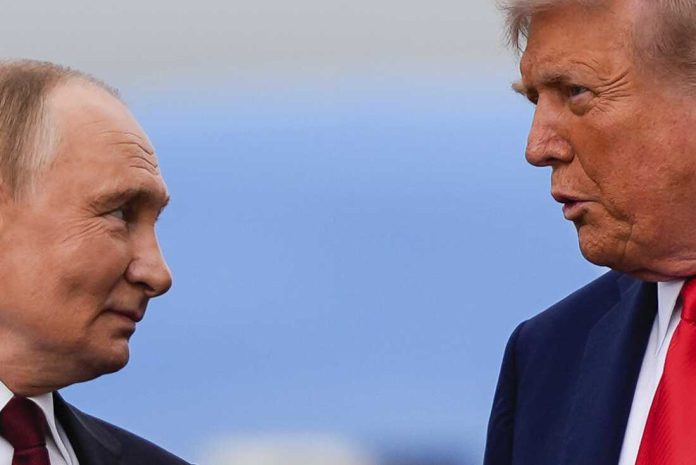
US readies new Russia sanctions if Kremlin rejects peace accord: Bloomberg

Trump and Putin

The U.S. is considering options such as targeting vessels in Russia’s so-called shadow fleet of tankers used to transport Moscow’s oil, and traders who facilitate the transactions, the report said.

The new measures could be announced as early as this week, the report added.

Treasury Secretary Scott Bessent discussed the move when he met a group of European ambassadors earlier this week, the report noted.


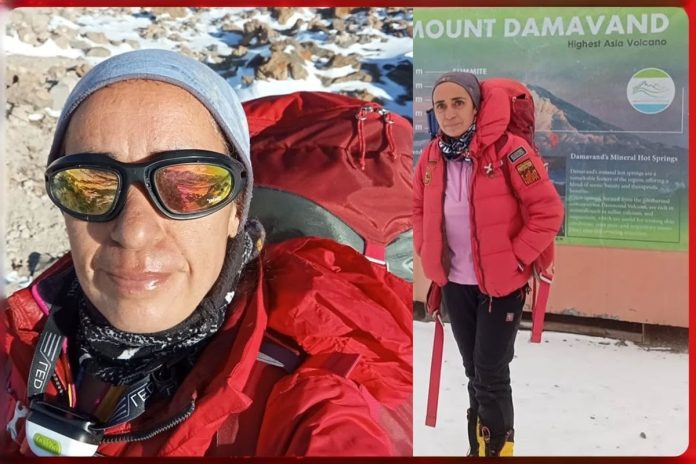
Body of missing Iranian female mountaineer found on Mount Damavand

The recovery was carried out with the assistance of Mazandaran and Amol Red Crescent rescue teams and supported by operational drones and UAVs.

This came after five days of search operations in the area. Specialized mountain rescue teams from the Reyneh base and the Amol branch conducted the search, despite adverse weather conditions and freezing temperatures.

Ms. Haseli attempted a solo ascent of Mount Damavand via the southern route on December 10, 2025, despite safety warnings. She was 50.

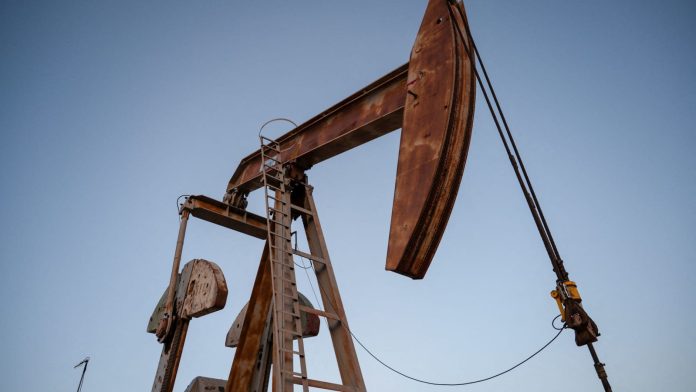
American senators introduce bipartisan sanctions bill targeting Russian oil profits

The bill was brought forth by Republican Dave McCormick, Democrat Elizabeth Warren, Democrat Chris Coons, and Republican Jon Husted. If passed, it would require U.S. President Donald Trump to sanction any purchasers, transporters, or facilitators of Russian oil products within 90 days.

The sanctions would effectively bar any dealers in Russian oil from the U.S. financial system.

“Any nation or entity that buys Russian oil is actively funding Russia’s aggression in Ukraine,” Senator McCormick said in a press release.

“(Russian President Vladimir) Putin has demonstrated he is unserious about bringing this war against Ukraine to a close, and continuing to fuel the war machine should carry consequences.”

Ukraine’s Ambassador to the U.S., Olha Stefanishyna, praised the legislation on social media and stated that the measure indicates “strong bipartisan support for further economic pressure on the aggressor.”

The proposed legislation allows for limited exceptions to the sanctions, including the possible option to exempt purchasers from penalties if they pay a fee into an account designated for Ukraine for every barrel of Russian oil they buy.

The new bill arrives as the White House is once again pressing for negotiated settlement to end Russia’s war against Ukraine. Trump’s envoys, Steve Witkoff and Jared Kushner, held two rounds of talks in Berlin Dec. 14-15 with a Ukrainian team led by President Volodymyr Zelensky.

While Trump has made winning a peace deal in Ukraine a priority of his administration, he has been slow to impose economic sanctions against Russia. In October 2025, Trump lodged the first sanctions against Russia of his term, targeting the oil giants Rosneft and Lukoil.

The measures froze the firms’ U.S.-based assets and threatened secondary penalties for foreign entities engaging with them, but Washington has extended a waiver that lets Lukoil-branded gas stations abroad stay in business through late April 2026.

Another bipartisan sanctions bill, separate from the DROP Act, was heavily edited at the administration’s request, giving Trump broad powers to waive penalties. The sanctions bill, sponsored by Senators Lindsey Graham and Richard Blumenthal, has lagged in Congress.