Thursday, December 25, 2025
Home Blog Page 3599

Russia’s Central Election Committee under Attack from 15 Countries (+Video)

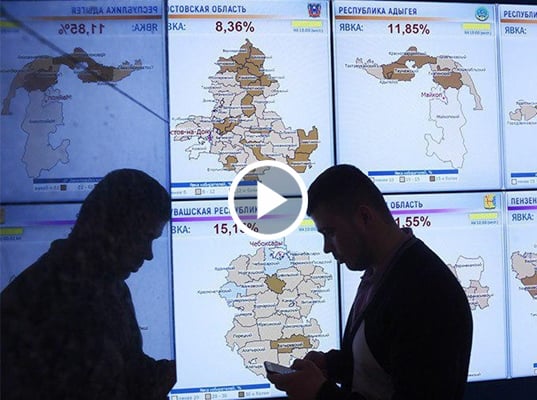
According to the Commission’s secretary, the Central Election Committee’s website had earlier come under a DDoS attack from 15 countries.

“We are registering what is in fact a cyber-attack on our information centre,” the commission’s secretary, Maya Grishina, said.

The commission’s website was attacked soon after voting began. A distributed denial-of-service (DDoS) attack peaked between 2am and 5am on Sunday, chairperson Ella Pamfilova said.

The attack originated from 15 countries, according to Pamfilova.

The first polls opened in Russia’s Far East at 20:00 GMT on Saturday, March 17, and the last polls in the Kaliningrad exclave will close at 18:00 GMT on Sunday, March 18.

The first round of the 2018 Russian presidential election will be contested by a total of eight candidates on March 18. Should no candidate reach a majority, a second round will take place three weeks later scheduled for April 8.

(

Putin Casts His Ballot in Russia Presidential Elections (+Video)

Putin took part in the election through self-nomination. Answering the question of what result he will consider successful, Putin said, “Any that gives the right to serve as president.”

The first polls opened in Russia’s Far East at 20:00 GMT on Saturday, March 17, and the last polls in the Kaliningrad exclave will close at 18:00 GMT on Sunday, March 18.

The first round of the 2018 Russian presidential election will be contested by a total of eight candidates on March 18. Should no candidate reach a majority, a second round will take place three weeks later scheduled for April 8.

During the presidential elections, over 1,000 international observers will work in Russia, according to Chairperson of the CEC of Russia Ella Pamfilova.

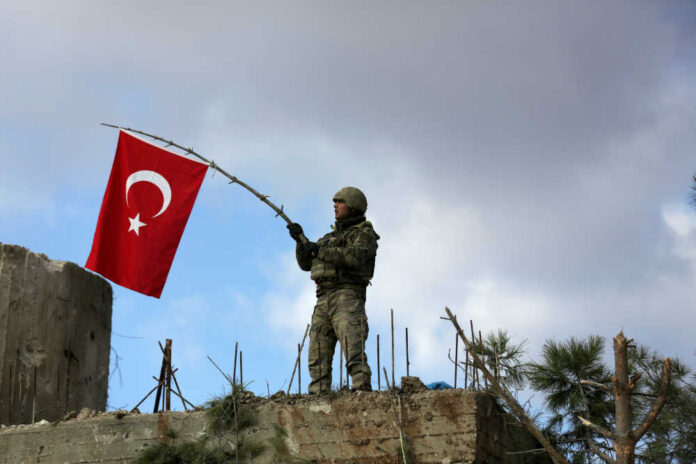
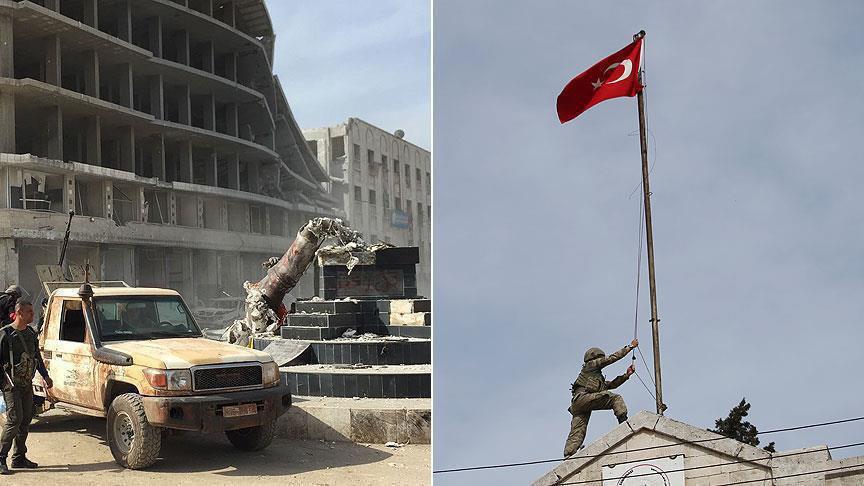
Erdogan Says Afrin under Full Control of Turkish-led Forces

The Turkish troops have entered the town centre at around 5 a.m. local time (GMT0200), according to Anadolu Agency’s correspondents on the ground.

In an hour time, troops entered the town centre from east, west and north sides. During the entrance, some mines placed by terrorists at entry points of the district exploded as the so-called Free Syrian Army fighters advanced into the town centre, it was learned.

Without encountering any kind of resistance, they took complete control of the town centre.

FSA — after taking control of the biggest neighbourhoods Ashrafieh, Jamiliyah and Mahmudiyah in the town centre’s north — advanced to the old bus stop area, according to the correspondents.

The improvised explosive devices (IEDs) and mines are currently being defused. Turkey says it is taking utmost care to not harm any civilians.

Turkey on January 20 launched Operation Olive Branch to remove PYD/PKK and ISIS terrorists from Afrin, its military says.

According to the Turkish General Staff, the operation aims to establish security and stability along Turkey’s borders and the region as well as protect Syrians from terrorist cruelty and oppression.Erdogan Says Afrin under Full Control of Turkish-led Forces

Meeting between Iran FM, Omani Counterpart Cancelled

“In view of the continuation of the severe illness of Mr Zarif, which began Yesterday and even led to a brief hospitalisation, the foreign minister has been advised by his doctor to be on complete bed rest,” Bahram Qassemi said in a Saturday statement.

“All plans and meeting on Saturday and Sunday, including his meeting with Mr bin Alawi, have been cancelled,” he said.

Qassemi noted that bin Alawi, who is in Tehran at the head of a politico-economic delegation, has so far held constructive meetings with several officials, including Parliament Speaker Ali Larijani, Secretary of Supreme National Security Council Ali Shamkhani and Governor of the Central Bank of Iran Valiollah Seif.

The spokesman said the Omani foreign minister will meet with President Hassan Rouhani on Sunday noon.

Bin Alawi, who arrived in Tehran on Friday, will also attend a luncheon to be held in his honour, he added.

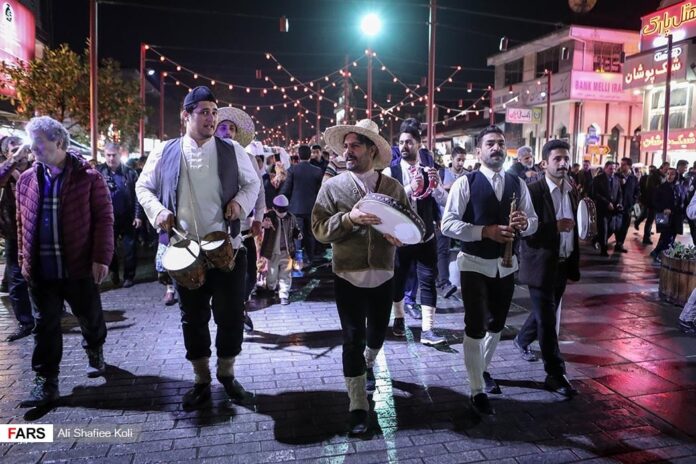
Rasht Turns into Iran’s First City of White Nights

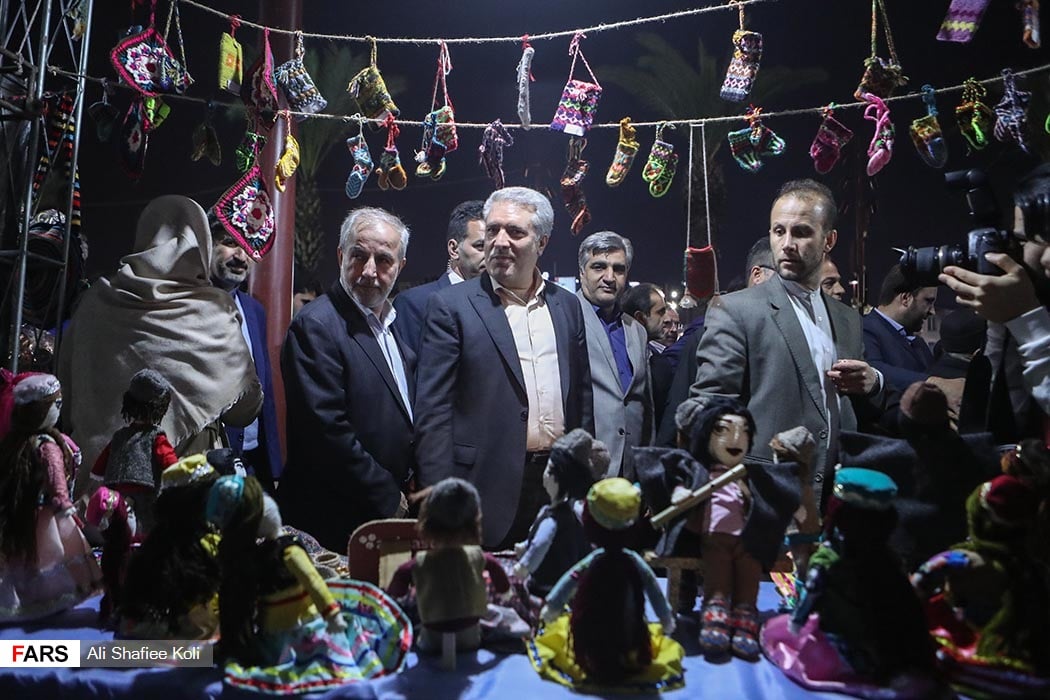
In a ceremony attended by Iran’s Vice-President Ali-Asghar Moonesan, the plan was officially launched for the first time in Rasht.

“The national plan of White Nights is expected to be launched in other cities of Gilan province in the near future with the aim of attracting more domestic and foreign tourists,” a Farsi report by the IRIB News Agency quoted him as saying.

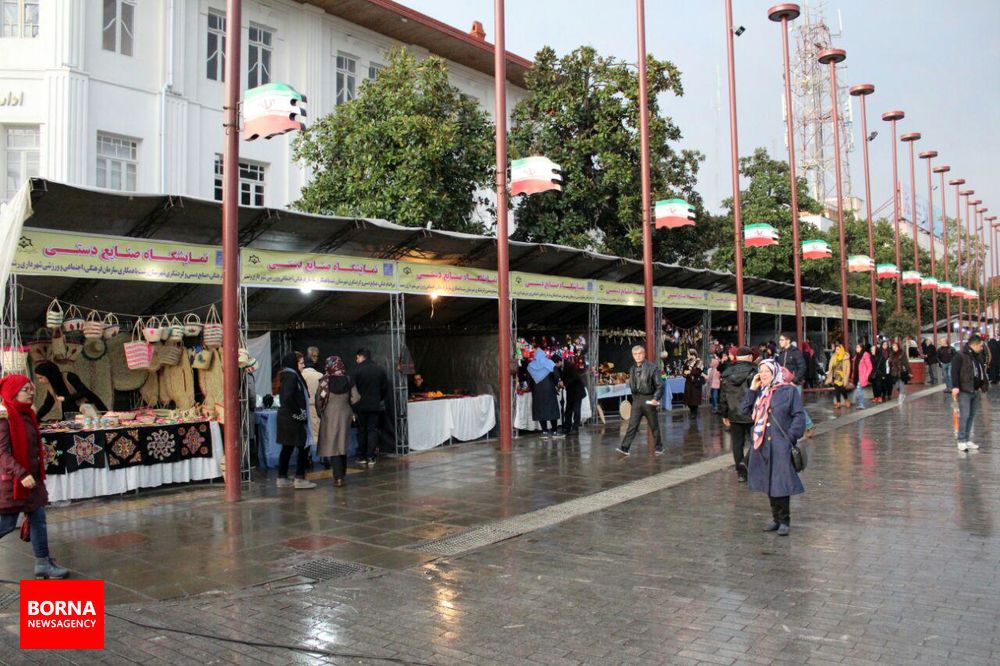
According to the plan, the cities of White Nights will have special places where tourists can buy handicrafts and other artworks 24 hours a day.

Reza Alizadeh, the General Director of the Cultural Heritage, Handicrafts and Tourism Office of Gilan province said the plan was launched in the Cultural Pedestrian of Rasht.

The plan makes the cultural and tourist activities of the city 24/7 in a bid to attract foreign and domestic tourists. “During the White Nights, the handicraft artists can get in touch directly with the ordinary people for selling their products at an appropriate price.”

He went on to say the White Nights plan is among initiatives developed with the aim of attracting further tourists to Gilan province.


White Nights Create More Jobs

Moonesan, who is also the head of Iran’s Cultural Heritage, Handicrafts, and Tourism Organization, said the White Nights plan has great advantages including job creation.

Speaking to reporters, Moonesan said the plan makes the city more active and provides the people with a new public space.

There are about 75 booths along the Cultural Pedestrian of Rasht which display and sell various handicrafts deeply rooted in the city’s history and culture.

Rahim-Mashaei, Another Ally of Ahmadinejad, Arrested in Iran

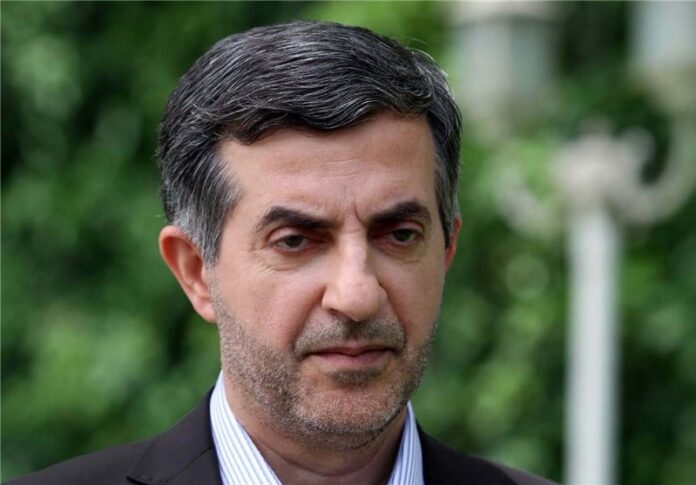
The Office of Prosecutor General of Tehran announced on Saturday that Rahim Mashaei, Mahmoud Ahmadinejad’s chief-of-staff, has been arrested by the police with a warrant issued by the office.

The statement has added that the ex-official, who is also a staunch ally of former president, has been arrested for investigation.

A few days earlier, Rahim Mashaei had set fire to a court verdict sentencing Hamid Baghaei, another figure in Ahmadinejad’s trilateral alliance, to imprisonment.

Thousands in Iran May Lose Their Jobs If Telegram Blocked

According to Saeid Mahdiyoon, the Basij commander of Iran’s Ministry of Communications and Information Technology, 180,000 families are currently involved in the online business, which has a total turnover of tens of millions of dollar.

Afshin Kolahi, a deputy head of new and knowledge-based businesses of Iran Chamber of Commerce, recently noted that 10,000 to 15,000 businesses are currently run in Iran completely through the cyberspace.

He says the two numbers are not conflicting, because 10 to 15 thousand Telegram-based businesses can directly or indirectly create jobs for 180,000 families.

There are 754,516 Farsi channels in Telegram with an average daily visit of 2.5 billion, a Farsi report by Shahrvand newspaper said. Out of these channels, 264,347 are regularly updated, according to the data provided by Iran’s National Cyberspace Research Centre.

Seyyed Morteza Mousavian, the head of the IT Development and Digital Media Centre of Iran’s Culture Ministry, says 19,000 channels have been registered by the centre so far.

“9,000 of them either sell their products or offer services,” he added, stressing that such figures only involve those who have officially registered their channels.

If we accept that 180,000 Iranian families are earning a living using Telegram, then almost 0.75 per cent of Iranian families are making money using the messaging app. Given the low costs of creating jobs in the IT sector, this figure can be rapidly raised through the development of the cyberspace in the country.

Mahdiyoon believes domestic and indigenous messaging apps must be supported and reinforced to be used once Telegram stops offering its services to Iranian people.

But is it really possible to replace Telegram with a home-grown version? Why hasn’t any Iranian app been successful so far in recruiting members and developing the number of its users?

Kolahi says blocking Telegram or a prescriptive use of similar Iranian apps or any other limitation will not be successful in convincing people to use an alternative messaging application. “We have repeatedly tested these methods, and wasted financial resources on them.”

“The market must be a competitive one. If an appropriate strategy is chosen in the design and replacement, the indigenous version can quickly find its market. A good product will soon satisfy its users,” he added.

During the days when Telegram was temporarily restricted amid the recent protests in Iran, Kolahi told Shahrvand that only a limited number of Telegram users temporarily switched to Iranian apps, mostly for family chats or receiving educational contents.

“Business owners have not yet made any serious decision to switch to these messaging apps,” he noted, stressing that an online shopping centre usually spends three years on attracting followers.

“Online business owners believe switching to another network like WhatsApp would lead to the bankruptcy of that business as they may lose their customers,” Kolahi said, adding that businesses do not welcome the switching.

With an Alexa ranking of 19 in Iran and over 40 million users in the country, Telegram is one of the most-visited websites in the Islamic Republic, but these days it is intertwined with many economic, social, and even political issues of the country.

Europeans Should Not Tie JCPOA to Iran Missile Program: Larijani

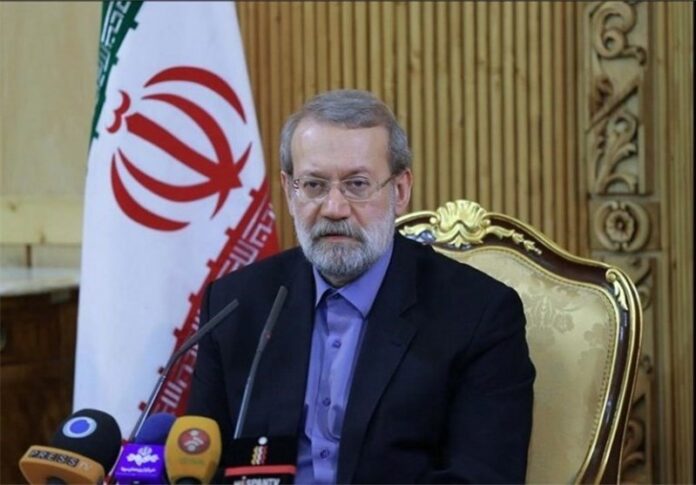
Ali Larijani

In a Saturday meeting with Oman’s Foreign Minister Yusuf bin Alawi in Tehran, Larijani urged the European countries to stick to their commitments under the nuclear deal and pressurise the US into fulfilling its obligations.

“Iran has always remained committed to the nuclear deal and will observe its commitments under the deal but only as long as the other sides continue to do so,” he was quoted as saying in a Farsi report by ICANA.

He also praised the regional role of Oman and Sultan Qaboos as constructive and beneficiary and said Tehran and Muscat have always had good and close relations with each other.

Iran’s Parliament speaker described the regional situation as chaotic and said all regional states should avoid any measure that might exacerbate the current unrest in the region.

“Today, Iran’s missile program has turned into a concern for some states. But the main question is why they are concerned about our program? We have had the missile technology since 30 years ago and during this time we have never fired even a single missile at any country in the region. The technology is not a new achievement for us,” he noted.

Europeans Should Not Tie JCPOA to Iran Missile Program: Larijani
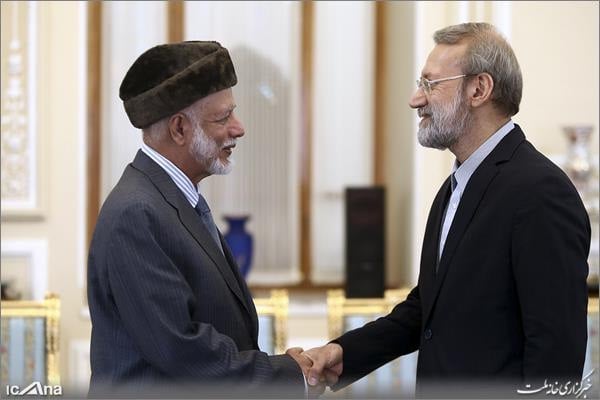
Iran’s Parliament Speaker Ali Larijani meeting with Omani Foreign Minister Yusuf bin Alawi in Tehran on March 17, 2018 / Photo by ICANA

Larijani underlined that Iran’s presence in countries like Iraq and Syria is at the request of their governments. “We have always sought to find political solutions to the crises in these countries.”

“Oman Interested in Expansion of Ties with Iran”

For his part, Oman’s foreign minister said there are appropriate grounds for expansion of economic relations between Iran and Oman.

He said like their political relations, Iran and Oman should raise the level of their economic ties.

“Some countries are worried about Iran’s defence capability and missile programs but there is no reason for this concern. Given the current situation of the region, Iran is entitled to improve its military power as part of a mechanism to defend its own security,” Bin Alawi said.

He also referred to the presence of Iran in Syria and said “as we have announced repeatedly, no country can have presence in a foreign country without the request of its government.”

Bin Alawi underlined that Iran’s presence in Syria is made at the request of Damascus.
He also called for finding political solutions to the current regional crises and added militarism and massacre of innocent people will never lead to peace and security in the world.

Oman’s foreign minister also expressed hope that some regional countries which have adopted aggressive policies toward regional issues change their mind and resort to peaceful means.

He called on regional states to establish cooperation in fight against terrorism.
Bin Alawi then called for further economic ties with Iran and said Oman is interested in raising the level of its financial relations with Iran through expansion of joint rail lines.

2,700 NGOs Working in Iran on Women, Family Affairs: VP

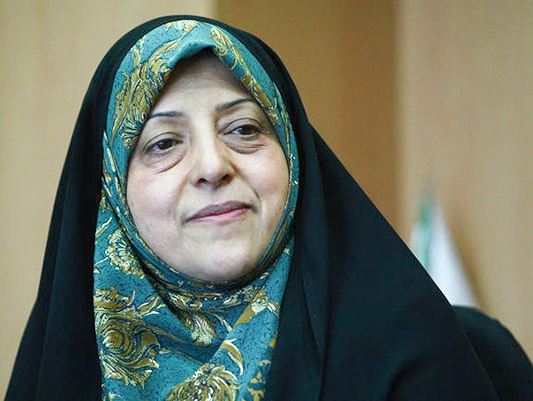
Massoumeh Ebtekar

In an address to a Saturday ceremony in the Centre for Peace and Environment in Tehran, Massoumeh Ebtekar said there are lots of such organizations in Iran which should be viewed as national assets.

“Currently in the field of women and family affairs, we have over 2,700 NGOs and in the environment field, there are about 900 active governmental and non-governmental organizations,” she was quoted as saying in a Farsi report by the Vice-Presidency’s official website.

Ebtekar said these organizations play a key role in the development of Iran.

During the ceremony, she also presented the prestigious Dr. Taqi Ebtekar Award to a number of activists and scientists active in the field of environment.

The Centre for Peace and Security is a non-governmental organization active in the field of environment. The organization was established in 2005 by Dr. Taqi Ebtekar, a former advisor to ex-president Mohammad Khatami.

Each year, the centre rewards scientists and environmentalists for their efforts and initiatives to preserve the environment in Iran.

EU Warned against Joining US in Blackmailing Iran

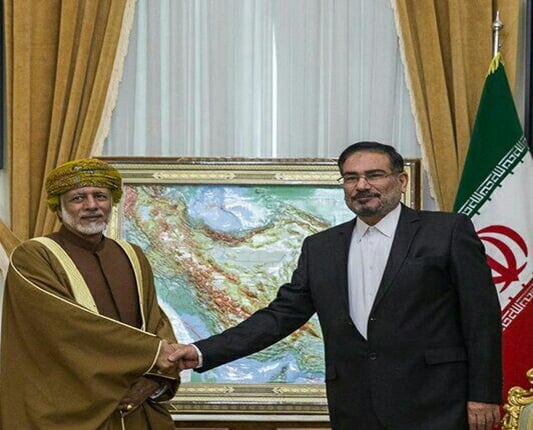
In a Saturday meeting with Oman’s Foreign Minister Yusuf Bin Alawi, Shamkhani referred to Washington’s illegal stance towards the Iran nuclear deal and the Europeans’ passiveness towards the US as a clear urgency for the regional states to put their focus on finding local solutions for the regional crises.

“The Islamic Republic of Iran will give an appropriate response to Washington’s repeated violations of the JCPOA in due time and will not accept any change to and interpretation of the deal or any measure aimed at restricting it,” he was quoted as saying in a Farsi report by the official website of Iran’s SNSC.

Secretary of Iran’s Supreme National Security Council also warned the Europeans about being played by the US and the Zionist regime and agreeing with their blackmailing Iran under the pretext of preserving the JCPOA.

He said Iran will press ahead with its defence program despite pressure. “Iran will press ahead seriously with its deterrent defence program particularly its missile program within its national security despite political or media campaign.”

He underlined that developing relations with neighbouring states based on cooperation, restraint and mutual understanding has always been among the main principles of the Islamic Republic of Iran.

“The security of the Persian Gulf and the whole region will be guaranteed only through establishing multi-lateral relations, distancing from tension-creating measures and developing new plans based on regional and responsible partnership,” he added.

He then slammed some states for their relentless efforts to create a bi-polar environment and widen the political and security gap in the region.

Shamkhani also expressed deep concern over the massacre of innocent women and children in Yemen by Saudi Arabian and Emirati warplanes.

He warned about the deteriorating humanitarian crises in the oppressed country of Yemen and said Iran and Oman have a similar stance towards Yemen.

“Iran and Oman call for an immediate end to the Yemen invasion, establishment of truce there, sending humanitarian aid and launching intra-Yemeni talks to create new political structures based on the public will of people of Yemen,” he said.

The Iranian official underlined that Yemen’s crisis cannot be tackled by military solutions. “The only way to restore peace and security to the war-torn country of Yemen is building on the current political initiatives with the aim of involving more political and ethnic groups of Yemen in the future political system of the country.”

He also referred to the deep, strong and growing relations between Iran and Oman and said the two sides have considerable commonalities on regional issues.

“The strengthening of constructive and multi-lateral relations with its neighbours based on bilateral interests has been among the main priorities of the Islamic Republic of Iran’s foreign policy,” he said.

Shamkhani said Iran and Oman can expand their ties in different fields including economy, energy and transit and added making joint investments with the aim of developing financial, monetary, port and transportation infrastructures can provide the two sides with more diversified trade and financial capacities in the region and easier access to safe and cheap target markets.

For his part, Oman’s foreign minister praised the regional role of the Islamic Republic of Iran and said Oman has always viewed Iran as a reliable partner and a friend and brotherly state.

“We always praise the role of the Islamic Republic of Iran in protecting the security and stability of the region,” he said.

Bin Alawi referred to the geographical locations as well as scientific, technical, industrial and financial potential of Iran and Oman and said the two sides enjoy a huge capacity to develop economic cooperation and achieve new export markets in future.

“We are ready to adopt joint measures to bridge the unjustified gap in political and economic relations between Iran and Oman,” he said.

He also dismissed as unacceptable any use of military power for imposing one’s political will on others and said “as the experiences of the past years have shown, we need to hold talks instead of launching war and violence to avoid losing our valuable human and financial assets.”