Thursday, December 25, 2025
Home Blog Page 3525

“US Targeting Iran’s Achilles’ Heel to Curtail Its Regional Influence”

Saber Golanbari has, in interview with Khabar Online news website, weighed in on the purposes behind Trump’s decision to withdraw the US from the Iran nuclear deal, and its impacts on Iran.

Golanbari believes economy is the Achilles’ heel of Iran, and the US is targeting it to force Iran to sit for talks over its regional policies and missile capabilities.

He has also discussed prospects for crises in the Middle East, and the reaction of Europe, a major ally of the US, following the withdrawal.

The highlights of the interview follow.


Which path do you predict Europe will choose in reaction to Trump’s decision?

Today, Europe is in a dilemma. On the one hand, it wants to preserve the JCPOA due to different reasons because, by Europe’s own admission, there is no good alternative for the Iran nuclear deal. Moreover, the death of the JCPOA would mean the death of diplomacy and political solutions for regional and global problems as well as a major disaster for international law. Furthermore, this would mean complete submission to the United States’ unilateralism, and if Europe agrees to stay in the agreement, it will no longer be able to regard itself as a regional and global power. The US under Trump seeks to unilaterally impose its solutions. It unilaterally pulls out of international agreements, be it the TTP, or the Paris climate agreement or the JCPOA. We see the same thing in the Palestine conflict where Washington unilaterally gives al-Quds to Israel and imposes its solution.

However, on the other hand, Europe’s economic and political interests are inextricably intertwined with those of the United States. At the end of the day, it would be difficult for Europe to overlook these interests in order to preserve the JCPOA. What the European Troika is seeking today is to find a solution by which it will be able to preserve both the JCPOA and the interests it has with the US. It would be very hard.

I personally believe that Europe will not be able to put its word into practice and remain in the JCPOA in maximum three to six months’ time after anti-Iran sanctions go into effect, and will finally give in to Washington’s pressure. As many European banks and companies succumbed to Washington’s psychological pressure even before the US withdrawal from the JCPOA, Europe is unlikely to resist following the US pullout from the deal and the re-imposition of sanctions and Washington’s ratcheting up its pressure, and will probably not compromise its trade interests with the US, which amount to more that trillions of Euros, for the sake of its trade with Iran, which hovers around € 15 million only.

So, Europe is likely to leave the JCPOA, but will not explicitly and officially announce its withdrawal; rather, it will keep asking Iran to live up to its commitments under the nuclear agreement. This is where the JCPOA will turn into a completely unilateral agreement imposed on Iran.

What is your assessment of the European Union’s recent moves regarding the JCPOA?

Europe has announced it wants to activate the Blocking Statute and keep European companies from complying with US sanctions. Unfortunately, it is too late to do this. There was no reason for Europe to delay the move. Europe should have put forward the idea, at least as a threat, before Trump’s withdrawal from the JCPOA, but it did not. Before Europe puts the law into effect, major companies such as Total will have left Iran, and at the same time, companies will not take risks and not make investment in Iran.

Legally and politically speaking, Europe has a free hand and can adopt numerous measures to counter the United States in order to preserve the JCPOA, but, at the same time, Europe’s hands are tied by the economic benefits it has in doing trade with the US. For the time being, Europe wants to keep the JCPOA with the minimum possible measures.

As this scenario unfolds in the future, the US will directly and Europe will indirectly attempt to use the “all options on the table” card to force Iran into staying in the JCPOA. It is a serious possibility that they will, in the medium term, replace the “lifting of sanctions” with the “threat of military option” in order to force Iran to maintain the nuclear agreement unilaterally. Of course, Iran will not agree to such a deal.

Also, other partners of Iran, namely Russia and China, despite their tensions with Washington, will not be able to, or will not be inclined to stand up to the US and Europe.

Finally, Iran will have no choice but to announce the termination of the JCPOA. Nevertheless, Tehran had better take and manage its post-JCPOA steps in a very calculated manner and use its options one at a time, not all at once.

How will Washington’s withdrawal from the JCPOA affect the region?

The US wants to counter Iran’s influence in the region by dismantling the JCPOA. Firstly, Washington wants to kill off the limited chance of diplomacy created by the implementation of the nuclear deal and increase its cost for other countries. Secondly, the US wants to launch a full-scale economic war against Iran by reinstating the sanctions that were in place before the conclusion of the JCPOA, and disrupt domestic security and stability in Iran by paralyzing the country’s economy.

While waging the economic war, Washington will also fuel tensions with Iran in the Middle East region, whether in Syria, Iraq or other regions.

At the moment, the US aims to force Iran into accepting a comprehensive, yet imposed agreement that would encompass three key issues: the nuclear program, regional leverage and the nuclear program. The most important of all is Tehran’s influence in the region and, for that matter, Washington’s efforts to effect radical changes in Iran’s foreign policy. The other two, namely nuclear and missile issues, are basically functions of the first issue.

Hezbollah Secretary General Sayyid Hassan Nasrallah officially announced that they had fired 58 missiles at Israeli positions in occupied Golan Heights. Some commentators believe the way to salvage the JCPOA is through Syria. Do you have the same idea? Is the US withdrawal from the JCPOA because of Iran’s presence in Syria? Will Iran leave Syria because of the JCPOA?

No, this is not the case. The missile attack launched from Syria was a natural reaction to Israeli strikes and was a sign of serious opposition to the objective that the US is pursuing in the JCPOA era, i.e. making Iran leave Syria. As I said earlier, the most important reason behind the United States’ pullout from the JCPOA was Iran’s presence and influence in the region. Israel regards Iran’s presence in Syria and Iranian troops reaching the Mediterranean waters and borders of occupied Palestine as a serious threat.

Iran’s withdrawal from Syria is the objective pursued by Israel, the US and Saudi Arabia. Tel Aviv’s red line used to be “getting close to the borders” of occupied Palestine, but now they have generalized it to whole Syria. Israel’s attacks are in line with the same strategy. These airstrikes are a challenge, but cannot change the equations on the ground. This has infuriated Israel.

Finally, we can say that the US is seeking an agreement which will secure the maximum degree of “win” for them and the most intense “lose” for Tehran.

It is a wrong speculation to say that Iran will be able to reach a deal with the US and ward off possible dangers by giving some concessions over its presence in the region, be it Syria, Yemen or elsewhere, or over its missile program or the JCPOA. Washington may set a minimum limit for its demands from Iran, but will not settle for that. Washington wants fundamental changes in Iran’s foreign policy, and the issue of Israel is a key variable here. If Iran begins giving concessions, they will finally push Iran to the dilemma of recognizing Israel or continuing to suffer economic war as well as political and regional pressure.
Heated Debate in Iran Parliament over Joining Terrorist Financing Convention

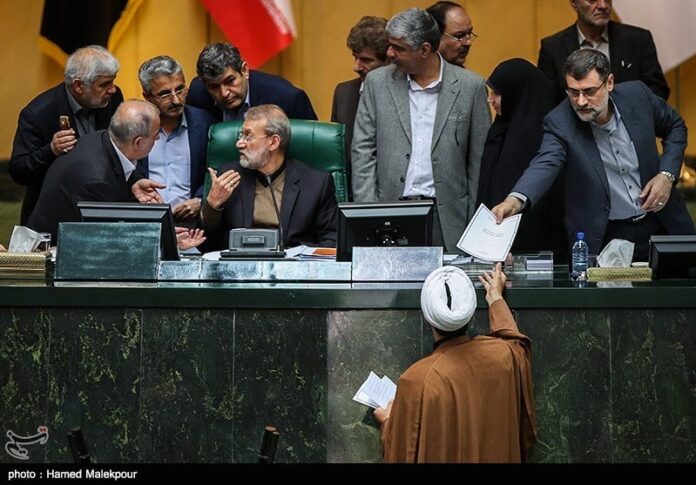
As debates about a bill allowing for Iran’s accession to the International Convention for the Suppression of the Financing of Terrorism became heated at the parliament, a number of opposing lawmakers shouted slogans against what they called a “colonial bill” approving which would be an unforgivable mistake.

When opponents of the bill tried to stop other lawmakers from taking the podium and demanded that the bill be put on hold or discussed at a closed-door session, Parliament Speaker Ali Larijani rejected the call, saying all lawmakers have the right to express their comments.

The opposing lawmakers insist that the Parliament’s National Security and Foreign Policy Commission should carefully scrutinize the bill beforehand and give a detailed report to the lawmakers.

The Terrorist Financing Convention is a 1999 United Nations treaty designed to criminalize acts of financing acts of terrorism.

Those opposing accession to the convention see no problem in striving to prevent financial support for terrorists. Their concern, rather, is that certain countries could exploit the convention to target resistance groups in the name of confronting terrorism.

US Empty Threats Not to Intimidate Iranian People: Rouhani

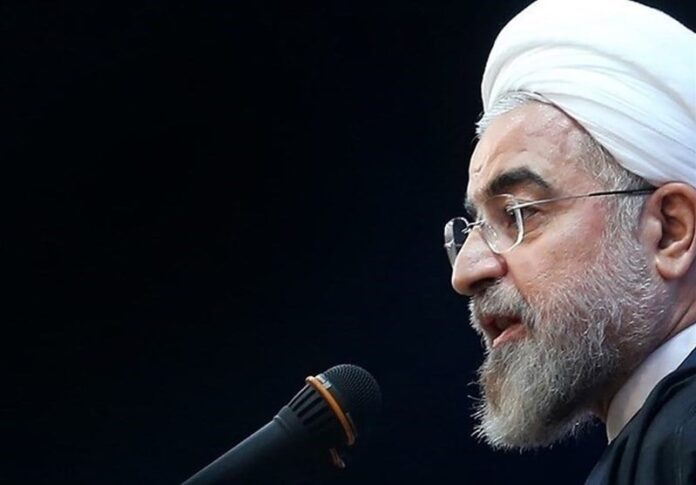
Addressing a gathering of Iranian athletes on Tuesday, Rouhani pointed to the recent remarks made by the US officials, including, Secretary of State Mike Pompeo, against the Islamic Republic and said, “The Iranian nation is not afraid of empty threats and is so much greater than Trump, Pompeo, (John) Bolton and all these people who have gathered in Washington as extremists.”

“The Iranian nation have been victorious in all periods of history and I want to say it here, Mr Trump! This nation will be victorious against you.”

President Rouhani then lauded the Iranian athletes, and said, “Our country’s athletes have always generated hope for the Iranian nation and the young.”

“If the society has hope and vitality, all problems can be resolved,” said Rouhani, adding, “Above athletes and their coaches’ hard work, what is important is believing in victory and championship.”

“If we believe that it is our right to stand on the podium at world championships, we will succeed in that goal because training, practice and hard work are followed by victory.”

According to the official website of the President, Rouhani then pointed to the Iranian national football team’s participation in the 2018 world Cup, and stated, “It is not important what team we are going to play against in World Cup, but rather we must believe that we are able to win.”

The President also went on to express happiness that women are active in sports, saying, “All honors that we have achieved are indebted to tireless efforts of mothers who have trained us and helped us to choose the best path in the course of our lives.”

“If we want to introduce Islam to the world, is it better to say that our girls do not have the permission to take part in sport events, or is it better to say that our girls and women participate in various sport events and gain success while observing all religious principles?,” he continued.

Tehran Museums; Treasure Trove of Priceless Antiquities

Important Museums of Tehran

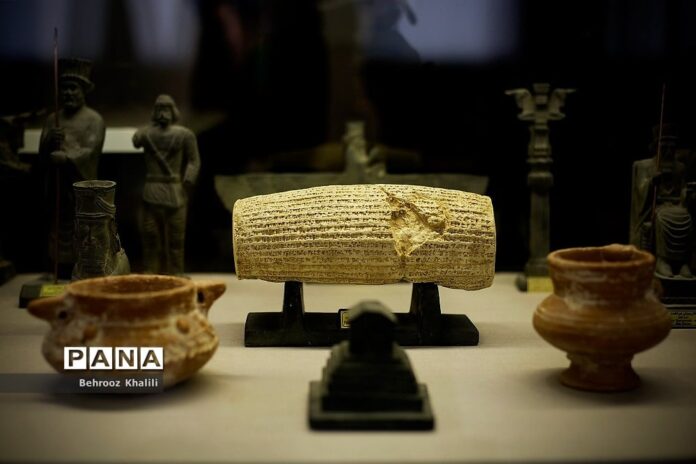
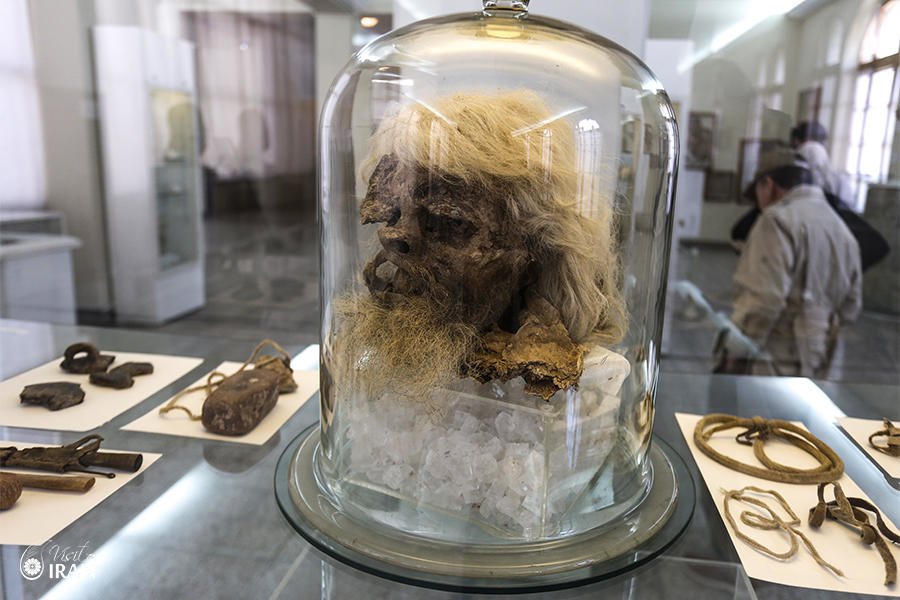
Tehran Museums are among interesting destinations for the visitors of Iran’s capital. Touring museums is, indeed, an attractive activity all across the world. Their attraction draws large numbers of people from all walks of life; and draw and contribute heavily to the promotion of the tourism industry.

As a result, museums such as the British Museum, the Louvre Museum, the Metropolitan Museum of Art of New York, the Kremlin Palace, etc, are among the most important tourist attractions of their countries.

For Iranians, too, touring museums across the nation can be attractive. Accordingly, and on the occasion of Museums and Cultural Heritage Week, the most attractive museums of the capital, Tehran, have been introduced in a report by Honar Online:


Louvre in Tehran

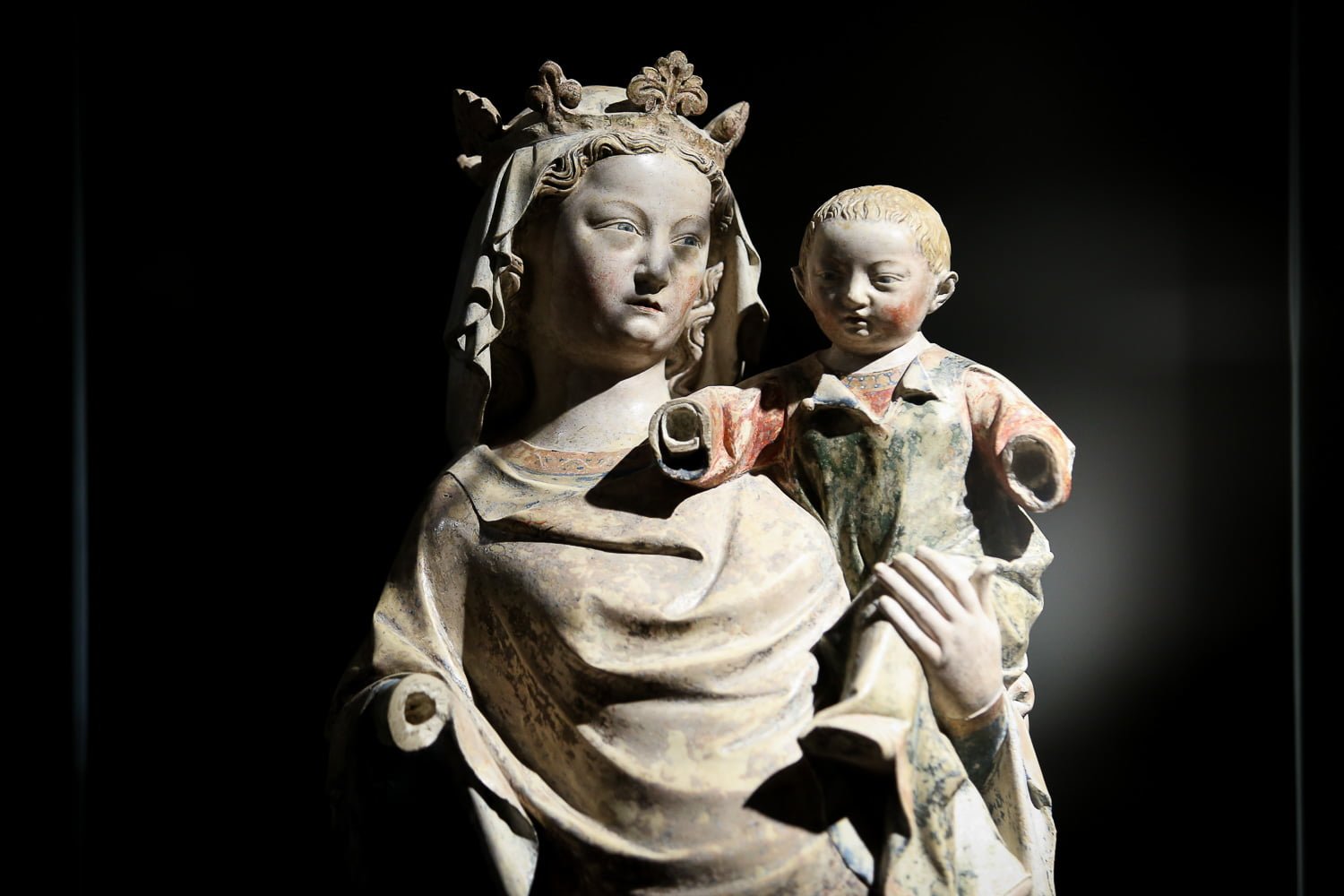
“The Little Louvre,” which opened on March 5, 2018, showcases a treasure trove of antiquities of the internationally recognized Louvre Museum of Paris. Among the items on display at the Louvre of Tehran are paintings by Rembrandt and a Sphinx statue made of basalt dating back to the era of pharaohs, which is part of the antique items belonging to Ancient Egypt.

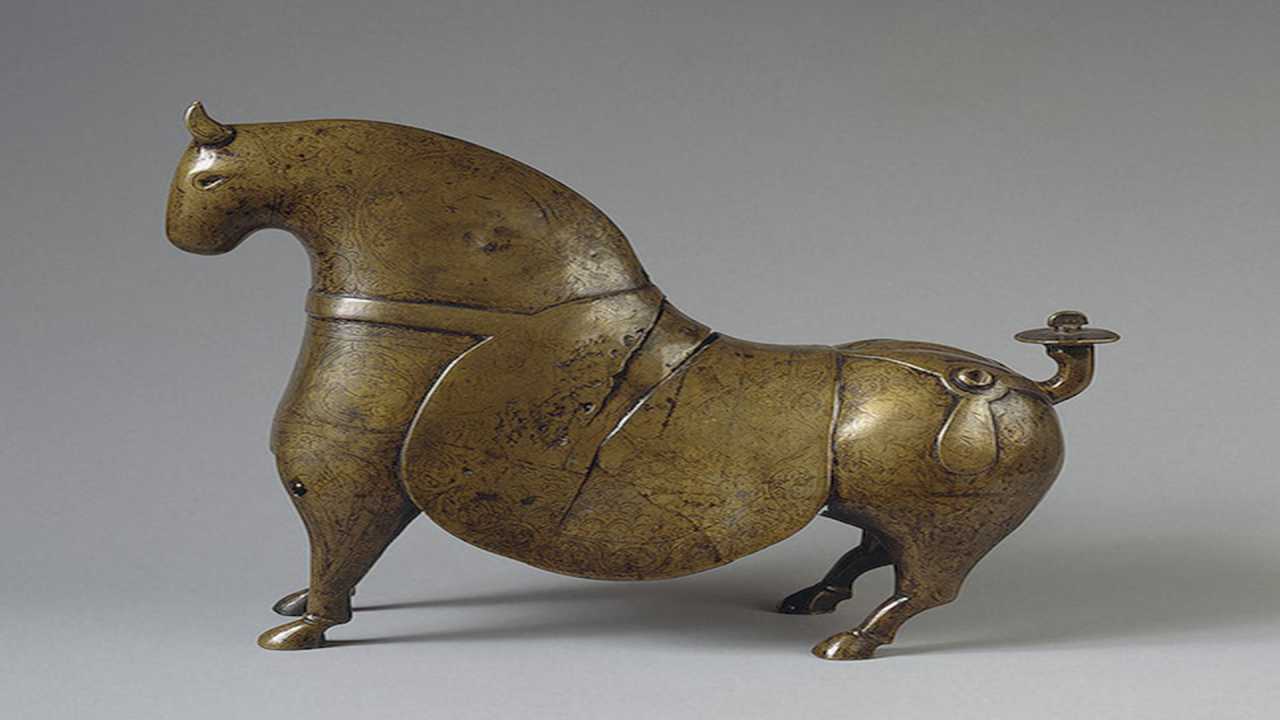
Two Iranian antiquities are also put on show at the museum; namely an ancient axe unearthed in the Choghazanbil archaeological site, and a bronze object, almost three thousand years old, belonging to the stock exchange dating back to the Iron Age. The museum runs until June 8, 2018.


Ancient Iran Museum

The Ancient Iran Museum also known as the Mother Museum is among the most famous museums of the capital. The museum was first established by French architect and archaeologist André Godard between 1934 and 1937.

The architecture of Sassanid era has been the inspiration behind the building’s shape. The museum gives you an overview of the 7th millennium BC to the Islamic era with numerous antiquities.

Ancient Iran Museum, Tehran


Golestan Palace-Museum

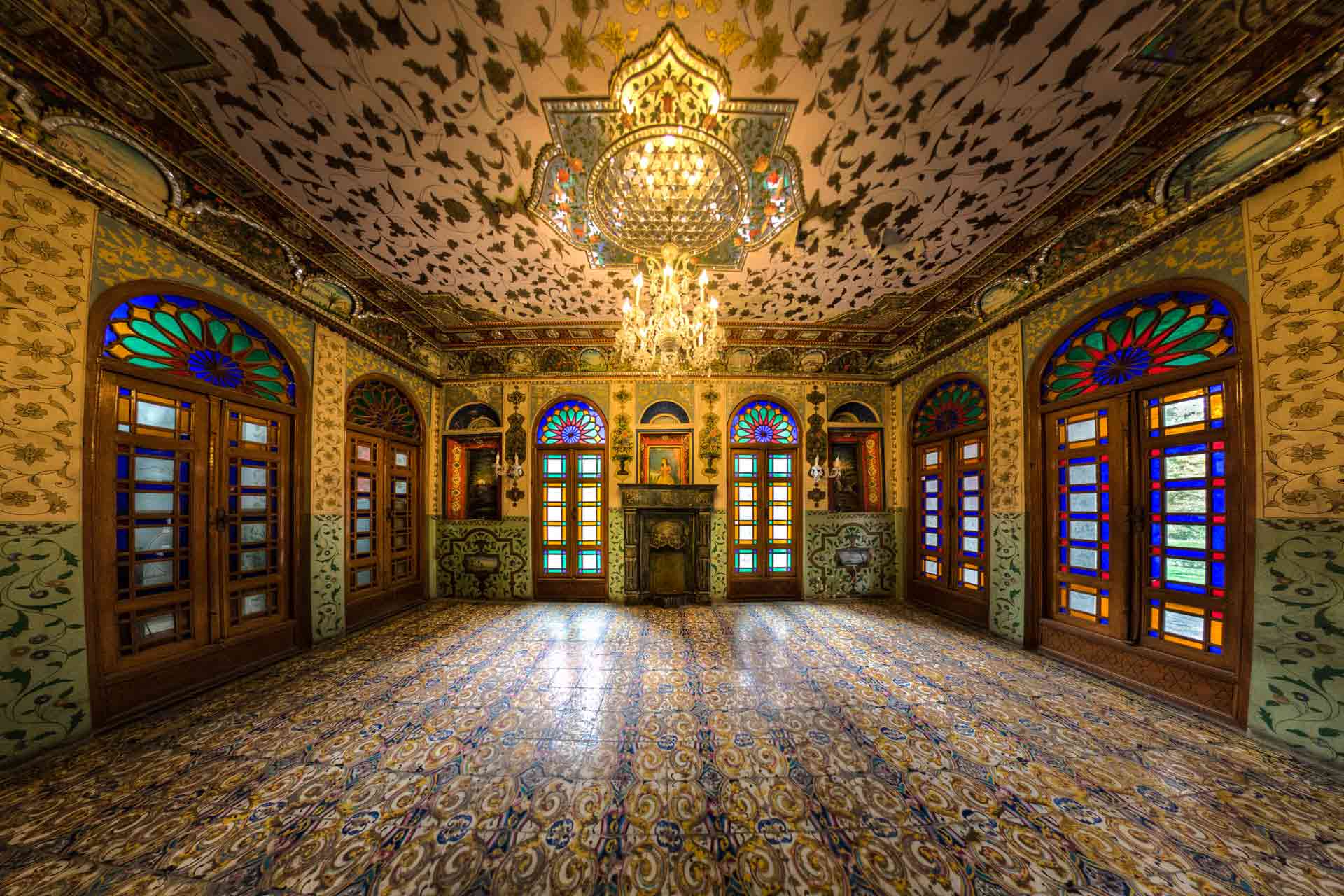
The Golestan Palace-Museum is the remnant of the historical Fortress of Tehran. The museum is more than 200 years old. The Fortress of Tehran initially dates back to the Safavid era. The Golestan Palace, however, is the only thing left of the ancient structure. The palace-museum has different sections, including different halls and mansions. The paintings of Iranian artists of the Qajar era are showcased in one of the halls of the museum.

Golestan Palace-Museum, Tehran


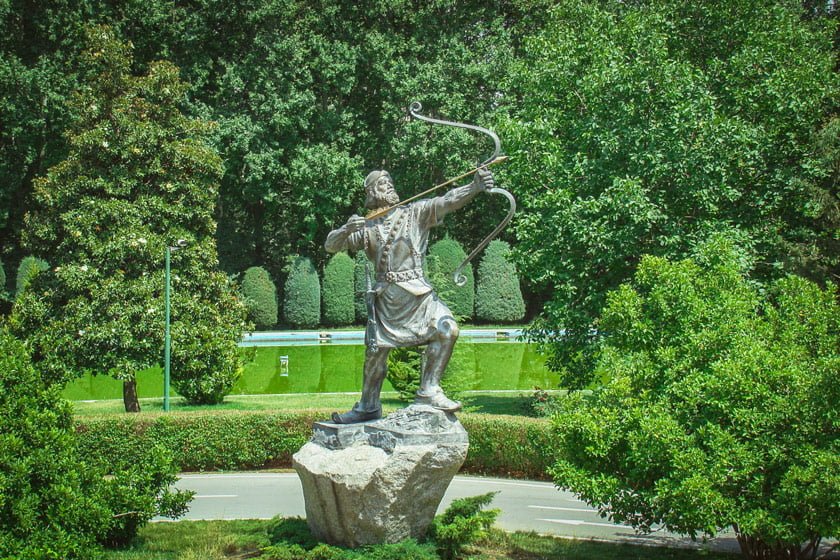
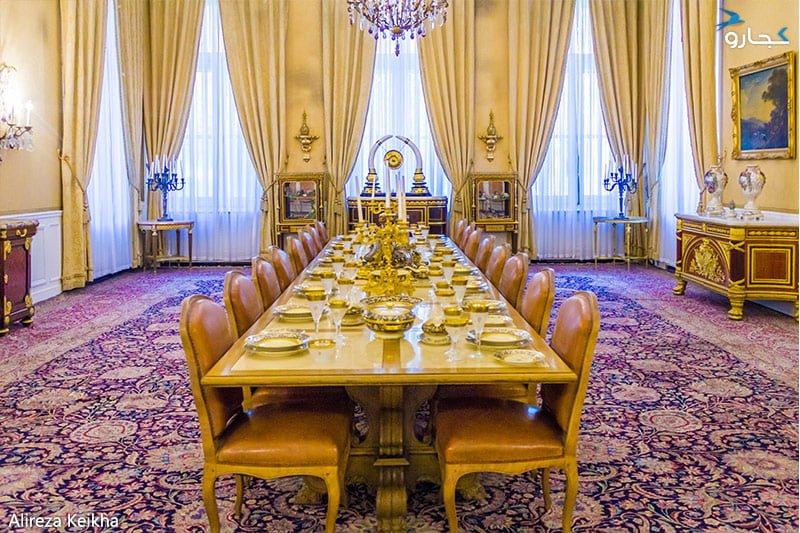
Saadabad Palace

The Saadabad Palace-Museum is, in fact, the last royal palace of Iran. Initially, the Qajar dynasty used to reside in the palace. Later on, the palace was expanded before it turned into the residence of Reza Shah in 1921. His son, Mohammad-Reza, also moved there in 1971. After the victory of the Islamic Revolution of Iran in 1979, the palace turned into a museum. There is a building next to the palace which belongs to the Islamic Republic of Iran’s Presidential Office; and is used to receive foreign dignitaries.


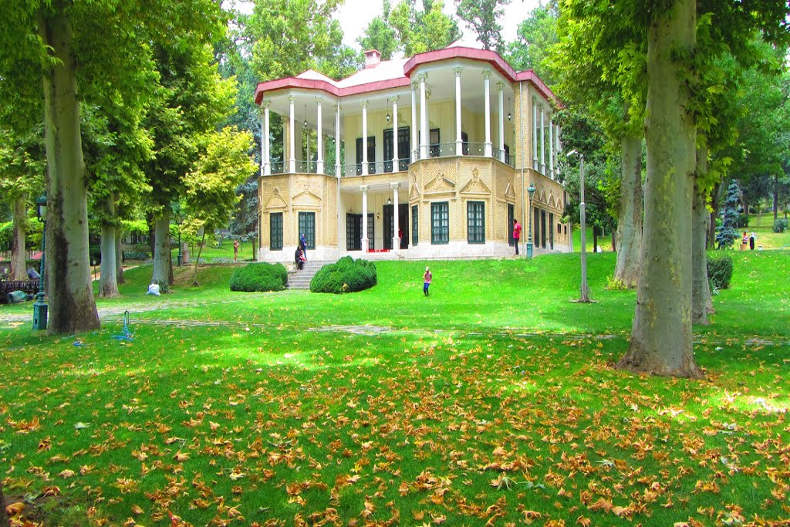
Niavaran Palace

Work began to construct the Niavaran Palace in 1958. After being stopped for some time, the construction was resumed, and finally the structure was completed in 1976. Indeed, a smaller palace used to lie on the site of the Niavaran Palace during the ruled of King Fat’hali inQajar era. It was demolished during the former king of Iran, Mohammad-Reza Pahlavi, before the Niavaran Palace was erected on its site. A palace belonging to Ahmad Shah (King Ahmad) still stands there.

A whole variety of items are on display at the Niavaran Palace’s museum; namely a collection of invaluable paintings by Iranian and foreign painters, porcelain objects, decorative items, precious clothes, and exquisite Persian carpets, among other things.

Among the most invaluable museum’s carpets on show is one called the Carpet of Celebrities. It depicts dozens of Iranian kings beside renowned international figures plus ancient Persian manuscripts.


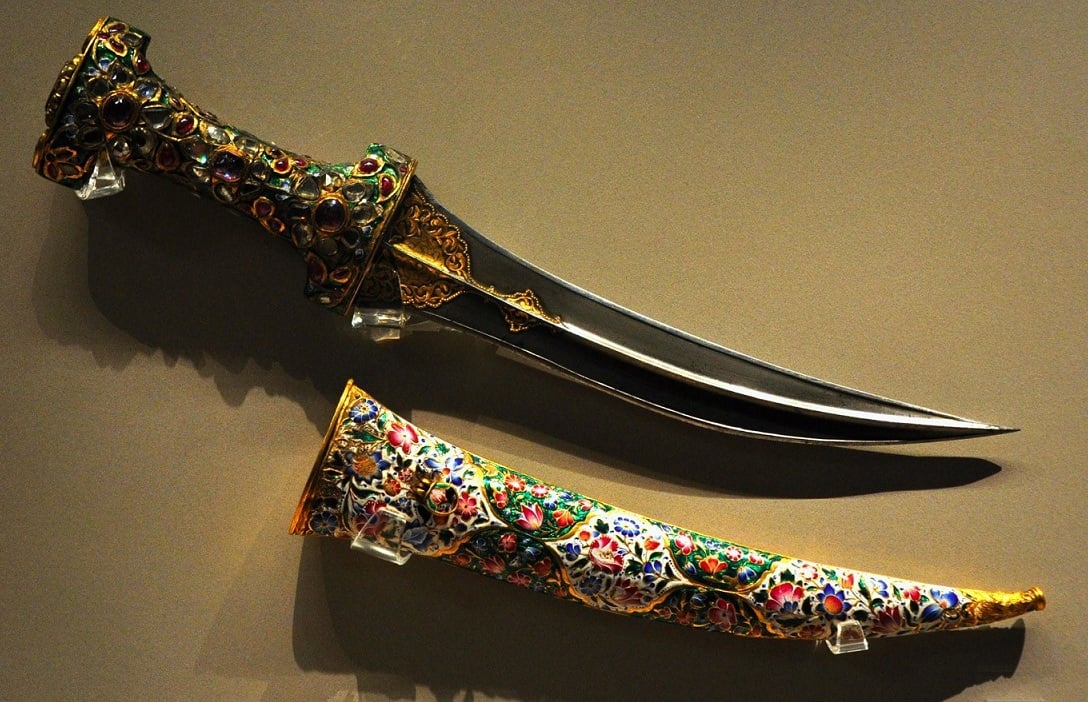
Museum of National Jewellery

The Iranian law urged the authorities to move most of the jewellery in royal palaces to the Central Bank of Iran in 1937. The collection was later put on public display as of 1943. After that, the jewellery was moved to another location in the capital on Ferdowsi Street in downtown Tehran in 1960, which is turned into a museum.

Museum of National Jewellery, Tehran


Geology Museum

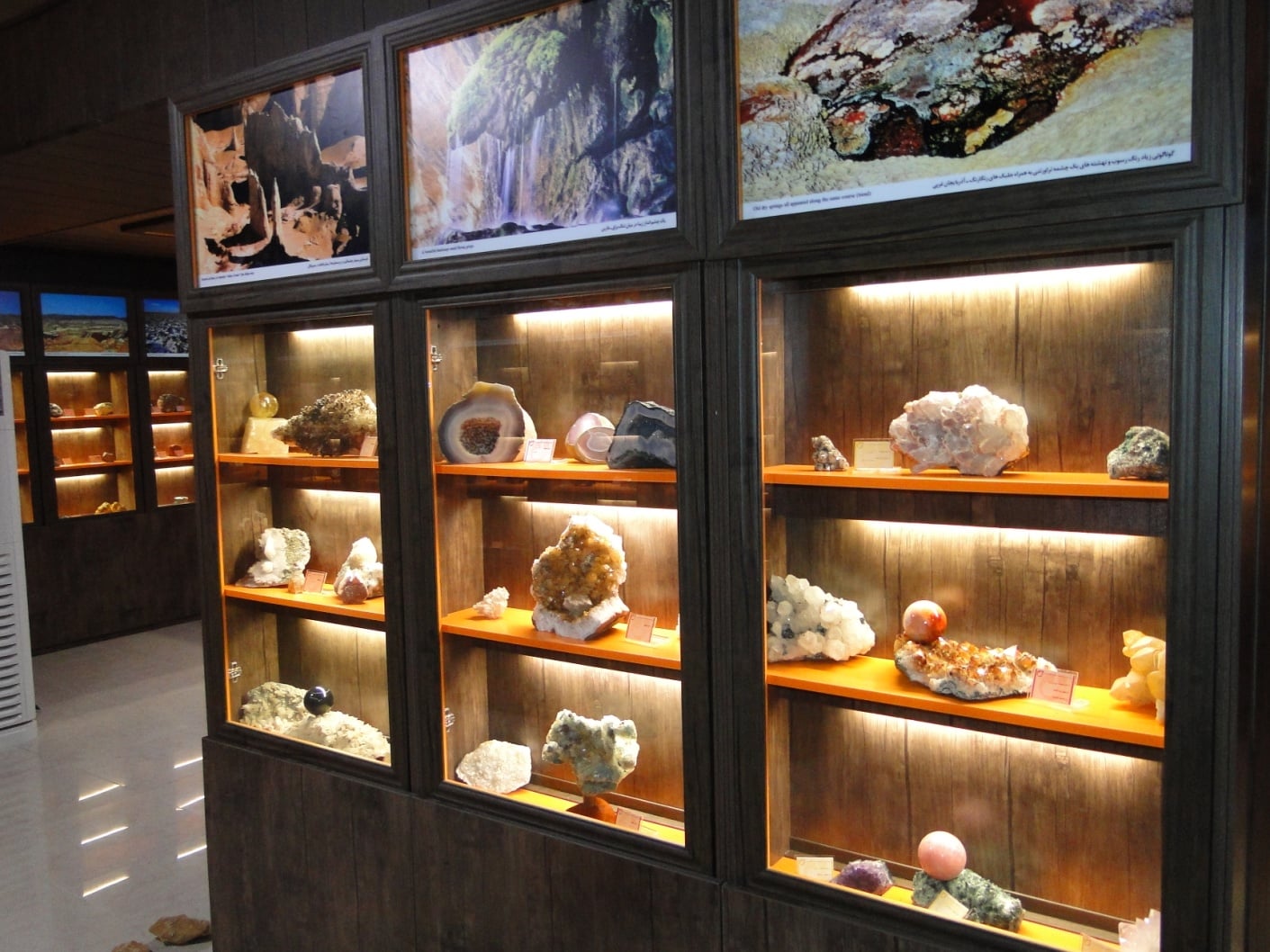
This museum is one of four divisions of the Iranian Geology Organization. The museum opened in 1966 thanks to efforts by several geology researchers. It includes four sections: ancient tools and mining equipment, rocks, minerals and fossils. The museum is located at Tehran Mehrabad International Airport.

Geology Museum, Tehran


Reza Abbasi Museum

It opened in 1986 and was named after renowned painter of the Safavid era, Reza Abbasi. The museum has four permanent exhibition halls showcasing different items, including items belonging the pre-Islamic era, paintings and calligraphy works. Other than a library on the third floor, there is a temporary exhibit on the ground floor. The works of art belonging to the contemporary era are put on show in the latter.

Reza Abbasi Museum, Tehran

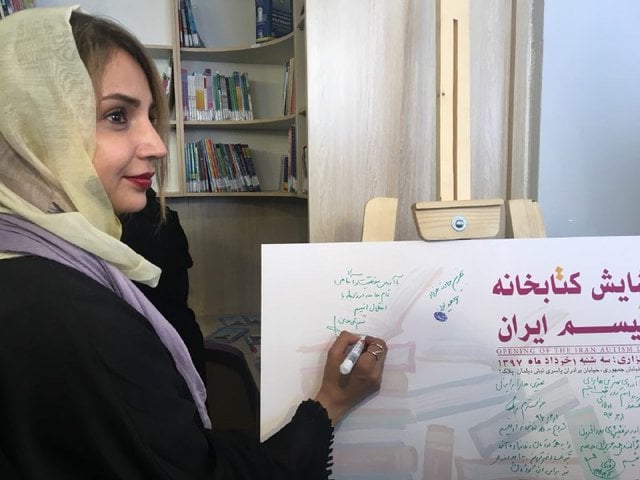
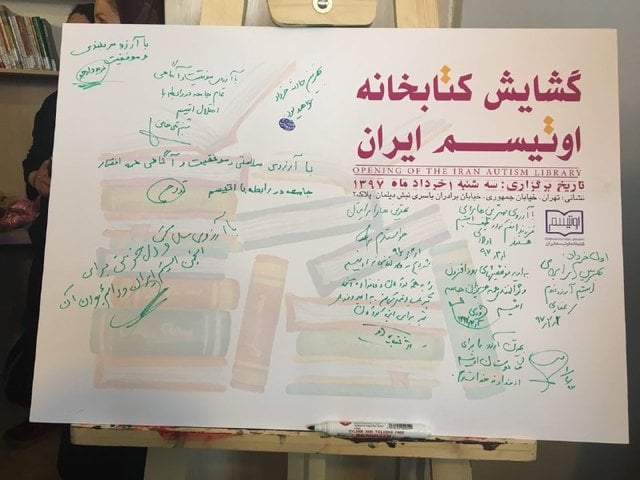
Iran Opens Its First Autism Library

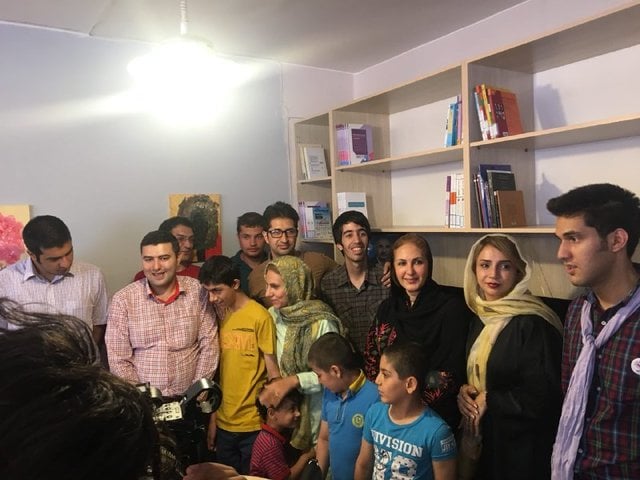
Saeedeh Saleh Ghaffari, the head of the association, said in an address to the opening ceremony on Tuesday that the library will help autistics boost their knowledge regarding their disease, as it owns a vast collection of autism books.

Saleh Ghaffari said official figures by Iran’s welfare organization say seven to eight thousands of Iranians suffer from autism, but she believes the real number of Iran’s autistic population could be up to ten thousand, ISNA reported.

Iran Opens Its First Autism LibraryAccording to a figure announced by the World Health Organization in 2013, reviews across the world estimate one child in 160 has an autism spectrum disorder.
Saleh Ghaffari said in Iran the rate is higher than the global average and this has aggravated problems of the association, which works to empower families of autism patients.

The head of the association said one of the basic problems facing Iran’s autistic population is a lack of understanding among people on how to treat them and accept them in the society.

“Autistic patients should be able to show themselves in the society,” he said.

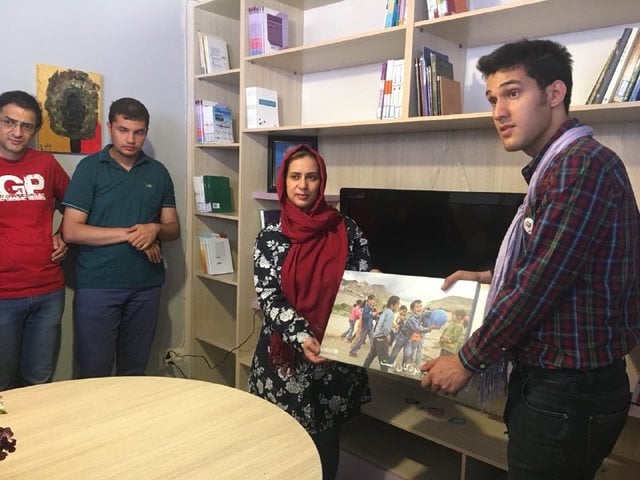
The library, an initiative by an autistic member of the association, will be run by autistics themselves.

The building of the library was offered to the association by a Tehran donor.

Several celebrities, including actors Shabnam Qolikhani and Fatemeh Goudarzi, as well as a UNICEF representative, attended the opening ceremony.

Iran Opens Its First Autism LibraryAutism, or autism spectrum disorder (ASD), is defined as a wide range of conditions characterized by challenges with speech and nonverbal communication, repetitive behaviors and social skills. ASD is a “spectrum condition” that affects individuals differently and to varying degrees.
Lack of or delay in spoken language, lack of spontaneous or make-believe play, lack of interest in peer relationships, and persistent fixation on parts of objects are among other signs of this disorder.

Awareness about autism is growing in Iran through TV shows and educational campaigns. But families still struggle without any outside help and worry about the future when they are gone.

Iran Opens Its First Autism Library

Railway Electrification Project in Iran Not Subject to US Sanctions: Russia

According to the company’s CEO Oleg Belozerov, the Russian company “will be engaged in electrification which is related directly to railway transport.”

Speaking in an interview with Sputnik, he said, “We believe that this is a completely civilian project that does not fall under the [US] sanctions, but we are clarifying it.”

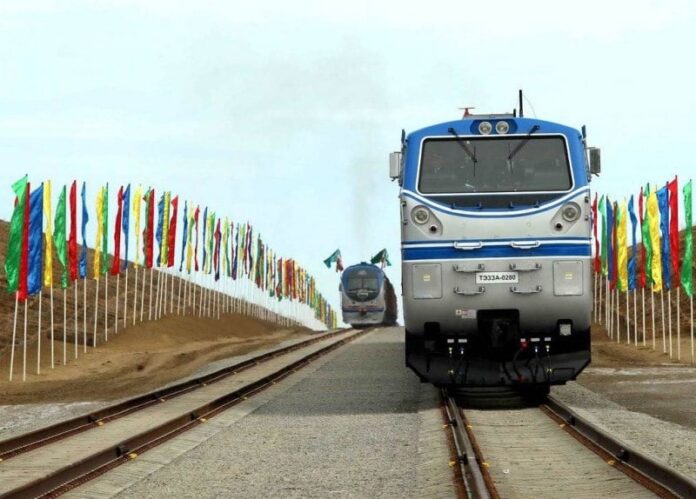
Belozerov recalled that Russian Railways had signed a contract and is preparing for the electrification of the Garmsar-Ince Burun railway line with the supply of track equipment and 40 locomotives.
The project is estimated to cost 1.2 billion euros ($1.41 billion). It will be financed from the Russian government’s state export credit to the government of Iran.

The work is scheduled to begin in July 2018.

In 2012, Russian Railways had completed one project in Iran — the electrification of the Tabriz-Azarshahr railway line.

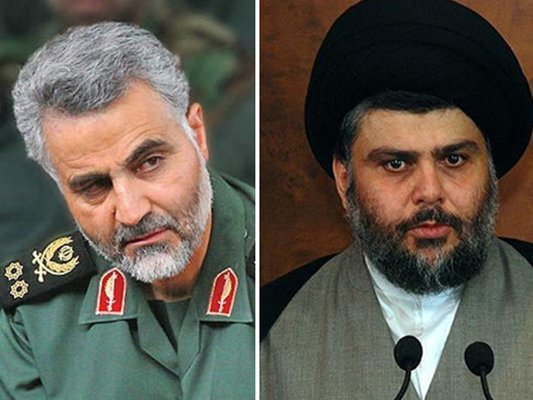
General Soleimani Likes Muqtada al-Sadr Very Much: Iran Envoy

General Soleimani Likes Muqtada al-Sadr Very Much: Iran Envoy

Speaking in an interview with IRNA in Baghdad, Masjedi dismissed speculation about a discord between Tehran and the anti-American cleric, describing al-Sadr as a “dear and influential friend and brother” of the Islamic Republic who is very much liked by many Iranian officials including General Soleimani.

Masjedi congratulated the political bloc led by al-Sadr on winning the highest number of parliamentary seats in the recent elections, saying that Iran “welcomes and supports the will of the Iraqi people”.

“Sayyid Muqtada al-Sadr is a dear and influential friend and brother in our friend and neighboring country, Iraq,” he added.

Masjedi also lauded what he called “age-old and deep-rooted relations” between Iran and Sadr, saying the Islamic Republic had also close ties with the late father and uncle of the prominent cleric.

Highlighting Iran’s “warm and friendly ties” with Iraqi people of different strata, the ambassador underlined that Tehran has “constructive relations with all (Iraqi) groups and coalitions which have won the majority of seats” in the parliamentary election.

His comments came after al-Sadr’s Sairoon coalition took 54 out of 328 seats in the May 12 parliamentary election in Iraq, Tasnim reported

With no bloc winning the 165 seats required for an outright majority, negotiations to form a coalition government in Iraq are expected to drag on for weeks.
In comments in April, Muqtada al-Sadr expressed readiness to resolve some disputes between Iran and Saudi Arabia.
In July 2017, Sadr made a rare visit to Saudi Arabia and met the crown prince and other officials in the Red Sea port city of Jeddah.

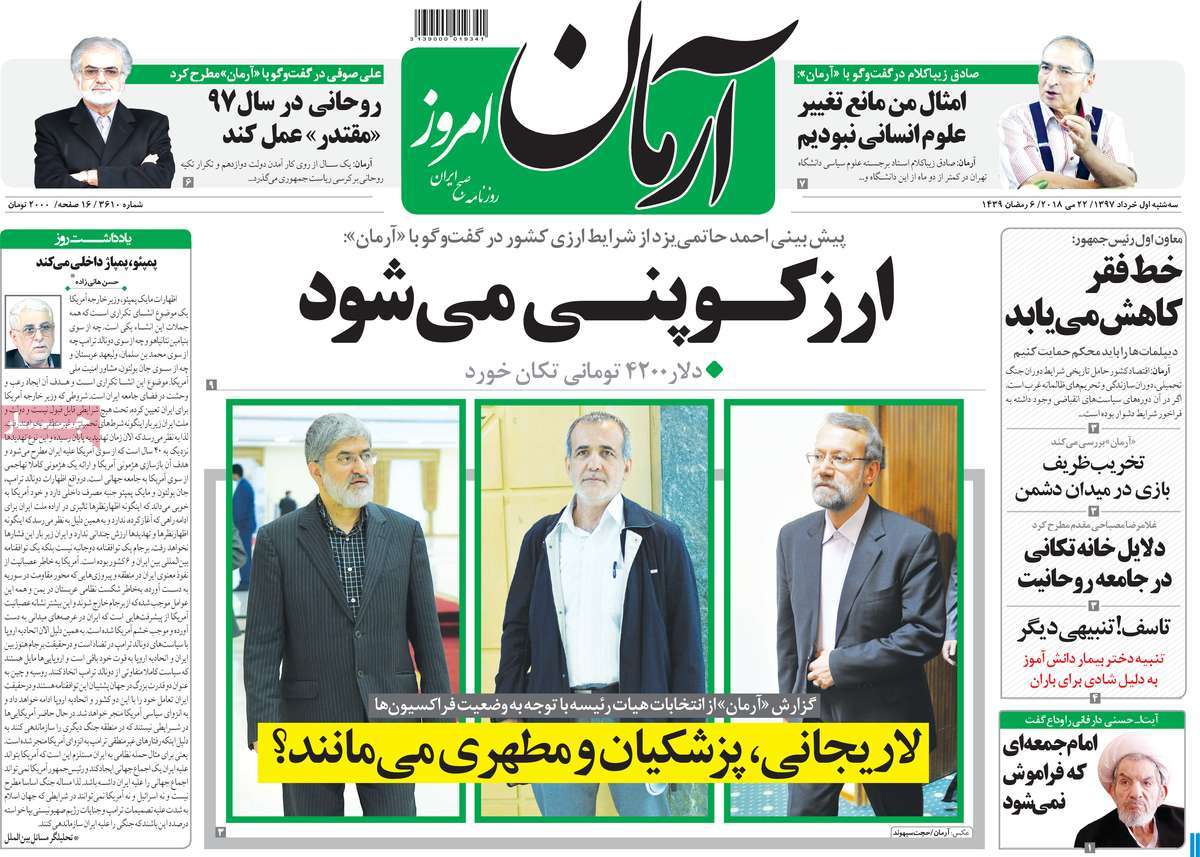
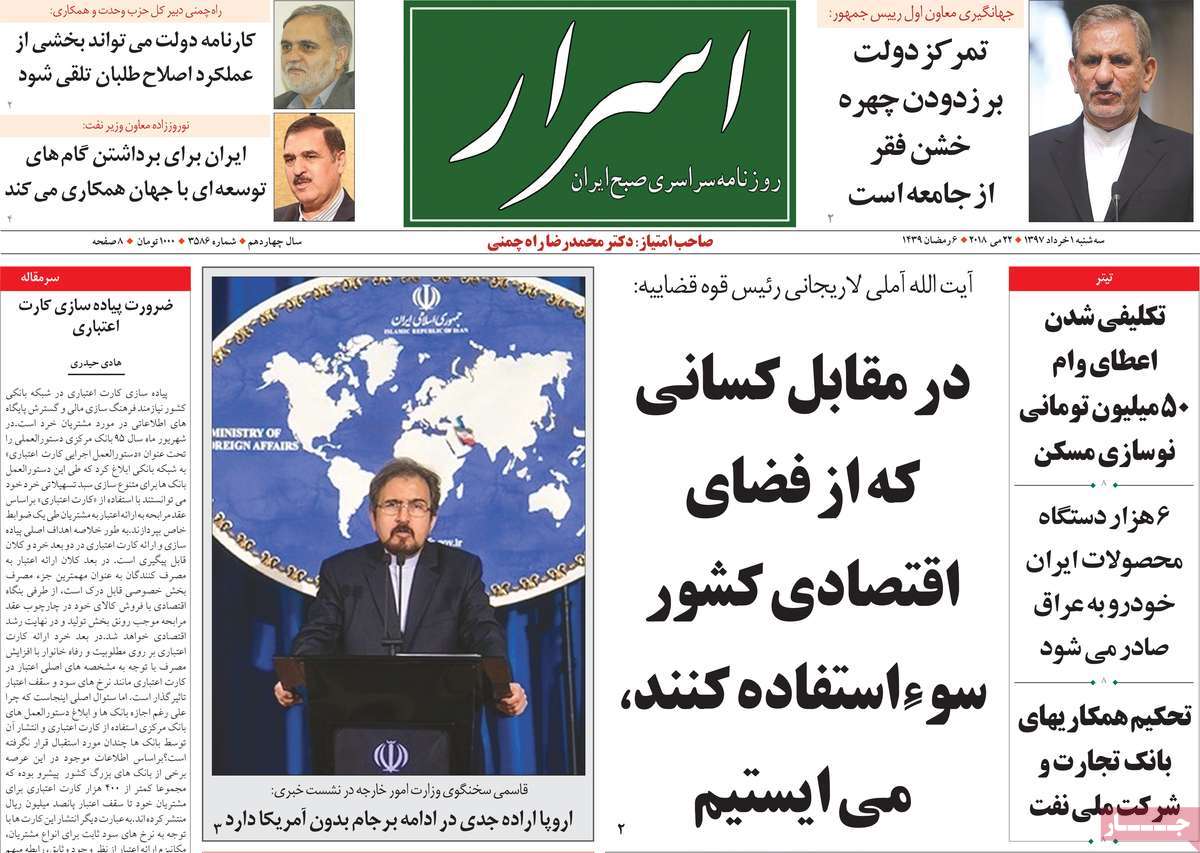
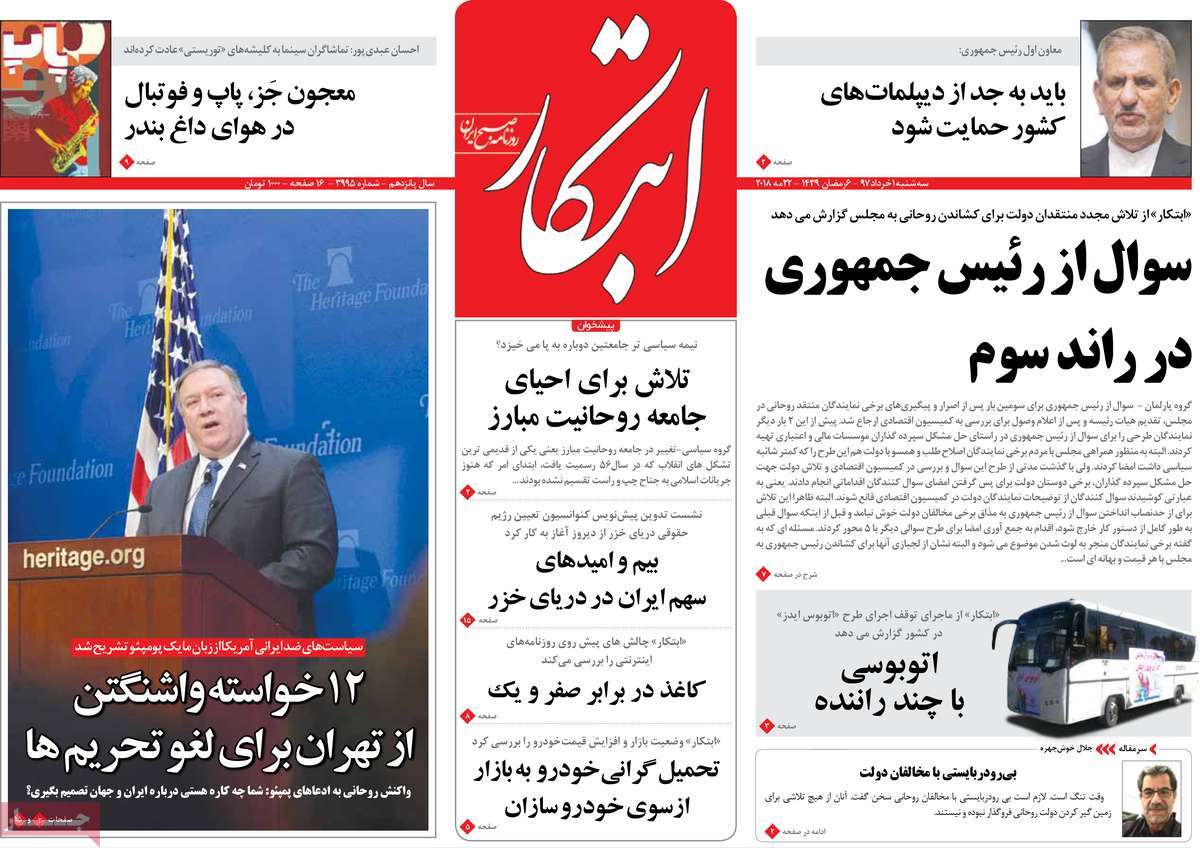
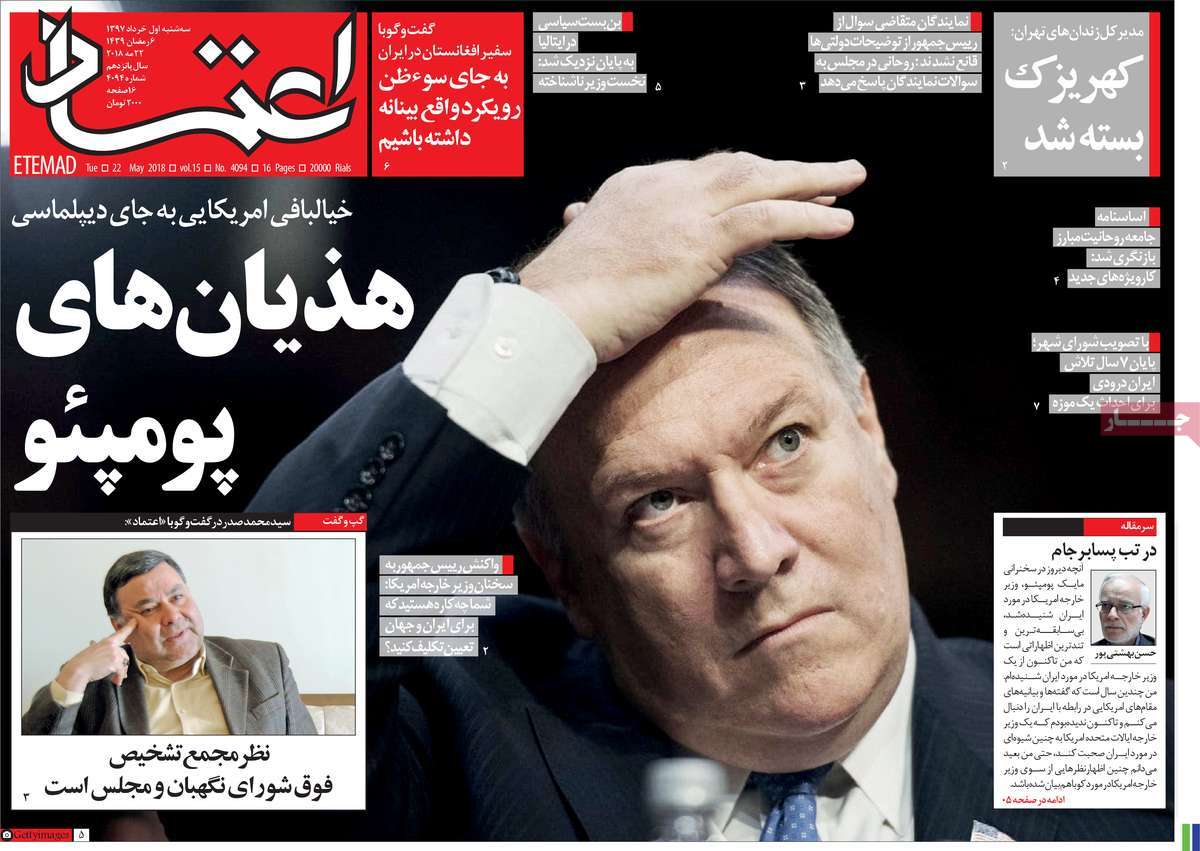
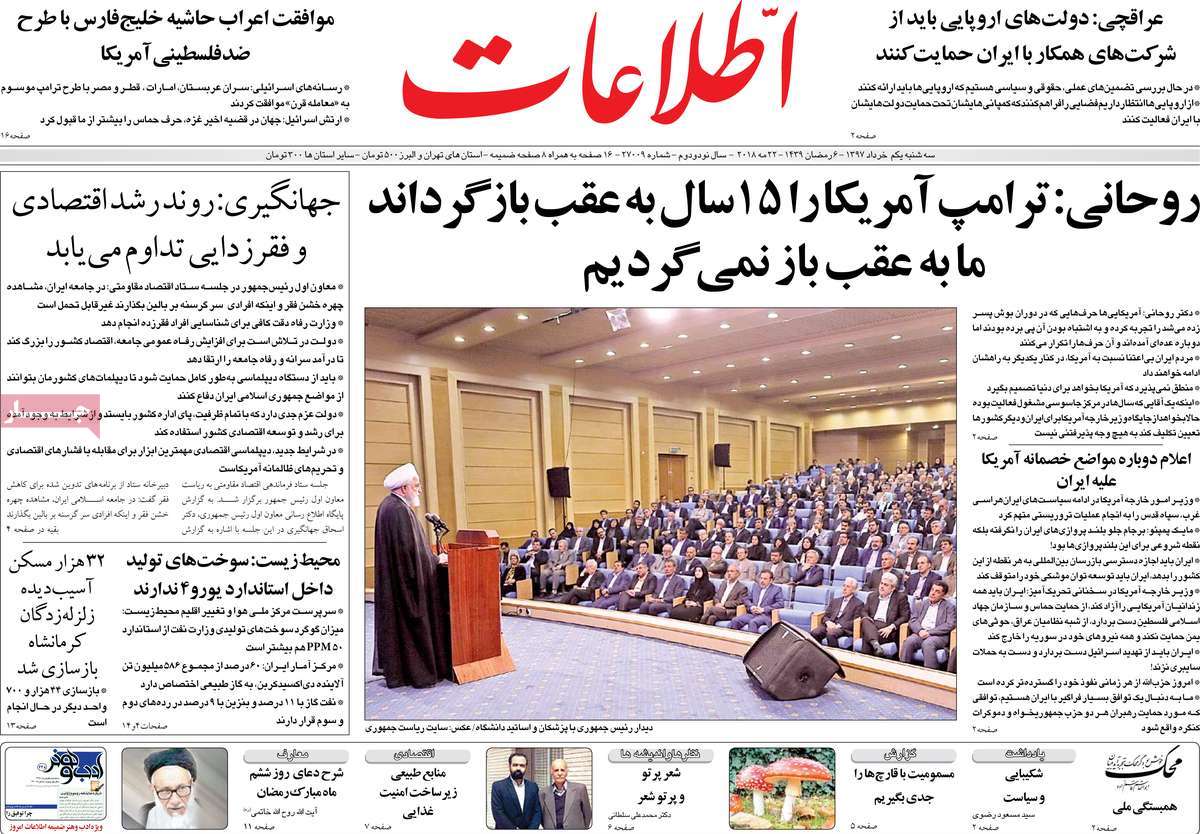
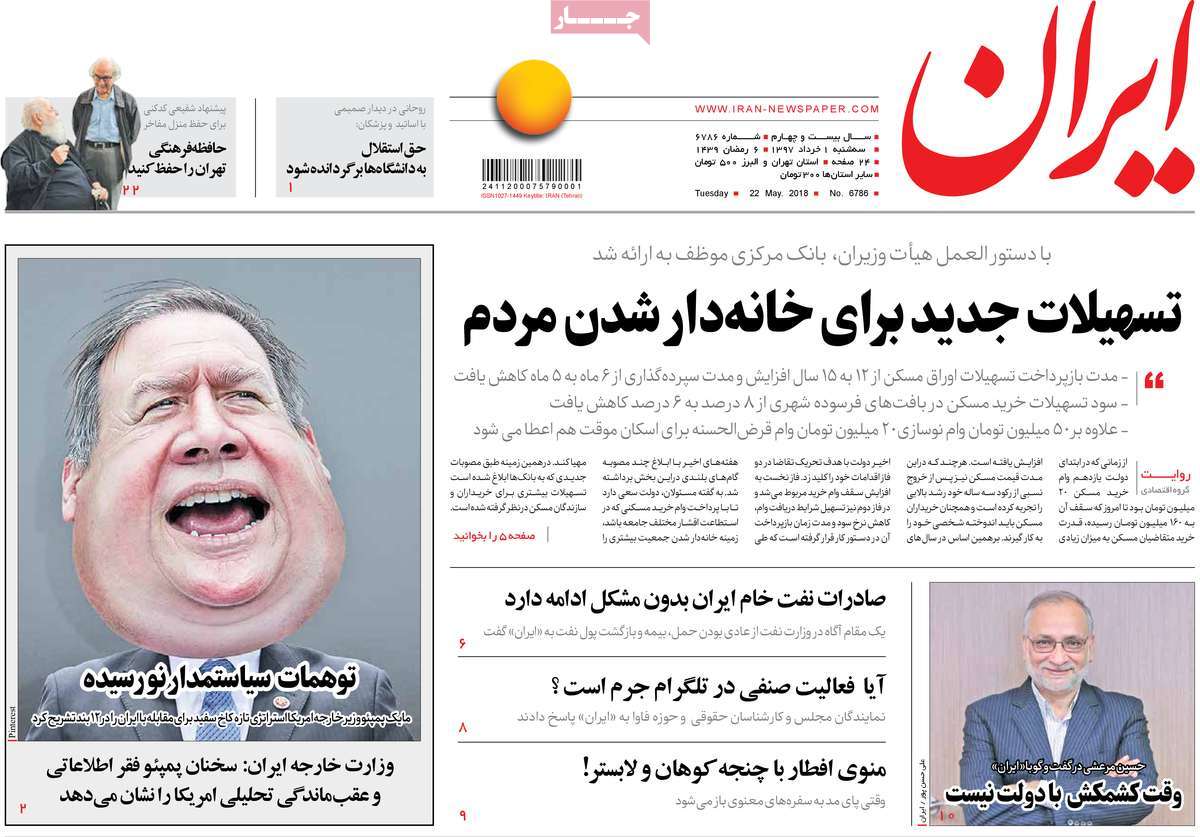
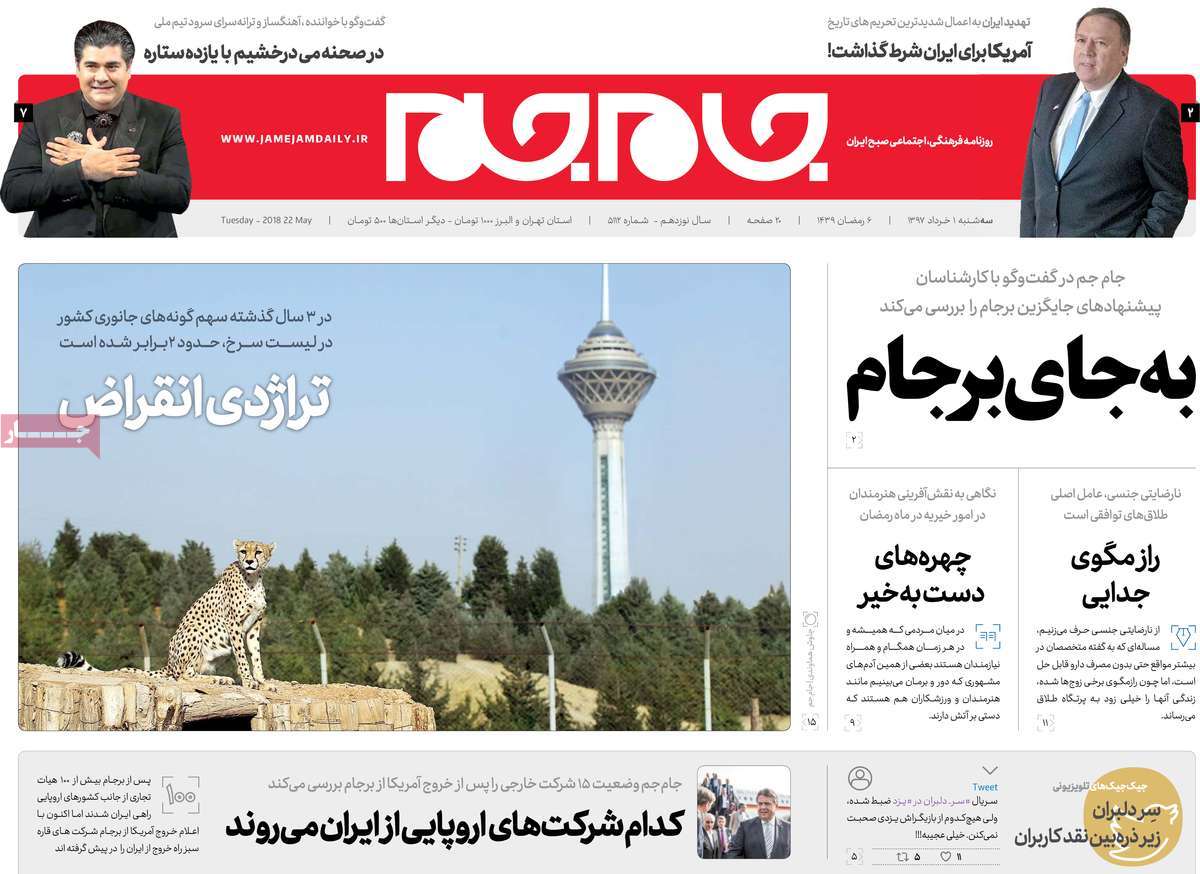
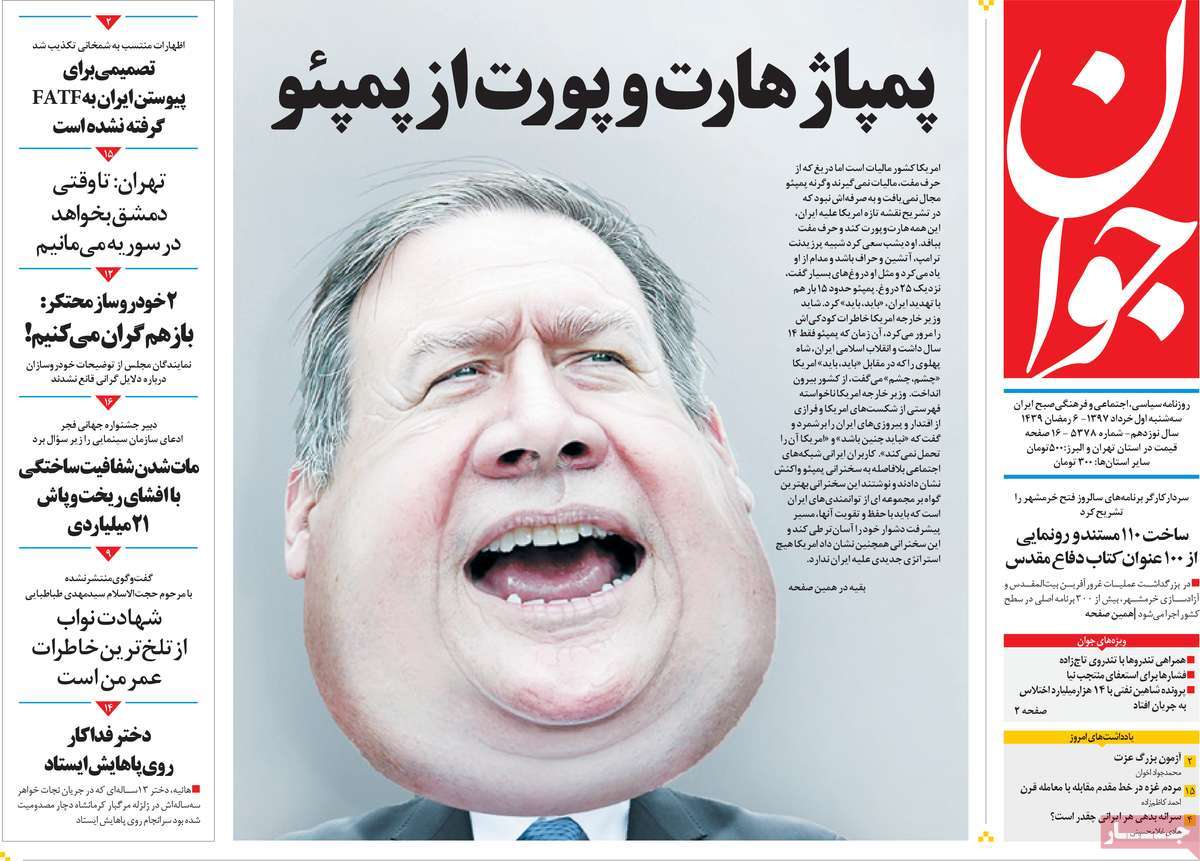
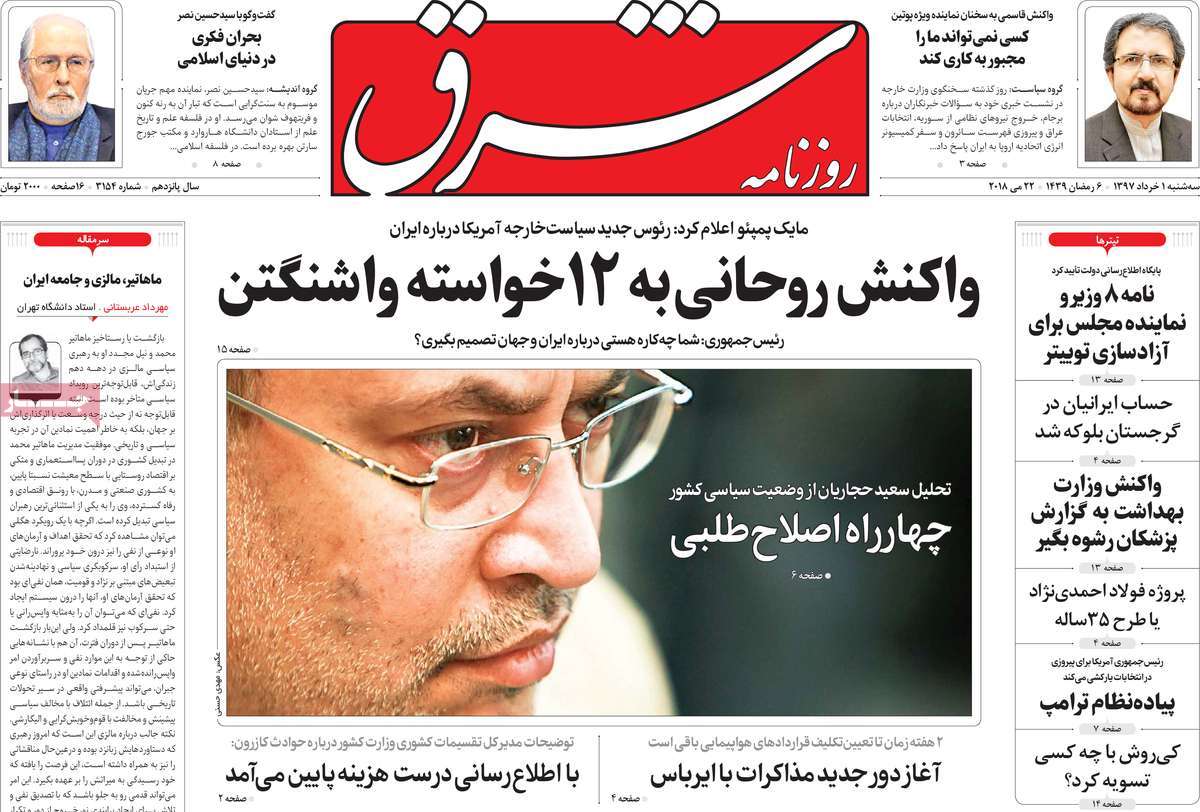
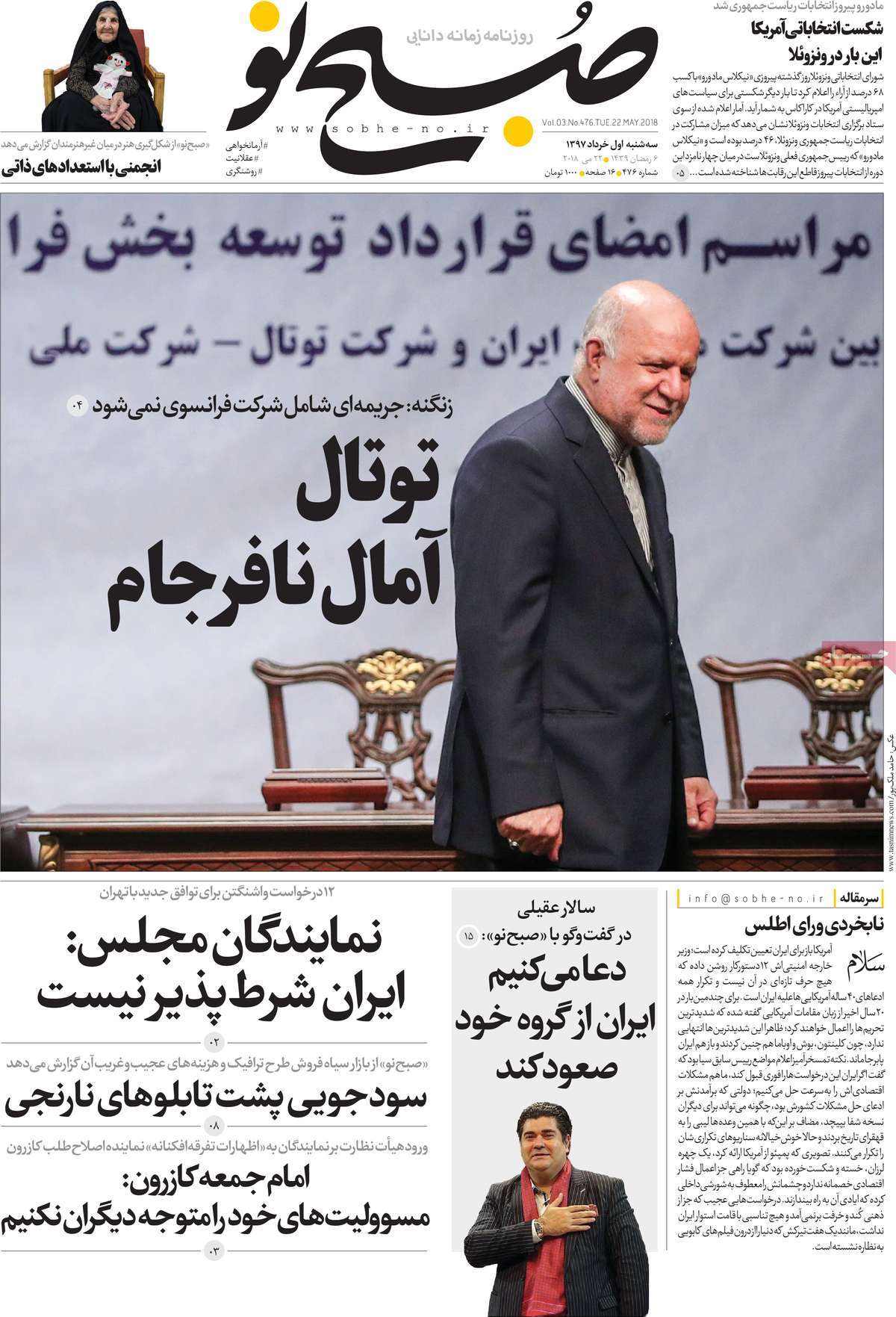
A Look at Iranian Newspaper Front Pages on May 22

A Look at Iranian Newspaper Front Pages on November 19

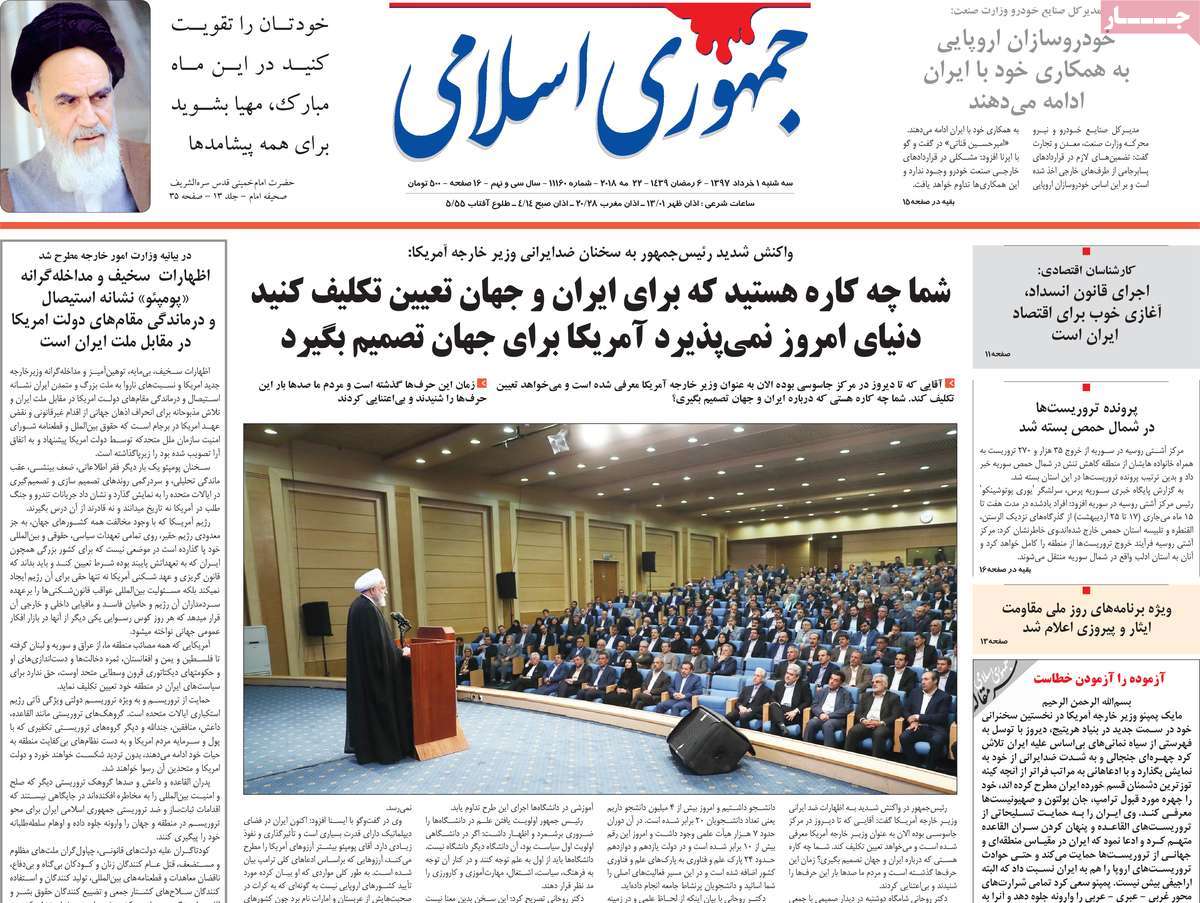
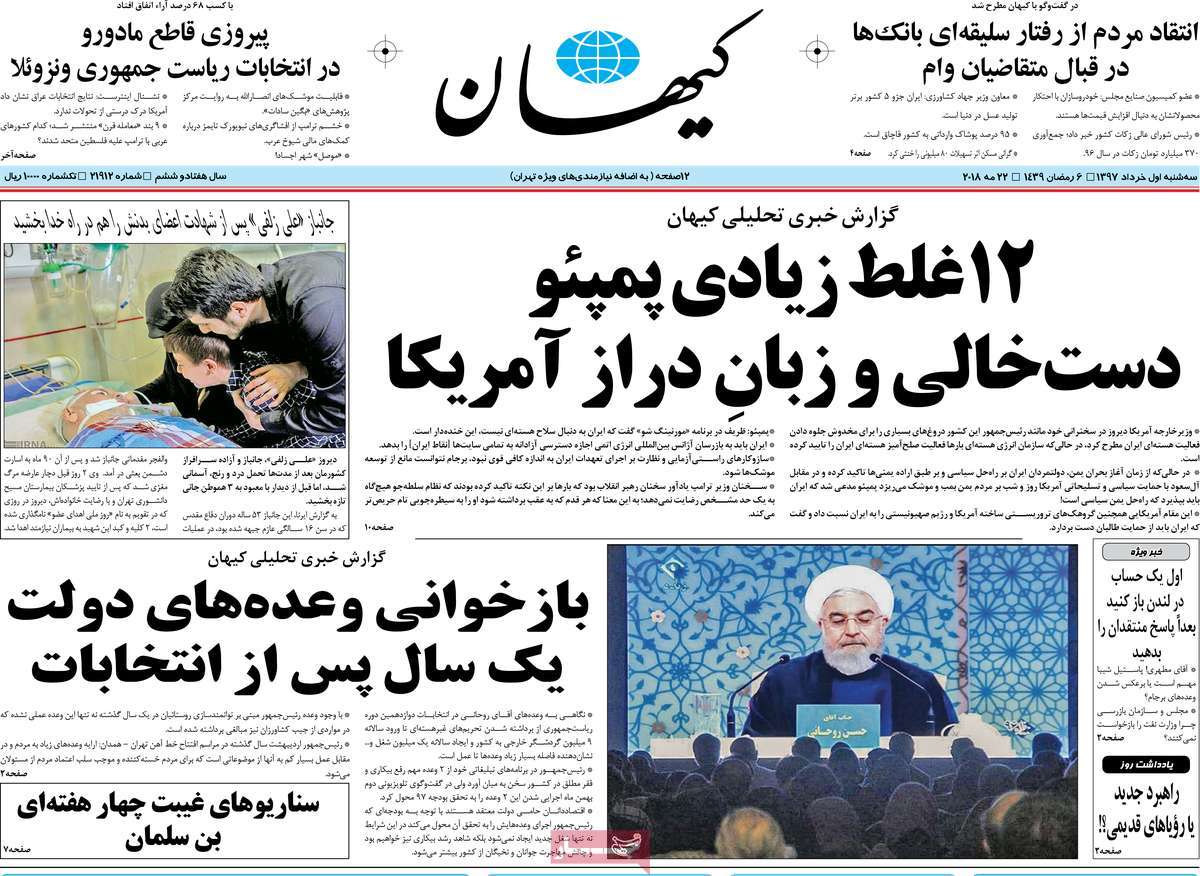
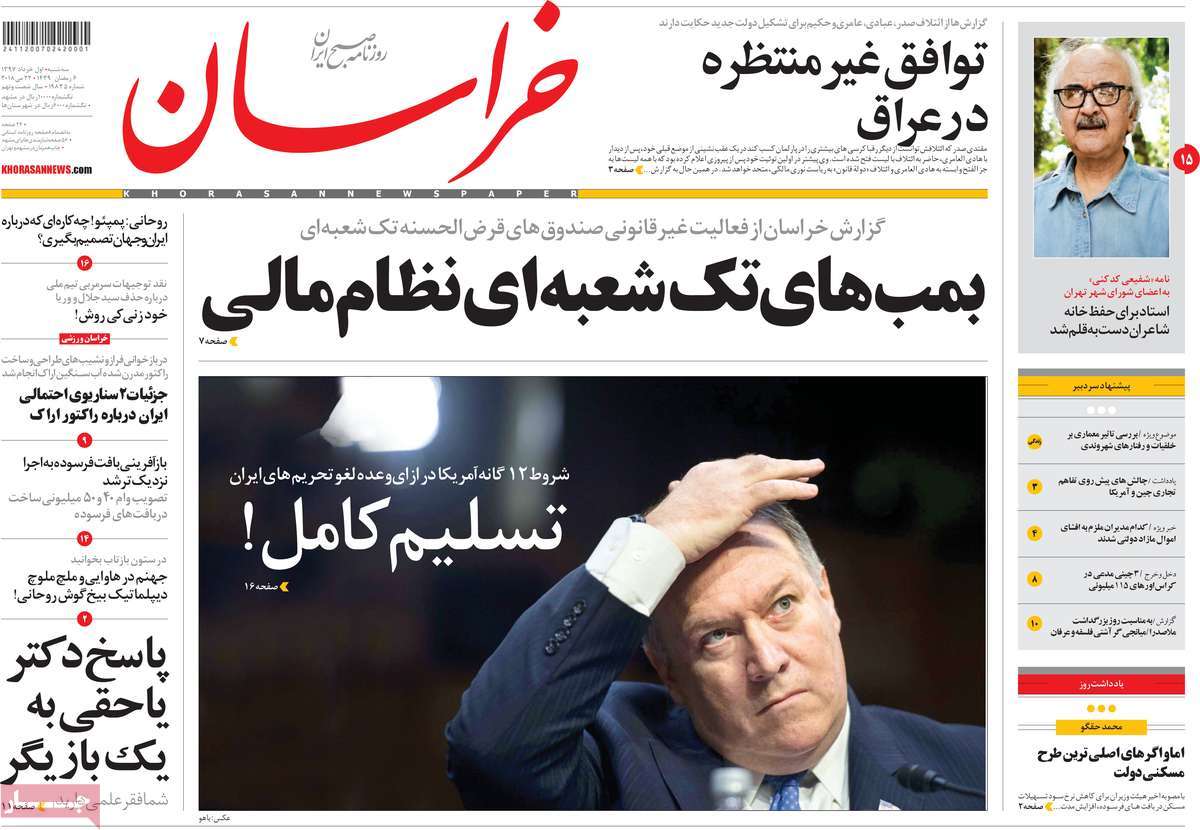
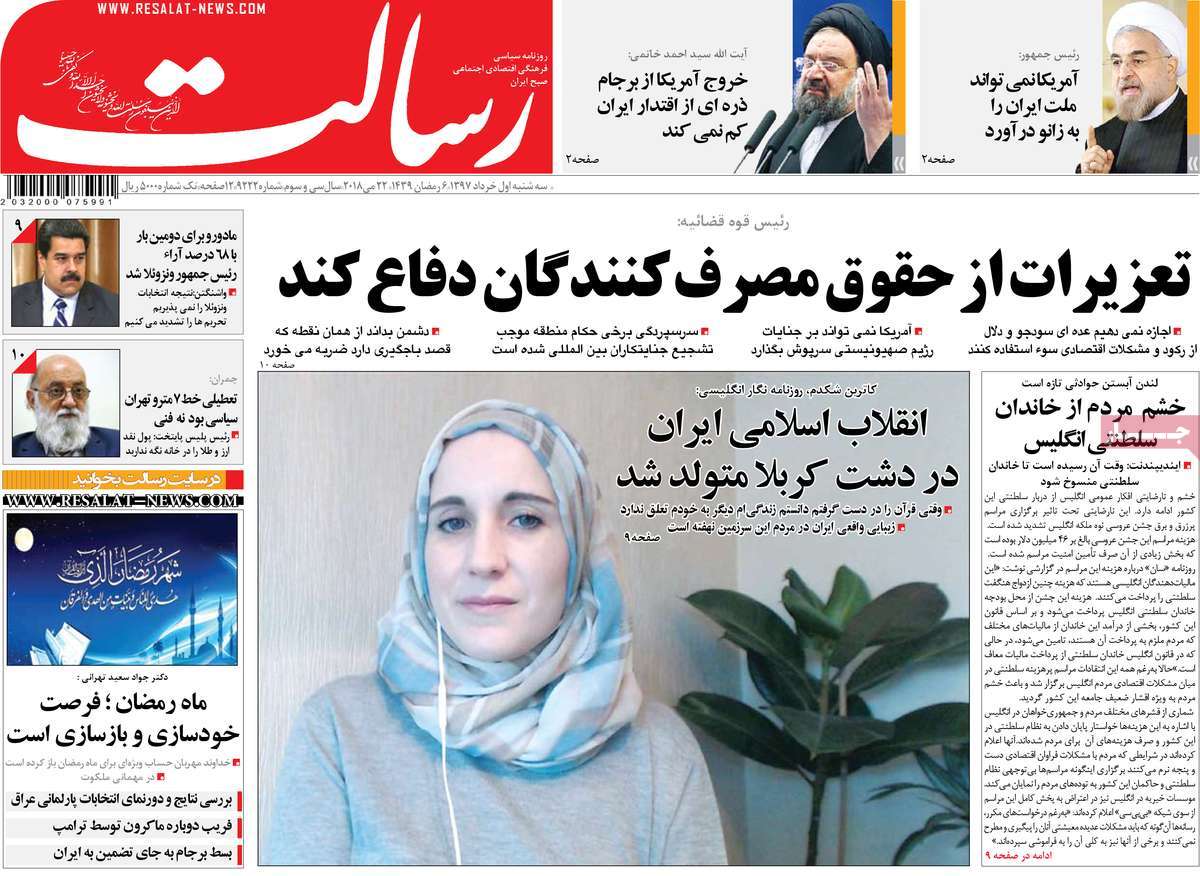
The top story in almost all papers today was the new Iran strategy declared by US State Secretary Mike Pompeo, in which he urged Iran to fulfil 12 requirements if it wants US sanctions lifted.

Iranian President Hassan Rouhani’s reaction to Pompeo’s comments, as well as the statement released by the Iranian foreign ministry to denounce the strategy, also received great coverage.

Several papers also released articles discussing the repercussions of the upcoming return of US sanctions, particularly the fate of Iran’s deals with Airbus and ATR to buy passenger planes.

The above issues, as well as many more, are highlighted in the following headlines and top stories:


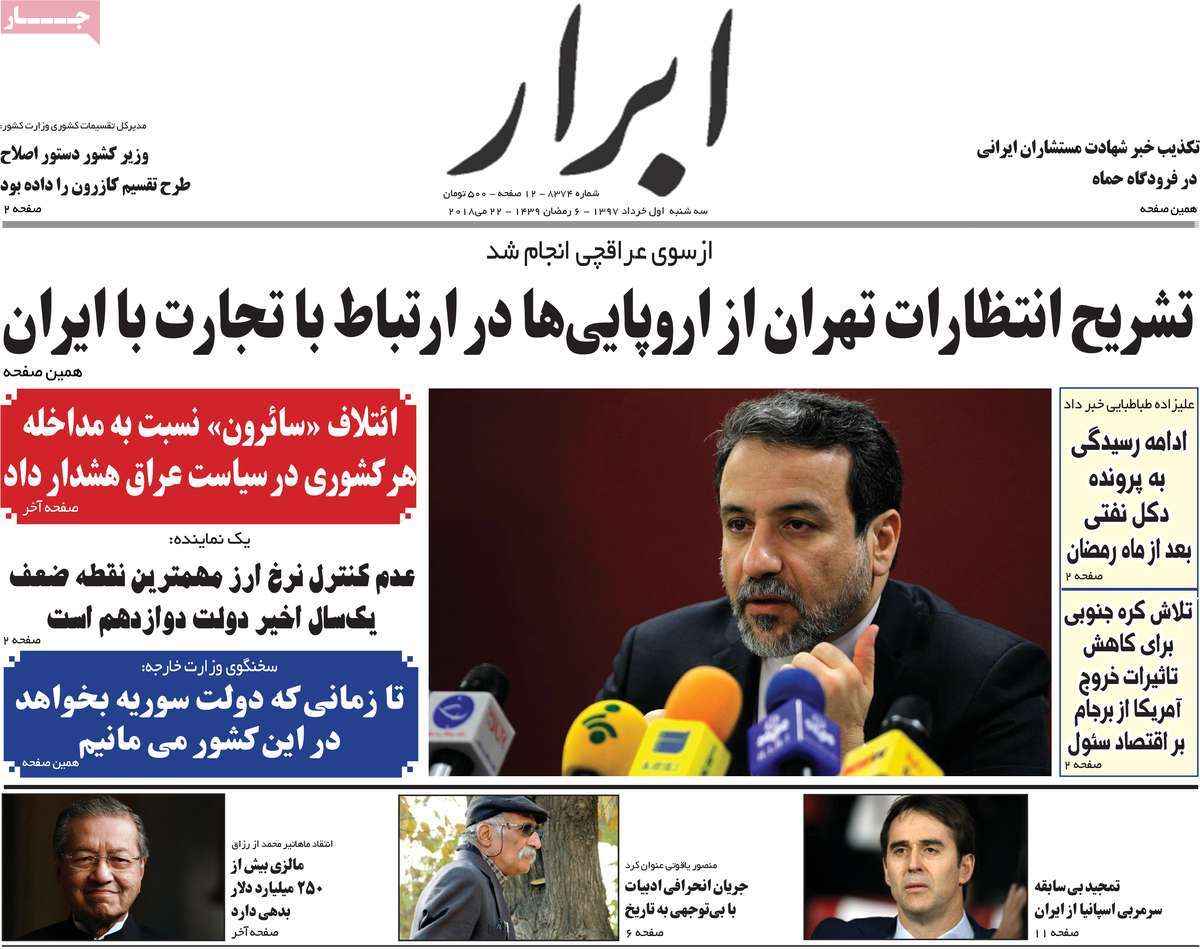
Abrar:

1- Araqchi Elaborates on Tehran’s Expectations from Europeans on Trade

2- Spain Head Coach Admires Iran Football Team

A Look at Iranian Newspaper Front Pages on May 22


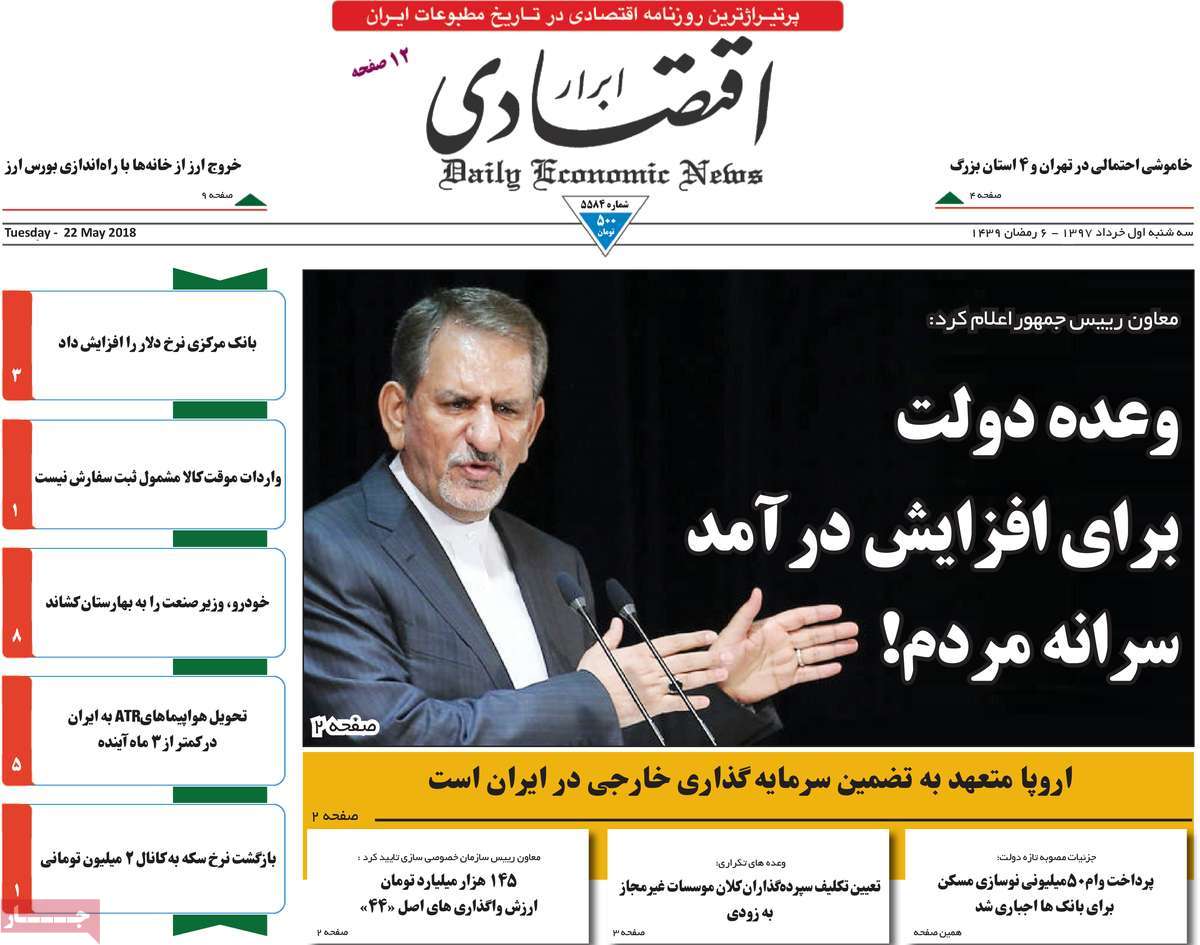
Abrar-e Eqtesadi:

1- Iran to Receive ATR Planes in Less than 3 Months

A Look at Iranian Newspaper Front Pages on May 22


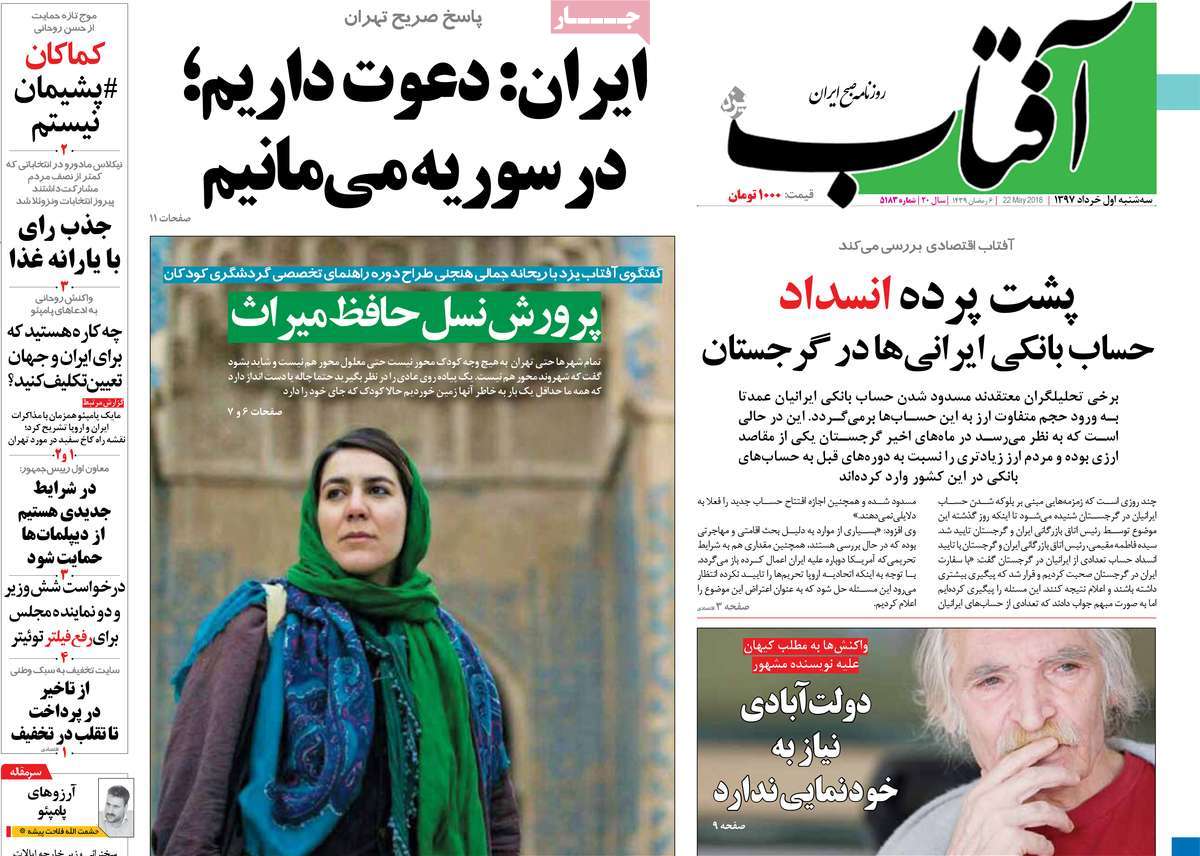
Aftab-e Yazd:

1- Tehran’s Straightforward Answer

  • We’ve Been Requested to Be in Syria, We’ll Stay There

2- Secrets behind Closure of Iranians’ Bank Accounts in Georgia

3- 6 Ministers, 2 MPs Call for Unblocking Twitter

A Look at Iranian Newspaper Front Pages on May 22


Arman-e Emrooz:

1- Iran VP: Poverty Line to Be Lowered

A Look at Iranian Newspaper Front Pages on May 22


Asrar:

1- Iran Foreign Ministry Spokesman: Europe Resolved to Keep JCPOA without US

A Look at Iranian Newspaper Front Pages on May 22


Ebtekar:

1- Washington’s 12 Demands from Tehran to Lift Sanctions

2- Rouhani’s Reaction to Pompeo: Who Are YOU to Decide for Iran, World?

A Look at Iranian Newspaper Front Pages on May 22


Etemad:

1- Pompeo Seems Delirious

  • American Wishful Thinking instead of Diplomacy

A Look at Iranian Newspaper Front Pages on May 22


Ettela’at:

1- Rouhani: US Regressed to 15 Years Earlier under Trump

2- Persian Gulf Arab States Agree on US’ Anti-Palestine Plan

3- Araqchi: European Governments Must Support Companies Working with Iran

A Look at Iranian Newspaper Front Pages on May 22


Iran:

1- Informed Source: Iran’s Crude Oil Exports Going on without Problem

2- Novice Politician’s Illusions

  • Pompeo Explains White House’s New Strategy to Counter Iran

3- Iran: Pompeo’s Remarks Show US’ Analytical Backwardness, Lack of Knowledge

A Look at Iranian Newspaper Front Pages on May 22


Jame Jam:

1- Tragedy of Extinction: Number of Iranian Species on Red List Doubled in 3 Years

A Look at Iranian Newspaper Front Pages on May 22


Javan:

1- Pompeo Pumps Out Nonsense Remarks

A Look at Iranian Newspaper Front Pages on May 22


Jomhouri Eslami:

1- Iran President’s Harsh Reaction to US Secretary of State’s Anti-Iran Comments

  • No One Today Accepts US Makes Decision for Entire World

A Look at Iranian Newspaper Front Pages on May 22


Kayhan:

1- Pompeo Makes 12 Baseless Claims

  • US Continues Making Nonsense Comments Despite Its Empty Hands

2- Maduro Re-Elected as Venezuelan President

A Look at Iranian Newspaper Front Pages on May 22


Khorasan:

1- Surprising Deal in Iraq

  • Reports Say Sadr, Abadi, Amiri, Hakim Will Form Coalition

A Look at Iranian Newspaper Front Pages on May 22


Resalat:

1- Rouhani: US Cannot Bring Iranian Nation to Its Knees

2- British Journalist: Islamic Revolution of Iran Born in Karbala

  • Iranian People Main Source of Iran’s Real Beauty

A Look at Iranian Newspaper Front Pages on May 22


Rooyesh-e Mellat:

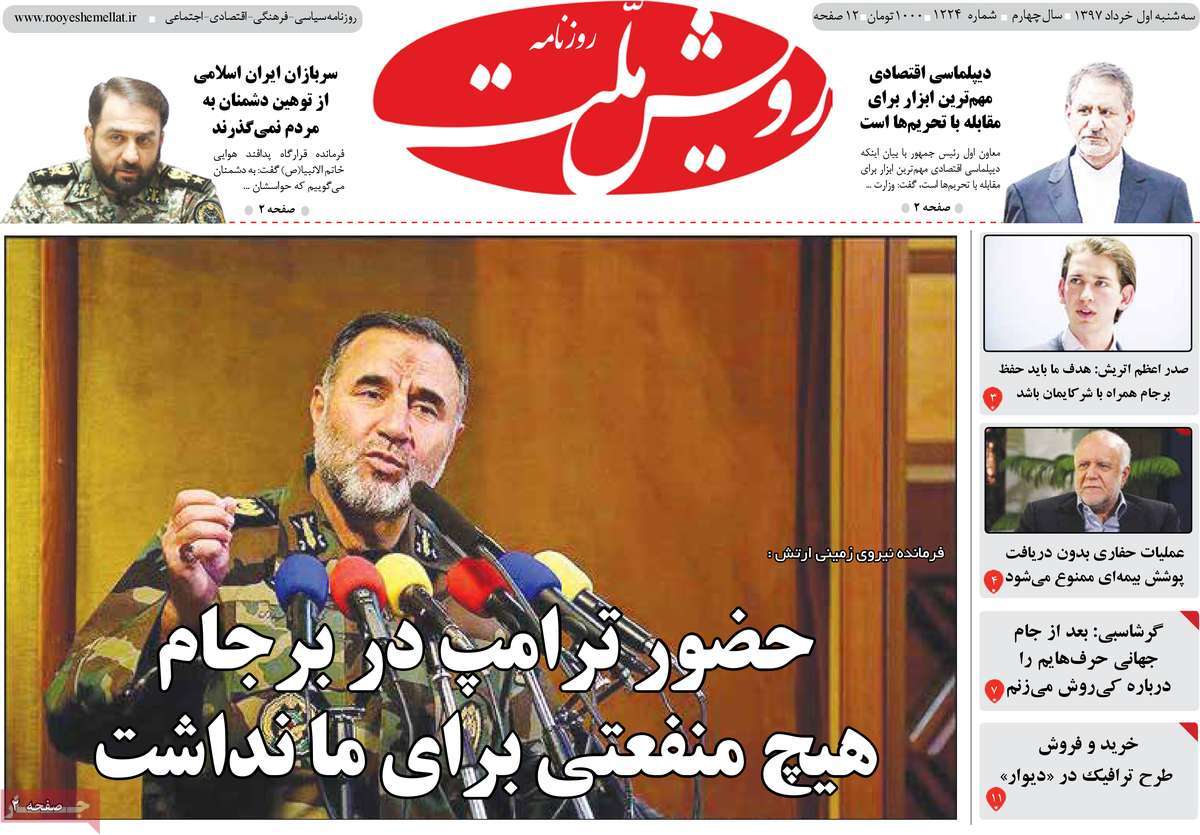
1- Army Ground Force Commander: Trump’s Presence in JCPOA Had No Benefit for Iran

A Look at Iranian Newspaper Front Pages on May 22


Saheb Qalam:

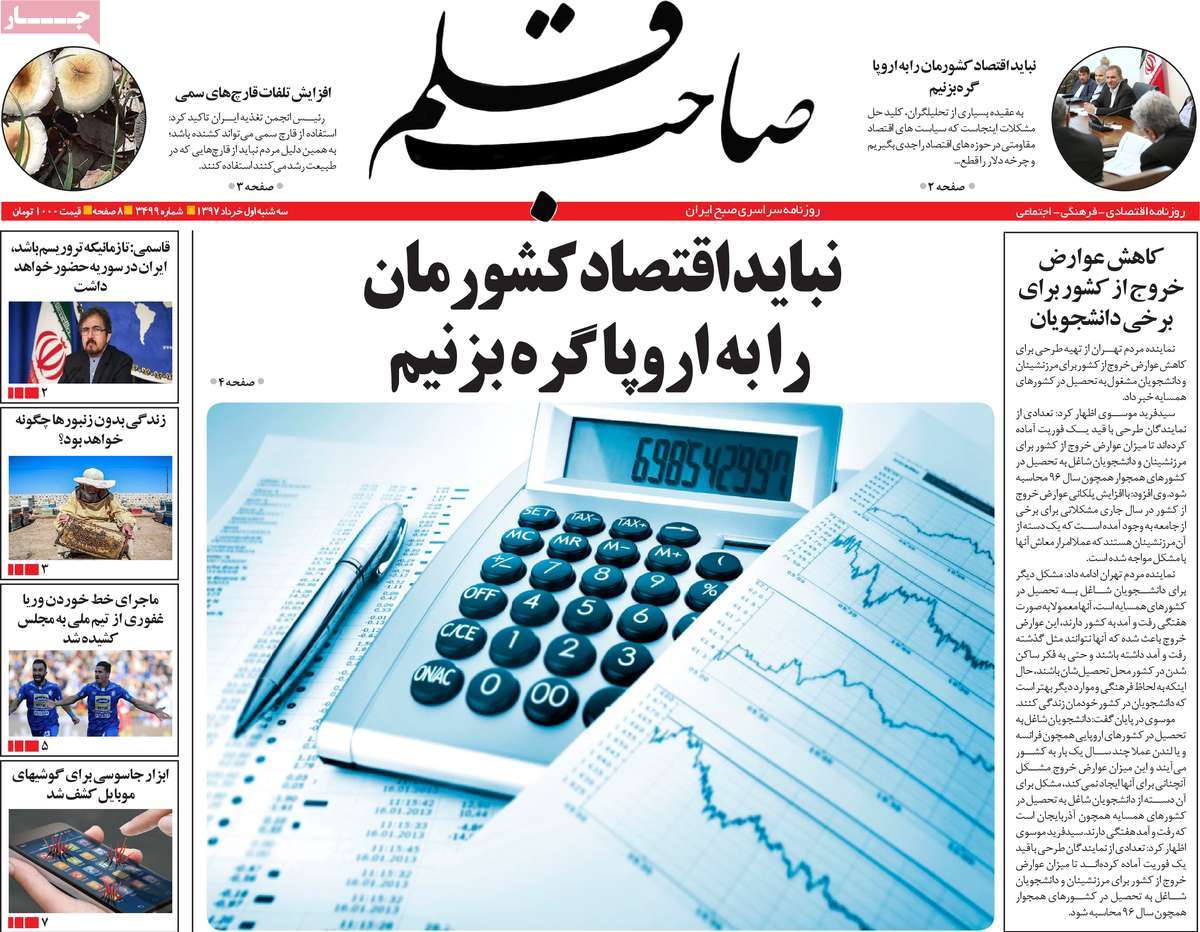
1- Economic Analyst: We Shouldn’t Tie Our Country’s Economy to Europe

A Look at Iranian Newspaper Front Pages on May 22


Sazandegi:

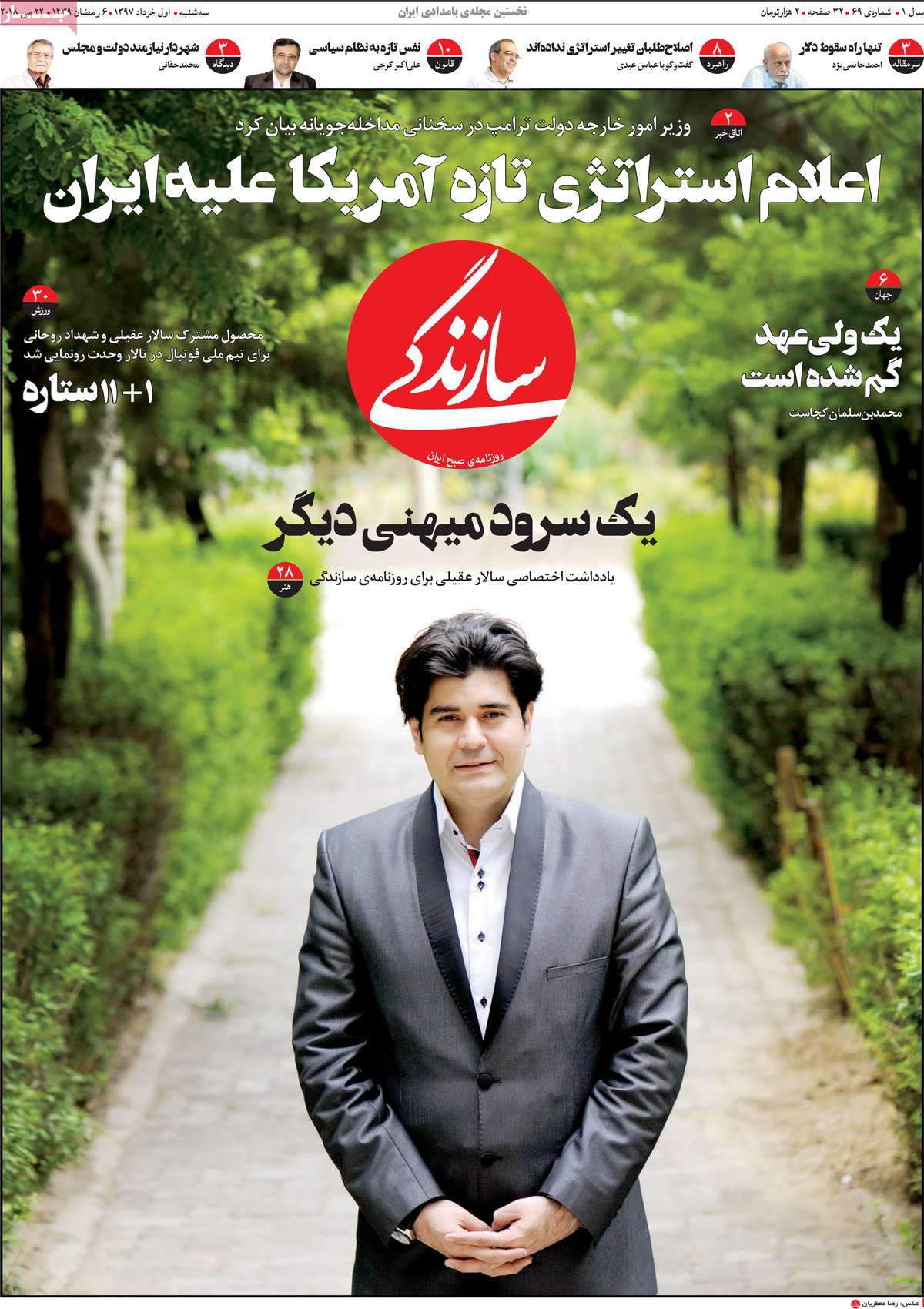
1- Trump’s State Secretary, in Interventionist Speech, Declares New US Strategy against Iran

A Look at Iranian Newspaper Front Pages on May 22


Shahrvand:

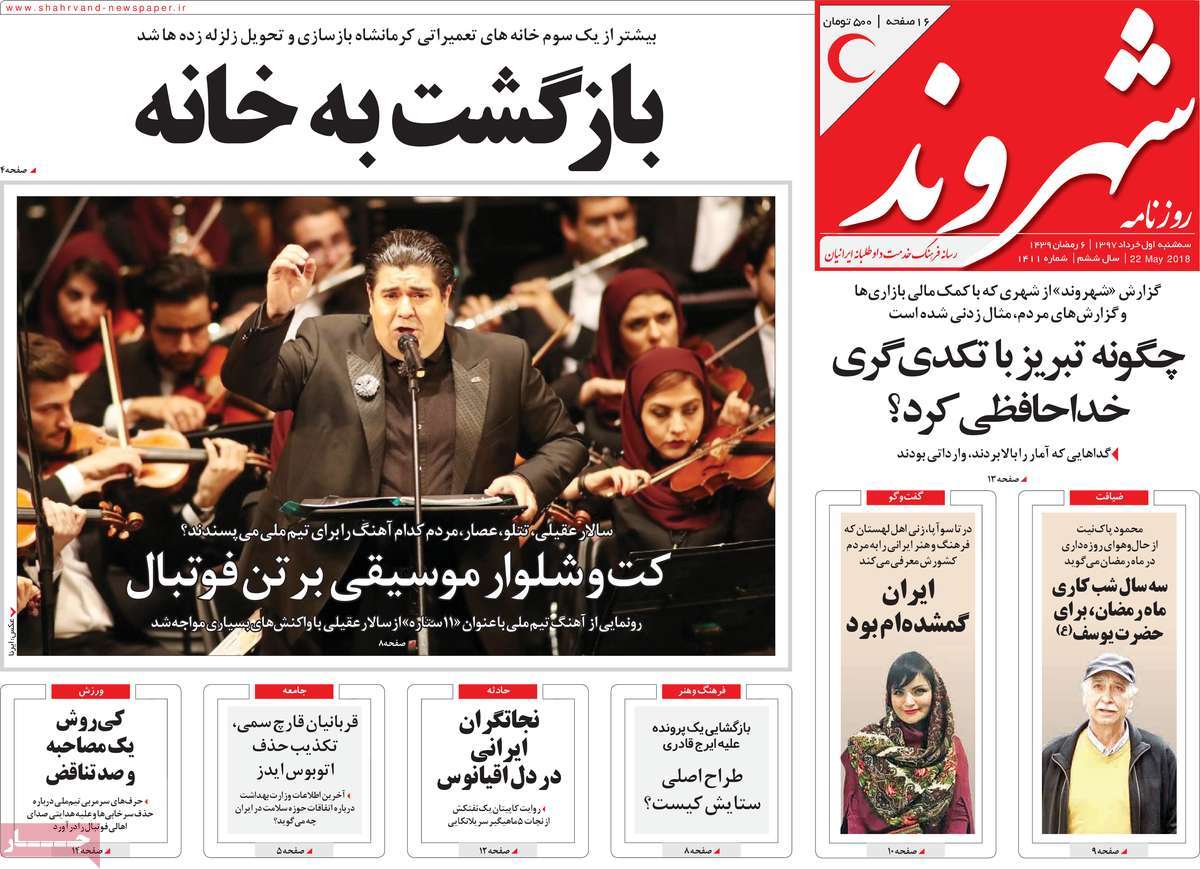
1- Returning Home

  • Over One-Third of Houses Damaged in Kermanshah Quake Reconstructed, Delivered

A Look at Iranian Newspaper Front Pages on May 22


Shargh:

1- New Round of Talks with Airbus

  • Fate of Plane Purchase Deals to Be Determined in Two Weeks

A Look at Iranian Newspaper Front Pages on May 22


Sobh-e Now:

1- Total, Unfulfilled Wishes

  • French Company Not to Be Fined despite Withdrawing from Iran: Minister

A Look at Iranian Newspaper Front Pages on May 22


US’ Coercive Diplomacy Doomed to Failure: Iran

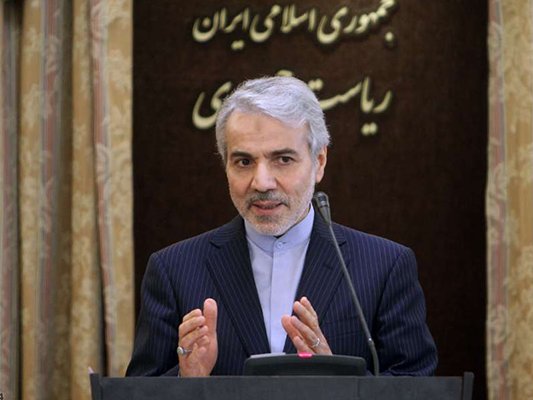
nobakht

Mohammad Baqer Nobakht says the US coercive strategy towards Iran since the Islamic Revolution of 1979 that brought down the US-backed regime of Mohammad Reza Pahlavi has produced no results.

Likewise, the strategy recently announced by US Secretary of State Mike Pompeo is also doomed to failure, he said, speaking in his weekly press conference on Tuesday.

Pointing to a 1980 attack by the US to rescue the US embassy staff taken hostage in Tehran that failed in Tabas Desert in central Iran, and the US’ veiled support for the Iraqi invasion of Iran in 1980s, Nobakht said the US has failed to force a change in Iran’s behaviour.

“Could the US [economic sanctions] weaken the Islamic Republic? Could they weaken our economy? I recommend reading the reports by the International Monetary Fund describing Iran as the eighteenth economy across the globe,” he said, according to a report by Entekhab news website.

The spokesman was responding to earlier remarks by Pompeo, in which he threatened to impose the “strongest sanctions in history” against Iran that would ultimately destroy Iran’s economy, unless it capitulated to a series of 12 “basic requirements”.

The list not only urged Tehran to permanently shut down any nuclear-related programs, but also to give up its regional policy.

Pompeo said the US government was ready for talks with Iran based on the 12 requirements, aimed at reaching a new accord that would replace the 2015 nuclear deal.

US President Donald Trump on March 8 pulled the country out of the 2015 nuclear deal, which placed confidence-building curbs on Iran’s nuclear program in return for the removal of anti-Iran international sanctions.

Nobakht said the Iranian government will by no means enter into talks with the US again, as the US pullout of the nuclear deal proved Washington cannot be trusted with keeping its words.

“We won’t talk with those who do not deserve to negotiate with a country that has been faithful to its commitments,” he said.

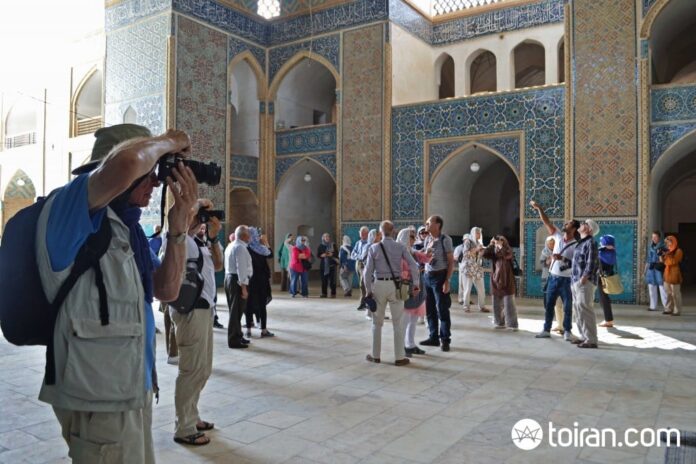
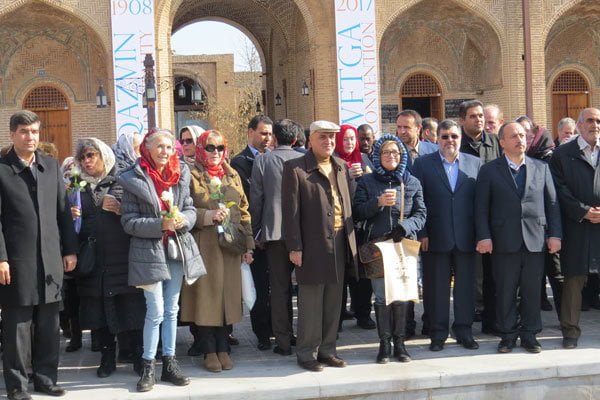
Number of Tourists Visiting Iran’s Yazd Province Up 11%

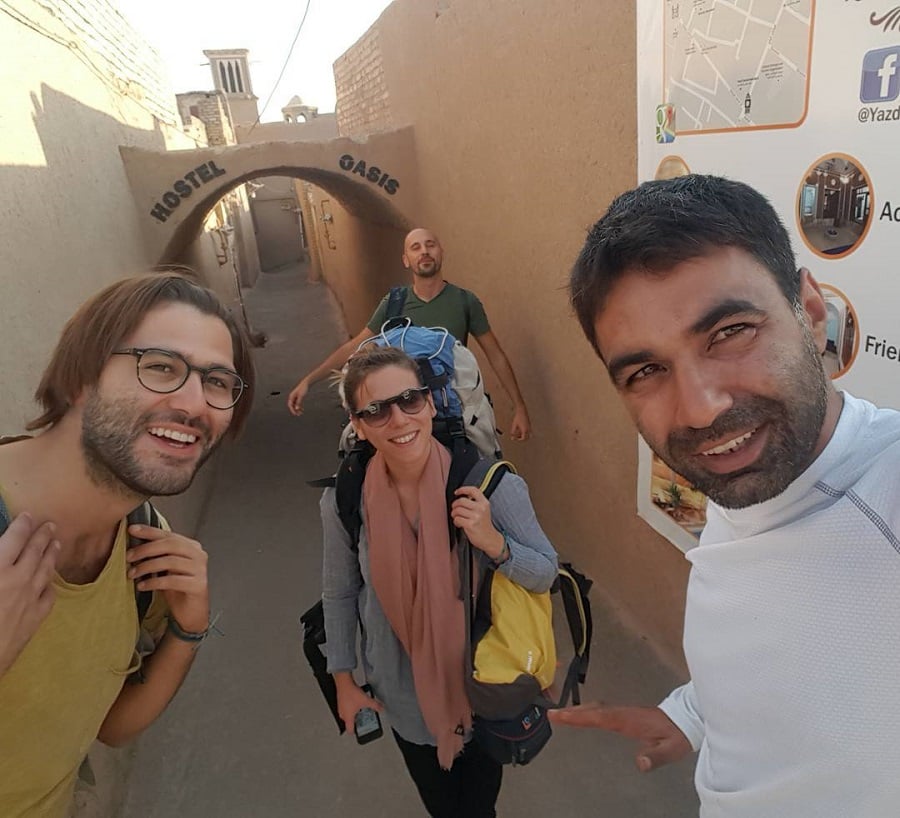
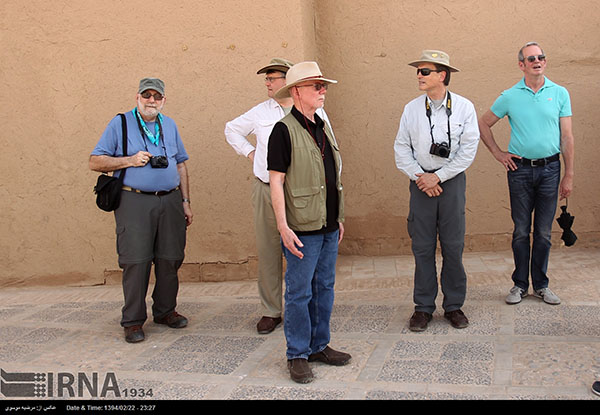
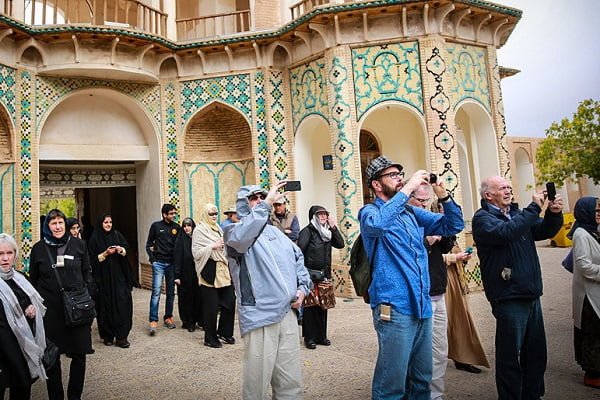
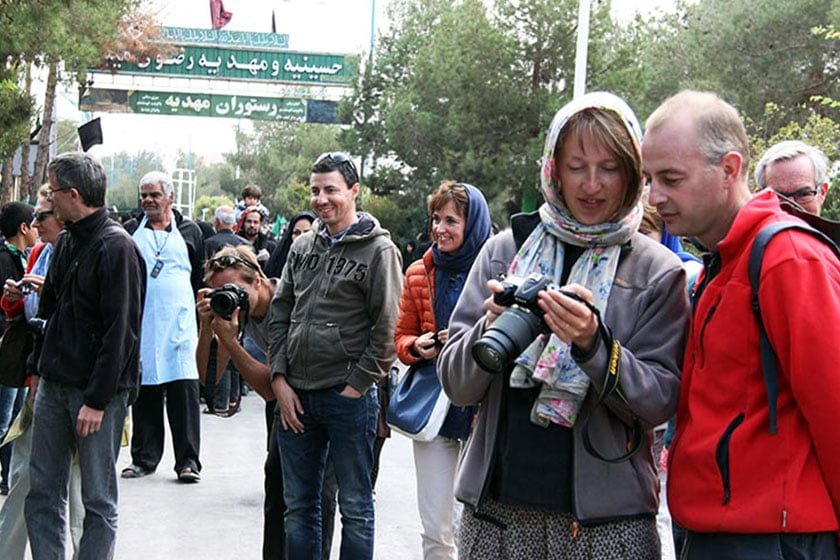
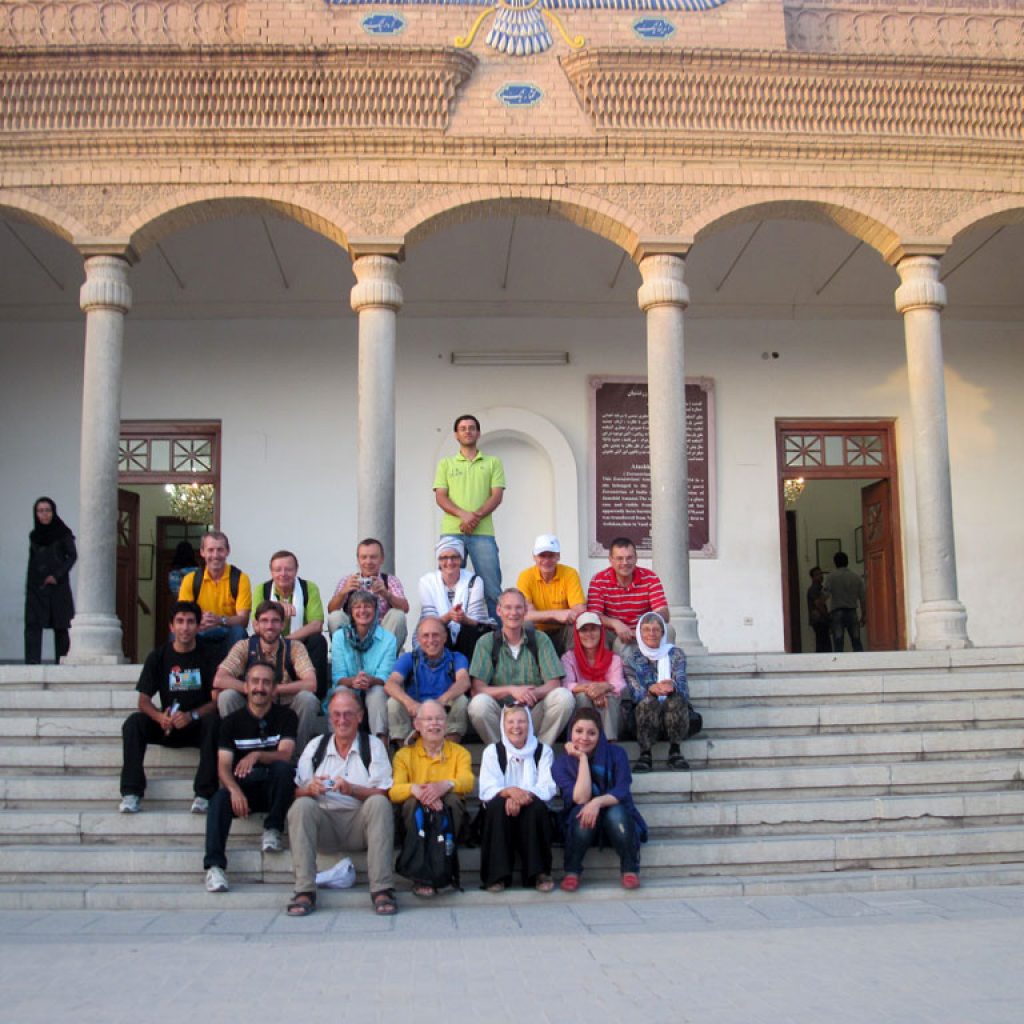
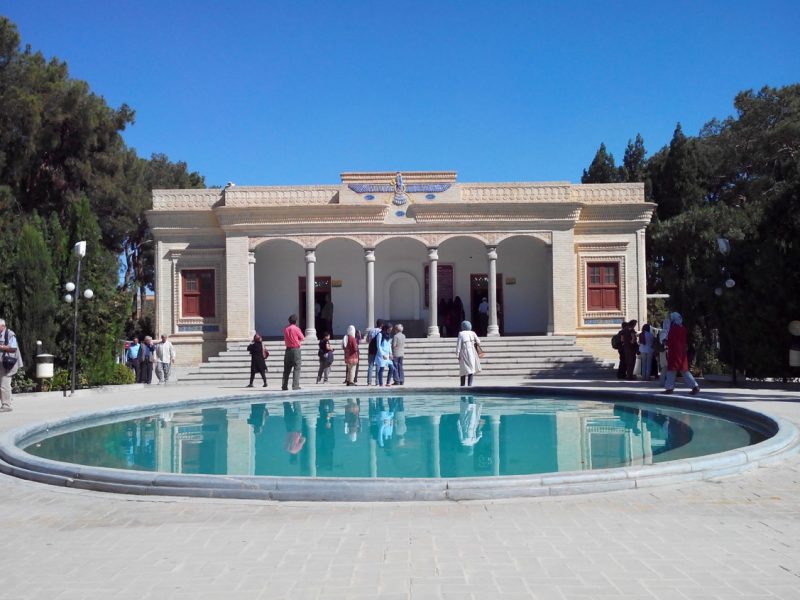
Meisam Kouchakzadeh, a senior executive at the Department General of Cultural Heritage, Handicrafts and Tourism of Yazd, says the number of visitors to Yazd stood at well over 126,000 in the year to March 2018, up 11%, year on year.

“Most of the tourists were from France, Germany, Spain, Italy and China,” he noted, according to a report by IRNA.

yazd
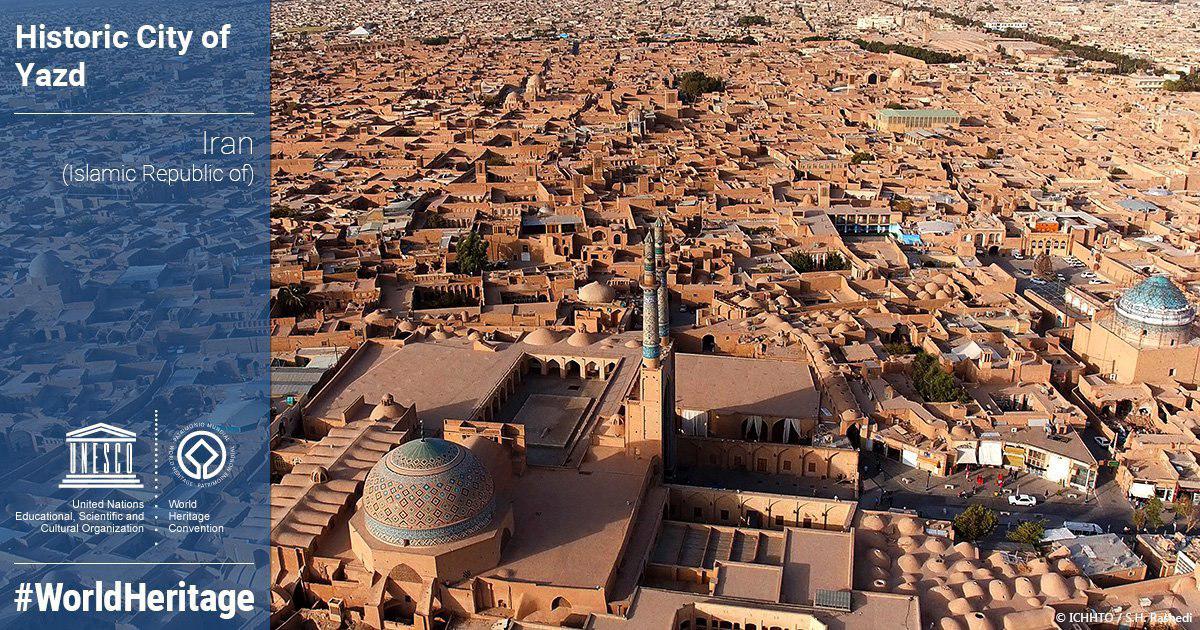
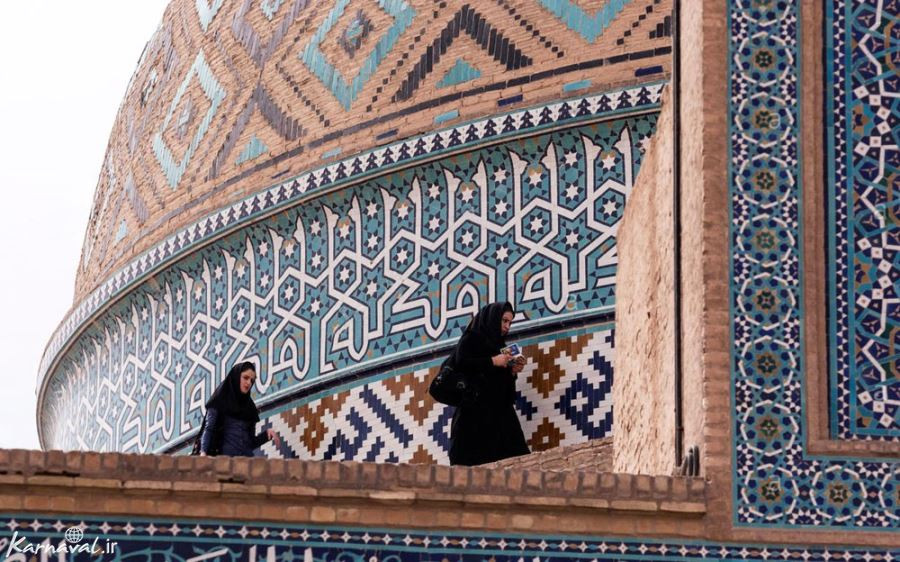
Historical City of Yazd Inscribed as World Heritage Site

He recalled that Yazd was registered on UNESCO’s List of World Heritage Sites, saying, “This important issue will be instrumental in increasing the number of foreign tourists visiting Yazd.”

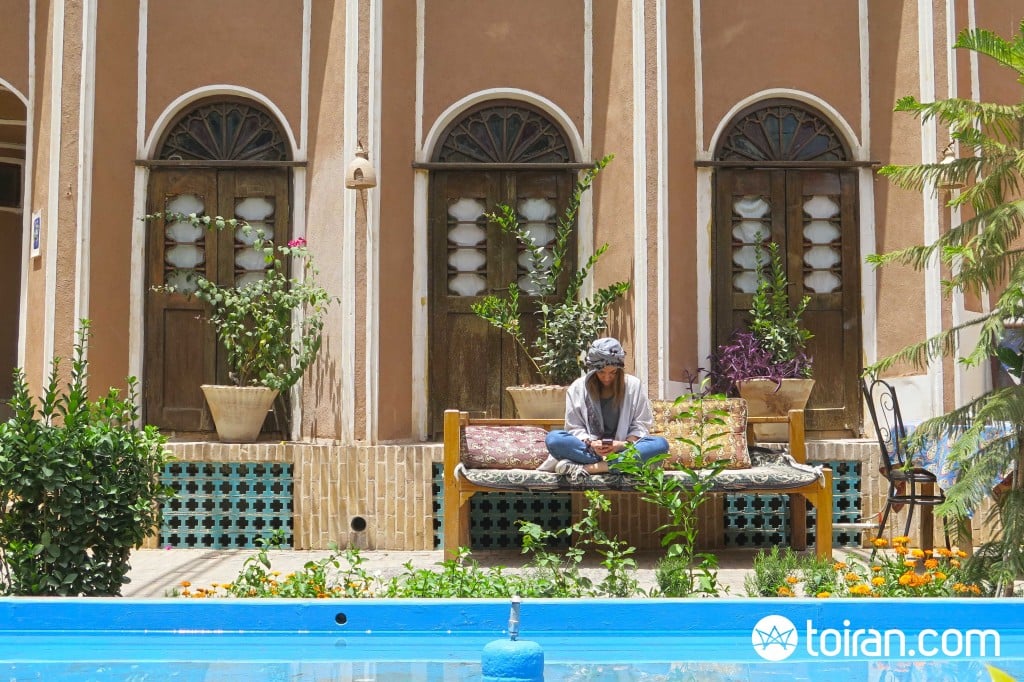
“Given that Yazd’s ancient quarter has been internationally registered and the objective is to increase the number of tourists, the tourism infrastructure in the province should be improved and the number of good accommodations should be raised,” he said.

UNESCO’s World Heritage Committee registered the historical city of Yazd on the List of World Heritage Sites on July 9, 2017.

Given that Yazd is a rich city in terms of ancient-cultural buildings, five of the historical monuments in the province have been globally registered so far.

Number of Tourists Visiting Iran’s Yazd Province Up 11%
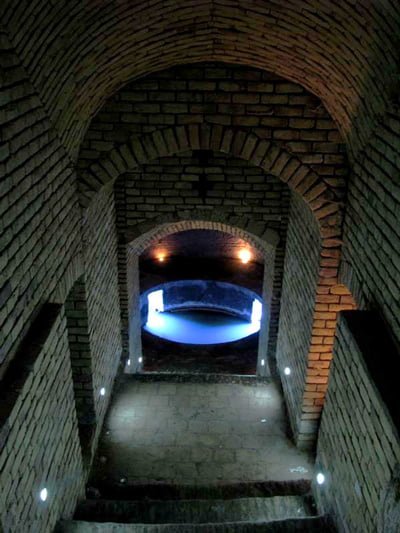
Zarch; Longest Qanat of Iran, World

The historical quarter of Yazd Province spans 2,270 hectares, housing 6,500 ancient monuments out of which 1,850 have been registered on the national list of heritage sites.

Dowlatabad and Pahlavanpur gardens as well as the Zarch Qanat are other world heritage sites located in Yazd Province.

Yazd, along with Fars and Isfahan provinces, forms the golden triangle of tourism in Iran. Yazd is the first destination of foreign tourists, and the number of visitors to the city has risen five-fold. So, tourism is the most significant contributor to the development of the province.