Monday, December 22, 2025
Home Blog Page 3475

Riyadh, Tel Aviv Likely behind Attack on Iran’s Consulate in Iraq: US Analyst

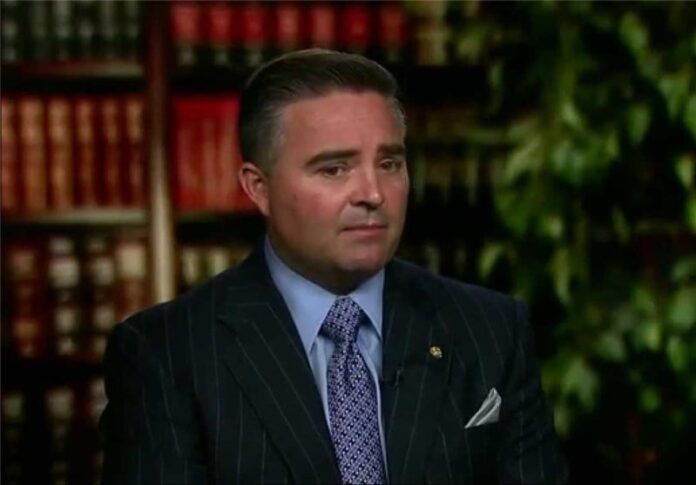
“This (attack on Iran’s consulate) is also an attempt to create tension and hostility between Iraq and Iran by trying to deceive Iran into thinking that Iraqi citizens are attacking Iran, when in fact these provocateurs are most likely paid mercenary agents from Saudi Arabia and Israel,” Scott Bennett, from San Francisco, told Tasnim on Saturday morning.

Scott Bennett is a US Army Special Operations Officer (11th Psychological Operations Battalion, Civil Affairs-Psychological Operations Command), and a global psychological warfare-counterterrorism analyst, formerly with defense contractor Booz Allen Hamilton. He received a Direct Commission as an Officer, held a Top Secret/Sensitive Compartmentalized Information (TS/SCI) security clearance, and worked in the highest levels of international counterterrorism in Washington DC and MacDill Air Force Base in Tampa, Florida. He has developed and managed psychological warfare theories, products, and operations for US Special Operations Command, US Central Command, the State Department Coordinator for Counterterrorism, and other government agencies.

His educational background includes a Bachelor of Science in Advertising and Spanish Minor from San Jose State University in California, a Master of Arts in International Business and Public Policy from George Mason University in Virginia, and a Ph.D. (ABD) in Political Theory from the Catholic University of America in Washington D.C. He currently resides in California.

The following is the full text of the interview.

Tasnim: One protester died and 11 more were wounded during demonstrations in Iraq’s second biggest city Basra on Friday, local security and health sources said. What’s your take on the demonstrations?

Bennet: This appears to be part of a psychological operation designed to distract attention away from Idlib, Syria and movements of US and NATO forces and their terrorist mercenaries, as well as their potential chemical weapons false flag attack which would be used by the United States and NATO to justify an attack upon Syria, which the Russians and the Iranians and the Syrian leadership have been warning the world about over the past few days. Most likely this internal protest and disruption operations are being conducted by Saudi Arabian and Zionist Israeli Mossad spies infiltrating the areas.  The goal of the operation is to secretly facilitate some “chemical weapons” or other military or terrorist strike or event by distracting the world with a different event at a separate location. This different “event” or distraction operation is designed to generate sufficient “noise and smoke and screams” so that the world turns its attention away from the Idlib, Syria territory, and is caught by surprise when the real event is unleashed—most likely a false-flag chemical attack executed by the White Helmets or other terrorist organizations in Idlib. It may even be an attempt to distract in order to execute an “assassination” of President Bashar Assad of Syria, as has been suggested by certain Western leaders in the past.

This unrest is also intended to distract attention away from the diplomatic talks between Iran, Russia, and Turkey and the Syrian settlement process. It is also intended to distract attention away from the nonsense and hypocrisy and lies being put forth by US United Nations Ambassador Nikki Haley and the United Kingdom UN Ambassador, who are engaged in a joint full-scale propaganda campaign against Russia (using the Skripal poisoning false flag event) and Iran.

This potential false flag chemical attack is also an attempt to provoke President Donald Trump into engaging in a military strike against Syria, and overthrow President Bashar Assad.  Ironically, however, this most likely would lead to the impeachment of President Donald Trump as a “war criminal”, since the Democrats would use this “military response” by President Trump as an act of “unconstitutional declaration of war” and justify his removal from office.  Additionally, American public support for President Trump would drop drastically because it would be seen as an unforgivable act of betrayal against the American public, since the vast majority of Americans voted for Trump because of his promises to remove the United States from Syria, and repair diplomatic relations with Russia. Any US military strike against Syria in response to a false flag chemical attack would effectively be an act of war, and such an act that was revealed to be orchestrated by terrorists as a deception operation, would effectively  establish Trump’s judgment as intolerably handicapped and require his removal; or disqualify Trump from remaining as President due to his intentional participation in a deception operation against the American public and a violation of the Smith-Mundt Act of 1948—which forbids targeting the American public with propaganda or deception operations by the US Government or military.

Tasnim: Protesters stormed the Iranian consulate in Basra, setting it on fire. The Iranian consulate’s building was not the first to be set on fire. The angry demonstrators had earlier set government buildings ablaze as well. It seems that attempts are underway to distort the image of Iran among Iraqis and also drive a wedge between Tehran and Baghdad. What do you think?

Bennet: The plan most likely is to both distract attention away from Idlib, Syria, and destabilize the Iraqi regime because of its close relations and support for Iran and the economic relationship Iraq and Iran have been cultivating in response to the US sanctions.

This is also an attempt to create tension and hostility between Iraq and Iran by trying to deceive Iran into thinking that Iraqi citizens are attacking Iran, when in fact these provocateurs are most likely paid mercenary agents from Saudi Arabia and Israel. Since Saudi Arabia and Israel have admitted to providing financial support, weapons, and medical help to Wahhabi terrorists in Syria, they would easily direct come of these agents to conduct similar operations in Iraq in an attempt to destabilize Iraq and damage its relationship with Iran.

Tasnim: Some other reports suggest that it is a plot orchestrated by Saudi Arabia, the US and members of the former Iraqi regime’s Ba’ath Party to undermine Hashd al-Sha’abi and other popular forces that helped defeat Daesh in the Arab country. Do you believe so?

Bennet: It is logical to assume that there are pro-Western agents in Iraq that are Sunni sympathizers and seeking to replace the Shiite dominant government in Iraq and restore the original Sunni-Ba’ath party.

Saudi Arabia is losing in its war against Yemen, which the world is increasingly seeing as a “war crime”. Consequently, the US is being pressured to abandon its support role for Saudi Arabia as the American people become increasingly aware of the campaign of genocide which Saudi Arabia has been conducting, and which the United States may easily be considered a “war crime” partner in. Additionally, Prince Mohammed Bin Salman is being criticized as mentally unstable and unsuitable to lead Saudi Arabia by other princes and Royal Family members in the House of Saud. Also Turkey and Qatar are switching sides and seemingly becoming closer to Russia and Iran—which is greatly upsetting to the Western globalists and neoconservative warmongers such as John Bolton, Nikki Haley, Mike Pompeo, and other war fanatics in the US Congress.

This psychological operation seems also designed to distract attention away from the current domestic political events in the United States, which many are citing as the beginning of the next “Civil War” in America. Every day in America, the American people are discovering that for the past two (2) years, the American government, and specifically the intelligence and law enforcement agencies in the US (the Department of Justice, the Federal Bureau of Investigation, the Central Intelligence Agency, and the State Department) have been conducting an attempted coup d’état against American President Donald Trump, and the American public and Congress are calling for investigations and prosecutions for crimes against the American people and the Constitution.

This potential domestic disturbances and social uprisings in America are becoming increasingly seen as a kind of “Civil War”. This domestic instability is growing in tension, and this internal tension is pulling the United States government’s attention from the Middle East, and towards its own domestic problems. Consequently, the Zionist and Saudi spies, working in concert with the US, CIA and British MI6, are attempting to shift attention back to the Middle East, in order to try to breath new life into the old failed Western policy of regime change against Syria—and not against Iraq and Iran.

Thankfully, Russia, Iran, and China seem unwilling to allow this false flag attack to continue and would react to any US-NATO-Israeli-Saudi military response with an overwhelming counter-attack, which would include the complete destruction of the entire US Naval fleet in the Mediterranean and the elimination of every US-NATO soldier in the territory of Syria.

Researchers Use Bacteria to Make Self-Healing Concrete

The concrete is the fruit of years of studies by the Iranian scientists and their counterparts from New Zealand’s Auckland University.

To remove a major problem with most concretes  suffering from narrow and deep cracks on their surfaces, the researchers began to use nanoparticles to give the concretes a self-healing feature,  Alireza Ebrahim-Nejad, a member of Shiraz Medical Sciences University, was quoted as saying in a report by ISNA said.

He also noted that the cracks usually decrease the lifetime of the concretes and added the new materials in the new concretes – nanoparticles as well as a certain type of bacteria – are used to mainly stop the damaging trend.

According to the scientist, the new materials give the concretes a self-healing feature and increase their lifetime significantly.

For a brief review of Iran’s achievements in various fields of science and technology, check the book “Science and Technology in Iran: A Brief Review

Ebrahim-Nejad said the materials are also environment-friendly and added each new concrete can heal itself within one month.

Concrete is one of the most commonly- used construction materials in the world. According to official figures, over 30 millions of tonnes of concrete are made annually across the world. It is well-known for its strong resistance against fire and high pressure.

Iran Sympathizes with Japan over Deadly Landslide

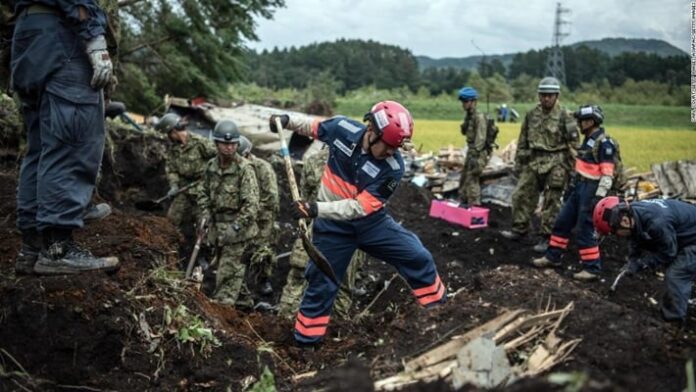
Soldiers and rescue workers search through mud covering a building in Atsuma, September 7, 2018. / Photo by Getty Images

In a Saturday statement, Qassemi also offered sympathy to the Japanese nation and government and the bereaved families of the tragic incident’s victims.

The landslide has buried houses and people in the small town of Atsuma on Japan’s northern island prefecture of Hokkaido.

The landslide was triggered by a magnitude 6.7 earthquake that shook the island Thursday, killing at least 20 people, collapsing houses and cutting power to millions of homes.

It’s the latest in a series of disasters that have hit the country, after multiple deaths caused by a severe typhoon, flooding, and heat waves this summer. Experts say this could be the “new normal.”

Iran Thanks China for Lending Helping Hand to Anti-Terror Drive in Syria

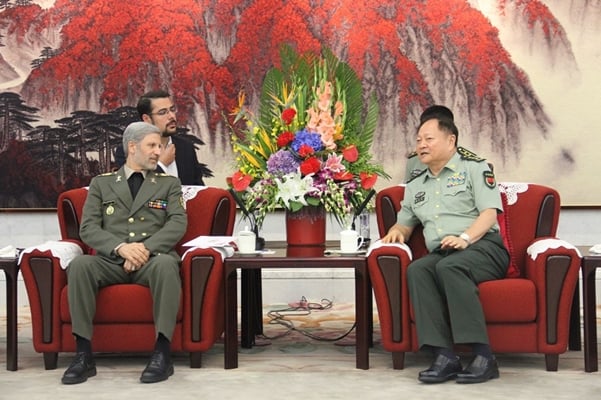
“China’s assistance in supporting the Syrian government in the international arena was quite effective and the result is that terrorists are near their final defeat,” Hatami said in a meeting with China’s Vice Chairman of Central Military Commission General Zhang Youxia, the second-in-command of China’s armed forces.

Hatami said the Syrian people and their friends, including Iran and Russia, have managed to curb terrorism, which in recent years had intensified a crisis situation in West Asia.

“Terrorist groups had managed to bring about 90 percent of Syria under their control, but the Syrian nation, government and armed forces and their friends including Iran, Russia and Hezbollah entered the scene and reversed the trend,” IRNA quoted him as saying.

The seven-year crisis in Syria is moving towards an end as the Syrian government is restoring its control over large parts of the country.


US Disrupting Int’l Order

General Hatami said the US is fuelling chaos in the international arena to advance its short-sighted agenda, without taking into account the interests of other players.

Pointing to the US trade war against China, its withdrawal from the 2015 nuclear accord and its pullout from the Paris climate agreement, Hatami said the US is disrupting order across the globe and this is to the detriment of the globe.

Washington has in recent months imposed increased tariffs on billions of dollars of imports from China, which has been reciprocated by Beijing.

Analysts have suggested the tit-for-tat confrontation could develop into the biggest trade war in history.

In the Saturday meeting, the Iranian and Chinese generals also discussed cooperation to promote peace and security across the globe and stressed the need for closer military collaboration between the two countries.

General Hatami entered Beijing Thursday night to hold another round of high-level talks between the two governments, which have been strengthening military ties in recent years.

On Friday, General Hatami sat down for talks with Chinese Defence Minister Wei Fenghe.

In the meeting, the Chinese defence minister said Beijing is ready to actively develop cooperation between the armed forces of China and Iran.

Iran and China signed an agreement to boost defence and military cooperation in Tehran in November 2016.

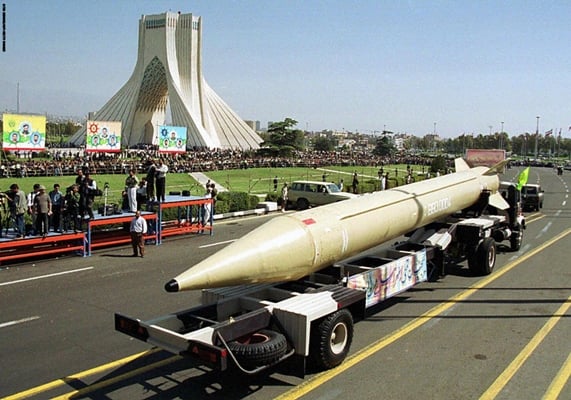
“Iran Never Exports Missile to Any Country”

Hashmatollah Falahat-Pisheh, the chairman of the Iranian Parliament’s National Security and Foreign Policy Commission, said Iran provides military advice for the countries fighting against terrorism in the region, but that’s just limited to advisory assistance and does not include missile exports, as alleged in certain media reports.

“This is part of the recent media campaign against Iran. The US officials are seeking to level new accusation against Iran to tarnish its image in the world,” he noted.

The Iranian lawmaker went on to say that the American officials raised a number of accusations against Iran over its nuclear program before the Iran nuclear deal in 2015, but with the signing of the JCPOA, they faced a serious defeat in public diplomacy.

According to Falahat-Pisheh, the reports by the International Atomic Energy Agency (IAEA) that confirm Iran’s commitment to its pledges under the JCPOA foiled the US and its main ally Israel’s attempts to portray a negative image of Iran in the world.

“Therefore, they have resorted to new tricks to tarnish Iran’s image. Today, Iran’s regional role is the new subject that the US and its European allies are seeking to put their focus on,” he noted.

The Iranian lawmaker also said the new accusations are baseless because “the Islamic Republic of Iran was the first country which stood against the threat of terrorism in the region seven years ago. Other states like Russia and Turkey joined Iran later.”

Falahat-Pisheh then said the US has failed in its so-called war on terror, adding Washington is facing a heavy defeat in Iran’s “strategic depth”.

“Each country fighting against terrorism attaches great importance to establishing mutual ties with Iran because the Islamic Republic has set a successful record in this field,” he noted.

The lawmaker also slammed some European states for their “meddlesome statements” on Iran’s regional role and added the states rely heavily on Iran’s regional role to secure their eastern borders.

He also said the US and its allies played a key role in creating terrorist groups in the region.

A recent report by Reuters claimed the Islamic Republic of Iran had moved missiles to Iraq, but both Iran and Iraq have vehemently denied the report as baseless and absurd.

“Iraq is not obliged to respond to media reports that lack tangible evidence backing up their claims and allegations,” said the Iraqi foreign ministry.

US Making Frequent Requests for Talks with Iran: Rouhani

Speaking in a conference in Tehran on Saturday, Rouhani suggested the US sends messages calling for talks several times a month.

“On the one hand, they place pressure on the Iranian nation and on the other hand, they send messages through various different channels that ‘let’s engage in talks’,” he added.

“If you are honest and you like the Iranian nation, why do you want to make life harder for Iranians?” Rouhani said.

The US has hardened its line on Iran since US President Donald Trump took power in January 2017.

Washington has pulled out of the 2015 nuclear deal and is working to cut Iran’s trade with Asia and Europe.

The US has offered a list of 12 demands that Iran must meet for the sanctions to be removed.


Iran Not to Surrender

Rouhani says the Iranian nation is determined to resist against the US and they will never “come to streets raising their hands and saying we surrender ourselves to the US”.

“This is not a nation that fears pressure of a new group in the White House that does not know what it is doing and the US people don’t know what they are doing,” Rouhani said.

Rouhani also said the country faces an economic and psychological war and the government is on the front lines, so all political forces should join hands to help the government and do not put pressure on officials.

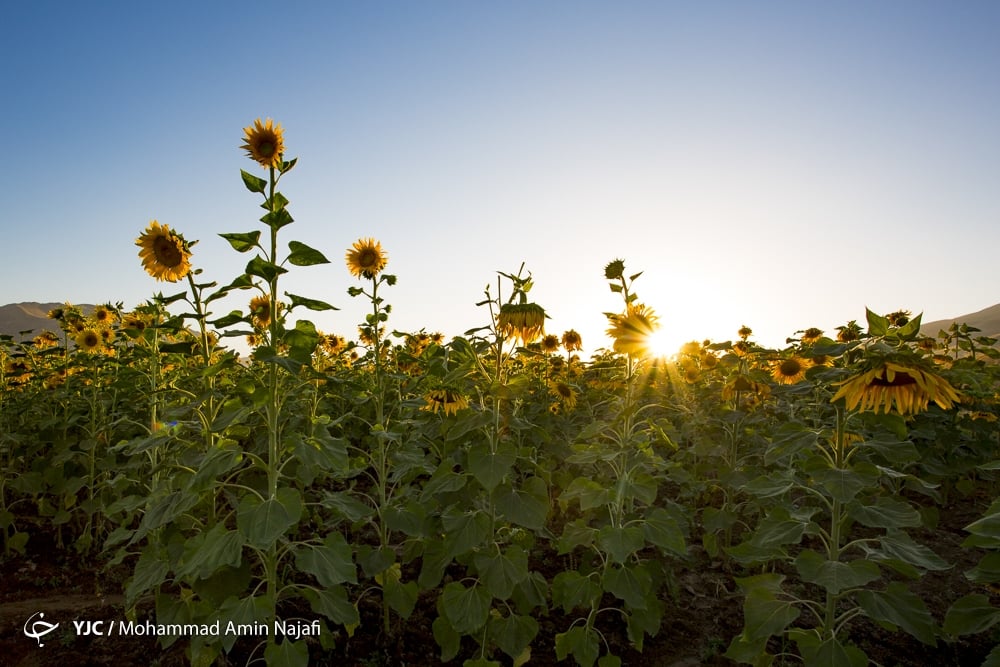
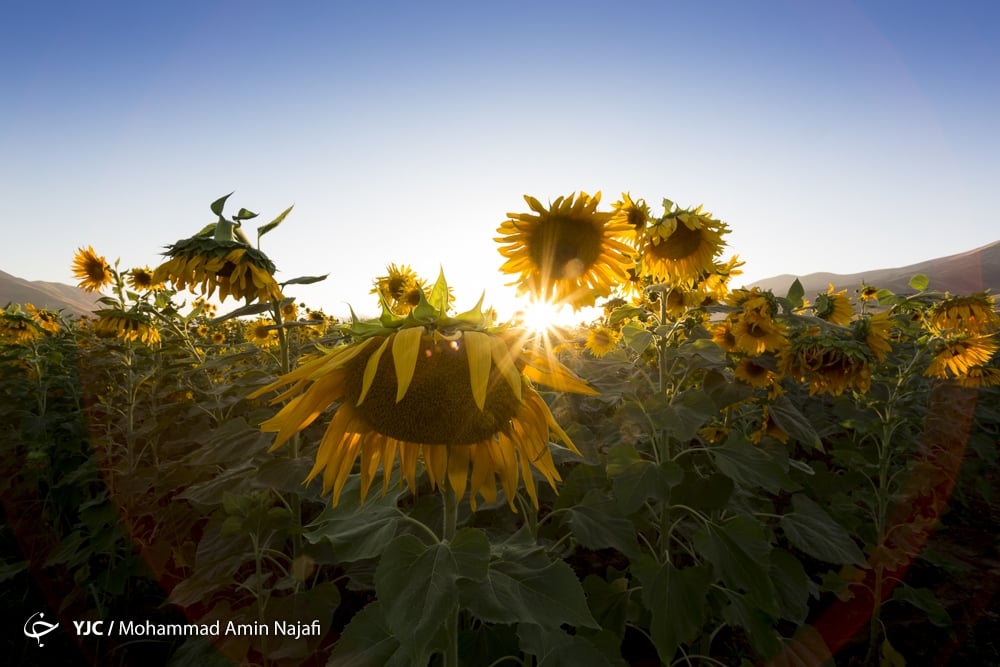
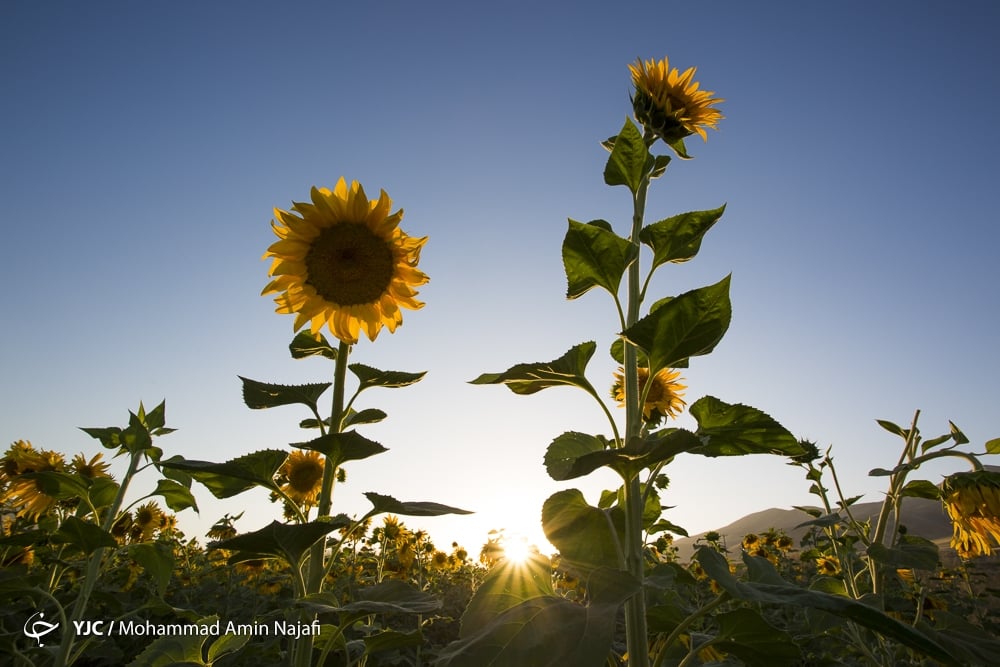
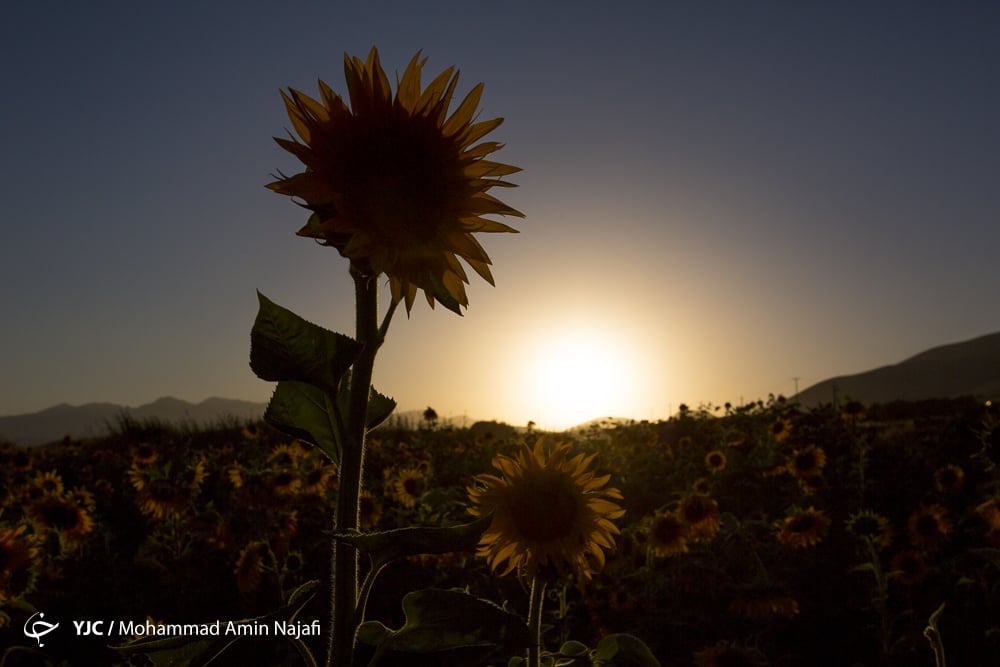
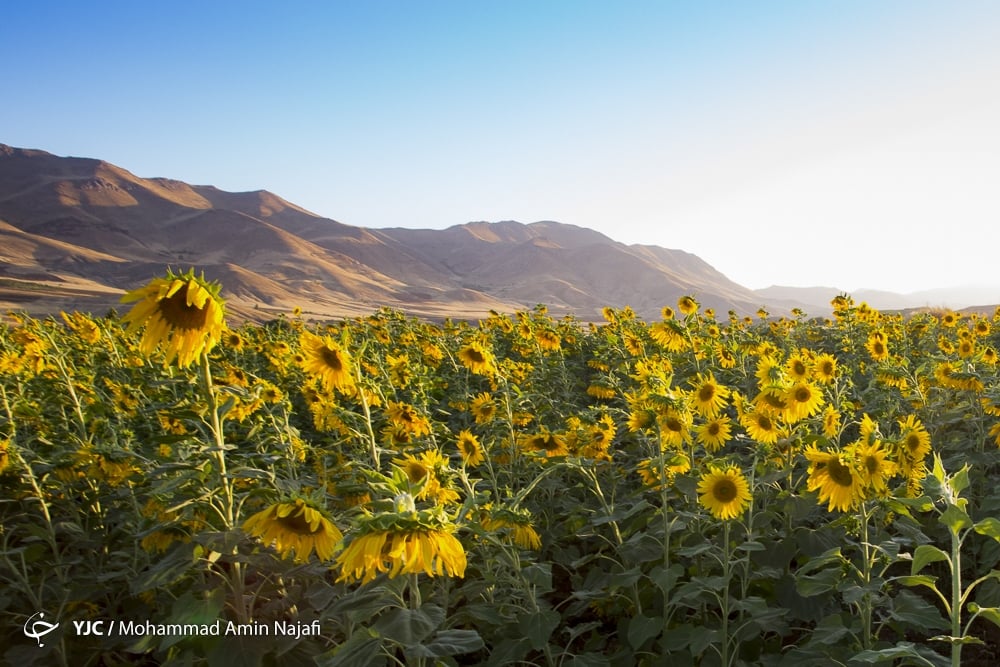
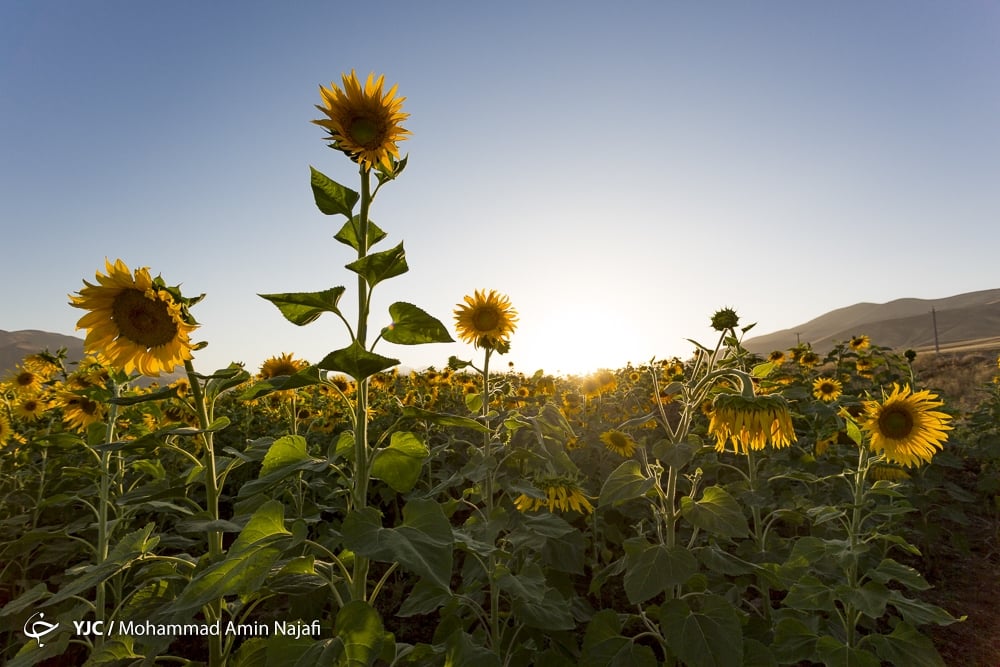
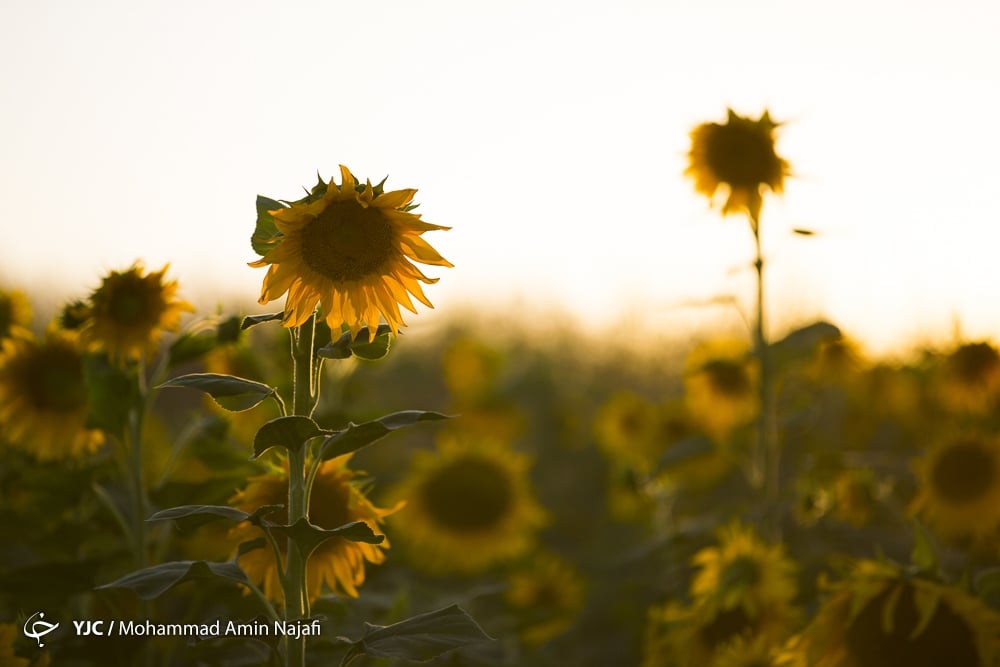
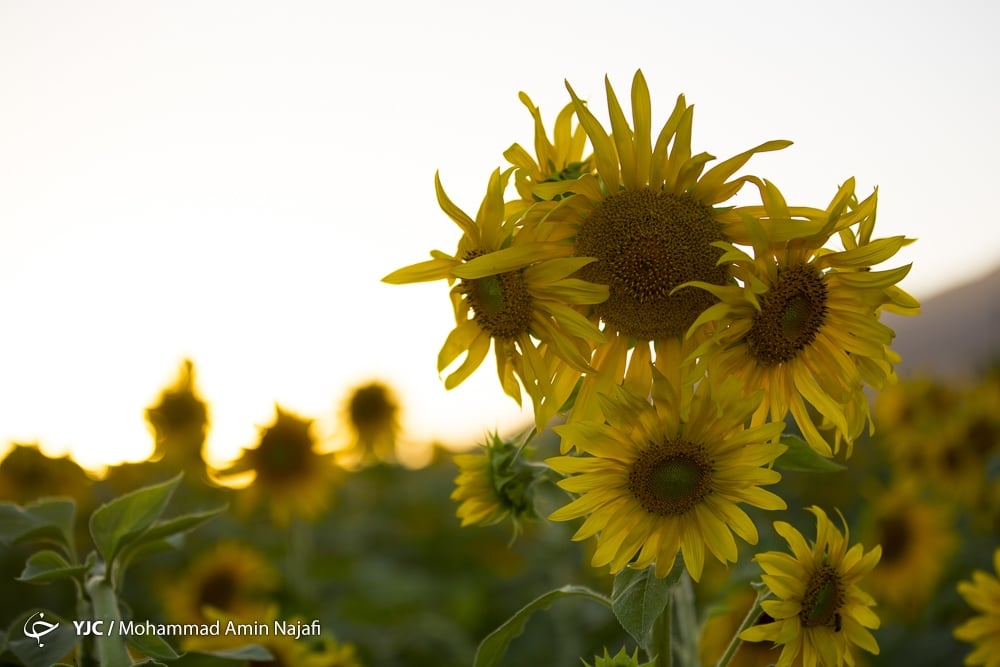
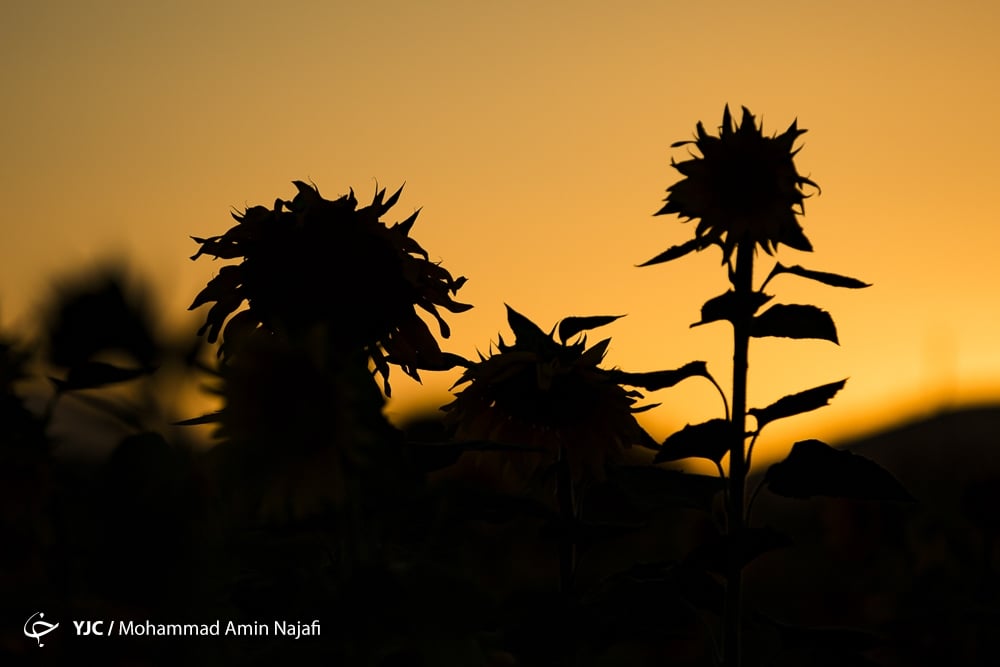
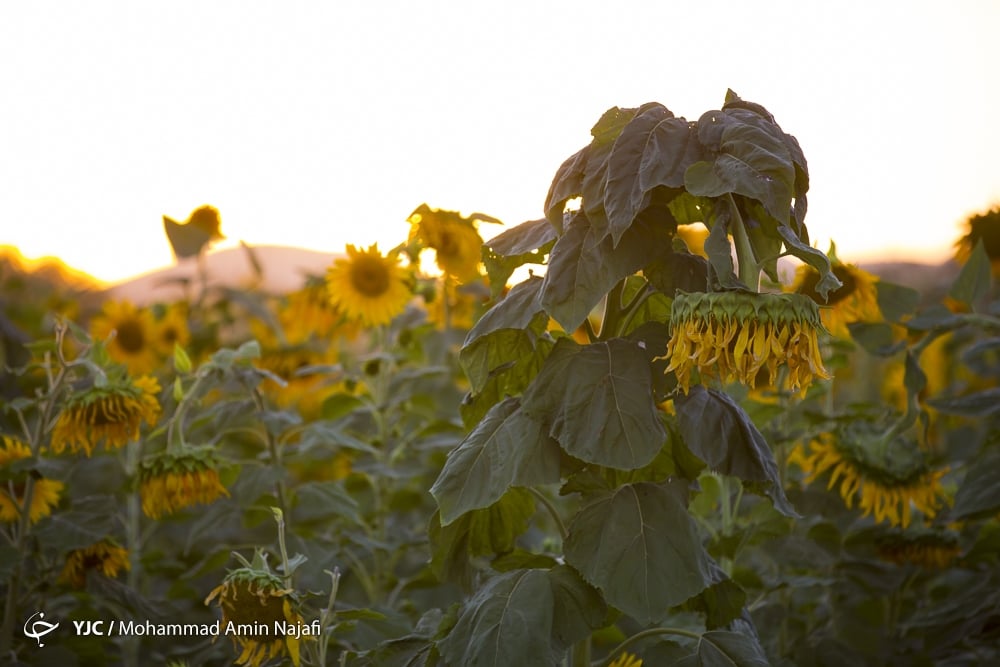
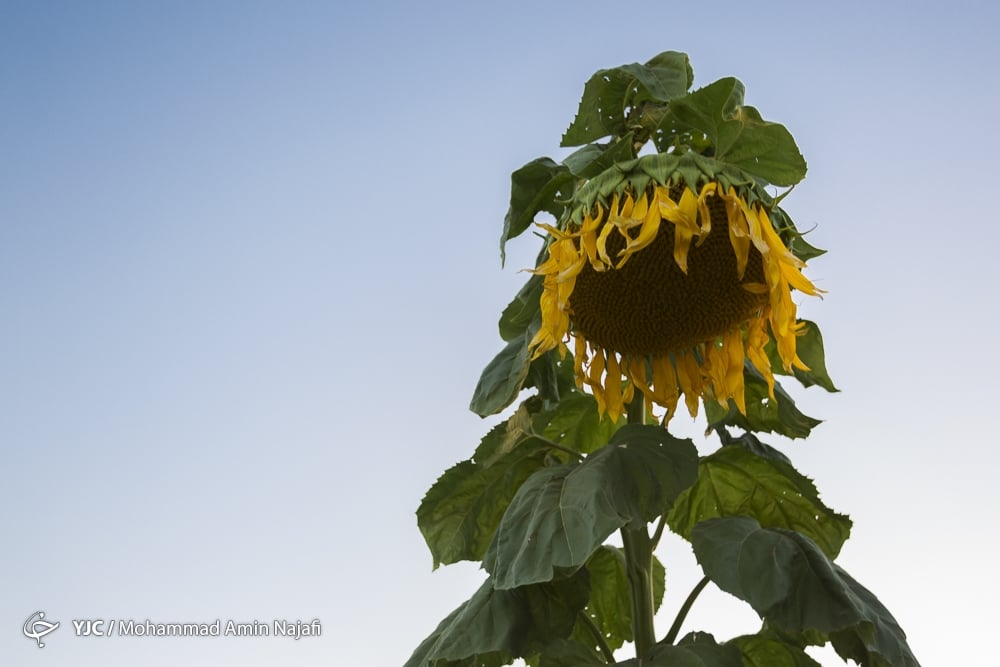
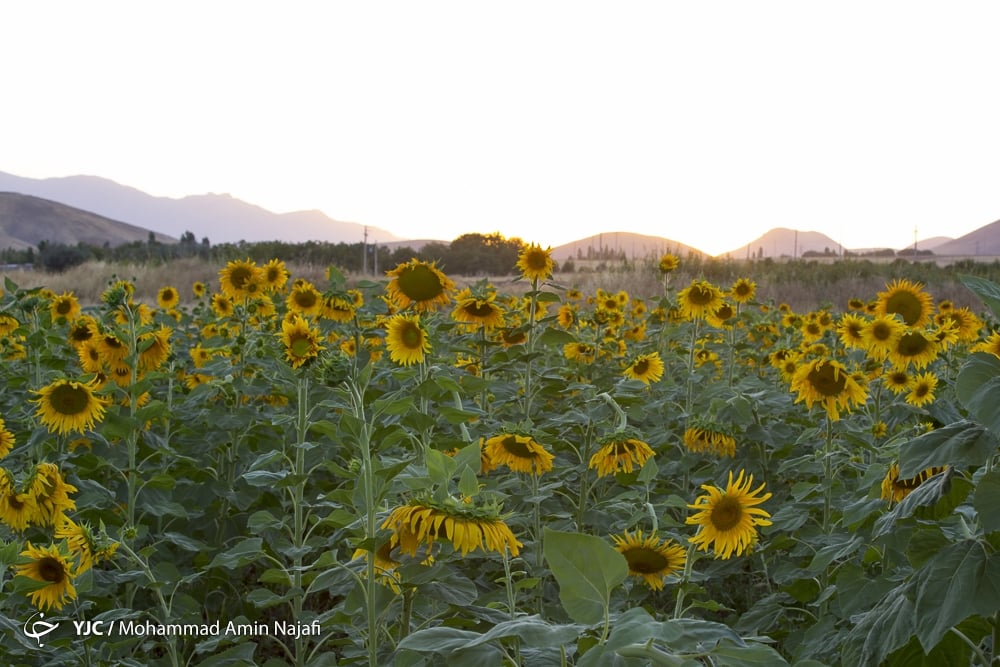
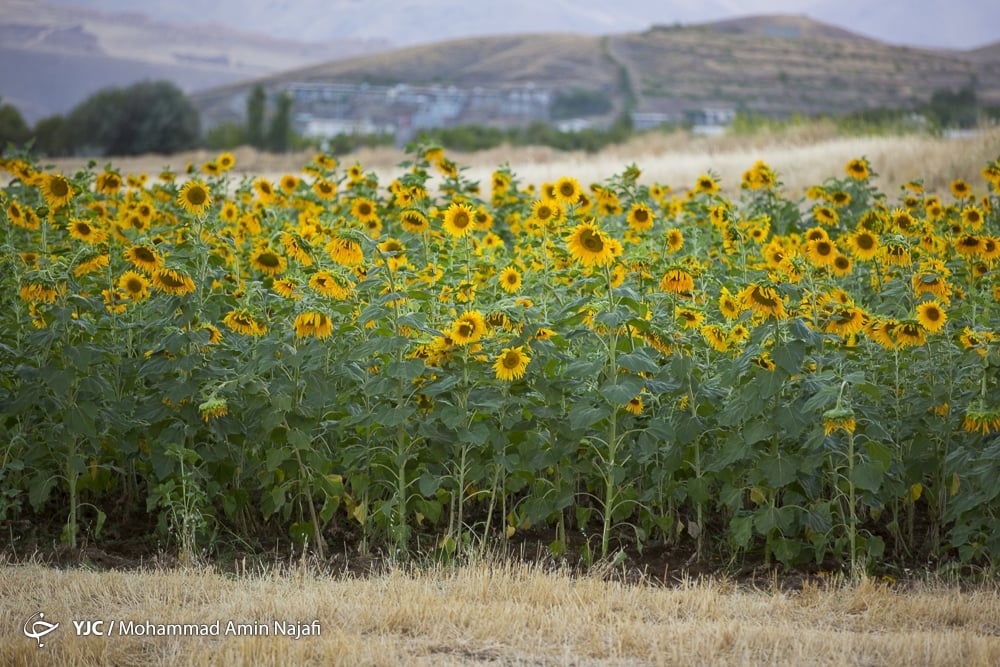
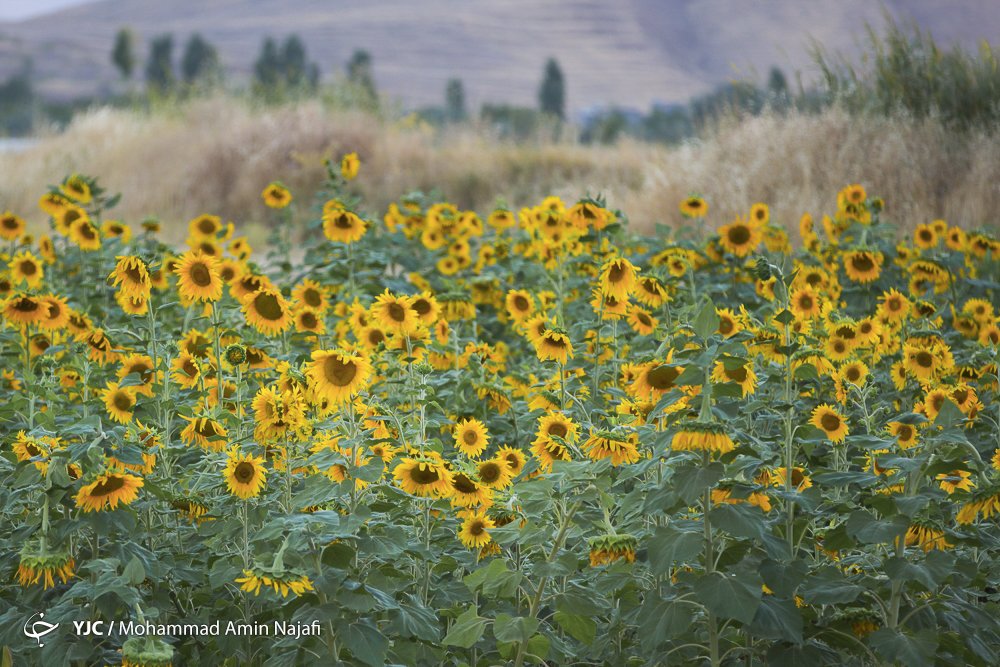
Iran’s Beauties in Photos: Sunflower Farms of Kurdistan

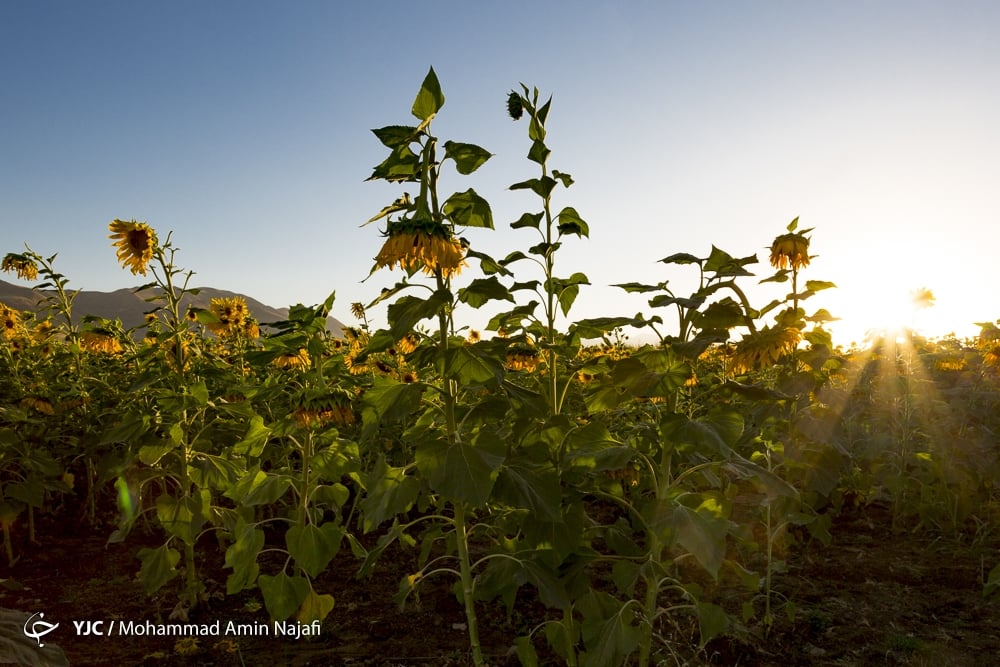
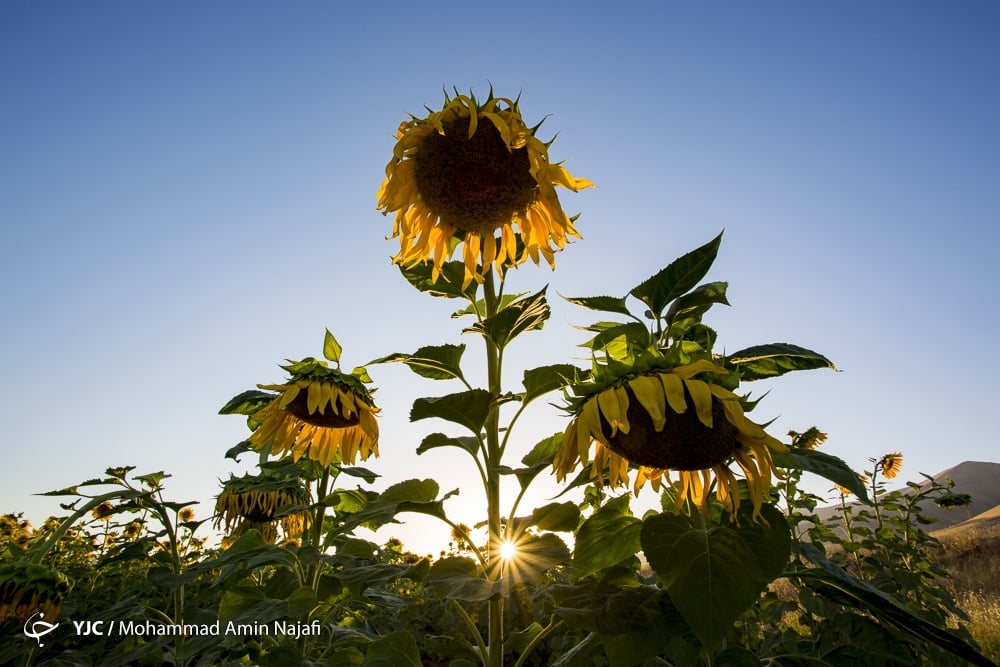
Sunflowers are usually tall annual or perennial plants that in some species can grow to a height of 300 cm (120 in) or more.

What follows are YJC‘s photos of these beautiful flowers in farms located in Iran’s Kurdistan province:

Iran Raps Attack on Its Basra Consulate, Summons Iraqi Envoy

In a statement on Friday, Qassemi regretfully confirmed the attack on the consulate, saying the attackers have caused serious financial damage to the building by setting it on fire in their brutal raid.

Fortunately, none of the staff members of the Iranian consulate had been harmed thanks to pre-emptive measures taken by the diplomatic mission after it received threats a day earlier, he noted.

He referred to the attack as a violation of protocols and said the government of Iraq has a crucial responsibility to protect diplomatic sites.

The Iranian spokesman warned about overt and covert efforts to undermine the friendly ties between the Iraqi and Iranian nations and governments, and urged Baghdad to immediately identify, arrest, and punish the culprits behind the serious crime.

Iran had earlier informed and warned the Iraqi officials about the possibility of such an attack, Qassemi said, adding that the Arab government is thus held responsible for any negligence in ensuring the security of the consulate.

He also noted that Tehran expects the Iraqi government to speed up its efforts to catch and severely punish the perpetrators.


Iraq Envoy Summoned to Foreign Ministry

Later on Friday Qassemi announced the Iraqi ambassador to Tehran has been summoned to the Ministry of Foreign Affairs to receive the Islamic Republic’s note of protest over the arson attack.

“The Iraqi ambassador was summoned to the Foreign Ministry on Friday night and received Tehran’s strong note of protest to the Iraqi government over security forces’ negligence in protecting the building of our country’s consulate general,” he noted.

“In the meeting, the director general in charge of Persian Gulf affairs at the [Iranian] Foreign Ministry expressed surprise over the inaction of the Basra police,” said Qassemi.

“Despite provocations over the past few days by suspicious elements against the Islamic Republic of Iran’s Consulate General, the Iraqi government failed to fulfill the assurances it had given through diplomatic channels,” Qassemi quoted the director general as saying.

In the meeting, the top Iraqi diplomat was asked to convey Iran’s strong protest to his government and demand Baghdad take action to identify, arrest, and bring perpetrators to justice immediately.

The attack on the Iranian consulate came as eleven people have been killed so far in Basra during the violent protests against corruption and lack of basic services over the past five days.

Leader: US Sanctions Common Ground between Iran, Russia, Turkey

In a meeting with visiting Russian President Vladimir Putin and his entourage on Friday, Ayatollah Khamenei said the Americans have suffered real defeat in Syria and failed to achieve their objectives there, and that the developments in Syria are a clear example of reining in Washington.

He elaborated on the goals of the United States when the developments in Syria had begun to unfold, especially after the ouster of US-affiliated governments in Egypt and Tunisia.

“The Americans intended to capitalize on the situation in Arab countries at the time to make up for the blow dealt to Egypt and Tunisia by ousting the pro-resistance government in Syria, but now they have completely failed,” he noted.

Ayatollah Khamenei said US sanctions on Iran, Russia and Turkey are a very strong common point for the enhancement of cooperation.

“The Islamic Republic of Iran and Russia should not only boost political and economic cooperation, but seriously follow up on the agreements reached at the Tehran meeting,” said the Leader.

Elsewhere in his remarks, the Leader expressed hope the trilateral meeting held between the presidents of Iran, Turkey and Russia in Tehran will be fruitful, stressing the need for enhancing mutual cooperation.

“Cooperation between Iran and Russia on the issue of Syria is a potent example of, and a very good experience as a result of bilateral cooperation, which, in the true sense of the word, means synergy,” said the Leader.

Ayatollah Khamenei said Iran and Russia can boost their cooperation on global issues as well.

“One area for mutual cooperation is to rein in the US because America is a danger to humanity and it is possible to contain it,” said the Leader.

The Leader also touched upon Putin’s comments on the Iran nuclear deal known as the Joint Comprehensive Plan of Action (JCPOA).

“The Islamic Republic of Iran has, so far, remained fully committed to its obligations under the JCPOA, but they failed to keep their side of the bargain,” said the Leader.

Ayatollah Khamenei said Putin’s approach vis-à-vis the JCPOA indicates his goodwill.

The Leader further touched upon Saudi Arabia’s killing of Yemeni people.

“The Saudis will definitely not be able to achieve their goals in Yemen and will not be able to bring resistant Yemeni people to their knees.”

The Russian president, in turn, said he and his Iranian counterpart Hassan Rouhani held very fruitful talks on bilateral issues, namely the enhancement of economic cooperation, as well as on the issue of Syria.
Among other issues discussed, said Putin, were proposals to launch a new nuclear power station project as well as increasing Iran’s oil sales.

Putin also expressed dismay over Washington’s efforts to impose restrictions on Iran’s financial transactions as well as its withdrawal from the JCPOA.

He said the Europeans ostensibly claim to be seeking ways to preserve the Iran nuclear deal, but, in fact, obey Washington because they are dependent on the United States.

Settlement of Syria Crisis Enabled by Iran-Russia-Turkey Cooperation

Rouhani made the remarks in a trilateral meeting with his Russian and Turkish counterparts, Vladimir Putin and Recep Tayyip Erdogan, during which they explored ways of putting an end to the conflict.

Rouhani said cooperation among Iran, Russia and Turkey provides a stable foundation for efforts to restore peace in Syria.
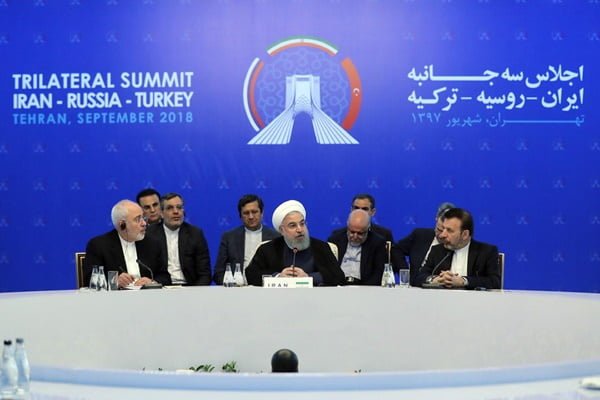
The three countries, the guarantors of the peace process in Syria, agree that they need to root out terrorism while taking care of civilians, he noted.

The Iranian president then mentioned six points that needs to be considered in any final solution to the conflict.

Rouhani said Syria’s territorial integrity and independence must be respected in settlement talks.

The Iranian president said the fight against terrorism must continue until all terrorist groups are eliminated, particularly in Idlib.

All countries must work to help prepare the ground for the return of refugees and reconstruction of Syria, he added.

The Iranian president also said the “illegal presence and intervention” of the US in Syria must end immediately.

The three countries must keep up working until peace and stability has fully restored in Syria, Rouhani concluded.


Return of Refugees High on Agenda

Putin in turn said he is pleased to see efforts by the three countries have prepared the ground for Syrians to decide their destiny.

“Efforts by Russia, Iran and Turkey have led to serious progress and we hope today’s meeting will be highly effective and allow for the final solution of the Syria conflict,” he said.

Putin said Russia supports the return of refugees to Syria and believes an international plan needs to be created to facilitate the process.

The Russian president said efforts are needed for reconstructing Syria’s industries, agriculture and infrastructures, to prepare the ground for the return of more refugees.


Anti-Terror Fight Should Be Coordinated

Erdogan, for his part, stressed the need for immediate ceasefire in Idlib, saying aerial bombardment of the region must be stopped.

“We should take a step to end these bombardments. Civilians in the region experience big fear and we face waves of immigration from this region,” he said.

However, Erdogan said, taking measures to fight terrorist groups in the region is of utmost importance, stressing that these measures should be coordinated with all players.

During the Friday talks, Erdogan asked his Russian and Iranian counterparts to include the word “ceasefire” in an article of the Summit’s final communiqué, but his call was rejected by Putin, who argued the terrorists are not represented in the Tehran Summit, so a ceasefire without their commitment is not possible.

The three sides finally agreed on urging all militants and terrorists to lay down their arms. This was supposed to be added to the statement, but Turkey finally withdrew its objection, and the statement was released as prepared by the three countries’ foreign ministers.