Sunday, April 12, 2026
Home Blog Page 3456

Iran Slams Foreign Media for Ignoring Arba’een March

Abdolreza Rahmani Fazli said the foreign media’s indifference to the gathering shows that they are worried about the impact of the great march of Arba’een.

He stressed that Ashura (the day Imam Hussein was martyred some 14 centuries ago) and the uprising of Imam Hussein (AS) do not belong to a particular religion, but belong to the entire world, because the third Shiite Imam sacrificed his life and the lives of his companions for Islam and humanity.

The Iranian minister also underlined that the number of foreign pilgrims attending Arba’een shows the world is moving towards Islam and the uprising of Imam Hussein.

“We must have suitable infrastructure to make their trip easier. People start this difficult trek because they believe in the ideals of Imam Hussein. We must use all the capacities to show the different aspects of such belief to the people around the world,” pointed out Rahmani Fazli.

Speaking at a meeting near the border crossing with Iraq, he noted that “services provided for pilgrims this year are very good and extensive in comparison to the past four years, and with the implementation of the plans, we can offer more services at the borders in the coming years.”

Meanwhile, Iran’s Minister of Culture and Islamic Guidance announced one million and 700 thousand people have registered for the great march of Arba’een.

Seyyed Abbas Salehi made the statements upon his arrival in Ilam city near the border with Iraq.

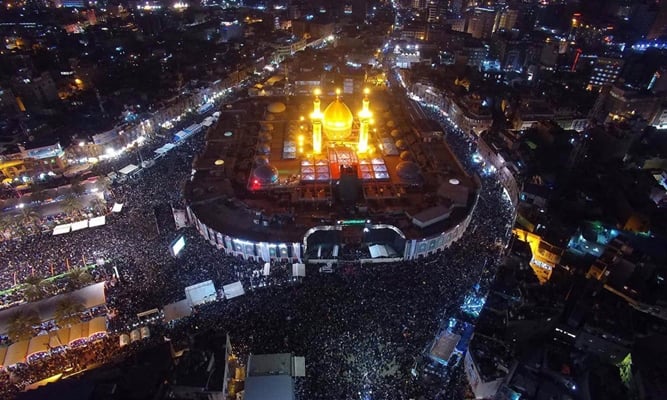
All the paths leading to the holy city of Karbala, in which the shrine of Imam Hussein is located, are filled with millions of people who form the largest march in the world.

The route from Najaf to Karbala, which is the main path of the Arba’een march, is about 80 kilometres. It is believed that the population would increase as of Sunday. This year’s march seems to be the most magnificent one over previous years.

The Arba’een pilgrimage is the world’s largest public gathering that is held every year in Karbala, Iraq. This pilgrimage is held at the end of the 40-day mourning period following Ashura, the religious ritual for the commemoration of the martyrdom of Prophet Mohammad’s grandson Hussein ibn Ali about 14 centuries ago. During this event the pilgrims make their journey to Karbala on foot.

The ritual is an overwhelmingly powerful display of belief and solidarity.
Some Old Bridges Withstand Severe Flooding in Northern Iran

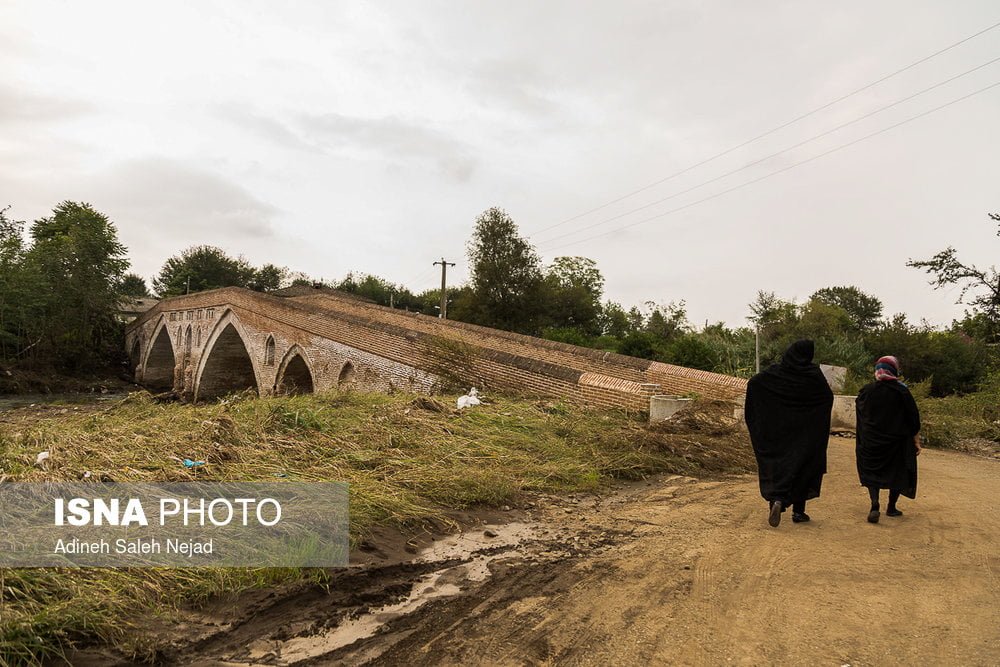
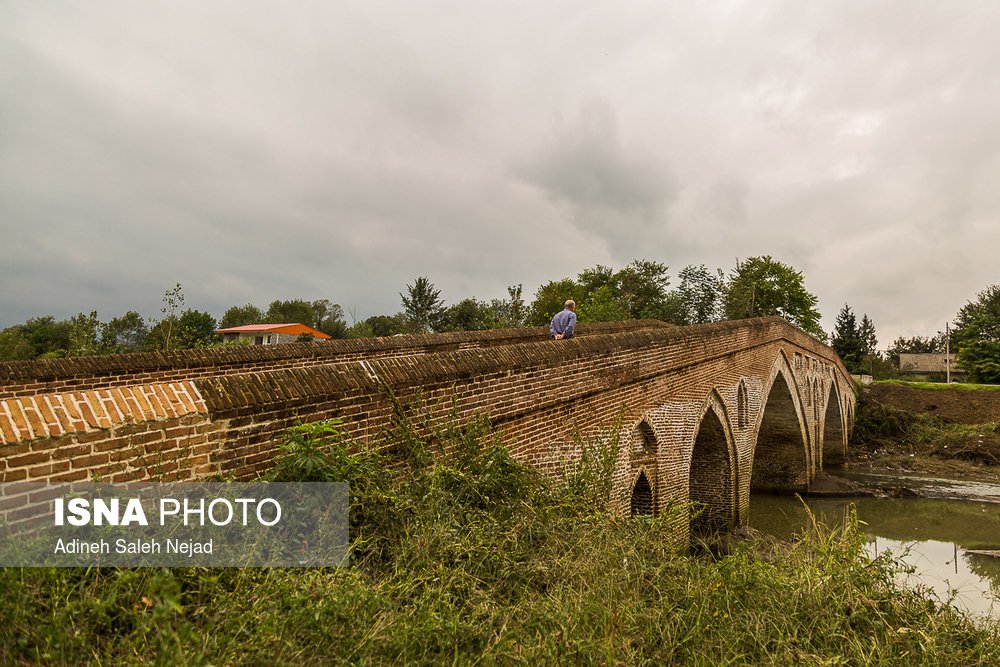
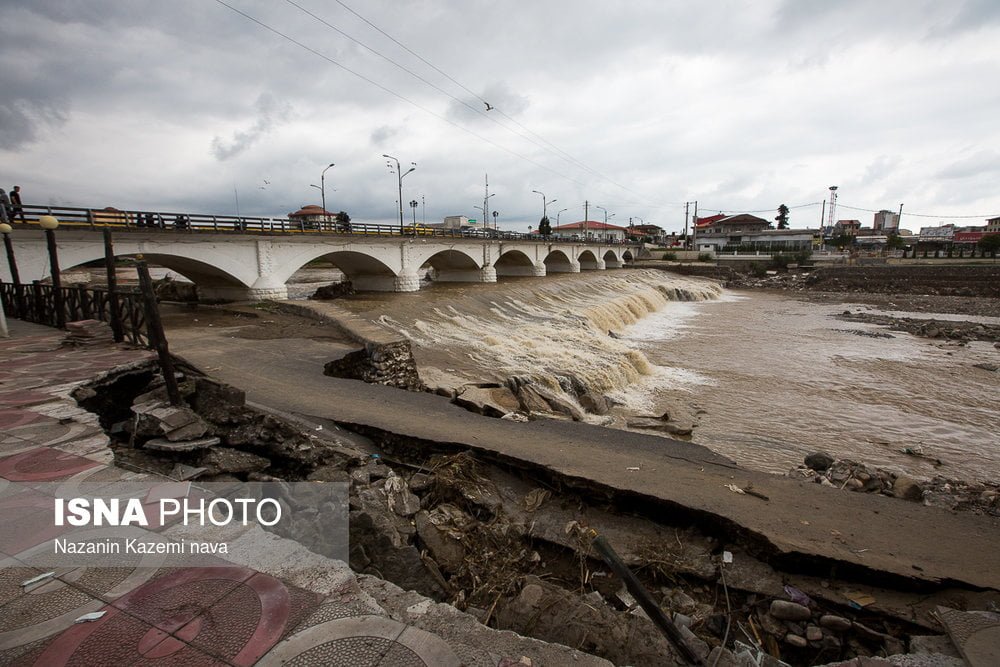
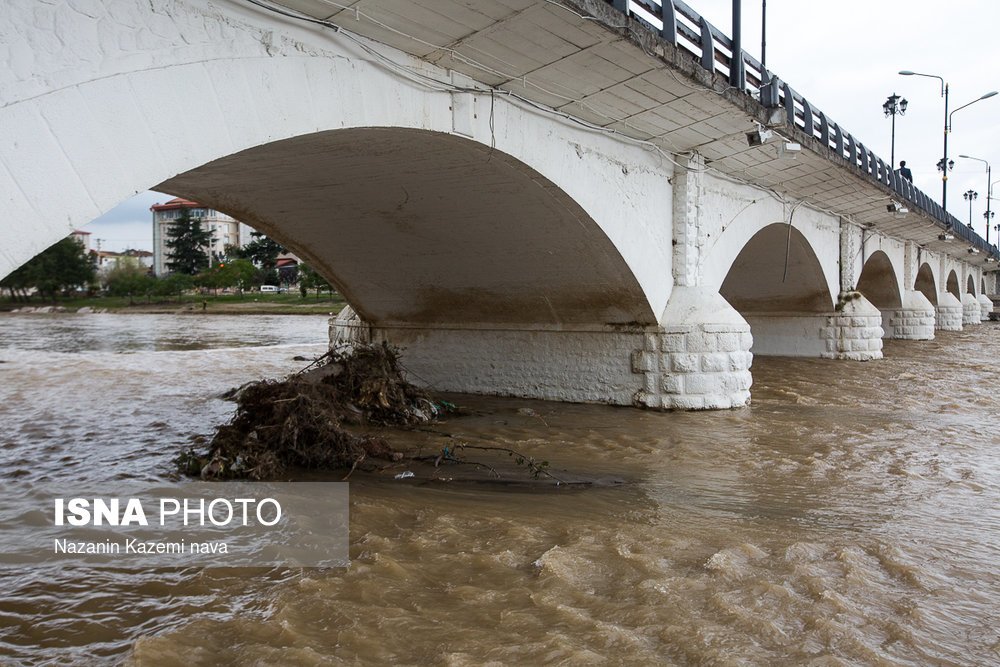
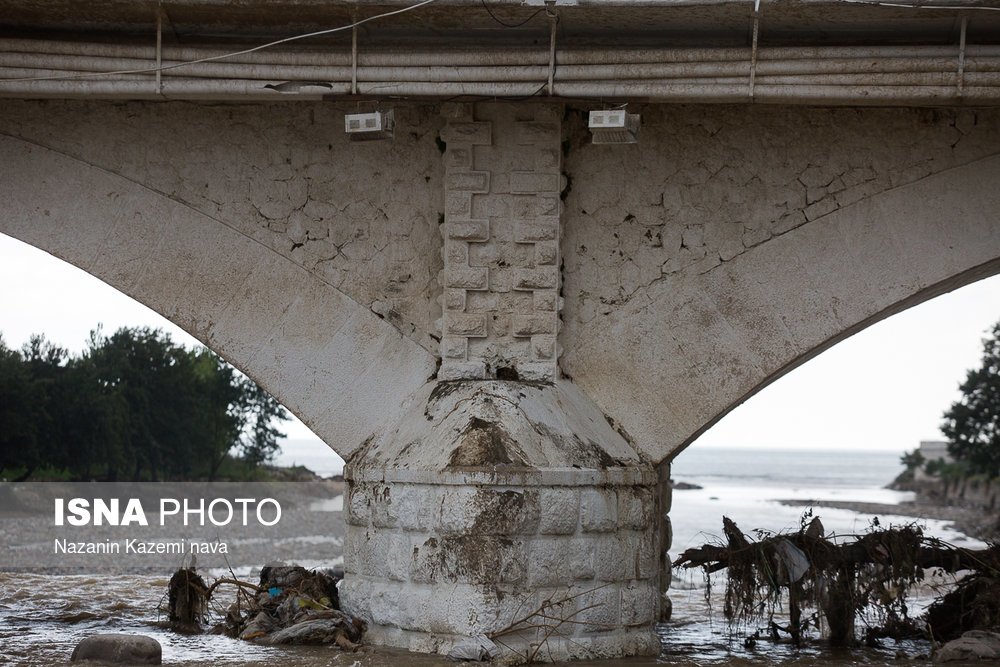
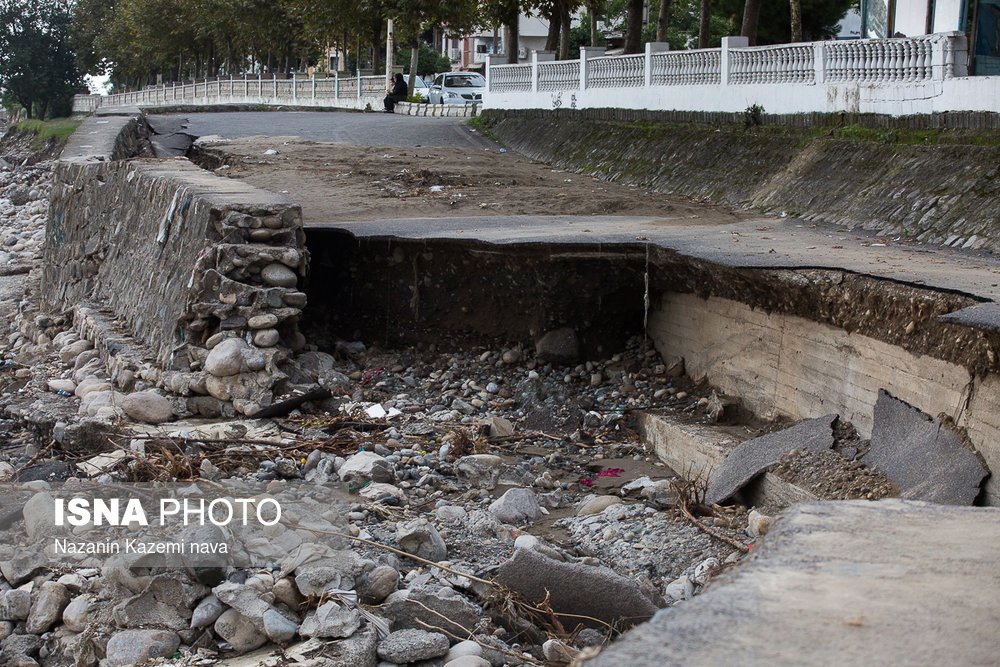
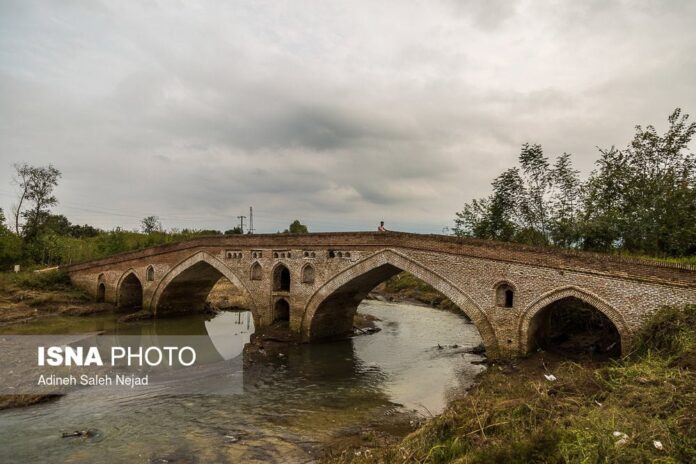
Some bridges collapsed in the wake of the severe floods that swept through northern provinces of Iran in recent weeks. Still, there were some bridges that withstood the flooding due to different reasons such as the style of their architecture, the type of design and aerodynamics, their geographical location and the materials used in their construction.

One of the most important points is that many of the bridges that still stand following the floods are ancient ones. The bridges are not only regarded as historical and national heritage sites, they are still used by pedestrians, pack animals and different transportation means that need to cross rivers.

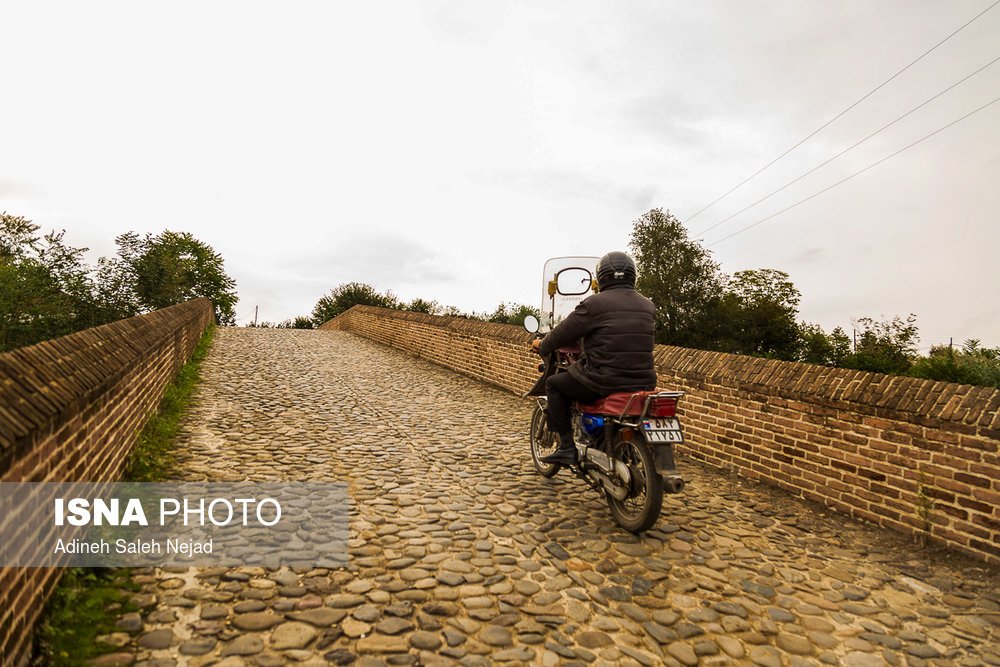
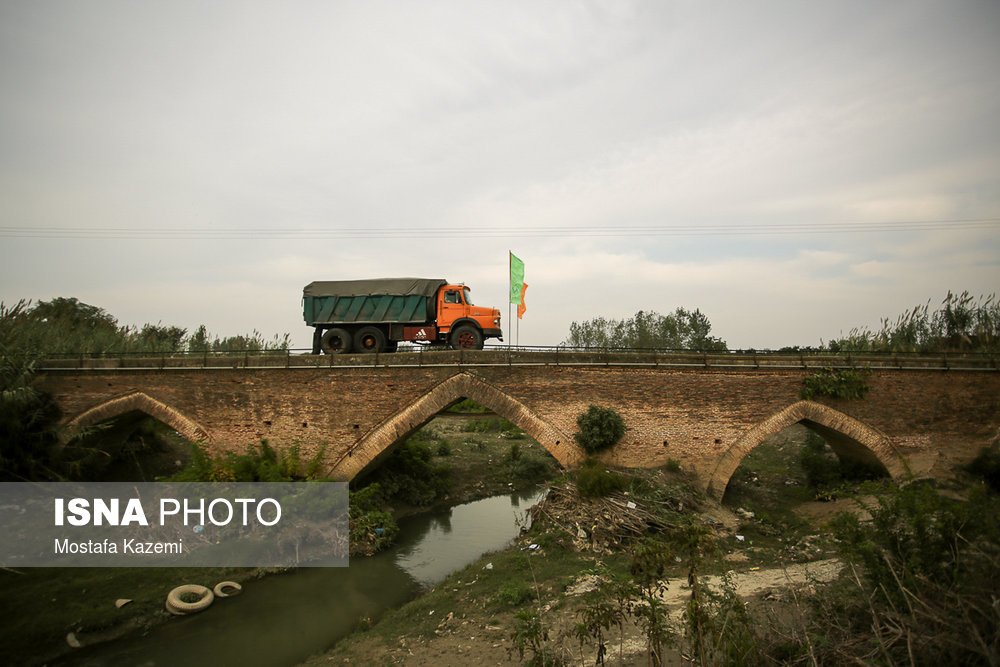
The “Temijan” mud-brick bridge was built during the rule of, and thanks to efforts by Behzad Beig in Gilan province during the Safavid era in 1611. It is 60 metres long and 5 metres wide. It is built on the Temijan River. The bridge’s trusses and body are made of bricks and its floor made of cobblestones. It has four large arch spans.

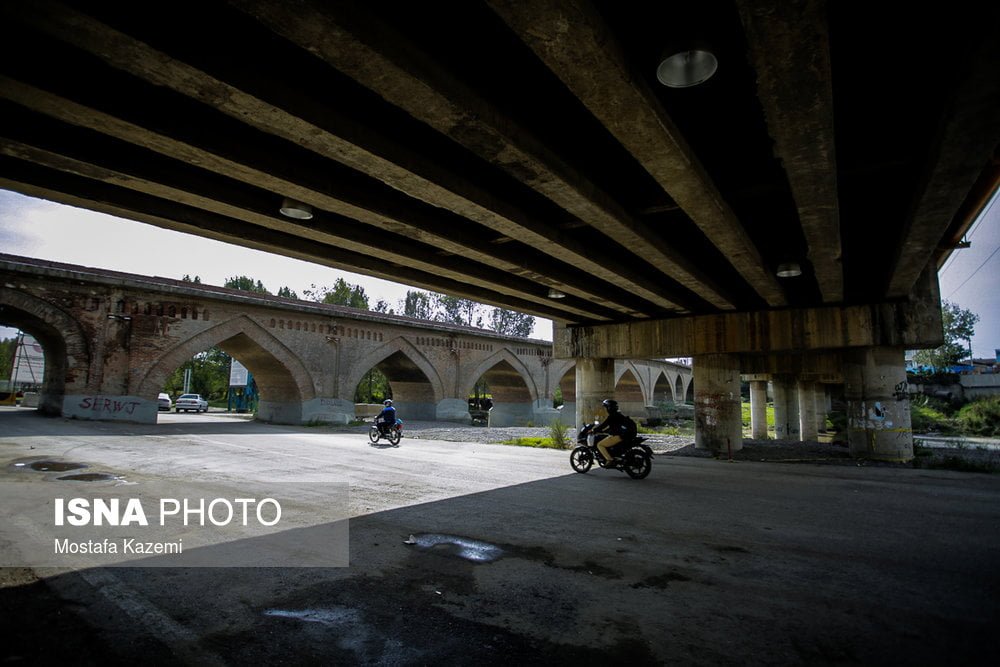
The “Cheshmeh Kolieh” bridge is in the town of Tonekabon in northern Mazandaran province. It was designed by German engineers in 1930 and built by Iranian architects. Its construction was completed in 1932. It is registered on the list of Iran’s national monuments.

The “Cheshmeh Kolieh” bridge has six trusses constructed on lime foundation. The bridge has eight arch spans as well. It has oval-shaped arches. There are decorative flower-like shapes on all sides of the bridge.

The underpass built next to the bridge by the local municipality was less than a decade old and was destroyed in the recent flooding.

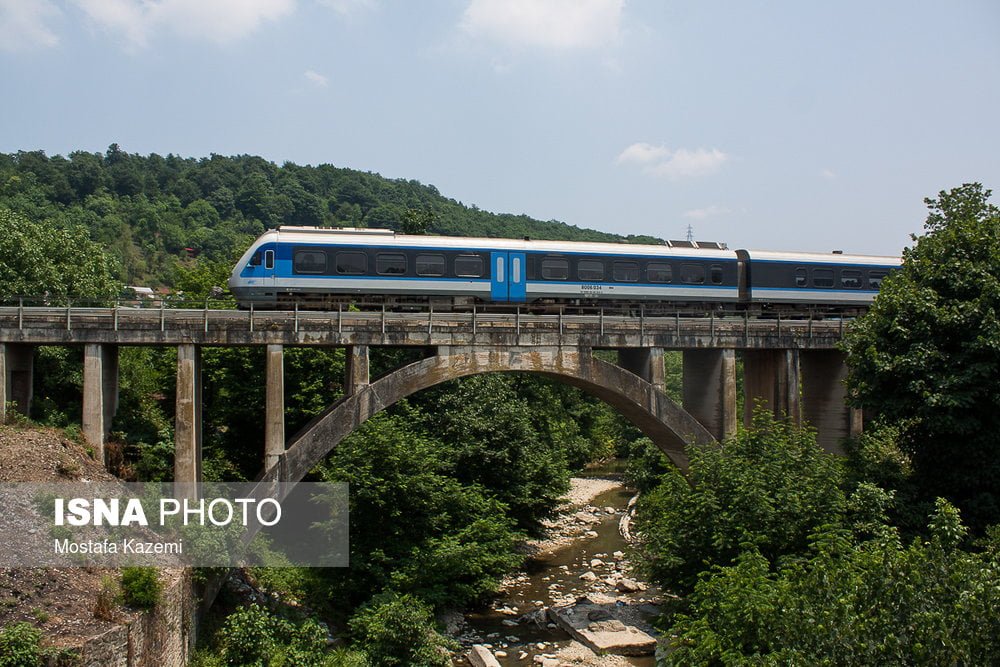
The “Sartapeh” railway bridge of Savadkooh dates back to the first Pahlavi era. It is located in Sartappeh-Shirgah neighbourhood in Savadkooh area and has been registered on Iran’s list of national sites.

Some Old Bridges Withstand Severe Flooding in Northern Iran
Sartapeh

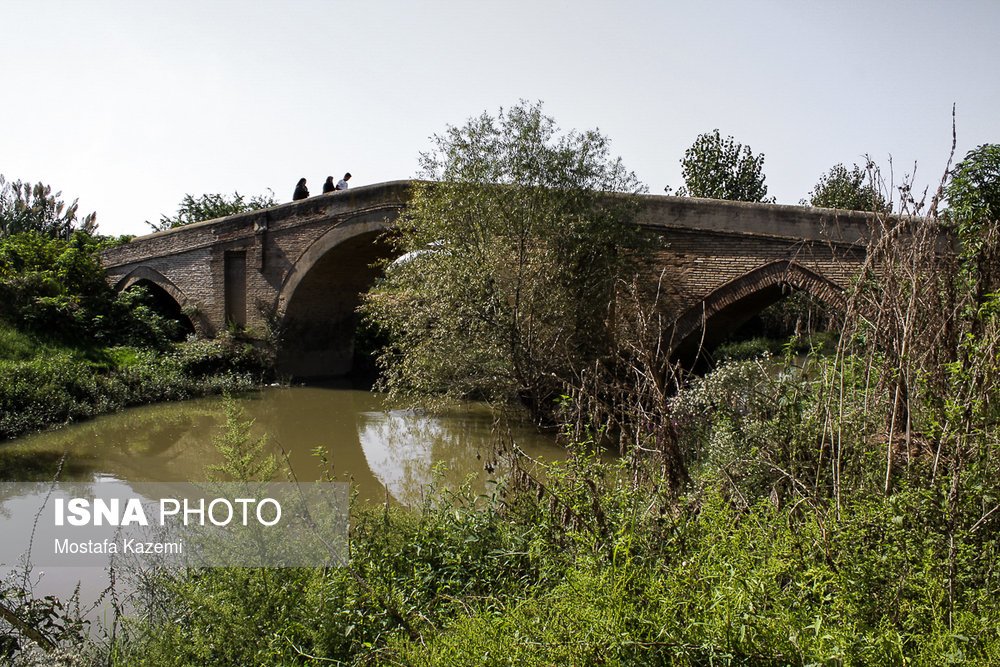
The “Mohammad Hassan Khan” bridge in Babol was officially used as a linking route between the two cities of Amol and Babol until two years ago. Finally it was decided that the bridge not be used by heavy vehicles any longer and be protected as a national monument. The bridge was built in the Qajar era to replace an older one.

Some Old Bridges Withstand Severe Flooding in Northern Iran
Mohammad Hassan Khan

The “Azan” bridge in Azan village in Jooybar has been built on the Siahrood River. The bridge dates back to the Qajar era. It has six arch spans, of which the middle one is the highest, measuring 6 metres from the surface of the water to its highest point. The bridge is mainly made of bricks and Sarooj mortar. It lies almost on the east-west direction. It is 80 metres long and 15.3 metres wide.

Some Old Bridges Withstand Severe Flooding in Northern Iran
Azan

The “Jomeh-Bazaar” bridge of Jooybar also known as “Khesht Pol” dates back to the Qajar era. It is located five kilometres from Jooybar and built on the Siahrood River. The bridge is 7.5 metres wide. It has five Y-shaped spans, and its trusses are fitted with triangular breakwaters. At the moment, another bridge is under construction next to Khesht Pol.

Some Old Bridges Withstand Severe Flooding in Northern Iran
Jomeh-Bazaar

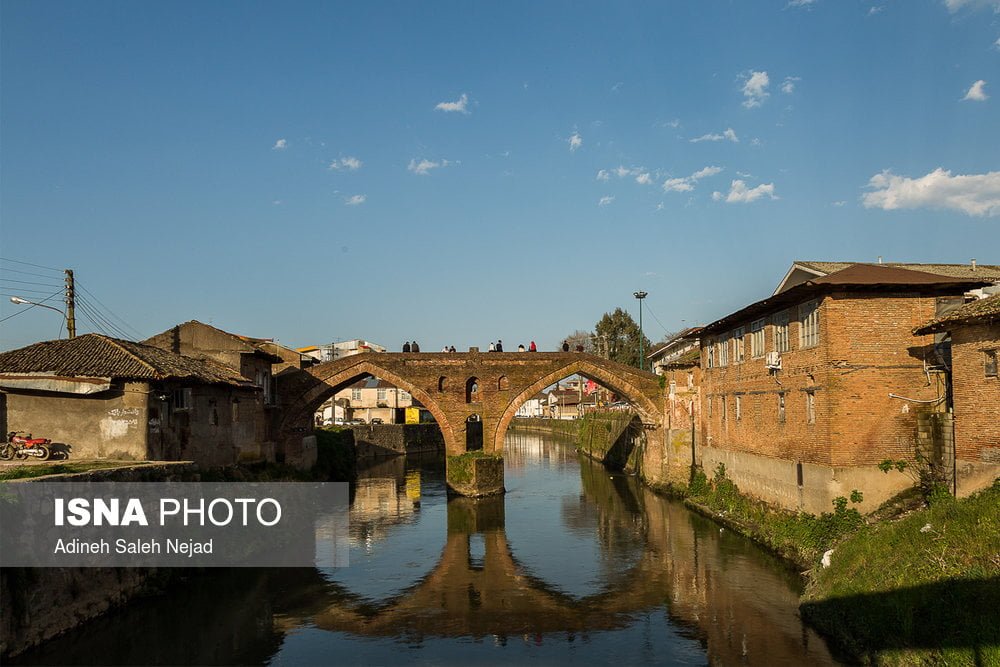
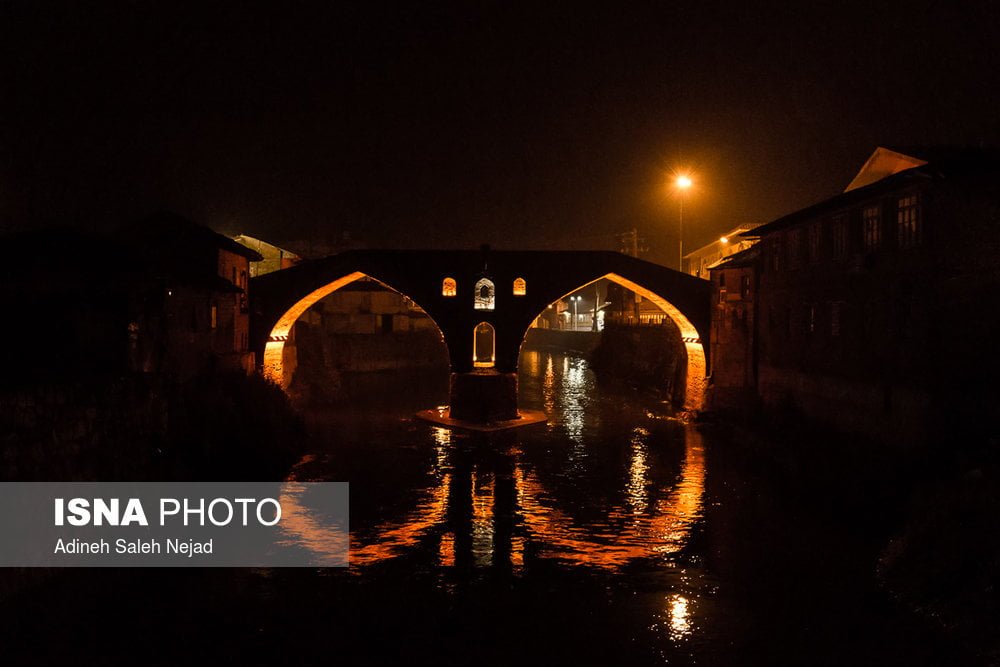
The Langarood Bridge made of bricks and Sarooj mortar is regarded as the most famous historical monument of Langarood and a landmark of the city. This historical bridge is constructed on the Langarood River on the old path linking the city of Lahijan to Langarood. The bridge is located at the city centre near the “Samakan” bazaar.
President Rouhani Says Iran Has Upper Hand over US

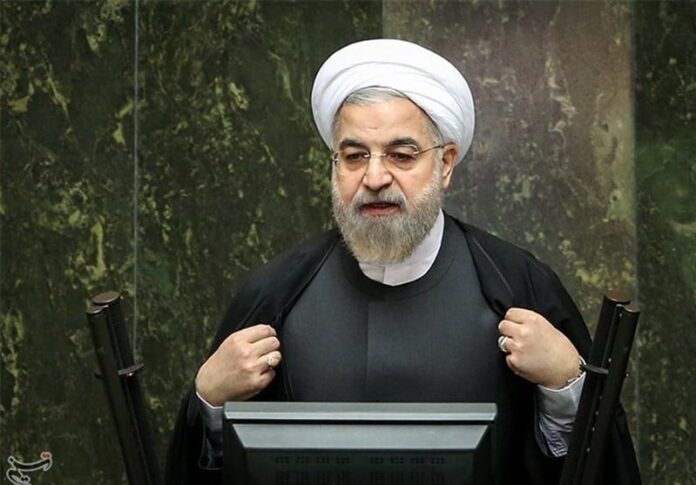
“What we have witnessed in recent weeks and months is the decisive victory of the Iranian nation against US conspiracies,” Rouhani said, addressing a parliamentary session in Tehran on Saturday.
“Undoubtedly, we have gained a rare historic victory in the world politically,” he said, adding that it is rare for the US to make a decision against a country and its traditional allies refuse to side with it.
“Our nation has the upper hand politically. The world recognizes Iran as a country that adheres to its commitments and the US as a country that does not live up to its promises and violates international regulations,” the president went on to say.

The European Union has vowed to counter US President Donald Trump’s renewed sanctions on Iran, including by means of a new law to shield European companies from punitive measures.

On May 8, the US president pulled his country out of the Joint Comprehensive Plan of Action (JCPOA), the nuclear deal that was achieved in Vienna in 2015 after years of negotiations among Iran and the Group 5+1 (Russia, China, the US, Britain, France and Germany).

Following the US exit, Iran and the remaining parties launched talks to save the accord.

Trump on August 6 signed an executive order re-imposing many sanctions on Iran, three months after pulling out of the Iran nuclear deal.

He said the US policy is to levy “maximum economic pressure” on the country.

Trump also restated his opinion that the 2015 Iran nuclear deal was a “horrible, one-sided deal”.

All Ministerial Picks Endorsed by Iran Parliament

Rouhani had nominated Farhad Dejpasand as minister of economic and finance affairs, Mohammad Shariatmadari as minister of cooperatives, labor and social welfare, Mohammad Eslami as minister of roads and urban development and Reza Rahmani as minister of industry, mines and trade.

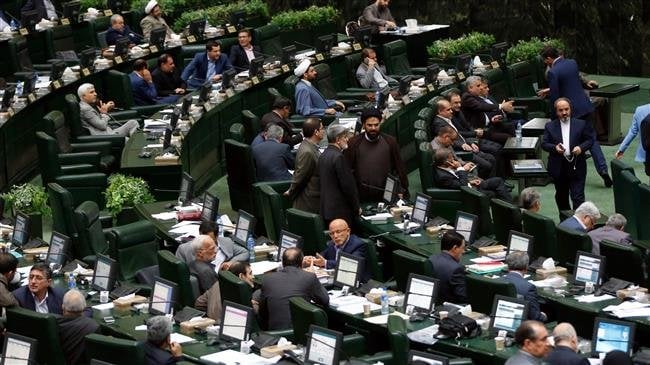
After extensive debates during the Parliament’s sessions on Saturday, Rouhani’s picks for the four ministries obtained the green light from the Iranian lawmakers.

At the end of the session, Dejpasand received the vote of confidence with 200 Iranian lawmakers in favor, 50 against and 15 abstentions. And 196 lawmakers also gave their approval to Shariatmadari. Some 63 lawmakers opposed him and five abstained. Eslami also won a yes from 151 legislators, while 98 were against him and eight abstained. Rahmani won 203 Iranian lawmakers’ vote of confidence while 49 opposed him and 13 abstained.

The confidence vote session in the parliament was extended to the evening when lawmakers decided to go on with discussions about the nominees for ministry posts.

President Hassan Rouhani addressed members of the parliament in the morning session where he defended his administration’s economic records while he also hailed Iran’s political success to defuse unilateral US sanctions against the country.

Rouhani said it was a great success that Iran had managed to preserve a 2015 nuclear agreement with world powers despite Washington’s decision to withdraw from the agreement.

“In the past weeks and months, we witnessed the decisive and unprecedented victory of the Iranian nation against US plots,” said Rouhani in his speech to the lawmakers, adding, “It does not happen often that the US makes an important decision in the world against a big country and traditional allies of the US turn their back on it.”

Iranian parliament is the sole legislative body within Iran’s system of governance.

The 290-member chamber can impeach the president and members of his cabinet.

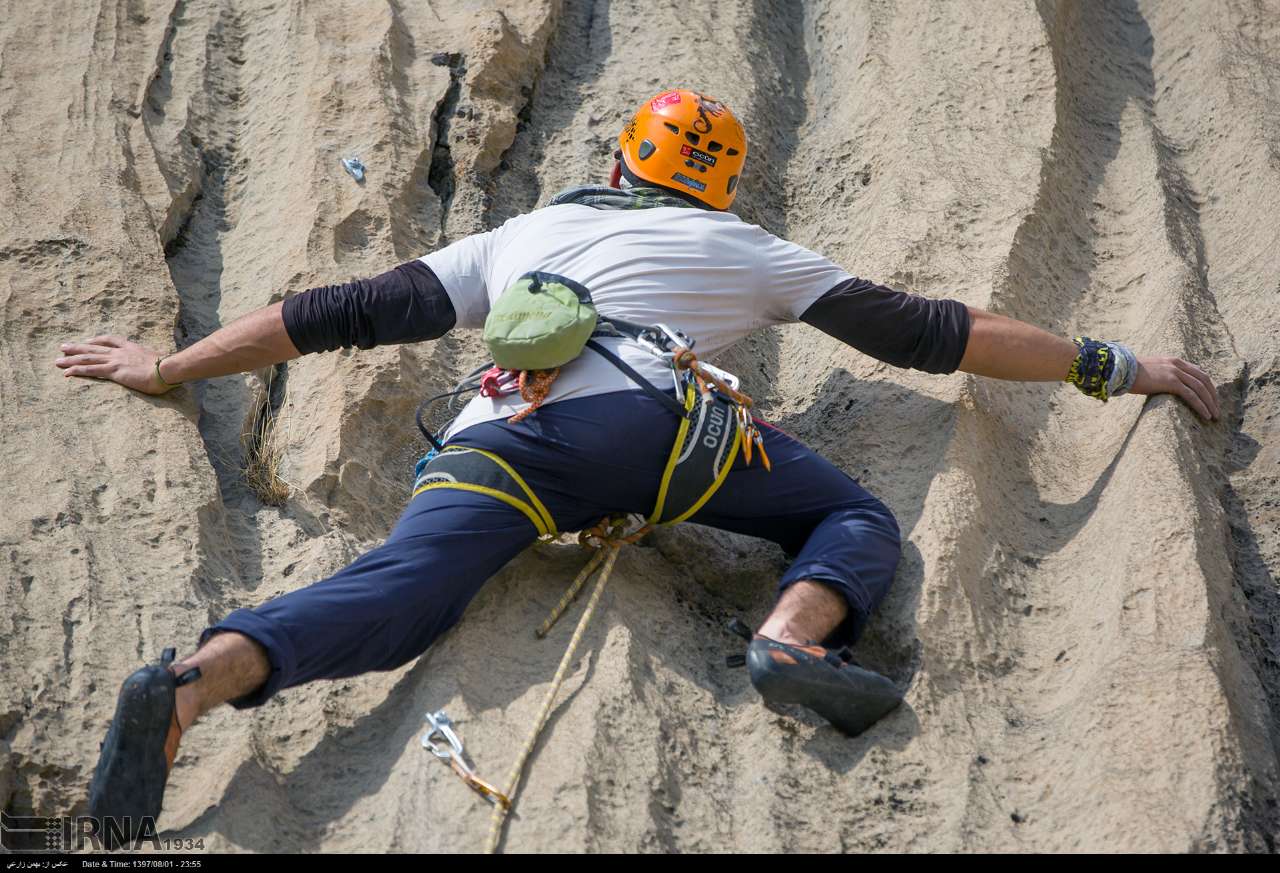
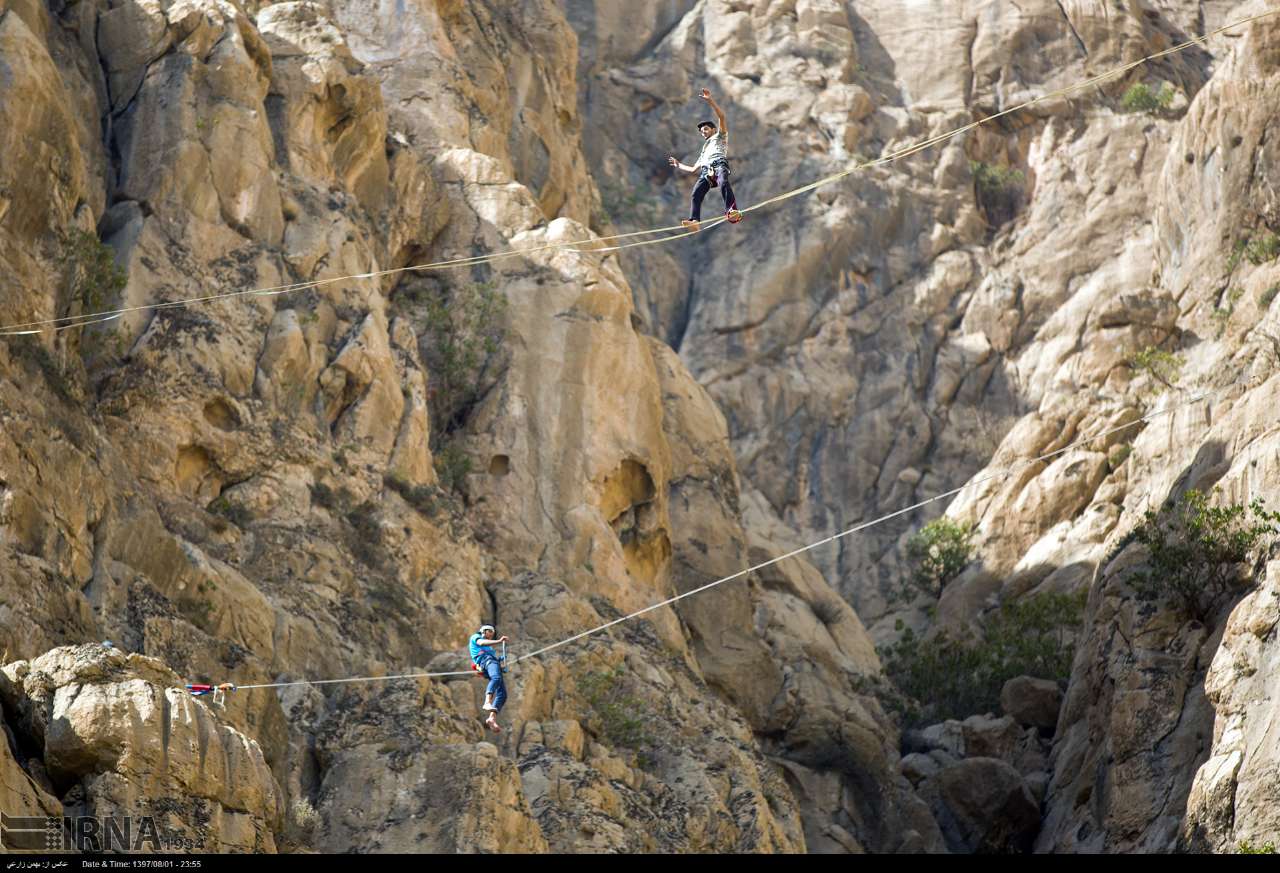
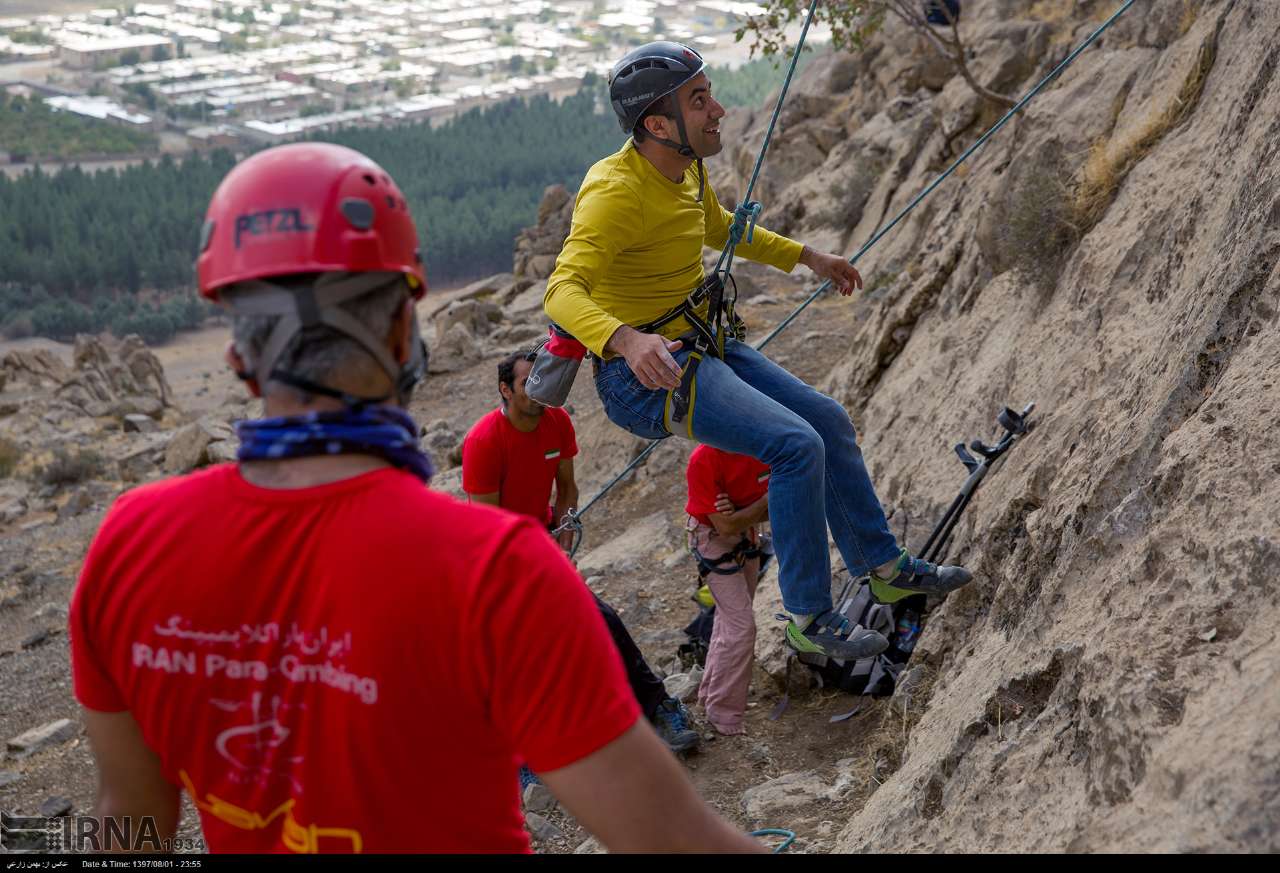
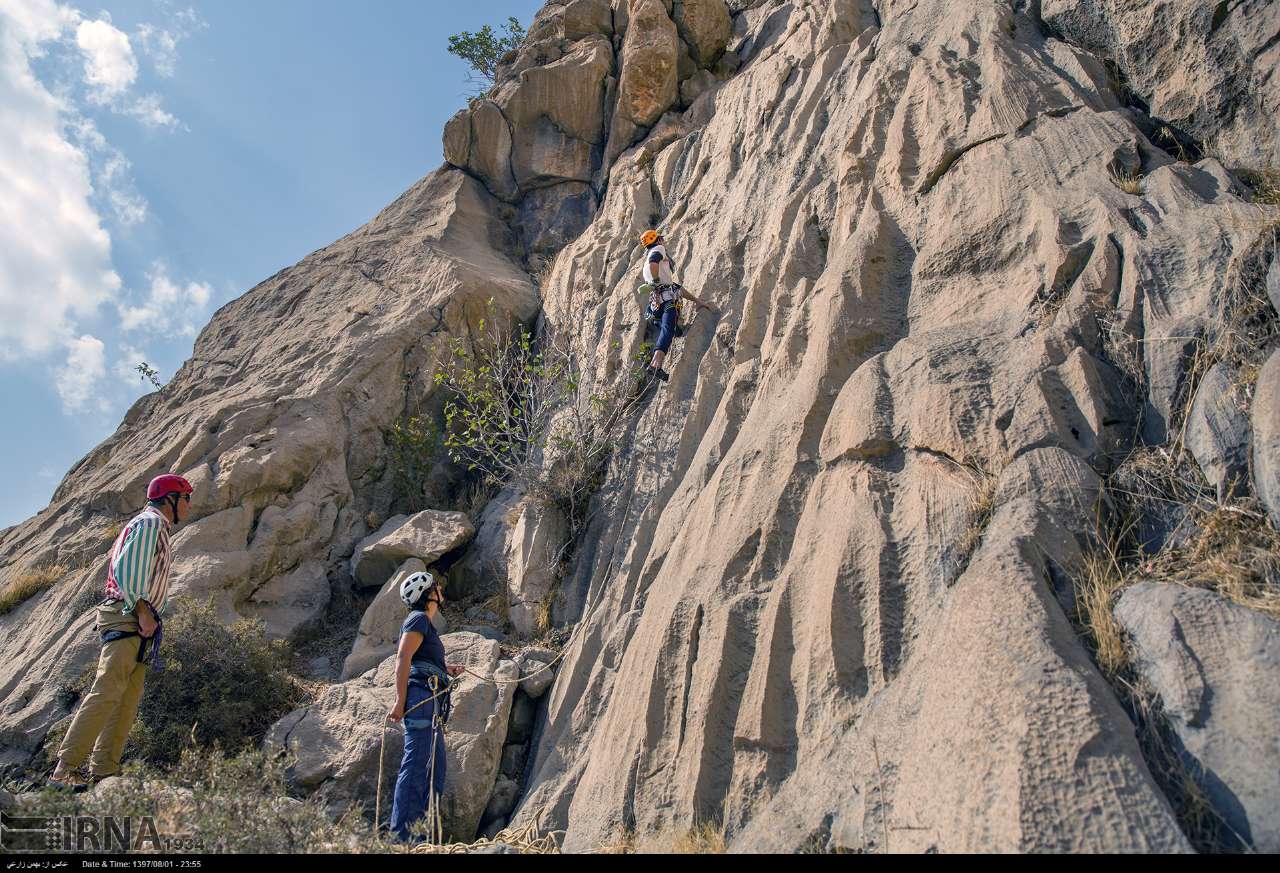
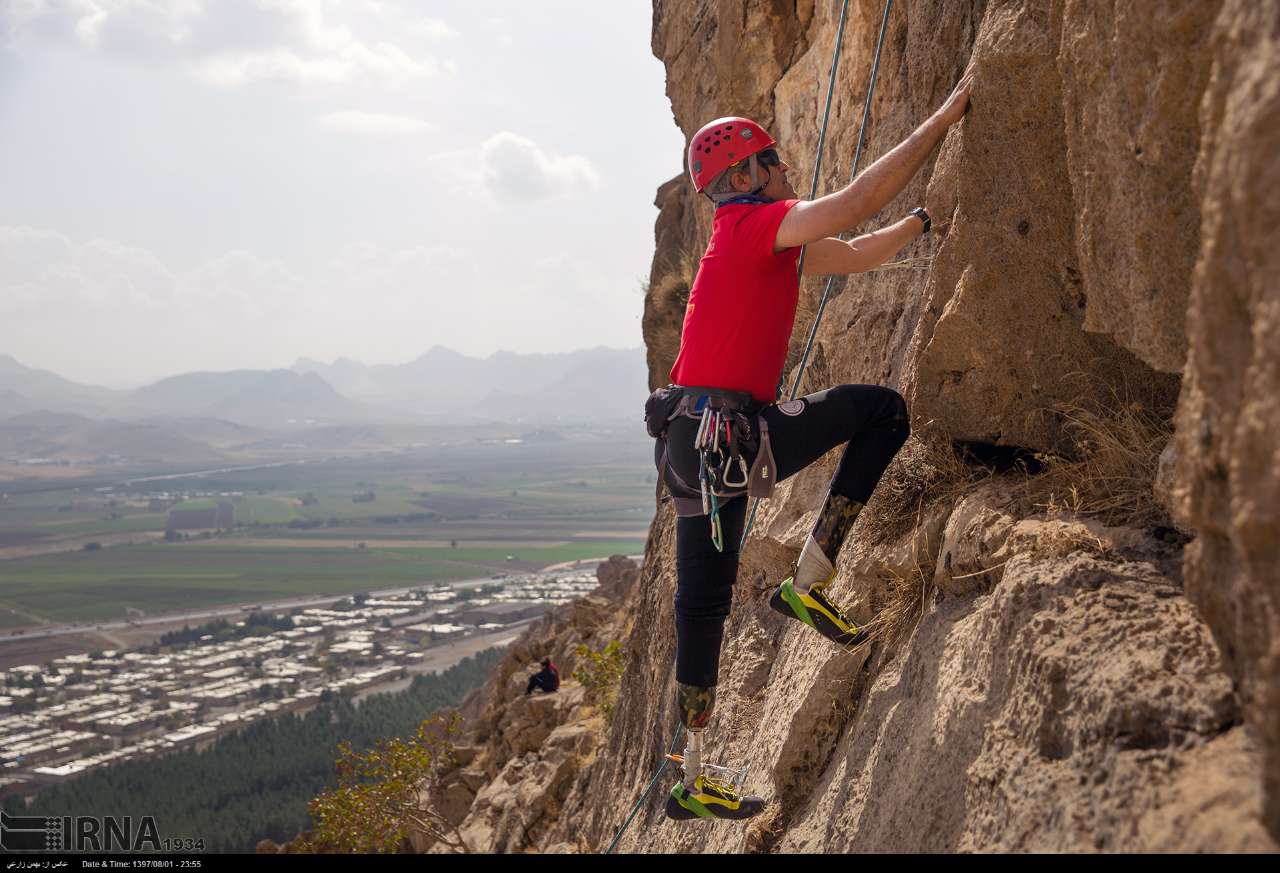
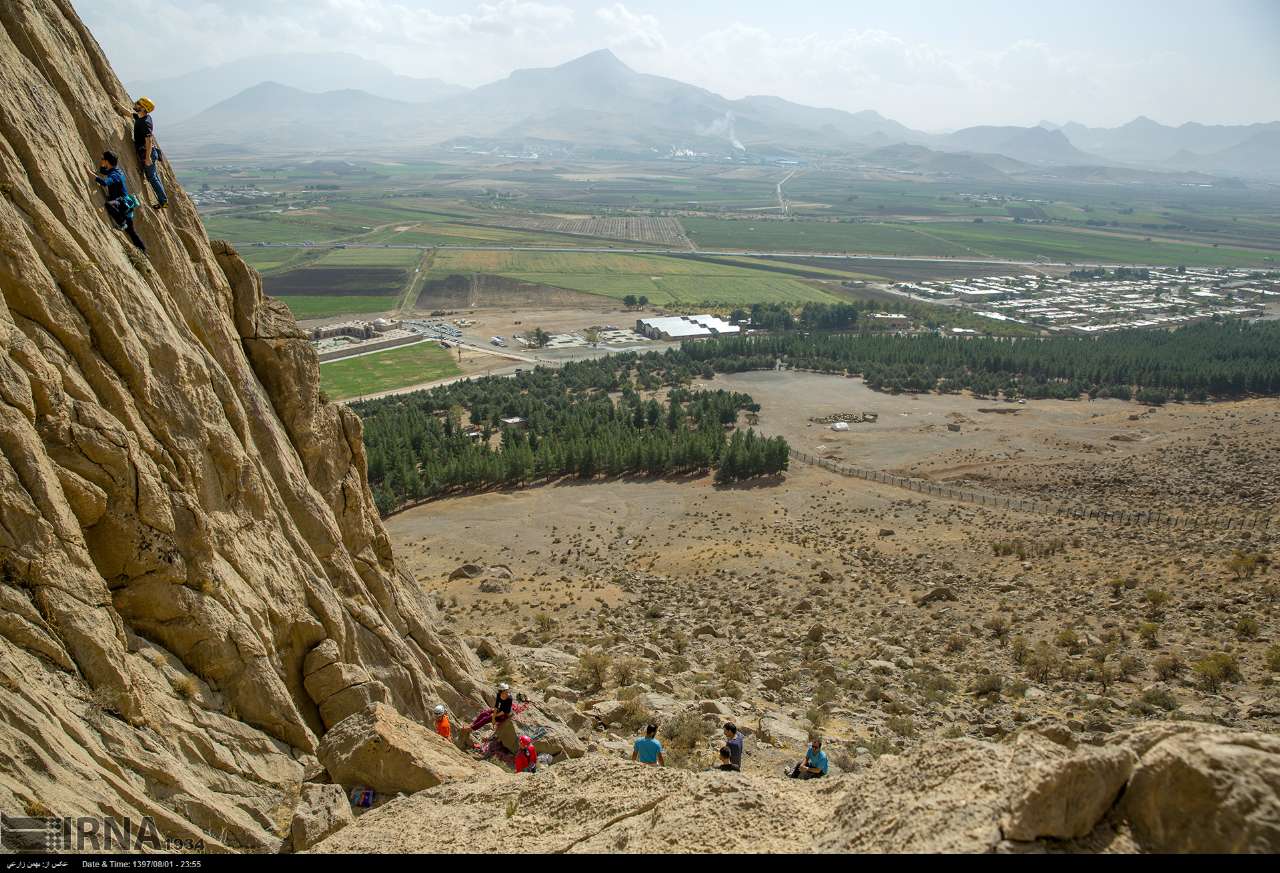
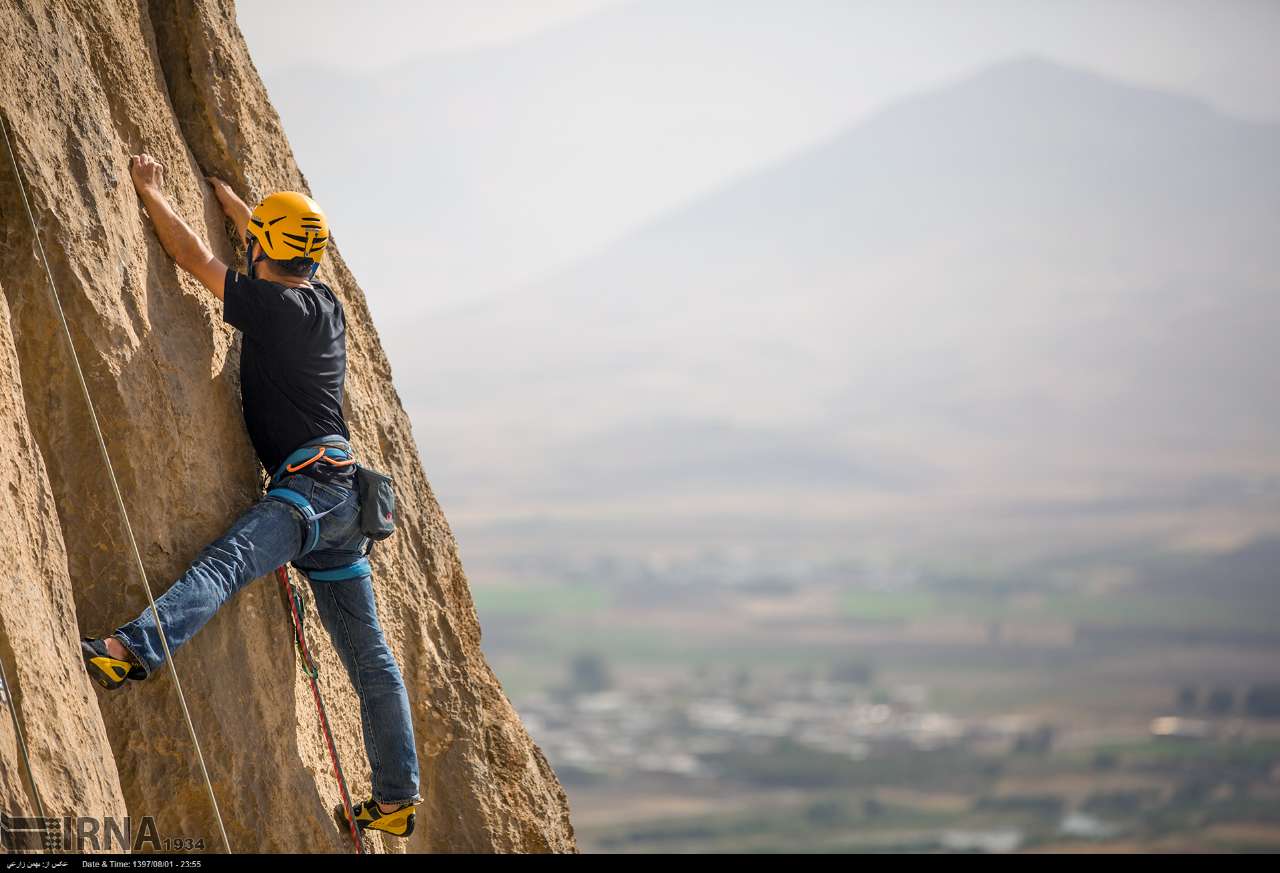
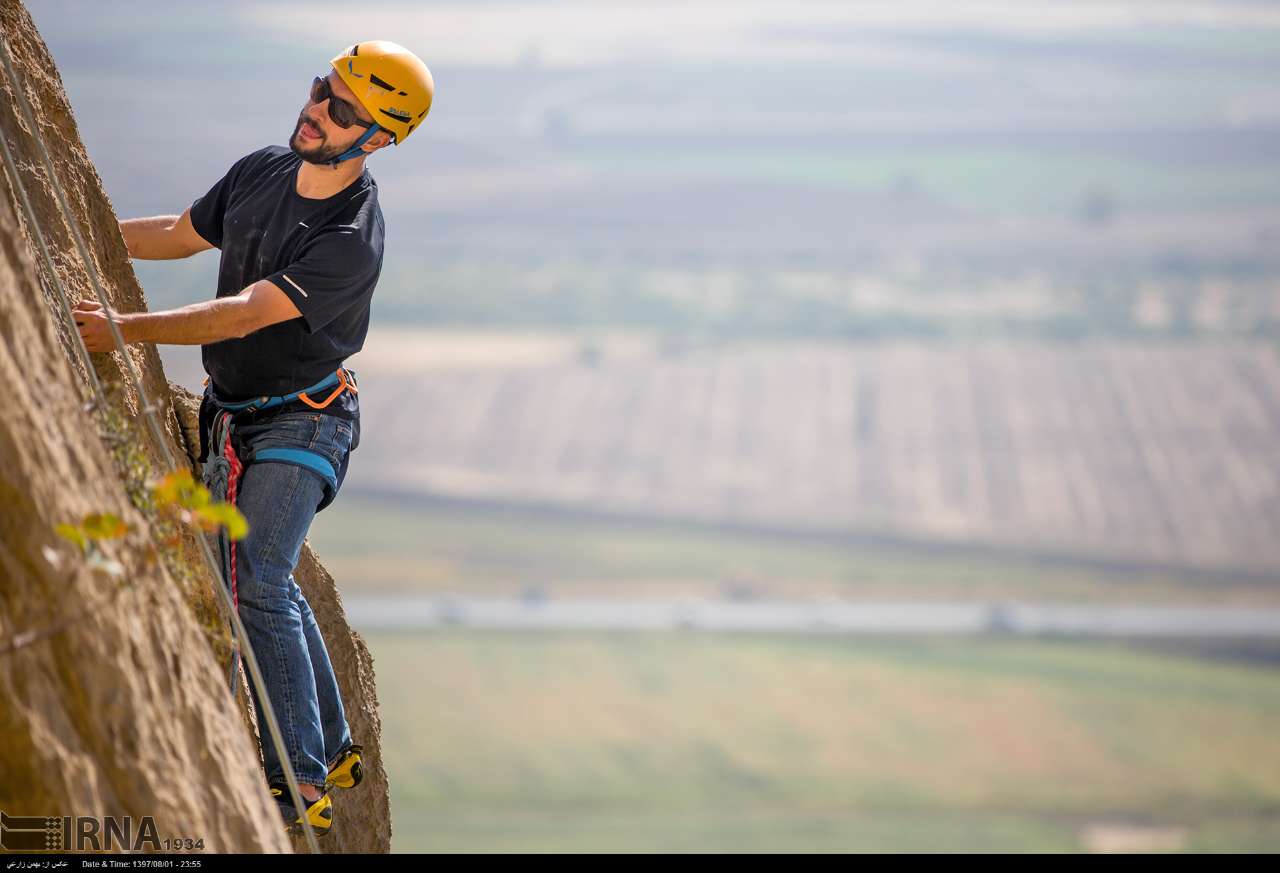
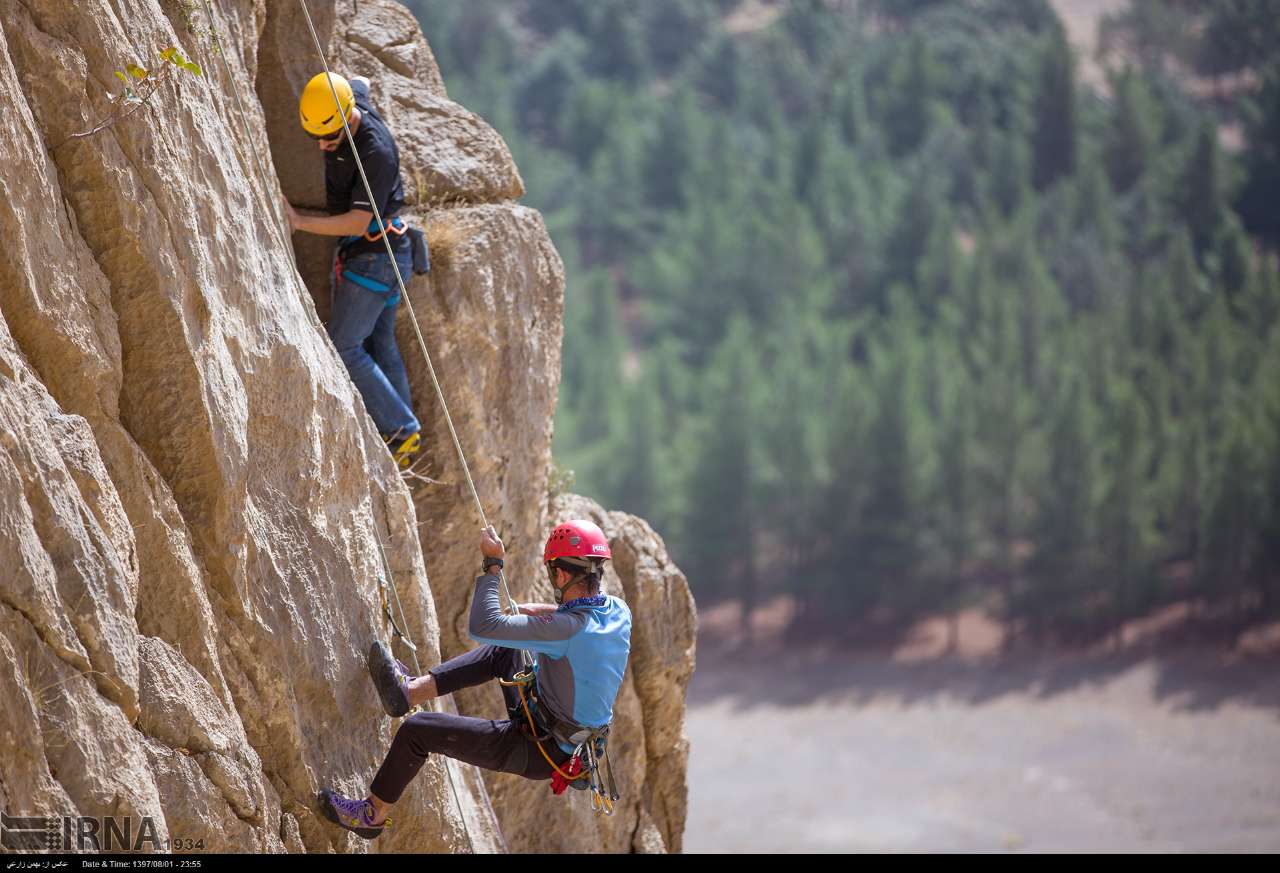
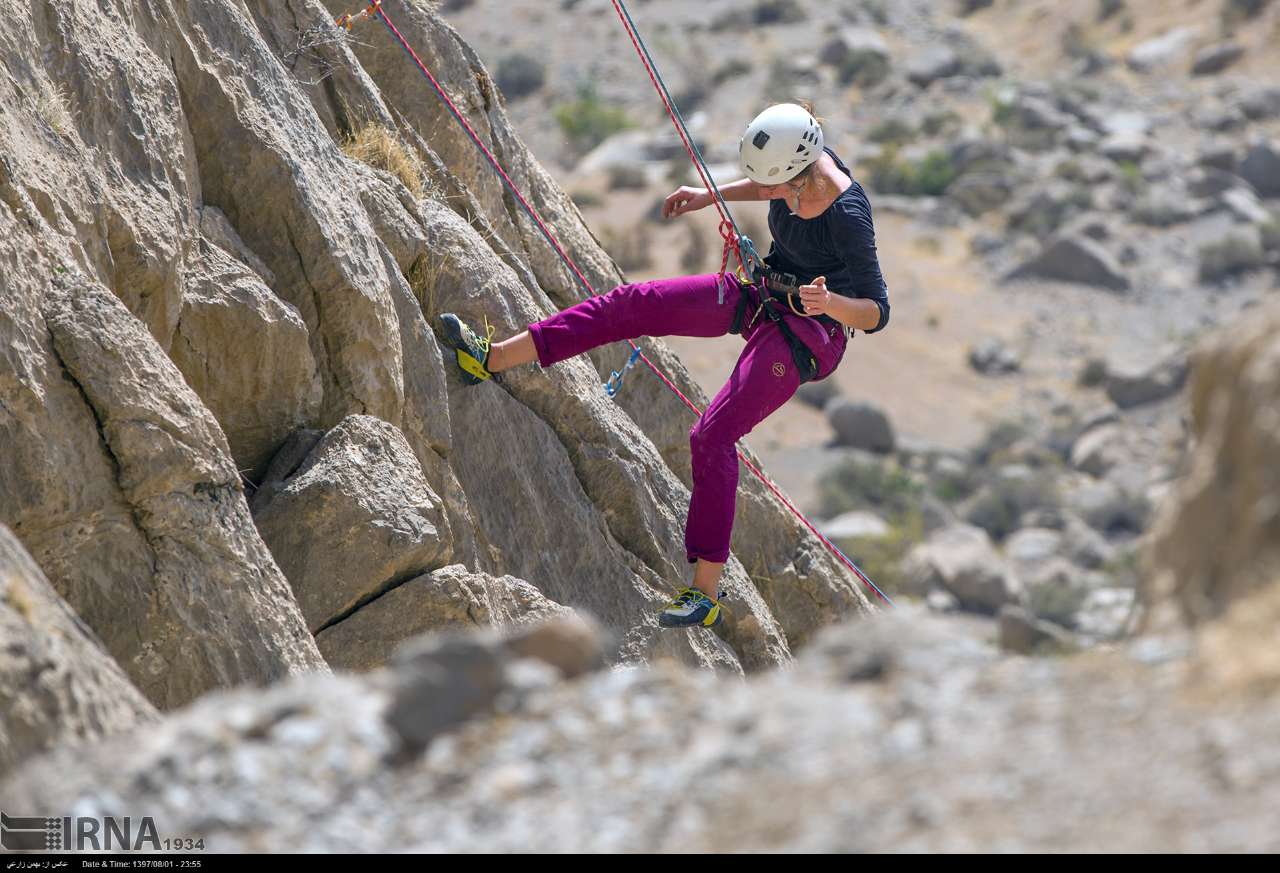
Int’l Rock Climbing Festival Held in Western Iran

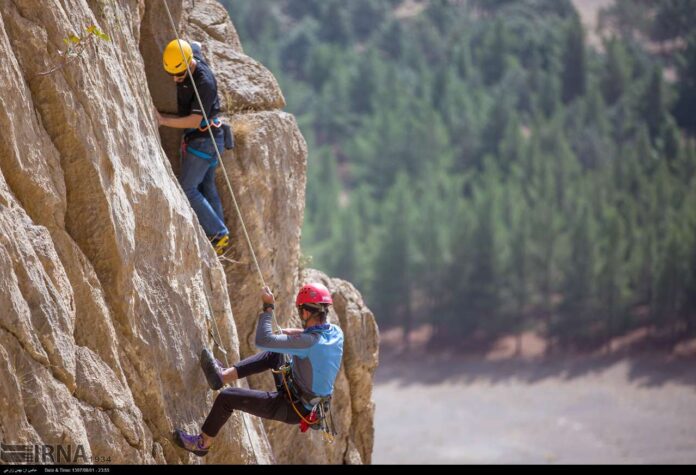
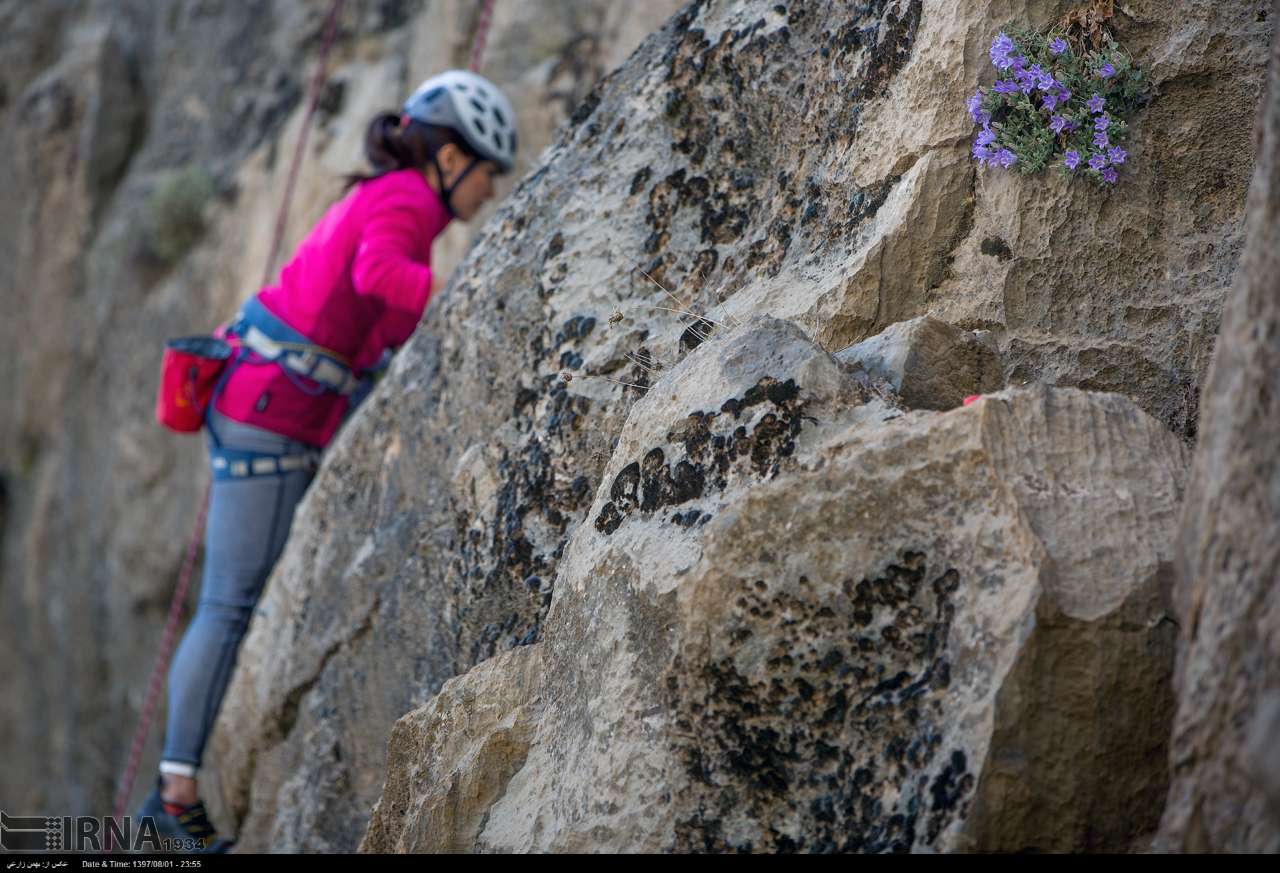
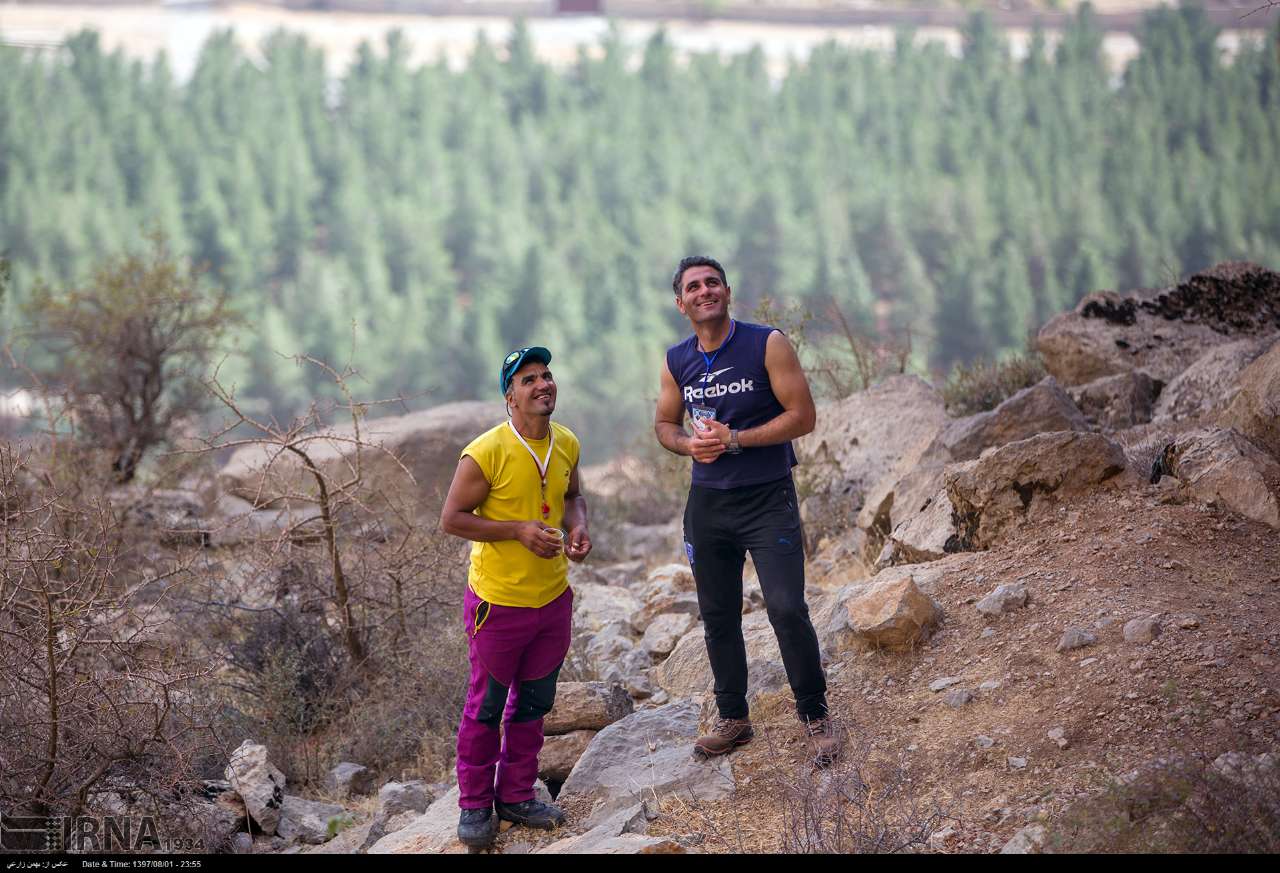
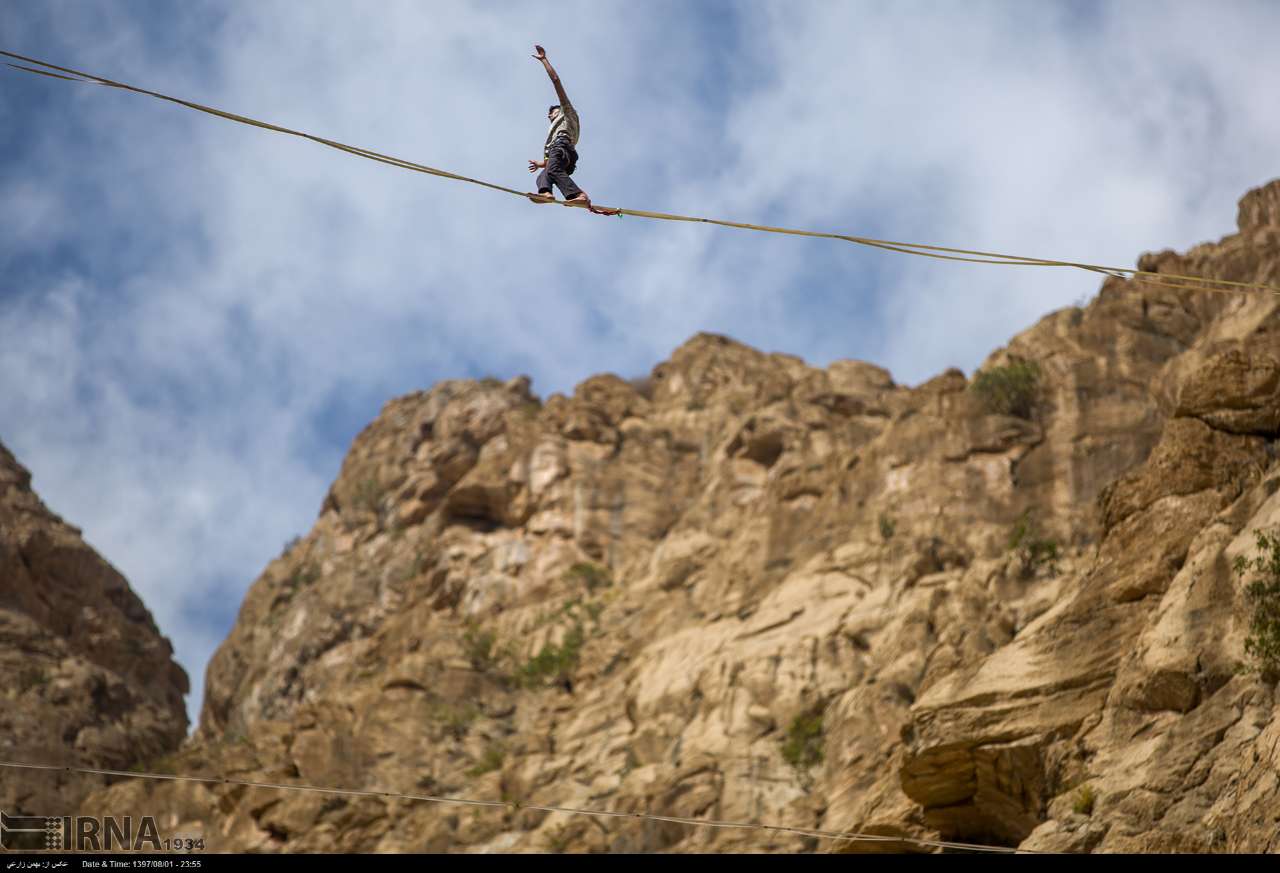
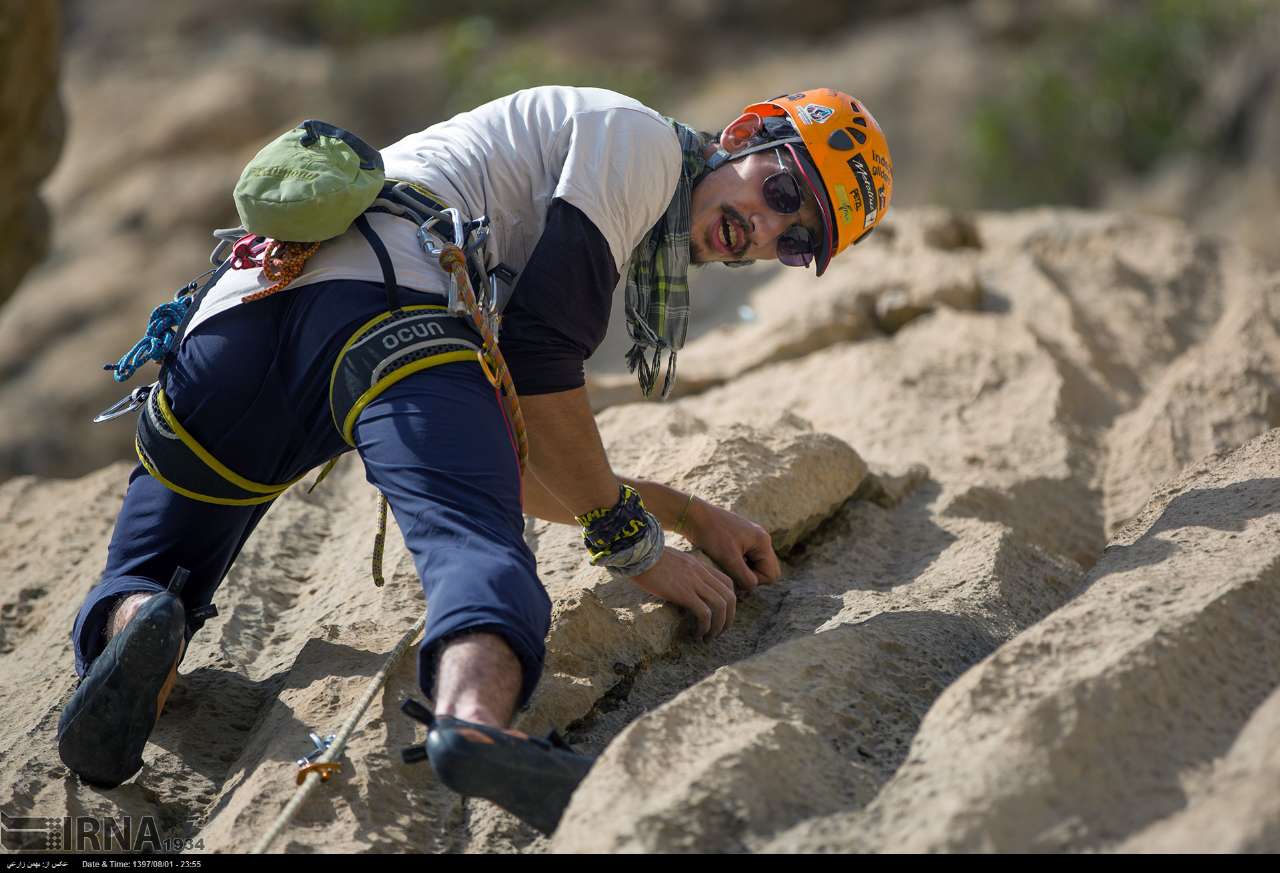
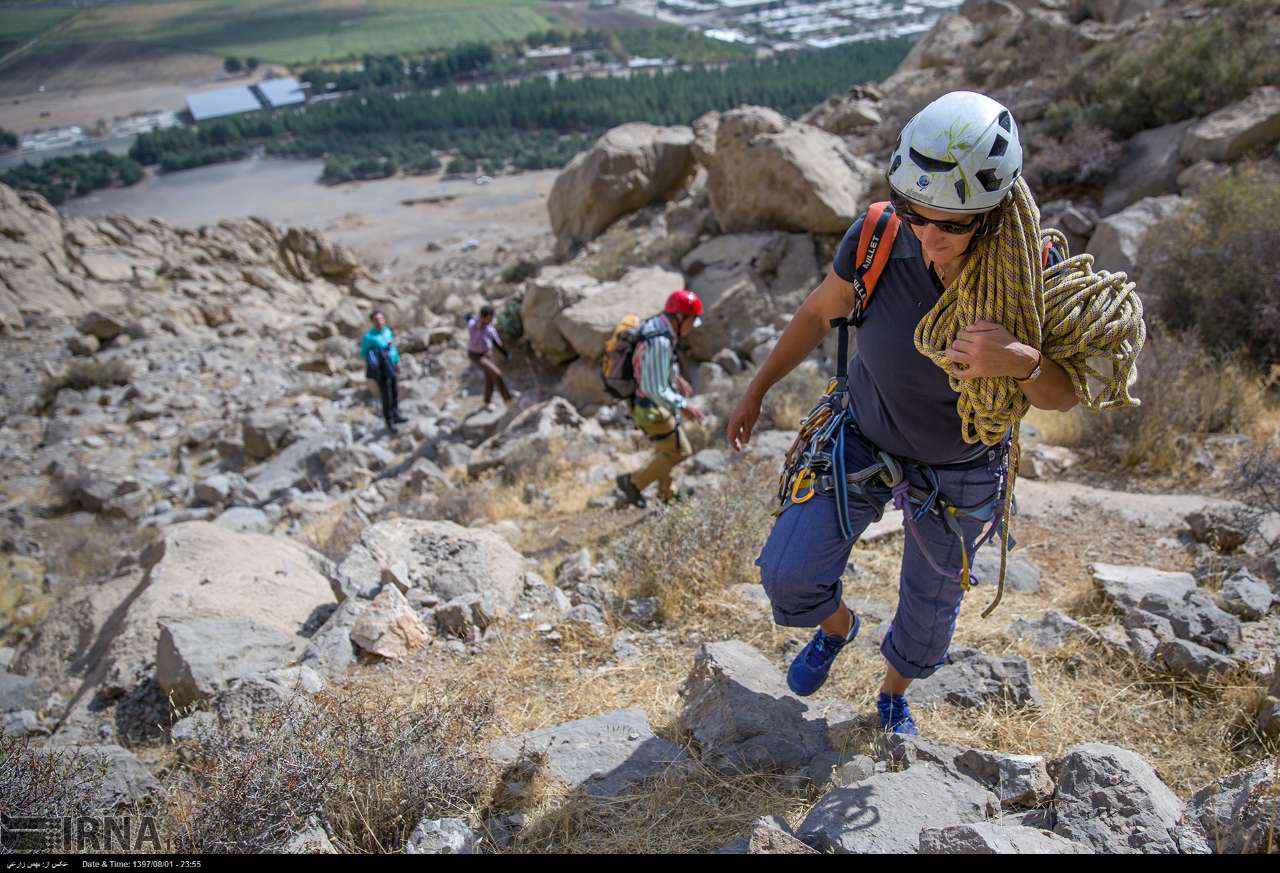
During the festival, 100 Iranian climber along with 20 foreigners competed for five days until October 25.

The event was held at the foot of the historical Bisotoun Mountain.

Bisotoun is well known for its famous inscription and rock relief in which the great Achaemenid King, Darius the Great, had the narrative of his exploits carved around 500 BCE.

What follows are photos of the festival retrieved from IRNA:


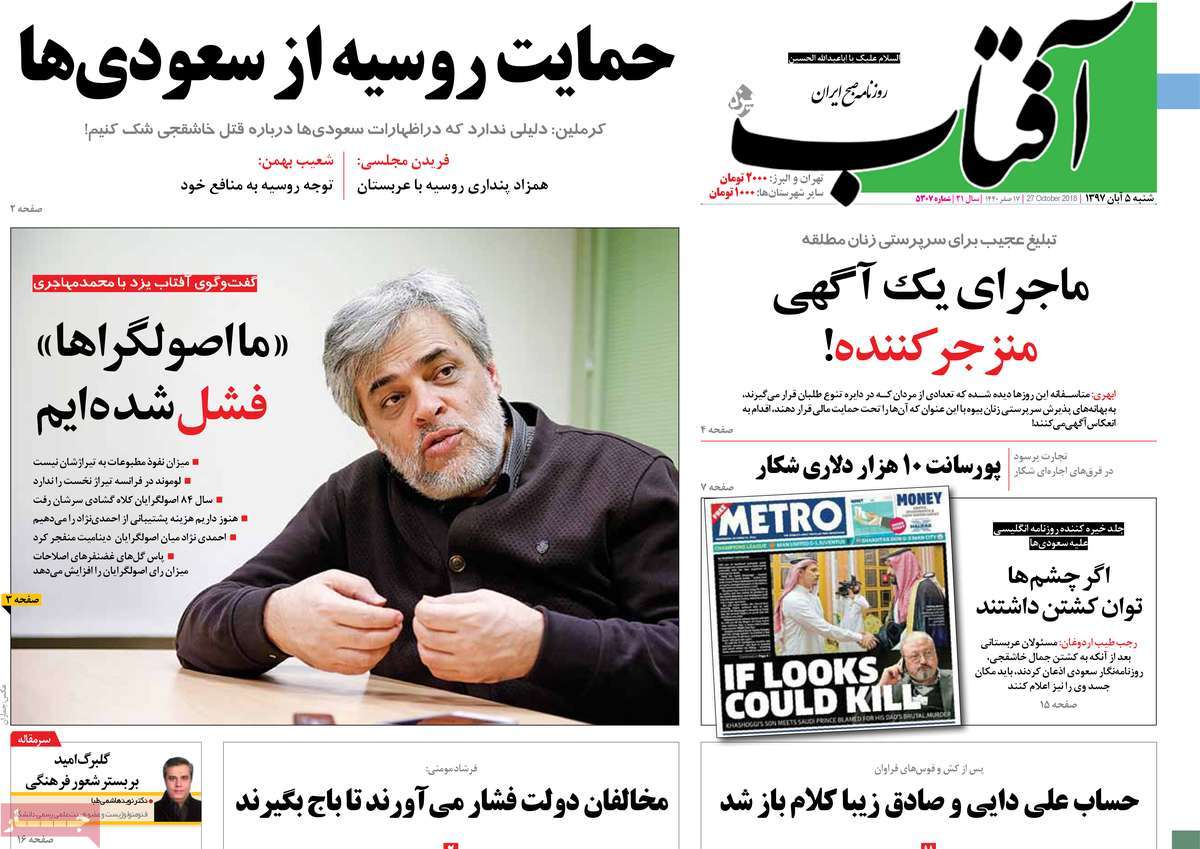
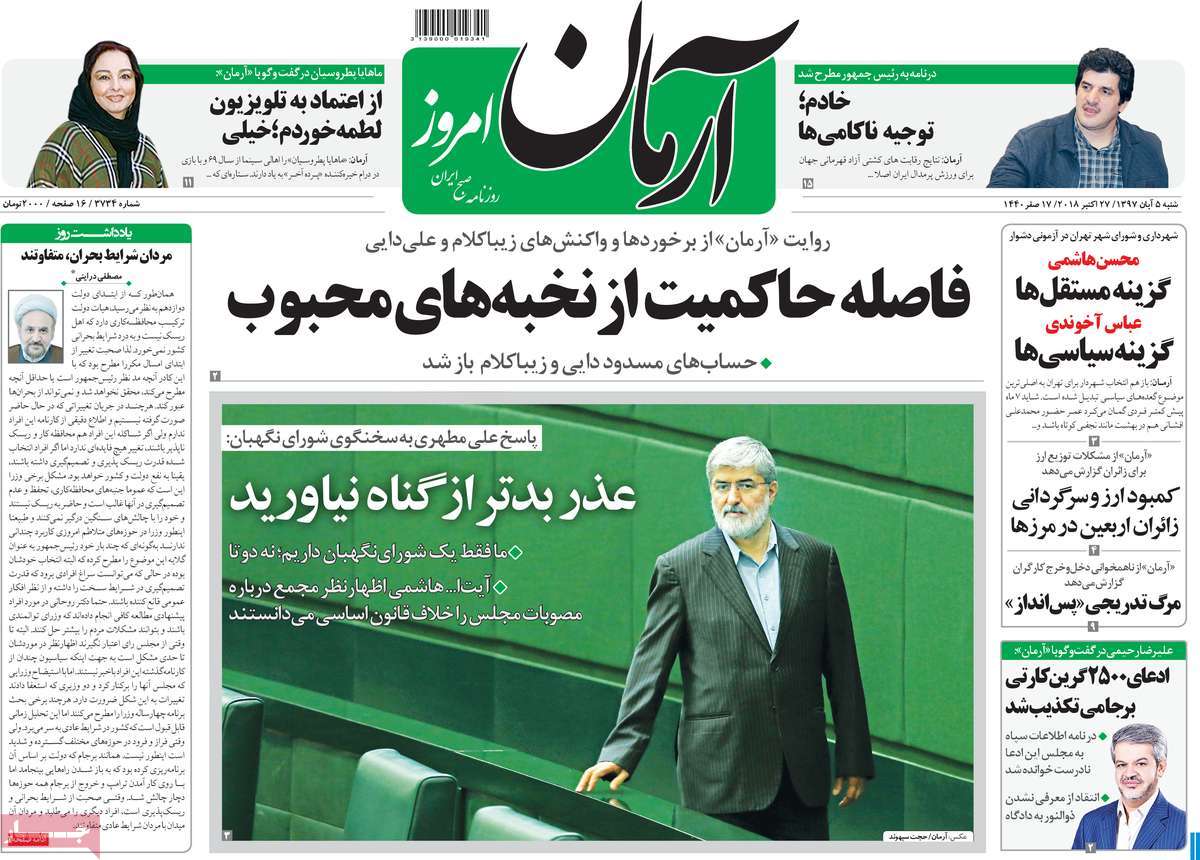
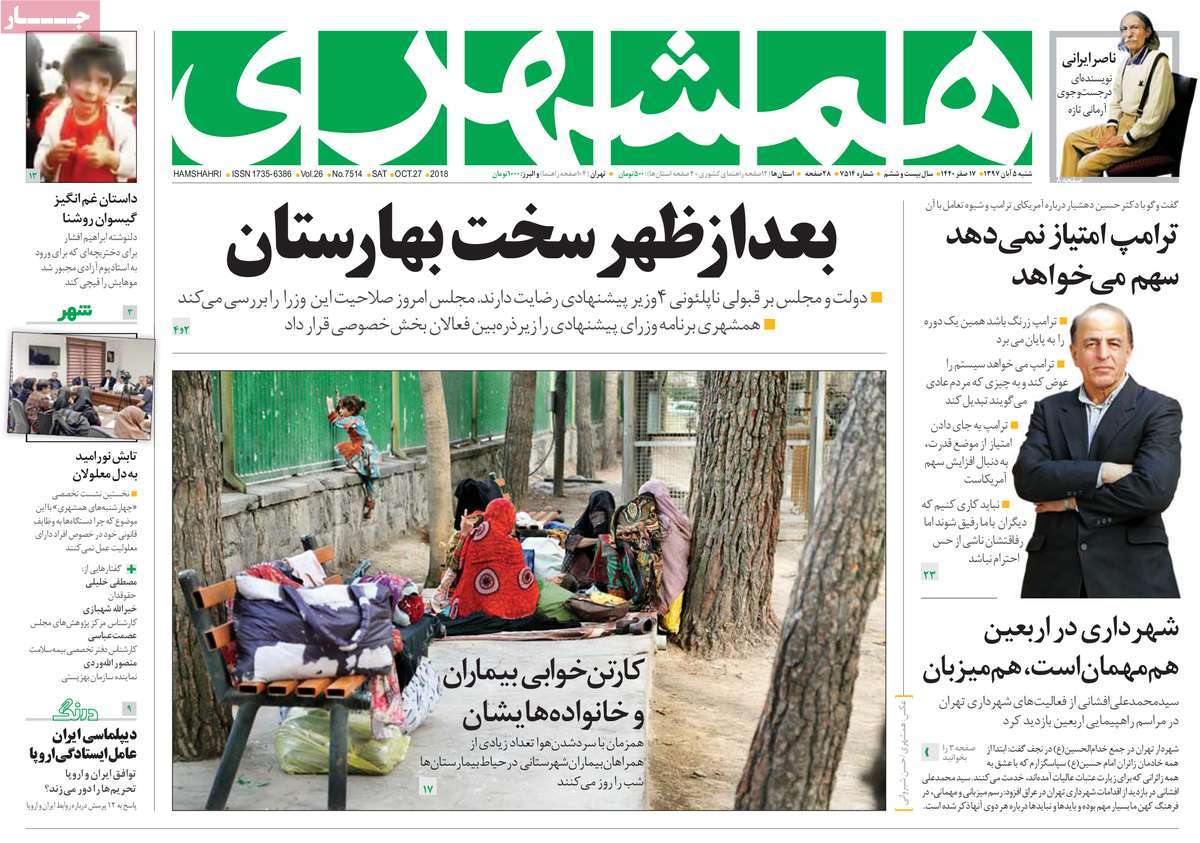
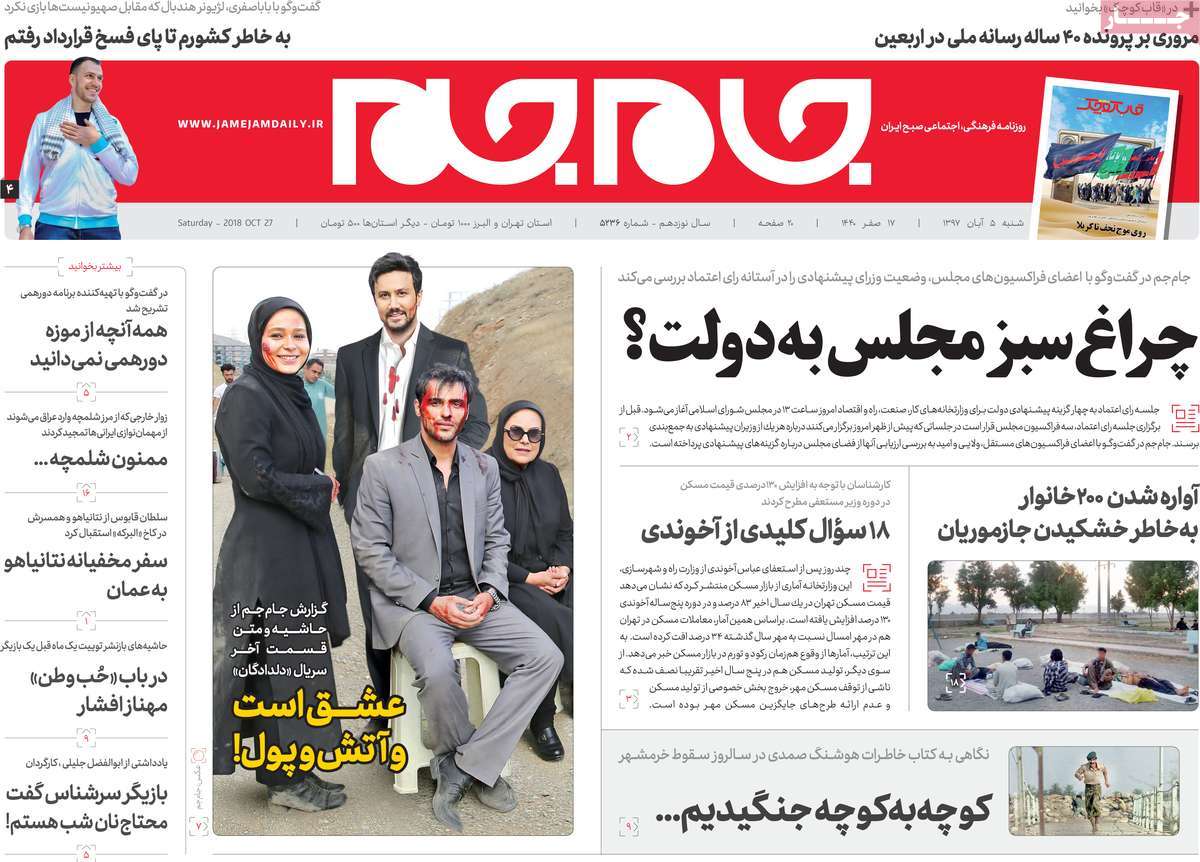
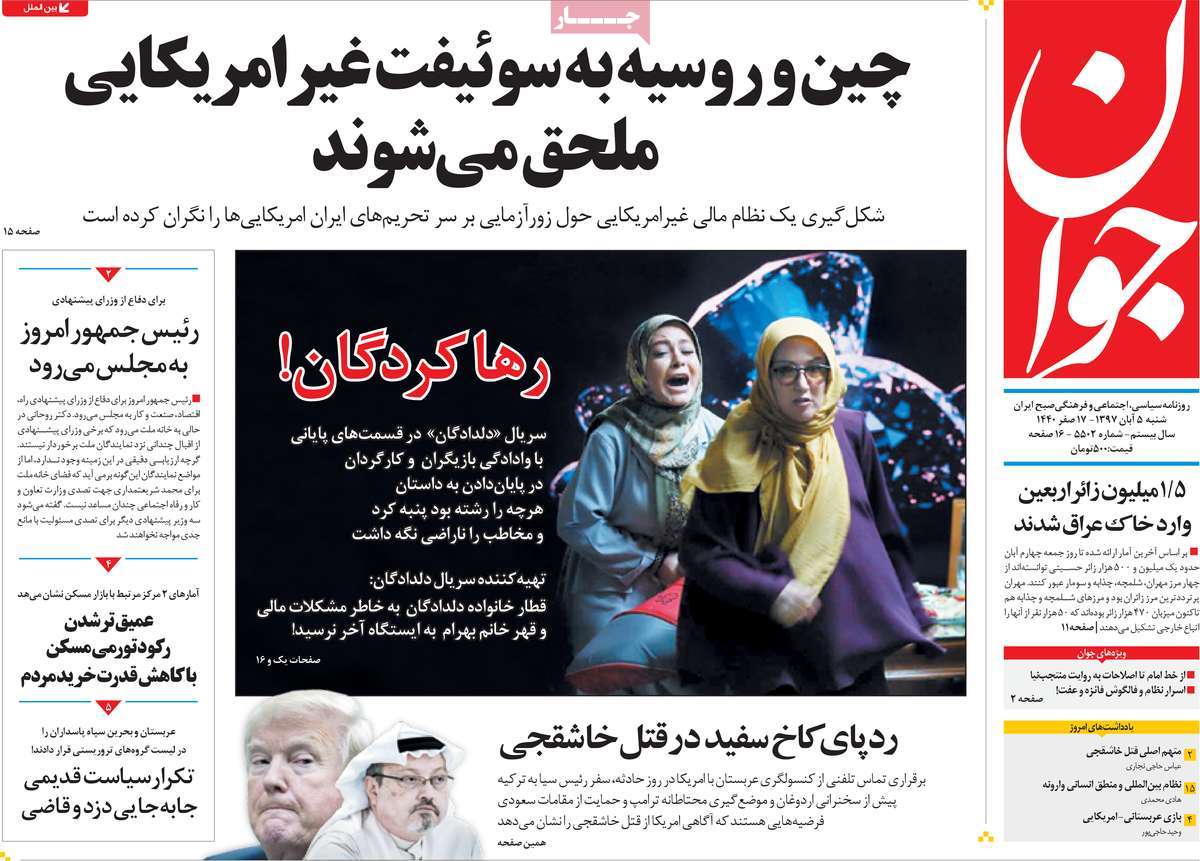
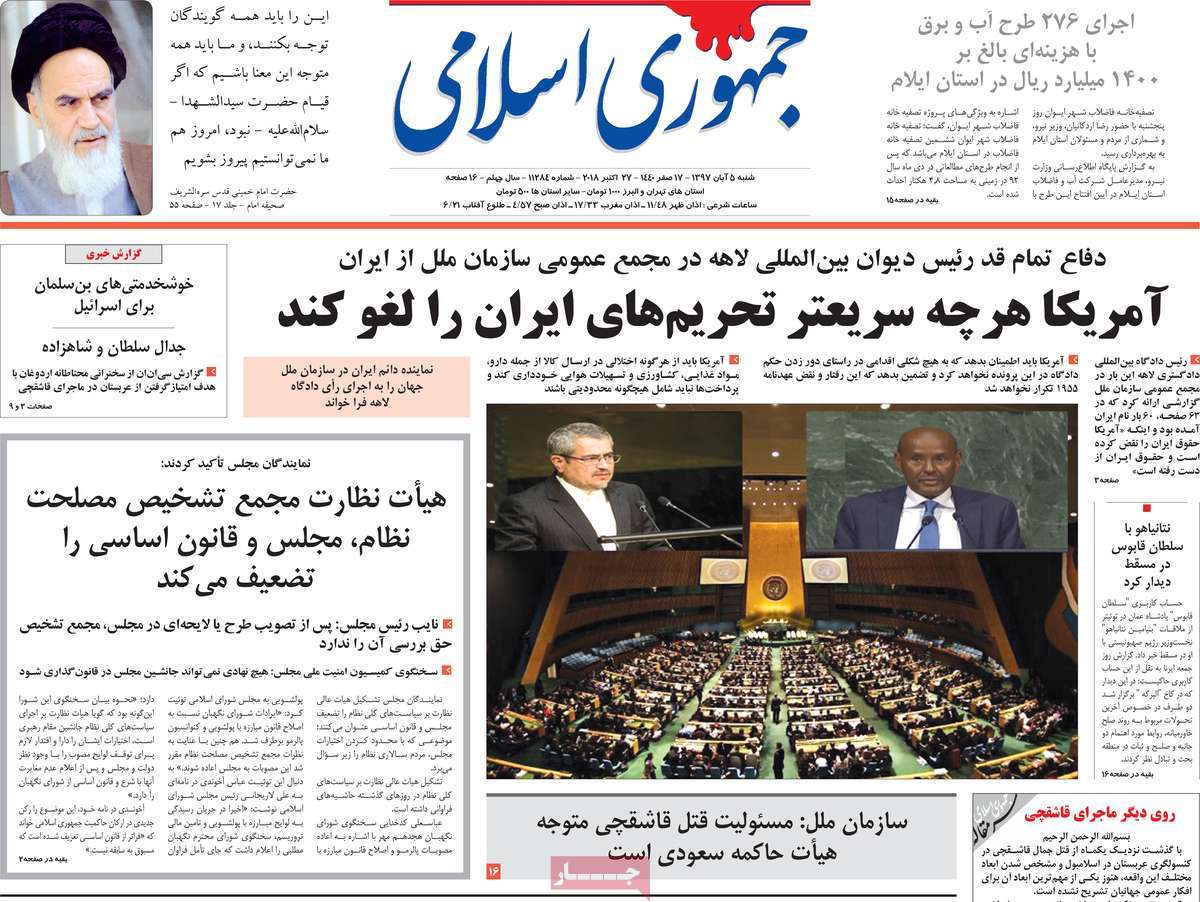
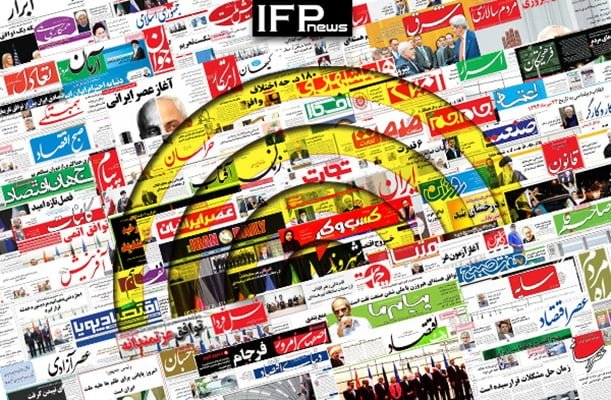
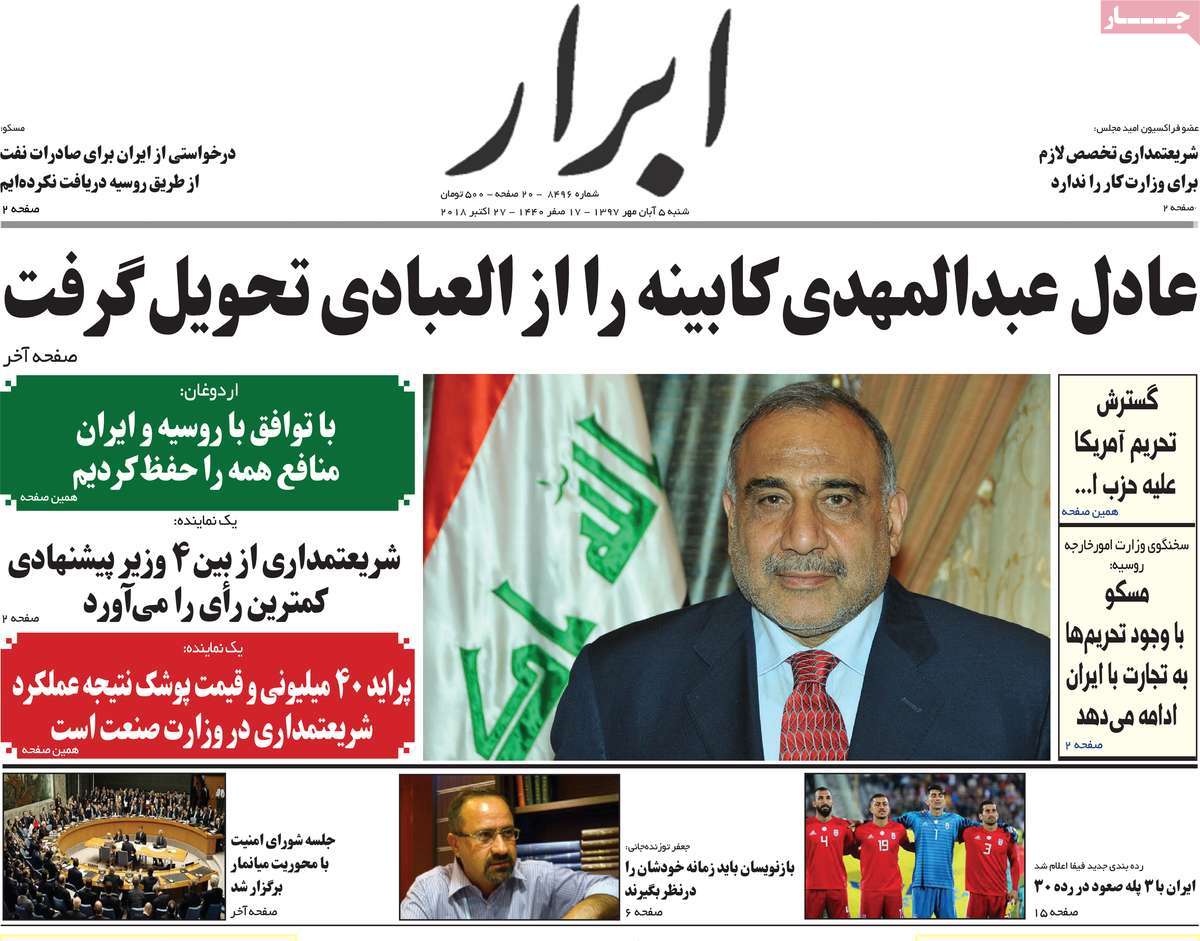
A Look at Iranian Newspaper Front Pages on October 27

A Look at Iranian Newspaper Front Pages on November 19

Several papers today covered the Parliament’s Saturday session to give a vote of confidence to four ministerial picks introduced by President Hassan Rouhani for the ministries of roads, labour, trade, and economy.

Also a top story was the formation of the new Iraqi government – 14 members of which received votes of confidence from the Parliament – and different views regarding the new politicians ruling the Arab country.

Reactions to the murder of Saudi dissident Jamal Khashoggi in the kingdom’s consulate in Istanbul, Turkey, also remained on the front pages of Iranian papers today.

The above issues, as well as many more, are highlighted in the following headlines and top stories:


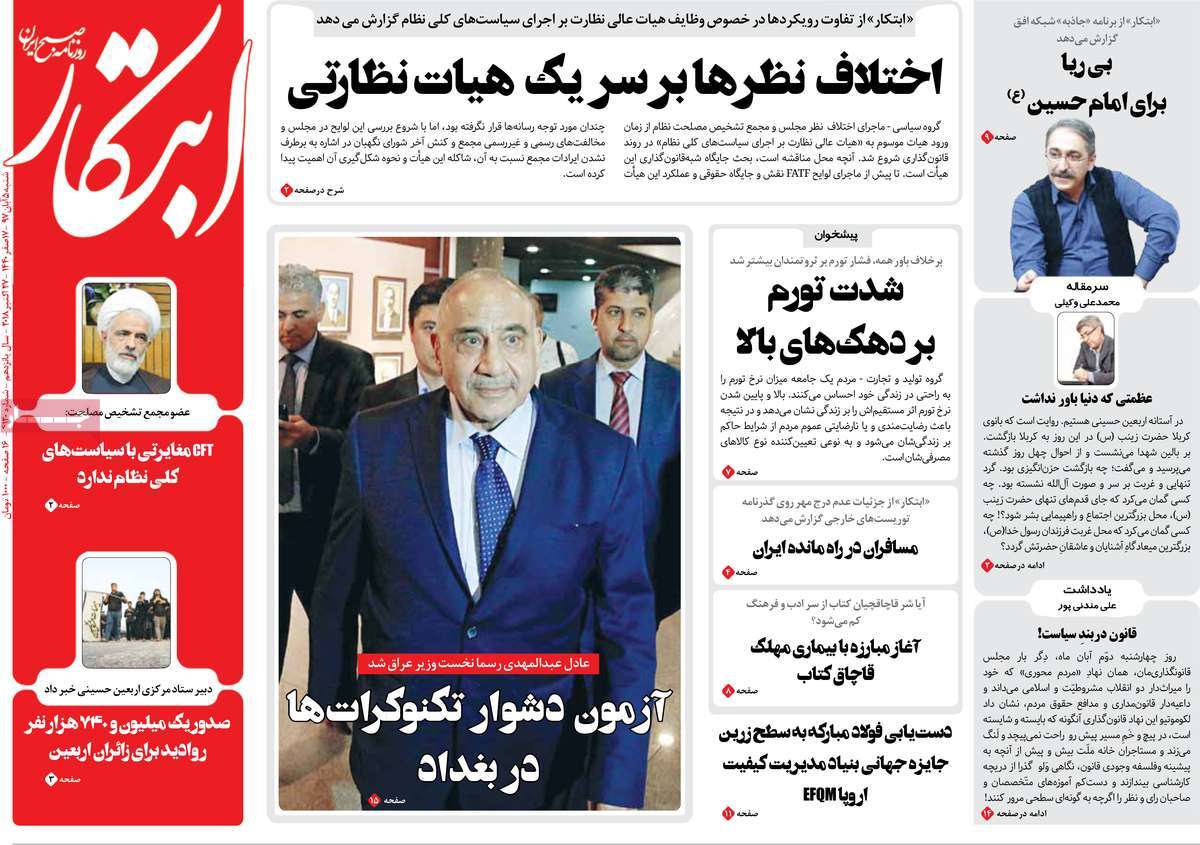
Abrar:

1- Erdogan: We Protected Everyone’s Interests by Reaching Deal with Russia, Iran

2- US Expands Sanctions against Hezbollah

3- Adel Abdul-Mahdi Replaces Al-Abadi as Iraqi Premier

A Look at Iranian Newspaper Front Pages on October 27


Aftab-e Yazd:

1- Russia Expresses Support for Saudis

  • Kremlin: No Reason to Doubt Saudis’ Comments on Khashoggi!

A Look at Iranian Newspaper Front Pages on October 27


Arman-e Emrooz:

1- Shortage of Foreign Currency Creates Problems for Arba’een Pilgrims in Borders

A Look at Iranian Newspaper Front Pages on October 27


Ebtekar:

1- Difficult Test for Technocrats in Baghdad

2- CFT Has No Contradiction with Establishment’s General Policies: Expediency Council

A Look at Iranian Newspaper Front Pages on October 27


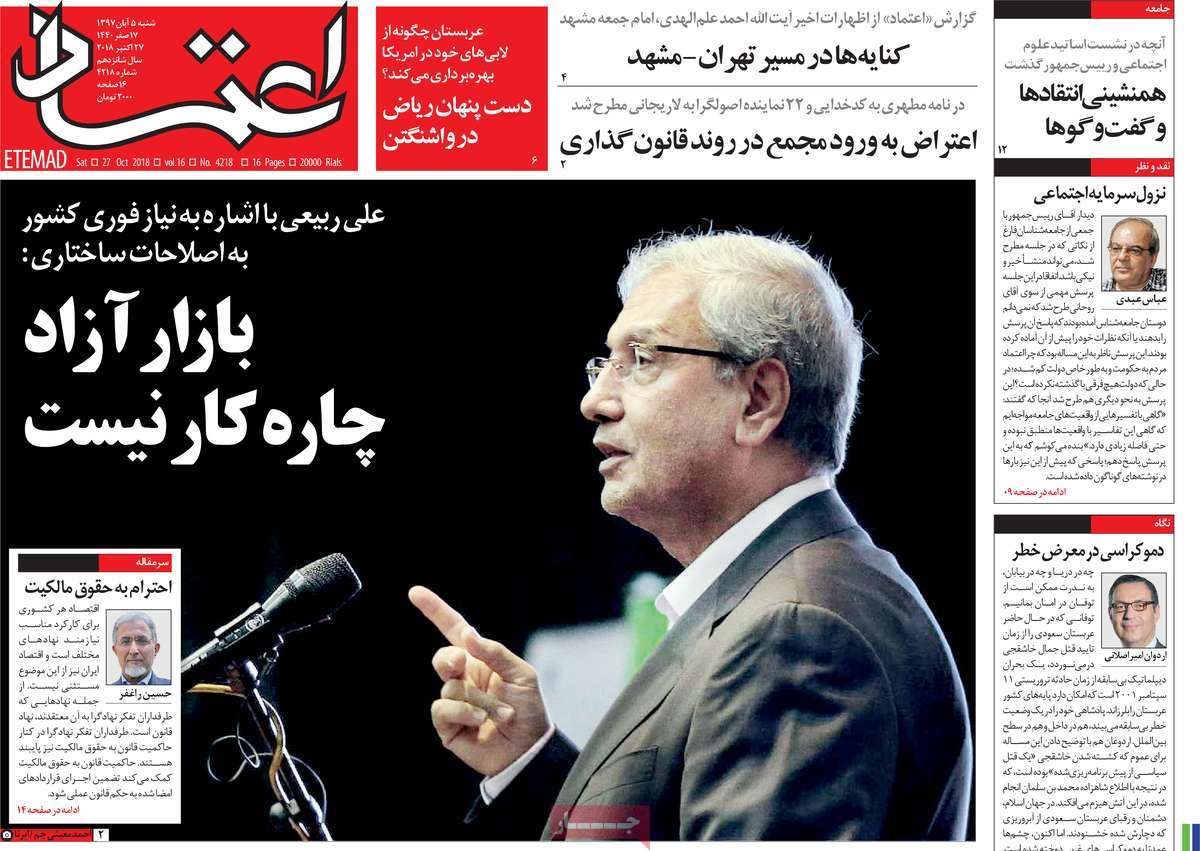
Etemad:

1- Riyadh’s Hidden Hand in Washington

  • How Saudi Arabia Uses Its Lobby Groups in US

2- MPs Slam Expediency Council for Getting Engaged in Legislation

A Look at Iranian Newspaper Front Pages on October 27


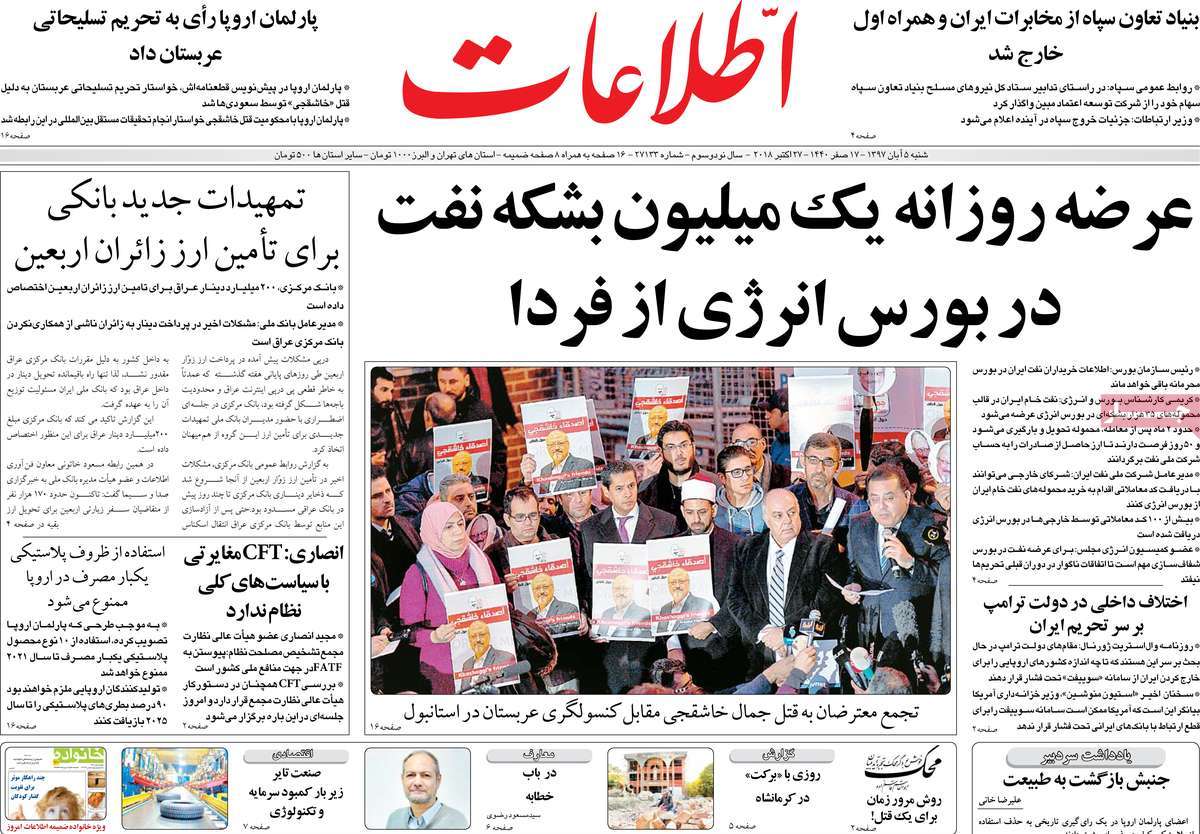
Ettela’at:

1- European Parliament Votes for Arms Embargo against Saudi Arabia

2- Protesters Hold Gathering in Istanbul against Khashoggi Murder

3- Internal Division in Trump Administration over Iran Sanctions

A Look at Iranian Newspaper Front Pages on October 27


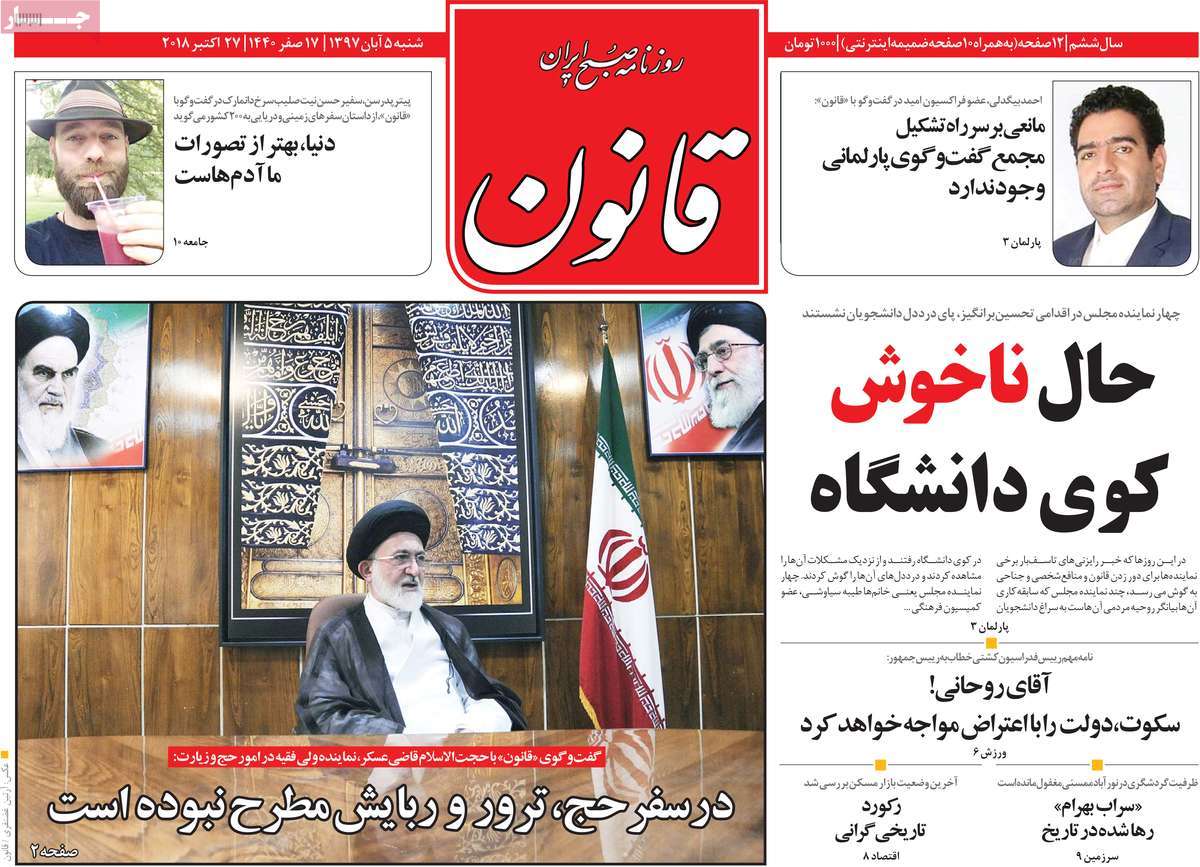
Ghanoon:

1- Pedersen, Goodwill Ambassador for Danish Red Cross, Talks of His Adventures

  • I’ve Visited 200 Countries: World Is Better than What We Think

A Look at Iranian Newspaper Front Pages on October 27


Hamshahri:

1- Tough Afternoon of Parliament

  • MPs to Give Vote of Confidence to Four Ministerial Picks

2- Trump Won’t Give Any Concessions: Analyst

A Look at Iranian Newspaper Front Pages on October 27


Jame Jam:

1- Netanyahu’s Secret Visit to Oman: Sultan Qaboos Welcomes Bibi, His Wife

2- 200 Families Displaced after Jazmourian Wetland Dried Up

A Look at Iranian Newspaper Front Pages on October 27


Javan:

1- China, Russia to Join Non-American SWIFT

2- 1.5 Million Arba’een Pilgrims Enter Iraqi Territory

A Look at Iranian Newspaper Front Pages on October 27


Jomhouri Eslami:

1- ICJ Chief Strongly Defends Iran at UNGA

  • US Must Immediately Remove Anti-Iran Sanctions

2- UN: Saudi Ruling System Is to Blame for Khashoggi’s Murder

A Look at Iranian Newspaper Front Pages on October 27


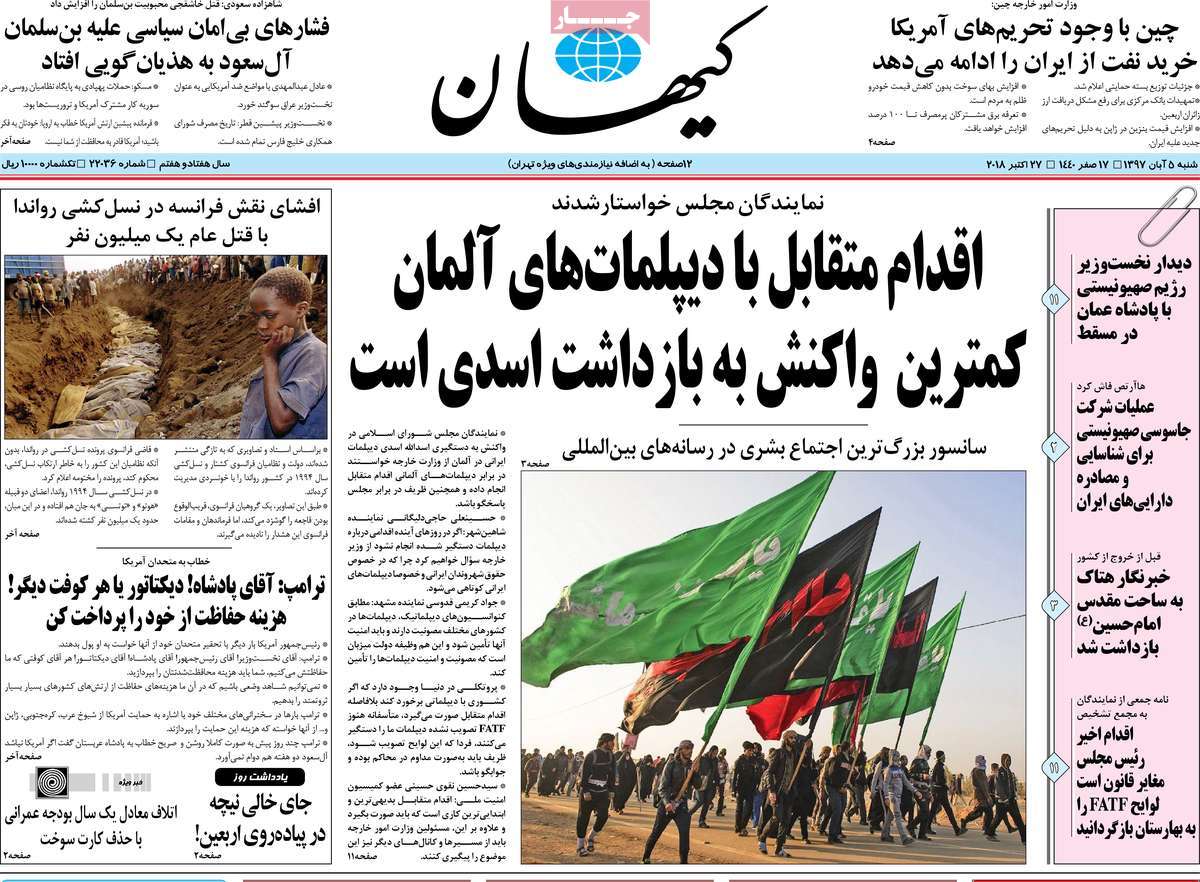
Kayhan:

1- Relentless Political Pressure on Bin Salman: Al Saud Becomes Delirious

2- France’s Role in Rwanda Genocide Where One Million Were Massacred

3- China Foreign Ministry: Beijing to Continue Buying Oil from Iran despite US Bans

4- Trump: Mr King, Dictator; You Must Pay for Your Security

  • Trump Once Again Humiliates His Allies, Urges Them to Pay

A Look at Iranian Newspaper Front Pages on October 27


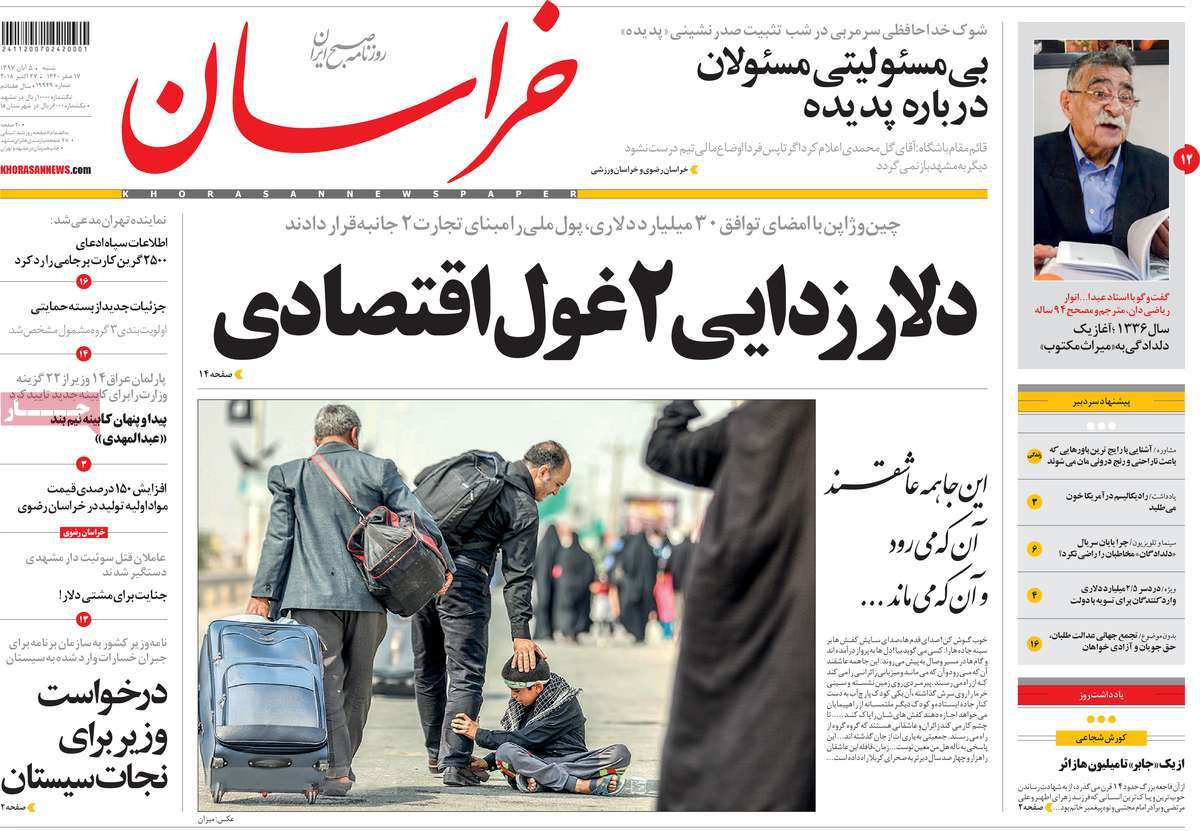
Khorasan:

1- Two Business Giants Ditch US Dollar

  • China, Japan Sign $30b Deal, Agree to Use National Currencies in Bilateral Trade

A Look at Iranian Newspaper Front Pages on October 27


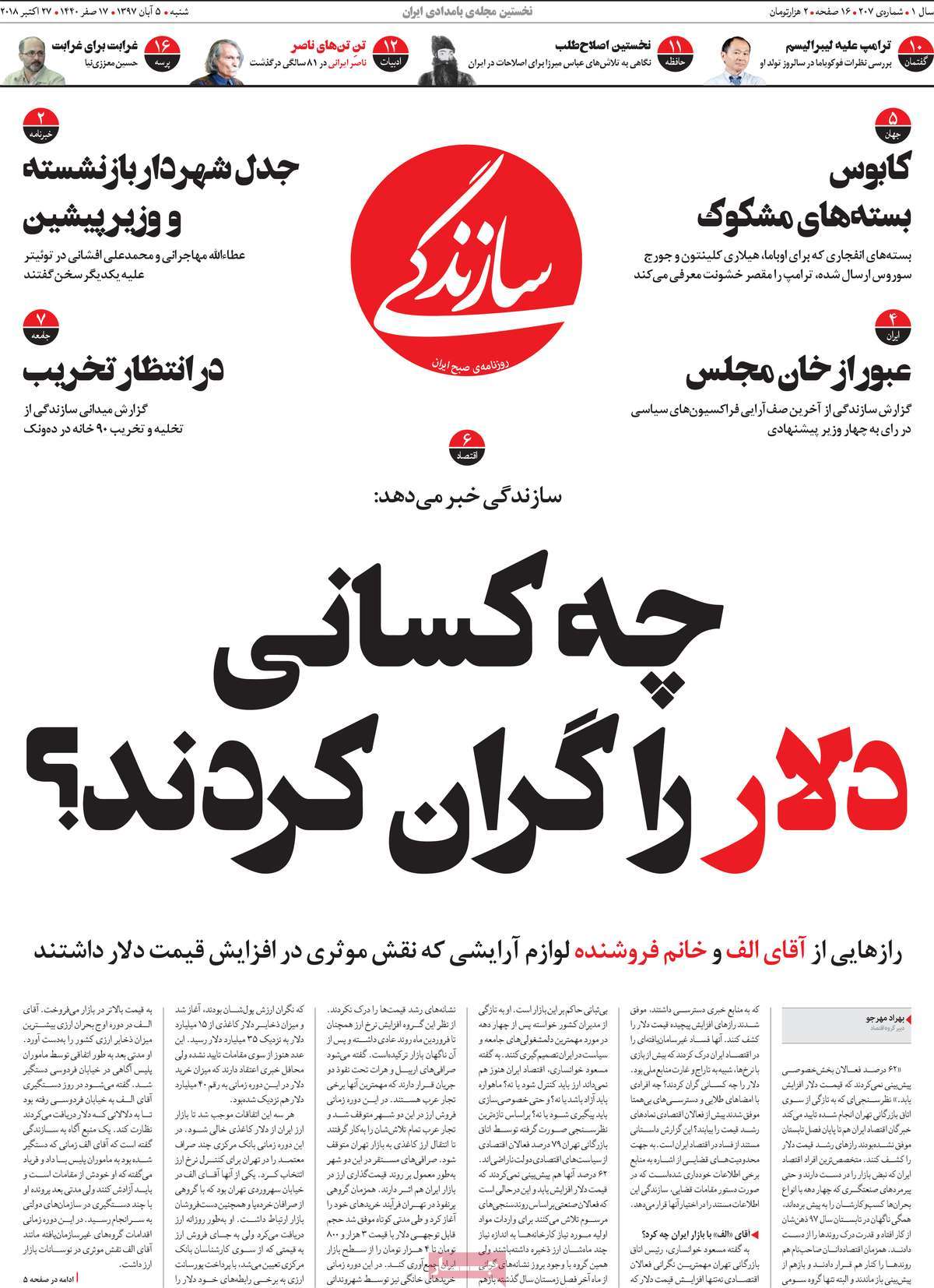
Sazandegi:

1- Nightmare of Suspicious Packages: Trump Blamed for Bombs Sent to Senior Democrats

A Look at Iranian Newspaper Front Pages on October 27


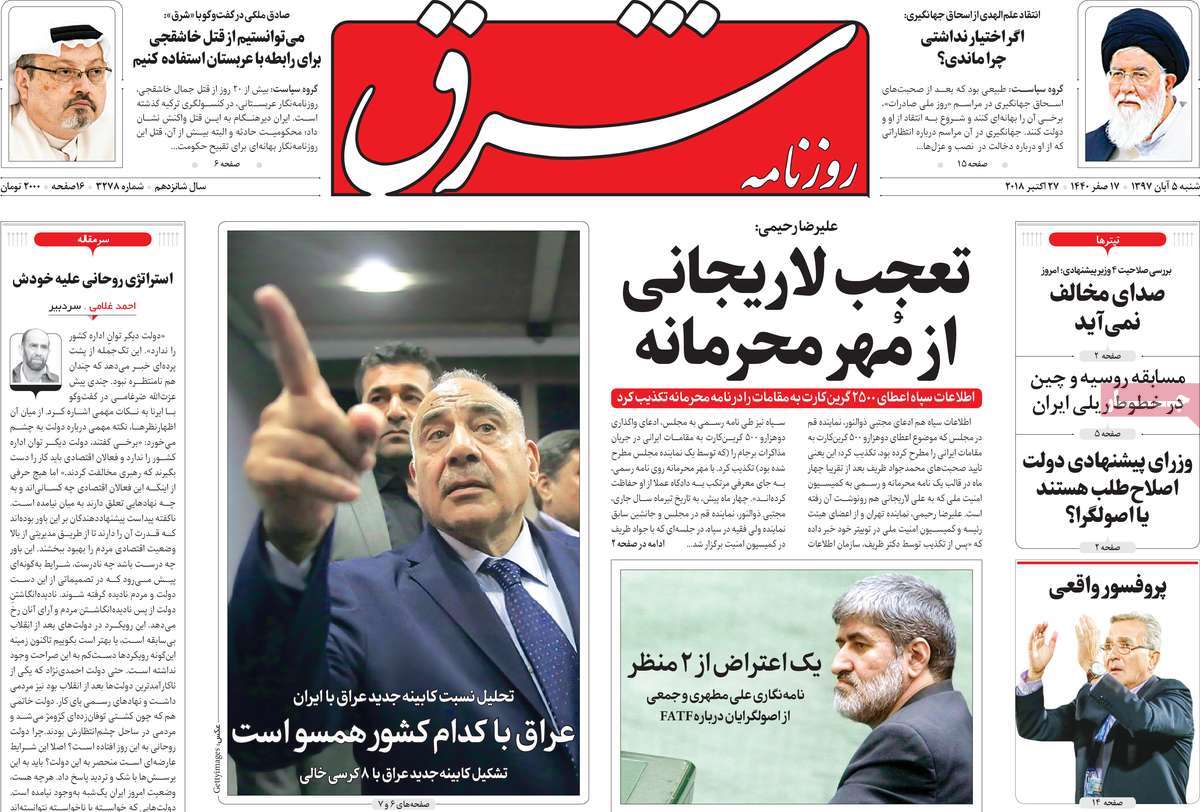
Shargh:

1- Which Country Does Iraq Favour in Foreign Policy?

  • New Iraqi Cabinet’s Ties with Iran

2- Russia-China Competition on Iran’s Railway System

3- We Could Use Khashoggi’s Case to Mend Ties with Saudis: Analyst

A Look at Iranian Newspaper Front Pages on October 27

“More Iran Pilgrims Flocking to Iraq for Arba’een This Year”

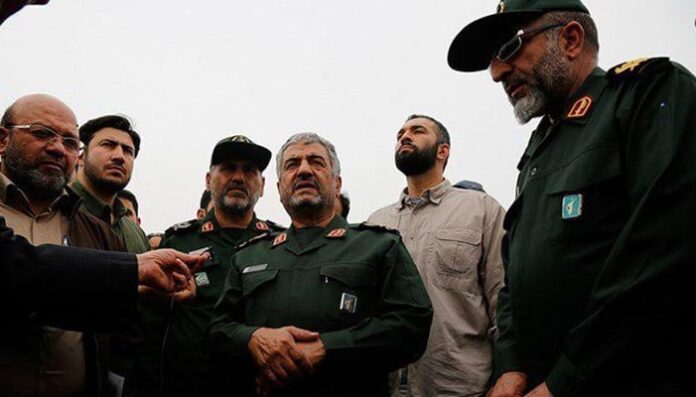
Speaking to reporters on Saturday on the sidelines of his visit to the Shalamcheh border, the top general said despite the current economic problems and hardships, Iranian pilgrims showed a huge turnout in Arba’een march.

“The presence of Iranian pilgrims in the Arb’aeen epic was more significant this year compared with previous years and even the bad weather couldn’t undermine their will and enthusiasm to take part in Arba’een pilgrimage,” he said.

The IRGC chief commander also praised all Iranian security forces including the Law Enforcement, Basij [voluntary] forces, IRGC, provincial forces as well as voluntary forces who have done whatever in their power to offer services to the Iranian pilgrims during the Arba’een march.

He then referred to the public stances set up along the roads leading to Shalamcheh border crossing and said the atmosphere in the road is filled with a strange sense which can serve as an exercise by the pilgrims for preparing themselves for the greatest event in the Shiite and Islamic beliefs.

“Araba’een march is going on seamlessly. With the measures adopted so far by two Iranian and Iraqi officials, the march is going on smoothly despite the high turnout of the pilgrims. It goes without saying that there are still some unresolved problems along the roads which should be addressed properly,” he noted.

The top commander then pointed to the main message of the march for the whole world, saying that the message of Arab’aeen march is the need for creating unity and sympathy among Muslims around the world and bringing them together in fight against aggression.

“The global message of Arba’een is that all Muslims and non-Muslims including Sunnis and Christians in the world have become united in fight against arrogant powers and they are determined to take revenge against the oppressors,” he concluded.

Large groups of mourners, mostly Iranians, are travelling on foot towards the holy city of Karbala to take part in what is described as the largest annual religious gathering on earth. They are set to reach Karbala — where Imam Hussein’s shrine is located — on October 30.

Over 1.6 million Iranians have so far entered the Iraqi territory for Arba’een pilgrimage, according to official statistics.

All roads leading to the holy city of Karbala are reportedly filled with Shiite pilgrims, who have created an 80-kilometre human chain from Najaf to Karbala. The population is expected to witness a huge increase as of Sunday.

The Iraqi army and popular forces have beefed up security along the routes leading to Karbala, and so far no issue has been reported from the huge gathering.

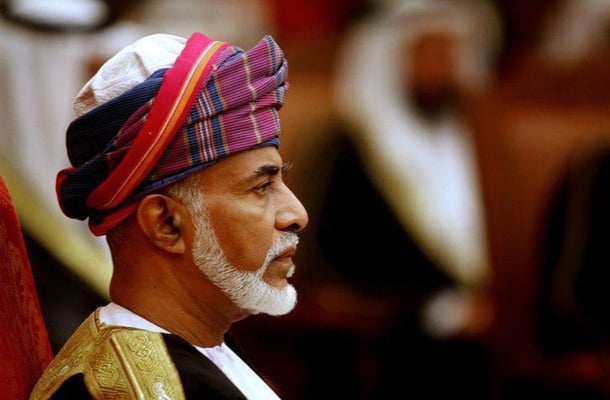
Why Did Oman Publicize Netanyahu’s Trip?

While certain European countries like Sweden refuse, for some reasons, to accept invitations by Israeli leaders, Oman publicized a recent trip to the country by Israeli Prime Minister Benjamin Netanyahu before even Israeli media covered the story.

In the past, trips by lower-level Tel Aviv officials to the Arab countries of the Persian Gulf were usually not announced. However, now that the highest ranking Israeli official has travelled to Muscat, and Oman itself has immediately spread the news across the globe, it seems the trip must have important objectives. At this juncture, Netanyahu’s trip has raised many questions, especially when it comes at a time when the Israel-Palestine peace process has been stalled, the US has relocated its Tel Aviv embassy to Jerusalem al-Quds and the Israeli side is opposed to the so-called Arab peace plan. And all of this has coincided with the crisis emanating from the assassination of dissident Saudi journalist Jamal Khashoggi. Some observers believe the trip is a joint effort to extricate Saudi Crown Prince Mohammed bin Salman from the predicament he is facing.

Mossad director Yossi Cohen and Israeli National Security Advisor Meir Ben-Shabbat accompanied Netanyahu during his trip to Oman, and this adds to the importance of the visit and sheds more light on its nature.

The reality is that Netanyahu being welcomed in Muscat under the current circumstances sends a lot of messages, but it was not unexpected of Sultan Qaboos to do such a thing, after all. He has always advocated such relations, which were clearly established in 1994. In April that year, then Israeli Deputy Foreign Minister Yossi Beilin travelled to Muscat and attended a meeting of the committees for multilateral talks on the so-called Middle East peace. In November the same year, he returned to Muscat and discussed the promotion of ties.

After a month, then Israeli Prime Minister Yitzhak Rabin went to Muscat and met with Sultan Qaboos. Afterwards, Omani Foreign Minister Yusuf bin Alawi met several times with Israeli authorities several times in Jordan and al-Quds, namely Shimon Peres. In a press conference in December 1995, he said Oman has no preconditions for establishing relations with Israel.

And when Yitzhak Rabin was assassinated, Oman’s Sultan sent Yusuf bin Alawi to Tel Aviv to express condolences. Even there, the foreign minister met with Shimon Peres.

Also in 1996, Shimon Peres, who had replaced Yitzhak Rabin, went to Muscat and reached agreement with Oman’s king over the establishment of ties through opening a trade representative agency. The two sides maintained their relations until Oman announced after the start of the second Intifada in 2000 that it had closed the Israeli agency.With such a move, Omani King Sultan Qaboos practically both put an end to the normalization of ties with the Israeli regime and tremendously boosted the position of Netanyahu and the rightist Likud party in the upcoming Knesset elections.

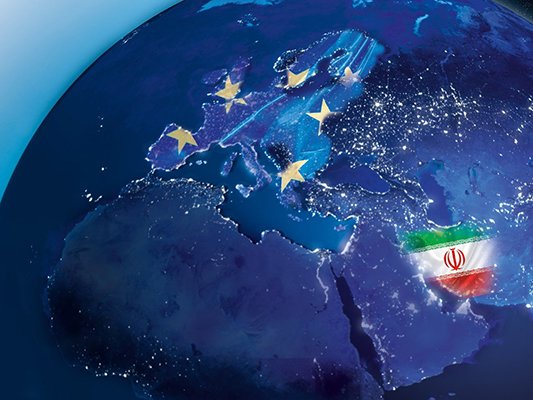
Iran-EU Payment Channel to Be Set Up Soon: Chief Banker

In a Saturday post on his Instagram, Hemmati said the channel will act as a monetary treaty between Iran and Europe.

“The details of the payment channel between Iran and Europe were discussed during a last week meeting [attended by two sides’ representatives] in Brussels,” he added.

According to the governor, the channel is based on a common understanding that the Iranian and European firms and businessmen are interested in maintaining their trade ties despite the US decision to unilaterally withdraw from the Iran nuclear deal.

“To this end, the two sides decided to set up a special payment channel to remove any possible obstacles in the way of their transactions. The channel provides Iranian and European exporters with a chance to receive their foreign exchange revenues,” he said.

According to the governor, the two sides underline the need to establish the financial mechanism operational as soon as possible. “The details of the mechanism will be finalized and released in the near future.”

The channel was presented first by Europe during the United Nations General Assembly ministerial meeting in New York in September.

The idea of setting up the channel was raised after US President Donald Trump in May pulled his country out of the JCPOA. He also re-imposed the first series of US sanctions on Iran in August and is set to devise a new wave of economic sanctions aimed at pushing Iran’s oil exports down to zero by November.

Following the ministerial meeting in September in New York, Iran and the remaining signatories of the Iran nuclear deal welcomed an EU initiative to establish a Special Purpose Vehicle (SPV) to facilitate payments related to Iran’s exports (including oil) and imports.

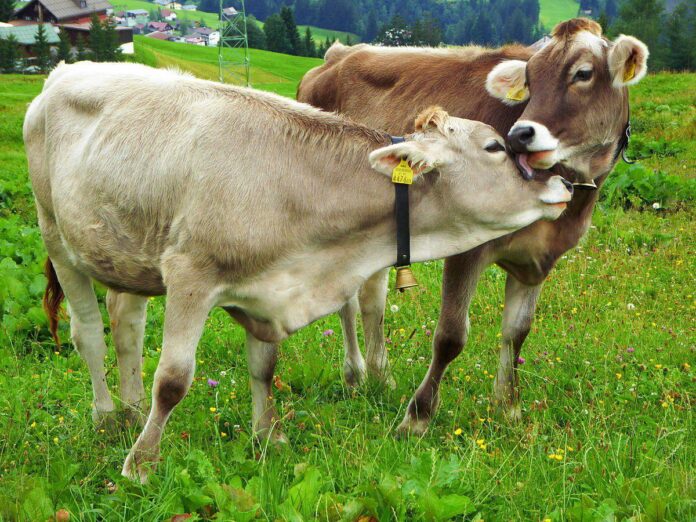
Animal Probiotics Highly Beneficial for Human Body

Probiotic microorganisms not only do not cause any diseases, but also prevent the proliferation and growth of pathogenic bacteria in the animal’s digestive system and increase the beneficial microflora in the poultry’s digestive system.

Probiotics are vital microbial supplements that help to improve the microbial balance of the intestine. Prohibition of the use of antibiotics as growth promoters in breeding poultry and reducing its consumption in other industries such as livestock breeding, aquatics breeding and beekeeping have led to a growing use of probiotics as a substitute for antibiotics.

Animal Probiotics Highly Beneficial for Human BodyThe use of appropriate probiotics, in addition to preventing antibiotic resistance in gastrointestinal bacteria, improves the efficiency of livestock, poultry, aquatics and bees by increasing the population of beneficial bacteria in the gastrointestinal tract.

In general, the mechanism of action of probiotics is as follows:

  • Competing with pathogens to grow properly in the intestines
  • Reducing intestinal pH
  • Production of antimicrobial agents such as lactoferrin, lysozyme, bacteriosin and natural antibiotics
  • Generating gastrointestinal immune responses

Probiotics can cause micro-ecological conditions in the gastrointestinal tract that reduce the harmful effects of pathogens and increase the effect of useful microorganisms, which ultimately can enhance the health of the gastrointestinal tract.

The use of probiotics plays an important role in improving the condition of newborn animals. These compounds contribute to the growth and balance of microflora, which improves the health of the intestines and the general health of the animal.

For a more detailed review of Iran’s achievments in various fields of science and technology, check the book “Science and Technology in Iran: A Brief Review”, released by the Science and Technology Department of the Iranian President’s Office.

Of course, the use of probiotic products in the livestock and poultry industry also has many economic benefits, including increased chicken meat production, reduced antibiotic consumption, and improved livestock performance.

Improved feedstock for poultry, cattle and marine creatures finally makes them healthier and obviate the need for them to use drugs (especially antibiotics), hence making the families’ diets healthier as well.